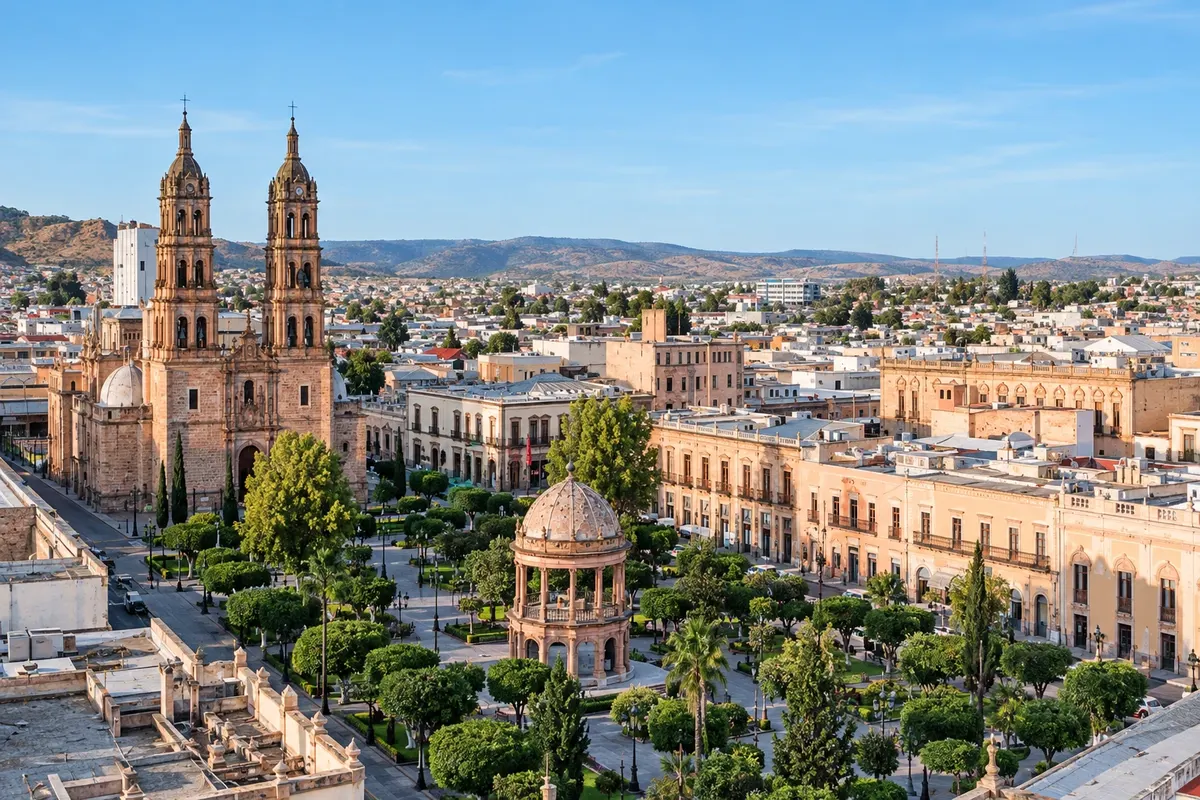
The state of Durango occupies a plateau between the Sierra Madre Occidental and the desert, and the capital, officially Victoria de Durango, was founded in 1563 as a base for northern New Spain’s mining. The city sits at about 1,900 meters above sea level and its historic centre is part of the Camino Real de Tierra Adentro, a UNESCO World Heritage Site.
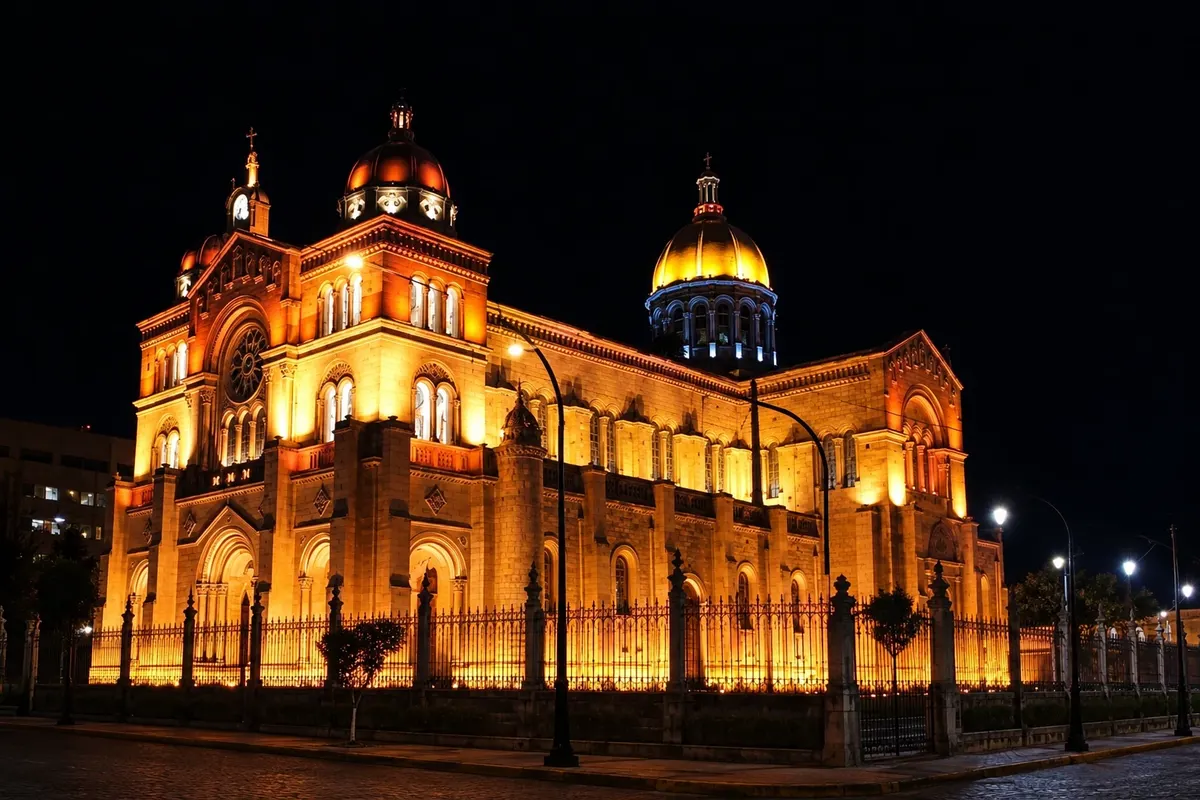
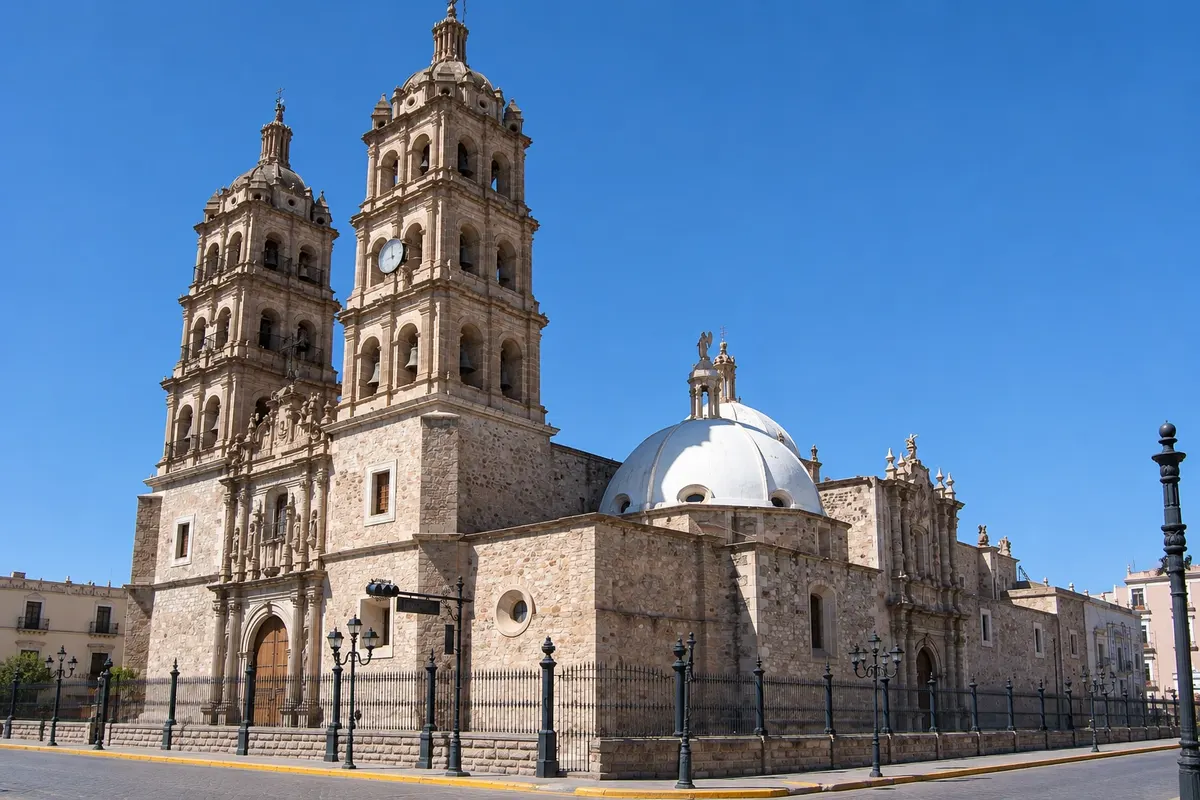
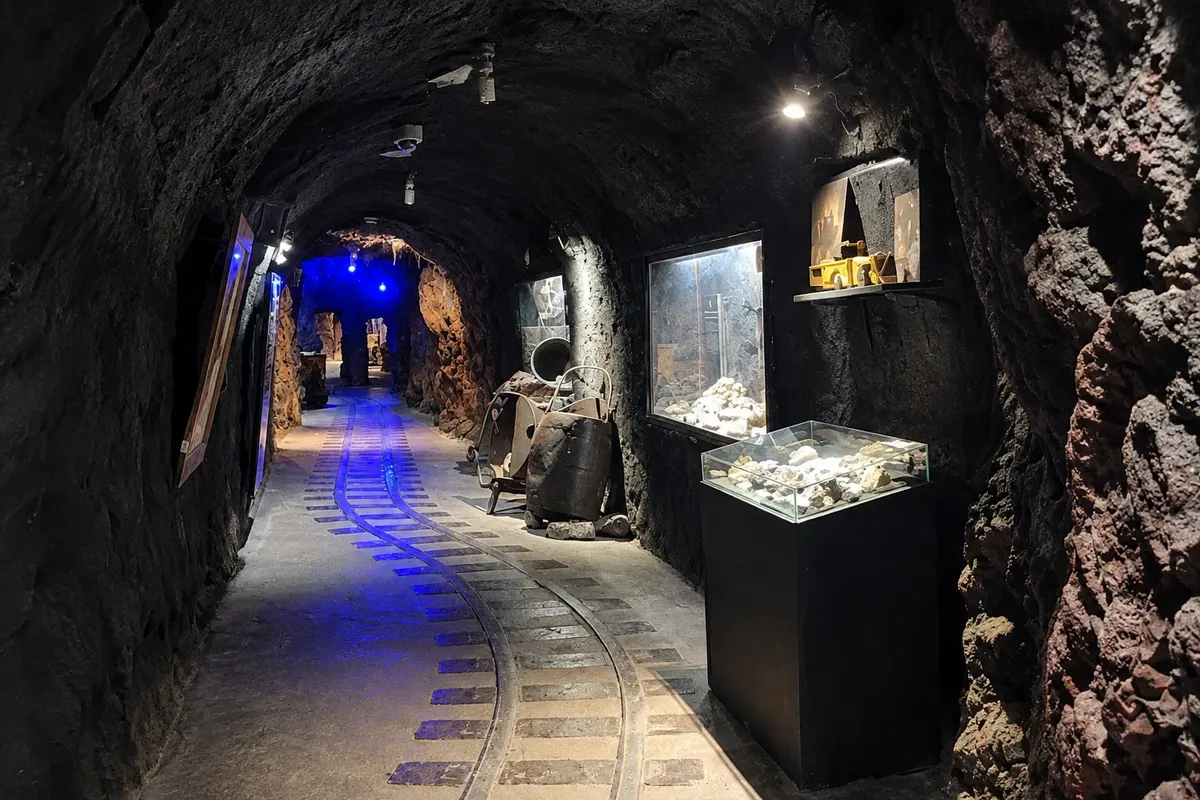
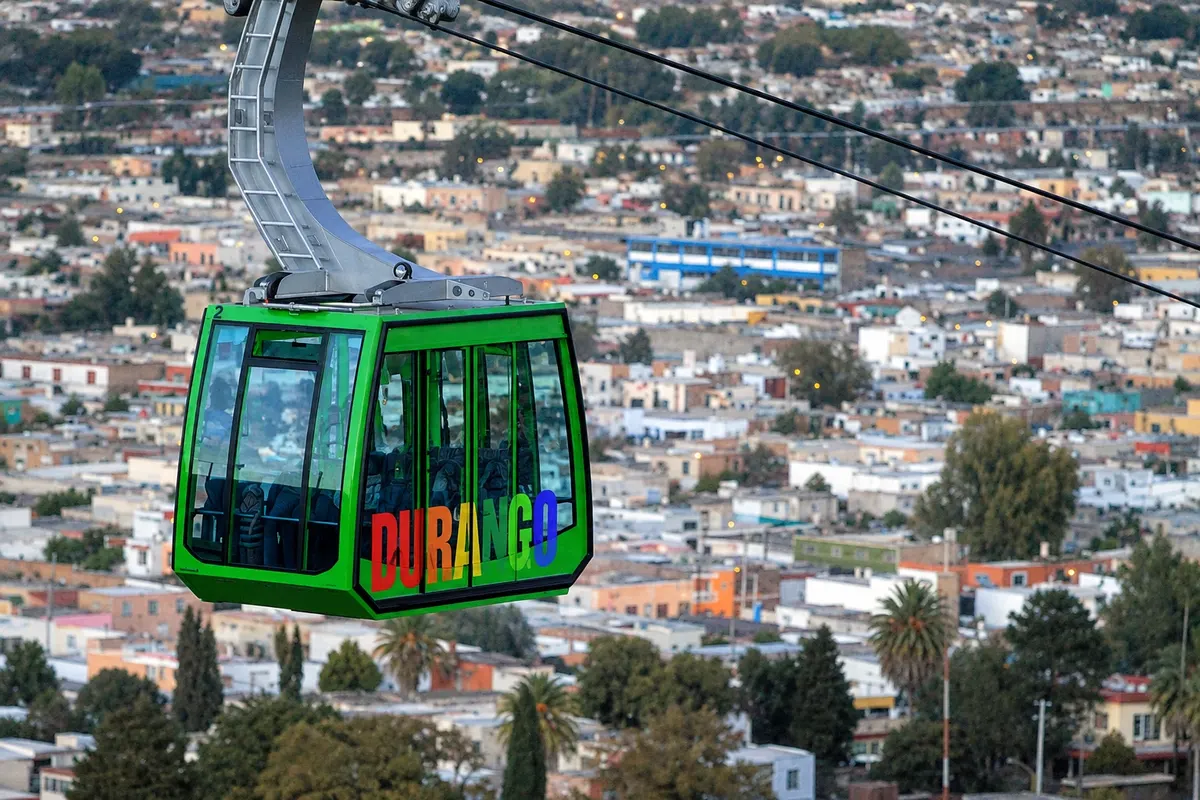
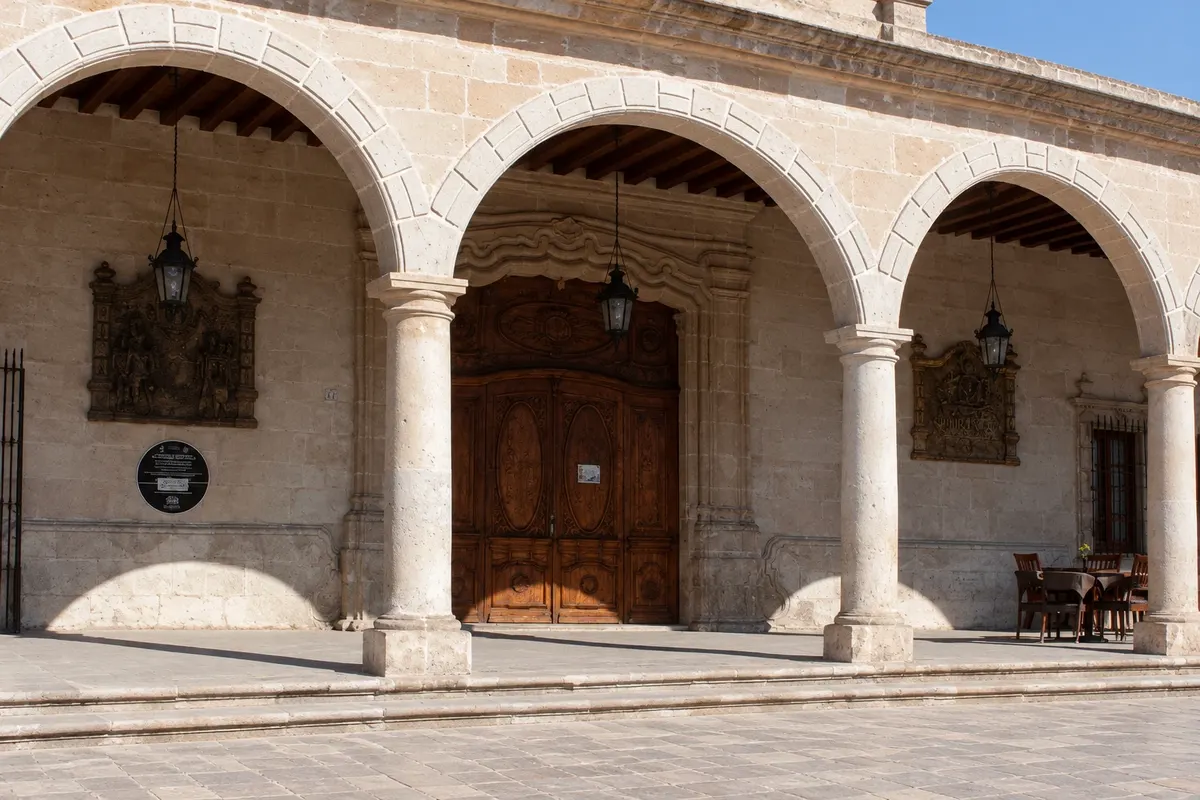
The centre features the basilica–cathedral with a baroque façade, the Plaza de Armas, stone mansions and pedestrian Constitución Street. Under the plaza, a mining tunnel recreates the history of the mines, and a cable car links two hills above the rooftops. The Zambrano Palace houses the museum of Francisco Villa, who was born in the state.
In the 20th century, the desert landscapes, rock formations and clear skies made Durango one of the major settings for western films: dozens of American and Mexican productions were shot there, and old sets lie a few kilometres from the city, partly converted into theme parks.
The cuisine includes caldillo duranguense, a stew made with dried beef, and the local mezcal. Durango follows UTC−6, Mexico City Time, with no daylight saving time.
This destination brings together 1 city: Durango.


 Brazil
 Argentina
 Bolivia
 Chile
 Colombia
 Ecuador
 Guyana
 French Guiana
 Falkland Islands (Malvinas)
 Paraguay
 Peru
 Suriname
 Uruguay
 Venezuela
 Germany
 Austria
 Belgium
 Croatia
 Denmark
 Slovakia
 Slovenia
 Spain
 Finland
 France
 Greece
 the Netherlands
 Hungary
 Ireland
 Iceland
 Italy
 Luxembourg
 Norway
 Poland
 Portugal
 the United Kingdom
 the Czech Republic
 Sweden
 Switzerland
 Turkey
 Canada
 the United States
 the Dominican Republic
 South Africa
 Egypt
 Australia
 Fiji
 New Zealand
 Papua New Guinea