Dish · Finland
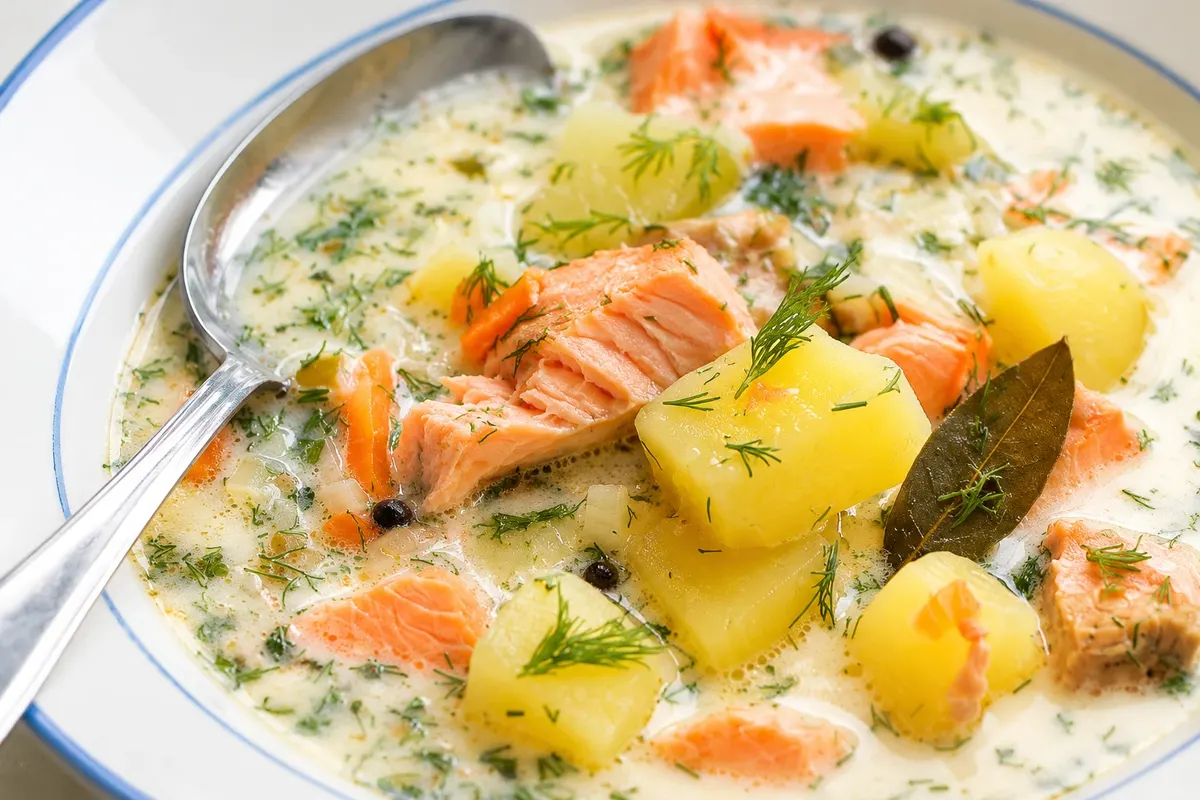
lohikeitto
Salmon soup with potato, carrot and leek, in a broth finished with cream and fresh dill on top. It’s a nationwide dish, served in lunch restaurants, cafés and homes, almost always with rye bread.

 Search
 Brazil
 Argentina
 Bolivia
 Chile
 Colombia
 Ecuador
 Guyana
 French Guiana
 Falkland Islands (Malvinas)
 Paraguay
 Peru
 Suriname
 Uruguay
 Venezuela
 Germany
 Austria
 Belgium
 Croatia
 Denmark
 SpainFinland
 France
 Greece
 the Netherlands
 Hungary
 Ireland
 Iceland
 Italy
 Luxembourg
 Norway
 Poland
 Portugal
 the United Kingdom
 the Czech Republic
 Sweden
 Switzerland
 Turkey
 Canada
 the United States
 Mexico
 the Dominican RepublicTurkey
 South Africa
 Australia
 Fiji
 New Zealand
 Papua New Guinea
Flavors · Kainuu
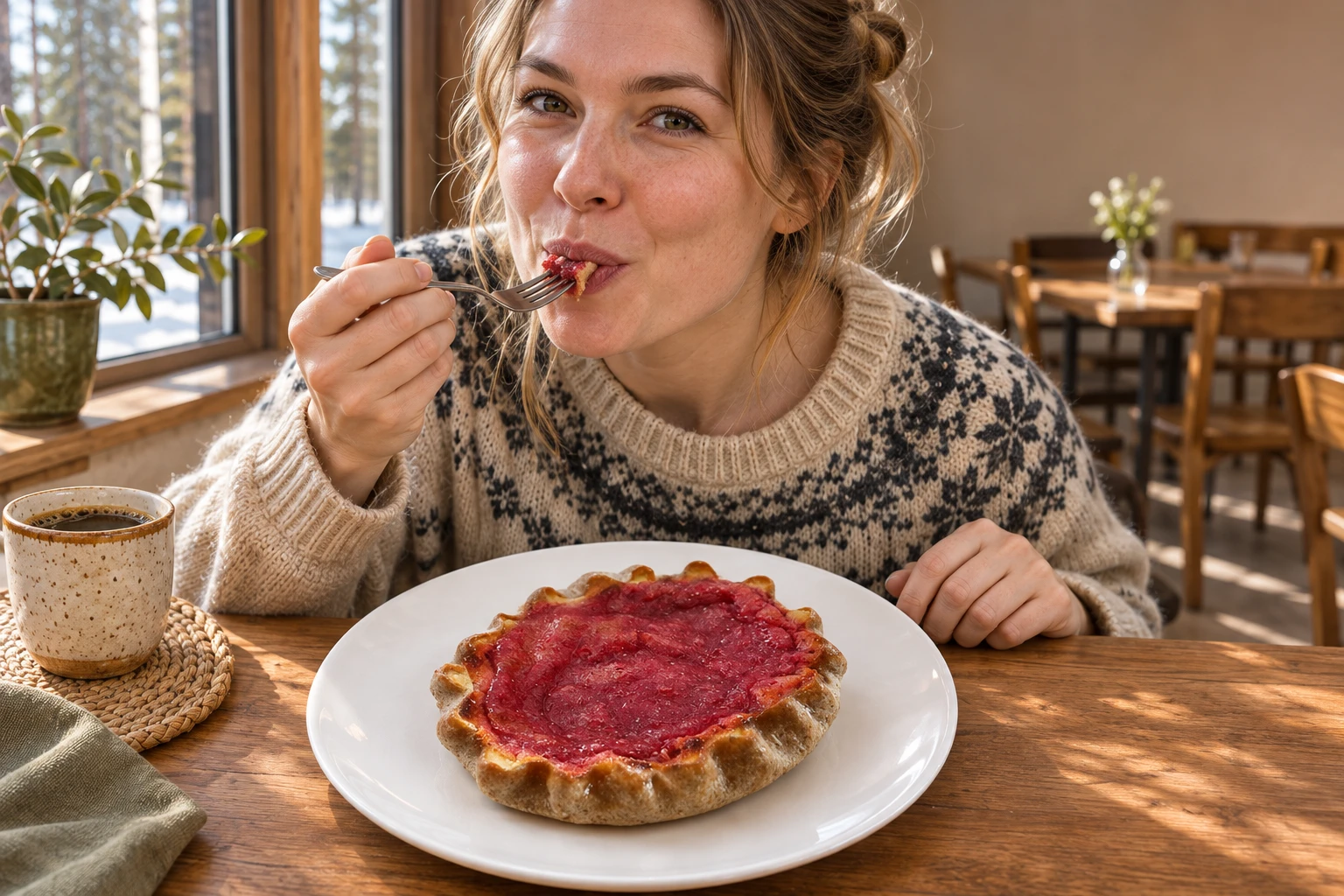
Small round open tart made with a rye crust, filled with mashed potato sweetened by the potato itself and crushed lingonberry. It is the specialty of the Kainuu region and has a protected geographical indication from the European Union.
Traditional sweet from Kainuu
Also known as: rönttönen, rönttöset, Kainuun rönttöset
Illustrative images. The pictures in this guide are illustrations based on the real place, not photographs, and may differ from it.

Click a photo to enlarge it.
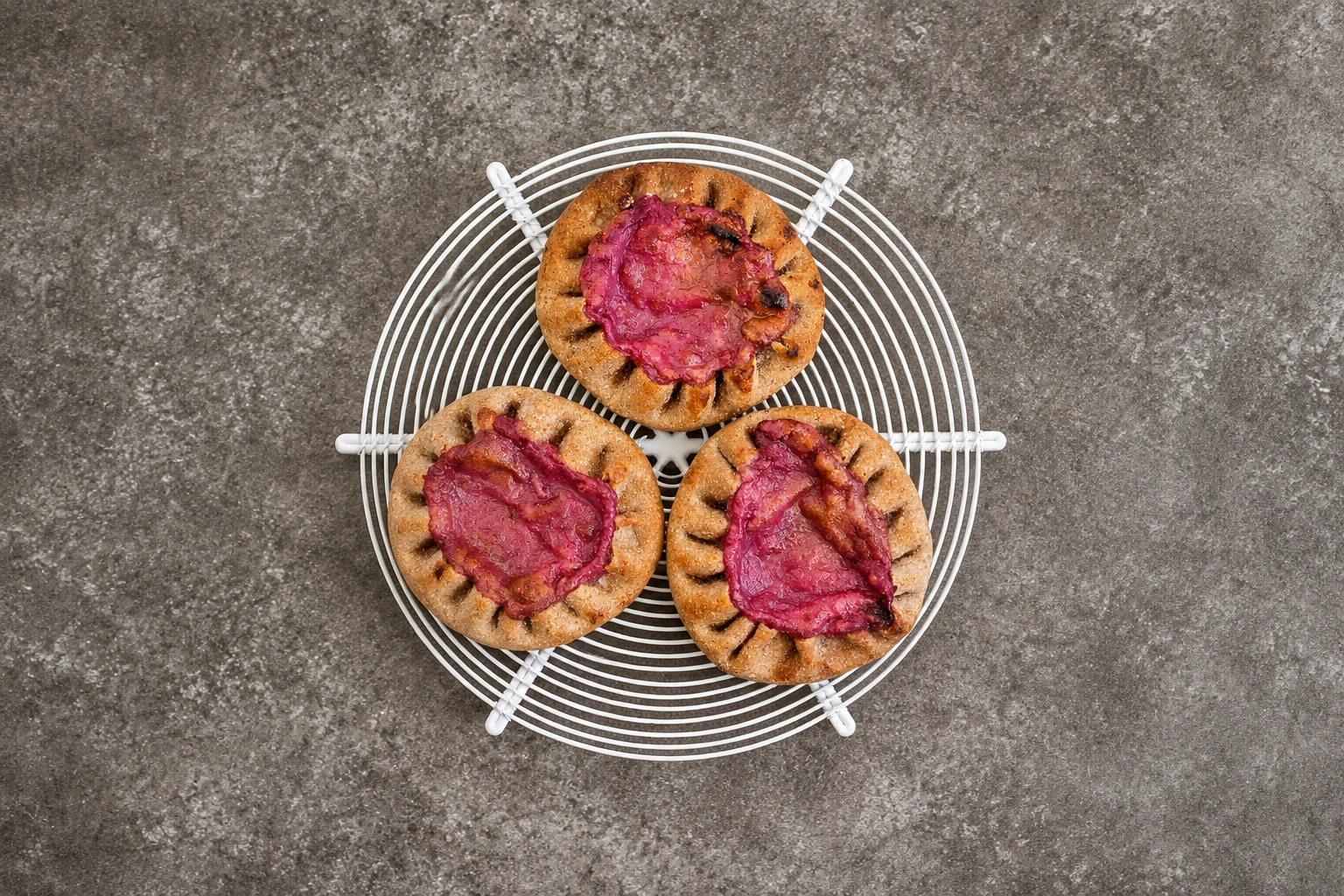
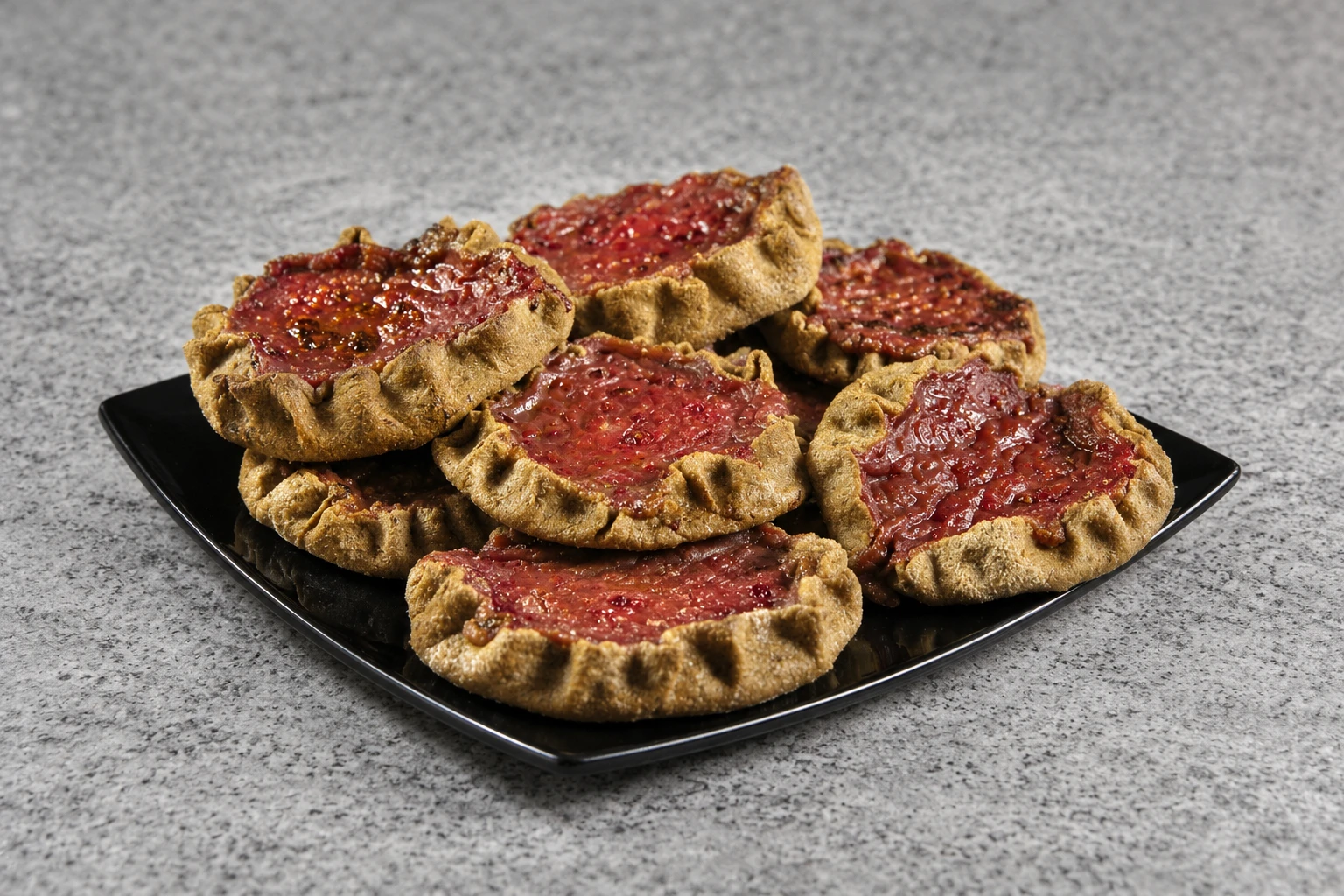
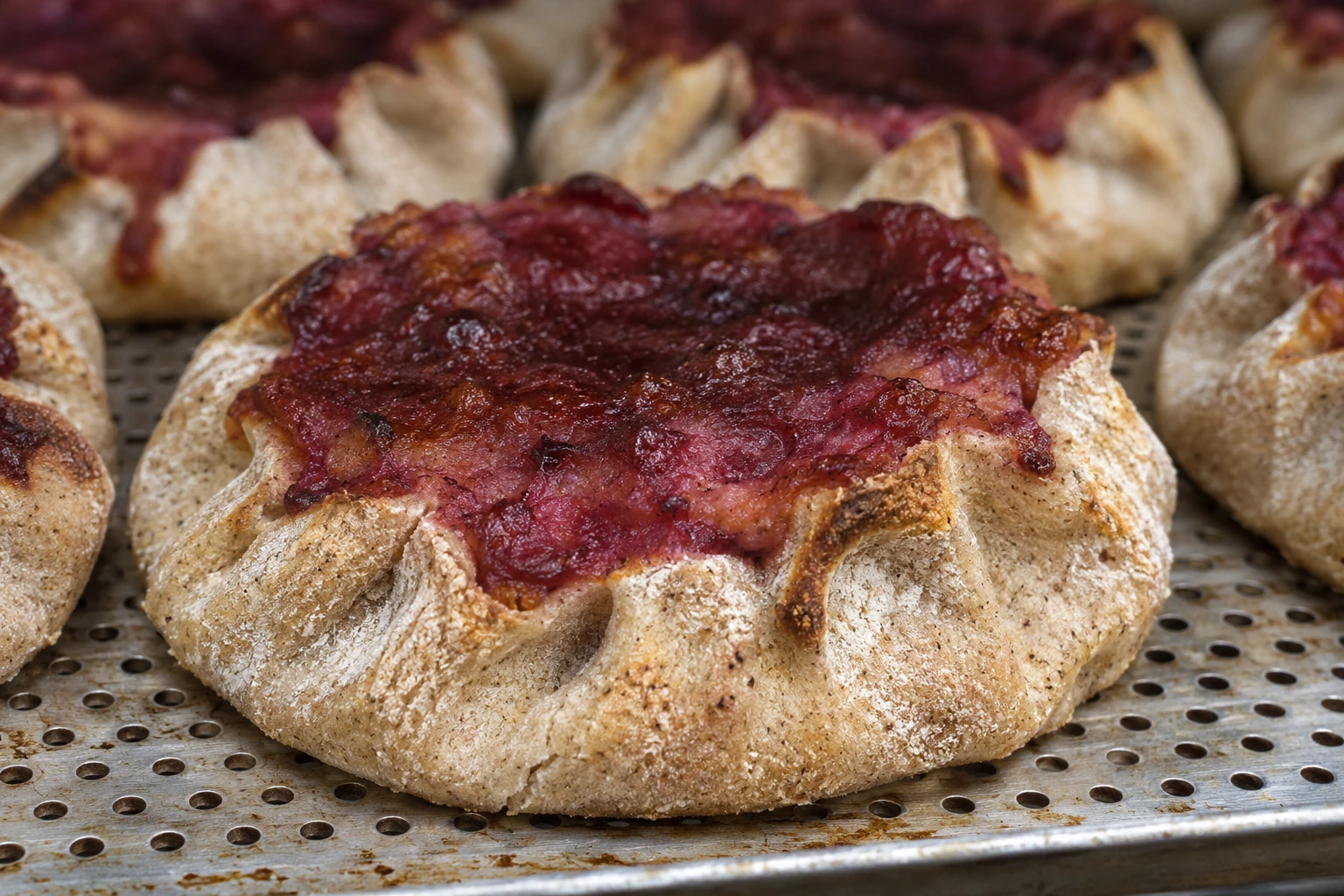
Kainuun rönttönen — Kainuu, Finland
Kainuun rönttönen is a small, round open tart with hand-pleated edges. The dough is rye with a portion of wheat and a slight sour fermentation that makes it tender. The filling is made from cooked, mashed potato that rests warm with a little rye flour: enzymes convert some of the starch into sugar, a process Finns call imellytys. The sweetened potato is mixed with crushed lingonberry, which adds color and acidity.
The official EU registration document explains that the rönttönen satisfied sweet cravings at a time when sugar was rare or nonexistent in the region: the sweetness came from the potato. The same source notes that cookbooks automatically associate the rönttönen with Kainuu and that it is a local specialty of Kuhmo, a municipality in the region. In 2008 the name Kainuun rönttönen was registered as a protected geographical indication, and it can only be made within Kainuu.
Bakeries in the region make rönttönen daily for shops and cafés, and production increases during festival seasons, such as the Kuhmo chamber music festival. Traditionally the rönttönen accompanies soups; it is also a snack with coffee, eaten cold or warm, sometimes with a bit of butter.
Kainuu
Kainuu is the region of the rönttönen: the name has a protected geographical indication and the tart can only be made there.
Dough of rye flour with a little wheat, water and salt. Filling of potato sweetened by rye flour, lingonberry, and in some recipes, sugar.
Cold or warm, whole, as an accompaniment to soup or as a coffee snack; sometimes with butter on top.
Everyday food, no fixed date.
Your questions
An open rye tart filled with mashed potato sweetened and lingonberry. It is the specialty of the Kainuu region in eastern Finland and has a protected geographical indication.
Cooked potato rests warm with rye flour, and some of the starch turns into sugar. It was a way to make a sweet when sugar was scarce in the region.
Cold or warm, as a coffee snack or served with soup, sometimes with a little butter.
Flavors of Finland
Salmon soup with potato, carrot and leek, in a broth finished with cream and fresh dill on top. It’s a nationwide dish, served in lunch restaurants, cafés and homes, almost always with rye bread.
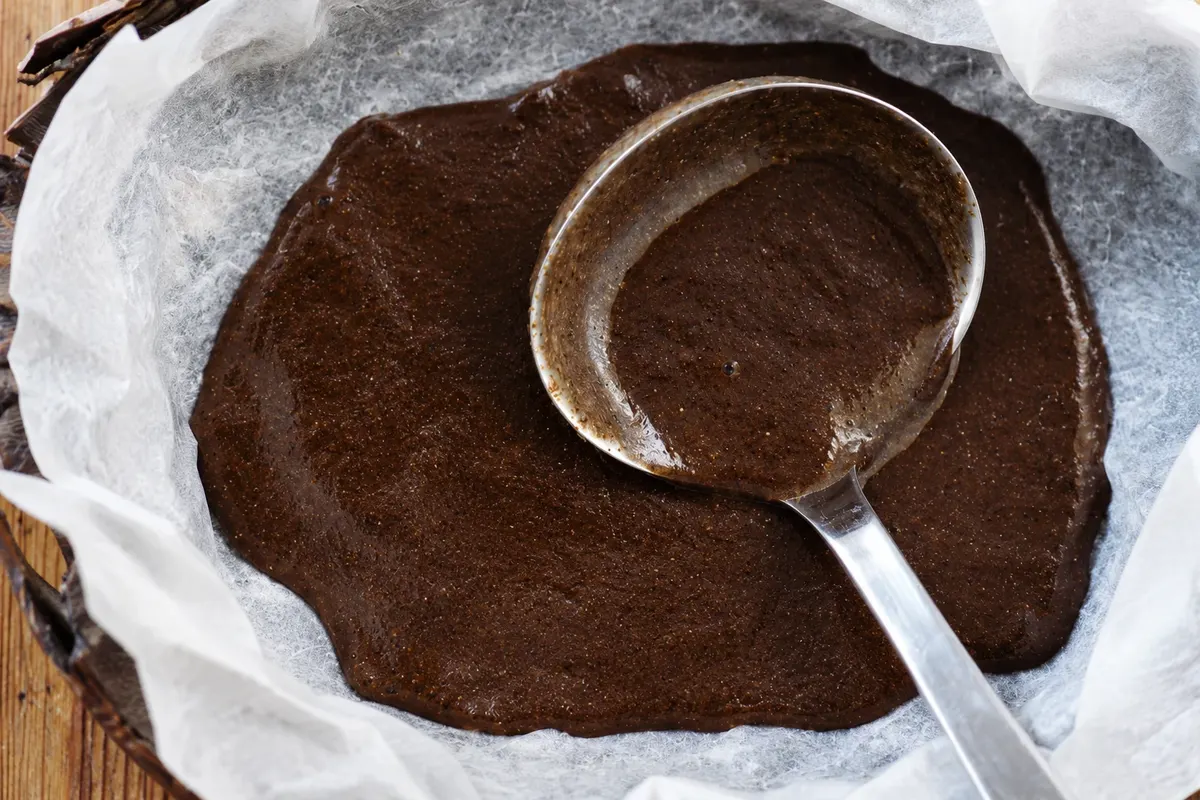
A dark Easter sweet made from rye flour and rye malt slowly cooked until they sweeten on their own, with bitter orange peel. It is served cold with heavy cream and sugar, and appears throughout the country before Easter.
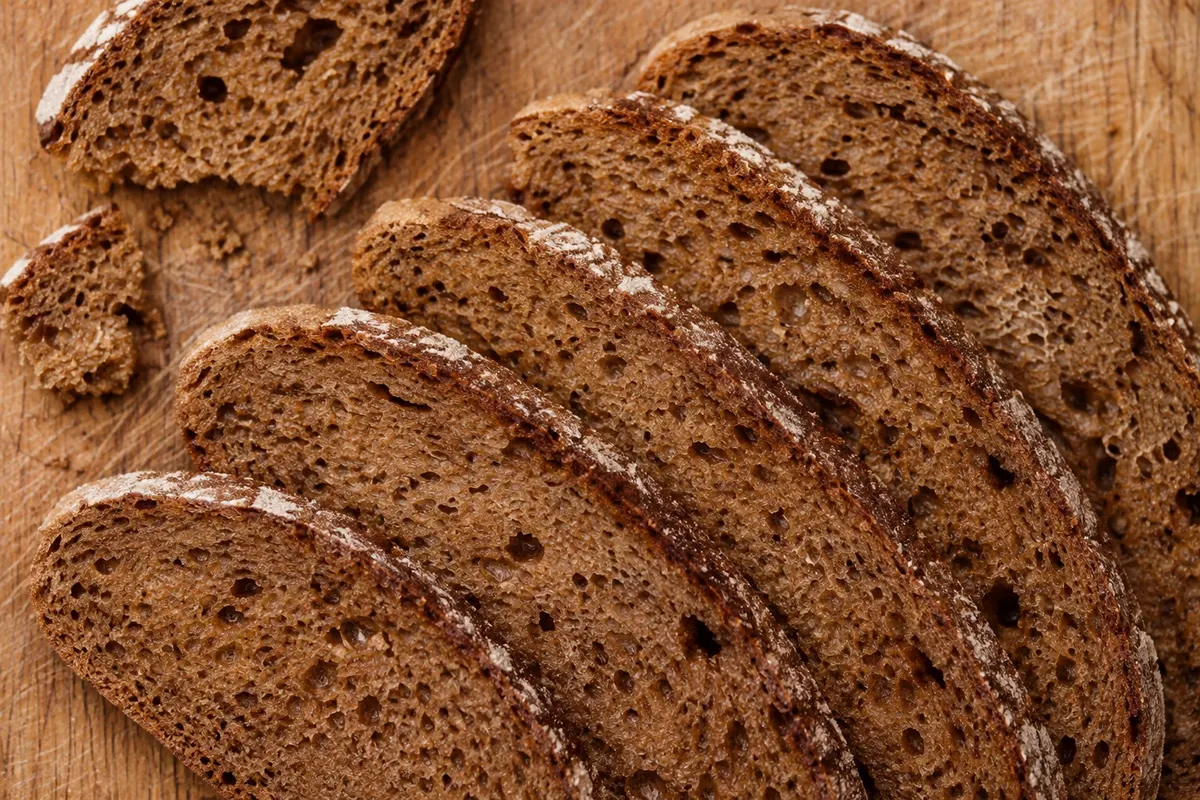
Dark, dense, sour bread made from whole rye flour and natural fermentation, formed round, with or without a hole, or dried. It appears at almost every meal and was chosen as Finland’s national food in a 2017 public vote.
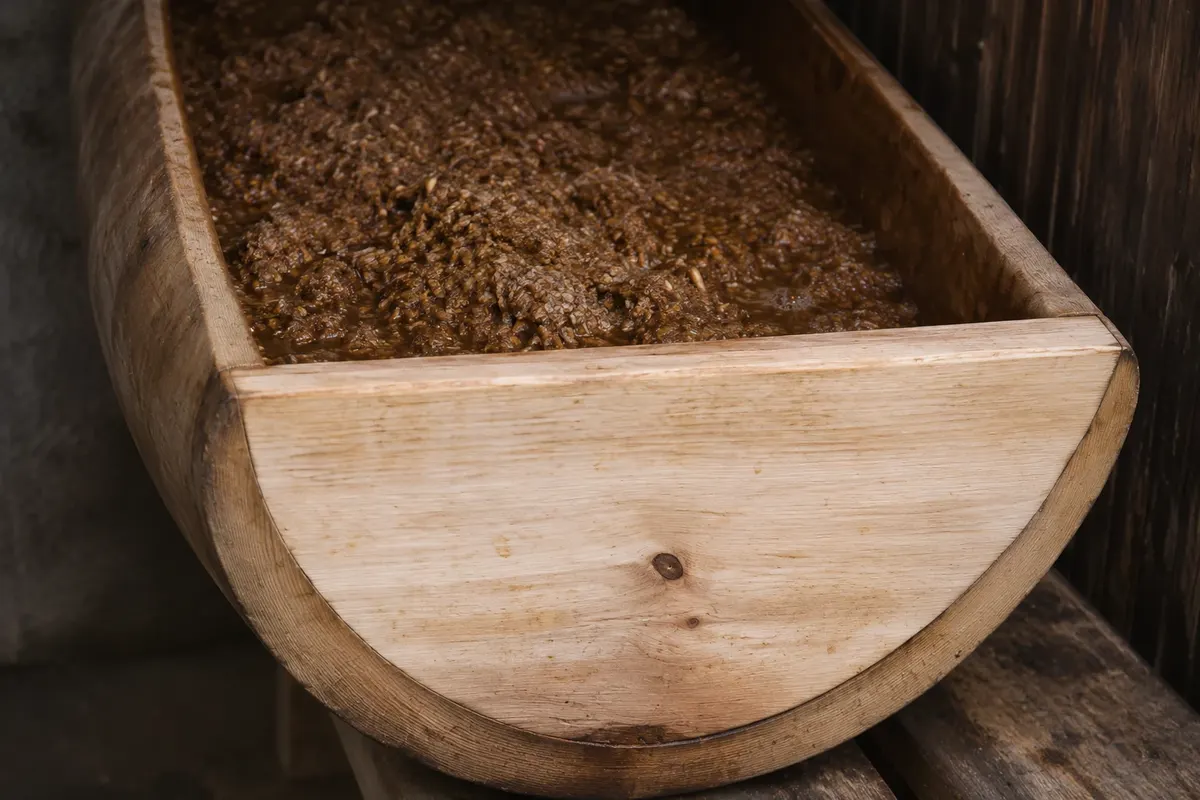
Traditional farmhouse beer made from barley malt and other cereals, filtered over juniper branches in a wooden trough without boiling the wort. Its production method is protected by the European Union and it is included in Finland’s inventory of living heritage.
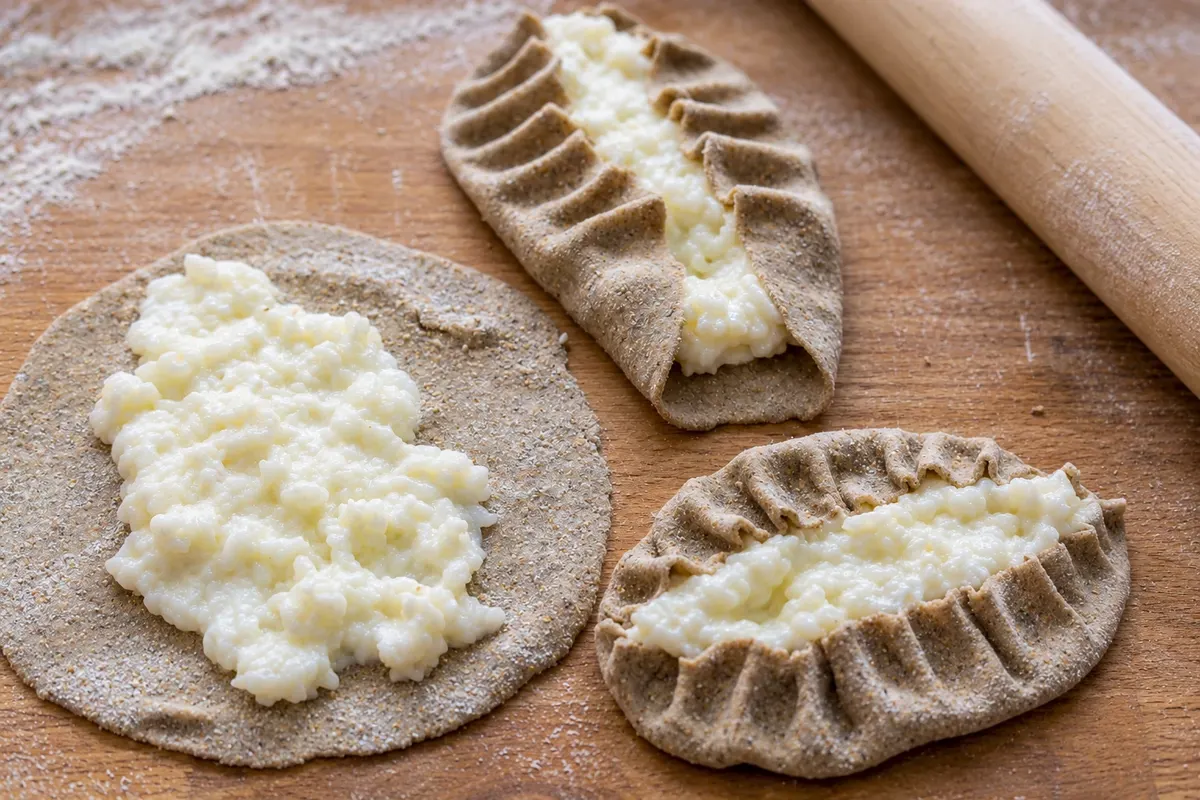
Open, oval pastry made with a thin rye dough, with pleated edges and filled with rice porridge, potato or barley, served with egg butter. It comes from Karelia and its method of preparation is protected by the European Union.
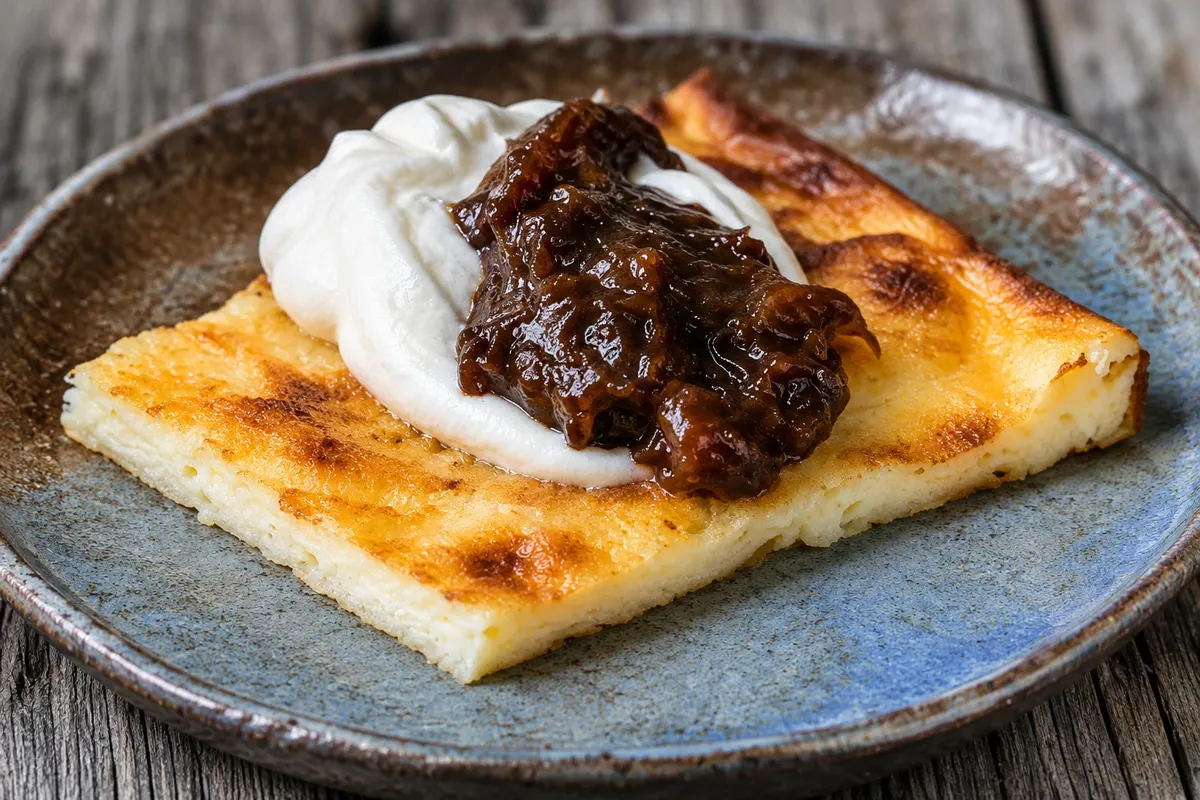
Oven-baked pudding made from semolina or rice porridge with milk, eggs and cardamom, served in squares with dried plum cream and whipped cream. The islanders of Åland chose it as the dish of the century.
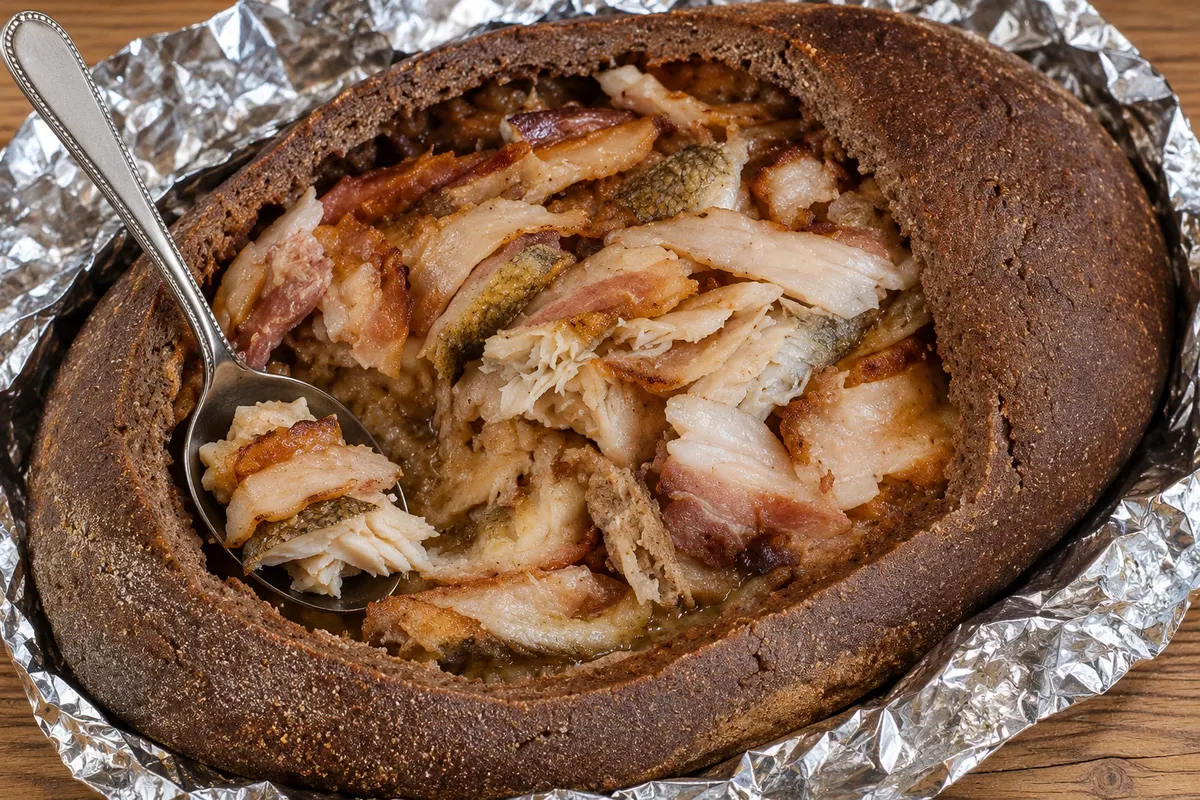
Rye dough bread filled with lake fish and pork belly, baked for hours until the crust darkens. It’s the food of Kuopio’s market square, sold hot, and its method of preparation is protected by the European Union.
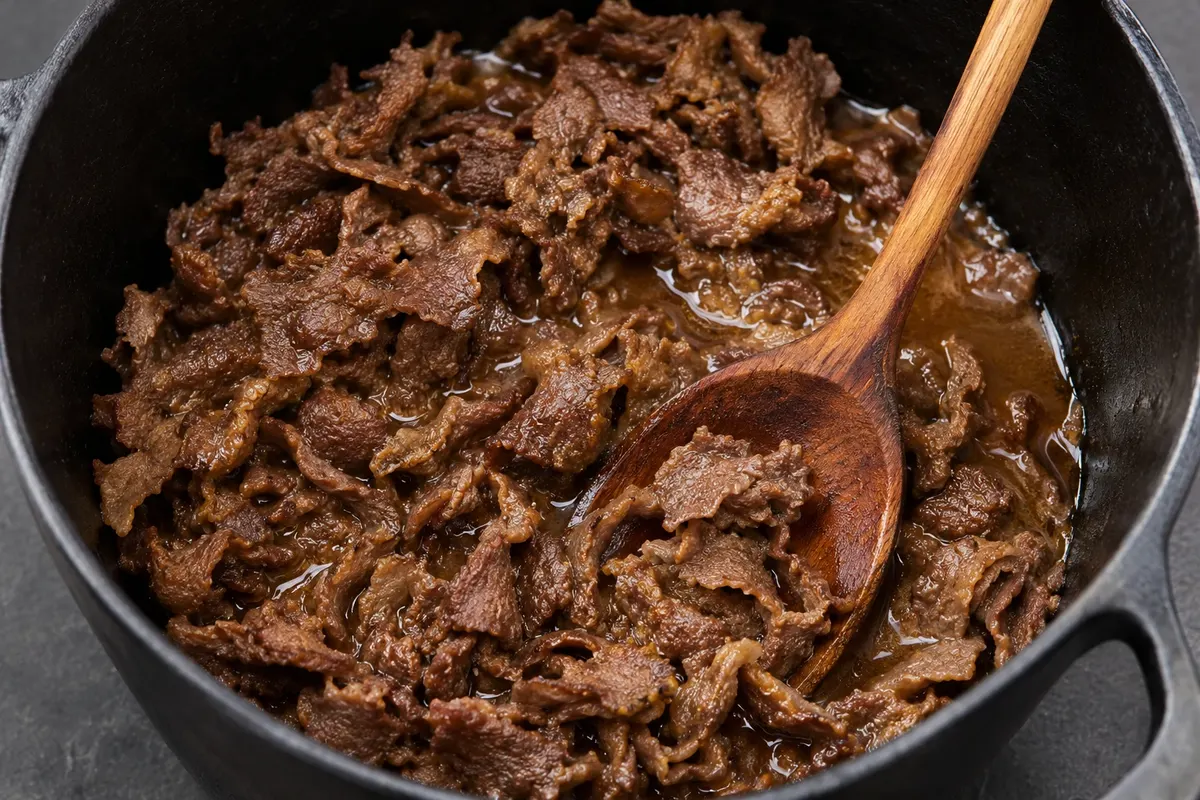
Sliced reindeer meat, sautéed with onion and butter and simmered in broth or beer, served with mashed potatoes and lingonberries. It’s the dish most associated with reindeer herding in Lapland.
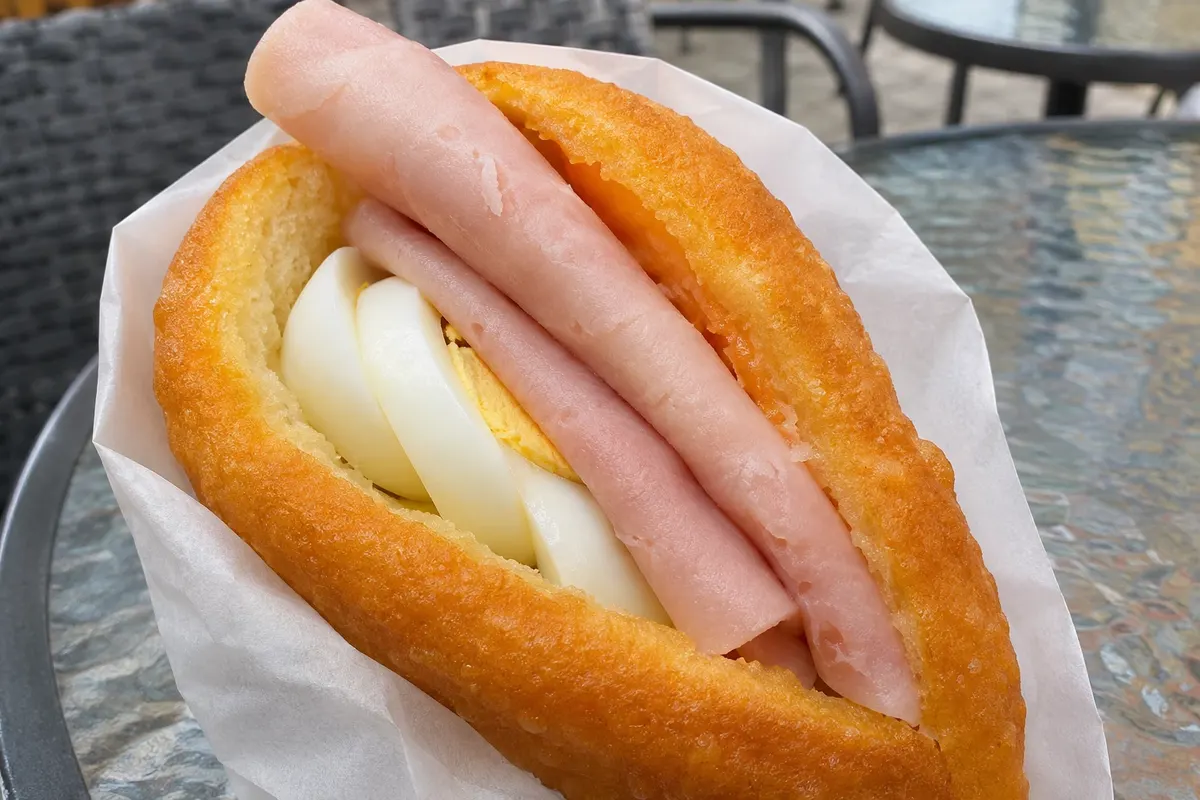
Fried meat pie, split open and filled with ham and boiled egg, with mustard, ketchup and cucumber salad. With only one of the two fillings it’s called atomi. It’s the snack sold at the market square and harbour stalls in Lappeenranta.
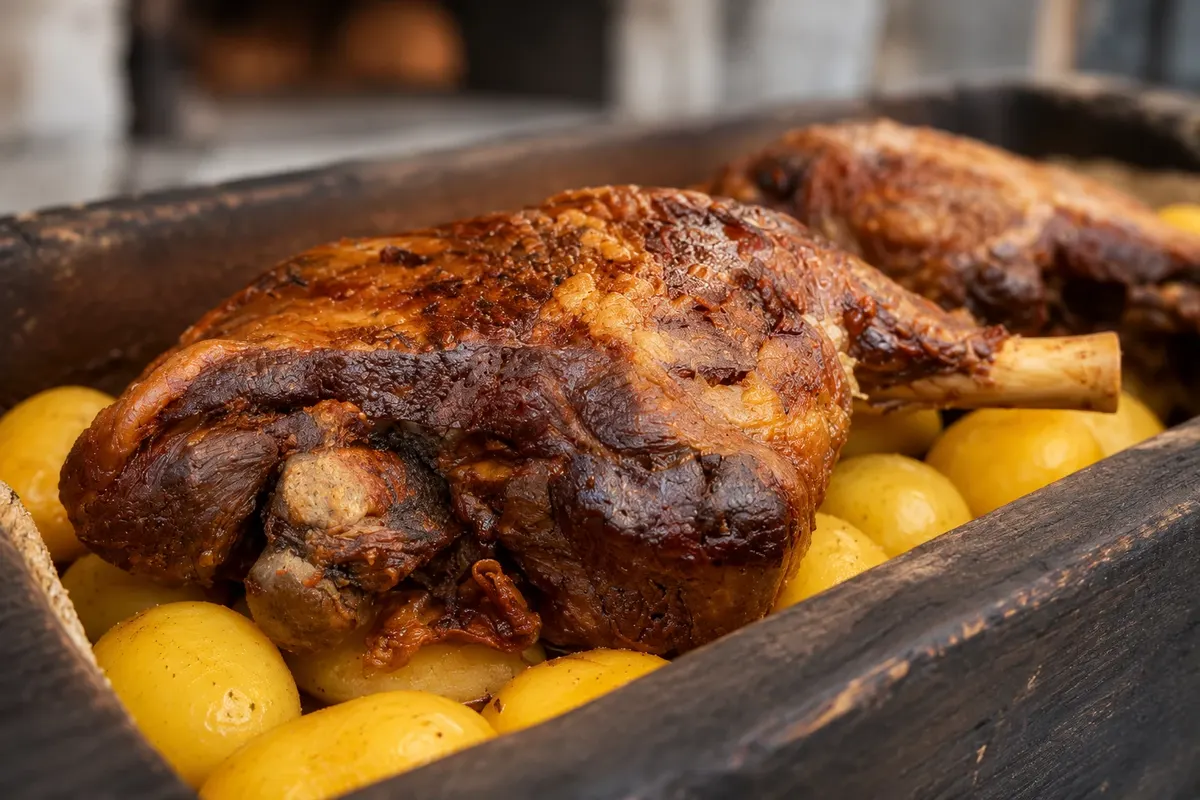
Lamb and potatoes slow-roasted for hours in a wood-fired oven in a long birch wooden trough called särä. It is Lemi’s traditional food in South Karelia, served with barley bread.
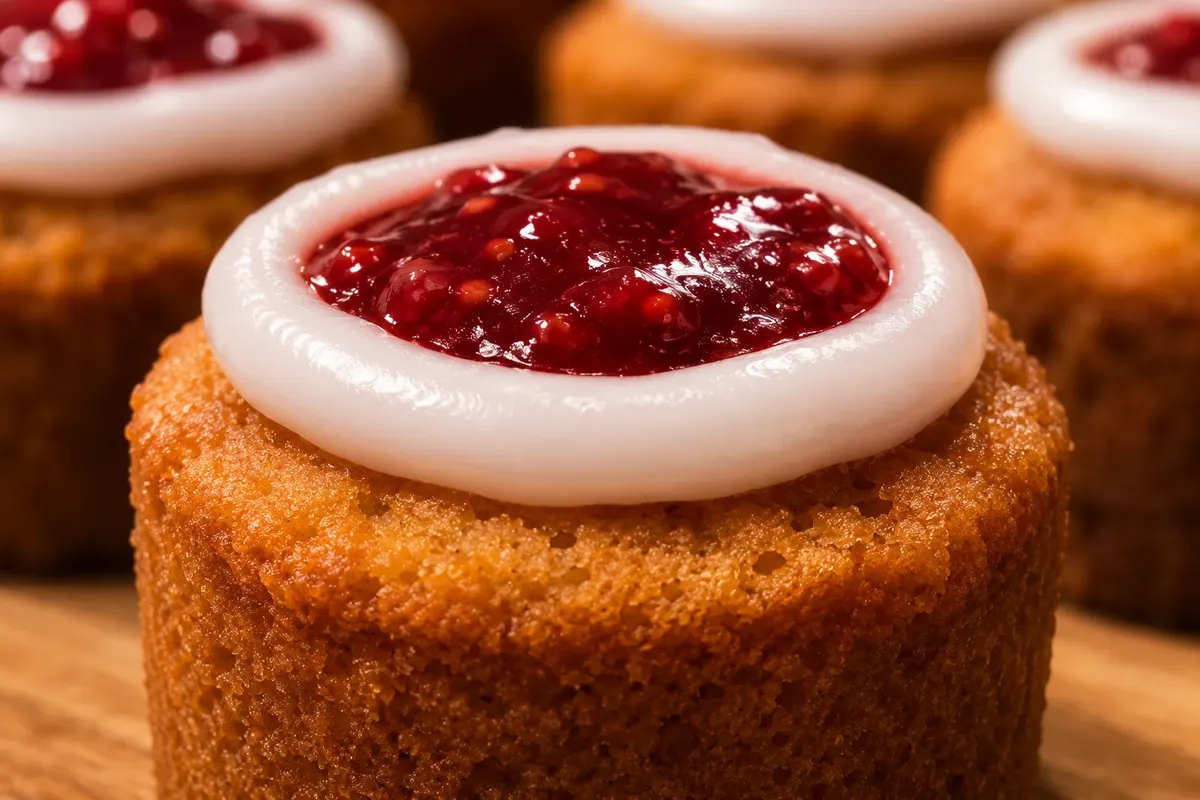
A small cylindrical cake made with almond and cookie crumbs, moistened with rum or punch and topped with a ring of icing with raspberry jam in the center. It is named after the national poet Johan Ludvig Runeberg, who lived in Porvoo.
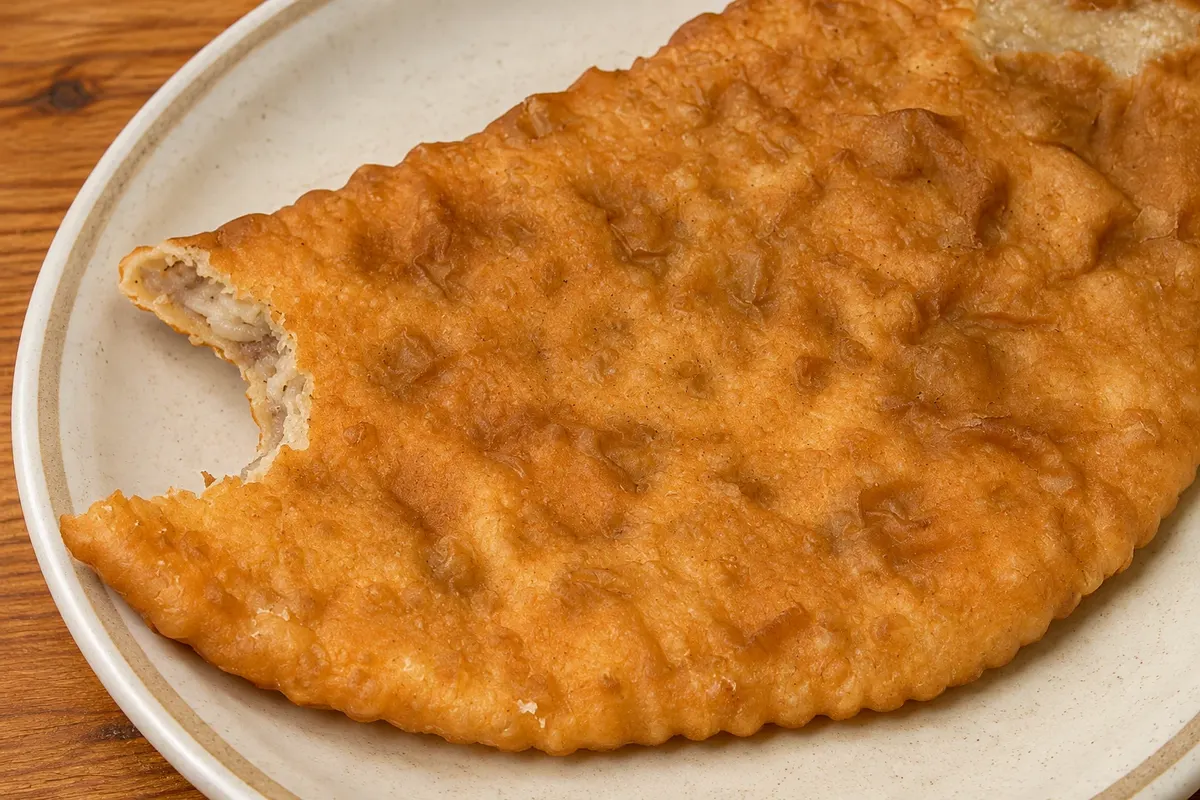
Thin, flattened half-moon pastry, fried in oil, filled with meat or apple jam. It’s Savonlinna’s specialty, sold at the market square next to the steamboat passenger harbor.
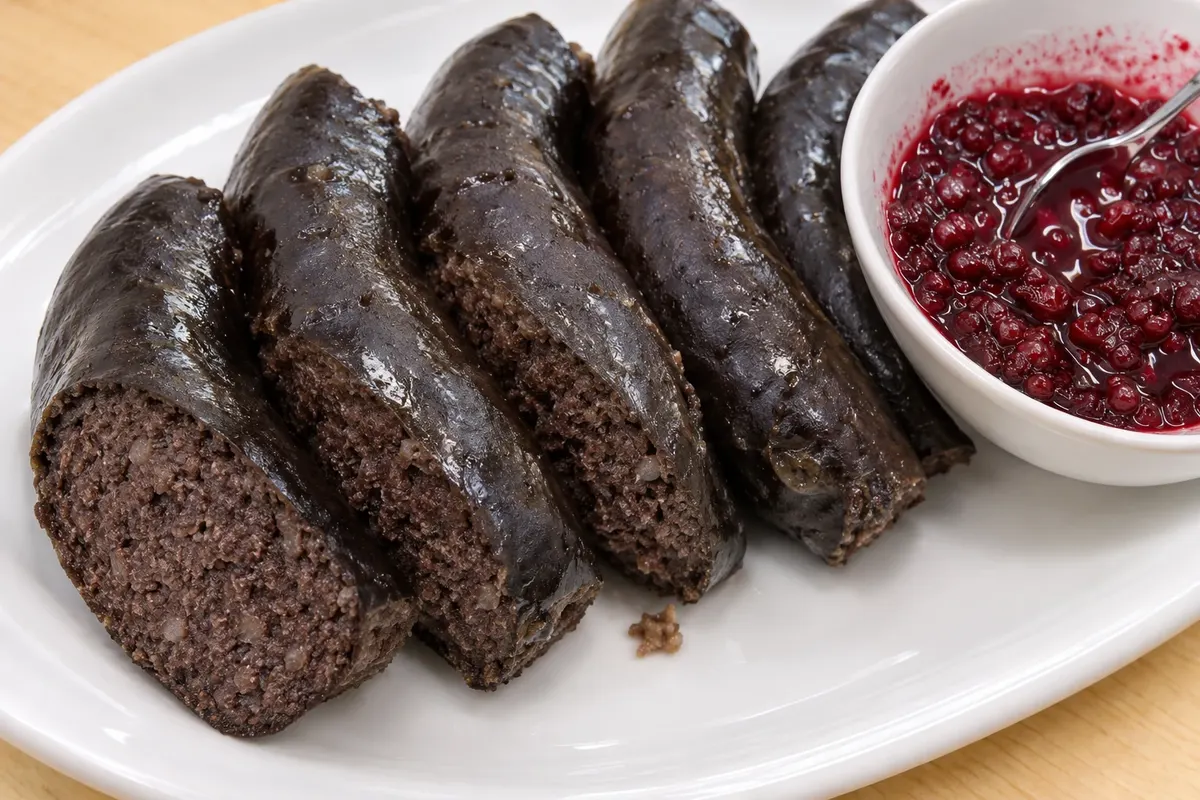
A black sausage made from blood and pork with ground cereal, sold hot at Tampere’s market squares and served with lingonberry jam. The city’s tourism board calls it Tampere’s emblematic dish.