Dish · São Luís
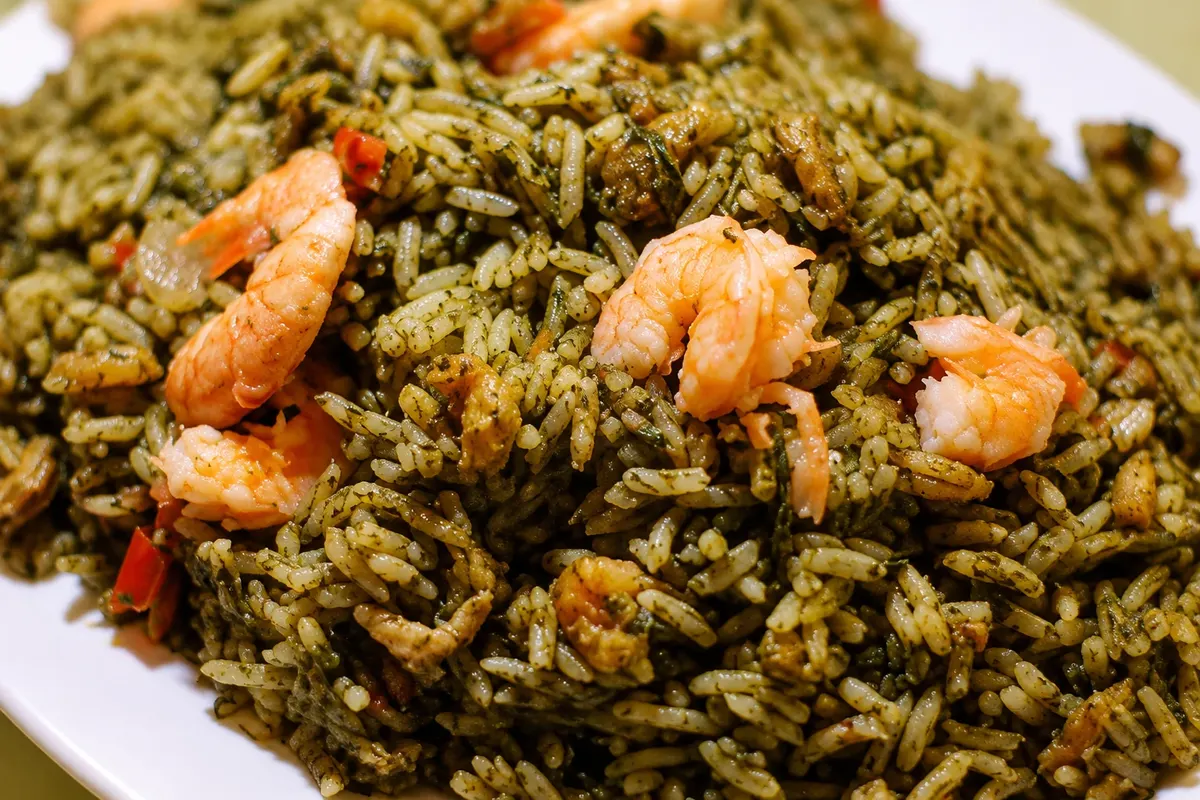
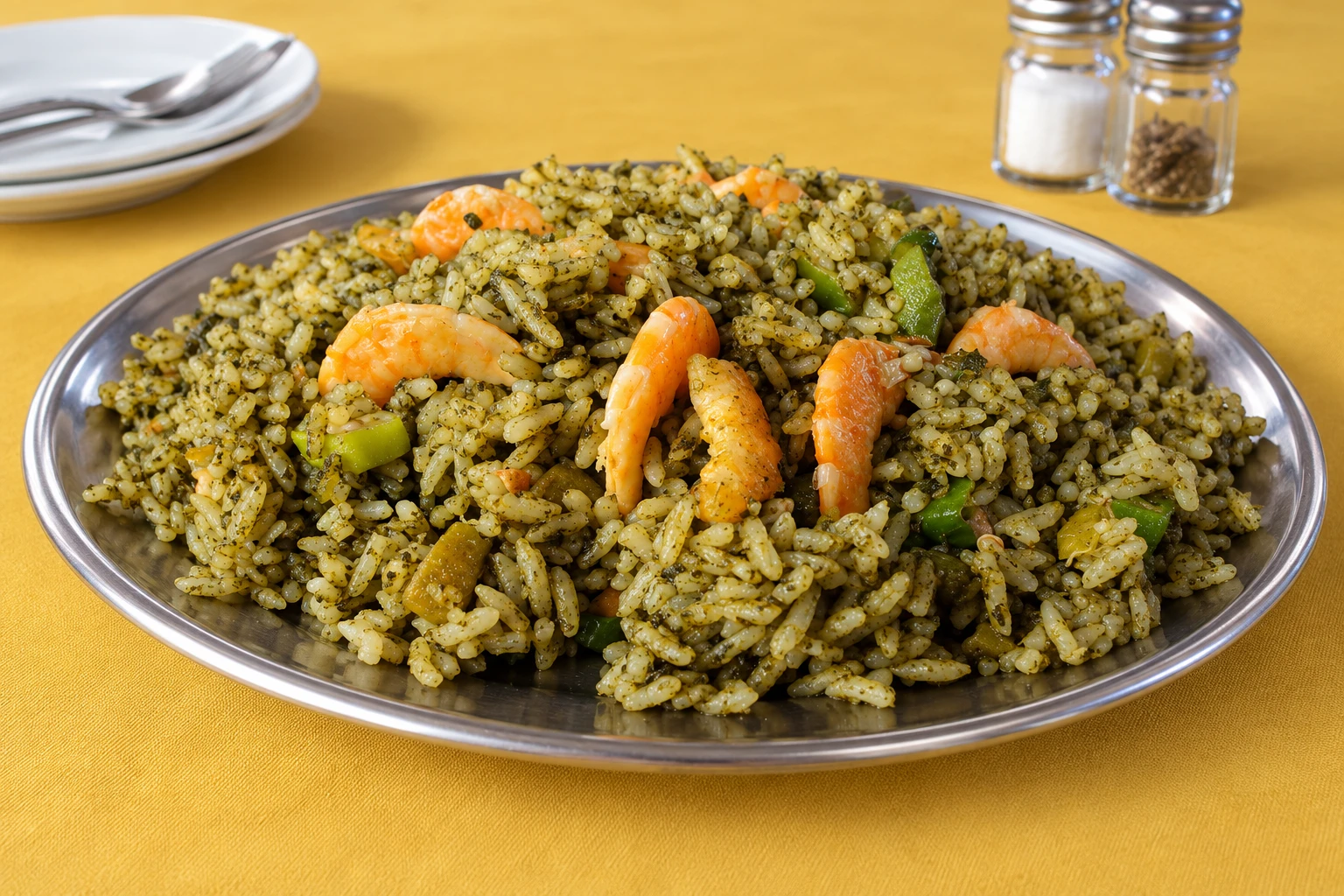
Arroz de cuxá
Rice mixed with cuxá, a sauté of vinagreira leaves with toasted sesame, dried shrimp and flour. A signature dish of Maranhão, it was already sold in the streets of São Luís in the 19th century.

 Search
Brazil
 Argentina
 Bolivia
 Chile
 Colombia
 Ecuador
 Guyana
 French Guiana
 Falkland Islands (Malvinas)
 Paraguay
 Peru
 Suriname
 Uruguay
 Venezuela
 Germany
 Austria
 Belgium
 Croatia
 Denmark
 Spain
 Finland
 France
 Greece
 the Netherlands
 Hungary
 Ireland
 Iceland
 Italy
 Luxembourg
 Norway
 Poland
 Portugal
 the United Kingdom
 the Czech Republic
 Sweden
 Switzerland
 Turkey
 Canada
 the United States
 Mexico
 the Dominican RepublicTurkey
 South Africa
 Australia
 Fiji
 New Zealand
 Papua New Guinea
Culture · São Luís
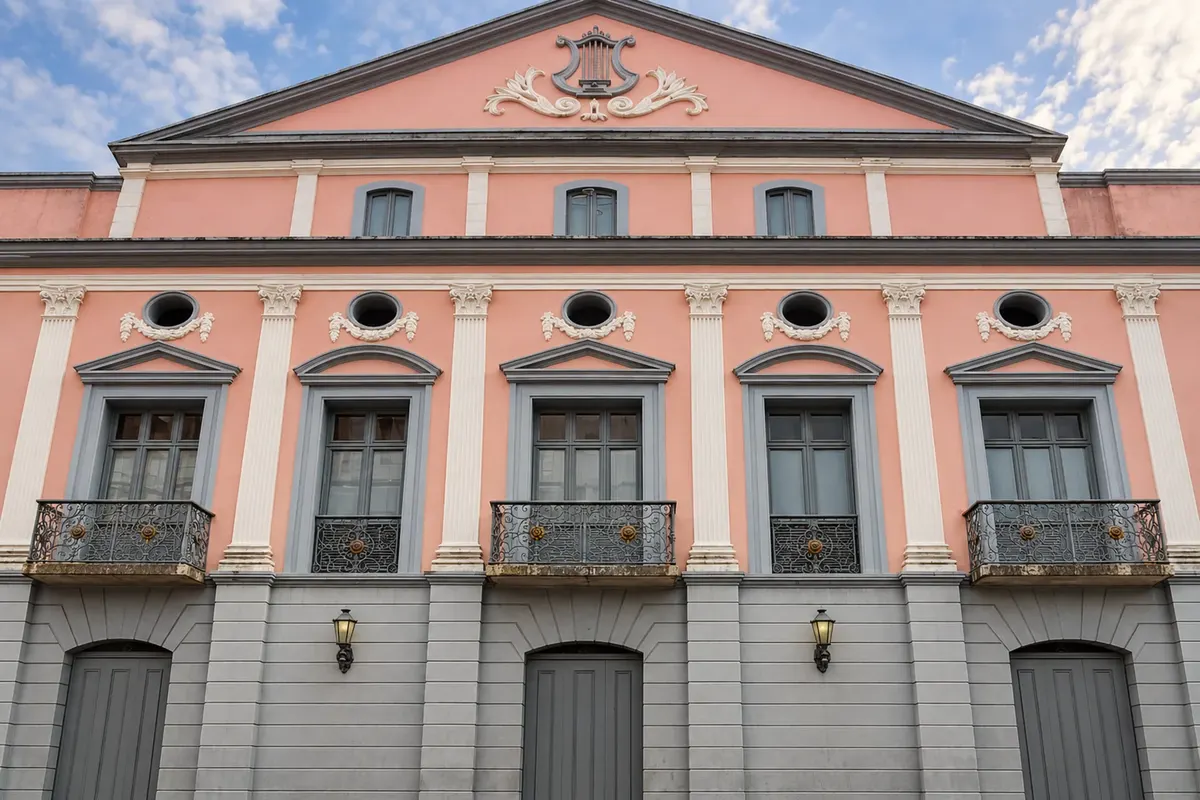
São Luís’s São João, centered on the bumba-meu-boi and recognized by UNESCO as a World Heritage element: groups of different accents perform in arraiais across the city, with toadas, matracas, zabumbas and embroidered bulls.
In the photo: São Luís
Illustrative images. The pictures in this guide are illustrations based on the real place, not photographs, and may differ from it.

Click a photo to enlarge it.

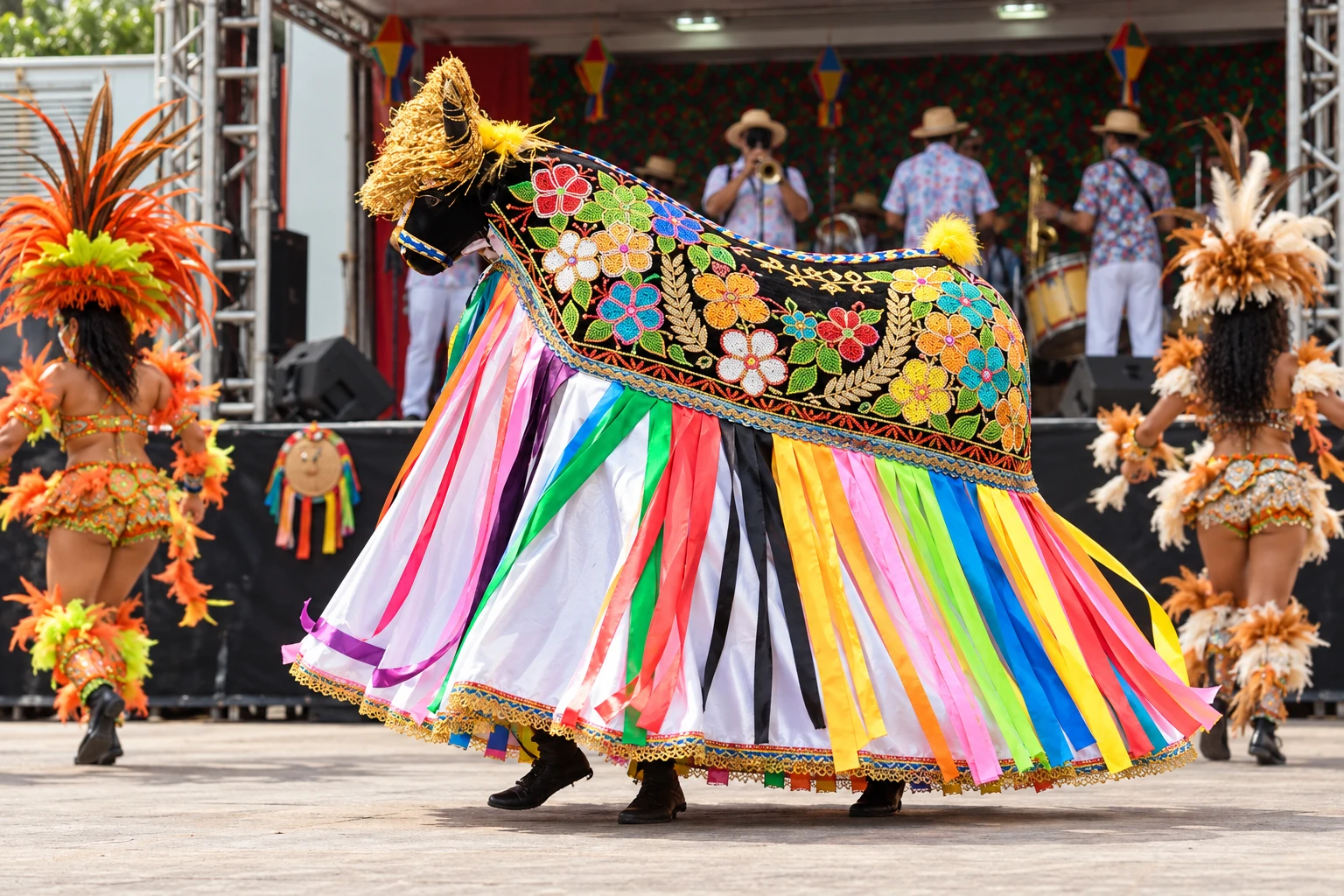
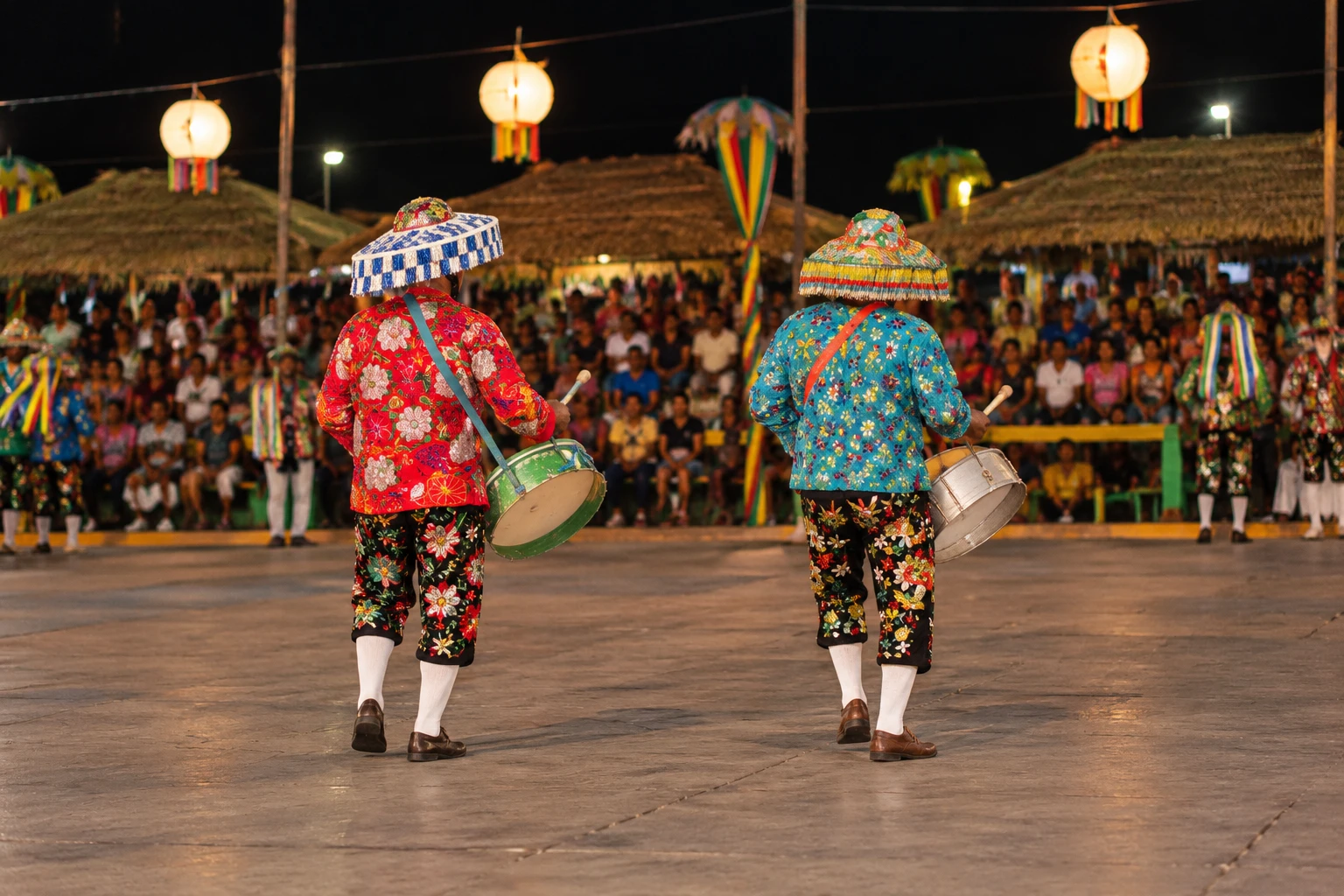
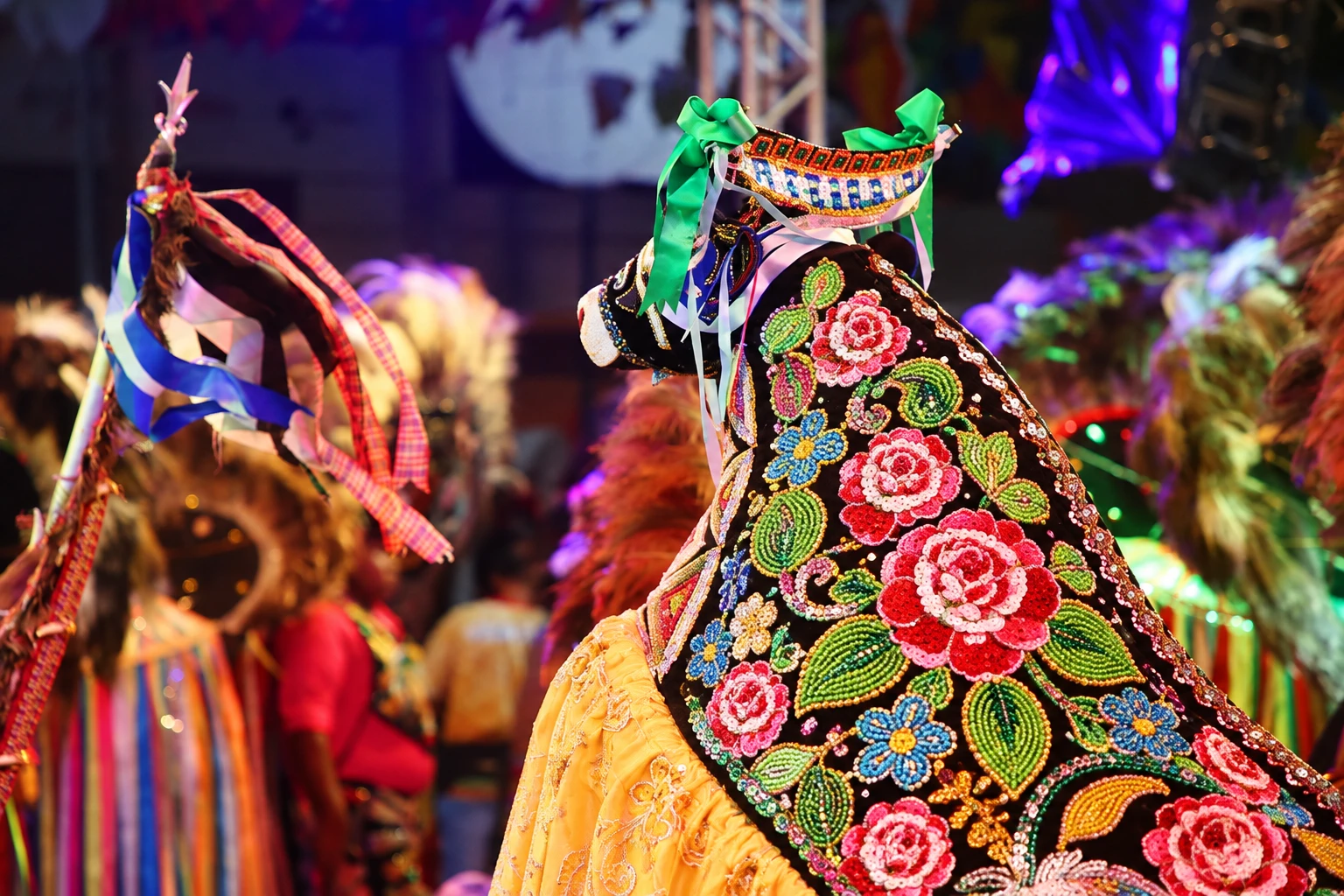
Bumba-meu-boi of São Luís — São Luís
During the June festival cycle: the bulls are baptized on June 23 and the cycle ends on June 30, the day of Saint Marçal; performances may continue into July.
June
Dates change every year: check this year's date before you travel.
The festival
In June, São Luís lives the bumba-meu-boi. The Bumba-meu-boi Cultural Complex of Maranhão was recognized by Iphan as Brazilian heritage in 2011 and, in 2019, was added to UNESCO’s Representative List. It is a spectacle that brings together dance, music, theater and devotion to the June saints—Saint John, Saint Peter and Saint Marçal—as well as to Afro-Maranhense religions, such as tambor de mina.
The traditional plot tells the story of a farmer’s favorite bull, killed by the cowboy Pai Francisco to satisfy the desire of the pregnant wife, Catirina, and later resurrected. Each group has its own bull, a frame covered in velvet embroidered with beads and sequins, carried by a performer underneath, and characters such as the master, the cowboys, the indigenous women and the feathered caboclos. Groups are distinguished by their accents, musical and dance styles: matraca, zabumba, orchestra, baixada and costa de mão.
The cycle has stages. Rehearsals begin after Easter; on the night of June 23 each bull is baptized and given permission to go out into the streets. In June, groups perform in arraiais set up in squares and neighborhoods, in the Historic Center and other points in the city, almost every night. Two events close the season: the dawn ceremony at the Chapel of Saint Peter, in the Madre Deus neighborhood, in the early hours of June 29, and the parade of matraca bulls on Avenida São Marçal, in the João Paulo neighborhood, on June 30.
For the visitor, the nights of June in São Luís are a chance to hear the toadas live, see the bulls’ embroidery up close and understand why bumba-meu-boi is Maranhão’s main popular cultural expression. After São João, the bulls undergo the death ceremony, which closes the cycle for the year.
A night in the Historic Center’s arraiais with bulls of different accents. The dawn ceremony at the Chapel of Saint Peter in the early hours of June 29. The parade of matraca bulls on Avenida São Marçal on June 30.
Arraiais take place at night and performances usually start late and continue into the early morning. Stay in or near the Historic Center to walk to the arraiais. Ask at the arraiais for the night’s schedule: each group performs at several points. The climate in São Luís is warm; wear light clothing and be prepared for rain.
Arroz de cuxá, shrimp pie, crab, fried fish, tapioca cake and corn porridge at the arraiais; and licor and tiquira, the Maranhão manioc spirit, in moderation.
June is the busiest time in São Luís. Book accommodation in advance, especially for the days around June 24, 29 and 30.
In the city
Flavors of Brazil
June
 May/June
On the days leading up to Pentecost Sunday, 50 days after Easter; therefore it falls in May or June.
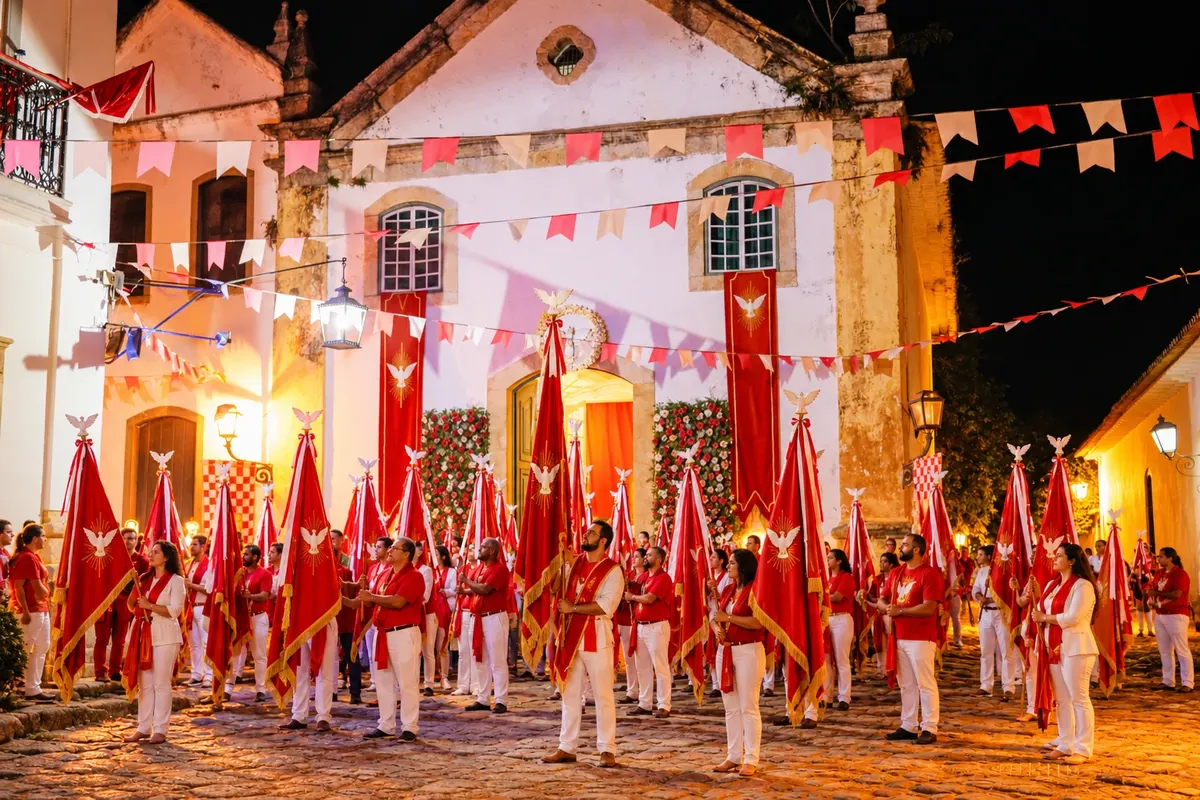
Paraty’s most traditional religious festival, with a novena, processions through the historic center, a solemn Mass and a Sunday Pentecost procession.
 May/June
Around Pentecost Sunday, 50 days after Easter, in May or June; the Cavalhadas begin on Pentecost Sunday and last three days.
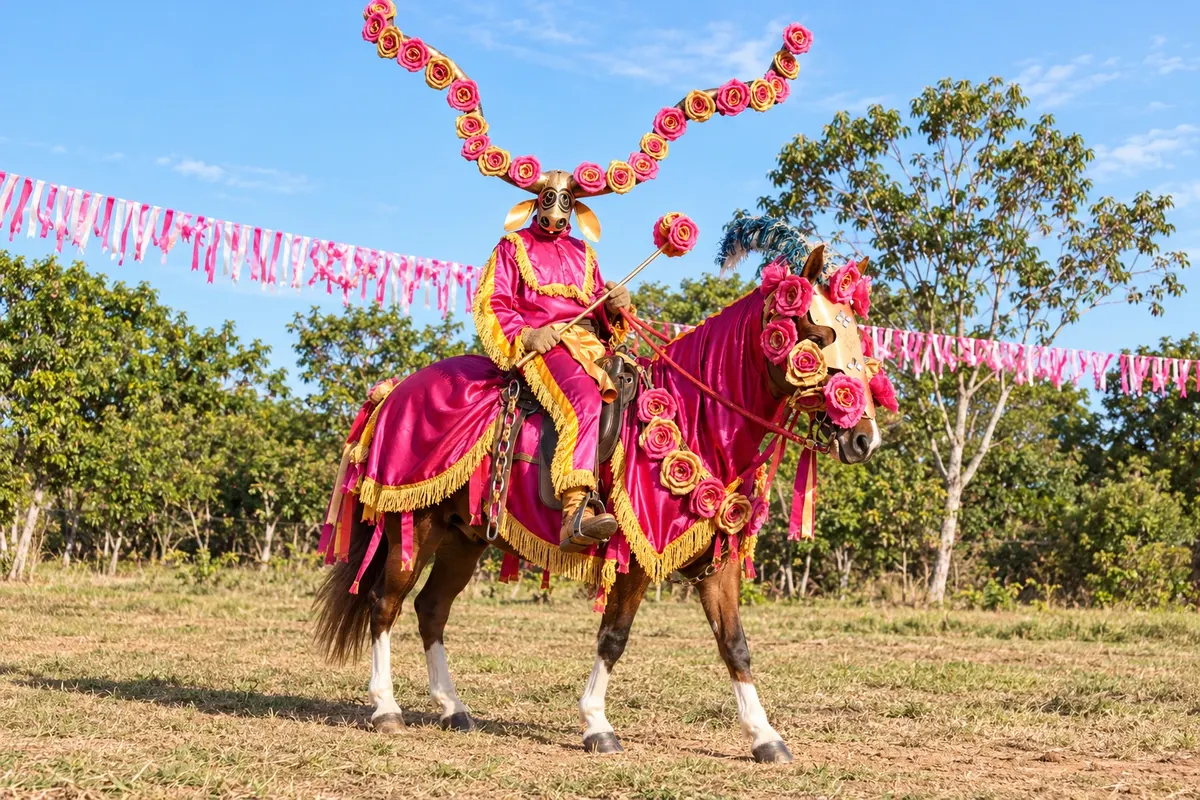
The Holy Spirit Festival of the historic town of Pirenópolis, in Goiás, featuring folias (devotional bands), masses, masked horsemen and the Cavalhadas, an equestrian reenactment of the battle between Christians and Moors.
 May/June/July
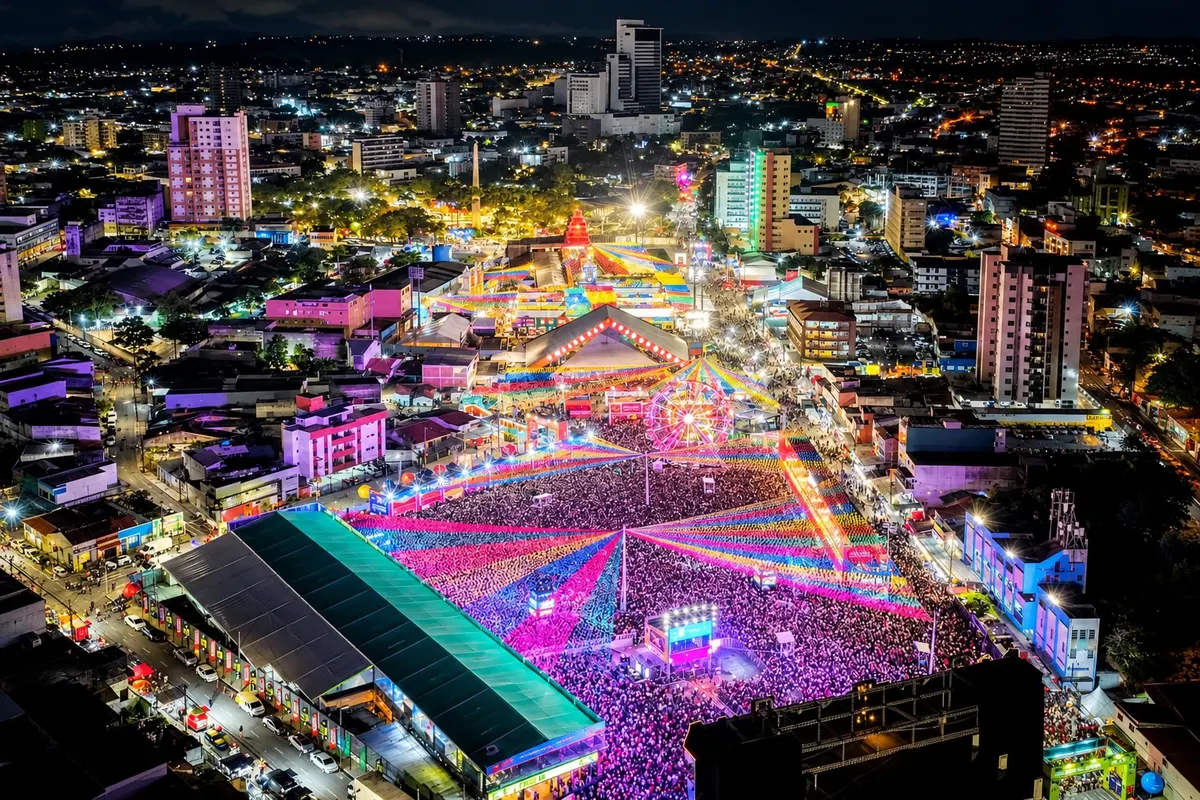
For about a month, from late May or early June until late June or early July, with the high points on the eves of Saint Anthony (June 13), Saint John (June 24) and Saint Peter (June 29).
Campina Grande’s June festival, in the Agreste of Paraíba, which fills Parque do Povo for about a month with forró shows, quadrilhas, bonfires and corn-based foods.
Your questions
Throughout June. Groups baptize the bulls on the 23rd, the eve of the saint, and the season ends on June 30, Saint Marçal’s day, with the parade of matraca bulls in the João Paulo neighborhood.
They are the musical and dance styles of the groups. In Maranhão the main ones are matraca, zabumba, orchestra, baixada and costa de mão, each with its own instruments, rhythms and costumes.
Yes. The Bumba-meu-boi Cultural Complex of Maranhão was added in 2019 to UNESCO’s Representative List of the Intangible Cultural Heritage of Humanity.
Festivals and events in Brazil
 May/June
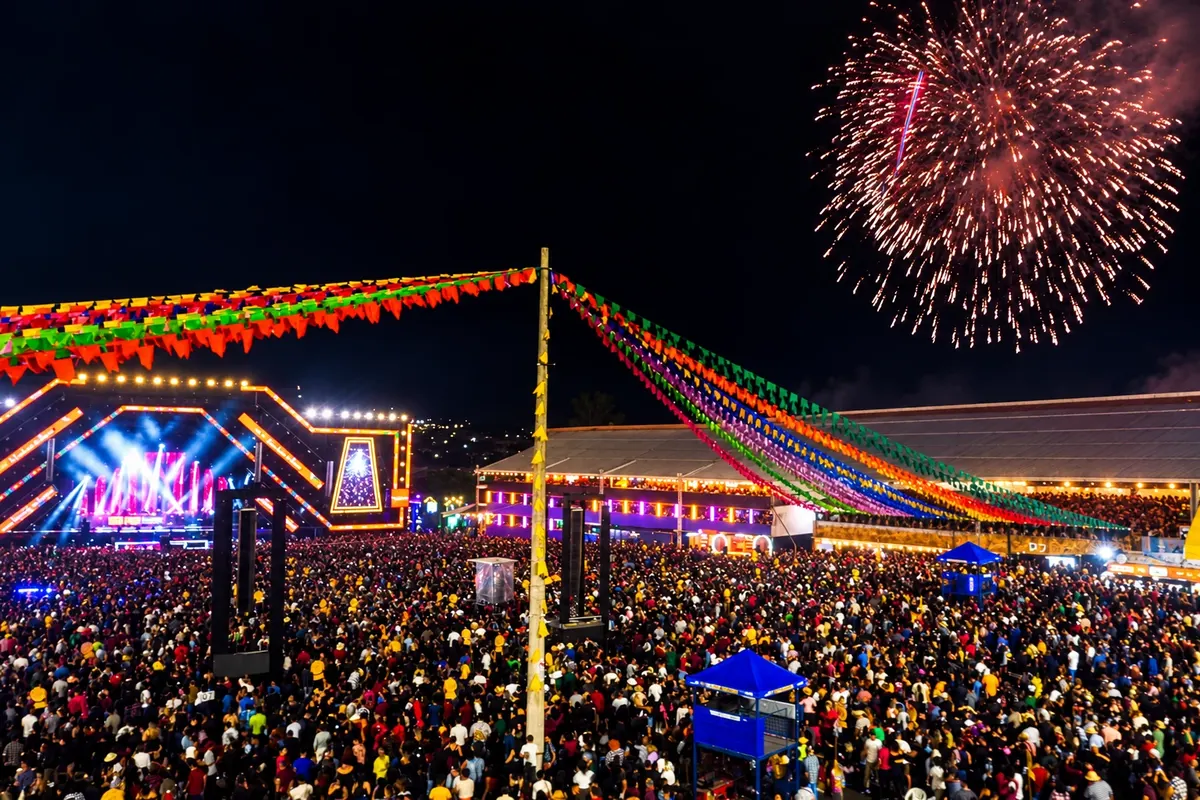
Throughout June, with programming that usually starts in late May or early June and ends around the feast of Saint Peter on June 29; the highlight is the night before Saint John’s Day.
The June festival of Caruaru, in the Agreste of Pernambuco, the Forró Capital, with concerts at the Pátio de Eventos Luiz Gonzaga, traditional forró (forró pé de serra) at Alto do Moura, and oversized corn-based dishes.
 June/July
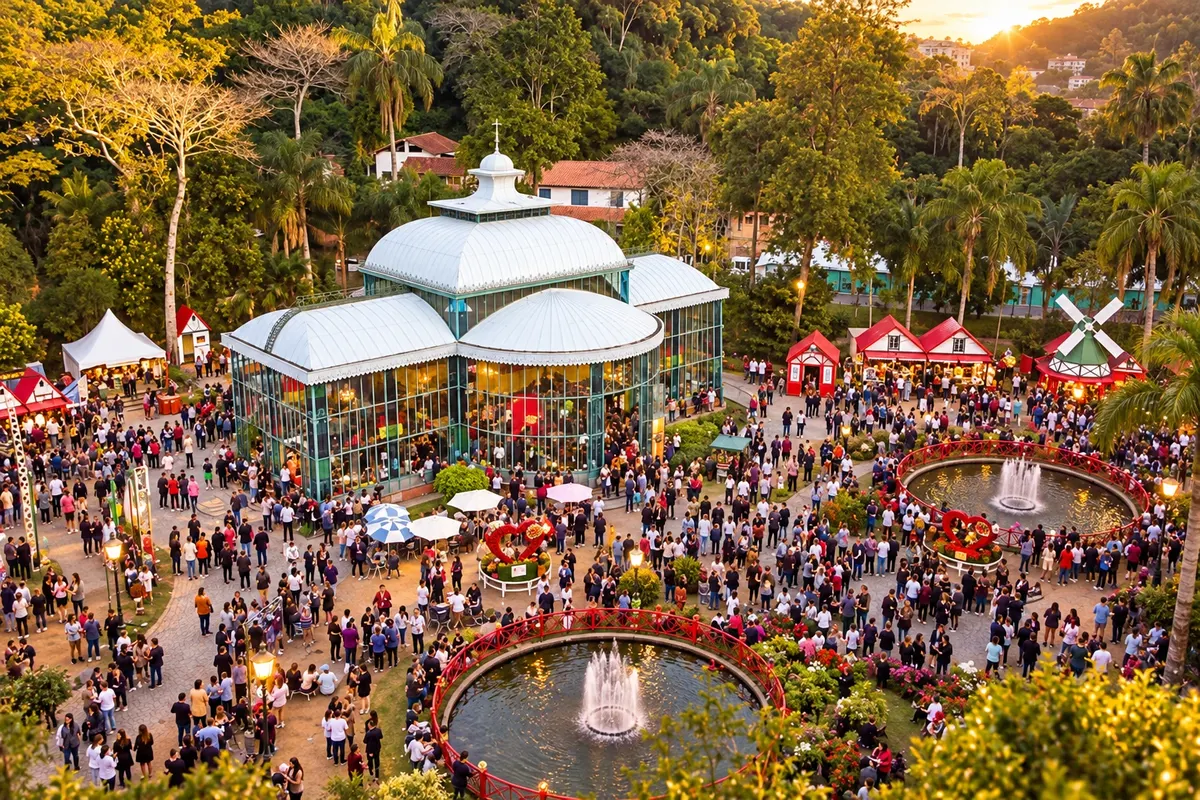
Between late June and early July, always including June 29, German Settler Day, a municipal holiday in Petrópolis.
Petrópolis’s German Settler festival, featuring traditional German food and beer, folk dance groups, and events around the Crystal Palace.
 June/September
Every two years, in odd-numbered years; usually in September, sometimes in June. · Every two years
Rio de Janeiro’s major book fair, held every two years, with publisher booths, author events and programming for children and young people.
 June/July/August
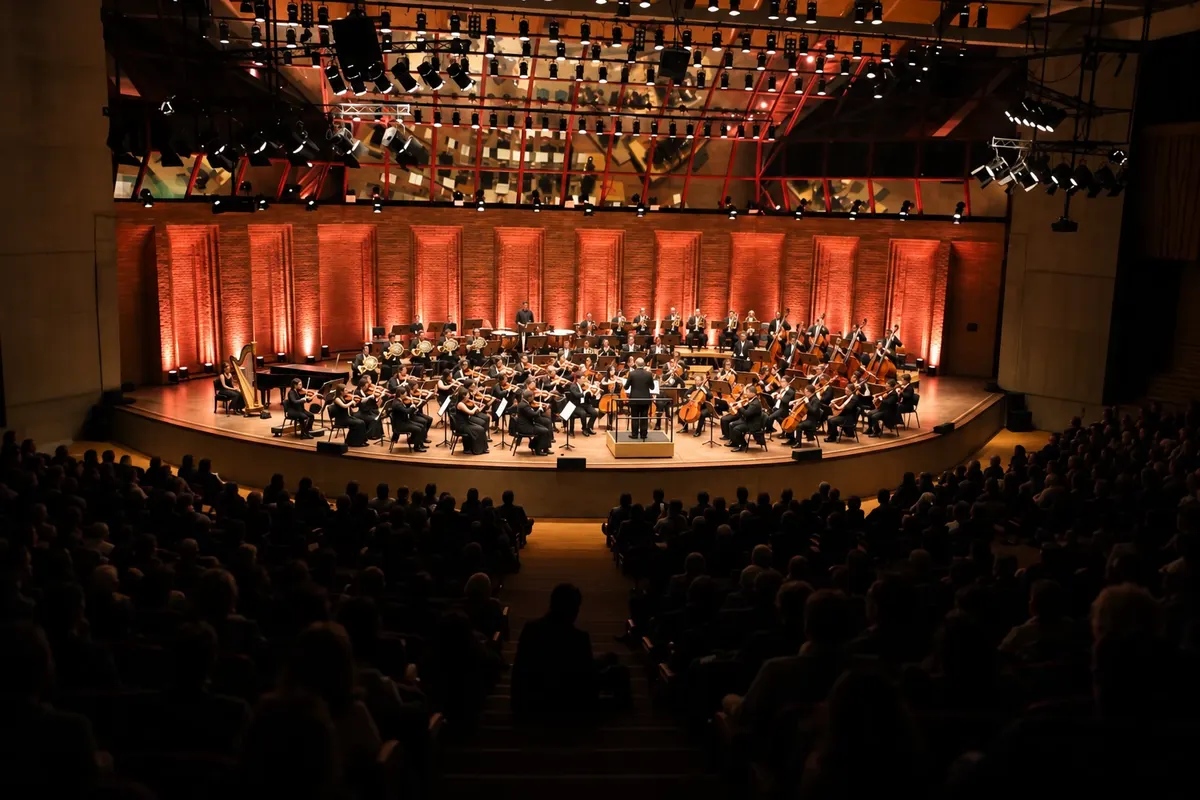
In July, for about a month, sometimes starting in late June and ending in early August.
Campos do Jordão classical music festival in the Mantiqueira Range, with orchestra and chamber music concerts at the Claudio Santoro Auditorium and other city venues, plus a training program for young musicians.
 June
On the last weekend of June, over three consecutive nights, from Friday to Sunday.
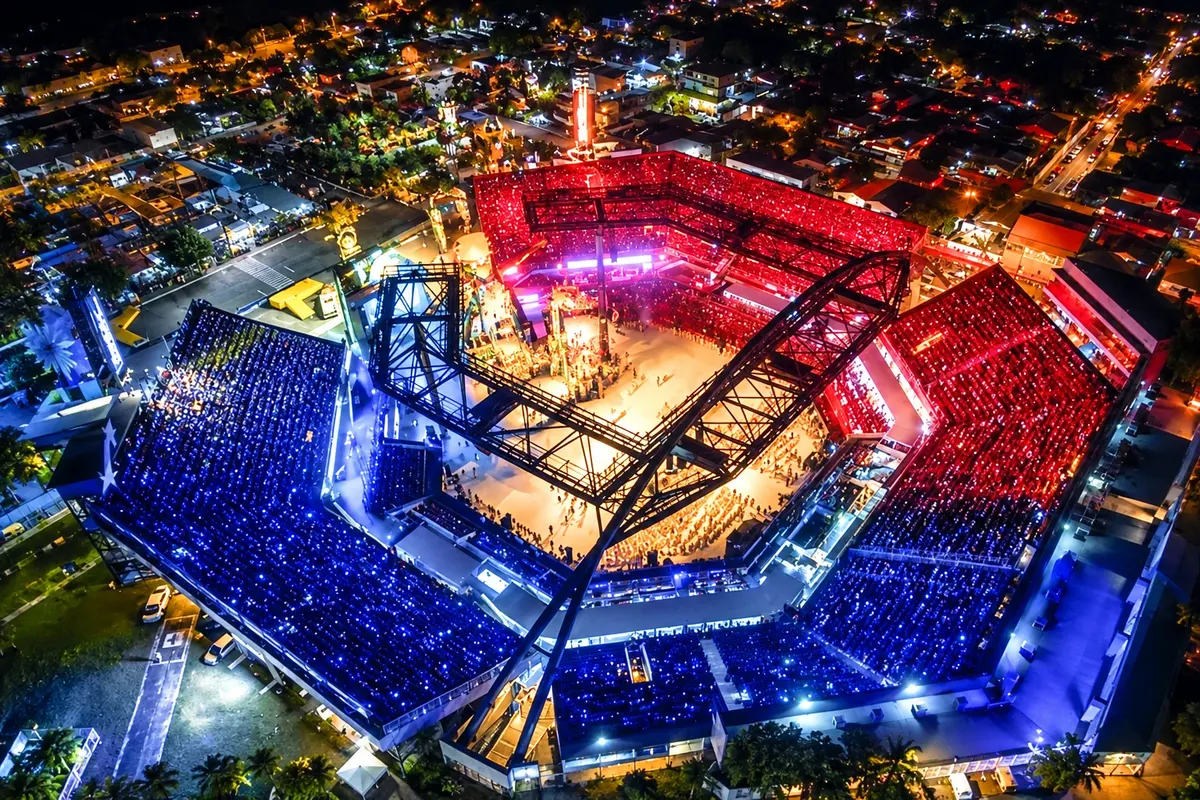
The rivalry between the Garantido (red) and Caprichoso (blue) bumba-meu-boi groups at the Bumbódromo in Parintins, an island on the Amazon River: three nights of toadas, giant floats and Amazonian legends.
 January
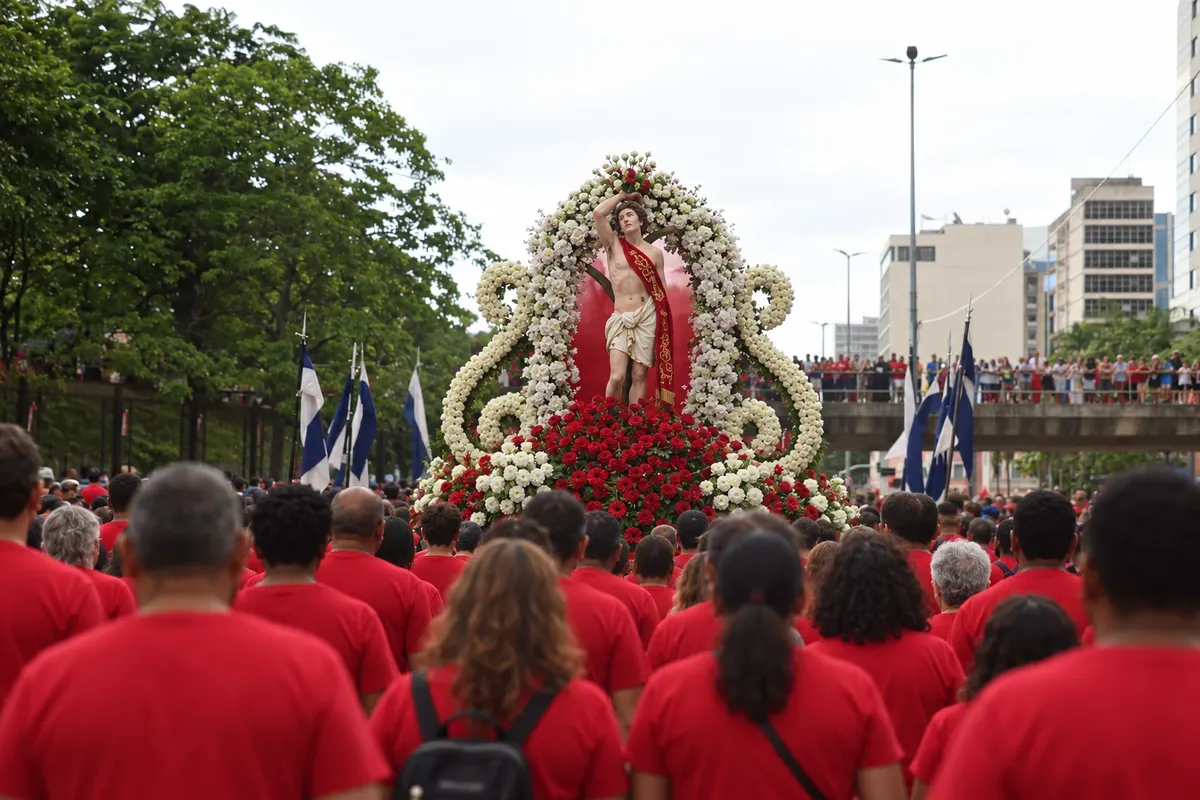
On January 20, the day of the city’s patron saint, which is a municipal holiday in Rio de Janeiro.
The patron saint’s day in Rio de Janeiro, with masses and the procession that carries the saint’s image from Tijuca to the Metropolitan Cathedral in the downtown area.