Phoenix and Sedona (United States) — Phoenix; Scottsdale; Sedona

Arizona · the United States

Phoenix and Sedona (United States) — Phoenix; Scottsdale; Sedona

Phoenix, the capital of Arizona, in the Sonoran Desert of saguaro cacti; Scottsdale, with Taliesin West by Frank Lloyd Wright; and the red rocks of Sedona, to the north.

Southwest (Grand Canyon and Las Vegas)

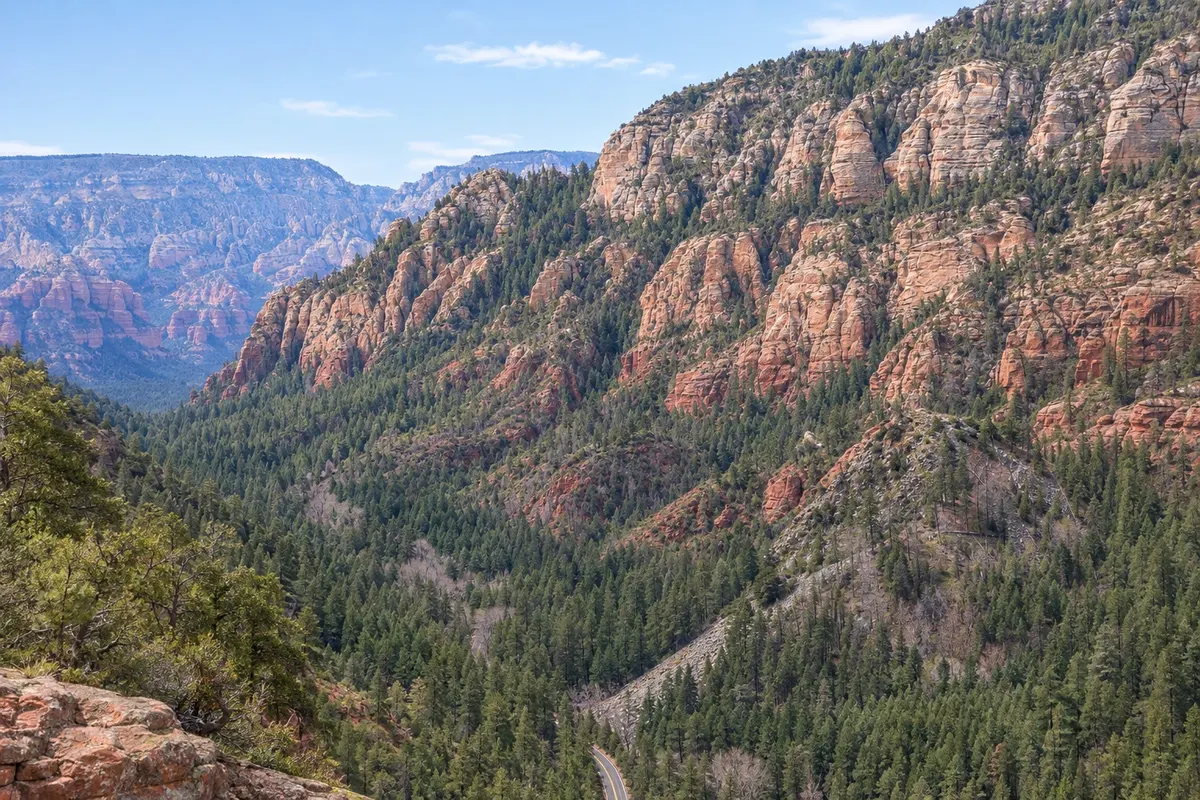
In the photo: Cliffs and woodland of Oak Creek Canyon

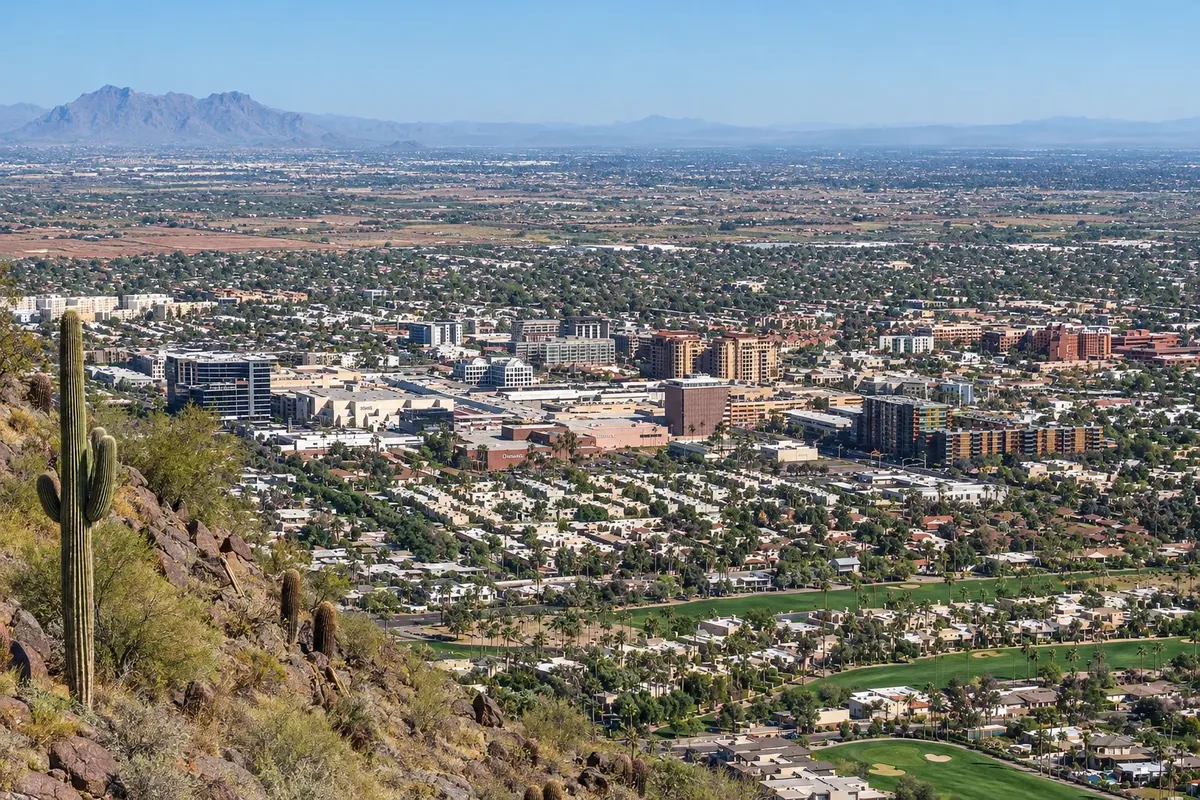
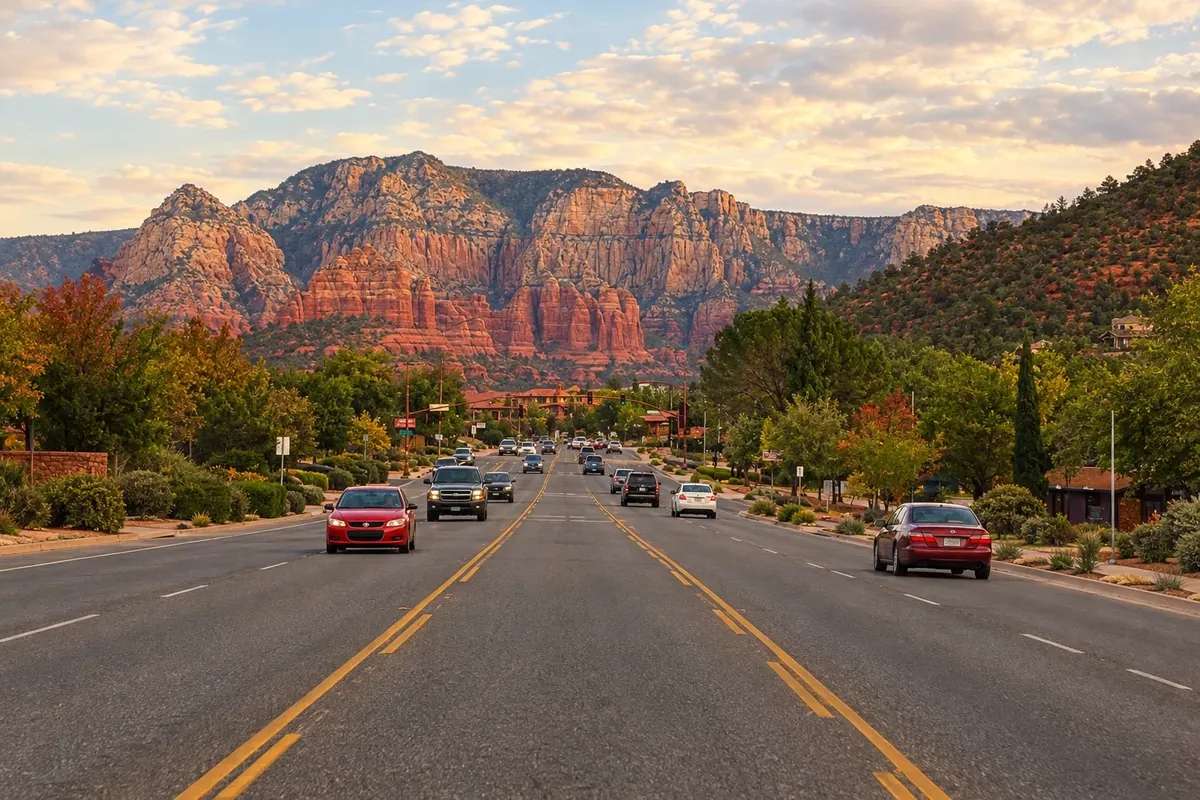
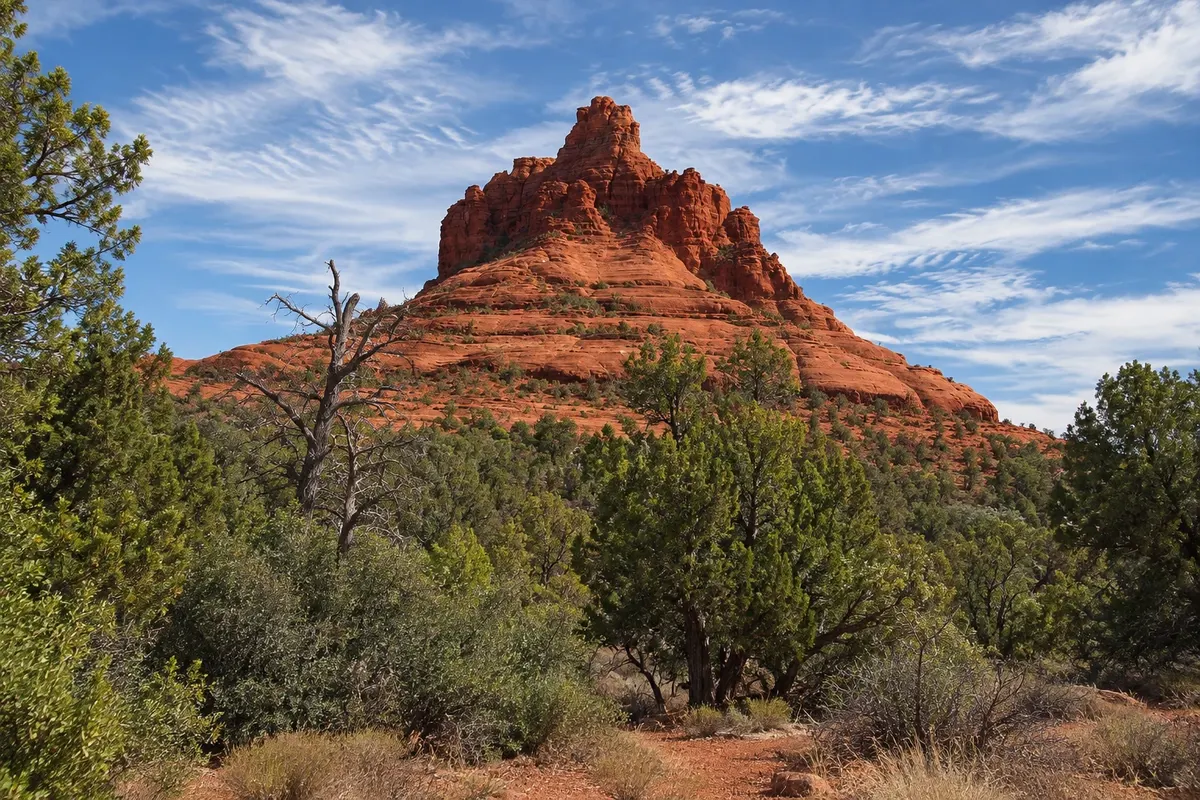
Illustrative images. The pictures in this guide are illustrations based on the real place, not photographs, and may differ from it.

Get it on Google Play Send your photos

Get to know the place

A region to enjoy
at your own pace.

Phoenix sits in the Salt River valley in the Sonoran Desert and is the capital and largest city of Arizona. The metropolitan area, called the Valley of the Sun, includes several cities such as Scottsdale, Tempe and Mesa, and grew with air conditioning and irrigation canals, some following routes opened by the Hohokam peoples more than a thousand years ago. Sky Harbor Airport is the state's main gateway.

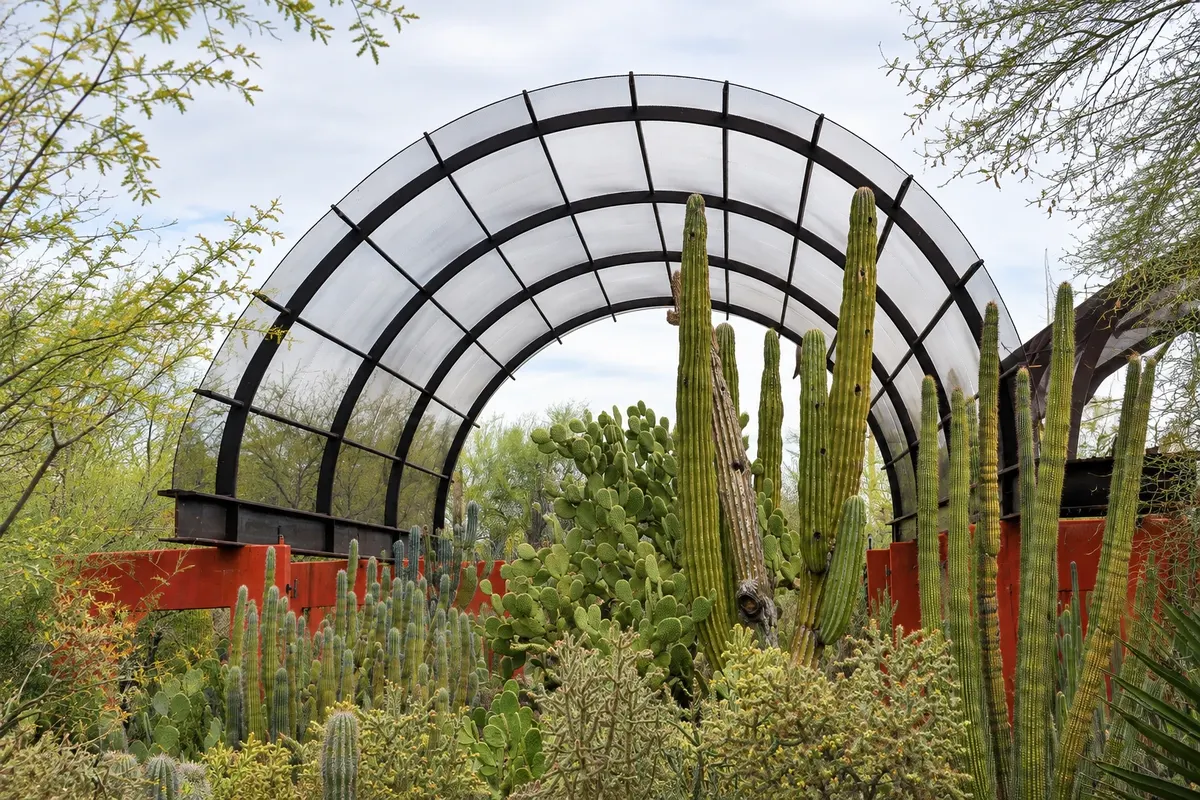
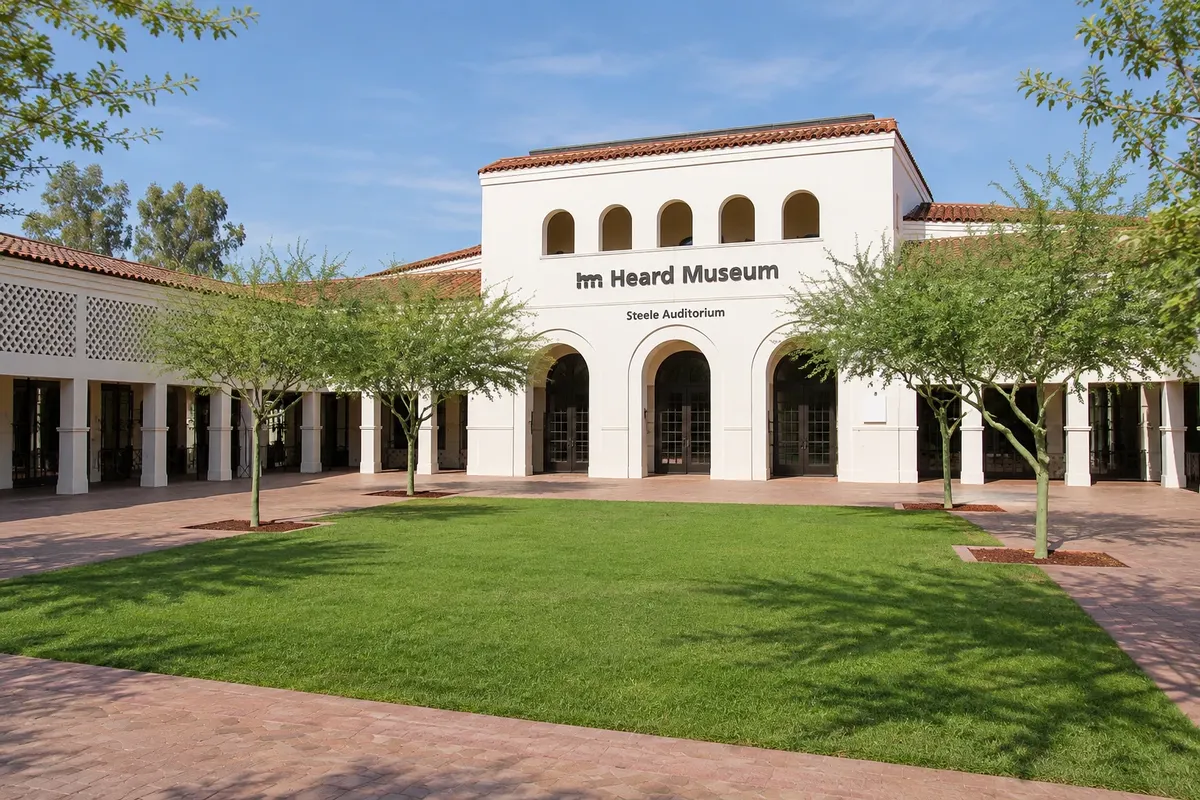
The desert is inside the city: Camelback and South Mountain have trails just minutes from neighborhoods, and the Desert Botanical Garden showcases saguaro cacti, which only grow in the Sonoran Desert, alongside plants from deserts around the world. The Heard Museum is one of the most important museums in the United States dedicated to the art and culture of the Indigenous peoples of the Southwest.

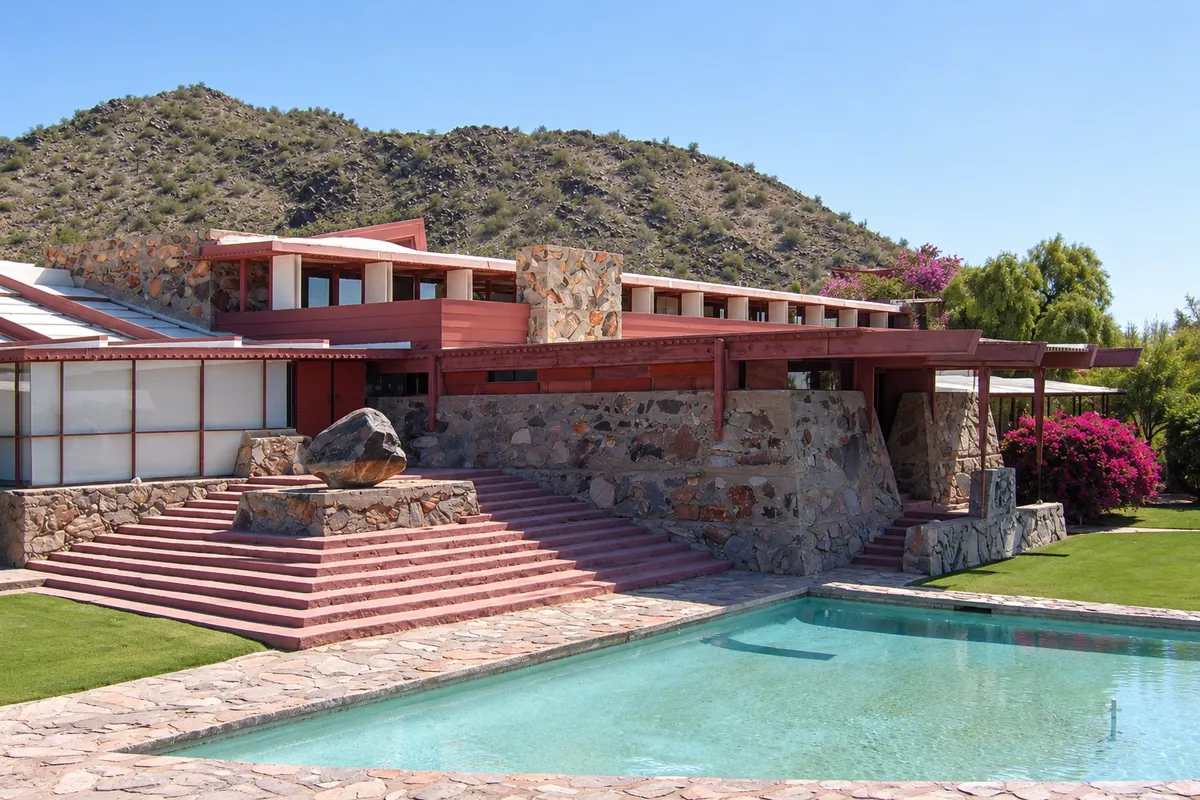
Scottsdale, to the east, has a gallery-filled downtown with restaurants and Western art shops, and at the foot of the McDowell Mountains is Taliesin West, Frank Lloyd Wright’s winter home and school, listed by UNESCO among Wright’s works as a World Heritage Site.

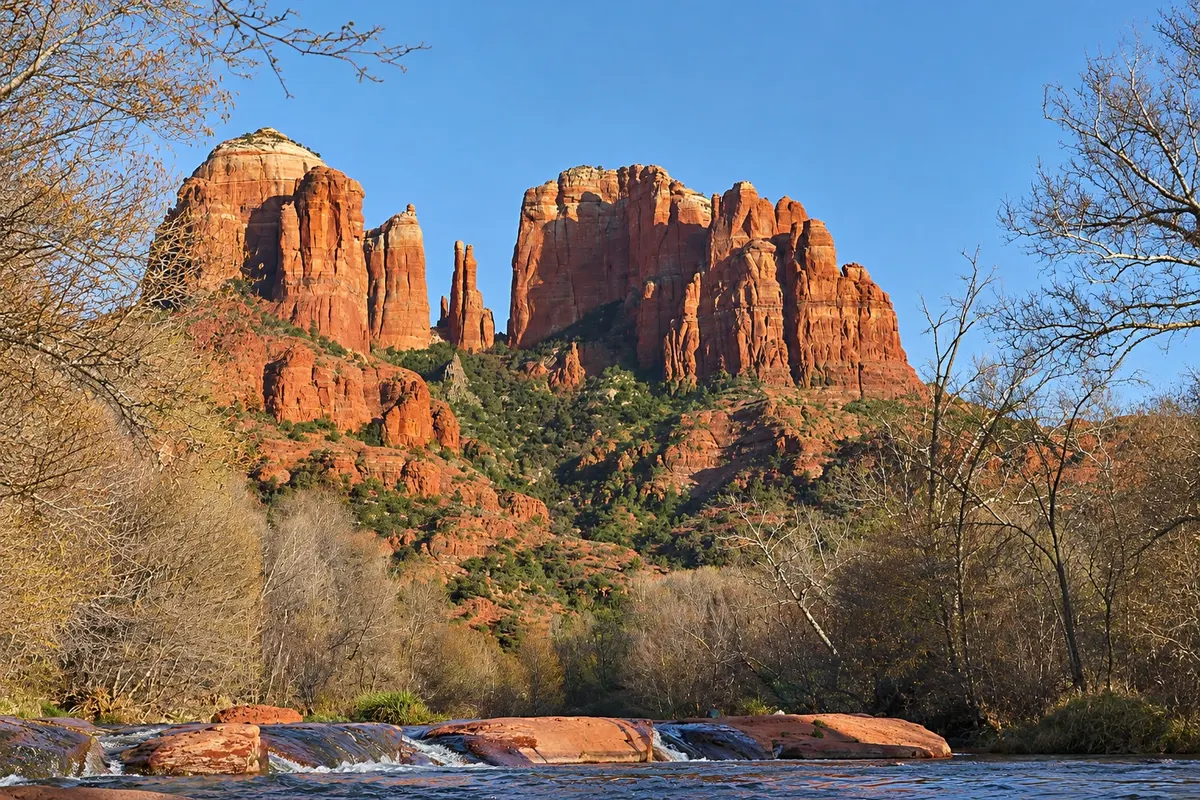
About two hours north, Sedona sits among red sandstone formations such as Bell Rock and Cathedral Rock, at the mouth of Oak Creek Canyon. It’s a place for trails, viewpoints and galleries, and a stopover for Flagstaff and the Grand Canyon.

This destination brings together 3 cities: Phoenix, Scottsdale, Sedona.

Share: WhatsApp
Traveler, share your experiences through photos Up to 5 photos of each place you visited.

One destination, many paths

The cities on this trip

Start with one city or combine several in your itinerary.

Where Phoenix and Sedona (United States) — Phoenix; Scottsdale; Sedona is
ScottsdalePhoenixSedona

Boundaries: U.S. Census Bureau / geoBoundaries (public domain). Adapted by Cidade Turismo.

How to get there: Phoenix and Sedona (United States) — Phoenix; Scottsdale; Sedona

✈ Phoenix Sky Harbor International Airport (PHX) · 6 km to Phoenix

Phoenix Sky Harbor (PHX), Arizona’s main airport, is almost in the center of the capital and has domestic and international flights. Sedona is about a two-hour drive via the I-17. There is no regular public transportation to Sedona; shuttle vans operate from the airport.

Suggested arrival point: Phoenix

The local experience

Things to do in Phoenix and Sedona (United States) — Phoenix; Scottsdale; Sedona

Bell Rock
Sedona · Arizona · Rock formation

Bell Rock

A red sandstone bell-shaped rock beside State Route 179, south of Sedona, with short flat loops around it and more demanding climbs on the slopes.

Desert Botanical Garden
Phoenix · Arizona · Botanical garden

Desert Botanical Garden

Botanical garden in Papago Park with thousands of desert plant species, including saguaro cacti, on outdoor trails among red rocks.

Taliesin West
Scottsdale · Arizona · Historic house

Taliesin West

The house, studio and winter school of architect Frank Lloyd Wright, built from 1937 in the desert at the foot of the McDowell Mountains. It is part of the UNESCO World Heritage list and is visited with timed tickets.

Cathedral Rock
Sedona · Arizona · Rock formation

Cathedral Rock

Red sandstone formation with towers that evoke a cathedral, south of Sedona by Oak Creek, featuring a short steep trail to a saddle between the towers.

See 5 more places in Phoenix and Sedona (United States) — Phoenix; Scottsdale; Sedona
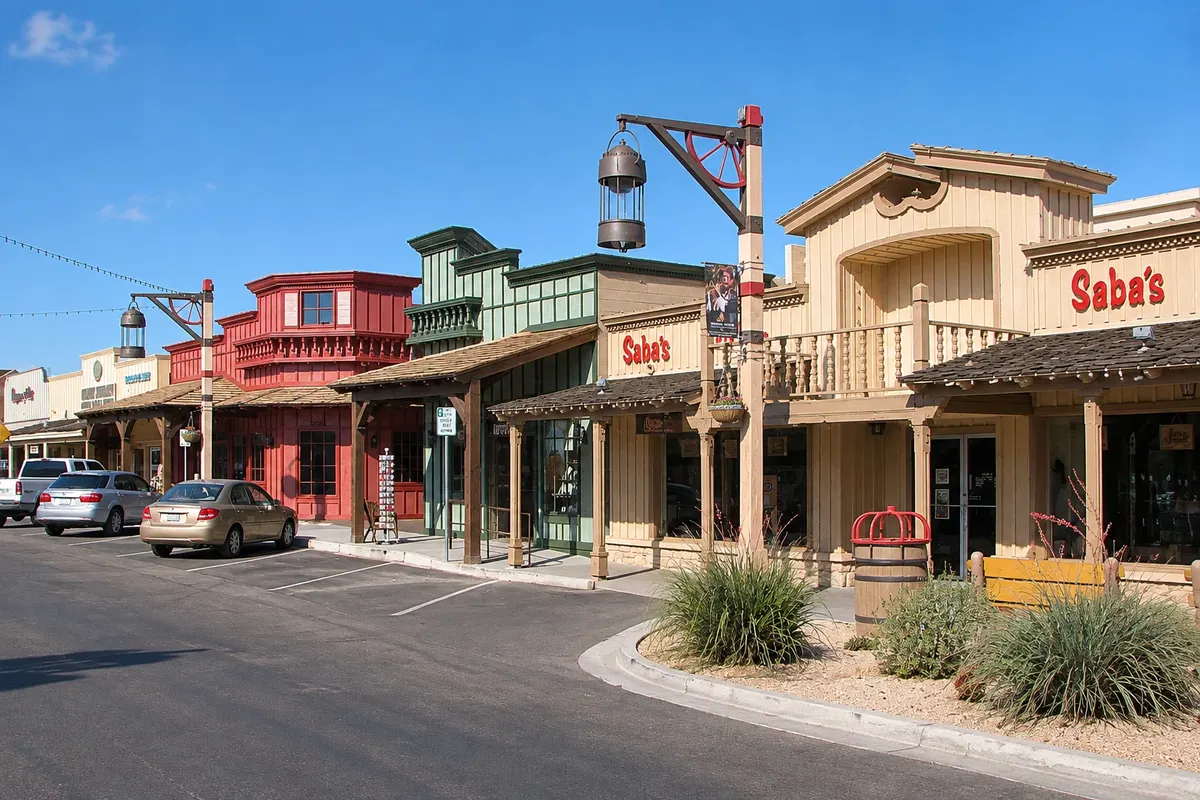
Old Town Scottsdale
Scottsdale · Arizona · Historic centre

Old Town Scottsdale

Scottsdale’s center, with streets of western and Native American art galleries, craft shops, restaurants and the small Museum of the American West.

Heard Museum
Phoenix · Arizona · Museum

Heard Museum

Museum in downtown Phoenix dedicated to the art and culture of Indigenous peoples, especially of the Southwest, with pottery, weaving, jewelry and a collection of Hopi kachina dolls.

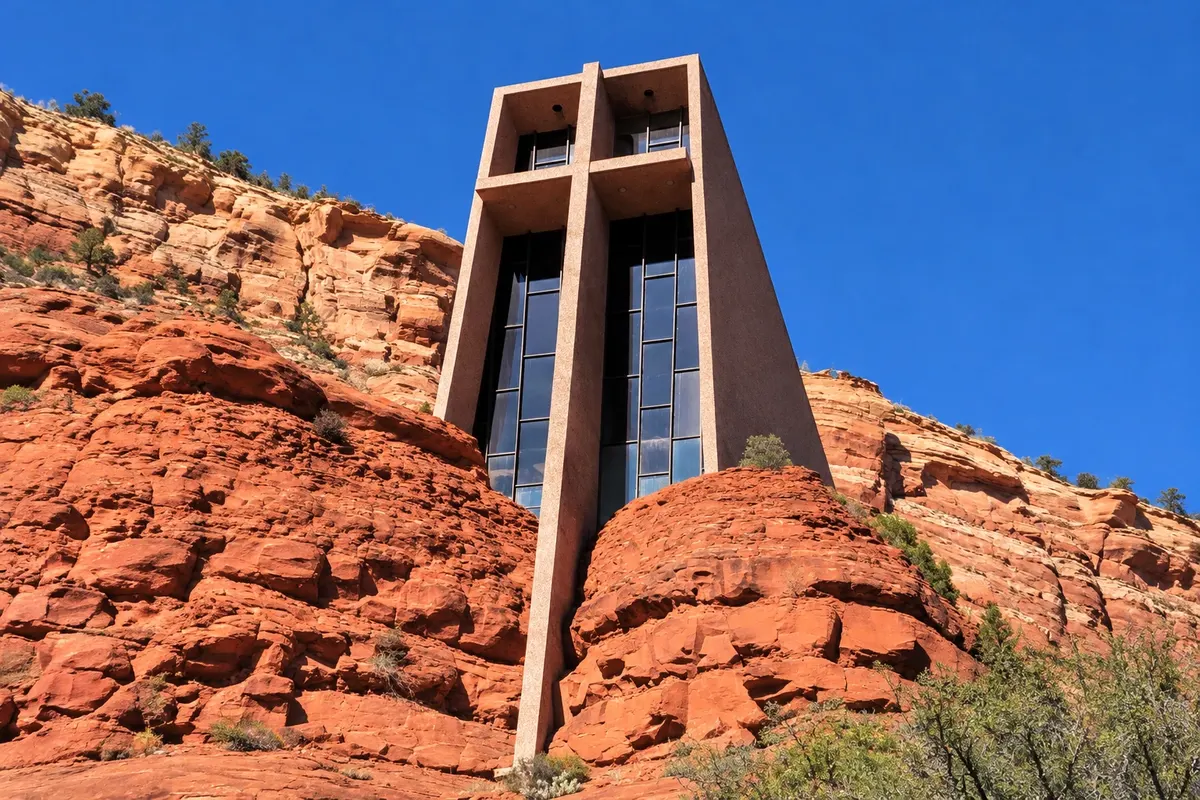
Chapel of the Holy Cross
Sedona · Arizona · Church

Chapel of the Holy Cross

A concrete Catholic chapel wedged between two red rocks south of Sedona, with a large cross on the façade and a glass window facing the valley. It was completed in 1956.

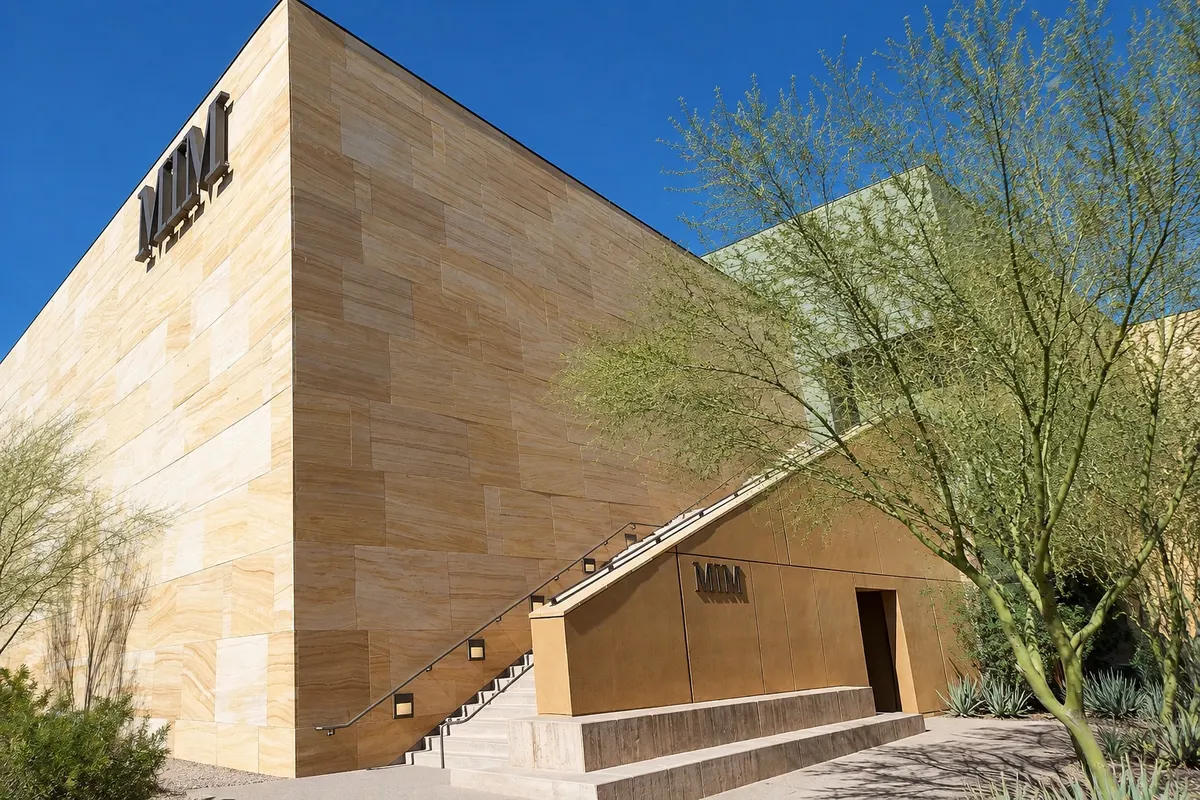
Musical Instrument Museum
Phoenix · Arizona · Museum

Musical Instrument Museum

Museum in north Phoenix with thousands of musical instruments from nearly every country, presented with headphones that play the music of each display.

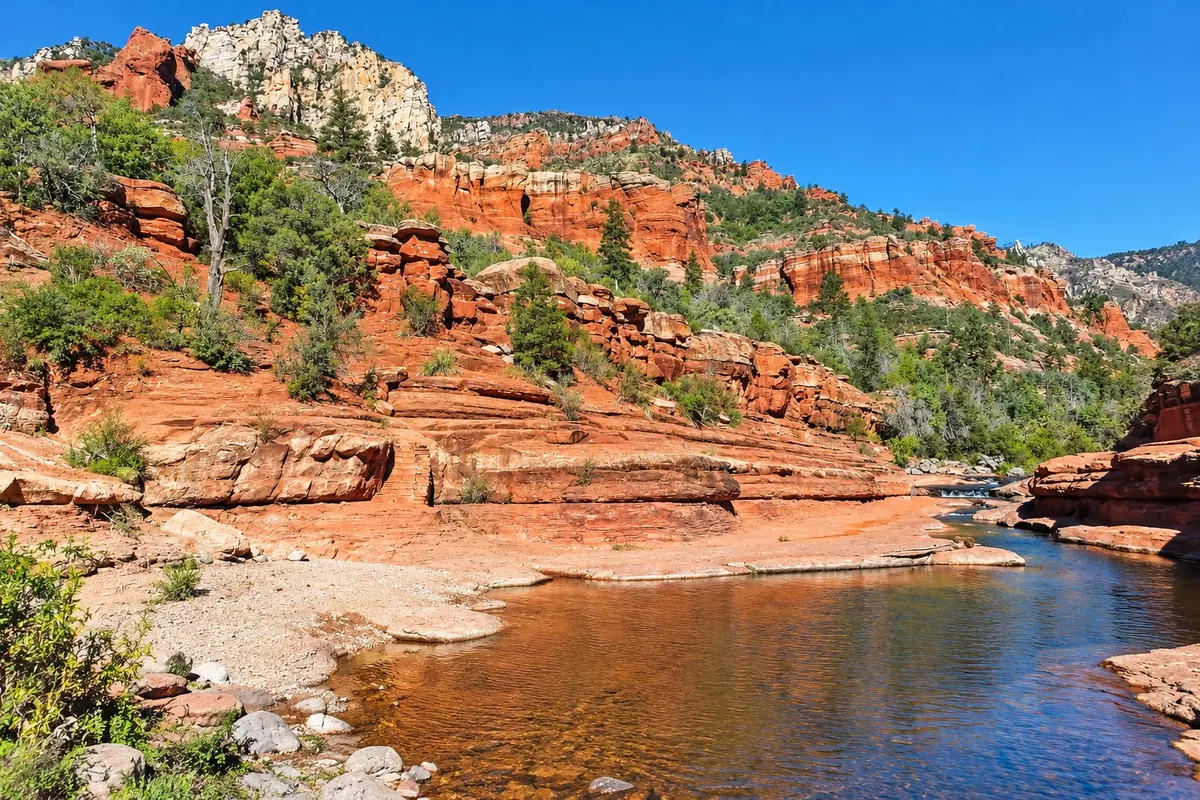
Slide Rock State Park
Sedona · Arizona · State park

Slide Rock State Park

A state park in the Oak Creek canyon north of Sedona, with a natural stone slide in the creek, swimming pools, and a historic apple orchard.

Before you go

Practical information

A little planning leaves more time to enjoy the journey.

When to go

From October to April in Phoenix and Scottsdale, with mild days and almost no rain. From June to September temperatures often exceed 40 °C. In Sedona, spring and autumn are the most pleasant; summer is hot and winter is cool, with rare snow.

The seasons shown are the most usual ones; nature doesn't always follow the calendar.

How many days to stay

Four days allow two in Phoenix and Scottsdale and two in Sedona. With three days, one day in the Phoenix area, including Taliesin West, and two in Sedona.

Which city to stay in

In Phoenix, downtown near the museums, or in neighborhoods close to Camelback. In Scottsdale, the old town has restaurants and galleries within walking distance. In Sedona, Uptown is close to the shops; the Village of Oak Creek area, to the south, is next to Bell Rock.

Respect the place

Take your trash with you, follow the signs and support local businesses. In natural areas, follow the visiting guidelines.

Get your questions answered

Frequently asked questions about Phoenix and Sedona (United States) — Phoenix; Scottsdale; Sedona

How many days for Phoenix and Sedona?

Three to four days: one or two in the Phoenix and Scottsdale area for museums, the botanical garden and Taliesin West, and two in Sedona for trails and viewpoints among the red rocks.

Do you need a car in Phoenix and Sedona?

Yes. The Phoenix metro area is sprawling, with a light rail that serves only part of it, and Sedona is about two hours away with no regular public transport. In Sedona there is a bus to the most popular trails during part of the year.

Can you do Phoenix to Sedona as a day trip?

You can, with about two hours of driving each way, but trail time will be short. One night in Sedona lets you see the rocks at sunset and sunrise.

What is the best time to visit Phoenix?

From October to April, when days are usually mild and dry. In summer temperatures frequently exceed 40 °C, and desert trails should be done very early in the day.

What time zone are Phoenix and Sedona in?

Arizona does not observe daylight saving time: Phoenix and Sedona are on UTC-7 year-round. From March to November they share the same time as Las Vegas and California; in winter they are one hour ahead.

Explore other destinations Search by state and city