Big Bend (Alpine; Terlingua; Marfa)

Texas · the United States

Big Bend (Alpine; Terlingua; Marfa)

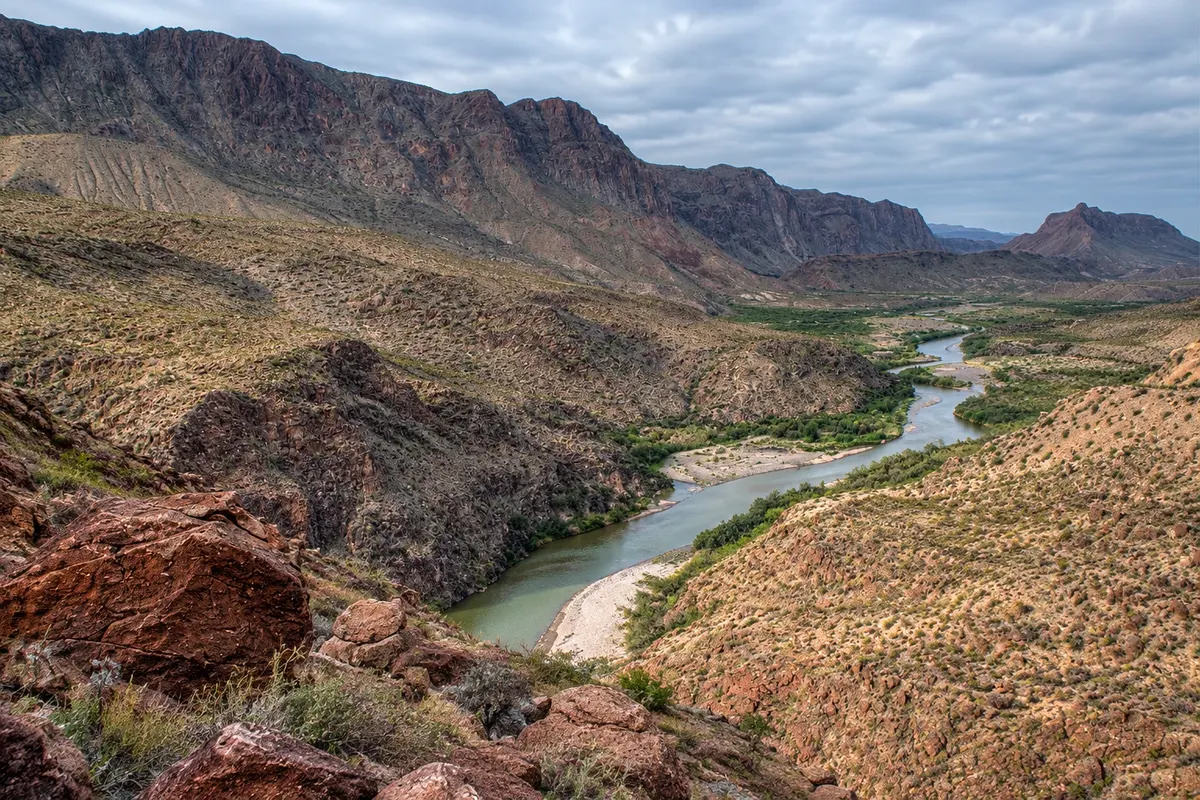
Big Bend National Park, where the Rio Grande makes a big bend between Texas and Mexico, with the Santa Elena canyon and the Chisos Mountains, and Marfa, the desert town known for contemporary art.

Texas

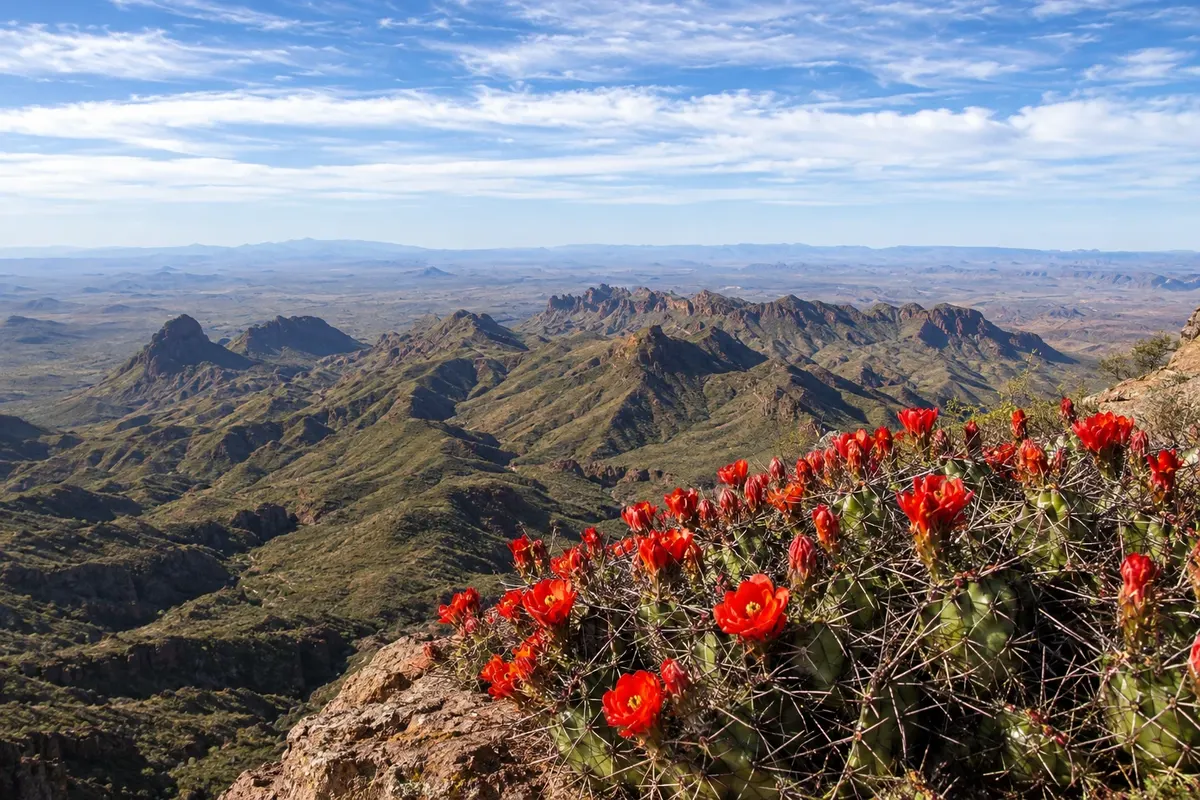
In the photo: Big Bend landscape seen from the South Rim

Illustrative images. The pictures in this guide are illustrations based on the real place, not photographs, and may differ from it.

Get to know the place

A region to enjoy
at your own pace.

Big Bend is the far-west region of Texas where the Rio Grande, which marks the border with Mexico, makes a large bend. It is one of the least populated areas in the United States, in the Chihuahuan Desert, with mountains, canyons and very dark night skies. It is remote: about 500 km from El Paso and 650 km from San Antonio.

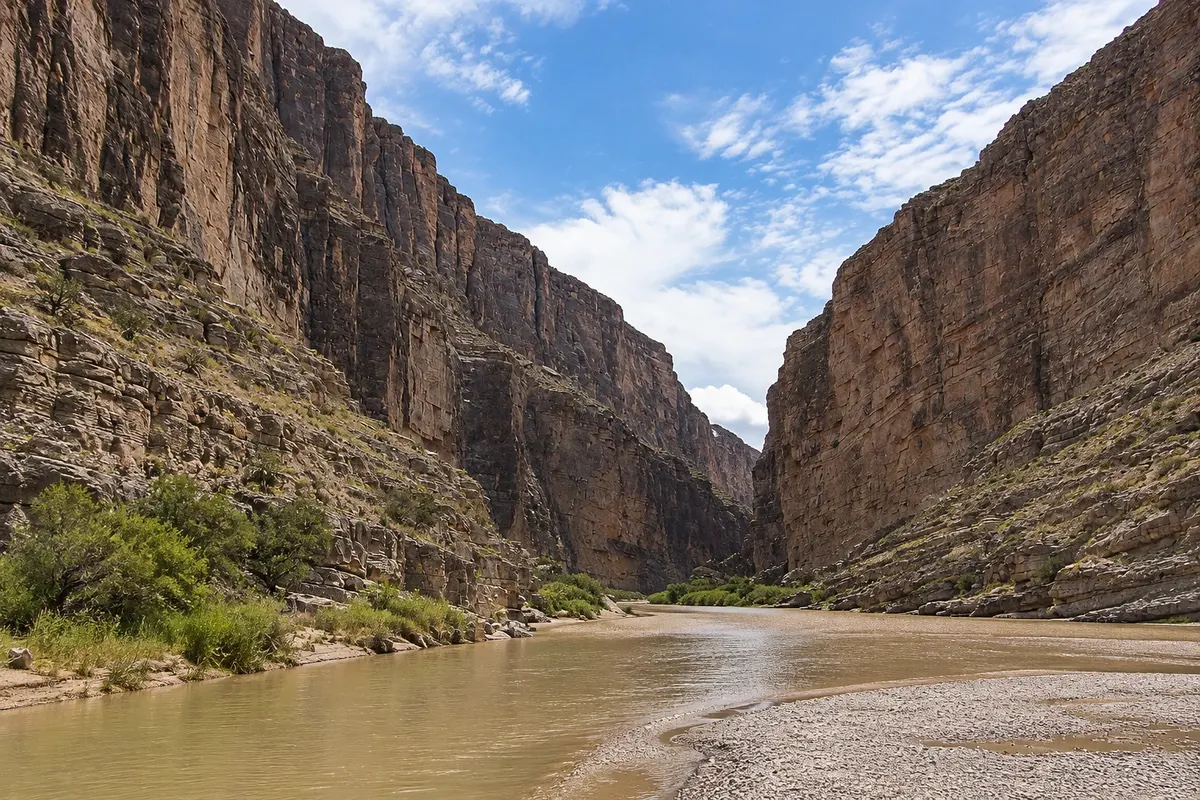
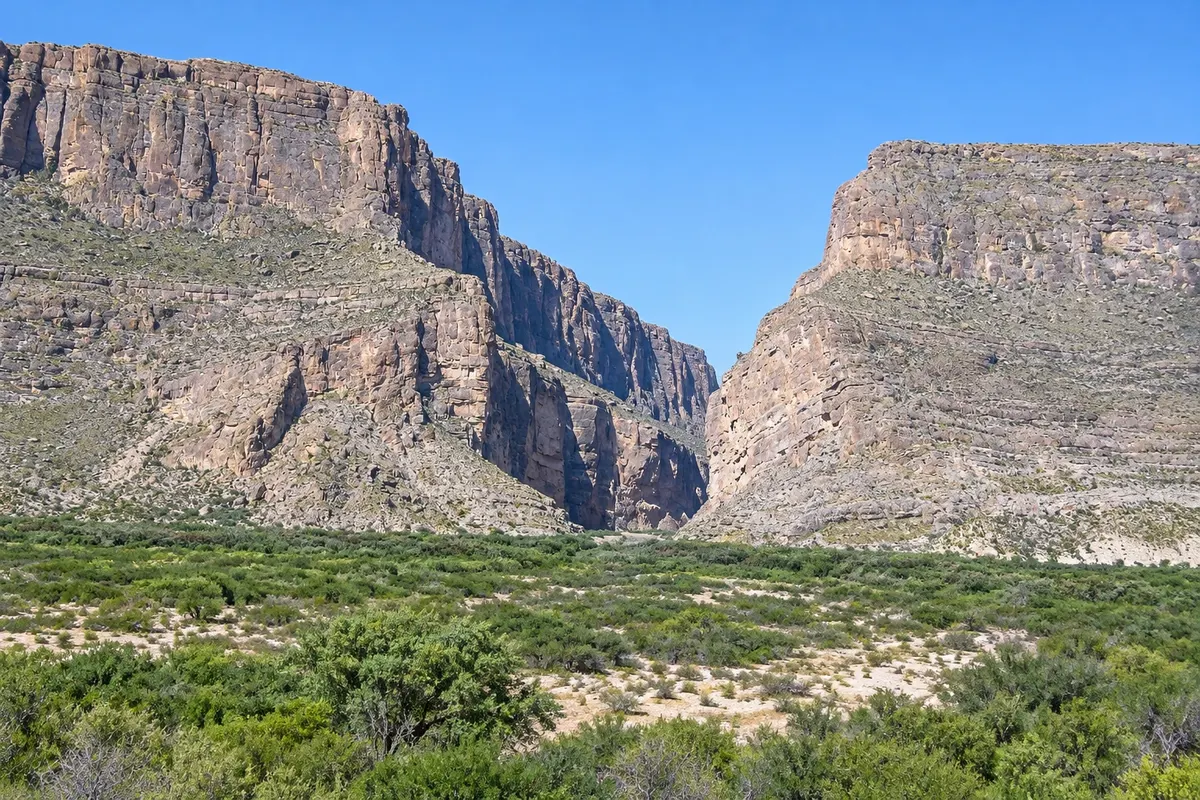
The national park covers the desert, the Chisos Mountains—the only mountains in the country located entirely within a national park—and more than 160 km of the river. Santa Elena Canyon, with cliffs around 450 meters high, is the best-known landscape. Next door, Big Bend Ranch State Park has dirt roads and the River Road that follows the river.

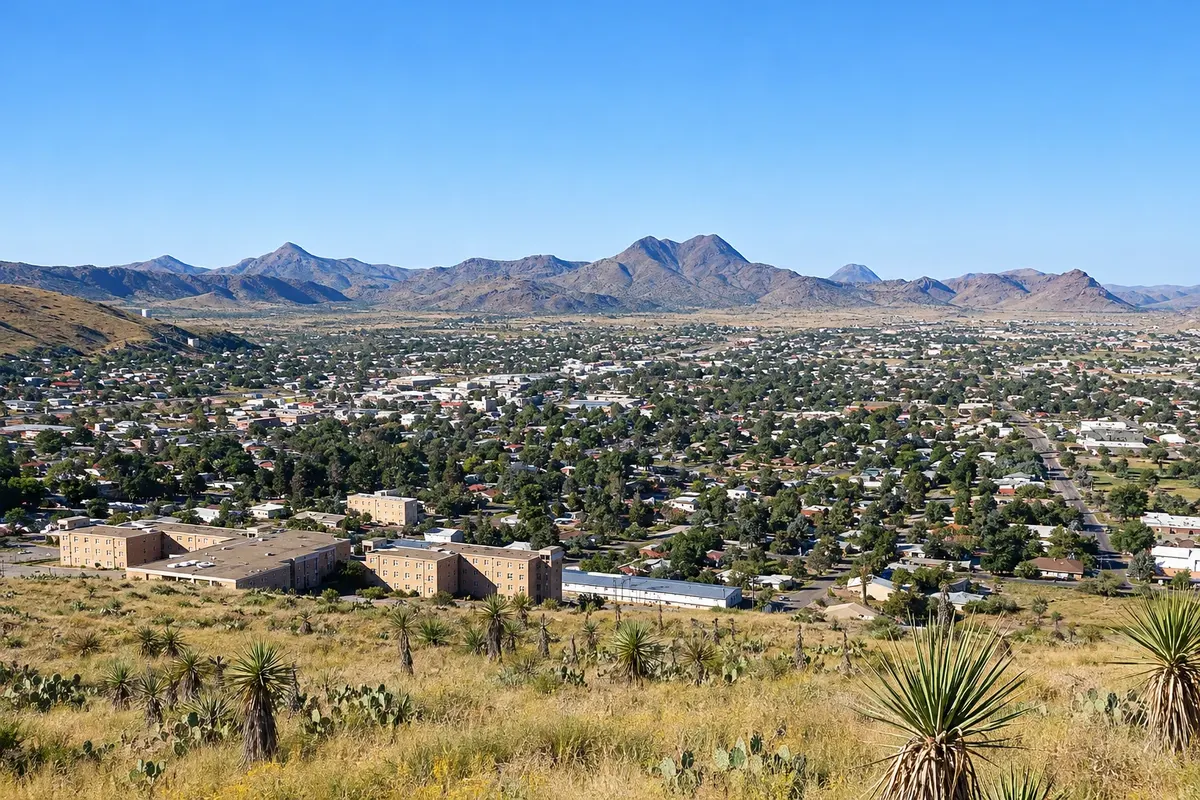
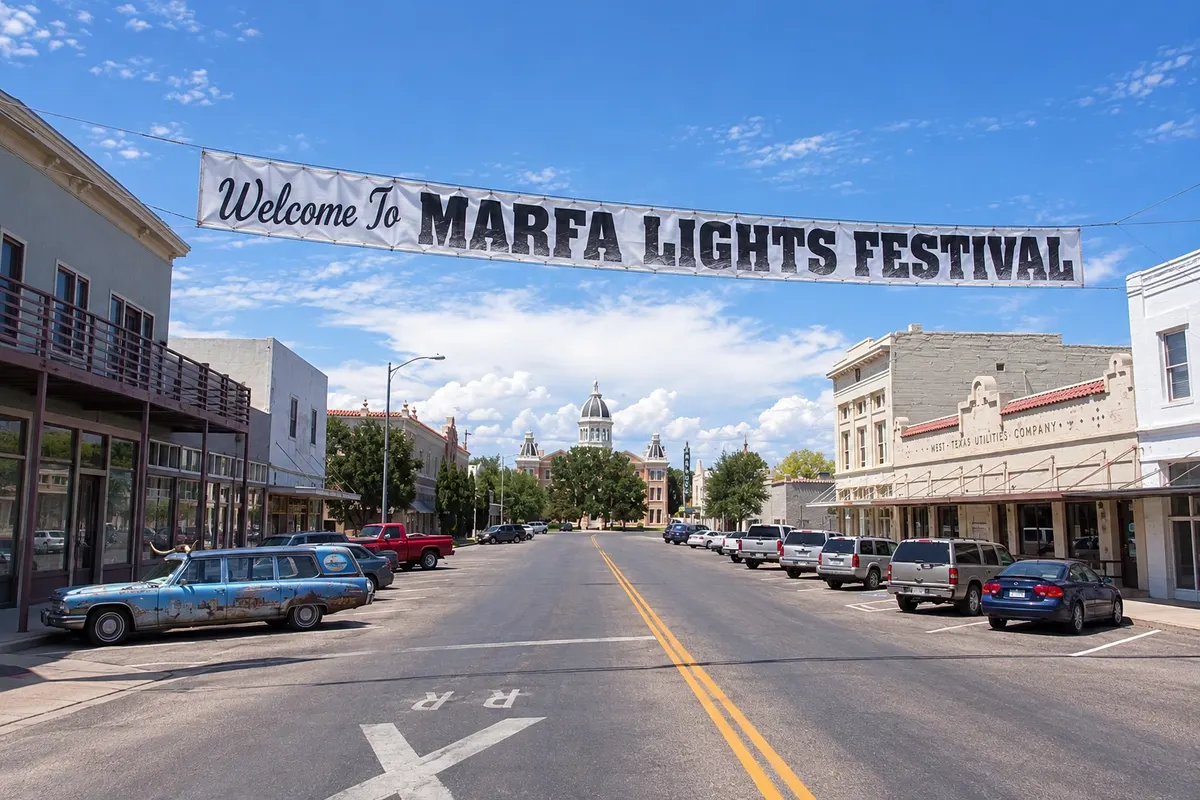
Towns in the region are small. Alpine, with the university and the regional museum, is the most complete and has a train station. Terlingua, a former mercury-mining village, sits near the park entrances. Marfa, about 40 km from Alpine, became known for contemporary art after artist Donald Judd moved there in the 1970s.

This destination brings together 3 cities: Alpine, Terlingua, Marfa.

Share: WhatsApp
Traveler, share your experiences through photos Up to 5 photos of each place you visited.

One destination, many paths

The cities on this trip

Start with one city or combine several in your itinerary.

Where Big Bend (Alpine; Terlingua; Marfa) is
MarfaAlpineTerlingua

Boundaries: U.S. Census Bureau / geoBoundaries (public domain). Adapted by Cidade Turismo.

How to get there: Big Bend (Alpine; Terlingua; Marfa)

✈ Midland International Air and Space Port (MAF), in Midland · 260 km to Alpine

The nearest airports with regular flights are Midland (MAF), about 260 km from Alpine, and El Paso (ELP), about 350 km away. Amtrak trains stop in Alpine a few times a week. By car, it’s about five hours from El Paso and seven from San Antonio. A car is essential in the region.

Suggested arrival point: Alpine

The local experience

Things to do in Big Bend (Alpine; Terlingua; Marfa)

Chinati Foundation
Marfa · Texas · Art museum

Chinati Foundation

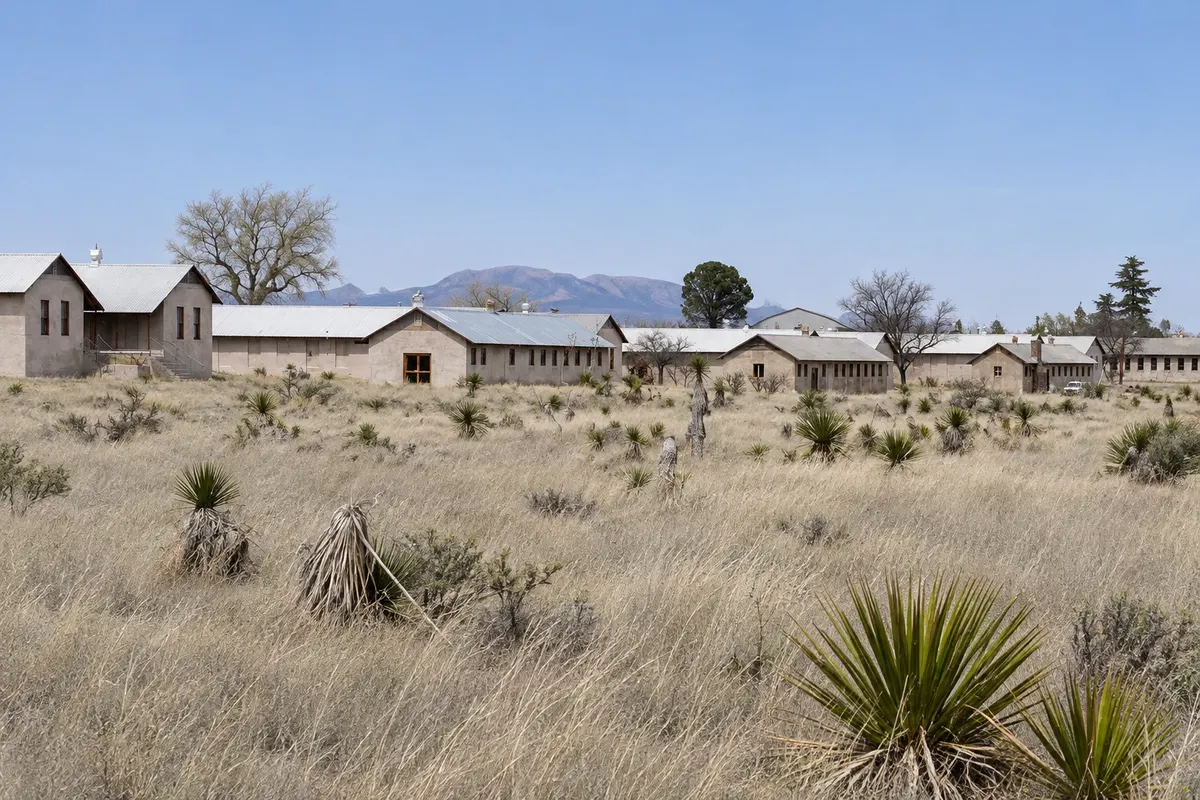
Contemporary art museum created by Donald Judd in a former military fort south of Marfa, with large permanent installations in buildings and the open landscape.

Museum of the Big Bend
Alpine · Texas · Museum

Museum of the Big Bend

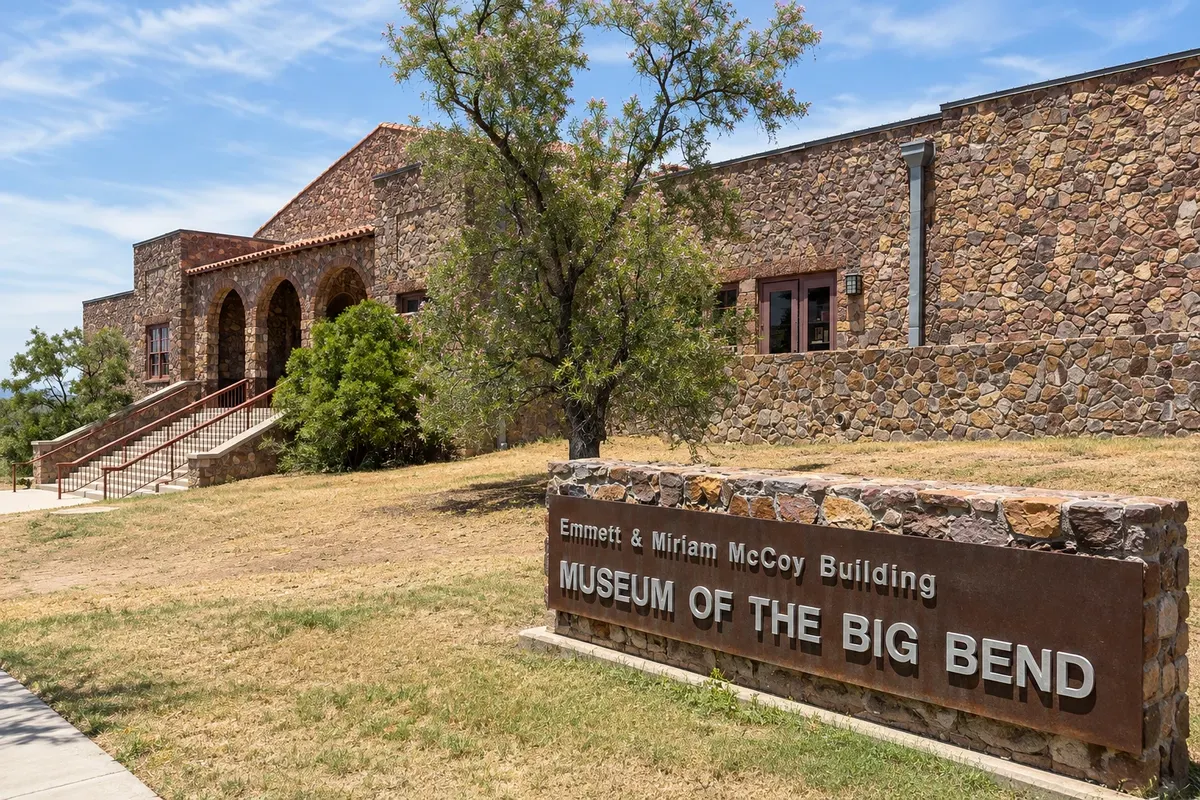
Regional museum on the Sul Ross campus in Alpine, about the history, peoples and nature of the Big Bend region and the border.

Big Bend National Park
Terlingua · Texas · National park

Big Bend National Park

Park at the big bend of the Rio Grande, on the border with Mexico, featuring the Chihuahuan Desert, the Chisos Mountains, hot springs and more than 160 km of river.

Marfa Lights Viewing Area
Marfa · Texas · Viewpoint

Marfa Lights Viewing Area

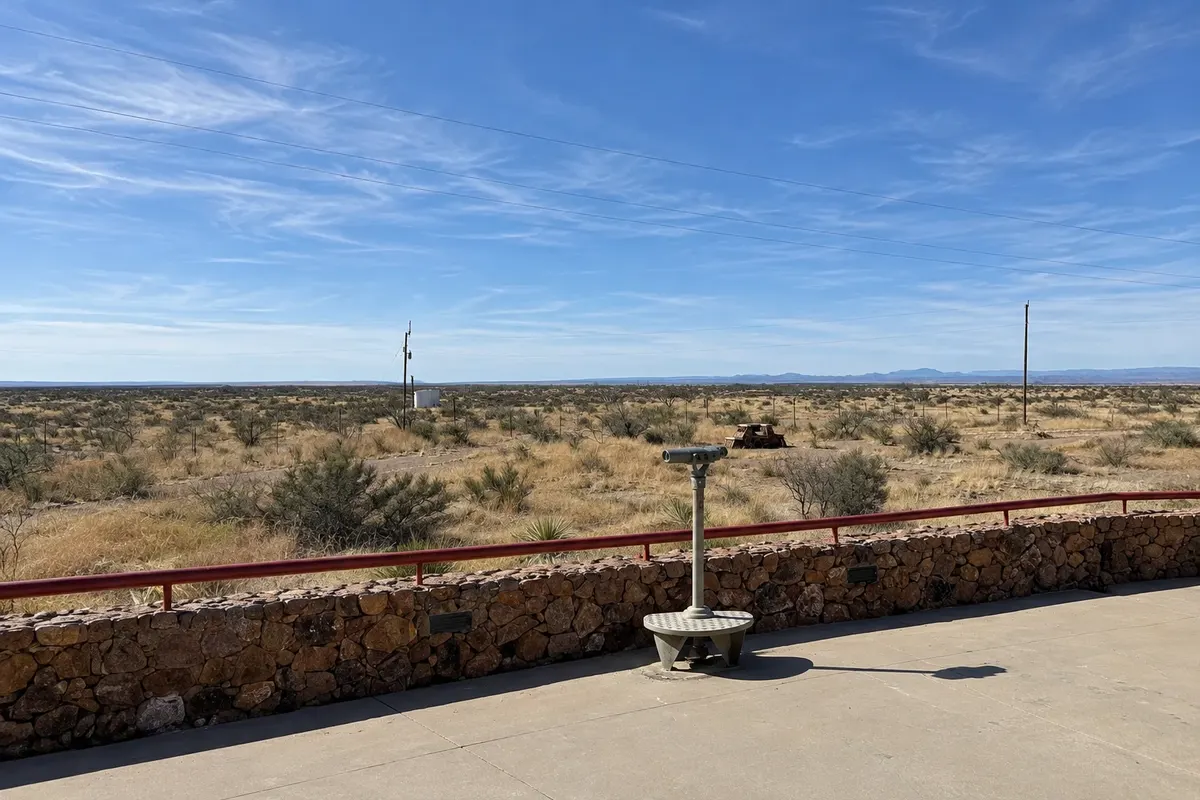
Observation area on the edge of US-90, east of Marfa, where visitors gather at dusk to try to see the Marfa Lights on the desert horizon.

See 3 more places in Big Bend (Alpine; Terlingua; Marfa)
Santa Elena Canyon
Terlingua · Texas · Canyon

Santa Elena Canyon

Canyon of the Rio Grande in the western part of Big Bend National Park, with limestone cliffs about 450 meters high, one side in the United States and the other in Mexico.

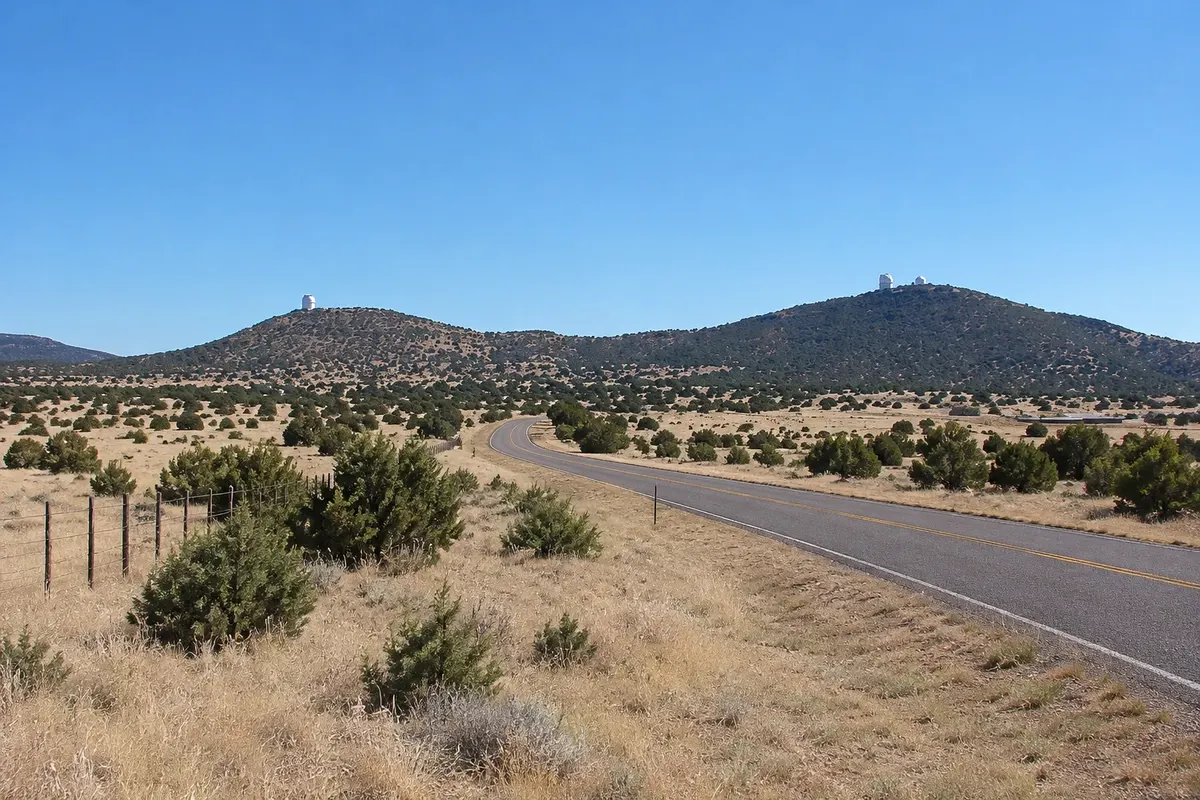
McDonald Observatory
Alpine · Texas · Observatory

McDonald Observatory

The University of Texas astronomical observatory in the Davis Mountains, at about 2,000 meters, with a visitor center, telescope tours and nighttime star‑viewing programs.

Big Bend Ranch State Park
Terlingua · Texas · State park

Big Bend Ranch State Park

Largest state park in Texas, west of the national park, with the River Road, a scenic road along the Rio Grande, canyons and desert trails.

Before you go

Practical information

A little planning leaves more time to enjoy the journey.

When to go

From October to April the desert usually has mild temperatures, the best season for hiking; in the Chisos Mountains winter nights can be cold. From May to September the heat is intense in the lowlands, often above 40 °C. Spring often brings desert wildflowers depending on the rains.

The seasons shown are the most usual ones; nature doesn't always follow the calendar.

How many days to stay

Three days allow you to see the national park, Terlingua and Marfa. With four or five days, include the state park, the McDonald Observatory and more hikes in the Chisos Mountains.

Which city to stay in

Alpine has the largest range of lodging and is halfway between Marfa and the park. Terlingua and Study Butte sit near the park entrances. Inside the national park there are lodging and campgrounds in the Chisos Mountains, with limited space.

Respect the place

Take your trash with you, follow the signs and support local businesses. In natural areas, follow the visiting guidelines.

Get your questions answered

Frequently asked questions about Big Bend (Alpine; Terlingua; Marfa)

How many days should you stay in Big Bend?

Three days for the national park, Terlingua and Marfa. With four or five days, include the state park and the McDonald Observatory.

What is the distance from El Paso and San Antonio to Big Bend?

From El Paso, about 500 km, roughly a five-hour drive to the park. From San Antonio, about 650 km, roughly seven hours.

Do you need a car in Big Bend?

Yes. There is no public transportation in the region, distances are large and gas stations are few.

What is the best time to visit Big Bend?

From October to April, when the heat eases. In summer, hike only in the Chisos Mountains or very early in the day.

Explore other destinations Search by state and city