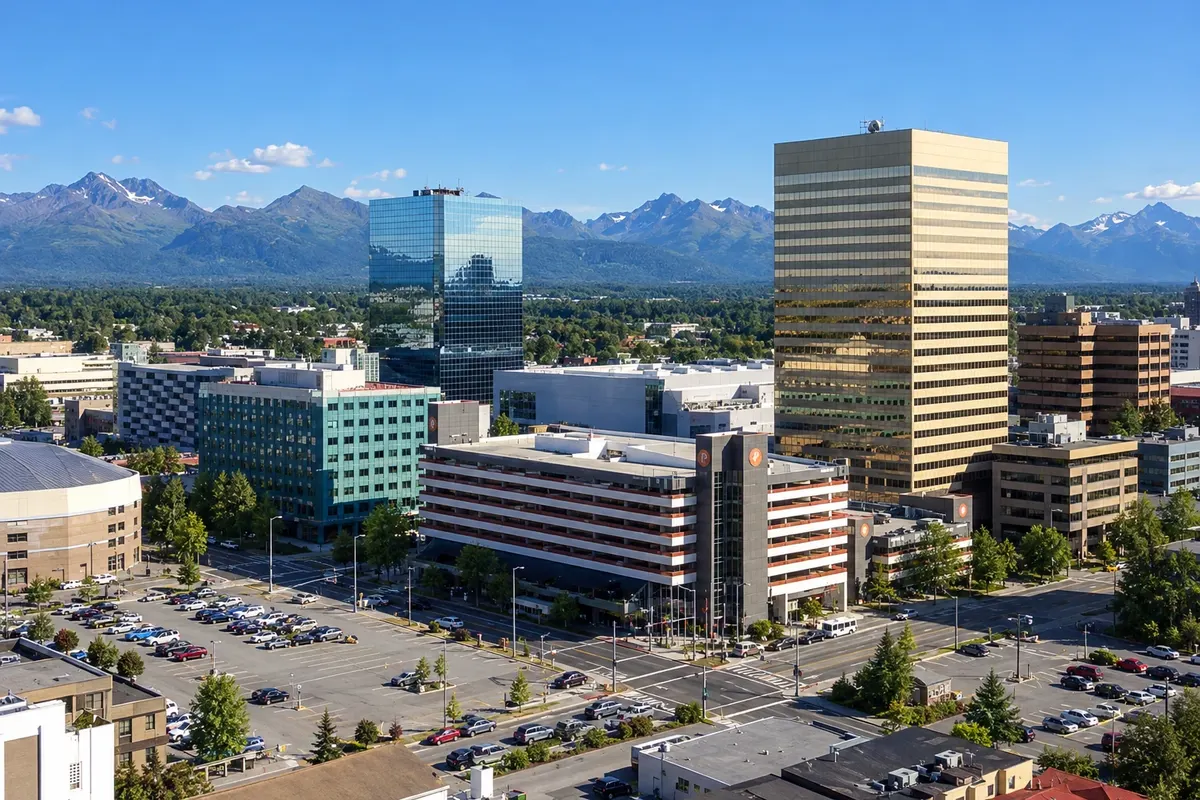
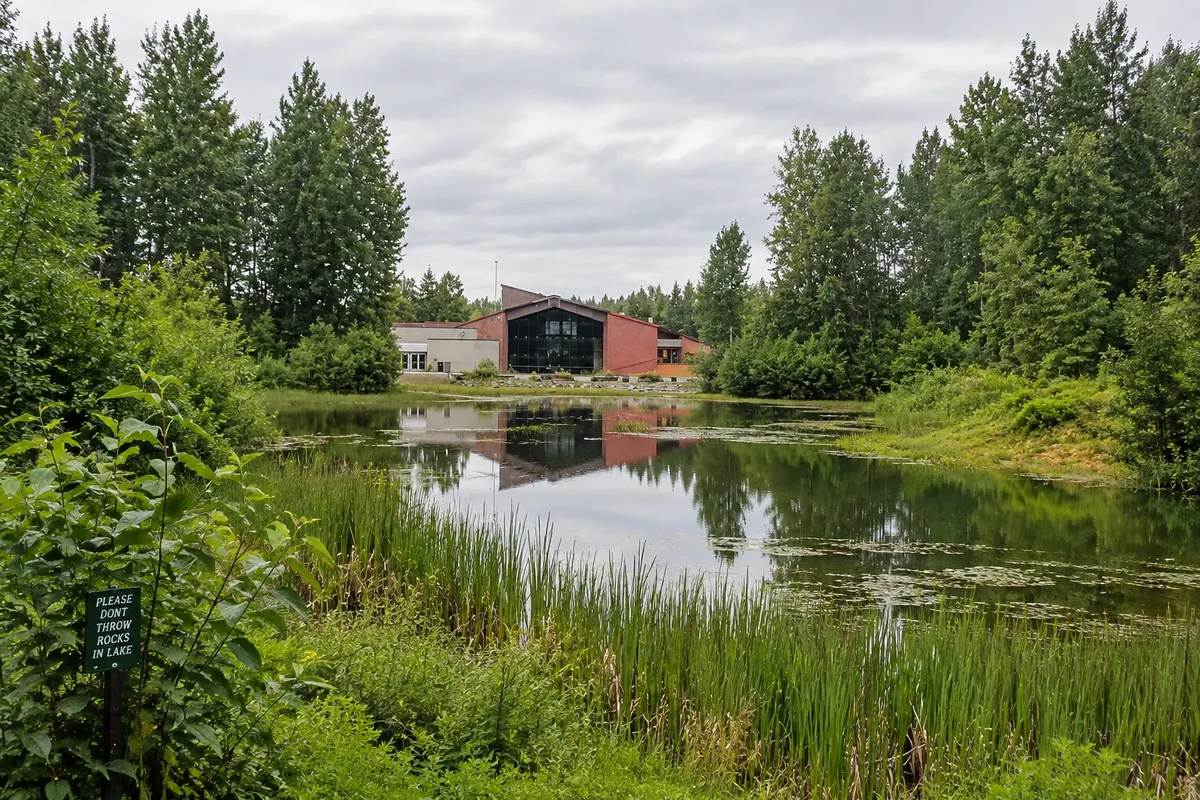
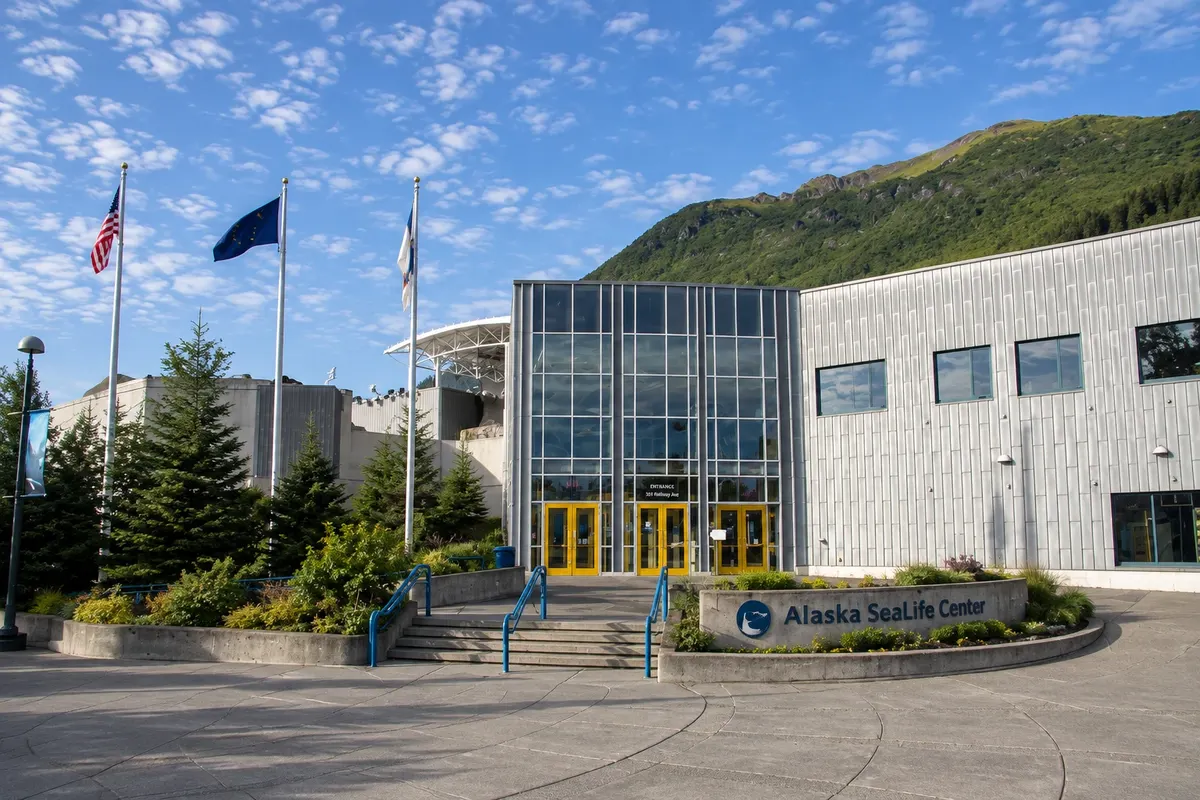
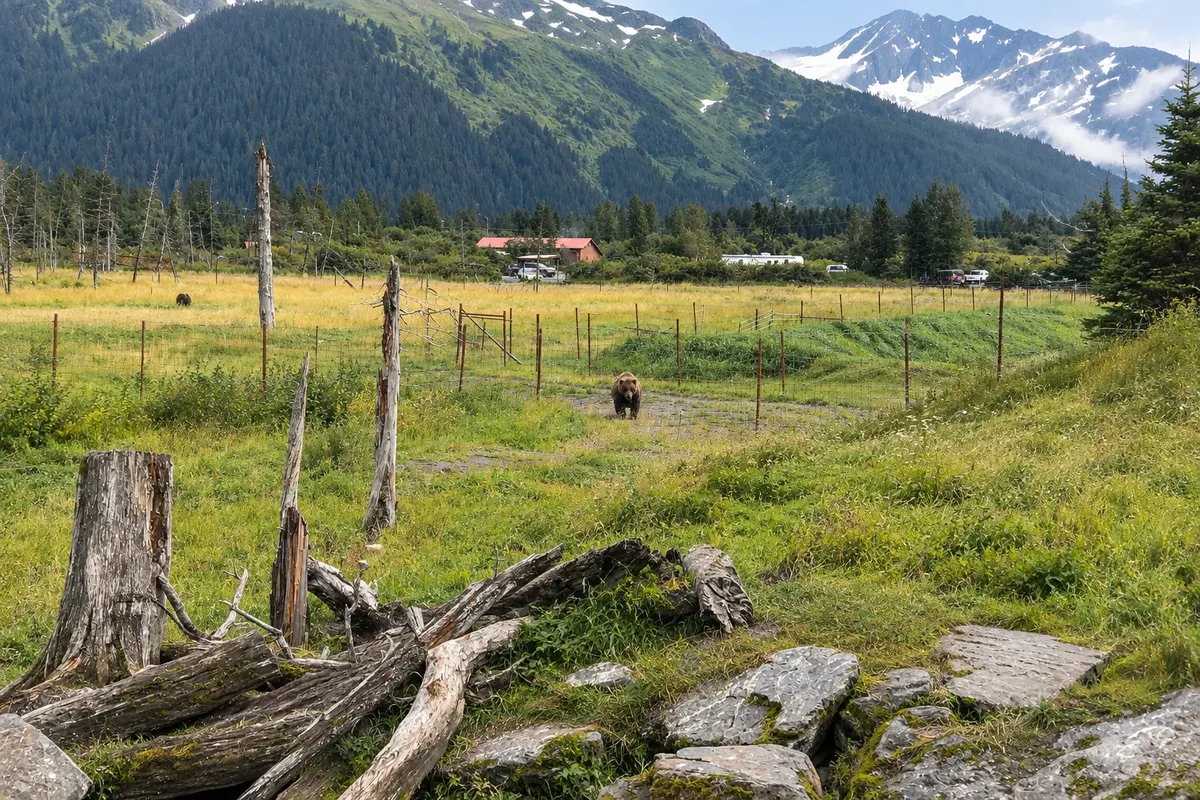
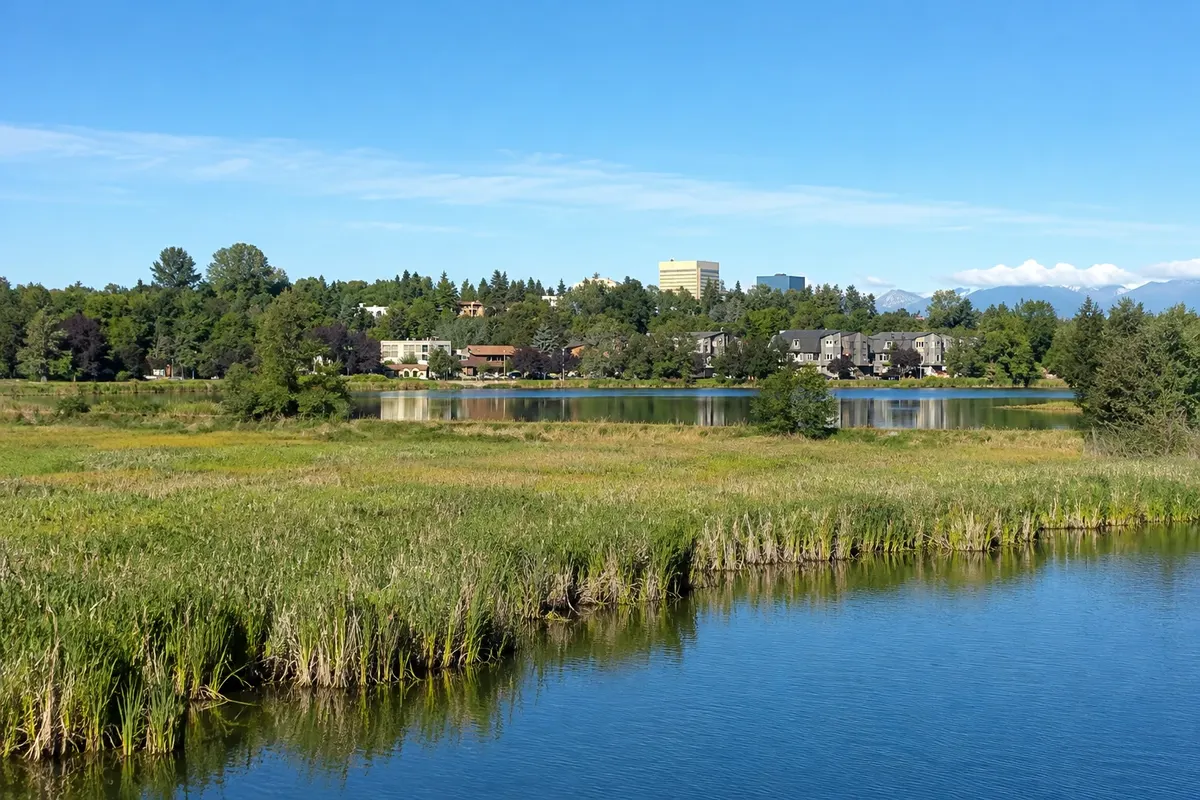
Anchorage contains about two fifths of Alaska’s population, between the Chugach Mountains and the waters of Cook Inlet. It began in 1914 as a camp for the Alaska Railroad and was rebuilt after the 1964 earthquake, the strongest ever recorded in North America. Despite being a large city for the state, moose wander the neighborhoods, trails start in the downtown area, and a state mountain park borders the city.
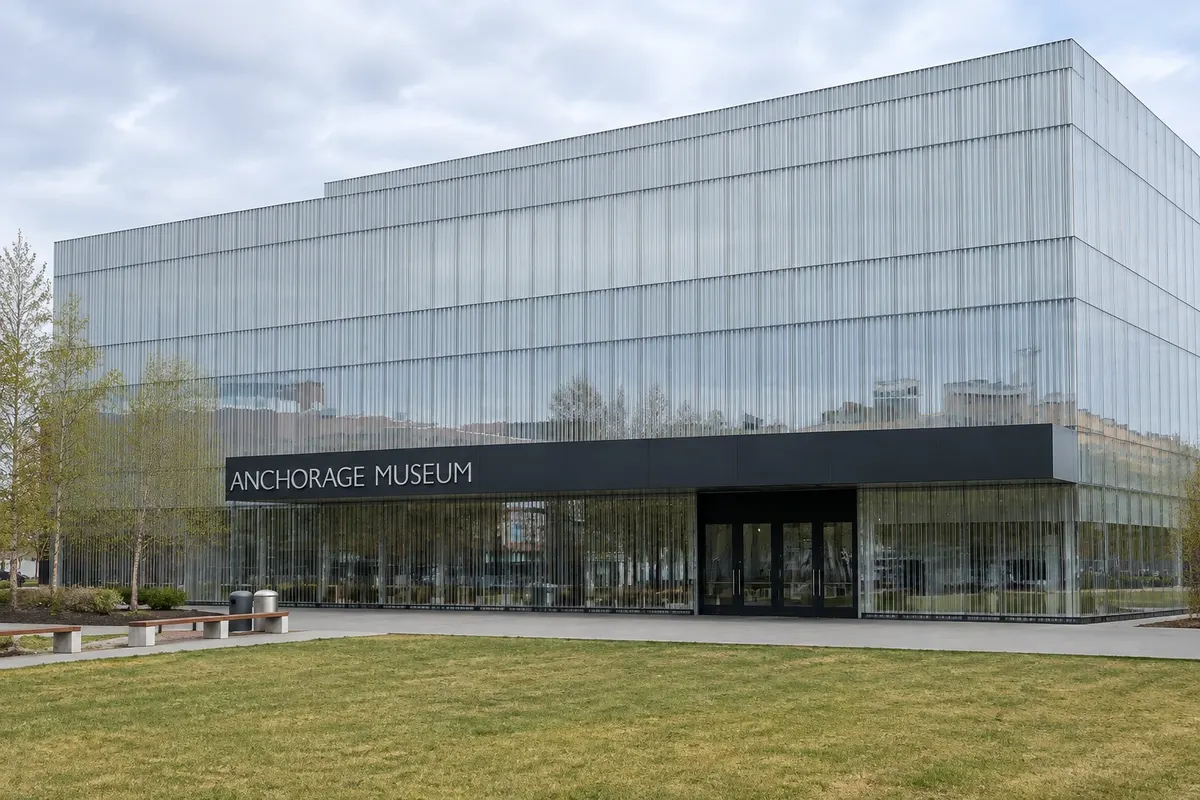
The city is the gateway for most visitors to Alaska, with the international airport and the railroad station. Museums tell the history of the state and the cultures of Alaska Native peoples, and the coastal trail runs along the shoreline to a large forested park.
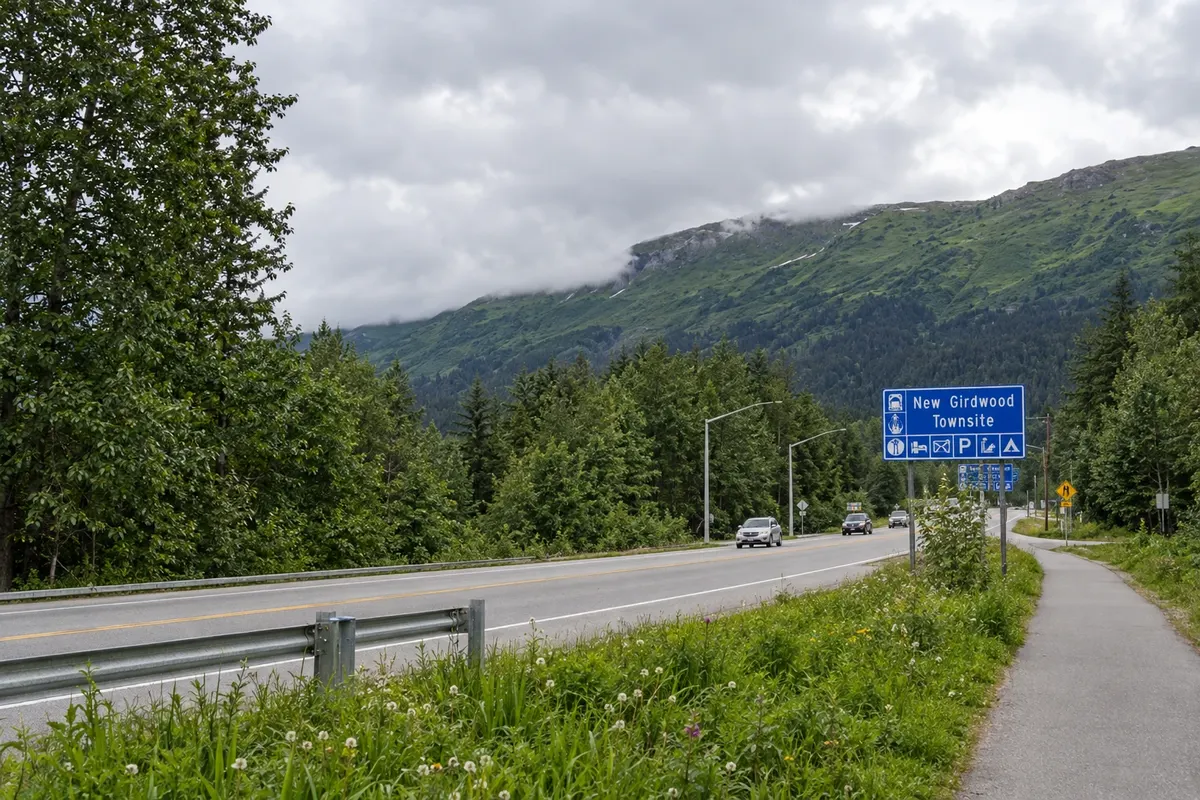
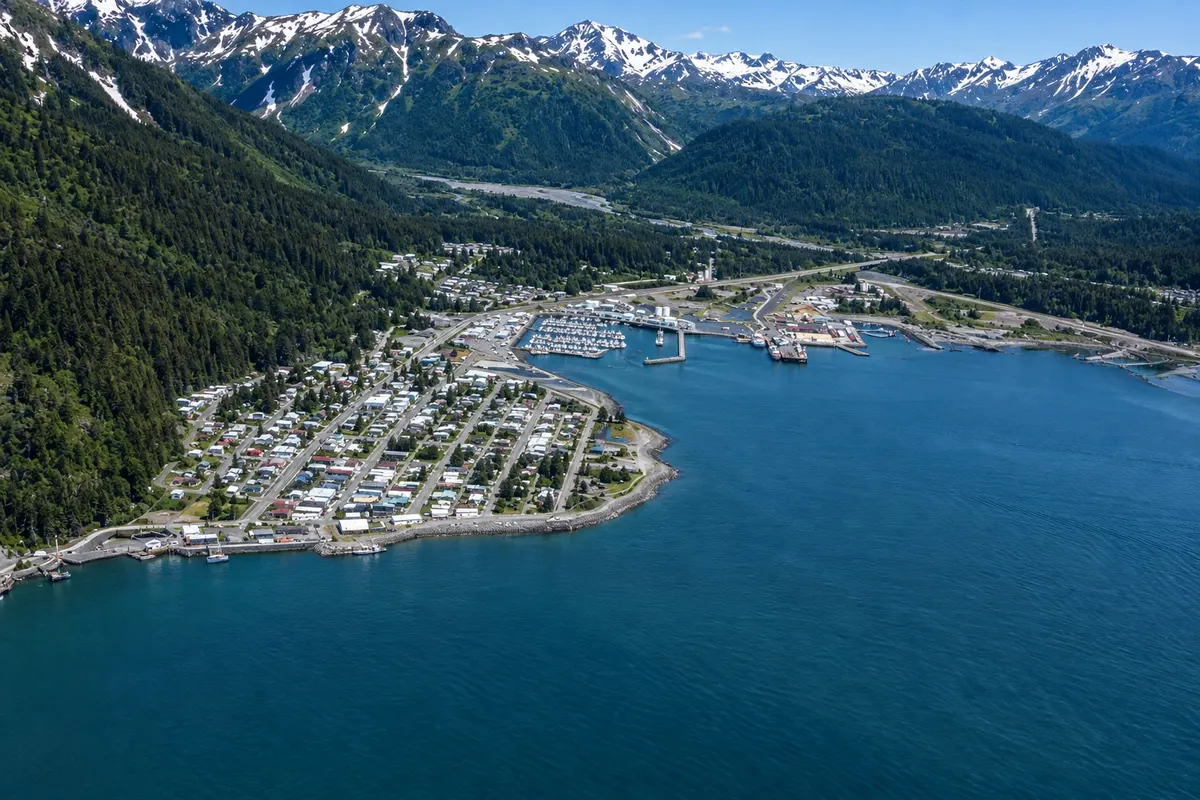
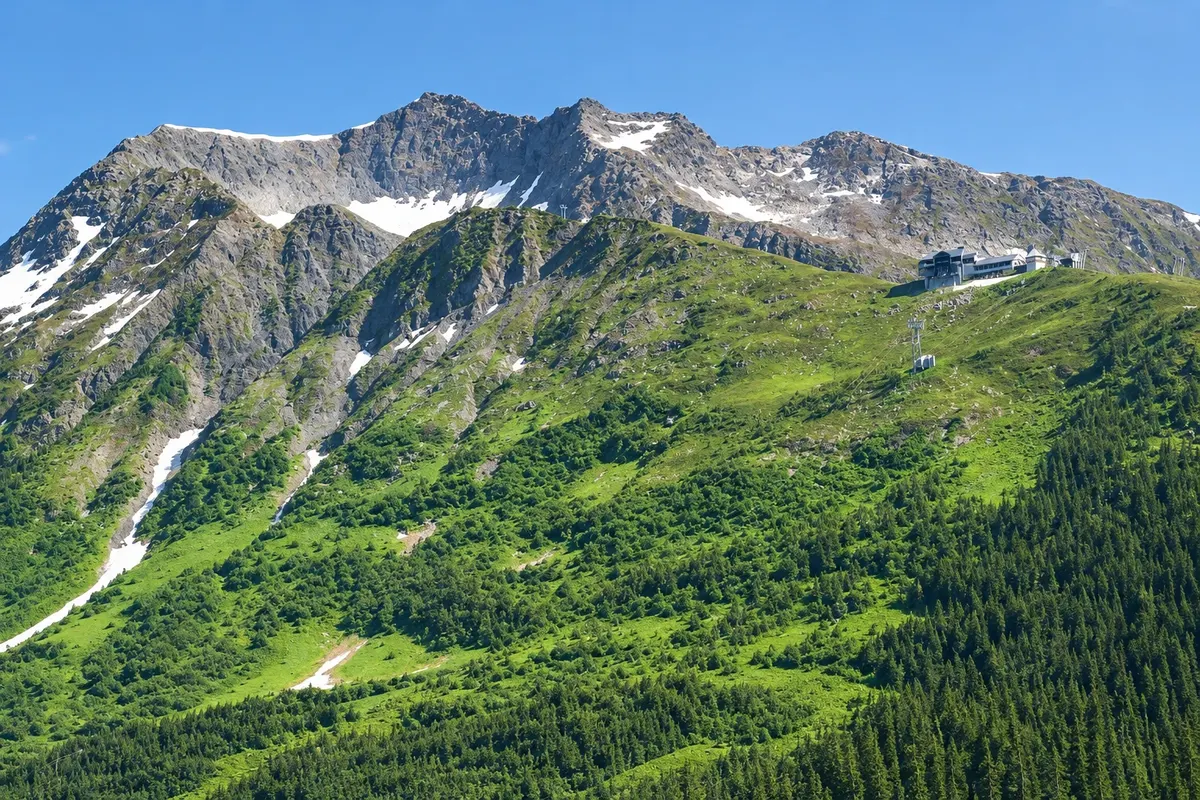
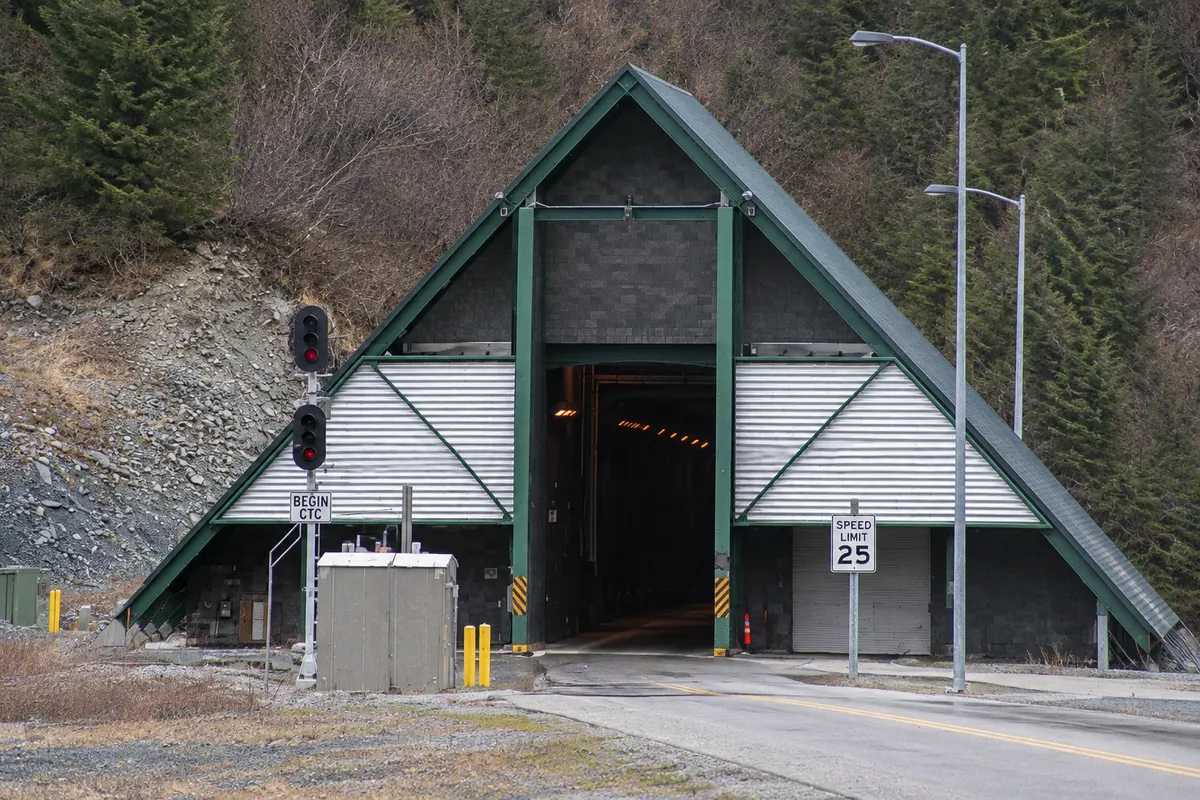
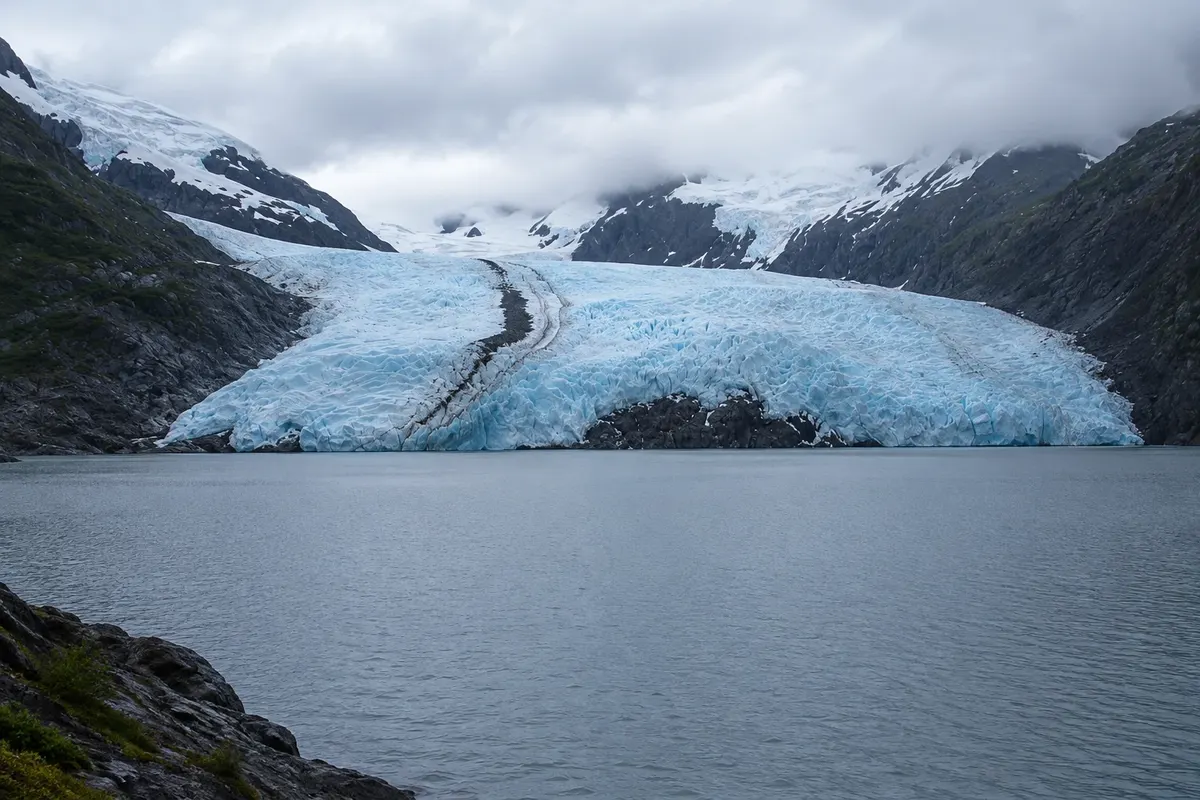
To the south, the Seward Highway skirts Turnagain Arm, a long fjord at the foot of the Chugach Mountains, where the tide rises in bores and belugas often appear in summer. Girdwood, about 60 km away, is the ski village for Mount Alyeska, and a little farther are Portage Glacier and Whittier, linked to the highway by a tunnel used alternately by cars and trains.
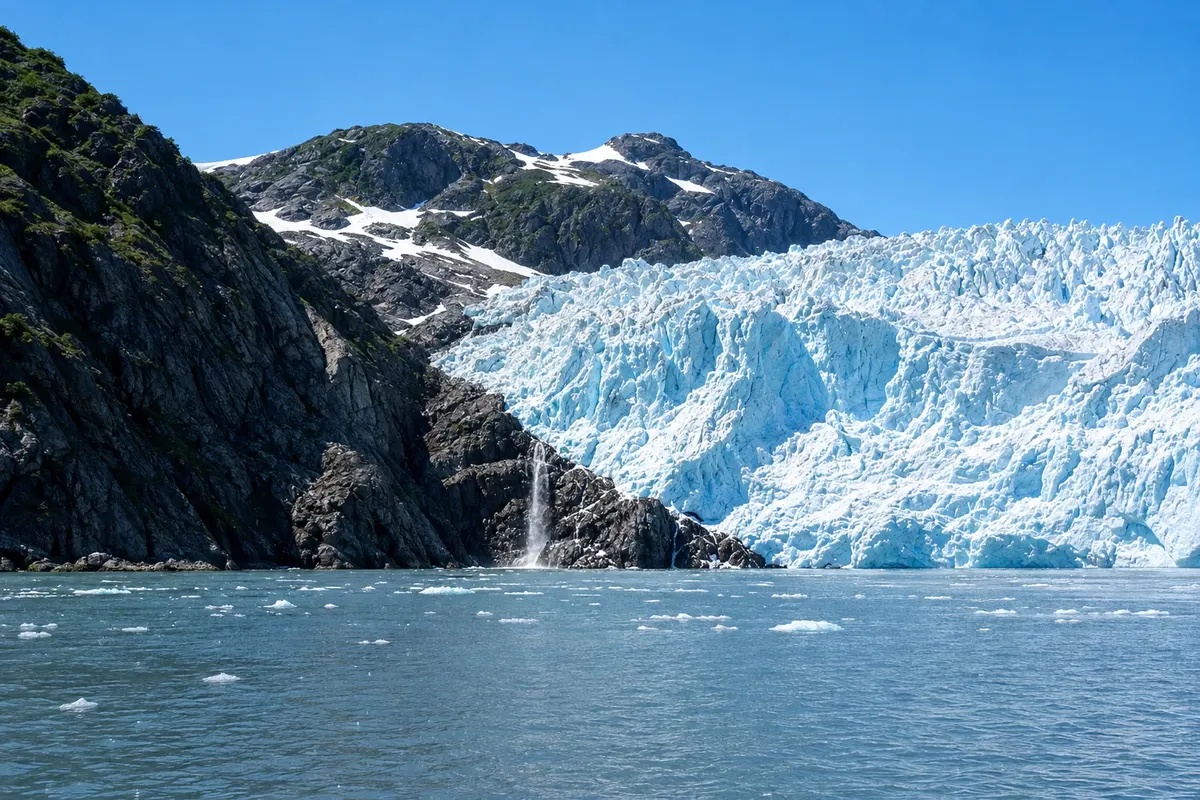
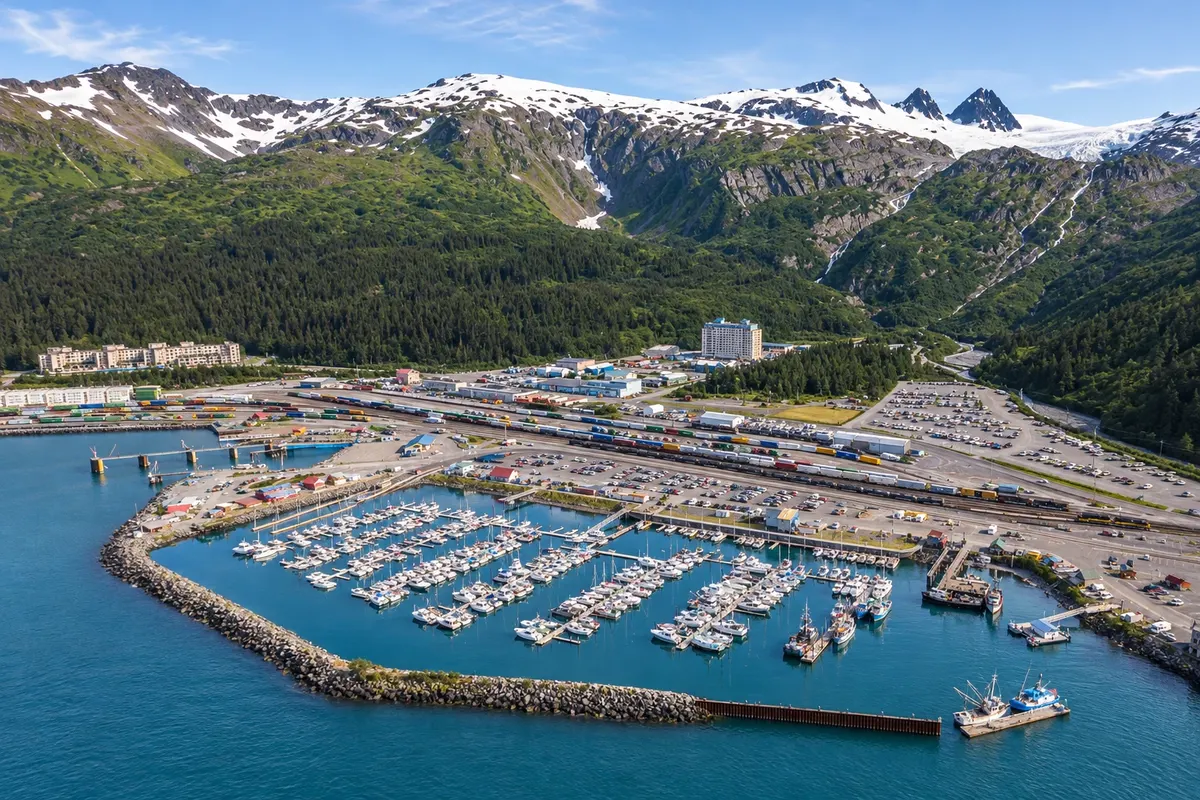
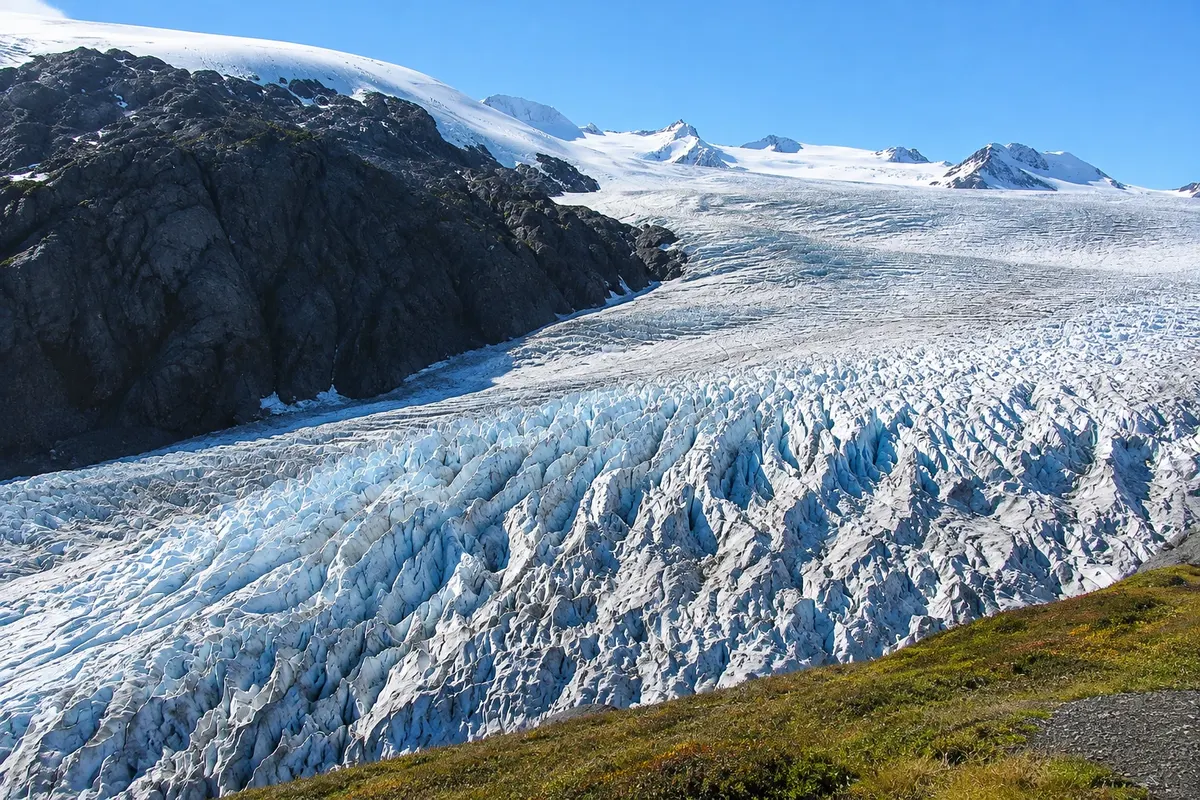
At the end of the road, Seward sits on Resurrection Bay, the gateway to Kenai Fjords National Park, where the Harding Icefield feeds dozens of glaciers. Boats depart from the ports of Seward and Whittier to the fjords, sea lion colonies and glaciers that calve into the sea.
This destination brings together 4 cities: Anchorage, Girdwood, Seward, Whittier.


 Brazil
 Argentina
 Bolivia
 Chile
 Colombia
 Ecuador
 Guyana
 French Guiana
 Falkland Islands (Malvinas)
 Paraguay
 Peru
 Suriname
 Uruguay
 Venezuela
 Germany
 Austria
 Belgium
 Croatia
 Denmark
 Slovakia
 Slovenia
 Spain
 Finland
 France
 Greece
 the Netherlands
 Hungary
 Ireland
 Iceland
 Italy
 Luxembourg
 Norway
 Poland
 Portugal
 the United Kingdom
 the Czech Republic
 Sweden
 Switzerland
 Turkey
 Canada
 Mexico
 the Dominican Republic
 South Africa
 Australia
 Fiji
 New Zealand
 Papua New Guinea