Maribor and Ptuj lie in northeastern Slovenia, in the historical region of Styria (Štajerska), linked by the course of the Drava River and about half an hour apart by road. Maribor is the country’s second-largest city, at the foot of the Pohorje hills; Ptuj, further south, is the oldest town in Slovenia with written records, born from a Roman camp.
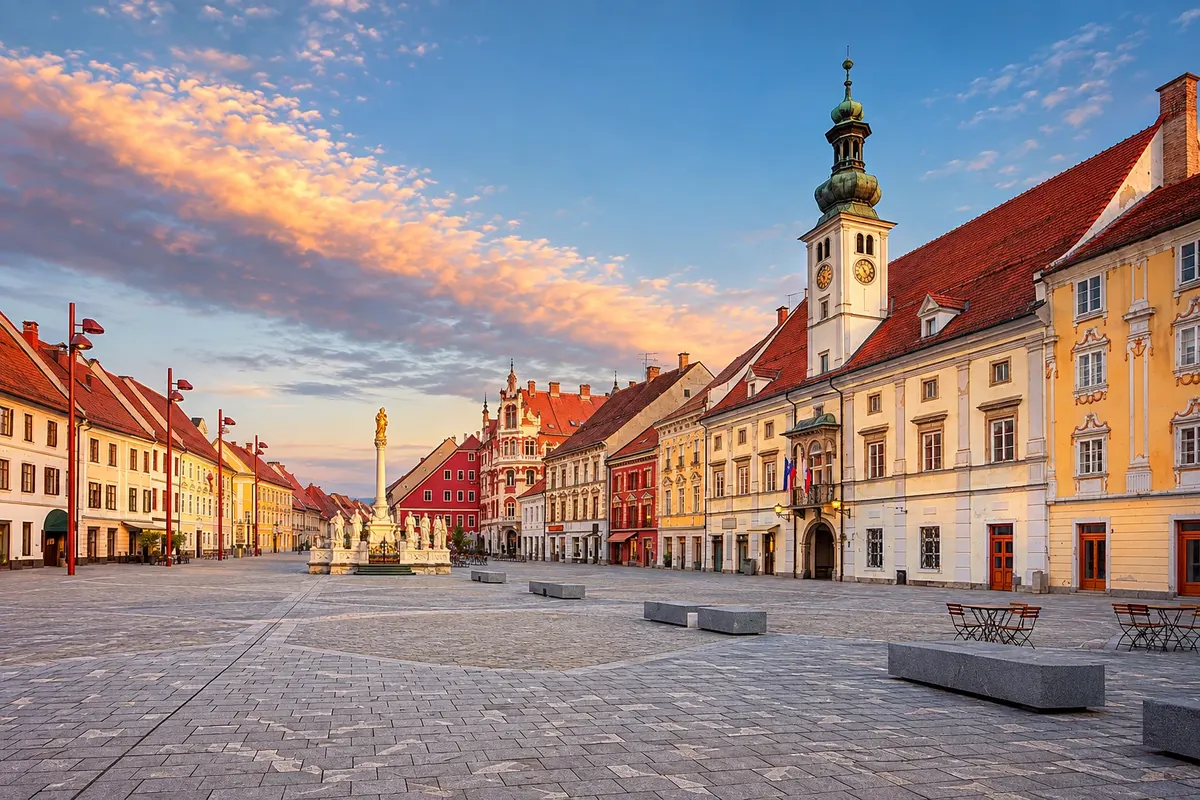
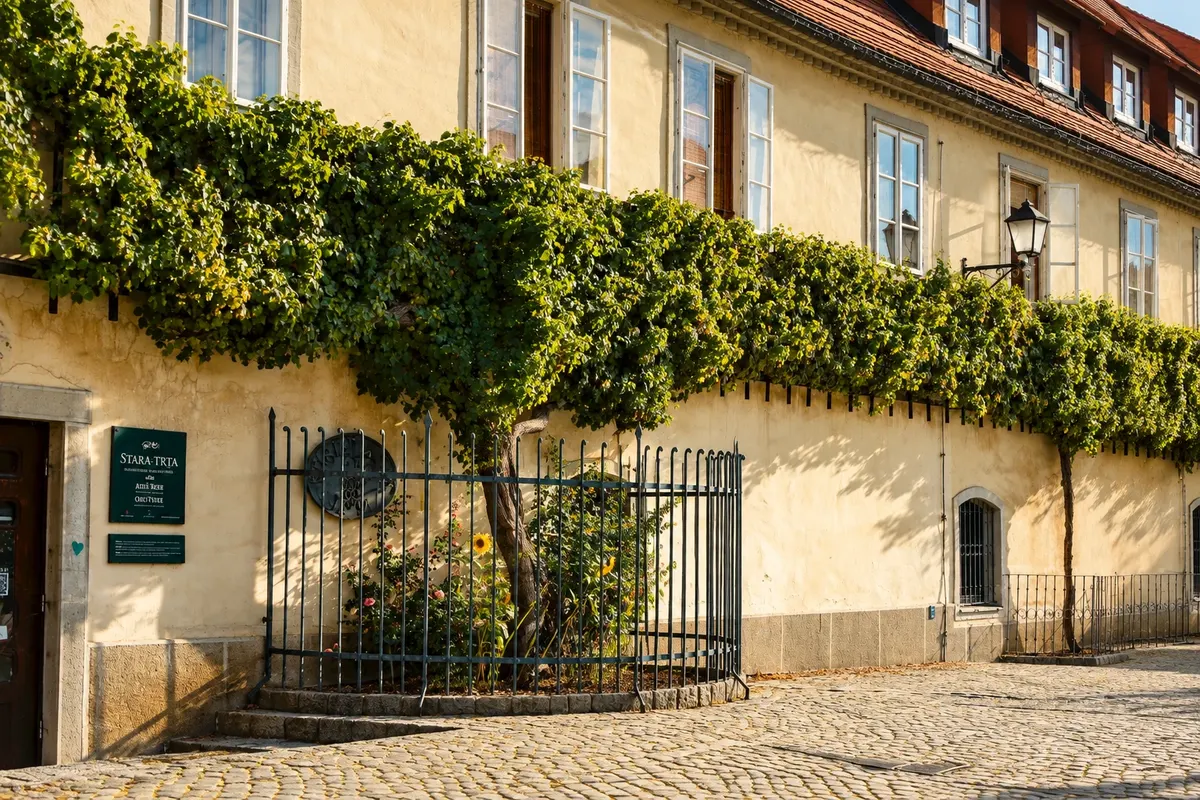
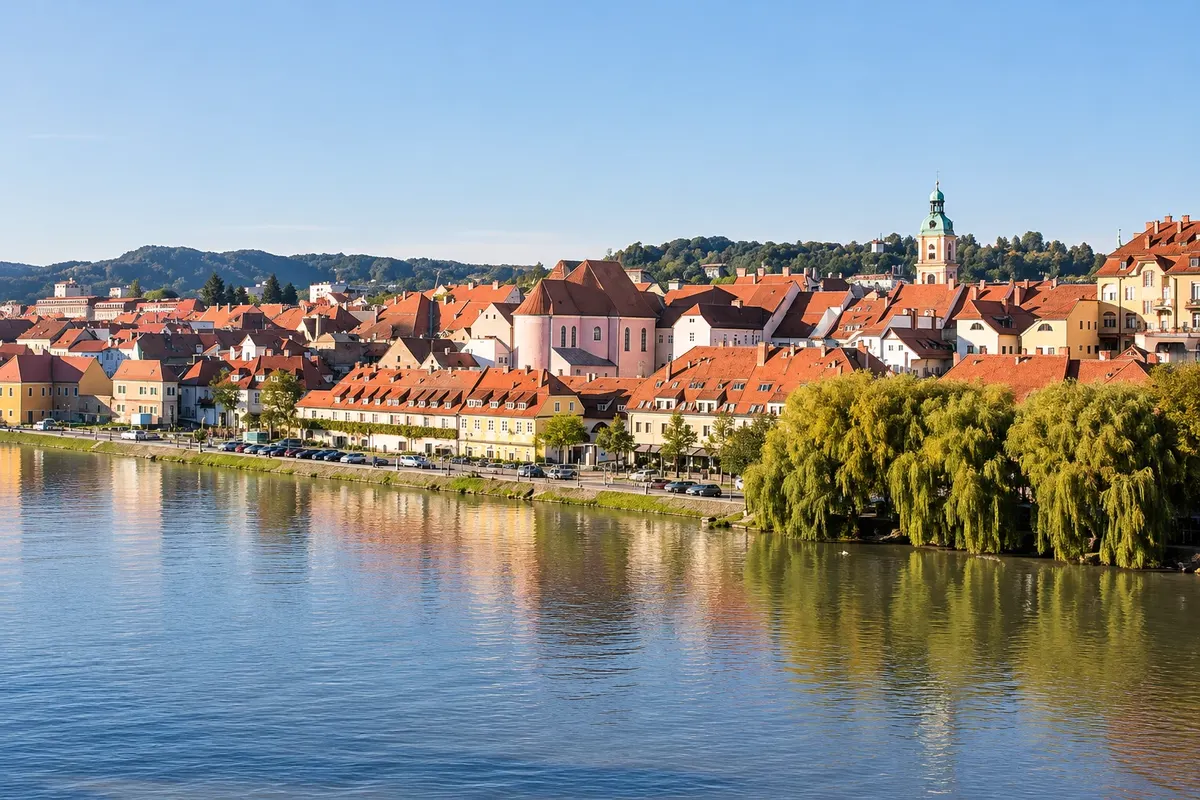
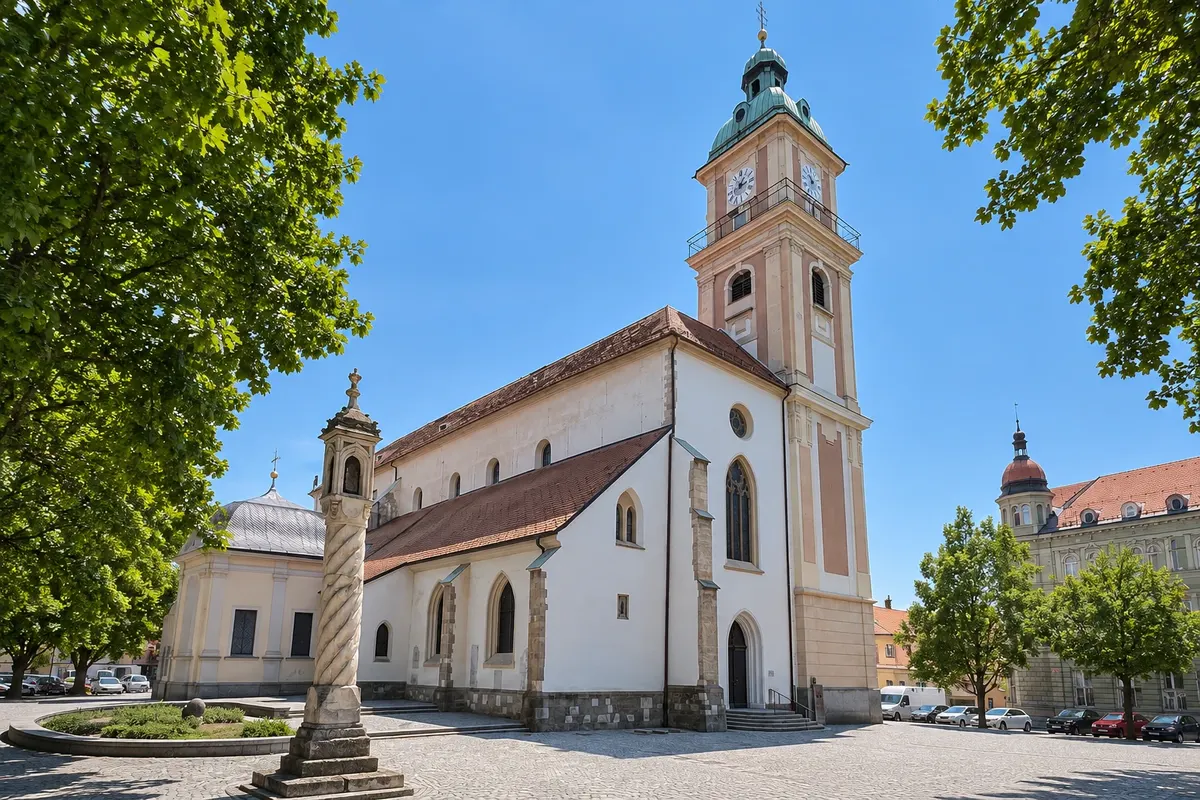
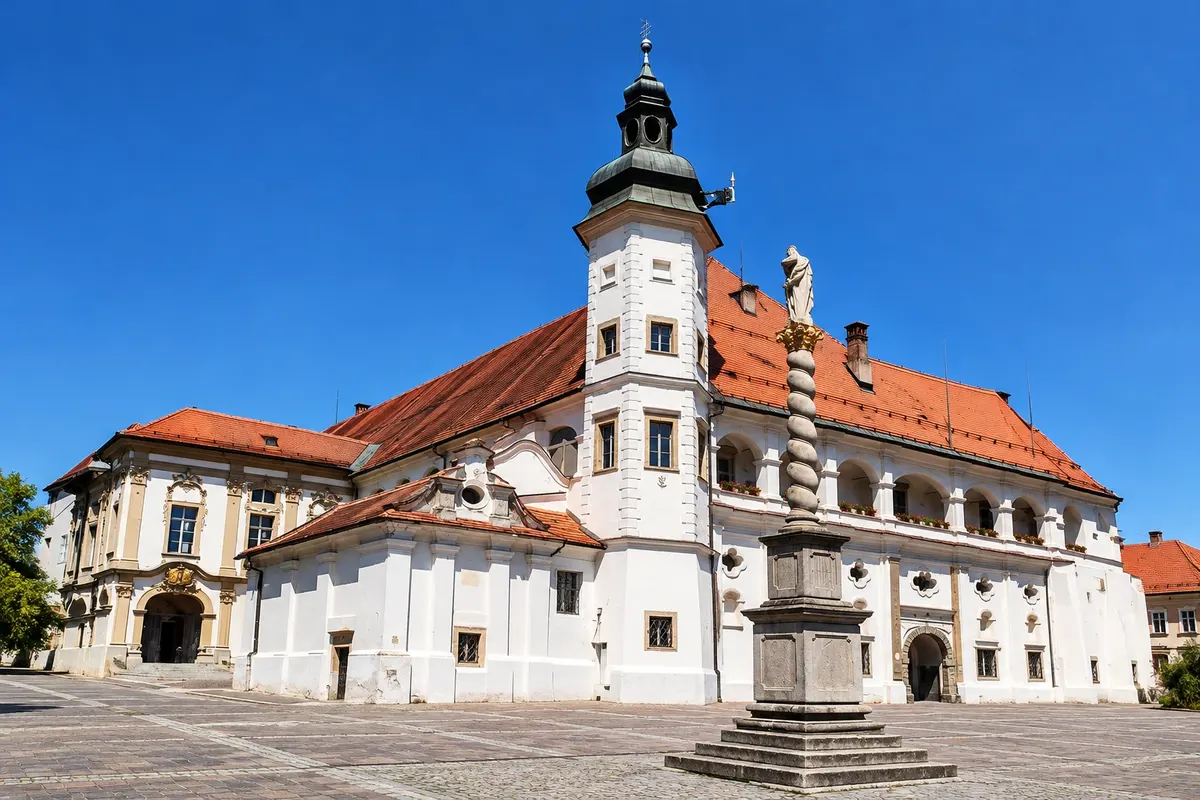
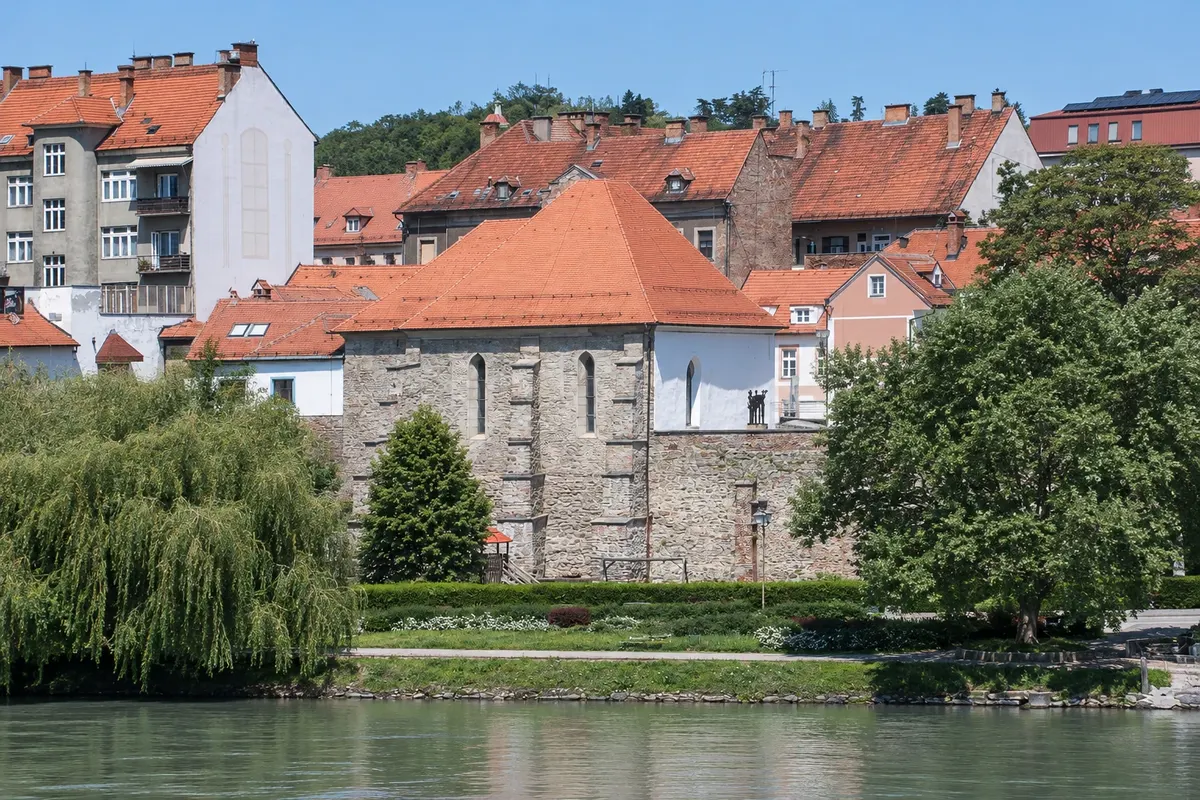
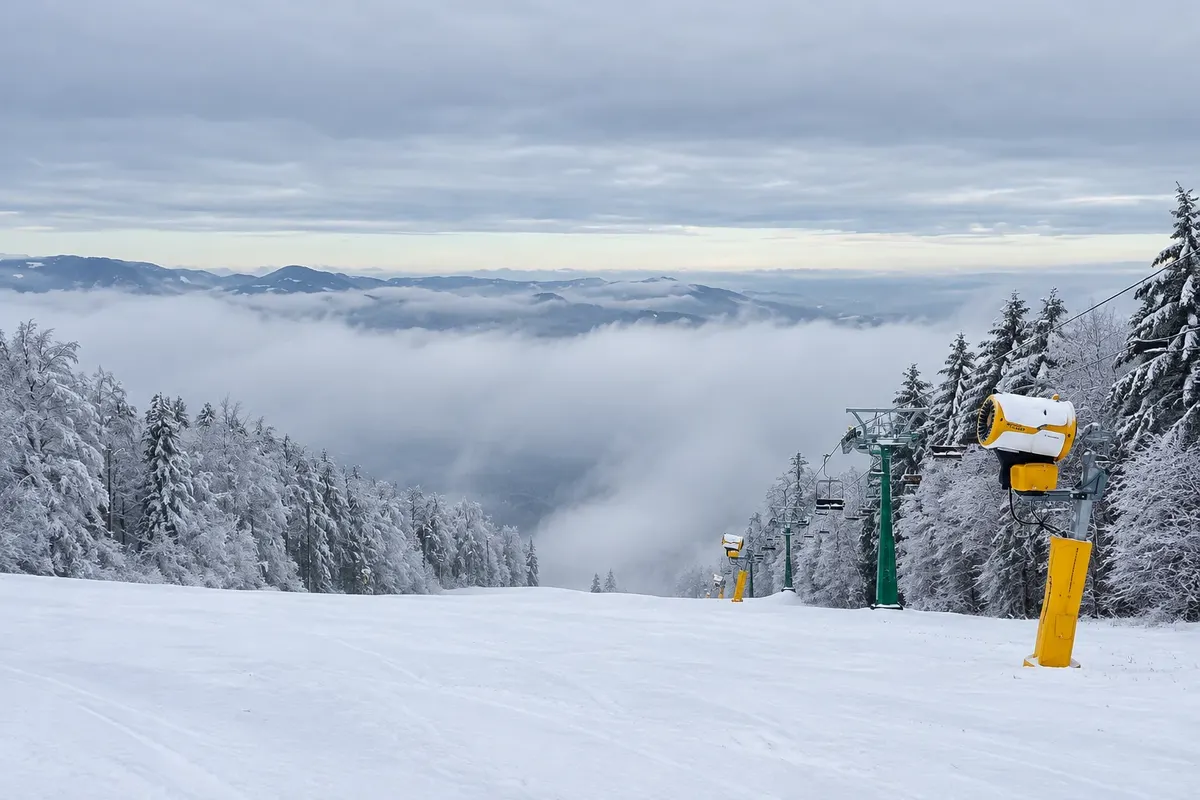
In Maribor, the Lent district runs along the Drava bank, with towers from the old walls and the house where the Stara trta grows, the world’s oldest productive vine, according to the Guinness Book of Records. The centre includes the cathedral, the city castle, which houses the regional museum, and a 14th-century Gothic synagogue. A cable car rises from the southern outskirts to Pohorje, with hiking trails in summer and ski slopes in winter.
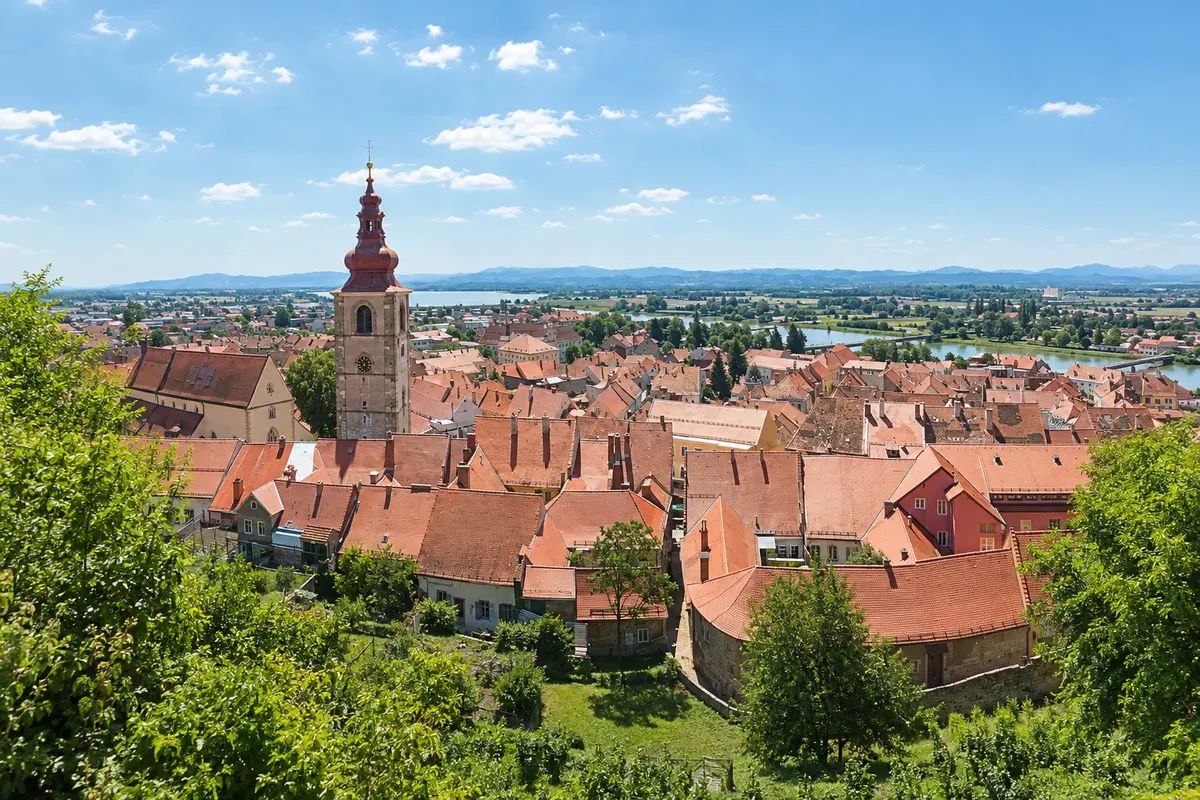
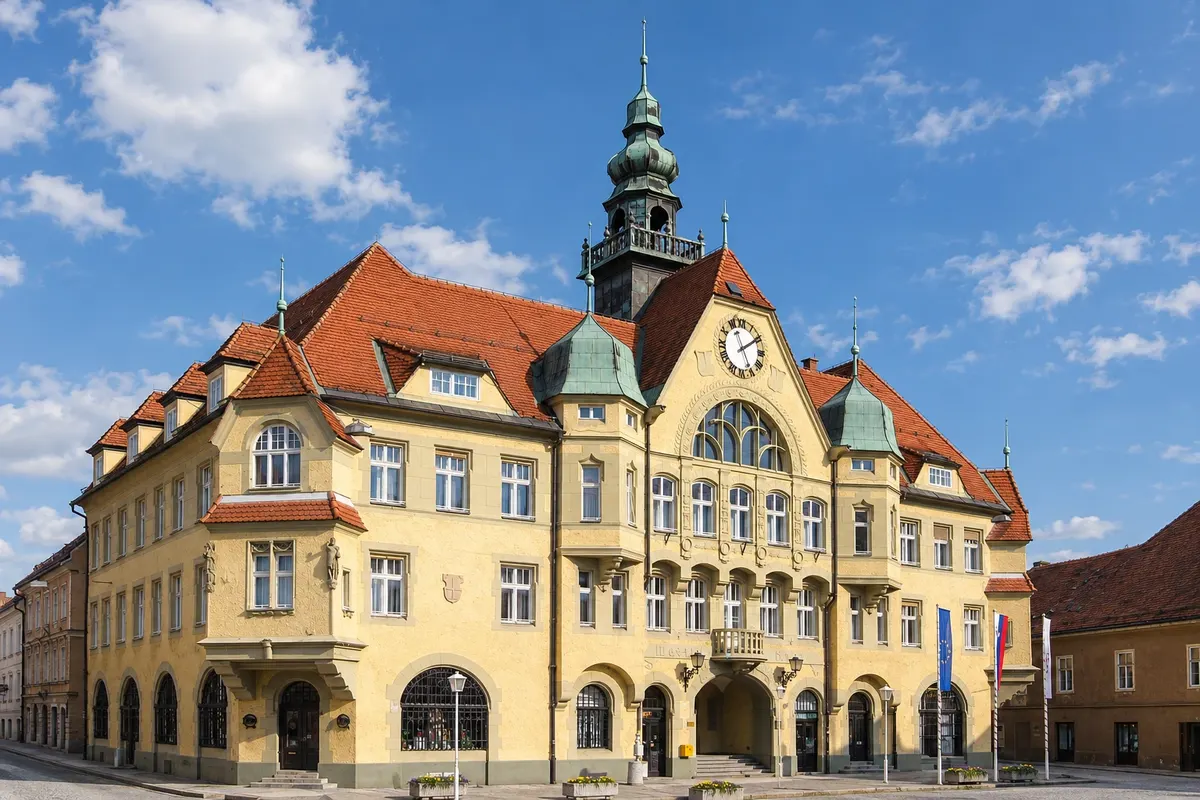
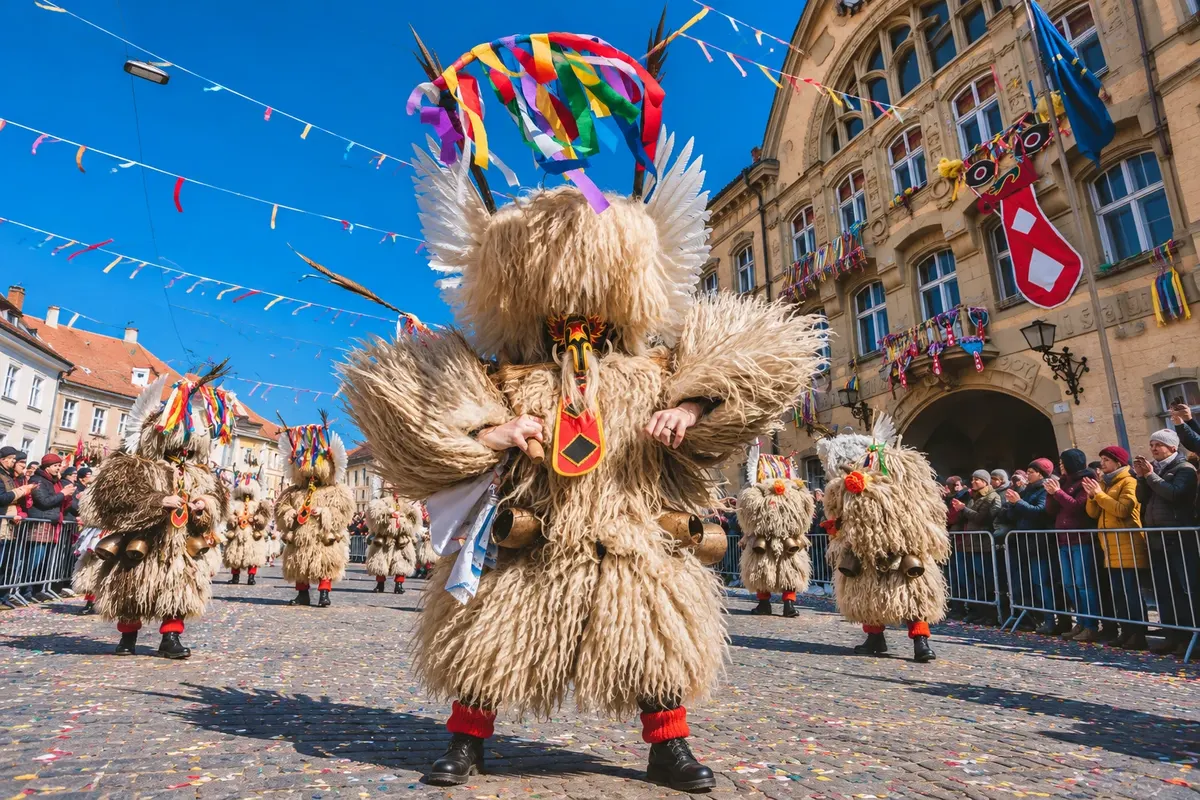
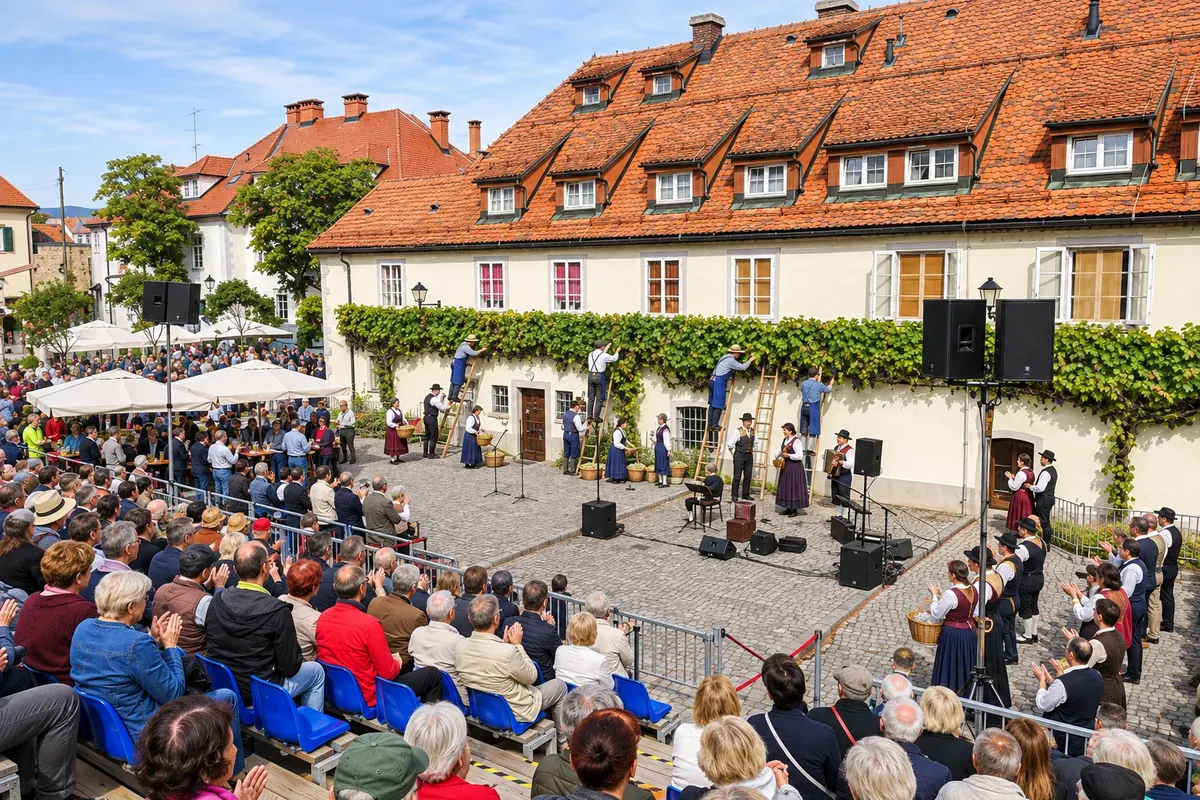
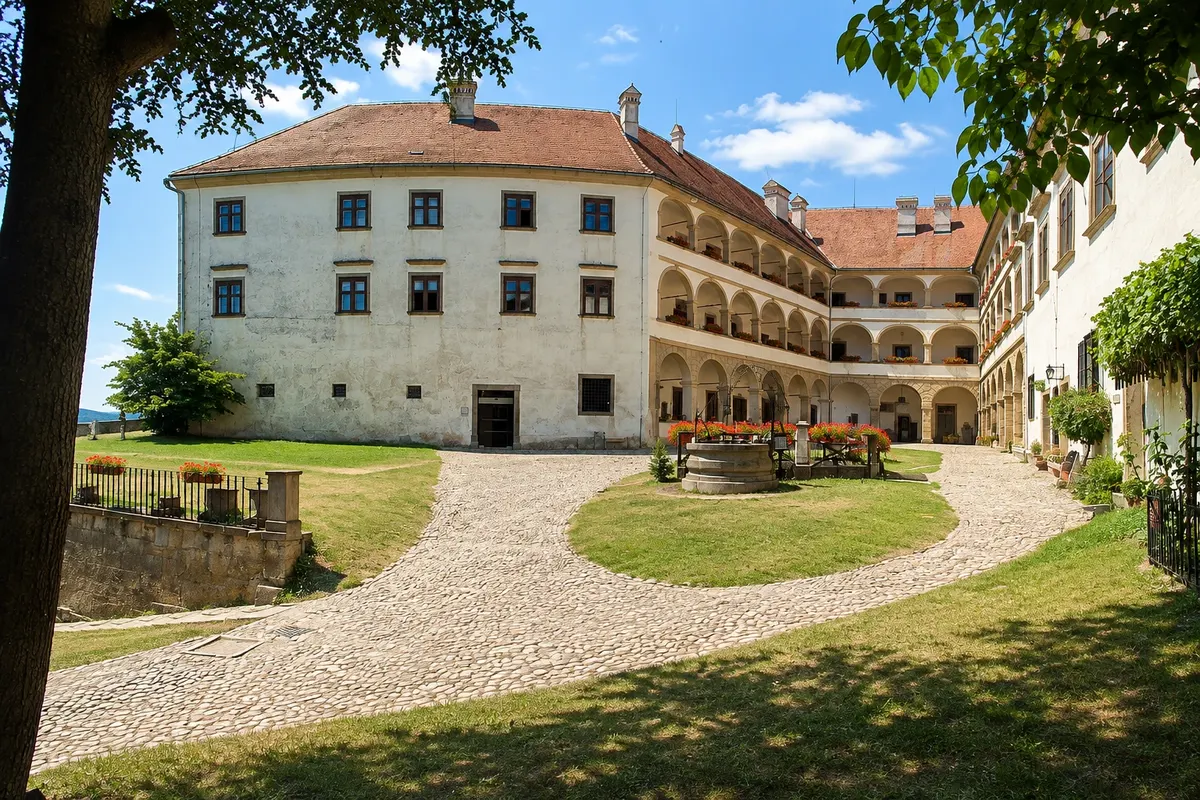
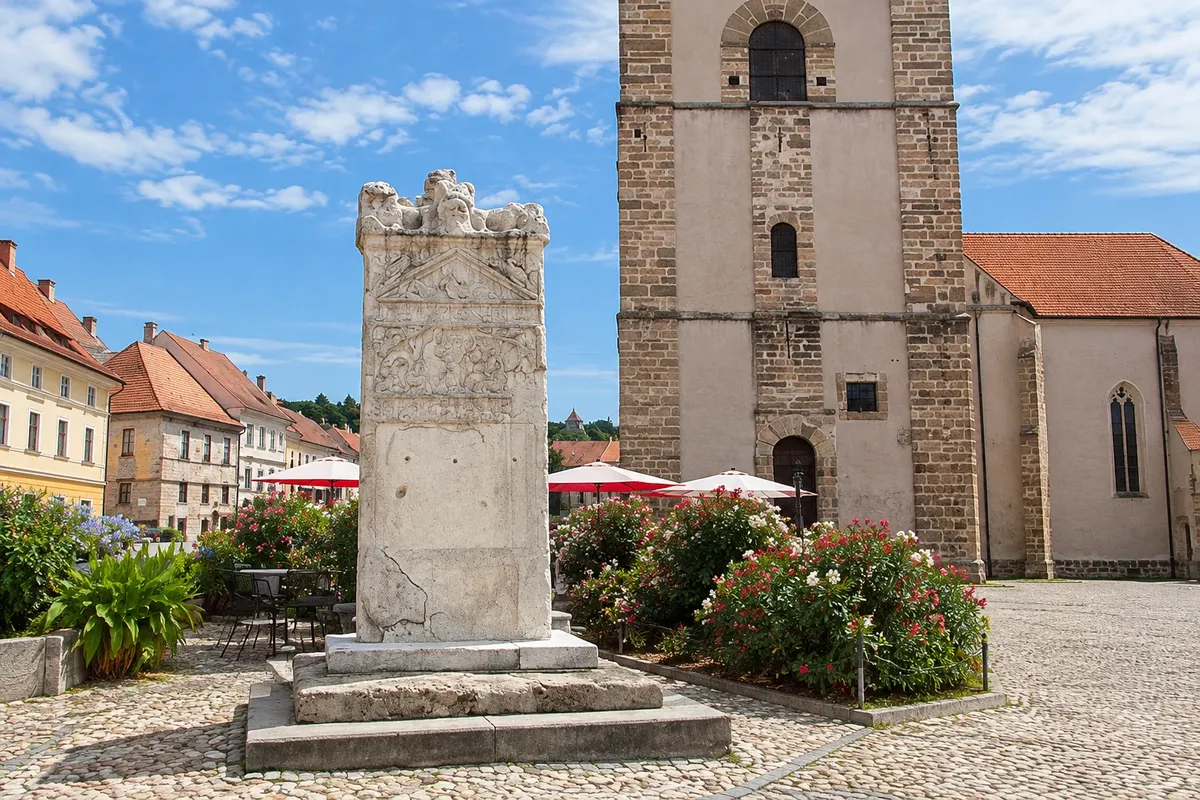
Ptuj sits on a hill above the Drava, crowned by a castle with the regional museum, whose collections range from old musical instruments to carnival masks. The Roman town of Poetovio left remains scattered across the centre, including the Orfejev spomenik, a nearly 5-metre marble tombstone. At the end of winter, the Kurentovanje carnival fills the streets with kurenti — masked figures dressed in sheepskins with large bells on their belts — who, according to tradition, chase away the cold.
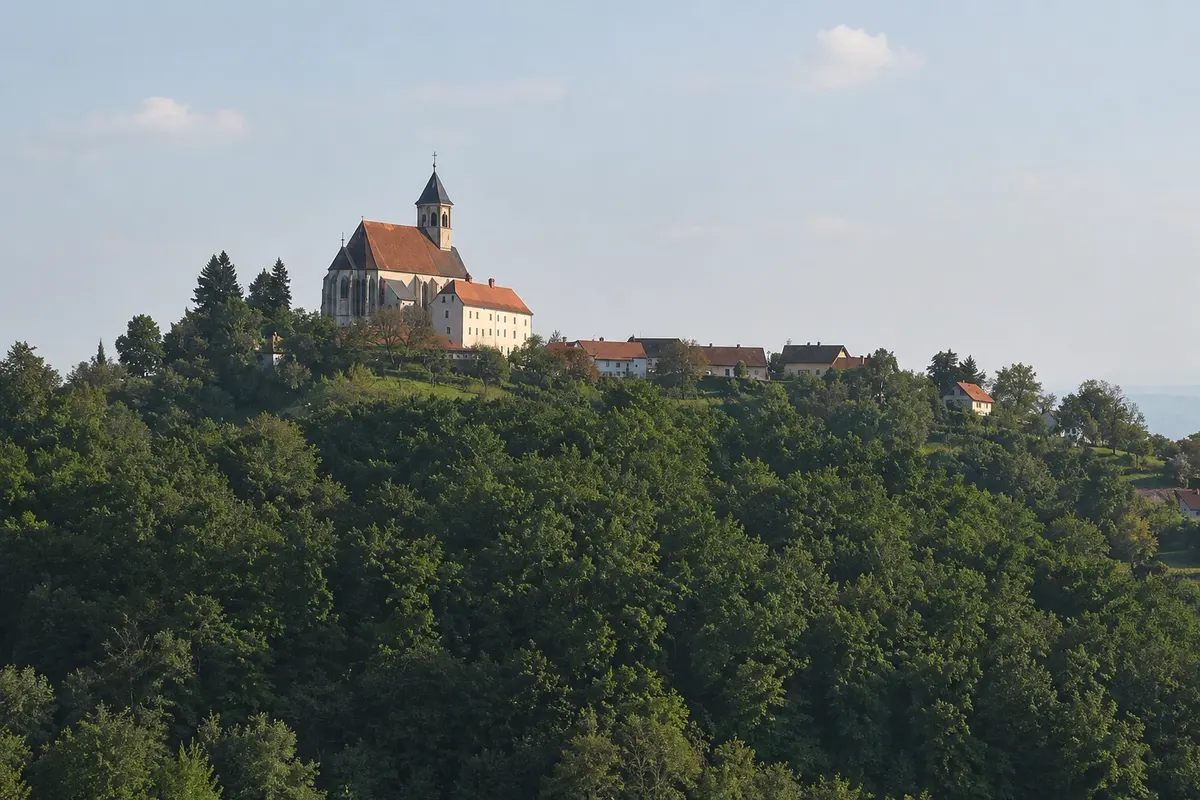
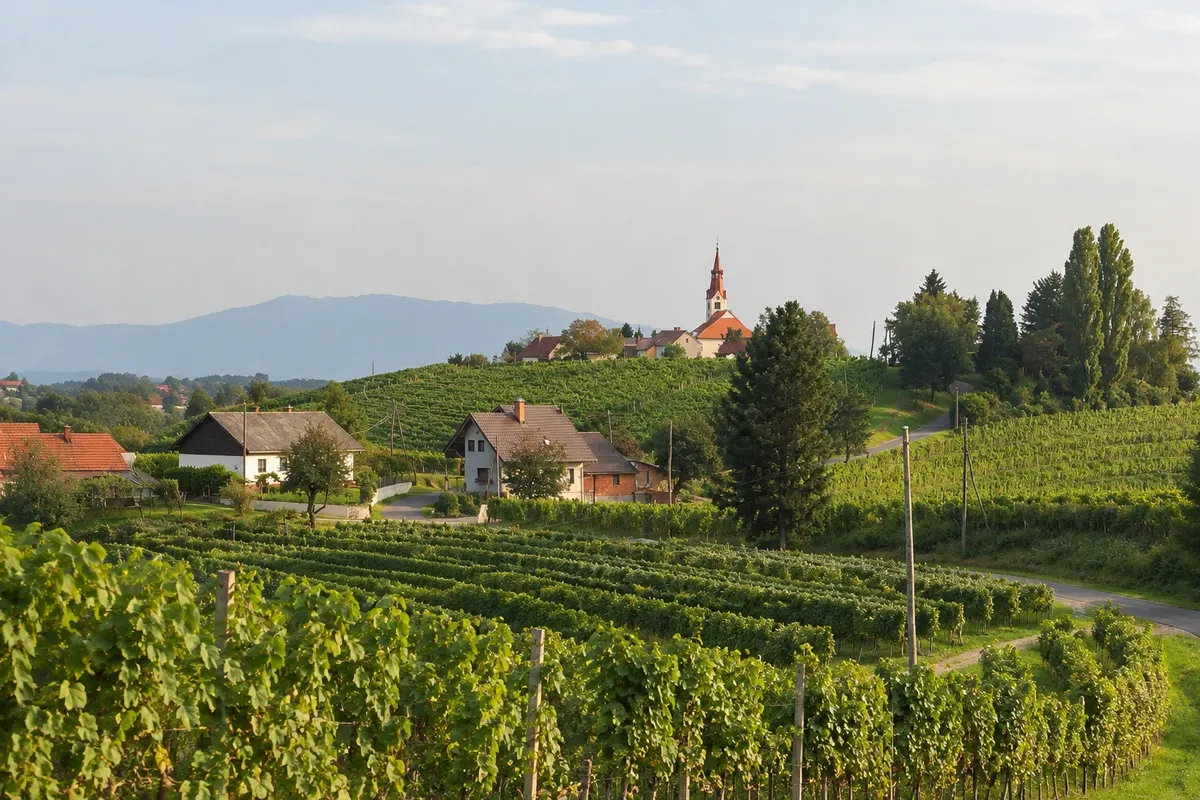
Vineyard-covered hills stretch around both towns. South of Ptuj stands the basilica of Ptujska Gora; to the east, already in the neighbouring Pomurska region, the village of Jeruzalem dominates the slopes of the Ljutomer and Ormož hills, known for white wines such as šipon.
This destination brings together 2 cities: Maribor, Ptuj.


 Brazil
 Argentina
 Bolivia
 Chile
 Colombia
 Ecuador
 Guyana
 French Guiana
 Falkland Islands (Malvinas)
 Paraguay
 Peru
 Suriname
 Uruguay
 Venezuela
 Germany
 Austria
 Belgium
 Croatia
 Denmark
 Slovakia
 Spain
 Finland
 France
 Greece
 the Netherlands
 Hungary
 Ireland
 Iceland
 Italy
 Luxembourg
 Norway
 Poland
 Portugal
 the United Kingdom
 the Czech Republic
 Sweden
 Switzerland
 Turkey
 Canada
 the United States
 Mexico
 the Dominican Republic
 South Africa
 Australia
 Fiji
 New Zealand
 Papua New Guinea