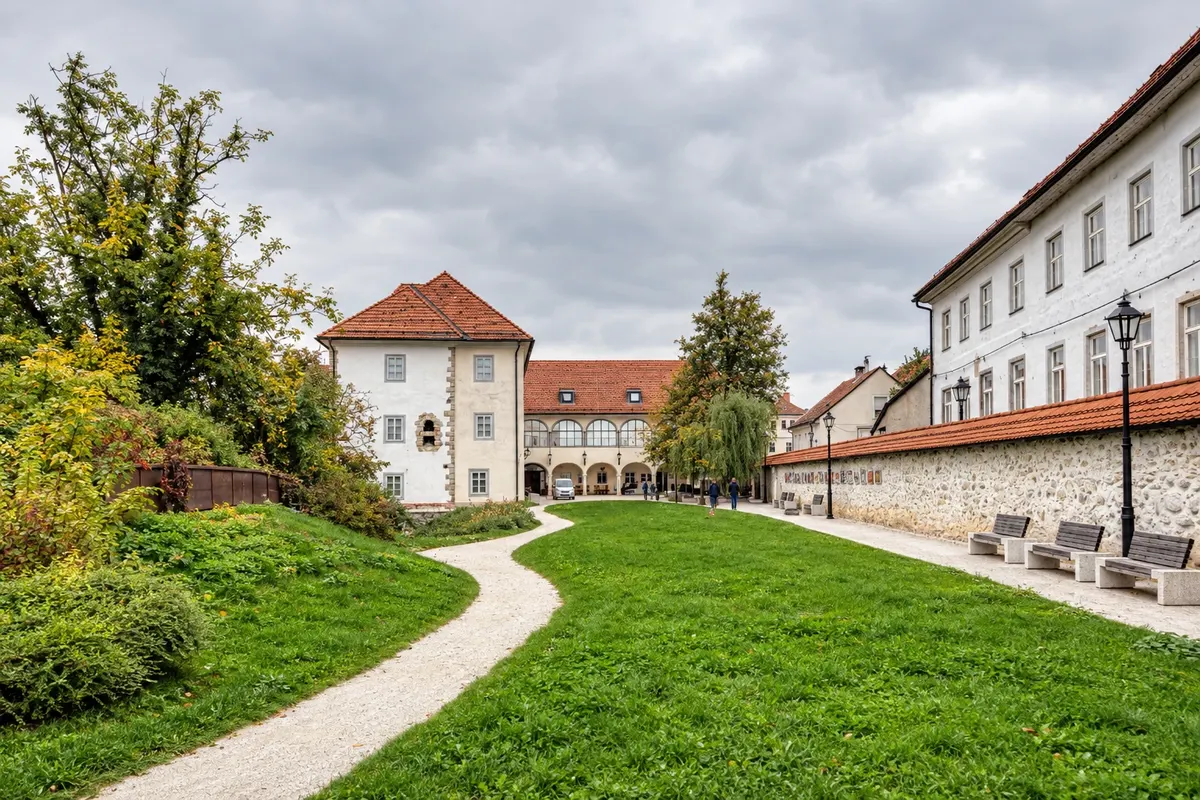
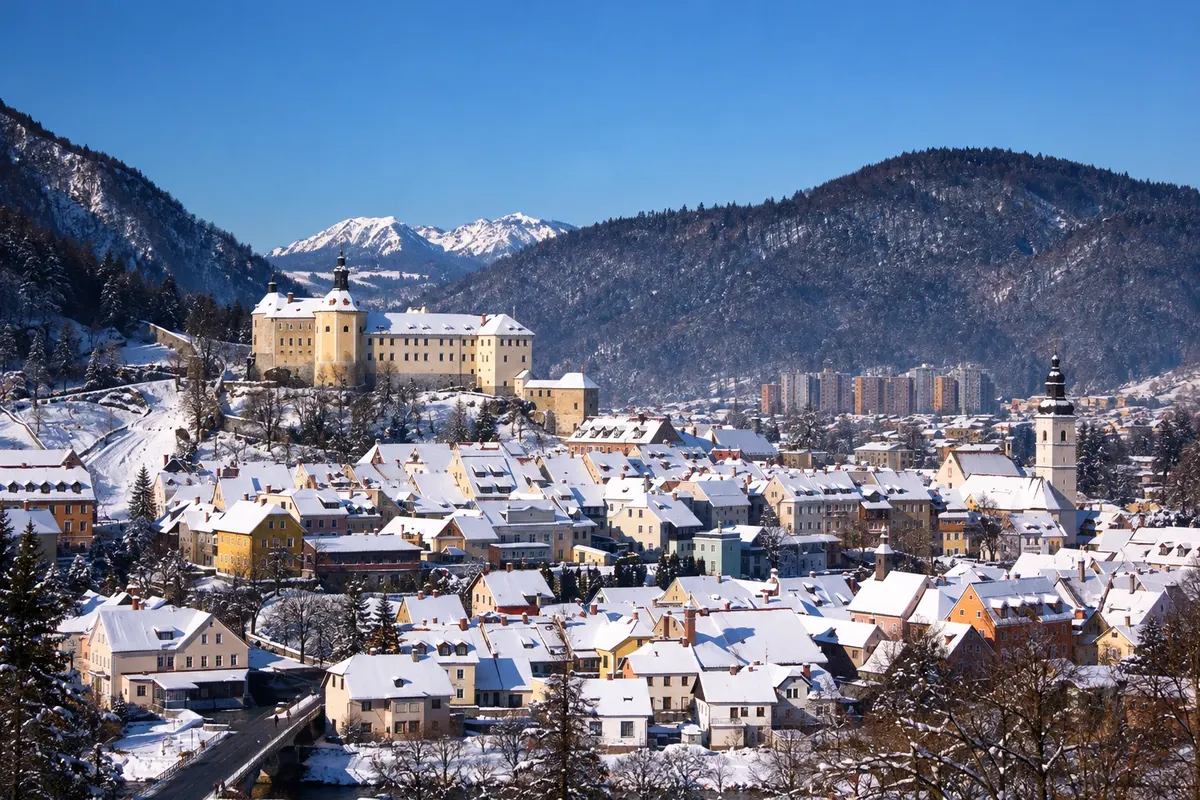
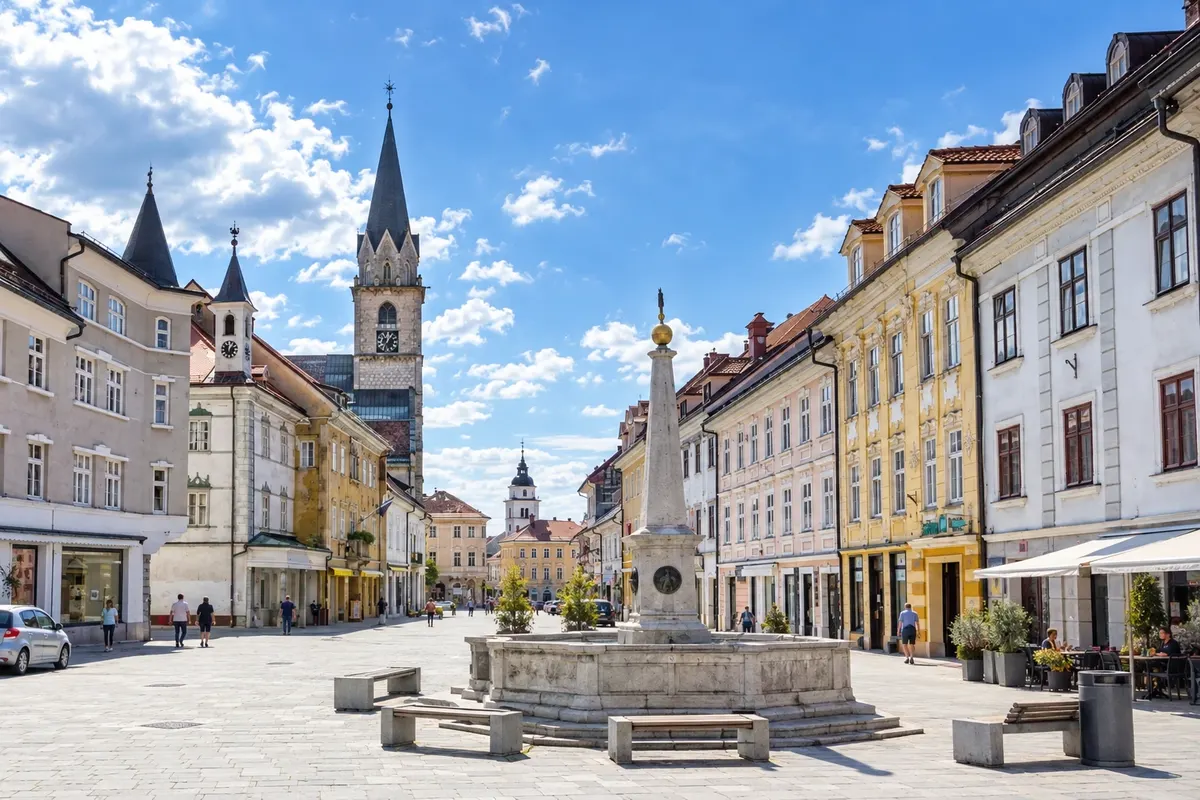
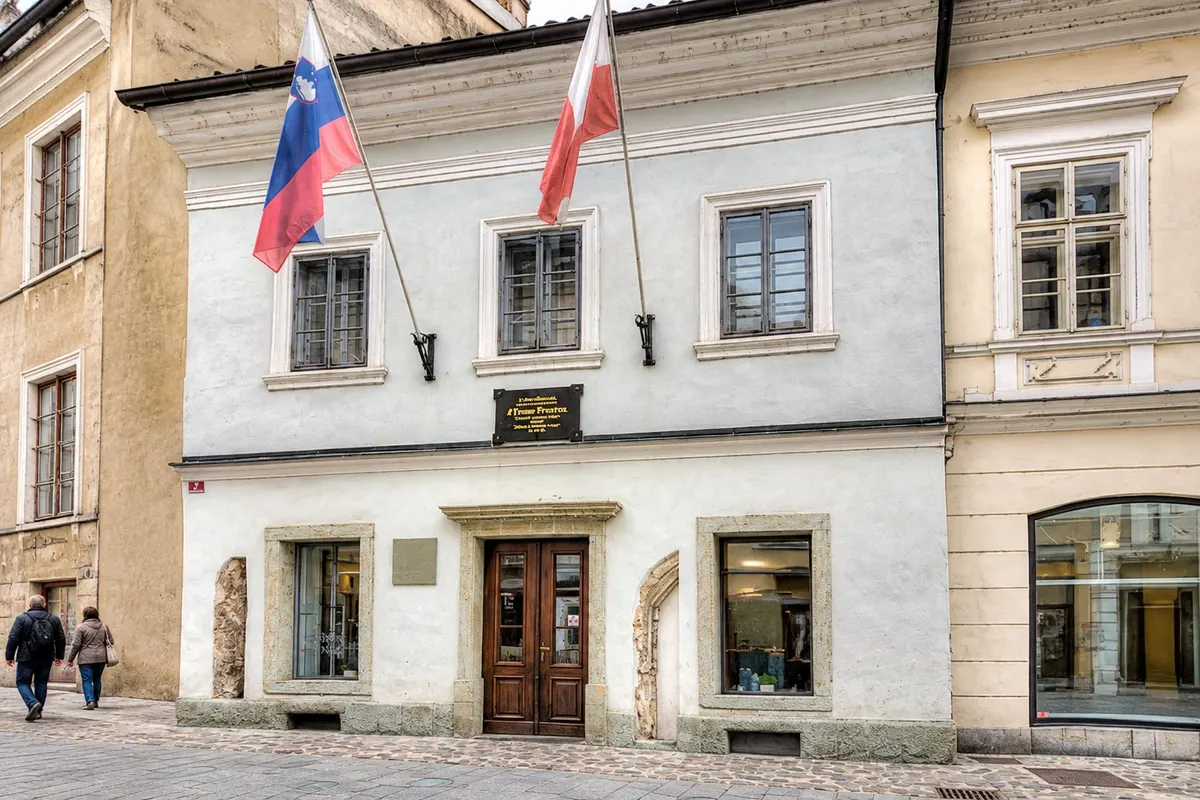
Škofja Loka and Kranj lie on the Gorenjska plain, between Ljubljana and the Alps, about 12 km apart and a few kilometers from Brnik airport. Both preserve compact medieval centers and serve as either a first stop on a trip or a base for exploring the region.
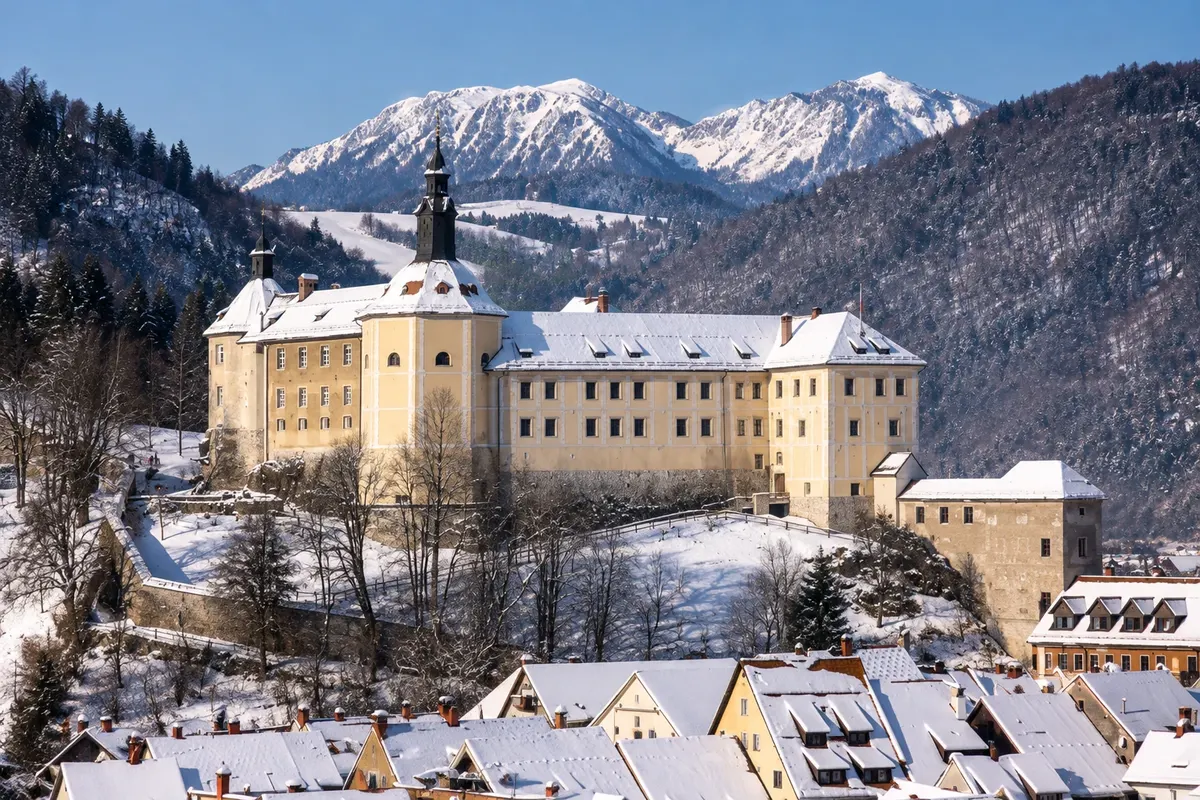
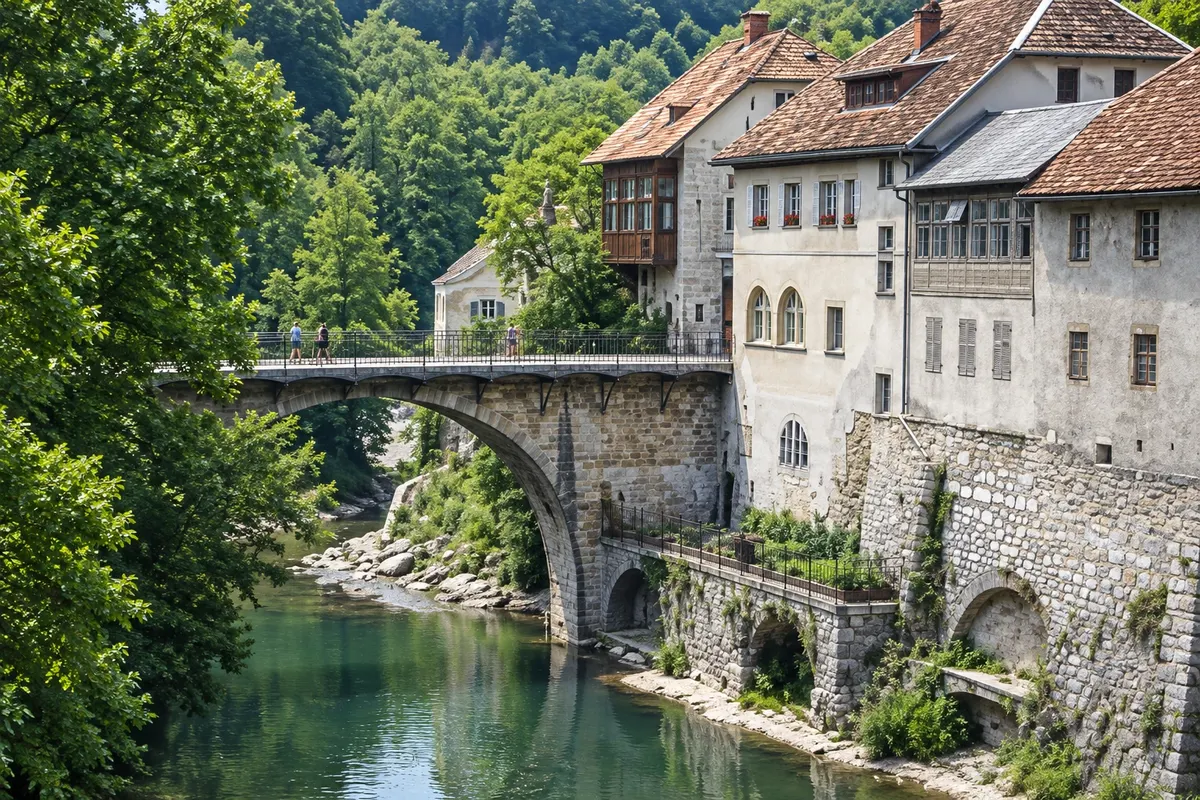
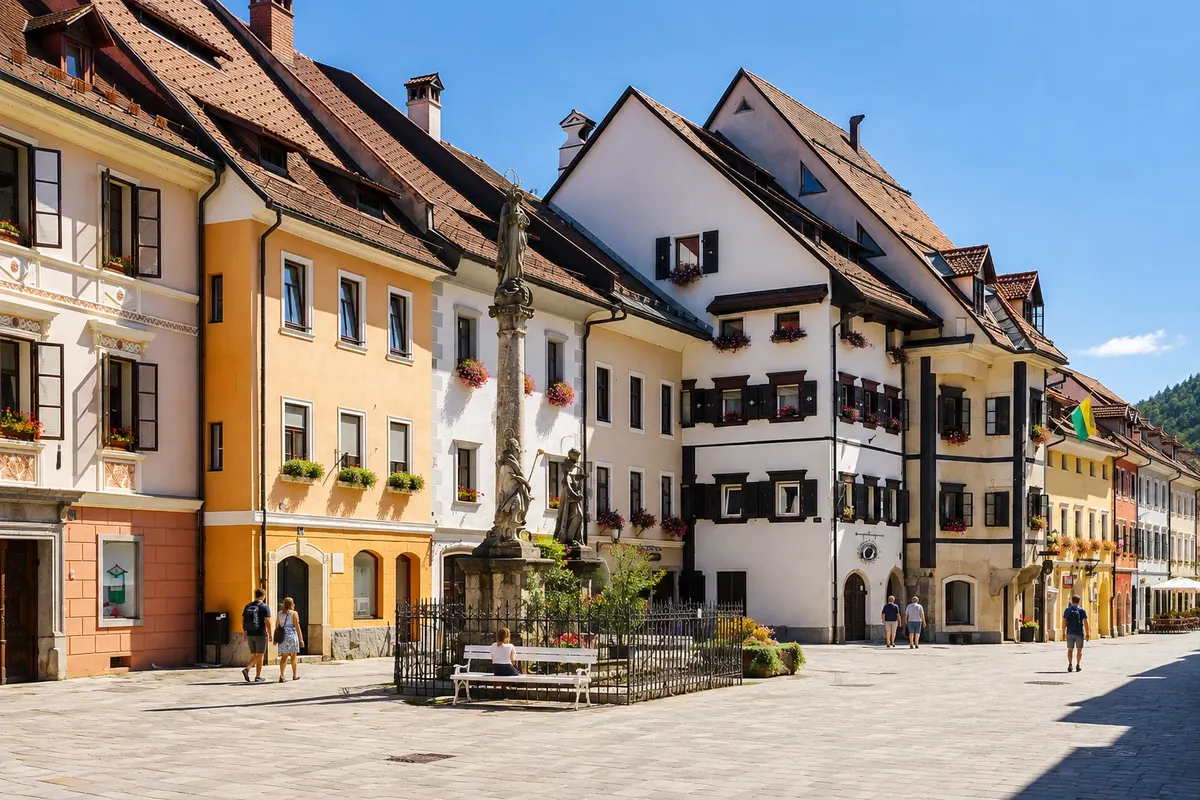
In 973, Emperor Otto II granted Škofja Loka to the bishops of Freising in Bavaria, who governed the town and the surrounding valleys for about eight centuries. The name roughly means “bishop’s meadow.” The old town, walled in the 14th century and rebuilt after the 1511 earthquake, has two squares, houses with painted façades, the Capuchin stone bridge over the Selška Sora River and the castle above, housing the Loka Museum. The Škofja Loka Passion, a procession staged by the town from a text dated to the early 18th century, was the first Slovenian inscription on UNESCO’s list of intangible cultural heritage, in 2016.
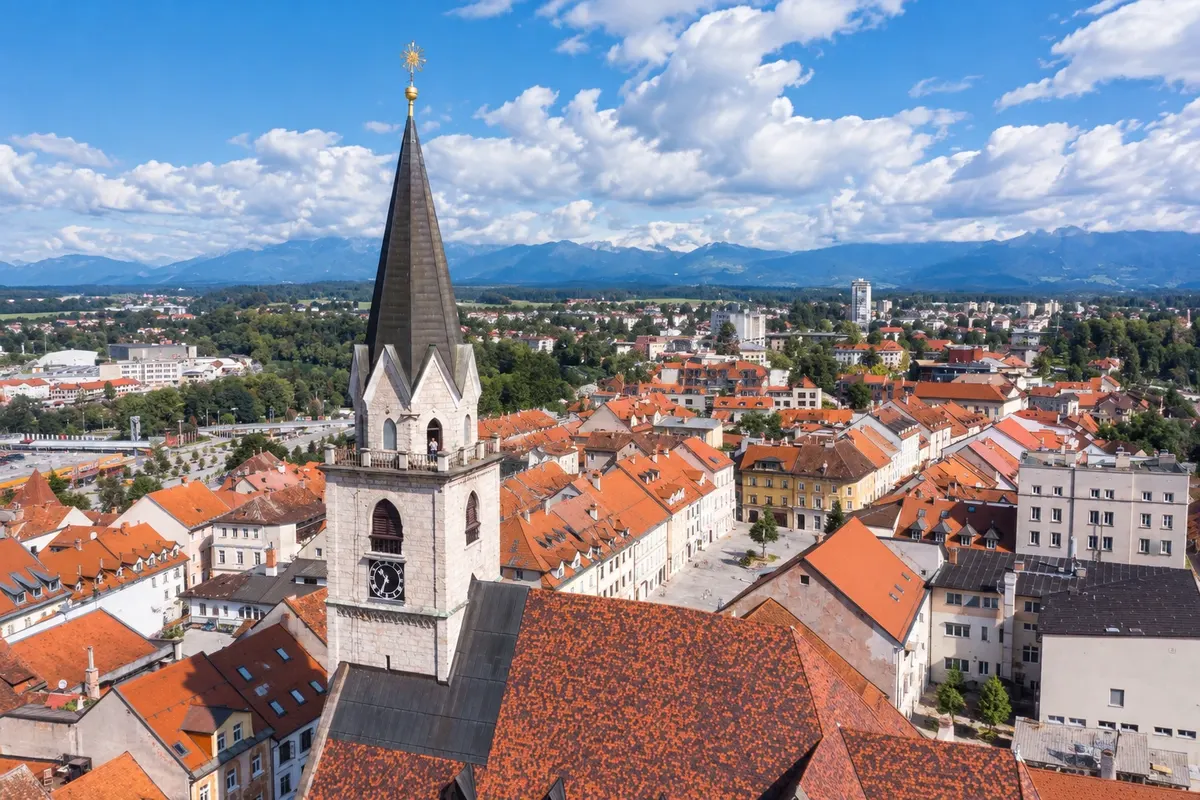
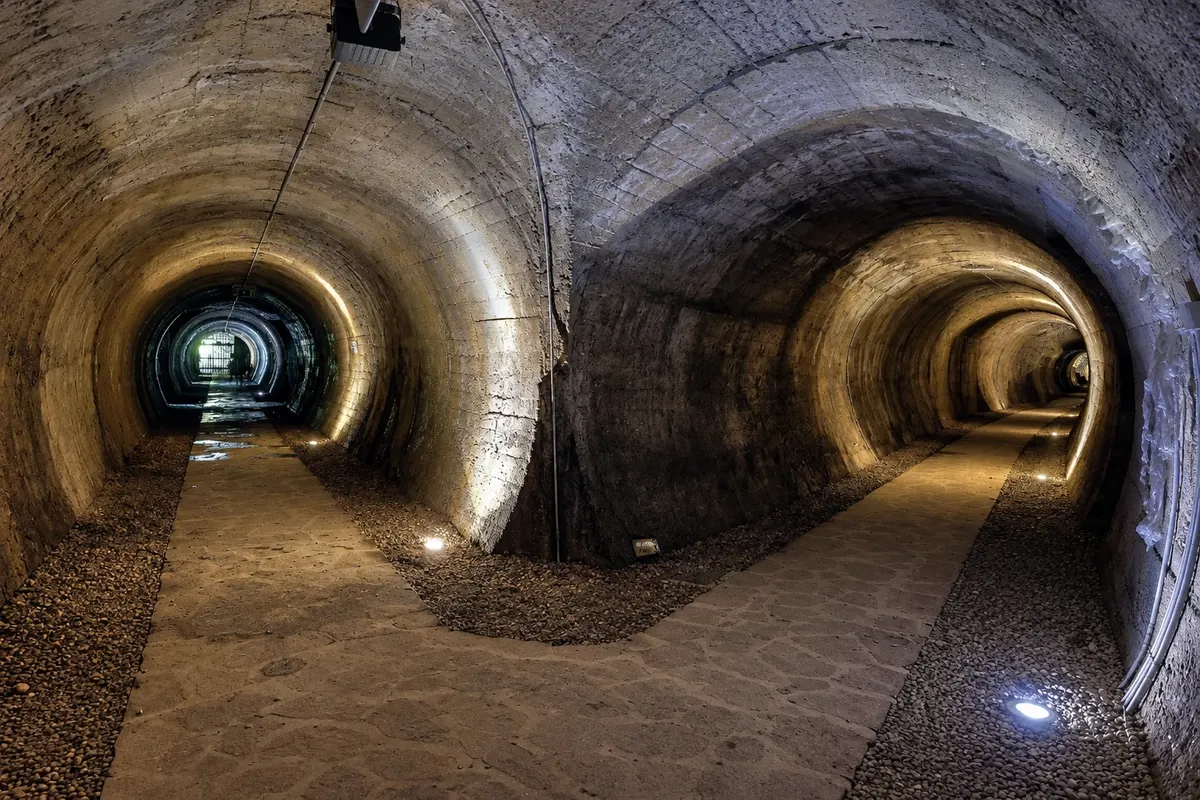
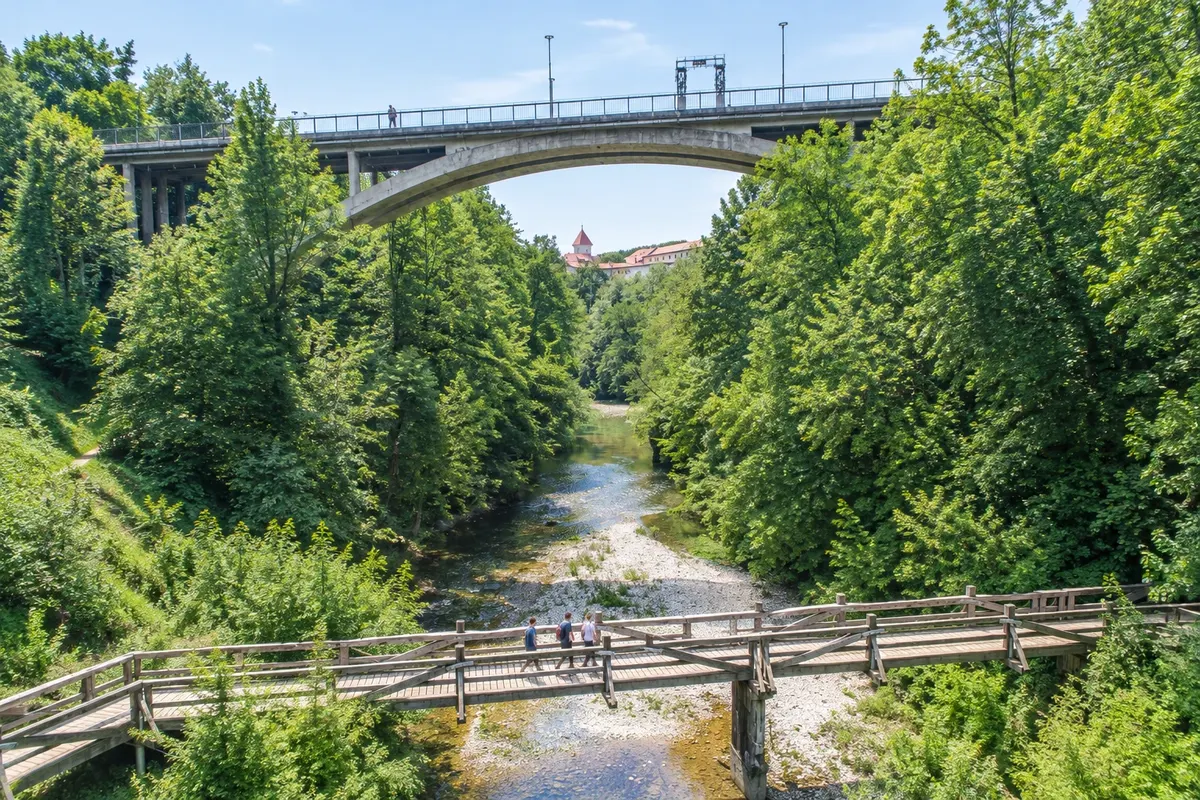
Kranj, the country’s fourth-largest city, occupies a promontory where the Kokra meets the Sava. The Kokra carved a gorge into the conglomerate rock just below the houses, and under the old center run tunnels opened in World War II as an air-raid shelter. France Prešeren, Slovenia’s greatest poet and the author of the national anthem’s lyrics, spent his last years there and is buried in the town; the day of his death, February 8, is the national Culture Day holiday.
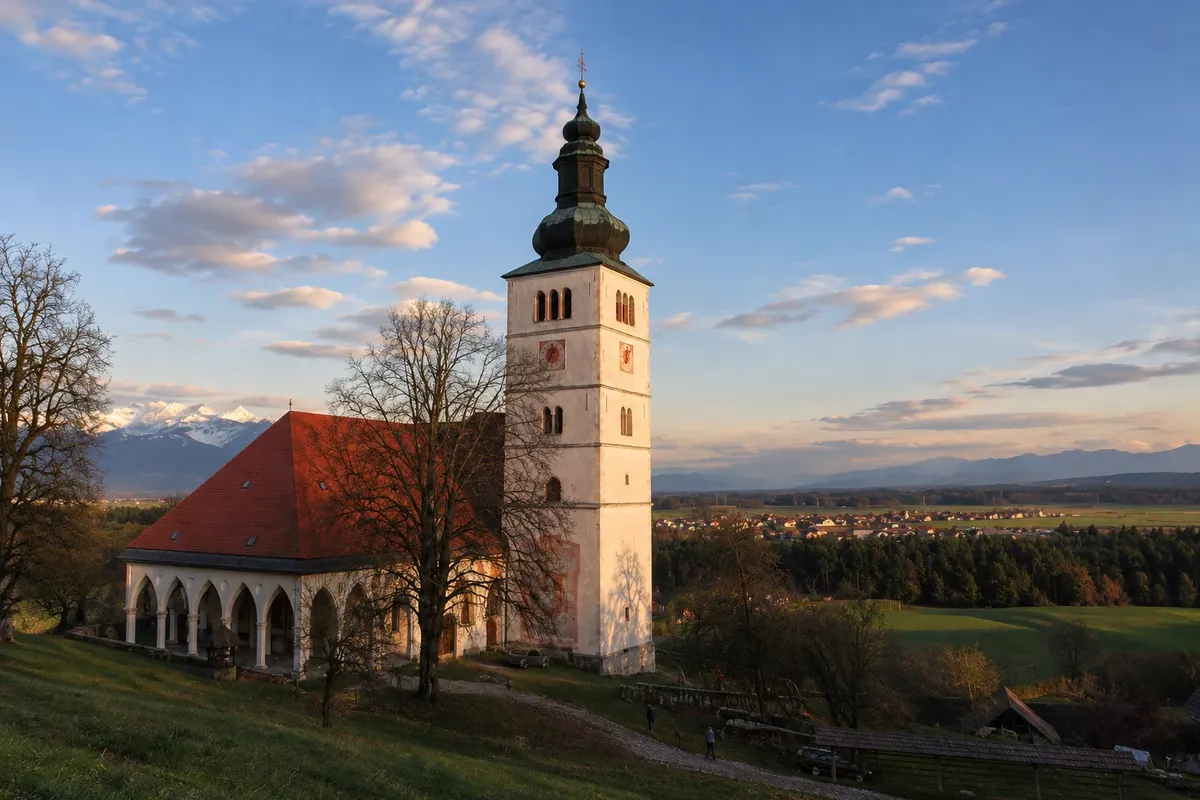
Trains on the Ljubljana–Jesenice line stop at both towns, and a car lets you reach the church of Crngrob and the villages in the neighboring valleys.
This destination brings together 2 cities: Škofja Loka, Kranj.


 Brazil
 Argentina
 Bolivia
 Chile
 Colombia
 Ecuador
 Guyana
 French Guiana
 Falkland Islands (Malvinas)
 Paraguay
 Peru
 Suriname
 Uruguay
 Venezuela
 Germany
 Austria
 Belgium
 Croatia
 Denmark
 Slovakia
 Spain
 Finland
 France
 Greece
 the Netherlands
 Hungary
 Ireland
 Iceland
 Italy
 Luxembourg
 Norway
 Poland
 Portugal
 the United Kingdom
 the Czech Republic
 Sweden
 Switzerland
 Turkey
 Canada
 the United States
 Mexico
 the Dominican Republic
 South Africa
 Australia
 Fiji
 New Zealand
 Papua New Guinea