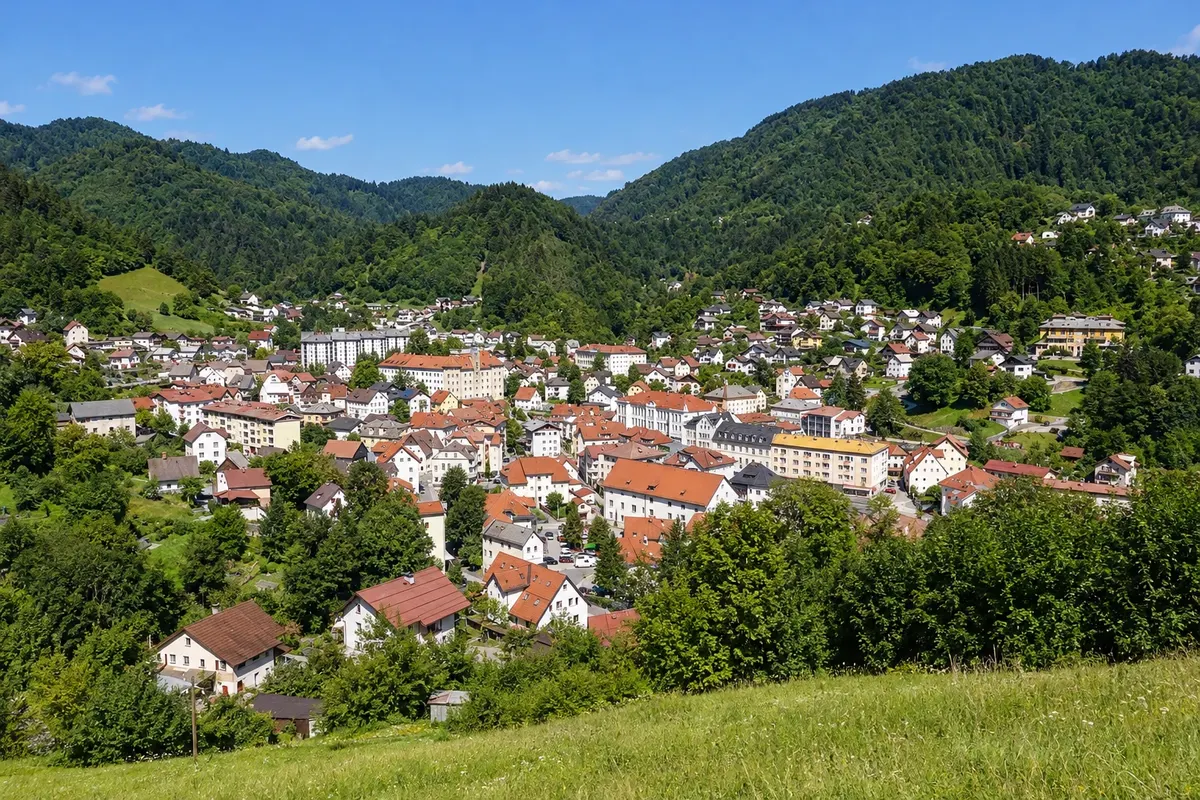
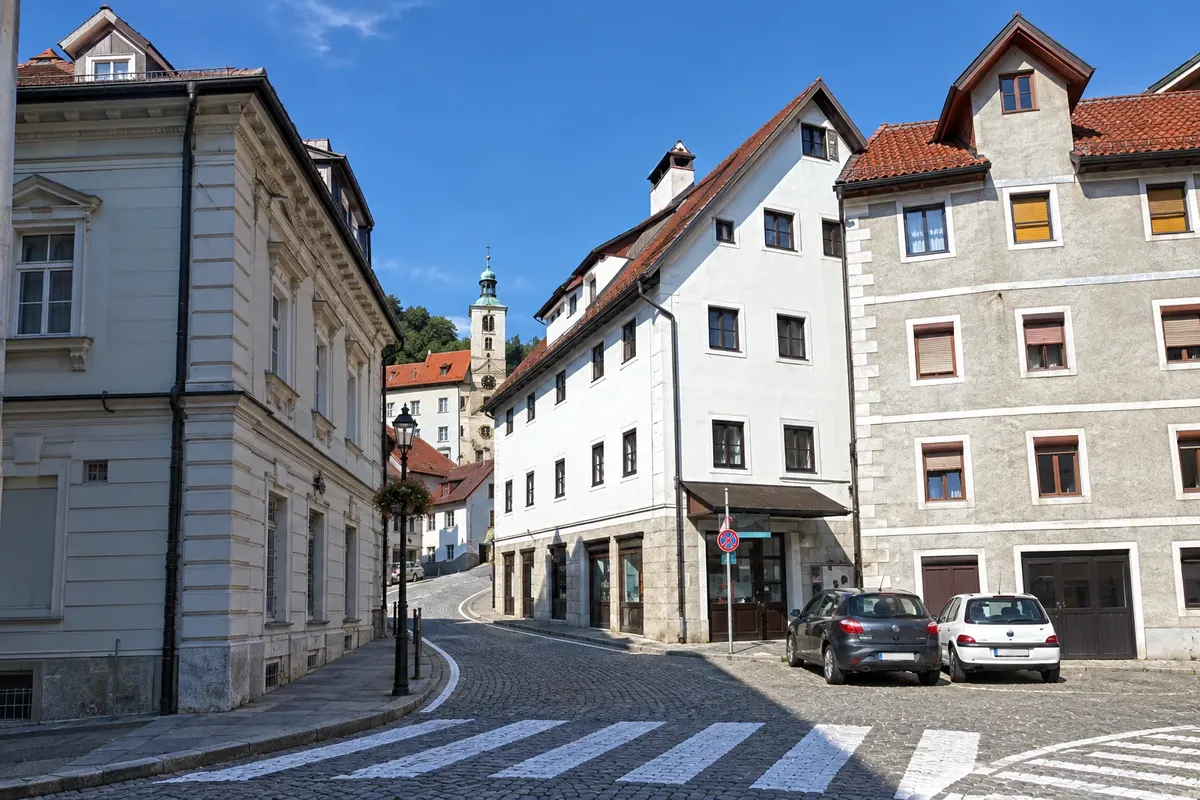
Idrija lies in a narrow valley in western Slovenia, among the forested hills of the Idrija Plateau, about 60 km from Ljubljana. The town’s history begins with a discovery: at the end of the 15th century, traditionally in 1490, a bucket maker found mercury in a spring. The mine opened there became the second largest in the world and operated for about 500 years, with more than 700 km of galleries.
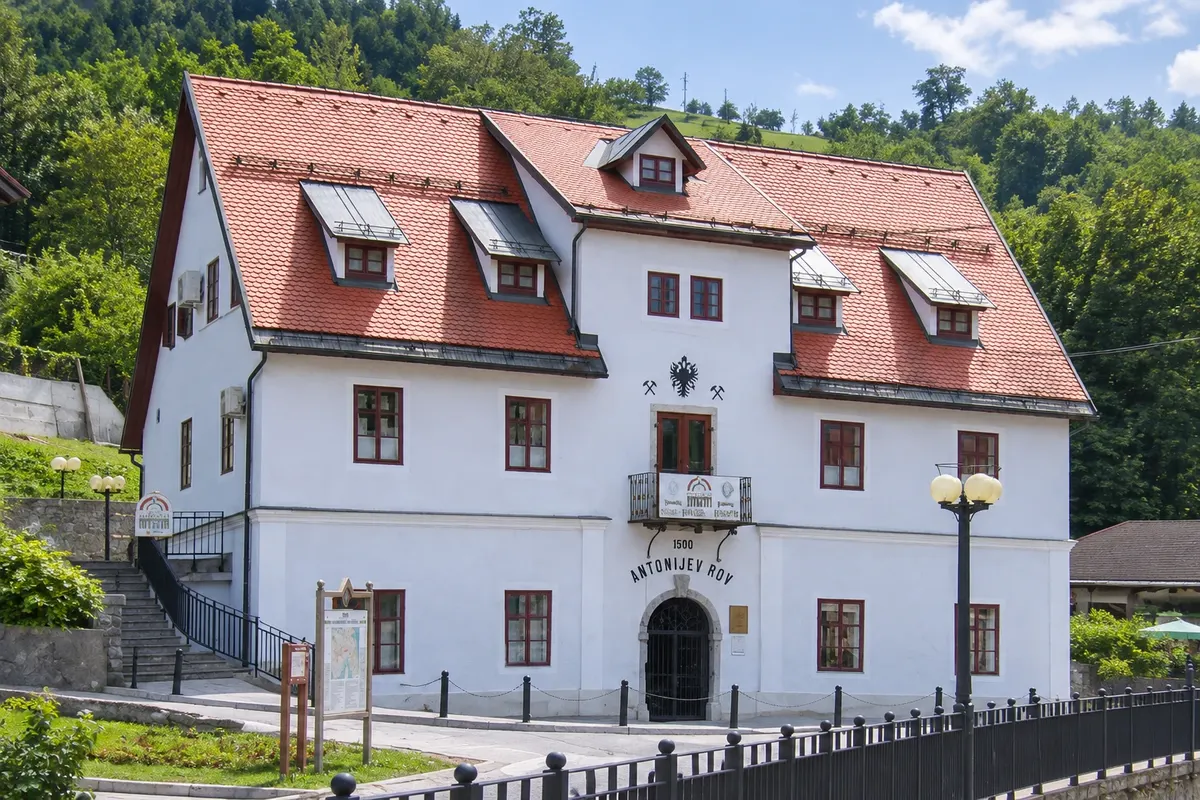
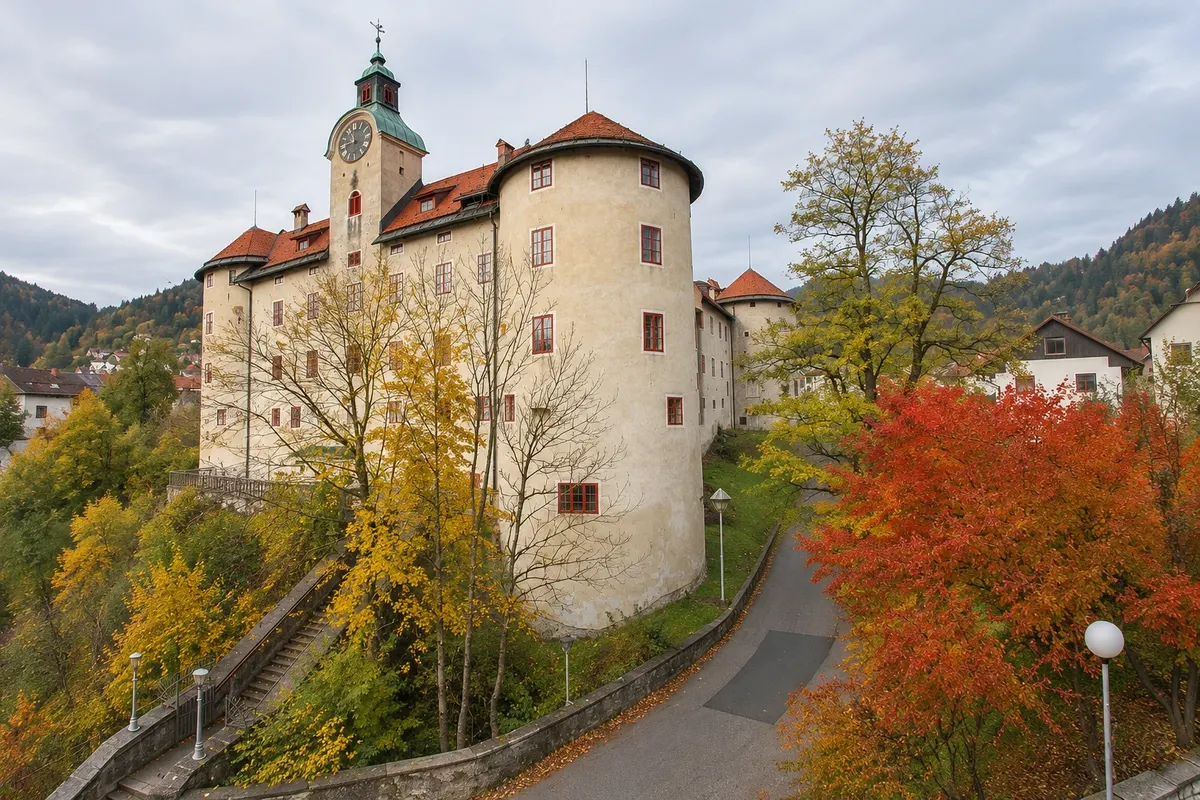
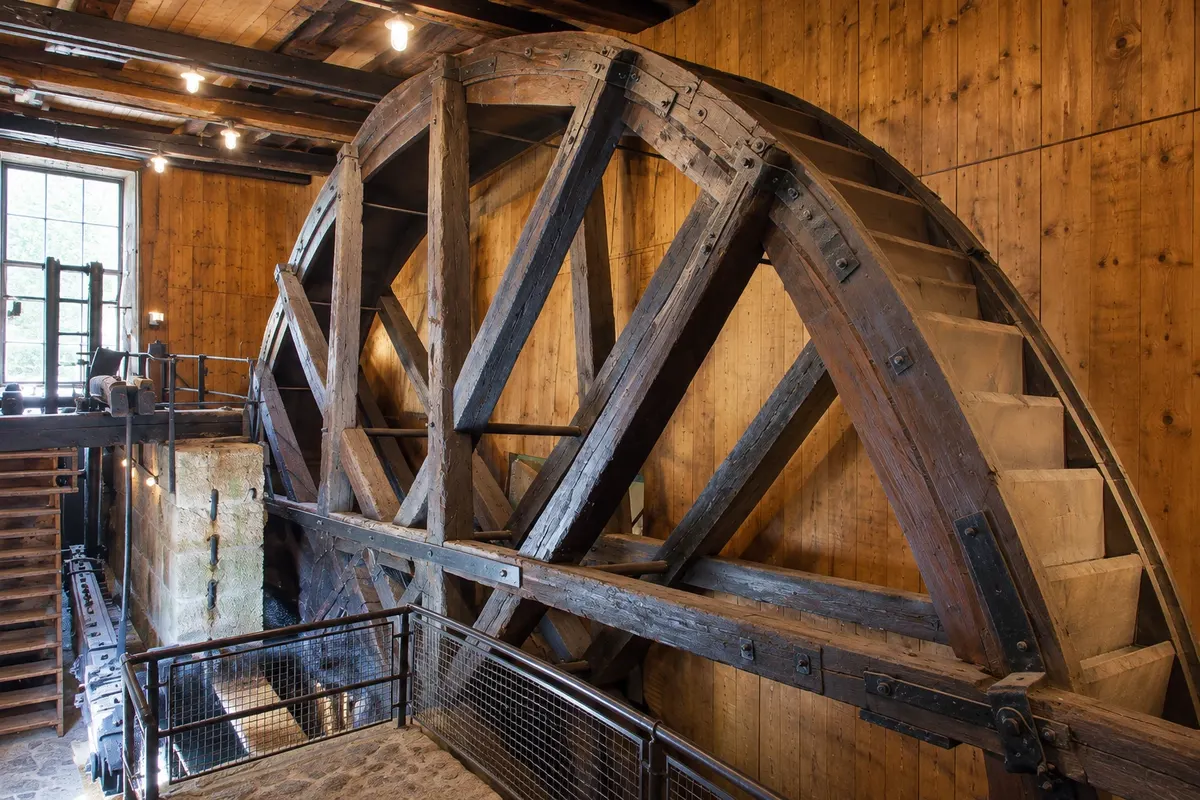
Since 2012, the mine and the buildings associated with it have been on the UNESCO World Heritage List, together with Almadén in Spain, as the Mercury Heritage. The visit starts at Antonijev rov, the mine entrance opened in 1500, continues to Gewerkenegg Castle, the mine’s former administrative headquarters and today the town museum, and passes by the kamšt, a water pump with a 13.6-meter-diameter wooden wheel.
Idrija is also the town of bobbin lace. Idrija lace has protected geographical indication, and the lace-making art in Slovenia is on UNESCO’s list of intangible cultural heritage. At the table, the typical dish is idrijski žlikrofi, small dumplings filled with potato.
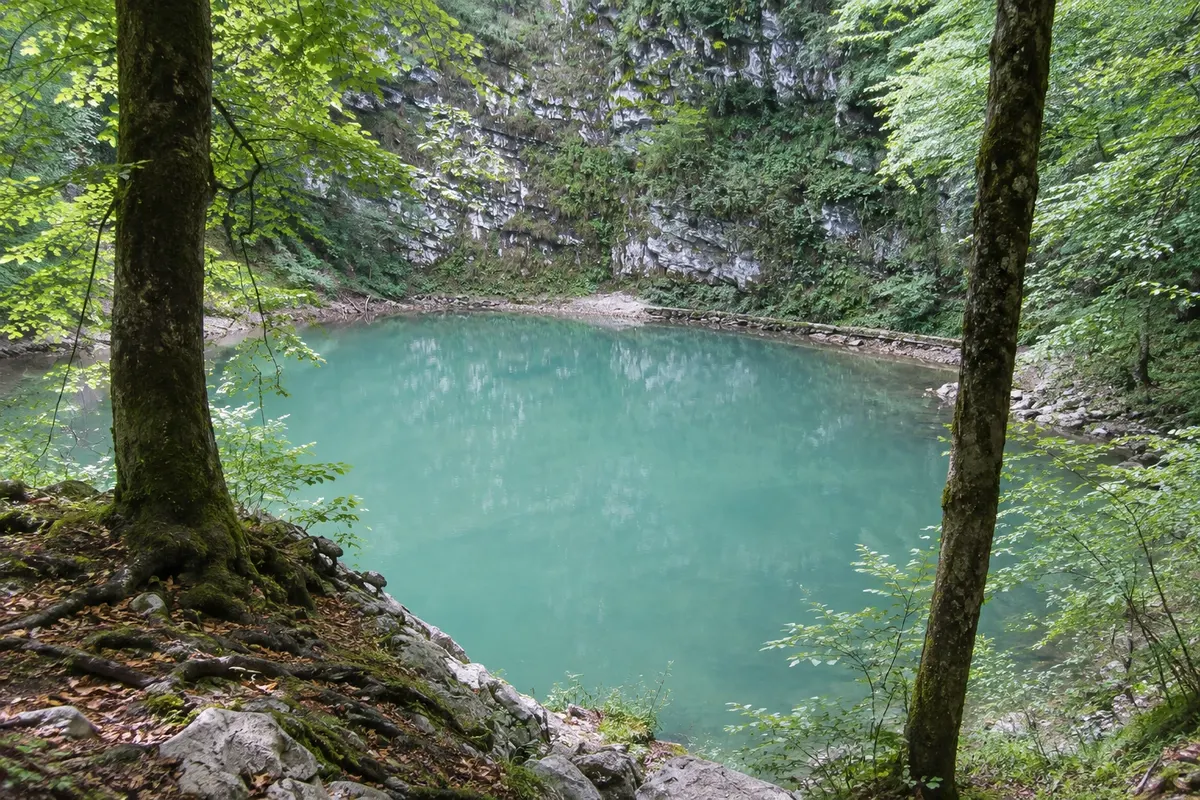
Around the town, the Idrijca River valley offers nature trails. The rake trail, an old mine water channel, runs from the kamšt to Divje jezero, a green lake formed by a deep karst spring, from which the shortest river in Slovenia flows.
This destination brings together 1 city: Idrija.


 Brazil
 Argentina
 Bolivia
 Chile
 Colombia
 Ecuador
 Guyana
 French Guiana
 Falkland Islands (Malvinas)
 Paraguay
 Peru
 Suriname
 Uruguay
 Venezuela
 Germany
 Austria
 Belgium
 Croatia
 Denmark
 Slovakia
 Spain
 Finland
 France
 Greece
 the Netherlands
 Hungary
 Ireland
 Iceland
 Italy
 Luxembourg
 Norway
 Poland
 Portugal
 the United Kingdom
 the Czech Republic
 Sweden
 Switzerland
 Turkey
 Canada
 the United States
 Mexico
 the Dominican Republic
 South Africa
 Australia
 Fiji
 New Zealand
 Papua New Guinea