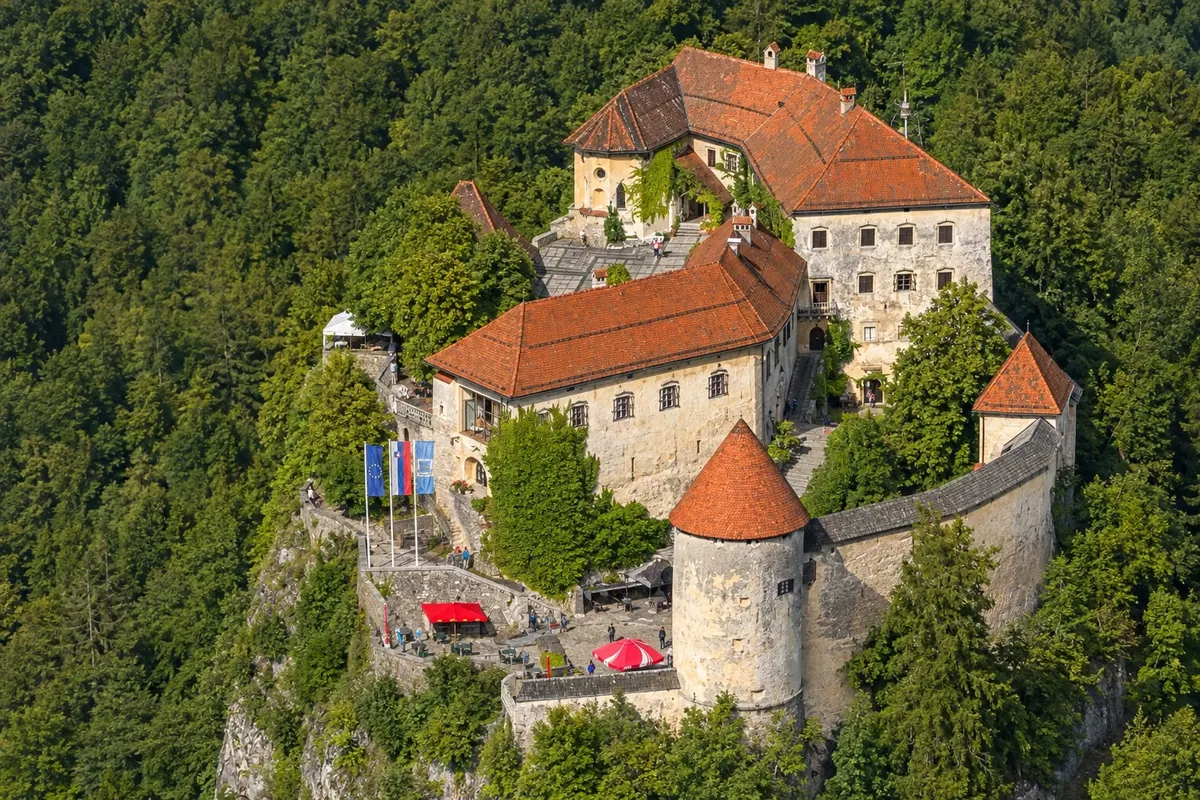
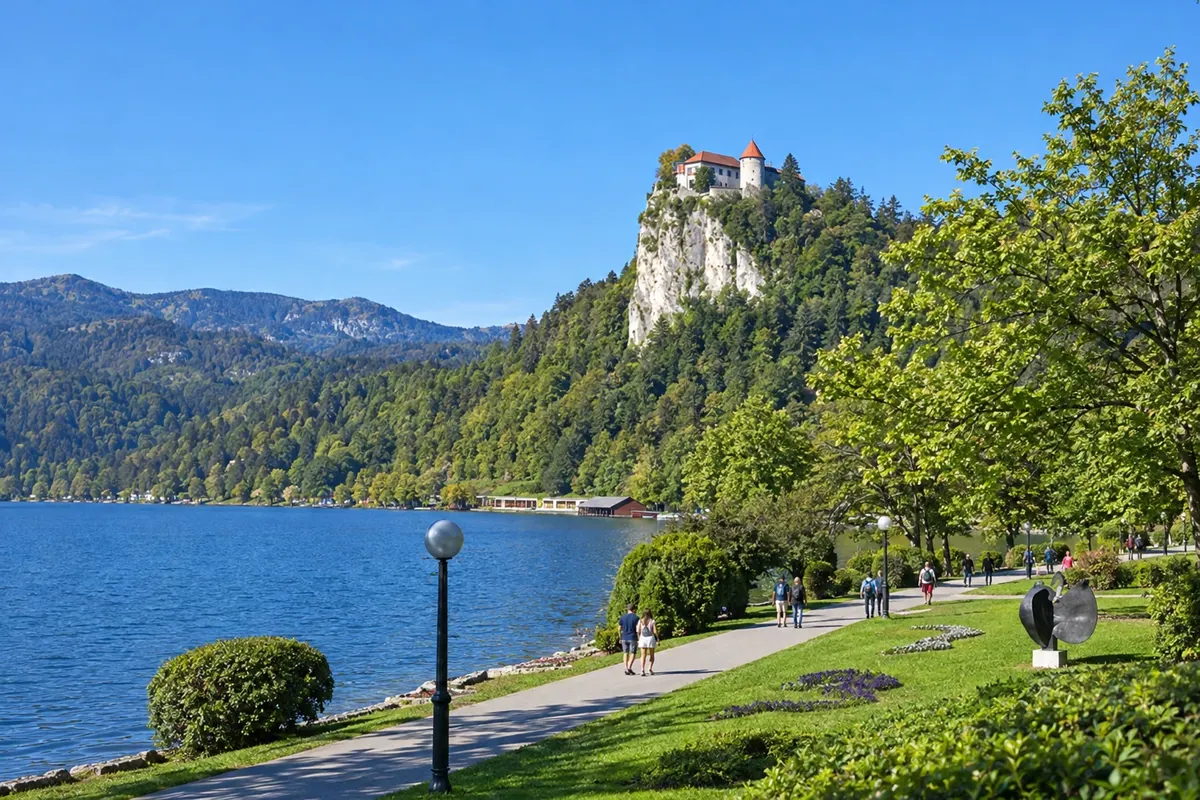
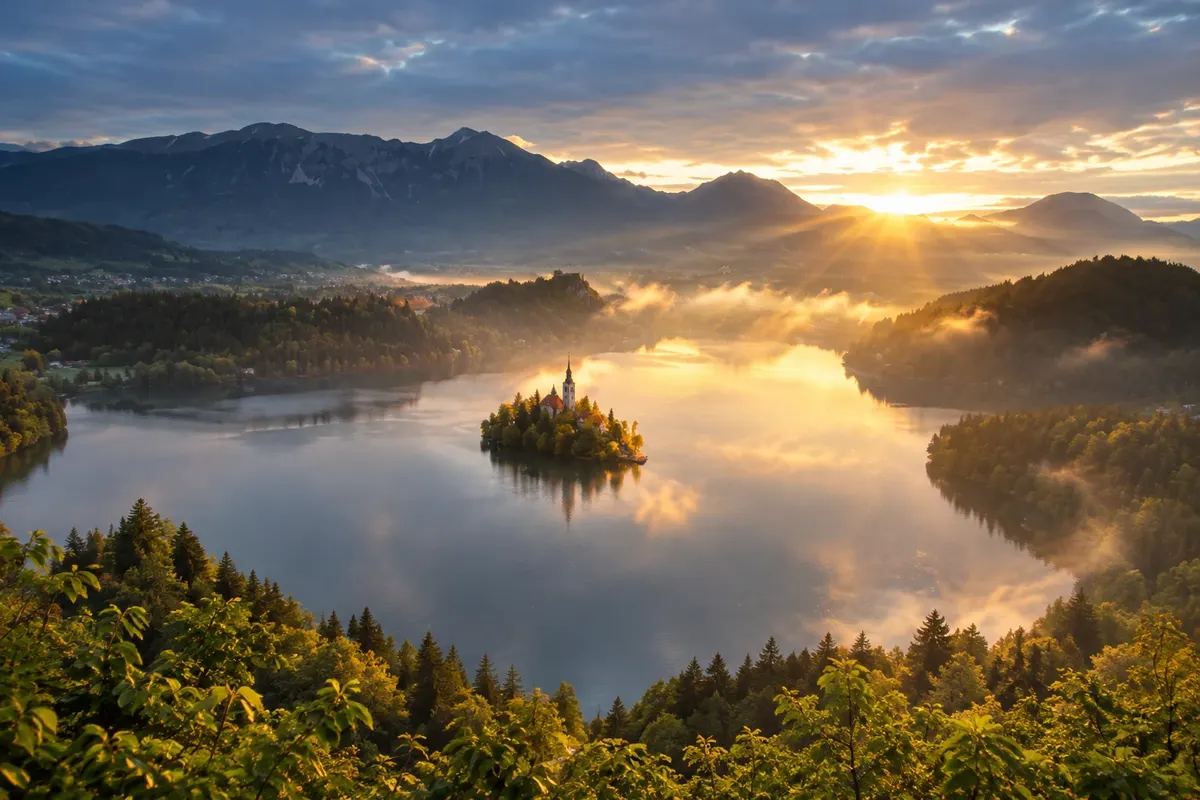
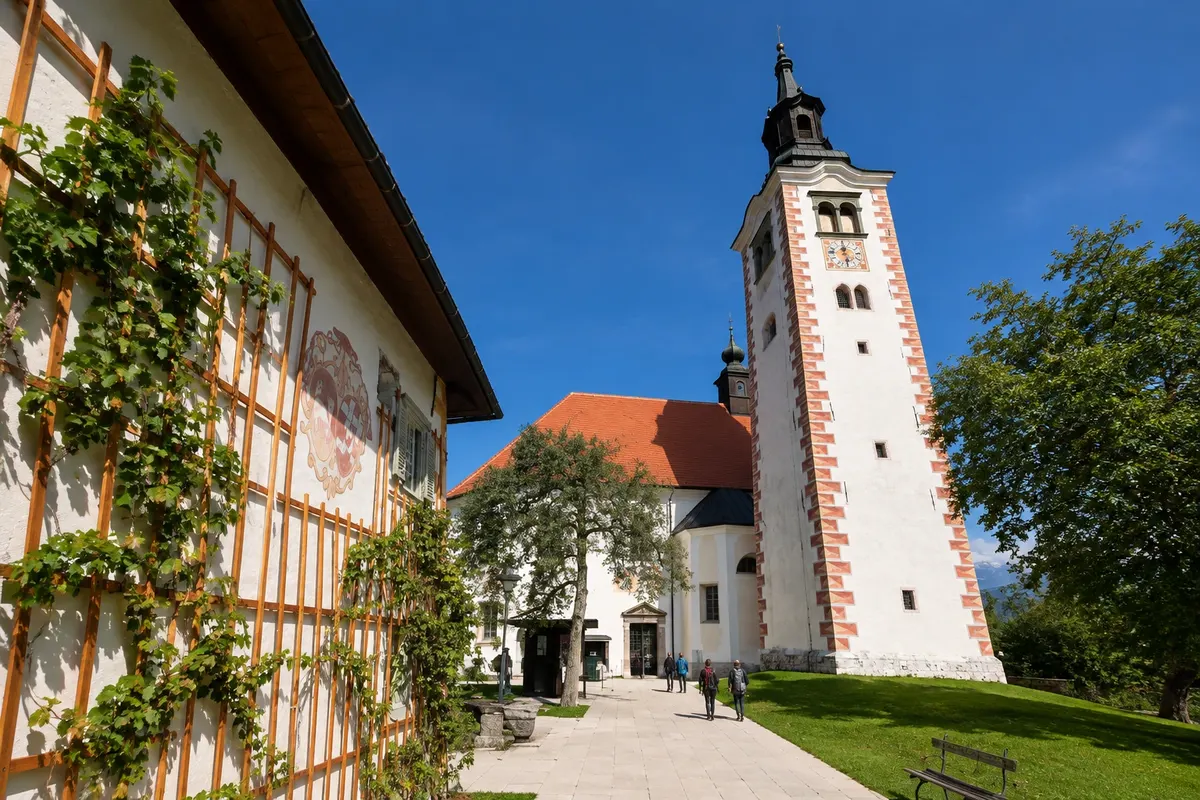
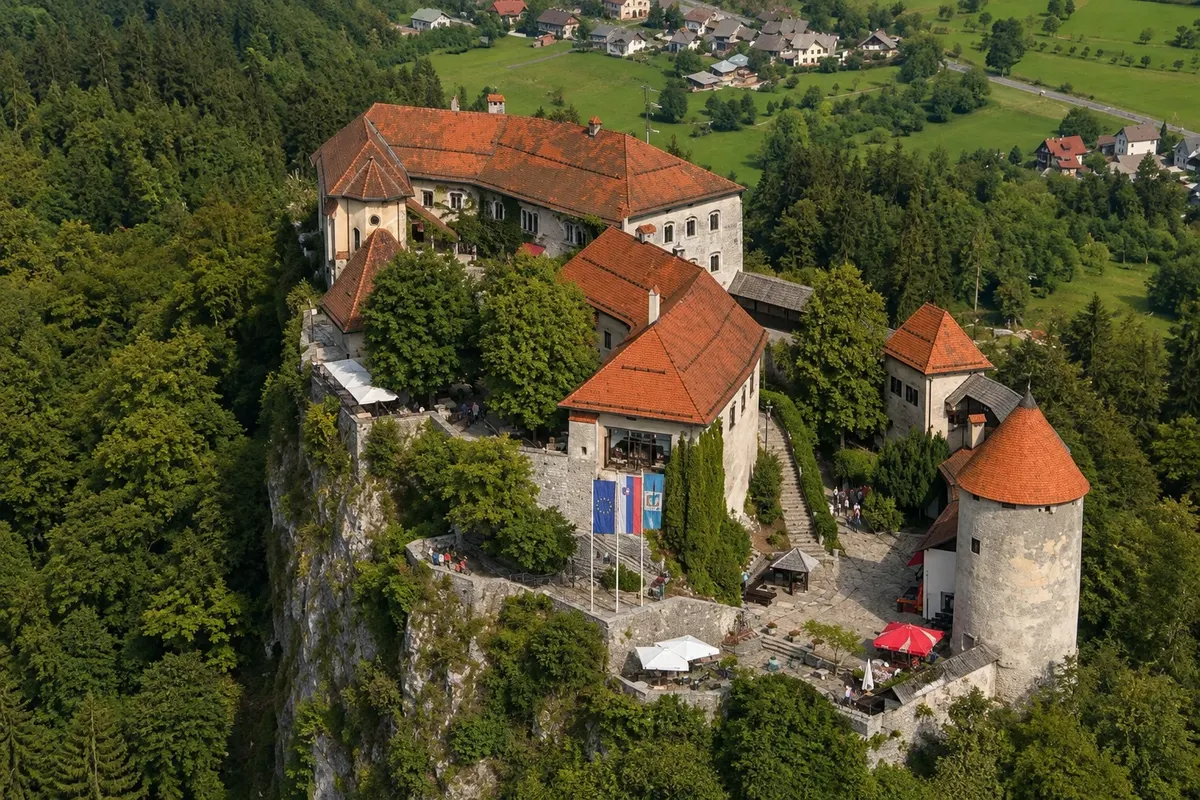
Bled sits on the edge of the Julian Alps, in the Gorenjska region, about 55 km from Ljubljana. The glacial lake is just over 2 km long, and in its middle is a small island with a Marian shrine, reached by rowboat. On a cliff above the north shore, the castle — mentioned in a document from 1011 — completes the scene that appears on many of the country’s posters.
A flat path circles the lake, with benches, small beaches and trails to the viewpoints on the south shore, from which you can see the island with the castle behind it. Traditional flat‑bottomed boats, the pletnas, rowed standing up, make the crossing to the island from several shores. In warm months many people swim at the beaches; in harsh winters the surface can freeze.
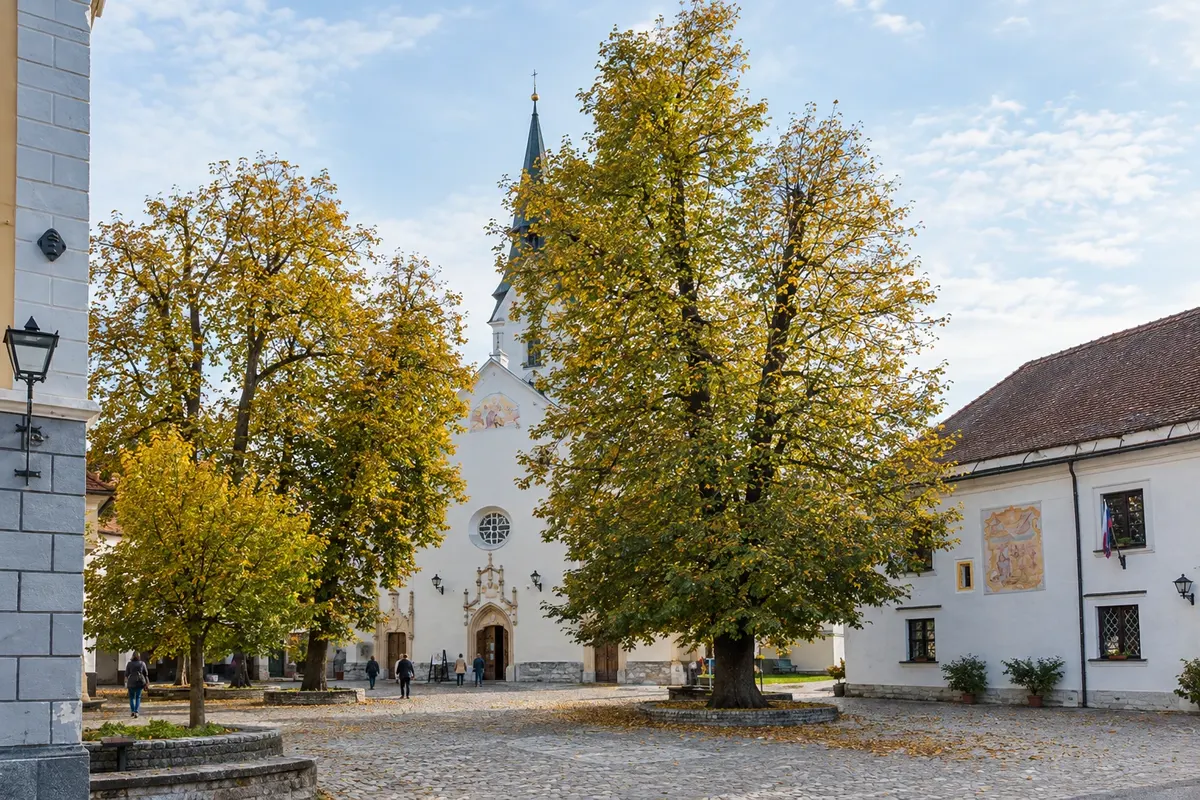
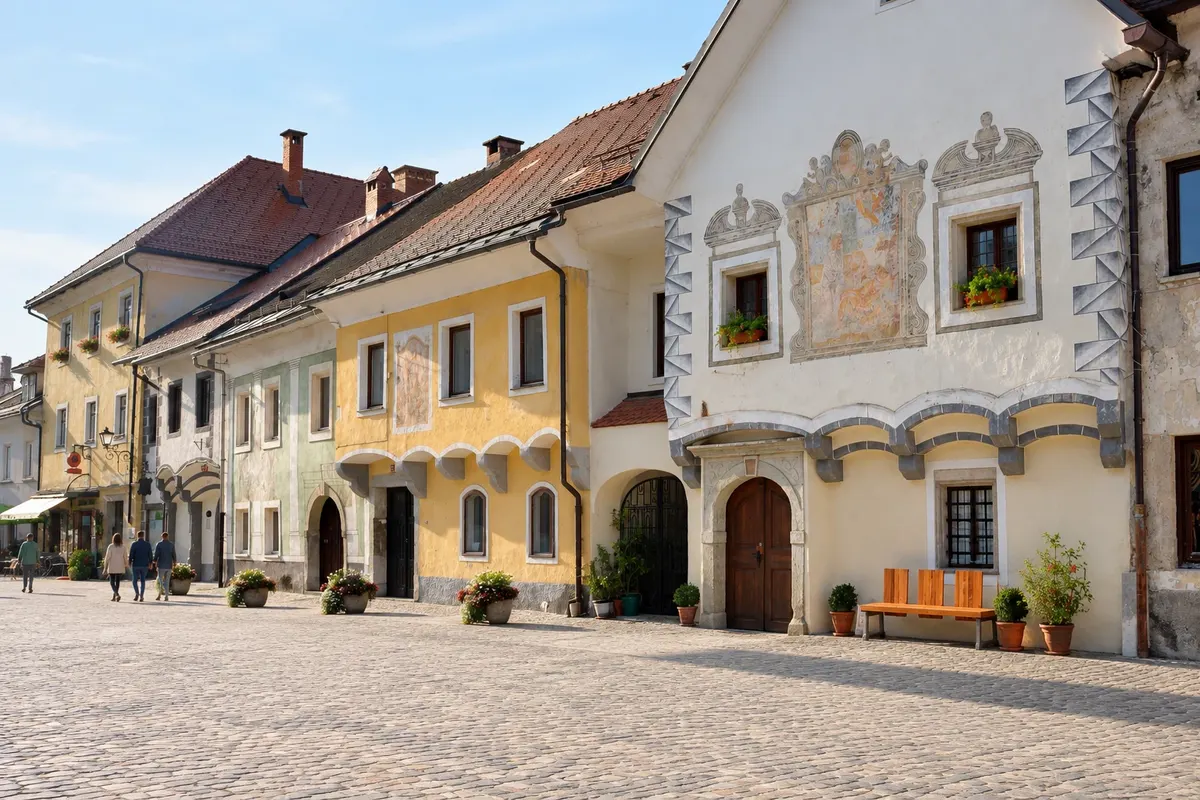
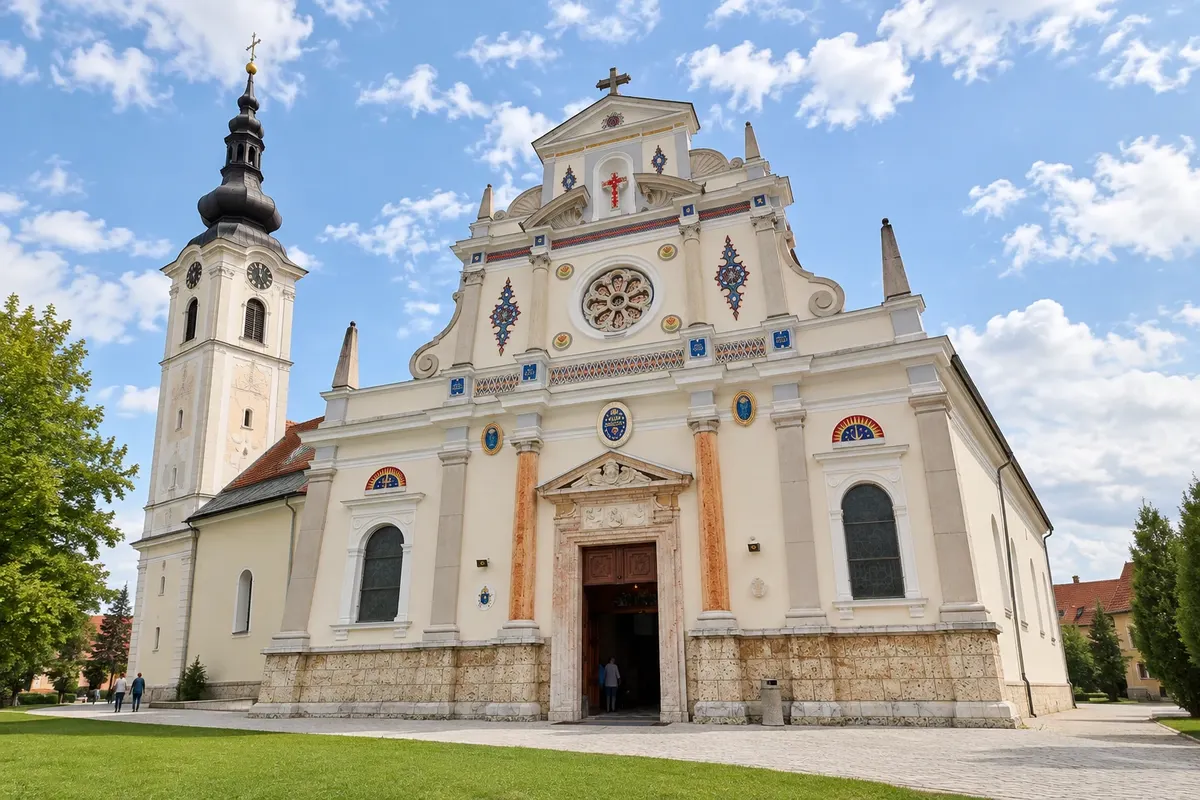
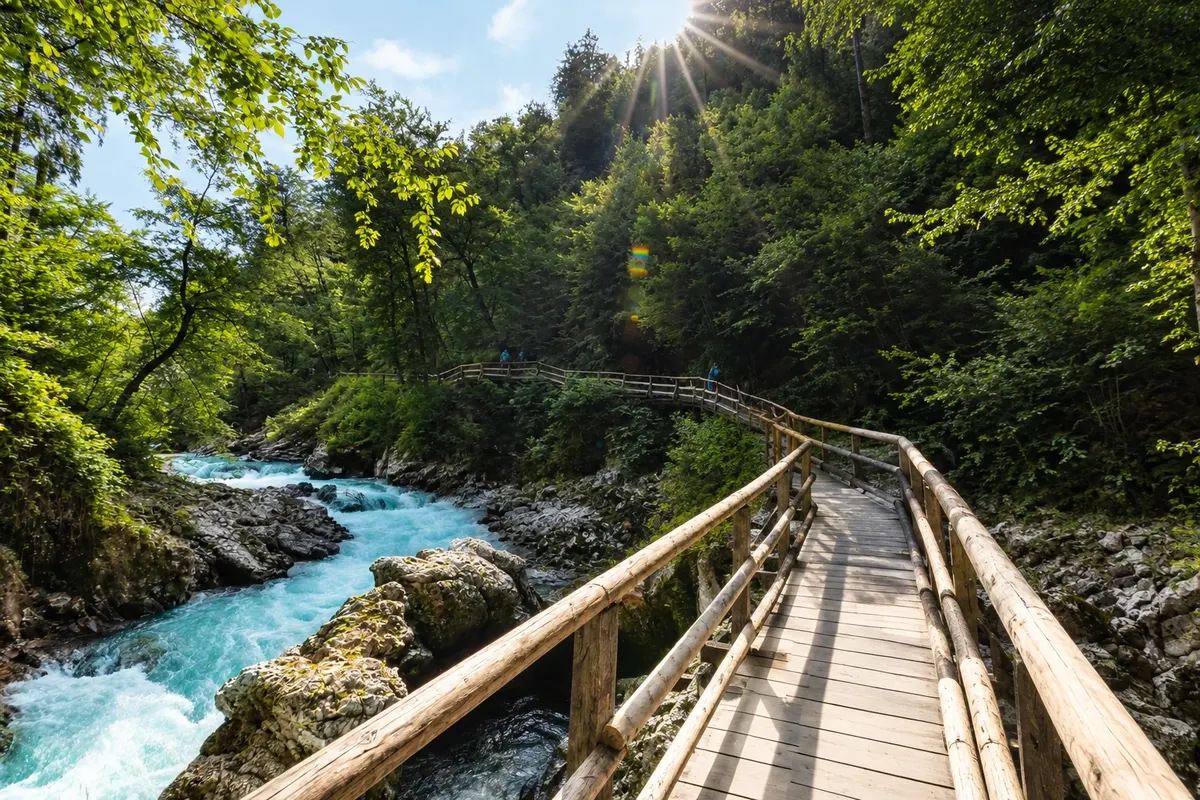
About 4 km to the north, the Radovna River runs between rock walls in the Vintgar Gorge, crossed by wooden walkways up to the Šum waterfall. To the southeast, Radovljica preserves a medieval square overlooking the Sava valley, the beekeeping museum and the tradition of decorated honey cake. Nearby, in Brezje, is Slovenia’s main Catholic shrine.
Bled is also known for the kremšnita, the cream and puff‑pastry cake that the lakeside bakeries have been serving for decades, and it is a base for visiting Bohinj and Triglav National Park.
This destination brings together 2 cities: Bled, Radovljica.


 Brazil
 Argentina
 Bolivia
 Chile
 Colombia
 Ecuador
 Guyana
 French Guiana
 Falkland Islands (Malvinas)
 Paraguay
 Peru
 Suriname
 Uruguay
 Venezuela
 Germany
 Austria
 Belgium
 Croatia
 Denmark
 Slovakia
 Spain
 Finland
 France
 Greece
 the Netherlands
 Hungary
 Ireland
 Iceland
 Italy
 Luxembourg
 Norway
 Poland
 Portugal
 the United Kingdom
 the Czech Republic
 Sweden
 Switzerland
 Turkey
 Canada
 the United States
 Mexico
 the Dominican Republic
 South Africa
 Australia
 Fiji
 New Zealand
 Papua New Guinea