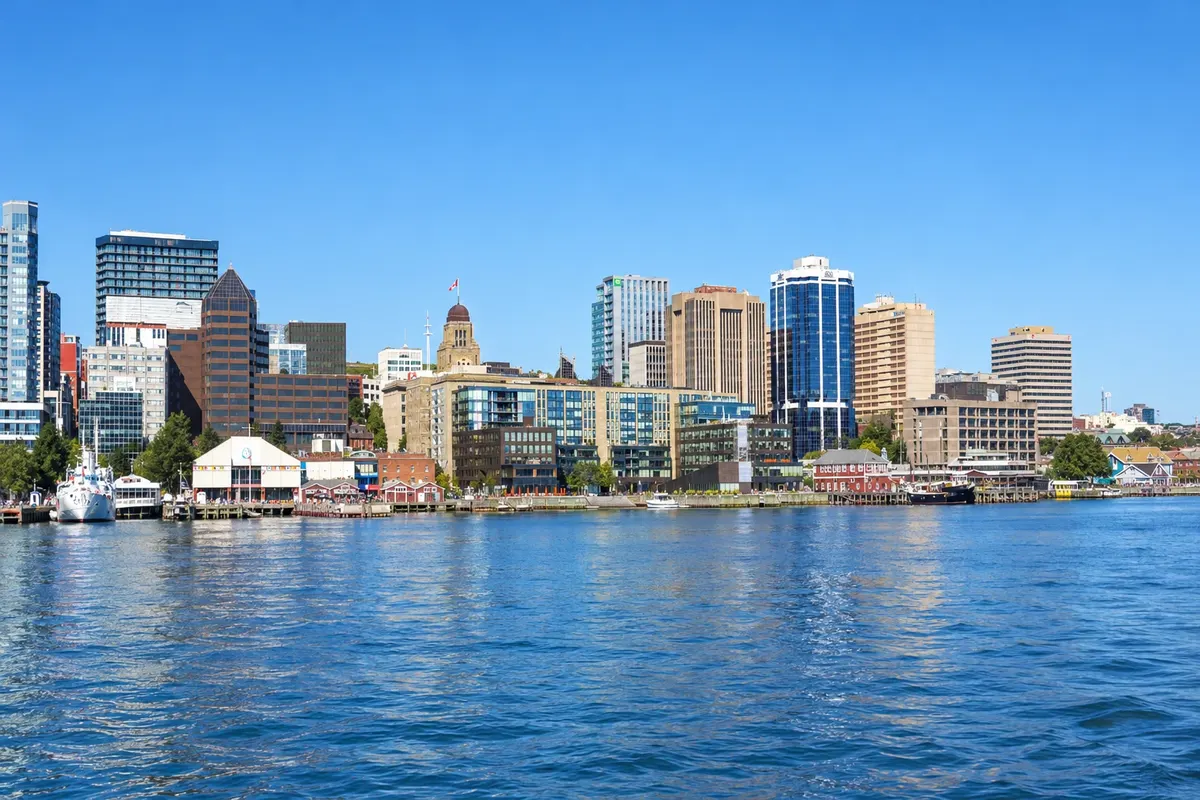
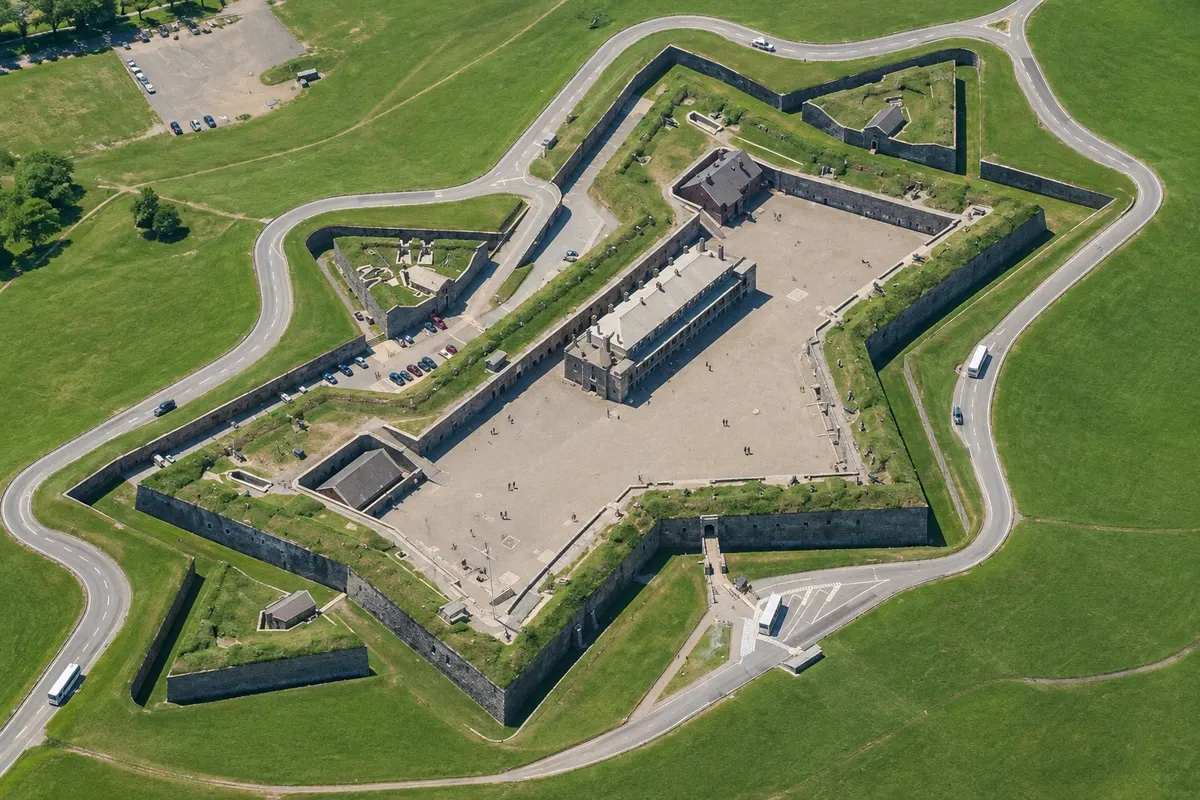
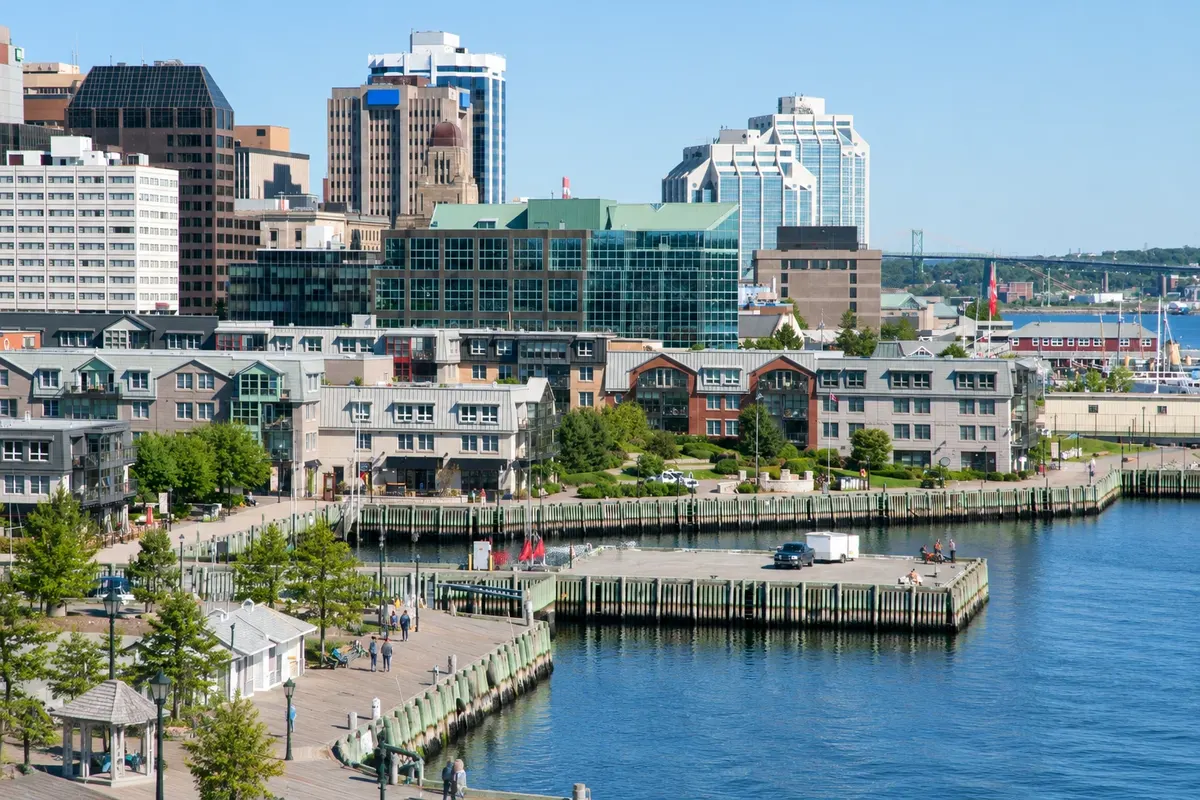
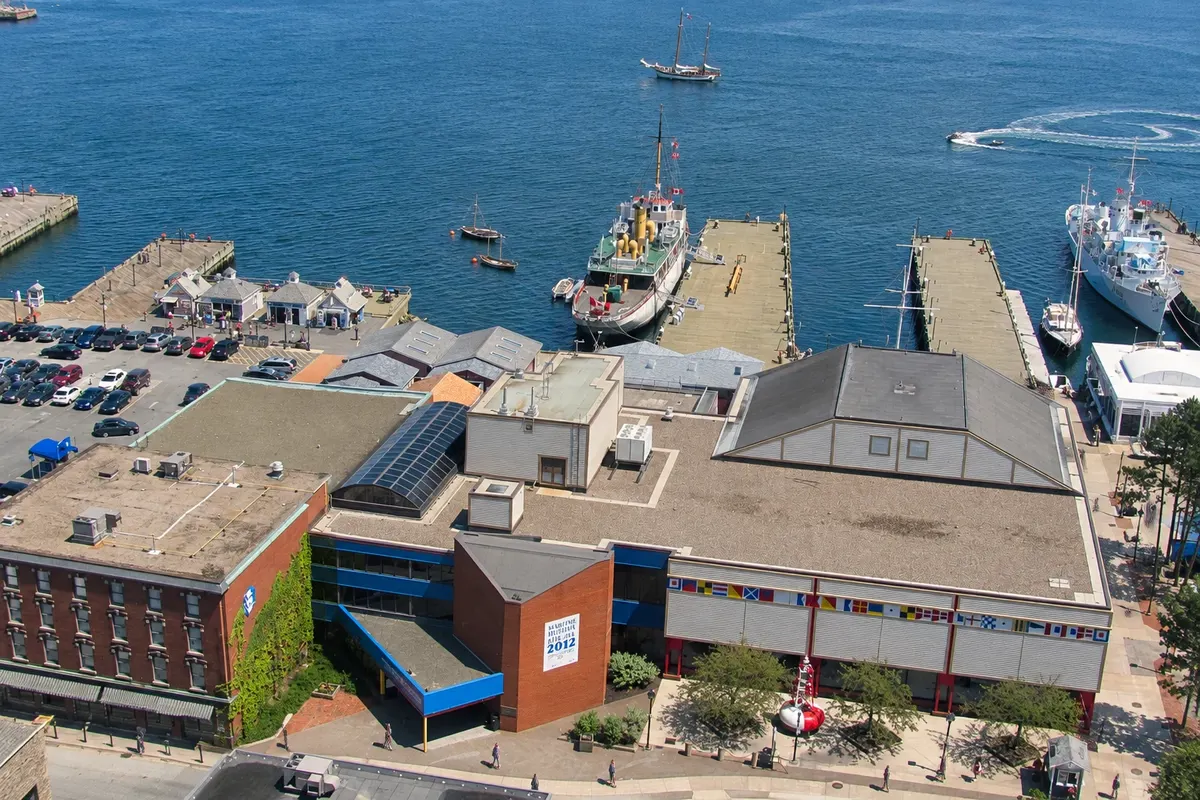
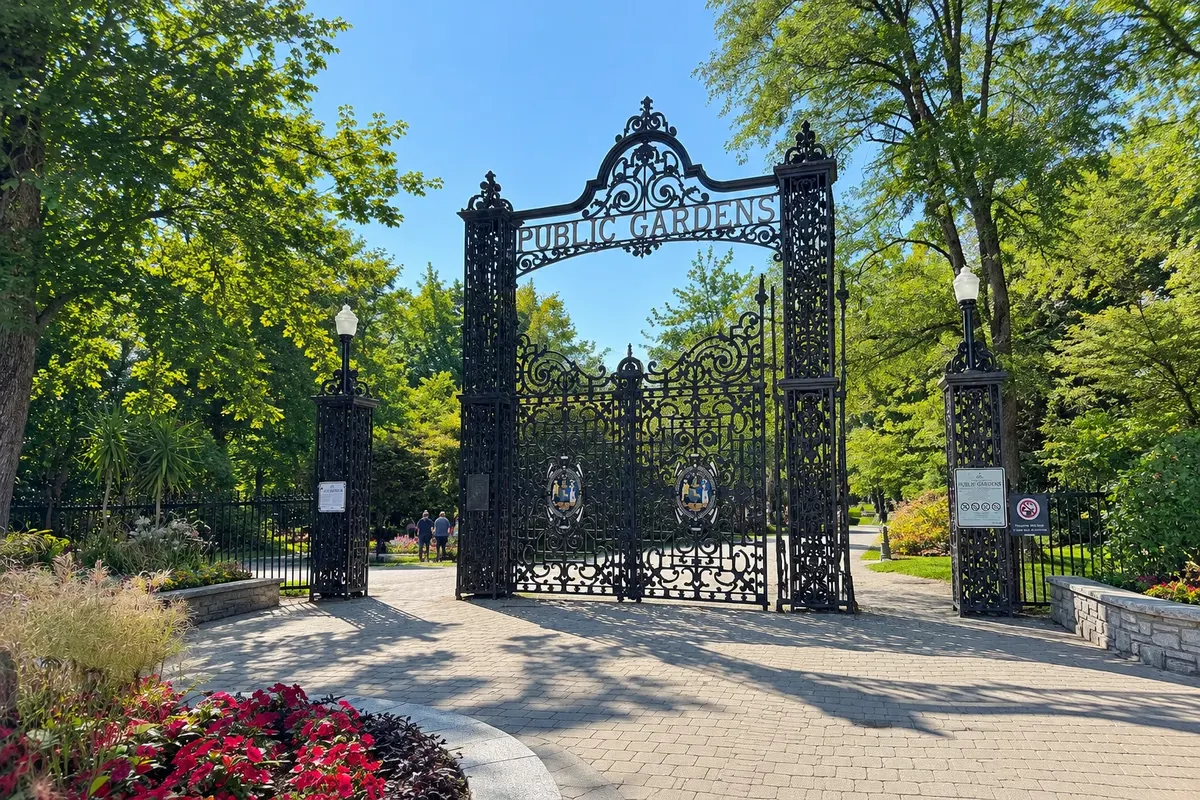
Halifax, the capital of Nova Scotia, grew up around one of the world’s largest natural harbours on the Atlantic. The stone citadel, atop the hill, has watched over downtown since the 18th century, and the waterfront boardwalk links piers, museums, markets and the ferry terminal to Dartmouth.
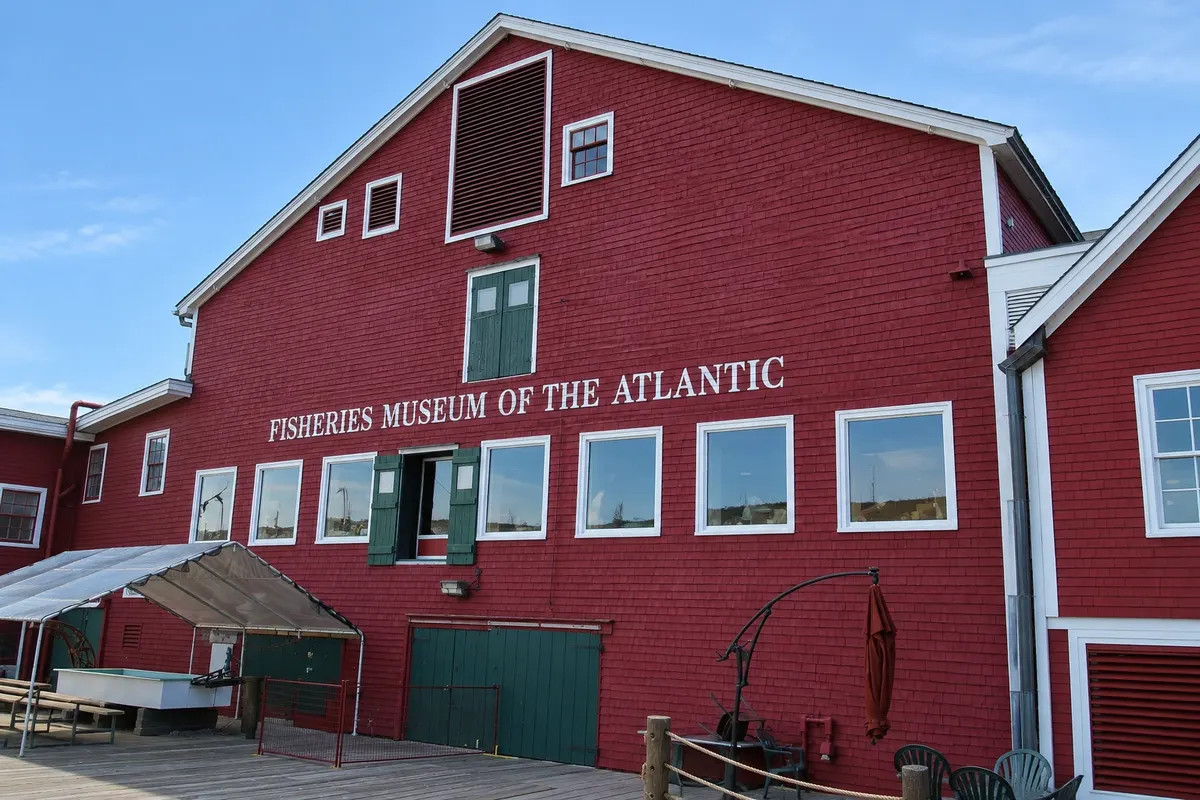
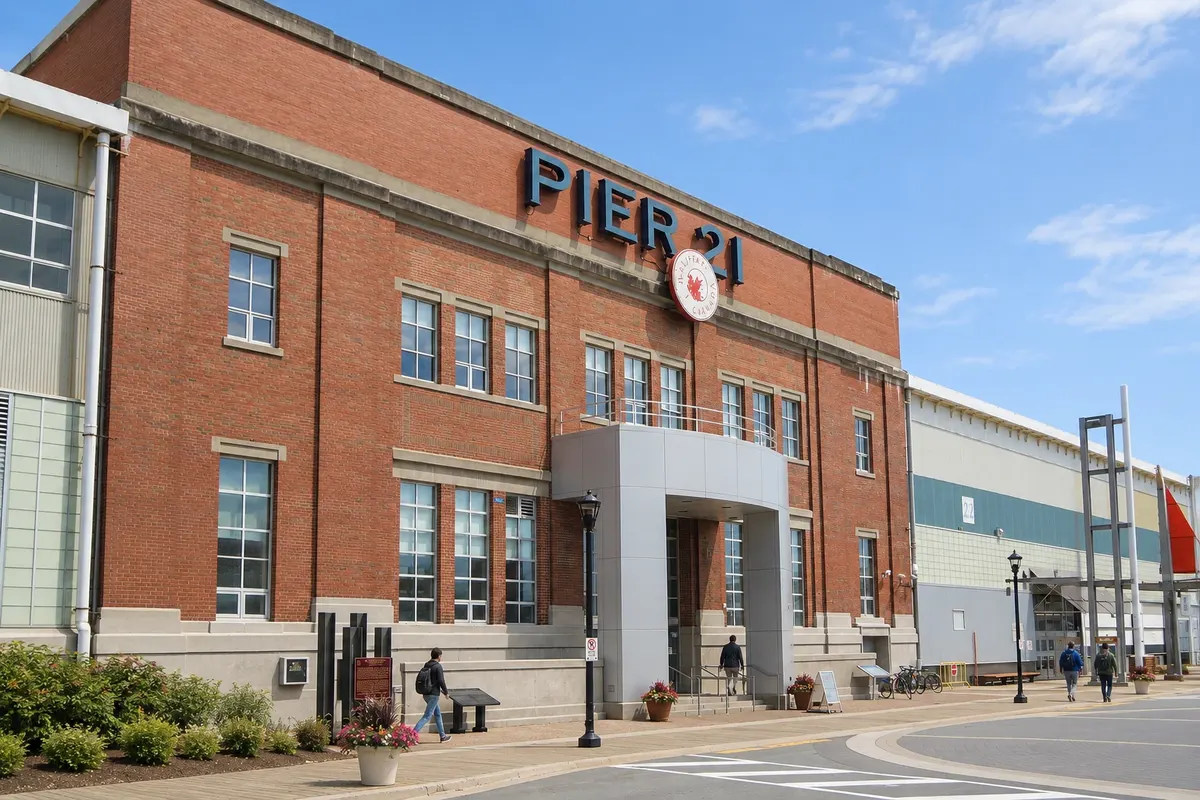
The harbour has shaped the country’s history: through Pier 21 passed immigrants, refugees and soldiers for more than four decades of the 20th century, and it was in Halifax that victims of the Titanic were brought and that the Halifax Explosion of 1917 occurred. Both events are covered at the Maritime Museum of the Atlantic on the boardwalk.
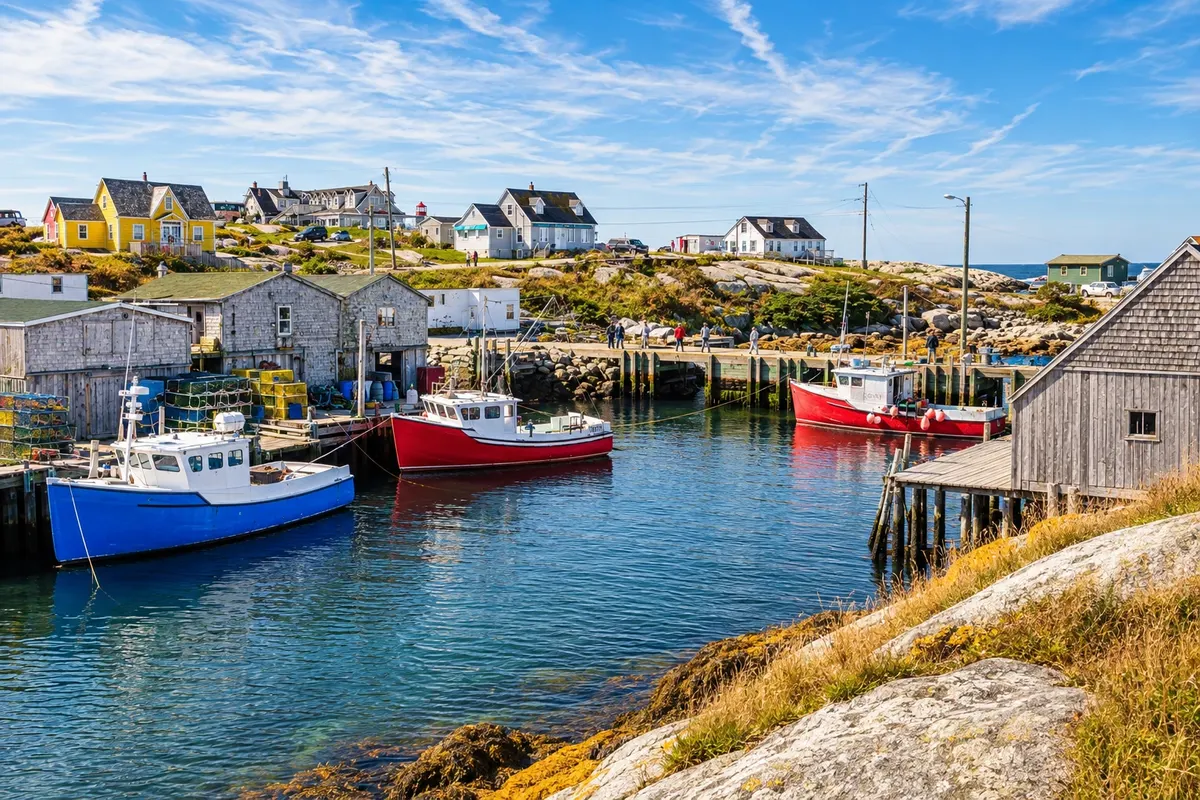
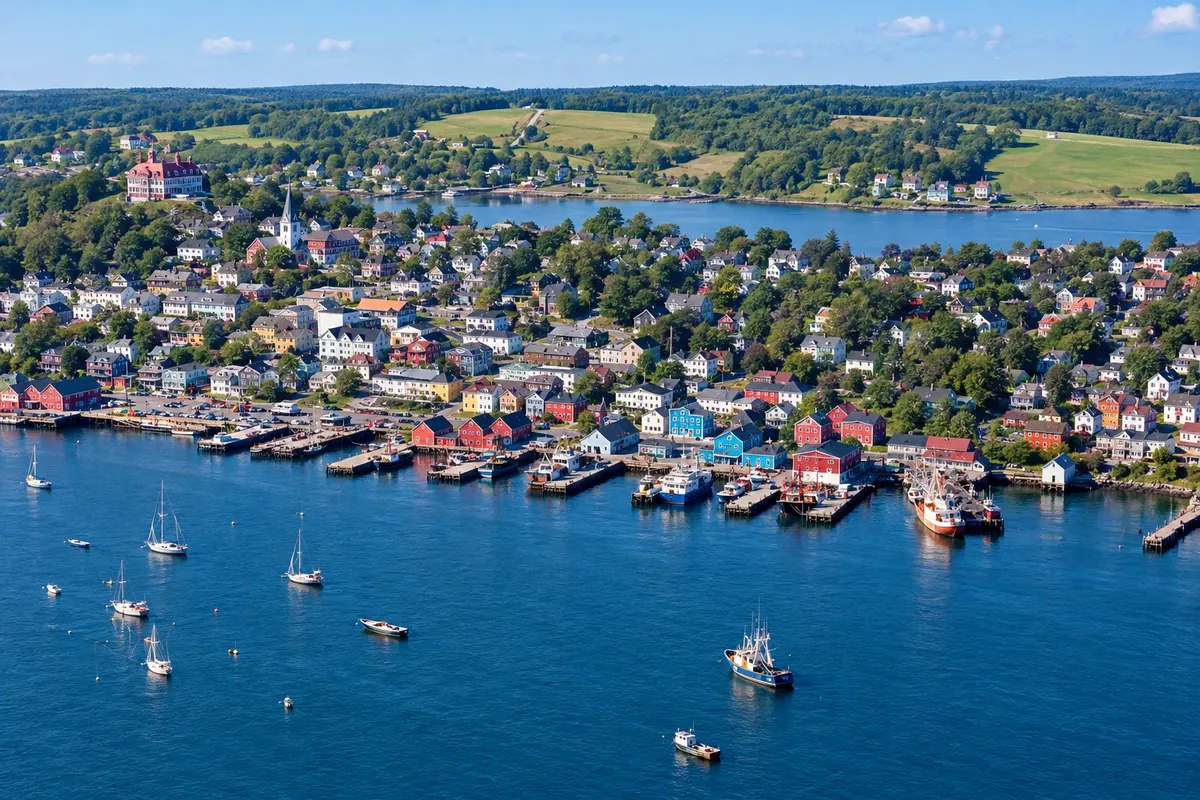
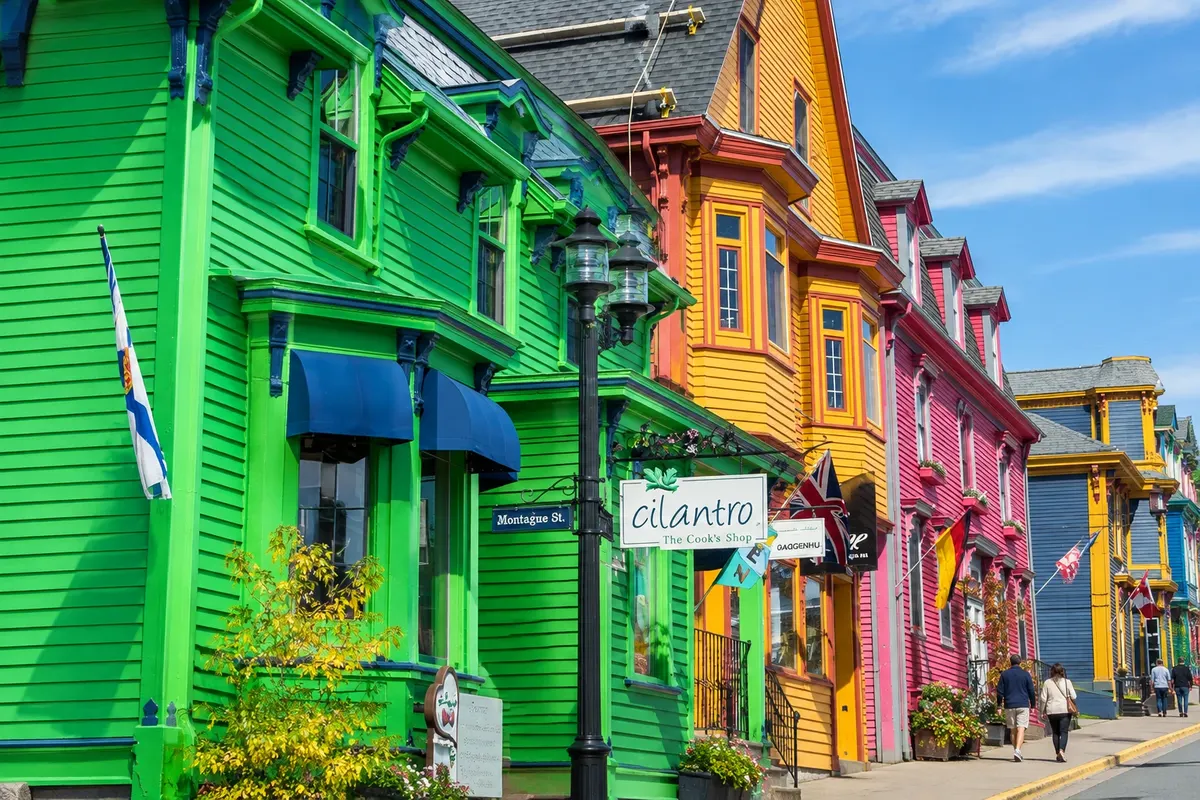
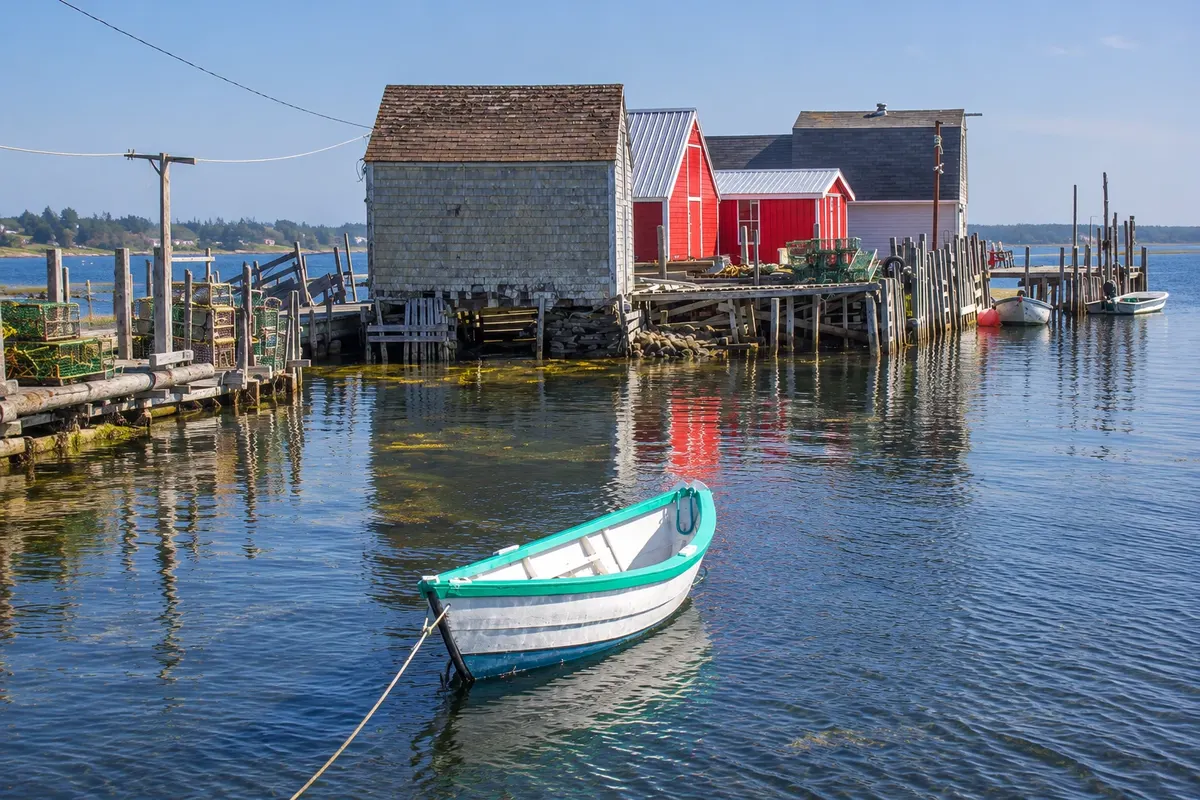
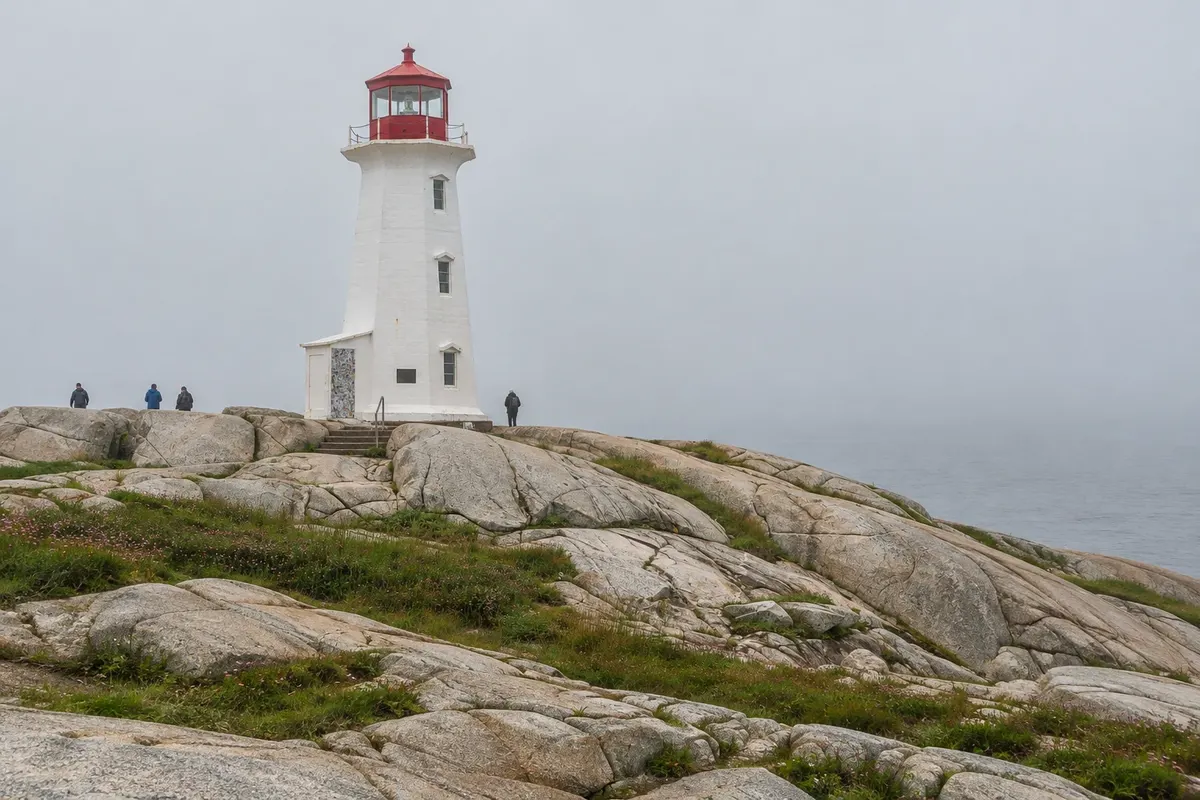
Southwest of the capital the southern coast begins, with jagged coves, islands and fishing villages. Peggy's Cove, 45 km away, features wooden houses on granite and a white-and-red lighthouse. Further along are Mahone Bay, with three churches by the water, and Lunenburg, a British colonial town of colorful houses and a UNESCO World Heritage Site.
The region is best explored by car, along the coastal route known as the Lighthouse Route, with short stops between villages.
This destination brings together 2 cities: Halifax, Lunenburg.


 Brazil
 Argentina
 Bolivia
 Chile
 Colombia
 Ecuador
 Guyana
 French Guiana
 Falkland Islands (Malvinas)
 Paraguay
 Peru
 Suriname
 Uruguay
 Venezuela
 Germany
 Austria
 Belgium
 Croatia
 Denmark
 Slovakia
 Slovenia
 Spain
 Finland
 France
 Greece
 the Netherlands
 Hungary
 Ireland
 Iceland
 Italy
 Luxembourg
 Norway
 Poland
 Portugal
 the United Kingdom
 the Czech Republic
 Sweden
 Switzerland
 Turkey
 the United States
 Mexico
 the Dominican Republic
 South Africa
 Australia
 Fiji
 New Zealand
 Papua New Guinea