Bamkuch
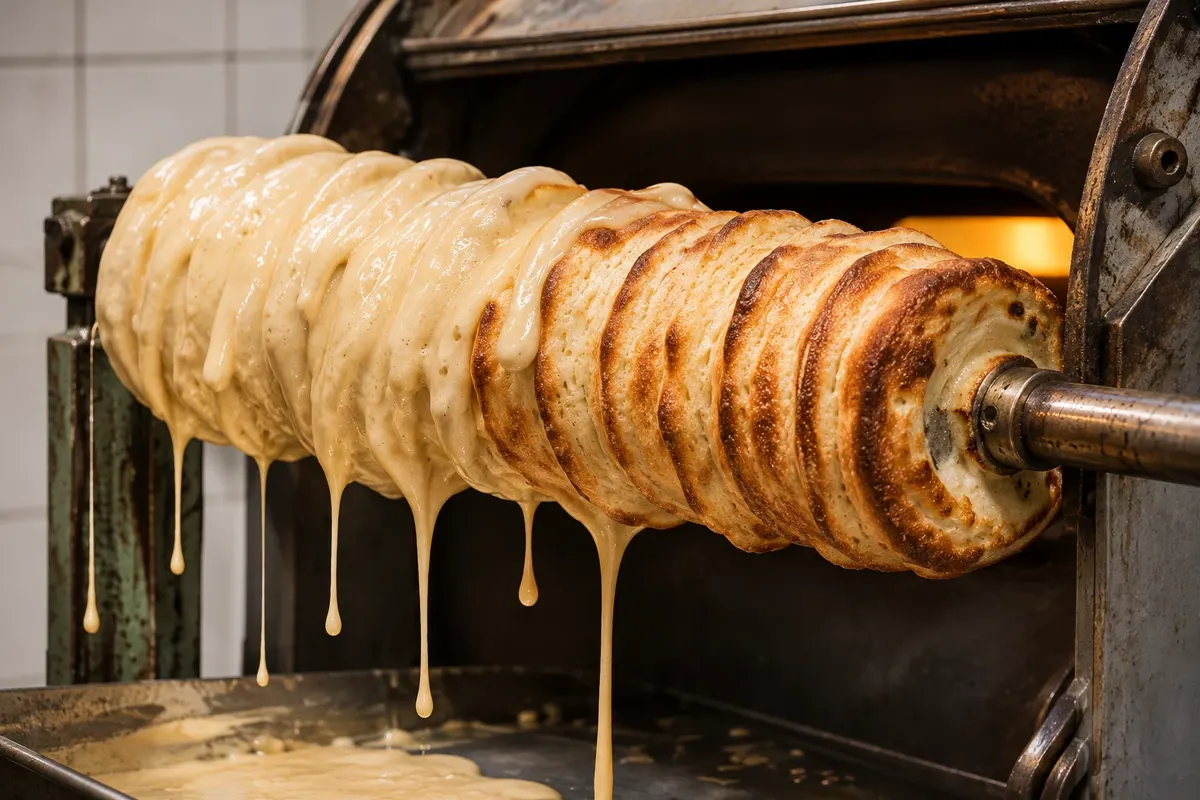
Cake baked in thin layers around a rotating spit in front of a flame, forming rings like those of a tree trunk. It arrived in Luxembourg from another European tradition and became a sweet for weddings and large celebrations.
Flavors · Luxembourg
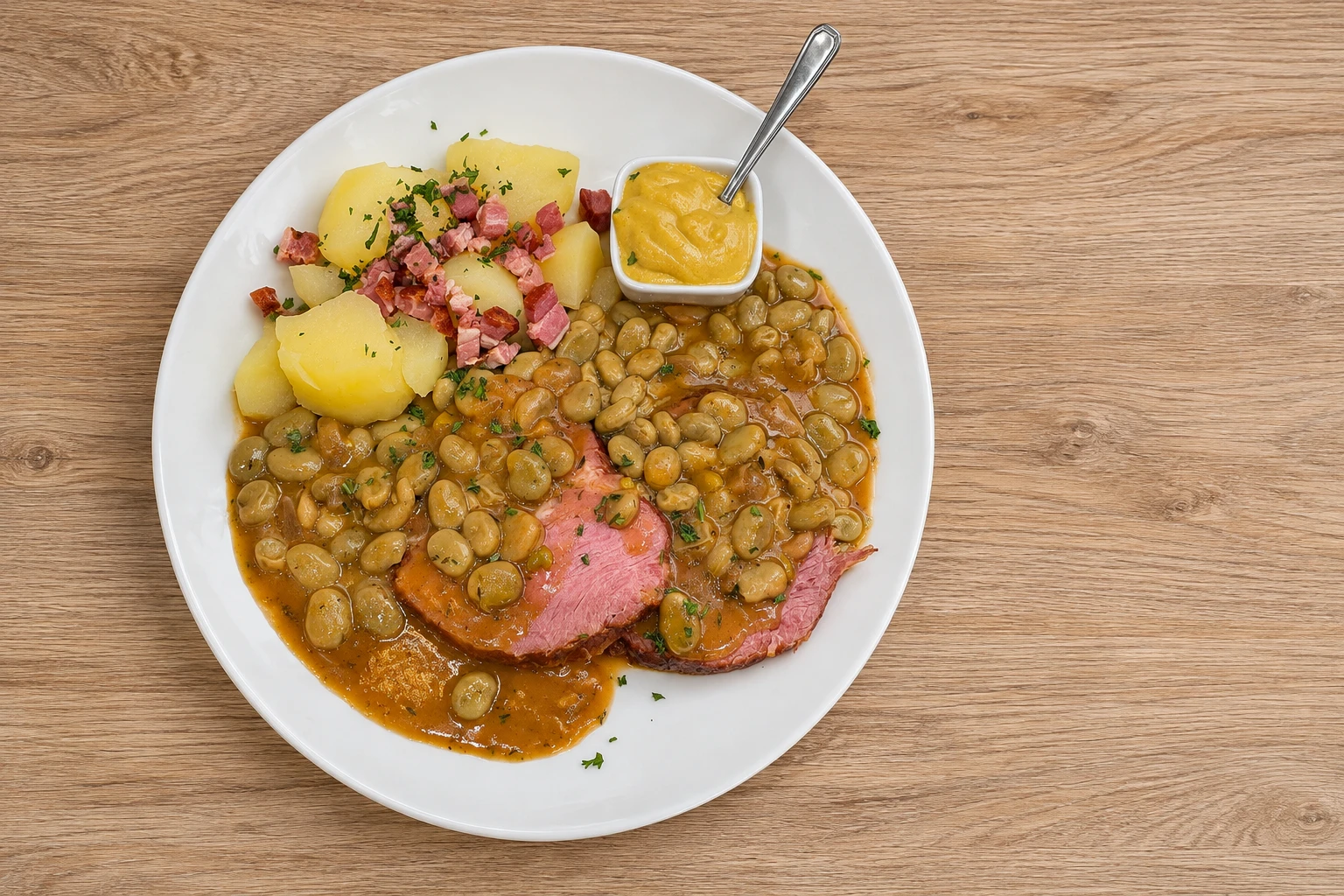
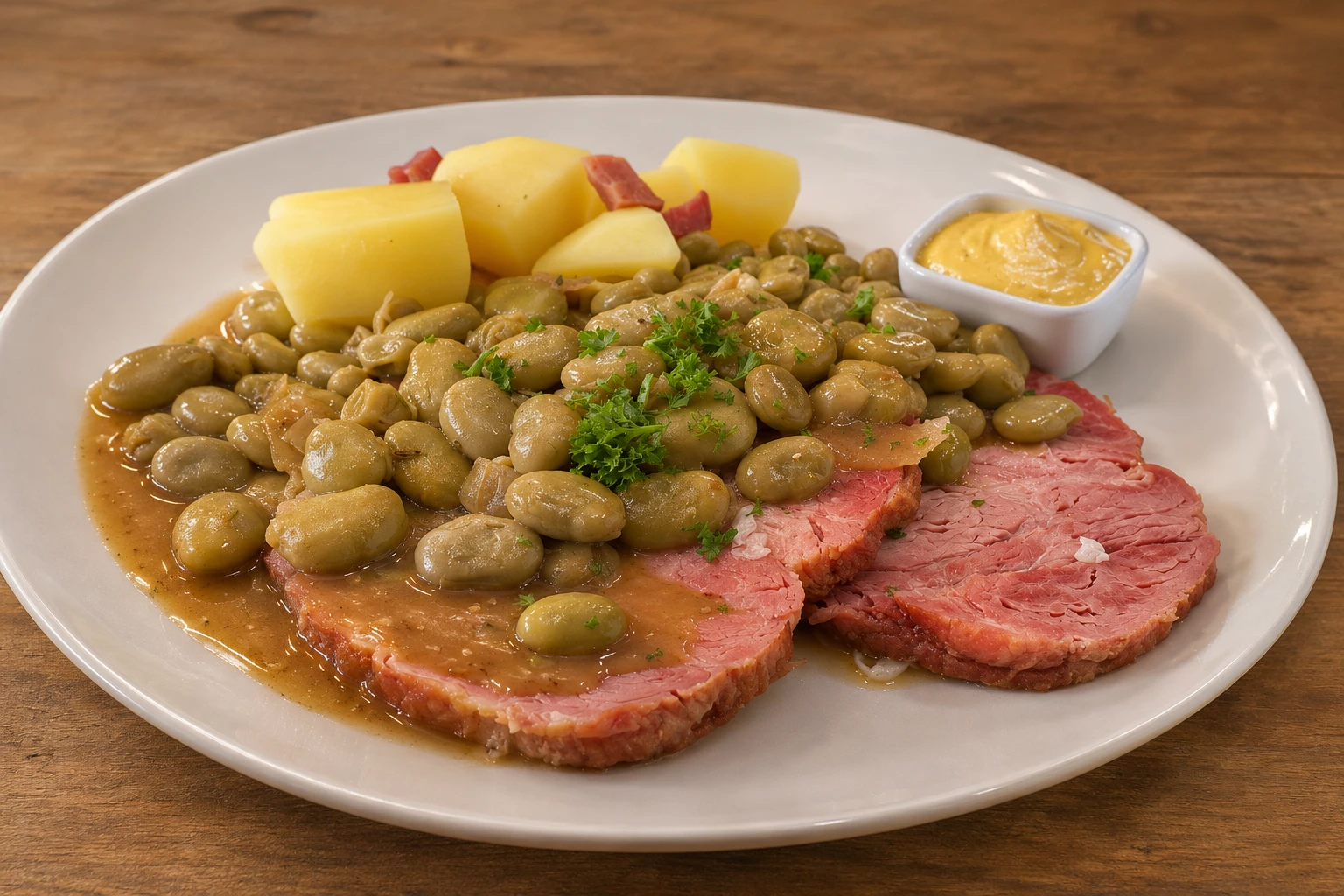
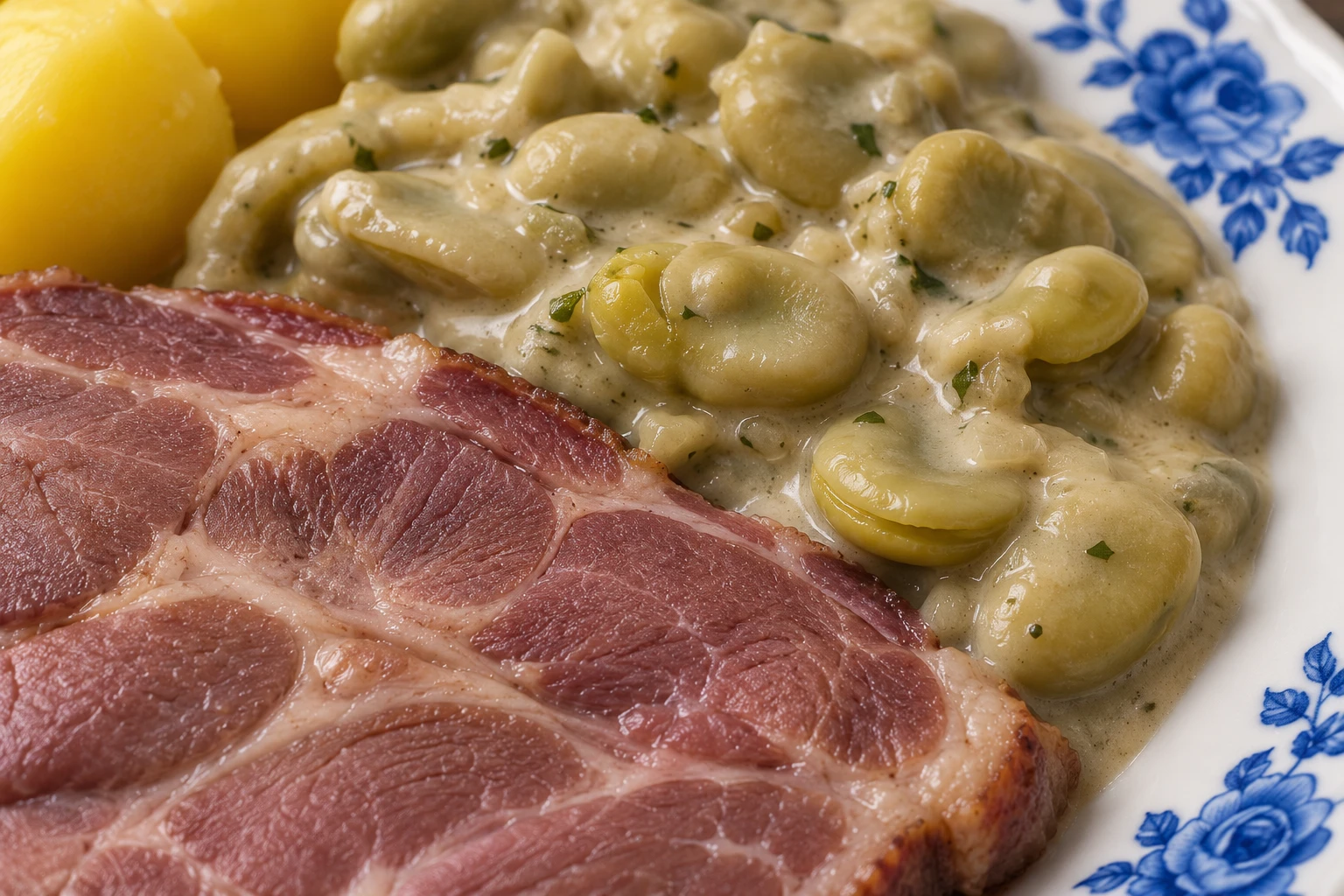
Smoked pork neck, slow-cooked and served sliced with fava beans in a creamy sauce and boiled potatoes. It is the dish most often cited as Luxembourg’s national dish.
Traditional dish from Luxembourg
Also known as: Judd mat Gardebounen, Judd
Illustrative images. The pictures in this guide are illustrations based on the real place, not photographs, and may differ from it.
Click a photo to enlarge it.
Judd mat Gaardebounen — Luxembourg
Judd mat Gaardebounen means, in Luxembourgish, Judd with fava beans. The Judd is the cured, smoked pork neck, soaked in water and then slowly cooked with vegetables and herbs until tender. The Gaardebounen are fava beans, not pods: they are served in a creamy sauce, in versions that include savory, the herb that accompanies the beans in regional cooking.
The Luxembourg City tourism service presents the dish as smoked pork neck with fava beans in cream and potatoes, and the official government portal includes it among the culinary heritage recipes compiled by Ketty Thull, the cook whose books have guided many kitchens in the country. Luxembourgish publications and guides frequently refer to it as the national dish.
The origin of the name Judd is debated, and more than one explanation circulates; none is proven. What is known is that the combination of smoked meat, used for preservation, and fava beans, easy to grow in kitchen gardens, comes from rural cooking.
The dish is served on a platter: the meat sliced thick, the fava beans in the sauce beside it, and boiled potatoes. It is usually accompanied by beer or Moselle white wine.
It appears in homes and restaurants serving Luxembourgish cuisine. Outside the season for fresh fava beans, preserved or frozen beans are used.

Luxembourg
A traditional dish throughout the country, often cited as the national dish.
Smoked pork neck (Judd), fava beans (Gaardebounen), cream, onion, savory, cooking vegetables (leek, carrot, celery), potatoes.
On a platter, with the meat sliced, the fava beans in the sauce and boiled potatoes; served with beer or white wine.
All year round, especially at family and Sunday lunches; fresh fava beans are available in early summer.
Your questions
The cured and smoked pork neck served with fava beans in a creamy sauce. Guides and publications in the country treat it as a national dish.
They are fava beans. Do not confuse them with the pods used in Bouneschlupp, the Luxembourgish green-bean soup.
It is usually accompanied by beer or Moselle white wine.
Flavors of Luxembourg

Cake baked in thin layers around a rotating spit in front of a flame, forming rings like those of a tree trunk. It arrived in Luxembourg from another European tradition and became a sweet for weddings and large celebrations.

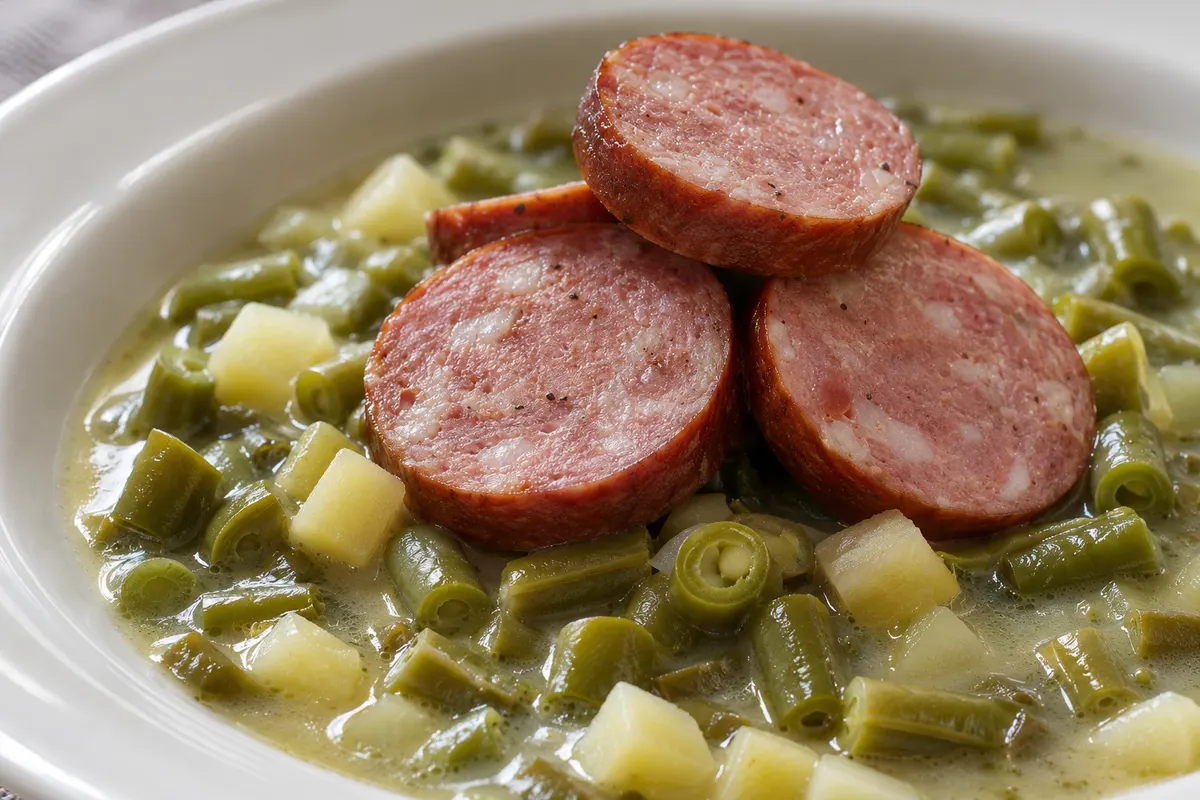
Thick green‑bean soup with potato, onion, bacon and sausage, served as a main course. It’s a traditional Luxembourgish home soup and is served at Buergbrennen bonfires after Carnival.

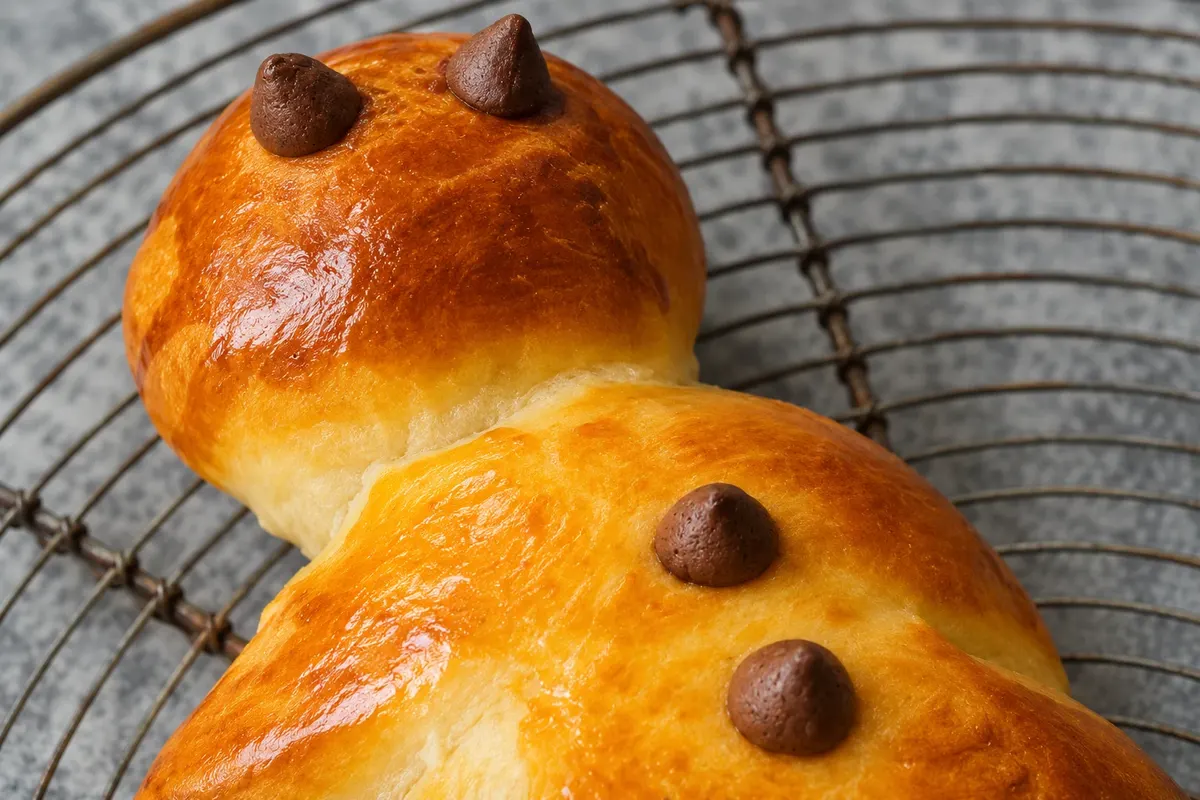
Small human-shaped brioche pastry, with raisins for eyes and sometimes a small white pipe. It is the sweet of Saint Nicholas and Advent in Luxembourg, sold in bakeries in the weeks before Christmas.

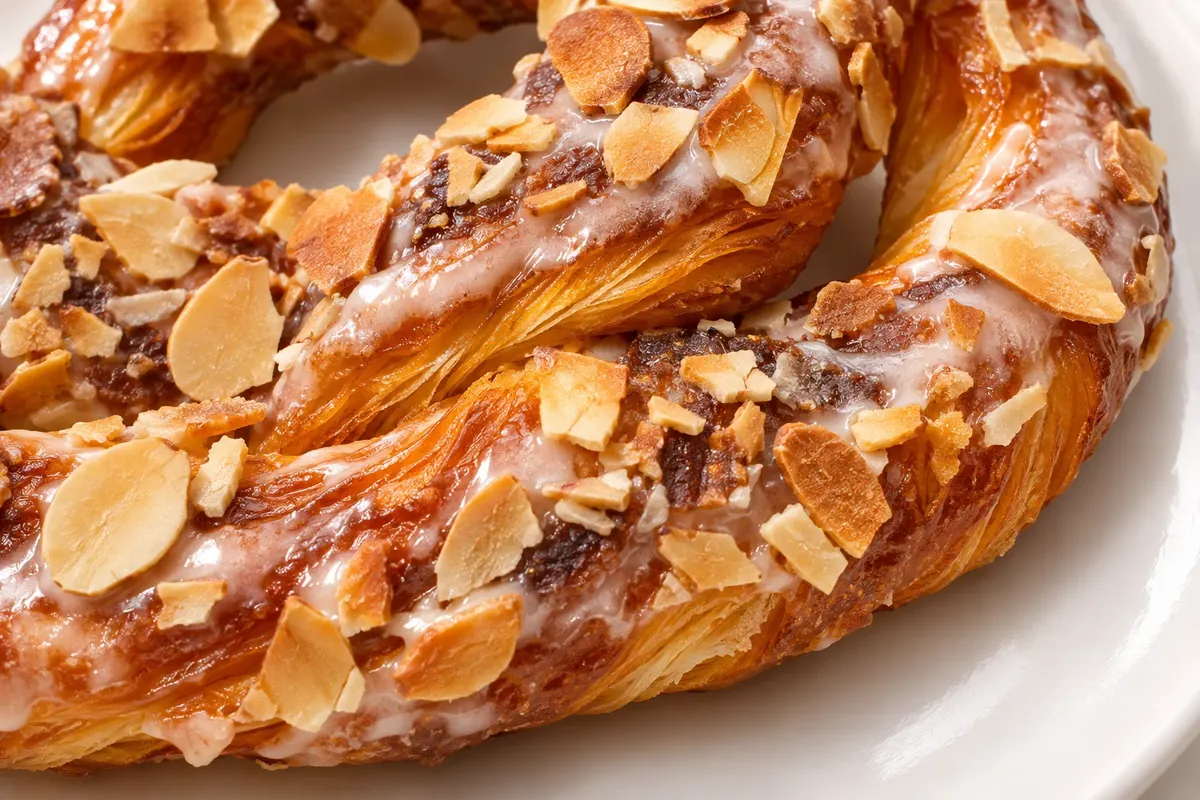
Sweet made from leavened laminated dough, covered with sugar icing and almonds, shaped into a loop that resembles two entwined arms. It is the gift of Bretzelsonndeg, the fourth Sunday of Lent, when men give it to the women they care for.

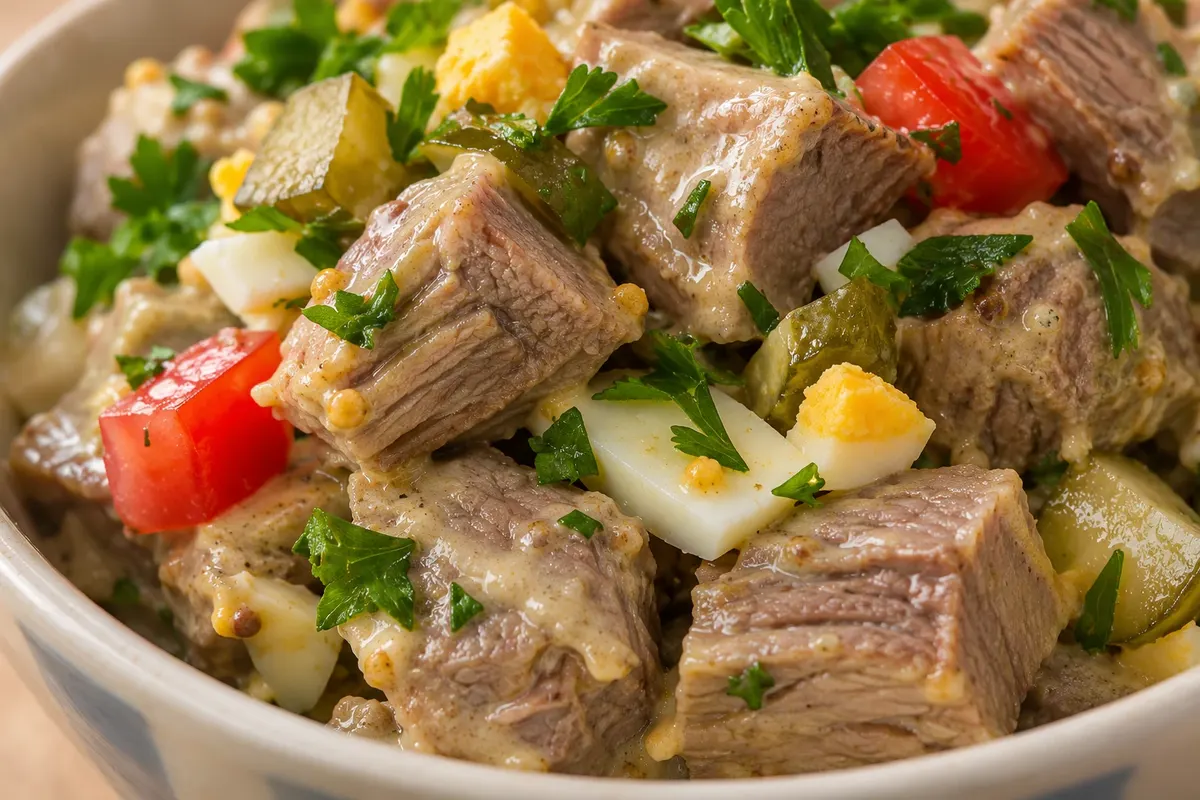
Cold salad of cooked beef cut into cubes, with hard‑boiled egg, pickled cucumber and a mustard‑and‑vinegar dressing. It originated as a way to use leftover boiled meat and has been made for generations in Luxembourgish homes.

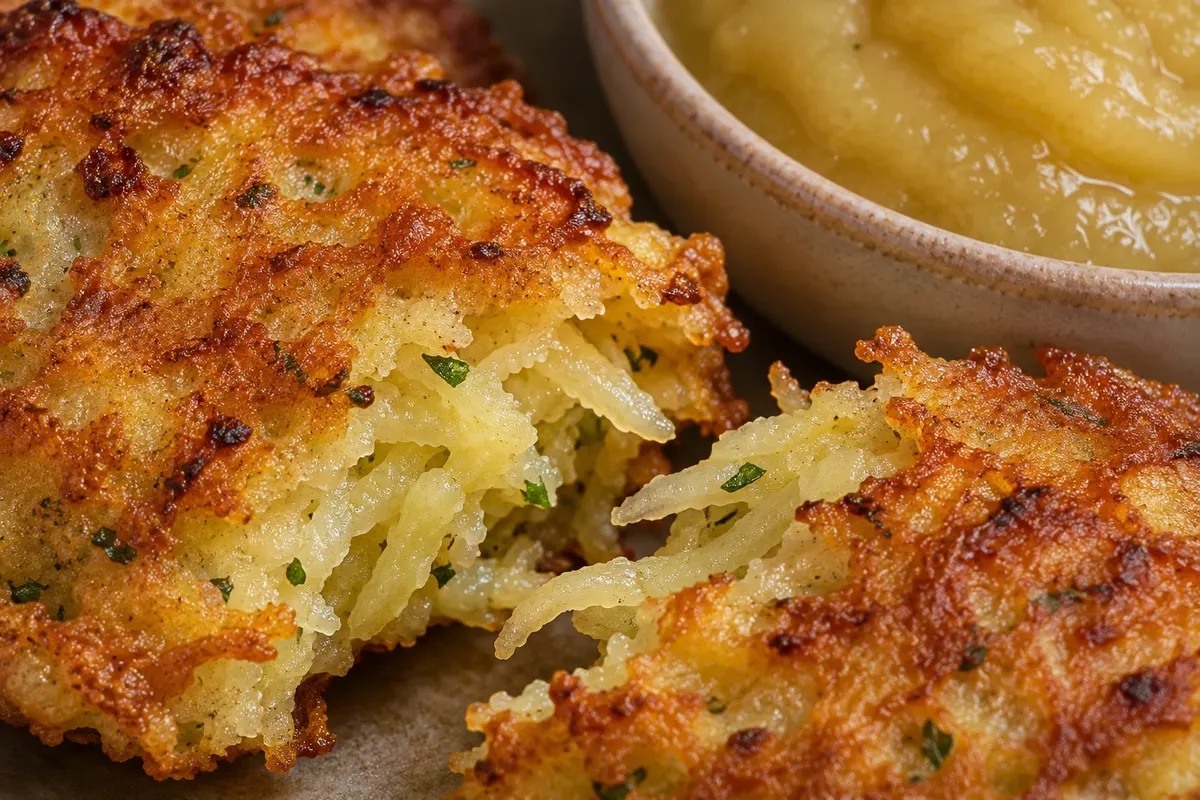
Flat patties made from grated potato with onion, parsley and seasonings, fried until crispy. Official tourism presents them as a national dish, and they are traditional at fairs and Christmas markets.

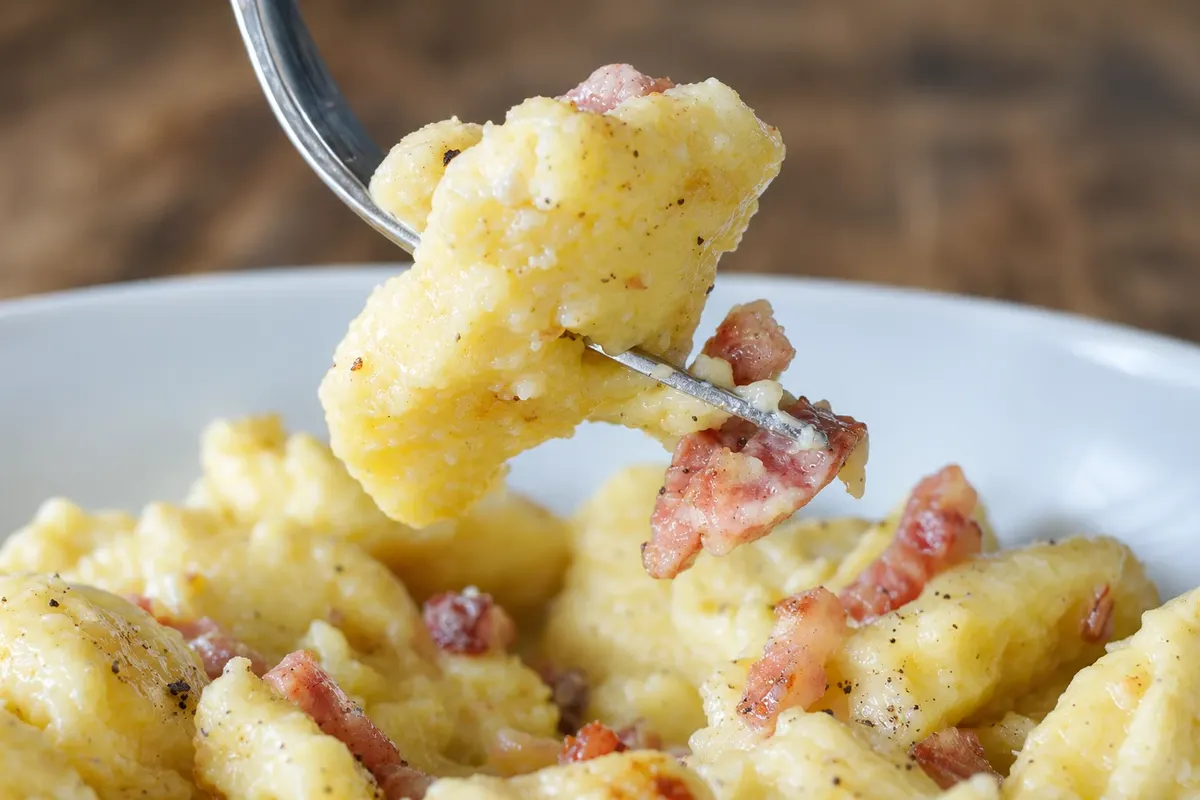
Simple dumplings made from a batter of flour, milk and eggs, cooked in water and served with fried bacon or melted butter. They are home-style, winter food, with recipes passed down through generations.

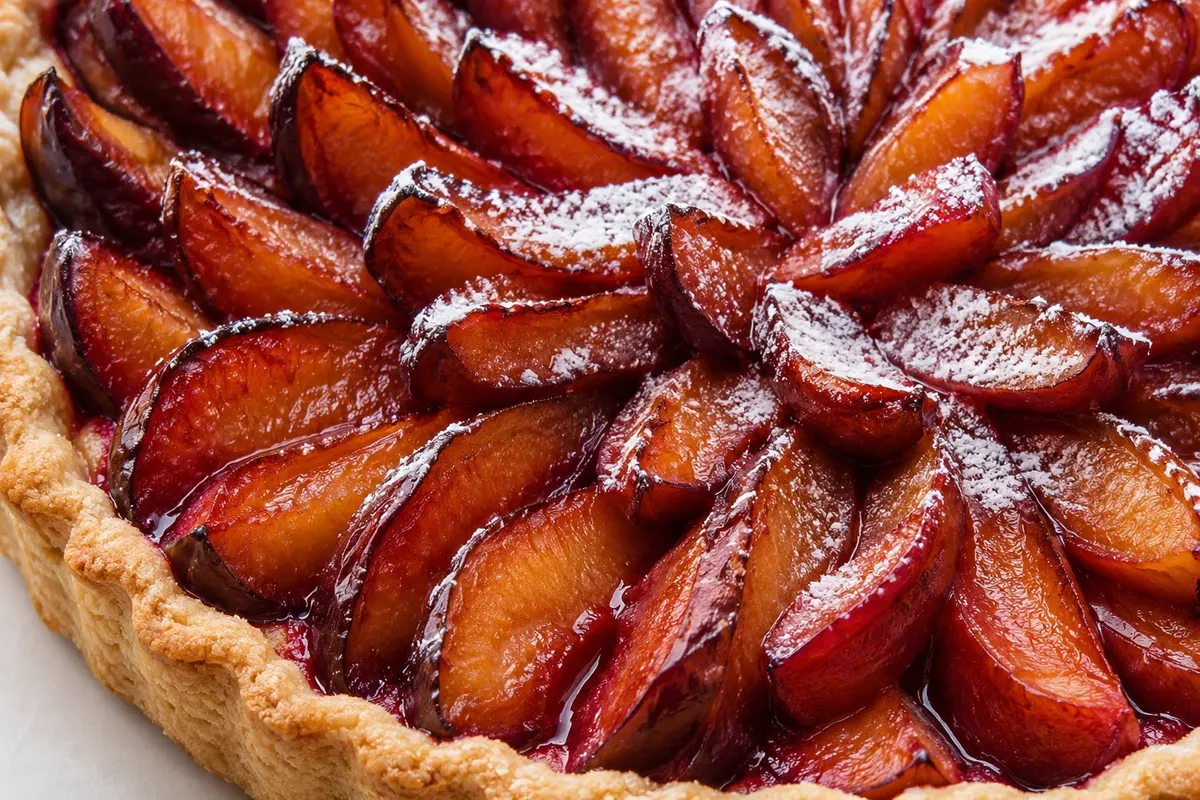
Open tart with a buttery crust topped with Quetschen plums arranged in circles, baked until the fruit releases its juices. It is Luxembourg’s autumn tart, made when the plums ripen, usually in September.

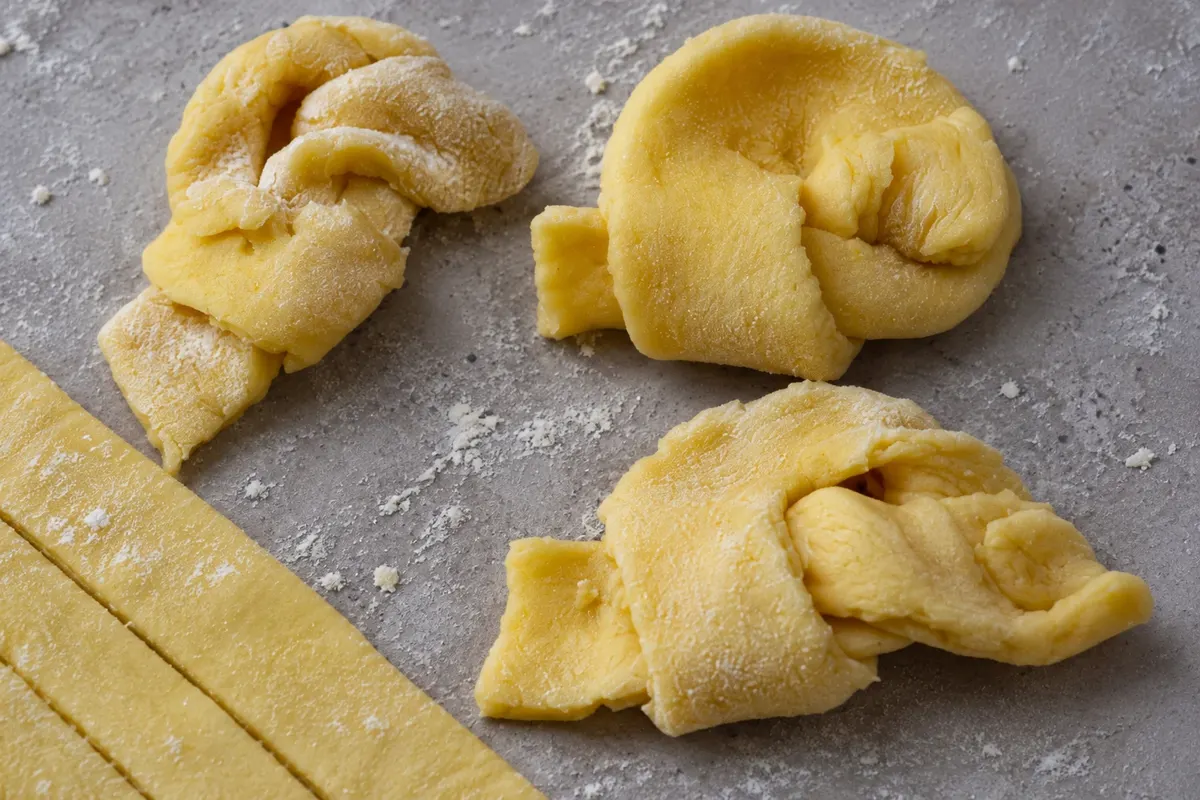
Sweet strips of dough tied into loose, irregular knots, fried until golden and dusted with powdered sugar. They are Luxembourg’s Carnival sweet and are still often made at home.

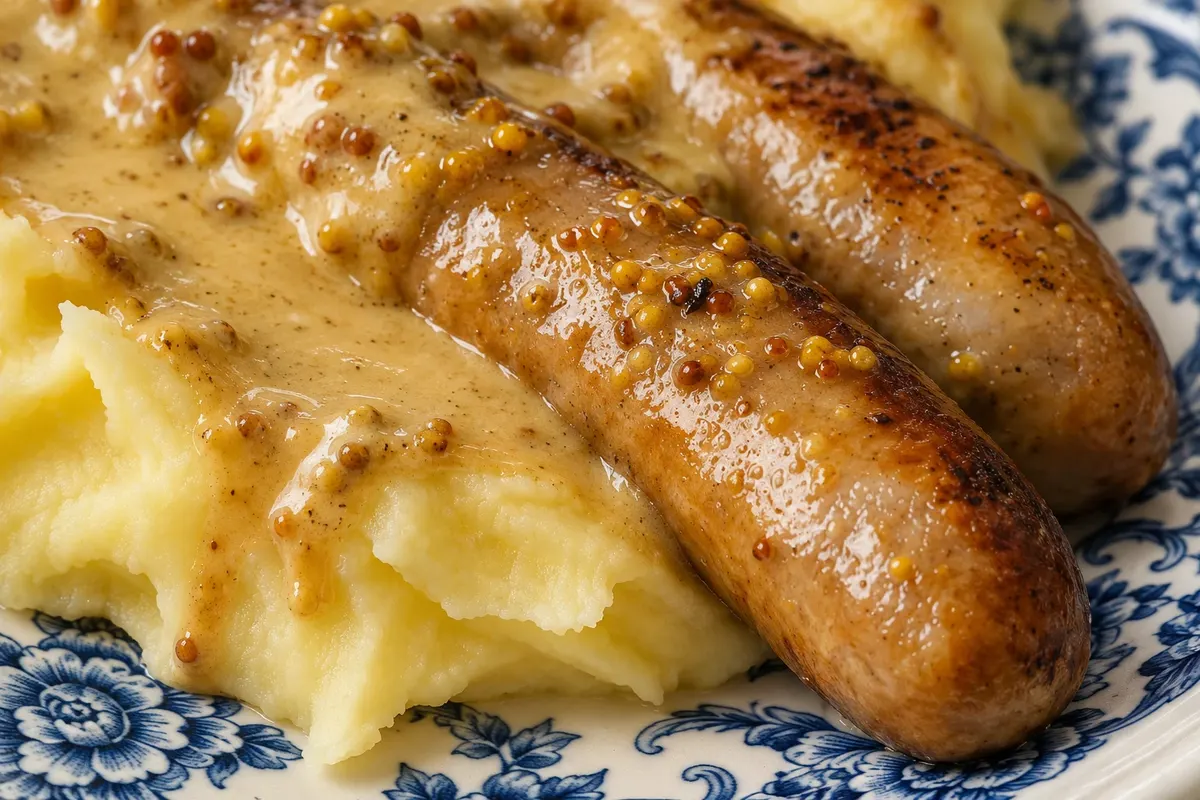
Pork sausages browned in a skillet and served in a creamy Luxembourgish mustard sauce, with mashed potatoes. The name means “wine sausage with mustard sauce.”

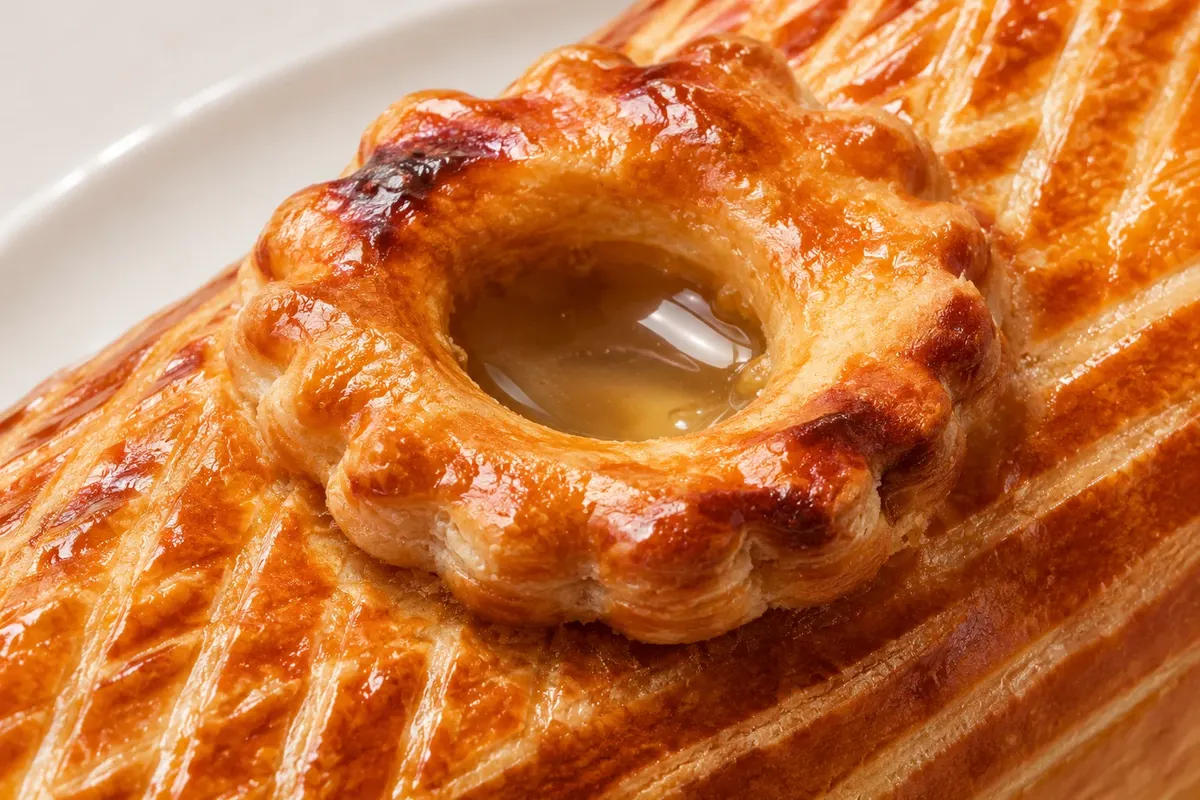
Meat pie in a golden crust, filled with a pork and veal ragù and finished with a Riesling wine jelly. It is a specialty of the capital’s pastry shop and, according to the family that sells it, was created in the city of Luxembourg in 1928.