Dish · Alghero
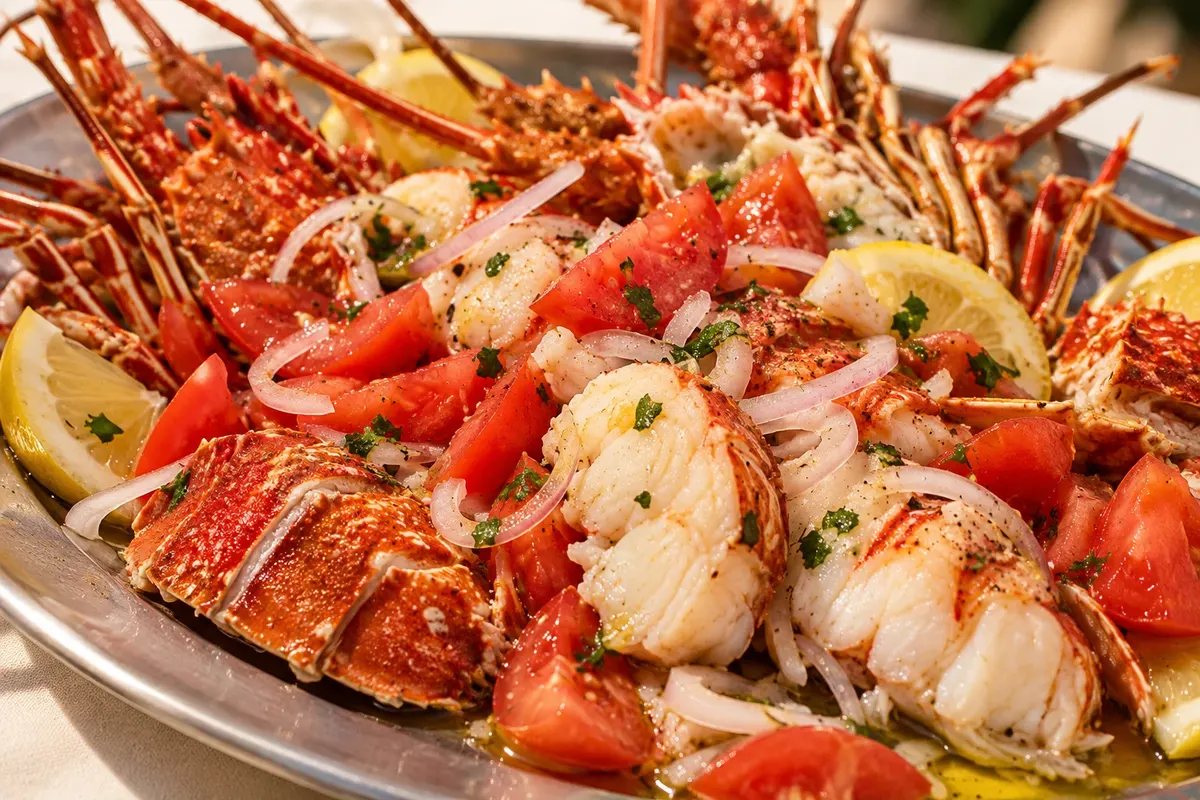
Aragosta alla catalana
Cooked lobster served cold in pieces, with ripe tomato, raw onion, olive oil and sometimes lemon. It is the dish that best symbolizes Alghero, a city of Catalan heritage in northwest Sardinia.

 Search
 Brazil
 Argentina
 Bolivia
 Chile
 Colombia
 Ecuador
 Guyana
 French Guiana
 Falkland Islands (Malvinas)
 Paraguay
 Peru
 Suriname
 Uruguay
 Venezuela
 Germany
 Austria
 Belgium
 Croatia
 Denmark
 Spain
 Finland
 France
 Greece
 the Netherlands
 Hungary
 Ireland
 IcelandItaly
 Luxembourg
 Norway
 Poland
 Portugal
 the United Kingdom
 the Czech Republic
 Sweden
 Switzerland
 Turkey
 Canada
 the United States
 Mexico
 the Dominican RepublicTurkey
 South Africa
 Australia
 Fiji
 New Zealand
 Papua New Guinea
Flavors · Italy
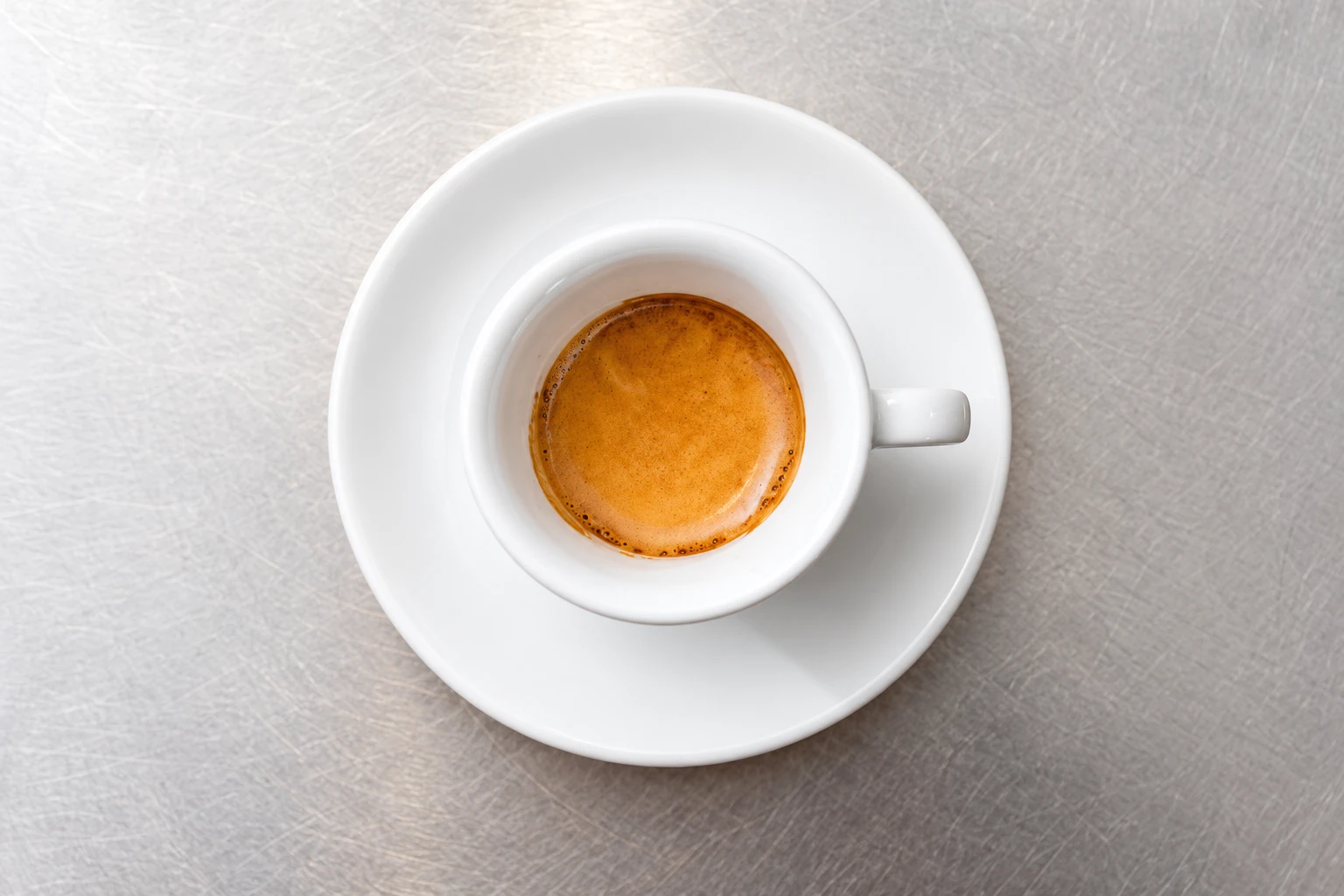
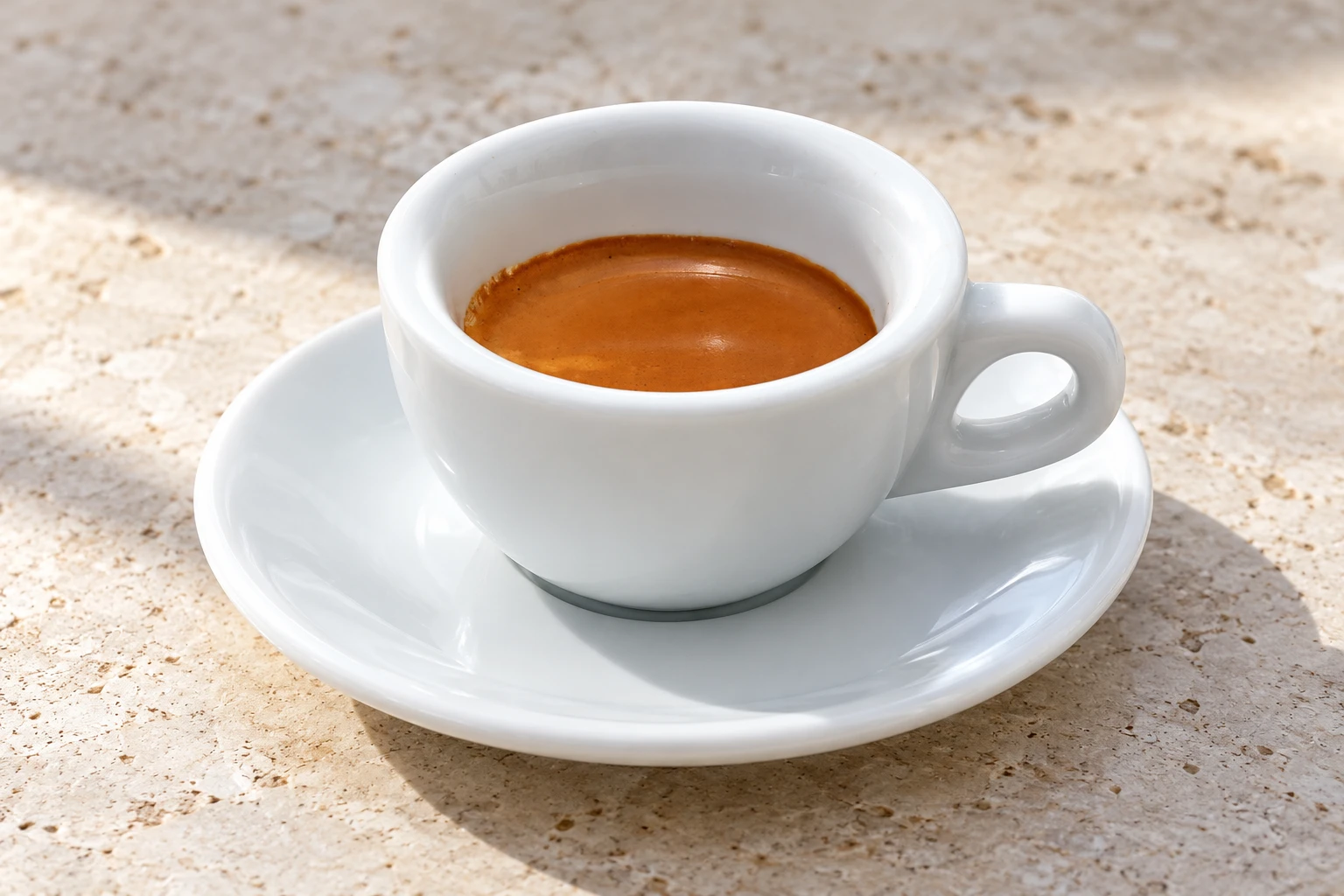
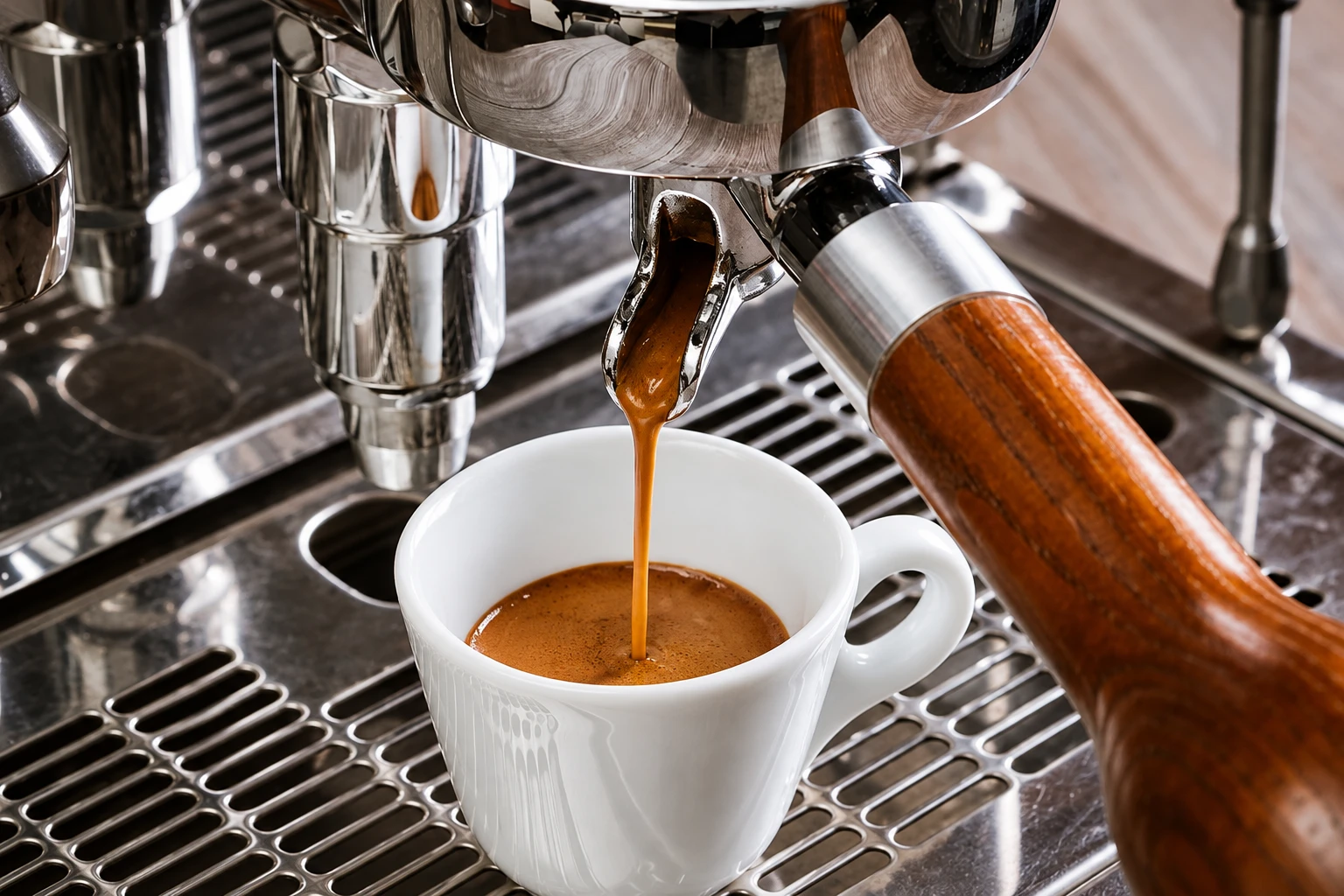
Short, concentrated coffee extracted in a few seconds with hot water under pressure, topped by a layer of crema. Drunk at the bar counter, several times a day, it is a custom that runs through Italy from north to south.
Traditional drink from Italy
Also known as: espresso, caffè, un caffè, espresso italiano
Illustrative images. The pictures in this guide are illustrations based on the real place, not photographs, and may differ from it.

Click a photo to enlarge it.

Caffè espresso — Italy
The espresso is prepared in a machine that forces hot water under pressure through a dose of finely ground, compacted coffee. In a few seconds a small amount of concentrated drink comes out, topped by a hazelnut-colored foam, the crema. In Italy, asking for a caffè means ordering an espresso, served in a small, thick cup, often with a glass of water.
The custom has its own rules. Coffee is drunk standing at the bar counter, in a few sips, early in the morning, mid-morning and at the end of meals. There are variations with their own names: the ristretto, shorter; the lungo, longer; the macchiato, with a little milk foam; the corretto, with a shot of spirit. The cappuccino, with milk, is usually reserved for the morning.
The first machines to prepare coffee under pressure were developed in Italy between the late 19th and early 20th centuries, in Turin and Milan, and from the mid-20th century lever machines gave espresso the crema that characterizes it. The bar, with its counter and the machine, became a meeting point in every city and town.
The Italian Ministry of Agriculture included the ritual of traditional Italian espresso and the culture of Neapolitan coffee in the national inventory of agri-food heritage. Communities from Turin, Milan, Venice, Trieste, Bologna, Rome, Naples, Lecce, Pescara, Palermo and Modica signed a charter of values for the espresso ritual. Because it is present across the entire country, without a single city concentrating the tradition, espresso represents Italy as a whole.
Italy
Daily custom throughout the country; the ritual of Italian espresso is on the national inventory of agri-food heritage, with communities from Turin to Palermo.
Roasted, finely ground coffee and water; sugar on the side. In variations: milk, milk foam or a shot of spirit.
Standing at the counter, in a small cup, in a few sips, often with a glass of water beforehand; sugar to taste.
Every day, several times a day, especially in the morning and after meals.
Your questions
An espresso, served in a small cup.
No. The ritual of Italian espresso is on Italy’s national inventory of agri-food heritage, but it is not inscribed on UNESCO’s list.
The ristretto is shorter and more concentrated, the lungo uses more water, and the macchiato receives a little milk foam.
Flavors of Italy
Cooked lobster served cold in pieces, with ripe tomato, raw onion, olive oil and sometimes lemon. It is the dish that best symbolizes Alghero, a city of Catalan heritage in northwest Sardinia.
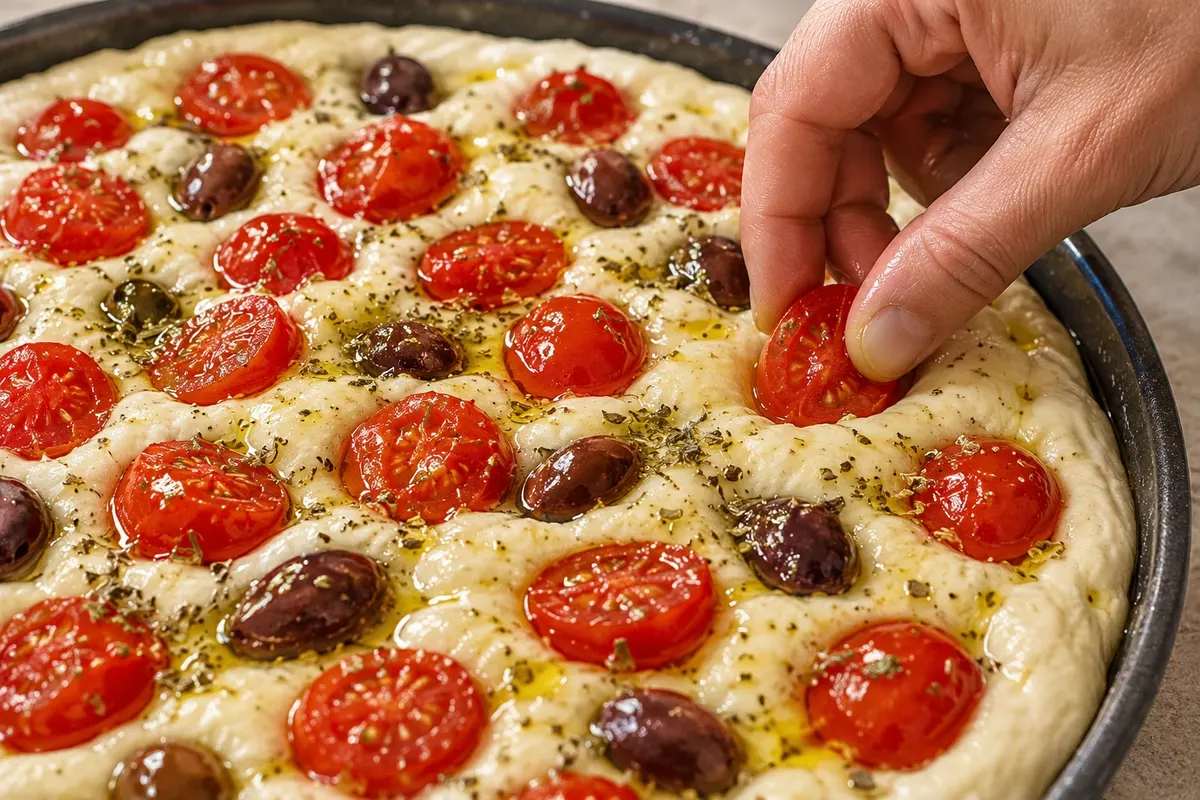
Tall, soft focaccia made with cooked potato in the dough, topped with crushed cherry tomatoes, olives, oregano and plenty of olive oil, with a crispy edge. It’s named after Bari and is the city’s most common snack.
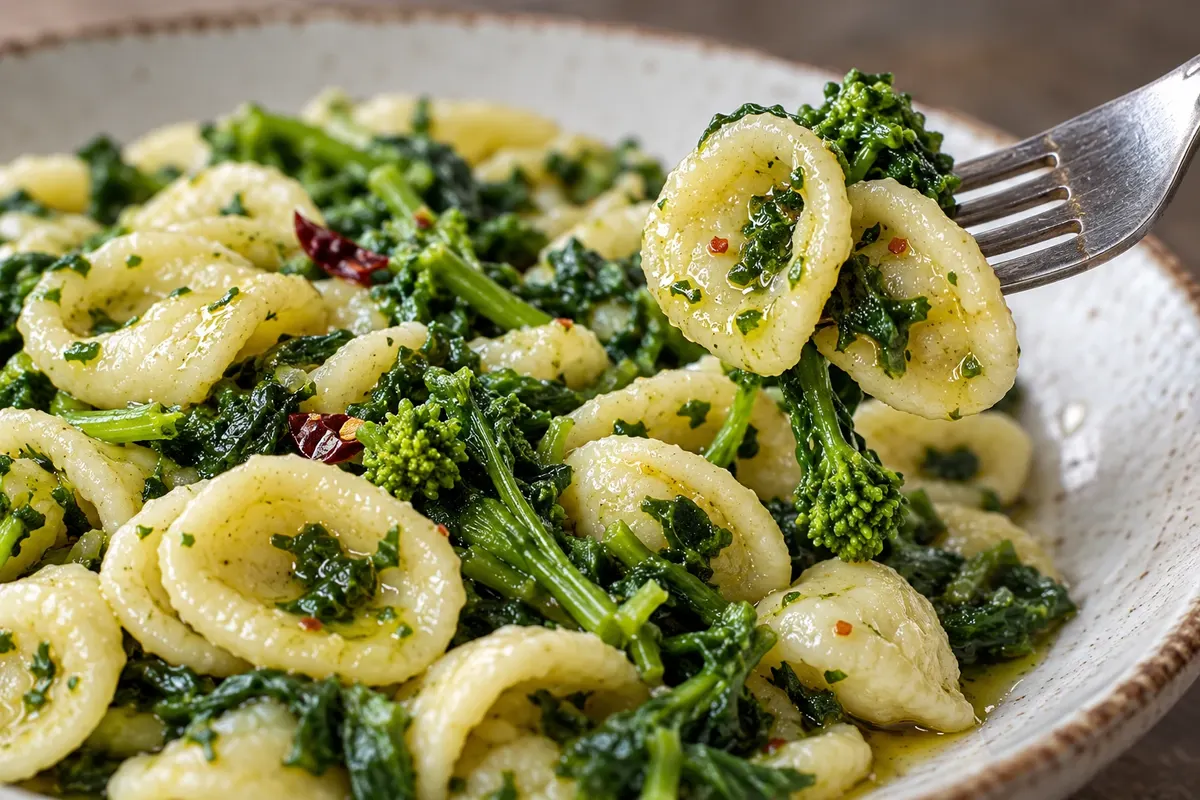
Small semolina dumplings shaped like little ears, handmade and cooked with turnip leaves and shoots, seasoned with garlic, anchovy, chili, and olive oil. In Bari, the orecchiette are made in public on the old town’s street.
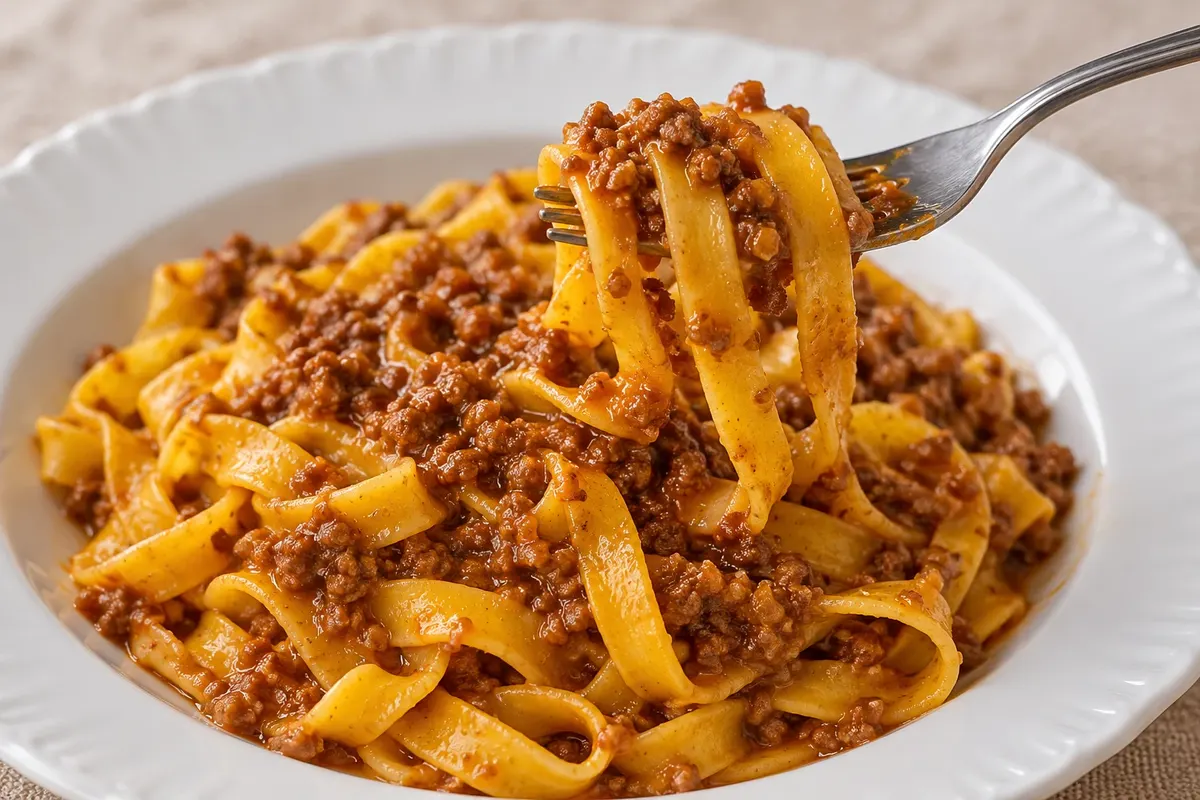
Fresh egg pasta ribbons served with ragù, a slow-cooked meat sauce with tomato. The width of the tagliatella and the ragù recipe are registered with the Bologna Chamber of Commerce.
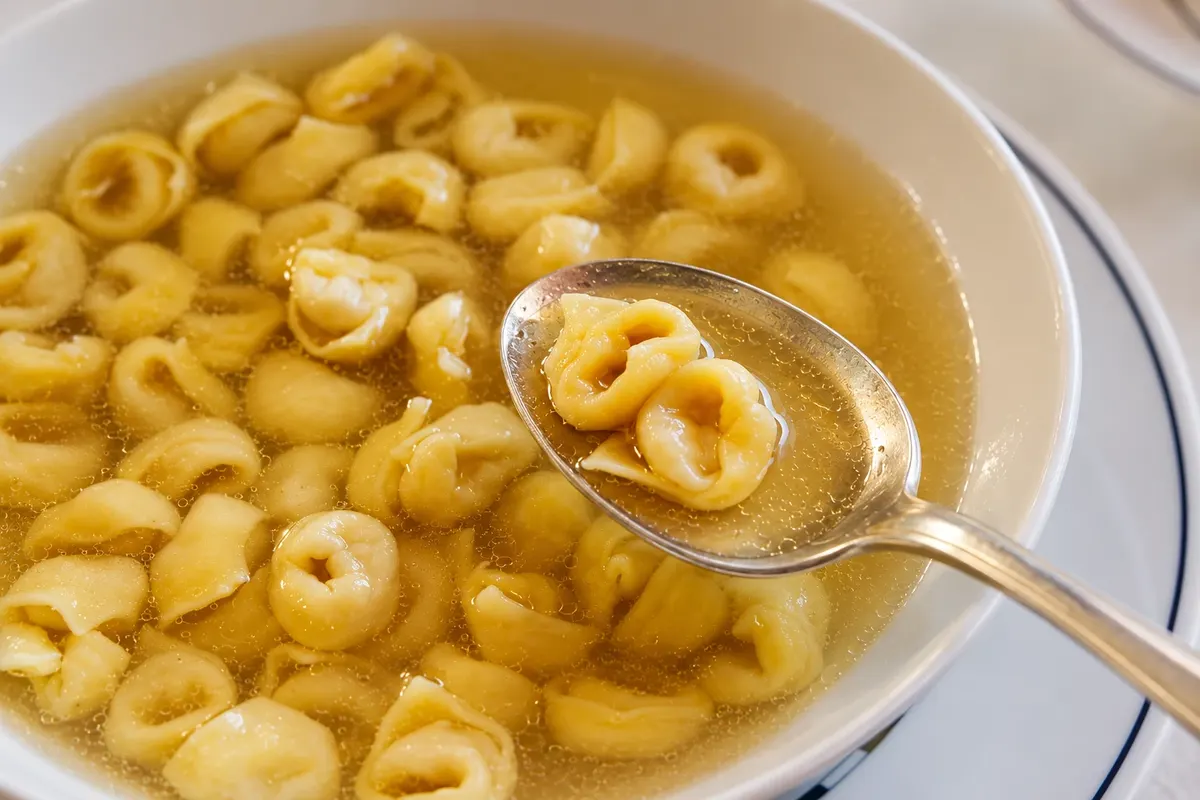
Small rings of egg pasta filled with pork, ham, mortadella and cheese, served in a meat broth. The filling recipe is registered in Bologna, and the dish is traditional at year-end celebrations.
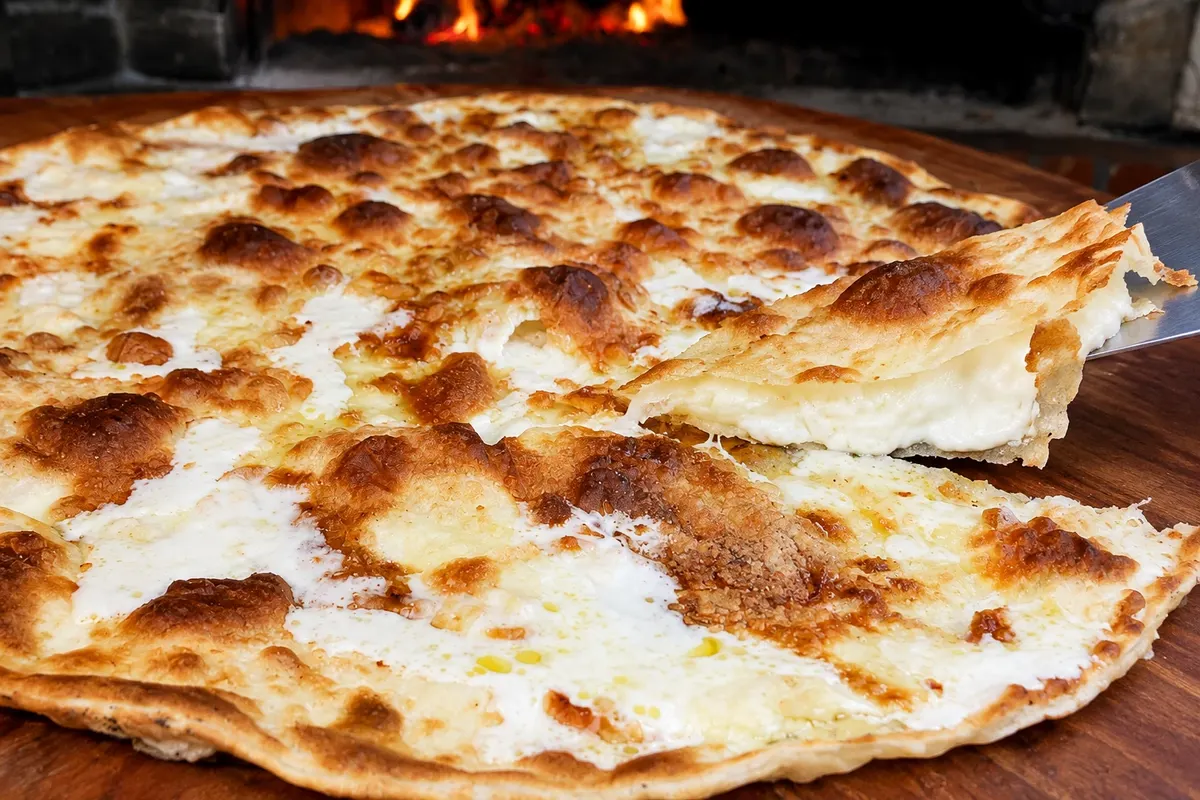
Two very thin sheets of unleavened dough with melted fresh cheese between them, baked in a very hot oven on round copper pans. It is protected as a geographical indication and may only be made in Recco, Sori, Avegno and Camogli.
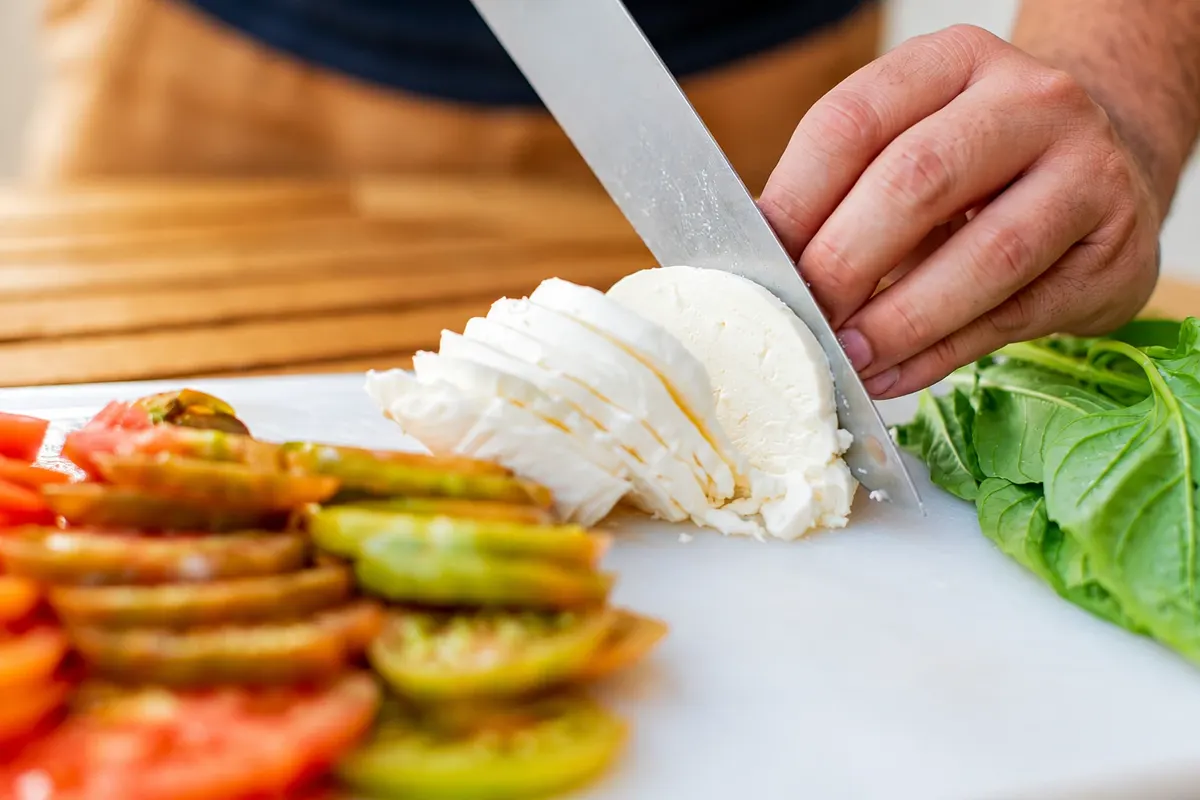
Cold dish of alternating slices of tomato and mozzarella, with basil leaves and olive oil. Red, white and green, it is named after the island of Capri, where it is said to have originated according to the most cited accounts.
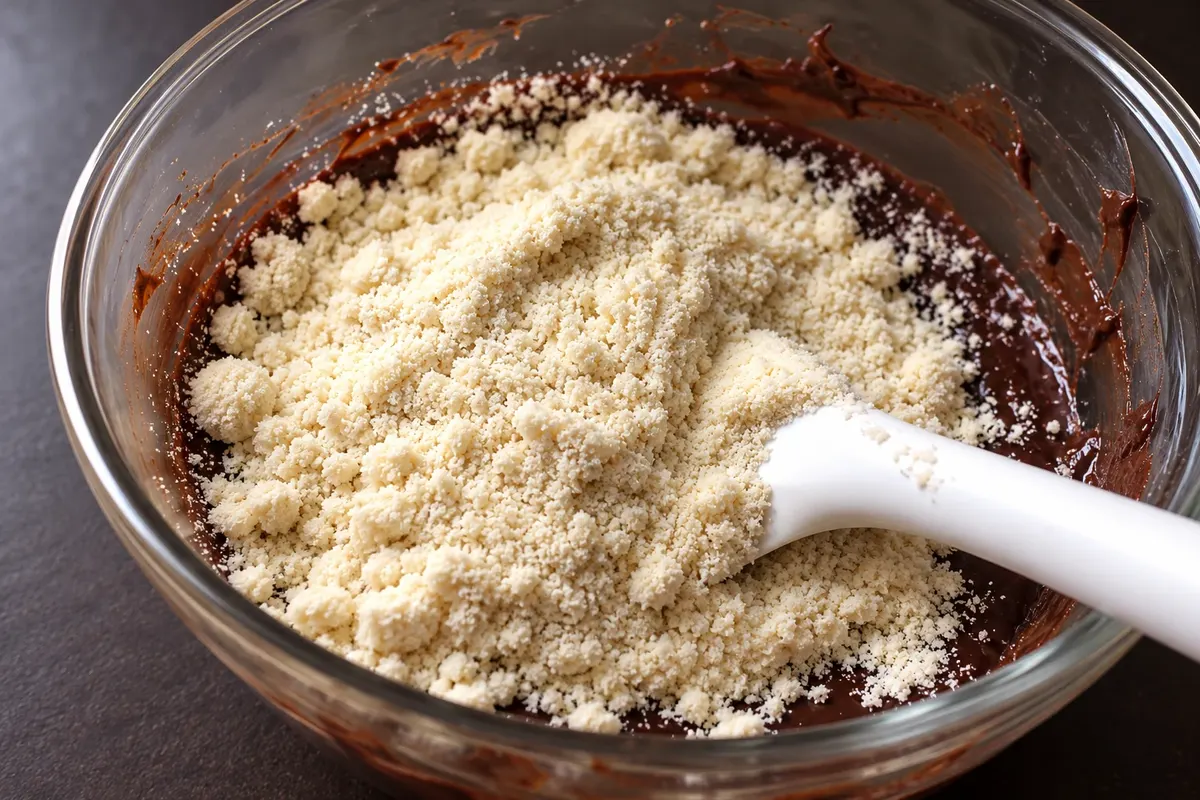
Low dark chocolate and almond cake, made without wheat flour. It has a thin crust on the outside and a moist interior. It’s named after Capri, where several stories place its origin.
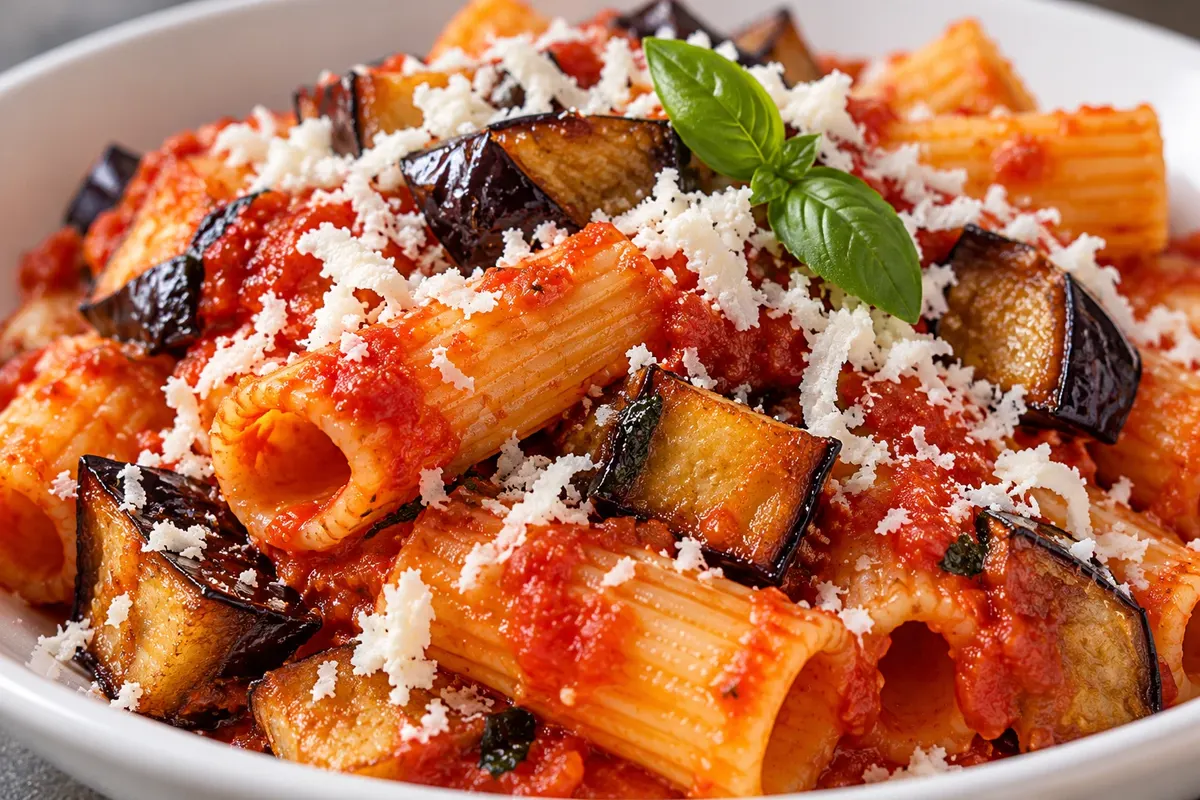
Pasta with tomato sauce, fried eggplant, basil and grated salted ricotta on top. It’s the dish that identifies Catania, and the name honors the opera Norma by Catanian composer Vincenzo Bellini.
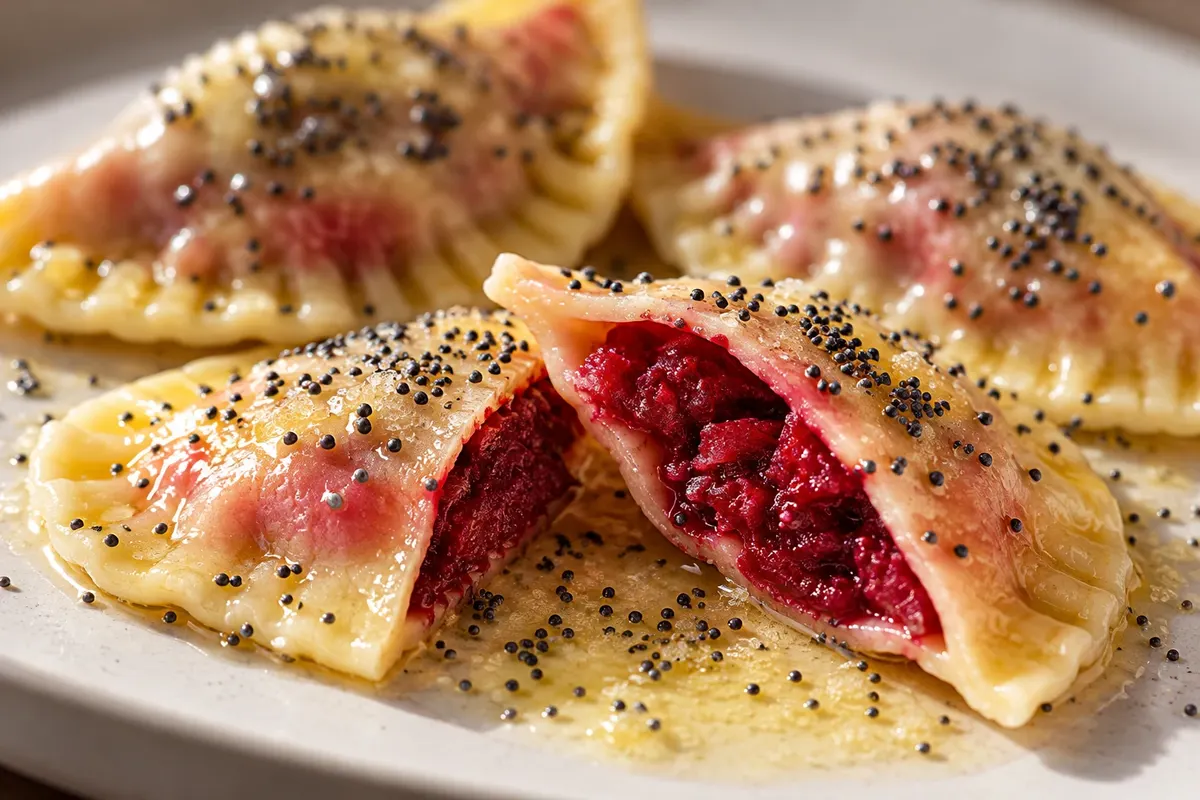
Half-moons of fresh pasta filled with beet and potato, seasoned with melted butter, poppy seeds and cheese. They are the typical pasta of Cortina d'Ampezzo, in the Dolomites.
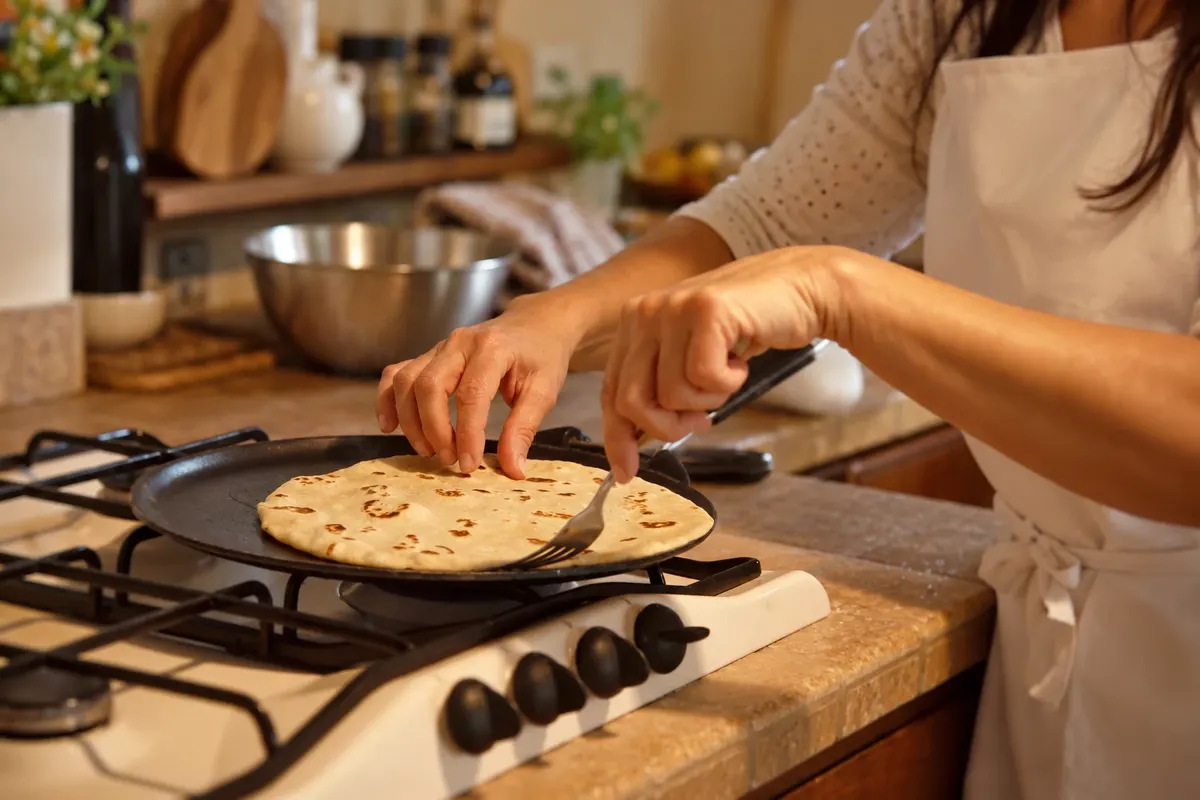
Round, flat bread made from flour, lard or olive oil, salt and water, cooked on a griddle and filled at the time with cold cuts, cheese or greens. It’s the food of the entire Romagna region, protected as a geographical indication, in two versions: a thicker one and a thin one from Rimini.
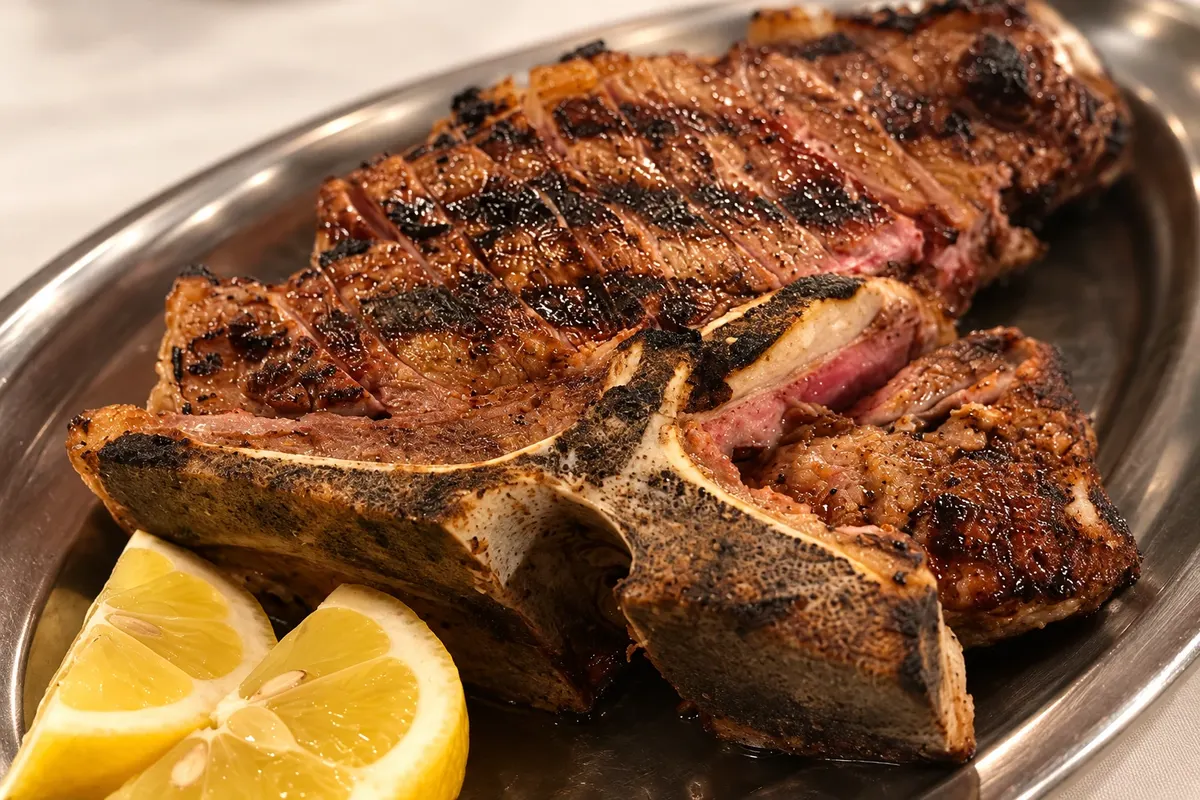
Thick T-bone beef steak, grilled over embers and served rare, seasoned only with salt and olive oil. It’s named after Florence and is usually ordered to share.
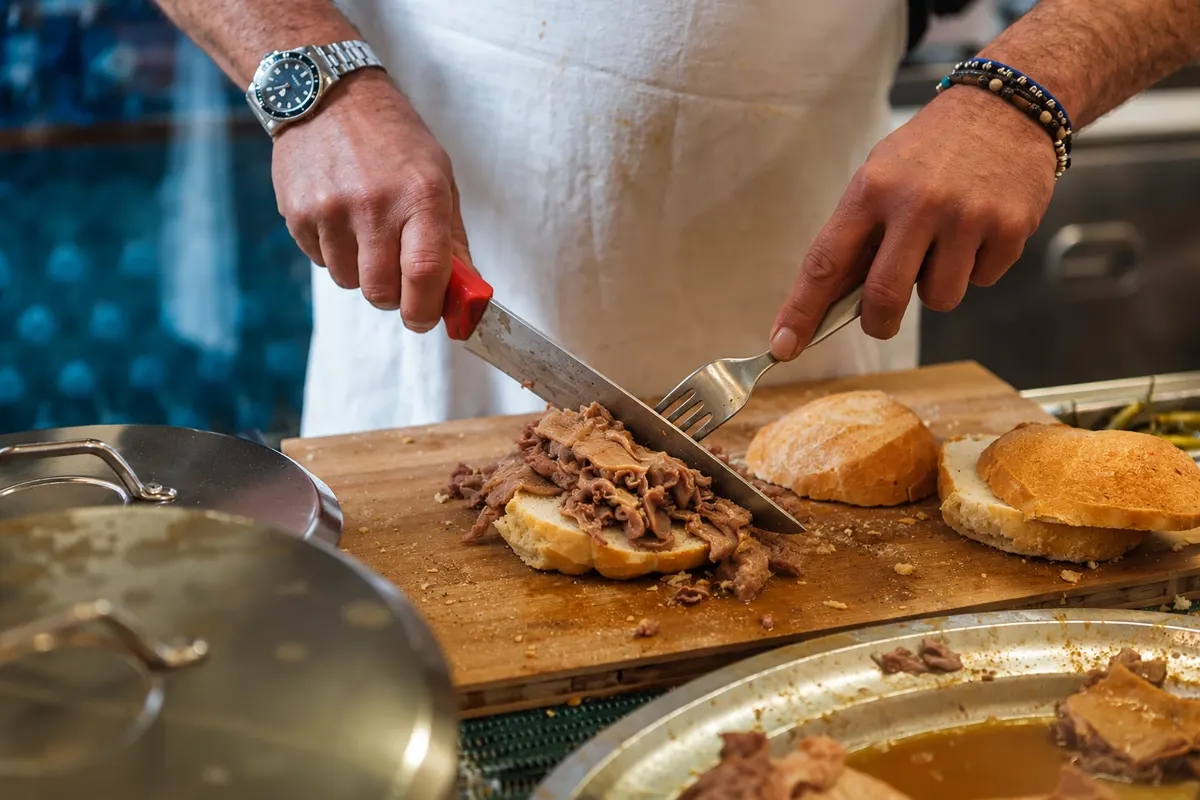
Lampredotto sandwich — the cow’s fourth stomach, slowly cooked in broth and served on a round roll with a green or spicy sauce. It’s Florence’s most typical street food, sold at trippai stalls.
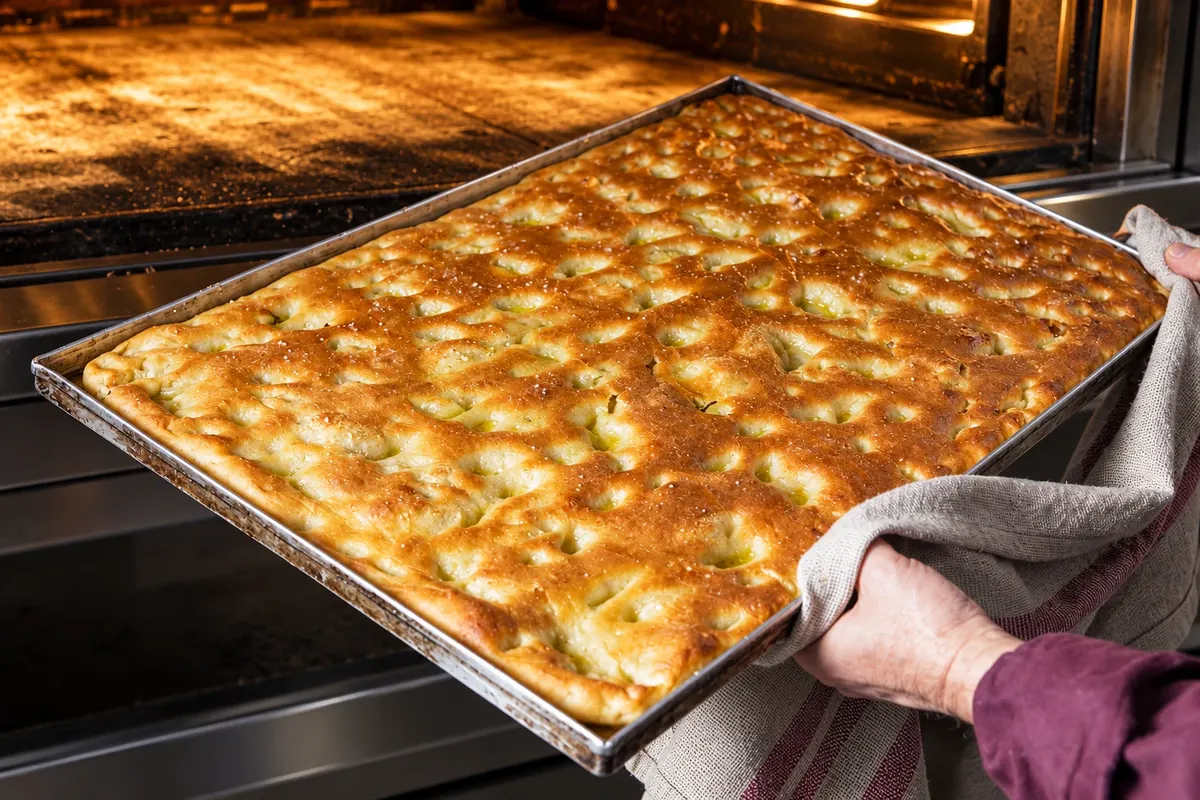
Low, soft focaccia marked by little dimples filled with olive oil and brine, with a golden, salty surface. The people of Genoa eat it at any time, even for breakfast, dipped in coffee with milk.
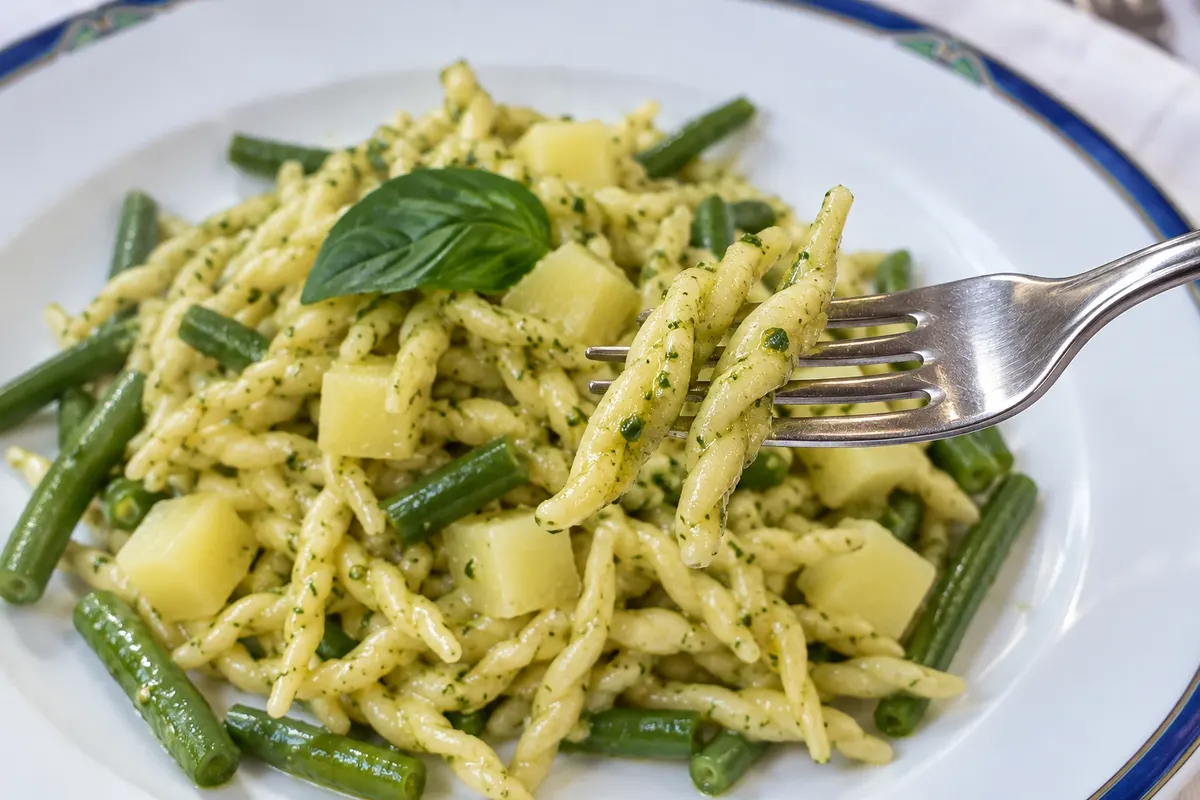
Short, hand-rolled twisted pasta seasoned with pesto genovese: basil, garlic, pinoli, cheeses and olive oil crushed in a mortar. Genoa is the city of pesto, and trofie come from the neighboring coast.
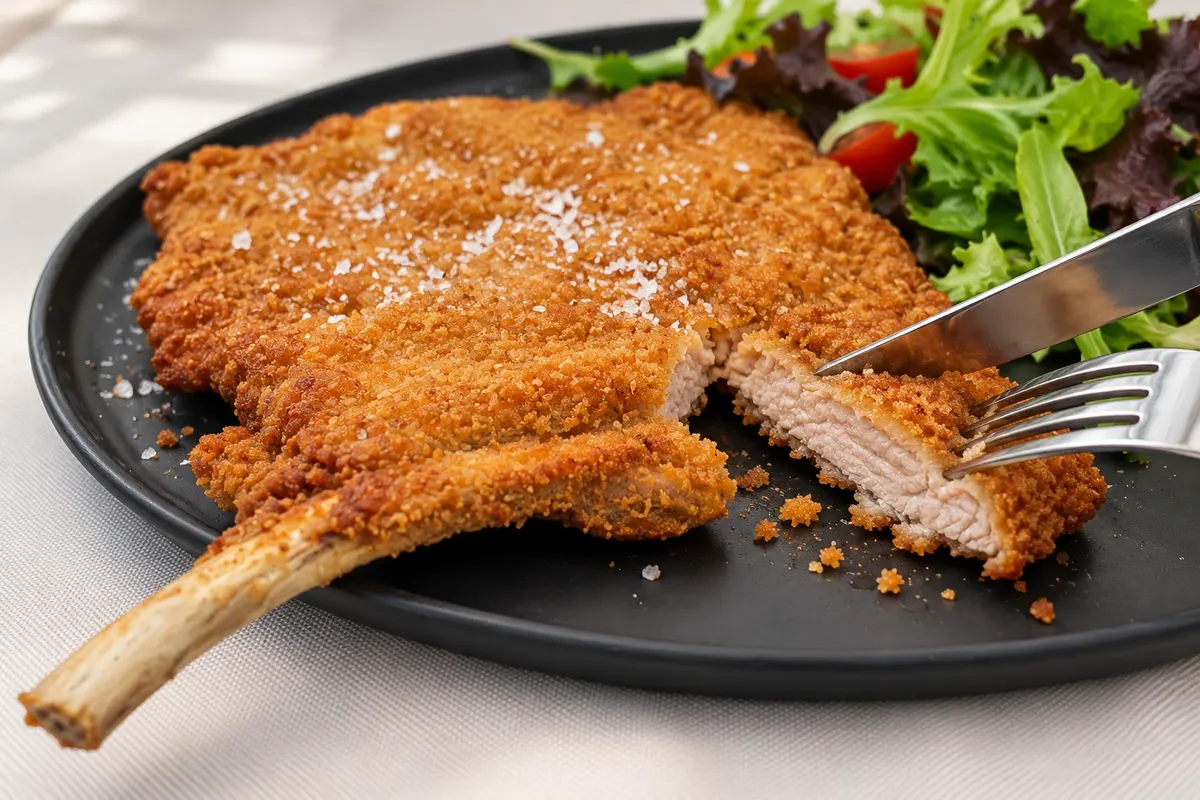
Veal chop on the bone, dipped in egg and breadcrumbs and fried in butter. In 2008, the Milan city council granted it a municipal denomination under the name costoletta alla milanese.
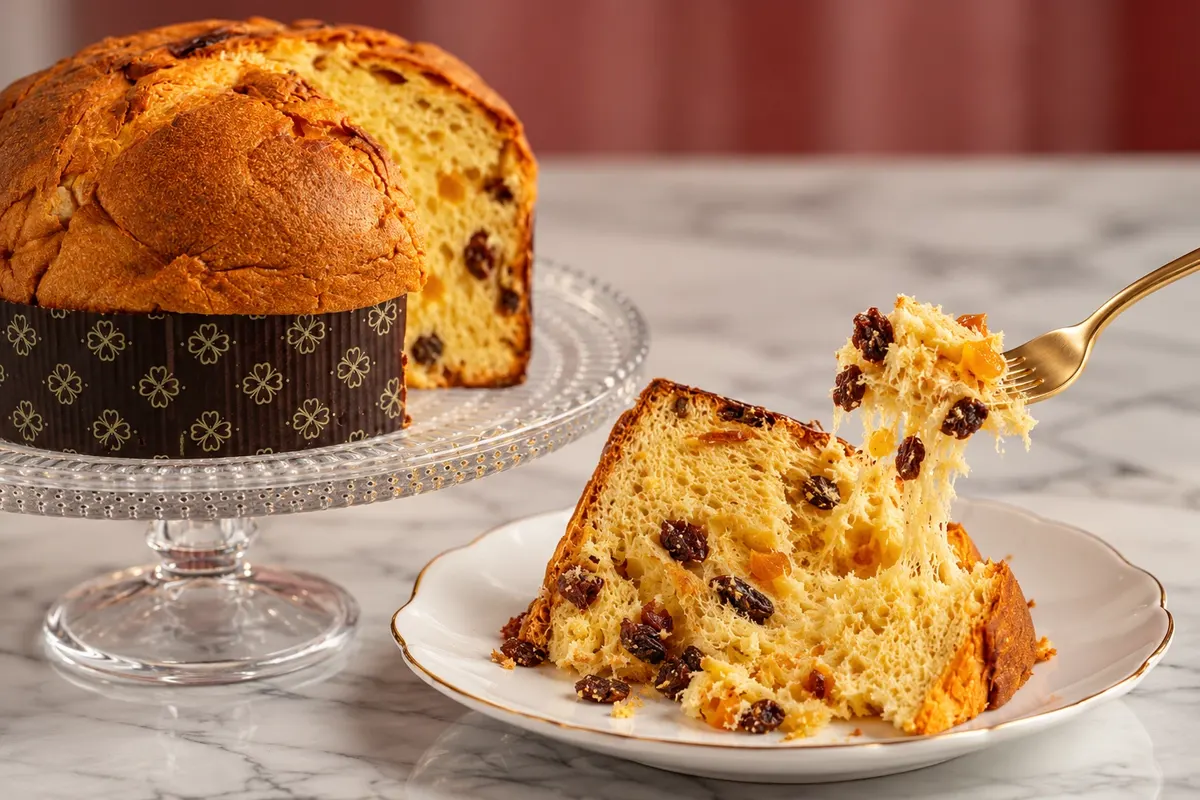
Tall, cylindrical sweet bread made from slowly fermented dough with butter, eggs, raisins and candied fruit. It is Milan’s Christmas sweet, surrounded by legends about its origin.
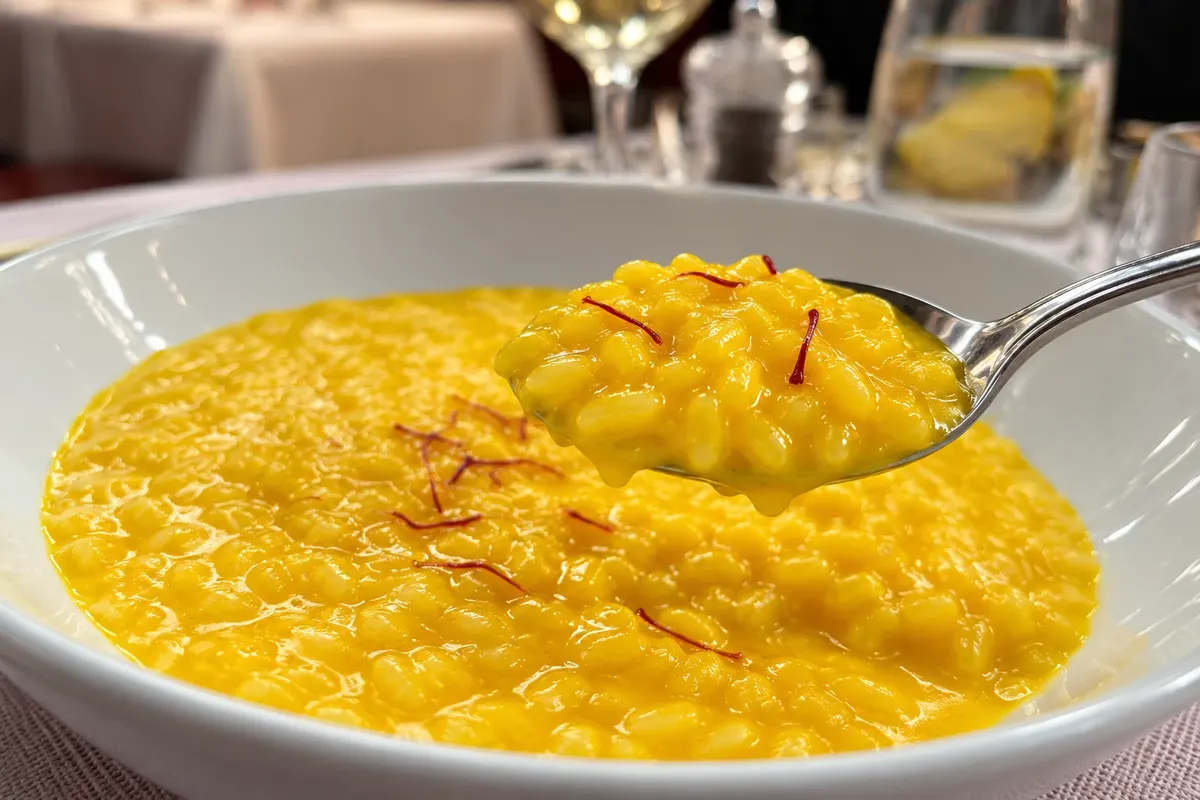
Yellow saffron risotto, cooked in beef stock and finished with butter and cheese. It is the dish most associated with Milanese cuisine and is also served with ossobuco.
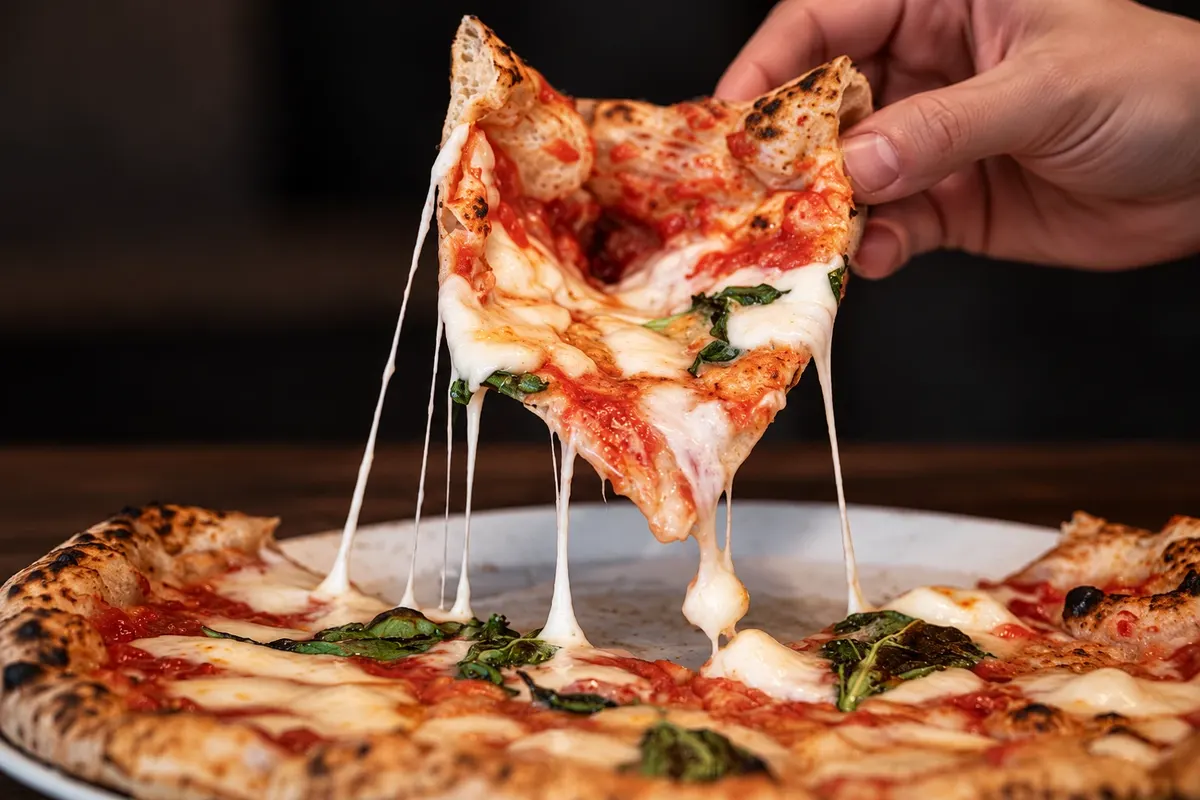
Soft-dough pizza with a high, airy crust, hand-stretched and baked briefly in a wood-fired oven. The classic versions are marinara and margherita. The craft of those who make it in Naples is recognized by UNESCO as intangible heritage.
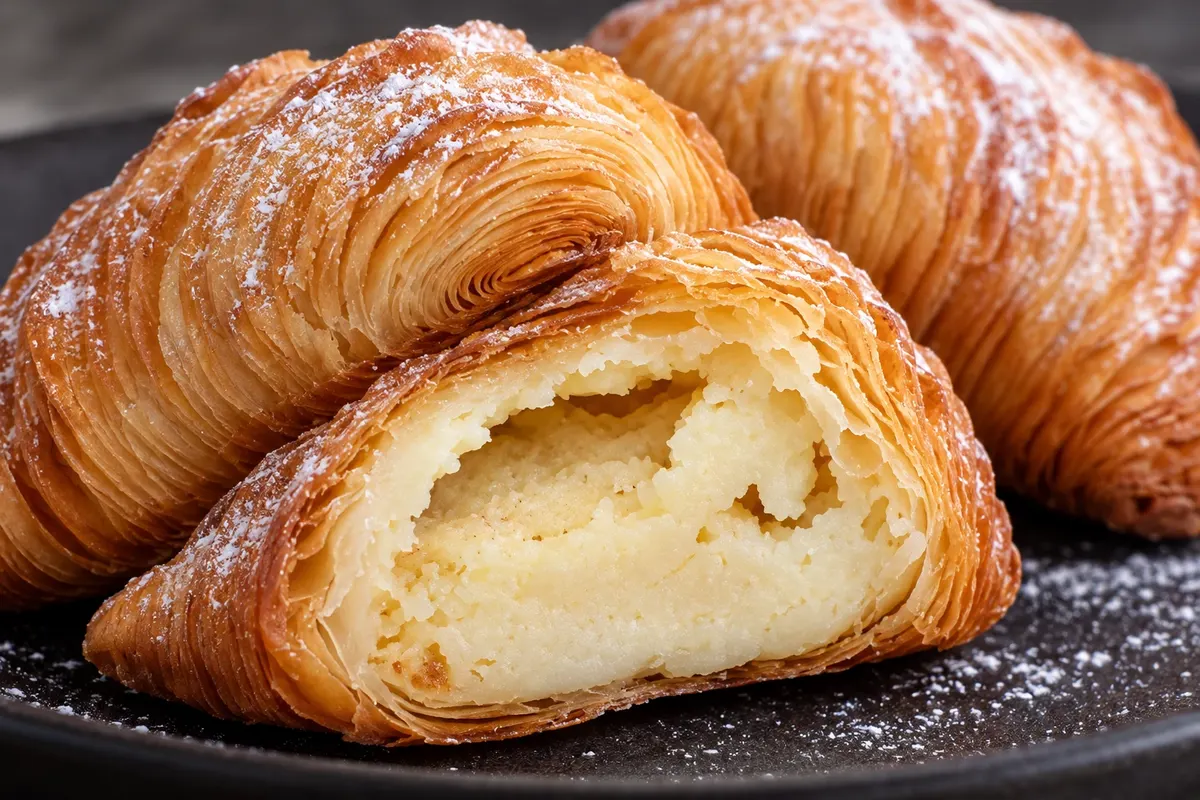
Sweet shaped like a shell made of very thin overlapping sheets of pastry that crackle when you bite them. The filling is cooked semolina, ricotta, sugar and candied fruit. Served warm, it is one of the best-known pastries of Naples.
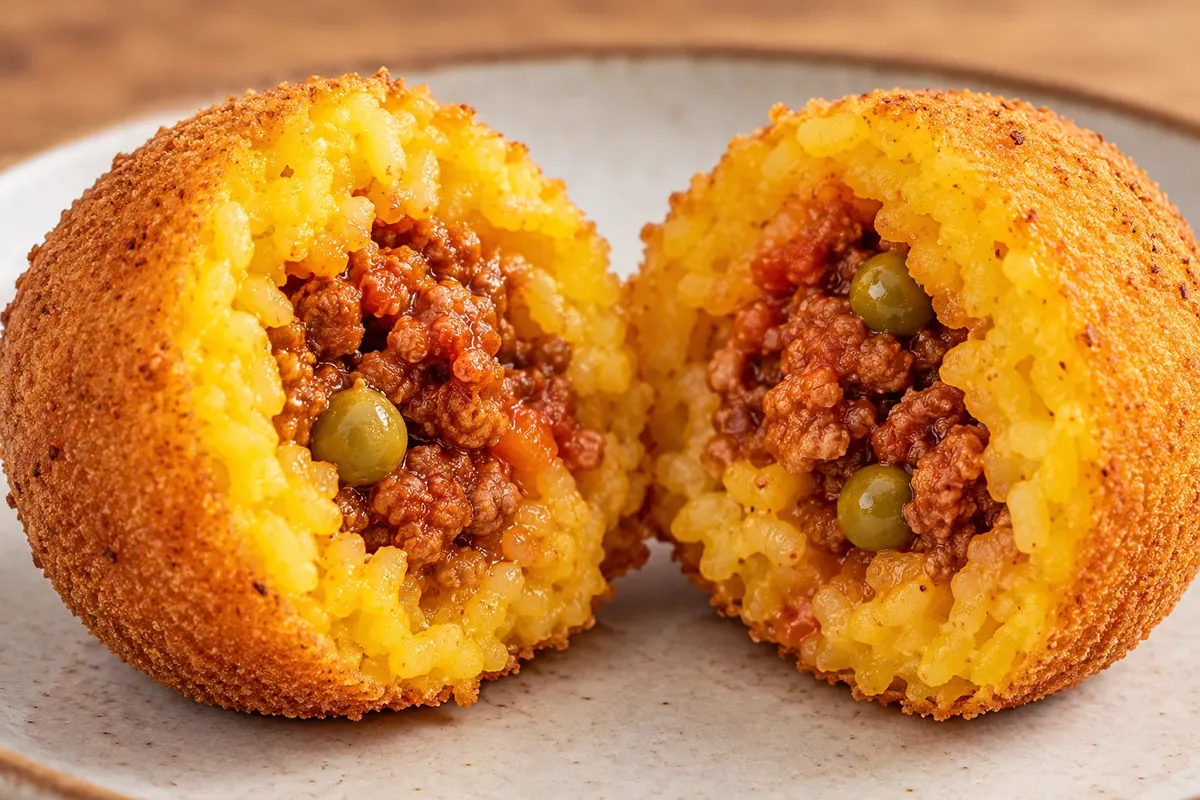
Rice ball with saffron, stuffed, breaded and fried. In Palermo it’s called arancina (feminine) and is round like an orange. It is the food of Saint Lucy’s Day, December 13, when people from Palermo do not eat bread or pasta.
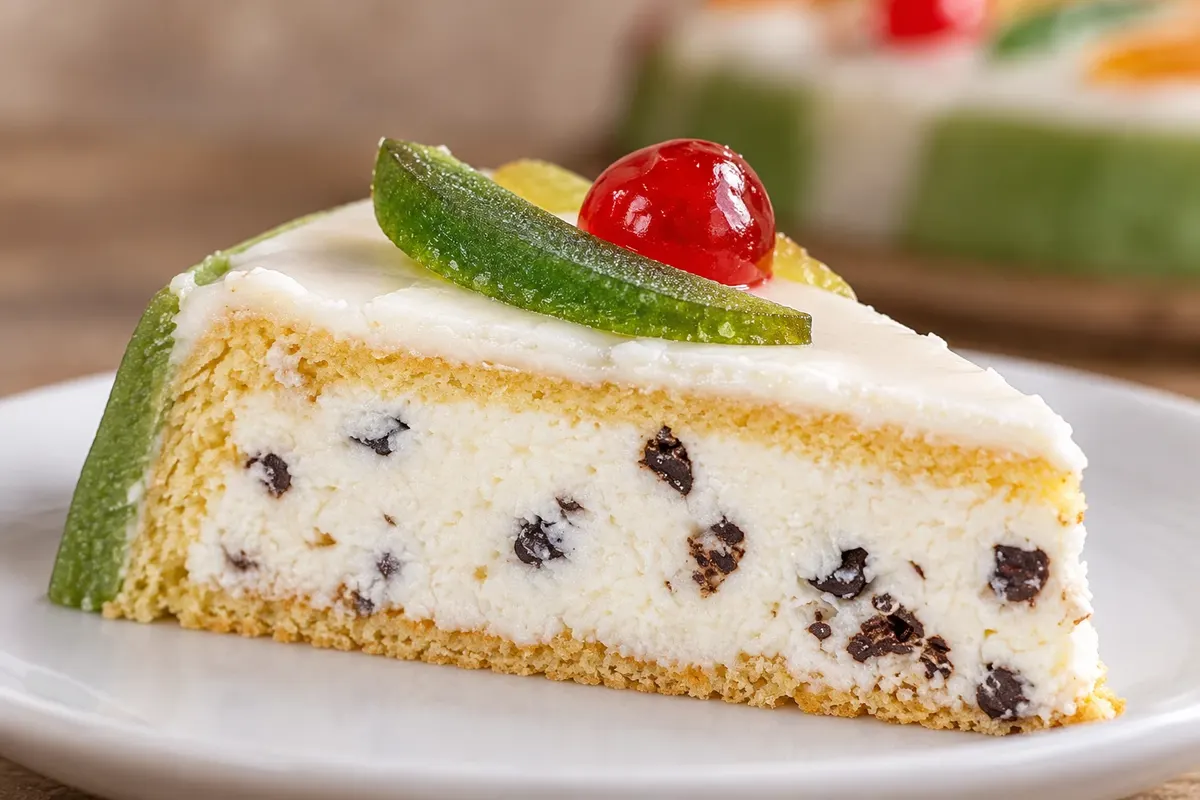
Sponge cake and sweetened ricotta cream, covered in green pasta reale and topped with icing and candied fruit. An Easter sweet, it layers the history of Sicily and is linked to the convents of Palermo.
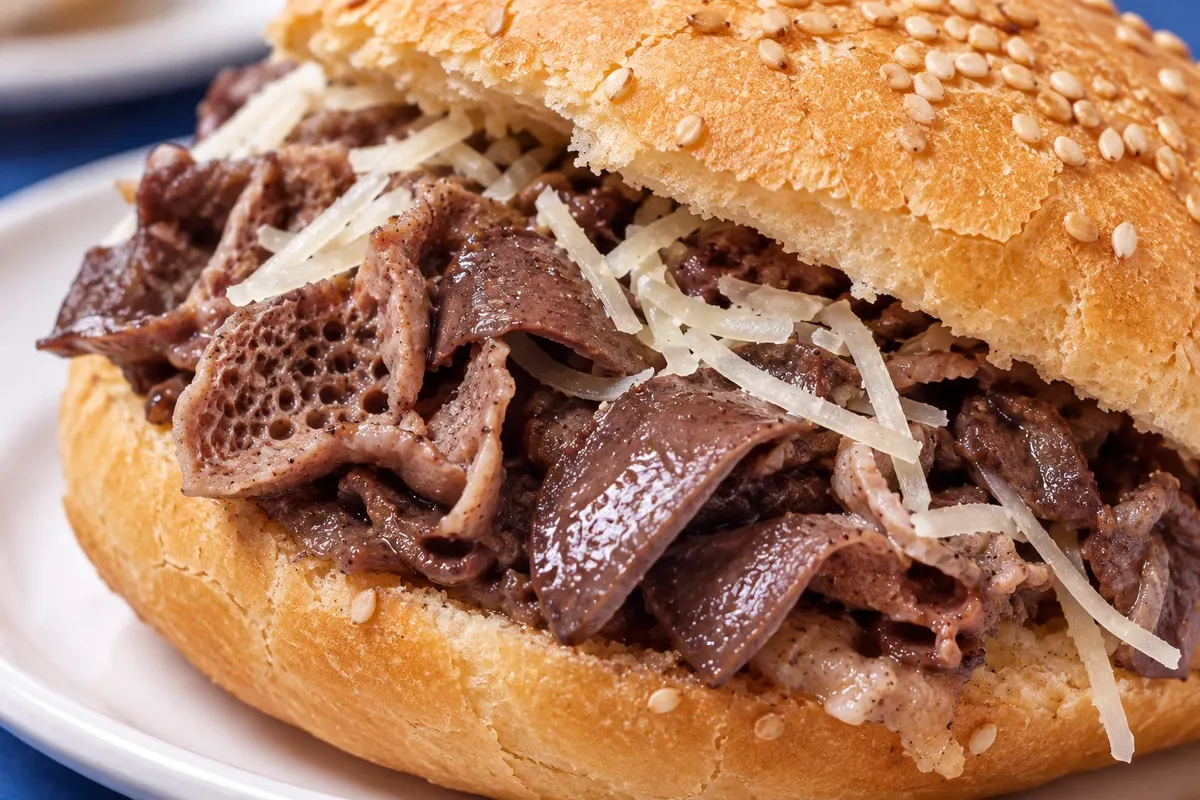
Soft sesame bread filled with cooked calf spleen and lung, then reheated in lard. It can be served just with lemon or with cheese and ricotta. It’s Palermo’s most typical street sandwich.
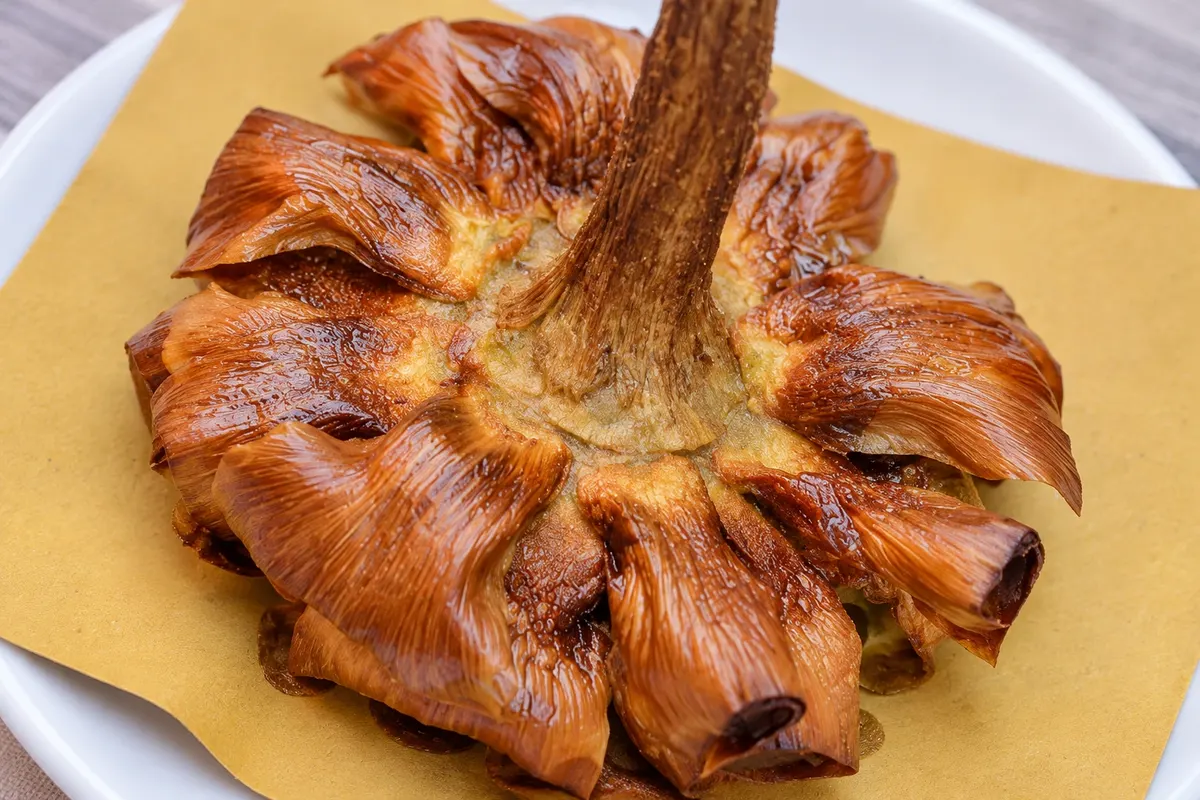
Whole Roman-style artichokes, fried twice in olive oil until they open like a golden flower, with crispy leaves and a tender heart. It is a dish from the Roman-Jewish tradition, linked to the city’s old ghetto.
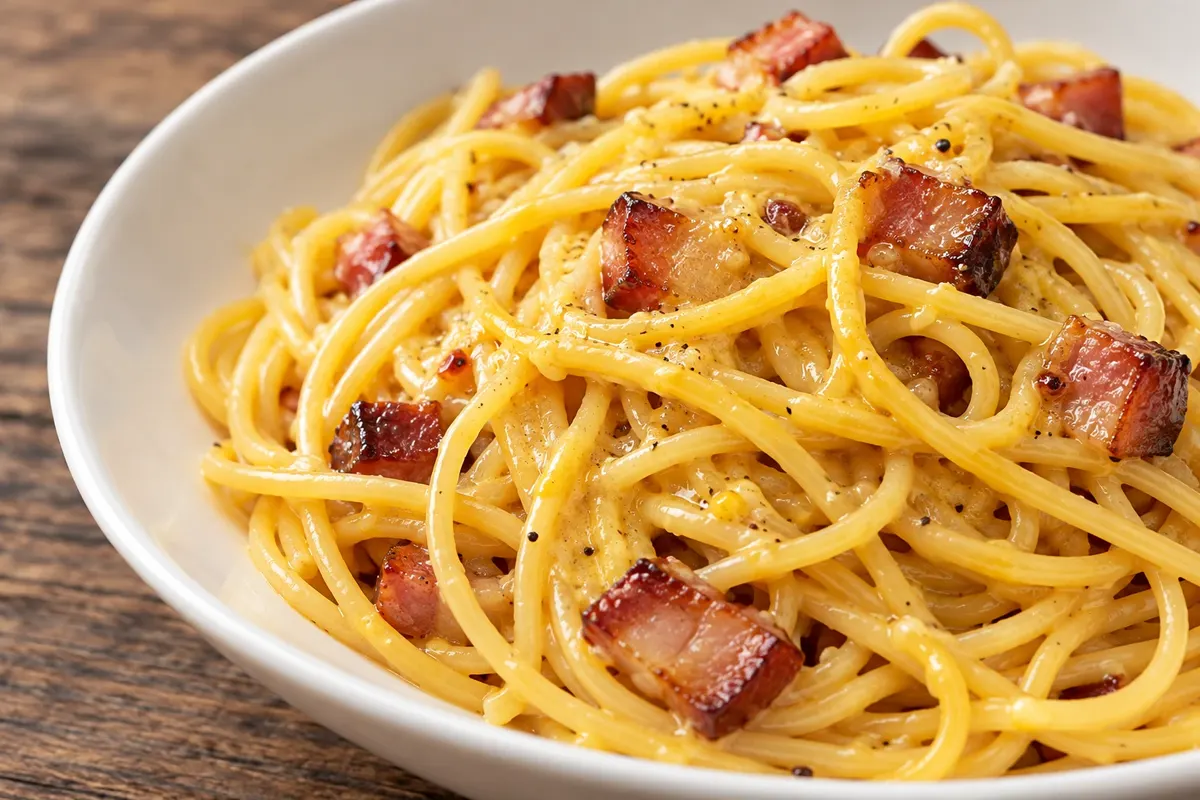
Pasta seasoned with egg yolk, toasted guanciale, pecorino romano and freshly ground black pepper. The cream forms from the heat of the pasta, without heavy cream. Although the origin is debated, it is one of the dishes that identify Roman cuisine.
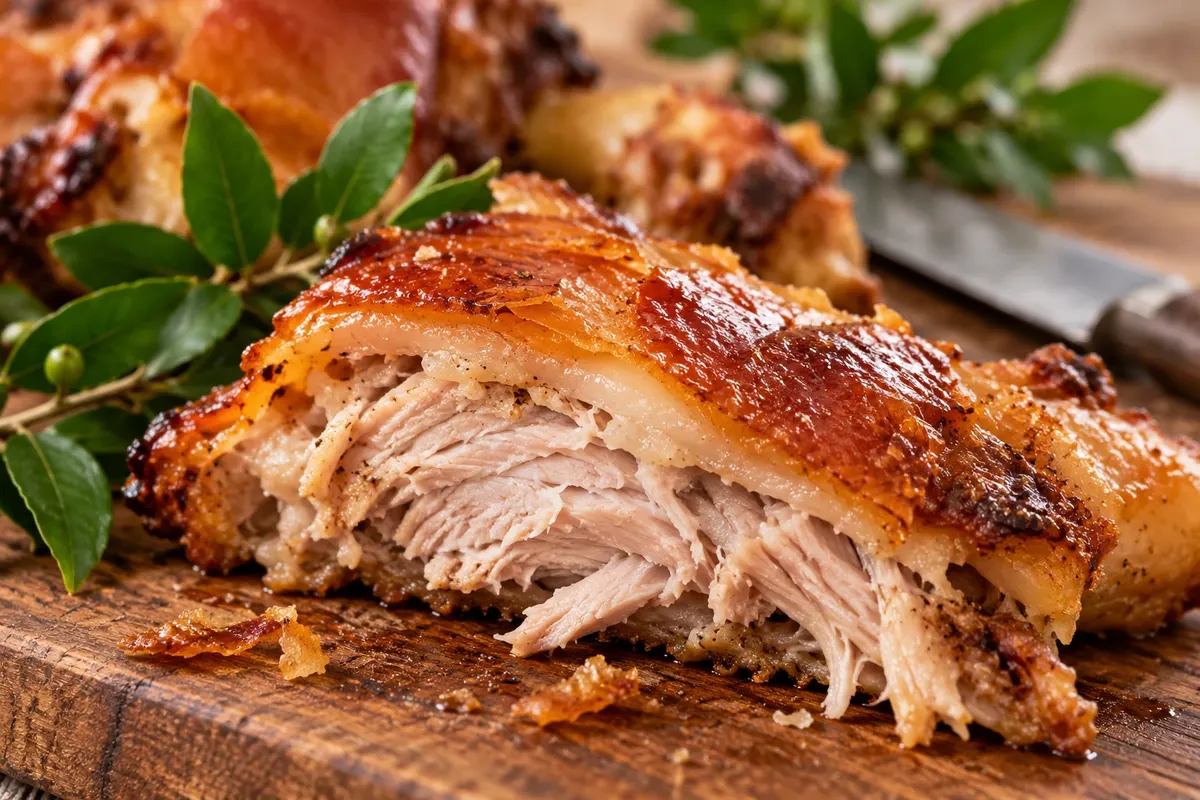
Whole suckling pig slowly roasted on a spit next to a wood fire, scented with myrtle, until the skin becomes crispy. It is the dish of festivals and large gatherings in Sardinia, served on cork trays.
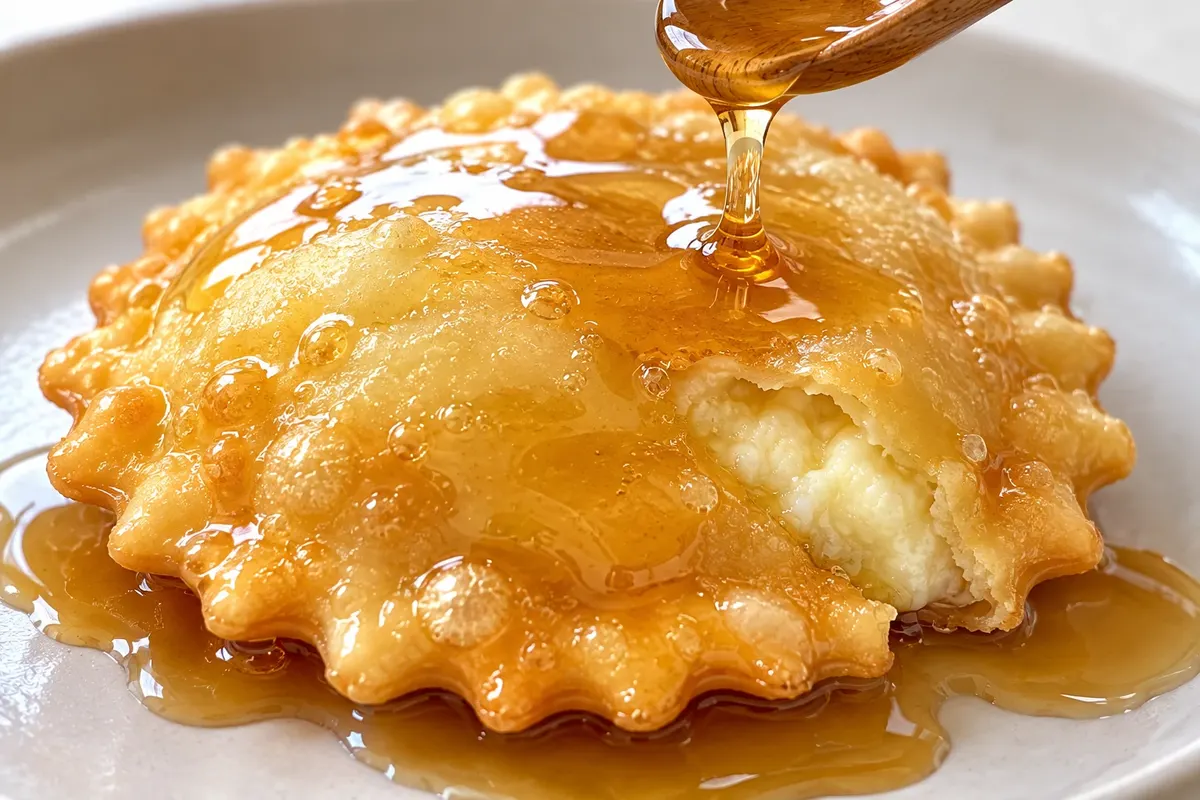
Discs of semolina dough filled with fresh cheese flavored with lemon or orange zest, fried and topped with honey. It is Sardinia’s best-known sweet, originating in the island’s pastoral interior.
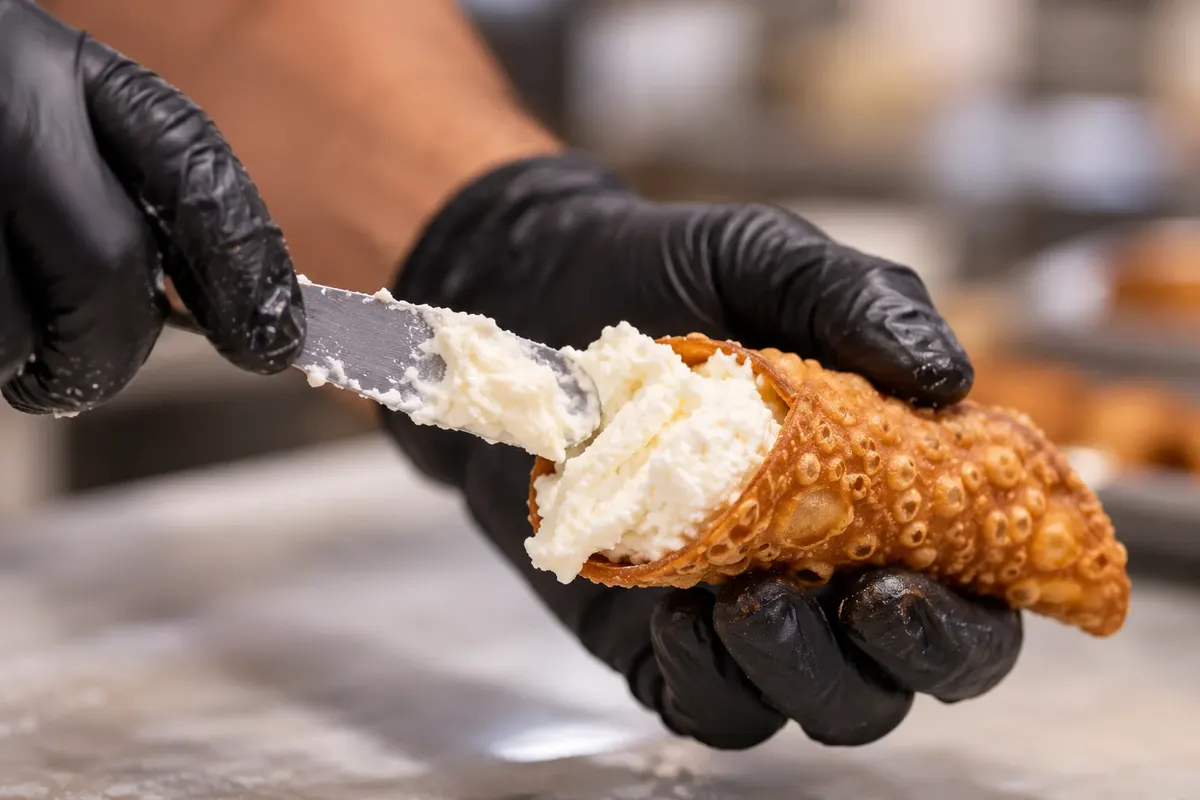
A tube of fried, crunchy pastry filled on the spot with sweet sheep’s ricotta cream, decorated at the ends with candied fruit or pistachio. It’s Sicily’s best-known sweet, associated with Carnival.
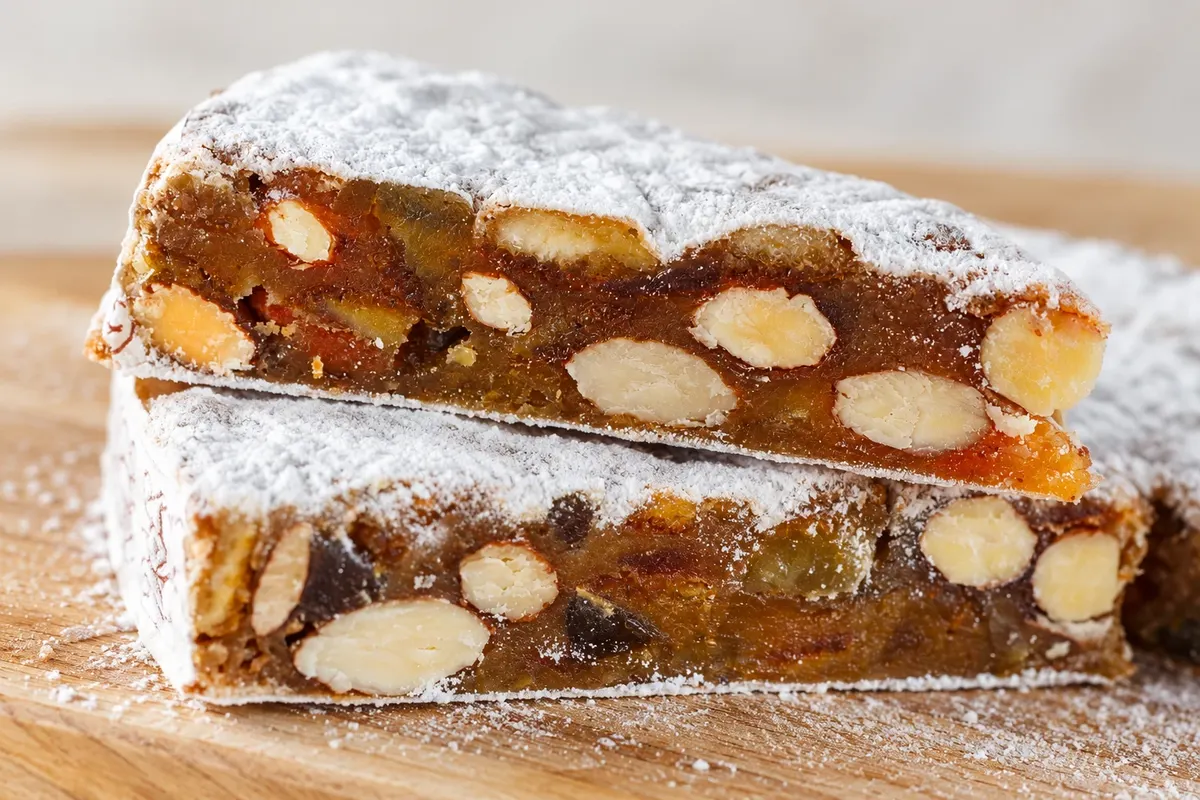
Round, flat, dense sweet made with candied fruit, almonds, honey and spices. It has medieval origins in Siena and comes in two versions: the white one, dusted with sugar, and the darker, more spiced one. It is protected as a geographical indication.
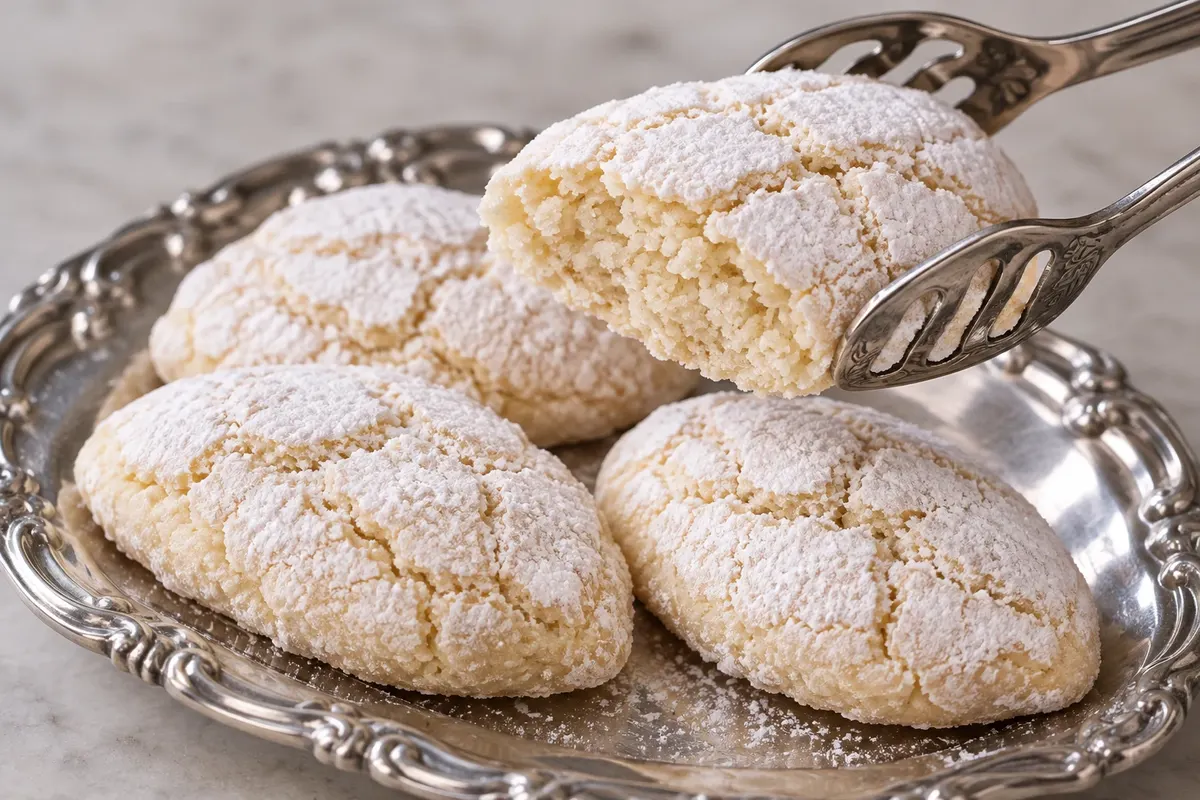
Soft cookies made from almond paste, sugar and egg white, shaped like a diamond, with a cracked surface dusted with sugar. They are one of Siena’s Christmas sweets and have protected geographical indication.
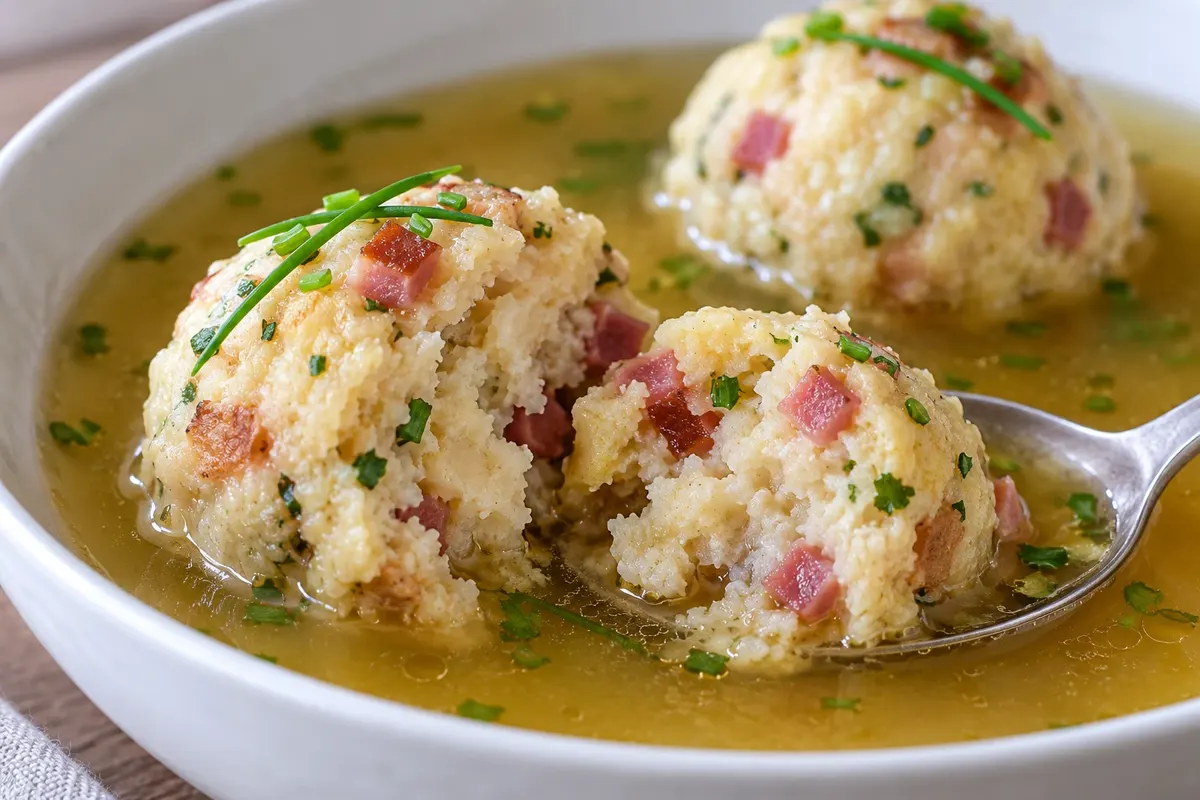
Bread dumplings made from stale bread mixed with milk, eggs and speck, cheese or herbs, cooked and served in broth or with melted butter. They are the dish of both provinces of Trentino-Alto Adige, where they are also called Knödel.
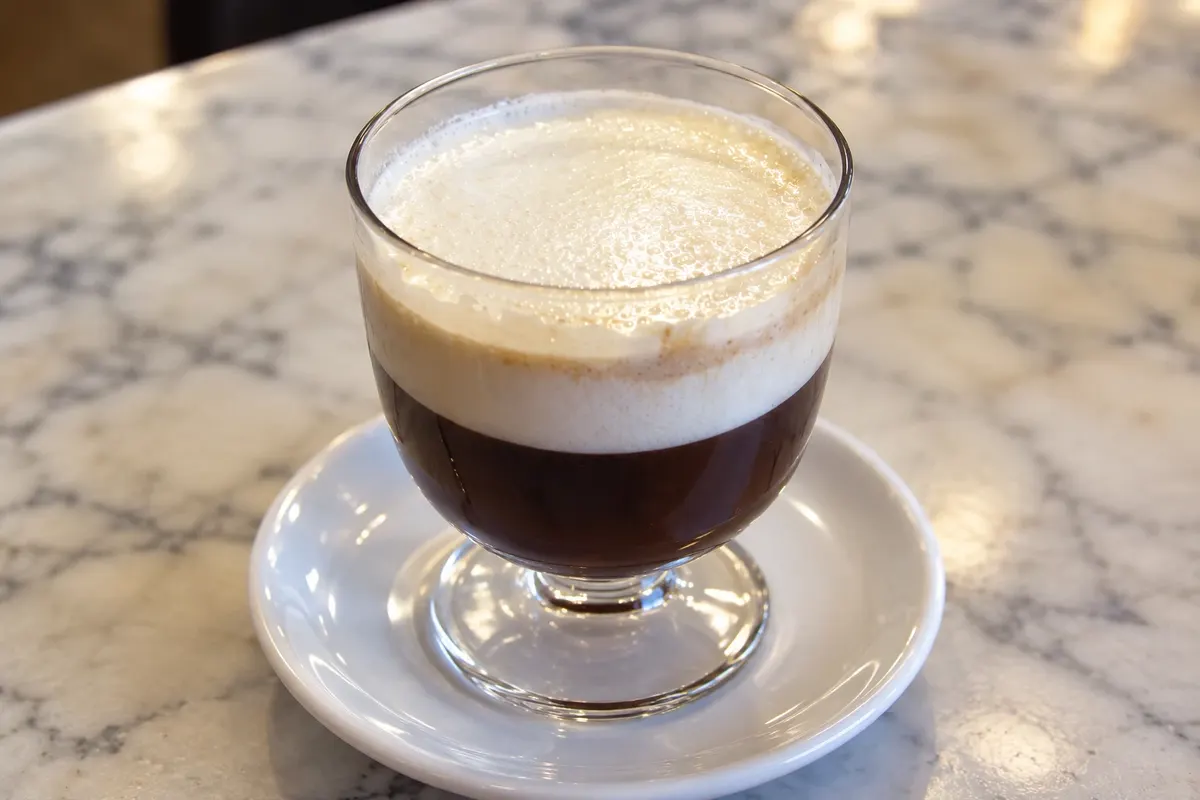
Hot drink served in a small glass cup, in three unmixed layers: thick hot chocolate, espresso coffee and heavy cream. It is Turin’s typical drink, linked to the city’s historic cafés since the 18th century.

A flavored wine made with wormwood, herbs and spices, born in Turin at the end of the 18th century. Drunk neat or in cocktails, it is the base of the Turin aperitivo and has its own geographical indication.
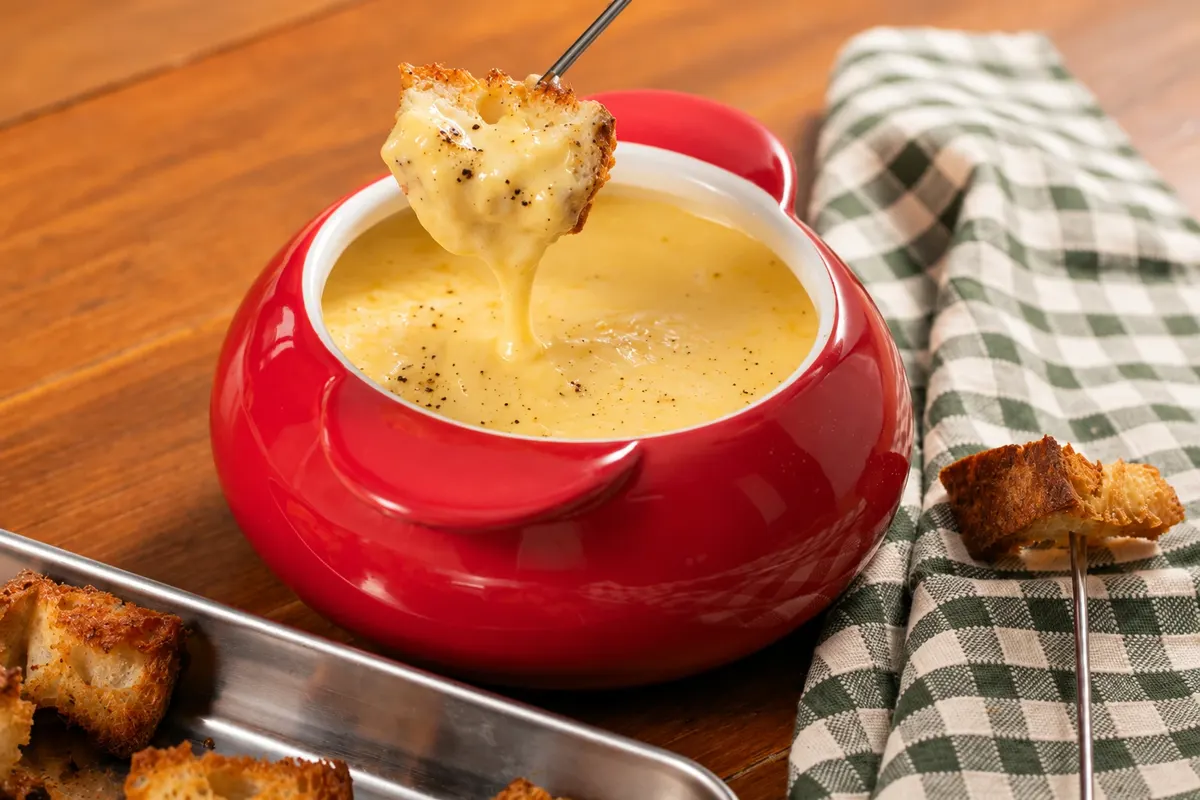
Hot, smooth cream of Fontina cheese slowly melted with milk, butter and egg yolks, served with toasted bread, potatoes or polenta. It’s the dish that best represents Fontina PDO, the cheese of the Aosta Valley.
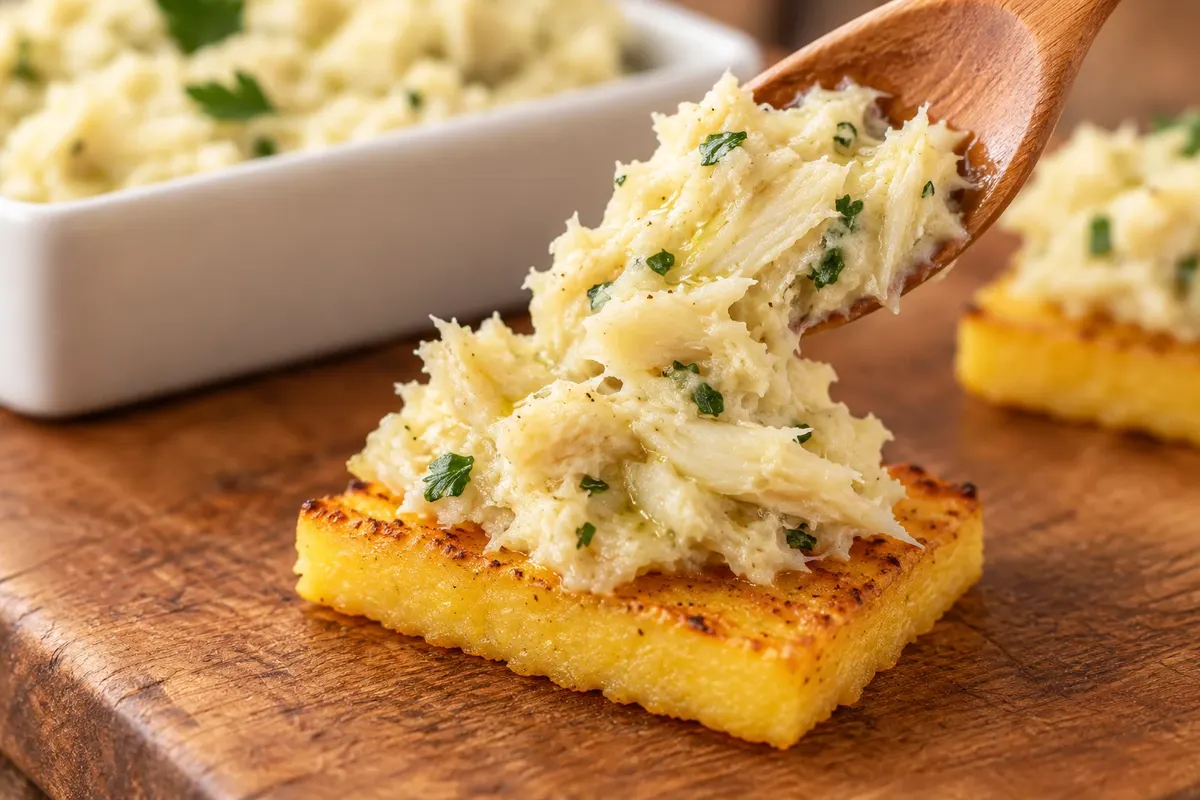
Air-dried cod, soaked, cooked and whipped with olive oil until it becomes a light white cream. It is served over polenta or bread in Venice’s bacari and links the city to the story of the navigator who brought this fish from Norway.
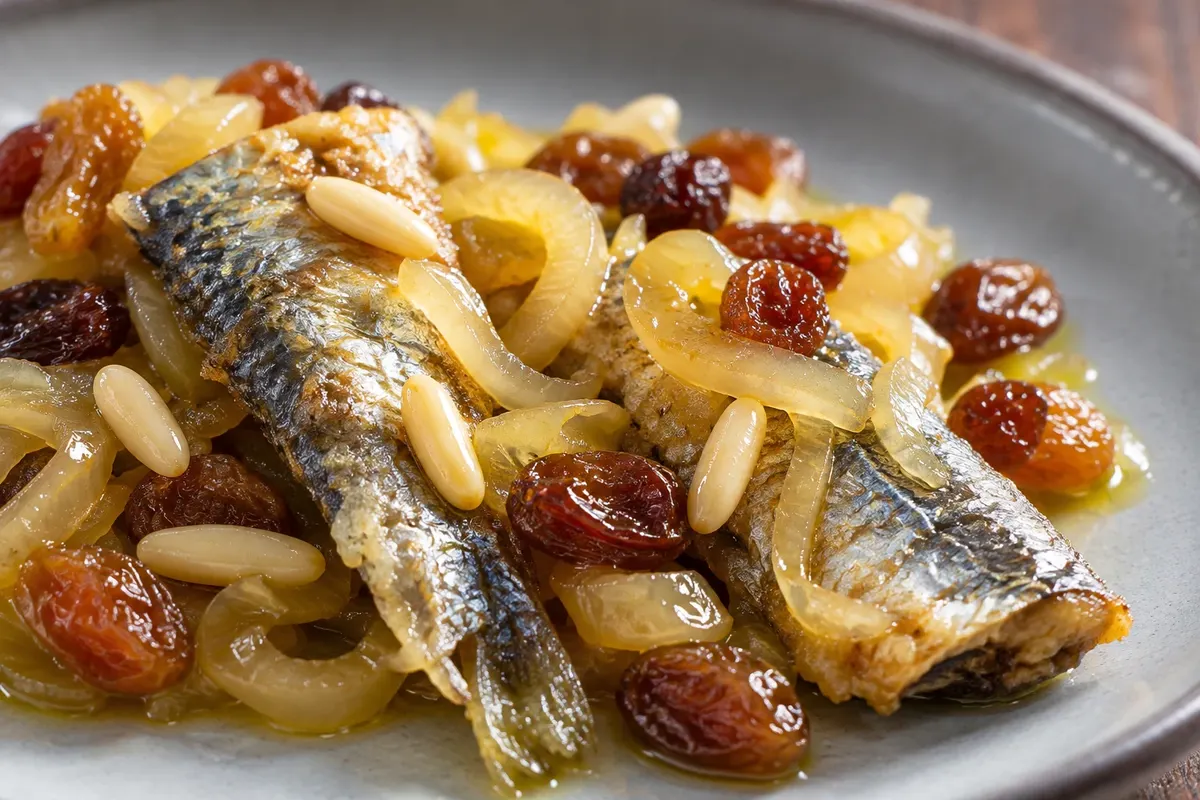
Fried sardines topped with onions cooked in vinegar, with raisins and pine nuts, left to rest until they take on a sweet-and-sour flavor. They originated as a way to preserve fish on boats and are the dish of the Festa del Redentore in Venice.
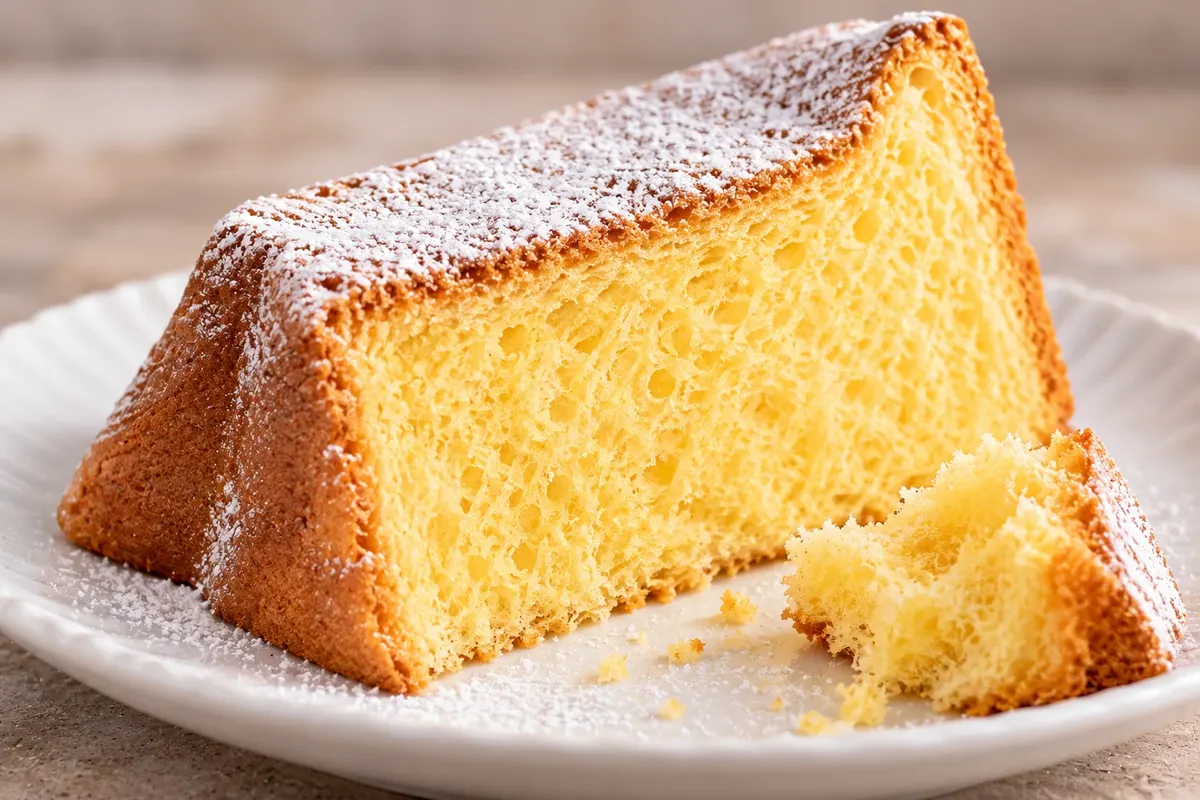
Tall, soft sweet bread shaped like an eight-pointed star, with a yellow, butter- and egg-rich dough, dusted with confectioners’ sugar when served. It originated in Verona at the end of the 19th century and is one of Italy’s two traditional Christmas sweets.