Logar Valley

Savinjska · Slovenia

Logar Valley

Glacial valley of the Kamnik–Savinja Alps, high on the Savinja River: the Rinka waterfall, the Robanov kot and Matkov kot valleys, and the Solčava Panoramic Road.

Thermal Pannonian Slovenia

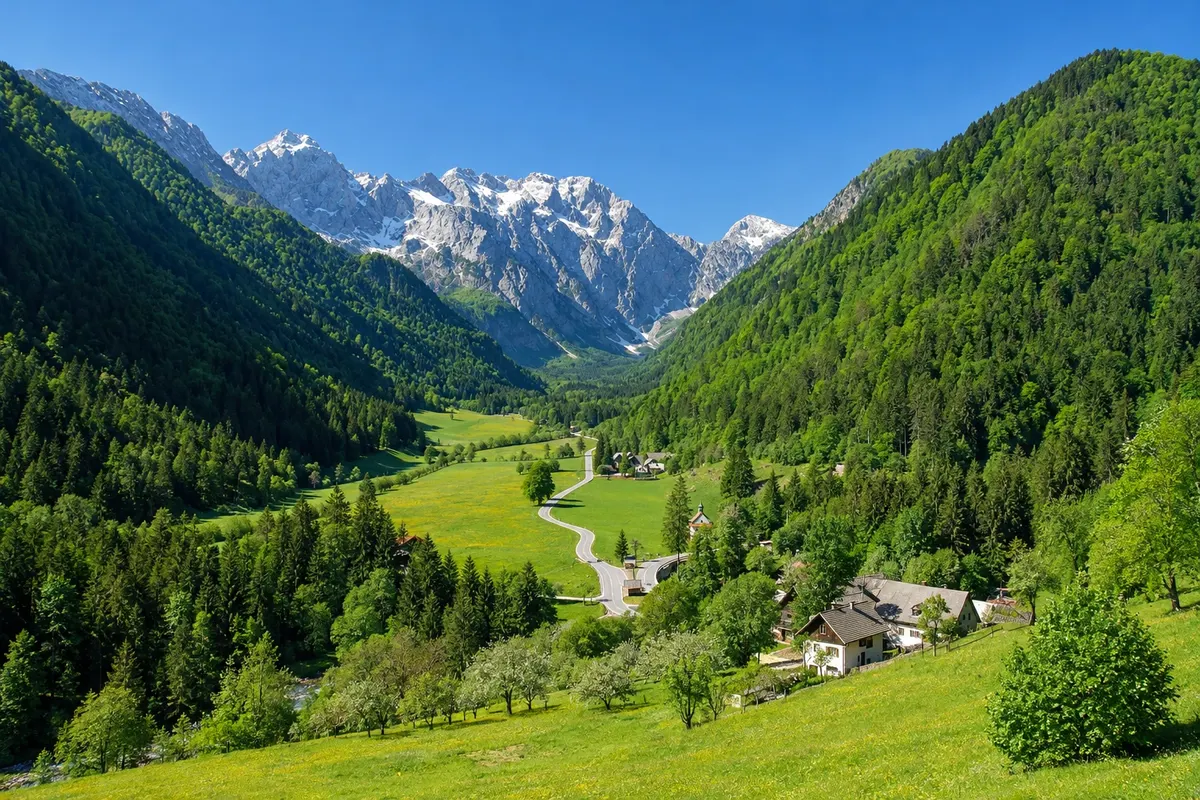
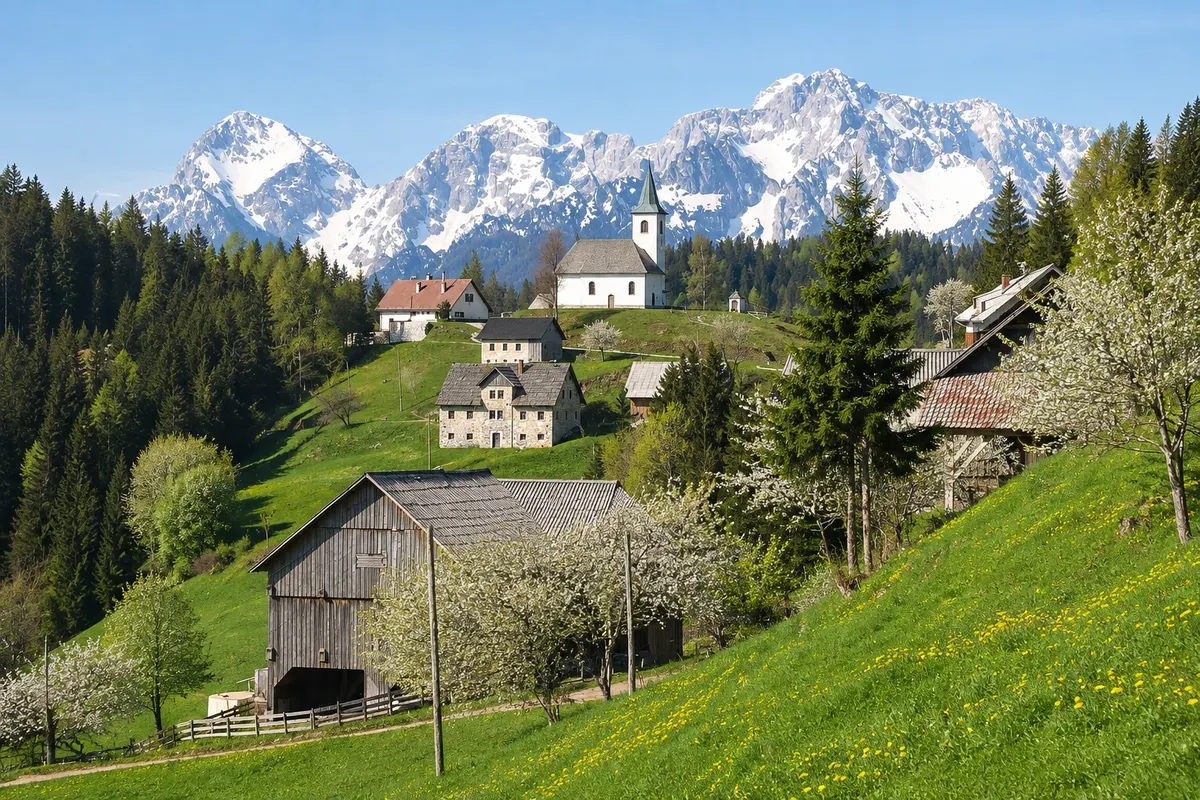
In the photo: Logar Valley panorama

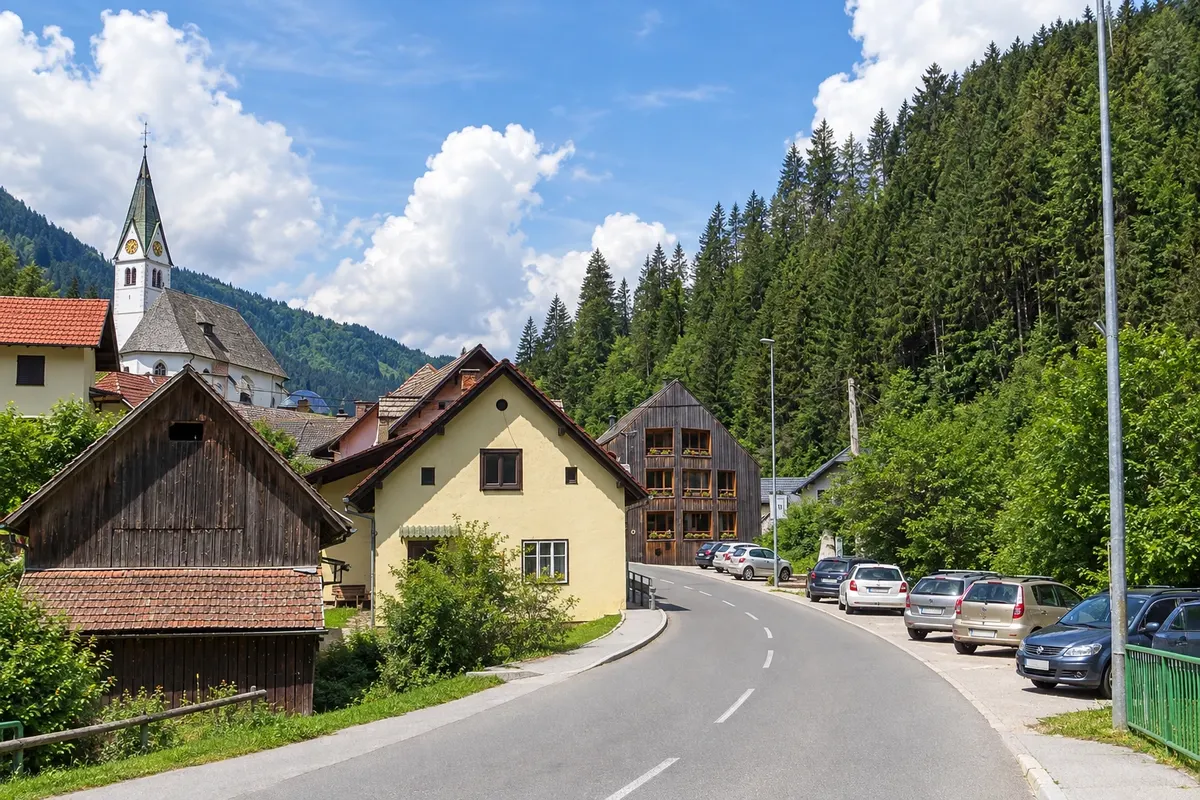
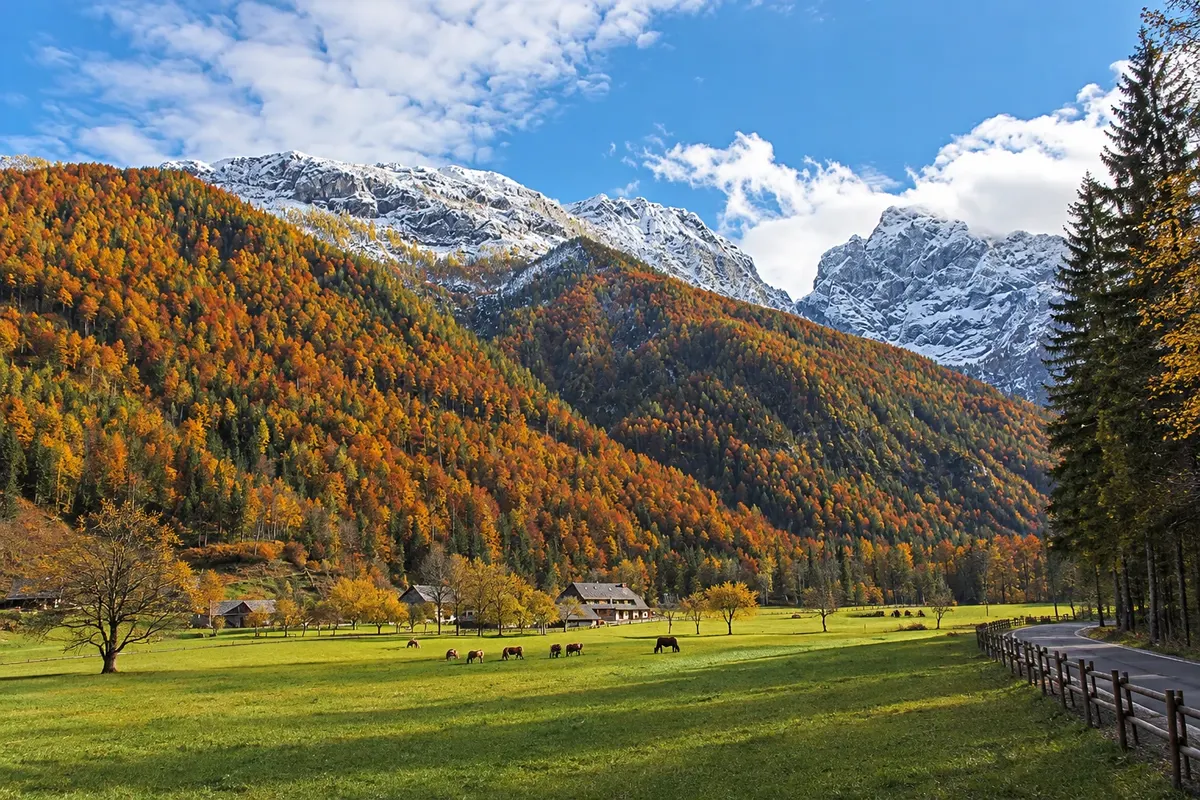
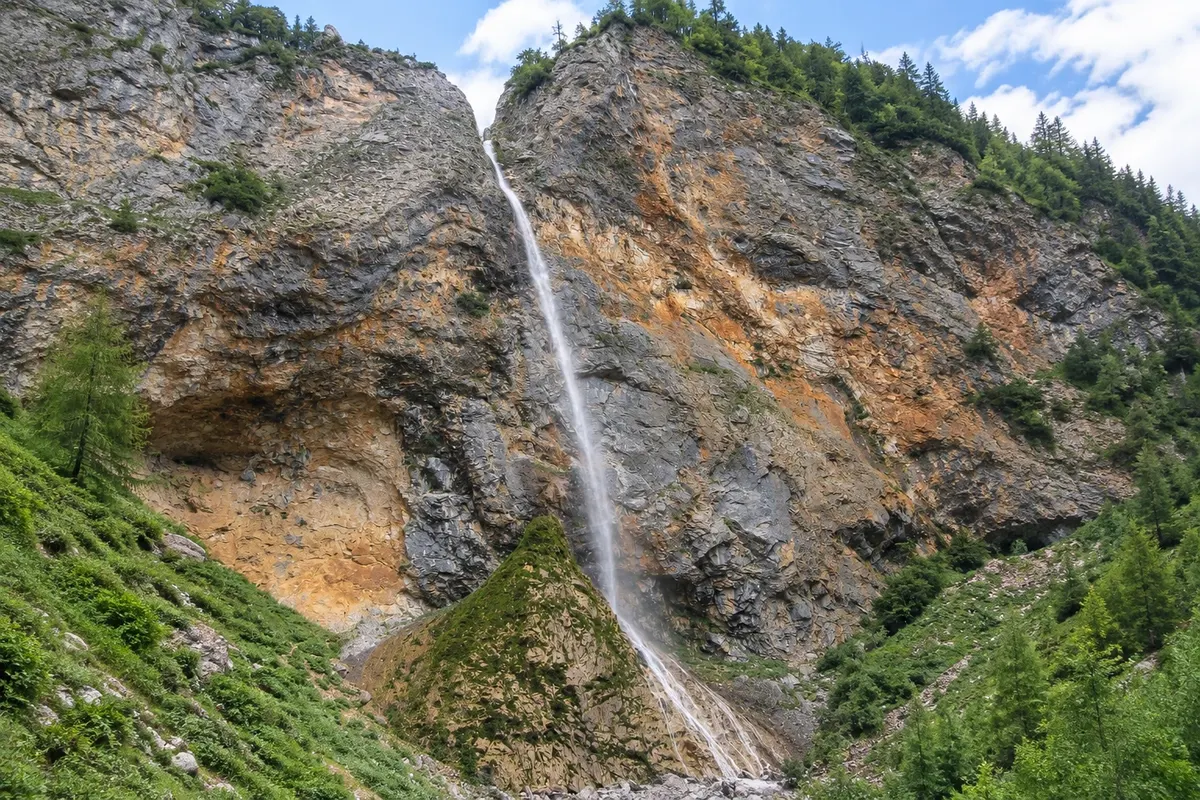
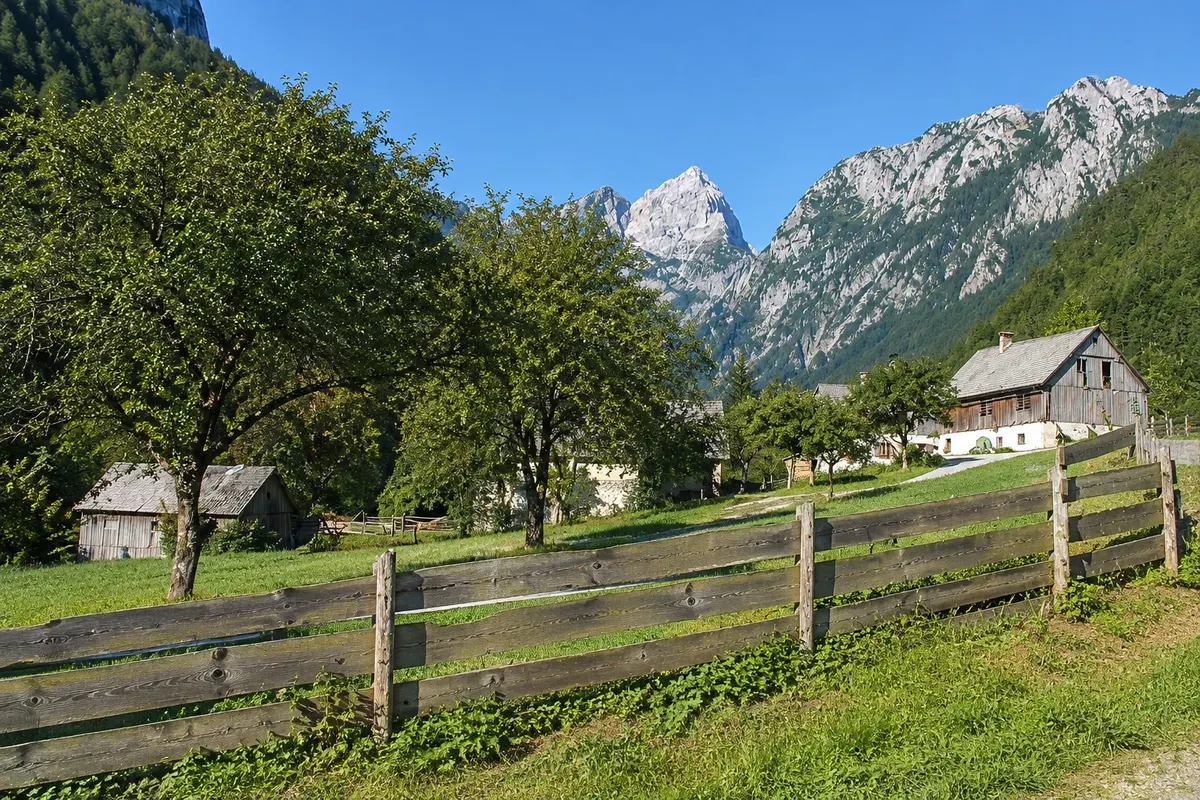
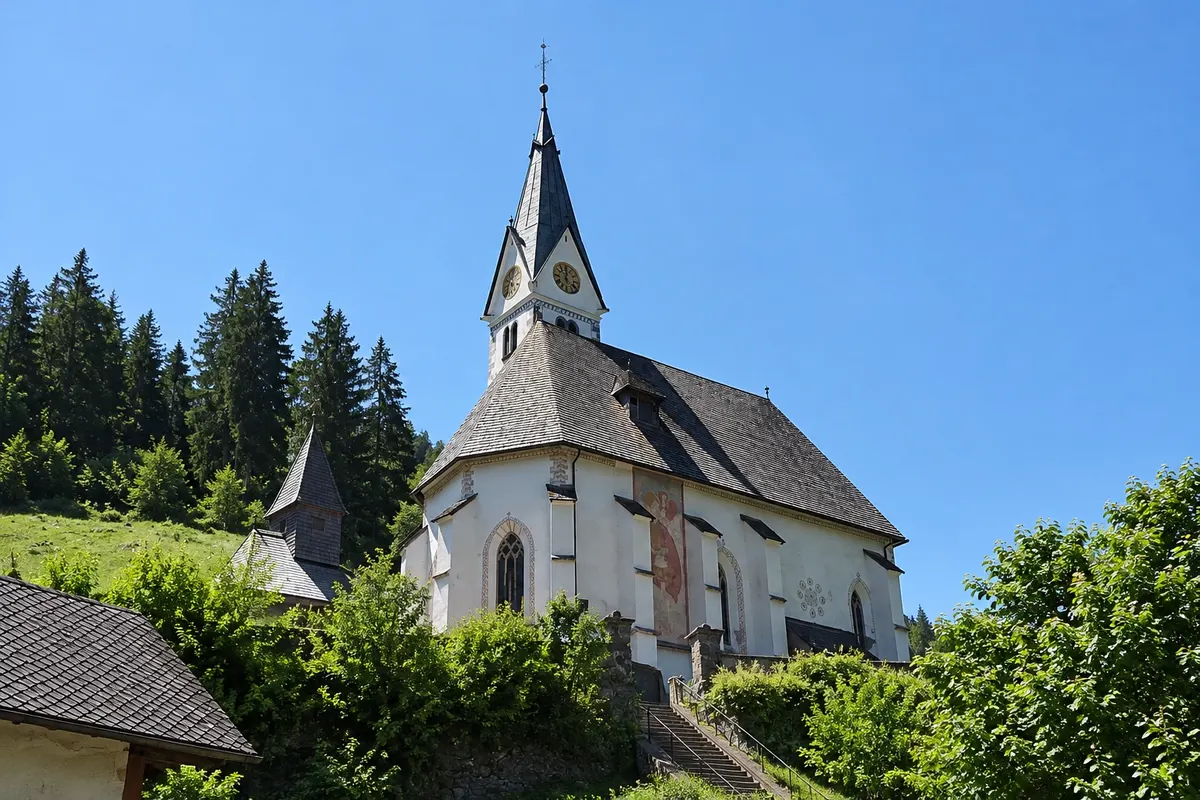
Illustrative images. The pictures in this guide are illustrations based on the real place, not photographs, and may differ from it.

Get it on Google Play Send your photos

Get to know the place

A region to enjoy
at your own pace.

The Logar Valley (Logarska dolina) lies at Slovenia’s northern extreme, at the source of the Savinja River near the Austrian border. It is a glacial valley about 7 km long, with a flat floor of meadows and woods, enclosed by cliffs of the Kamnik–Savinja Alps that rise above 2,300 meters. Since 1987 it has been protected as a landscape park.

The valley belongs to the municipality of Solčava, which contains three parallel glacial valleys carved by ice: Logar, the most visited; Robanov kot, with farms and meadows; and Matkov kot, the wildest. At the end of the Logar Valley the Rinka waterfall drops about 90 meters from a cliff and is considered the source of the Savinja.

The village of Solčava, at the entrance to the valleys, has a Gothic church dedicated to Mary of the Snows and the Rinka visitor center. From there the Solčava Panoramic Road climbs the slopes past mountain farms and viewpoints overlooking the three valleys and the surrounding peaks.

The local economy is based on cattle and sheep farming of the Jezersko–Solčava breed, timber and rural tourism. Many farms host visitors and sell wool products, cured meats and cheeses. Marked trails connect the valleys with mountain huts and the peaks of the Kamnik–Savinja Alps.

This destination brings together 1 city: Solčava.

Share: WhatsApp
Traveler, share your experiences through photos Up to 5 photos of each place you visited.

One destination, many paths

The cities on this trip

Start with one city or combine several in your itinerary.

Where Logar Valley is
Solčava

Boundaries: Geodetska uprava Republike Slovenije (GURS), Register prostorskih enot, 28/02/2024, licença CC BY 4.0. Adapted by Cidade Turismo.

How to get there: Logar Valley

✈ Letališče Jožeta Pučnika Ljubljana (LJU), in Brnik · 57 km to Solčava

The arrival town is Solčava, about 65 km from Ljubljana and about 64 km from Celje, via the Savinja valley. Ljubljana Airport (LJU) is about 57 km away. There is no train service; buses connect Celje to Solčava, and in summer the line continues to the Rinka waterfall.

The local experience

Things to do in Logar Valley

Logar Valley
Solčava · Savinjska · Landscape park

Logar Valley

Glacial valley of about 7 km, protected as a landscape park, with meadows, woods and farms on the flat floor and the walls of the Kamnik–Savinja Alps all around. A trail runs through the valley to the Rinka waterfall.

Rinka Falls
Solčava · Savinjska · Waterfall

Rinka Falls

Waterfall of about 90 meters of free fall at the end of the Logar Valley, considered the source of the Savinja River. A short trail leads to the base and to the Orlovo gnezdo viewpoint.

Solčava Panoramic Road
Solčava · Savinjska · Panoramic road

Solčava Panoramic Road

Mountain road that climbs the slopes above Solčava, passing farms and viewpoints, with views over the Logar, Robanov kot and Matkov kot valleys and the peaks of the Kamnik–Savinja Alps.

Robanov kot
Solčava · Savinjska · Valley

Robanov kot

Glacial valley parallel to Logar, southeast of Solčava, protected as a park, with meadows, traditional farms and footpaths to the valley floor beneath the walls of Ojstrica and Krofička.

See 1 more place in Logar Valley
Church of Mary of the Snows
Solčava · Savinjska · Church

Church of Mary of the Snows

Solčava’s Gothic parish church, built in the 15th century on older foundations, with an early 18th-century tower and a medieval statue of the Virgin, the Marija of Solčava.

Before you go

Practical information

A little planning leaves more time to enjoy the journey.

When to go

From June to September, when trails are open and mountain huts operate. May and October are quieter, with snow possible at higher elevations. The Rinka waterfall usually has more water in spring and after heavy rain. In winter, snow closes some high roads, and the frozen waterfall attracts ice climbers.

The seasons shown are the most usual ones; nature doesn't always follow the calendar.

How many days to stay

Two days cover the essentials: one for the Logar Valley and the Rinka waterfall, another for the Panoramic Road and Robanov kot. Those coming for hikes in the Kamnik–Savinja Alps usually stay four days to a week.

Which city to stay in

The Logar Valley itself has guesthouses, farms with rooms and camping areas, convenient for the Rinka waterfall and the trails. The village of Solčava and the farms along the Panoramic Road and Robanov kot offer rural tourism, quieter and with valley views.

Respect the place

Take your trash with you, follow the signs and support local businesses. In natural areas, follow the visiting guidelines.

Get your questions answered

Frequently asked questions about Logar Valley

How many days to stay in the Logar Valley?

Two days: one for the Logar Valley and the Rinka waterfall, another for the Solčava Panoramic Road and Robanov kot. For mountain hikes, four days to a week.

Is there an entrance fee for the Logar Valley?

In season, motor vehicles pay a fee to enter the landscape park; those entering on foot or by bicycle do not pay. Check the rates and the charge period before you go.

Do you need a car in the Logar Valley?

It helps a lot. There are buses from Celje to Solčava and, in summer, to the Rinka waterfall, but the Panoramic Road and the farms scattered through the valleys are easier to reach by car or bicycle.

Can you visit the Logar Valley as a day trip from Ljubljana?

Yes — about 65 km each way along valley roads, a little over an hour by car. To include the Panoramic Road and a hike, it’s worth staying overnight in the area.

What is the best time to visit the Logar Valley?

June to September, for trails and walks. The Rinka waterfall usually has more water in spring and after heavy rain.

Explore other destinations Search by state and city