Ljubljana — Slovenia

Osrednjeslovenska · Slovenia

Ljubljana — Slovenia

The capital of Slovenia on the banks of the Ljubljanica River: a hilltop castle, Jože Plečnik’s bridges, an open-air market and a center you can walk end to end.

Ljubljana and Central Slovenia

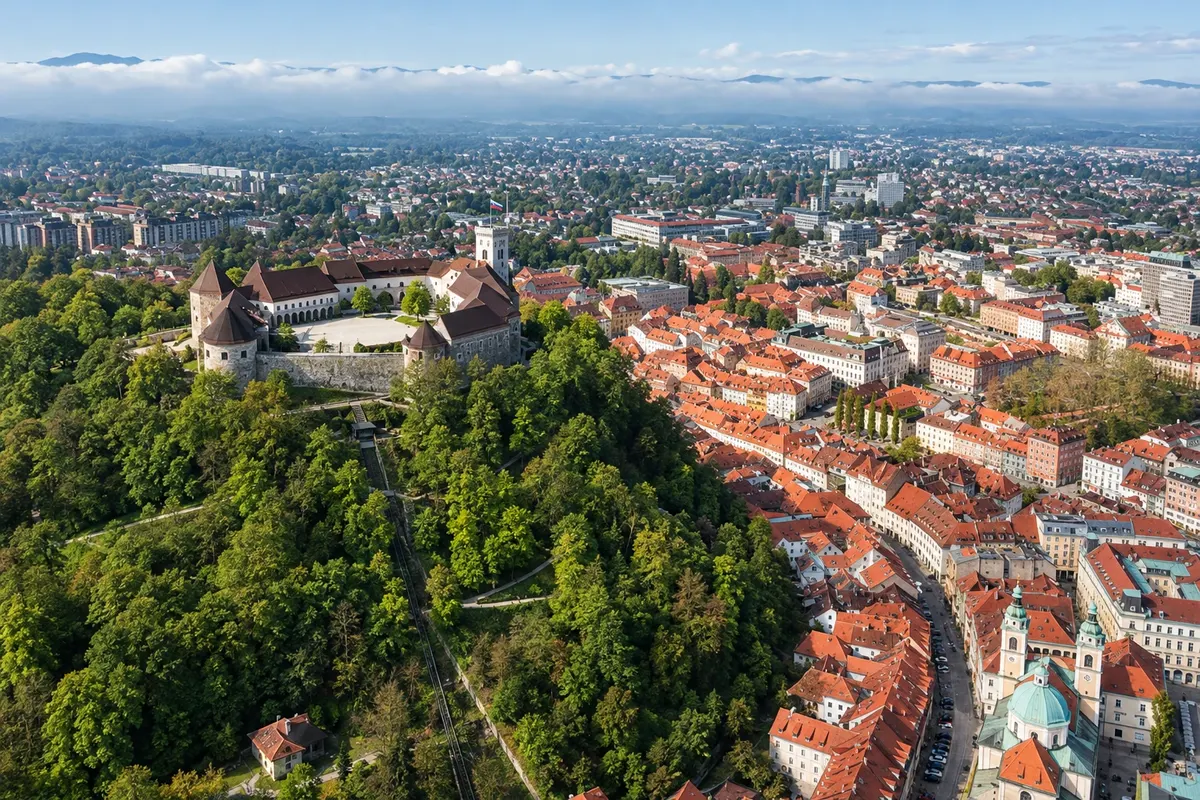
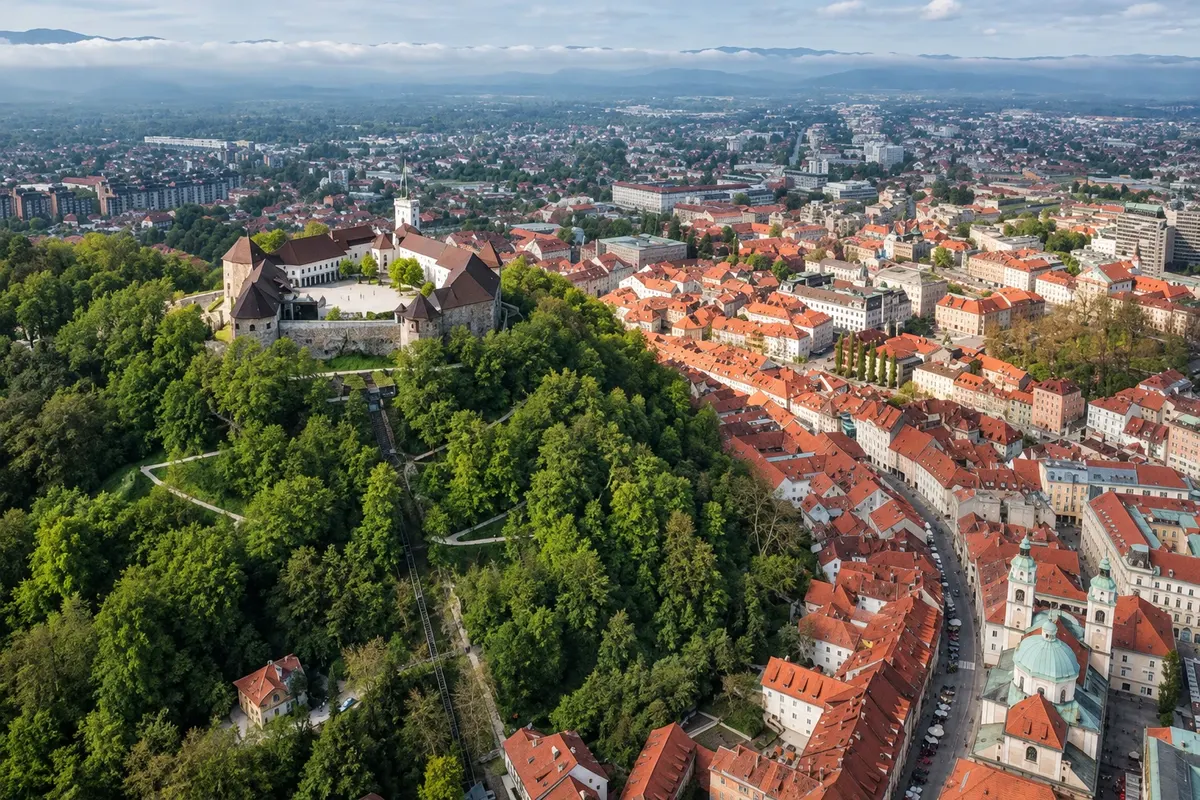
In the photo: Ljubljana Castle and old town.

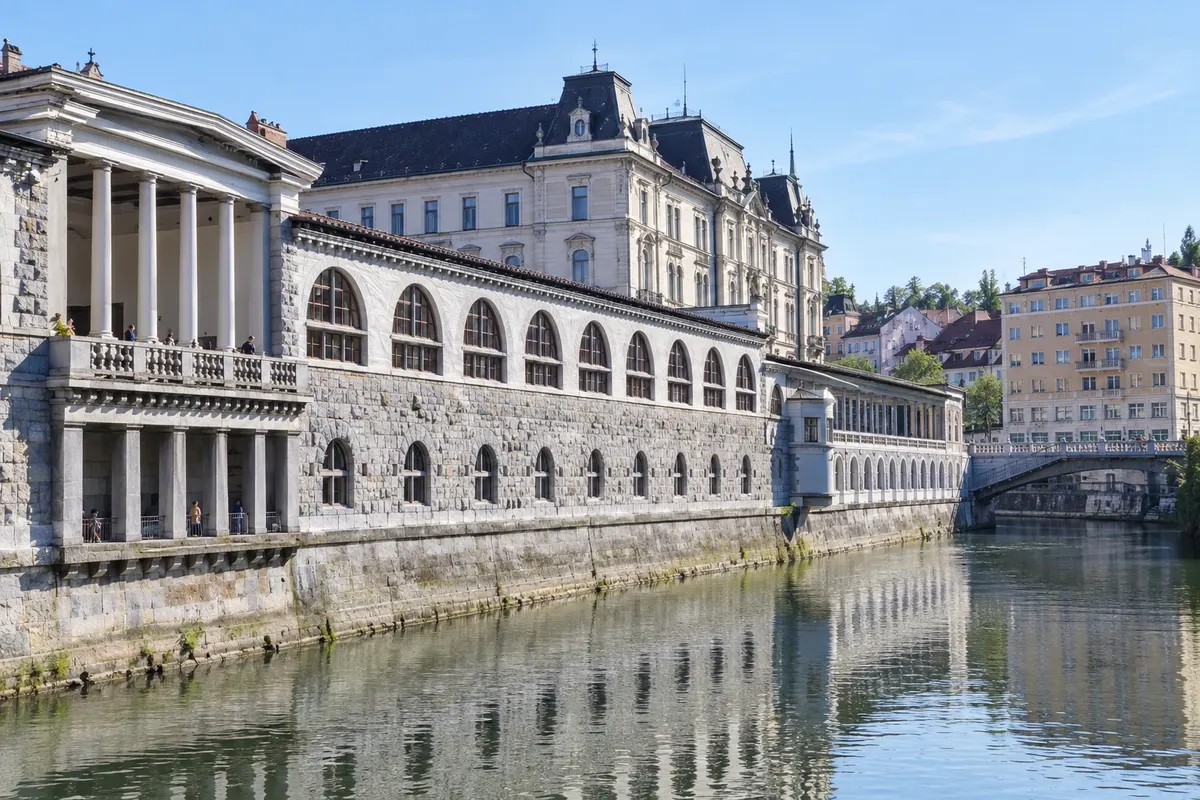
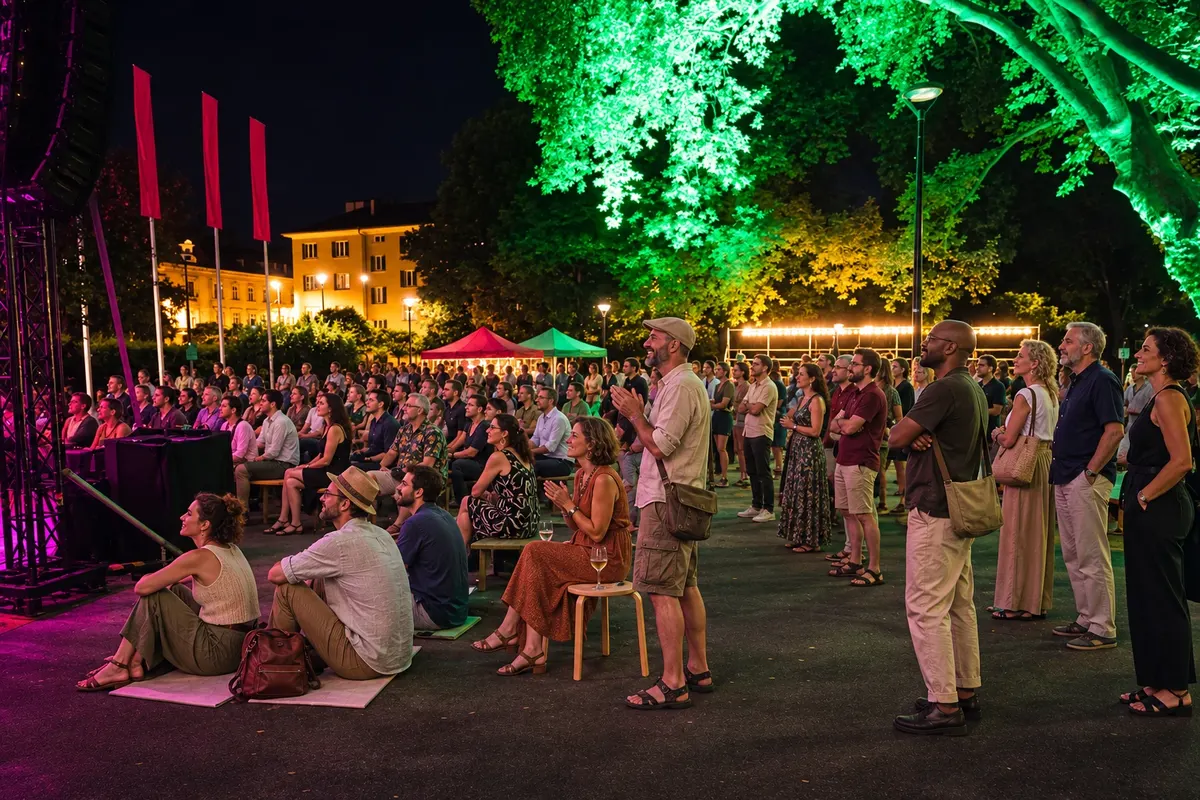
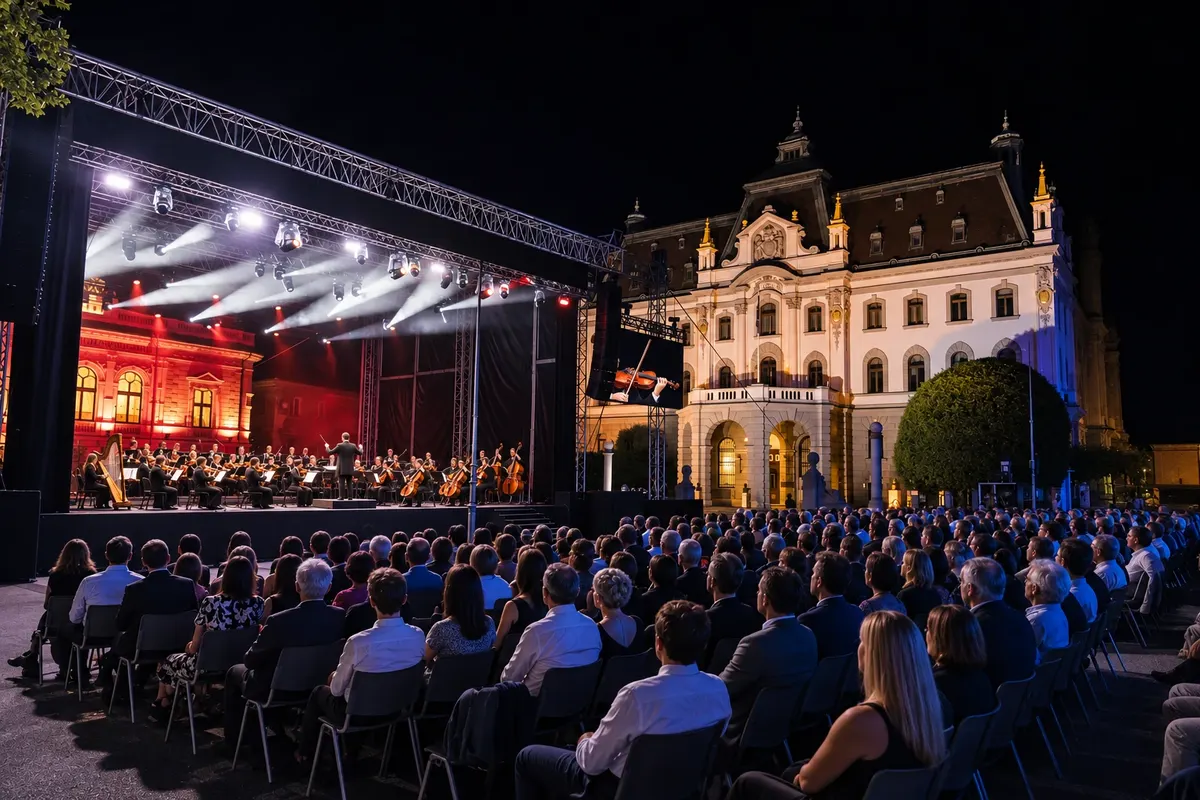
Illustrative images. The pictures in this guide are illustrations based on the real place, not photographs, and may differ from it.

Get it on Google Play Send your photos

Get to know the place

A region to enjoy
at your own pace.

Ljubljana is the capital and largest city of Slovenia, in the center of the country between the Alps and the Karst. The Ljubljanica River winds through the historic center, and its two banks are connected by a series of bridges, each with its own story. On the hill overlooking the city stands the castle, from which you can see the mountains in the north of the country on clear days.

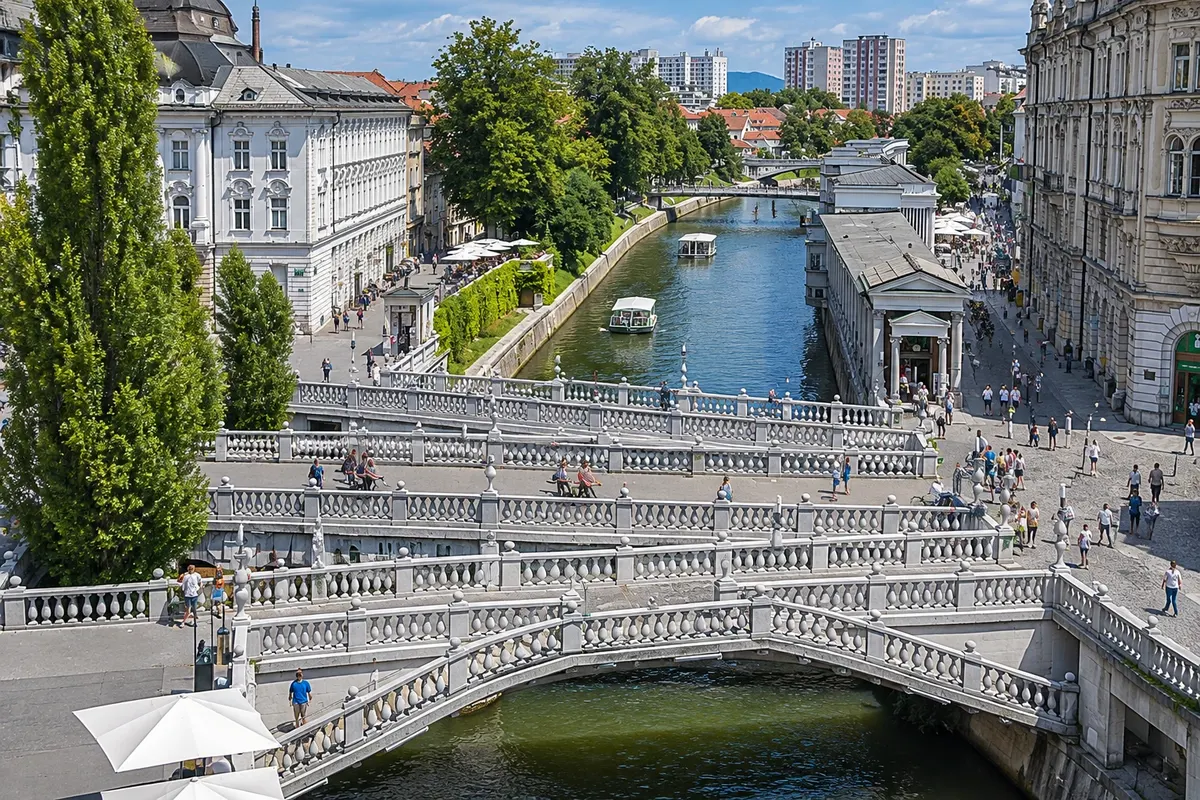
The city’s layout owes much to a single architect. Between the two world wars, Jože Plečnik designed the walkways of the Triple Bridge, the colonnade of the Central Market along the river, embankments with steps down to the water, squares and parks. This ensemble was added to the UNESCO World Heritage List in 2021. The house where he lived, in the Trnovo neighborhood, now operates as a museum.

The old town, closed to cars, includes Prešeren Square, dedicated to the country’s greatest poet, the baroque Cathedral of St. Nicholas, the Dragon Bridge and riverside cafés with outdoor seating. To the west, Tivoli Park leads to the trails of Rožnik Hill. To the south, on the plain of the Ljubljansko barje, prehistoric stilt-house villages were found; UNESCO protects them together with others in the Alpine region.

Ljubljana sits at the crossroads of the country’s main roads and railways. For that reason it serves as a base for day trips to Bled, the Postojna Cave and the coast, all less than two hours by car.

This destination brings together 1 city: Ljubljana.

Share: WhatsApp
Traveler, share your experiences through photos Up to 5 photos of each place you visited.

One destination, many paths

The cities on this trip

Start with one city or combine several in your itinerary.

Where Ljubljana — Slovenia is
Liubliana

Boundaries: Geodetska uprava Republike Slovenije (GURS), Register prostorskih enot, 28/02/2024, licença CC BY 4.0. Adapted by Cidade Turismo.

How to get there: Ljubljana — Slovenia

✈ Letališče Jožeta Pučnika Ljubljana (LJU), in Brnik · 26 km to Ljubljana

Flights arrive at Brnik, 26 km from the center, linked by regular buses and transfers. Long-distance trains and buses use nearby terminals on the northern edge of the old town, with connections across the country and to Austria, Croatia and Italy. By road, the capital is the junction of Slovenia’s two main motorways.

Festivals and events

Festivals in Ljubljana — Slovenia

Dates change every year: check this year's date before you travel.

Festival calendar in Slovenia

The local experience

Things to do in Ljubljana — Slovenia

Ljubljana Castle
Ljubljana · Osrednjeslovenska · Castle

Ljubljana Castle

The fortress on the hill above the centre, with a courtyard, a Gothic chapel, an observation point on top of the tower and a historical exhibition. You can walk up through the woods or take the funicular that departs from Krek Square.

Triple Bridge
Ljubljana · Osrednjeslovenska · Bridge

Triple Bridge

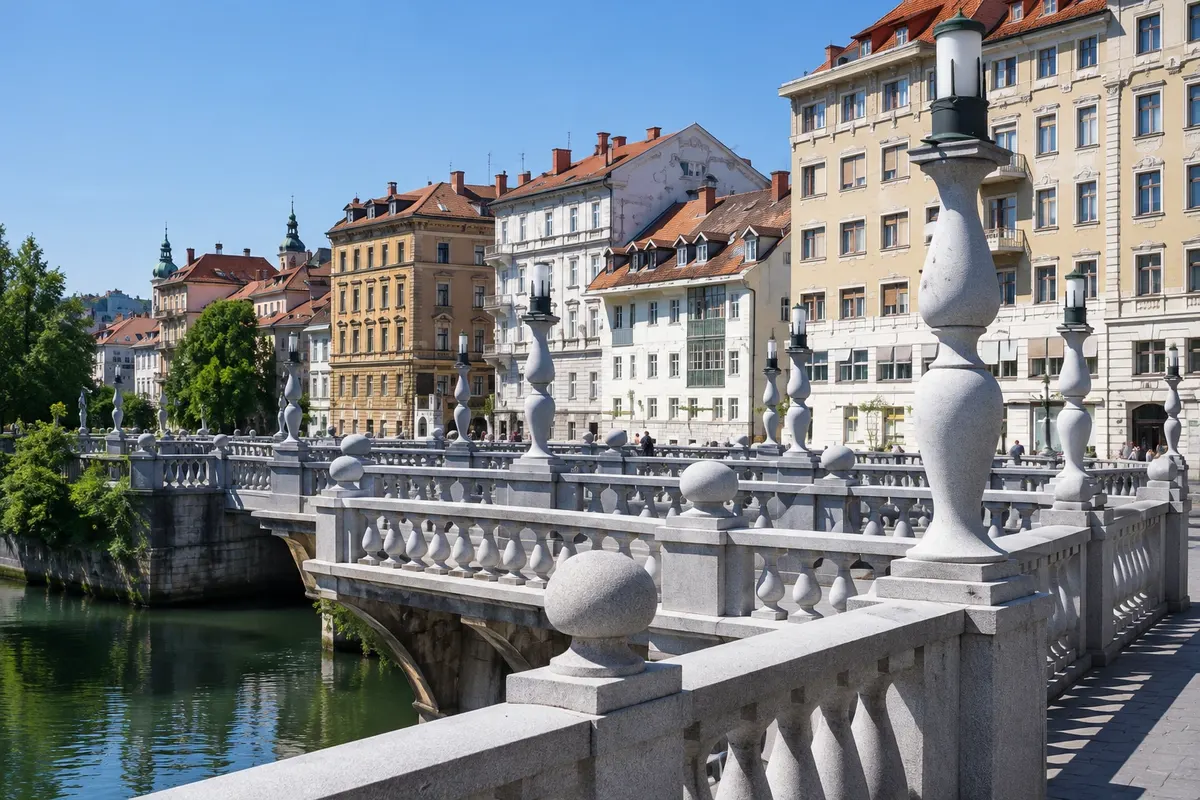
Three side-by-side bridges over the Ljubljanica, linking Prešeren Square to the old town. The middle bridge is from 1842; the two side walkways, with concrete balustrades and steps down to the riverbank, are by Jože Plečnik.

Ljubljana Central Market
Ljubljana · Osrednjeslovenska · Market

Ljubljana Central Market

The open-air market at Vodnik Square and Plečnik’s pavilions along the river, with stalls selling fruit, vegetables, cheeses, honey and flowers, and a fish market on the lower level.

Dragon Bridge
Ljubljana · Osrednjeslovenska · Bridge

Dragon Bridge

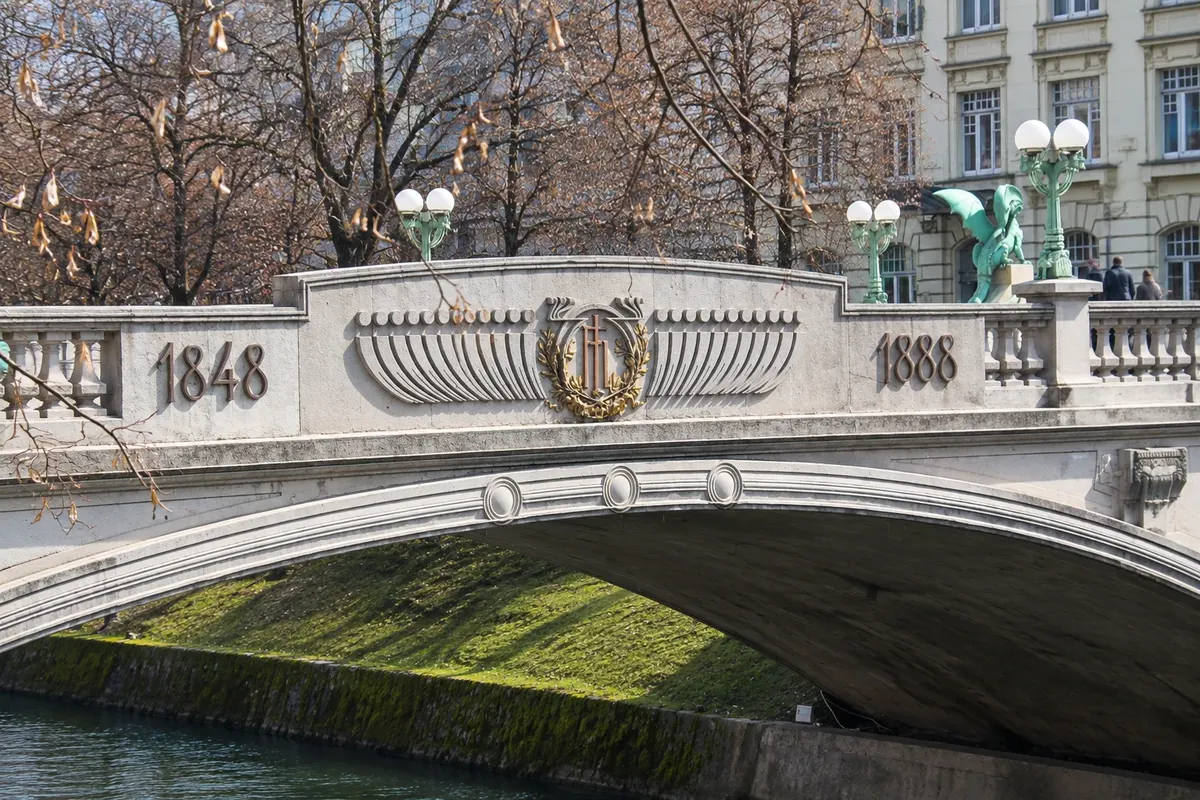
The 1901 bridge over the Ljubljanica with four copper dragons at the corners, the city’s symbol. It was one of the first reinforced-concrete bridges in Europe.

See 4 more places in Ljubljana — Slovenia
Ljubljana Cathedral
Ljubljana · Osrednjeslovenska · Church

Ljubljana Cathedral

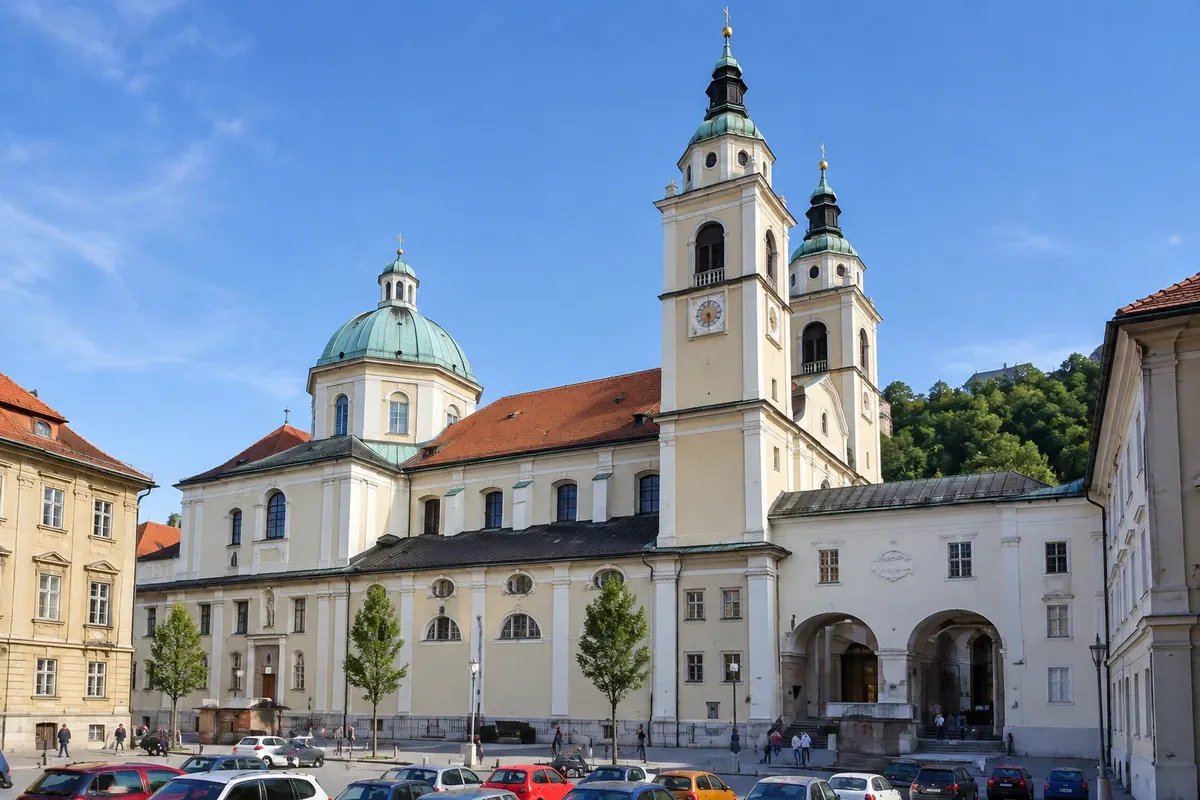
Ljubljana’s baroque cathedral, with a green dome and two towers, next to the Central Market. Inside are frescoes by Giulio Quaglio; at the entrance, bronze doors with scenes from Slovenian history.

Tivoli Park
Ljubljana · Osrednjeslovenska · Park

Tivoli Park

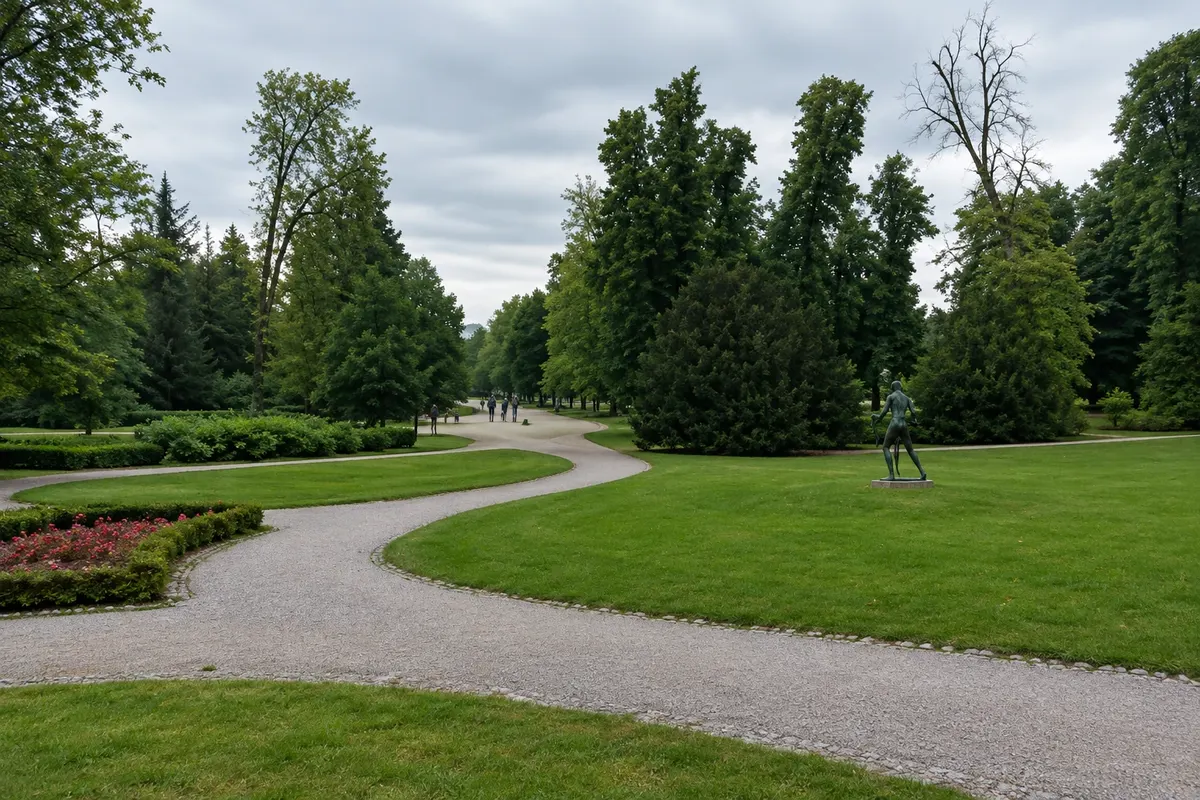
The large park west of the center, with avenues, a shallow lake, Tivoli Castle and the Cekin Palace, which houses the contemporary history museum. Paths from the avenues lead to Rožnik Hill.

Plečnik House
Ljubljana · Osrednjeslovenska · Museum

Plečnik House

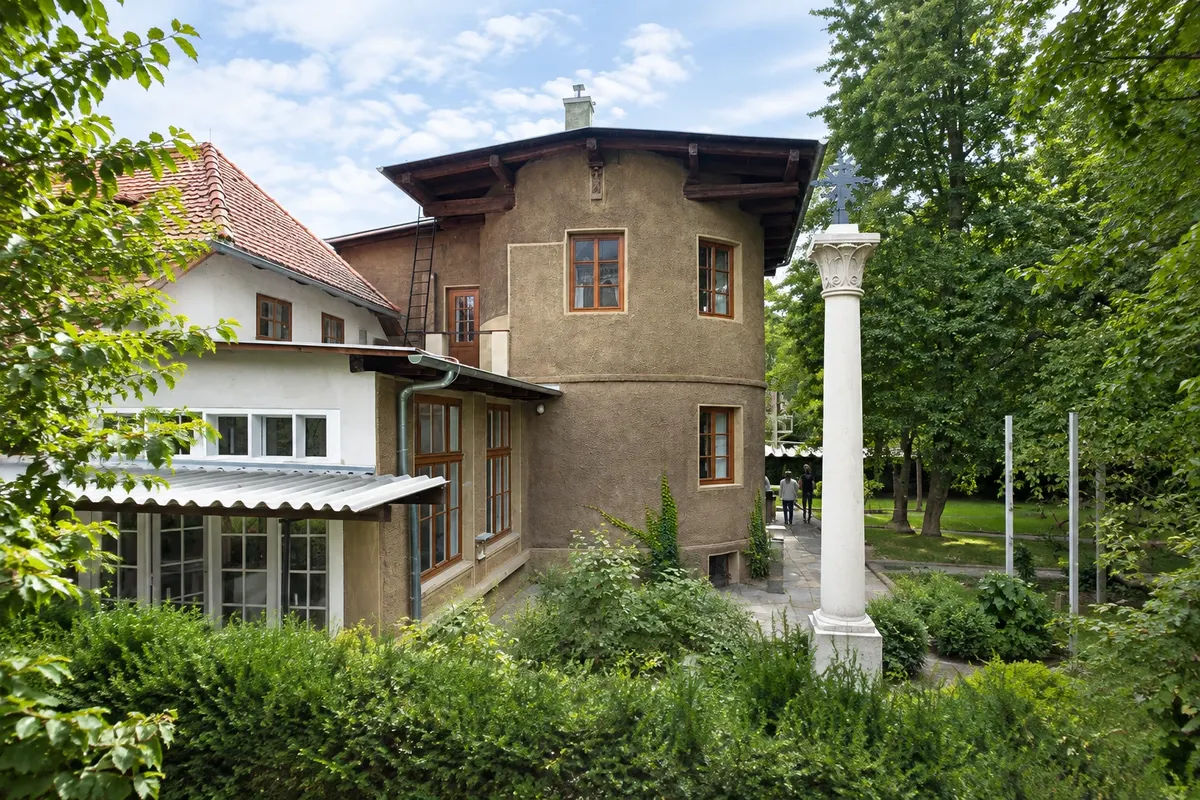
The house where architect Jože Plečnik lived and worked, in the Trnovo neighborhood, with his studio, the furniture he designed and the garden. The residential part is only visited with a guide, in small groups.

Morostig (Ig Pile Dwellings)
Ljubljana · Osrednjeslovenska · Archaeological site

Morostig (Ig Pile Dwellings)

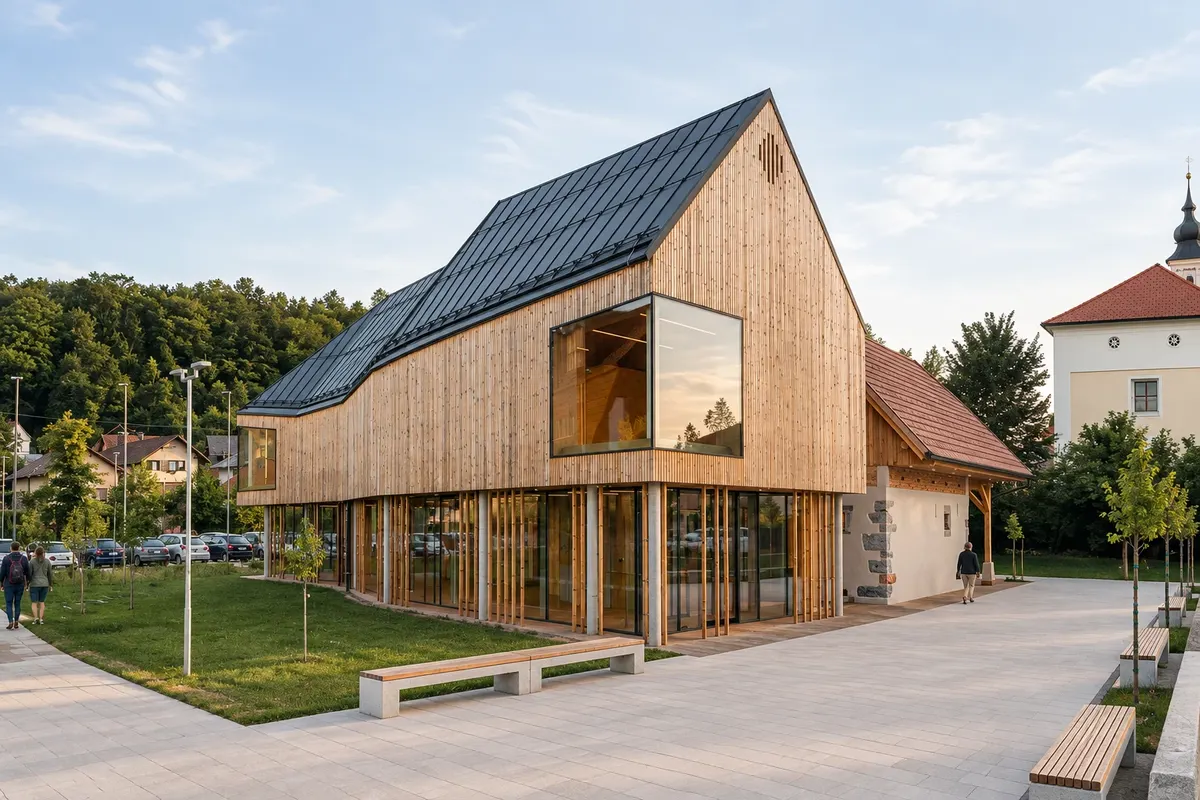
The visitor center in Ig about the nature of the Ljubljansko barje and the prehistoric pile dwellings, with a trail through the meadows to a full-scale reconstruction of a stilt village.

Before you go

Practical information

A little planning leaves more time to enjoy the journey.

When to go

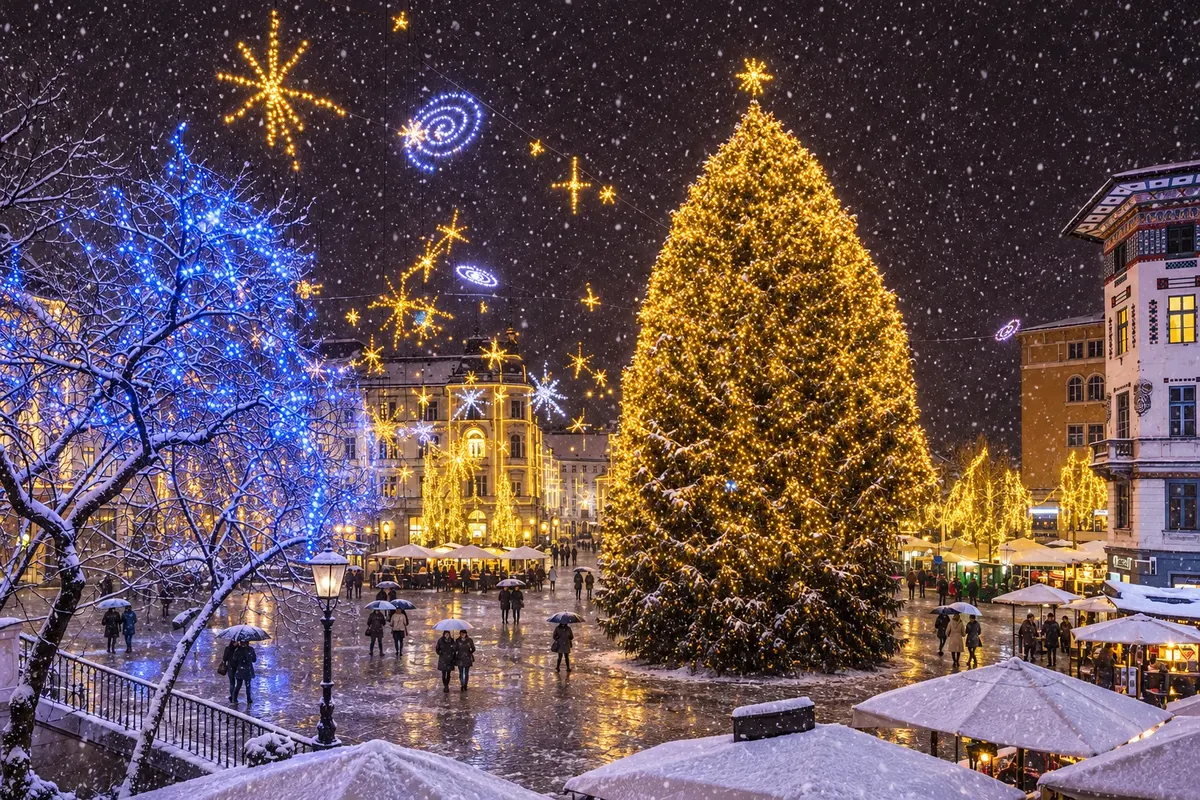
From May to September, with long days and outdoor tables by the river; July and August are the warmest months. April and October are usually mild and quieter. In December the center is lit up and hosts Christmas stalls. Winter is cold, with frequent fog and sometimes snow.

The seasons shown are the most usual ones; nature doesn't always follow the calendar.

How many days to stay

Two days allow you to see the castle, the bridges, the market, the cathedral, Tivoli and Plečnik’s house at a relaxed pace. With three or four days, the city can be a base for day trips to Bled, the Postojna Cave and the Škocjan Caves, or to the stilt villages of Ig.

Which city to stay in

The historic center, on both sides of the river, makes everything walkable. The streets on the castle side (Stari trg and Mestni trg) are older and quieter at night. Trnovo, to the south, is residential and close to Plečnik’s house. The area to the north, near the train and bus terminals, is practical for those arriving late or departing early for other cities.

Respect the place

Take your trash with you, follow the signs and support local businesses. In natural areas, follow the visiting guidelines.

Get your questions answered

Frequently asked questions about Ljubljana — Slovenia

How many days to stay in Ljubljana?

Two days are enough for the center, the castle, the market and the parks. If you plan to use the city as a base for Bled, Postojna or the coast, allow three or four days.

How to get from Ljubljana airport to the center?

The airport is in Brnik, about 26 km away. There are regular buses to the bus station next to the train station, and transfer services. By taxi, plan about half an hour, depending on traffic.

Do you need a car in Ljubljana?

No. The central streets are pedestrian-only, and city buses cover the neighborhoods. A car only helps for day trips to places without direct train service, such as the stilt houses of Ig or Predjama Castle.

Can you make day trips from Ljubljana to Bled and Postojna?

Yes. Bled is about 55 km away, and the Postojna Cave about 50 km, both served by buses and trains from the capital. Each deserves a full day, or half a day if you go by car.

What is the best time to visit Ljubljana?

From May to September, when life happens along the riverbank. April and October are good options with fewer people. December offers lighting and Christmas stalls, with cold and short days.

Explore other destinations Search by state and city