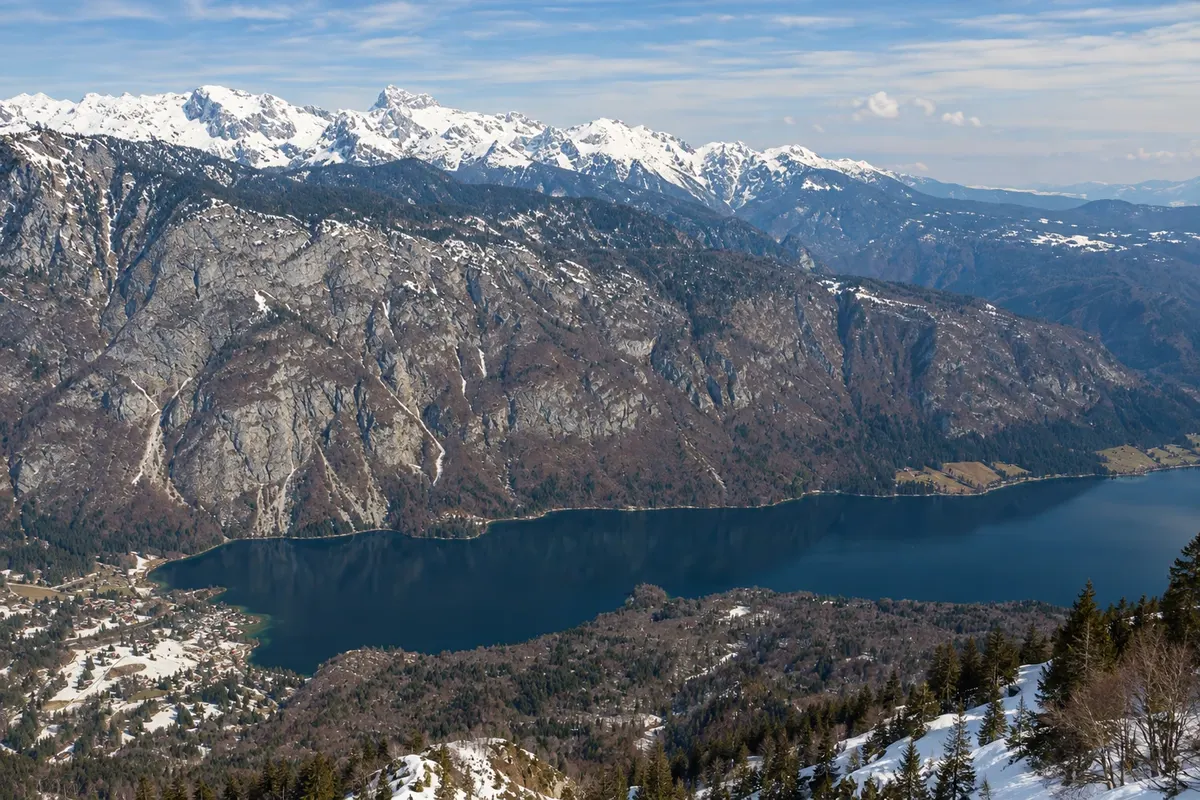
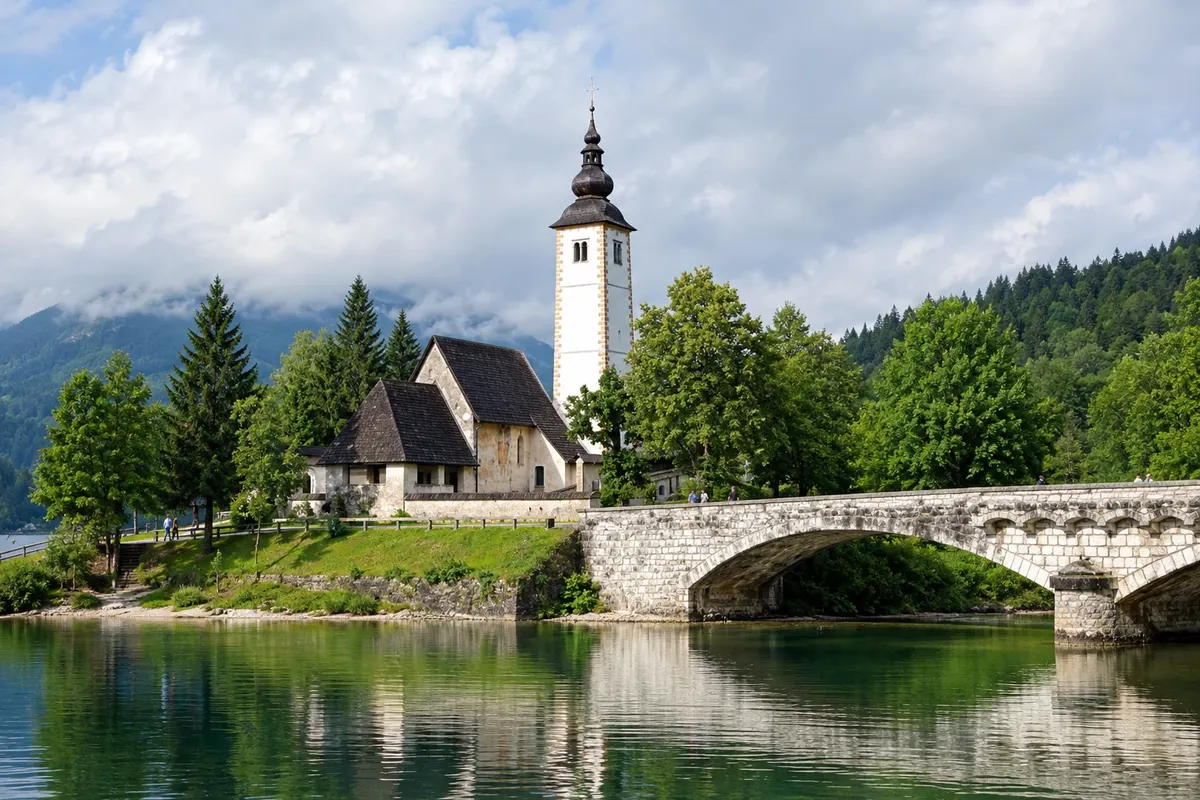
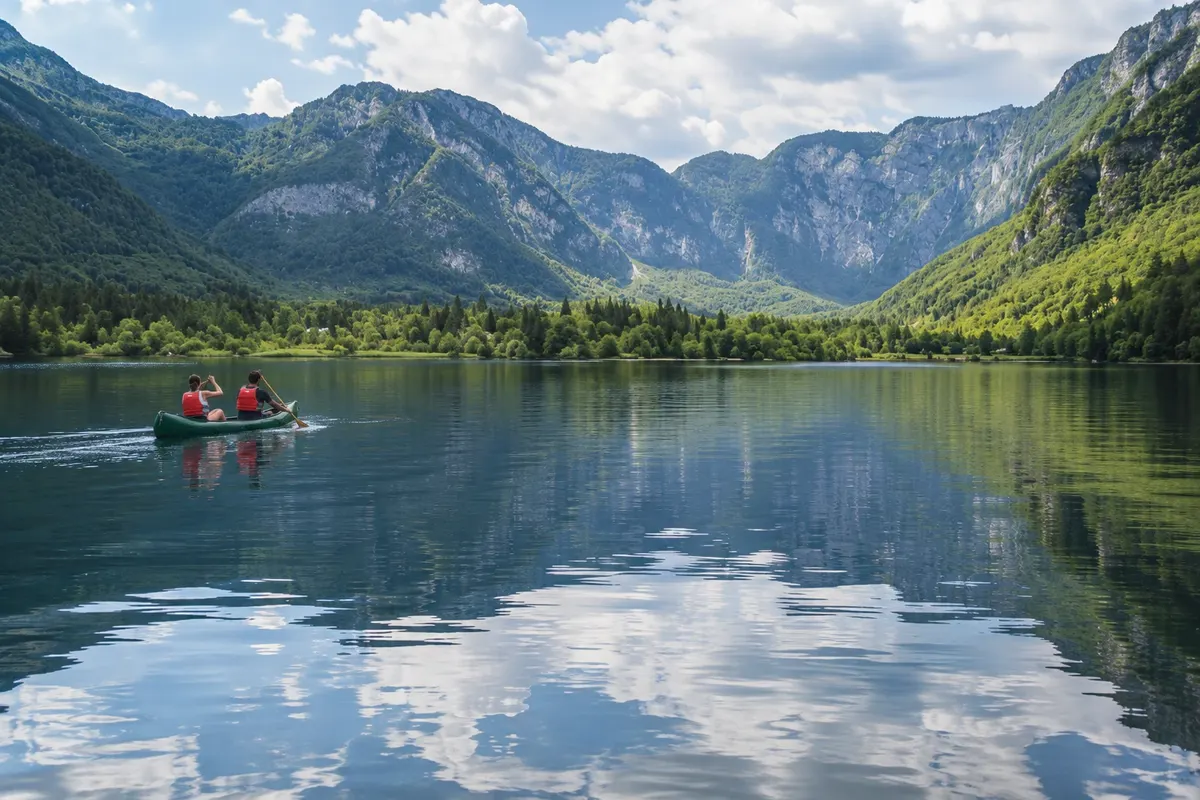
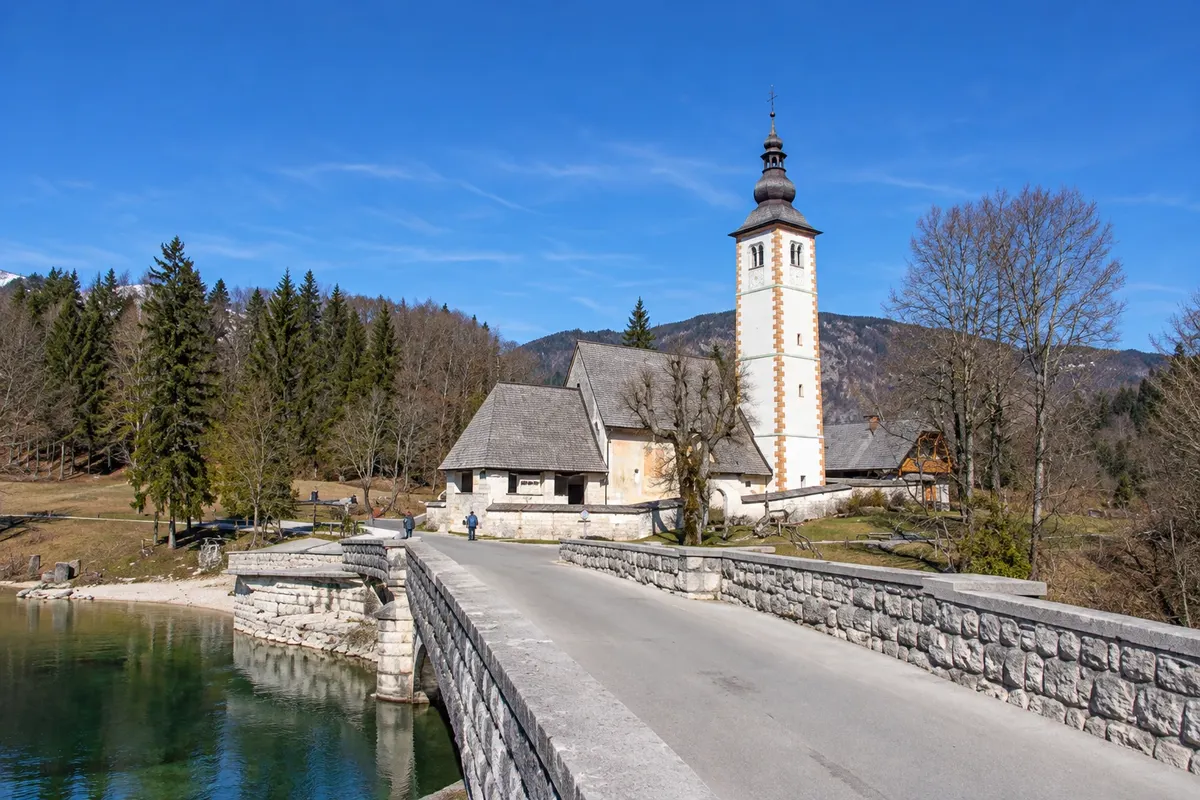
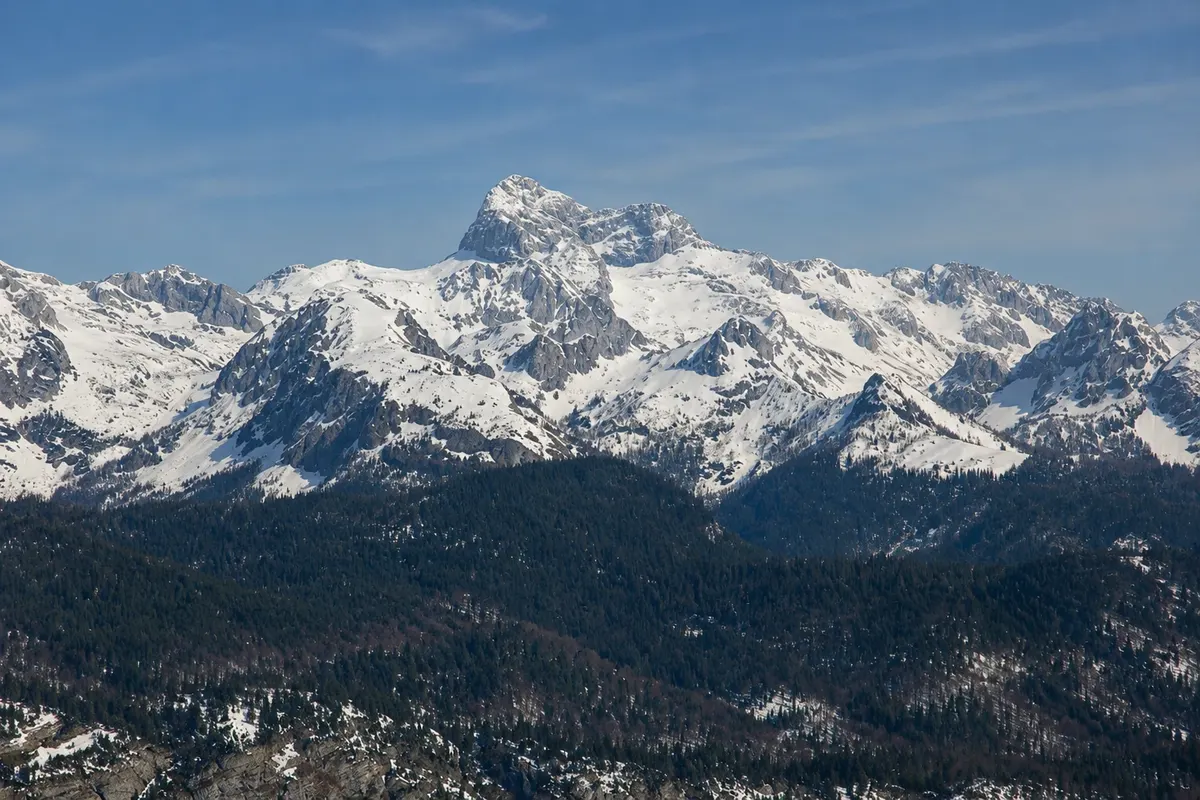
The Bohinj valley is about 28 km west of Bled, surrounded by the peaks of the Julian Alps and almost entirely within the protected area of Triglav National Park. At the bottom of the valley lies glacial Lake Bohinj, about 4 km long. There are no buildings on the shore and motorboats are not allowed: the water is used for swimming, rowing, and fishing.
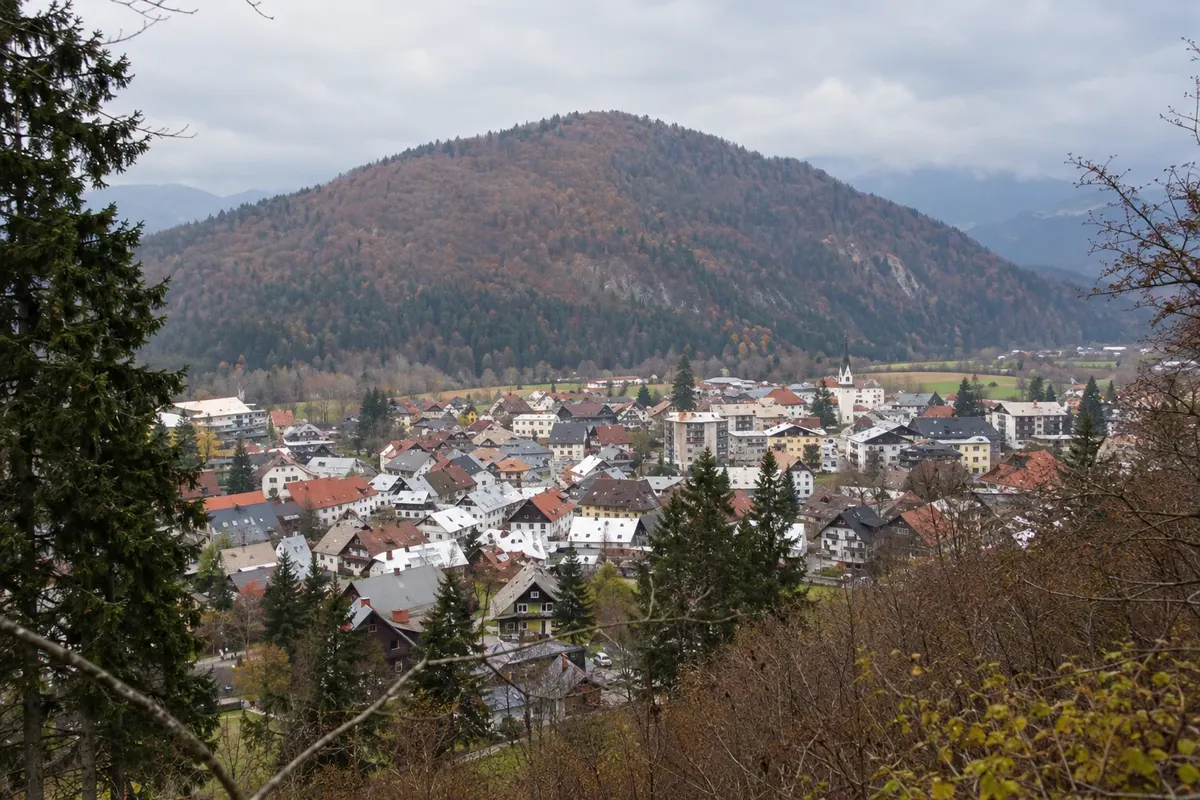
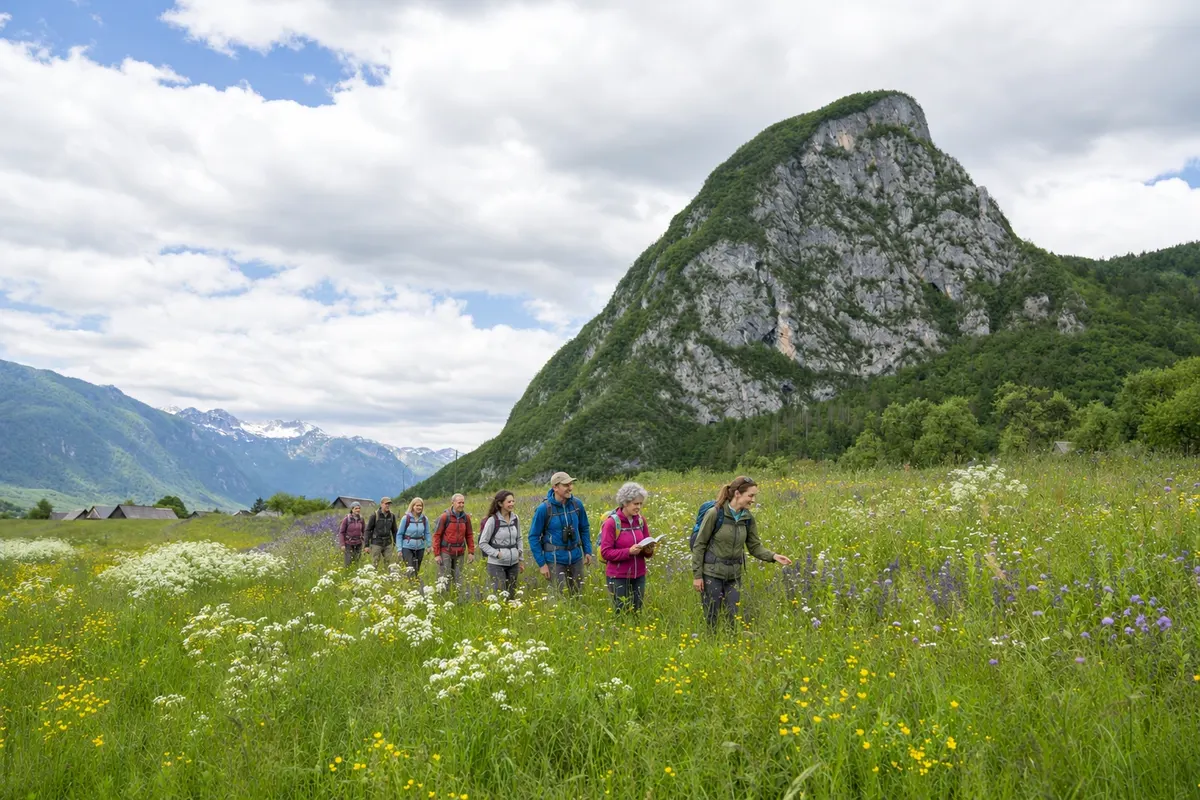
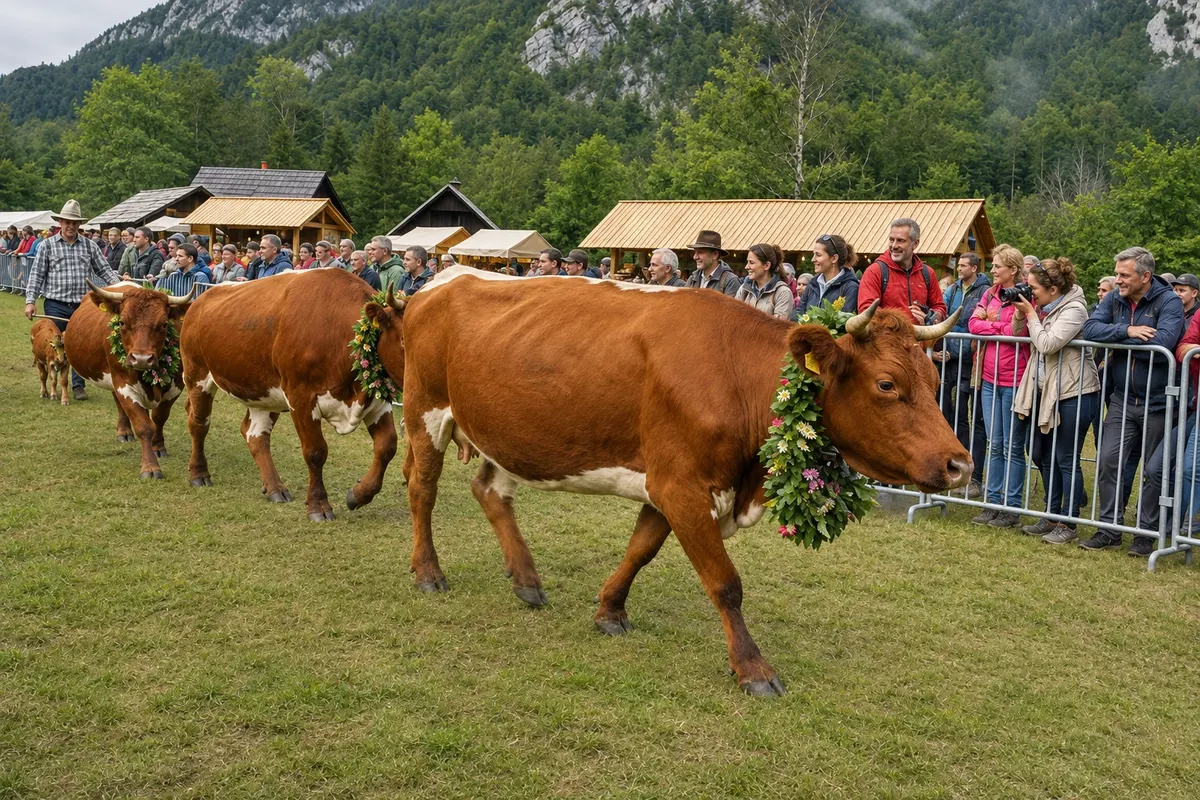
Bohinj is not a town but a municipality made up of villages scattered through the valley. Ribčev Laz, the village at the eastern tip where the river flows out of the lake, is the starting point for almost everything. Bohinjska Bistrica, the administrative center, is about 6 km downstream and has the Bohinj railway station. Stara Fužina, Studor, and Ukanc complete the valley, with stone houses, hay barns, and mountain pastures.
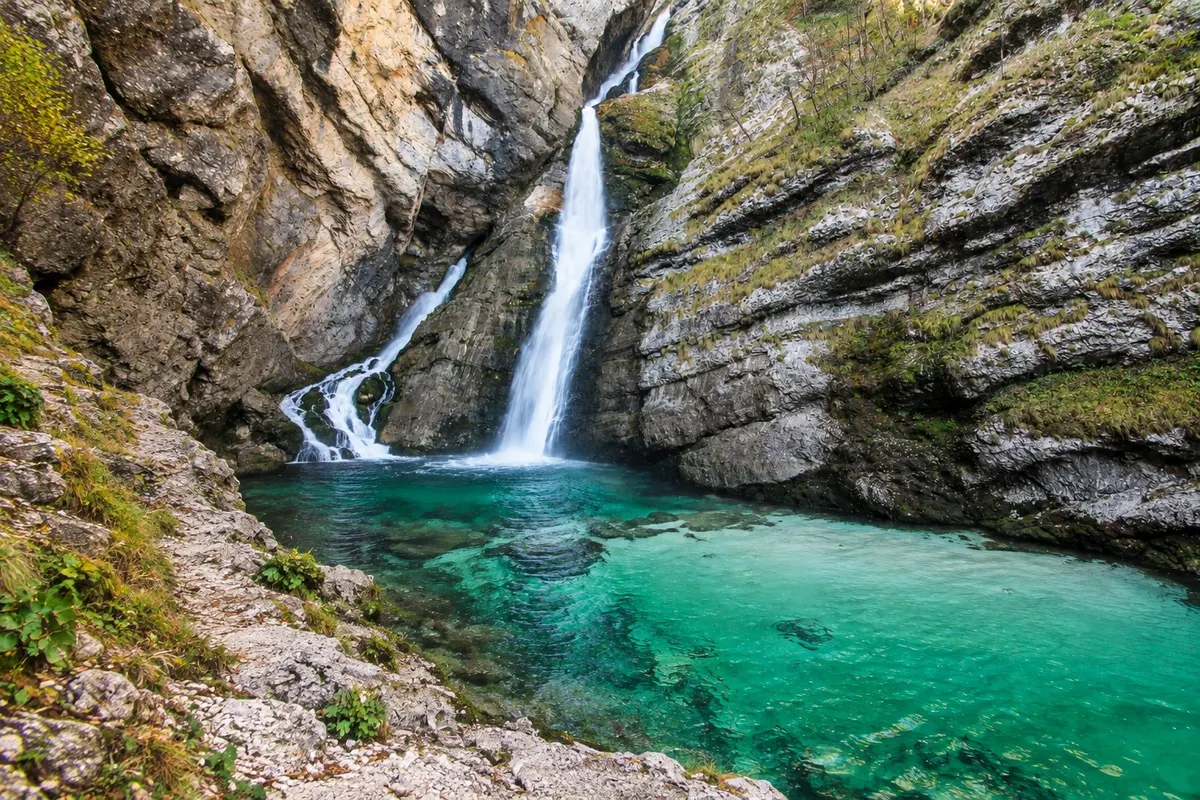
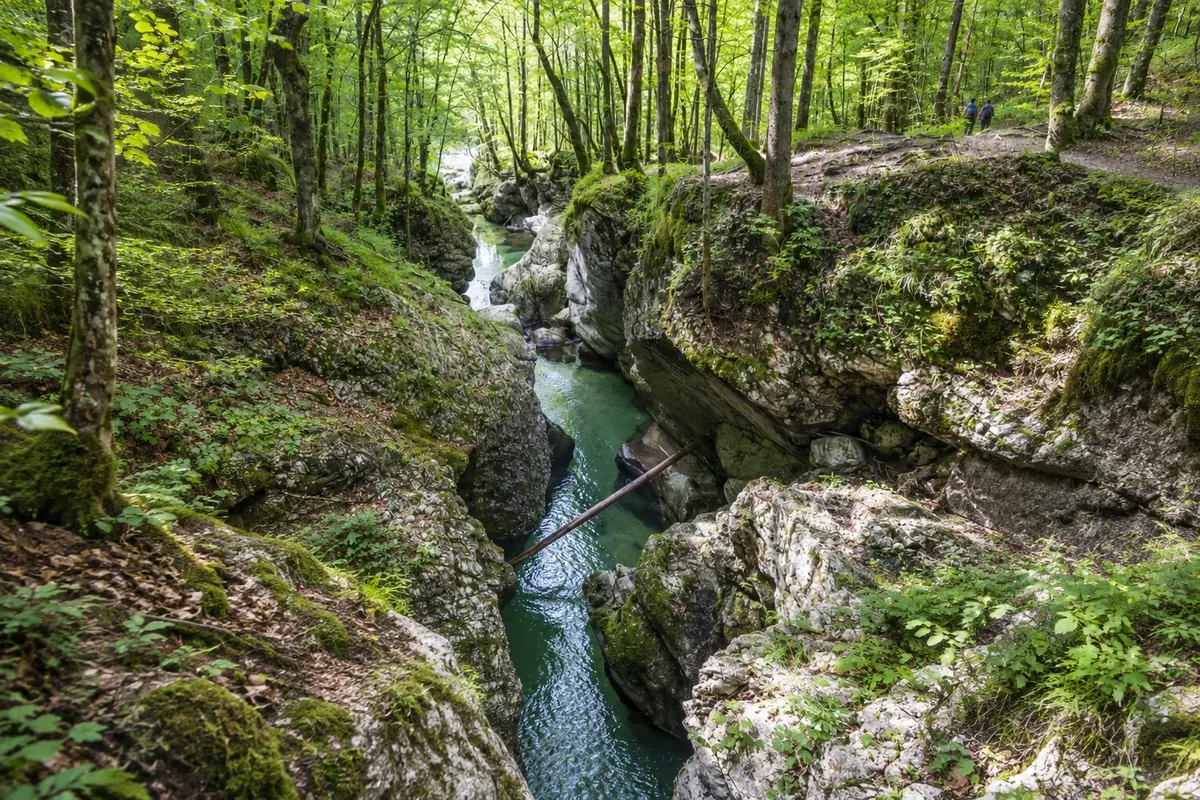
West of the lake, a staircase leads to the Savica waterfall, which springs from a rock source. On the south side, the Vogel cable car climbs above 1,500 meters, offering views of the lake and Triglav. Near Stara Fužina, the Mostnica stream has carved a narrow gorge that can be explored on footpaths.
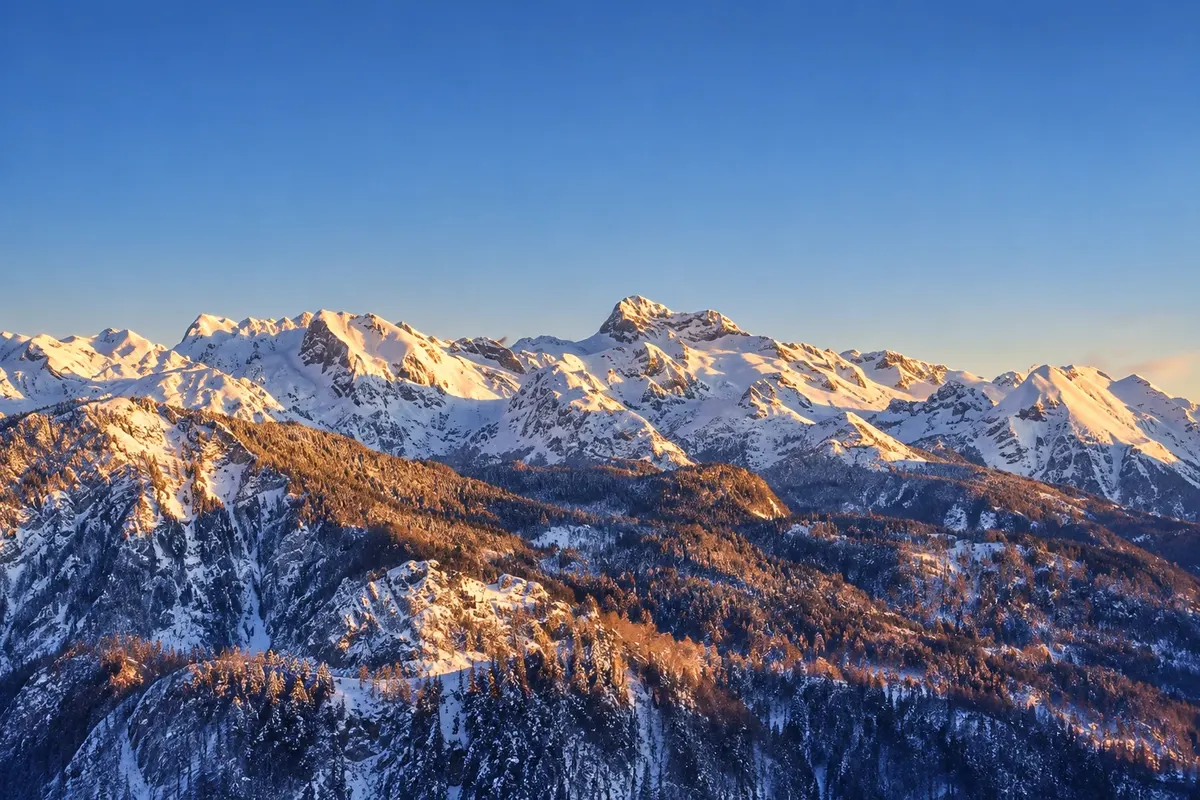
Triglav, the country’s highest point at 2,864 meters, appears on the national coat of arms and flag. The ascent to the summit usually takes two days with an overnight in a mountain hut and includes sections equipped with steel cables.
This destination brings together 2 cities: Ribčev Laz, Bohinjska Bistrica.


 Brazil
 Argentina
 Bolivia
 Chile
 Colombia
 Ecuador
 Guyana
 French Guiana
 Falkland Islands (Malvinas)
 Paraguay
 Peru
 Suriname
 Uruguay
 Venezuela
 Germany
 Austria
 Belgium
 Croatia
 Denmark
 Slovakia
 Spain
 Finland
 France
 Greece
 the Netherlands
 Hungary
 Ireland
 Iceland
 Italy
 Luxembourg
 Norway
 Poland
 Portugal
 the United Kingdom
 the Czech Republic
 Sweden
 Switzerland
 Turkey
 Canada
 the United States
 Mexico
 the Dominican Republic
 South Africa
 Australia
 Fiji
 New Zealand
 Papua New Guinea