Whitehorse

Yukon · Canada

Whitehorse

The capital of Yukon, on the banks of the Yukon River: the Gold Rush paddlewheel sternwheeler, Miles Canyon, northern wildlife and, from August to April, dark nights for the aurora borealis.

Northern Canada

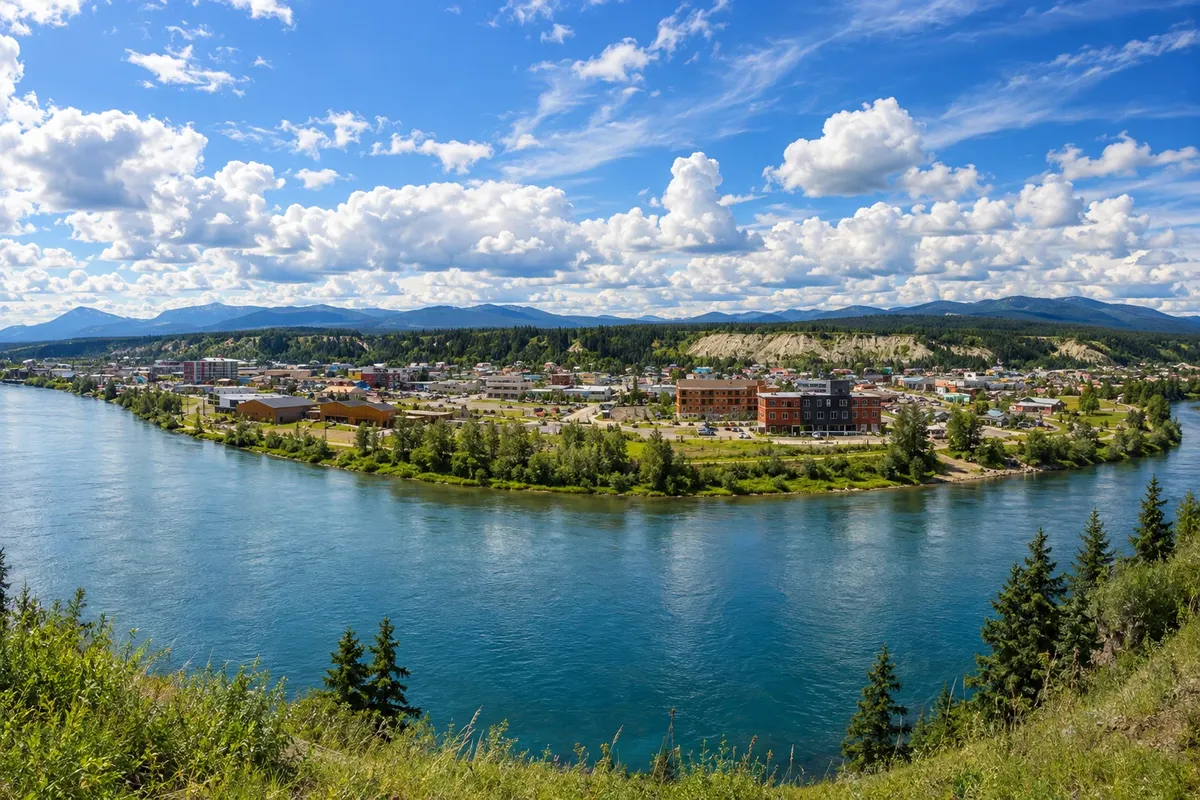
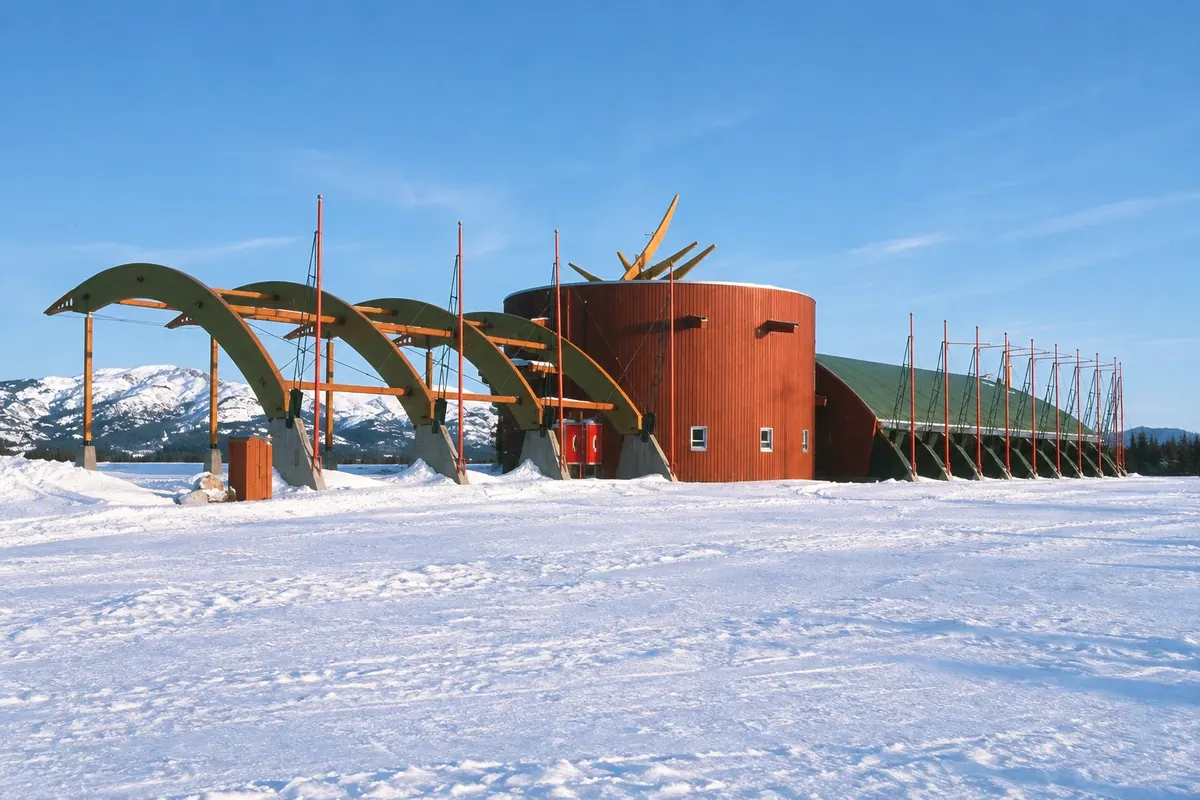
In the photo: Whitehorse on the banks of the Yukon River.

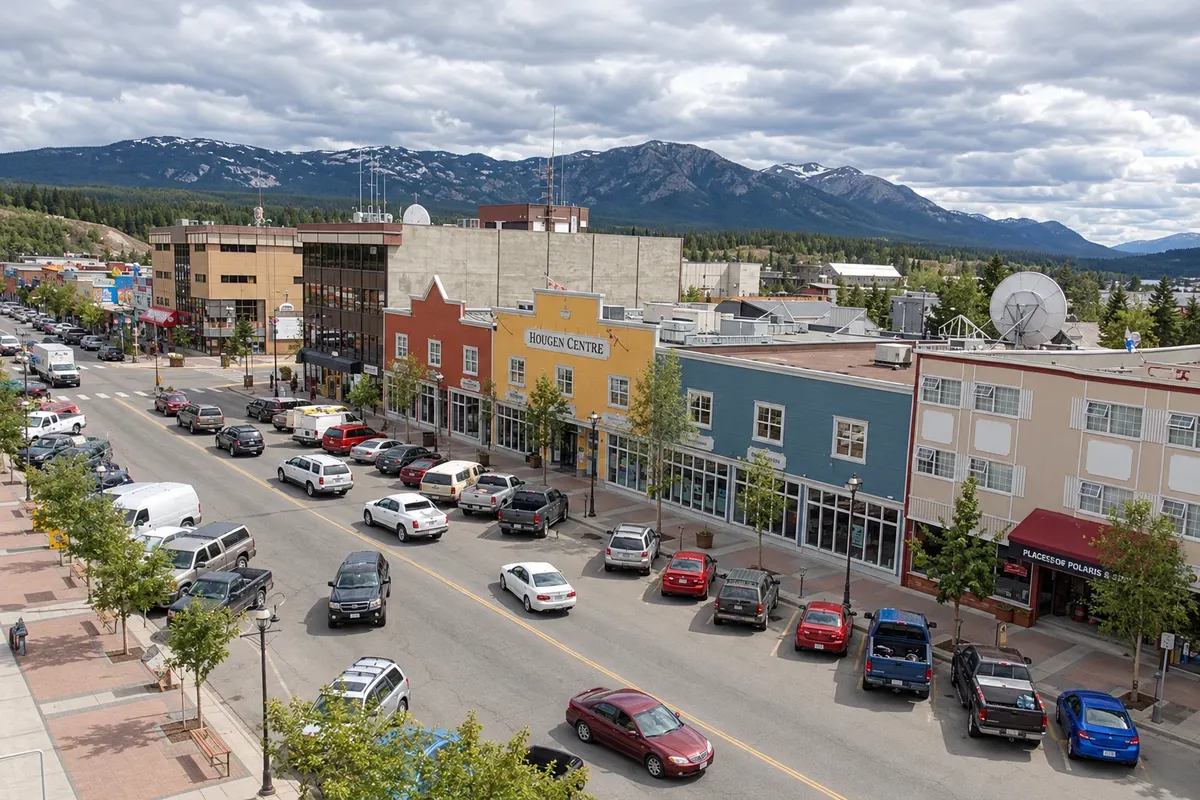
Illustrative images. The pictures in this guide are illustrations based on the real place, not photographs, and may differ from it.

Get it on Google Play Send your photos

Get to know the place

A region to enjoy
at your own pace.

Whitehorse is the capital and largest city of Yukon, a territory in northwest Canada bordering Alaska. It was born during the Klondike Gold Rush in the late 19th century as a point where prospectors exchanged the railway coming from the coast for boats that descended the Yukon River to Dawson City.

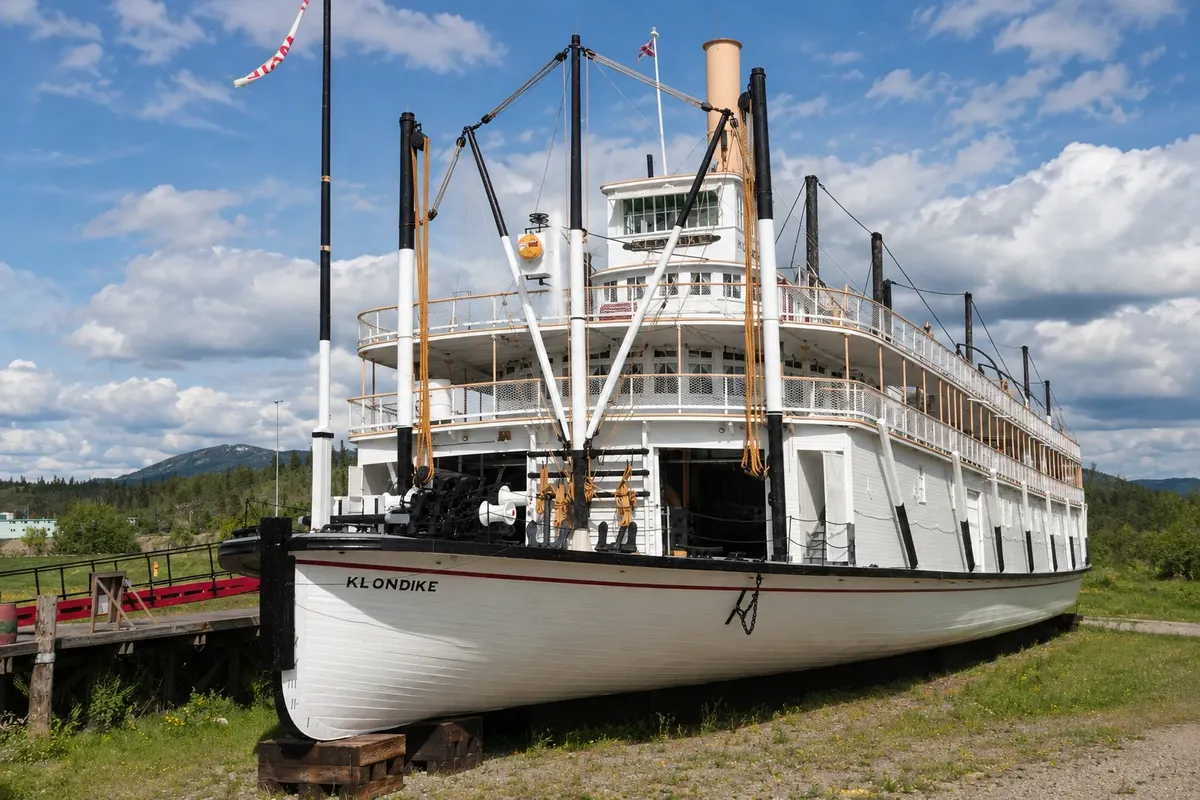
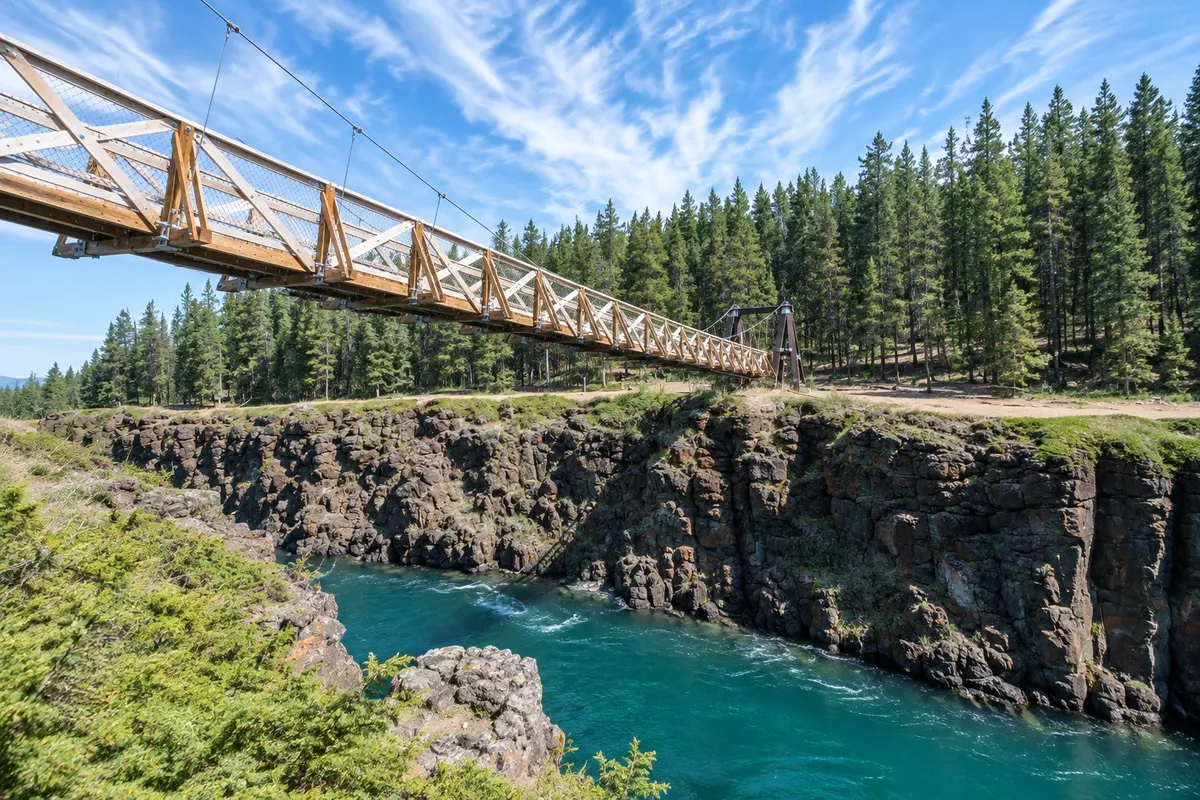
The river still runs through the center of town. On its bank sits the SS Klondike, one of the sternwheel steamers that made that journey, and to the south the river flows between basalt walls at Miles Canyon, with a pedestrian suspension bridge. Museums tell the history of Yukon’s Indigenous peoples, the gold rush and Beringia, the land that linked Asia and North America in the Ice Age.

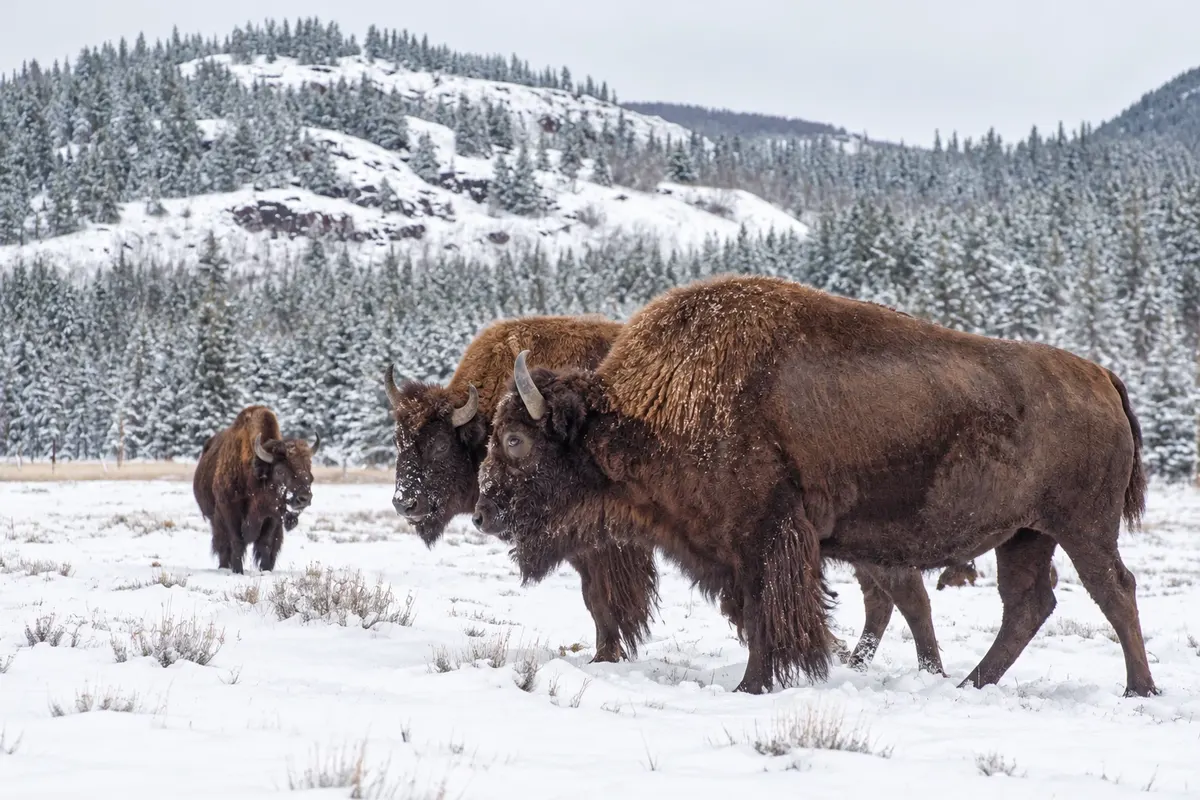
Around the city, boreal forests, lakes and mountains offer trails, canoeing and wildlife tours to see moose, wood bison, caribou and Dall sheep, with a wildlife reserve a few kilometers away. In summer the days are very long; from late August to April, dark nights and clear skies bring the chance to see the aurora borealis.

Whitehorse is the base for Yukon roads, such as the Klondike Highway to Dawson City and the Alaska Highway.

This destination brings together 1 city: Whitehorse.

Share: WhatsApp
Traveler, share your experiences through photos Up to 5 photos of each place you visited.

One destination, many paths

The cities on this trip

Start with one city or combine several in your itinerary.

Where Whitehorse is
Whitehorse

Boundaries: Statistics Canada (Statistics Canada Open Licence) / geoBoundaries. Adapted by Cidade Turismo.

How to get there: Whitehorse

✈ Erik Nielsen Whitehorse International Airport (YXY) · 5 km to Whitehorse

Erik Nielsen Whitehorse International Airport (YXY) receives flights from Vancouver, Calgary, Edmonton and other cities, and is about 5 km from downtown. By car, Whitehorse is on the Alaska Highway.

The local experience

Things to do in Whitehorse

SS Klondike
Whitehorse · Yukon · Historic site

SS Klondike

A paddlewheel sternwheeler that carried freight and passengers along the Yukon River between Whitehorse and Dawson City, now a national historic site on the riverbank.

Miles Canyon
Whitehorse · Yukon · Canyon

Miles Canyon

A basalt-walled canyon carved by the Yukon River south of Whitehorse, with a suspension footbridge and trails along the edges.

Yukon Beringia Interpretive Centre
Whitehorse · Yukon · Museum

Yukon Beringia Interpretive Centre

Museum about Beringia, the land bridge that connected Asia and America in the ice age, with replicas of mammoths, giant ground sloths and other regional animals.

Yukon Wildlife Preserve
Whitehorse · Yukon · Wildlife reserve

Yukon Wildlife Preserve

A reserve of about 280 hectares, 25 km from Whitehorse, with northern animals in large fenced areas of forest and meadow, such as wood bison, muskoxen and caribou.

Before you go

Practical information

A little planning leaves more time to enjoy the journey.

When to go

From June to August, with long, mild days, rivers, trails and museums open. From late August to April for the aurora borealis, with dark nights; from December to February the cold is intense, with temperatures that can drop well below −20 °C.

The seasons shown are the most usual ones; nature doesn't always follow the calendar.

How many days to stay

Three days: one for the city center and the SS Klondike, one for Miles Canyon and the wildlife reserve, and one for an excursion or, in winter, aurora nights.

Which city to stay in

The downtown area, between Main Street and the river, concentrates hotels, restaurants and museums within walking distance. For the aurora, there are lodgings and cabins outside the city, away from lights.

Respect the place

Take your trash with you, follow the signs and support local businesses. In natural areas, follow the visiting guidelines.

Get your questions answered

Frequently asked questions about Whitehorse

When to see the aurora borealis in Whitehorse?

Generally from late August to April, on dark, clear nights away from city lights.

How many days to stay in Whitehorse?

Three days for the city, Miles Canyon and the wildlife reserve; more nights to increase your chances of seeing the aurora in winter.

Do you need a car in Whitehorse?

Downtown is walkable; for Miles Canyon, the wildlife reserve and Yukon roads, a car or an organized tour is needed.

How cold is Whitehorse in winter?

Very cold, especially from December to February, with temperatures that can drop well below −20 °C. Bring clothing suitable for extreme cold.

What is Whitehorse’s time zone?

Yukon Time, fixed year-round: UTC−7.

Explore other destinations Search by state and city