St. John's (Canada)

Newfoundland and Labrador · Canada

St. John's (Canada)

The capital of Newfoundland, with colorful houses on slopes above the harbour, Signal Hill, Cape Spear and, in season, icebergs, whales and puffins nearby.

Atlantic Canada

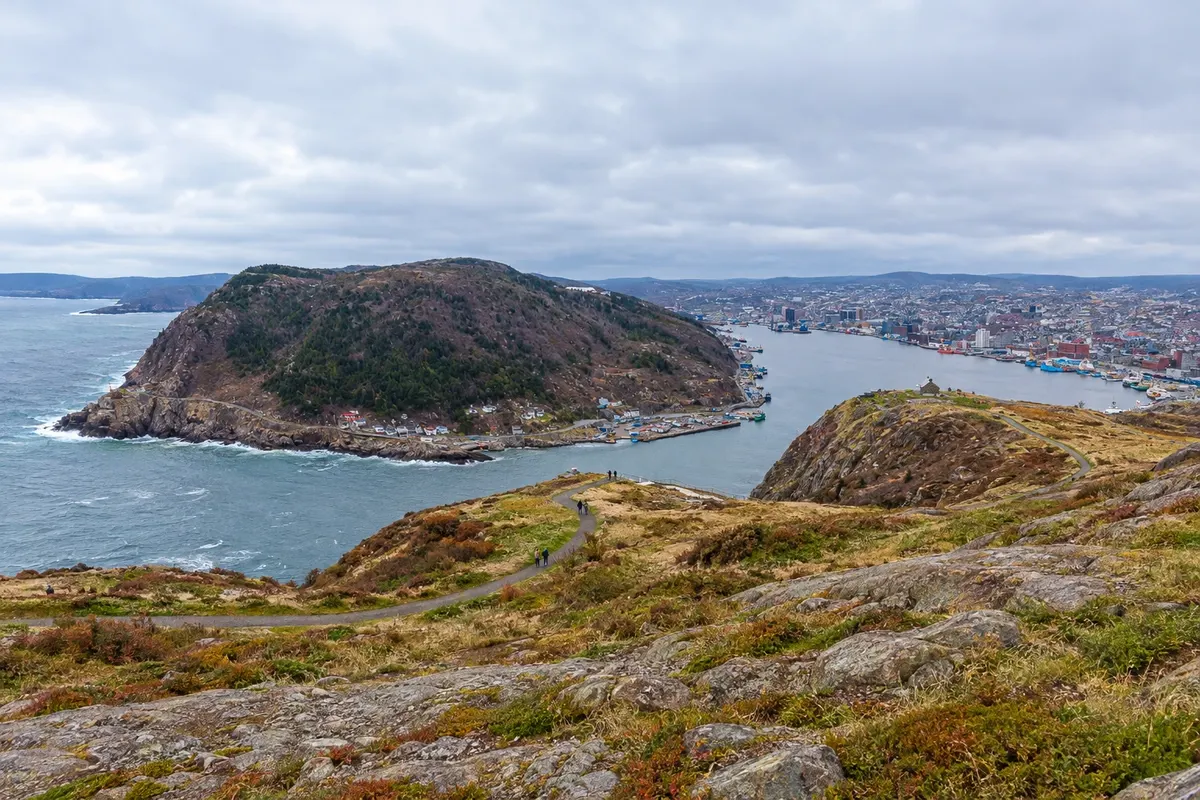
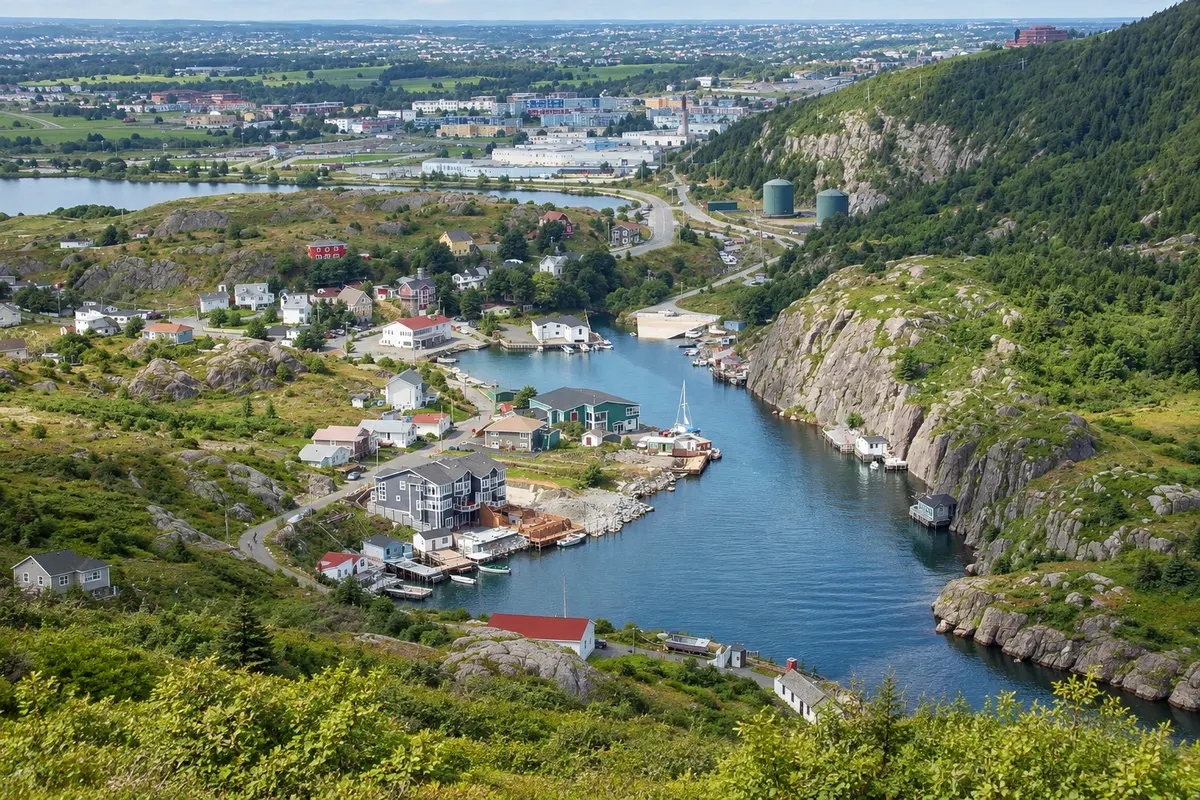
In the photo: The entrance to St. John's harbour seen from Signal Hill.

Illustrative images. The pictures in this guide are illustrations based on the real place, not photographs, and may differ from it.

Get it on Google Play Send your photos

Get to know the place

A region to enjoy
at your own pace.

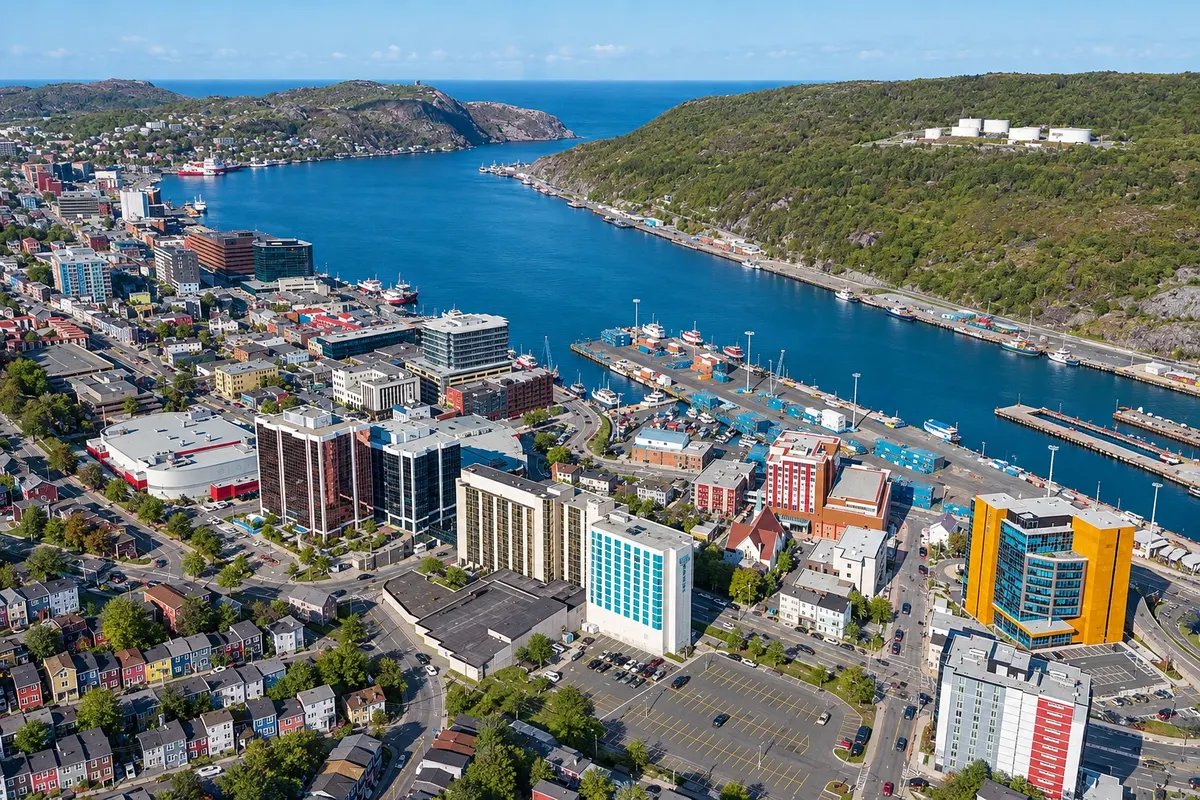
St. John's, capital of the province of Newfoundland and Labrador, sits at the eastern tip of North America in a narrow Atlantic cove protected by cliffs. It is one of the oldest European-settled cities on the continent, with a harbour used by fishers since the 16th century.

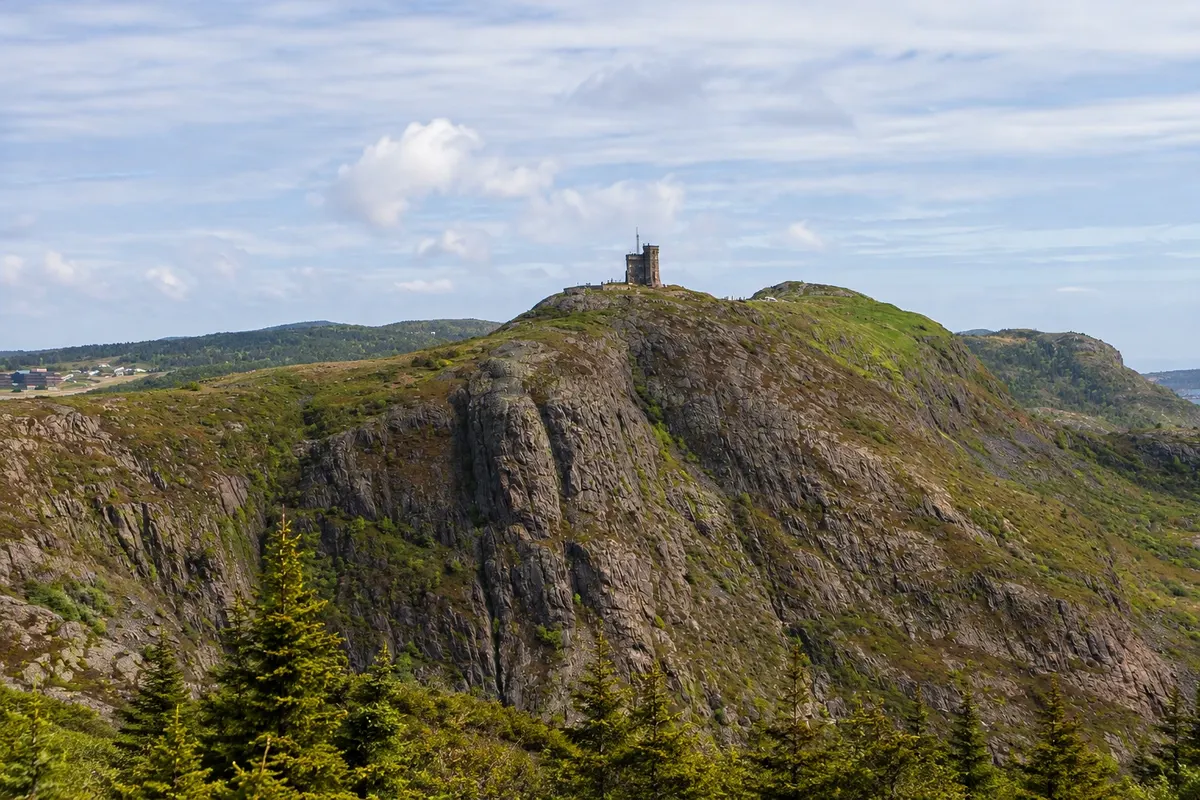
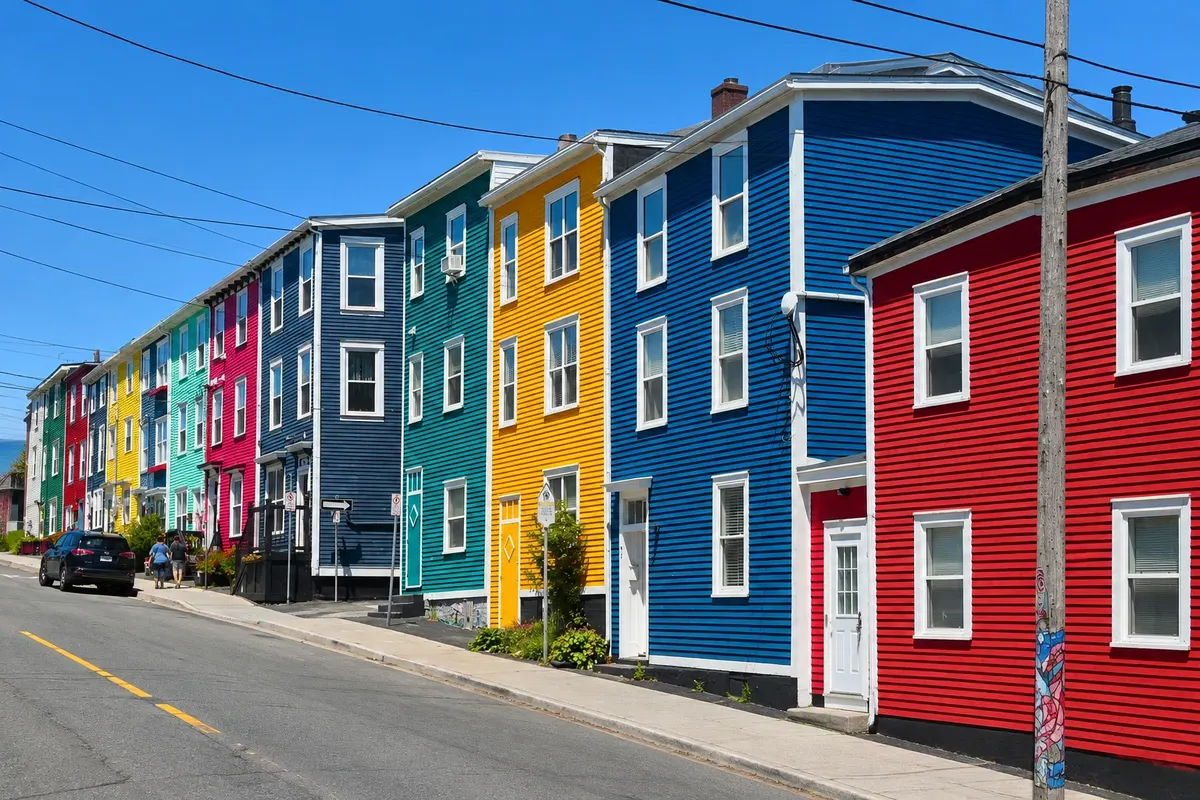
The downtown climbs in slopes from the harbour, with wooden houses painted in bright colors, the Jellybean Row, pubs with traditional music and The Rooms museum on the heights. At the harbour entrance is Signal Hill, a hill with Cabot Tower where Guglielmo Marconi received the first transatlantic radio signal in 1901.

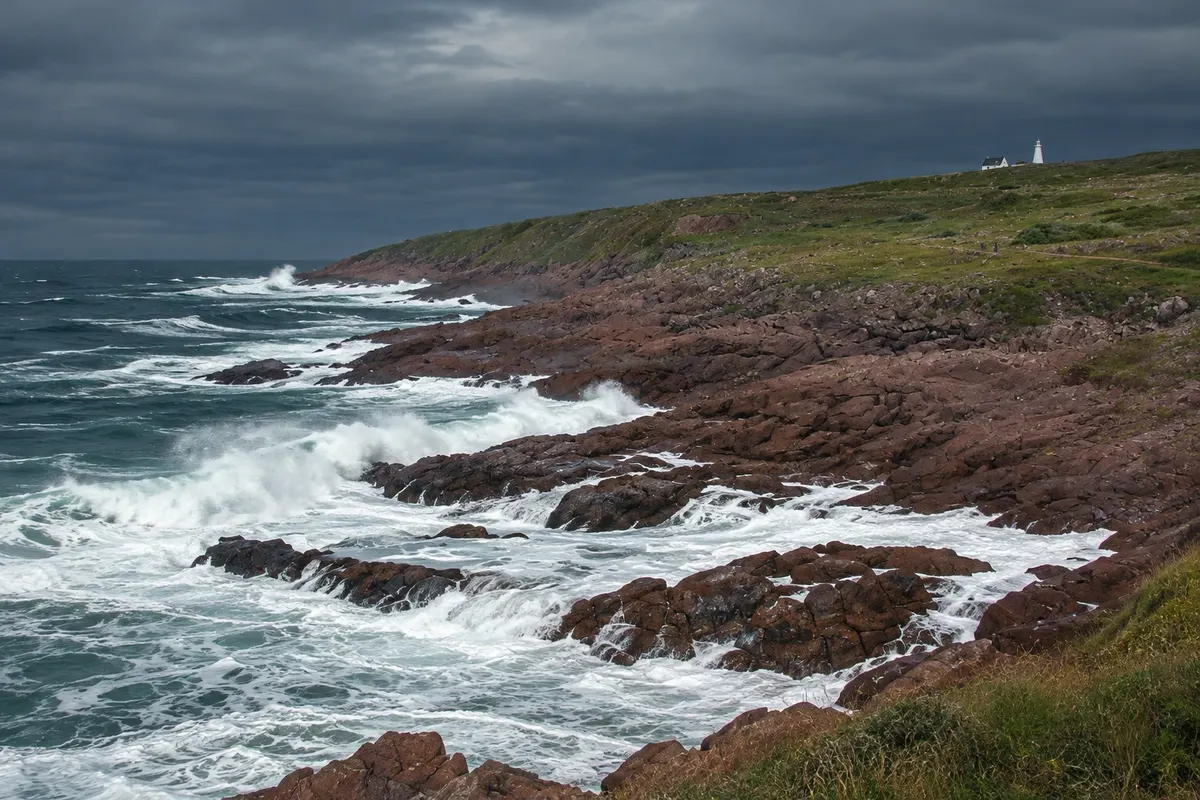
Near the city, Cape Spear marks the easternmost point of North America, with a 19th-century lighthouse. To the south, the Witless Bay Ecological Reserve hosts large seabird colonies, including puffins. In spring, icebergs from Greenland often pass along the coast, and in summer humpback whales come close to feed.

The city has a distinct accent and vocabulary, a legacy of Irish immigrants and settlers from southwest England.

This destination brings together 1 city: St. John's.

Share: WhatsApp
Traveler, share your experiences through photos Up to 5 photos of each place you visited.

One destination, many paths

The cities on this trip

Start with one city or combine several in your itinerary.

Where St. John's (Canada) is
St. John's

Boundaries: Statistics Canada (Statistics Canada Open Licence) / geoBoundaries. Adapted by Cidade Turismo.

How to get there: St. John's (Canada)

✈ St. John's International Airport (YYT) · 8 km to St. John's

St. John's International Airport (YYT) receives flights from Canadian cities and some from Europe. By road, the city sits at the end of the Trans-Canada Highway; Marine Atlantic ferries connect Nova Scotia to the island of Newfoundland.

The local experience

Things to do in St. John's (Canada)

Signal Hill
St. John's · Newfoundland and Labrador · Historic site

Signal Hill

Hill at the entrance to St. John's harbour, with Cabot Tower (1900), gun batteries and trails; there Marconi received the first transatlantic radio signal in 1901.

Cape Spear
St. John's · Newfoundland and Labrador · Lighthouse

Cape Spear

Easternmost point of North America, 15 km from St. John's, with the 1836 lighthouse, the oldest remaining in Newfoundland, and World War II batteries.

The Rooms
St. John's · Newfoundland and Labrador · Museum

The Rooms

The provincial museum, art gallery and archives of Newfoundland and Labrador, in a building atop downtown St. John's with large windows over the harbour.

Jellybean Row
St. John's · Newfoundland and Labrador · Historic neighbourhood

Jellybean Row

Rows of wooden terraced houses painted in bright colors on the slopes of downtown St. John's, such as Gower Street, Queen's Road and Duckworth Street.

See 2 more places in St. John's (Canada)
Quidi Vidi
St. John's · Newfoundland and Labrador · Fishing village

Quidi Vidi

A fishing village inside St. John's, in a narrow harbour between rocks, with wooden sheds, artisan studios and a lake used in the oldest regatta in North America.

Witless Bay Ecological Reserve
St. John's · Newfoundland and Labrador · Nature reserve

Witless Bay Ecological Reserve

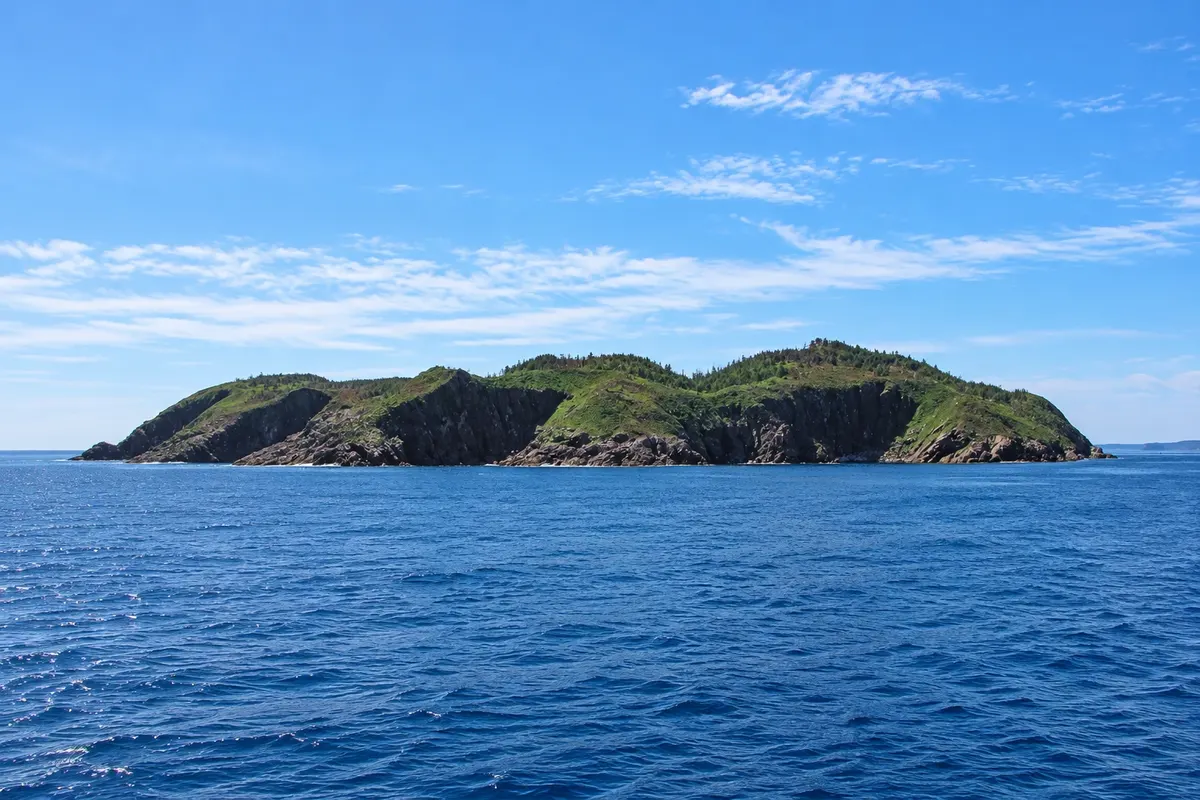
Four islands south of St. John's with large seabird colonies, including puffins and murres, seen by boat from Bay Bulls and Witless Bay.

Before you go

Practical information

A little planning leaves more time to enjoy the journey.

When to go

From June to September, with milder days, for boats and trails. Icebergs usually pass from April to June; puffins stay on the islands from May to August; whales usually appear from June to August. Fog and wind are common at any time of year.

The seasons shown are the most usual ones; nature doesn't always follow the calendar.

How many days to stay

Three days: one for downtown and Signal Hill, one for Cape Spear and Quidi Vidi, and one for the boat trip in Witless Bay.

Which city to stay in

The downtown, between Water Street and Duckworth Street, puts the harbour, pubs and The Rooms within walking distance, with hills. Streets above downtown have guesthouses in old houses. Neighbourhoods near the airport and commercial avenues are more practical if you have a car.

Respect the place

Take your trash with you, follow the signs and support local businesses. In natural areas, follow the visiting guidelines.

Get your questions answered

Frequently asked questions about St. John's (Canada)

When to see icebergs in St. John's?

The season usually runs from April to June, when icebergs from Greenland pass along the coast. The number varies greatly from year to year.

Where to see puffins near St. John's?

At the Witless Bay Ecological Reserve, about 30 km to the south, on boat trips from May to August.

How many days to stay in St. John's?

Three days for downtown, Signal Hill, Cape Spear, Quidi Vidi and a boat trip.

Do you need a car in St. John's?

Downtown is walkable, with hills. For Cape Spear and Witless Bay, a car, taxi or organised tour is needed.

What time zone is St. John's in?

Newfoundland Time: UTC−3:30, and UTC−2:30 from March to November.

Explore other destinations Search by state and city