TGV Paris–Barcelona
By train from Paris to Barcelona, crossing southern France and the Pyrenees, with stops in Figueres and Girona: from central station to central station in about six and a half hours.
Antarctica
Routes, destinations and cities in Spain, with things to do, when to go and how to get there.
5 routes 24 destinations 16 autonomous communities 63 cities
Across Cidade Turismo: 53 countries · 101 routes · 925 destinations · 2,317 cities
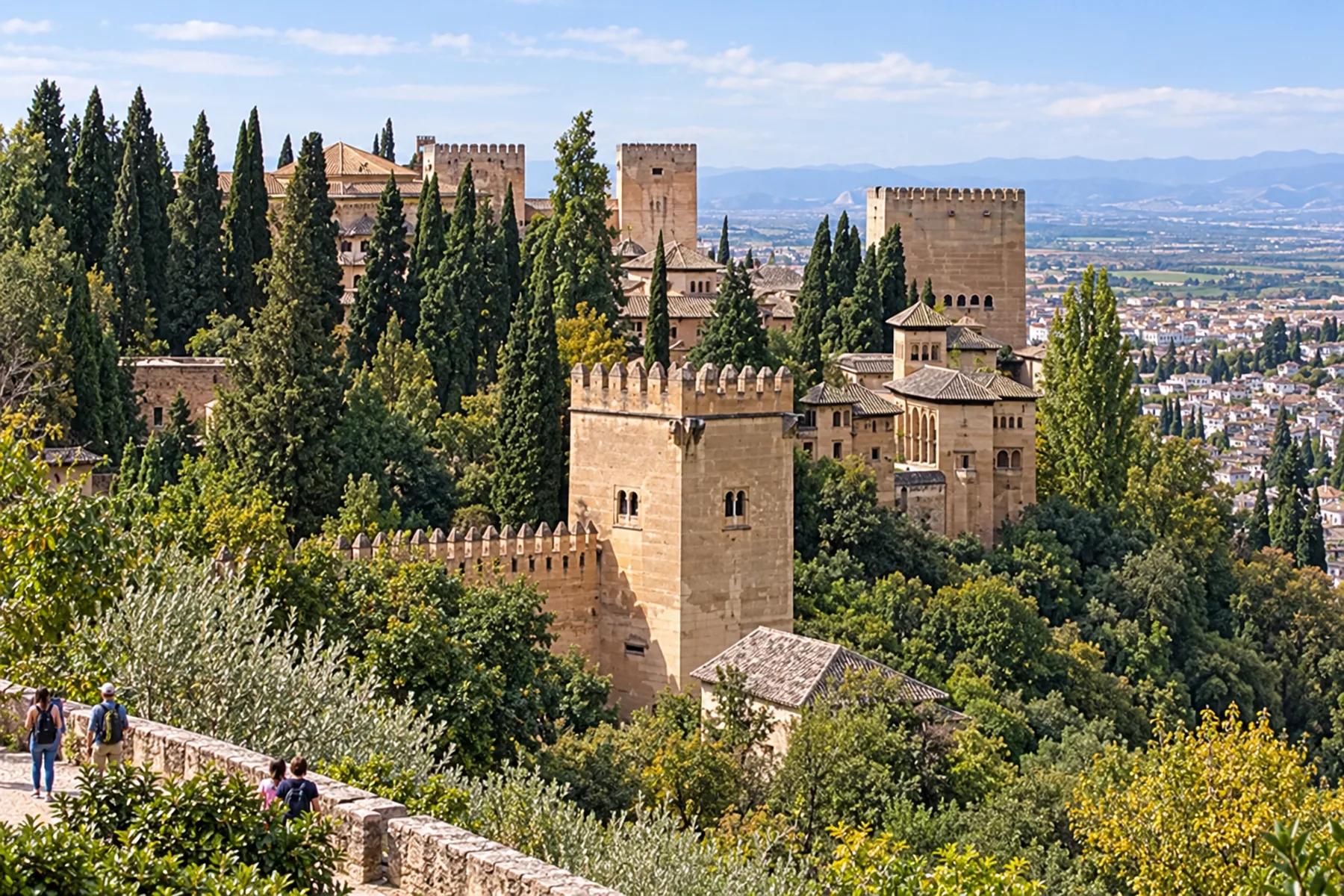
In the photo: Alhambra — Granada
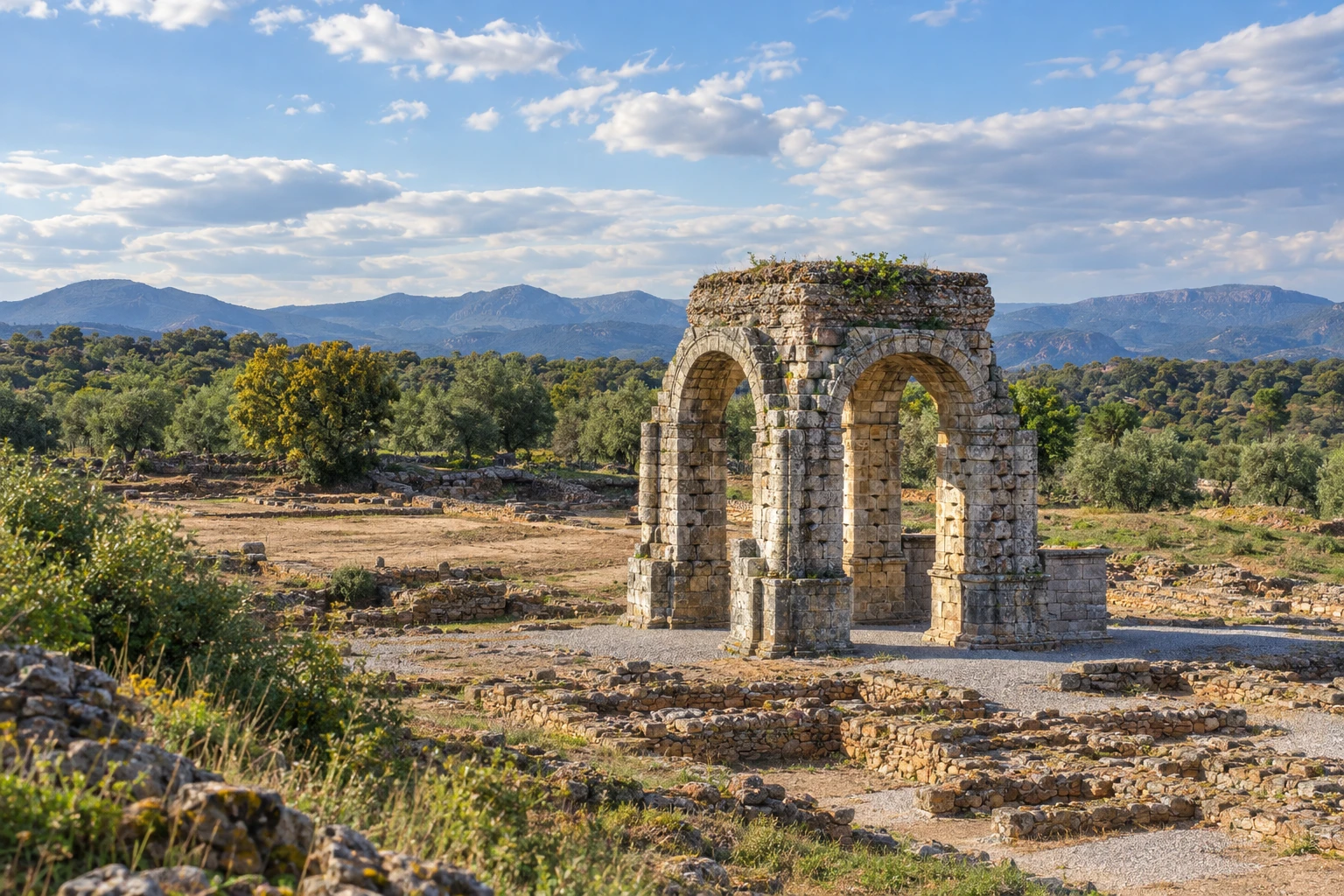
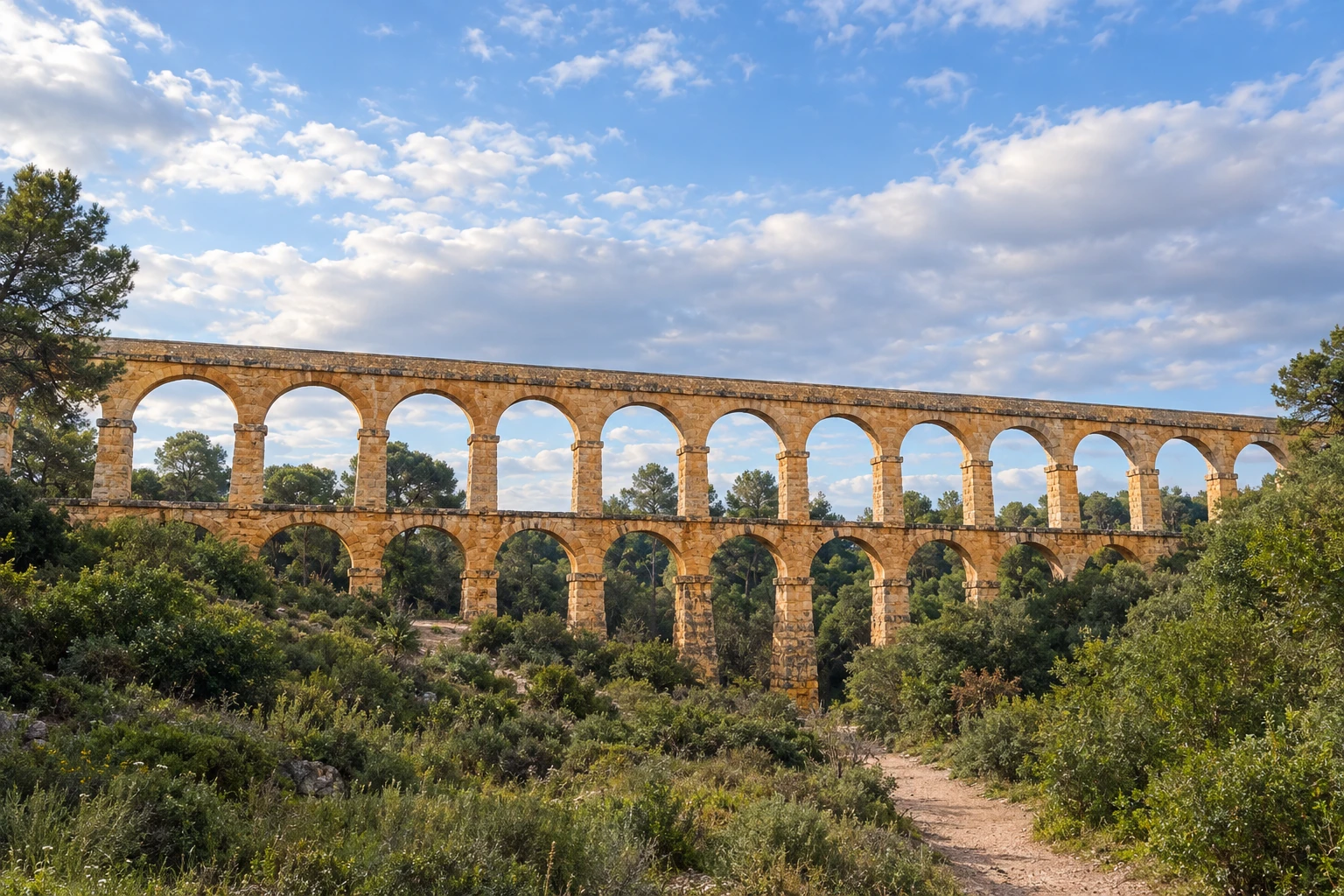
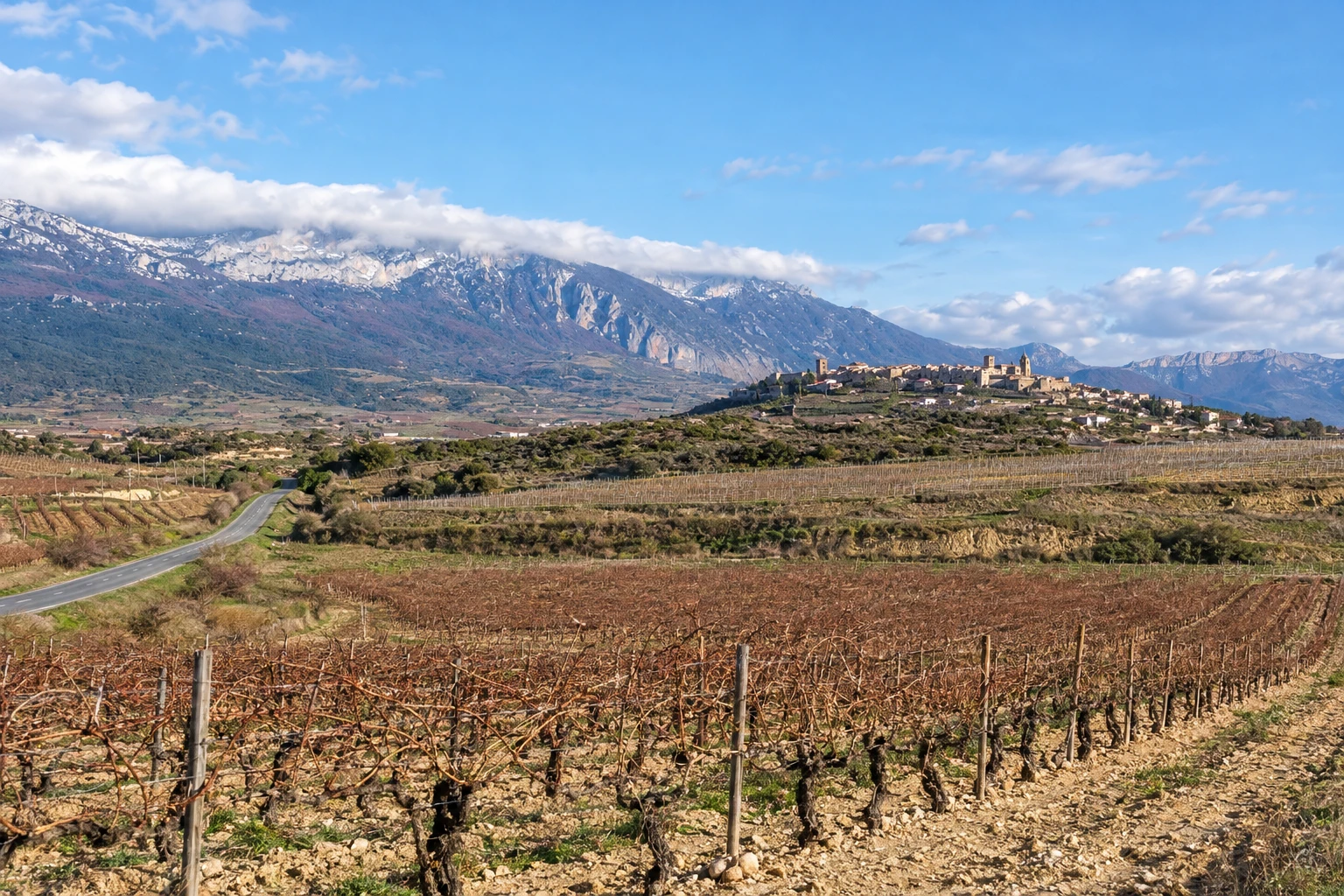
Illustrative images. The pictures in this guide are illustrations based on the real place, not photographs, and may differ from it.
The guide
Madrid’s museums, Gaudí’s architecture in Barcelona, Granada’s Alhambra, Seville and Andalusia, the Camino de Santiago and the Balearic and Canary Islands. High-speed trains link the major cities in a few hours, and the Spanish day usually ends late, with dinner after nine. Choose where to begin: each destination shows what to do, the best time to go and how to get there.
The guide has three ways in, so you can start wherever you like: routes, which link towns along one journey; destinations, which are the tourist regions; and the autonomous communities, with the main cities in each one.
The texts are written from official tourism sources, such as national and regional tourism offices, national parks and city halls, and new cities and routes keep being added to the guide.
About Cidade Turismo: who we are and how the guide is made →

Cross-border routes
Journeys that cross borders, with the map, the cities in each country, the itineraries and what changes from one side to the other.
By train from Paris to Barcelona, crossing southern France and the Pyrenees, with stops in Figueres and Girona: from central station to central station in about six and a half hours.
On foot from Portugal to Santiago de Compostela: the pilgrimage route that starts in Lisbon or Porto, follows yellow arrows and ends at Obradoiro Square.
By car between the two capitals of the peninsula: the Alentejo around Évora, Roman Mérida and medieval Cáceres on the route from Lisbon to Madrid.
From Porto to Galicia by train: the Celta crosses the Minho to Vigo, and a regional train takes you to Santiago de Compostela in about an hour.
The most travelled pilgrimage route to Santiago de Compostela: from the French Pyrenees to Galicia, on foot, via Pamplona, Burgos and León, following the yellow arrows.
The Camino de Santiago along the Atlantic: from Porto to Galicia via the coast, through Vila do Conde, Viana do Castelo, A Guarda, Baiona and Vigo, ending at Santiago Cathedral.
5 routes + cross-border routes
Tourist journeys linking cities and destinations. Each route has a map, legs, how many days and the best time to go.
See the routes24 destinations
The tourist regions in Spain, each with its towns: things to do, when to go and how to get there.
See the destinations63 cities in 16 autonomous communities
The guide by autonomous community: each one with its destinations, cities and routes, and each city with its attractions.
See autonomous communities and cities34 flavors
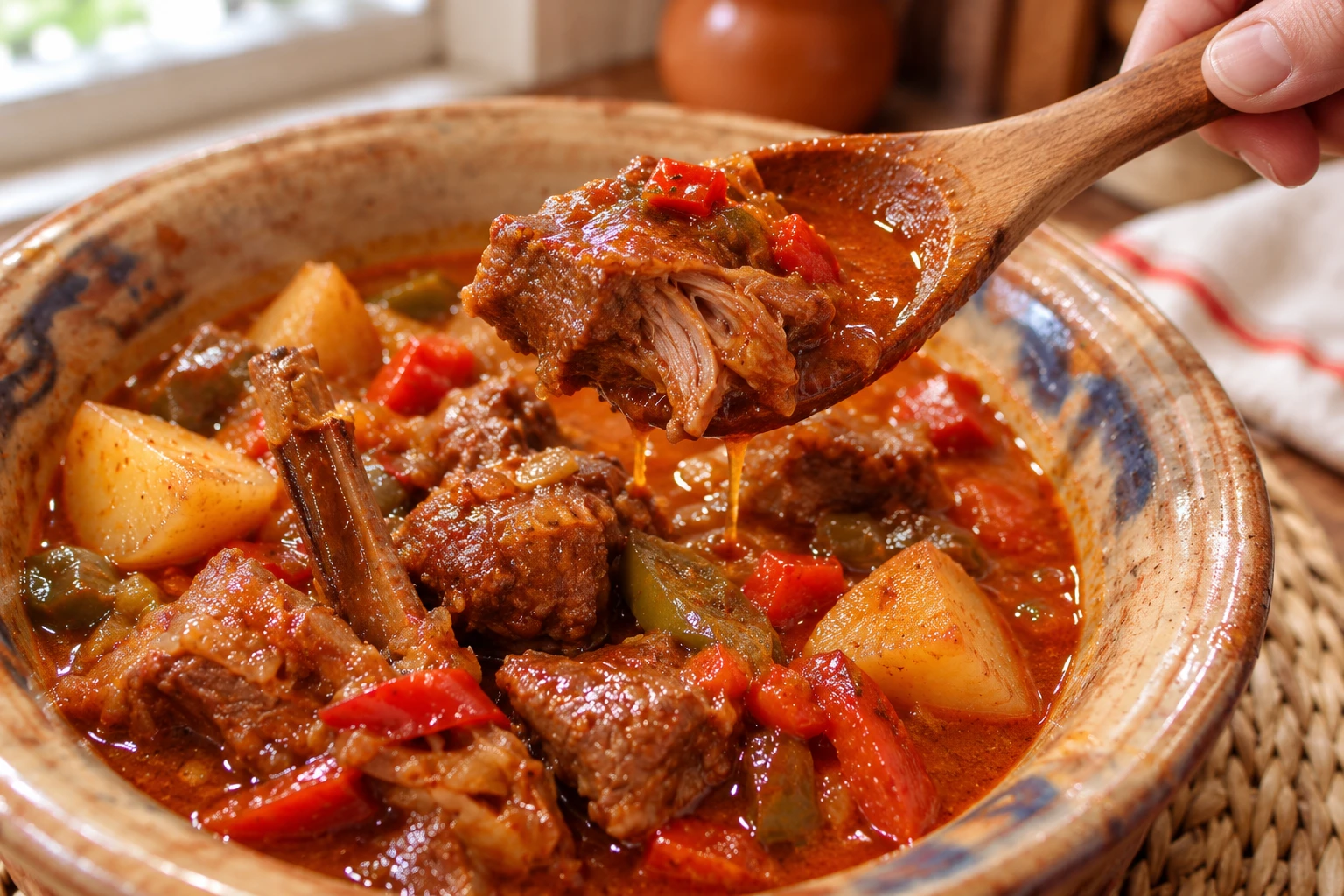
Dishes, sweets and drinks that were born in cities and communities of Spain: mountain stews, garden rice dishes, coastal fish and sweets from convents and pastry shops.
See the flavors19 festivals and events
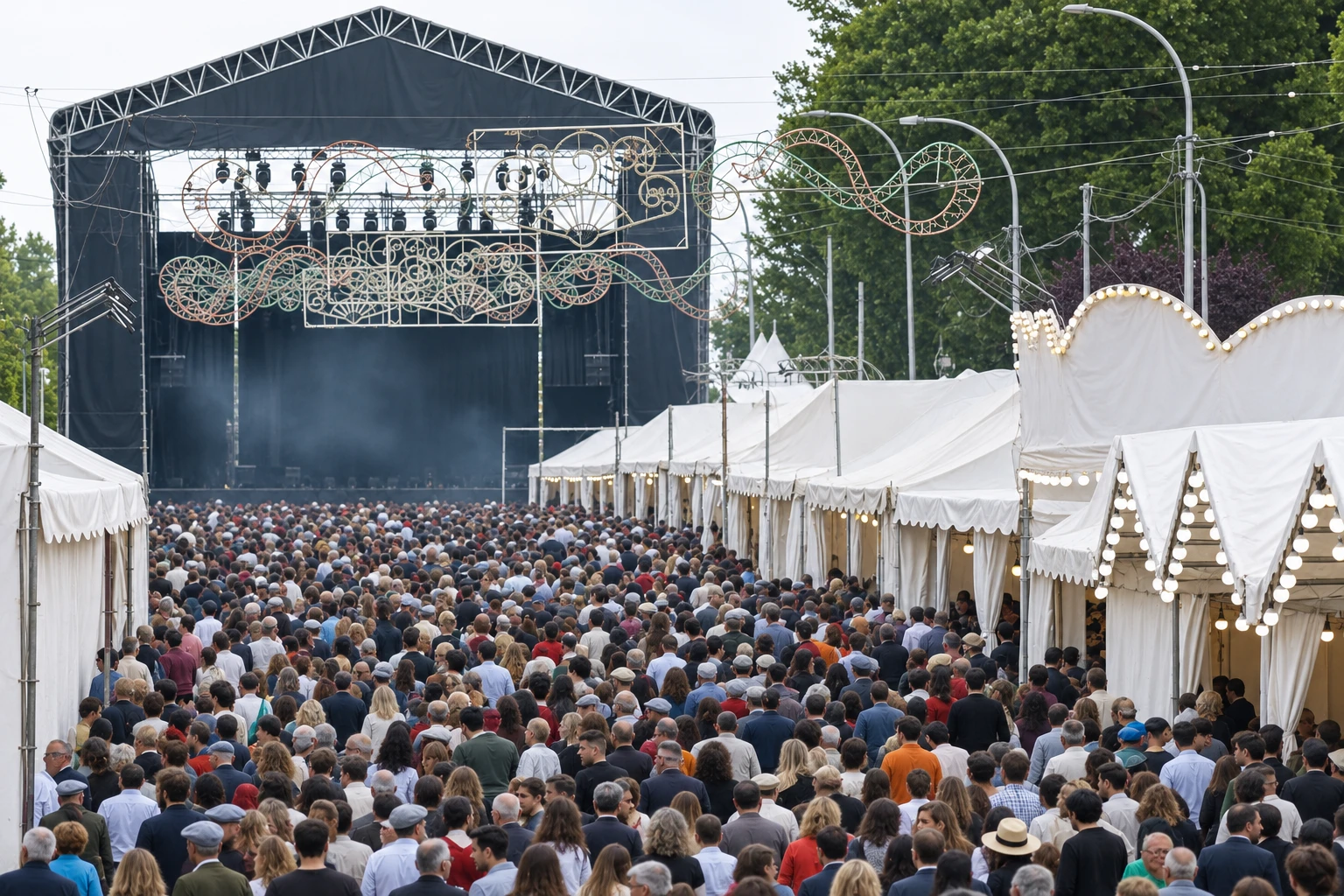
Carnivals in February, Fallas in March, Holy Week processions and spring fairs, street festivals in summer: Spain’s festival year runs through big and small towns, each with its own calendar.
See the calendarThe map
Tap a region to see the names. Use two fingers to zoom in.
Outlines: IGN/CNIG, unidades administrativas, CC BY 4.0. Adapted by Cidade Turismo.
Where to start
Six cities from the guide, changing every day.

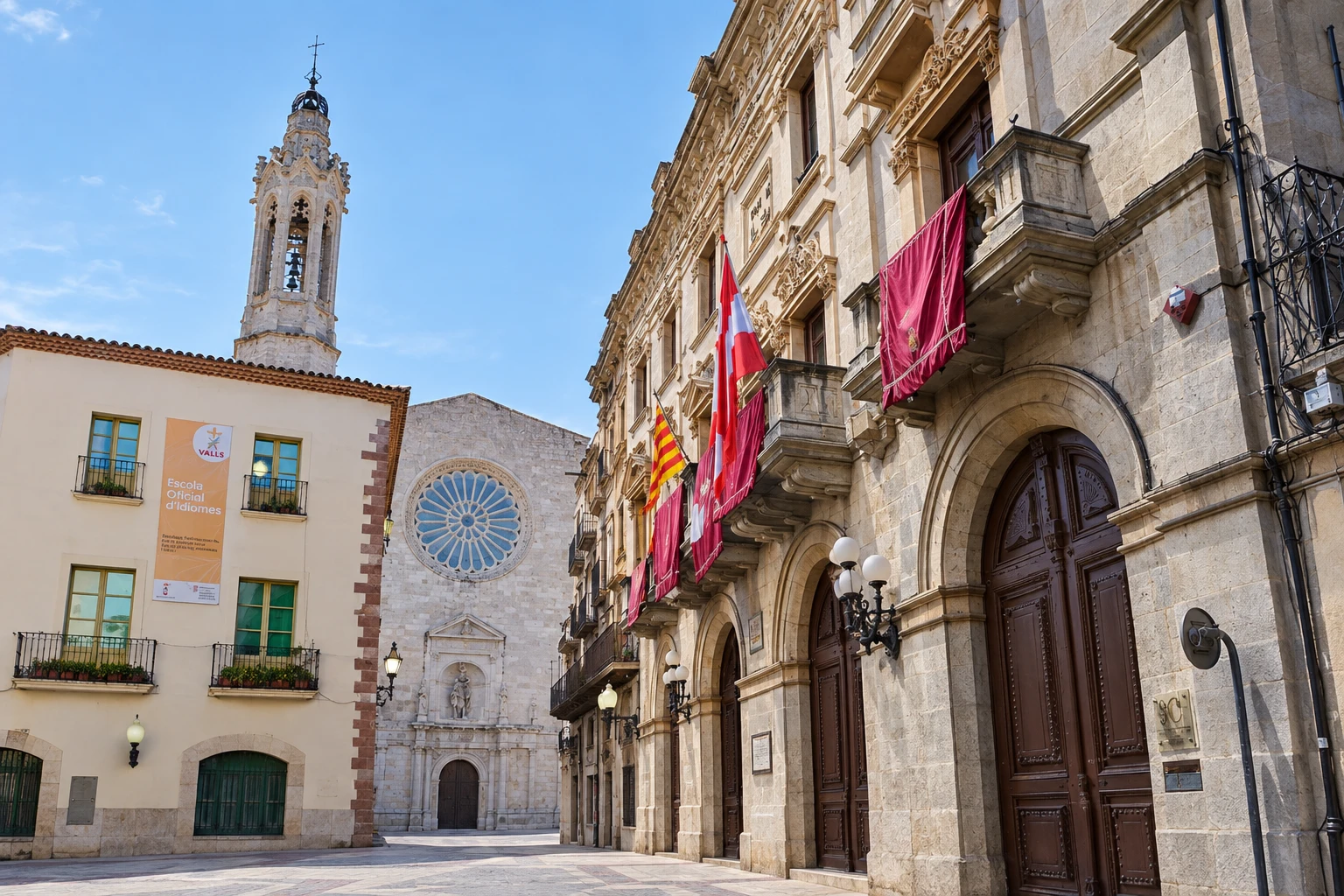
Capital of the Alt Camp comarca, inland in the province of Tarragona. The Plaça del Blat, in the historic center, is regarded as the zero kilometer of the castells, the Catalan human towers, and the Museu Casteller de Catalunya is next to it. The church of Sant Joan Baptista has the tallest bell tower in Catalonia. Valls is also the birthplace of the calçotada.

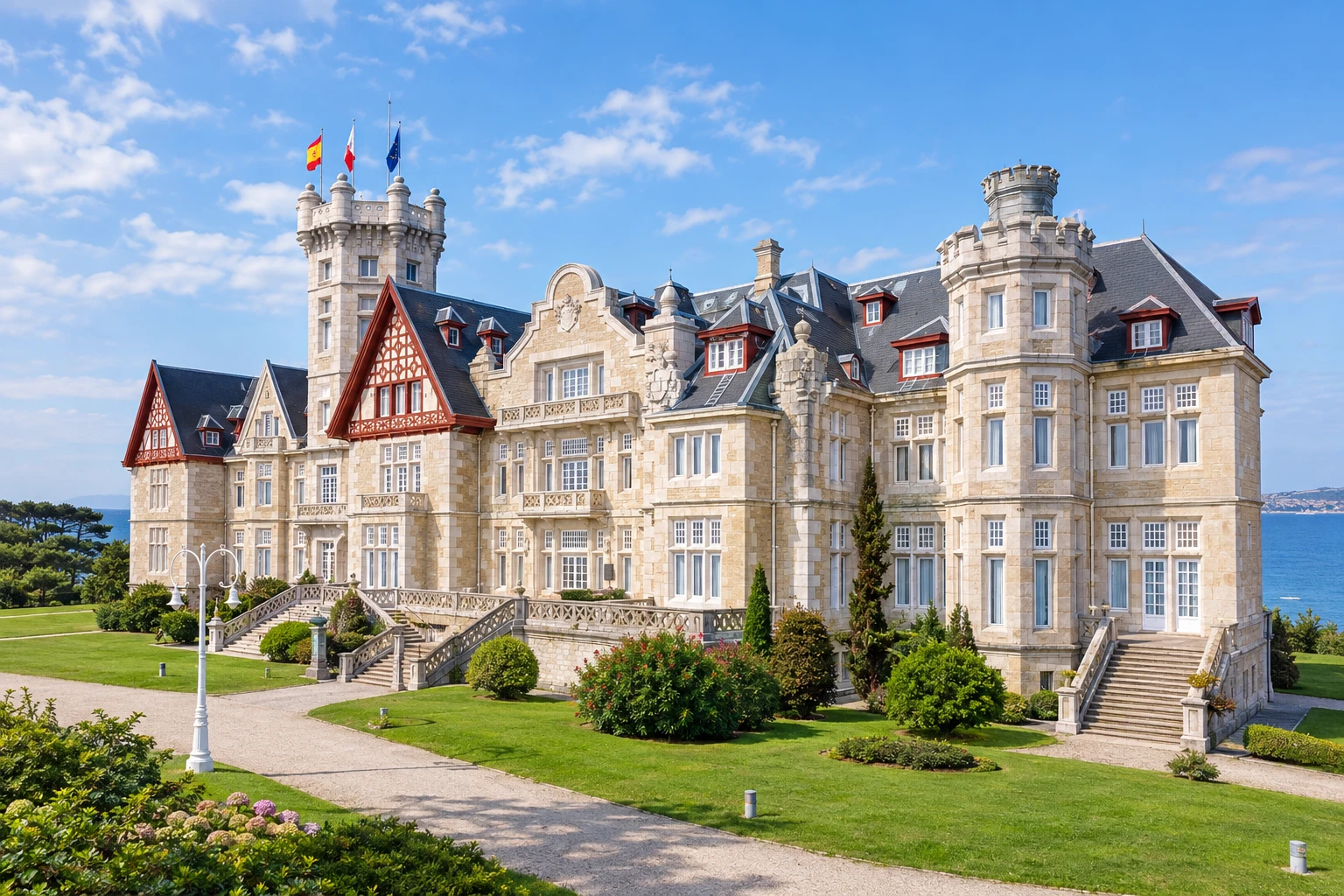
Santander is the capital of Cantábria, on a bay of the Cantabrian Sea in northern Spain. The península da Madalena has the palácio built to be the royal summer residence, and next to it are the beaches do Sardinero, which made the city a seaside resort in the early 20th century. In the center are the Gothic cathedral, the mercado de ferro da Esperança and the Centro Botín, by Renzo Piano, over the bay next to the Paseo de Pereda. The Cabo Mayor lighthouse marks the entrance to the port. About 30 km away is the Museu de Altamira, with a replica of the cave of prehistoric paintings, and 17 km away is the Cabárceno park.

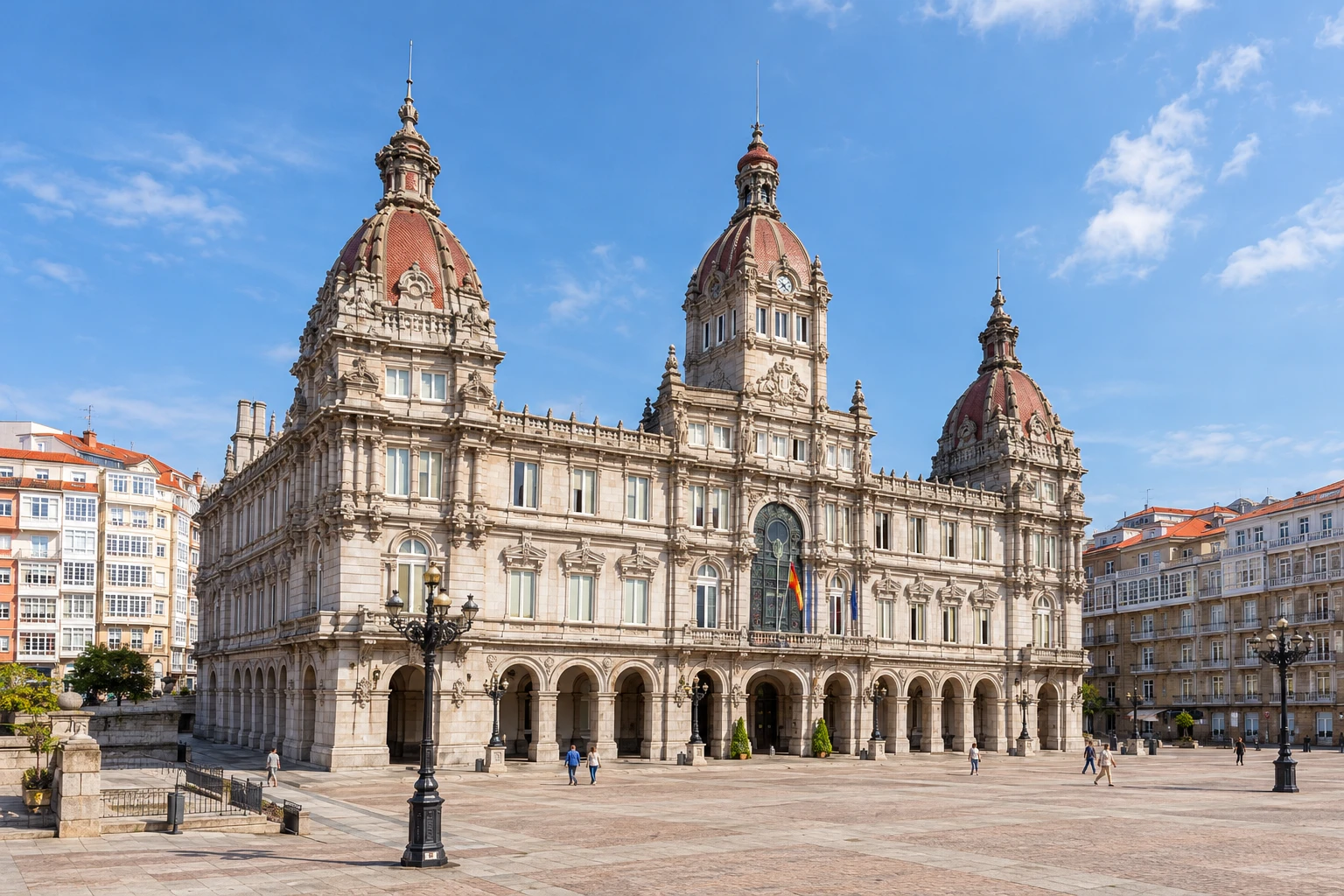
A Coruña is a Galician city on an Atlantic peninsula, about 75 km from Santiago de Compostela. At the northern tip stands the Torre de Hércules, the only Roman lighthouse still in operation and a World Heritage Site. The glass galleries along avenida da Mariña lead to plaza de María Pita and the Old Town, with the colegiata de Santa María do Campo and the San Carlos garden. The castle of San Antón houses the archaeological museum. A seaside promenade skirts the peninsula, with the beaches of Riazor and Orzán, the Aquarium Finisterrae, the Domus, the Casa das Ciências and monte de San Pedro.

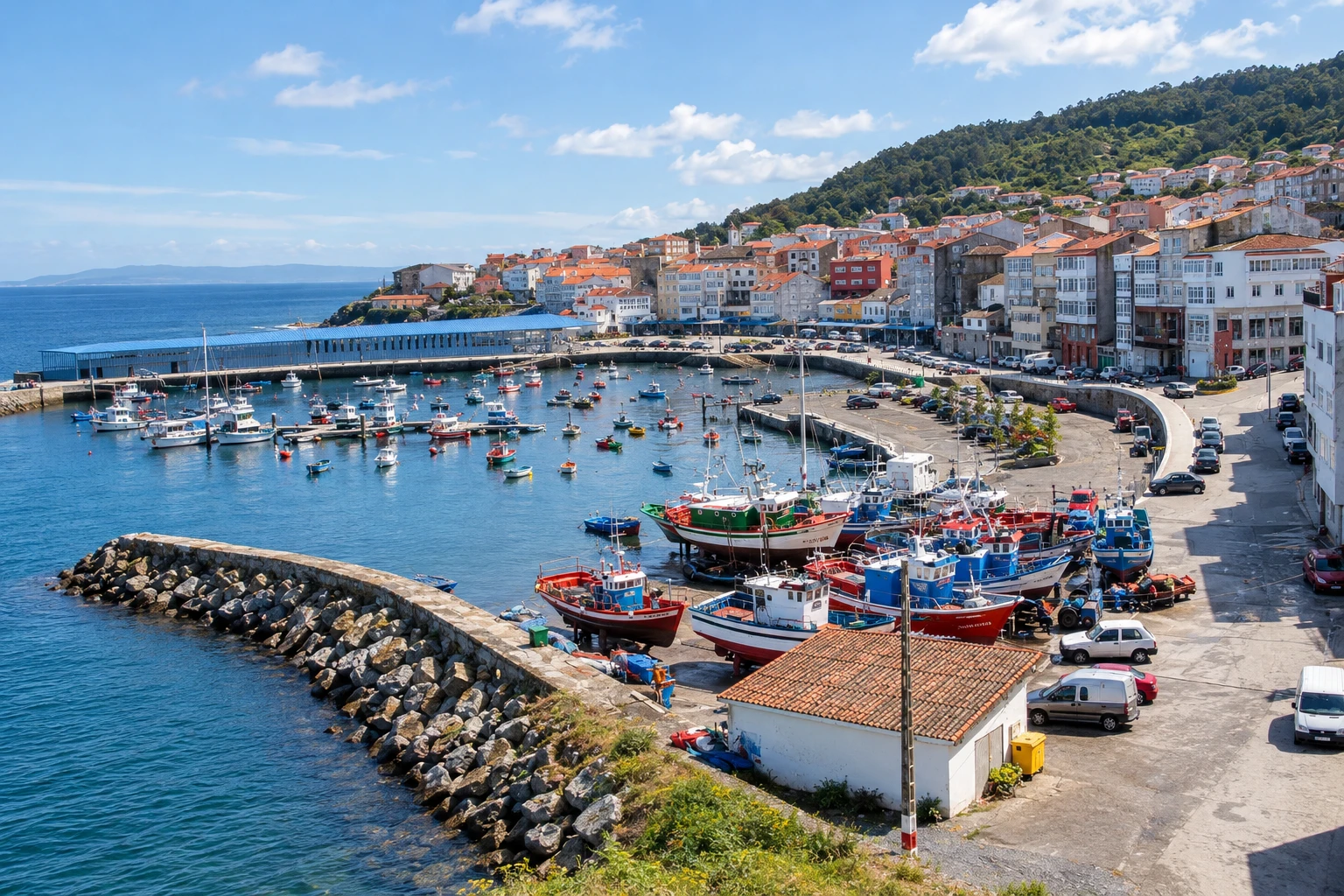
Fisterra is a fishing village on the Costa da Morte, in Galicia, about 90 km from Santiago de Compostela. About 3 km away is the cabo Fisterra, the finis terrae of the Romans, considered the end of the known world, with the lighthouse from 1853 and the kilometer-zero marker of the route many pilgrims walk after Santiago. On the way to the cape is the church of Santa María das Areas, with the Cristo de Fisterra. In the village the castelo de San Carlos houses the Museu da Pesca, and the port, with the lonxa, shows the coastal fishing. Galician and Spanish are spoken.

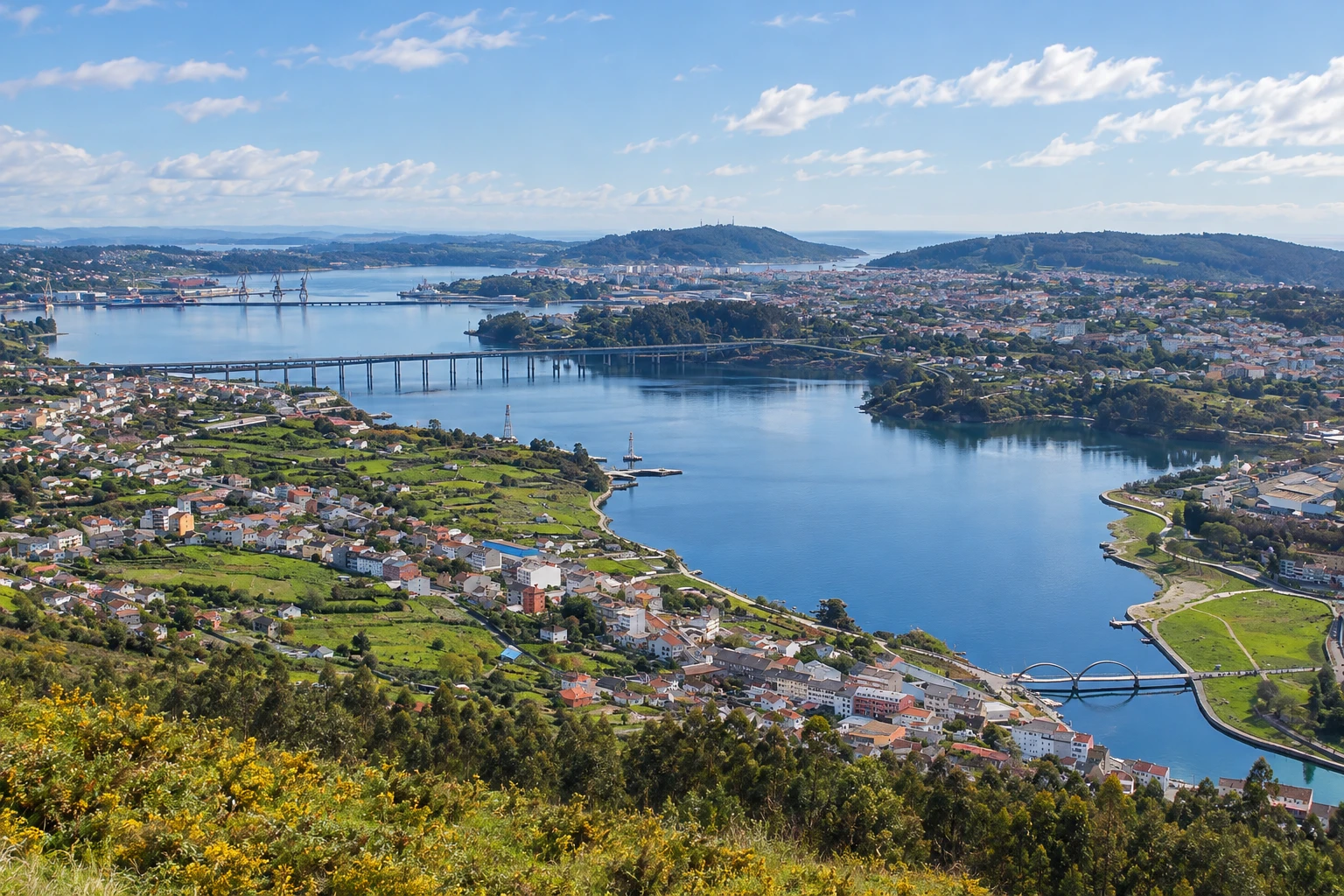
Ferrol is a Galician city on a deep Atlantic ria, about 55 km from A Coruña, linked for almost three centuries to the Spanish Navy. The bairro da Madalena, planned in the 18th century with straight streets, has houses with glass galleries, modernist buildings and the concatedral de San Xiao. Next to the arsenal are the Museu Naval and the Exponav, about shipbuilding, and at the mouth of the ria the castelo de San Felipe guards the entrance to the port. The praia de Doniños, open to the ocean, is a few kilometers away. It is the starting point of the Caminho Inglês for Santiago. Galician and Spanish are spoken.

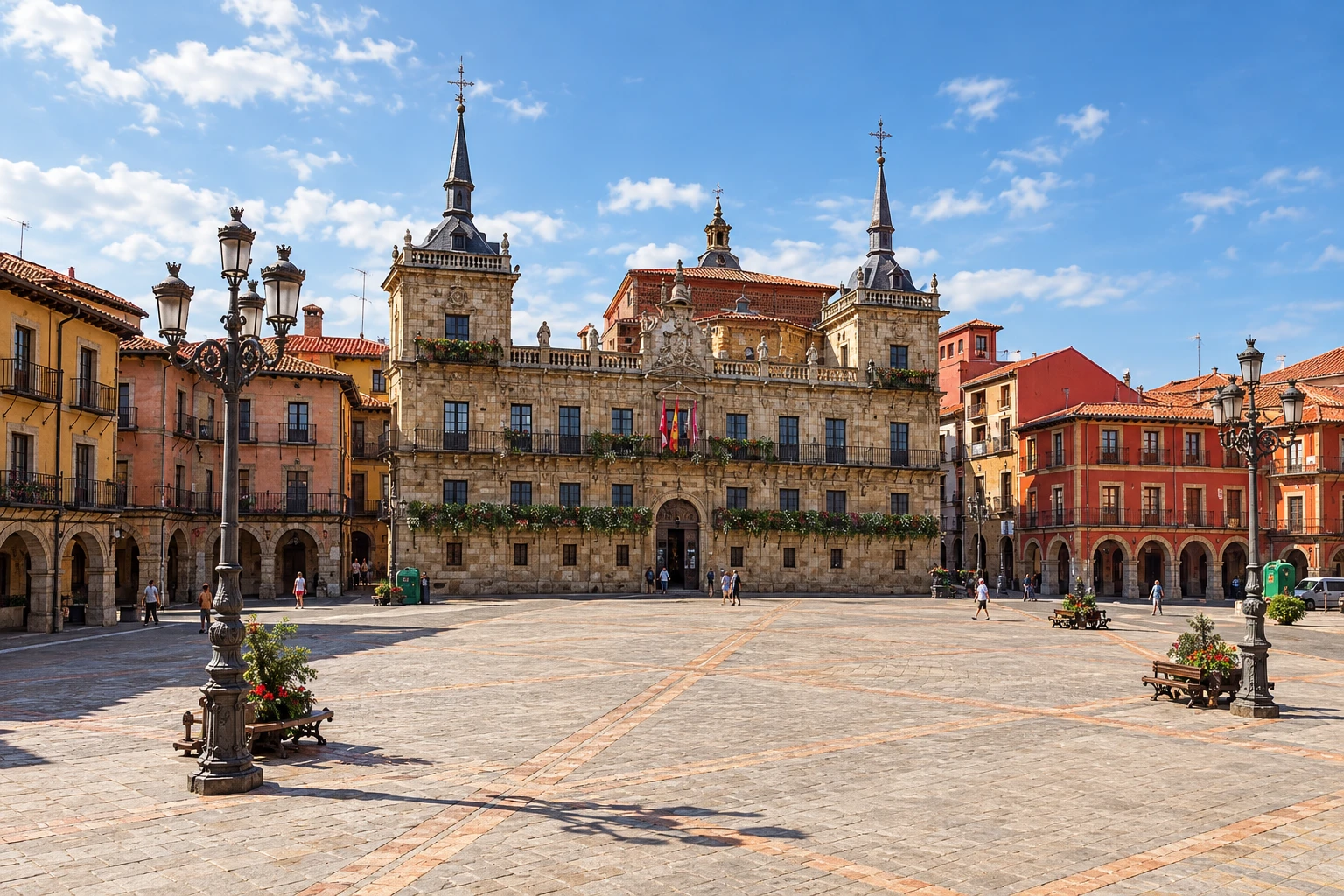
León is the capital of the province of the same name, in Castile and León, born from a Roman camp and the capital of the old Kingdom of León. It is one of the main stops on the Caminho Francês. The Gothic cathedral has one of the largest sets of medieval stained-glass windows in the world, and San Isidoro houses the Pantheon of the Kings, with Romanesque paintings. Gaudí left the Casa Botines, now a museum, and the Hostal de San Marcos has a plateresque façade. The MUSAC displays contemporary art. At night, the Barrio Húmedo around the Plaza Mayor fills with tapas bars. Spanish is spoken.
Traveler area
The app
Save the destinations you want to visit, send your travel photos and get the guide's news.
Cidade Turismo around the world
The routes, destinations and cities of each country, with things to do, when to go and how to get there.
Spain In the guide
Beyond the guide
Frequently asked questions
A travel guide to Spain, organized into routes, destinations, autonomous communities and cities. Each city has things to do, attractions, when to go and how to get there. It is part of Cidade Turismo, a guide with countries on every continent, Flavors, Festivals and events and the knowledge pages.
A route is a journey linking several towns. A destination is a tourist region with its towns. A city is the place itself, with its attractions.
They are illustrations based on the real place, not photographs, and may differ from it. Photos sent by travelers are shown separately, as travelers' photos.
Type the name in the search box: it can be a route, destination, autonomous community, city or attraction. Or start from Routes, Destinations or Autonomous communities and cities in the menu.
Yes. Destinations already translated are available in Spanish and English at cidadeturismo.com, and the rest are being added.
Yes, for Android, on Google Play. With it you can save the destinations you want to visit and get the guide's news.