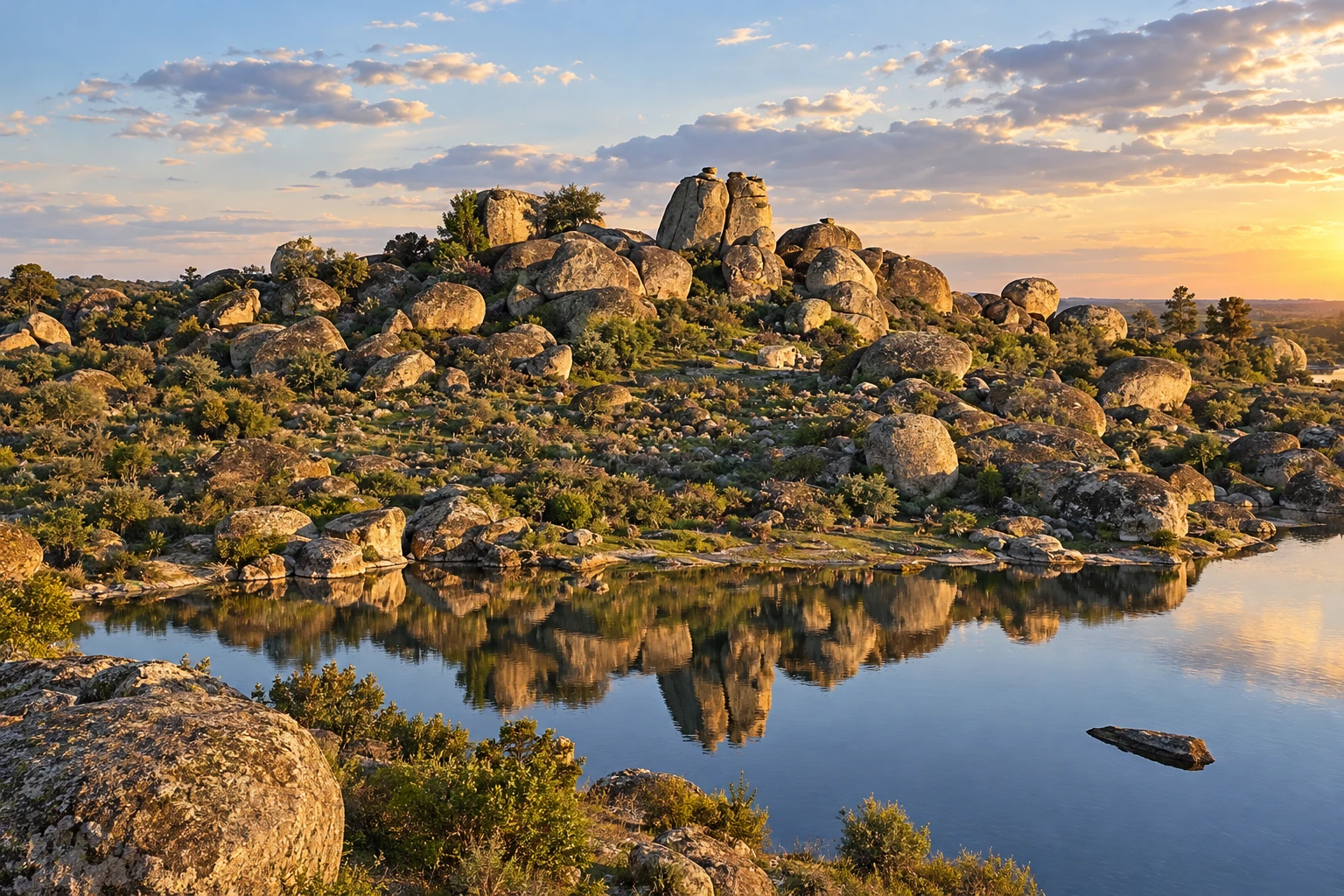
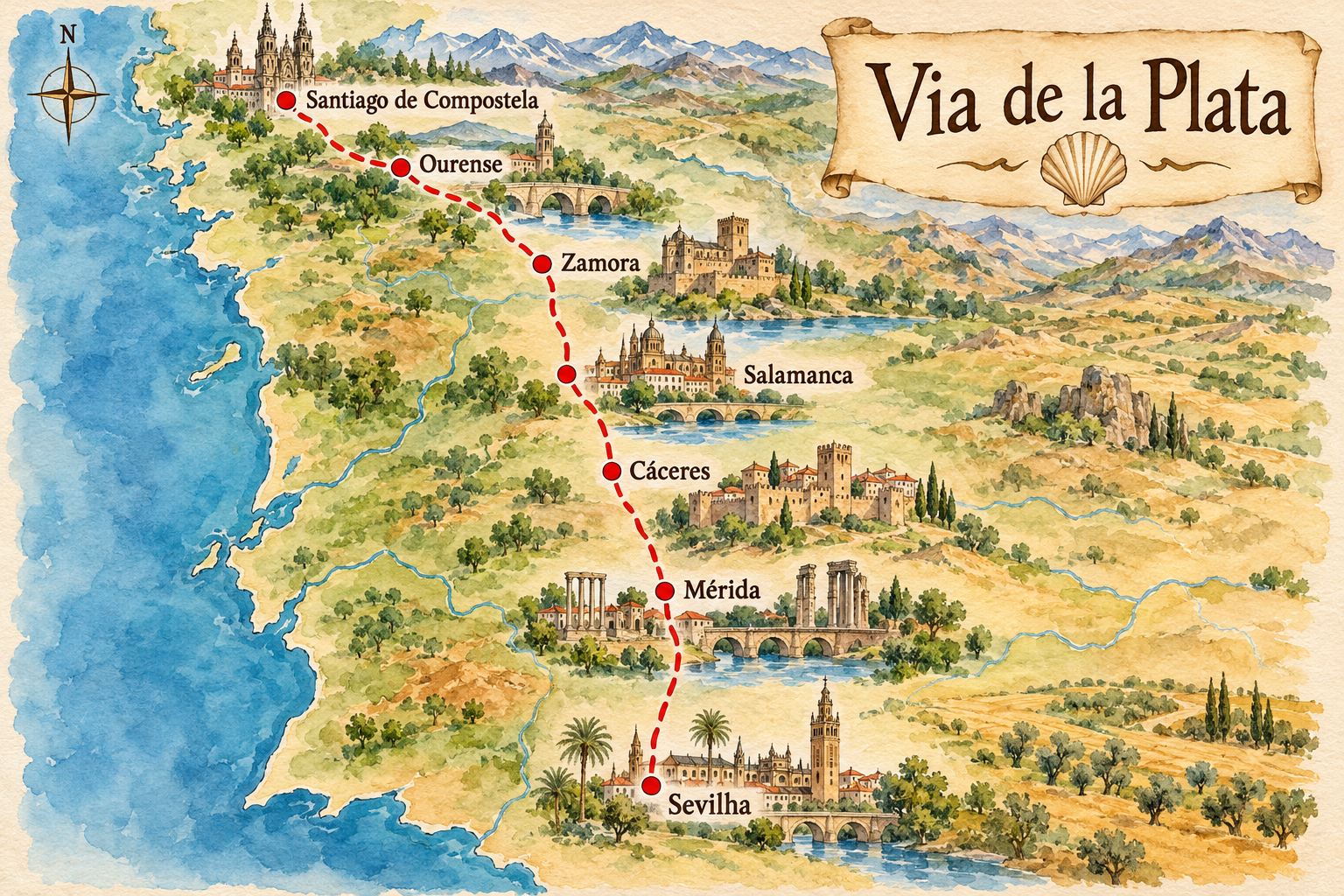
Extremadura (Estremadura in Portuguese) is the autonomous community in western Spain, on the border with Portugal's Alentejo, a region of plains, holm oaks, storks and stone towns little visited by Brazilians. Many conquistadors of the Americas came from there, such as Pizarro and Cortés, and the money that returned built palaces and churches.
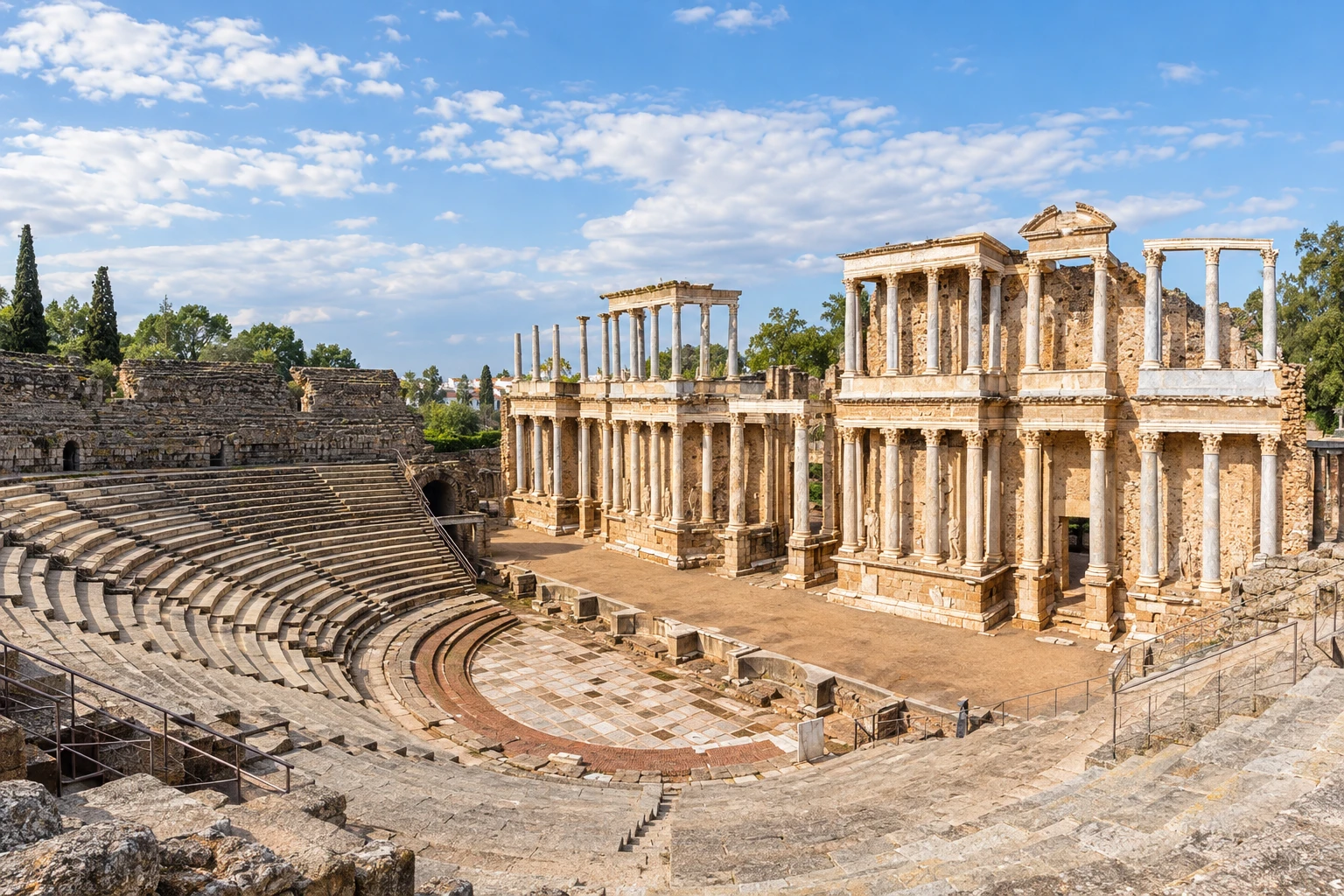
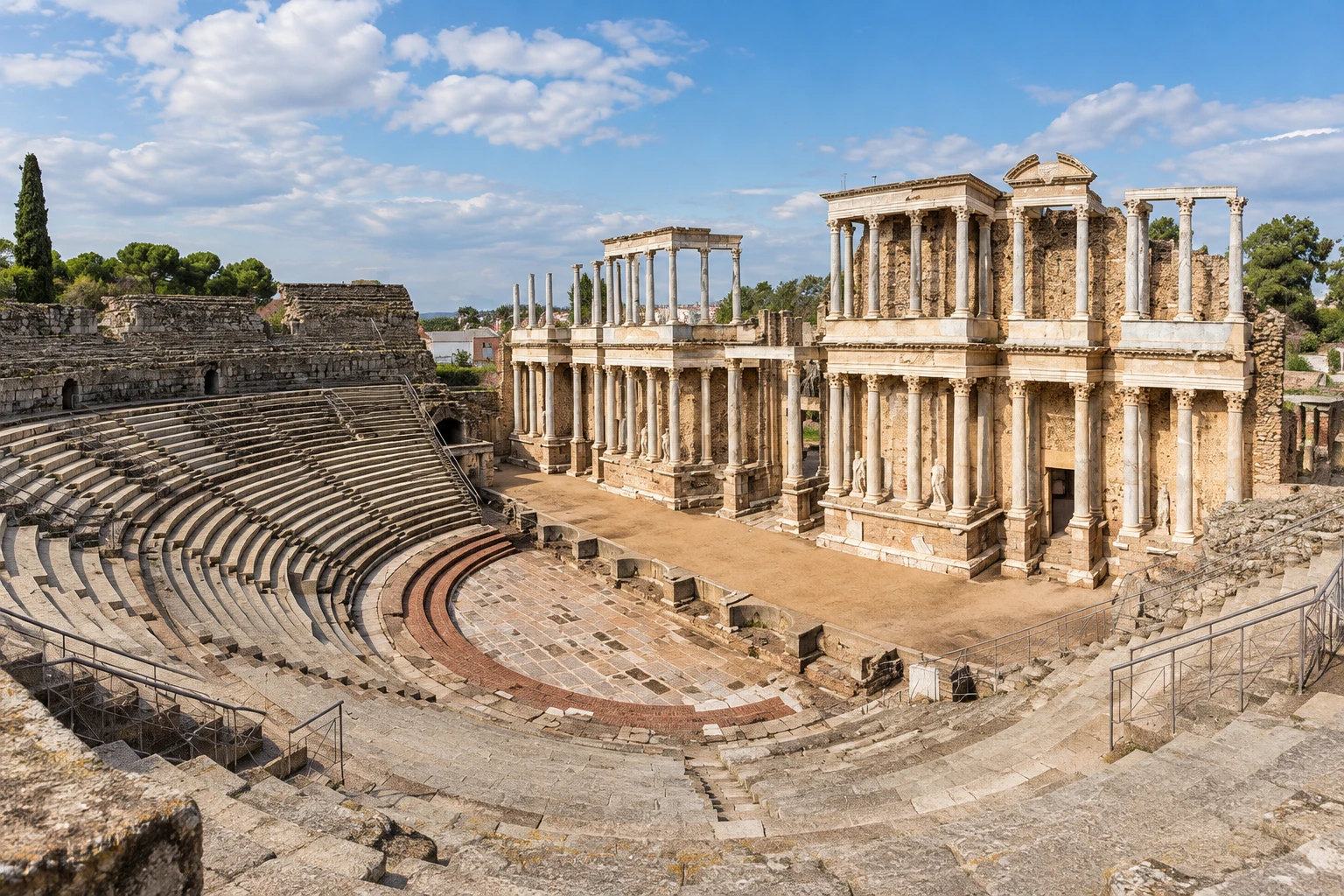
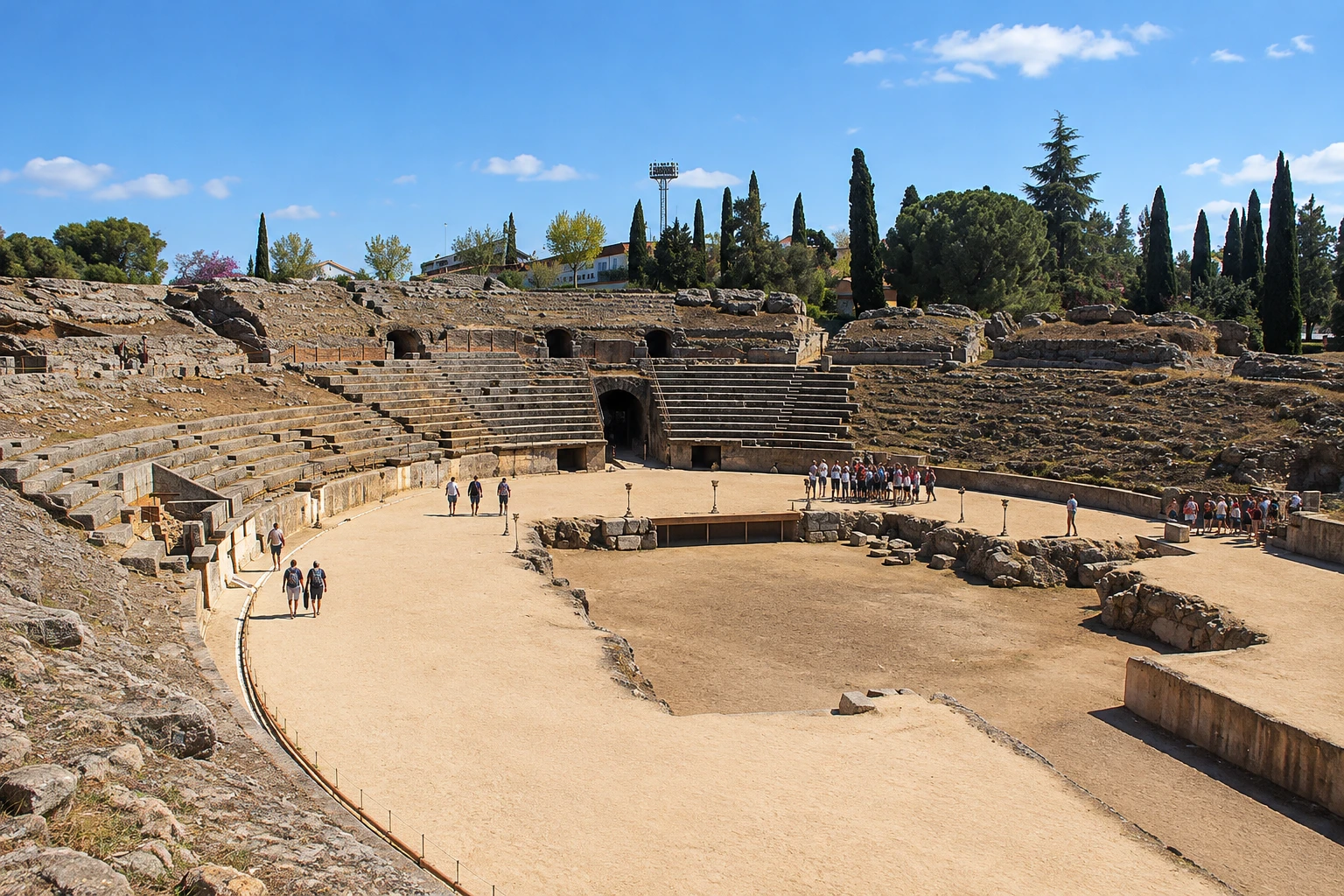
Mérida, capital of Extremadura, was founded in 25 BC by Emperor Augustus as Augusta Emerita, a colony for veteran soldiers, and became the capital of the Roman province of Lusitania, which included much of present-day Portugal. The archaeological ensemble, with theater, amphitheater, circus, temple, aqueduct and the bridge over the Guadiana, has been a UNESCO World Heritage Site since 1993. In summer the Roman theater usually hosts the Classical Theatre Festival.
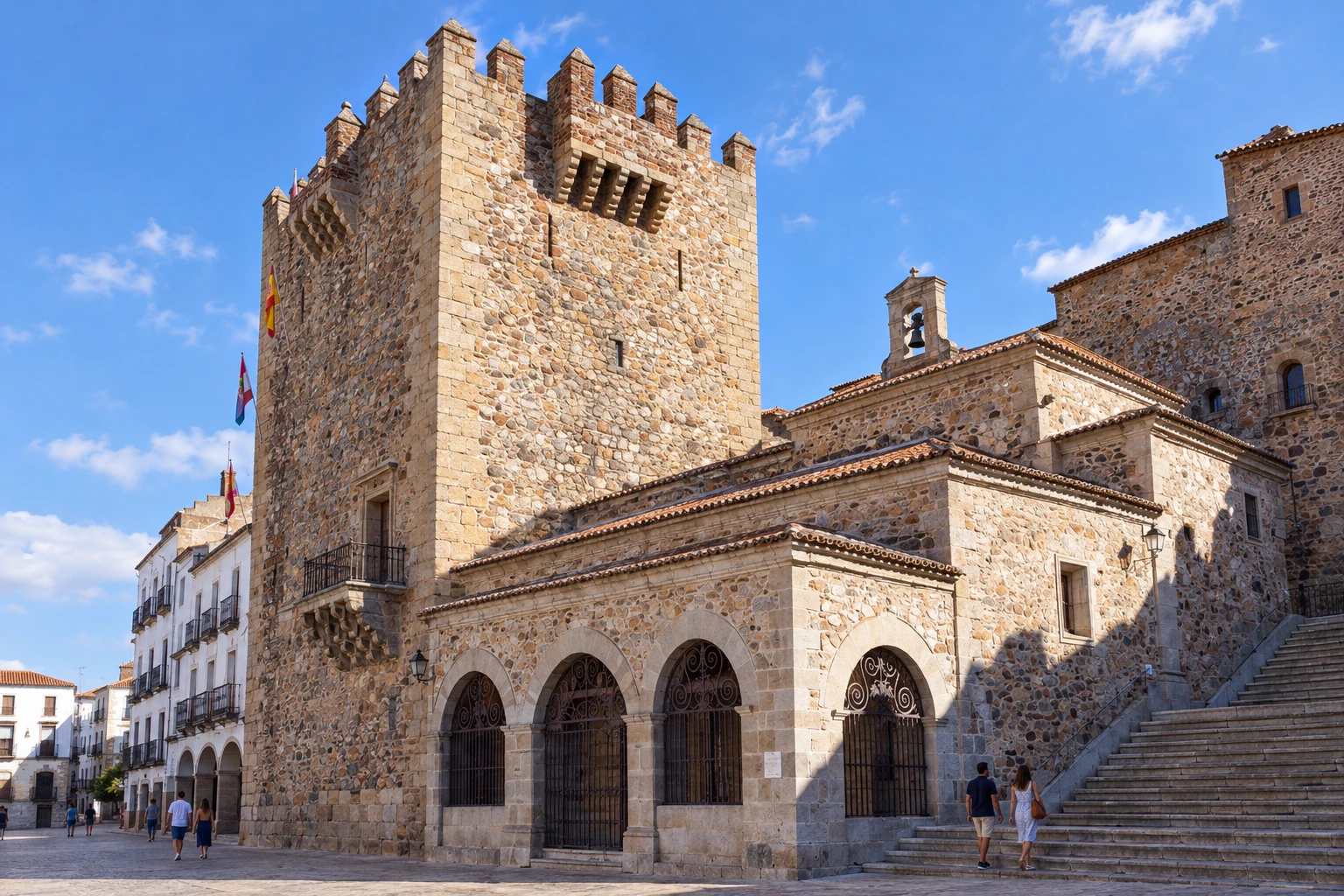
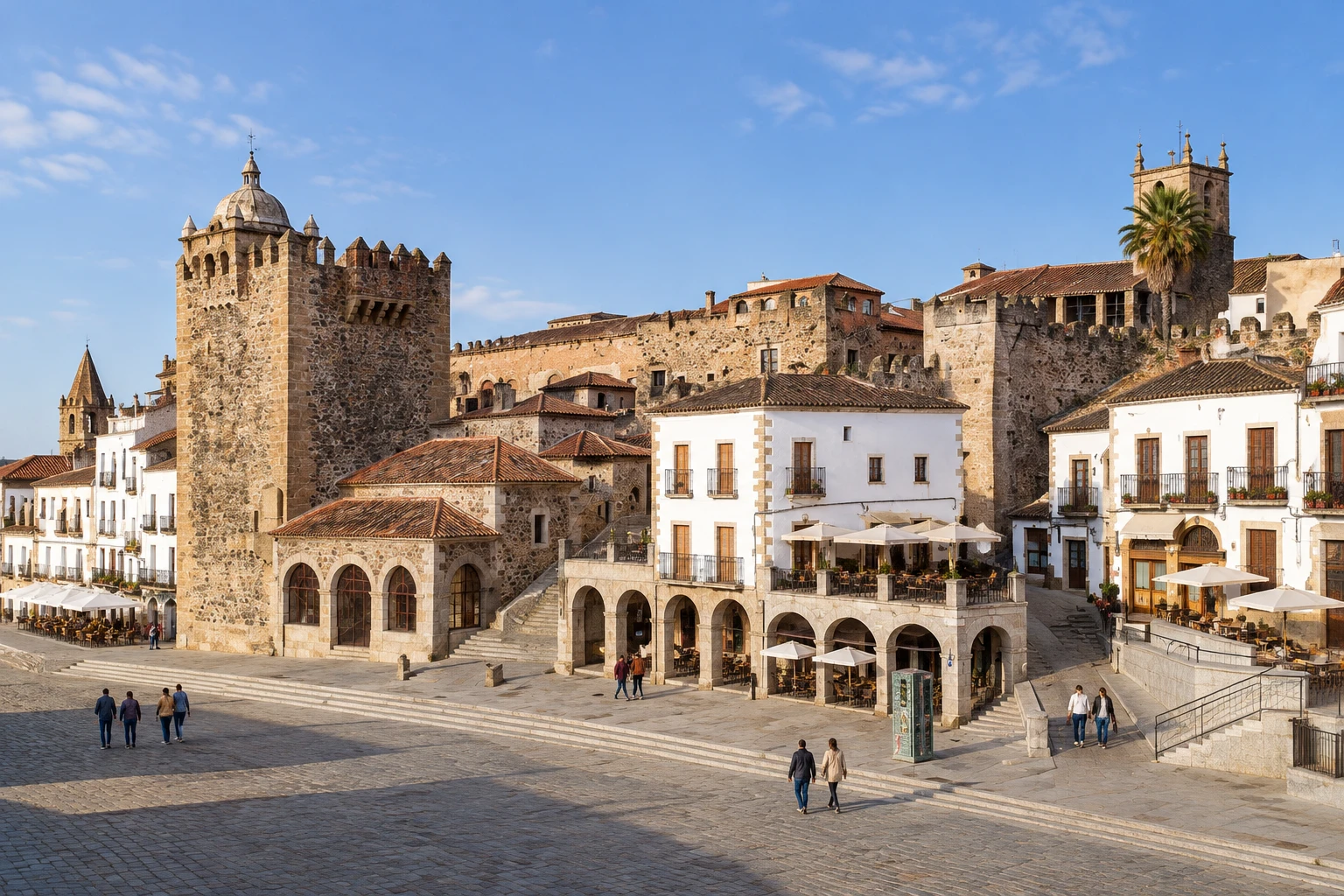
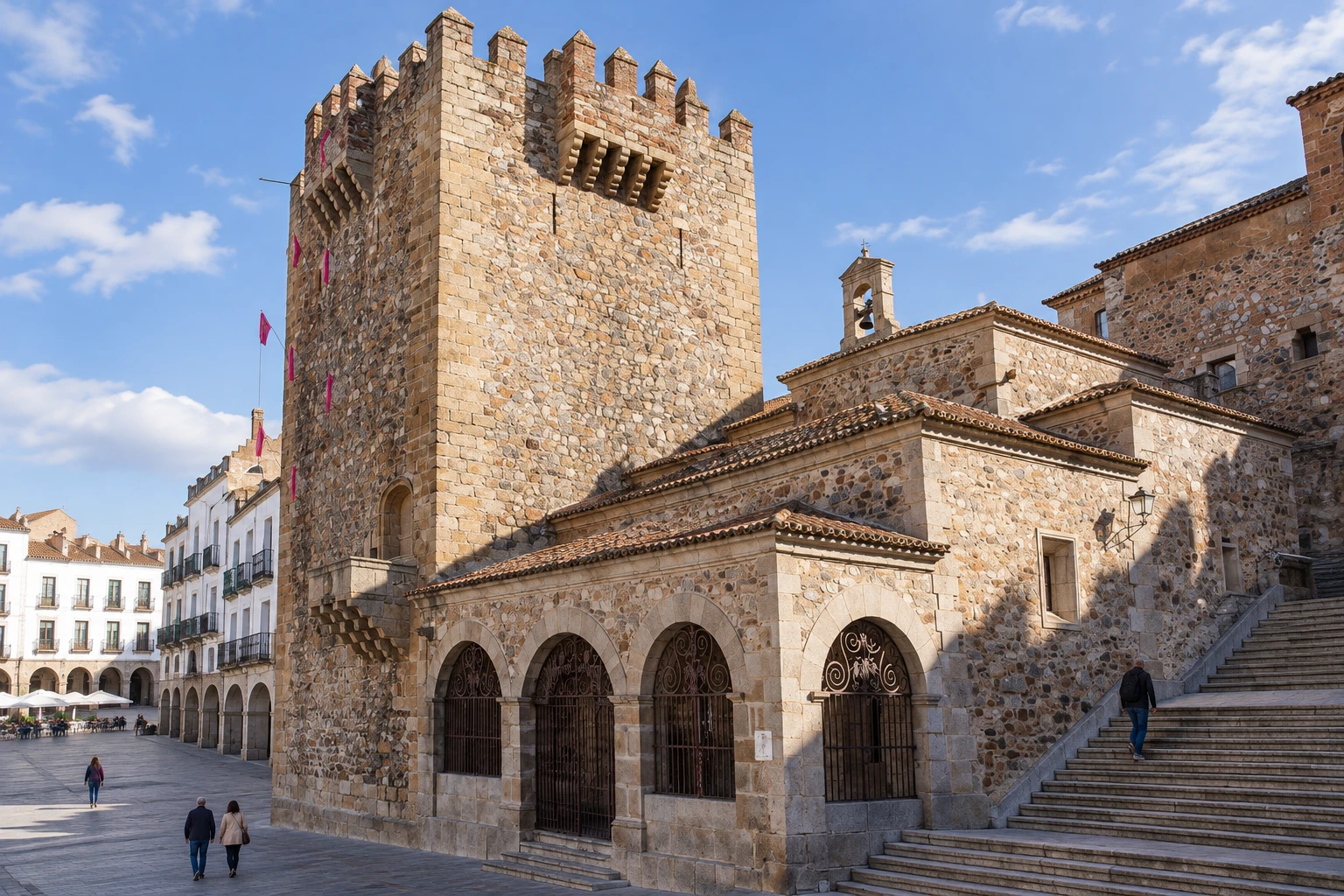
Cáceres, about 70 km to the north, preserves within its Almohad wall an old town almost intact, with towers, noble palaces, churches and stone coats of arms from the 15th and 16th centuries. The Ciudad Monumental has been a World Heritage Site since 1986 and has been used as a setting for films and TV series.
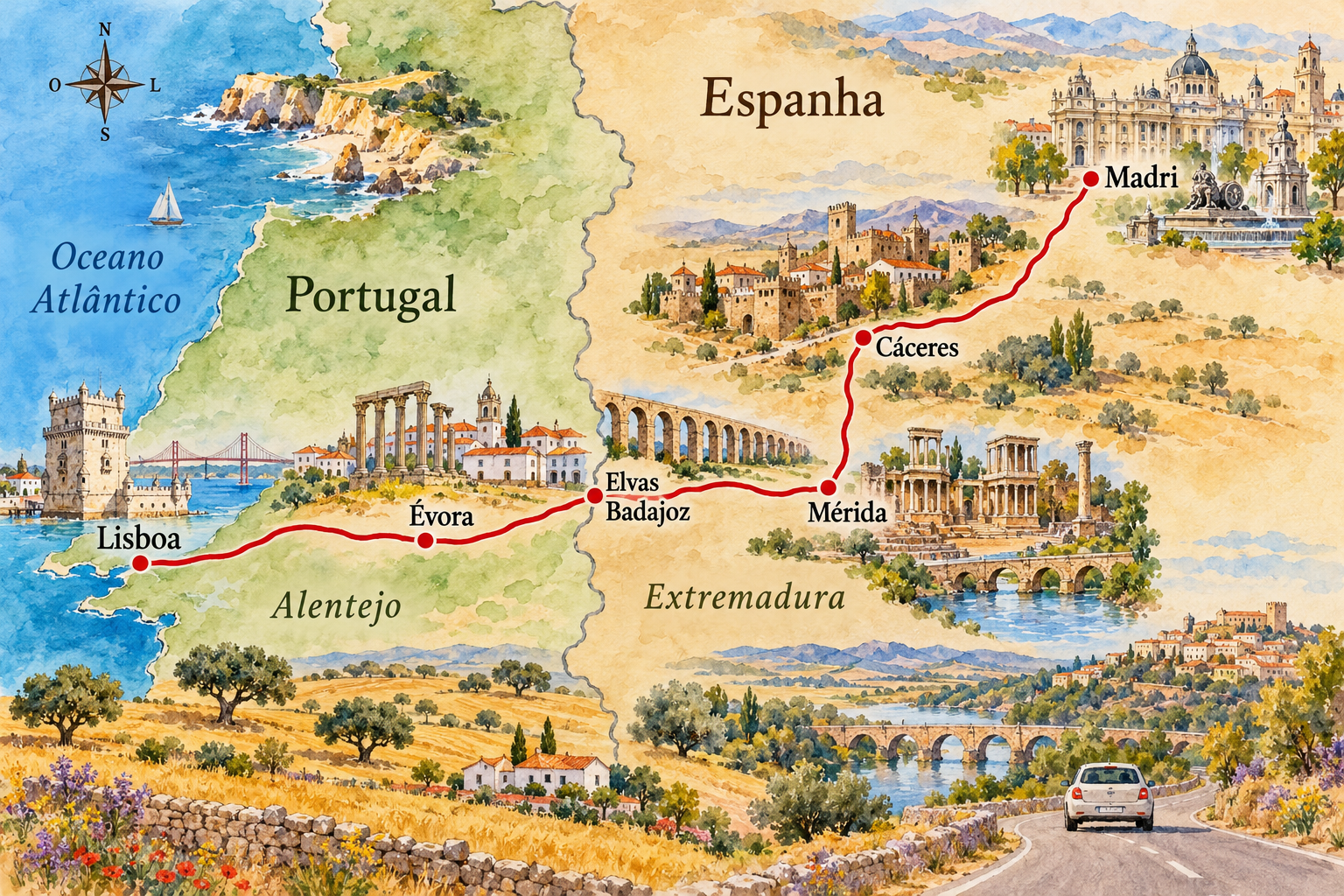
For Brazilians, the two cities lie on the overland route between Lisbon and Madrid, via Évora, and fit well with a trip through Portugal. From Madrid, the train takes about 3 hours to Cáceres. The time difference with Brasília is 4 or 5 hours ahead, depending on the season.
This destination brings together 2 cities: Mérida, Cáceres.


 Brazil
 Antarctica
 Argentina
 Bolivia
 Chile
 Colombia
 Ecuador
 Falkland Islands (Malvinas)
 French Guiana
 Guyana
 Paraguay
 Peru
 Suriname
 Uruguay
 Venezuela
 Austria
 Belgium
 Croatia
 Denmark
 Finland
 France
 Germany
 Greece
 Hungary
 Iceland
 Ireland
 Italy
 Luxembourg
 Norway
 Poland
 Portugal
 Slovakia
 Slovenia
 Sweden
 Switzerland
 the Czech Republic
 the Netherlands
 the United Kingdom
 Turkey
 Bermuda
 Canada
 Greenland
 Mexico
 Saint Pierre and Miquelon
 the United States
 the Dominican Republic
 Japan
 Egypt
 South Africa
 Australia
 Fiji
 New Zealand
 Papua New Guinea