Basque Country
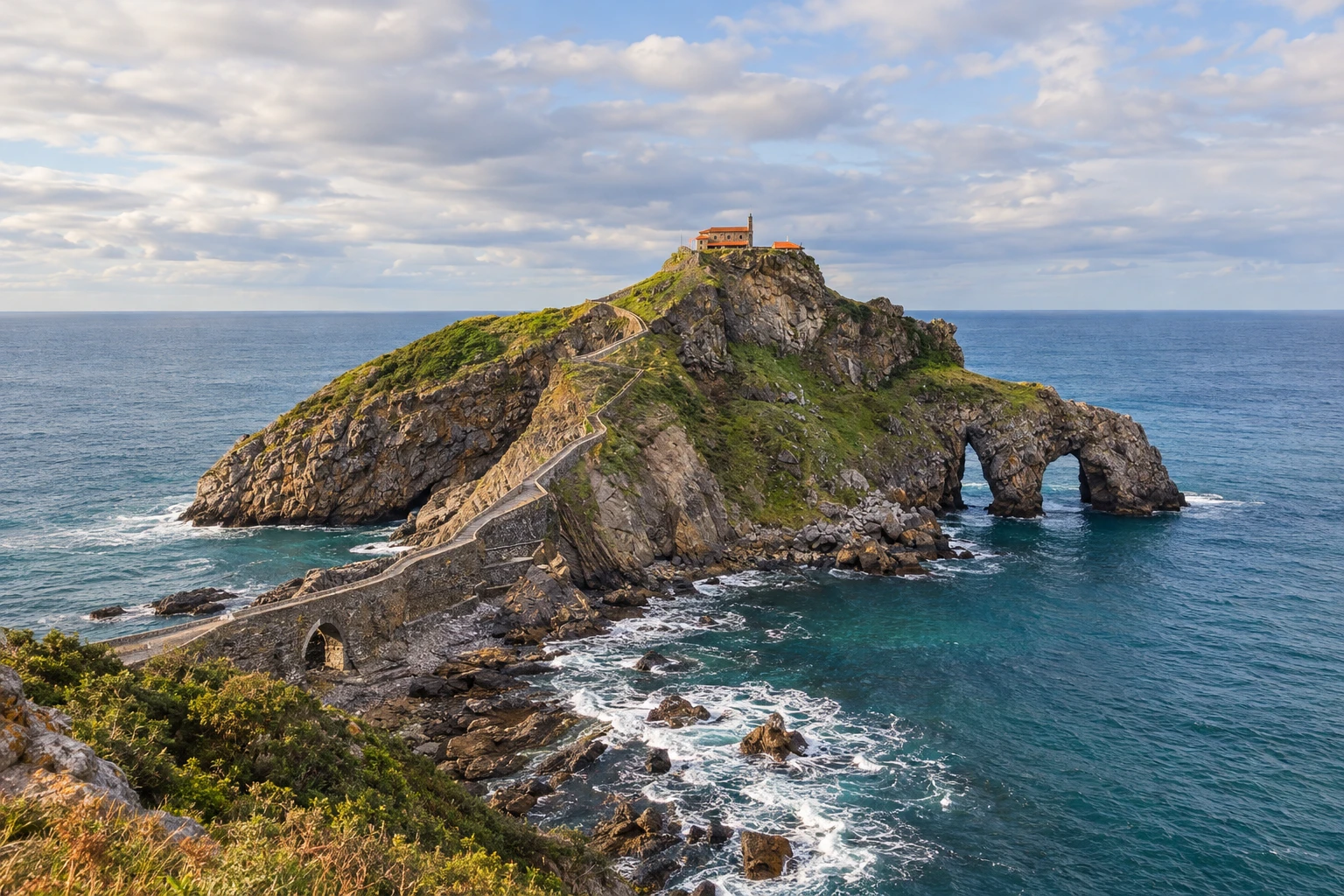
Bilbao, of the Guggenheim and the old quarter by the ria, and San Sebastián, of La Concha bay and the pintxos, about an hour from each other, in the green Cantabrian coast.
Antarctica
Spain travel guide
What to do, when to go and how to get there, destination by destination.
5 routes · 24 destinations · 63 citiesin Spain
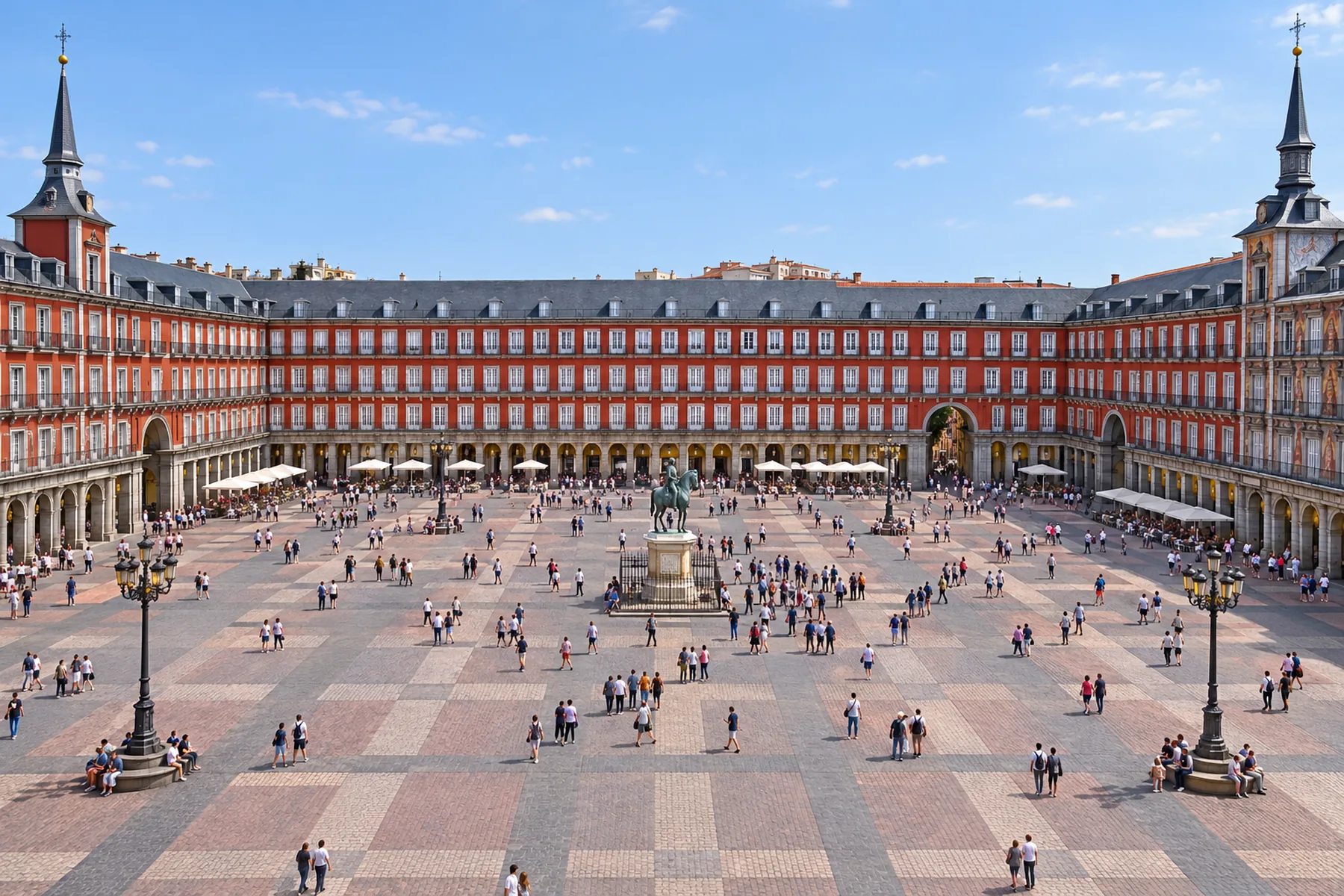
In the photo: Plaza Mayor — Madrid
Illustrative images. The pictures in this guide are illustrations based on the real place, not photographs, and may differ from it.
A destination is a region you visit as a single trip: it can bring together several cities or be a large city with everything it offers. Each destination has the tours, the itineraries, the best time to go month by month and how to get there.
The guide currently has 24 destinations, with 63 cities in 16 autonomous communities.

Today's highlights
A destination is more than a city: it's everything you can experience there.
Bilbao, of the Guggenheim and the old quarter by the ria, and San Sebastián, of La Concha bay and the pintxos, about an hour from each other, in the green Cantabrian coast.
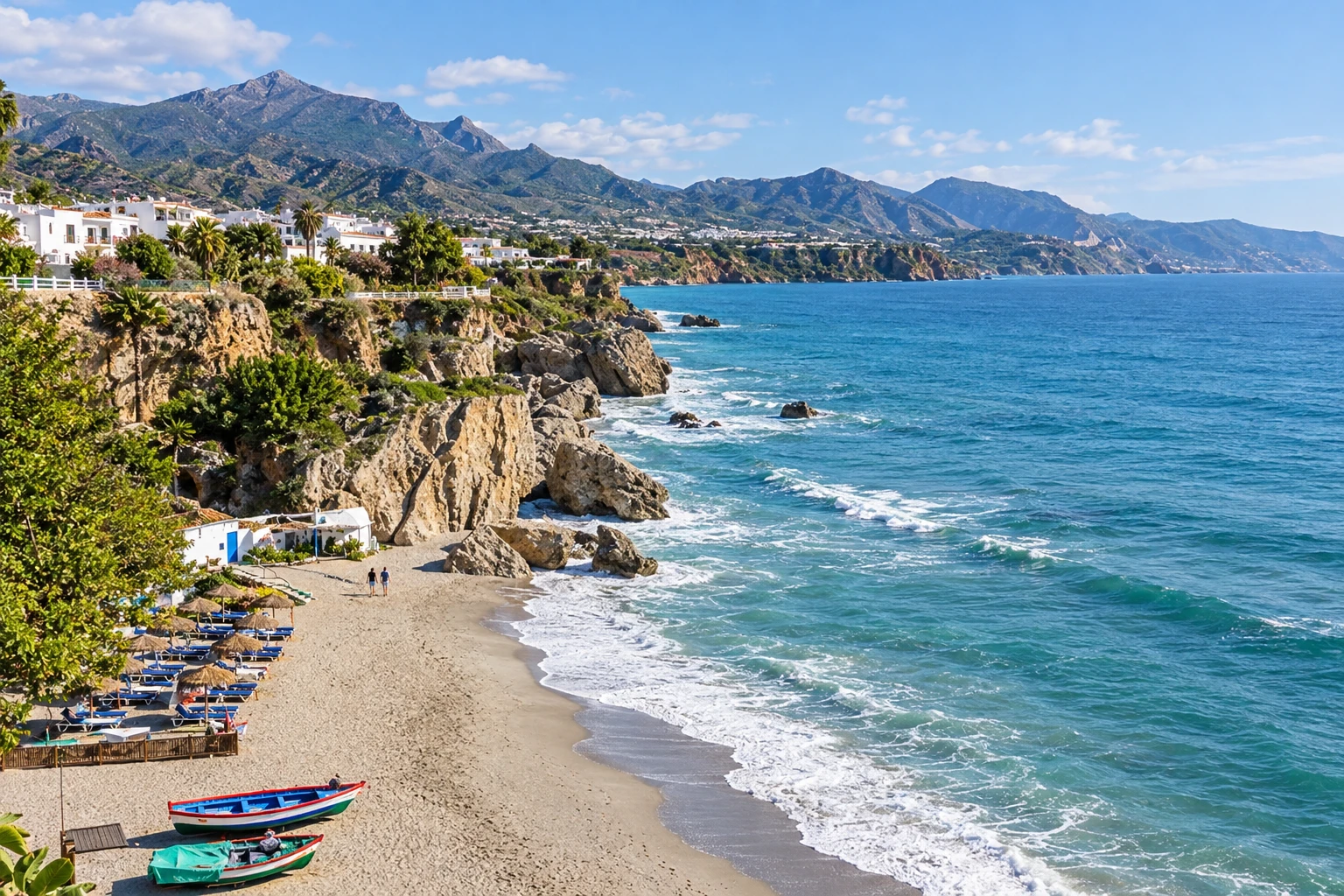
The coast of Málaga and Marbella, with beaches and mild winters, and Ronda, an inland town built on the edge of the Tajo gorge.
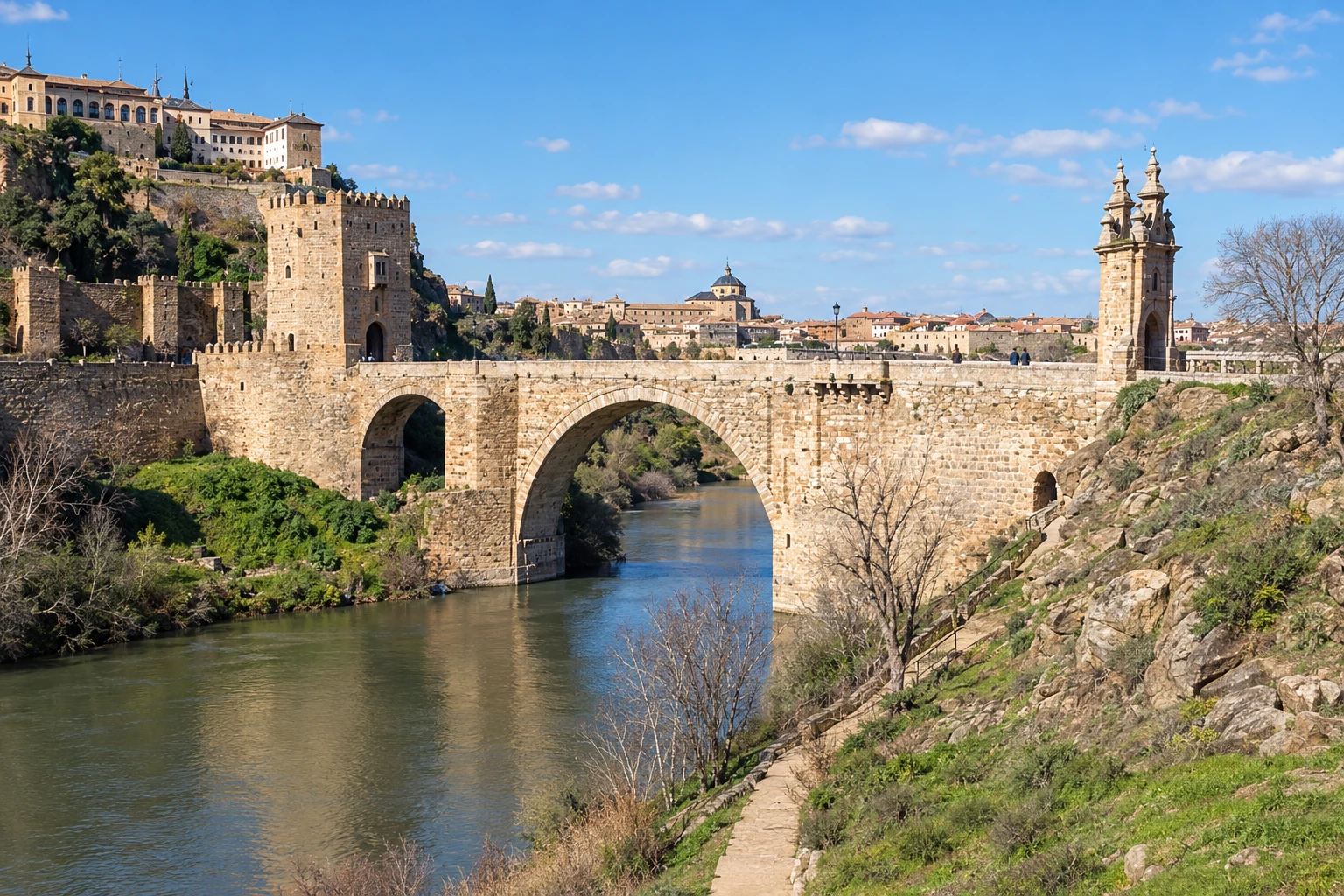
Three historic World Heritage cities near Madri: Toledo above the Tejo, the Roman Aqueduct of Segóvia and the medieval walls of Ávila.
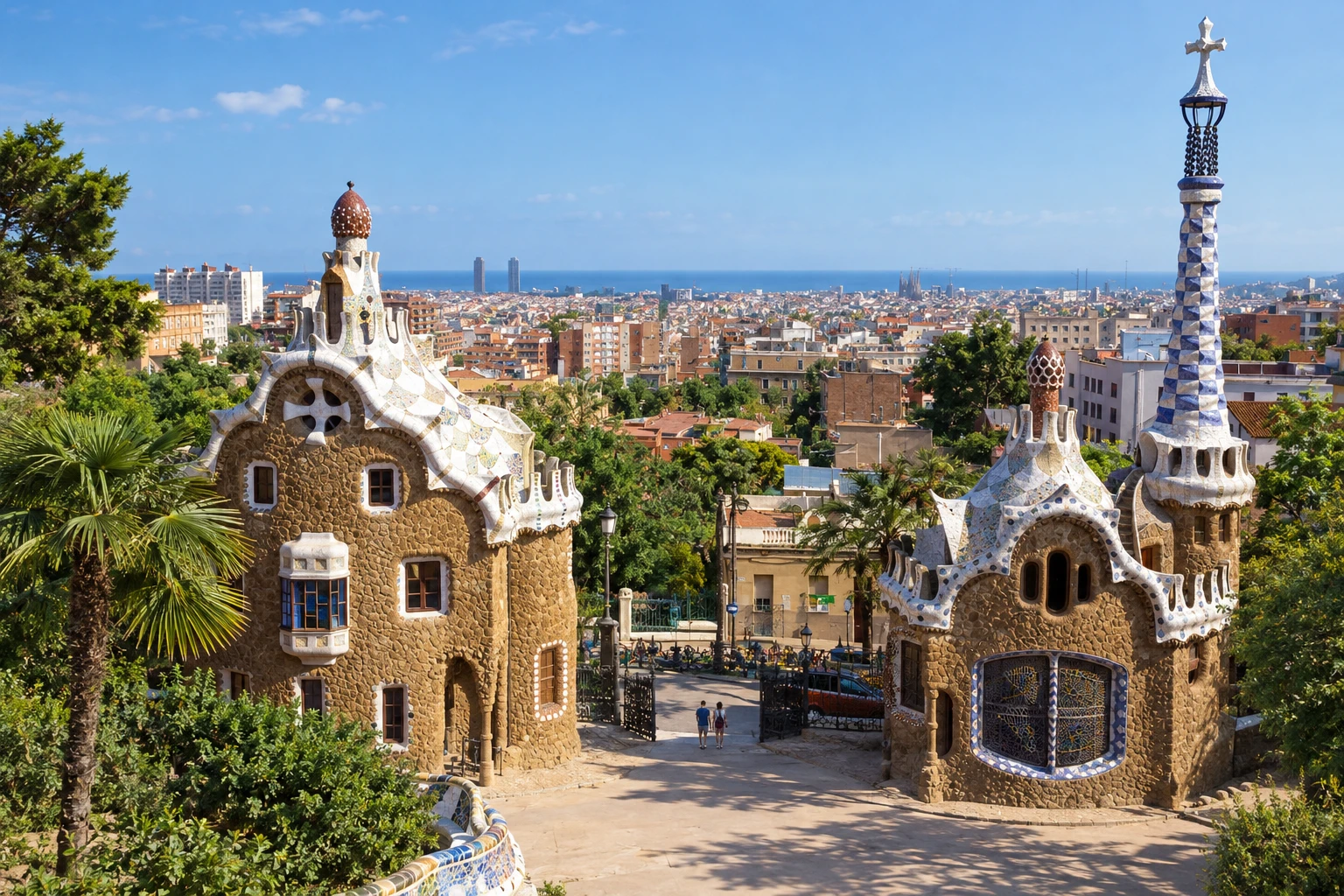
Capital da Catalunha on the shore of the Mar Mediterrâneo, with Gaudí's works, the medieval Bairro Gótico and beaches within the city.
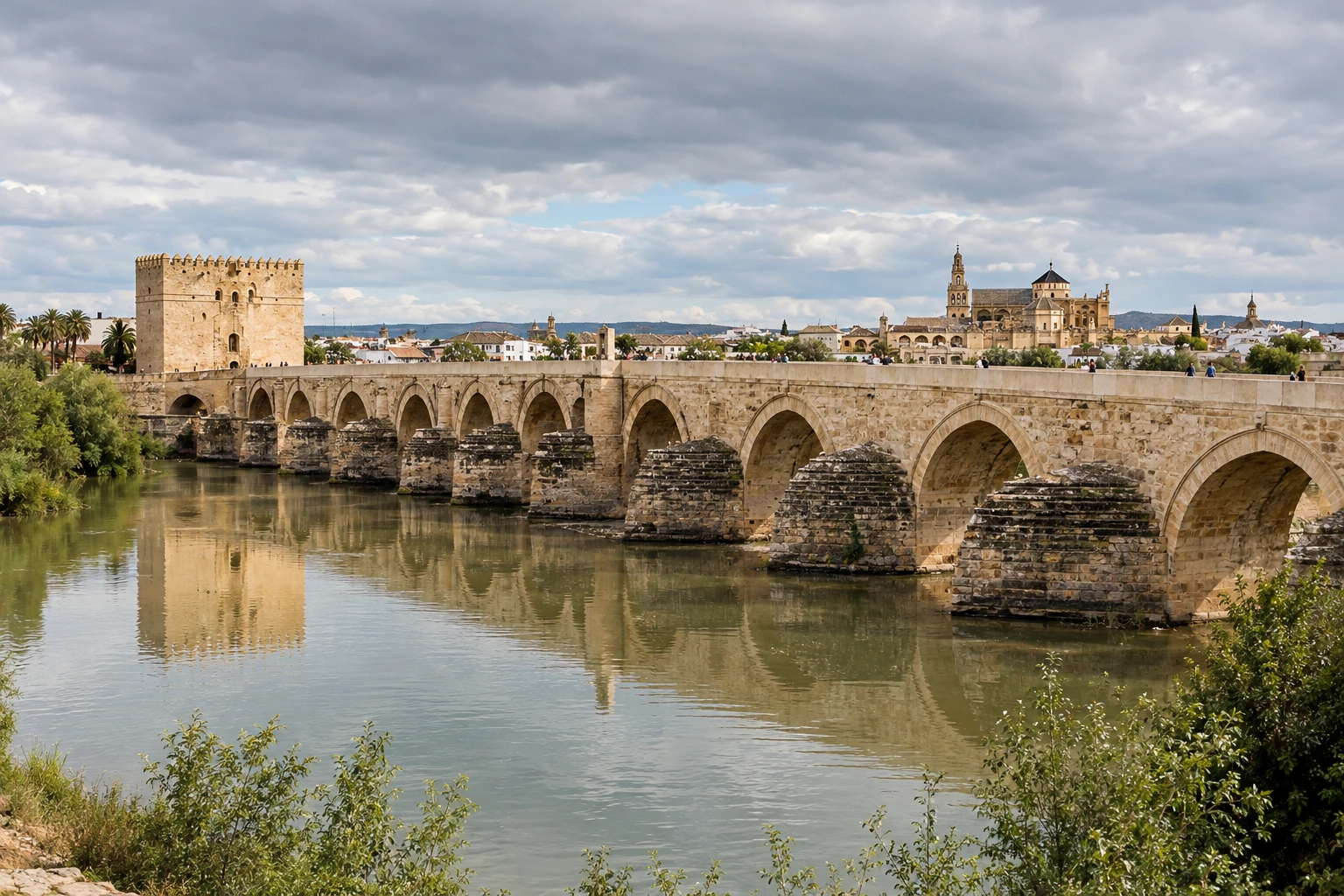
The former capital of the caliphate of al-Andalus, with the Mezquita-Catedral, the Judería and the flower-filled courtyards, 40 minutes by train from Sevilha.
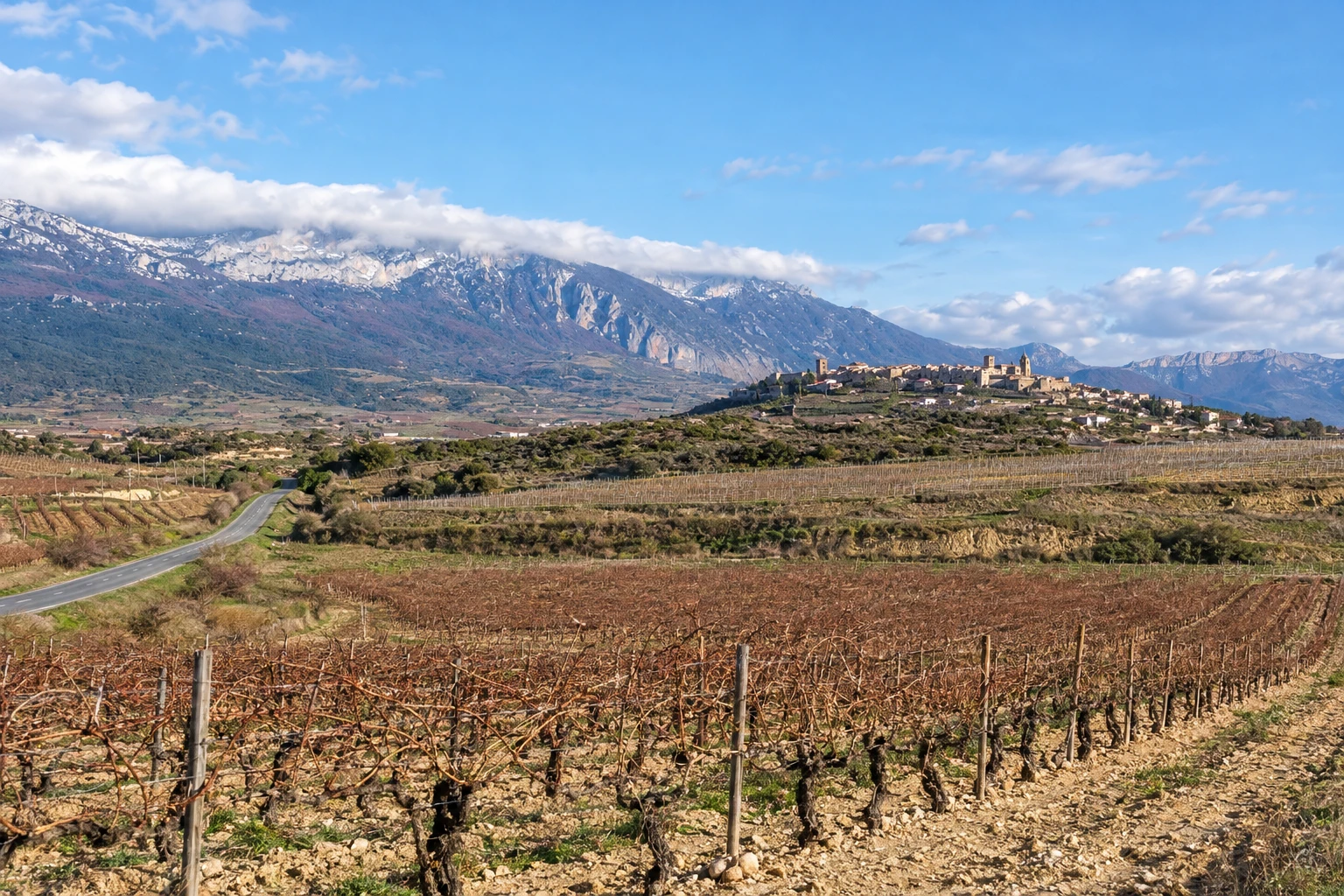
Pamplona, of the walls and the San Fermín festival, and Logroño, of the pinchos on Calle del Laurel and the Rioja vineyards, connected by the Caminho Francês.
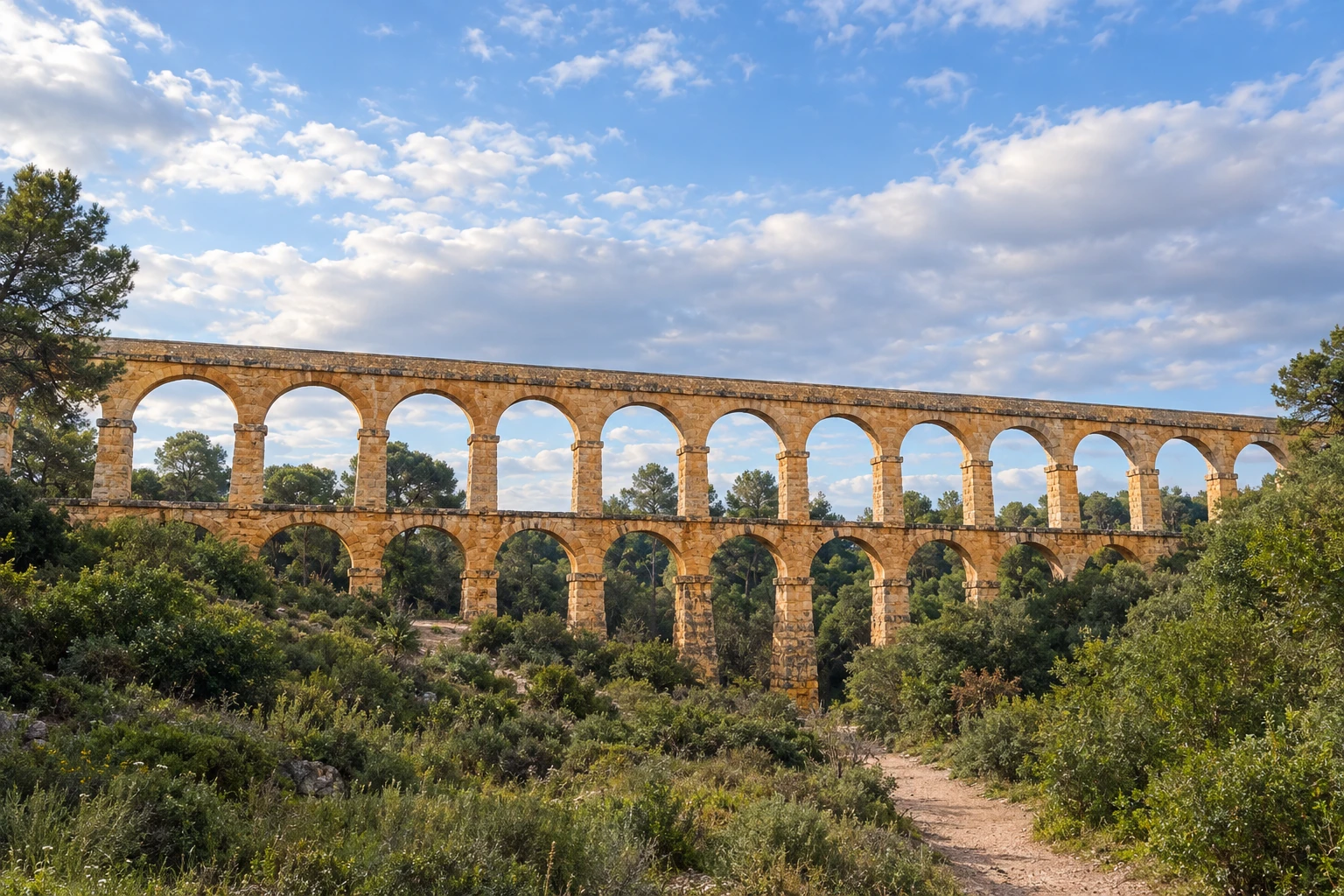
The ancient Roman Tarraco on the Mediterranean coast, and the inland Camp de Tarragona, with Valls, the castells and the calçotada.
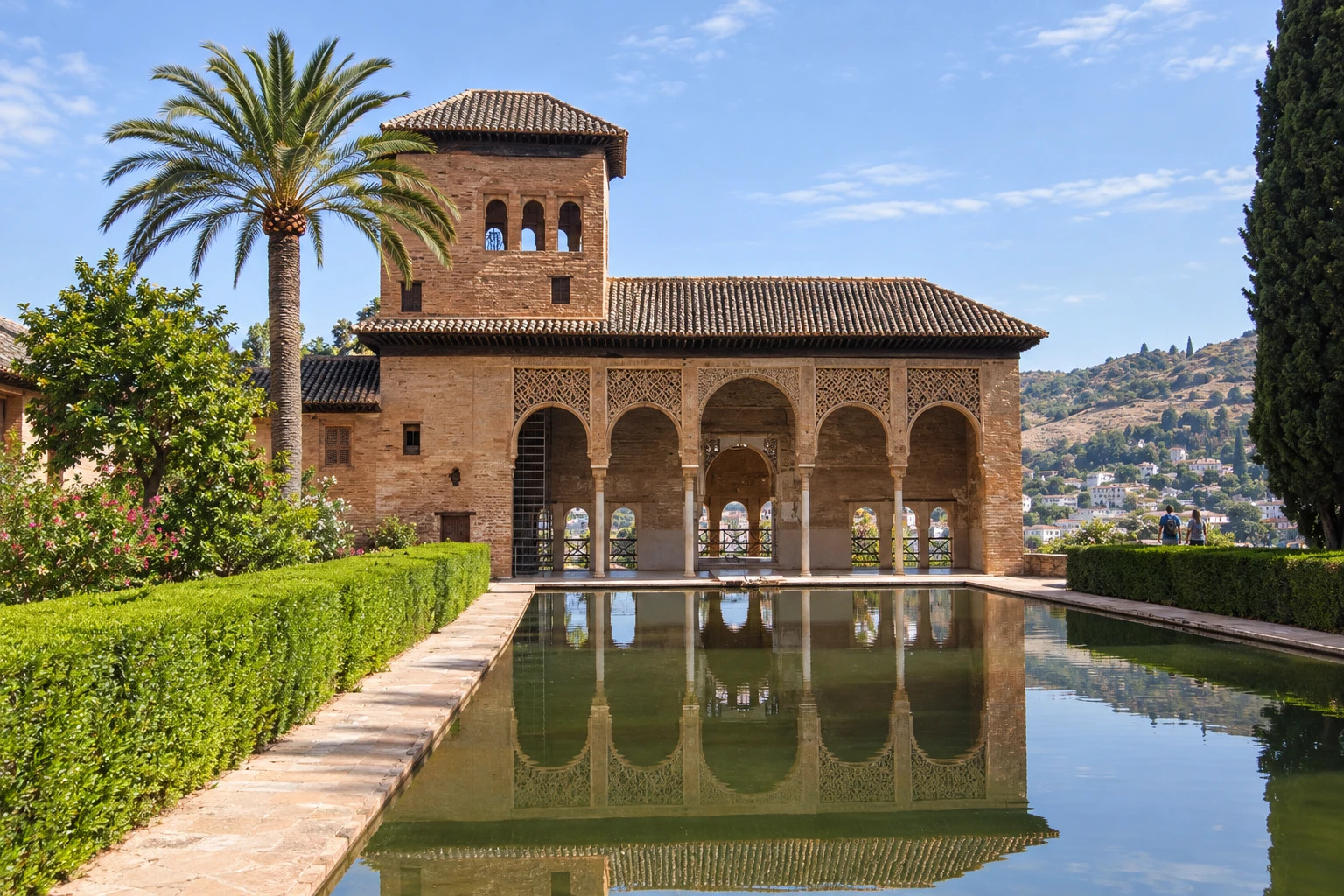
The city of the Alhambra, at the foot of the Sierra Nevada, with the Albaicín's Moorish streets and bars where a tapa usually comes with the drink.
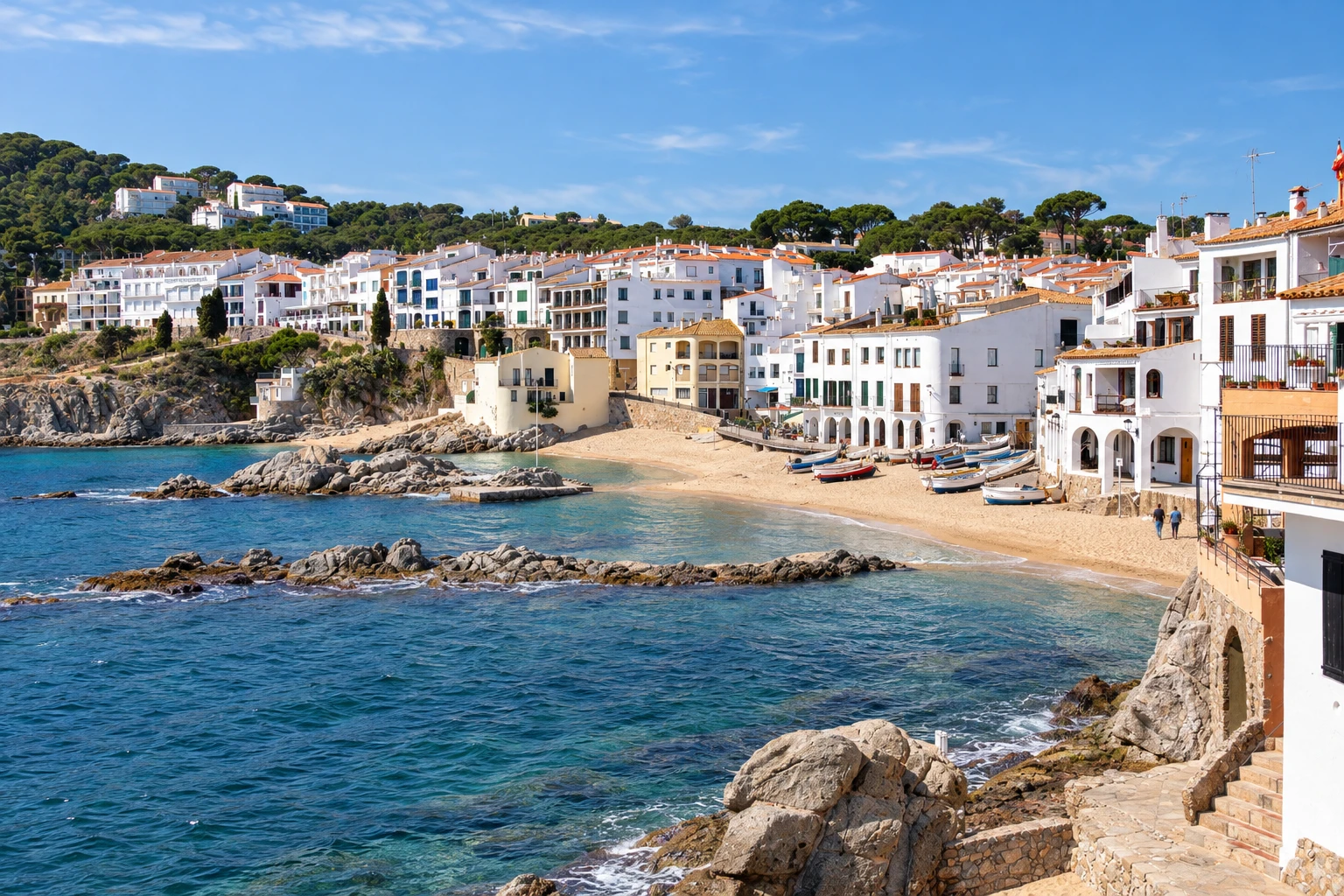
Medieval Girona, the museum Dalí designed in Figueres and the walled village of Tossa de Mar — all less than two hours from Barcelona.
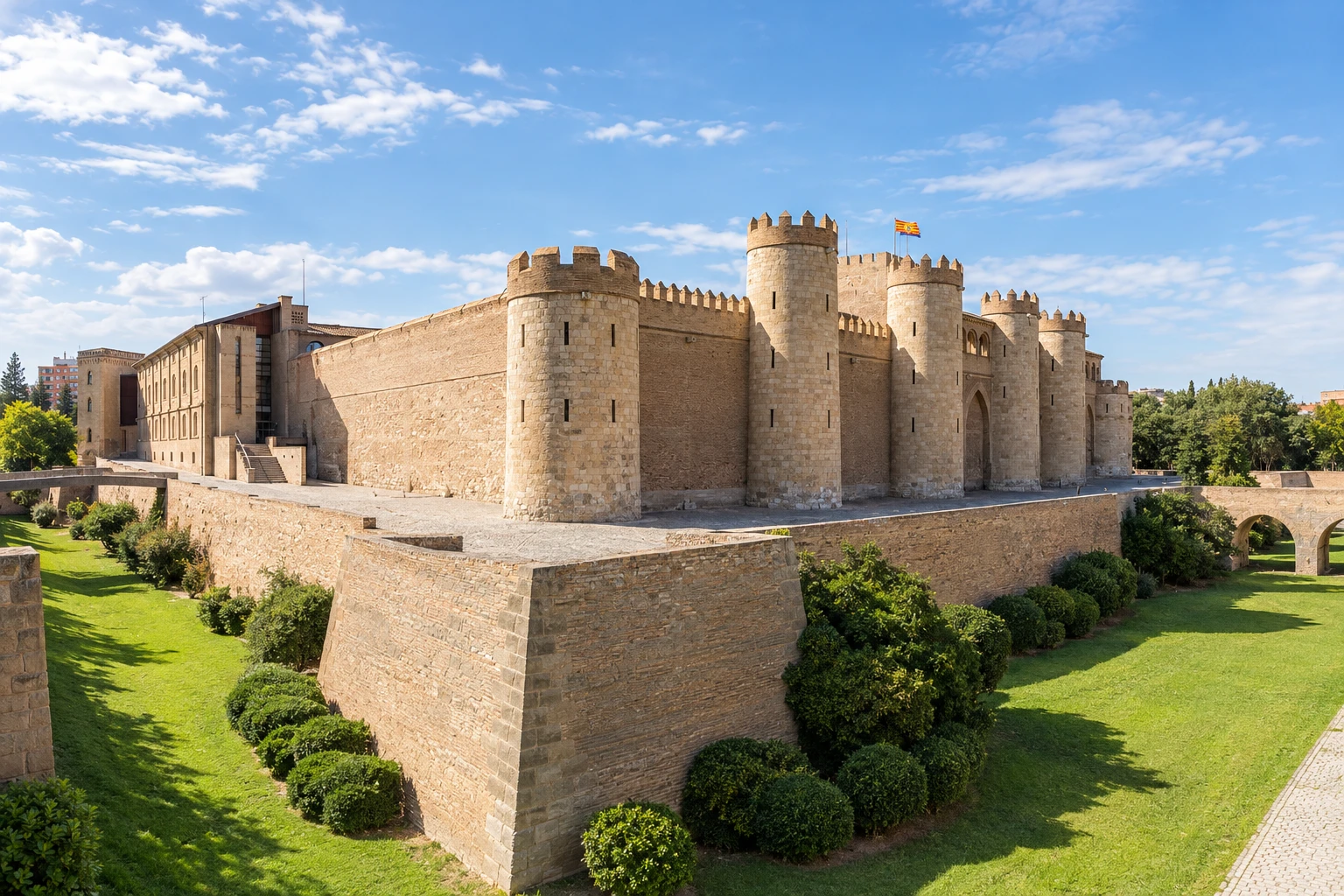
The capital of Aragón on the banks of the Ebro, with the Basílica del Pilar and its Goya frescoes, the Islamic palace of the Aljafería, the mudéjar Seo and the ruins of the Roman Caesaraugusta.
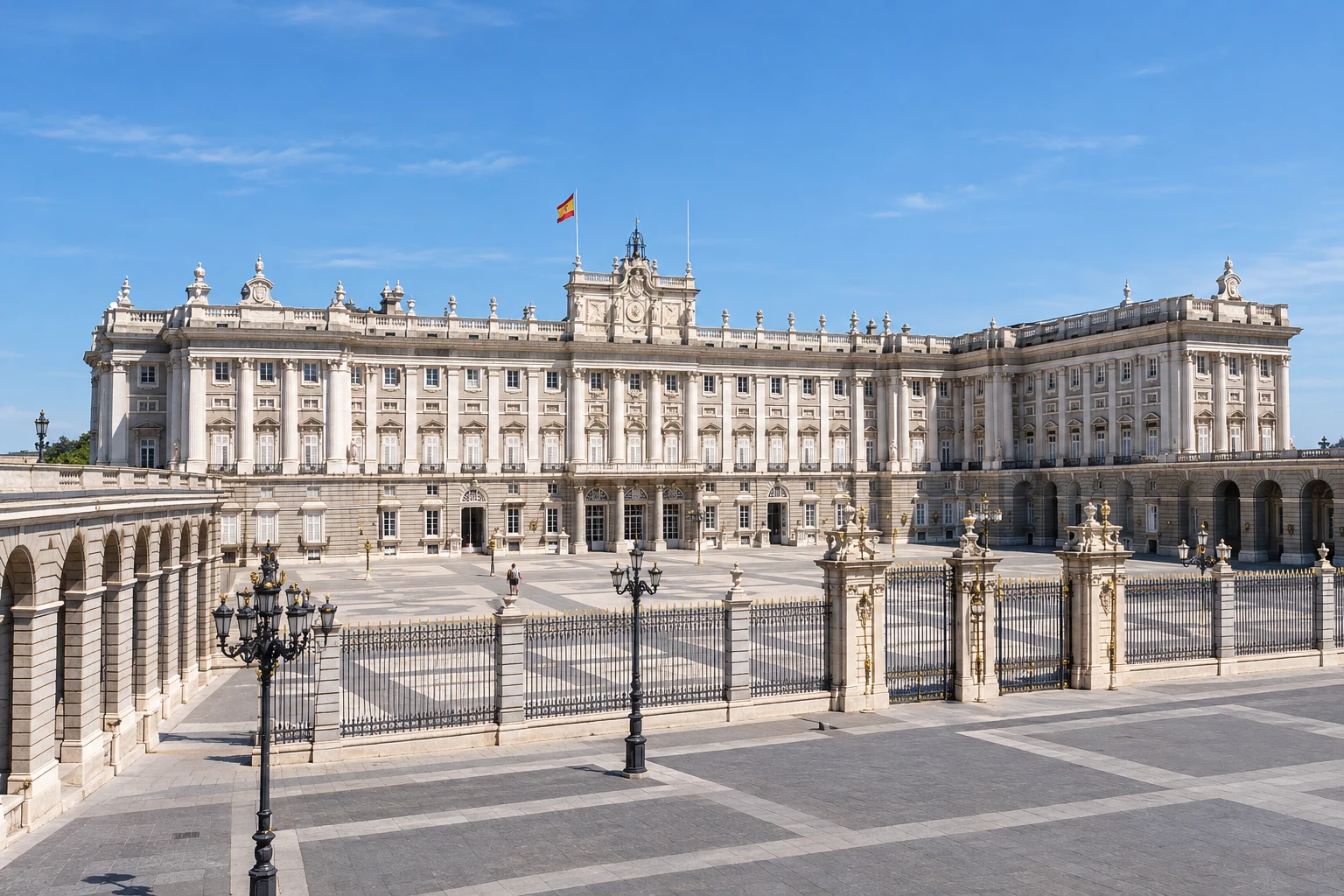
The capital of Spain brings together the Prado, the Palácio Real, the Retiro and the street life of the central neighborhoods, with high-speed trains to almost the entire country.
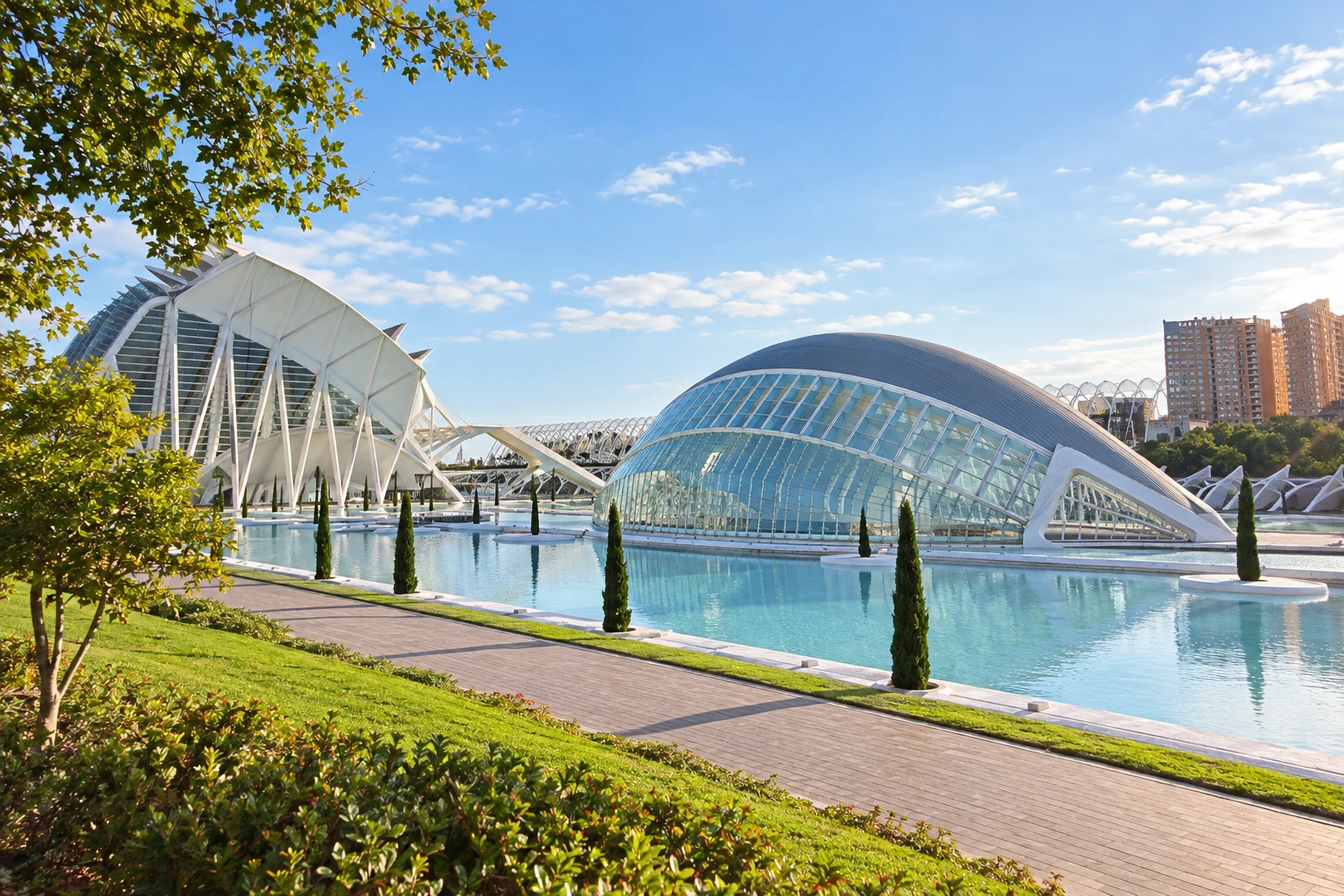
The city of paella and the Fallas, with a Gothic centre, the old Túria riverbed turned into a garden, the Cidade das Artes e das Ciências, and urban beaches.
Cities to start with
Each city has a page with what to do there.

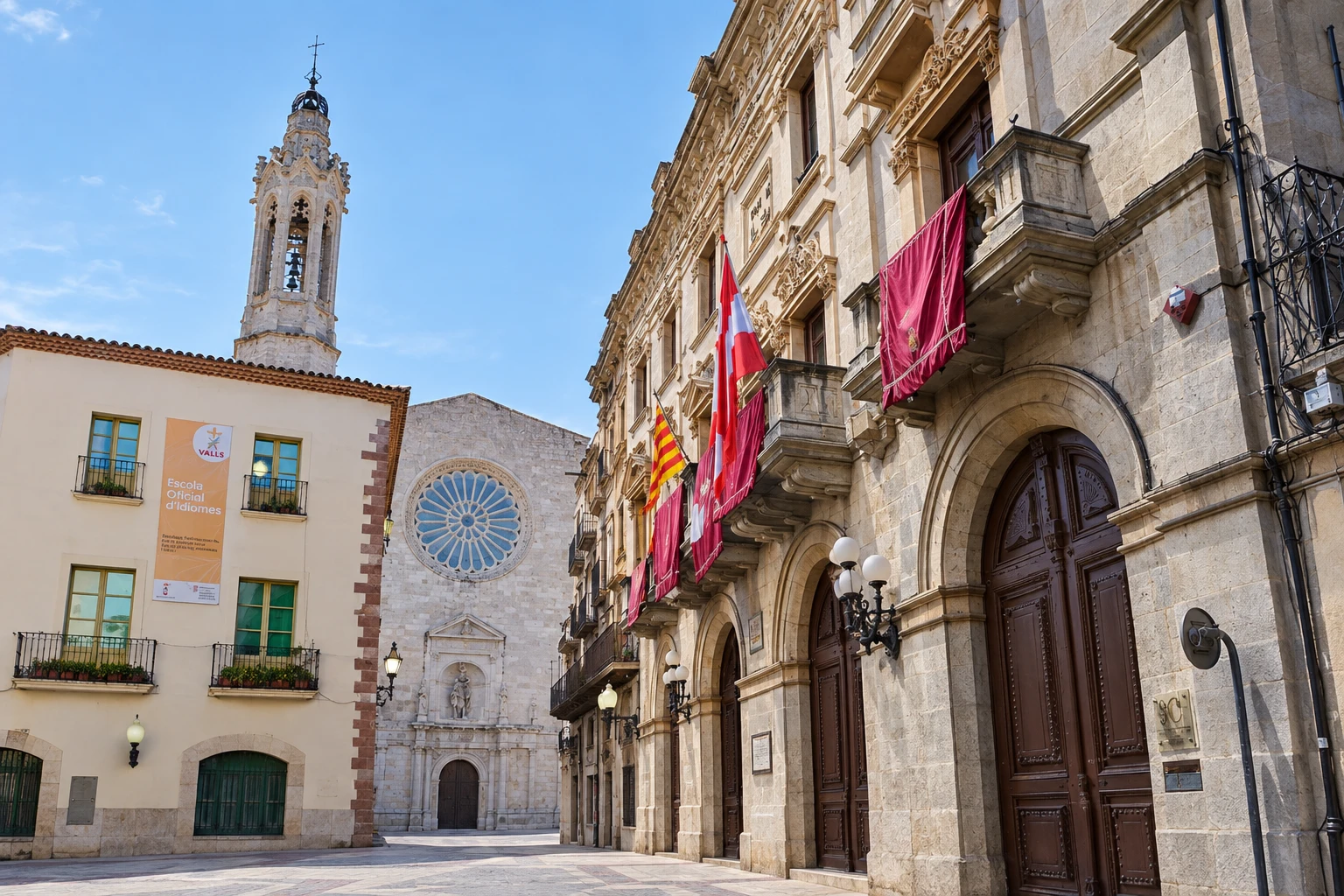
Capital of the Alt Camp comarca, inland in the province of Tarragona. The Plaça del Blat, in the historic center, is regarded as the zero kilometer of the castells, the Catalan human towers, and the Museu Casteller de Catalunya is next to it. The church of Sant Joan Baptista has the tallest bell tower in Catalonia. Valls is also the birthplace of the calçotada.

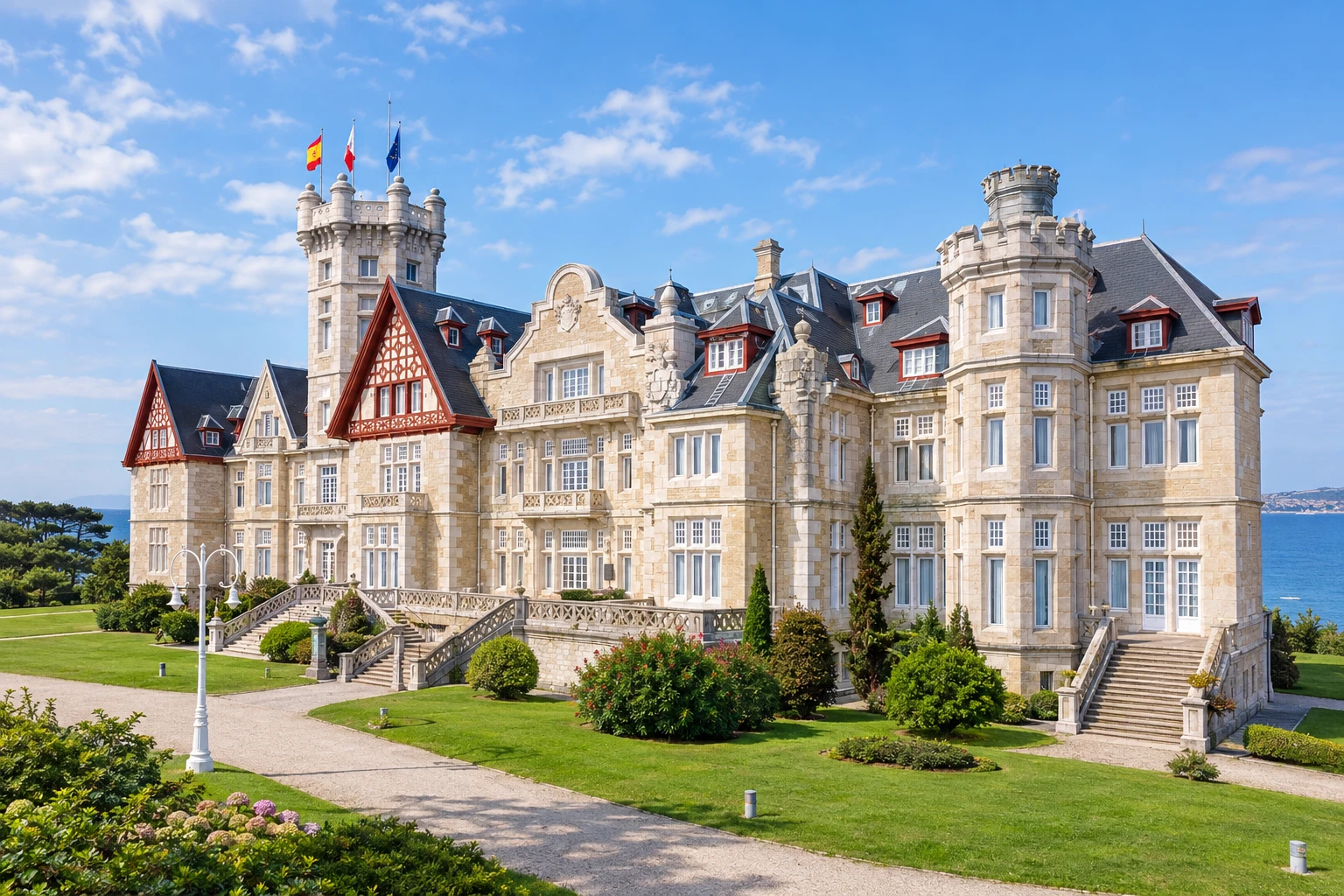
Santander is the capital of Cantábria, on a bay of the Cantabrian Sea in northern Spain. The península da Madalena has the palácio built to be the royal summer residence, and next to it are the beaches do Sardinero, which made the city a seaside resort in the early 20th century. In the center are the Gothic cathedral, the mercado de ferro da Esperança and the Centro Botín, by Renzo Piano, over the bay next to the Paseo de Pereda. The Cabo Mayor lighthouse marks the entrance to the port. About 30 km away is the Museu de Altamira, with a replica of the cave of prehistoric paintings, and 17 km away is the Cabárceno park.

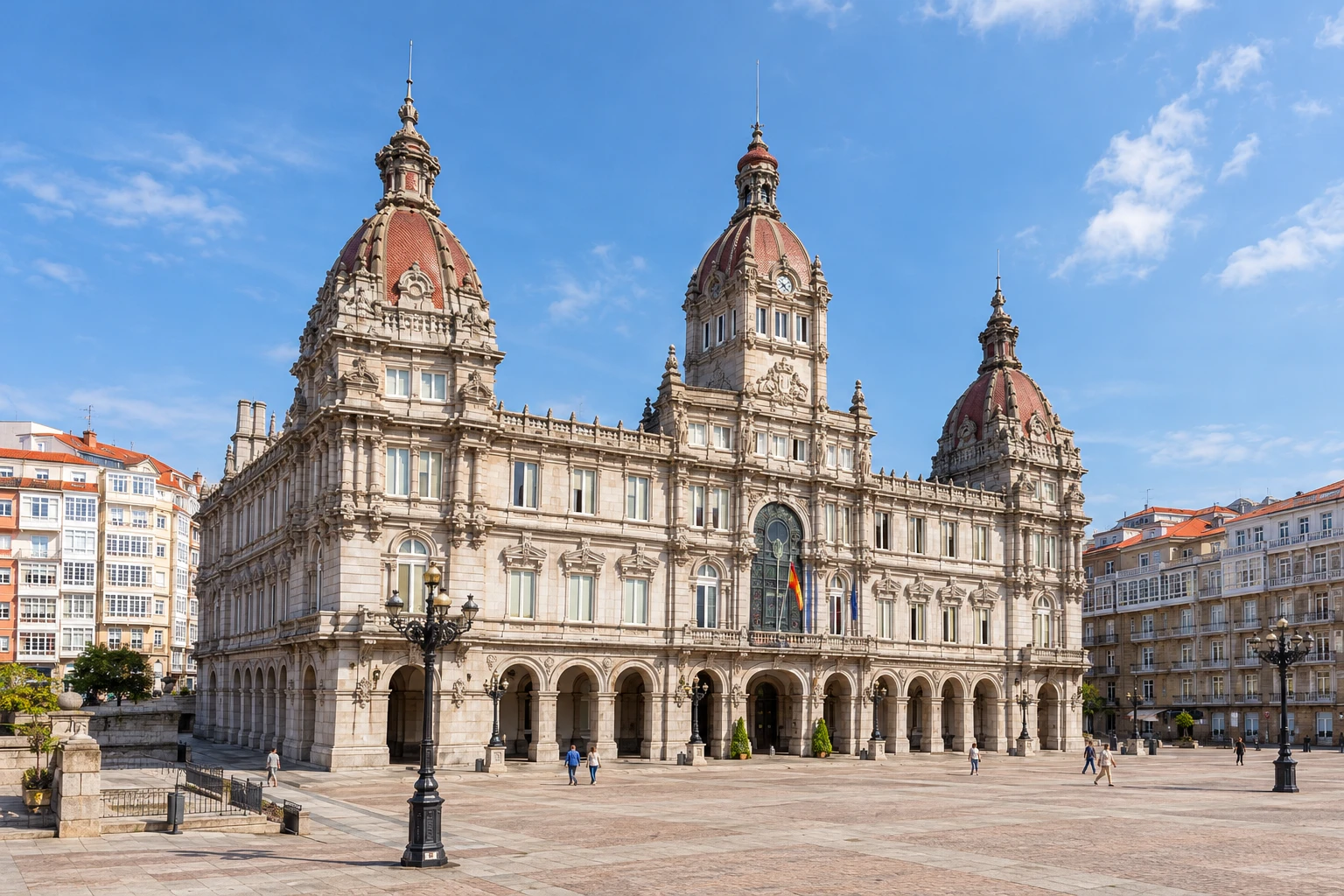
A Coruña is a Galician city on an Atlantic peninsula, about 75 km from Santiago de Compostela. At the northern tip stands the Torre de Hércules, the only Roman lighthouse still in operation and a World Heritage Site. The glass galleries along avenida da Mariña lead to plaza de María Pita and the Old Town, with the colegiata de Santa María do Campo and the San Carlos garden. The castle of San Antón houses the archaeological museum. A seaside promenade skirts the peninsula, with the beaches of Riazor and Orzán, the Aquarium Finisterrae, the Domus, the Casa das Ciências and monte de San Pedro.

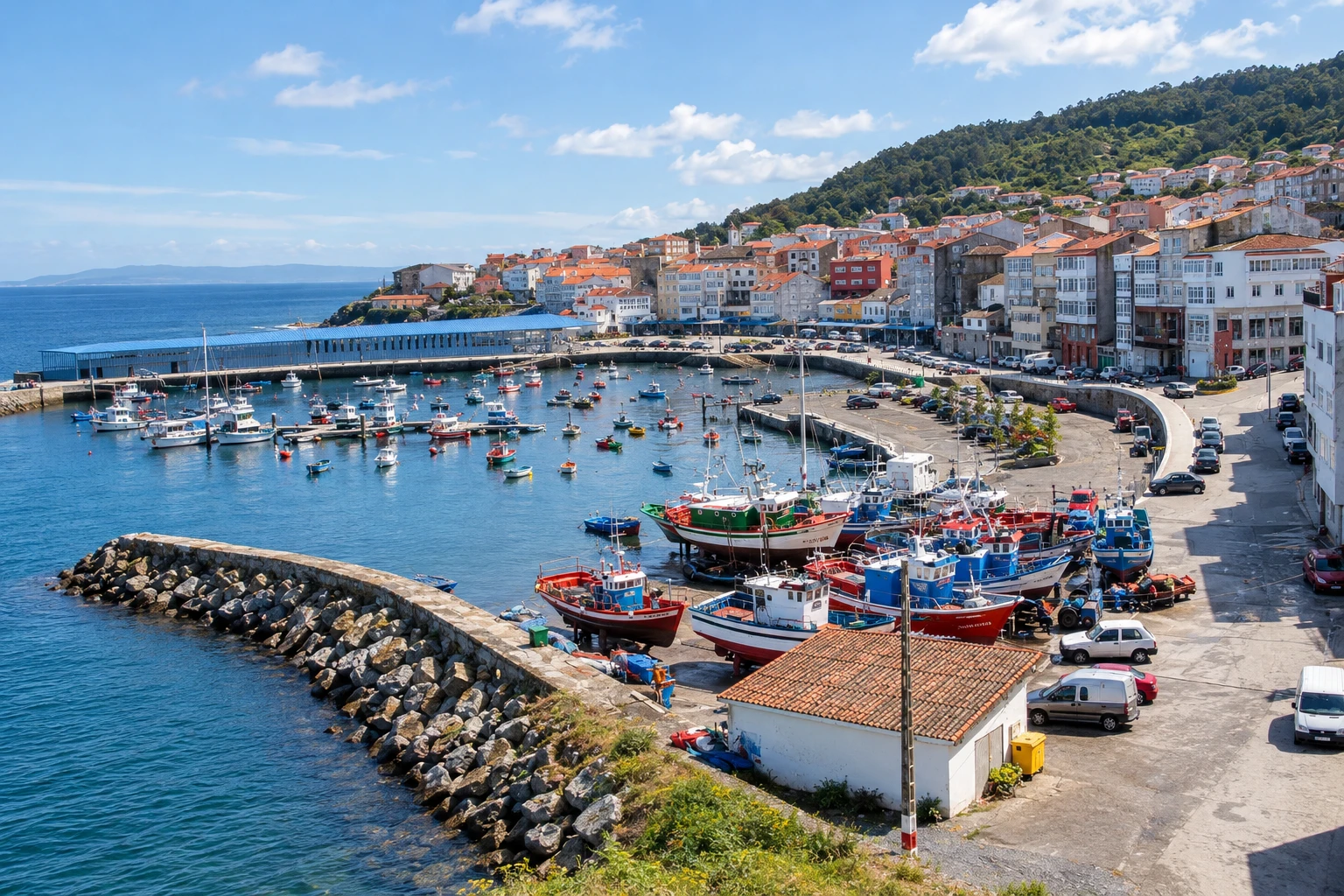
Fisterra is a fishing village on the Costa da Morte, in Galicia, about 90 km from Santiago de Compostela. About 3 km away is the cabo Fisterra, the finis terrae of the Romans, considered the end of the known world, with the lighthouse from 1853 and the kilometer-zero marker of the route many pilgrims walk after Santiago. On the way to the cape is the church of Santa María das Areas, with the Cristo de Fisterra. In the village the castelo de San Carlos houses the Museu da Pesca, and the port, with the lonxa, shows the coastal fishing. Galician and Spanish are spoken.

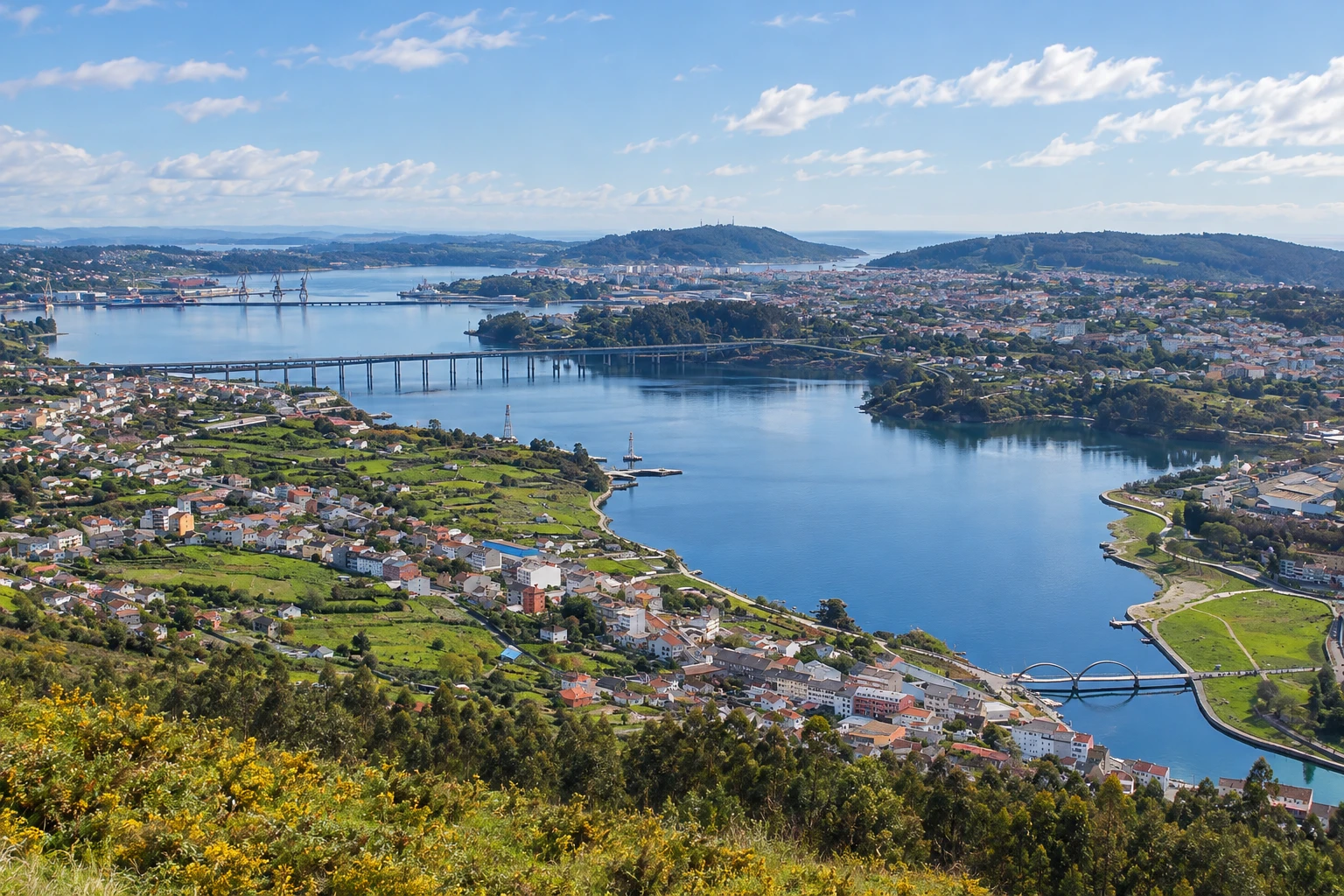
Ferrol is a Galician city on a deep Atlantic ria, about 55 km from A Coruña, linked for almost three centuries to the Spanish Navy. The bairro da Madalena, planned in the 18th century with straight streets, has houses with glass galleries, modernist buildings and the concatedral de San Xiao. Next to the arsenal are the Museu Naval and the Exponav, about shipbuilding, and at the mouth of the ria the castelo de San Felipe guards the entrance to the port. The praia de Doniños, open to the ocean, is a few kilometers away. It is the starting point of the Caminho Inglês for Santiago. Galician and Spanish are spoken.

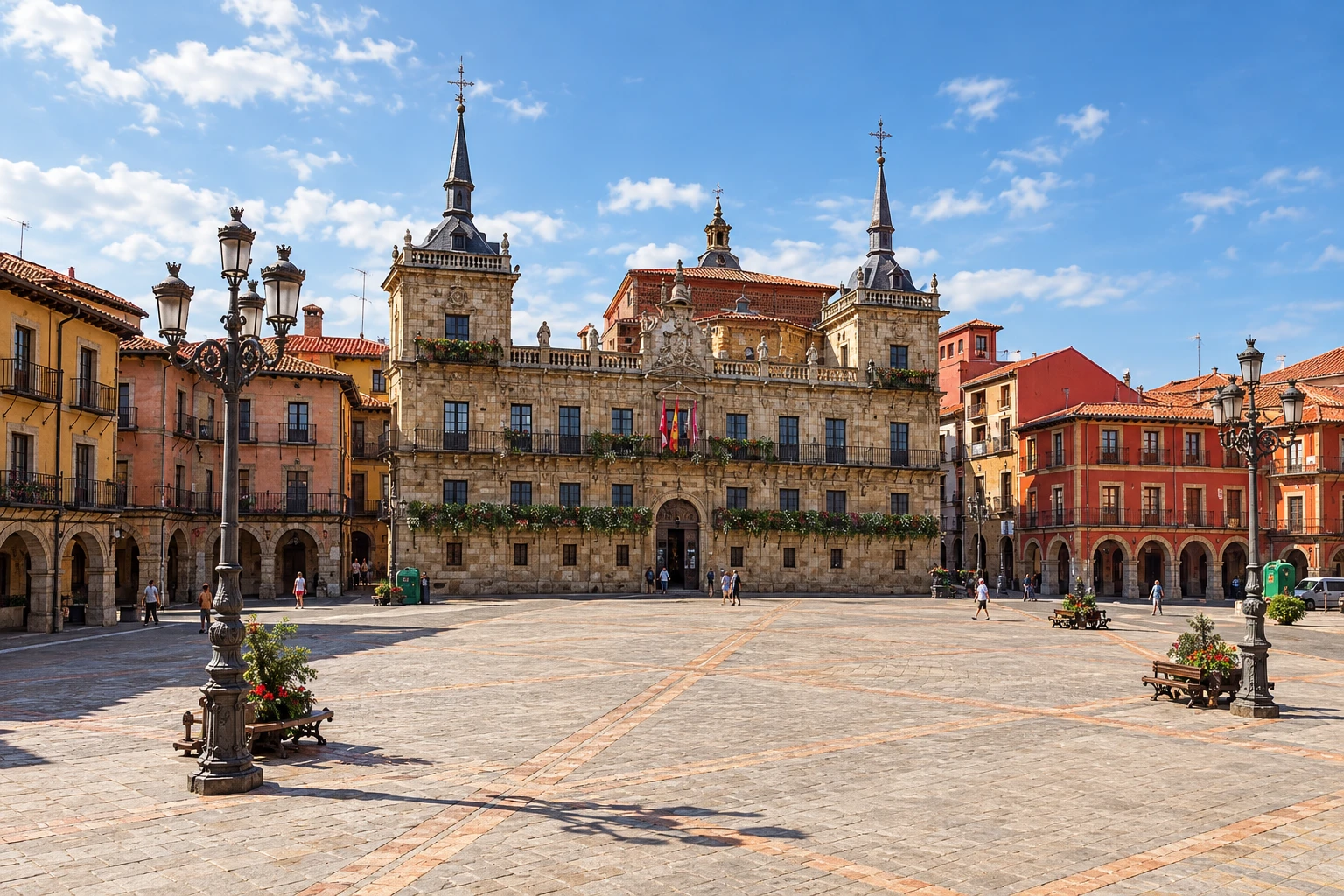
León is the capital of the province of the same name, in Castile and León, born from a Roman camp and the capital of the old Kingdom of León. It is one of the main stops on the Caminho Francês. The Gothic cathedral has one of the largest sets of medieval stained-glass windows in the world, and San Isidoro houses the Pantheon of the Kings, with Romanesque paintings. Gaudí left the Casa Botines, now a museum, and the Hostal de San Marcos has a plateresque façade. The MUSAC displays contemporary art. At night, the Barrio Húmedo around the Plaza Mayor fills with tapas bars. Spanish is spoken.
The map
Tap a region to see the names. Use two fingers to zoom in.
Outlines: IGN/CNIG, unidades administrativas, CC BY 4.0. Adapted by Cidade Turismo.
Spain
Another way into the same trip
Choose the autonomous community and the city to find your place in the guide.
Beyond the guide