Costa Blanca

Valencian Community

Costa Blanca

The southern coast of the Valencian Community: Alicante with its castle above the sea and the Explanada, Benidorm with its skyscrapers and two beaches, white villages inland.

Mediterranean

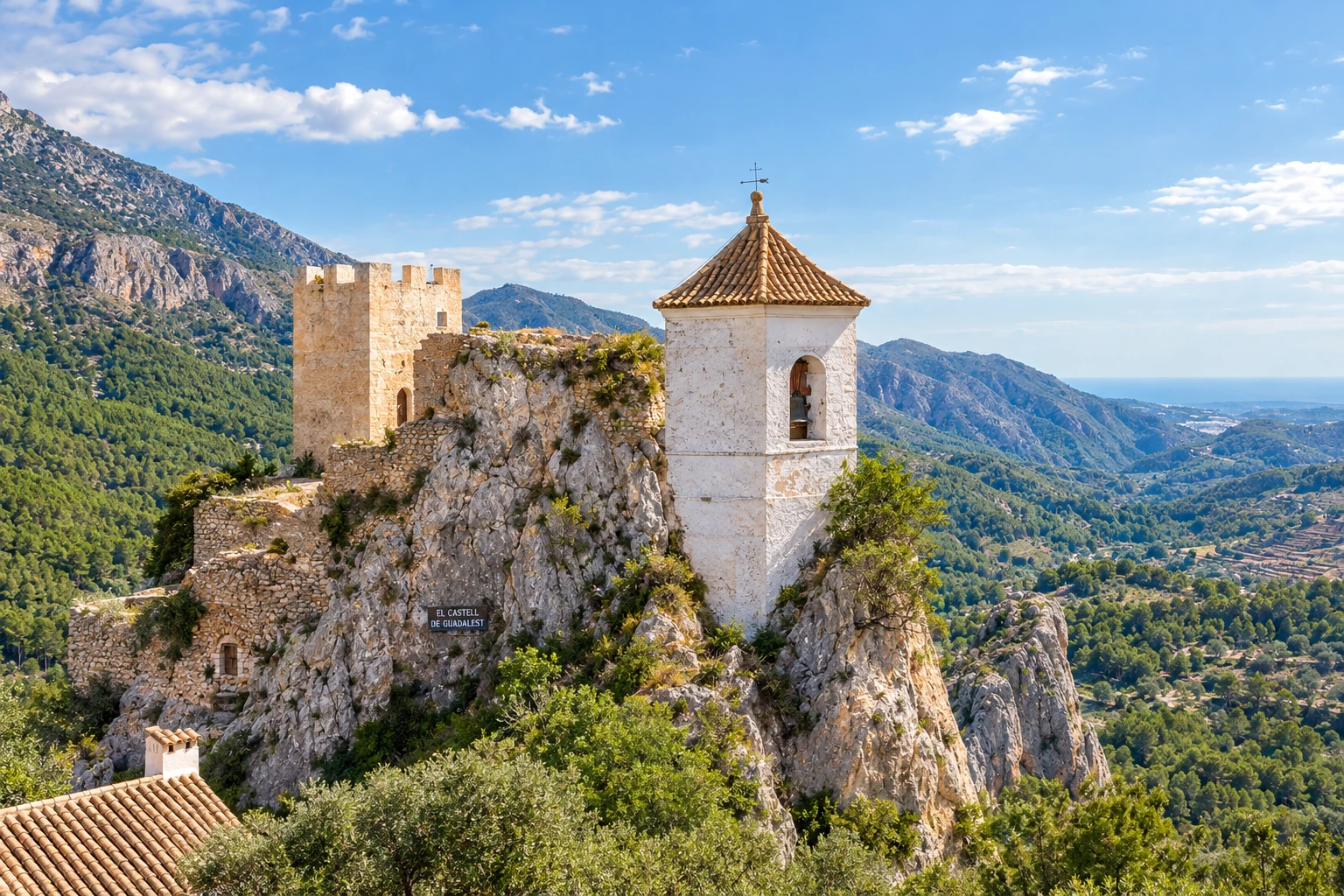
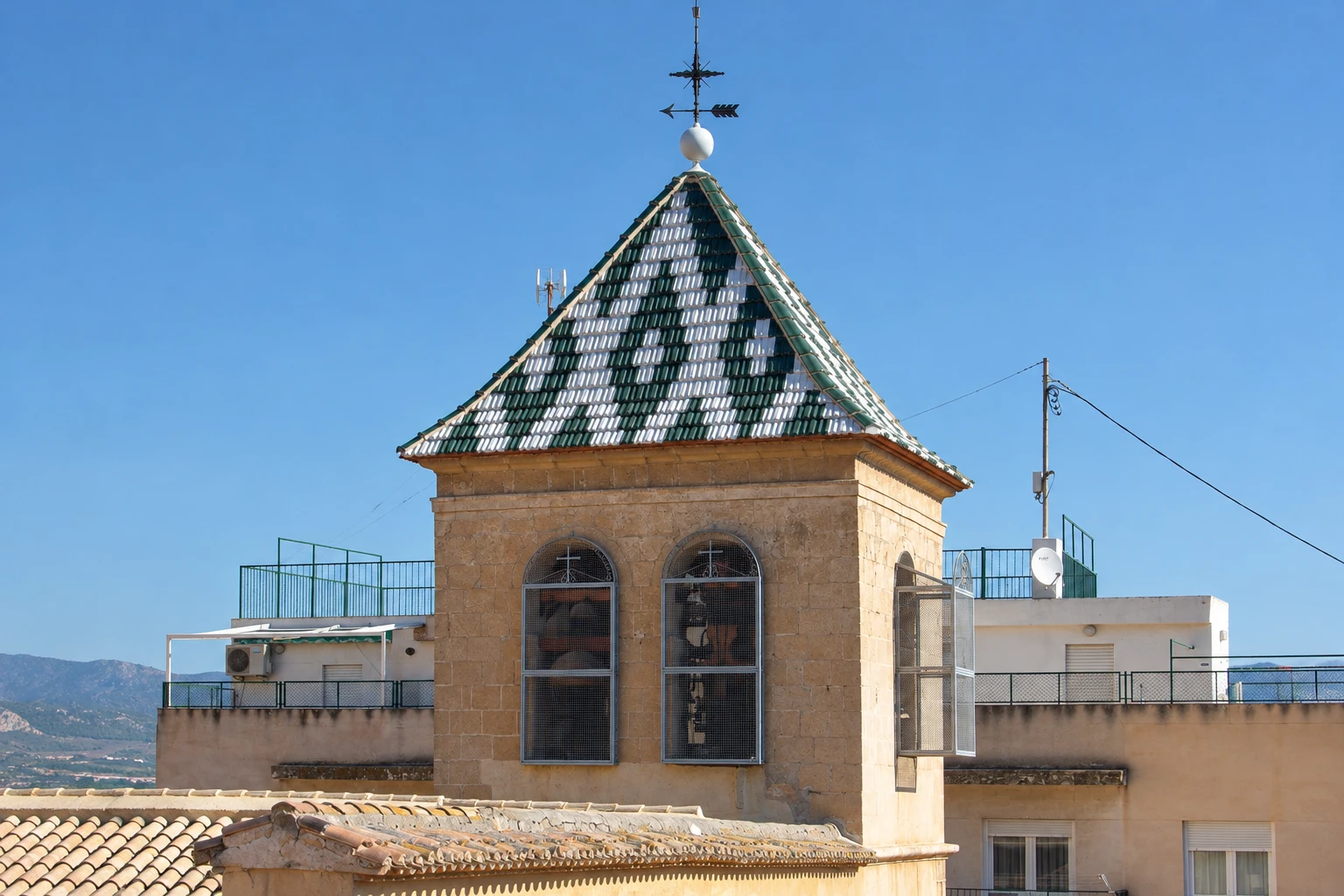
In the photo: El Castell de Guadalest

Illustrative images. The pictures in this guide are illustrations based on the real place, not photographs, and may differ from it.

Get it on Google Play

Get to know the place

A region to enjoy
at your own pace.

The Costa Blanca is the coastline of the province of Alicante, in southeastern Spain, with about 200 km of beaches and coves between Dénia in the north and Pilar de la Horadada in the south. The name was created in the 1950s to promote the region, and its reputation came from the dry, sunny climate with mild winters, which attracts Northern Europeans year-round.

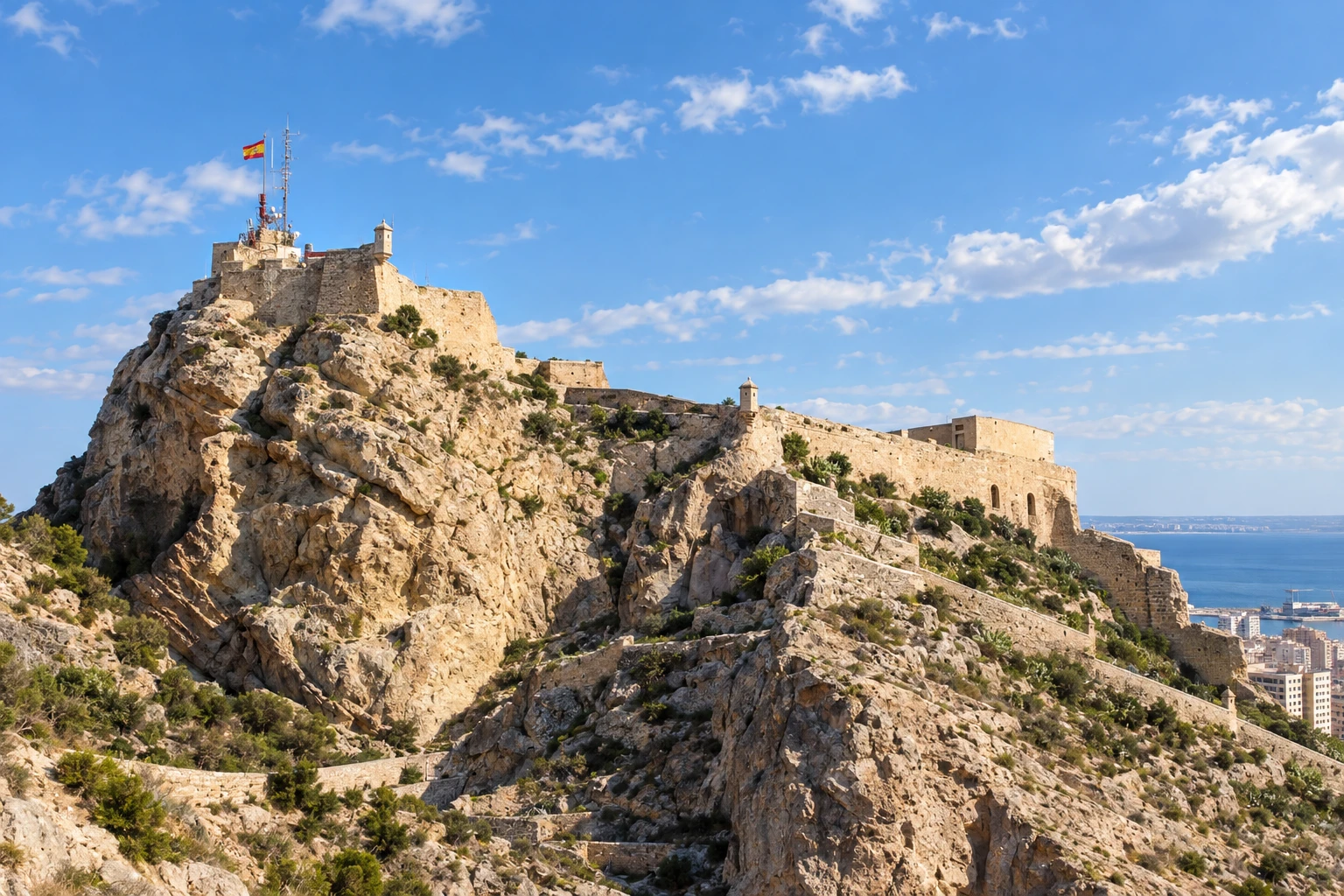
Alicante (Alacant in Valencian) is the provincial capital and the gateway, with an international airport and high-speed train. The city grew at the foot of Monte Benacantil, crowned by the Castillo de Santa Bárbara, and its center includes the Explanada promenade, with wave-patterned mosaic paving, the old quarter of Santa Cruz and the Postiguet beach. Boats leave from there to Tabarca island.

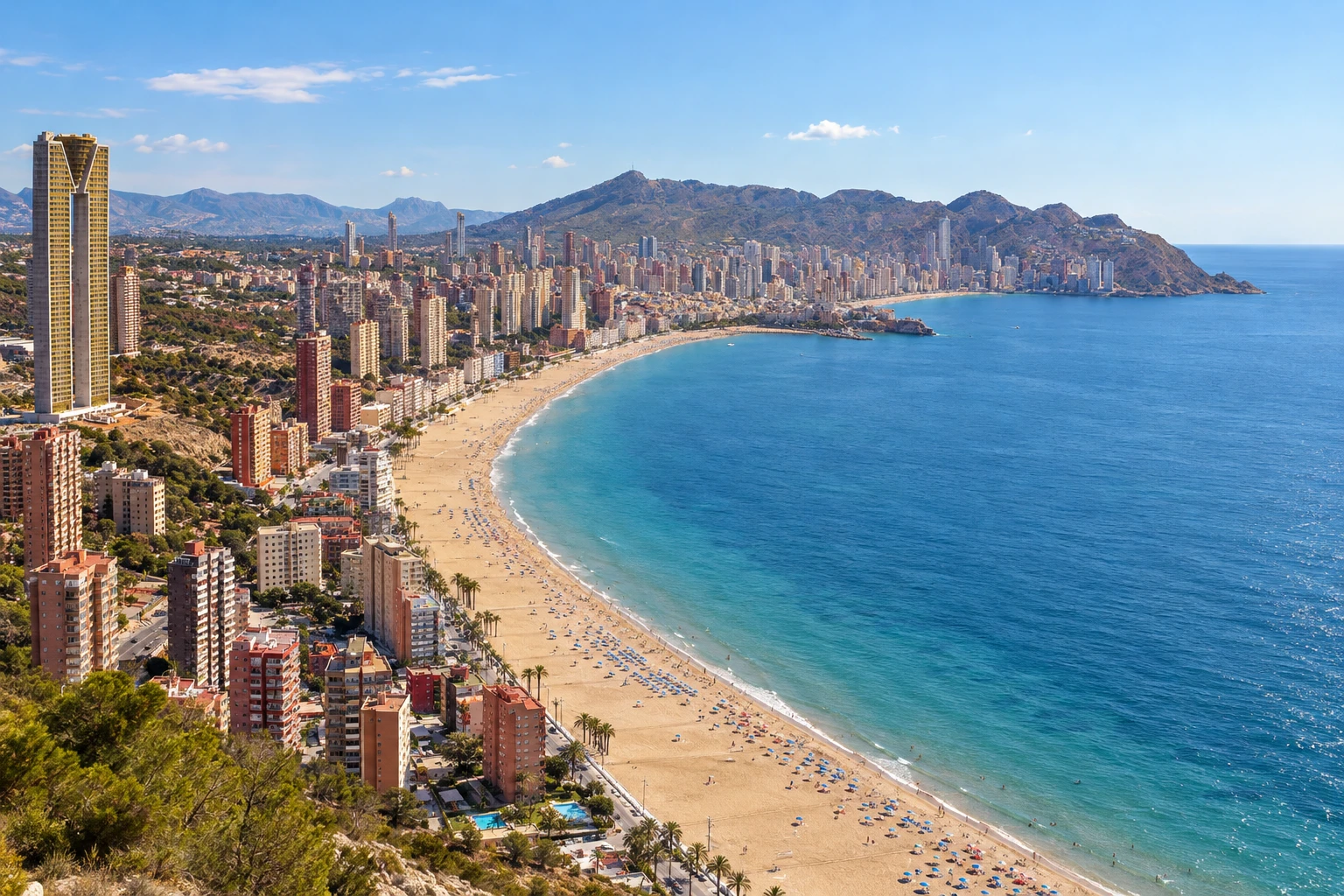
About 45 km to the north lies Benidorm, which in the 1950s shifted from fishing to tourism and filled the waterfront with tall buildings that became the city's hallmark. It has two long beaches, Levante and Poniente, separated by the old town promontory with the Balcón del Mediterráneo viewpoint. Inland behind the coast, the mountains hide villages like Guadalest, perched on a cliff with a castle, and the waterfalls of Fonts de l'Algar.

For Brazilians, the Costa Blanca pairs well with Valencia, about 2 hours by train, or with Madrid. The TRAM light-rail connects Alicante to Benidorm and the coastal towns. The time difference with Brasília is 4 or 5 hours ahead, depending on the time of year.

This destination brings together 3 cities: Alicante, Benidorm, Jijona.

Share: WhatsApp
Traveler, share your experiences through photos Up to 5 photos of each place you visited.

One destination, many paths

The cities on this trip

Start with one city or combine several in your itinerary.

Where Costa Blanca is The star marks the nearest capital, Valencia.
ValenciaAlicanteBenidormJijona

Outlines: IGN/CNIG, unidades administrativas, CC BY 4.0. Adapted by Cidade Turismo.

How to get there: Costa Blanca

Aeropuerto de Alicante-Elche Miguel Hernández (ALC), in Elche · 12 km to Alicante

Connections from Brazil usually involve a transfer in another city. Check before booking. Alicante–Elche airport is 12 km from Alicante and about 60 km from Benidorm. From Madrid, the high-speed train takes about 2h20 to Alicante; from Valencia, about 2 hours.

Suggested arrival point: Alicante

Festivals and events

Festivals Costa Blanca

Dates change every year: check this year's date before you travel.

Festival calendar in Spain

The local experience

Things to do in Costa Blanca

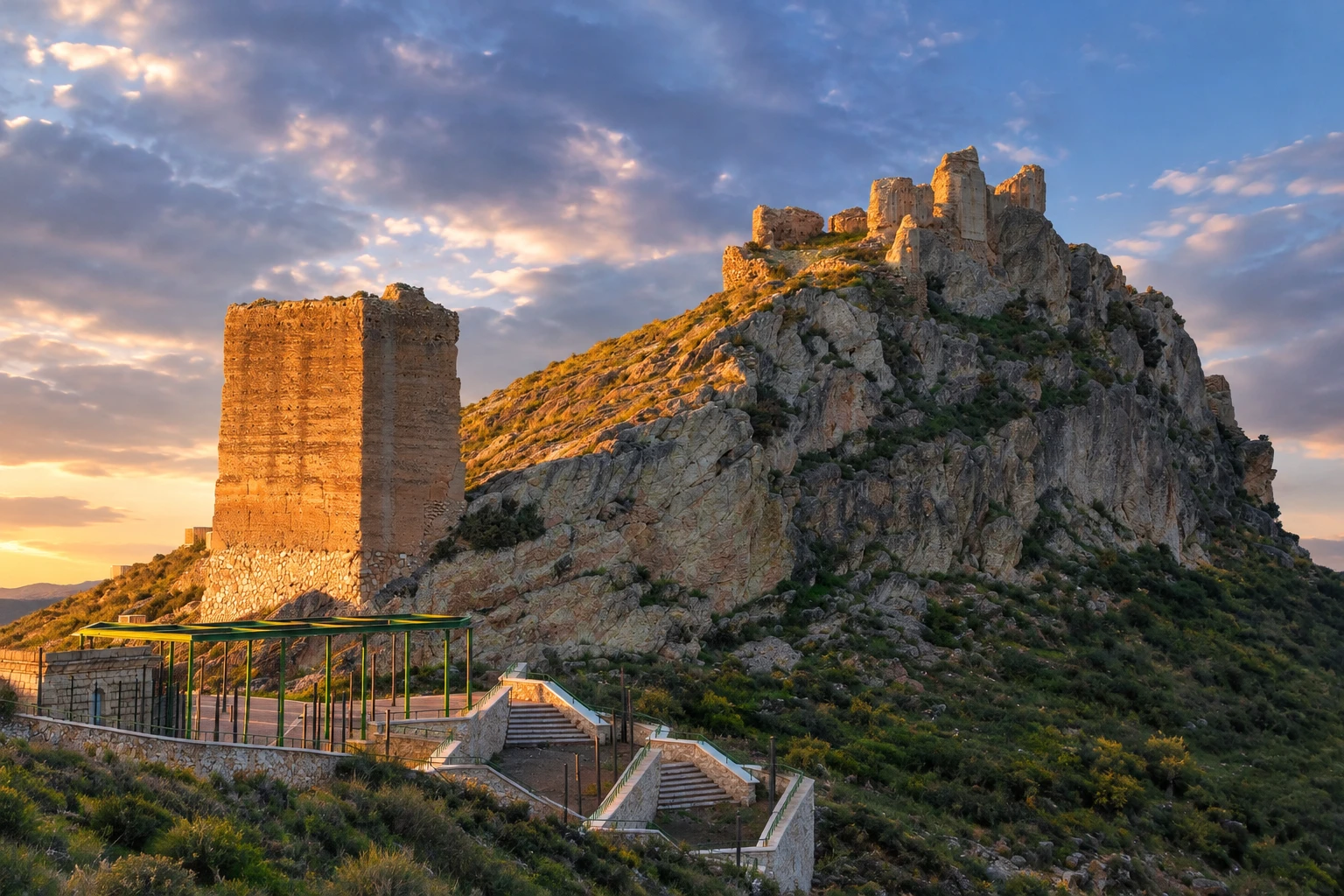
Jijona · Valencian Community · Castle

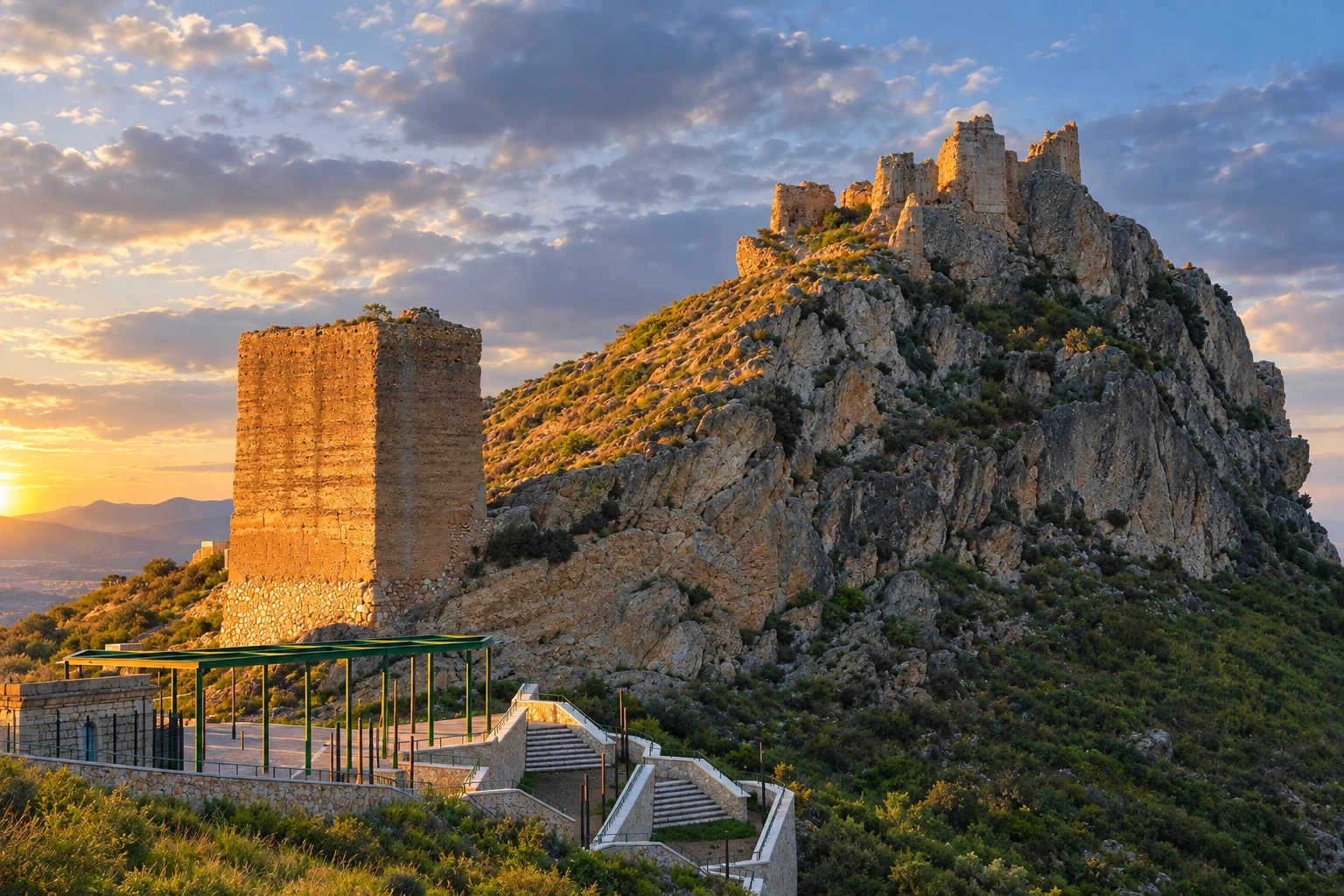
Torre Grossa Castle

Ruins of Xixona’s castle, built by the Almohads between the late 12th and early 13th centuries, on the top of the hill above the town. Torre Grossa and the alcazaba were restored, and trails lead to the viewpoint.

Explore Torre Grossa Castle

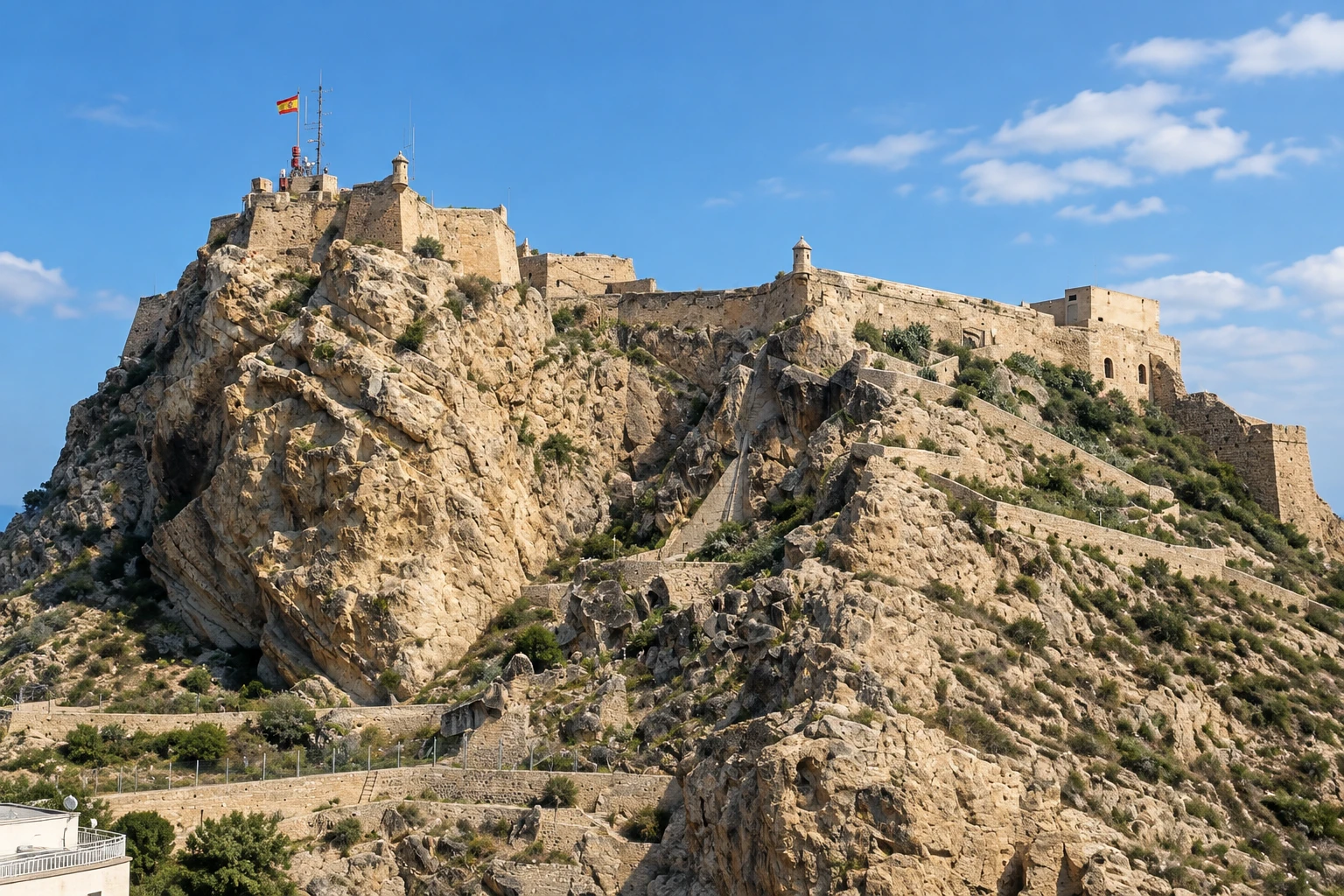
Alicante · Valencian Community · Castle

Santa Bárbara Castle

Fortress atop Monte Benacantil, 166 meters above the sea, with walls from different periods, viewpoints over the city, the port and the coast, and an elevator that starts by the beach.

Explore Santa Bárbara Castle

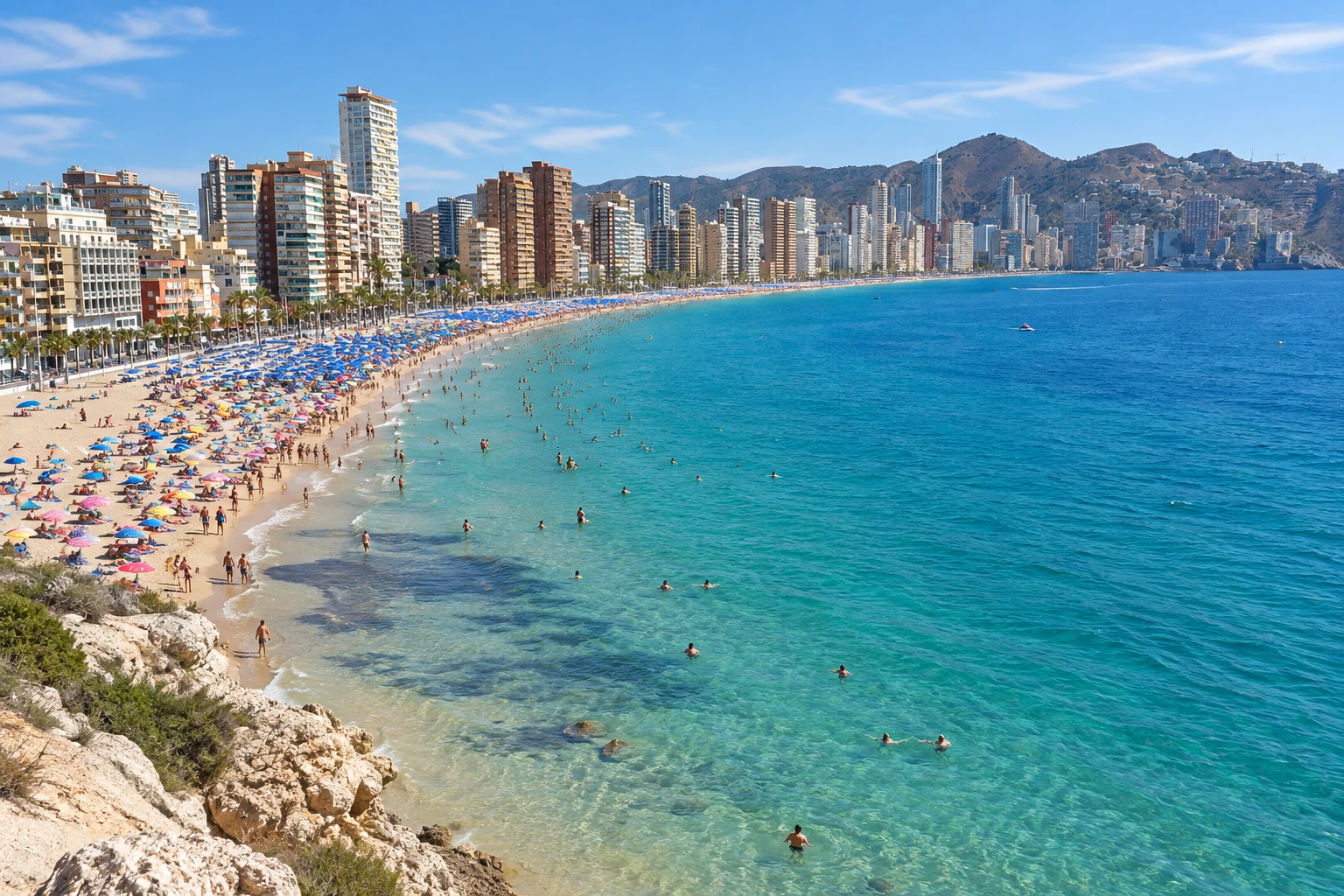
Benidorm · Valencian Community · Beach

Levante Beach

Beach of about 2 km east of the old town, with fine sand, calm sea and a promenade with bars and restaurants, with Benidorm's skyscrapers in the background.

Explore Levante Beach

See 13 more places in Costa Blanca

Before you go

Practical information

A little planning leaves more time to enjoy the journey.

When to go

From May to June and from September to October the sea is usually good for swimming and the beaches are less crowded. July and August are hot and packed, especially in Benidorm. Winter is mild and dry, popular with European retirees, but the water is cold. In June, Alicante usually holds the Hogueras de San Juan.

The seasons shown are the most usual ones; nature doesn't always follow the calendar.

How many days to stay

Two days in Alicante cover the castle, the city center and a day at the beach or a boat trip to Tabarca. Benidorm requires one or two days for the beach. If you have a car, set aside a day for Guadalest and Fonts de l'Algar. Four or five days let you do everything without hurry.

Which city to stay in

In Alicante, the center between the Explanada, the Rambla and the Mercado Central puts everything within walking distance and close to Postiguet beach; San Juan beach, farther away, has seafront hotels. In Benidorm, Levante beach concentrates the nightlife and large hotels, while Poniente is quieter and more family-oriented. The old town lies between them, with tapas bars and smaller hotels.

Respect the place

Take your trash with you, follow the signs and support local businesses. In natural areas, follow the visiting guidelines.

Beyond the guide

Your questions

Frequently asked questions about Costa Blanca

Where is the Costa Blanca?

It is the coastline of the province of Alicante, in the Valencian Community, between Dénia and Pilar de la Horadada. The main cities are Alicante and Benidorm.

How to get from Alicante to Benidorm?

By the TRAM, line 1 of the metropolitan tram-train, which takes about 1h10 with a change at Luceros or La Isleta. There are also direct buses, which are faster, and the drive is about 45 km.

Is the Costa Blanca good in winter?

For sightseeing, yes: winter is mild and dry, with sunny days. For swimming, the sea is usually cold from December to April.

Do I need a car on the Costa Blanca?

Not for Alicante and Benidorm, which are connected by the TRAM and buses. A car helps for inland villages like Guadalest and for more remote coves.

When are the Hogueras de Alicante?

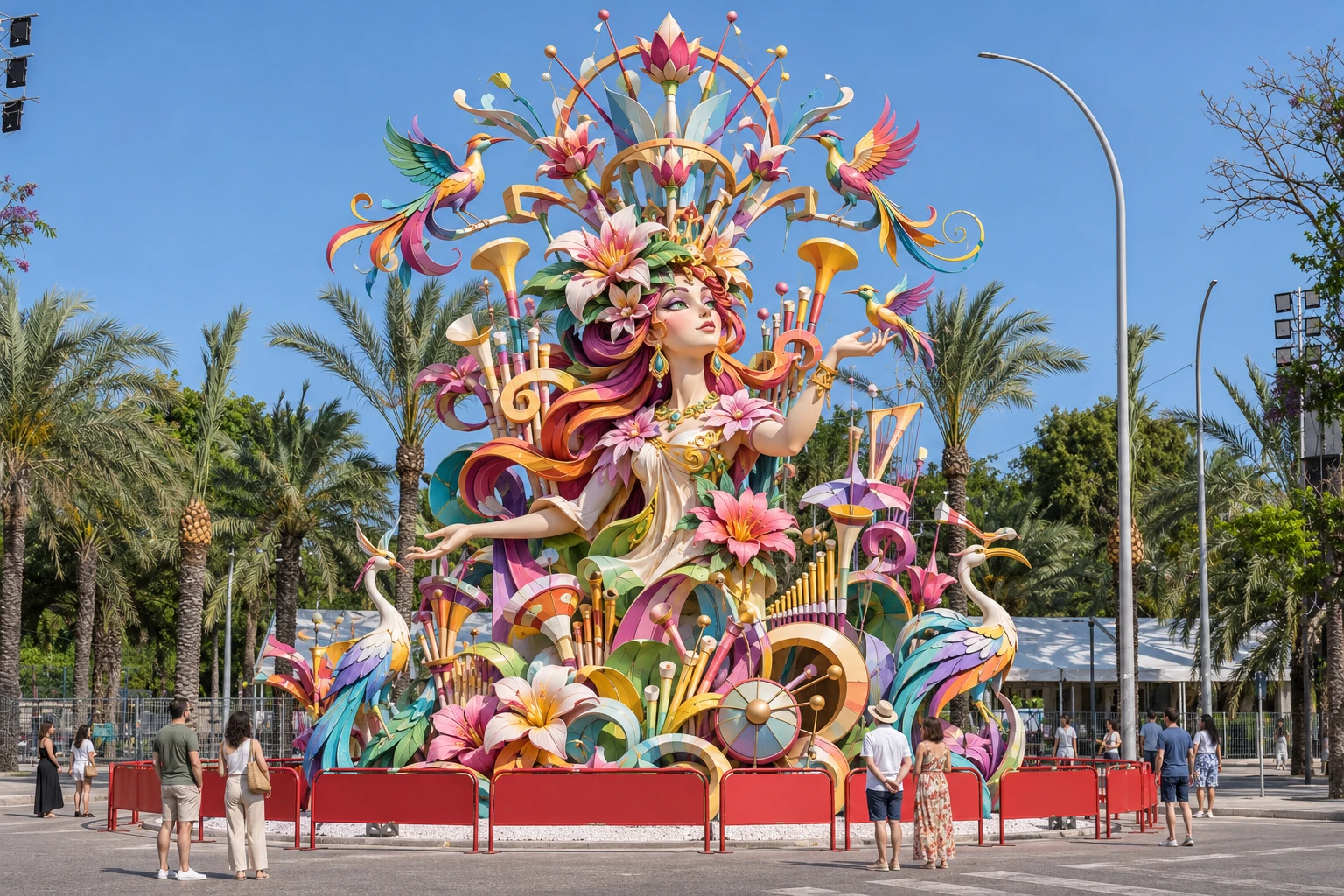
They usually take place in June, ending on the night of San Juan, from the 23rd to the 24th, when the street monuments made of papier-mâché are burned. Check the dates for the year.

Explore other destinations Search by state and city