 2 destinations · 2 cities
Guyana
Georgetown, Kaieteur Falls and the Rupununi savannas on the border with Brazil: the guide with routes, destinations and towns.

 Search
 Brazil
 Antarctica
 Argentina
 Bolivia
 Chile
 Colombia
 Ecuador
 Falkland Islands (Malvinas)
 French GuianaGuyana
 Paraguay
 Peru
 Suriname
 Uruguay
 Venezuela
 Austria
 Belgium
 Croatia
 Denmark
 Finland
 France
 Germany
 Greece
 Hungary
 Iceland
 Ireland
 Italy
 Luxembourg
 Norway
 Poland
 Portugal
 Slovakia
 Slovenia
 Spain
 Sweden
 Switzerland
 the Czech Republic
 the Netherlands
 the United Kingdom
 Turkey
 Bermuda
 Canada
 Greenland
 Mexico
 Saint Pierre and Miquelon
 the United States
 the Dominican Republic
 JapanTurkey
 Egypt
 South Africa
 Australia
 Fiji
 New Zealand
 Papua New Guinea
South American countries on Ciudad Turismo: what to do in each, trips that cross borders and what to know before you go.
13 countries 6 routes 81 destinations 150 cities
Across Cidade Turismo: 53 countries · 101 routes · 925 destinations · 2,317 cities
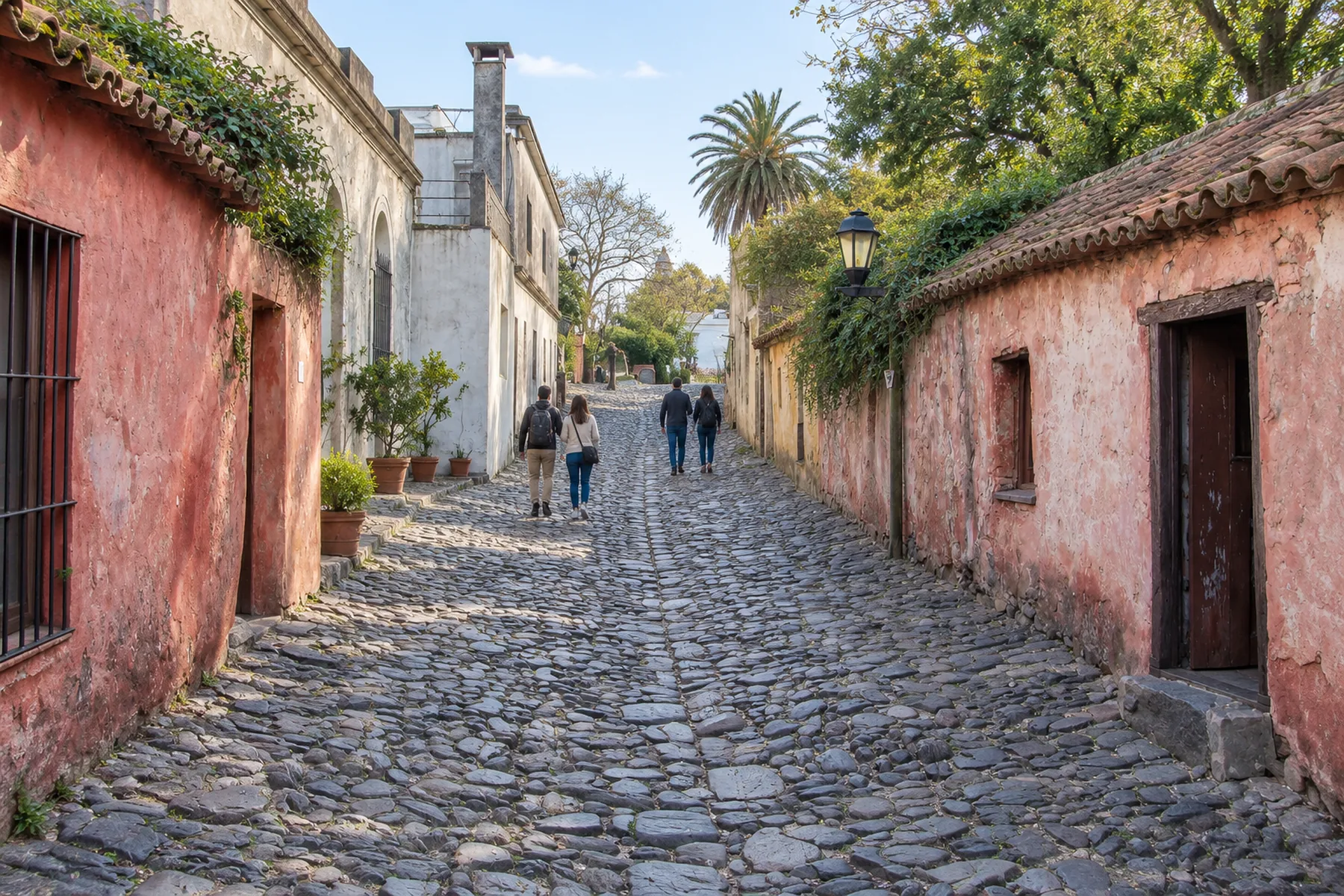
In the photo: Calle de los Suspiros — Colônia do Sacramento, Uruguay see the guide to Uruguay →
The guide
South America brings together very different landscapes a few hours by plane away: the Atlantic and Pacific coasts, the Andes, the Atacama Desert, the glaciers of Patagonia, the Amazon, and colonial cities. Several countries are only a border away and can be combined in a single trip.
Here are the South American countries that are already on Ciudad Turismo, besides Brazil. Each has its own guide, made city by city, with routes, destinations, attractions, when to go, and how to get there. On this page is what applies to the entire continent: the countries, trips that cross more than one, and what changes when you cross the border.
The texts are written based on official tourism and transportation sources from each country. Entry rules change: before you travel, check the requirements on official websites.
The countries
Each country has its own guide: the routes, the destinations, the cities and what to know before you go. New countries are added all the time.
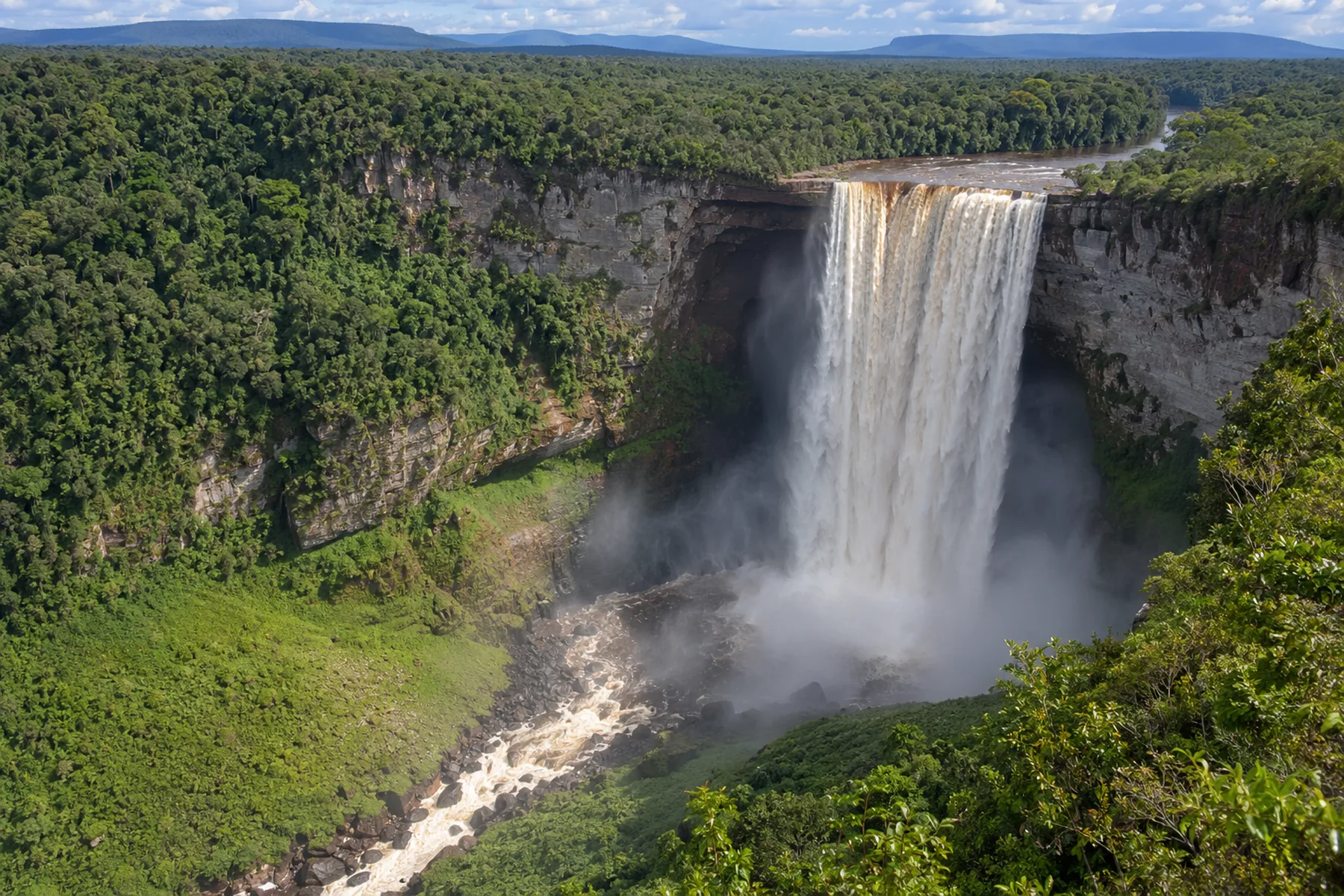
2 destinations · 2 cities
Georgetown, Kaieteur Falls and the Rupununi savannas on the border with Brazil: the guide with routes, destinations and towns.
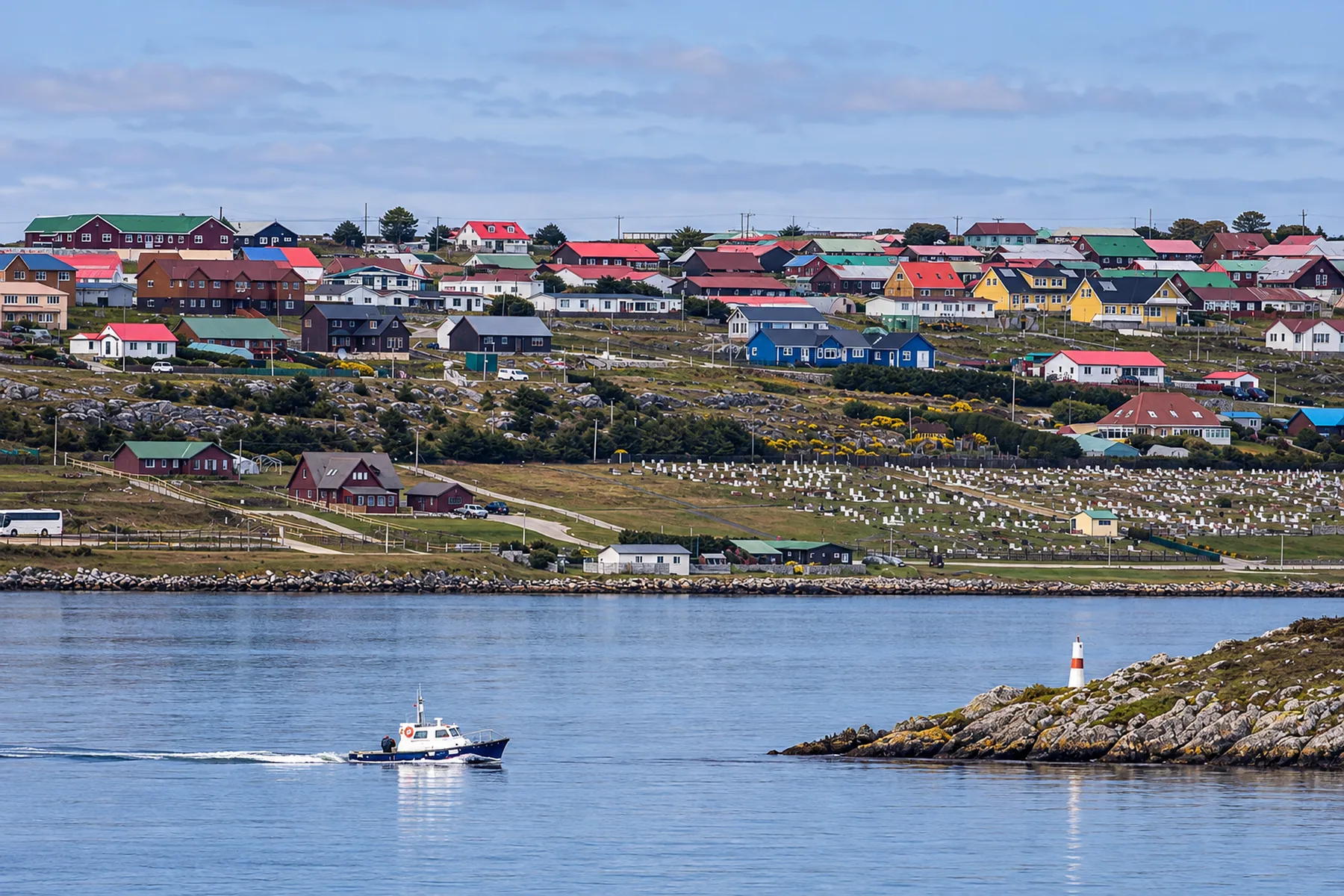 1 destination · 1 city
Stanley, the penguins and the coast of the Falkland Islands (Falkland): the guide to destinations and towns.
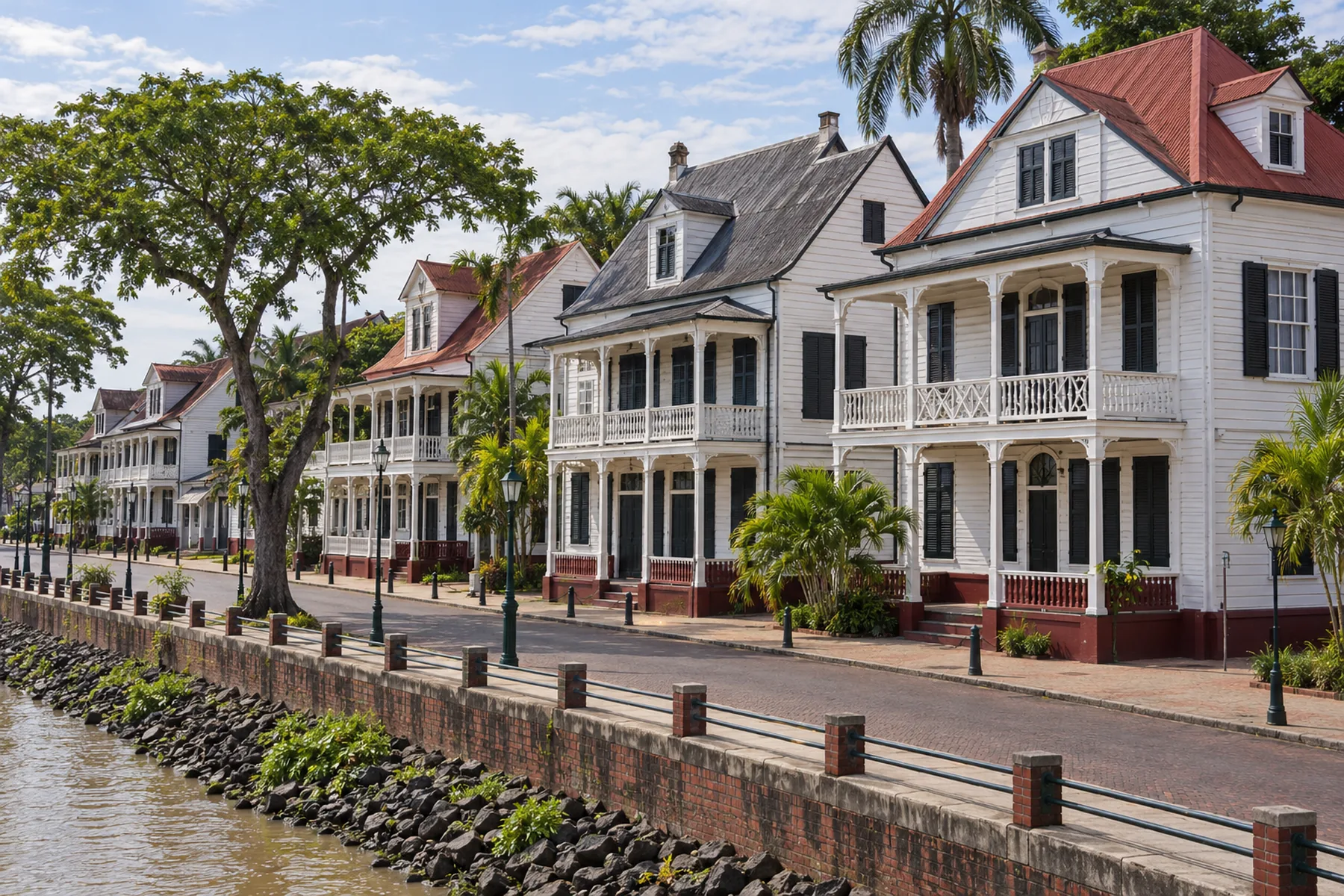 1 destination · 1 city
Paramaribo, with the wooden historic center, the Suriname River and the rainforest: the guide with routes, destinations and towns.
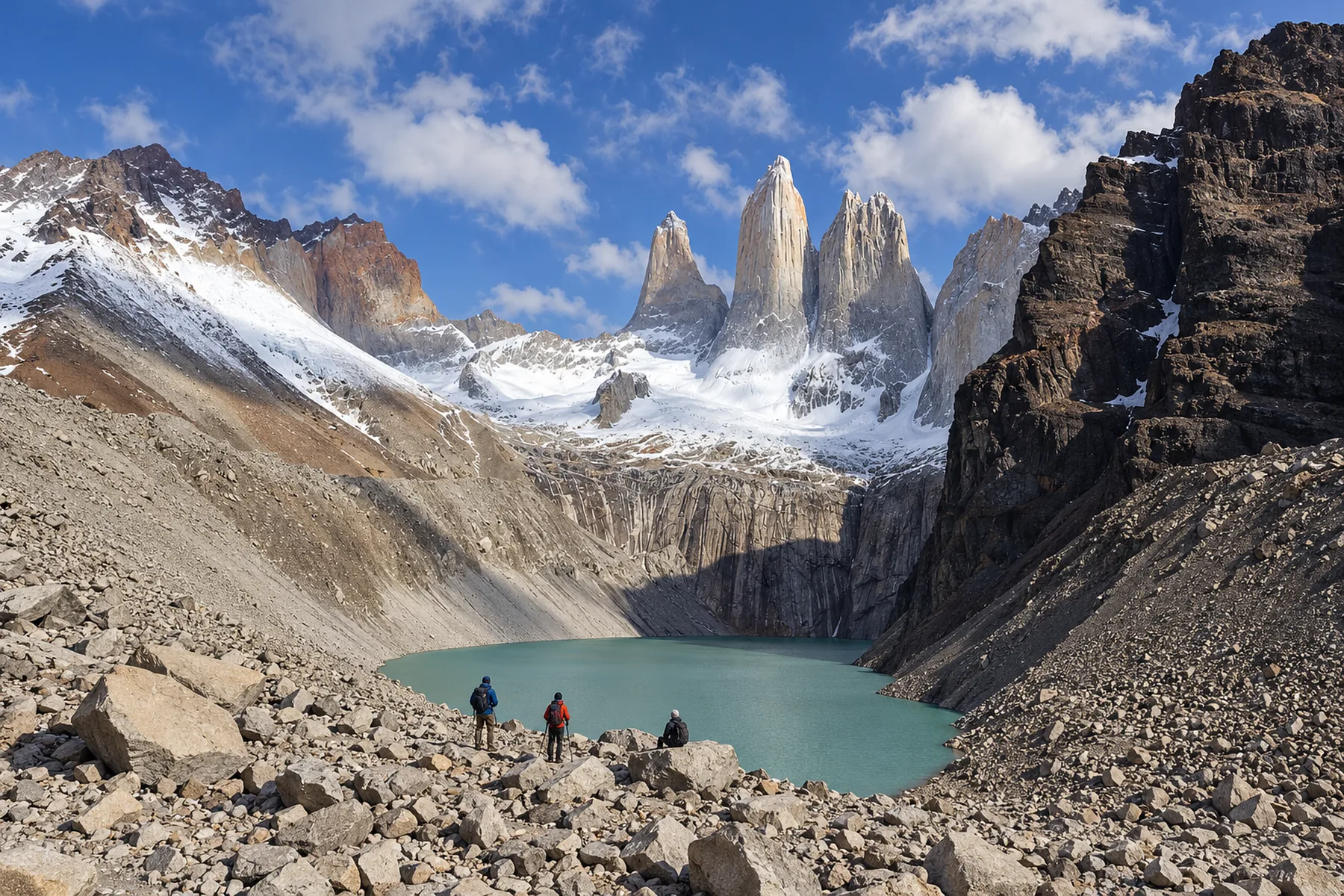 11 destinations · 22 cities
Santiago, the Atacama, the vineyards and Patagonia: the guide with routes, destinations and towns.
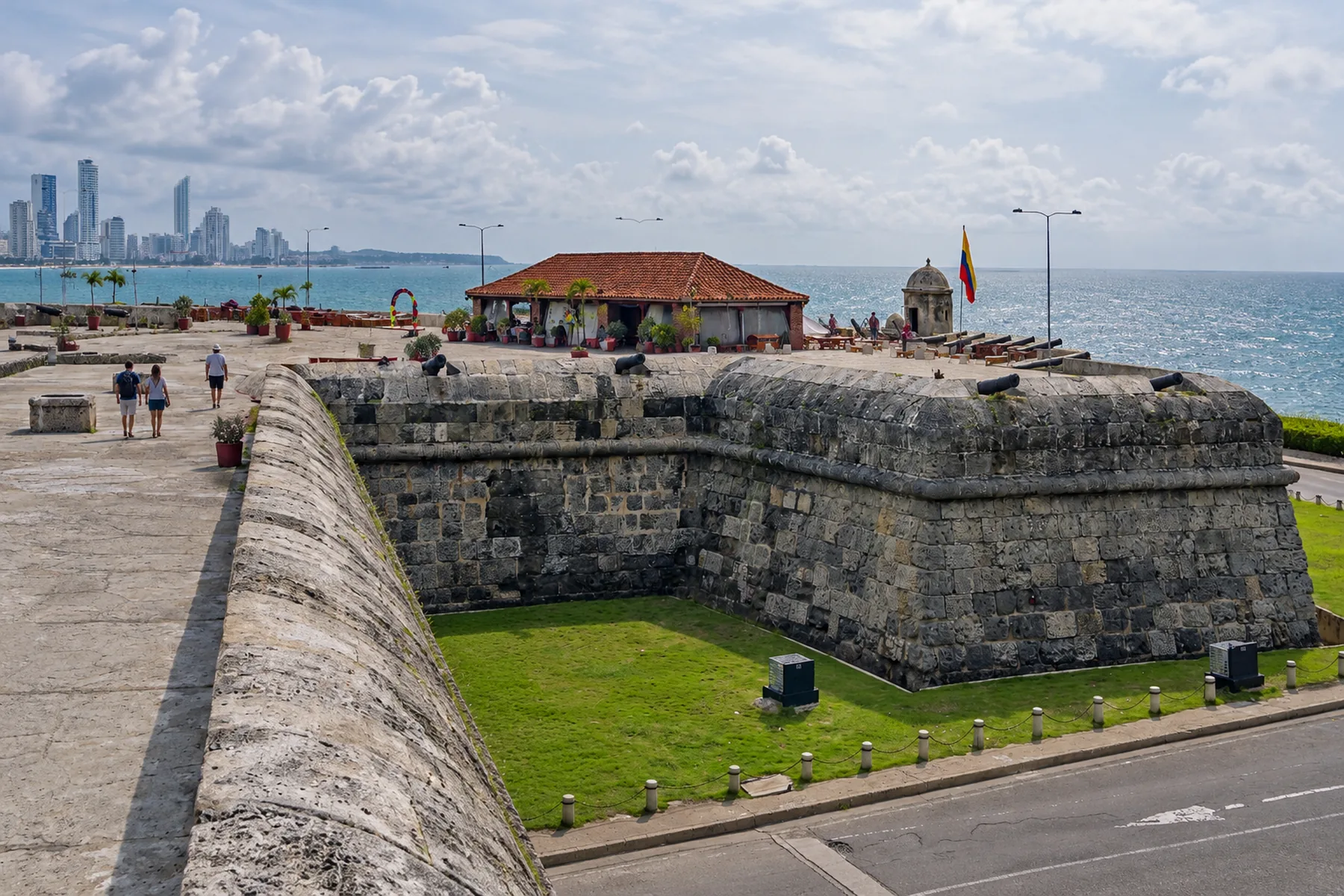 9 destinations · 14 cities
Cartagena, Bogotá, Medellín and the Coffee Axis: the guide with routes, destinations and cities.
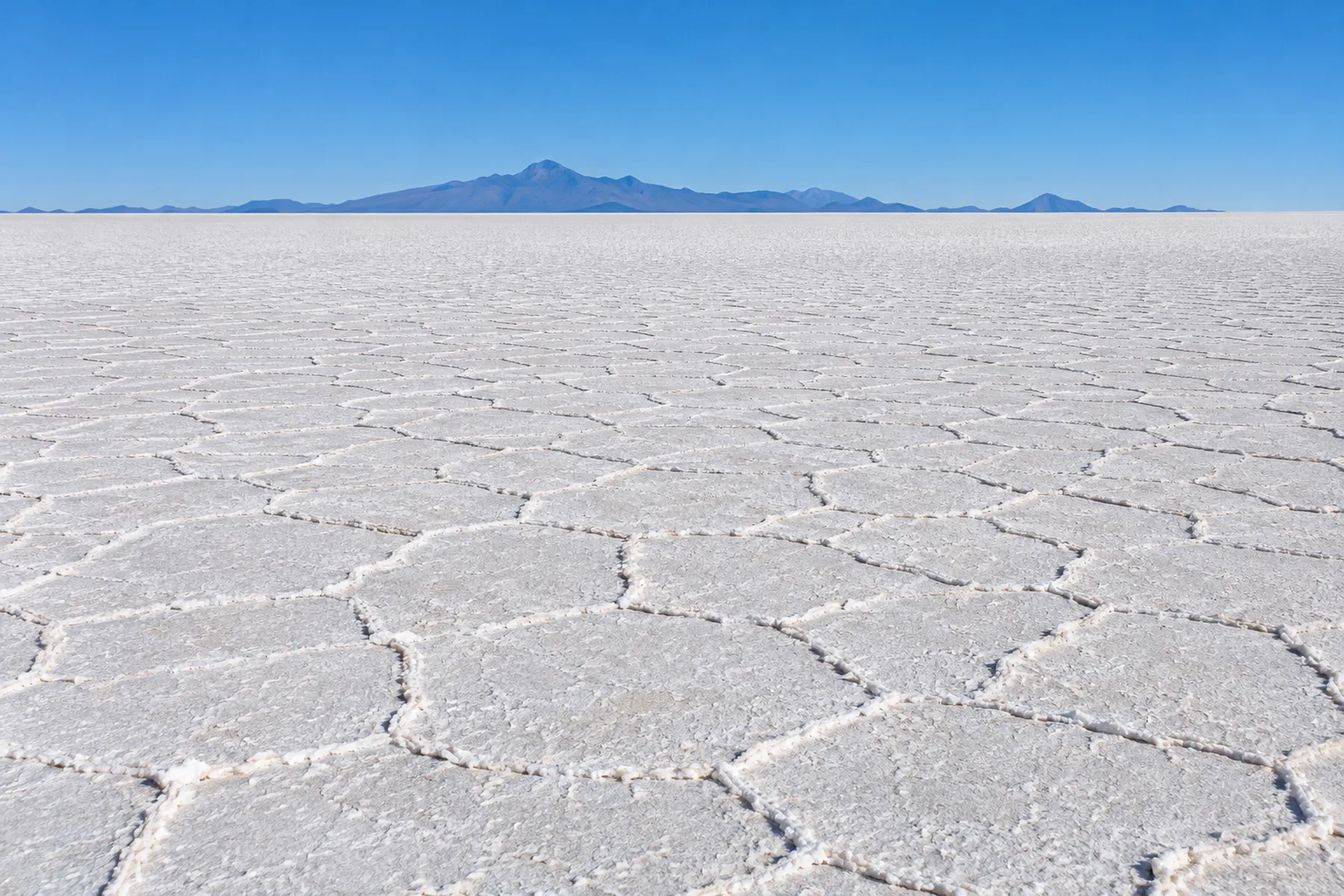 8 destinations · 10 cities
La Paz, the Salar de Uyuni, Lake Titicaca and the colonial cities of Sucre and Potosí: the guide with routes, destinations and cities.
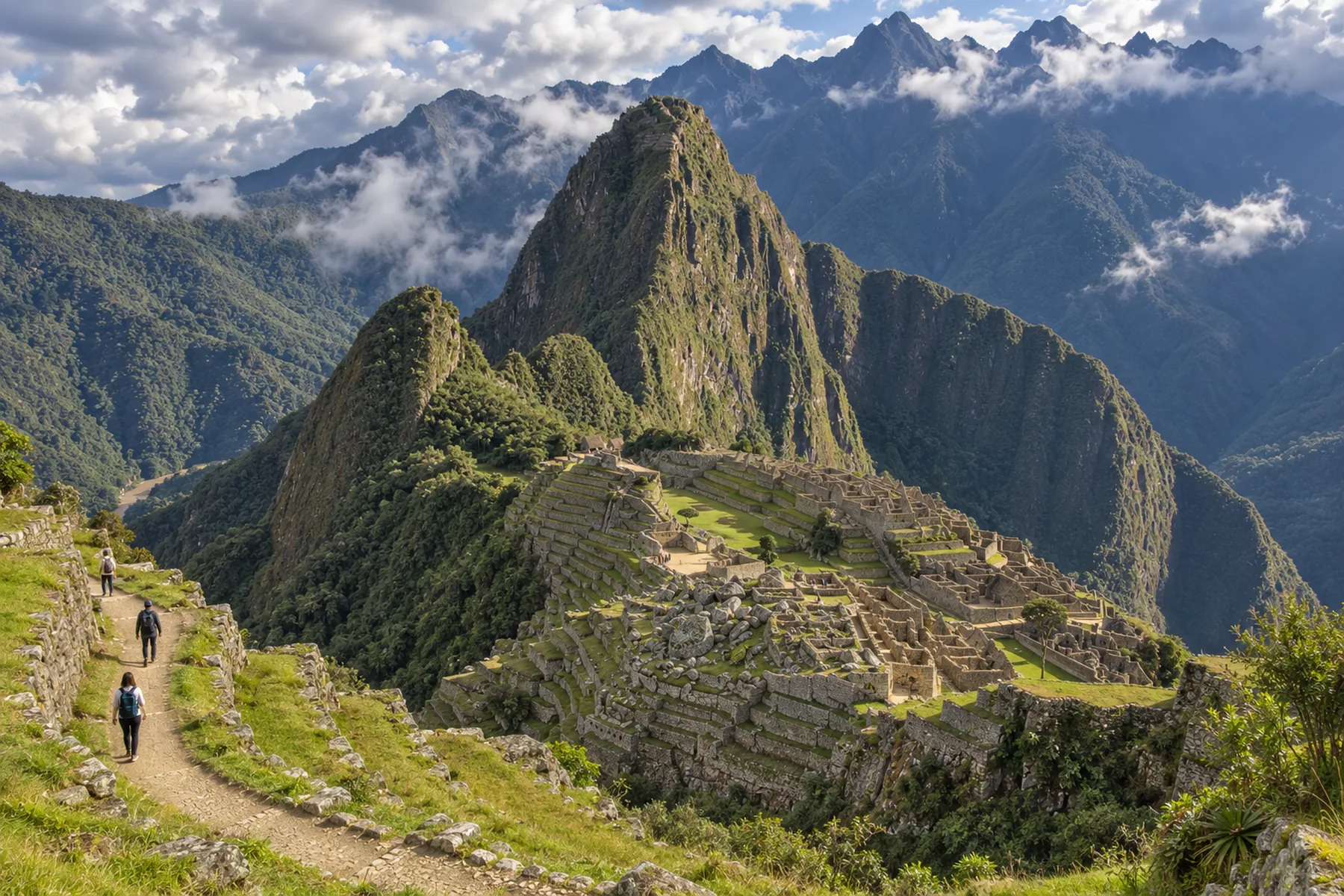 11 destinations · 19 cities
Lima, Cusco, Machu Picchu and Lake Titicaca: the guide with routes, destinations and cities.
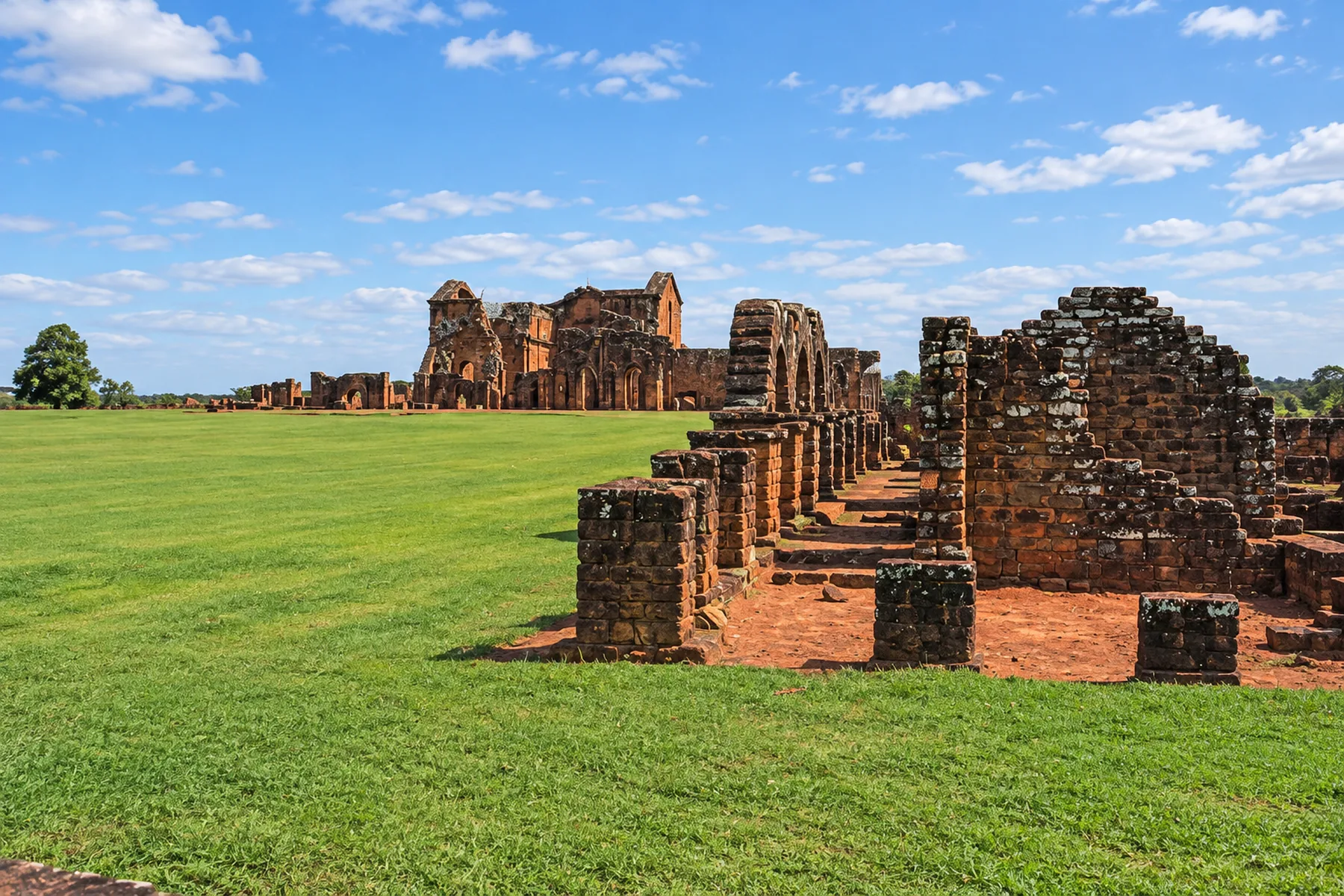 4 destinations · 8 cities
Asunción, the Jesuit Missions and Ciudad del Este with the Itaipu Dam: the guide with routes, destinations and cities.
7 destinations · 12 cities
Montevideo, Punta del Este, and Colonia del Sacramento: the guide with routes, destinations, and towns.
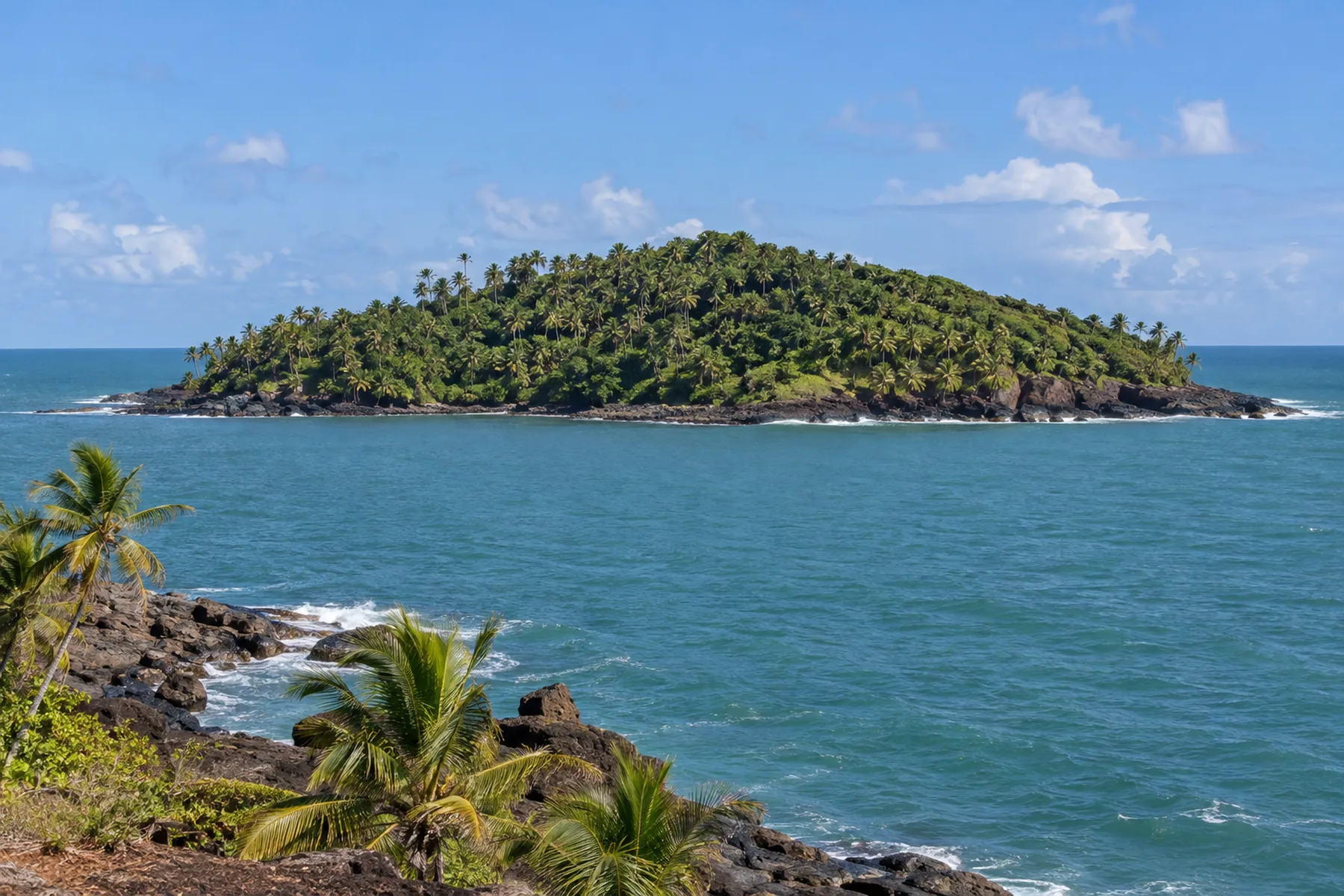 2 destinations · 3 cities
Cayenne, the Kourou Space Centre, the Salvation Islands and the Maroni River: the guide with routes, destinations and towns.
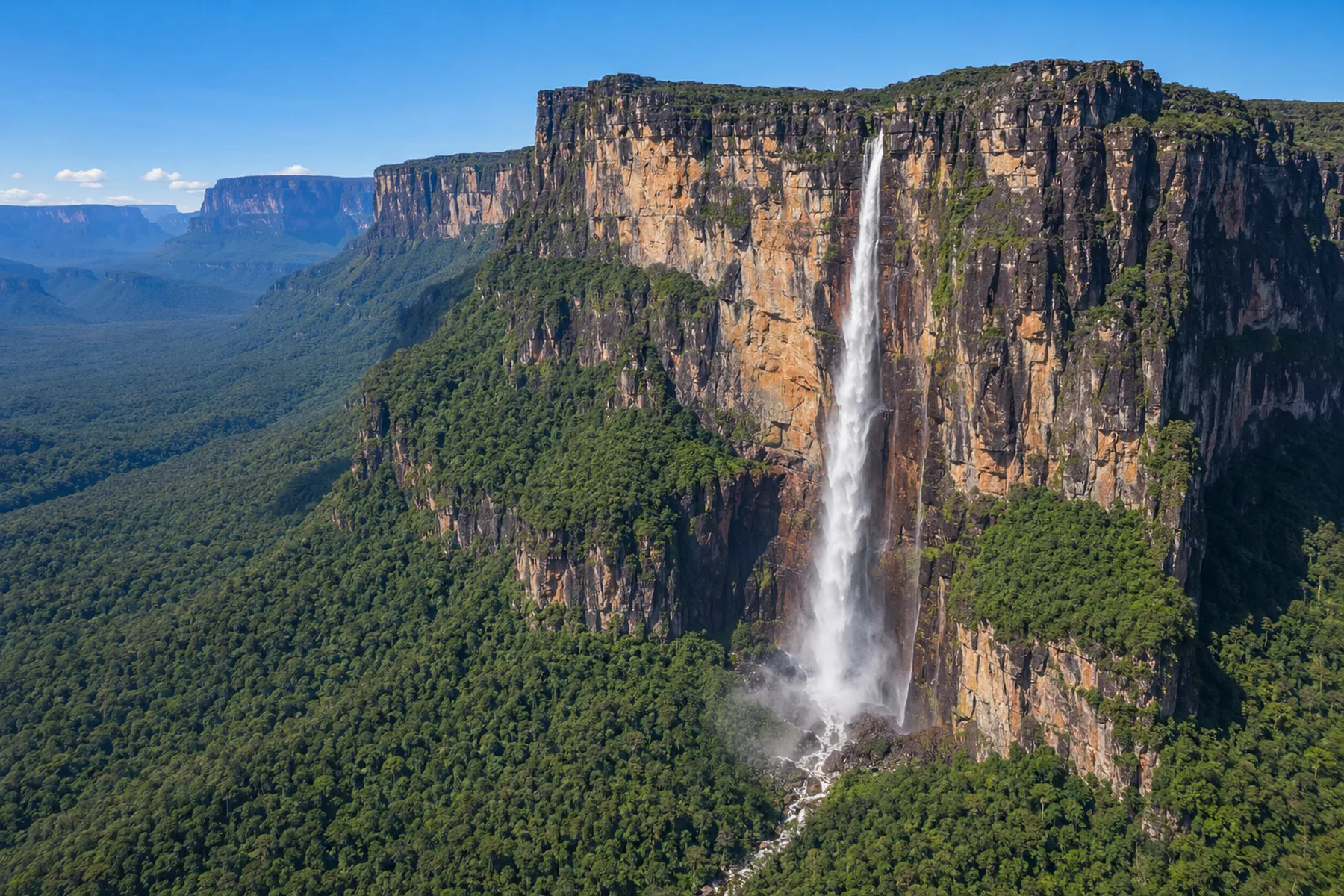 8 destinations · 11 cities
Caracas, Angel Falls, Los Roques, Margarita Island and the Mérida Andes: the guide with routes, destinations and cities.
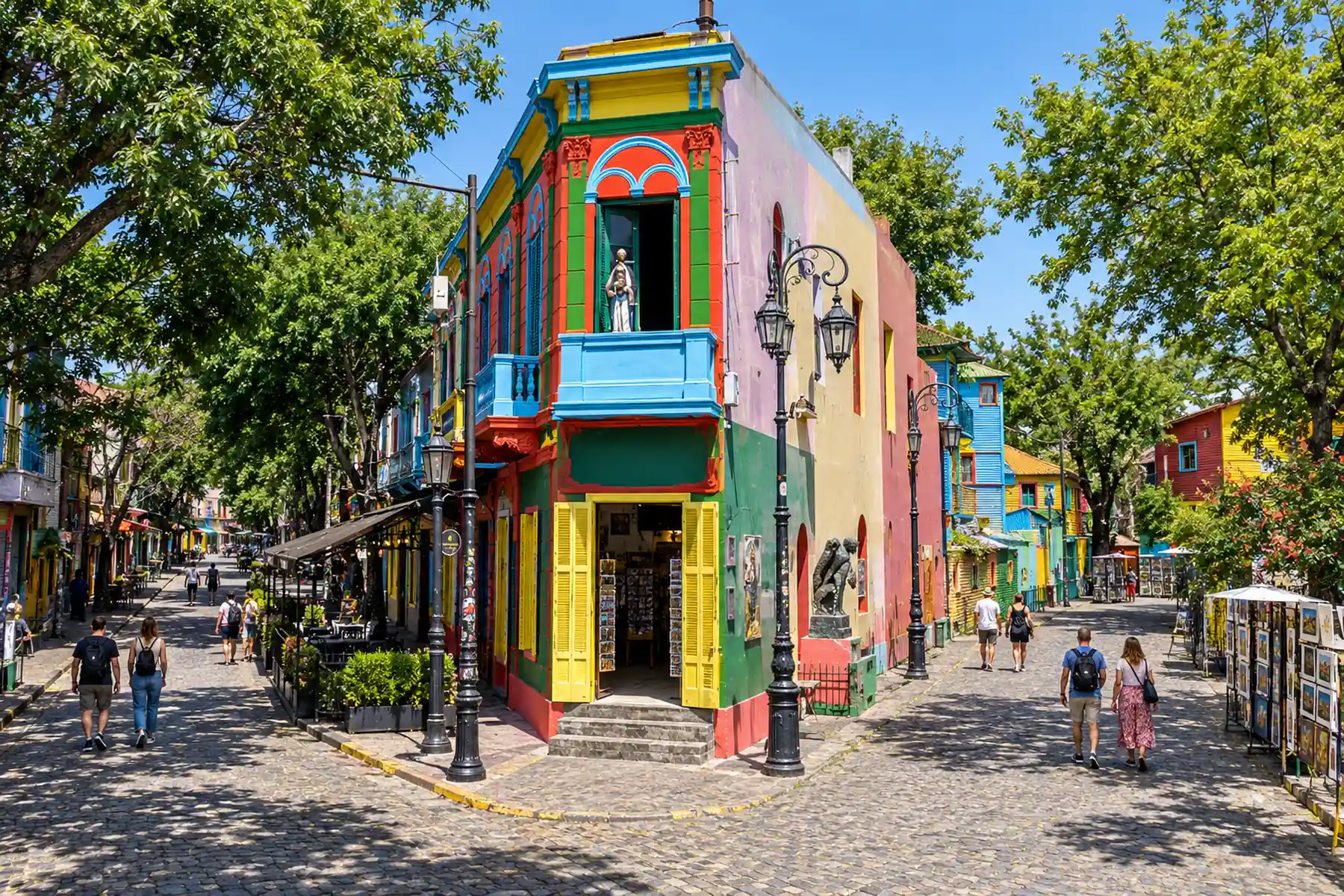 9 destinations · 29 cities · 6 routes
Buenos Aires, Patagonia, Mendoza and the North: the guide with routes, destinations and towns.
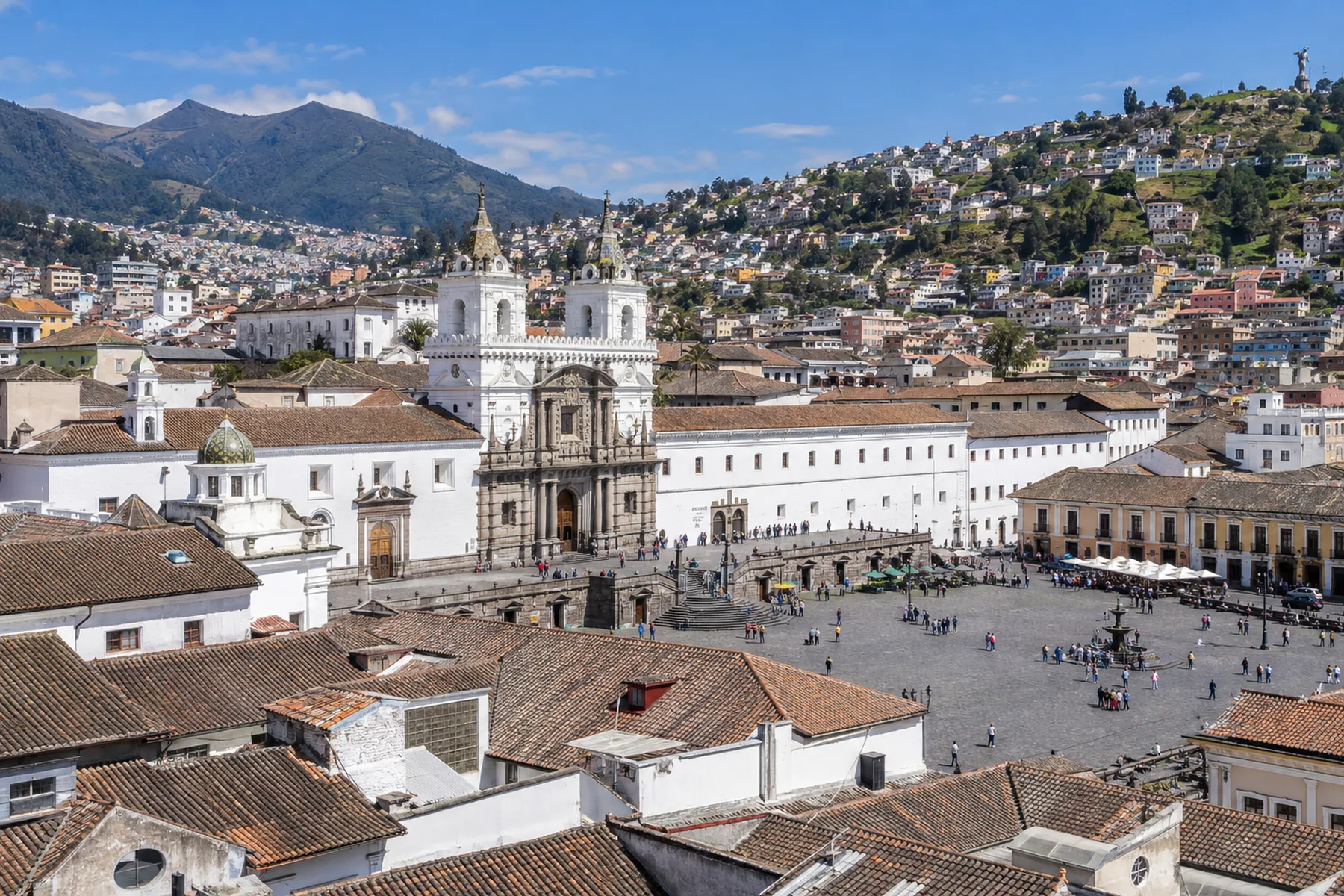 8 destinations · 18 cities
Quito, Galápagos, Cuenca and the Andes volcanoes: the guide with routes, destinations and cities.
Argentina
Bolivia
Brazil
Chile
Colombia
Ecuador
Falkland Islands (Malvinas)
French Guiana
Guyana
Paraguay
Peru
Suriname
Uruguay
Venezuela
 South Georgia
The linked countries already have a guide. The others are added little by little, each one once its guide is complete.
Flavors of the countries
Pick a country to see its traditional dishes, sweets and drinks.
South America
Citizens of Mercosur countries and associated states can enter most of South America as tourists with only their national identity card, without a visa, provided it is in good condition and valid. Other travelers enter with a passport, and some nationalities require a visa. Guyana, Suriname and French Guiana require a passport from everyone. Check each country’s entry requirements for your nationality before you go.
At the border, keep the paper or entry record the officer gives you: it is often requested when leaving. Minors traveling without both parents, or with only one parent, need authorization; the rules vary from country to country.
There are yellow fever areas in the region, especially in the Amazon, and some countries require or recommend the International Certificate of Vaccination against yellow fever. Check each country’s requirement and get the vaccine in advance, at least 10 days before travel.
Travel insurance with medical coverage is not required in every country, but it is worth having: public healthcare access for foreigners varies by country.
South America
Almost all of South America lies in the Southern Hemisphere: summer runs from December to February and winter from June to August. The climate varies greatly with latitude and altitude. In the Andes, days can be warm and nights cold at any time of year.
Patagonia and Tierra del Fuego have a visiting season from October to April, with long summer days; in winter some tours and roads close. For snow and skiing (Bariloche, the centers near Santiago and Mendoza), the season usually runs from June to September.
In Peru and Bolivia the dry season, from May to September, is the most popular time for Machu Picchu, Lake Titicaca and the Salar de Uyuni. From December to March in the Andes is the rainy season. the Atacama Desert receives visitors year-round.
Buenos Aires, Montevideo and Santiago are good year-round, with hot summers and cold winters. Uruguay’s coast and the Colombian Caribbean beaches have high season in summer and during the July holidays.
South America
Distances are large and the Andes cross the continent: between capitals, flying is the fastest way. There are flights between major cities in all countries, many connecting through Lima, Bogotá, Santiago or Buenos Aires.
Long-distance buses are common in Argentina, Chile, Uruguay and Peru, with overnight services and reclining seats. Between Buenos Aires and Uruguay, ferries cross the Río de la Plata to Colonia del Sacramento and Montevideo.
You can cross several borders by car. Driver’s licenses from Mercosur countries are valid in the other countries of the bloc; for other licenses an International Driving Permit may be required. The car needs the mandatory insurance to drive in Mercosur (the Green Card) and documents in the driver’s name, or the owner’s authorization. On Andean passes, check whether the road is open: in winter snow can close the passes.
South America
Each country has its own currency. Ecuador uses the US dollar, and French Guiana uses the euro. International credit cards are accepted in big cities; in villages and markets, carry some local cash.
Time zones range from UTC−3 to UTC−5: Argentina, Uruguay, Paraguay, Suriname, French Guiana and most of Brazil are UTC−3; Bolivia, Venezuela and Guyana are UTC−4; Peru, Colombia and Ecuador are UTC−5. Chile changes its clock during the year: check before you go.
Mains voltage is 220 volts in most countries; Colombia, Ecuador and Venezuela use 110–120 volts. Plugs vary by country, and in Argentina the plug has flat pins in a diagonal arrangement: bring a universal adapter.
For mobile phones, there is international roaming and the option to buy a local SIM or eSIM at the destination or online before travel. Spanish is the language of almost all countries; in Brazil Portuguese is spoken, in Guyana English, in Suriname Dutch and in French Guiana French.
Frequently asked questions
It depends on your nationality. Citizens of Mercosur and associated states can enter as tourists in most countries with their national identity card. Other travelers need a passport, and some nationalities need a visa. Guyana, Suriname and French Guiana require a passport from everyone.
Some countries and regions require or recommend the International Certificate of Vaccination against yellow fever, especially for those traveling to the Amazon. Check the country’s requirement and get vaccinated in advance.
Argentina, Uruguay, Paraguay, Suriname, French Guiana and most of Brazil are on UTC−3. Bolivia, Venezuela and Guyana are on UTC−4; Peru, Colombia and Ecuador are on UTC−5. Chile changes its time throughout the year.
Yes. The car needs the mandatory Mercosur insurance (the Green Card) and documents in the driver’s name or the owner’s authorization. Mercosur driver’s licenses are valid throughout the bloc; with other licenses, check whether an International Driving Permit is required.
The season usually runs from October to April, with long summer days. In winter some tours and roads close because of snow.
The dry season, from May to September, is the most sought-after. December to March is the rainy season in the Andes; in February the Inca Trail often closes for maintenance.
Each country has its own currency; Ecuador uses the US dollar, and French Guiana uses the euro. International credit cards are accepted in major cities; in villages and markets, carry some local cash.