 18 destinations · 84 cities · 4 routes
Italy
Rome, Florence, Venice and the Amalfi Coast: the guide with routes, destinations and cities.

 Search
 Brazil
 Antarctica
 Argentina
 Bolivia
 Chile
 Colombia
 Ecuador
 Falkland Islands (Malvinas)
 French Guiana
 Guyana
 Paraguay
 Peru
 Suriname
 Uruguay
 Venezuela
 Austria
 Belgium
 Croatia
 Denmark
 Finland
 France
 Germany
 Greece
 Hungary
 Iceland
 IrelandItaly
 Luxembourg
 Norway
 Poland
 Portugal
 Slovakia
 Slovenia
 Spain
 Sweden
 Switzerland
 the Czech Republic
 the Netherlands
 the United Kingdom
 Turkey
 Bermuda
 Canada
 Greenland
 Mexico
 Saint Pierre and Miquelon
 the United States
 the Dominican Republic
 JapanTurkey
 Egypt
 South Africa
 Australia
 Fiji
 New Zealand
 Papua New Guinea
The countries of Europe in Cidade Turismo: what to do in each, routes that cross borders and what to know before you go.
25 countries 55 routes 356 destinations 857 cities
Across Cidade Turismo: 53 countries · 101 routes · 925 destinations · 2,317 cities
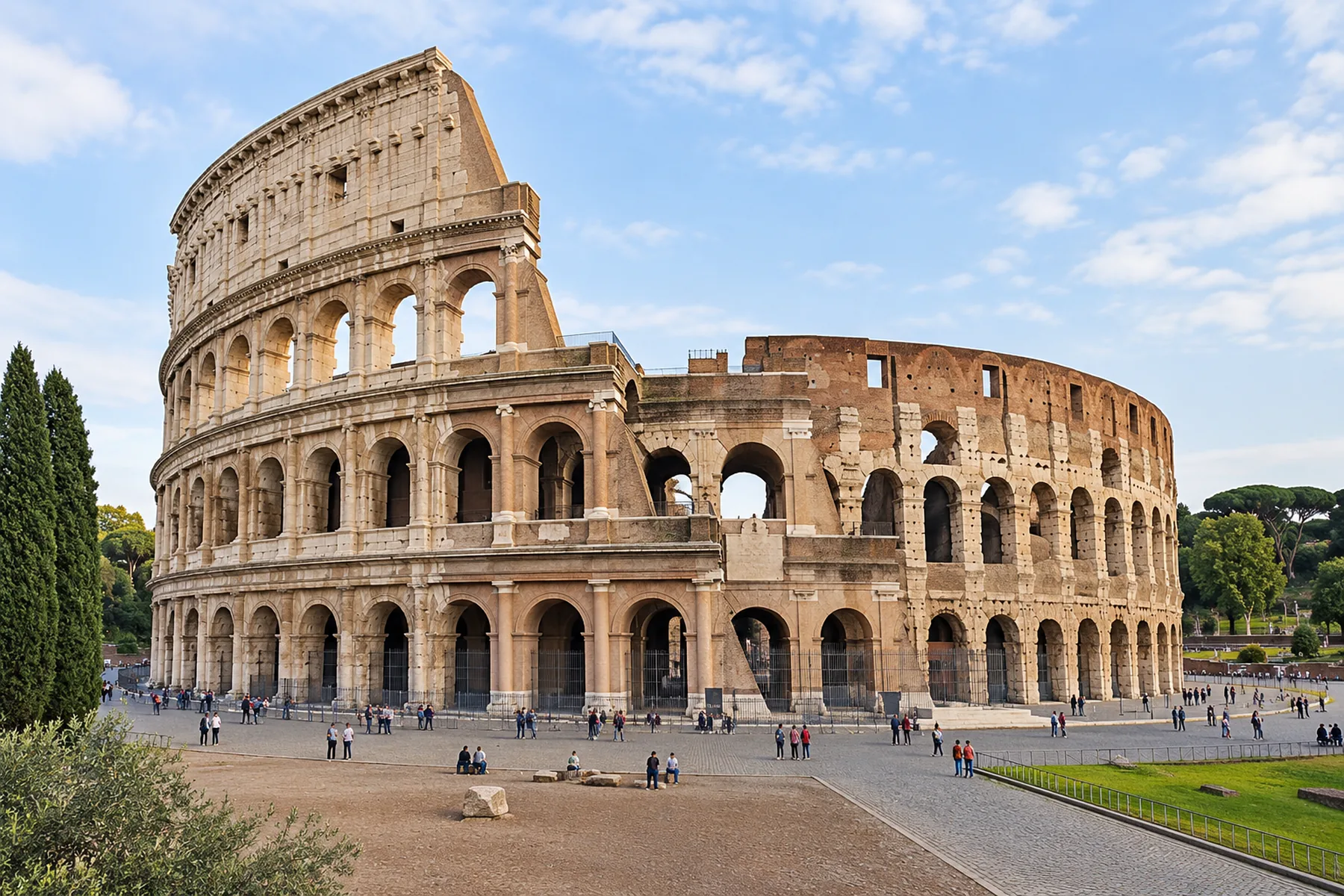
In the photo: Coliseu — Roma, Italy see the guide to Italy →
The guide
Europe is the international destination that combines the most places in a single trip. Distances are short, trains connect capitals in a few hours, and many countries are part of the Schengen area, where there is no passport control between them.
Here are the European countries already featured on Cidade Turismo. Each has its own guide, made city by city, with routes, destinations, attractions, when to go, and how to get there. On this page you’ll find what applies to the whole continent: the countries, the cross-border routes, and what to know before, during, and after the trip.
The texts are written based on official tourism and transport sources from each country. Entry rules change: before buying your ticket, check the requirements on official websites.
The countries
Each country has its own guide: the routes, the destinations, the cities and what to know before you go. New countries are added all the time.
18 destinations · 84 cities · 4 routes
Rome, Florence, Venice and the Amalfi Coast: the guide with routes, destinations and cities.
 15 destinations · 28 cities
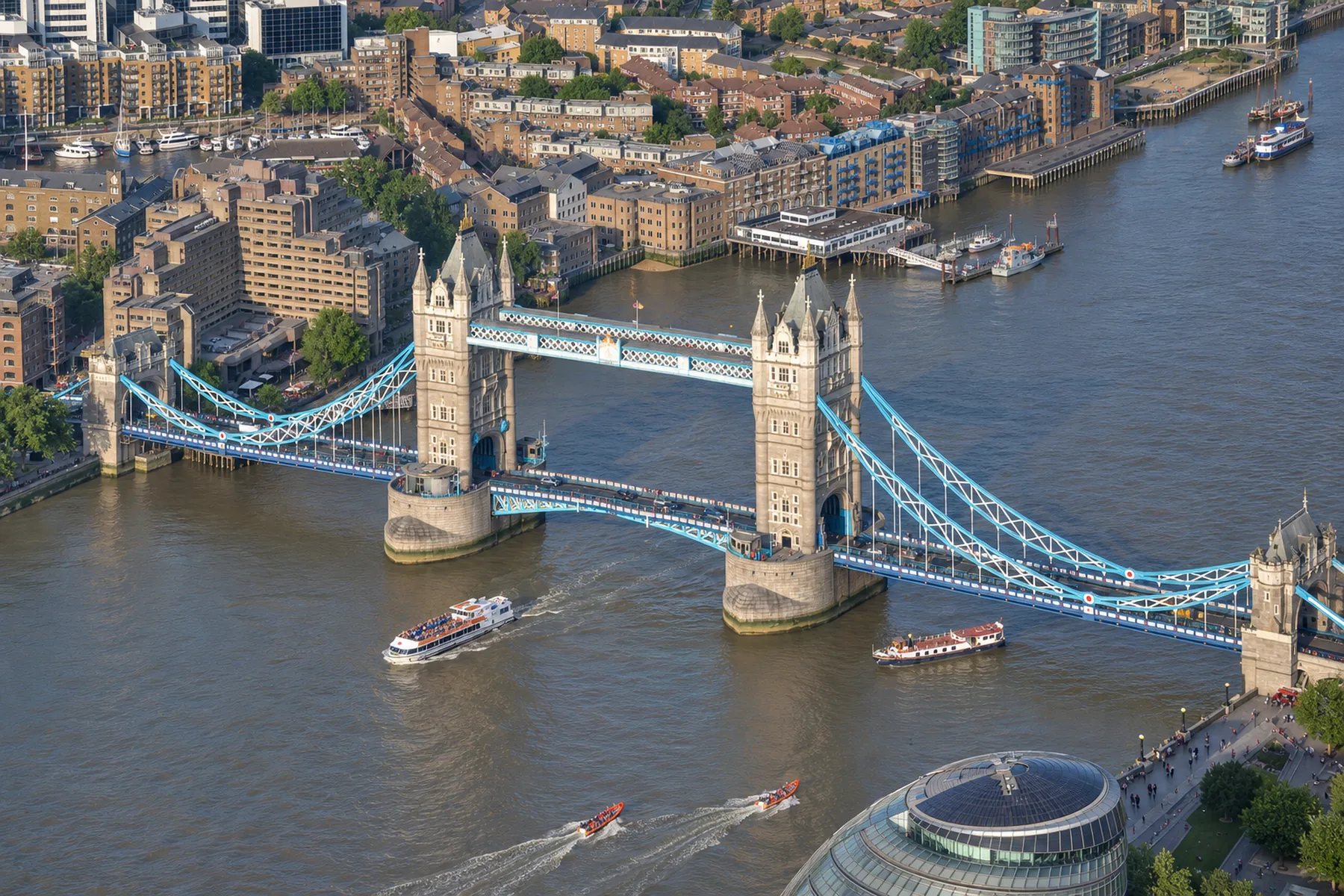
London, Edinburgh, the Highlands and Wales: the guide with routes, destinations and cities.
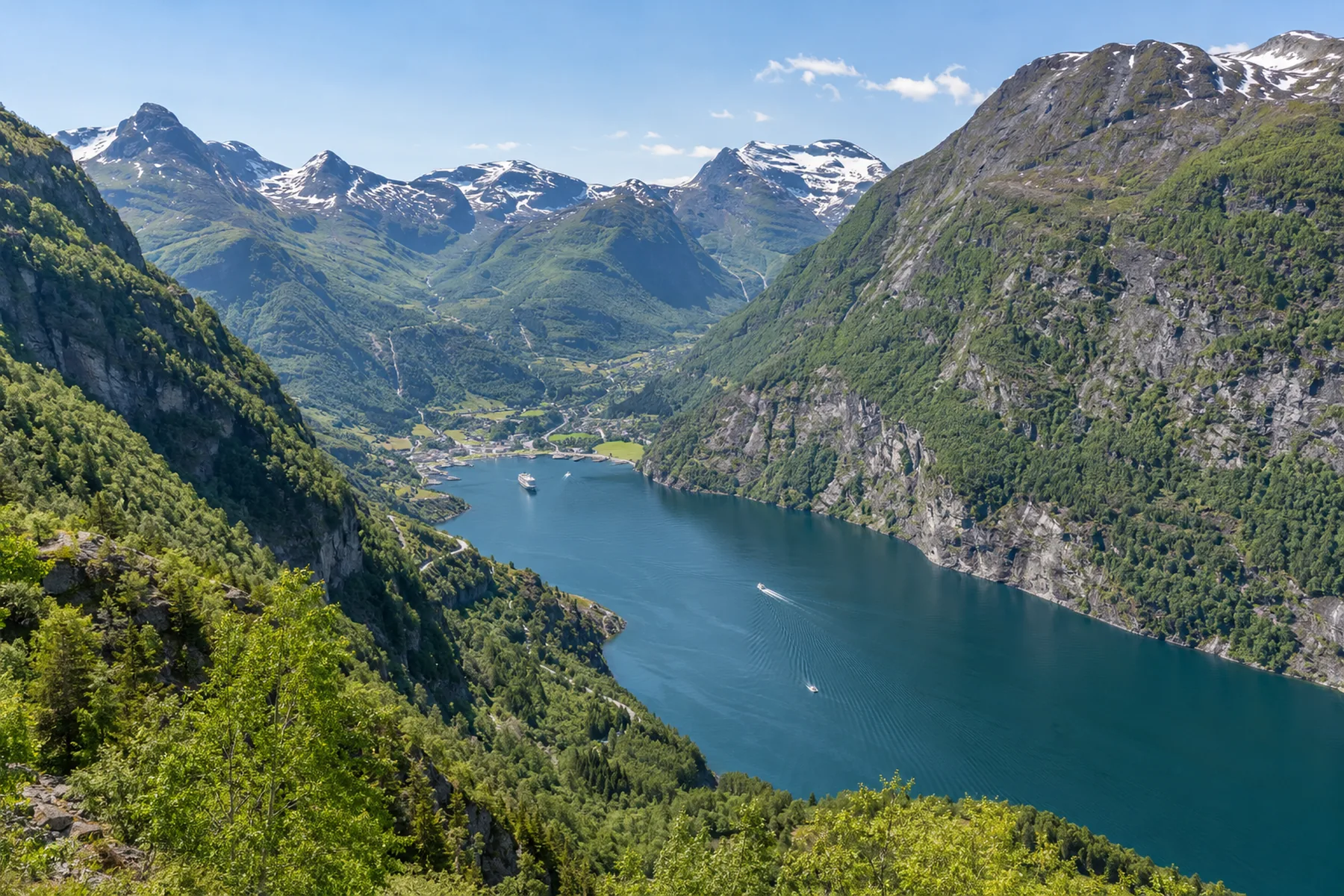 21 destinations · 27 cities
Oslo, Bergen, the Geiranger and Sognefjord fjords, Preikestolen, the Lofoten and northern Tromsø: the guide to routes, destinations and towns.
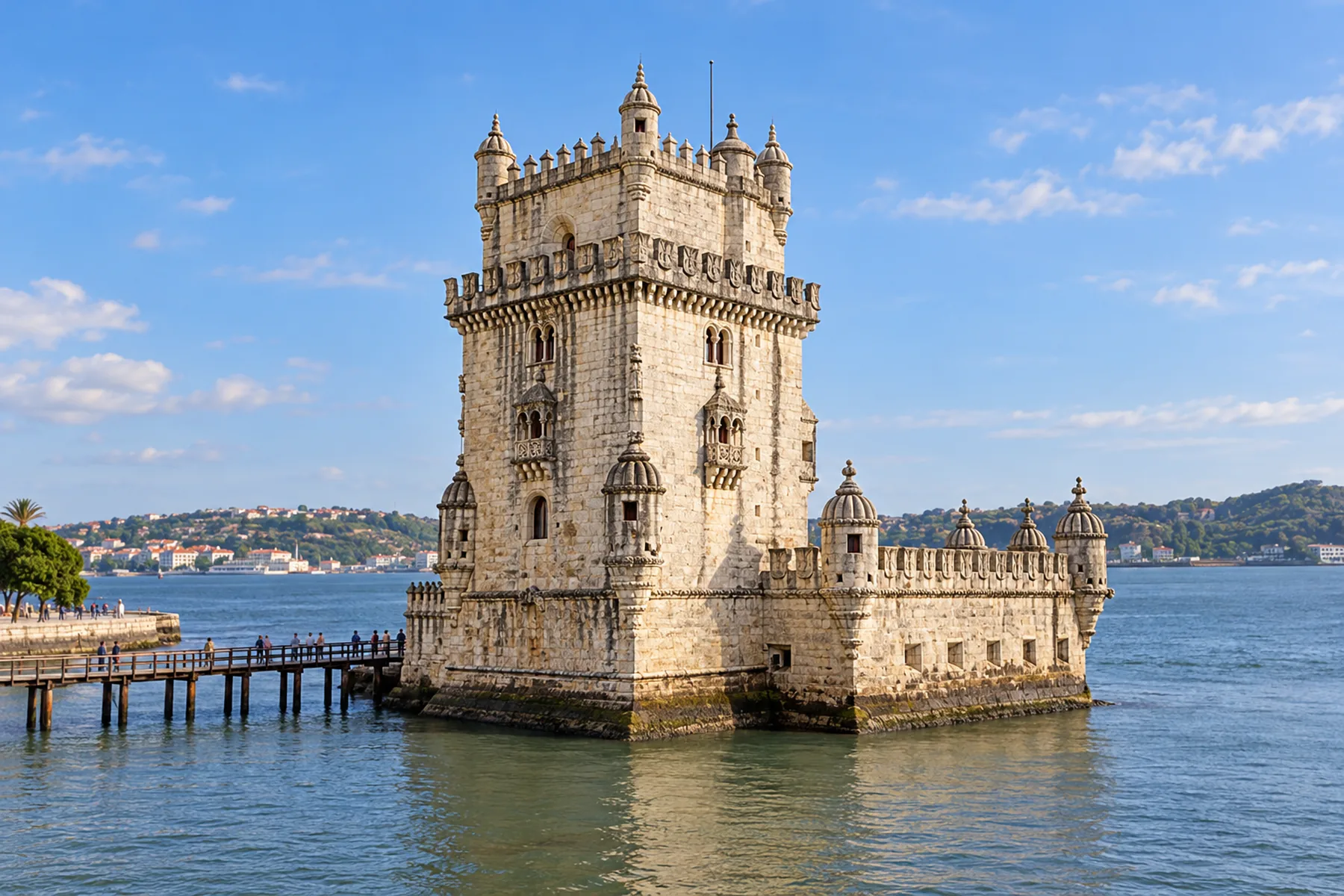 13 destinations · 32 cities
Lisbon, Porto, the Algarve and the islands: the Portugal guide with routes, destinations and cities.
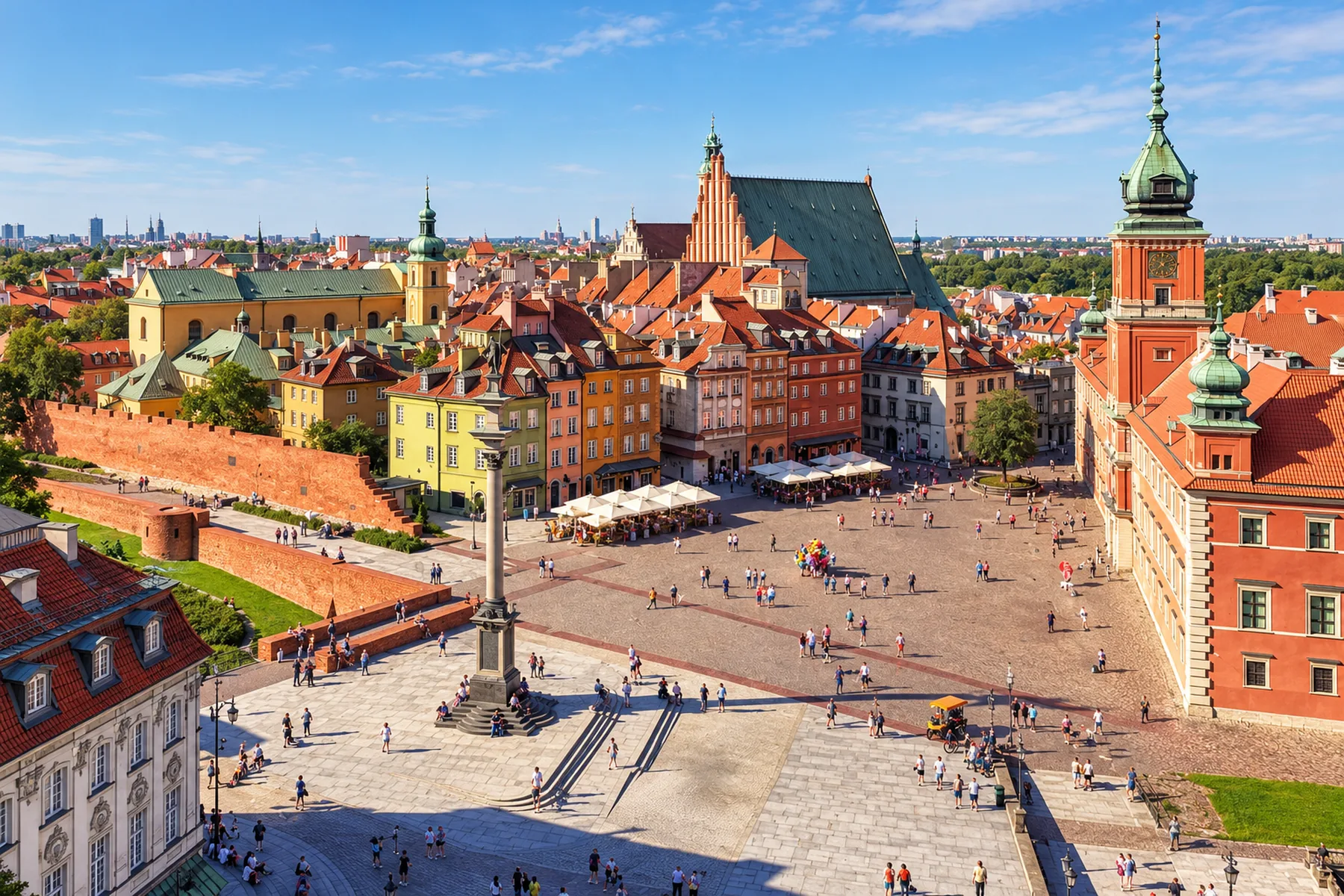 16 destinations · 33 cities
Kraków and Warsaw, Gdańsk and the Baltic, Malbork Castle, Wrocław and the Tatra Mountains of Zakopane: the guide with routes, destinations and cities.
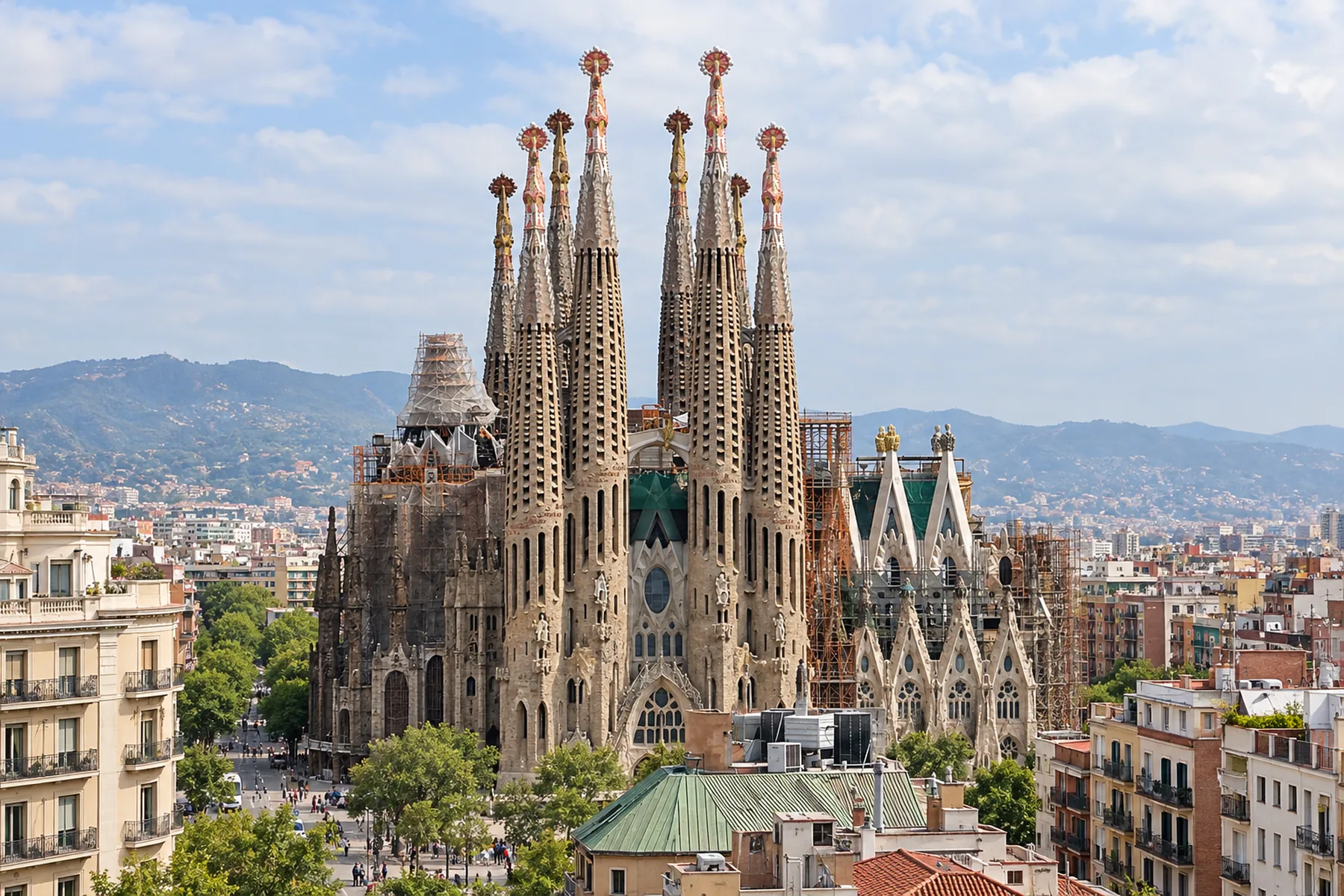 24 destinations · 63 cities · 5 routes
Madrid, Barcelona, Andalusia and the islands: the guide with routes, destinations and cities.
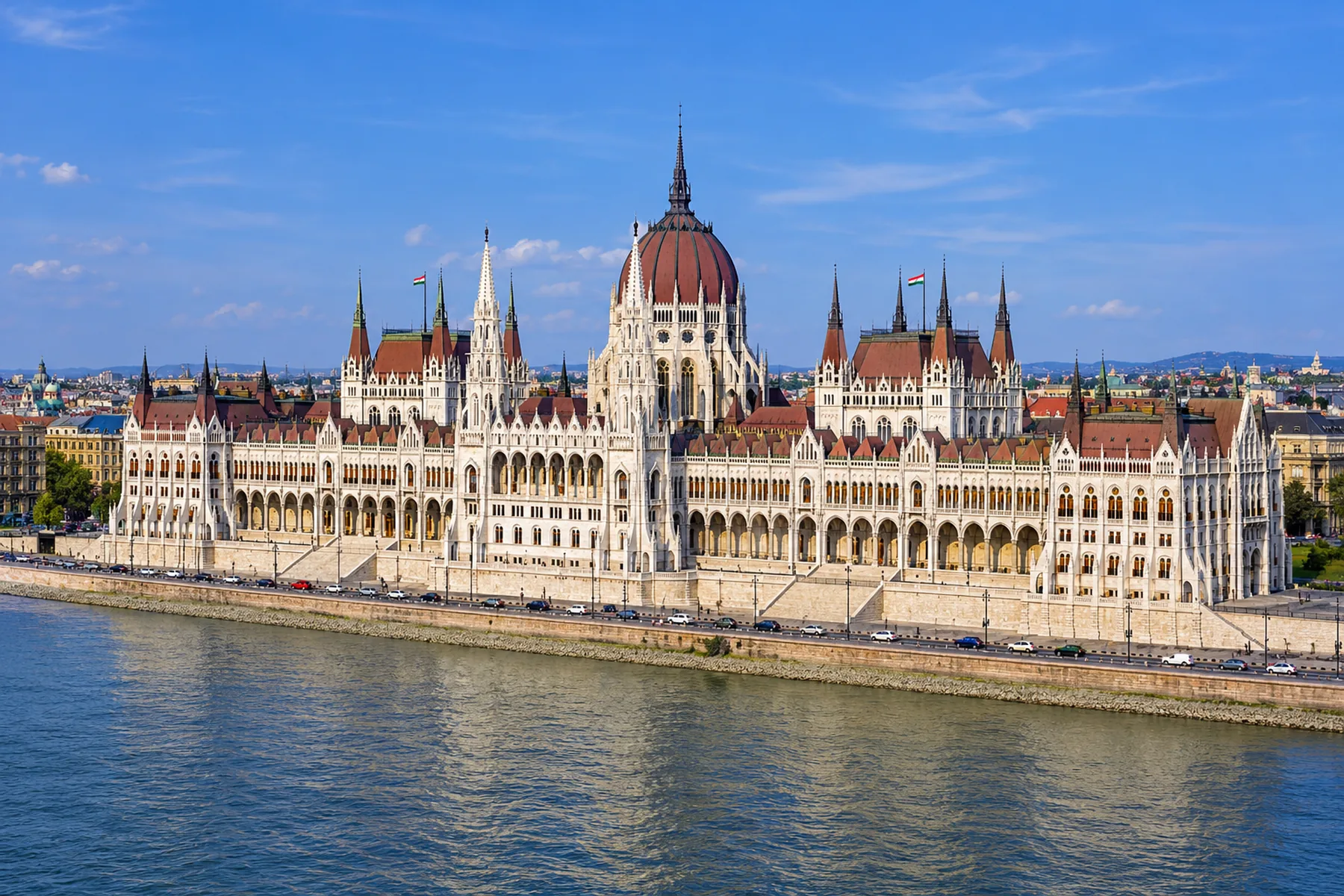 13 destinations · 41 cities · 4 routes
Budapest and the Danube, Lake Balaton, Eger and the Tokaj vineyards, Pécs and the Hortobágy plain: the guide with routes, destinations and cities.
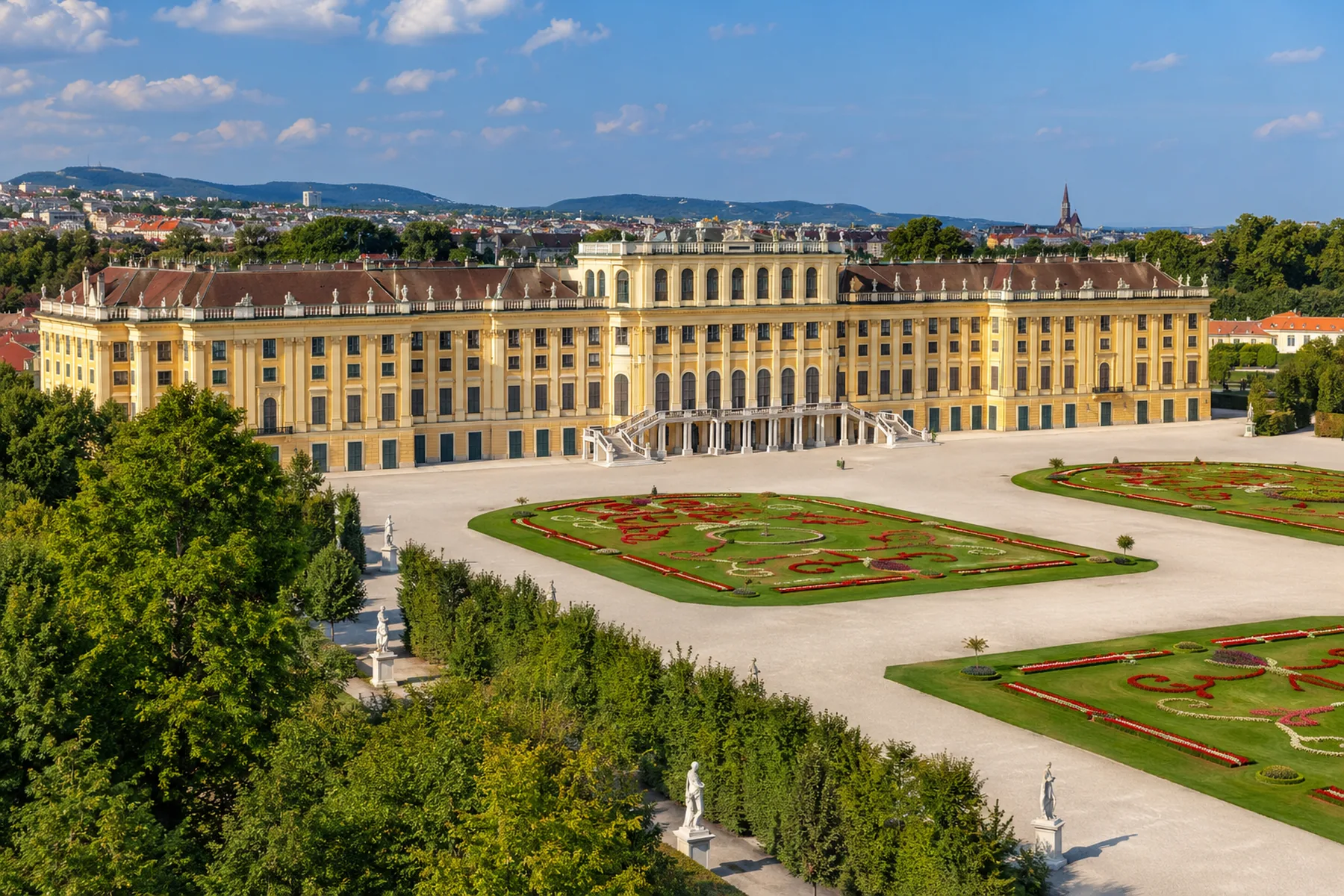 13 destinations · 25 cities
Vienna and the Habsburg palaces, Salzburg, Hallstatt and the lakes of the Salzkammergut, the Wachau valley and the Tyrolean Alps: the guide with routes, destinations and towns.
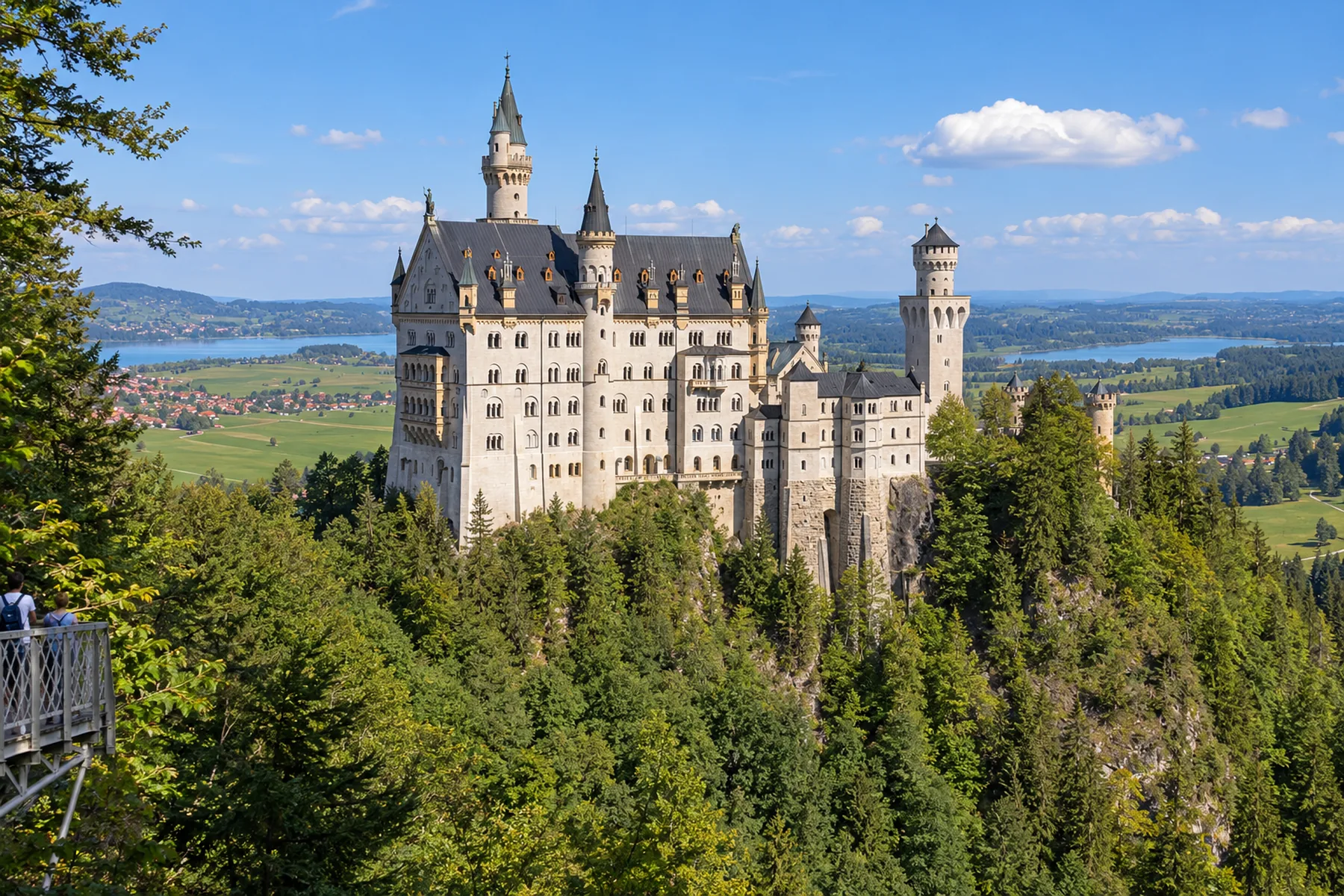 17 destinations · 35 cities
Berlin, Munich, the Rhine and the Black Forest: the guide with routes, destinations and cities.
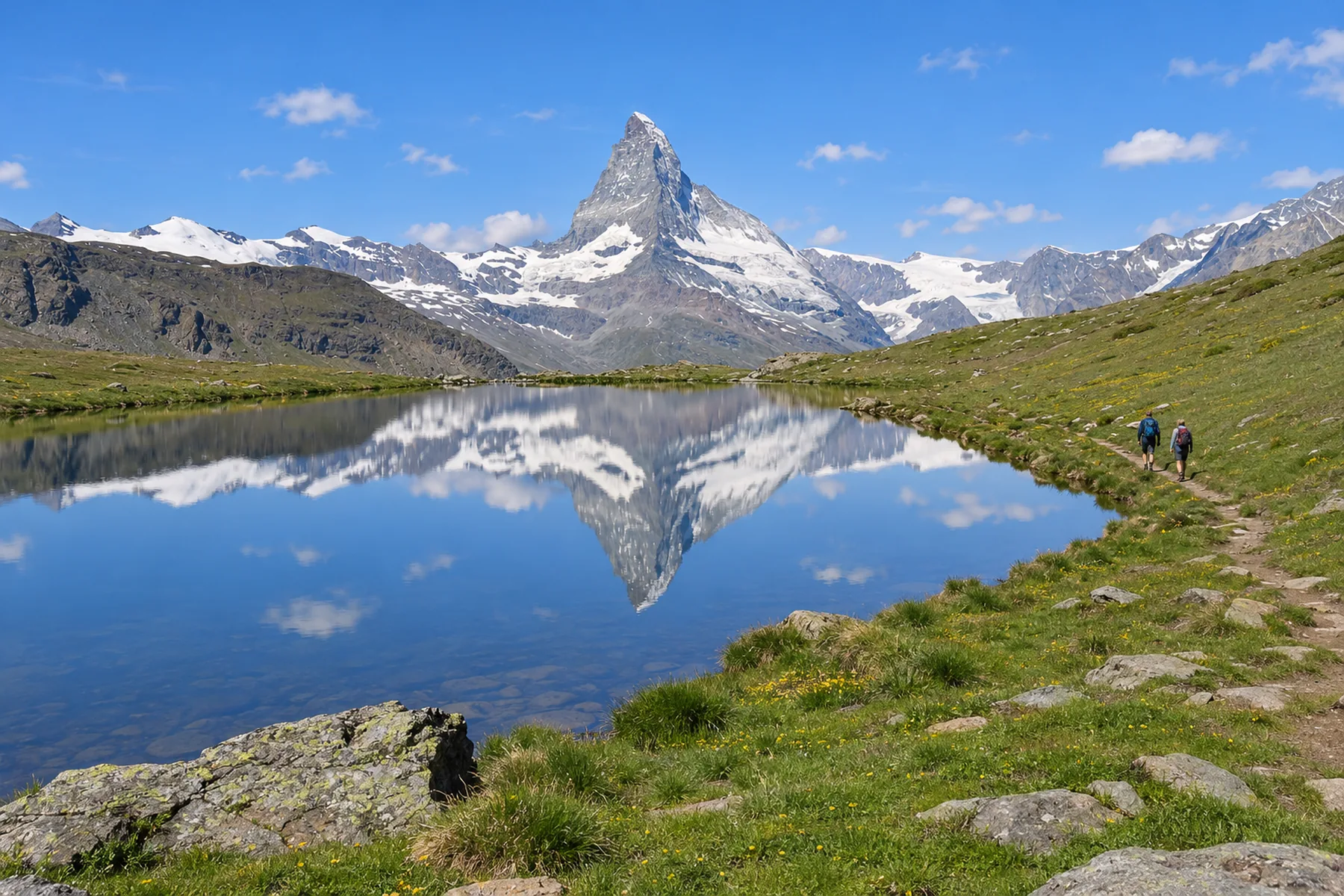 11 destinations · 19 cities
Zurich, Lucerne, the Alps and Lake Geneva: the guide with routes, destinations and cities.
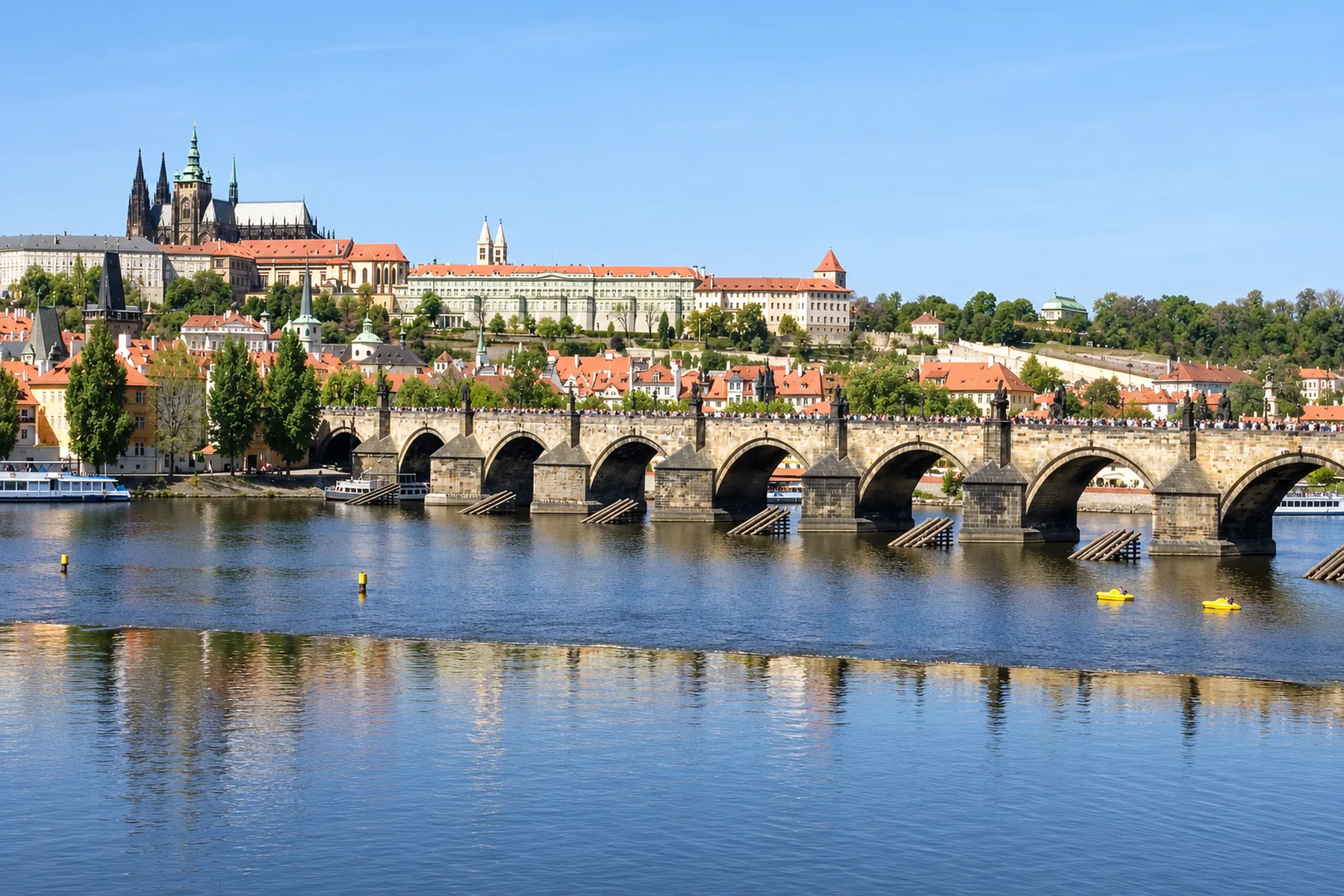 11 destinations · 23 cities
Prague and the Charles Bridge, Český Krumlov, the spa towns of Karlovy Vary, Brno and the castles of Moravia: the guide with routes, destinations and towns.
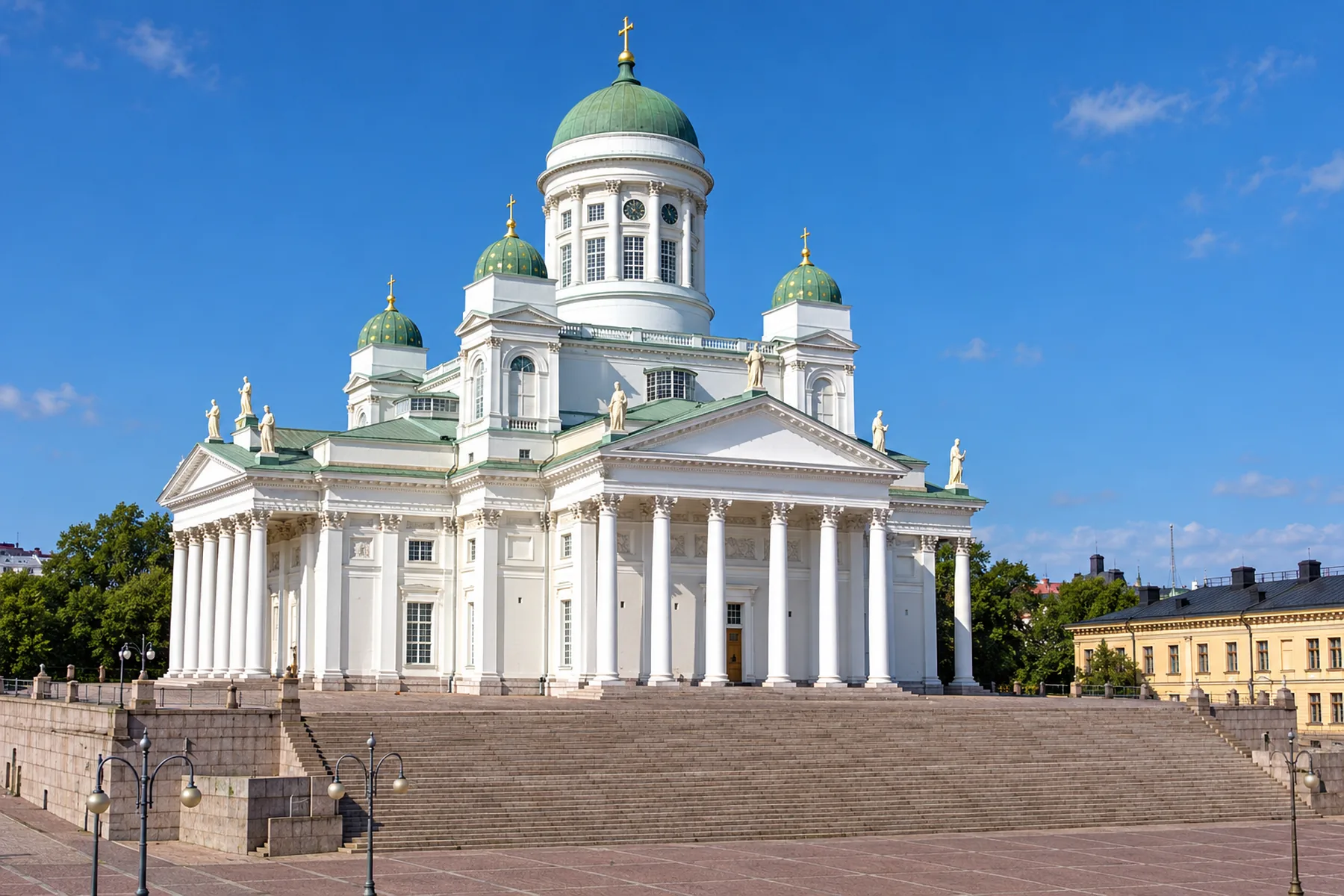 15 destinations · 18 cities
Helsinki and Suomenlinna, the Olavinlinna castle on the lake, Turku, Åland, the eastern lakes and Lapland: the guide with routes, destinations and towns.
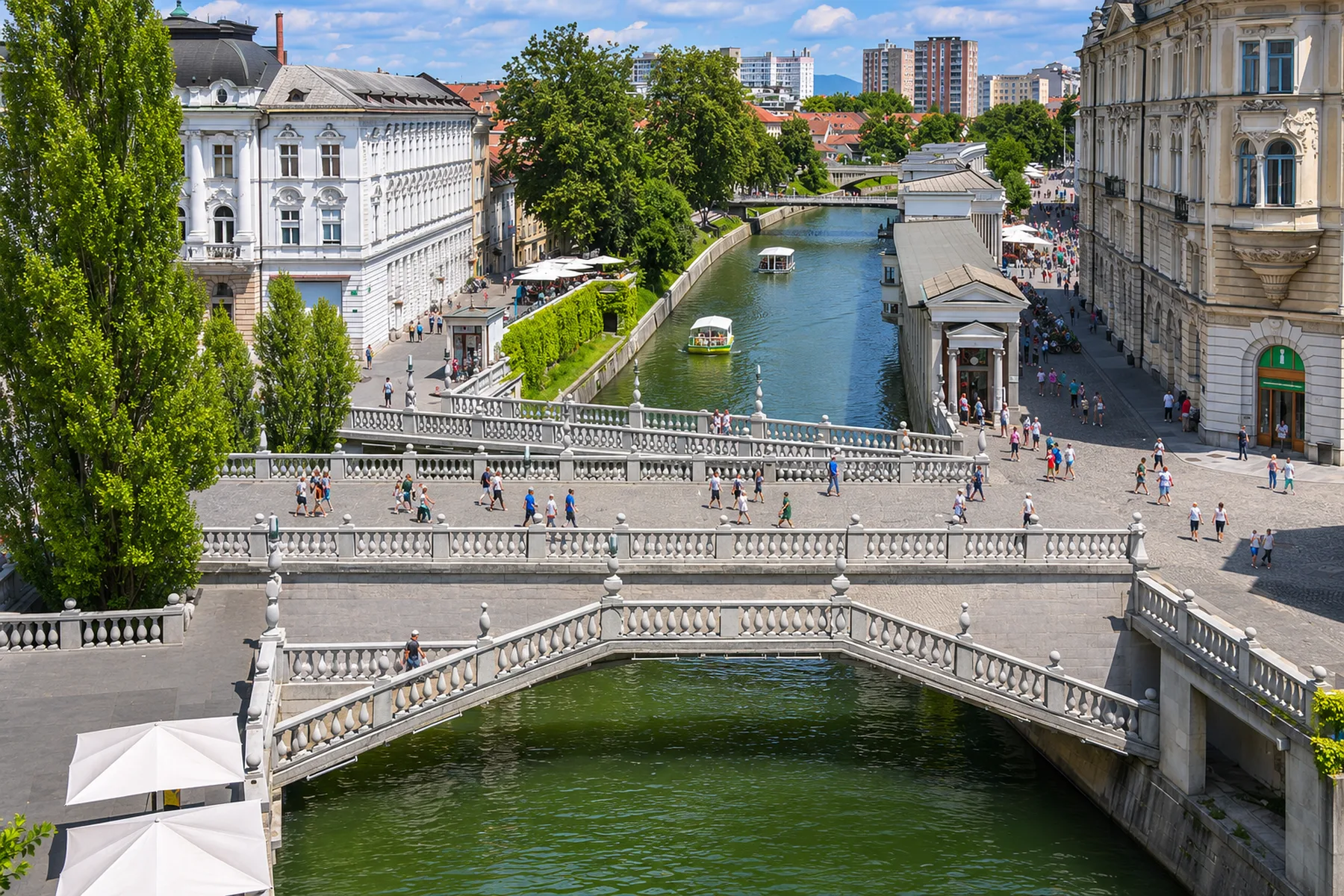 17 destinations · 59 cities · 6 routes
Ljubljana, the lakes of Bled and Bohinj, the Soča Valley, Postojna Cave, the Škocjan Caves and Piran on the Adriatic: the guide with routes, destinations and cities.
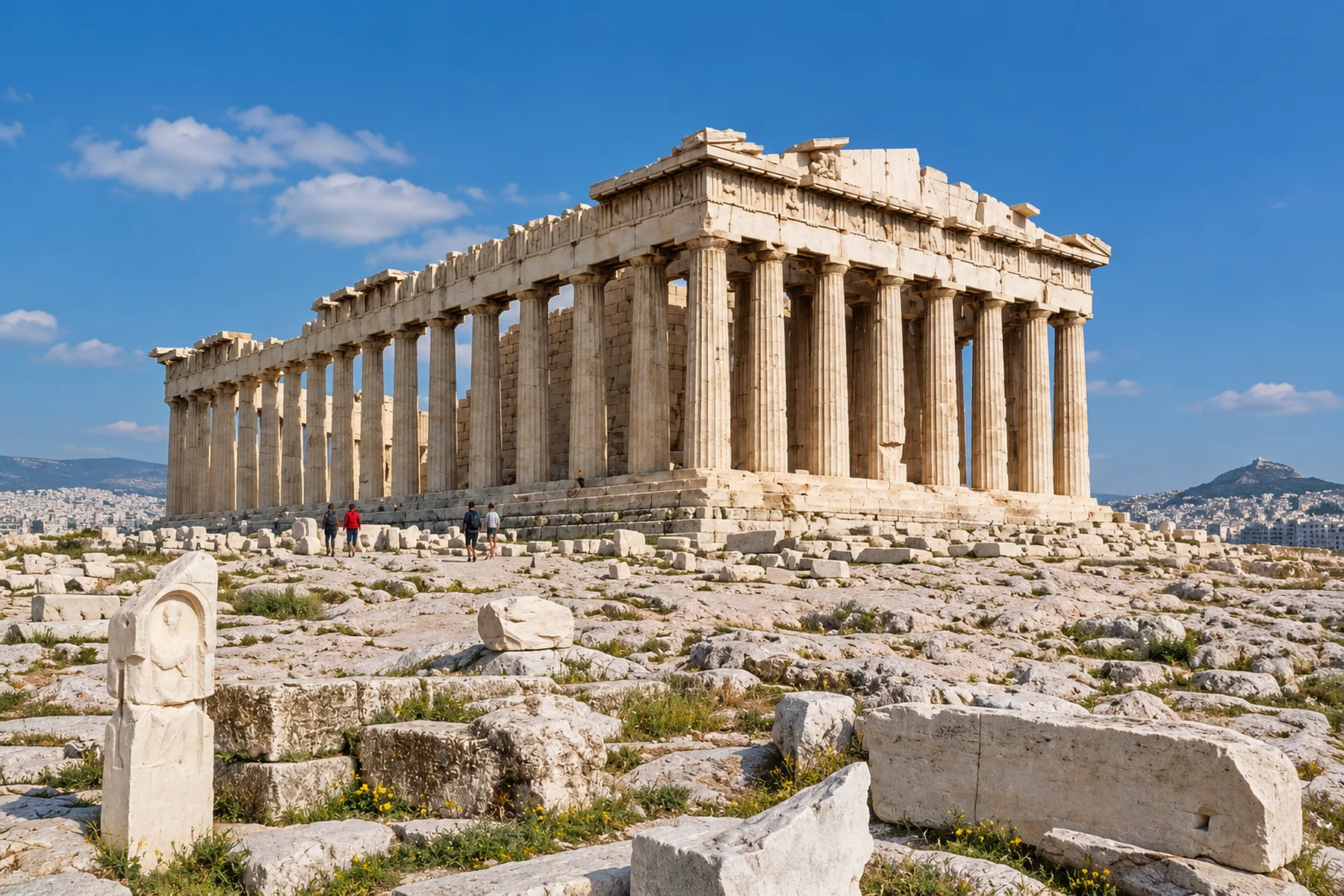 10 destinations · 16 cities
Athens, Santorini, Mykonos and Crete: the guide with routes, destinations and cities.
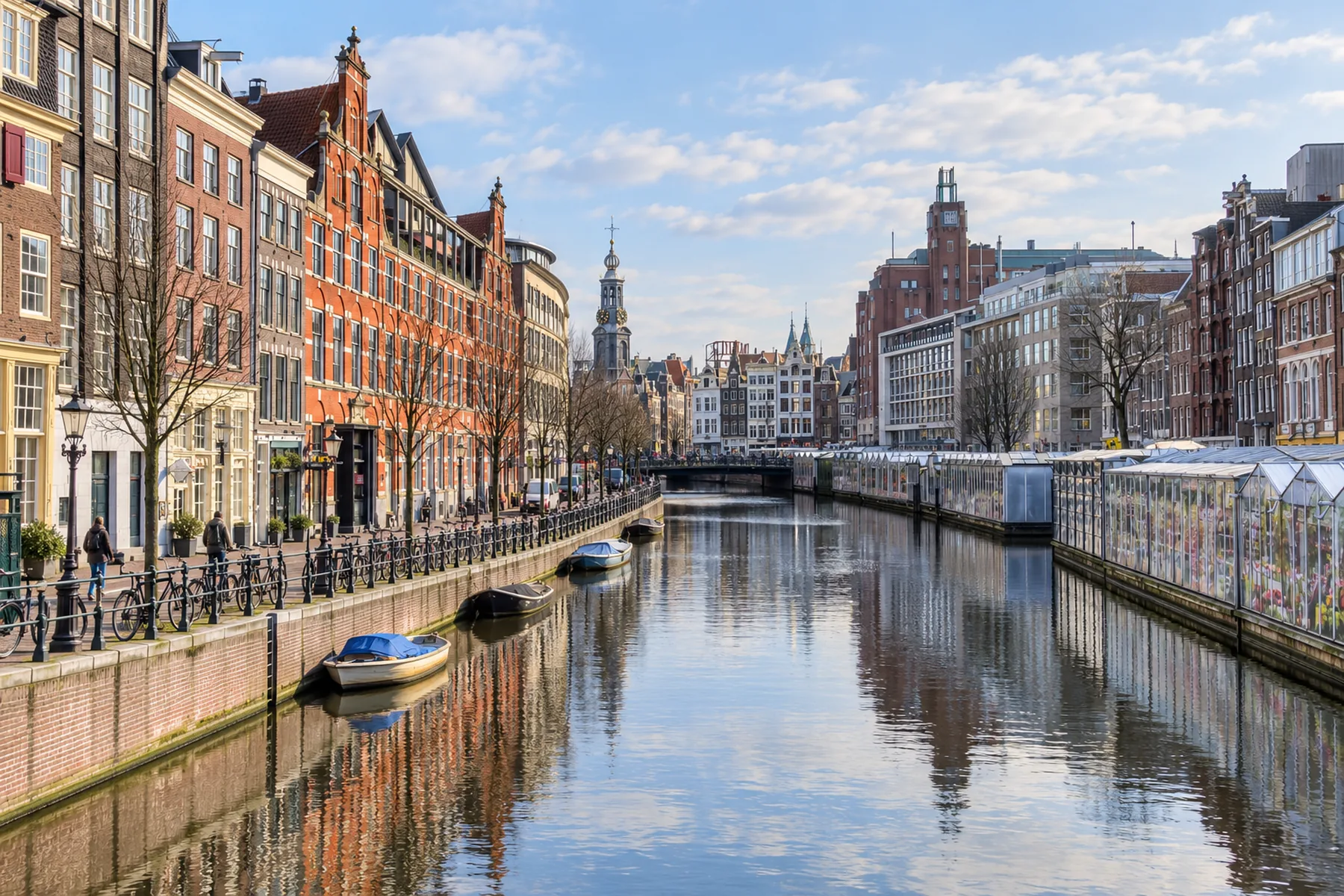 7 destinations · 12 cities
Amsterdam, Rotterdam, the windmills and the flower fields: the guide with routes, destinations and cities.
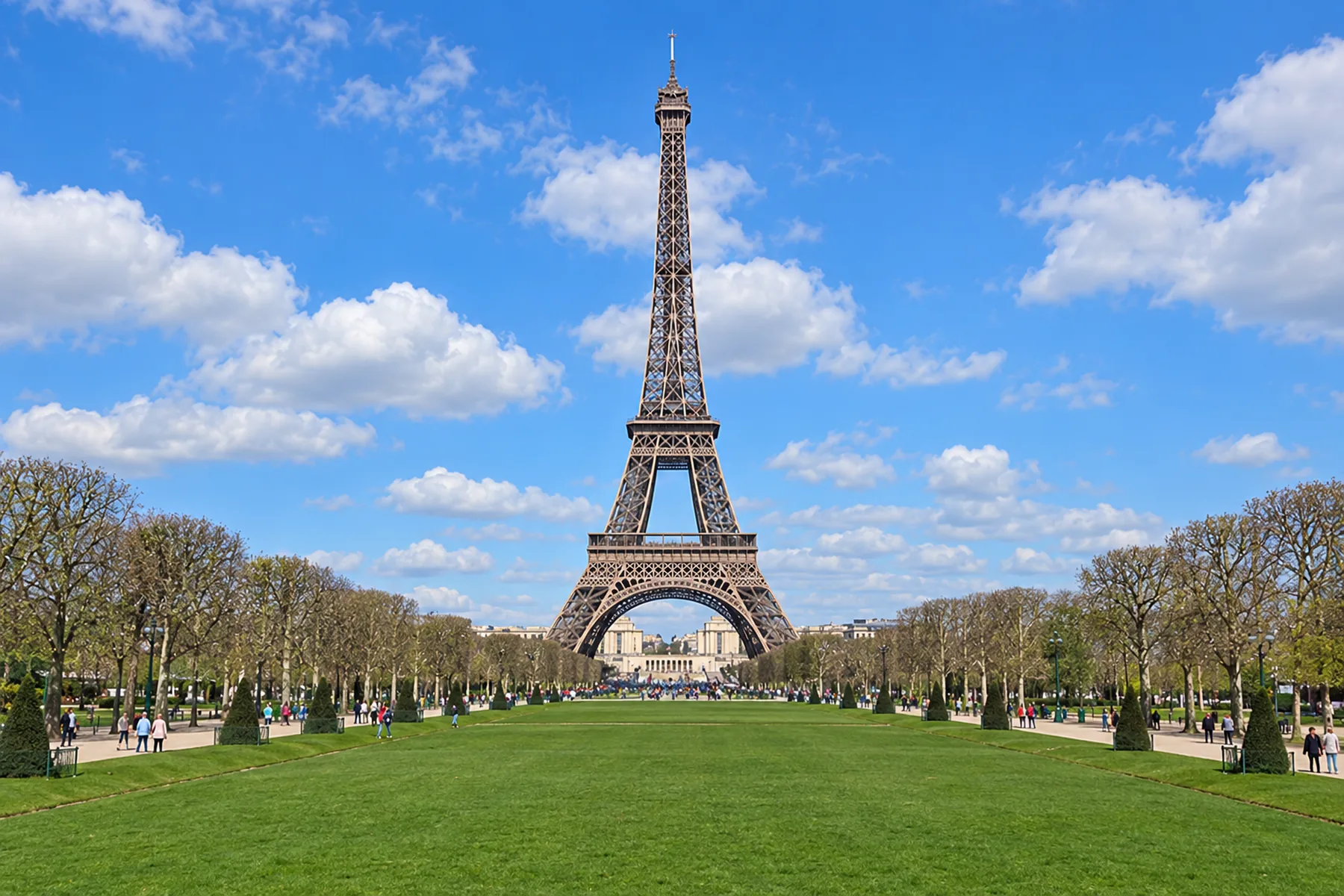 19 destinations · 50 cities · 1 route
Paris, the Loire Valley, Provence and the Côte d'Azur: the guide with routes, destinations and towns.
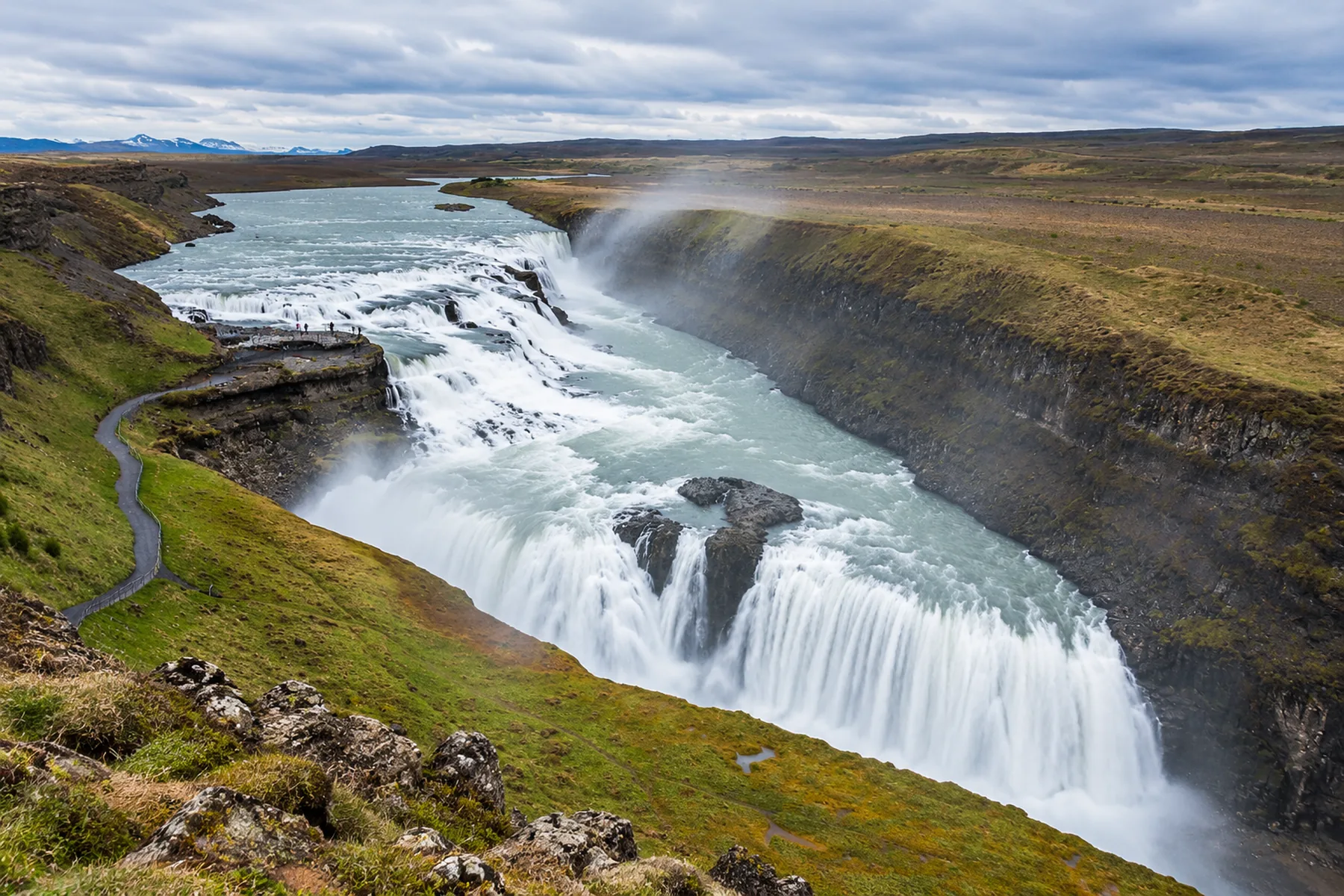 10 destinations · 20 cities
Reykjavík, the Golden Circle, the waterfalls and glaciers of the south, Snæfellsnes, Lake Mývatn and the fjords: the guide with routes, destinations and towns.
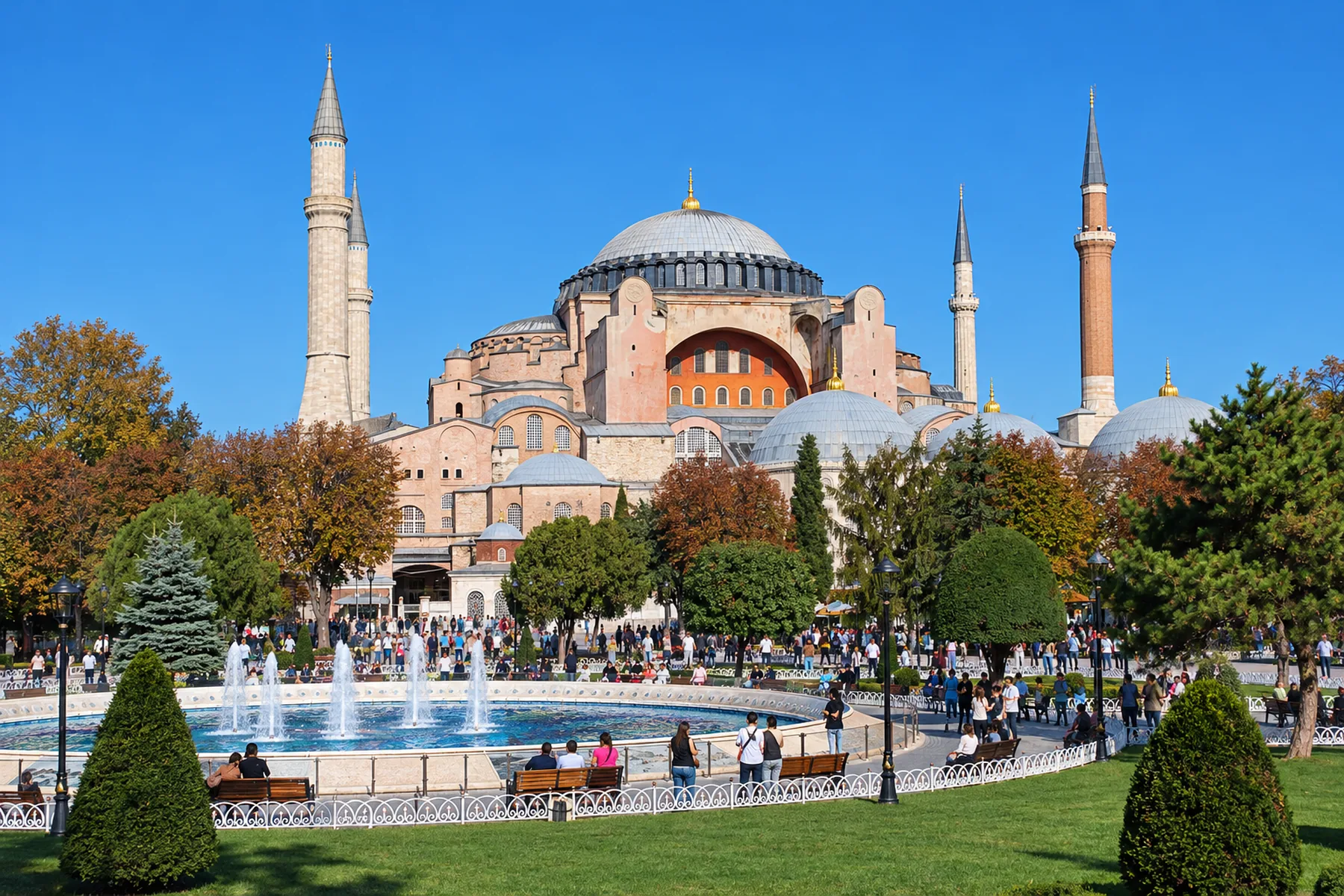 22 destinations · 70 cities
Istanbul, Cappadocia, Pamukkale, Ephesus and the Turquoise Coast: the guide with routes, destinations and cities.
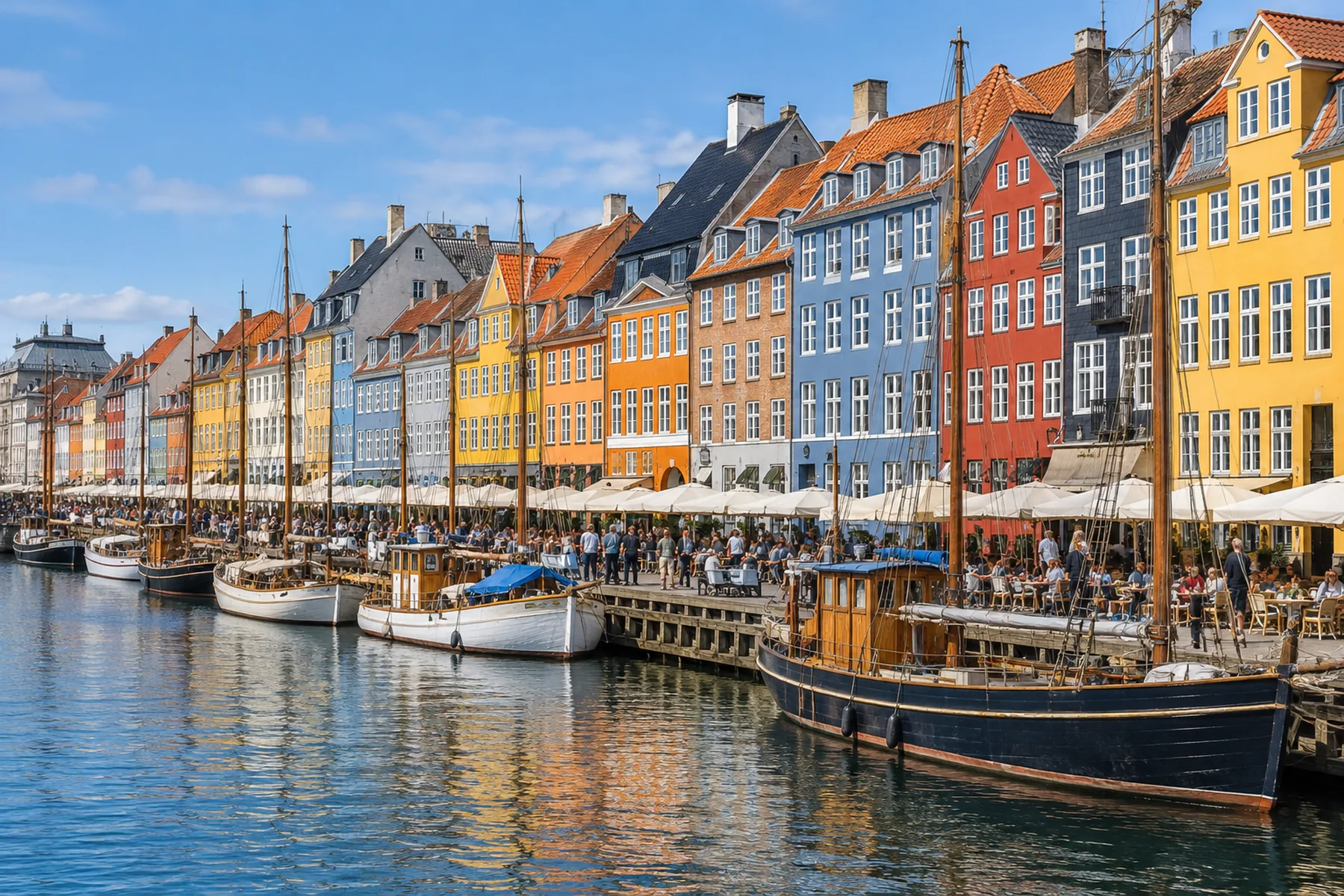 15 destinations · 23 cities
Copenhagen and Nyhavn, the castles of Kronborg and Frederiksborg, the Vikings of Roskilde, Legoland and the dunes of Skagen: the guide with routes, destinations and towns.
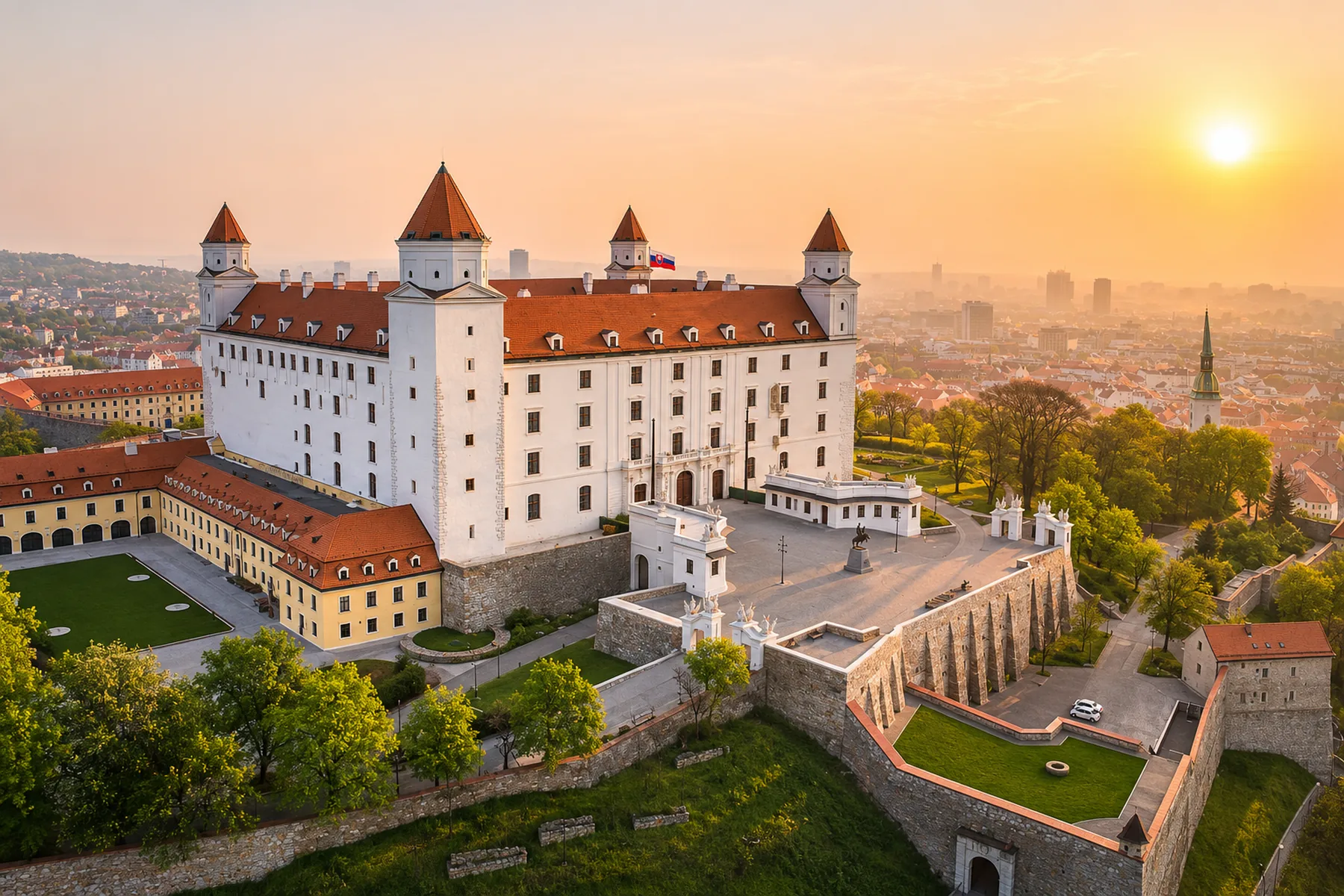 18 destinations · 31 cities
Bratislava and the Danube, the High Tatras, Levoča and Spiš Castle, Banská Štiavnica, Slovak Paradise and Košice: the guide with routes, destinations and towns.
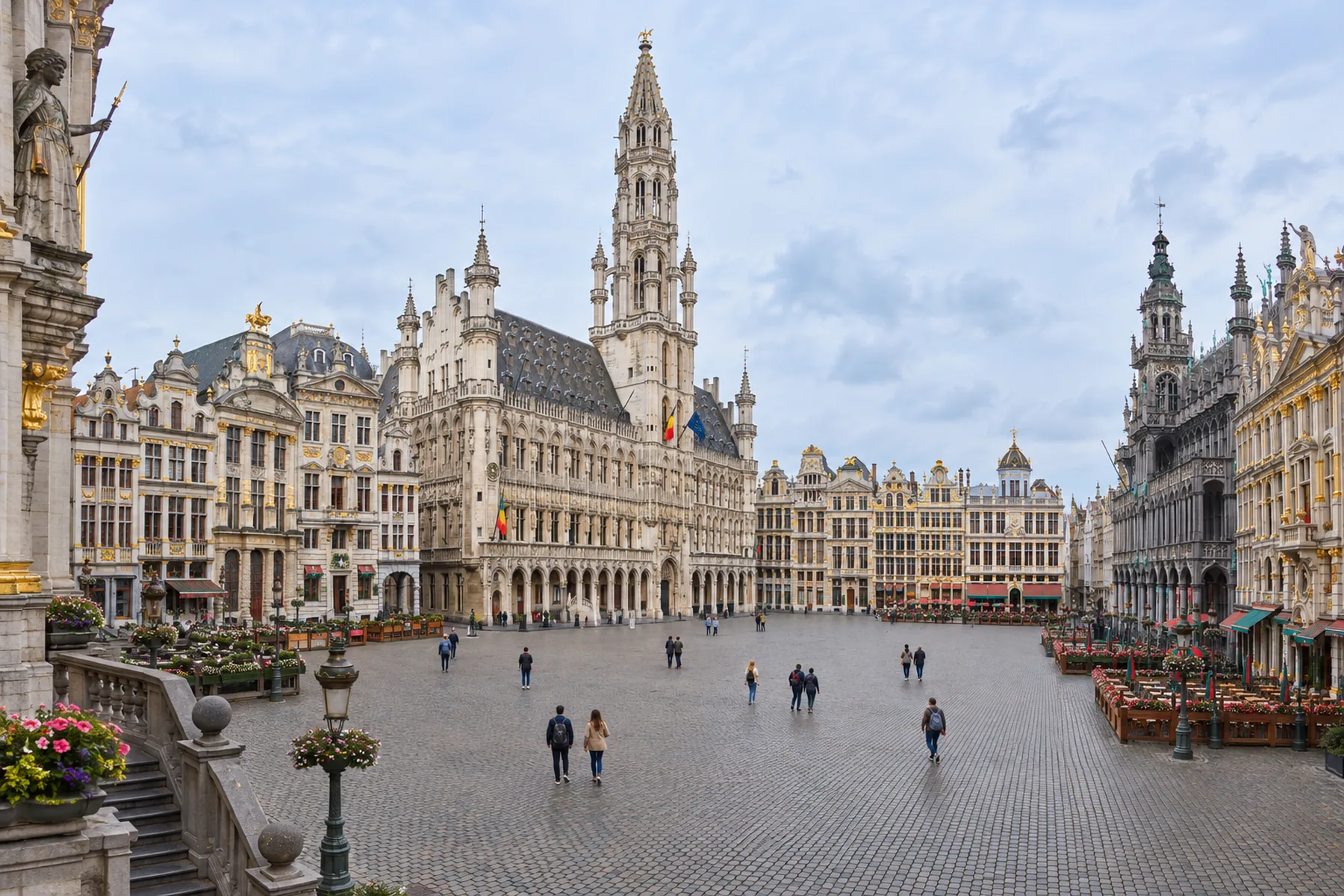 11 destinations · 58 cities · 9 routes
Brussels, Bruges, Ghent and the Ardennes: the guide with routes, destinations and cities.
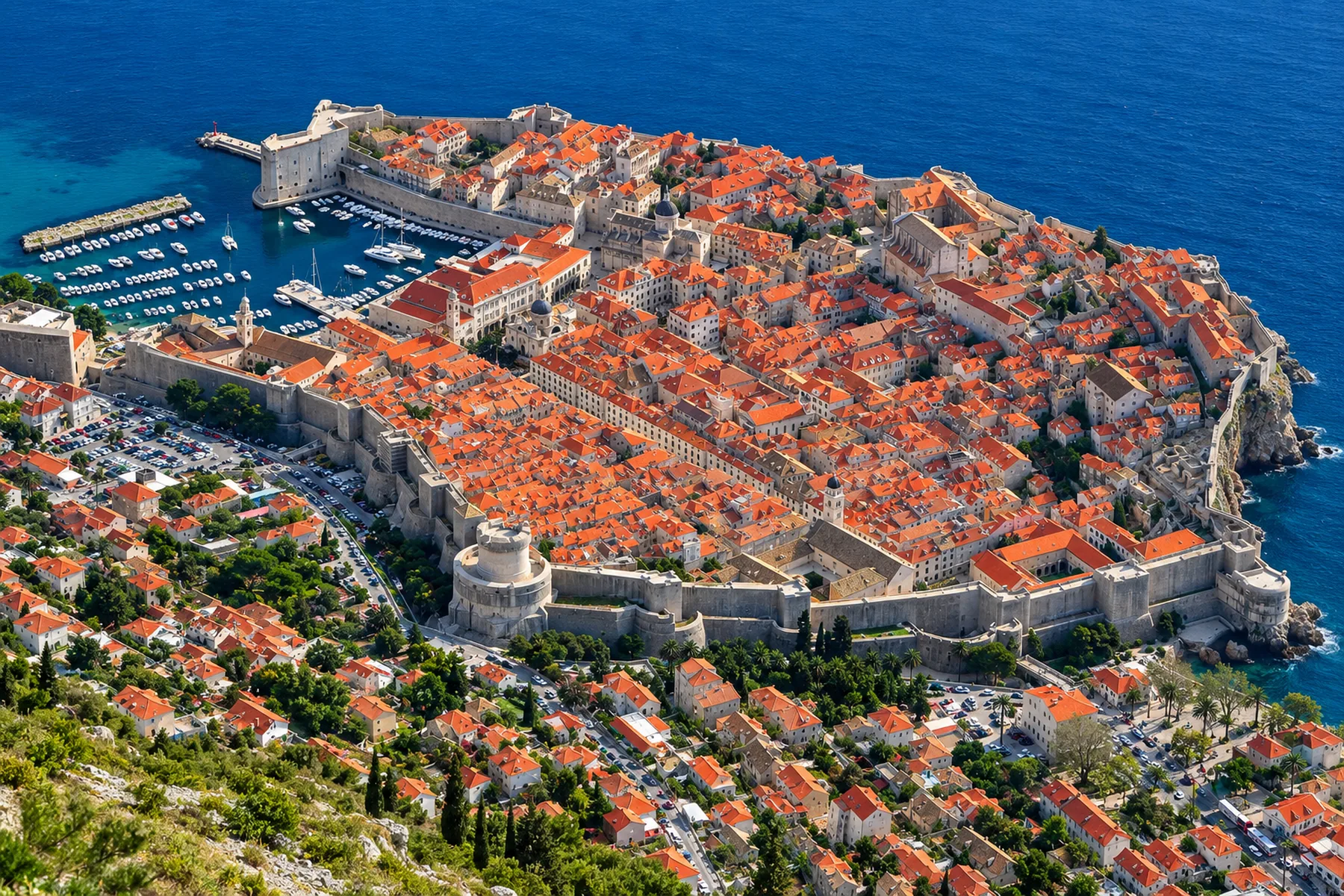 10 destinations · 35 cities · 4 routes
Dubrovnik and the city walls, Split, the islands of Hvar and Korčula, the Plitvice lakes, Istria and Zagreb: the guide with routes, destinations and cities.
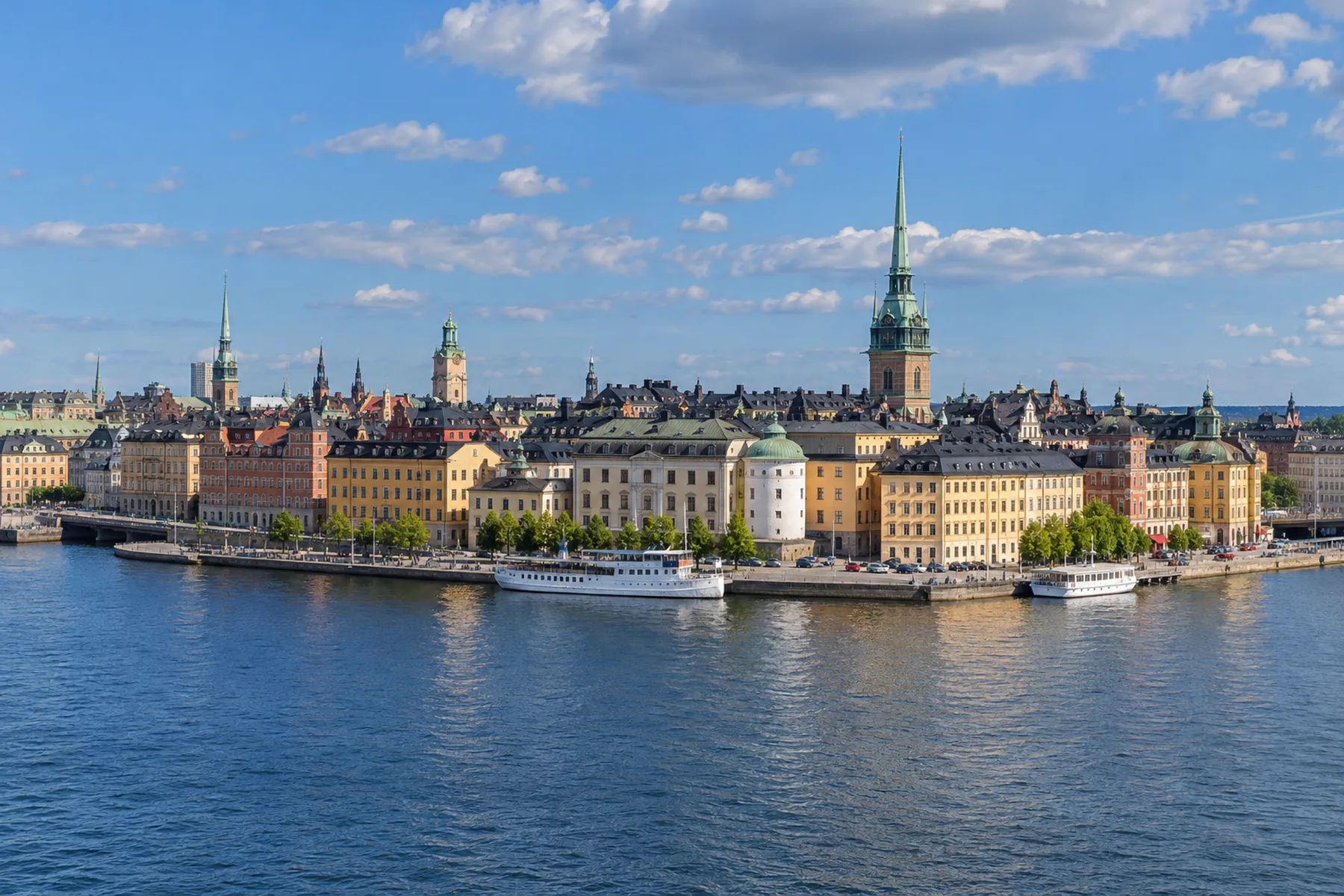 15 destinations · 27 cities
Stockholm and Gamla Stan, Visby’s wall, Kalmar Castle, the lakes of Dalarna and the Lapland of Kiruna and Abisko: the guide with routes, destinations and towns.
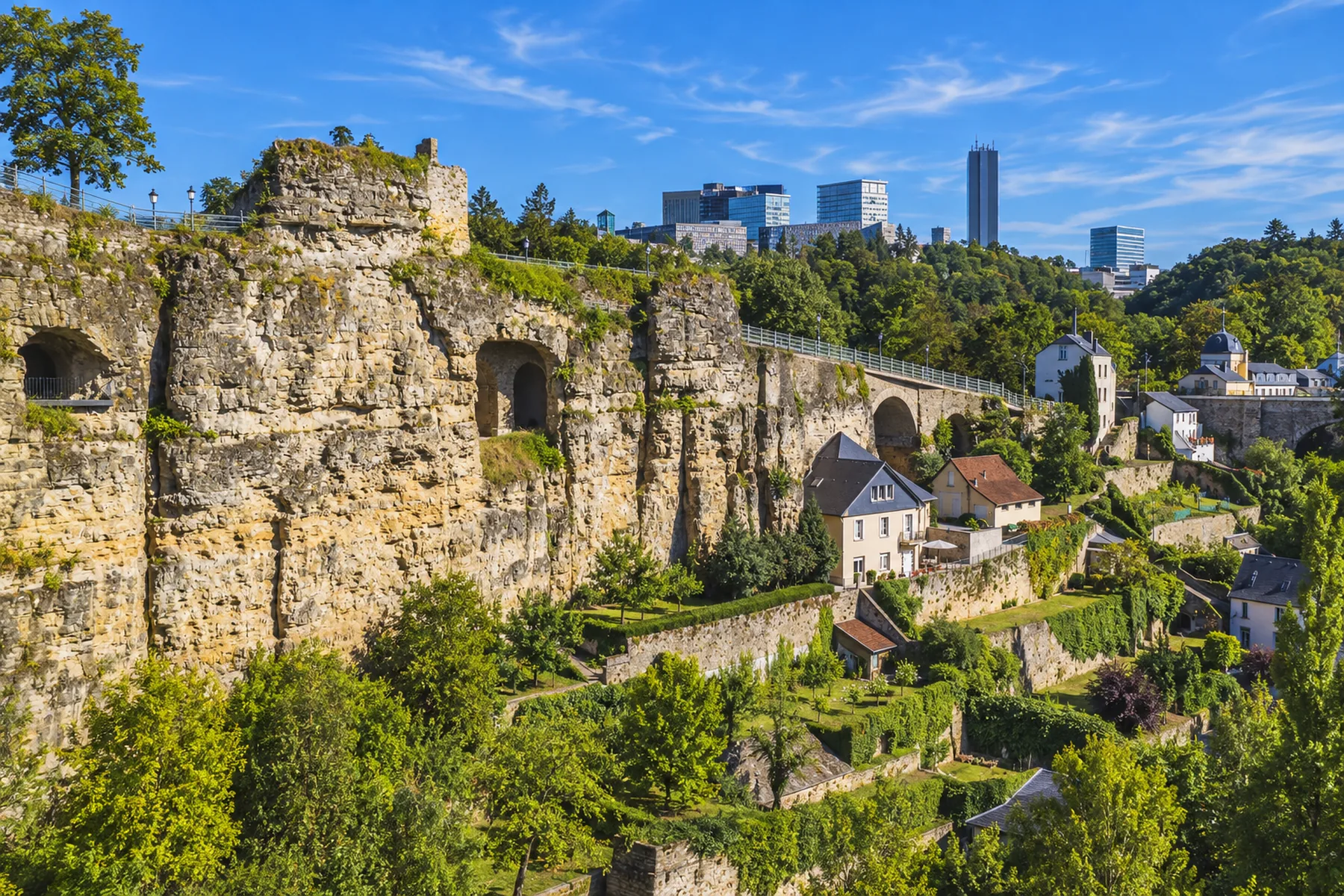 5 destinations · 9 cities
The City of Luxembourg, the castles of the Ardennes, the rocks of the Mullerthal and the vineyards of the Moselle: the guide with routes, destinations and towns.
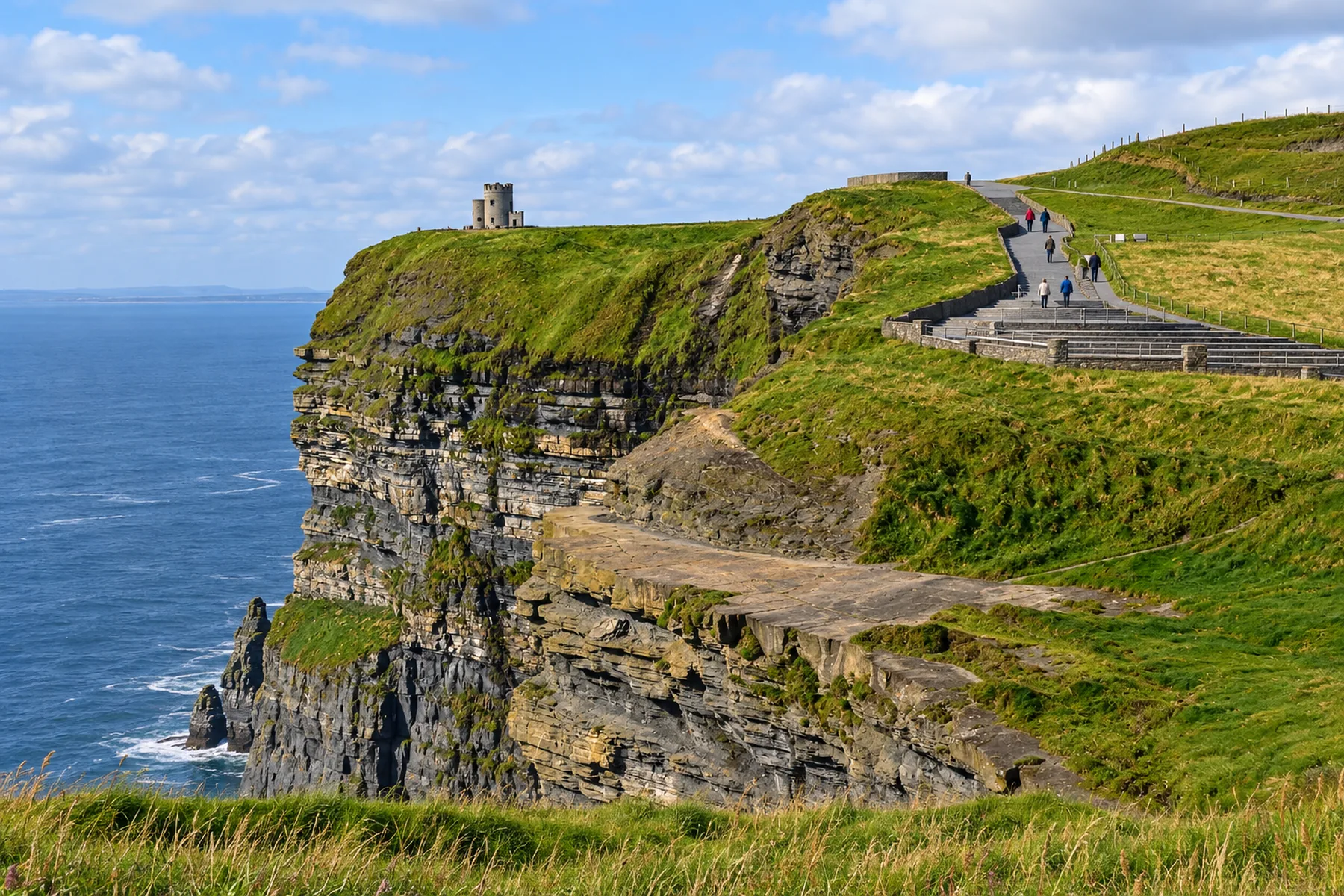 10 destinations · 19 cities
Dublin, Galway, the Ring of Kerry and the Cliffs of Moher: the guide with routes, destinations and towns.
Austria
Belgium
Croatia
Denmark
Finland
France
Germany
Greece
Hungary
Iceland
Ireland
Italy
Luxembourg
Norway
Poland
Portugal
Slovakia
Slovenia
Spain
Sweden
Switzerland
the Czech Republic
the Netherlands
the United Kingdom
Turkey
 Albania
 Andorra
 Belarus
 Bosnia and Herzegovina
 Bulgaria
 Cyprus
 Estonia
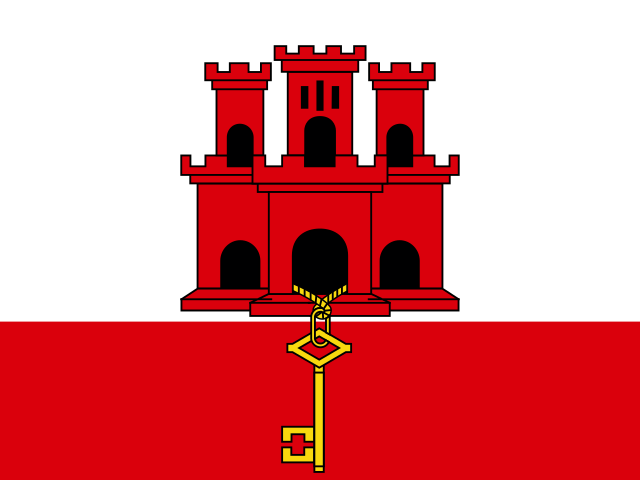 Gibraltar
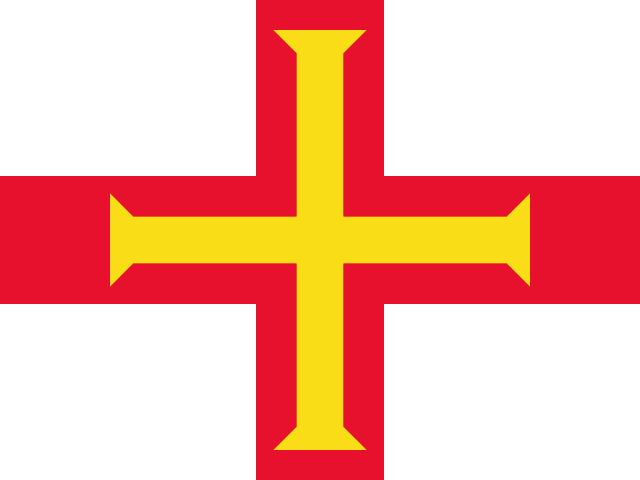 Guernsey
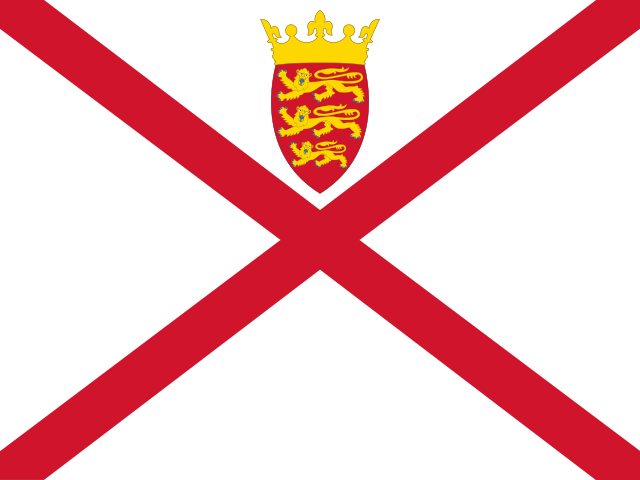 Jersey
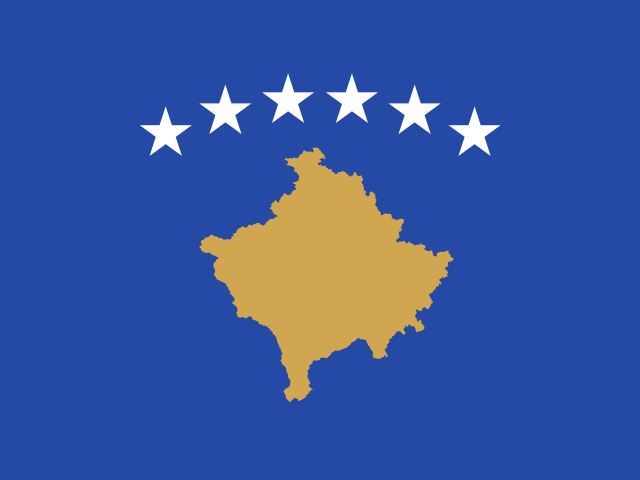 Kosovo
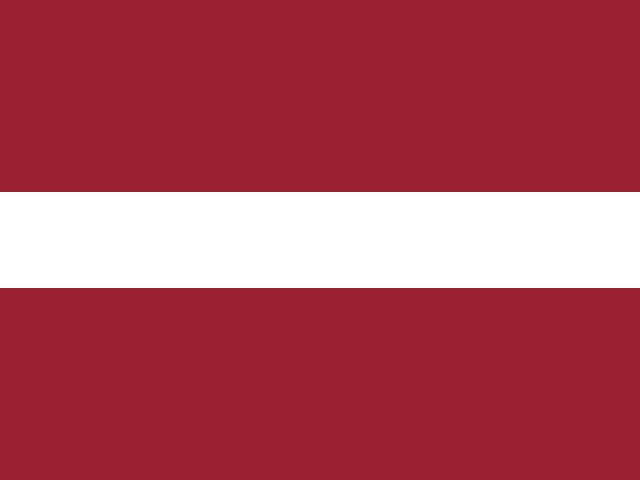 Latvia
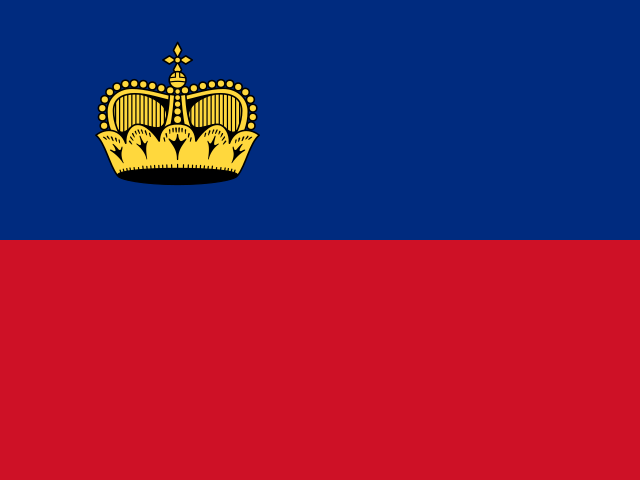 Liechtenstein
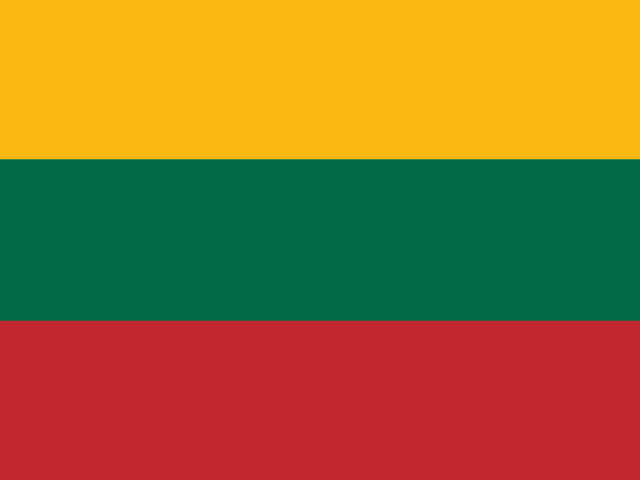 Lithuania
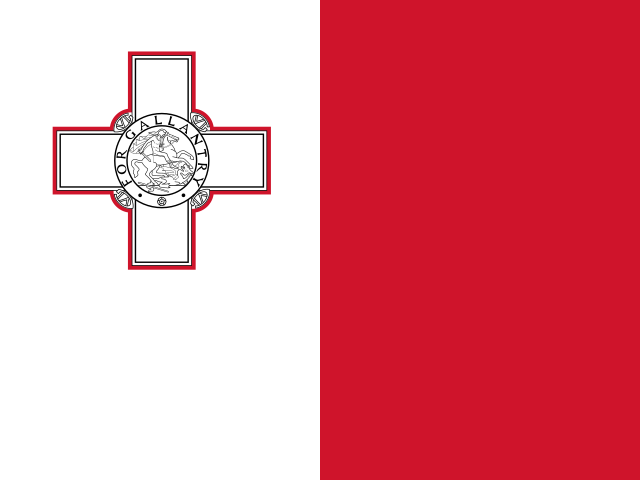 Malta
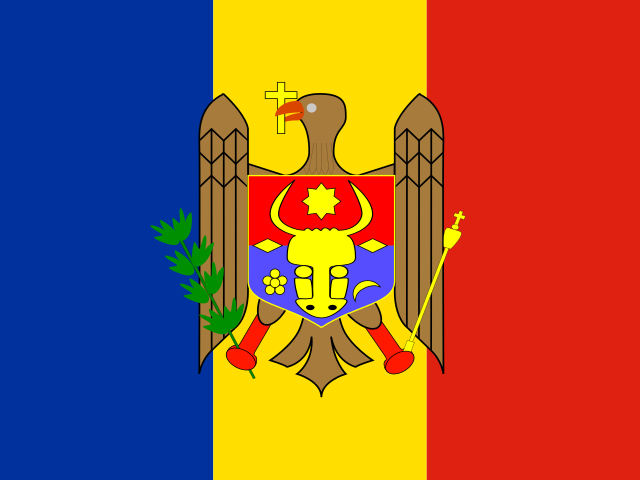 Moldova
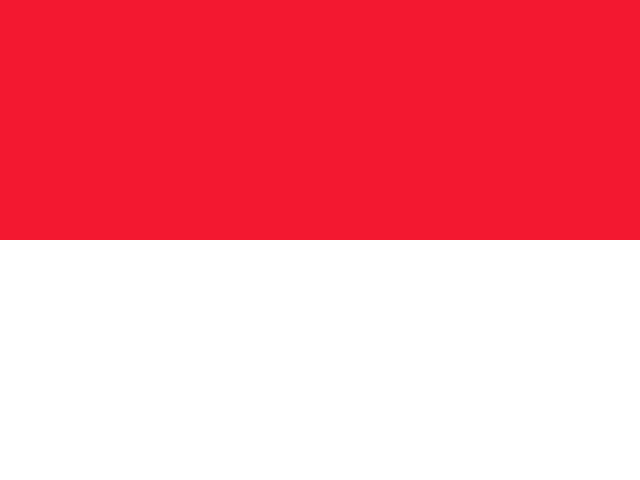 Monaco
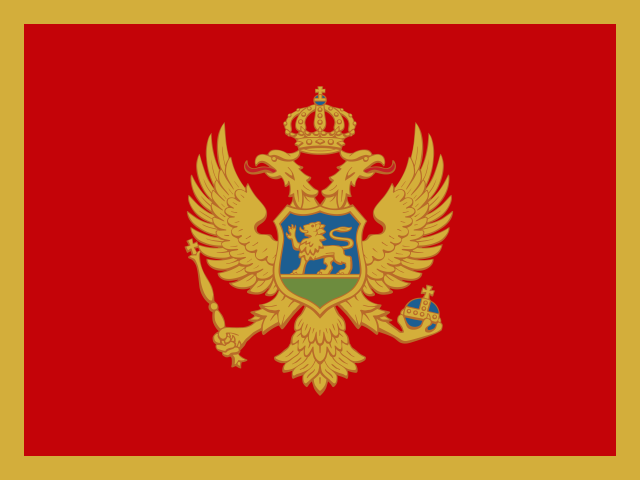 Montenegro
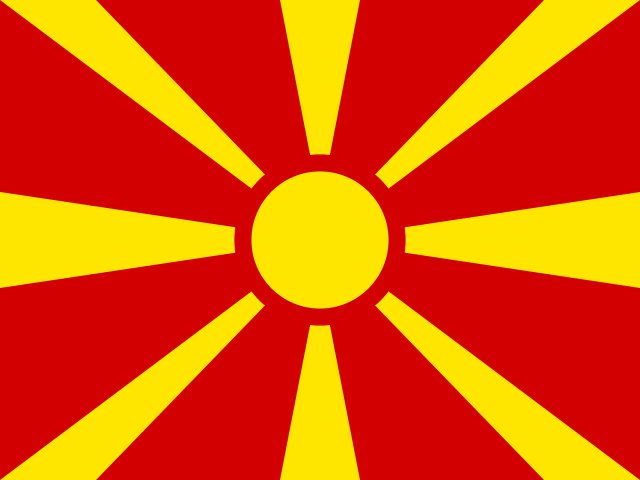 North Macedonia
 Romania
 Russia
 San Marino
 Serbia
 Svalbard
 the Åland Islands
 the Faroe Islands
 the Isle of Man
 Ukraine
 Vatican City
The linked countries already have a guide. The others are added little by little, each one once its guide is complete.
22 routes
Trips that cross borders by train, car, boat and on foot, with the map, the cities in each country, the itineraries and what changes from one side to the other.
See the routesFlavors of the countries
Pick a country to see its traditional dishes, sweets and drinks.
9 routes
The pilgrimage routes to Santiago de Compostela, on one map: where each starts, how many days they take and who they suit.
See the routesEurope
Citizens of many countries, including most countries in the Americas, can visit the Schengen area without a visa for tourism: they enter with a valid passport and may stay up to 90 days within any 180-day period, counting all countries in the area. Other nationalities need a Schengen visa. Your passport must be valid for at least three months after the planned date of exit from Europe.
At the border, the officer may ask for your return ticket, accommodation reservation or the address where you will stay, and proof that you can support yourself during the trip. Carry everything printed or on your phone. Travel insurance with medical coverage may be requested at entry: travel with it and the policy at hand.
On first entry to the Schengen area, the border records your photo and fingerprints in the European Entry/Exit System (EES), which replaces the passport stamp. The European Union is also preparing ETIAS, a travel authorization applied for online before boarding, which will be required for visa-exempt travelers. Before buying a ticket, check the official website to see if it is already in effect.
Not all of Europe is in the Schengen area. the United Kingdom and Ireland have their own entry rules, with passport control on arrival, including when coming from another European country. Check each country’s requirements before including them in your itinerary.
Minors traveling without both parents, or with only one parent, need authorization. Rules vary by country: confirm requirements before you go.
Europe
Europe is in the Northern Hemisphere: summer runs from June to August, and winter from December to February.
Spring (April to June) and early autumn (September and October) usually have mild temperatures, long days and fewer crowds than summer. In much of the region, April and May are months of blooming parks; in September and October, of the grape harvests in wine regions.
Summer is high season: days are long, and Mediterranean beaches and major cities get crowded, with lines at the most visited museums. In August many Europeans take holidays and some local businesses in cities close. Buy trains and tickets in advance.
In winter it is cold and gets dark early, but it is the season for Christmas markets in December and for the ski season in the Alps, which usually runs from December to March or April. Outside the holidays, cities are quieter.
Europe
The train is the most practical way to travel from one city to another. High-speed lines link city center to city center: the TGV in France, the AVE in Spain, the Frecciarossa in Italy, the ICE in Germany and the Eurostar between France, Belgium, the Netherlands and the United Kingdom. On high-speed trains the ticket has a date and time, and the price usually rises nearer the travel date: buy as soon as your itinerary is set.
For longer distances there are short flights between capitals, many operated by low-cost carriers. Check the departure and arrival airports, which can sometimes be far from the center, and the baggage rules, which are often charged separately.
A car helps in regions of villages, vineyards and mountains. Depending on the country and where your driver’s license was issued, an International Driving Permit may be required. Many cities have centers closed to outside cars or urban toll zones: leave the car at the hotel or a parking lot and get around on foot or by public transport.
People living outside Europe can use the Eurail pass, which is valid on trains in several countries. On many high-speed and overnight trains, pass holders also need to reserve a seat, paid separately.
Europe
Most countries of the European Union use the euro. Some have their own currency, such as Switzerland (Swiss franc) and the United Kingdom (pound sterling). International credit and debit cards are accepted almost everywhere, including contactless payments on public transport in several cities.
Time zones range from UTC+0 in Portugal, Ireland and the United Kingdom to UTC+2 in Greece and Finland (UTC+3 in Turkey); most of Europe is in UTC+1. European summer time runs from late March to late October and moves clocks forward by one hour.
The electrical voltage is 230 volts. In most of Europe the plug is two round pins (types C and F); the United Kingdom and Ireland use the three flat-pin plug (type G). If your devices use a different type, bring an adapter.
For mobile phones there is international roaming, a SIM or eSIM purchased in Europe, and eSIM packages sold online before the trip. A SIM from an EU country usually works in other EU countries without extra roaming charges; check the plan conditions.
Frequently asked questions
It depends on your nationality. Citizens of many countries, including most countries in the Americas, can visit the Schengen area without a visa for up to 90 days within any 180-day period. The European Union is preparing ETIAS, an authorization requested online before travel; check the official website to see if it is already in effect. The United Kingdom and Ireland are outside the Schengen area and have their own rules.
The 90 days apply to all countries in the Schengen area combined, within any 180-day period. If you spend 30 days in France and 20 in Italy you have already used 50 of the 90. The calculation is done by the Entry/Exit System, which records each border crossing.
Travel insurance with medical coverage may be requested at entry to the Schengen area. Travel with a policy purchased and have it at hand, printed or on your phone, and check whether the coverage applies to all countries on your itinerary.
Yes. Distances are short, high-speed trains connect capitals in a few hours, and there is no passport control between countries in the Schengen area. To save time, book a flight arriving in one city and departing from another.
Spring, from April to June, and early autumn, in September and October, usually have mild temperatures and fewer crowds than summer. Summer, from June to August, is the high season. Winter is the time for Christmas markets and snow in the Alps.
Most countries in the European Union use the euro. Switzerland uses the Swiss franc, and the United Kingdom uses the pound sterling. International credit and debit cards are accepted in most places.
In many countries, yes, for a short period. Depending on the country and where your license was issued, an International Driving Permit may be required. Check the rules of the country and the rental company before renting a car.