French Way (Camino Francés) to Santiago on foot
The most travelled pilgrimage route to Santiago de Compostela: from the French Pyrenees to Galicia, on foot, via Pamplona, Burgos and León, following the yellow arrows.
Antarctica
The pilgrimage routes to Santiago de Compostela, on one map: where each starts, how many days they take and who they suit.
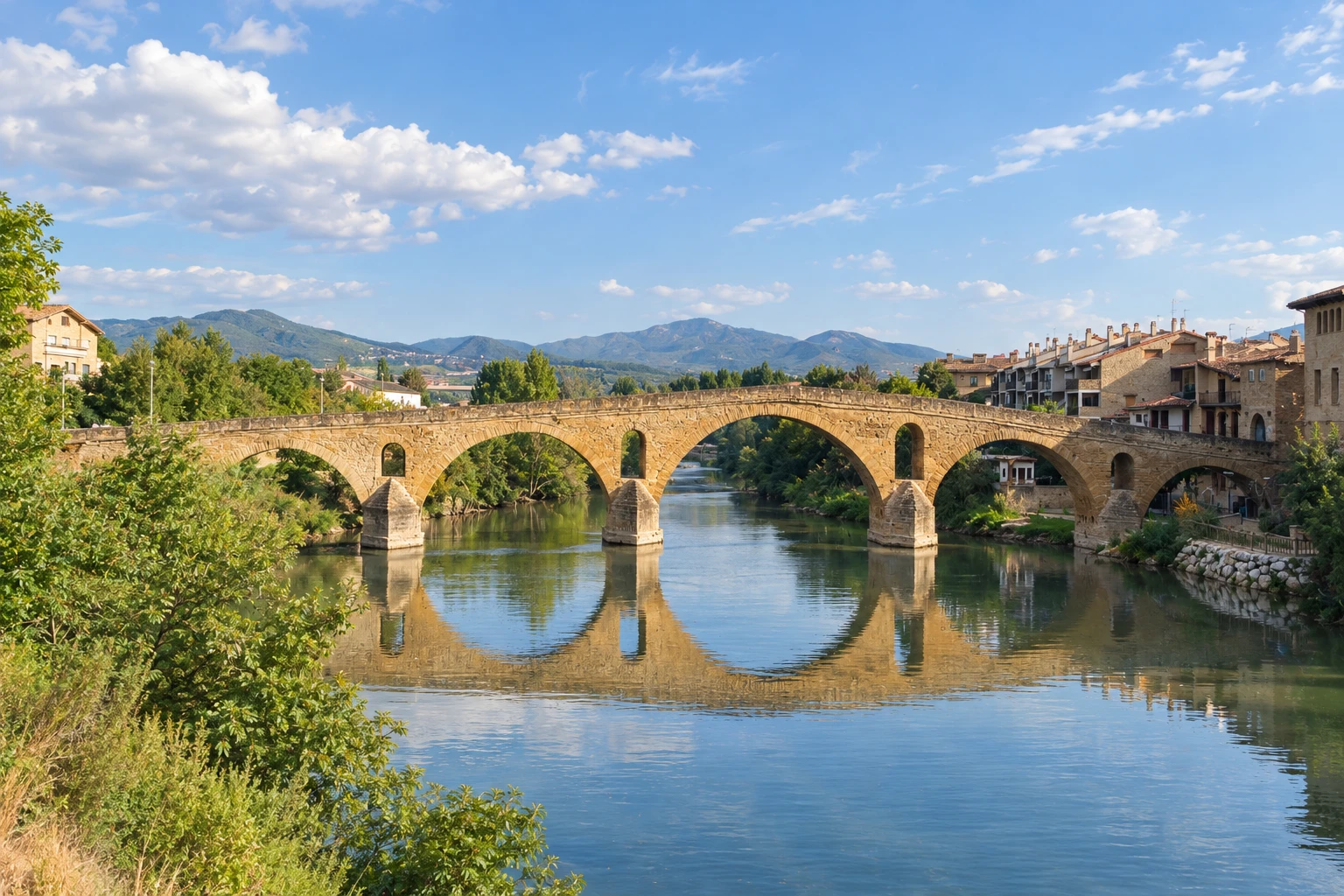
In the photo: Romanesque bridge of Puente la Reina over the Arga River
Europe
The Camino de Santiago is the set of pilgrimage routes that lead to Santiago de Compostela in Galicia, in northwest Spain. According to tradition, the city’s cathedral holds the tomb of the apostle James, discovered in the 9th century. Since the Middle Ages pilgrims from all over Europe have walked there, and the routes were marked by churches, bridges, monasteries and hospitals for pilgrims. The French Way and those in northern Spain are recognized by UNESCO as World Heritage, and the Camino de Santiago was the first European Cultural Route.
Today the Camino is walked for different reasons: faith, reflection, physical challenge, tourism or the wish to spend several days walking. Most do it on foot, in stages of 20 to 30 km per day, sleeping in hostels and guesthouses along the way. It is also possible to do it by bicycle or on horseback.
The arrival is at the Obradoiro square, in front of the cathedral’s Baroque façade. Many pilgrims attend the pilgrim mass and visit the apostle’s tomb in the crypt and the image of Santiago on the high altar.

The map
The routes

The most travelled pilgrimage route to Santiago de Compostela: from the French Pyrenees to Galicia, on foot, via Pamplona, Burgos and León, following the yellow arrows.

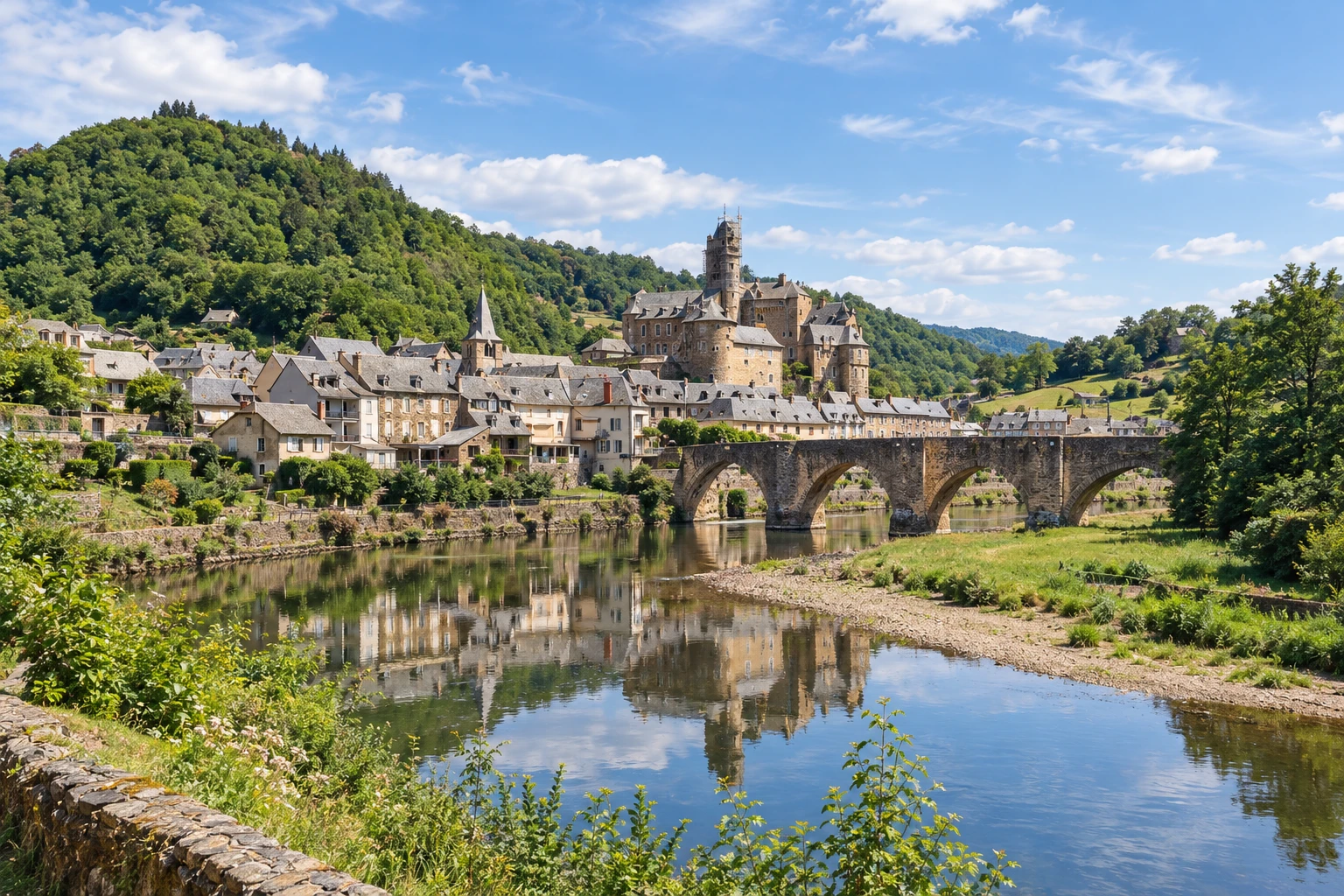
The most walked Camino de Santiago route in France: from Le Puy-en-Velay to the Pyrenees on foot, across the Aubrac plateau, Conques, Cahors and Moissac, to Saint-Jean-Pied-de-Port, where the French Way begins.

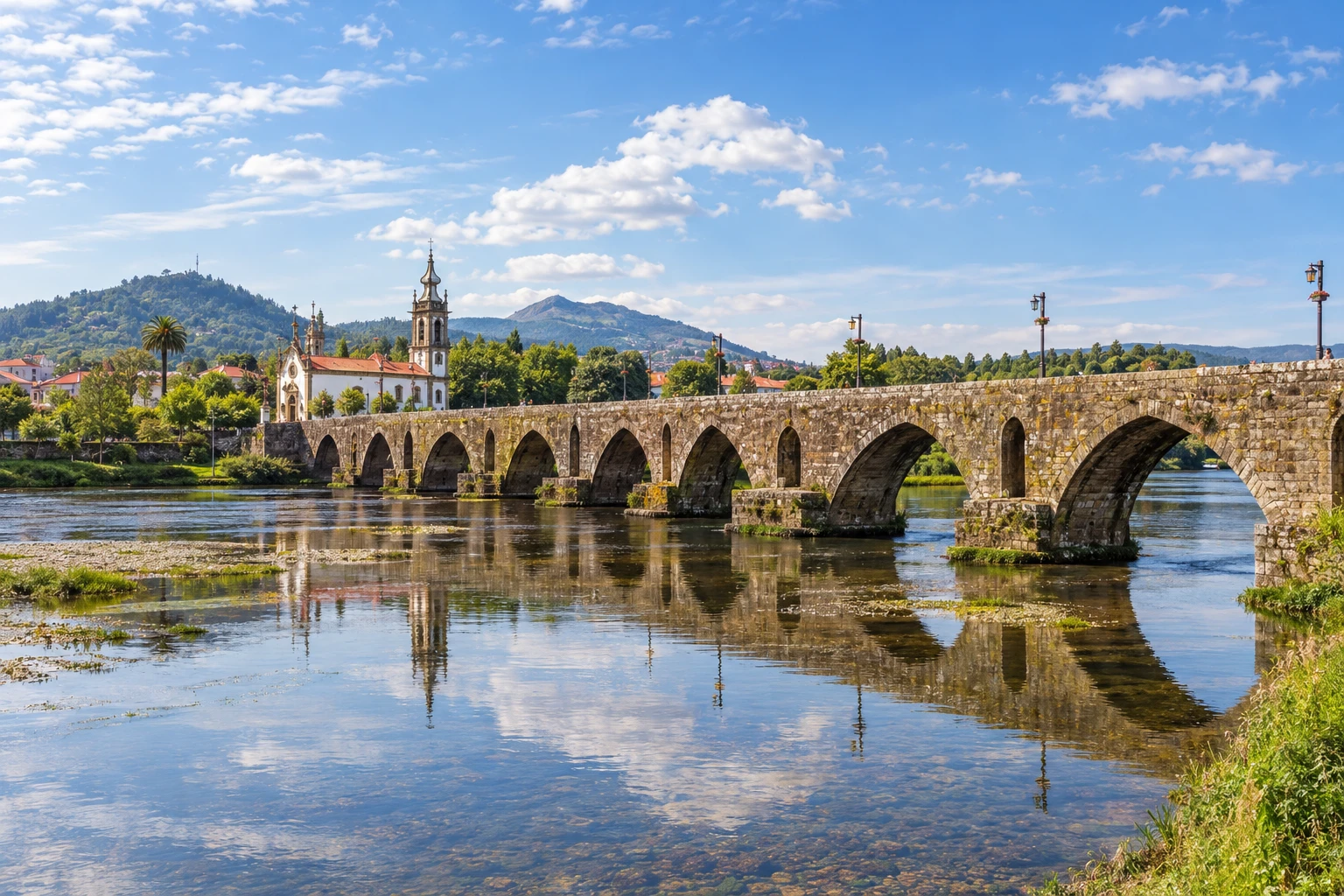
On foot from Portugal to Santiago de Compostela: the pilgrimage route that starts in Lisbon or Porto, follows yellow arrows and ends at Obradoiro Square.

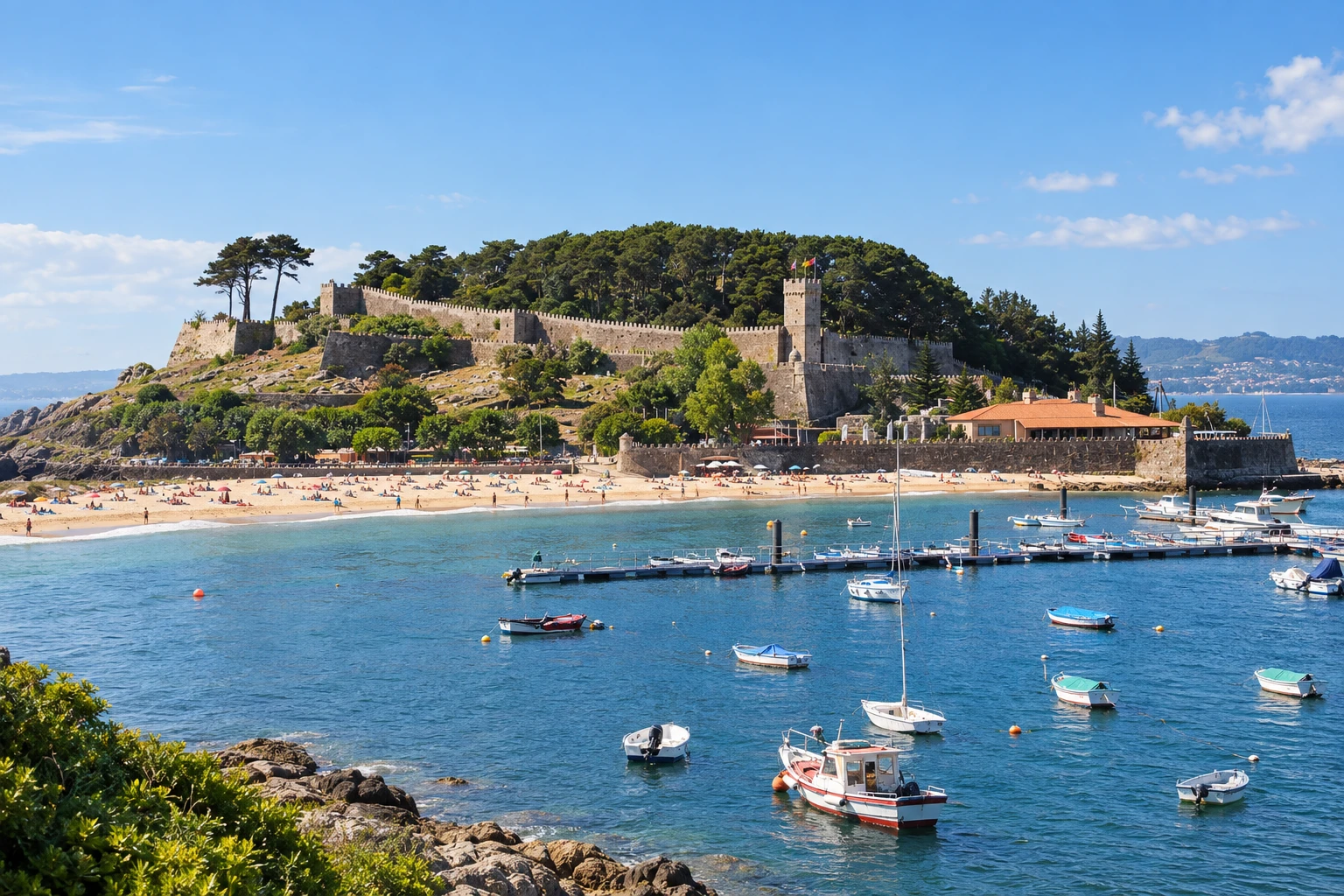
The Camino de Santiago along the Atlantic: from Porto to Galicia via the coast, through Vila do Conde, Viana do Castelo, A Guarda, Baiona and Vigo, ending at Santiago Cathedral.

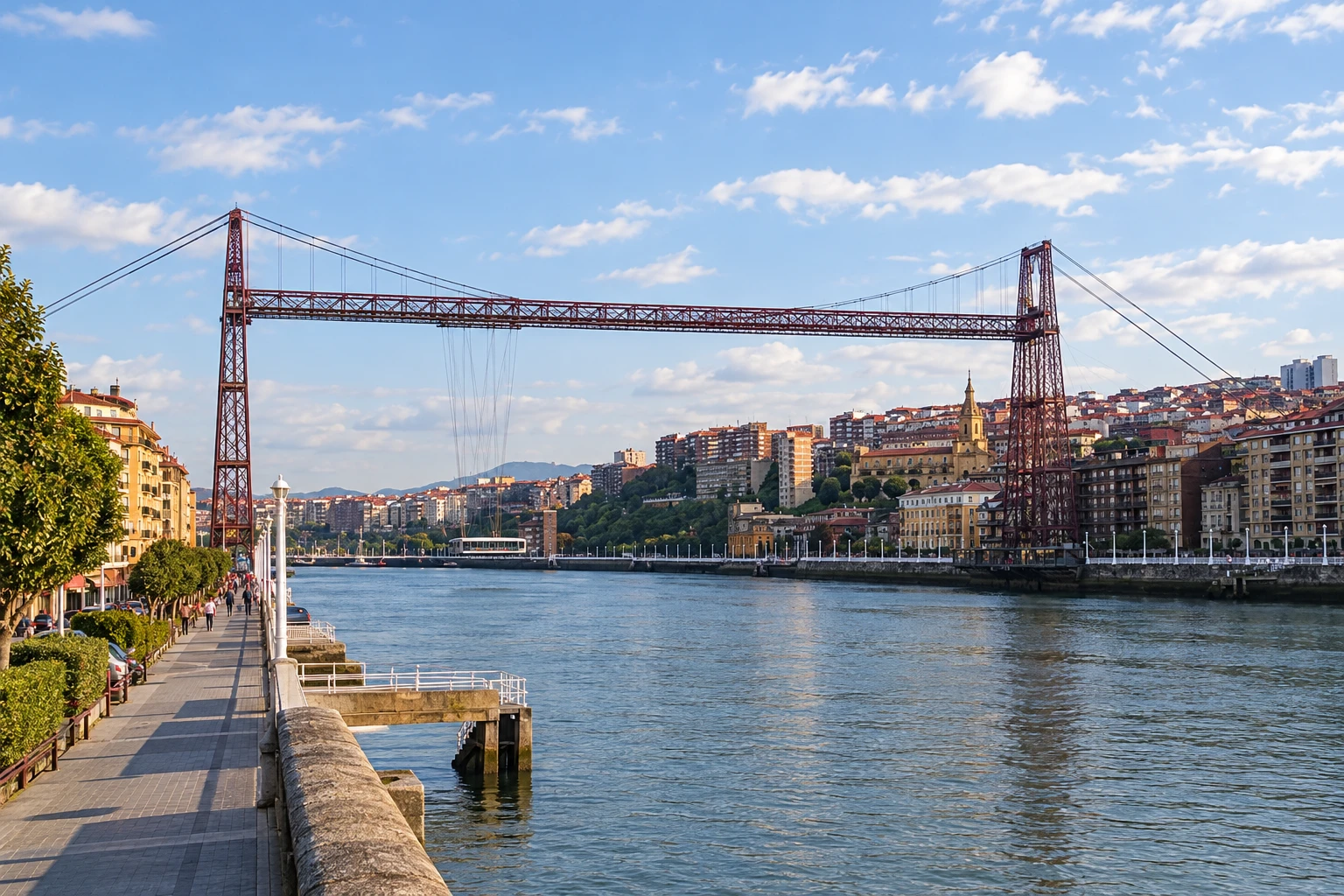
The Camino de Santiago along the Cantabrian coast: from the Basque Country to Galicia on foot, via San Sebastián, Bilbao, Santander and Gijón, between the sea and the green mountains.

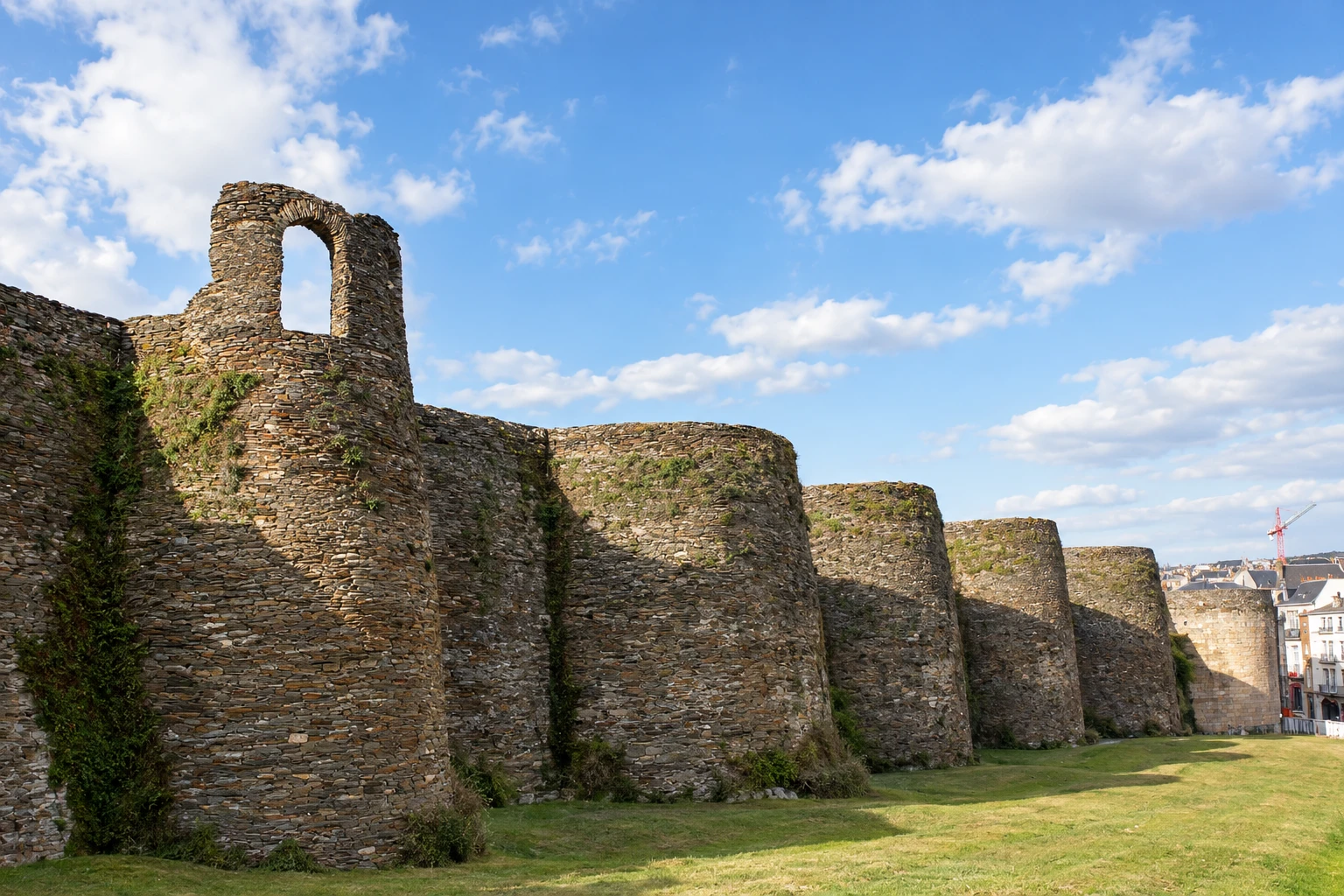
The oldest route to Santiago: from Oviedo, through the mountains of Asturias and via Lugo and its Roman walls, on foot to the cathedral of Compostela.

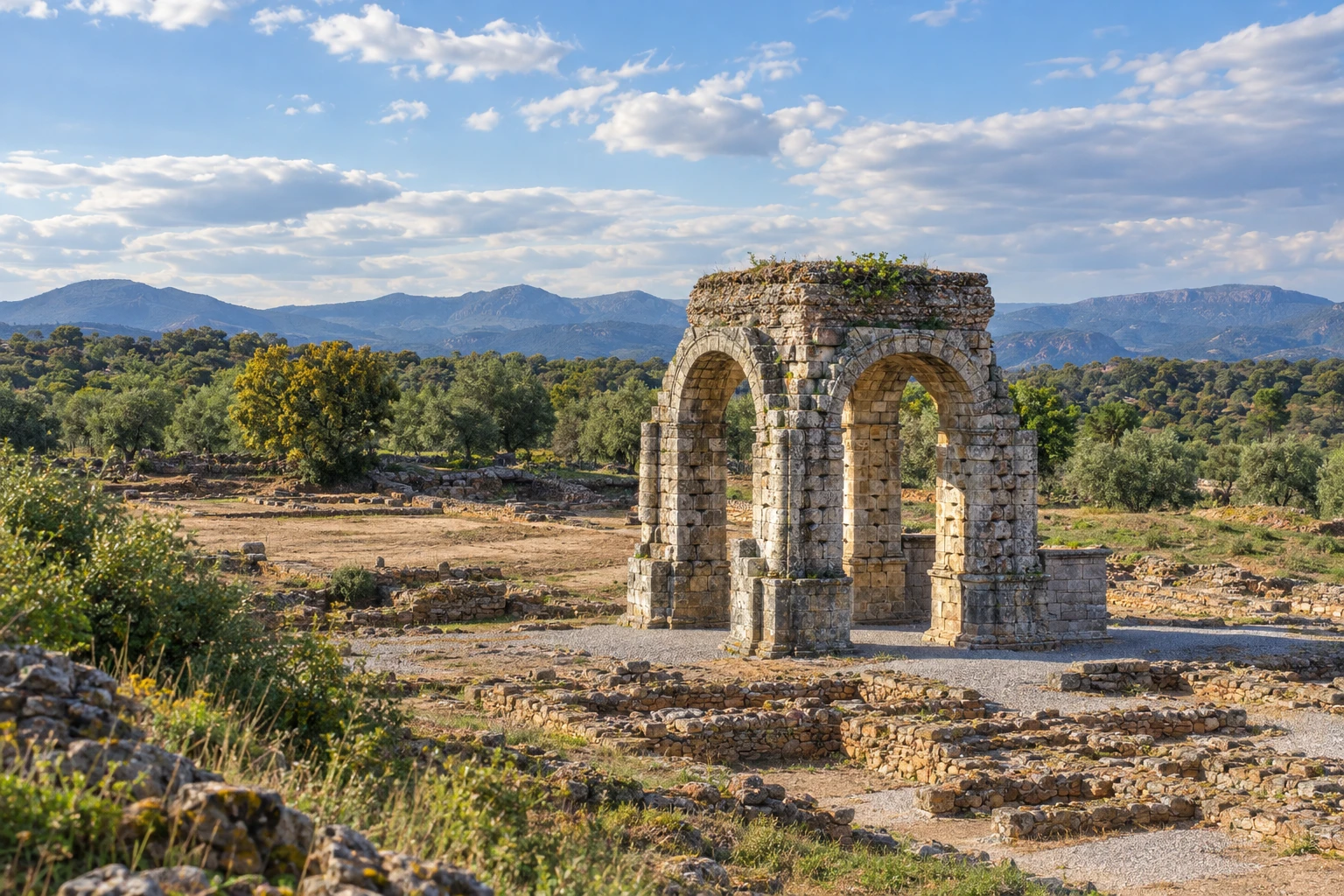
The longest Camino de Santiago in Spain: from Seville to Santiago de Compostela along the country’s west, following the old Roman road, via Mérida, Cáceres, Salamanca, Zamora and Ourense.

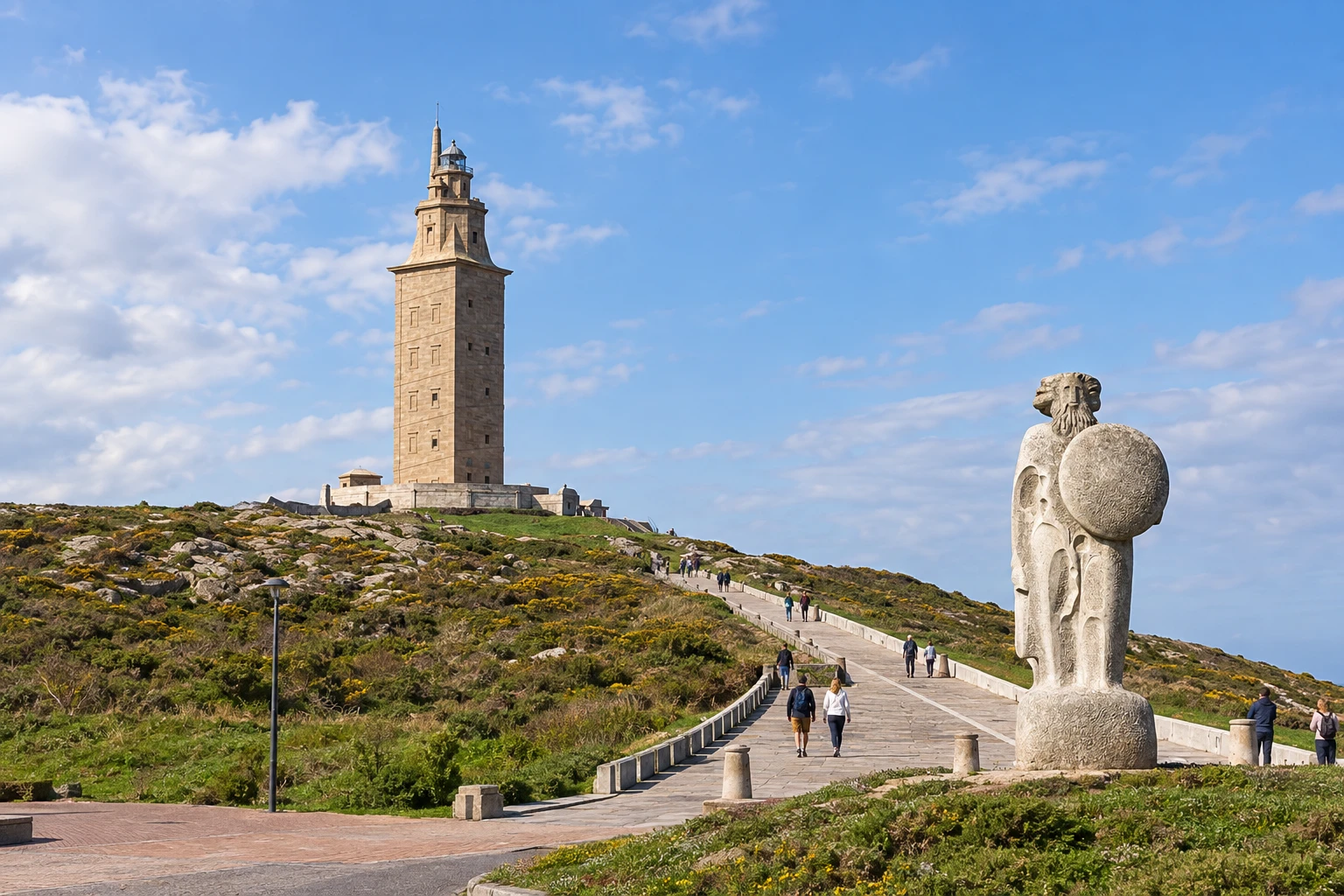
The route taken by pilgrims who arrived by sea: from Ferrol or A Coruña to Santiago de Compostela in under a week, along Galicia’s northern coast.

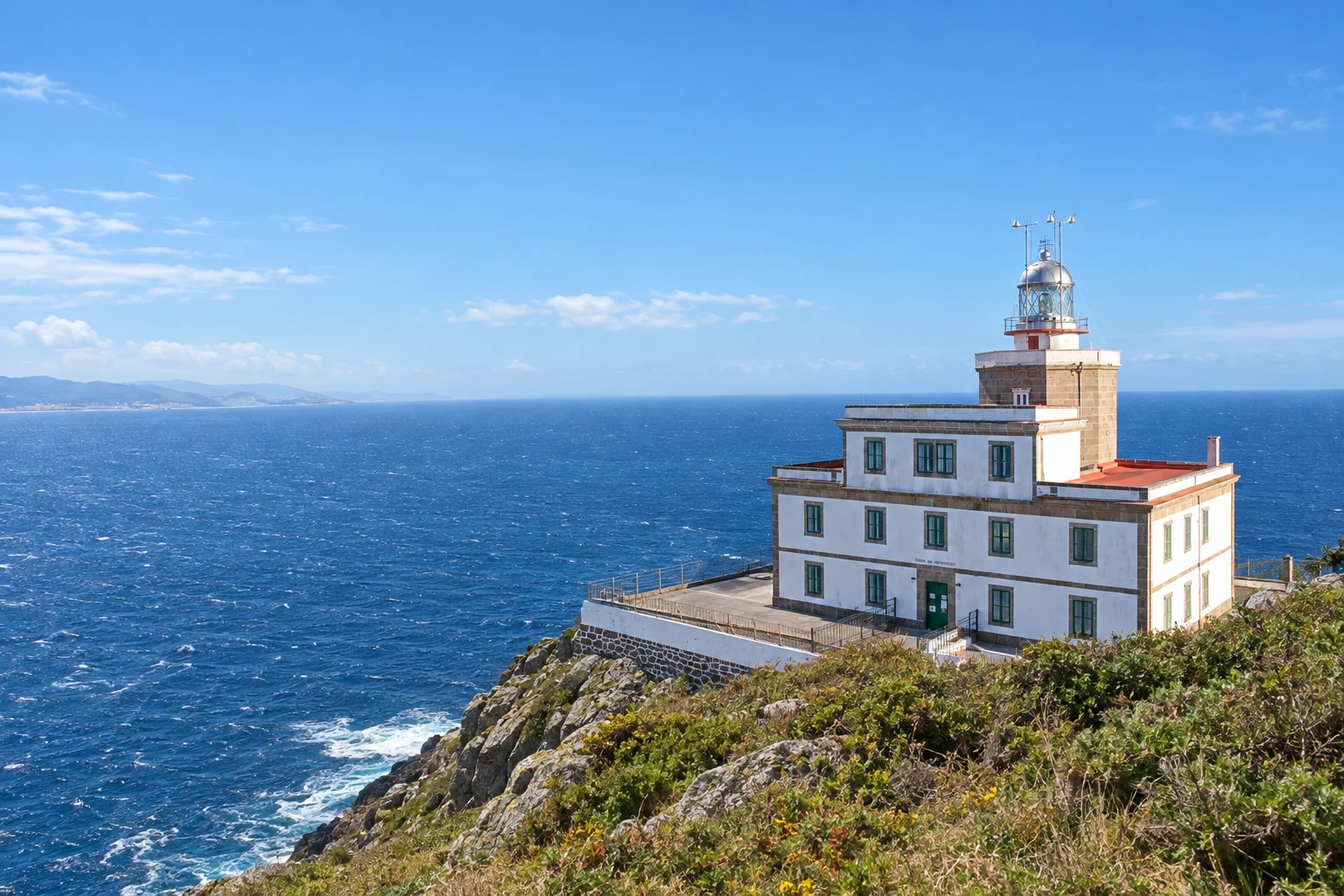
After the cathedral, the sea: on foot from Santiago de Compostela to Cape Finisterre, the old end of the world, and to the sanctuary of Muxía, on the Costa da Morte.
Way of Saint James
Each route has a starting point, a length and a character. The most popular for first-timers are the French Way, from Sarria, and the Portuguese Way, from Tui or Porto.
Distances vary slightly depending on the source and the route variants.
Way of Saint James
The credential is the pilgrim’s passport: a booklet where stamps (sellos) collected along the route are gathered, from hostels, churches, cafés, town halls and hotels, always dated. It identifies the walker, grants access to pilgrims’ hostels and serves as proof to request the Compostela.
Where to get it:
Way of Saint James
The Compostela is the pilgrimage certificate issued by the Pilgrim’s Office linked to the Cathedral of Santiago. According to the Office, to receive it you must:
You can do the route in parts, on different trips, provided they are in order and you return to the point where you stopped. Those who do not meet the rules, or prefer, can request a distance certificate that records the kilometers covered. The Compostela is collected at the Pilgrim’s Office near the cathedral, with a number and queue; in busy periods it may not be issued the same day. Check requirements and opening hours on the Office website before you leave.
Some routes have their own certificates, such as the Fisterrana and the Muxiana, for those who arrive on foot to Fisterra and Muxía after Santiago.
Way of Saint James
The Way has a network of pilgrims’ hostels:
Many companies and some hostels offer luggage transfer between stages: the pilgrim walks with a small daypack and finds the luggage at the next place to sleep. Public hostels do not always accept sent luggage: check in advance.
The route is marked with yellow arrows, painted on walls, posts and stones, and with the scallop shell, the pilgrim’s symbol. In Galicia, stone milestones show the kilometers remaining to Santiago.
Way of Saint James
Way of Saint James
May, June, September and early October are usually the best times: pleasant temperatures for walking, long days and hostels open. July and August are the busiest months, with heat in inland Spain and Portugal and full occupancy in the final 100 km. From November to March it is cold, it rains a lot in Galicia and the north, it can snow on the higher sections, and many hostels close, but the route is quieter.
Jacobean Holy Years: when the apostle’s day, July 25, falls on a Sunday, it is a Jacobean Holy Year. In those years the Holy Door of the cathedral stays open, there are special celebrations, and the number of pilgrims increases. If you plan the route for a Holy Year you should book further in advance, especially for summer.
Frequently asked questions
No. The Camino is walked by people of all faiths and by those with no religion. The Compostela requires that the motivation be religious or spiritual, or at least a search; for those who do not identify with that there is the distance certificate.
The French Way from Sarria and the Portuguese Way from Tui or from Porto are the most chosen by first-timers: they have good infrastructure, many hostels and clear signage.
For the last 100 km, one week of walking, plus travel days to Spain and one day in Santiago. The entire route requires 4 to 6 weeks, depending on the variant.
A valid passport and, depending on nationality, a visa or prior travel authorization for the Schengen area: entry rules change, so check before buying your ticket. Travel insurance with health coverage is often requested at immigration; carry proof.
It helps, but it is not obligatory. On the route many people speak some English.
Yes, and many people do. On the busiest routes it is common to meet the same pilgrims every day and walk in a group for some sections.
The Camino is done by people of all ages. The important thing is to train beforehand, choose a suitable route and pace, and if you have any health condition, talk to your doctor before the trip.
Yes. Many do one section per year, returning to where they stopped and using the same pilgrim passport. For the Compostela the last 100 km count, completed in order and ending at the cathedral.
Yes. For the Compostela you must cycle at least the last 200 km. Some walking sections have bike-specific variants, and public hostels may give priority to those on foot.
Most of the routes have mobile signal, and many hostels and cafés offer wi‑fi. A European SIM or an international plan helps to book hostels and use maps on the route.