4 destinations
Destinations
The tourist regions in Paraguay, each with its towns: things to do, when to go and how to get there.
See the destinations
 Search
 Brazil
 Antarctica
 Argentina
 Bolivia
 Chile
 Colombia
 Ecuador
 Falkland Islands (Malvinas)
 French Guiana
 GuyanaParaguay
 Peru
 Suriname
 Uruguay
 Venezuela
 Austria
 Belgium
 Croatia
 Denmark
 Finland
 France
 Germany
 Greece
 Hungary
 Iceland
 Ireland
 Italy
 Luxembourg
 Norway
 Poland
 Portugal
 Slovakia
 Slovenia
 Spain
 Sweden
 Switzerland
 the Czech Republic
 the Netherlands
 the United Kingdom
 Turkey
 Bermuda
 Canada
 Greenland
 Mexico
 Saint Pierre and Miquelon
 the United States
 the Dominican Republic
 JapanTurkey
 Egypt
 South Africa
 Australia
 Fiji
 New Zealand
 Papua New Guinea
Routes, destinations and cities in Paraguay, with things to do, when to go and how to get there.
4 destinations 6 departments 8 cities
Across Cidade Turismo: 53 countries · 101 routes · 925 destinations · 2,317 cities
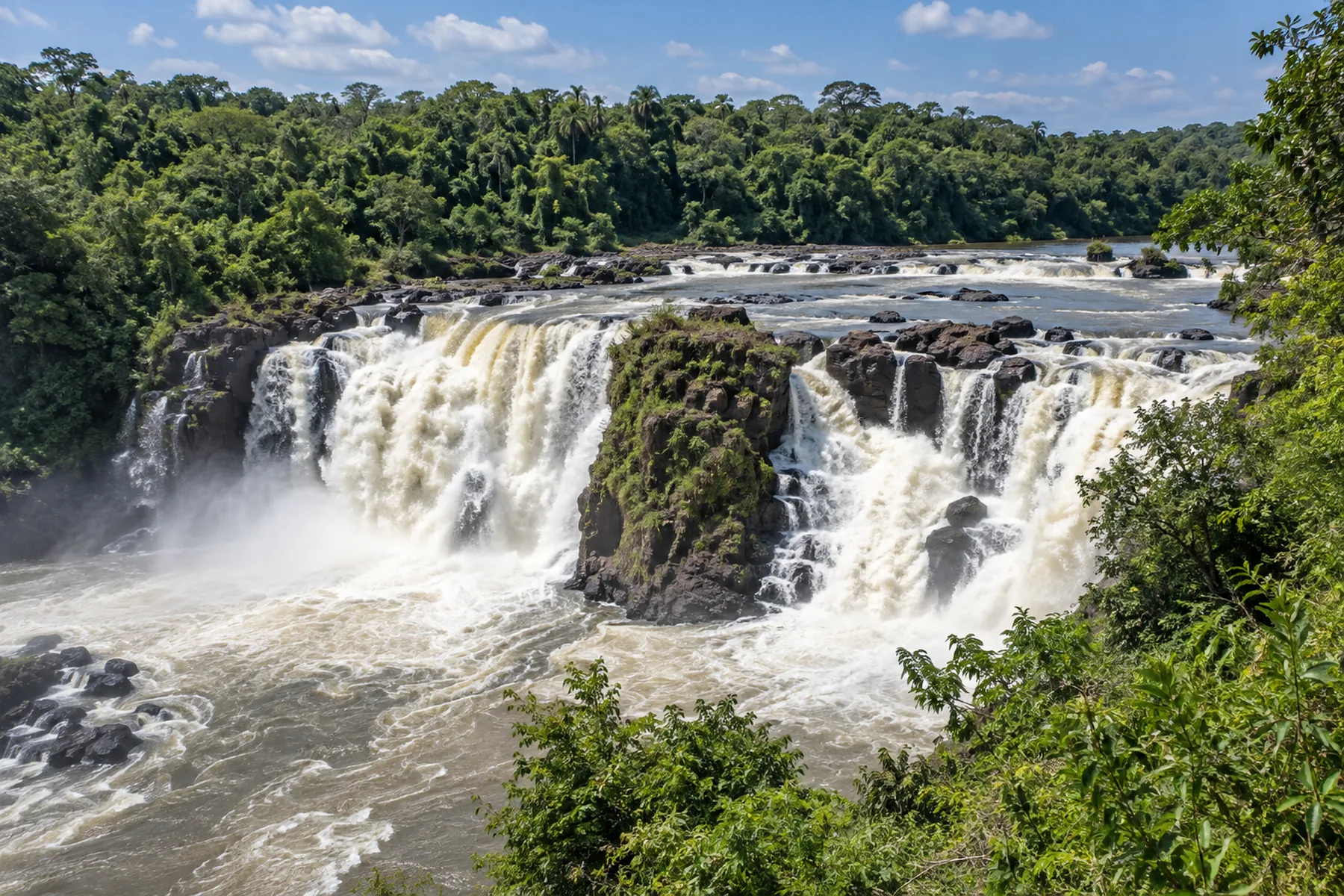
In the photo: Saltos del Monday — Presidente Franco
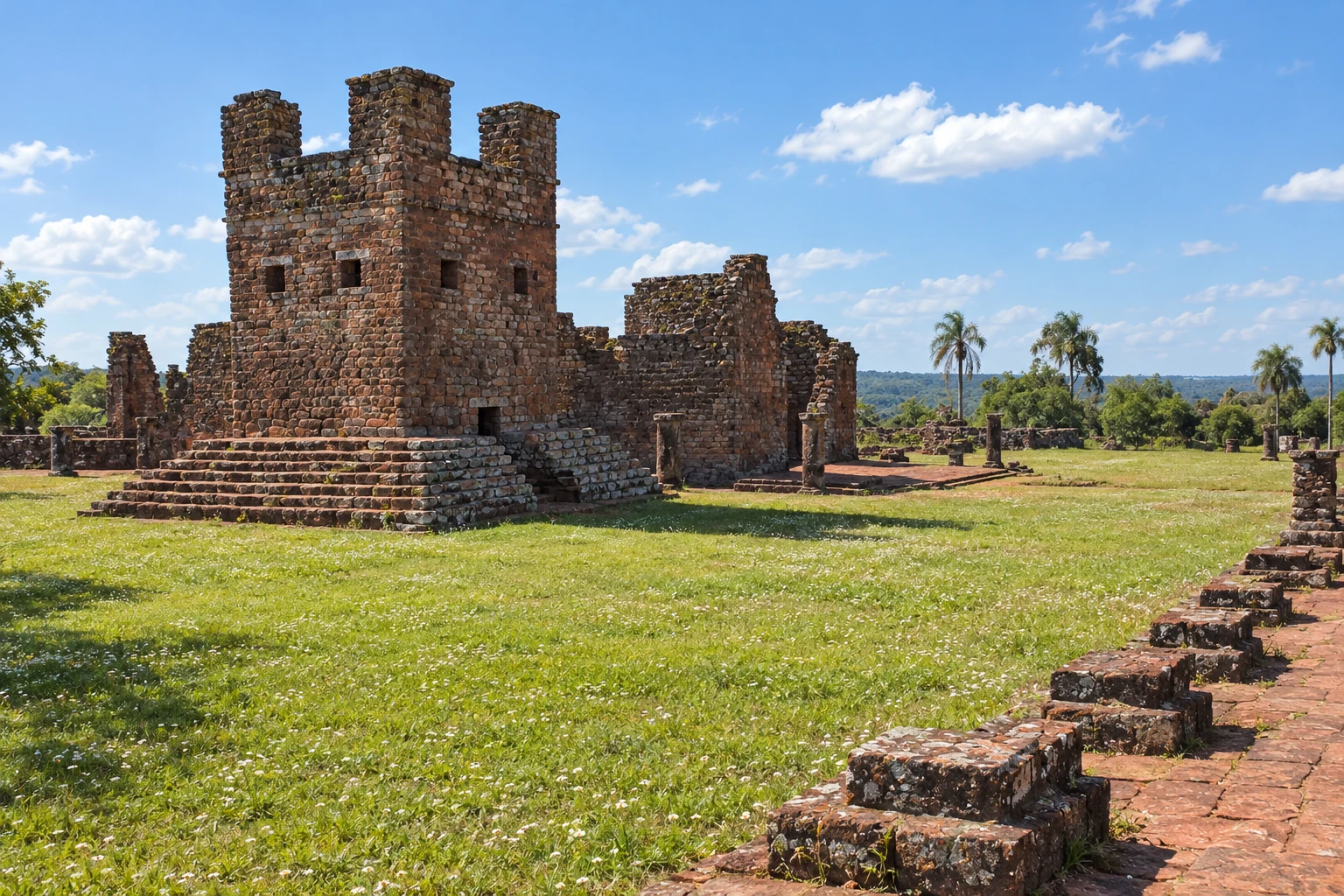
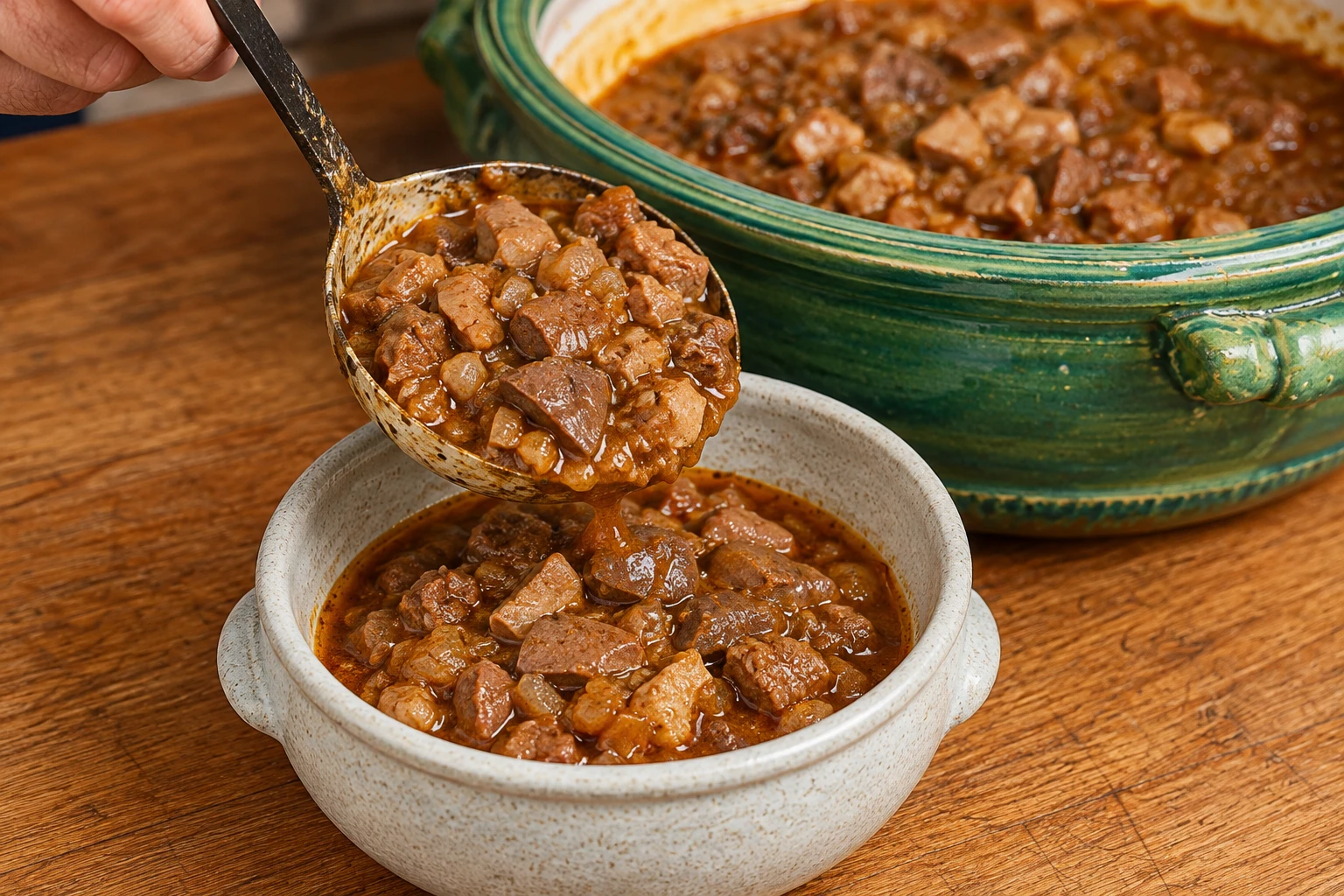
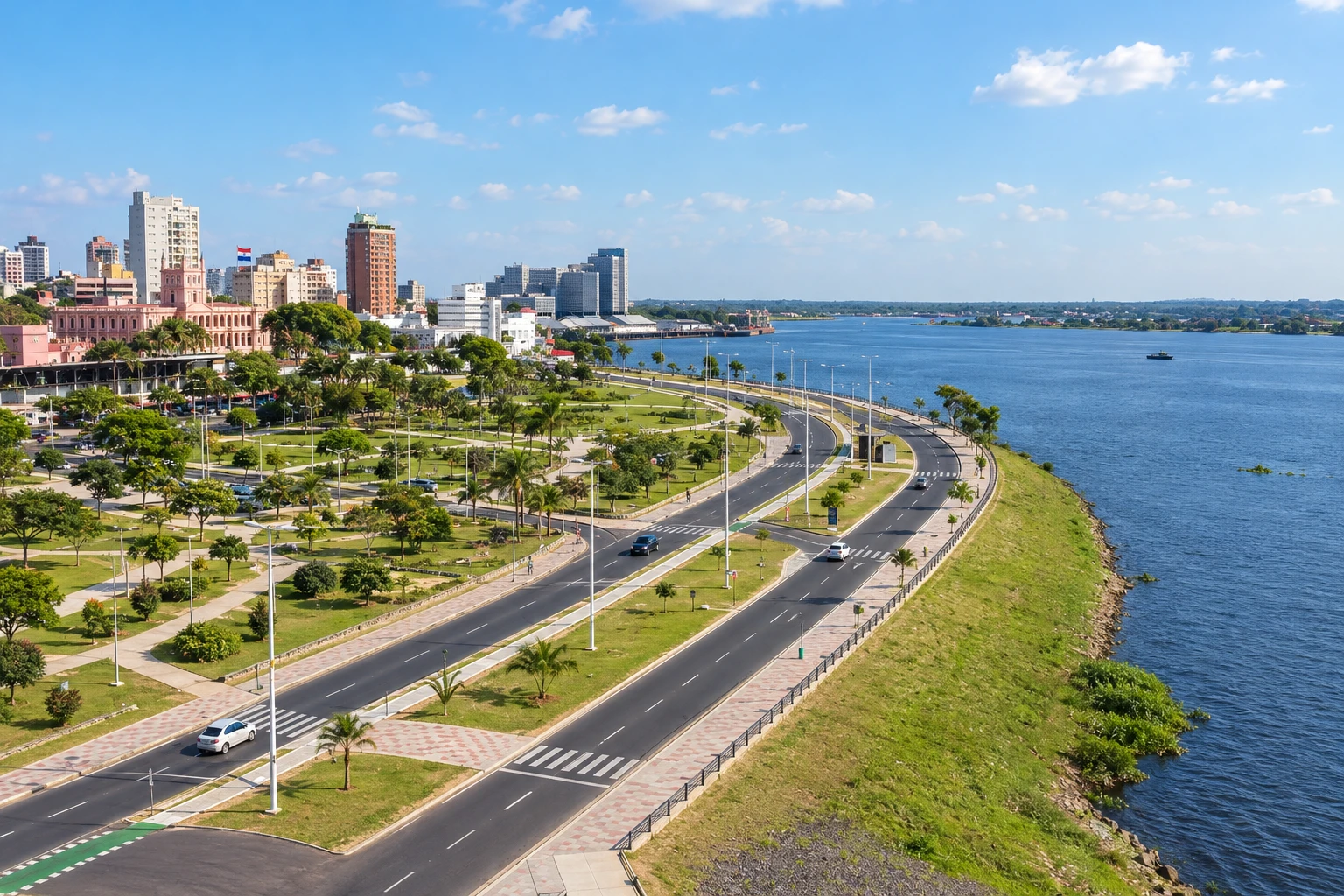
Illustrative images. The pictures in this guide are illustrations based on the real place, not photographs, and may differ from it.

The guide
Asunción on the bay of the Paraguay River, the Jesuit ruins of Trinidad and Jesús, the Itaipu Dam and the Monday Falls, near the triple border with Brazil and Argentina. Spanish and Guarani are heard side by side. Each destination shows what to do, the best time to go and how to get there.
The guide has three ways in, so you can start wherever you like: routes, which link towns along one journey; destinations, which are the tourist regions; and the departments, with the main cities in each one.
The texts are written from official tourism sources, such as national and regional tourism offices, national parks and city halls, and new cities and routes keep being added to the guide.
About Cidade Turismo: who we are and how the guide is made →
4 destinations
The tourist regions in Paraguay, each with its towns: things to do, when to go and how to get there.
See the destinations8 cities in 6 departments
The guide by department: each one with its destinations, cities and routes, and each city with its attractions.
See departments and cities5 flavors
The chipa of Coronel Bogado, the torta de miel of Itá, and the batiburrillo of San Juan Bautista: specialties tied to Paraguayan towns, with the history and how to try each one.
See the flavorsThe map
Tap a region to see the names. Use two fingers to zoom in.
Outlines: Natural Earth (public domain). Adapted by Cidade Turismo.
Where to start
Six cities from the guide, changing every day.
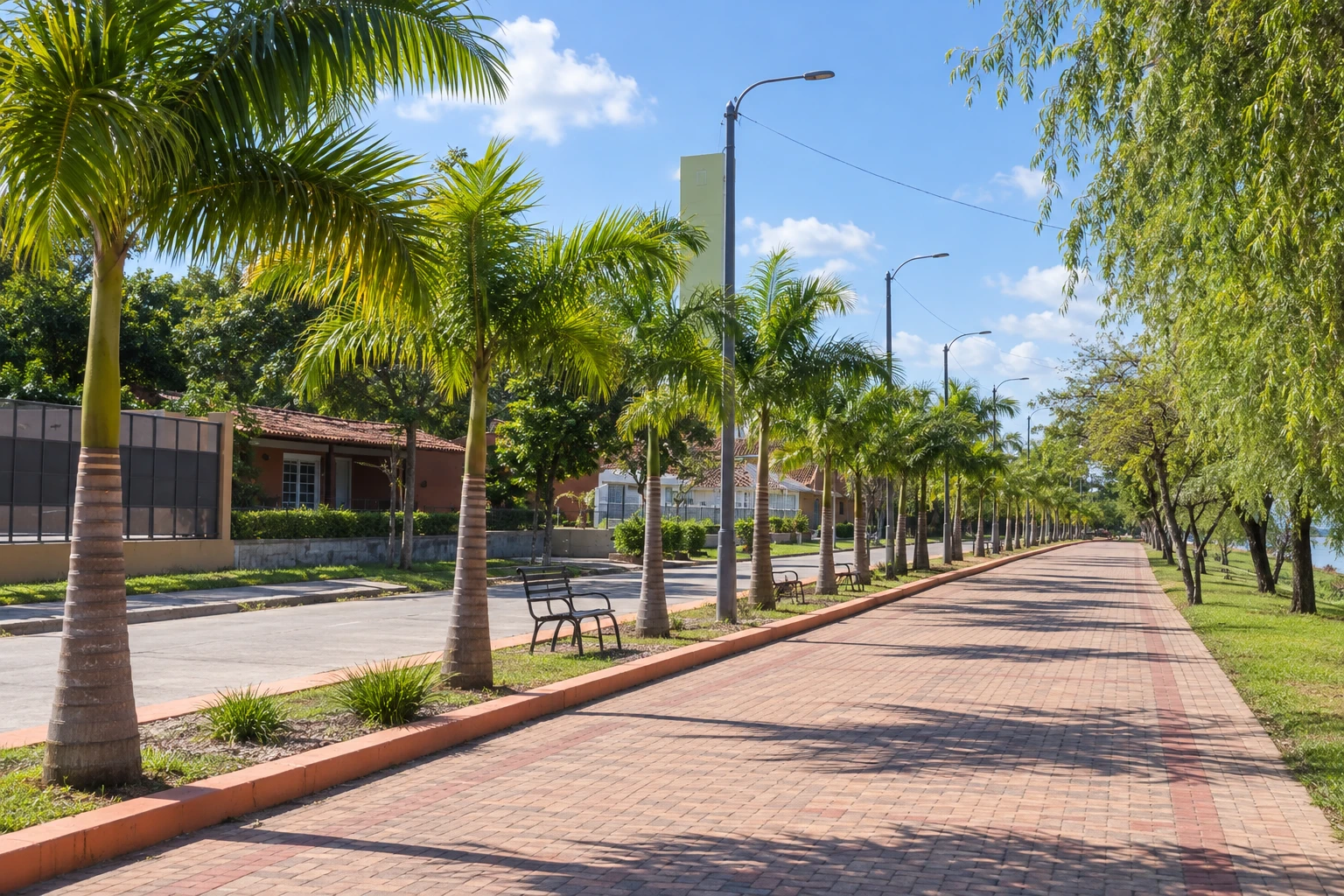
San Bernardino sits on the eastern shore of Lago Ypacaraí, about 50 km from Asunción. It was founded in 1881 by German and Swiss immigrants, and the summer houses, clubs and lakeside make it the holiday spot for families from the capital. From December to February the town fills up, with activity on the Costanera by day and bars at night; the rest of the year it is a quiet village with tree-lined streets.
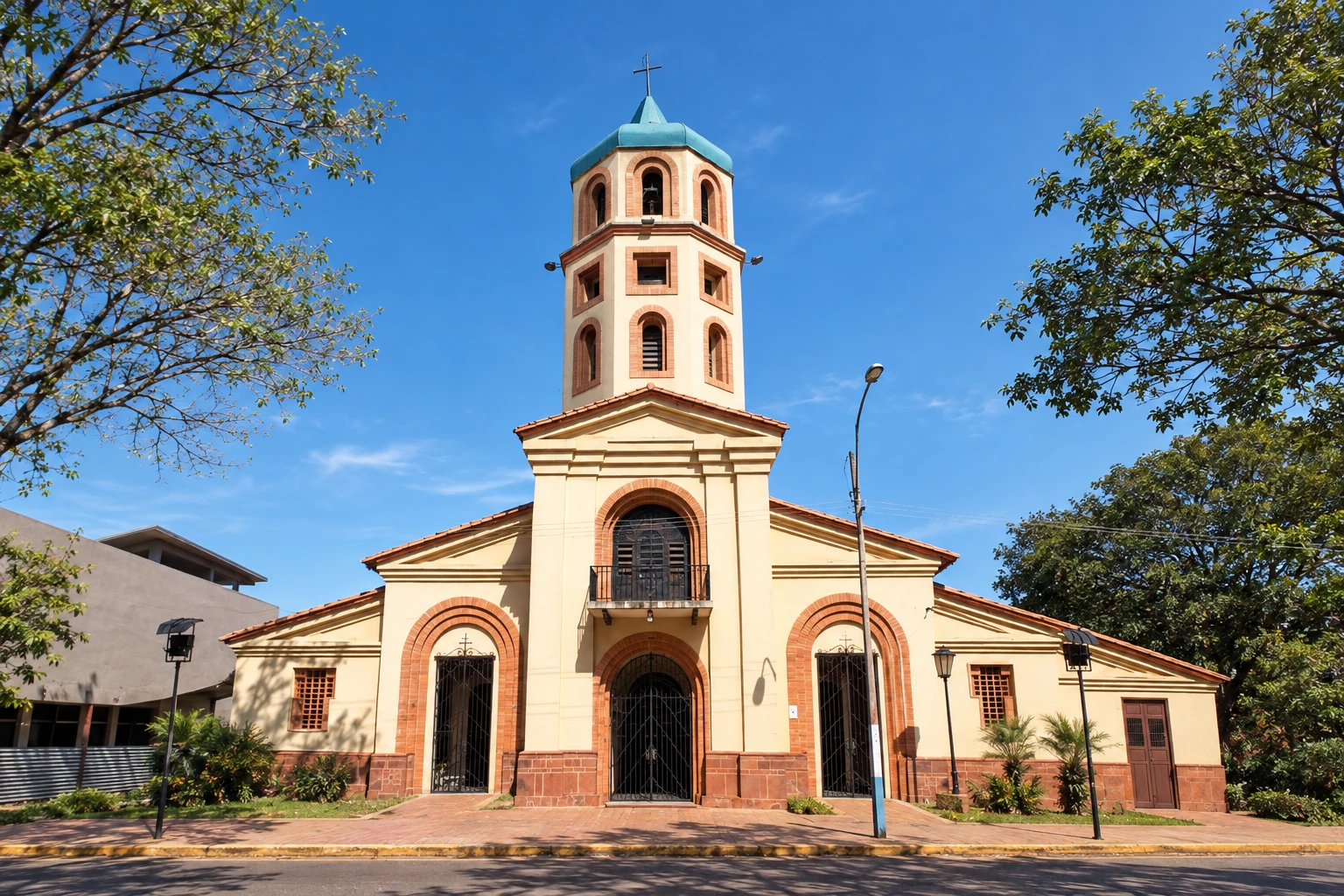
Capital of the Misiones department, on the PY01, 196 km from Asunción. It is the birthplace of guitarist Agustín Pío Barrios, Mangoré, and the house where he spent his childhood preserves family and period objects. In the center, the cathedral faces Plaza Mariscal Estigarribia, surrounded by old houses with galleries. It is the town of the batiburrillo and the base for visiting the Jesuit museums of San Ignacio Guazú and Santa María de Fe.
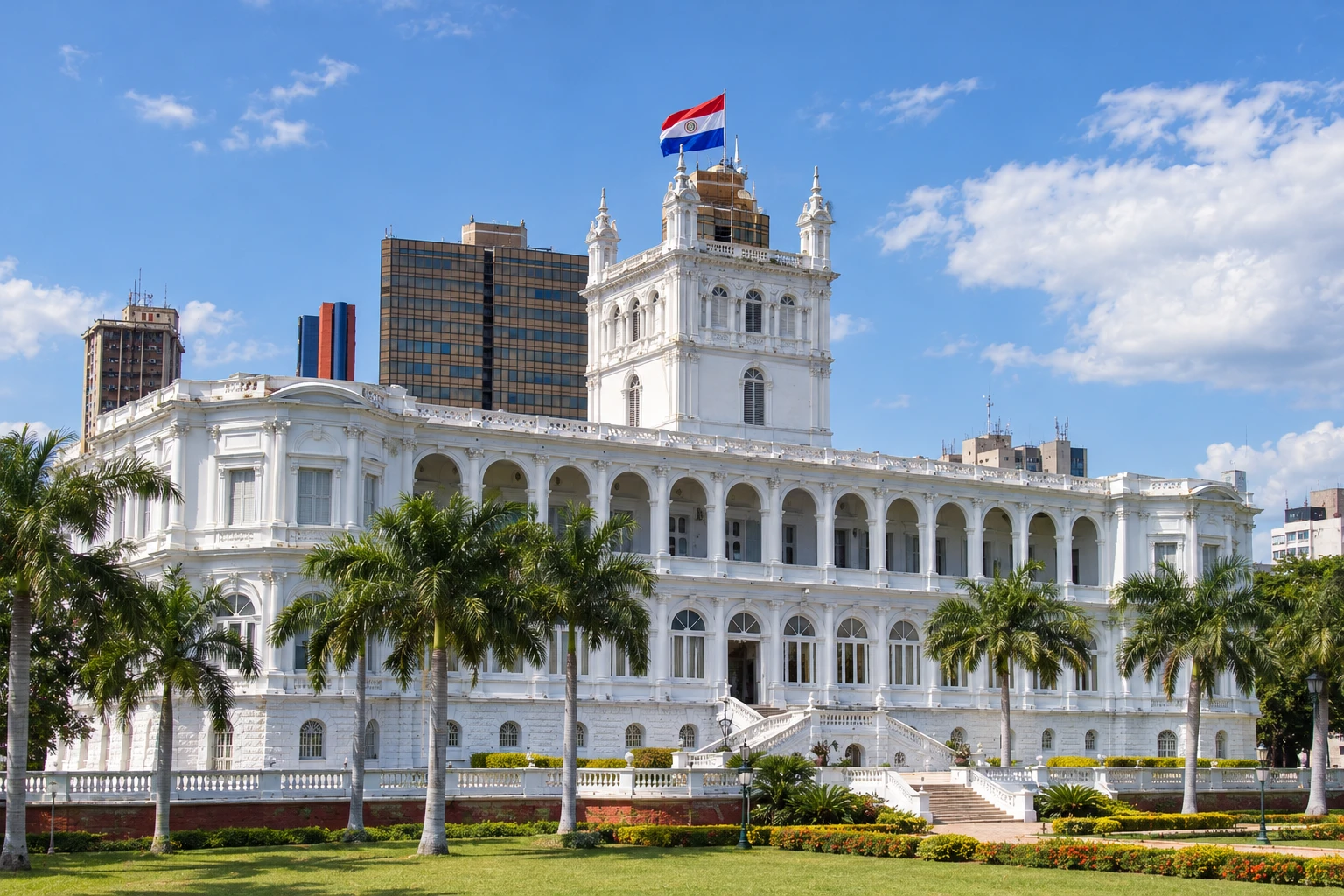
Assunção, capital of Paraguay, was founded in 1537 on a bend of the Paraguay River and preserves on top of the bluff the historic center, with the Palacio de López, the Cathedral, the Cabildo, the Panteón Nacional de los Héroes and the Casa de la Independencia. The Costanera avenue runs along the bay, the Loma San Jerónimo climbs the hill next to the center, and the Museo del Barro and Mercado 4 showcase the country's popular art and commerce.
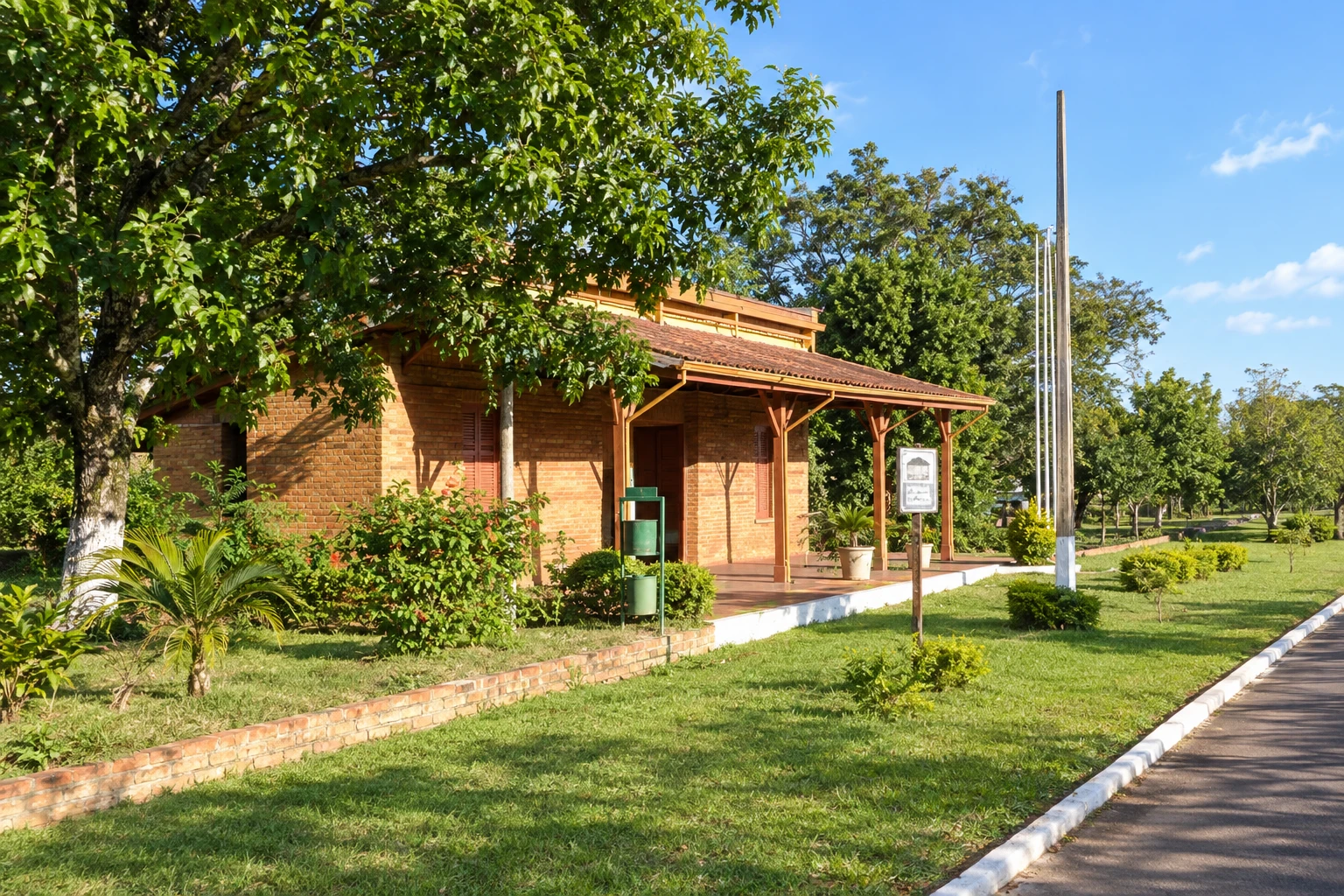
City in the south of Itapúa, on the PY01, about 45 km from Encarnación. It is known in Paraguay as the chipa capital: chiperías line the urban stretch of the highway, and the town’s reputation began with the railway that linked Asunción to Encarnación. The old train station became a cultural space. About 20 km away is the Jesuit mission of San Cosme y Damián, with the church still in use and the Buenaventura Suárez astronomy center.
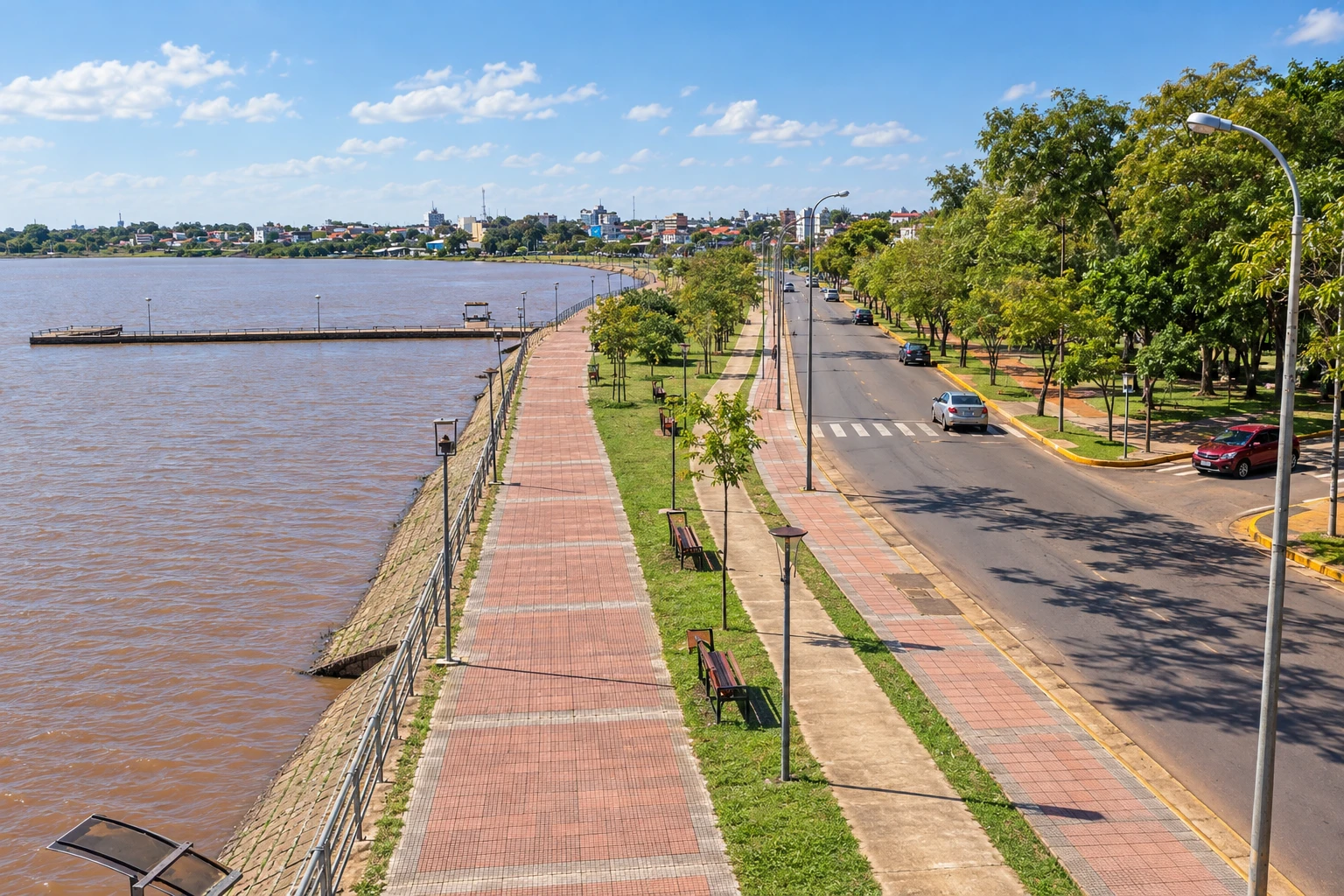
Encarnación, capital of Itapúa, lies on the bank of the Paraná River, opposite Posadas in Argentina. Founded in 1615 by the Jesuit Roque González de Santa Cruz, the Yacyretá dam gave it a long Costanera with sandy beaches that fill from December to February. It is the base for the Jesuit ruins of Trinidad and Jesús de Tavarangüé, a World Heritage Site, and hosts the Carnaval Encarnaceno between January and February.
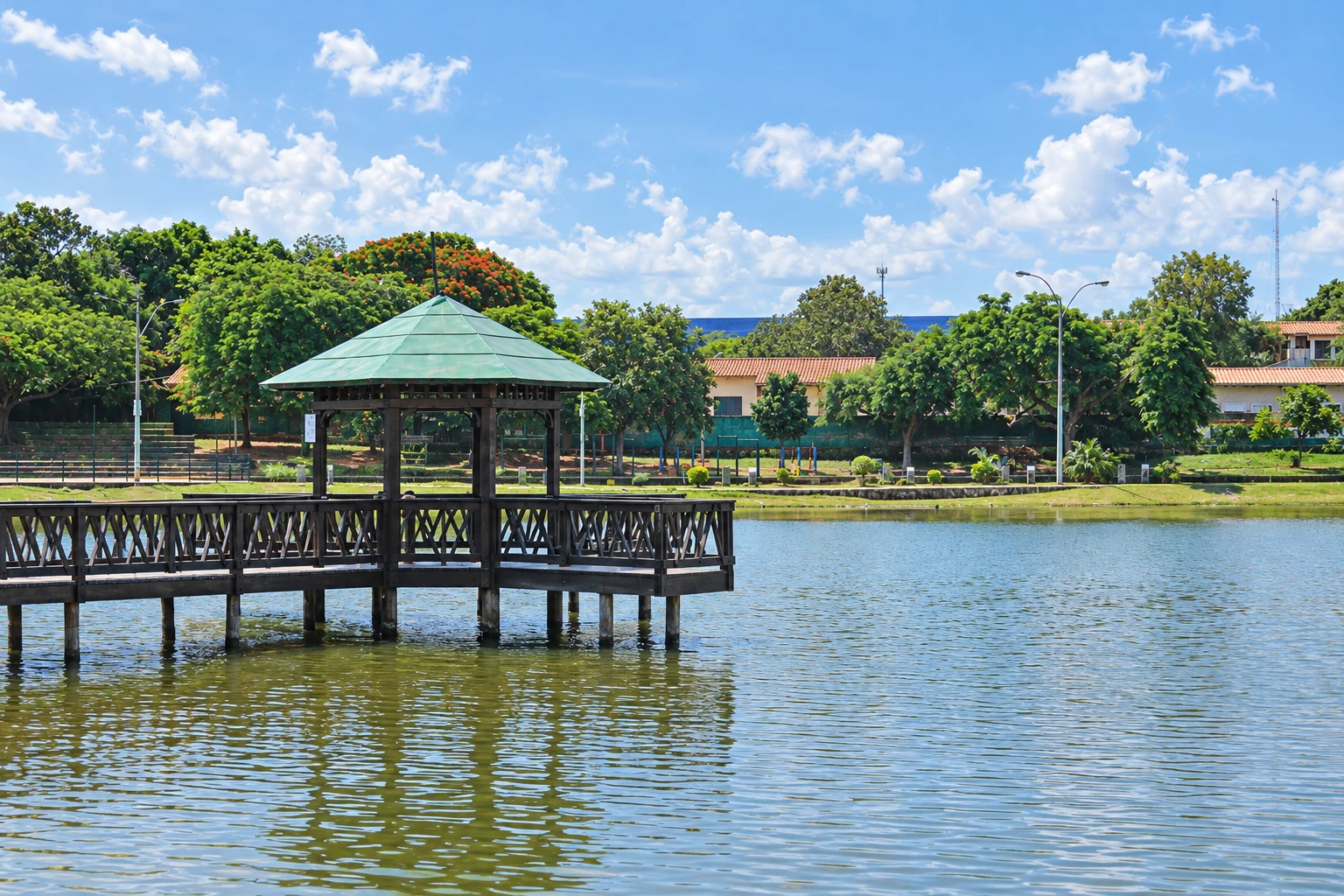
City in the Central department, 37 km from Asunción, founded in 1539 and known as the city of the water jar and honey. The Franciscan temple of San Blas, from 1698, houses a colonial altarpiece, and the town’s lagoon has viewpoints and caimans. The pottery workshops keep the clay tradition alive. Itá is also the home of the torta de miel, made with cane molasses.

Traveler area
The app
Save the destinations you want to visit, send your travel photos and get the guide's news.
Cidade Turismo around the world
The routes, destinations and cities of each country, with things to do, when to go and how to get there.
Paraguay In the guide
Beyond the guide
Frequently asked questions
A travel guide to Paraguay, organized into routes, destinations, departments and cities. Each city has things to do, attractions, when to go and how to get there. It is part of Cidade Turismo, a guide with countries on every continent, Flavors, Festivals and events and the knowledge pages.
A route is a journey linking several towns. A destination is a tourist region with its towns. A city is the place itself, with its attractions.
They are illustrations based on the real place, not photographs, and may differ from it. Photos sent by travelers are shown separately, as travelers' photos.
Type the name in the search box: it can be a route, destination, department, city or attraction. Or start from Routes, Destinations or Departments and cities in the menu.
Yes. Destinations already translated are available in Spanish and English at cidadeturismo.com, and the rest are being added.
Yes, for Android, on Google Play. With it you can save the destinations you want to visit and get the guide's news.