Dish · San Juan Bautista
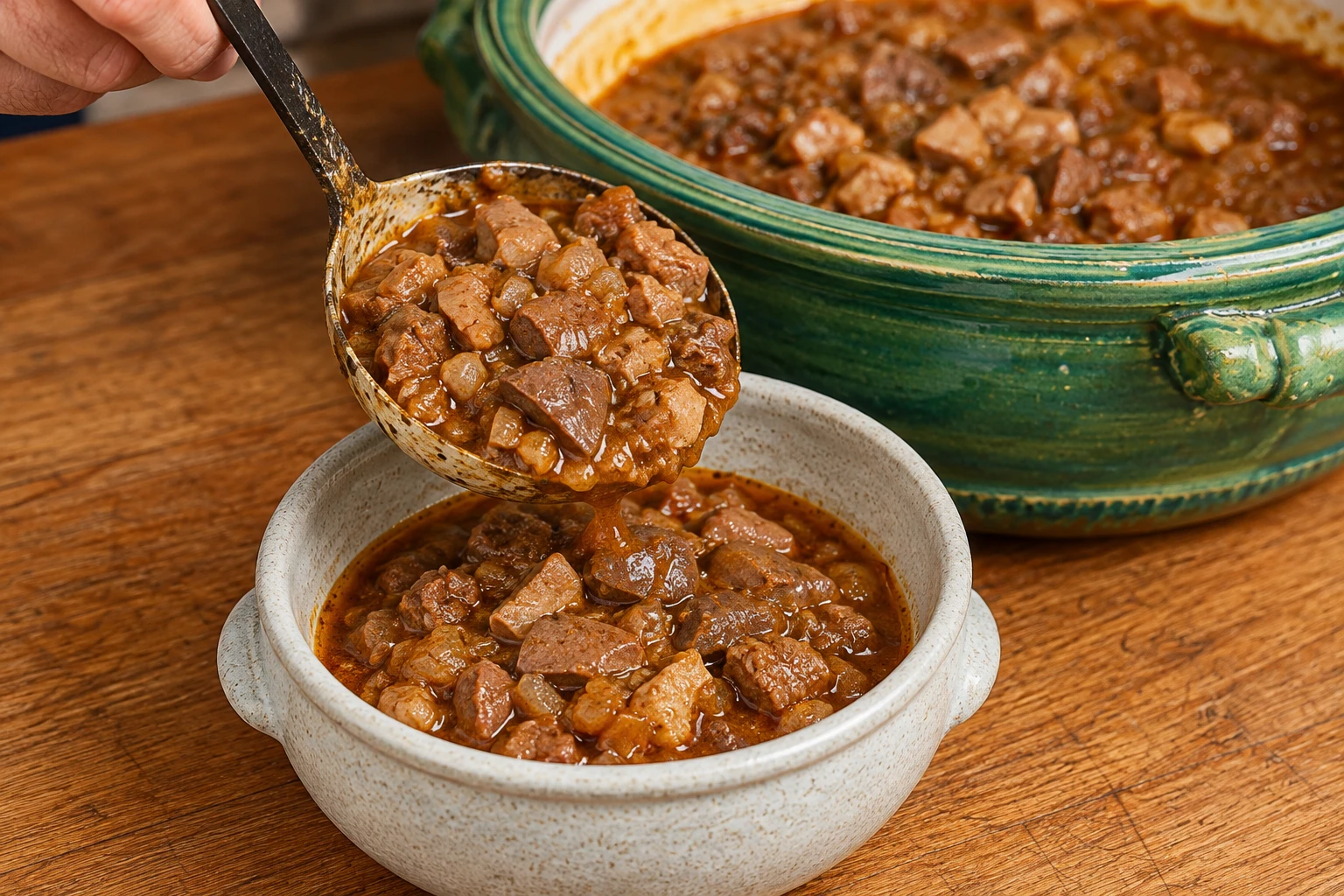
Batiburrillo
Stew of chopped offal, such as liver, heart, kidney, tongue and tripe, seasoned with onion, bell pepper, garlic, pepper and red wine.

 Search
 Brazil
 Antarctica
 Argentina
 Bolivia
 Chile
 Colombia
 Ecuador
 Falkland Islands (Malvinas)
 French Guiana
 GuyanaParaguay
 Peru
 Suriname
 Uruguay
 Venezuela
 Austria
 Belgium
 Croatia
 Denmark
 Finland
 France
 Germany
 Greece
 Hungary
 Iceland
 Ireland
 Italy
 Luxembourg
 Norway
 Poland
 Portugal
 Slovakia
 Slovenia
 Spain
 Sweden
 Switzerland
 the Czech Republic
 the Netherlands
 the United Kingdom
 Turkey
 Bermuda
 Canada
 Greenland
 Mexico
 Saint Pierre and Miquelon
 the United States
 the Dominican Republic
 JapanTurkey
 Egypt
 South Africa
 Australia
 Fiji
 New Zealand
 Papua New Guinea
Misiones Capital
In the destination San Juan Bautista and the Missions of Misiones.
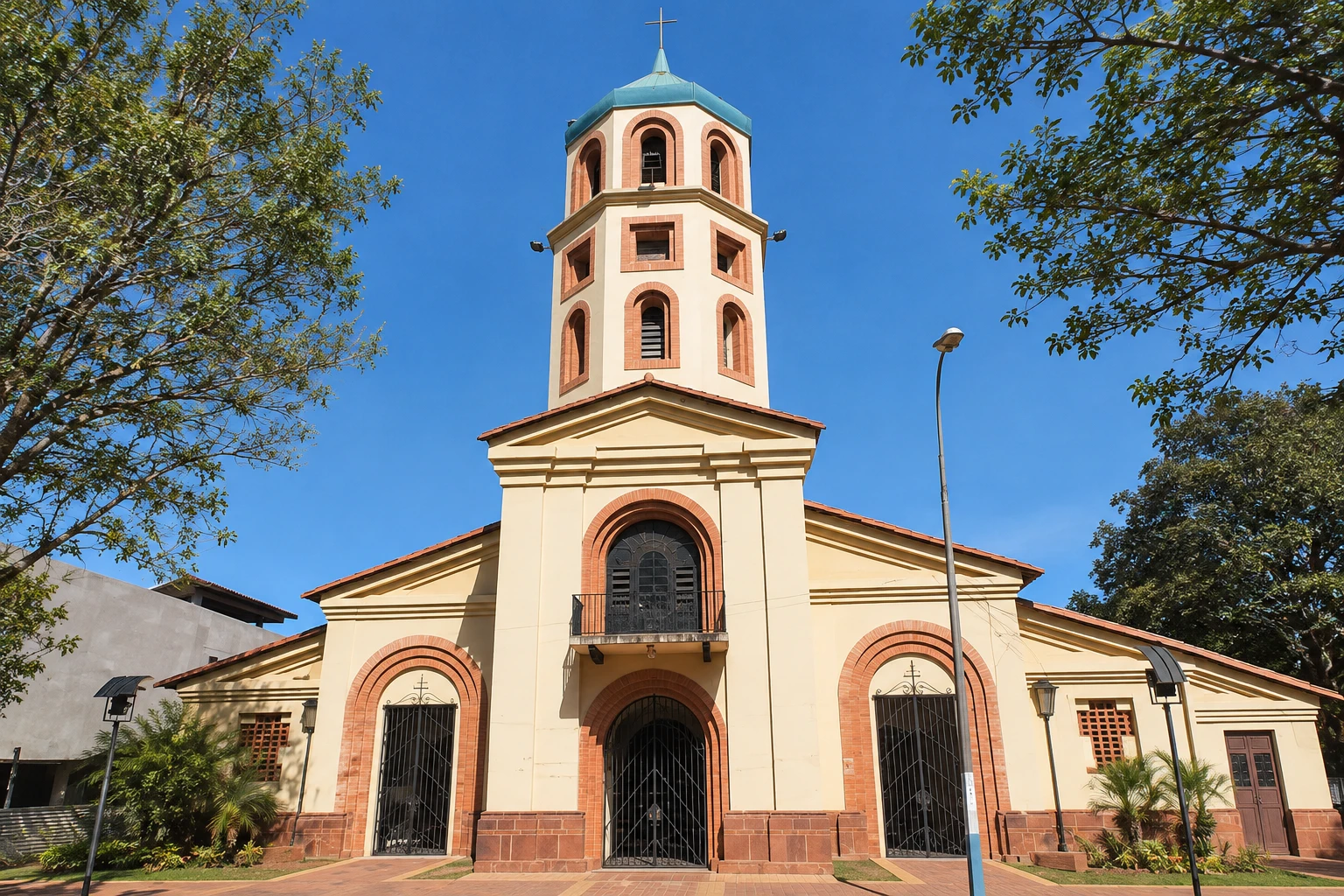
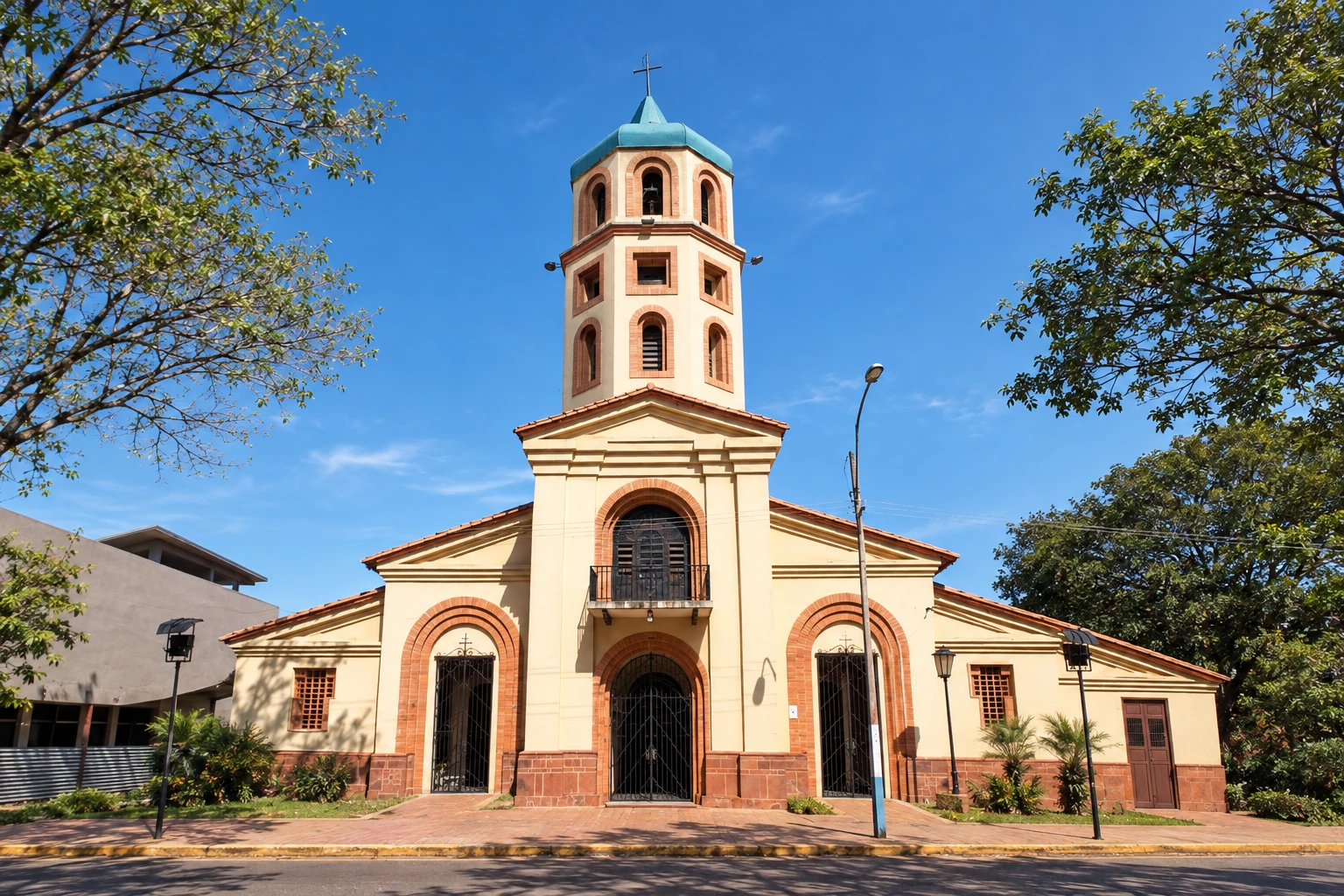
In the photo: Cathedral of San Juan Bautista in the town center.
Illustrative images. The pictures in this guide are illustrations based on the real place, not photographs, and may differ from it.

The city
Capital of the Misiones department, on the PY01, 196 km from Asunción. It is the birthplace of guitarist Agustín Pío Barrios, Mangoré, and the house where he spent his childhood preserves family and period objects. In the center, the cathedral faces Plaza Mariscal Estigarribia, surrounded by old houses with galleries. It is the town of the batiburrillo and the base for visiting the Jesuit museums of San Ignacio Guazú and Santa María de Fe.
There's no accommodation in the guide yet in San Juan Bautista.
Do you run a hotel, guesthouse or vacation rental here? List itThere are no restaurants in the guide yet in San Juan Bautista.
Know a good one? Recommend it to usThe city's hotels and restaurants on the map.
how to get there · how many days · itinerary · questions
Flavors of Paraguay
The local experience
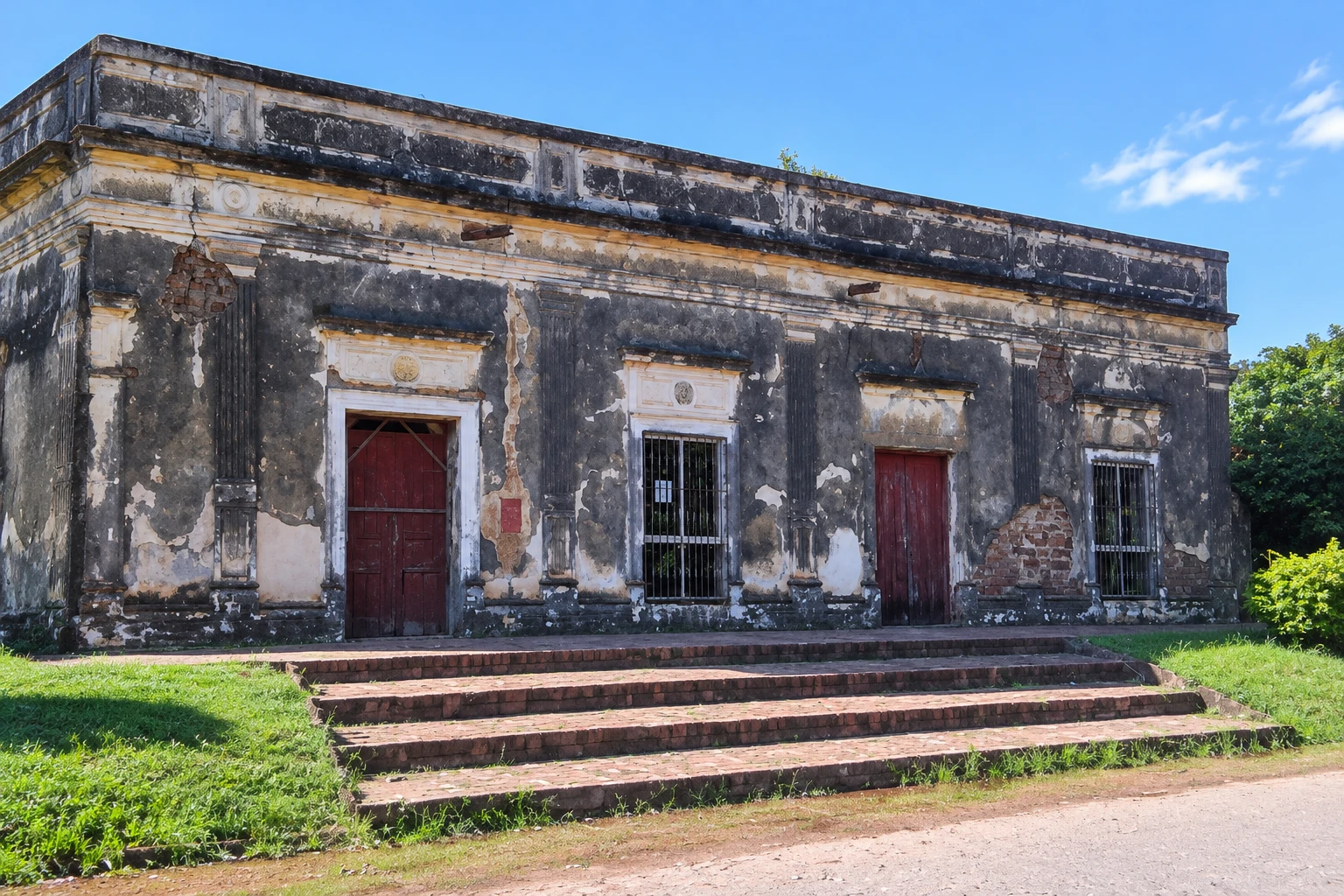
Old house where Agustín Pío Barrios, Mangoré, spent his childhood and took his first steps in music. Restored by a local visual artist, it welcomes visitors and preserves objects from the Barrios family and that era.
The town’s main church, dedicated to Saint John the Baptist and seat of the diocese created in 1957. It stands in front of Plaza Mariscal Estigarribia, the central square, surrounded by old houses with columned galleries.
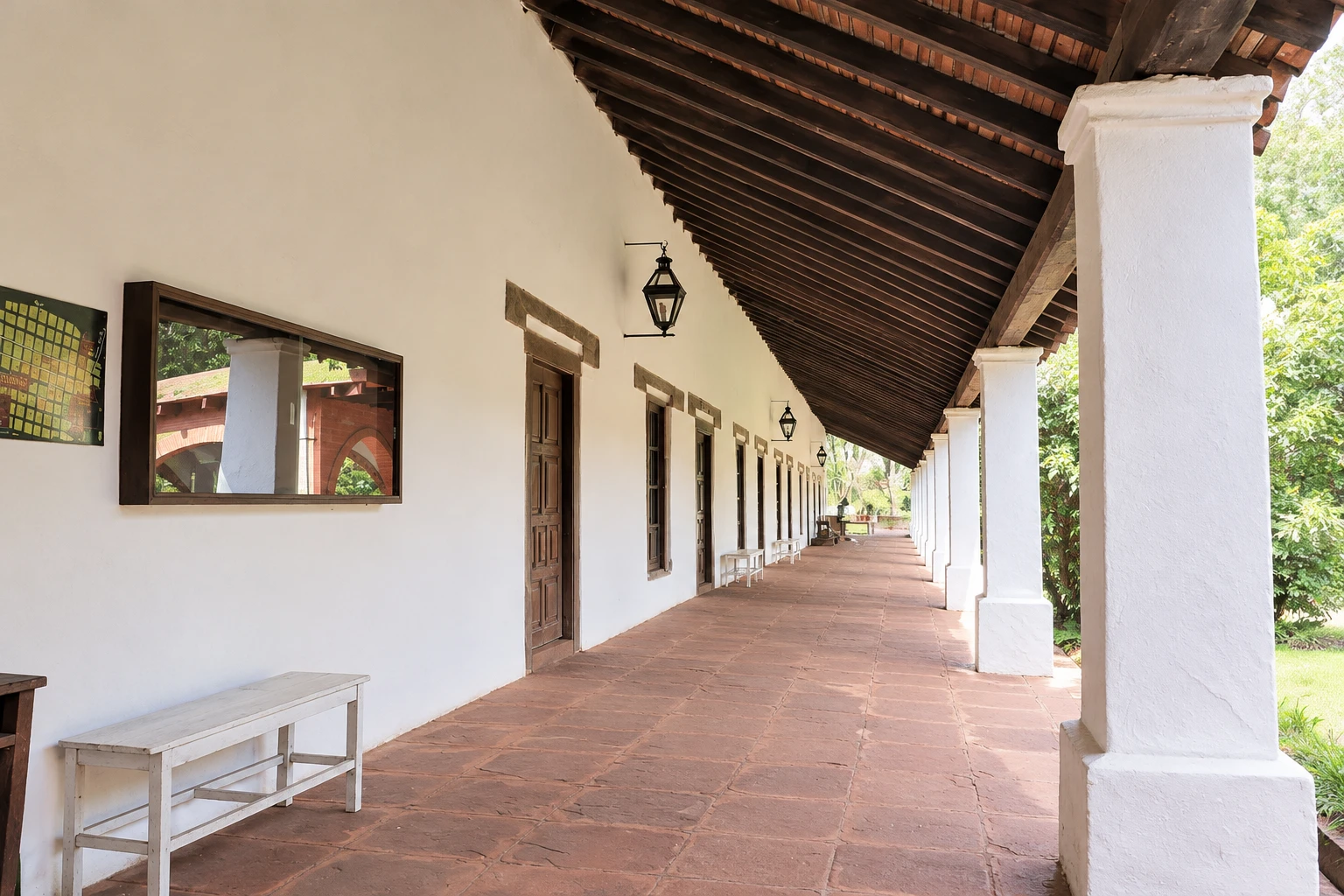
Museum of art of the reductions housed in what remains of the old Jesuit college of San Ignacio Guazú, the first reduction of Paraguay, founded in 1609. It preserves polychrome wooden images carved by the Guaraní.
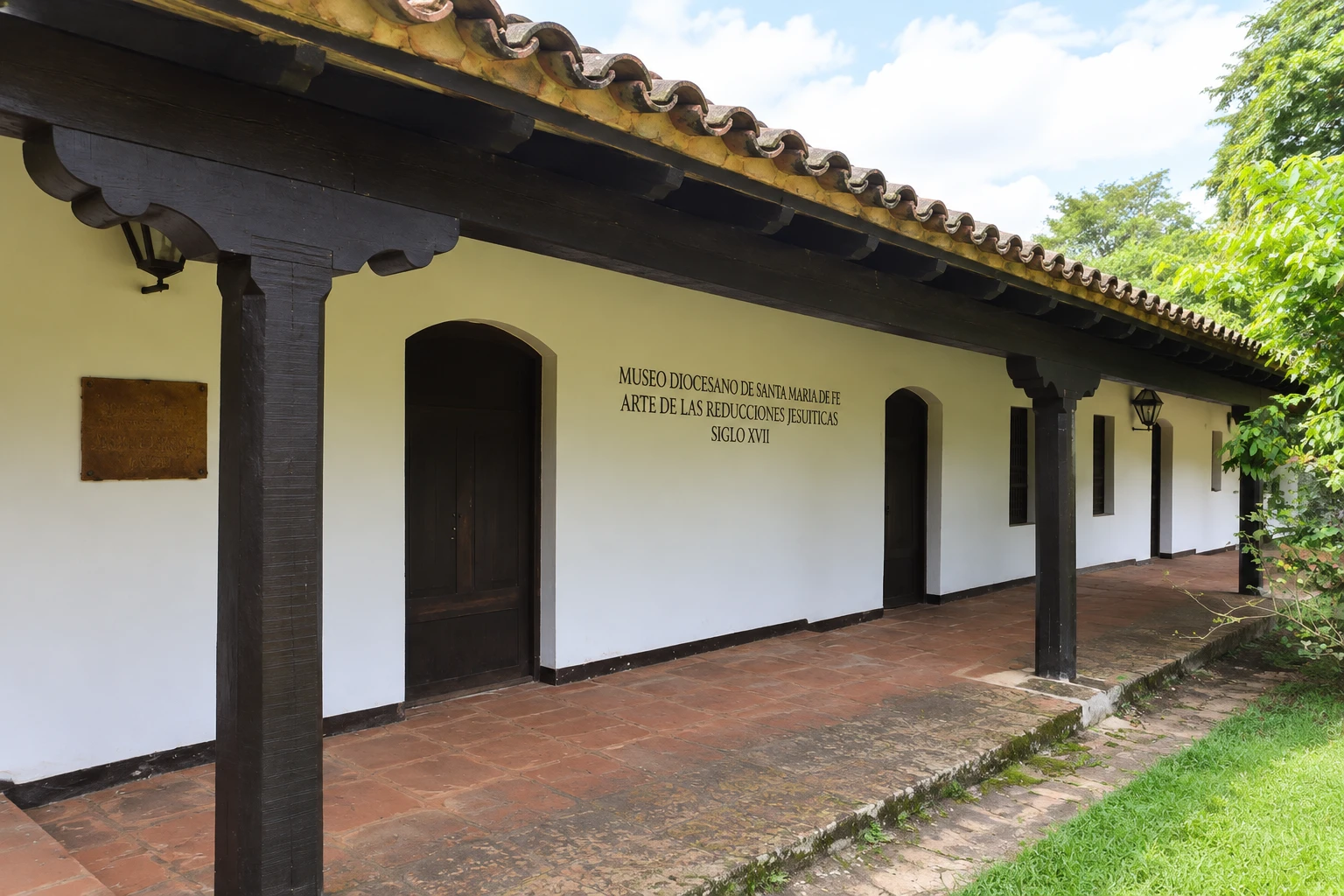
Museum in an old 17th-century indigenous house next to the church of Santa María de Fe, a reducción founded in 1647. It houses dozens of Baroque images that formed the altar of the former temple.
Before you go
San Juan Bautista – Paraguay Capital
Approximate distances. Check flights and bus, train or boat schedules before you travel.
Via the PY01: from Asunción it’s 196 km, about three hours by car, and buses heading south stop in the town. From Encarnación, the same road goes north passing San Ignacio Guazú. The nearest international airport is Silvio Pettirossi in Luque, in the Asunción metro area.
One day is enough for Mangoré’s house, the cathedral, and the central squares. Reserve an extra day for the Jesuit museums of San Ignacio Guazú, about 30 km away, and Santa María de Fe, on an 11 km turnoff from the PY01.
Summer, from December to February, is hot and highs can exceed 35 °C. In winter, from June to August, early mornings can be near 0 °C. Autumn and spring usually have milder days. In January, the town celebrates its founding anniversary on January 26 and holds the batiburrillo festival.
The seasons shown are the most usual ones; nature doesn't always follow the calendar.
You don’t need one to walk the center, which is explored on foot. For the museums of San Ignacio Guazú and Santa María de Fe a car makes things easier: PY01 buses take you to San Ignacio, but Santa María de Fe lies off the main road.
Suggested itinerary
Built with the places on this page. No rush: it's paced so you have time to see them.
Start at the house where Agustín Pío Barrios spent his childhood in the central area. See family and period objects and learn the story of the guitarist who left there to perform in the Americas and Europe.
Walk to the cathedral, dedicated to Saint John the Baptist, and stroll the square in front, with the columned galleries of the old houses. A few blocks away is Plaza Boquerón, the stage for the batiburrillo festival.
Return along the central streets and notice the low houses with corridors. On the road out, a statue of Mangoré greets those arriving to the town.
Look for batiburrillo and chorizo sanjuanino at a traditional restaurant in the center.
Day 1
Visit the childhood home of Agustín Pío Barrios in the town center.
Visit the cathedral and Plaza Mariscal Estigarribia and end the day at Plaza Boquerón.
Day 2
Follow PY01 to San Ignacio Guazú, about 30 km, and visit the museum housed in the old Jesuit school, with wood images carved by the Guaraní.
Take the 11 km detour to Santa María de Fe, visit the museum in the old Indians' house and rest in the tree-lined plaza before returning.
Check before you go. Opening hours and days change, and places may close for renovations, holidays or events. This itinerary is a suggestion from Cidade Turismo, not a commitment: plan yours by checking directly with each place you intend to visit.
Before you go
Visit Mangoré’s house, the cathedral and Plaza Mariscal Estigarribia, and use the town as a base for the Jesuit museums of San Ignacio Guazú and Santa María de Fe.
The most accepted version says yes, on May 5, 1885. The town presents itself as Mangoré’s birthplace, and the house where he spent his childhood is open to visitors.
It’s 196 km via PY01, about three hours by car.
The batiburrillo, a stew of beef, pork or lamb offal, served with sanjuanino chorizo and siriki, a sugarcane-and-lemon drink.
It usually takes place between late January and early February, together with the municipality’s anniversary on January 26. Confirm the dates each year.