10 destinations
Destinations
The tourist regions in Papua New Guinea, each with its towns: things to do, when to go and how to get there.
See the destinations
 Search
 Brazil
 Antarctica
 Argentina
 Bolivia
 Chile
 Colombia
 Ecuador
 Falkland Islands (Malvinas)
 French Guiana
 Guyana
 Paraguay
 Peru
 Suriname
 Uruguay
 Venezuela
 Austria
 Belgium
 Croatia
 Denmark
 Finland
 France
 Germany
 Greece
 Hungary
 Iceland
 Ireland
 Italy
 Luxembourg
 Norway
 Poland
 Portugal
 Slovakia
 Slovenia
 Spain
 Sweden
 Switzerland
 the Czech Republic
 the Netherlands
 the United Kingdom
 Turkey
 Bermuda
 Canada
 Greenland
 Mexico
 Saint Pierre and Miquelon
 the United States
 the Dominican Republic
 JapanTurkey
 Egypt
 South Africa
 Australia
 Fiji
 New ZealandPapua New Guinea
Routes, destinations and cities in Papua New Guinea, with things to do, when to go and how to get there.
10 destinations 9 provinces 13 cities
Across Cidade Turismo: 53 countries · 101 routes · 925 destinations · 2,317 cities
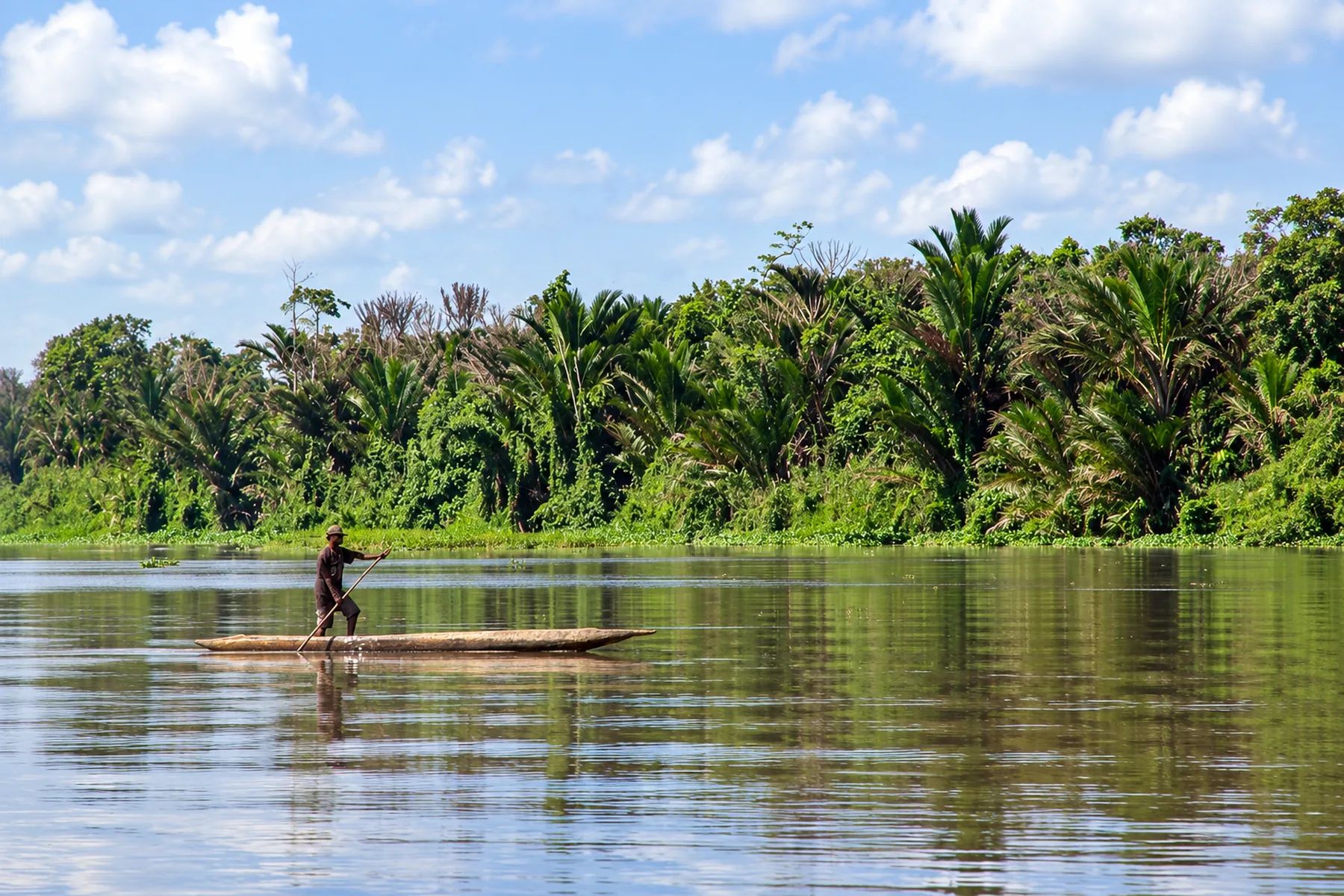
In the photo: Sepik River — East Sepik
Illustrative images. The pictures in this guide are illustrations based on the real place, not photographs, and may differ from it.

The guide
The capital, Port Moresby, and the Kokoda Track; the islands and reefs of Milne Bay, Kimbe and New Ireland; the Rabaul caldera, the Sepik River and the Highlands festivals such as the Goroka Show. Each destination shows what to do, the best time to go and how to get there.
The guide has three ways in, so you can start wherever you like: routes, which link towns along one journey; destinations, which are the tourist regions; and the provinces, with the main cities in each one.
The texts are written from official tourism sources, such as national and regional tourism offices, national parks and city halls, and new cities and routes keep being added to the guide.
About Cidade Turismo: who we are and how the guide is made →
10 destinations
The tourist regions in Papua New Guinea, each with its towns: things to do, when to go and how to get there.
See the destinations13 cities in 9 provinces
The guide by province: each one with its destinations, cities and routes, and each city with its attractions.
See provinces and citiesThe map
Tap a region to see the names. Use two fingers to zoom in.
Boundaries: Papua New Guinea National Statistics Office / OCHA ROAP / geoBoundaries (CC BY 3.0 IGO). Adapted by Cidade Turismo.
Where to start
Six cities from the guide, changing every day.
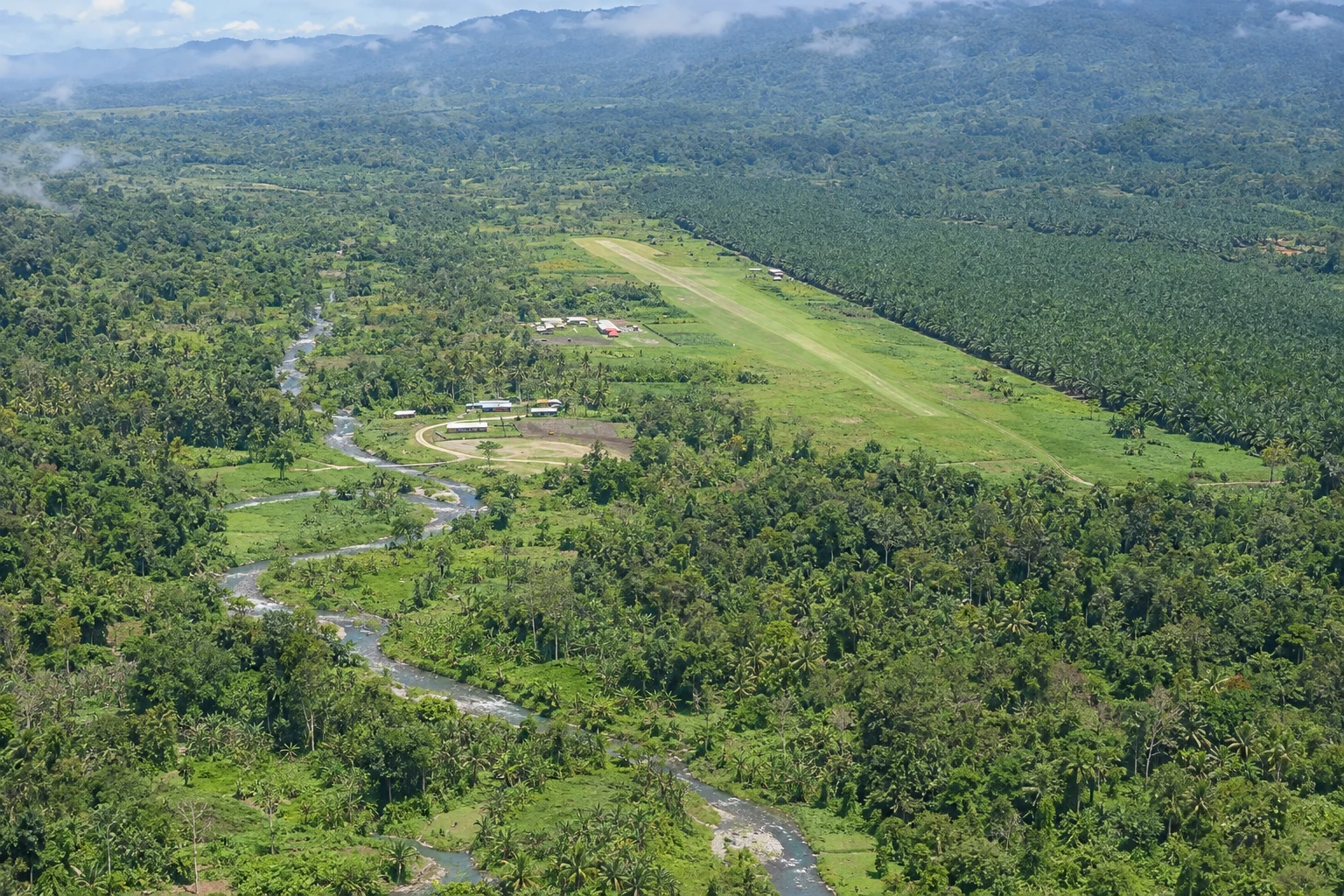
Kokoda is the government station, founded in 1904, on a plateau at the foot of the Owen Stanley Range in Oro Province, and is the northern terminus of the Kokoda Track. In the area of the old parade ground are the memorial with four stone markers and the Herbert Kienzle museum, about the 1942 campaign. To the south, the track climbs to Isurava, where a granite memorial marks the battlefield.
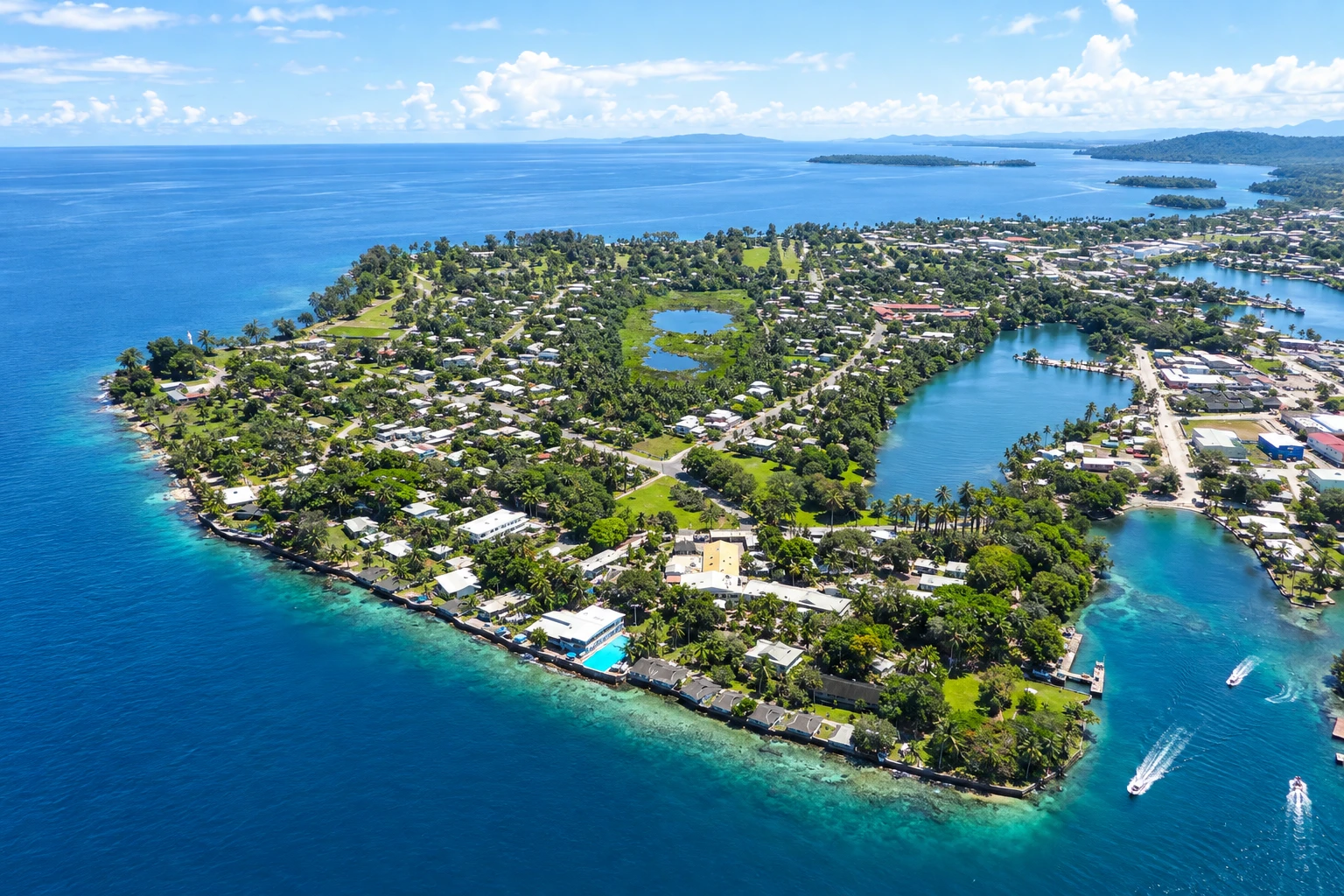
Madang is the capital of the province of the same name, on a peninsula of the north coast surrounded by bays and islets. On the tip of Kalibobo is the Coastwatchers Memorial lighthouse; a few minutes by boat, Kranket Island has beaches and reefs for snorkeling. South of the town are the pottery village of Bilbil and the Balek Wildlife Sanctuary, with a sulfurous spring that issues from a limestone cave.
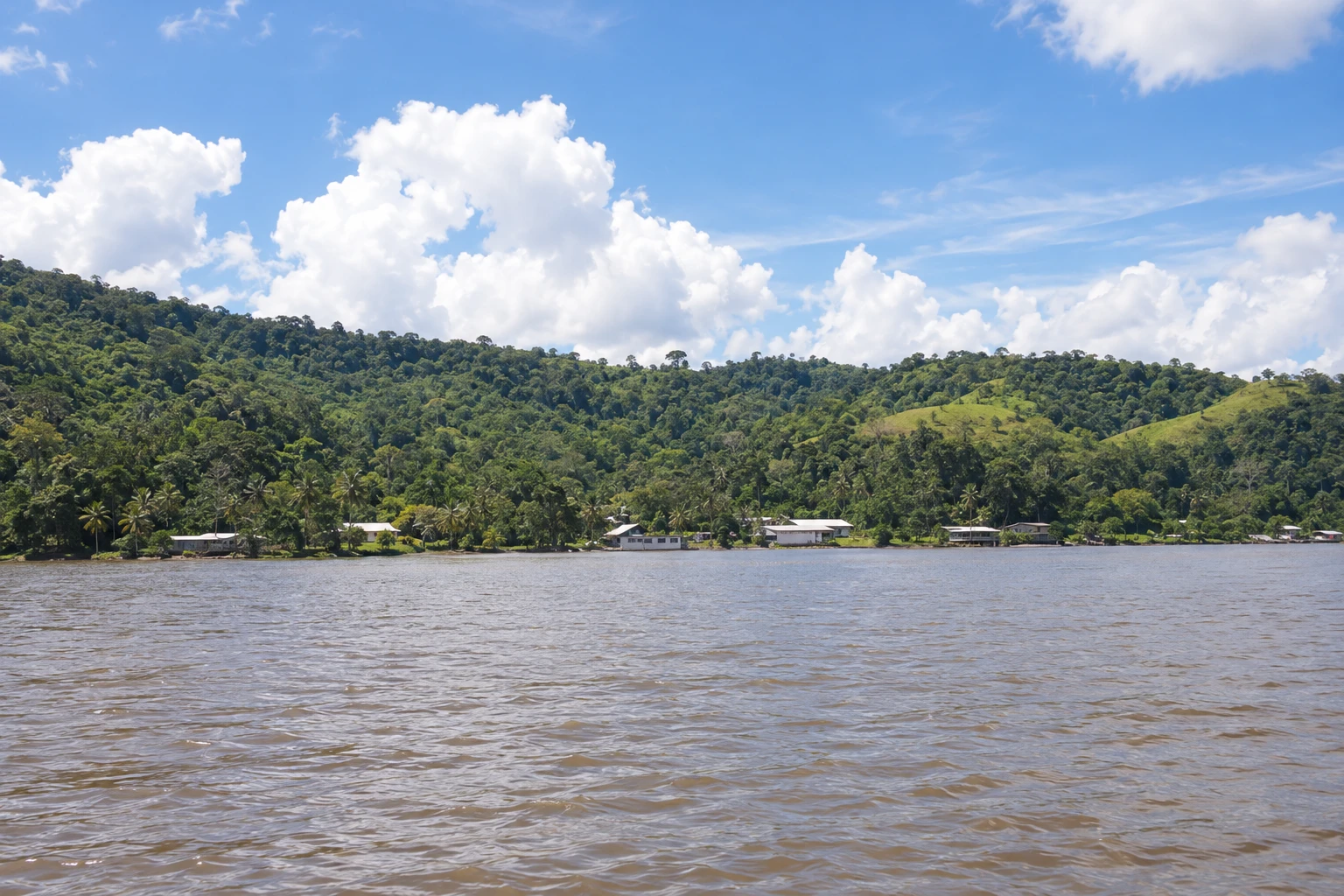
Ambunti is a small settlement on the mid-Sepik and the main base for motorized canoe trips on the river. From here you visit riverside villages with spirit houses and wood carvings, and the Chambri lakes, which are flooded by the monsoon. The locality has a simple riverside guesthouse and hosts the Crocodile Festival, created as part of river conservation programs.
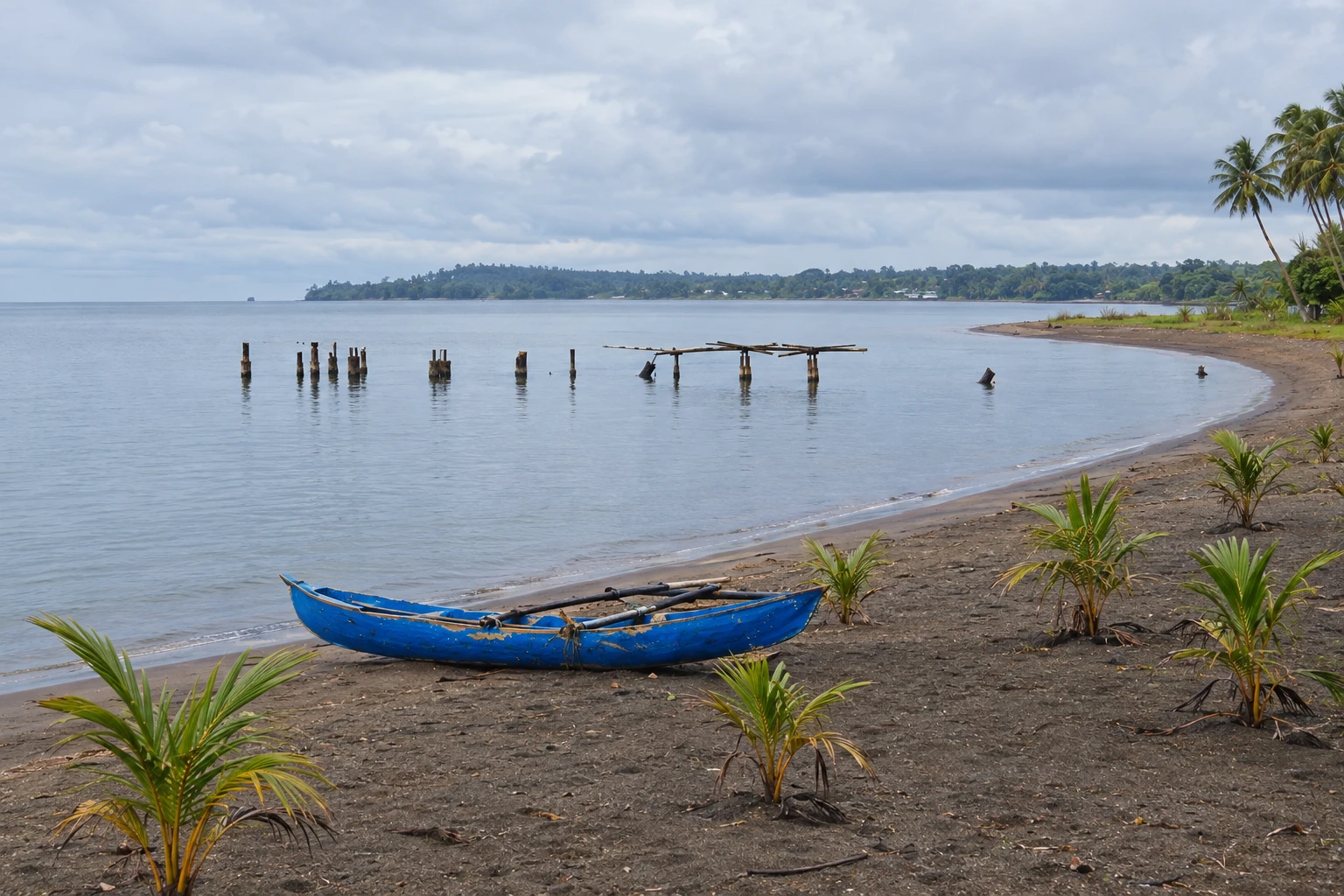
Kokopo has been the capital of East New Britain since 1994, when eruptions of Tavurvur and Vulcan covered Rabaul in ash. In the German era it was called Herbertshöhe and was the capital of German New Guinea until 1910. It lies on the shore of Blanche Bay, near Tokua Airport, and concentrates the region’s lodging. The War and Cultural Museum of Kokopo is in town, and to the south is the Bita Paka War Cemetery.
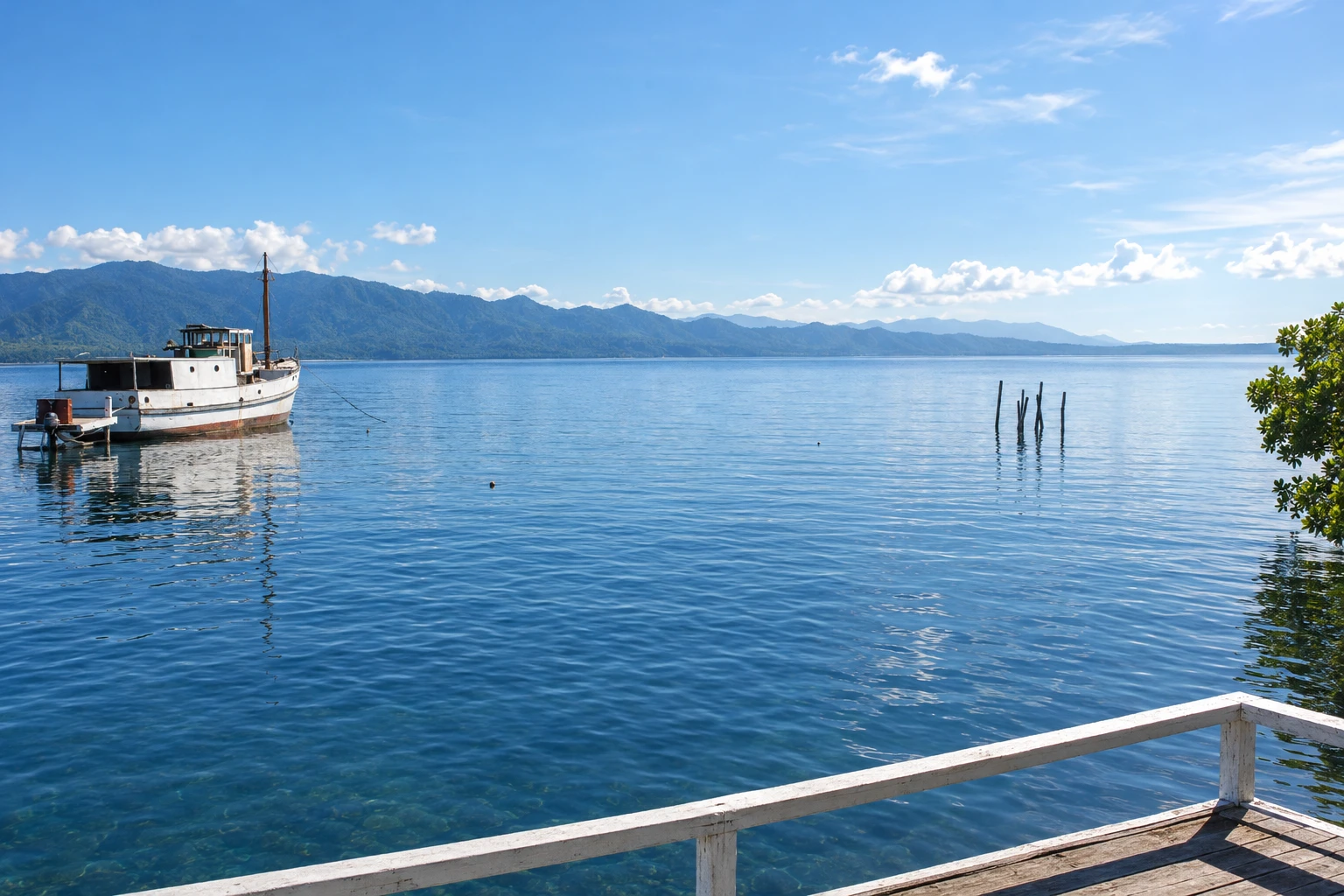
Alotau has been the capital of Milne Bay Province since 1969, on the bay’s northern shore facing the mountains. On the waterfront is the Milne Bay Memorial, dedicated to the 1942 battle; to the west, the Turnbull Field Memorial marks the point where the Japanese advance was halted. By boat, the former port town of Samarai in the China Strait makes a full-day outing. The town is the base for the bay’s dives and hosts the Kenu and Kundu Festival in November.
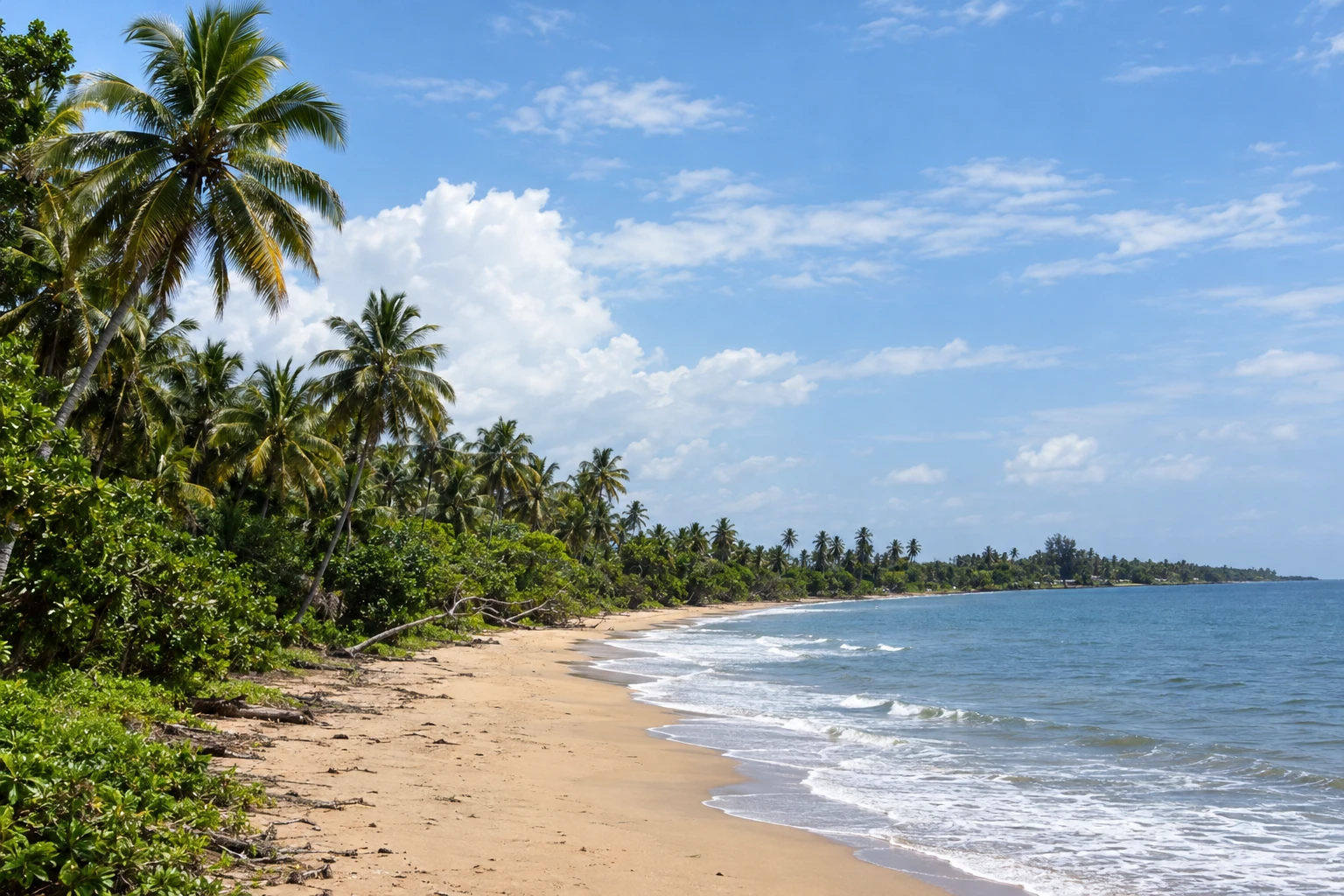
Wewak is the capital of East Sepik, on the northern coast, with nearby beaches and islands, and the gateway to the Sepik River. The airport occupies the former Japanese airstrip from World War II. West of the town centre, Cape Wom holds the memorial at the site where the Japanese army in New Guinea surrendered in 1945. From Wewak, a road runs south to Pagwi, in the middle Sepik.

Traveler area
The app
Save the destinations you want to visit, send your travel photos and get the guide's news.
Cidade Turismo around the world
The routes, destinations and cities of each country, with things to do, when to go and how to get there.
Papua New Guinea In the guide
Beyond the guide
Frequently asked questions
A travel guide to Papua New Guinea, organized into routes, destinations, provinces and cities. Each city has things to do, attractions, when to go and how to get there. It is part of Cidade Turismo, a guide with countries on every continent, Flavors, Festivals and events and the knowledge pages.
A route is a journey linking several towns. A destination is a tourist region with its towns. A city is the place itself, with its attractions.
They are illustrations based on the real place, not photographs, and may differ from it. Photos sent by travelers are shown separately, as travelers' photos.
Type the name in the search box: it can be a route, destination, province, city or attraction. Or start from Routes, Destinations or Provinces and cities in the menu.
Yes. Destinations already translated are available in Spanish and English at cidadeturismo.com, and the rest are being added.
Yes, for Android, on Google Play. With it you can save the destinations you want to visit and get the guide's news.