Cape Wom
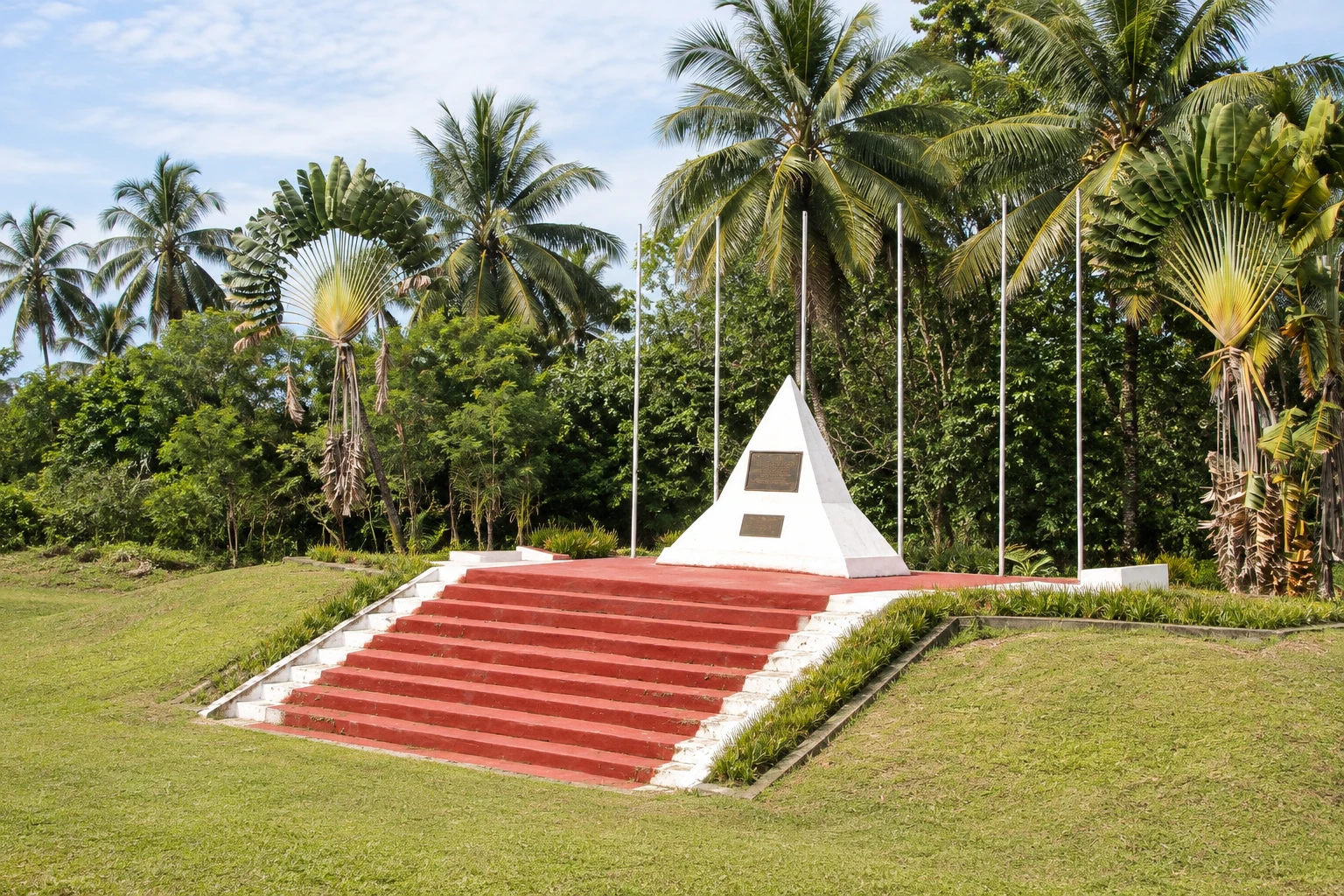
Peninsula west of Wewak where the Japanese army in New Guinea surrendered to Australian troops on 13 September 1945, now a memorial park with monument, remnants of the airstrip and tunnels.
Antarctica
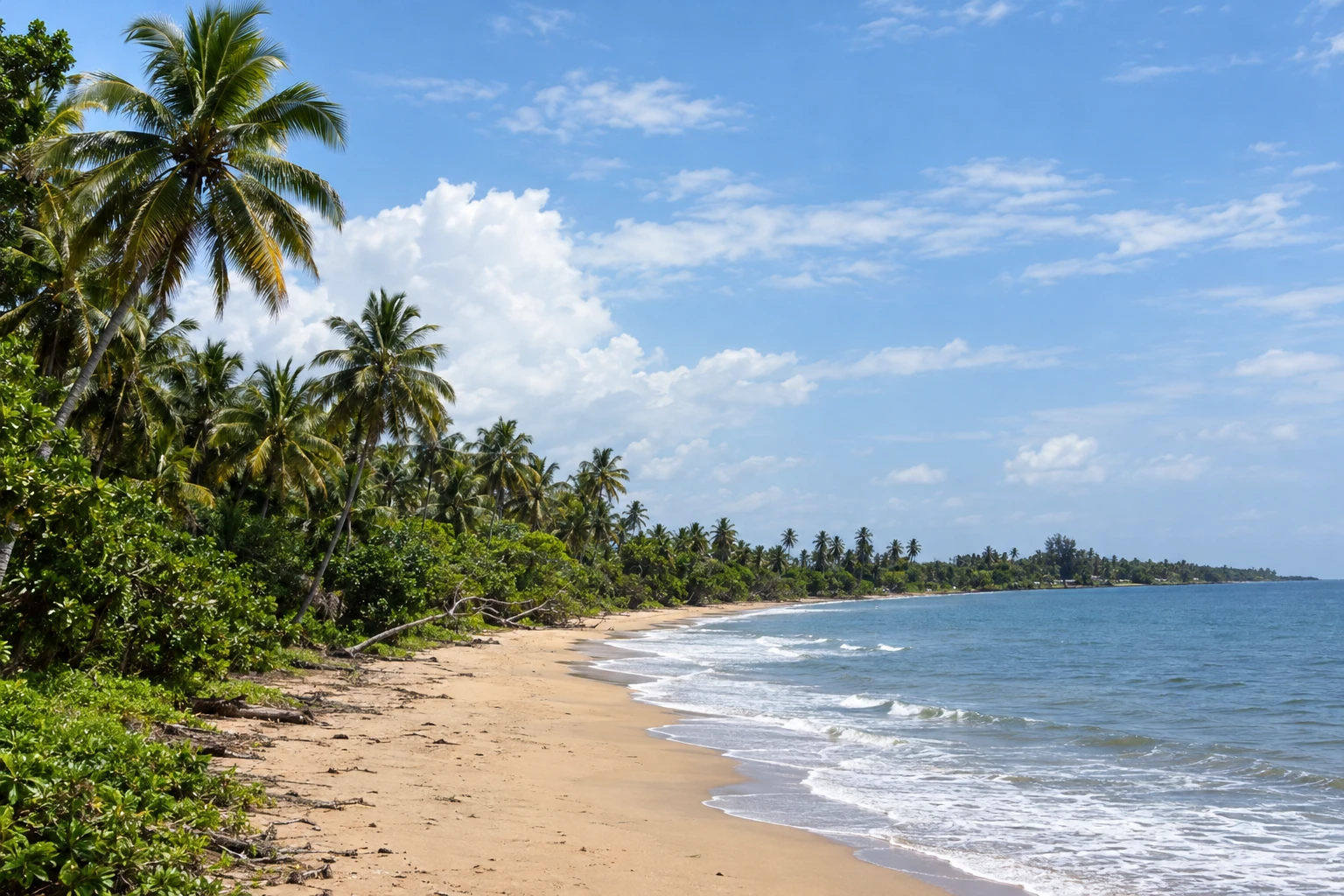
In the photo: Wewak Beach
Illustrative images. The pictures in this guide are illustrations based on the real place, not photographs, and may differ from it.
The city
Wewak is the capital of East Sepik, on the northern coast, with nearby beaches and islands, and the gateway to the Sepik River. The airport occupies the former Japanese airstrip from World War II. West of the town centre, Cape Wom holds the memorial at the site where the Japanese army in New Guinea surrendered in 1945. From Wewak, a road runs south to Pagwi, in the middle Sepik.
There's no accommodation in the guide yet in Wewak.
Do you run a hotel, guesthouse or vacation rental here? List itThere are no restaurants in the guide yet in Wewak.
Know a good one? Recommend it to usThe city's hotels and restaurants on the map.
how to get there · how many days · itinerary · questions
The local experience
Peninsula west of Wewak where the Japanese army in New Guinea surrendered to Australian troops on 13 September 1945, now a memorial park with monument, remnants of the airstrip and tunnels.
Before you go
Wewak – Papua New Guinea Destination Sepik River Capital
Approximate distances. Check flights and bus, train or boat schedules before you travel.
Via Wewak Airport (WWK), east of the centre, with flights from Port Moresby and other cities.
One day for the town, the waterfront and Cape Wom, before or after the trip along the Sepik River.
It’s warm year‑round, with rainfall throughout the months. Before setting off for the river, check with guides about road conditions to Pagwi and the water level.
The seasons shown are the most usual ones; nature doesn't always follow the calendar.
No. Visitors use transport provided by accommodation and organized tours, including to Cape Wom and the road to Pagwi.
Suggested itinerary
Built with the places on this page. No rush: it's paced so you have time to see them.
Visit Cape Wom, west of the centre, with the memorial of the 1945 Japanese surrender, the remains of the old airstrip and wartime tunnels.
In the afternoon, stroll along the waterfront and the town market, with fish, fruit and Sepik baskets.
End the day on one of the waterfront beaches, with views to the islands off the coast.
Meet the guide for the river trip and agree the departure time for Pagwi the next morning.
Check before you go. Opening hours and days change, and places may close for renovations, holidays or events. This itinerary is a suggestion from Cidade Turismo, not a commitment: plan yours by checking directly with each place you intend to visit.
Before you go
Cape Wom, with the memorial of the 1945 Japanese surrender, the waterfront, the beaches and the market. The town is also the base for trips to the Sepik River.
By road to Pagwi, in the middle Sepik, and from there by motorised canoe to the villages and Ambunti. Road conditions vary; arrange transport with your guide.
On a small peninsula east of the centre, in Boram, on the former Japanese World War II airstrip.
One day is usually enough for the town and Cape Wom, before or after the Sepik trip.