 18 destinations · 38 cities
New Zealand
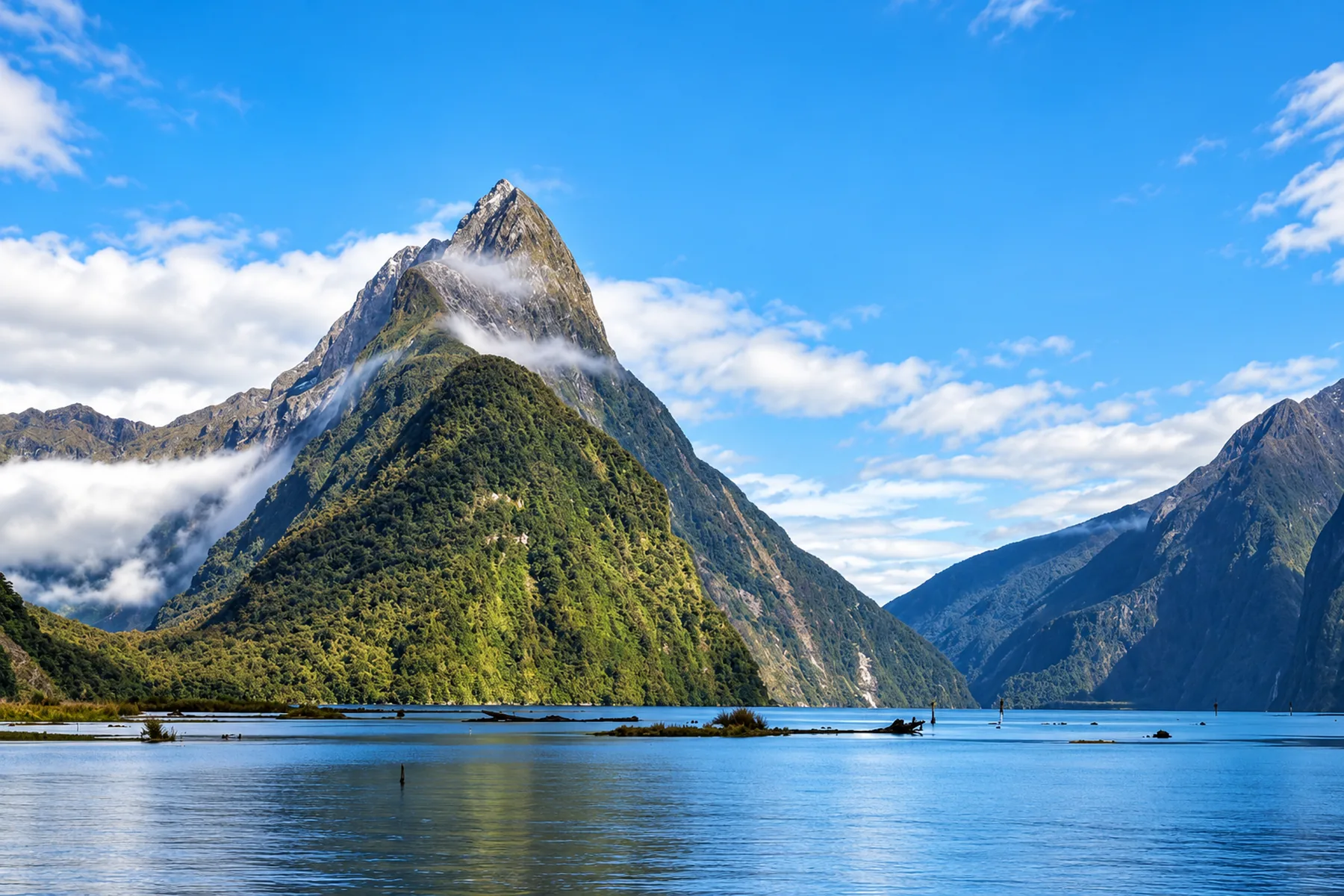
Auckland and the Bay of Islands, Rotorua and Tongariro, the Fiordland fjords, Queenstown and the West Coast glaciers: the guide with routes, destinations and towns.

 Search
 Brazil
 Antarctica
 Argentina
 Bolivia
 Chile
 Colombia
 Ecuador
 Falkland Islands (Malvinas)
 French Guiana
 Guyana
 Paraguay
 Peru
 Suriname
 Uruguay
 Venezuela
 Austria
 Belgium
 Croatia
 Denmark
 Finland
 France
 Germany
 Greece
 Hungary
 Iceland
 Ireland
 Italy
 Luxembourg
 Norway
 Poland
 Portugal
 Slovakia
 Slovenia
 Spain
 Sweden
 Switzerland
 the Czech Republic
 the Netherlands
 the United Kingdom
 Turkey
 Bermuda
 Canada
 Greenland
 Mexico
 Saint Pierre and Miquelon
 the United States
 the Dominican Republic
 JapanTurkey
 Egypt
 South Africa
 Australia
 FijiNew Zealand
 Papua New Guinea
Australia, New Zealand and the Pacific islands on City Tourism: what to do in each country, when to go and what to know before you go.
4 countries 60 destinations 141 cities
Across Cidade Turismo: 53 countries · 101 routes · 925 destinations · 2,317 cities
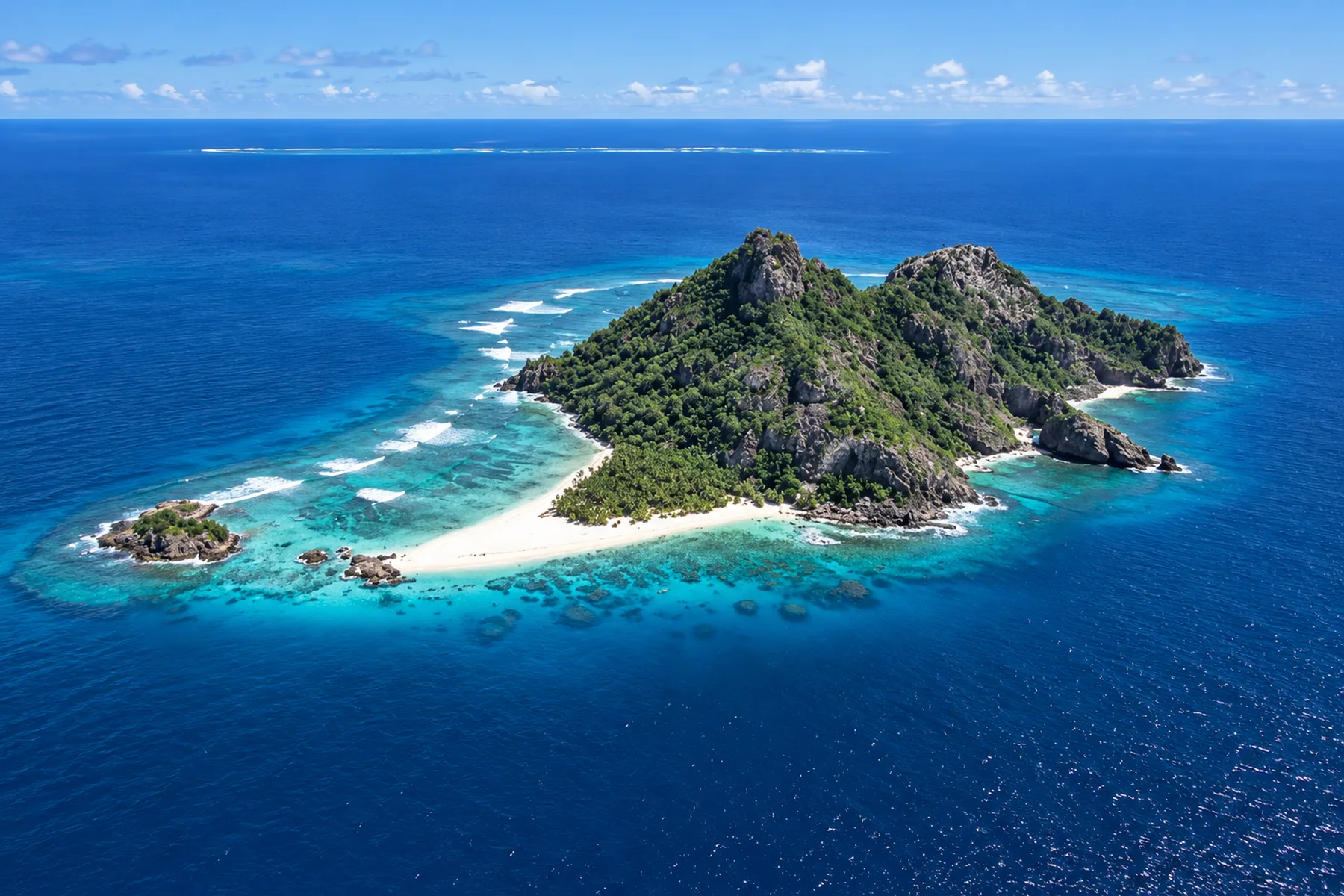
In the photo: Ilha Monuriki — Ilhas Mamanuca, Fiji see the guide to Fiji →
The guide
Oceania is Australia, with its large cities, central desert and the Great Barrier Reef; New Zealand, with mountains, fiords and lakes; and the Pacific islands, scattered across an entire ocean, from Papua New Guinea to French Polynesia.
This page lists all countries and territories of Oceania and what applies to the region as a whole. Each country will have its own city‑by‑city guide when it is complete.
The texts are written using official tourism and government sources. Entry requirements change over time: before buying your ticket, check the rules for your nationality on each country’s official website.
The countries
Each country has its own guide: the routes, the destinations, the cities and what to know before you go. New countries are added all the time.
18 destinations · 38 cities
Auckland and the Bay of Islands, Rotorua and Tongariro, the Fiordland fjords, Queenstown and the West Coast glaciers: the guide with routes, destinations and towns.
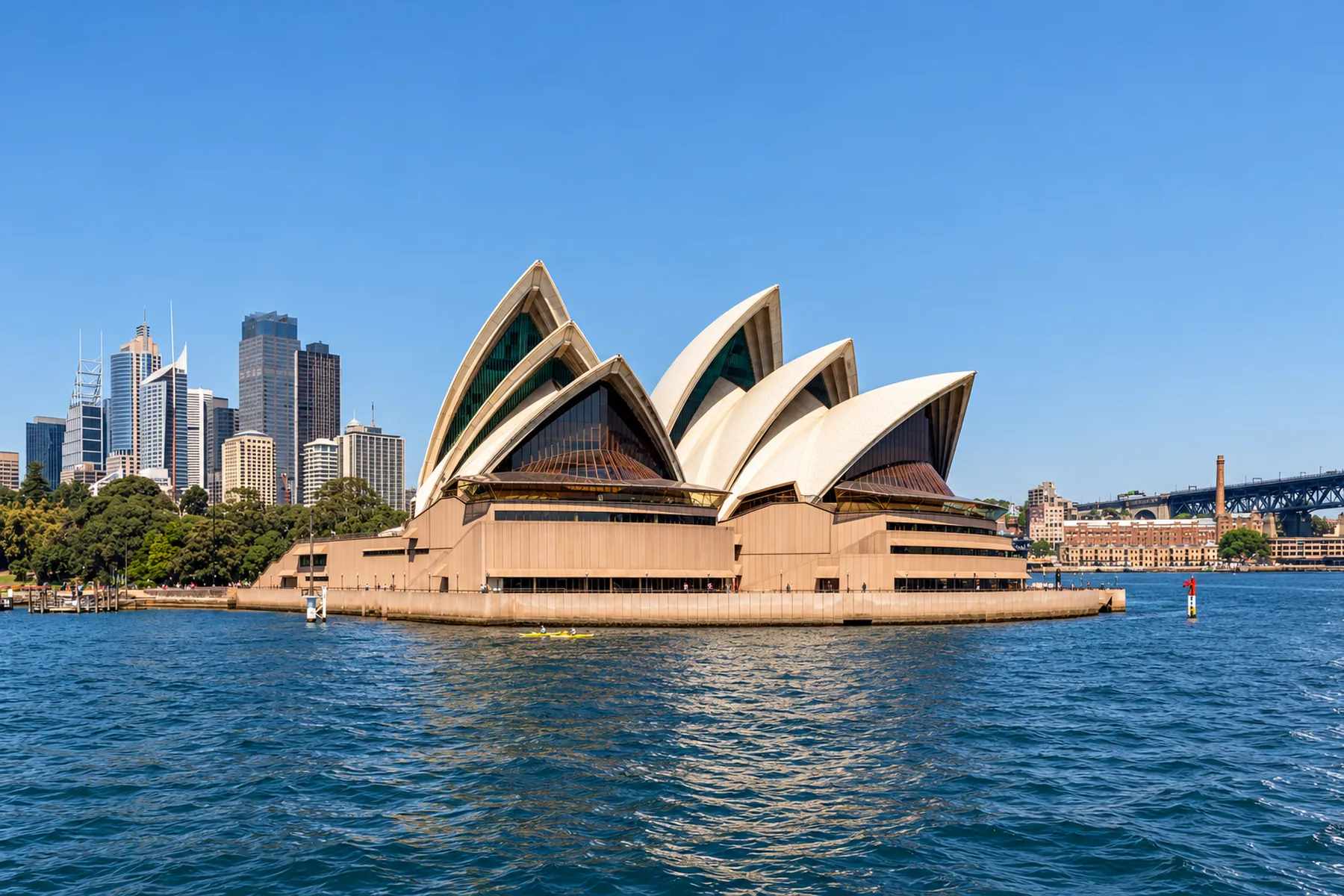 24 destinations · 64 cities
Sydney and Melbourne, the Gold Coast, the Great Barrier Reef, Uluru and the Great Ocean Road: the guide with routes, destinations and towns.
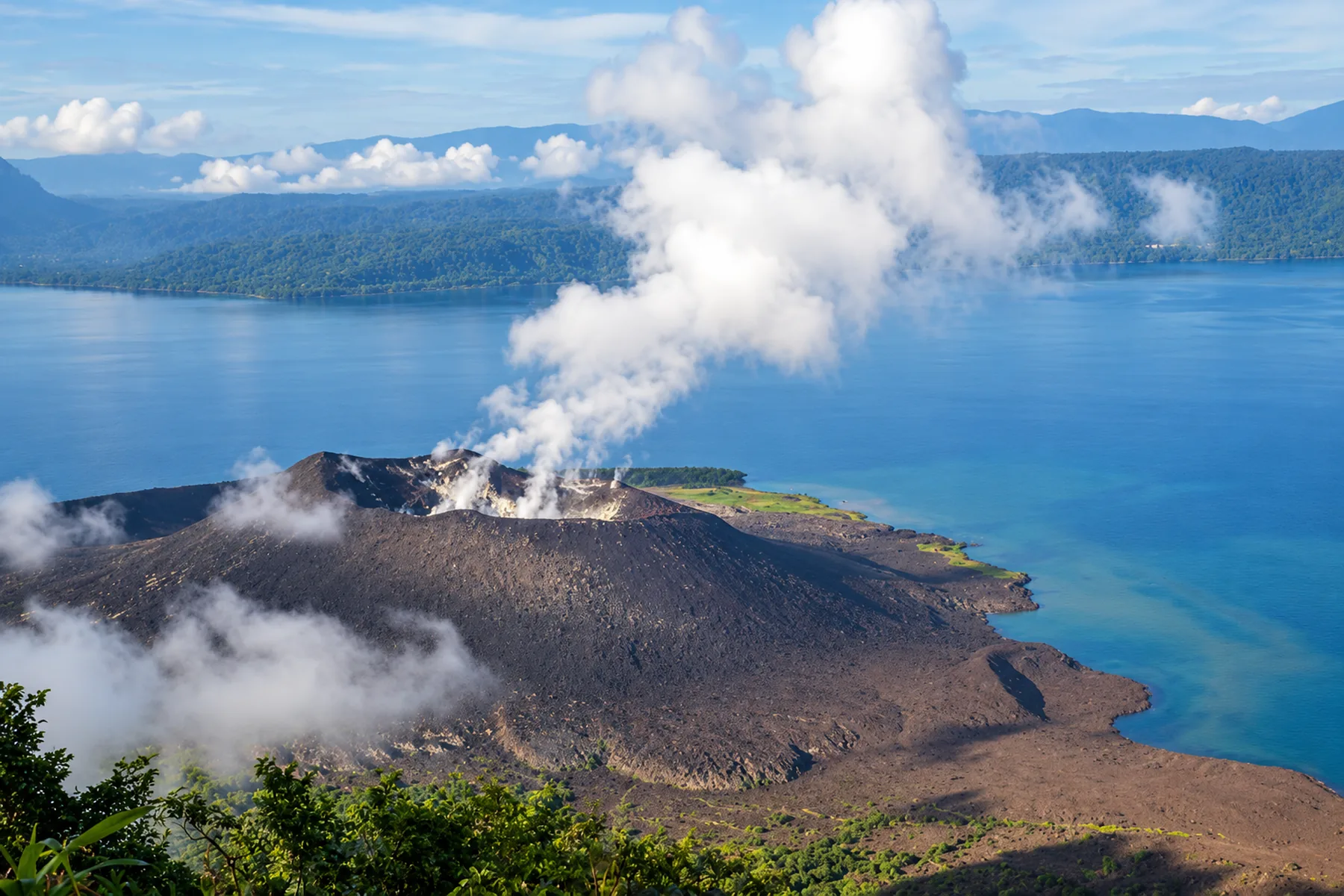 10 destinations · 13 cities
Port Moresby and the Kokoda Track, the islands of Milne Bay, the volcanoes of Rabaul, the Sepik River and the Goroka Show: the guide with routes, destinations and towns.
8 destinations · 26 cities
The Mamanuca and Yasawa islands, the reefs of Taveuni and Kadavu, the Coral Coast, and Levuka: the guide with routes, destinations, and towns.
Australia
Fiji
New Zealand
Papua New Guinea
 American Samoa
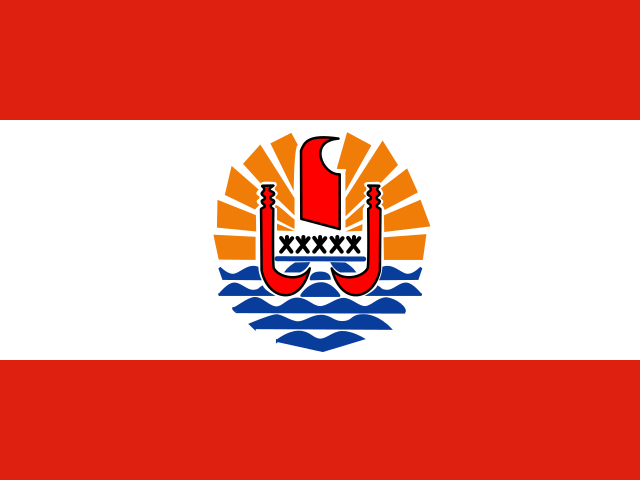 French Polynesia
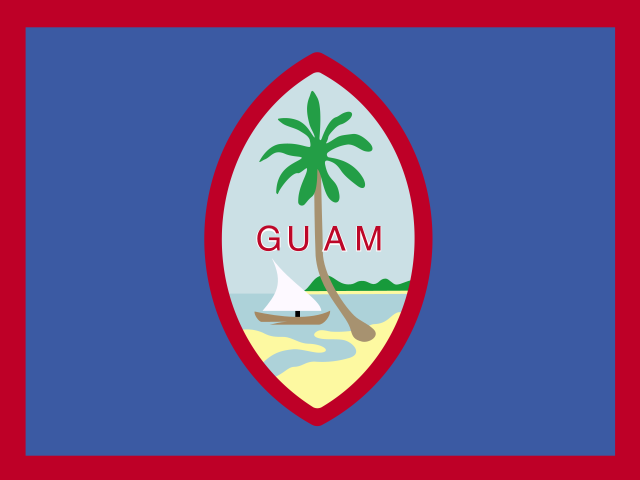 Guam
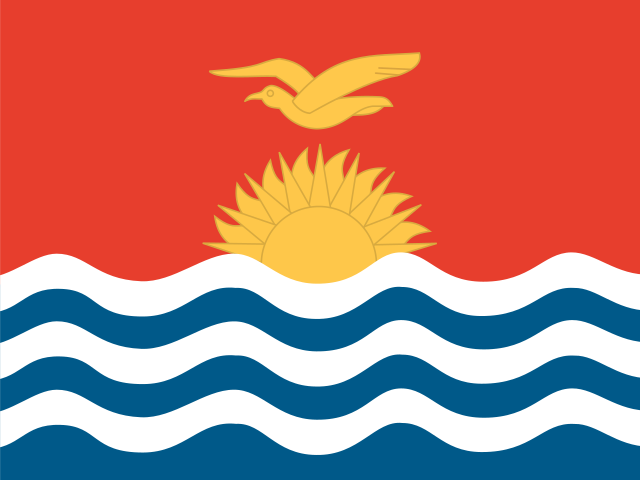 Kiribati
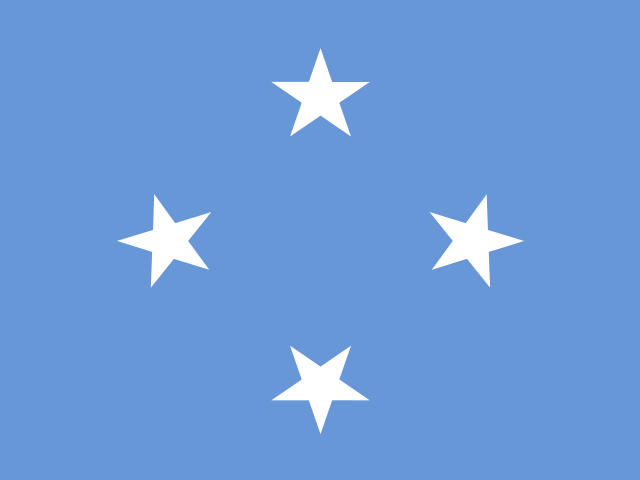 Micronesia
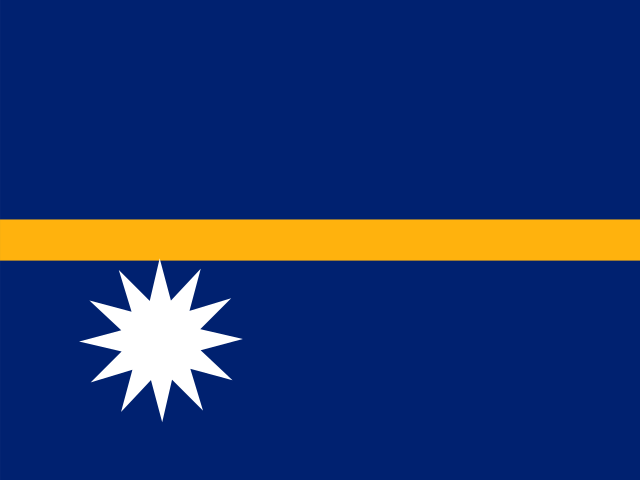 Nauru
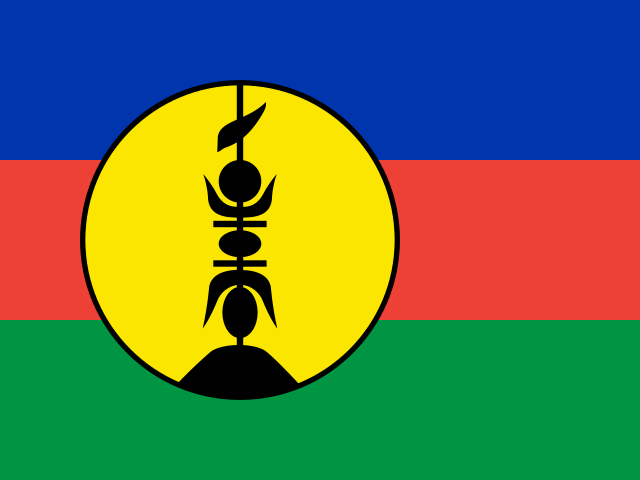 New Caledonia
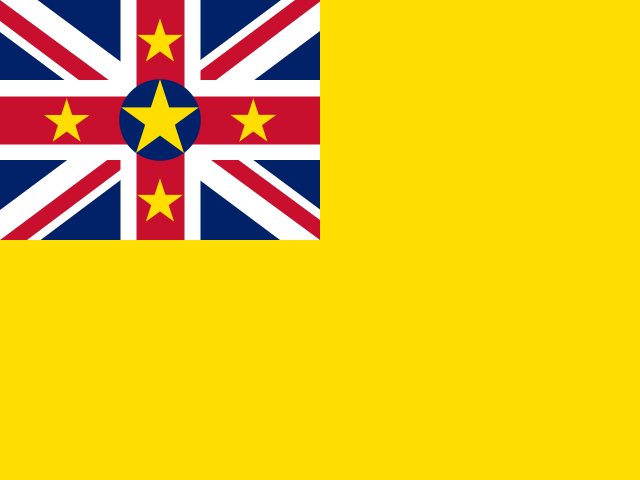 Niue
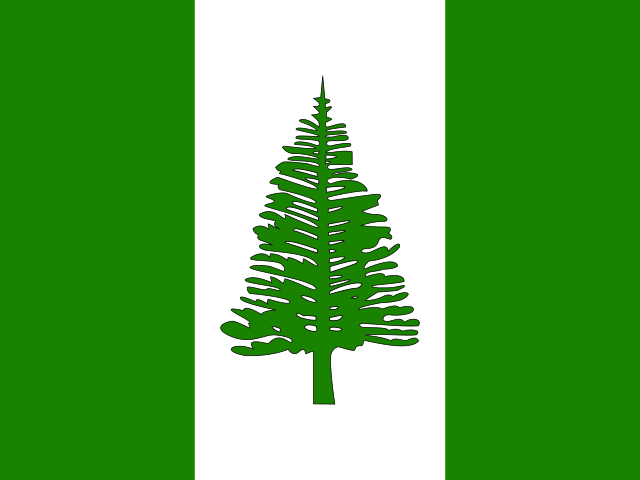 Norfolk Island
 Palau
 Samoa
 the Cook Islands
 the Marshall Islands
 the Northern Mariana Islands
 the Pitcairn Islands
 the Solomon Islands
 the U.S. Minor Outlying Islands
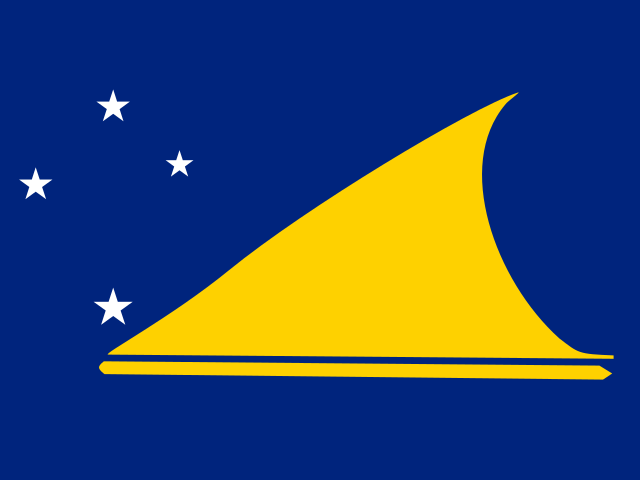 Tokelau
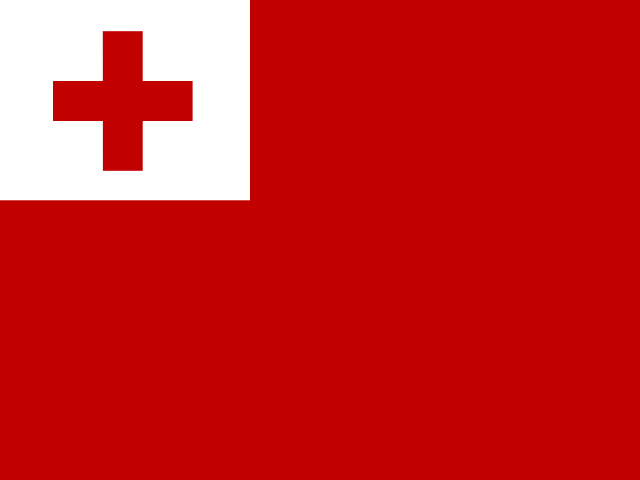 Tonga
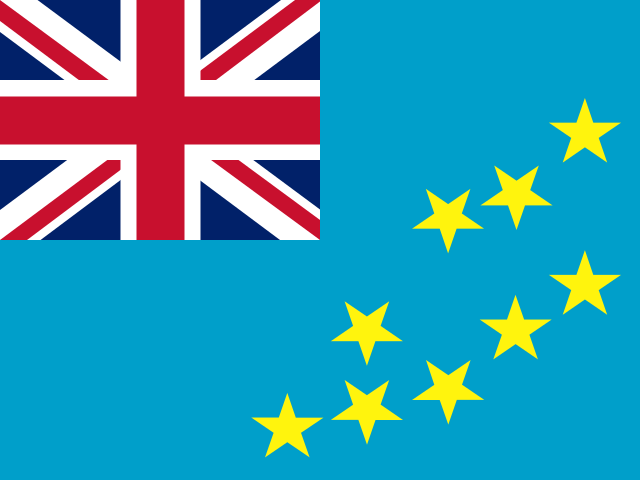 Tuvalu
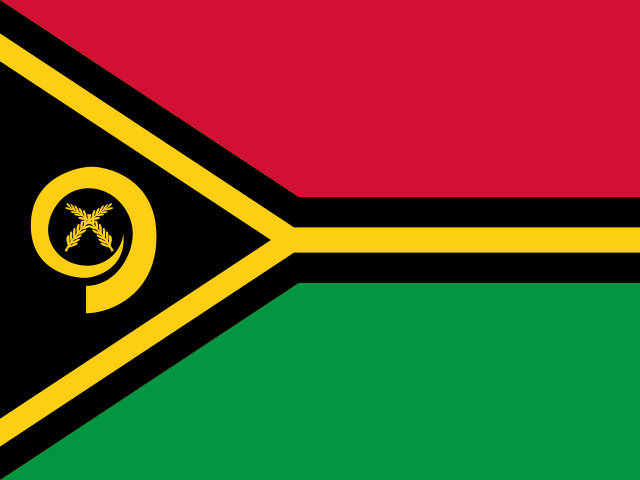 Vanuatu
 Wallis and Futuna
The linked countries already have a guide. The others are added little by little, each one once its guide is complete.
Flavors of the countries
Pick a country to see its traditional dishes, sweets and drinks.
Oceania
Australia and New Zealand have their own rules depending on nationality, which may require a visa or an electronic authorization obtained online before travel. The Pacific islands also have different rules from one another. Territories follow the rules of the country that administers them: French Polynesia and New Caledonia follow France’s rules, and Guam and American Samoa follow the United States’ rules.
Australia and New Zealand have very strict control over what enters the country: food, seeds, plants, wood and animal products must be declared on arrival and may be refused. When in doubt, declare.
If you transit through another country en route, you should also check that country’s transit rules.
Entry requirements change over time: before buying your ticket, check the official website of each country.
Oceania
Australia and New Zealand are in the Southern Hemisphere: summer runs from December to February, and winter from June to August.
Summer is the time for beaches and hiking in New Zealand; winter is ski season in the mountains of both countries. In tropical northern Australia, the dry season—usually from May to October—is the best time to visit.
On the Pacific islands it is warm year‑round. The drier period typically runs from May to October; November to April is the rainy season and cyclone season in the region.
Oceania
Distances are large: in Australia, for travel between distant cities, flying is the most practical option. In New Zealand, cars and motorhomes are widely used to travel the scenic roads of the two islands.
In Australia and New Zealand, as in several Pacific islands, people drive on the left. Foreign driving licences are usually accepted for a short period; if your licence is not in English, an International Driving Permit or an official translation may be required—check the rule for each place.
Between the Pacific islands, connections are made by regional flights, not always daily, and by boats. Plan your itinerary around flight schedules.
Oceania
Australia uses the Australian dollar and New Zealand uses the New Zealand dollar; the islands have their own currencies, and French territories use the CFP franc. Credit cards, including contactless payments, are accepted in most places in Australia and New Zealand.
Australia ranges from UTC+8 in the west to UTC+10 in the east (UTC+11 in summer in some states), and New Zealand is at UTC+12 (UTC+13 in summer). French Polynesia is at UTC−10: the International Date Line lies between it and New Zealand.
In Australia and New Zealand the voltage is 230 volts, with flat angled pin plugs (type I). If your devices use a different plug, bring an adapter.
Frequently asked questions
Both countries have rules that depend on nationality, which may require a visa or an electronic authorization obtained online before travel. Rules change over time: check the official immigration website of each country.
In Australia and New Zealand, summer (December to February) is the season for beaches and hiking, and winter is for skiing. In northern Australia and on the Pacific islands, the drier period typically runs from May to October.
Australia and New Zealand strictly control the import of food, seeds, plants and animal products. All of these must be declared on arrival and may be refused. When in doubt, declare.
No. However, several U.S. territories are in the Pacific, such as Guam, American Samoa and the Northern Mariana Islands, and are included on this page. Hawaii is a U.S. state and is covered on the North America page.