 22 destinations · 70 cities
Turkey
Istanbul, Cappadocia, Pamukkale, Ephesus and the Turquoise Coast: the guide with routes, destinations and cities.

 Search
 Brazil
 Antarctica
 Argentina
 Bolivia
 Chile
 Colombia
 Ecuador
 Falkland Islands (Malvinas)
 French Guiana
 Guyana
 Paraguay
 Peru
 Suriname
 Uruguay
 Venezuela
 Austria
 Belgium
 Croatia
 Denmark
 Finland
 France
 Germany
 Greece
 Hungary
 Iceland
 Ireland
 Italy
 Luxembourg
 Norway
 Poland
 Portugal
 Slovakia
 Slovenia
 Spain
 Sweden
 Switzerland
 the Czech Republic
 the Netherlands
 the United KingdomTurkey
 Bermuda
 Canada
 Greenland
 Mexico
 Saint Pierre and Miquelon
 the United States
 the Dominican Republic
 JapanTurkey
 Egypt
 South Africa
 Australia
 Fiji
 New Zealand
 Papua New Guinea
The countries of Asia and the Middle East on Cidade Turismo: what to do in each, when to go, and what to know before you go.
2 countries 79 destinations 162 cities
Across Cidade Turismo: 53 countries · 101 routes · 925 destinations · 2,317 cities
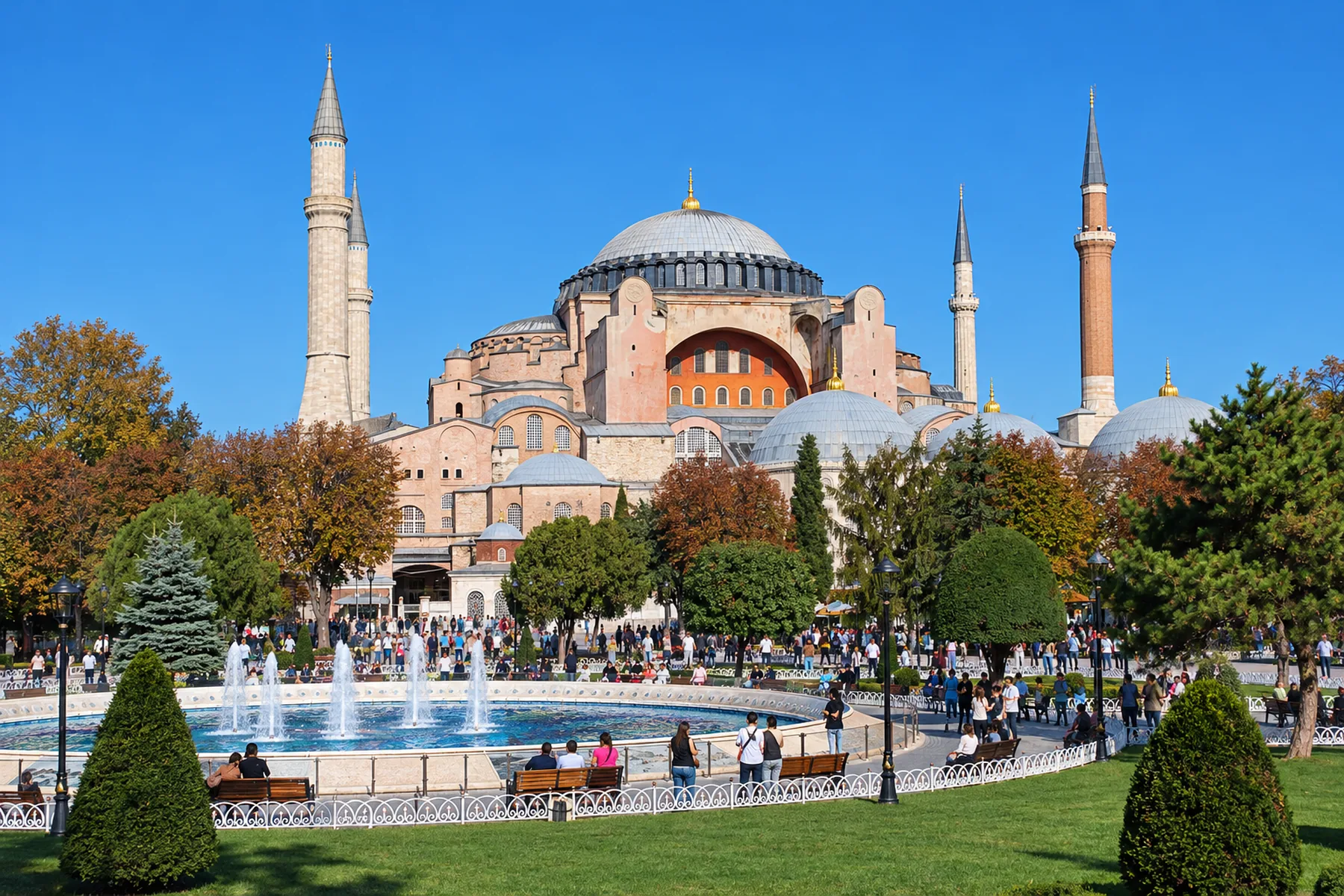
In the photo: Santa Sofia — Istambul, Turkey see the guide to Turkey →
The guide
Asia is the world’s largest continent, and it contains almost everything: the temples and cities of Japan, China, and South Korea; the beaches and markets of Southeast Asia; India and the Himalayas; the steppes of Central Asia; the Caucasus and the Middle East, with deserts and some of the oldest cities in the world.
This page lists all the countries and territories of Asia, including the Middle East and the Caucasus, and what applies to the entire continent. Turkey, which lies between Europe and Asia, appears on this page and on the Europe page. Russia is on the Europe page. Each country will get its own city‑by‑city guide when complete.
The texts are written from official tourism and government sources. Entry requirements change over time: before buying your ticket, check the rules for your nationality on each country’s official website.
The countries
Each country has its own guide: the routes, the destinations, the cities and what to know before you go. New countries are added all the time.
22 destinations · 70 cities
Istanbul, Cappadocia, Pamukkale, Ephesus and the Turquoise Coast: the guide with routes, destinations and cities.
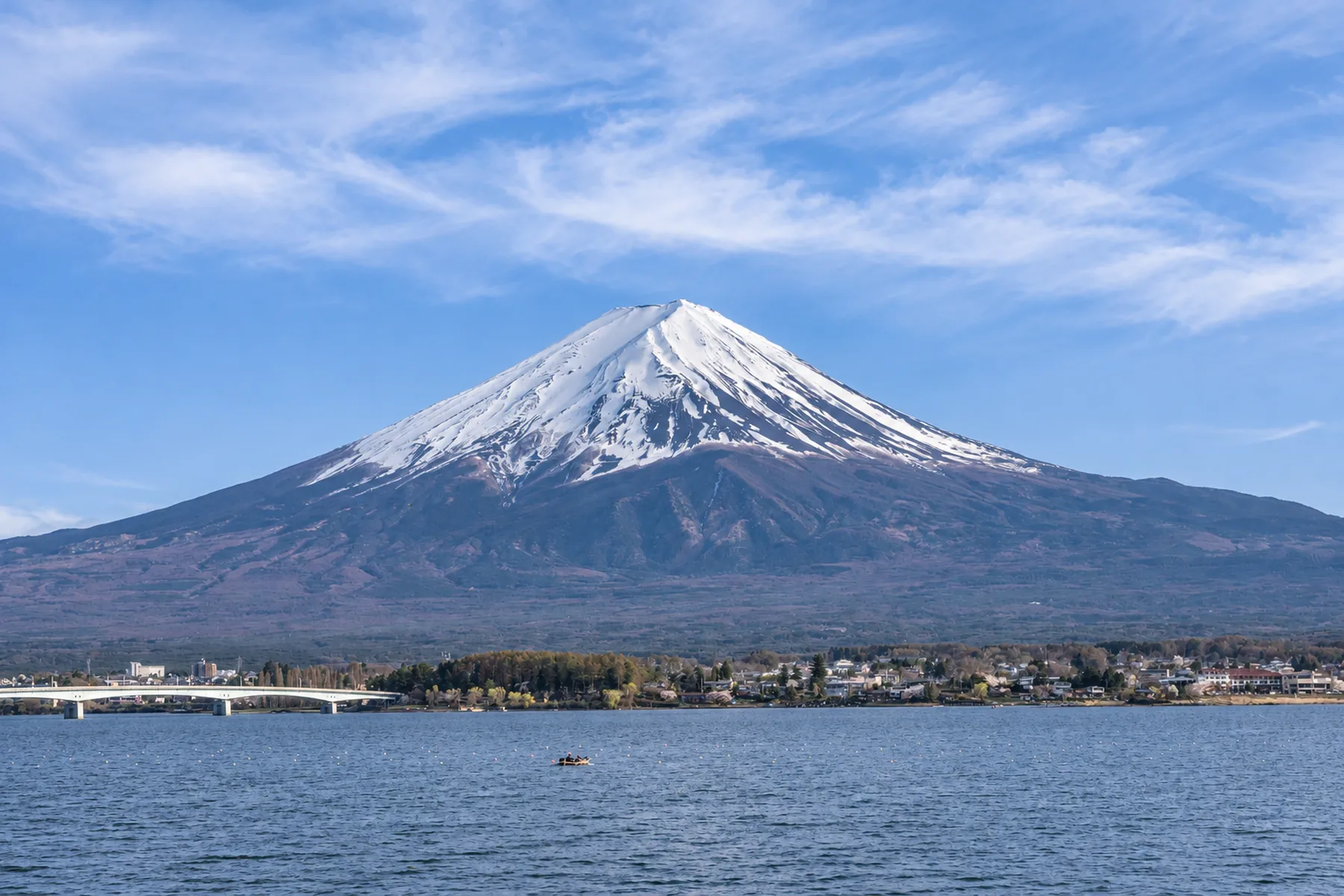 57 destinations · 92 cities
Tokyo, Kyoto, Osaka and Nara, Mount Fuji, Hiroshima and Miyajima, the Japanese Alps, Hokkaido and the Okinawa islands: the guide with routes, destinations and cities.
Japan
Turkey
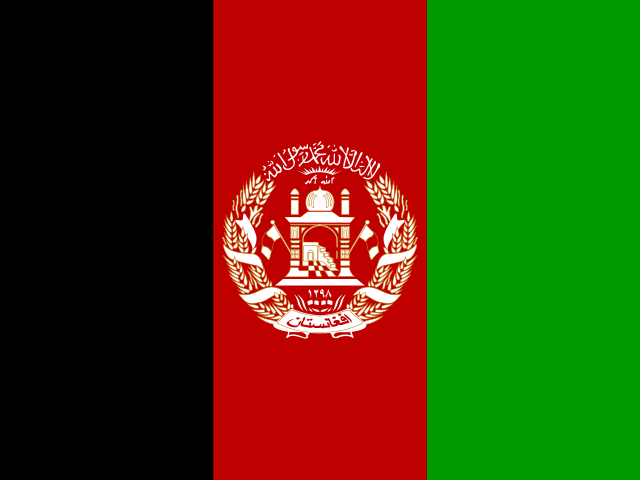 Afghanistan
 Armenia
 Azerbaijan
 Bahrain
 Bangladesh
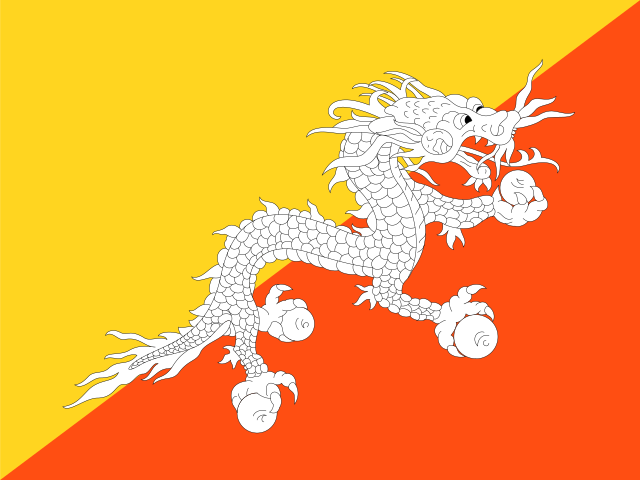 Bhutan
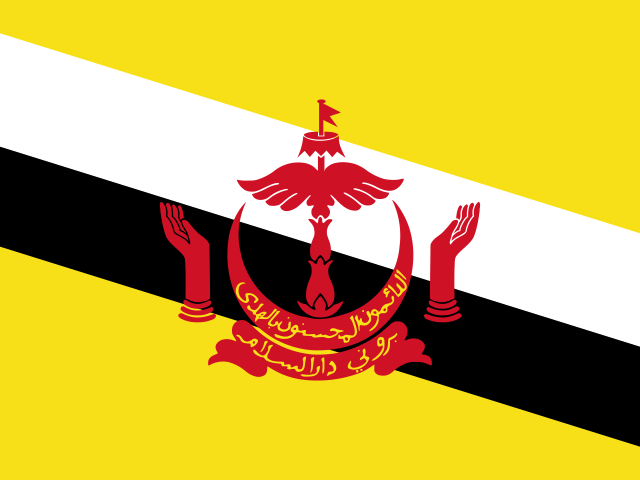 Brunei
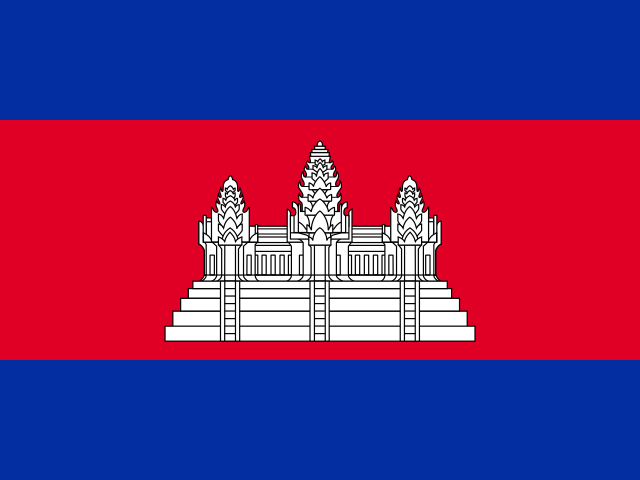 Cambodia
 China
 Christmas Island
 Georgia
 Hong Kong
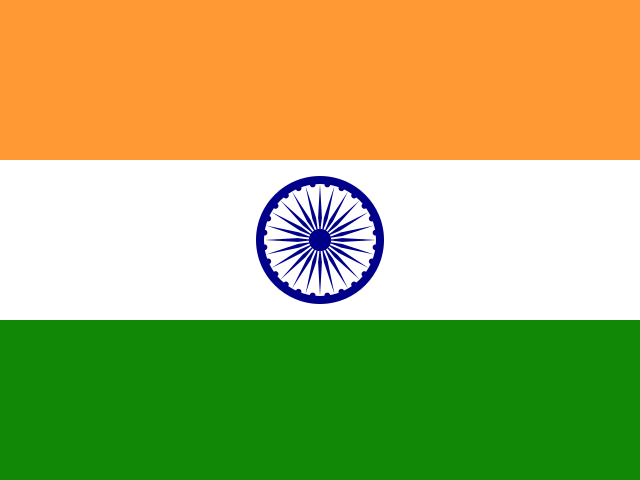 India
 Indonesia
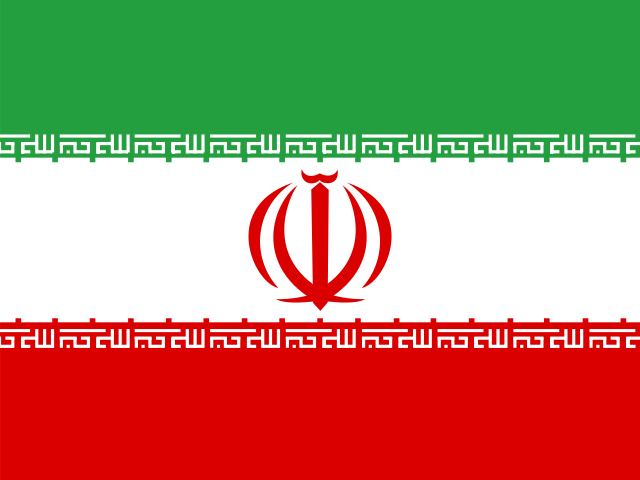 Iran
 Iraq
 Israel
 Jordan
 Kazakhstan
 Kuwait
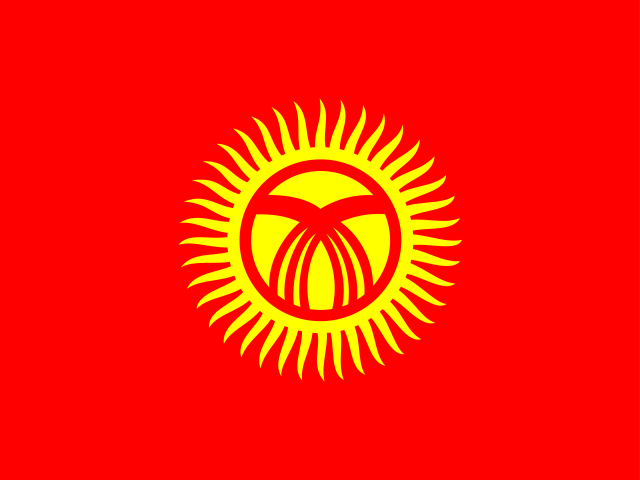 Kyrgyzstan
 Laos
 Lebanon
 Macau
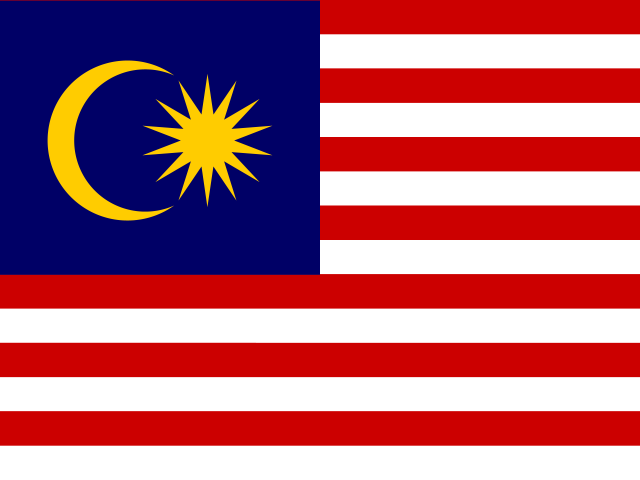 Malaysia
 Mongolia
 Myanmar
 Nepal
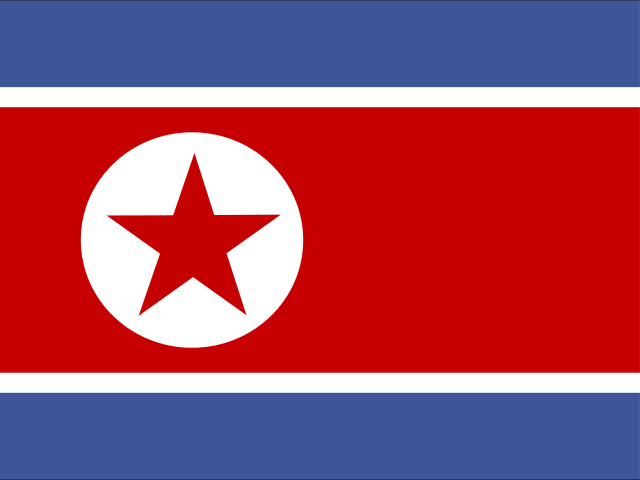 North Korea
 Oman
 Pakistan
 Palestine
 Qatar
 Saudi Arabia
 Singapore
 South Korea
 Sri Lanka
 Syria
 Taiwan
 Tajikistan
 Thailand
 the Cocos (Keeling) Islands
 the Maldives
 the Philippines
 the United Arab Emirates
 Timor-Leste
 Turkmenistan
 Uzbekistan
 Vietnam
 Yemen
The linked countries already have a guide. The others are added little by little, each one once its guide is complete.
Flavors of the countries
Pick a country to see its traditional dishes, sweets and drinks.
Asia
Entry rules vary widely from country to country and depend on your nationality. Some countries do not require a visa for tourism; others require a visa obtained in advance, a visa on arrival, or an electronic authorization online. On an itinerary with multiple countries, check the rule for each one, including countries where you only transit.
Many countries require the passport to be valid for at least six months after the date of entry, and some require blank pages for stamps and visas.
Some Asian countries require the International Certificate of Vaccination for yellow fever for arrivals from countries with transmission risk. Get the vaccine at least 10 days before travel. Before you go, also consult a travel medicine service about other vaccines and precautions for each destination.
Entry requirements change over time: before buying your ticket, check the rules on each country’s official website.
Asia
Almost all of Asia is in the Northern Hemisphere: summer runs from June to August, and winter from December to February. Indonesia and Timor-Leste lie largely south of the Equator.
In South and Southeast Asia, the monsoon shapes travel. In much of the region, the rainy season usually runs from May or June to September or October, and the drier season from November to April, but there are exceptions: some coasts have rain in other months. Check the weather for each destination.
In Japan, South Korea, and northern China, the four seasons are distinct: spring brings cherry blossoms around late March and early April, and autumn brings red leaves from October to November. In the Middle East, summers are very hot, and the most pleasant period usually runs from October to April.
Asia
Distances are large, and planes connect capitals and major cities, with many regional carriers. Within countries, trains are an excellent option in several places: Japan’s bullet trains, China’s high-speed network, and the railways of India and South Korea.
In Southeast Asia, boats take you to the islands, and buses and vans link cities. In large cities, the subway and ride‑hailing apps solve most trips.
For driving, the rule changes by country, and in some places a foreign license is not accepted. In several countries, such as Japan, India, Thailand, and Indonesia, people drive on the left.
Asia
Each country has its own currency. Credit cards are accepted in big cities and hotels, but in markets, temples, and smaller towns cash is still widely used. In some countries, mobile payments are the local custom.
Time zones range from UTC+2 or UTC+3 in the Middle East to UTC+9 in Japan and South Korea. The United Arab Emirates is at UTC+4; India at UTC+5:30; China at UTC+8.
At temples, mosques, and religious sites, cover your shoulders and knees and, when requested, remove your shoes. In Muslim countries, during Ramadan business and restaurant hours change; the date shifts each year according to the lunar calendar.
Voltage and plug types vary greatly by country: bring a universal adapter.
Frequently asked questions
It depends on the country and your nationality. Some countries do not require a visa for tourism; others require a visa obtained in advance, a visa on arrival, or an electronic authorization online. Rules change over time: check the official website of each country.
Some Asian countries require the International Certificate of Vaccination from arrivals coming from countries with transmission risk. Get the vaccine at least 10 days before travel and check the requirement for each country on your itinerary, including transit countries.
It depends on the region. In Southeast Asia, the drier season usually runs from November to April; in Japan and South Korea, spring and autumn are the preferred seasons; in the Middle East, the most pleasant months usually run from October to April.
Yes. Countries such as Israel, Jordan, the United Arab Emirates, Saudi Arabia, and Oman are in Asia and are listed on this page. Egypt, on the other side of the Red Sea, is in Africa. Turkey, between Europe and Asia, appears on this page and on the Europe page.