 14 destinations · 41 cities
South Africa
Cape Town, the wineries, the Garden Route, Kruger and the Drakensberg: the guide with routes, destinations and towns.

 Search
 Brazil
 Antarctica
 Argentina
 Bolivia
 Chile
 Colombia
 Ecuador
 Falkland Islands (Malvinas)
 French Guiana
 Guyana
 Paraguay
 Peru
 Suriname
 Uruguay
 Venezuela
 Austria
 Belgium
 Croatia
 Denmark
 Finland
 France
 Germany
 Greece
 Hungary
 Iceland
 Ireland
 Italy
 Luxembourg
 Norway
 Poland
 Portugal
 Slovakia
 Slovenia
 Spain
 Sweden
 Switzerland
 the Czech Republic
 the Netherlands
 the United Kingdom
 Turkey
 Bermuda
 Canada
 Greenland
 Mexico
 Saint Pierre and Miquelon
 the United States
 the Dominican Republic
 JapanTurkey
 EgyptSouth Africa
 Australia
 Fiji
 New Zealand
 Papua New Guinea
The 54 countries of Africa on Cidade Turismo: what to do in each, when to go, and what to know before you go.
2 countries 25 destinations 59 cities
Across Cidade Turismo: 53 countries · 101 routes · 925 destinations · 2,317 cities
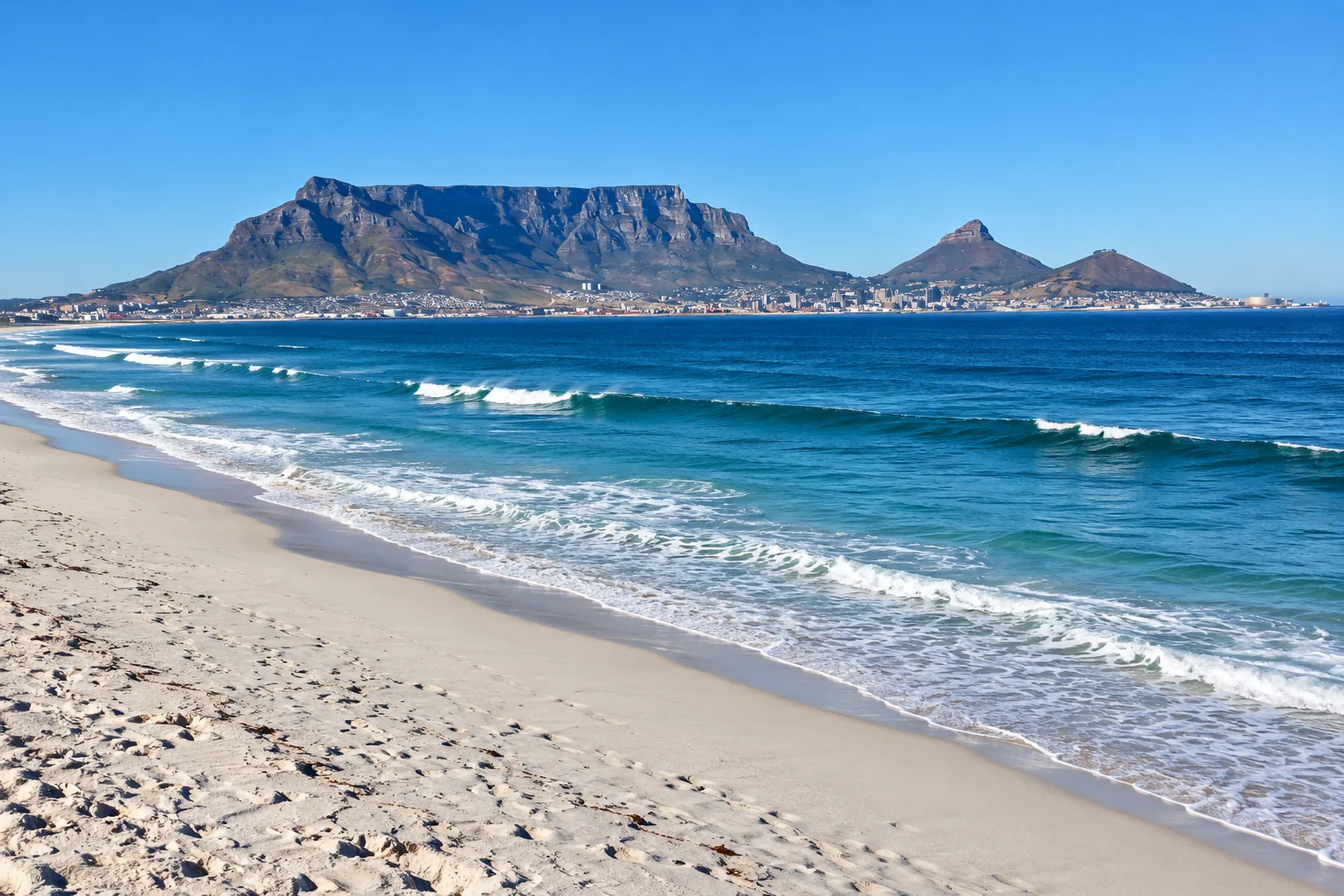
In the photo: Table Mountain — Cidade do Cabo, South Africa see the guide to South Africa →
The guide
Africa has 54 countries and a wide variety of landscapes: the Sahara Desert and the ancient cities of the north, the savannas and safaris of the east and south, the beaches of the Indian Ocean, Atlantic islands, and some of the fastest-growing cities in the world. Besides local languages, Arabic, French, English, and Portuguese are spoken; Portuguese is an official language in Angola, Mozambique, Cape Verde, Guinea-Bissau, São Tomé and Príncipe, and Equatorial Guinea.
This page lists all African countries and territories and what applies to the continent as a whole. Each country will have its own guide, city by city, when it is complete.
The texts are written based on official tourism, health, and government sources. Entry requirements change over time: before you buy your ticket, check the rules for your nationality on each country’s official website.
The countries
Each country has its own guide: the routes, the destinations, the cities and what to know before you go. New countries are added all the time.
14 destinations · 41 cities
Cape Town, the wineries, the Garden Route, Kruger and the Drakensberg: the guide with routes, destinations and towns.
 11 destinations · 18 cities
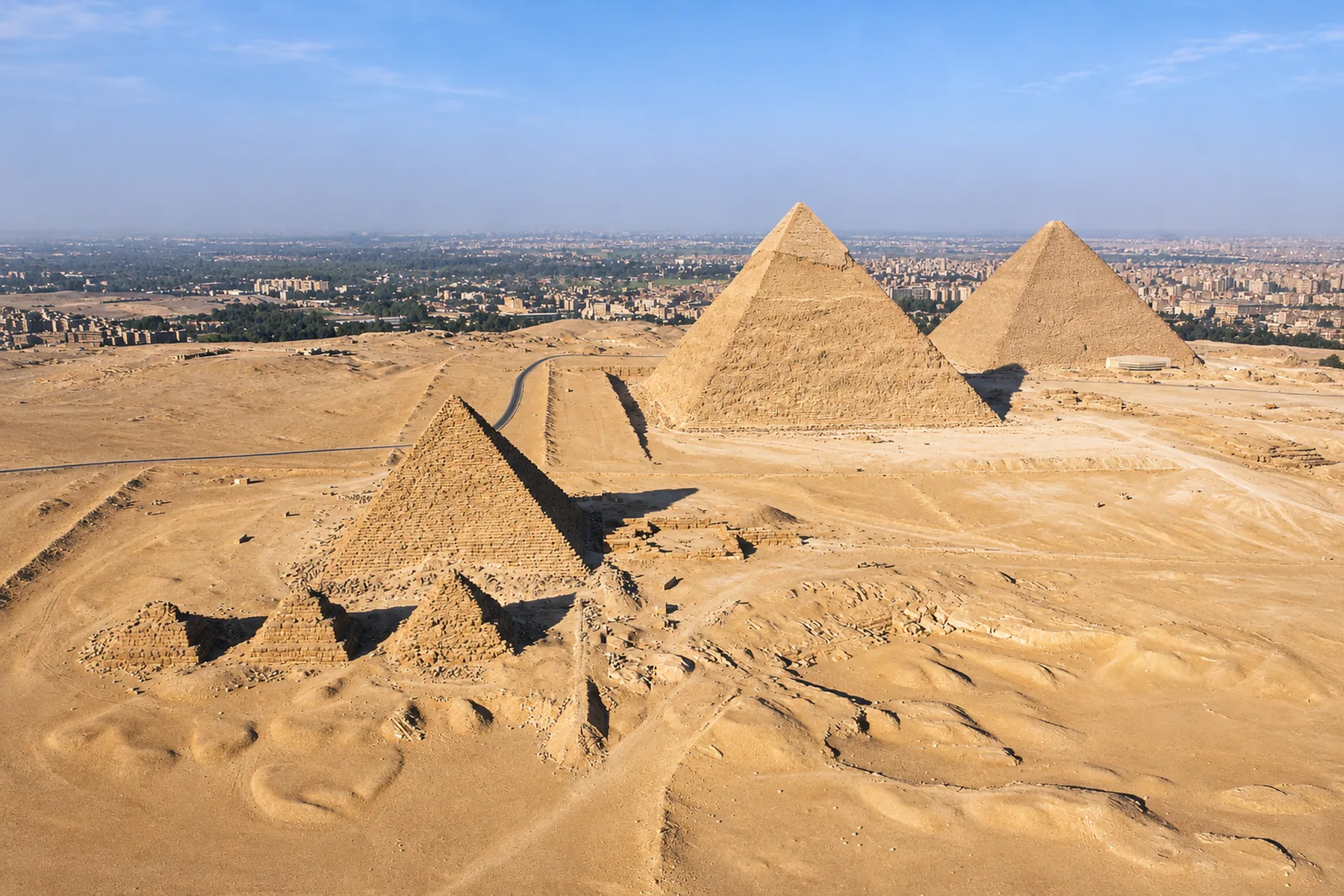
The Giza Pyramids, Islamic Cairo, the temples of Luxor and Aswan, Abu Simbel, the Nile, Red Sea reefs and desert oases: the guide with routes, destinations and cities.
Egypt
South Africa
 Algeria
 Angola
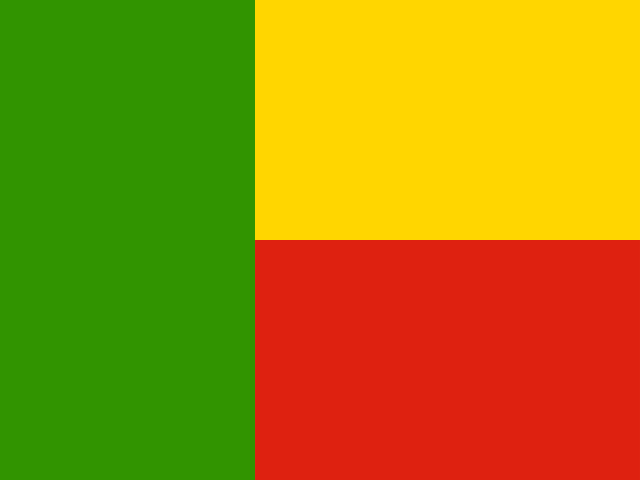 Benin
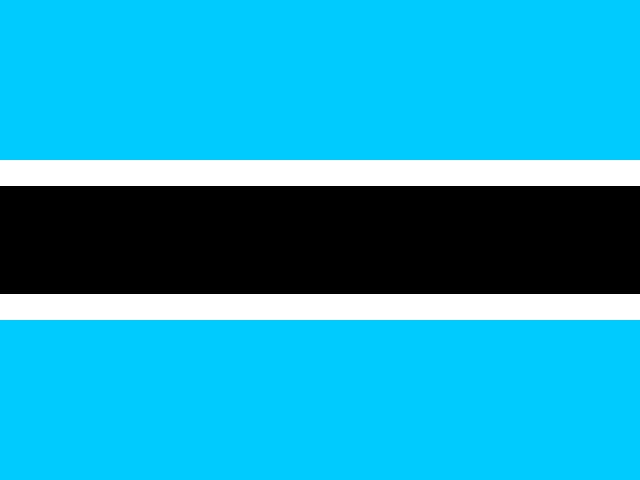 Botswana
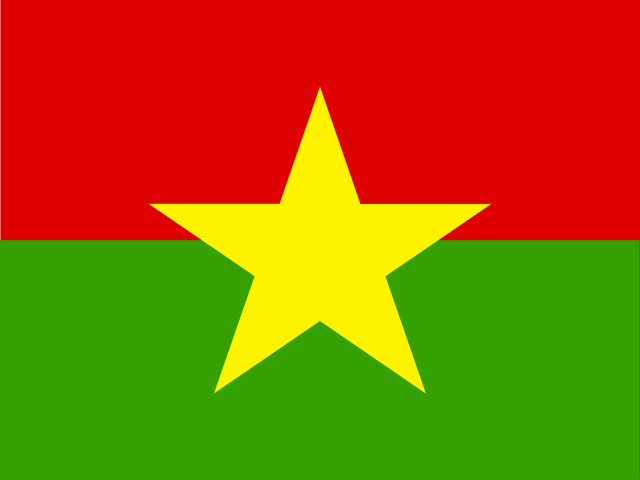 Burkina Faso
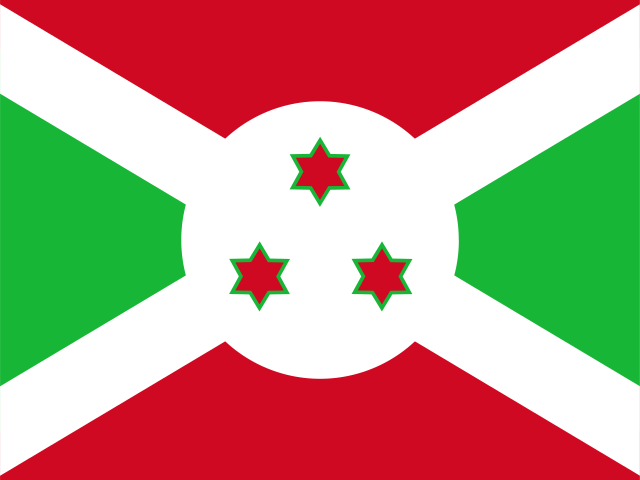 Burundi
 Cameroon
 Cape Verde
 Chad
 Côte d'Ivoire
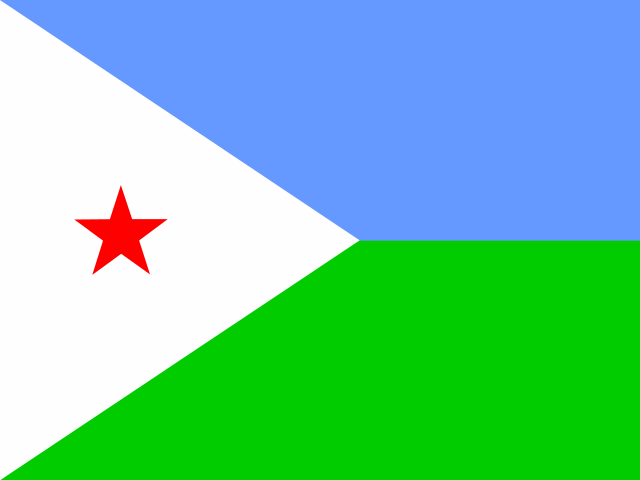 Djibouti
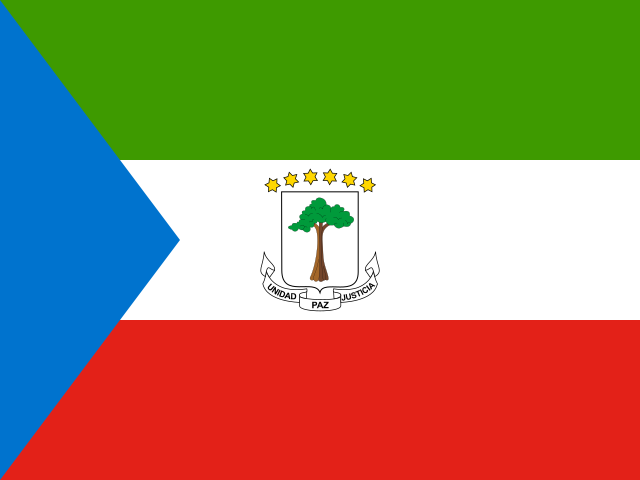 Equatorial Guinea
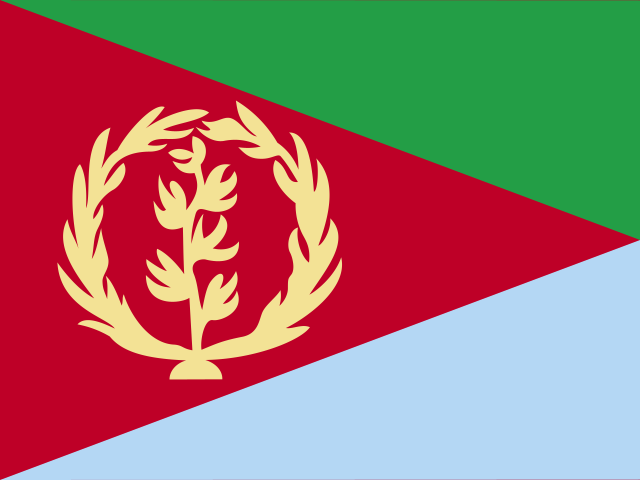 Eritrea
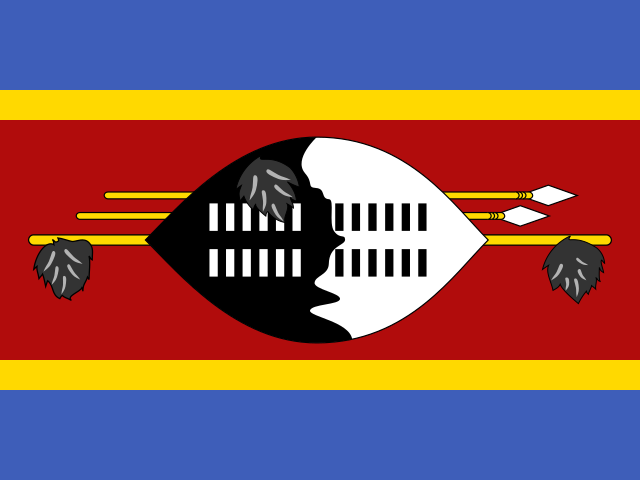 Eswatini
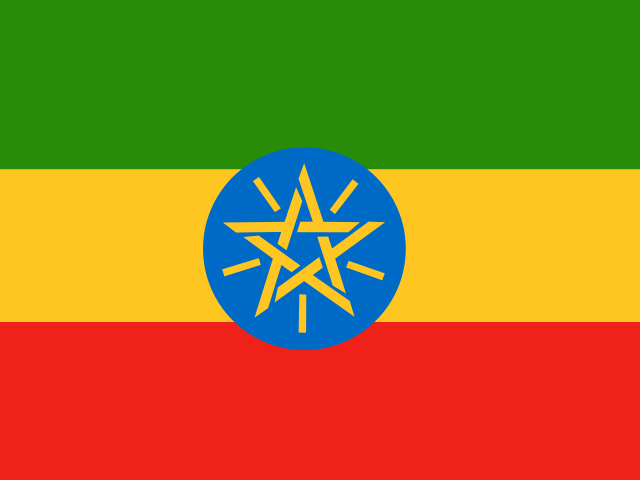 Ethiopia
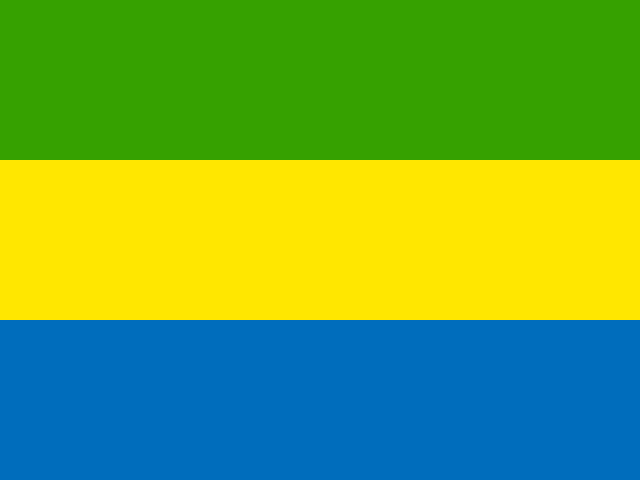 Gabon
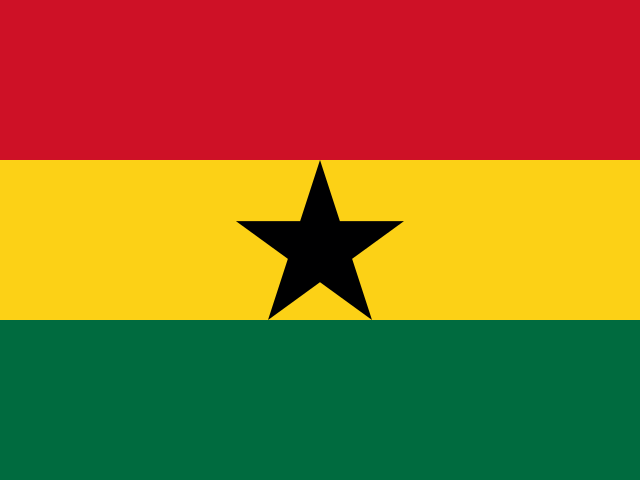 Ghana
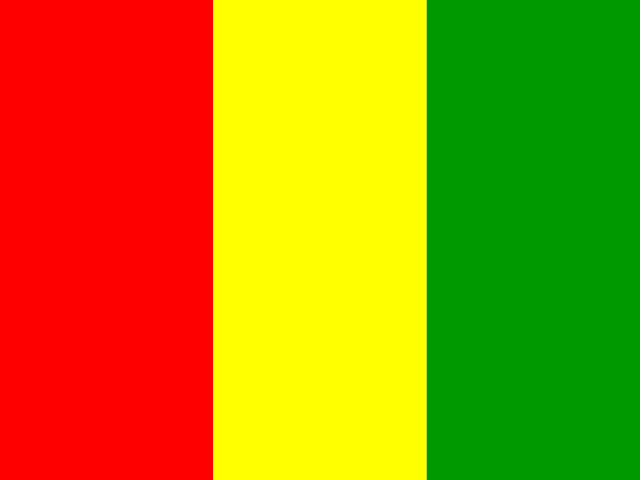 Guinea
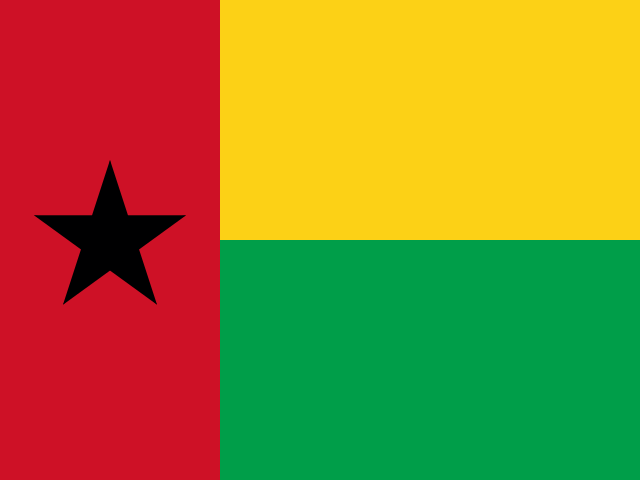 Guinea-Bissau
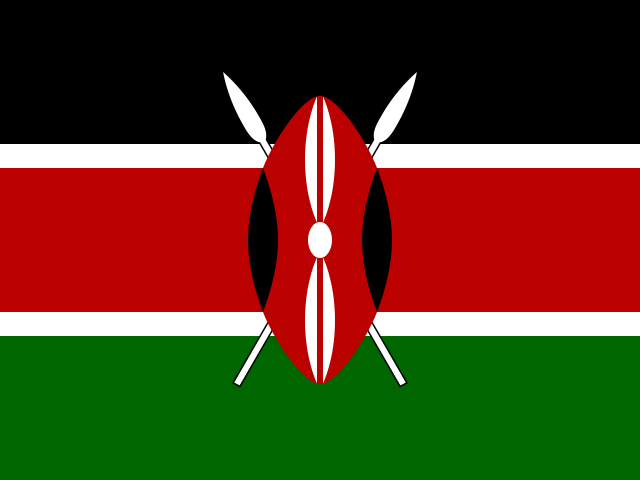 Kenya
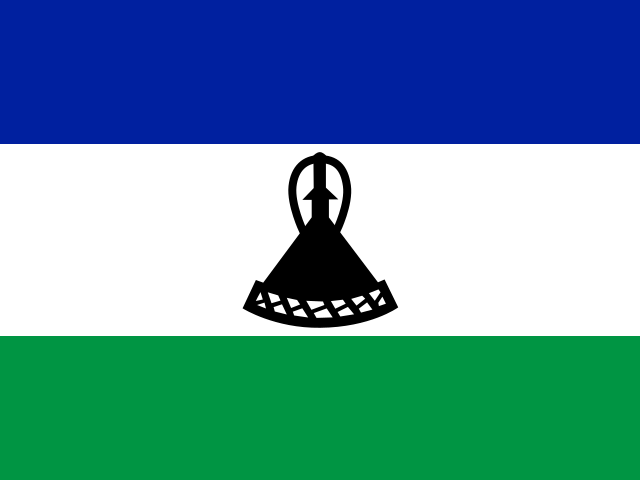 Lesotho
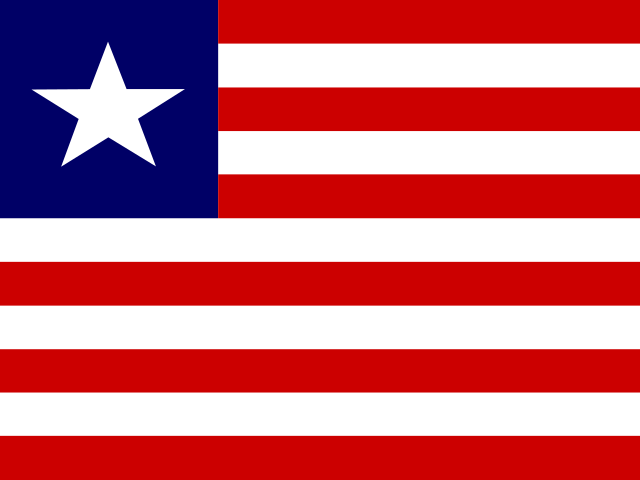 Liberia
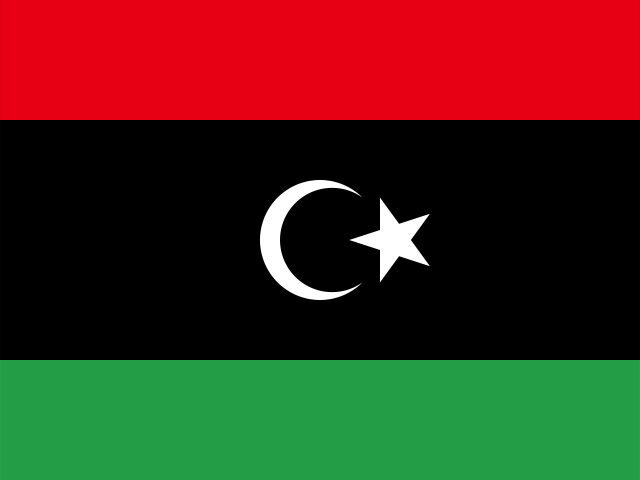 Libya
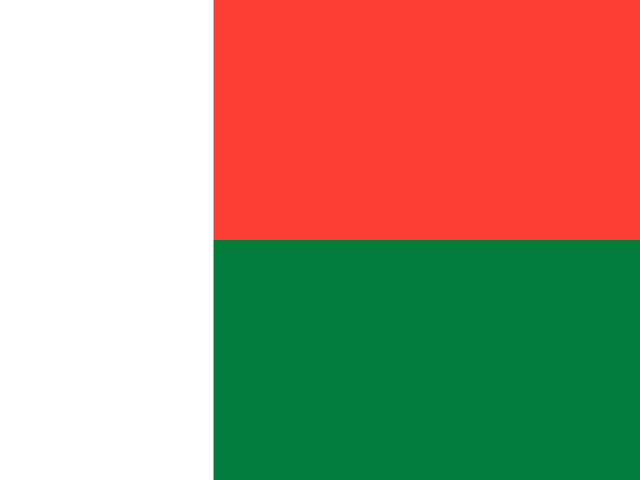 Madagascar
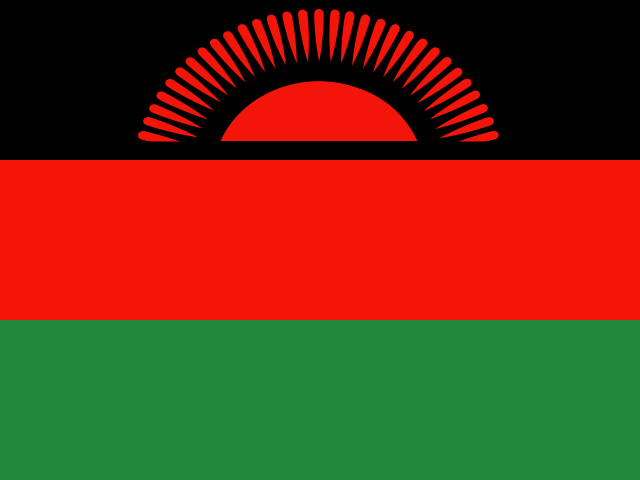 Malawi
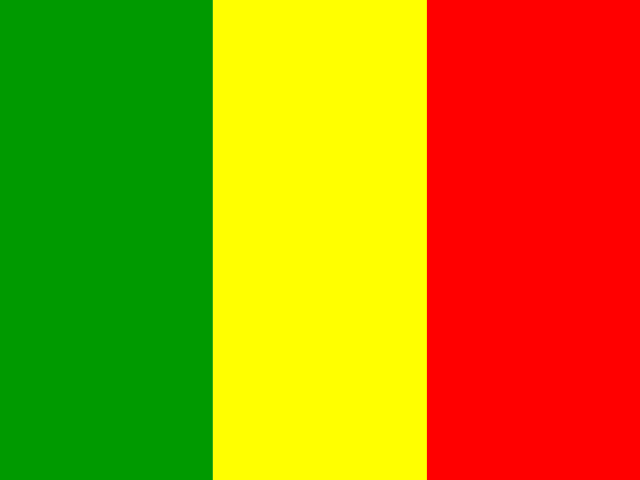 Mali
 Mauritania
 Mauritius
 Mayotte
 Morocco
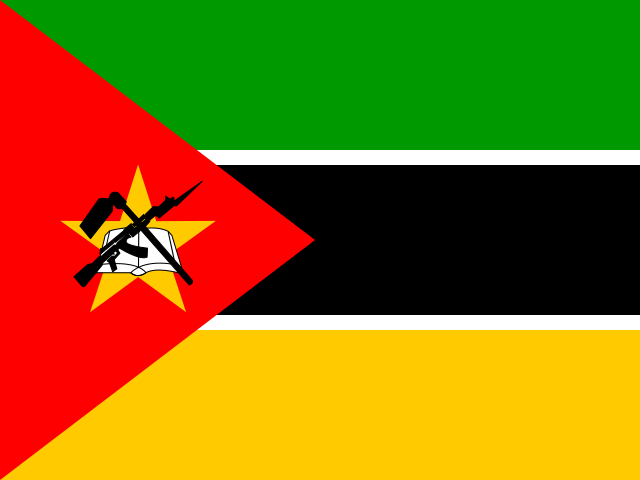 Mozambique
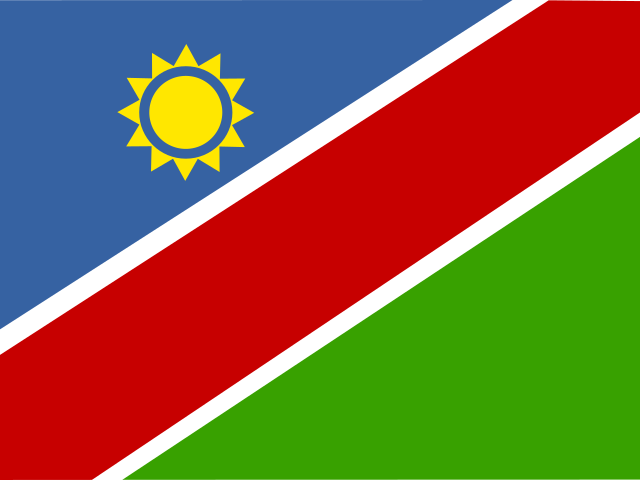 Namibia
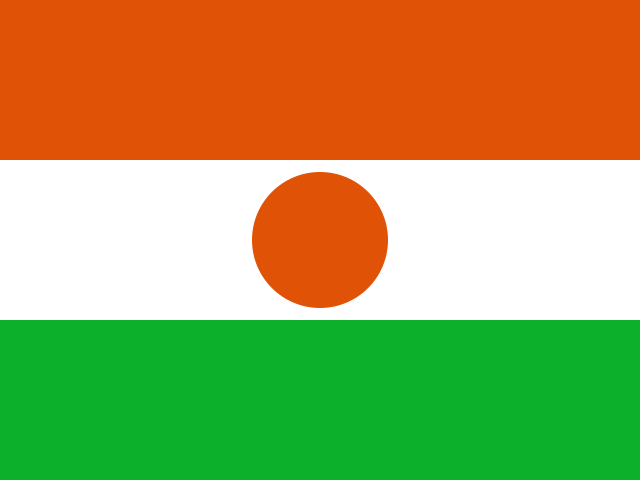 Niger
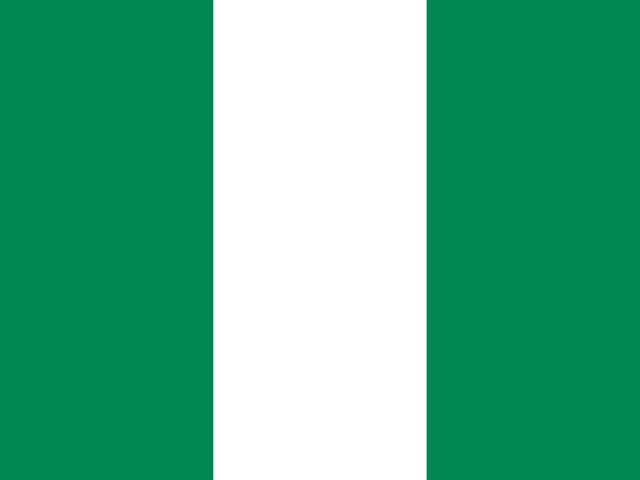 Nigeria
 Réunion
 Rwanda
 Saint Helena
 São Tomé and Príncipe
 Senegal
 Seychelles
 Sierra Leone
 Somalia
 South Sudan
 Sudan
 Tanzania
 the Central African Republic
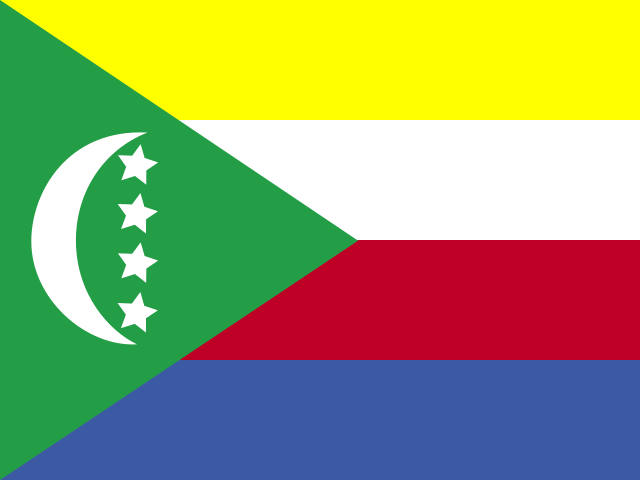 the Comoros
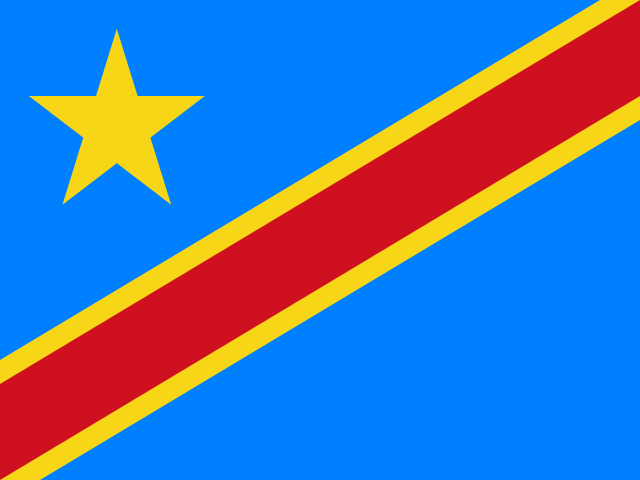 the Democratic Republic of the Congo
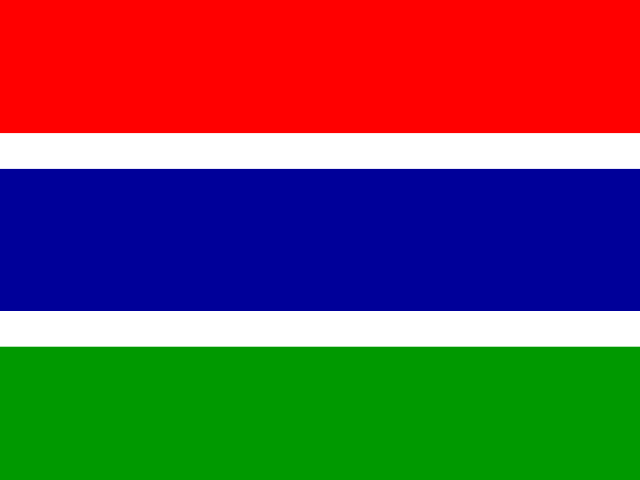 the Gambia
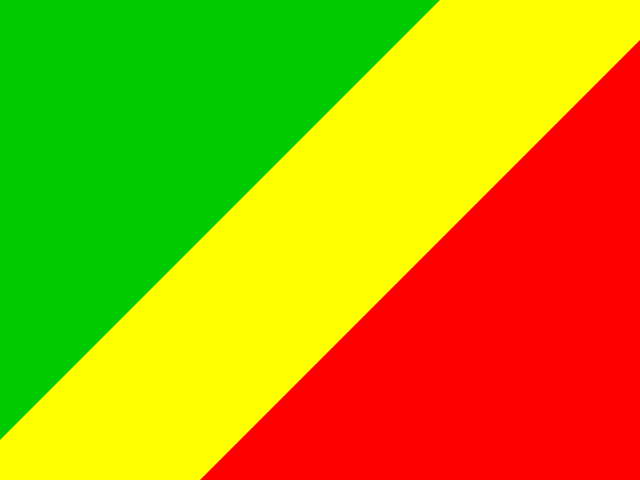 the Republic of the Congo
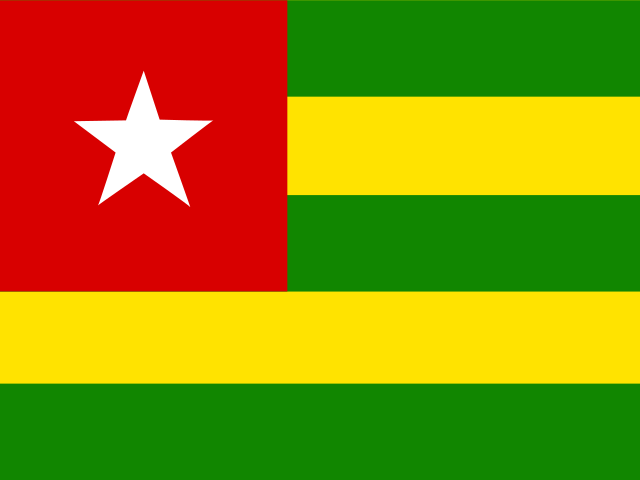 Togo
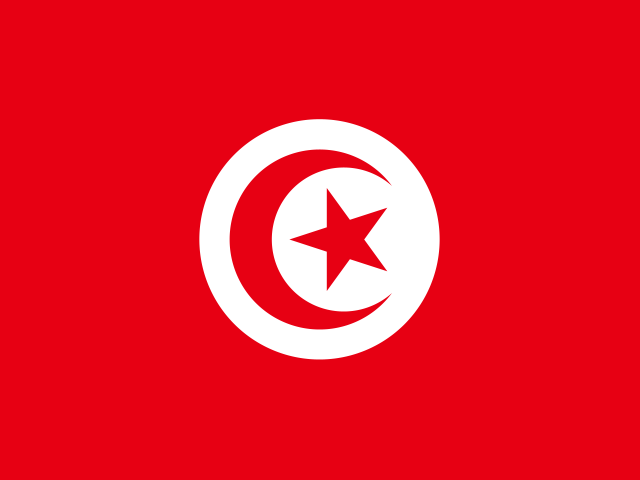 Tunisia
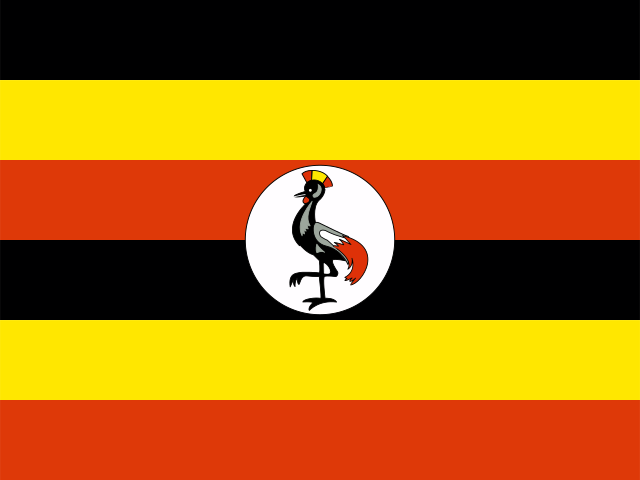 Uganda
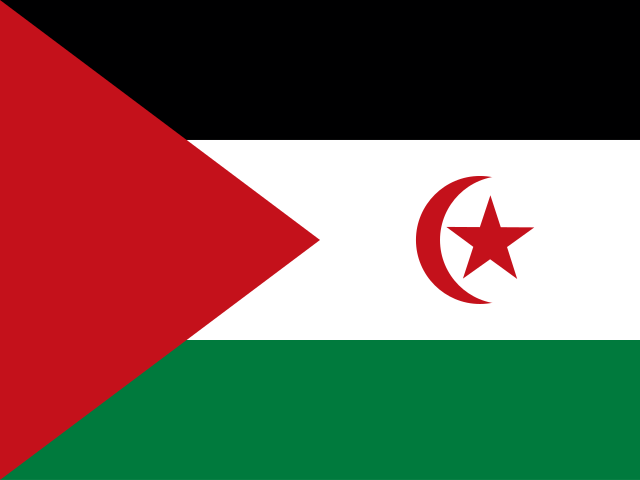 Western Sahara
 Zambia
 Zimbabwe
The linked countries already have a guide. The others are added little by little, each one once its guide is complete.
Flavors of the countries
Pick a country to see its traditional dishes, sweets and drinks.
Africa
Entry rules vary by country and depend on your nationality. Some countries admit tourists without a visa; many require a visa, which can be obtained beforehand online (e-visa), at a consulate, or, in some cases, on arrival. For an itinerary that includes several countries, check the rule for each one.
Many African countries require the International Certificate of Vaccination for yellow fever: some require it of all travelers and others of those arriving from countries with a risk of transmission. Get the vaccine at least 10 days before travel.
Before you go, consult a travel medicine clinic. It will recommend other vaccines and precautions for each destination, such as malaria prevention in some regions.
Entry requirements change over time: before buying your ticket, check the rules on each country’s official website.
Africa
Africa straddles the Equator, and the best time to visit depends on the region. In the north, such as Morocco and Egypt, summers are very hot, and spring and autumn are usually the most pleasant seasons.
For safaris in eastern and southern Africa, the dry season—often from June to October across much of the region—makes wildlife easier to spot as animals gather near water. In South Africa, in the Southern Hemisphere, summer runs from December to February.
In East Africa, the great migration of wildebeest and zebras between Tanzania and Kenya takes place throughout the year, and each stage has its own timing and location. Check before you book the trip.
Africa
The continent is vast, and flying is the most practical way to travel between countries, often with connections through major hubs such as Johannesburg, Addis Ababa, Nairobi, or Casablanca.
Safaris are often arranged as organized tours that include transportation, a guide, and park accommodation. In some countries, such as South Africa and Namibia, it is also common to rent a car and self-drive.
To drive, you often need the International Driving Permit together with your driver’s license. In several southern and eastern countries, such as South Africa, Kenya, and Tanzania, people drive on the left.
Africa
Each country has its own currency. In several places, the US dollar and the euro are accepted or easily exchanged. Credit cards work in large cities, hotels, and lodges; for smaller places, carry cash.
Time zones range from UTC−1 in Cape Verde to UTC+3 in Kenya, Tanzania, and Madagascar. Morocco is UTC+1; Egypt and South Africa are UTC+2.
Besides local languages, English, French, Arabic, and Portuguese are widely spoken.
Voltage and plug types vary by country: bring a universal adapter.
Frequently asked questions
It depends on the country and your nationality. Some countries admit tourists without a visa; many require a visa, which can be obtained online (e-visa), at a consulate, or, in some cases, on arrival. Rules change over time: check the official site of each country.
In many countries, yes. The International Certificate of Vaccination is required by several African countries: some require it of all travelers and others of those arriving from countries with a risk of transmission. Get the vaccine at least 10 days before travel.
Across much of eastern and southern Africa, the dry season—typically June to October—is the preferred period: vegetation is lower and animals concentrate near water. Each park has its best time: check before you book.
Portuguese is an official language in Angola, Mozambique, Cape Verde, Guinea-Bissau, São Tomé and Príncipe, and Equatorial Guinea.