Ambunti · Papua New Guinea · Lakes and villages
Chambri Lakes
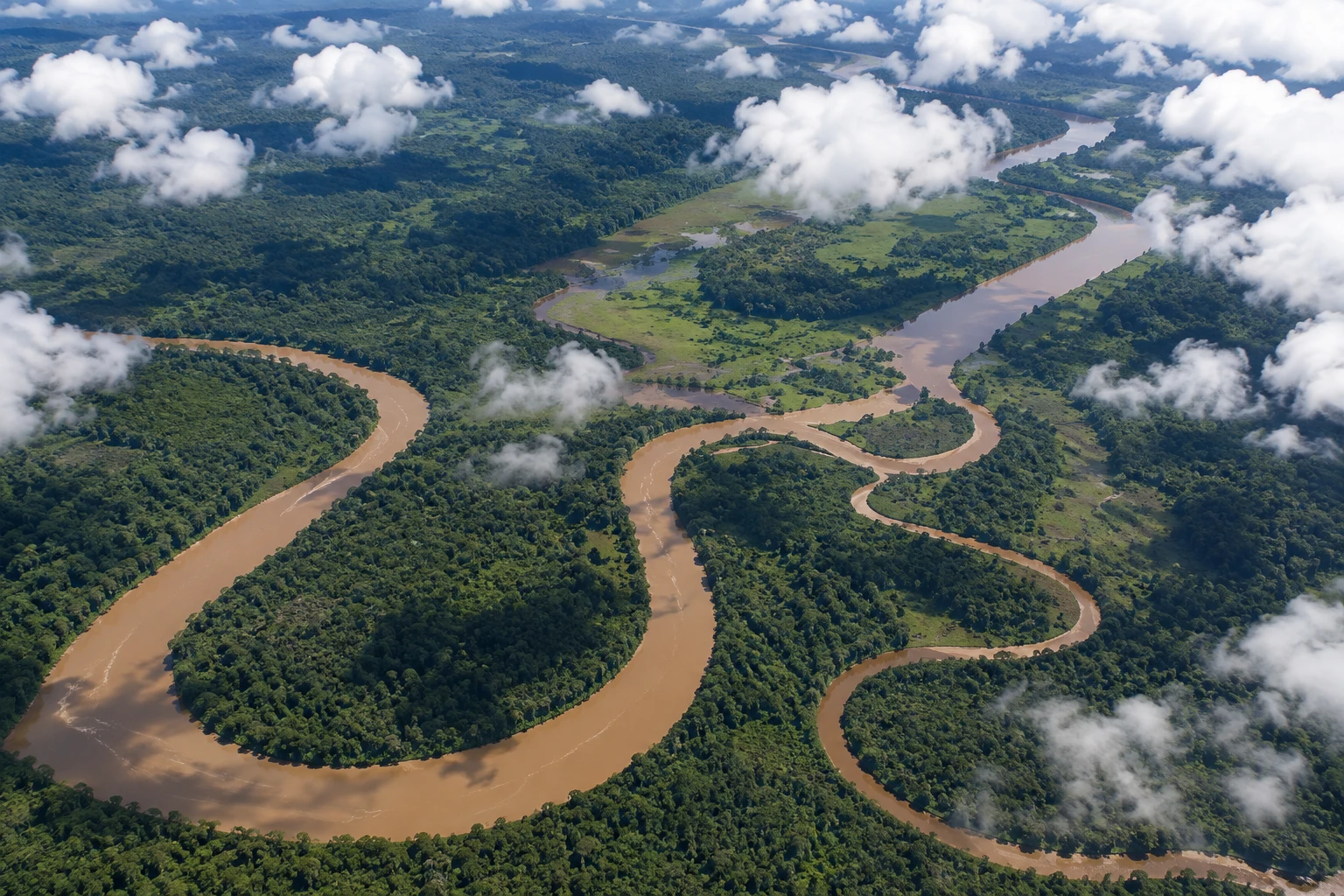
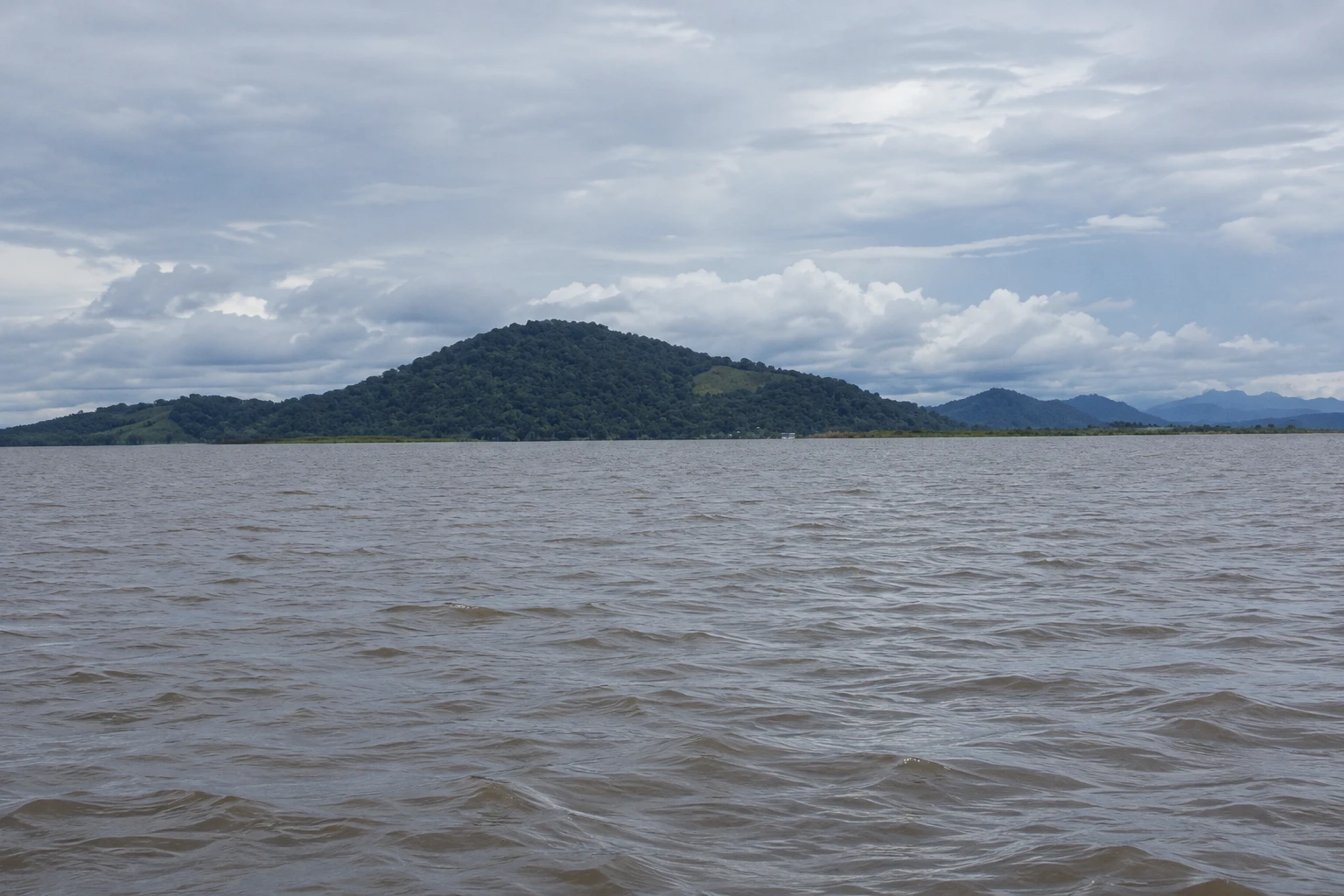
A complex of lakes, swamps and shallow channels on the mid-Sepik, flooded by the river’s high water, with the Chambri villages known for their art.

 Search
 Brazil
 Antarctica
 Argentina
 Bolivia
 Chile
 Colombia
 Ecuador
 Falkland Islands (Malvinas)
 French Guiana
 Guyana
 Paraguay
 Peru
 Suriname
 Uruguay
 Venezuela
 Austria
 Belgium
 Croatia
 Denmark
 Finland
 France
 Germany
 Greece
 Hungary
 Iceland
 Ireland
 Italy
 Luxembourg
 Norway
 Poland
 Portugal
 Slovakia
 Slovenia
 Spain
 Sweden
 Switzerland
 the Czech Republic
 the Netherlands
 the United Kingdom
 Turkey
 Bermuda
 Canada
 Greenland
 Mexico
 Saint Pierre and Miquelon
 the United States
 the Dominican Republic
 JapanTurkey
 Egypt
 South Africa
 Australia
 Fiji
 New ZealandPapua New Guinea
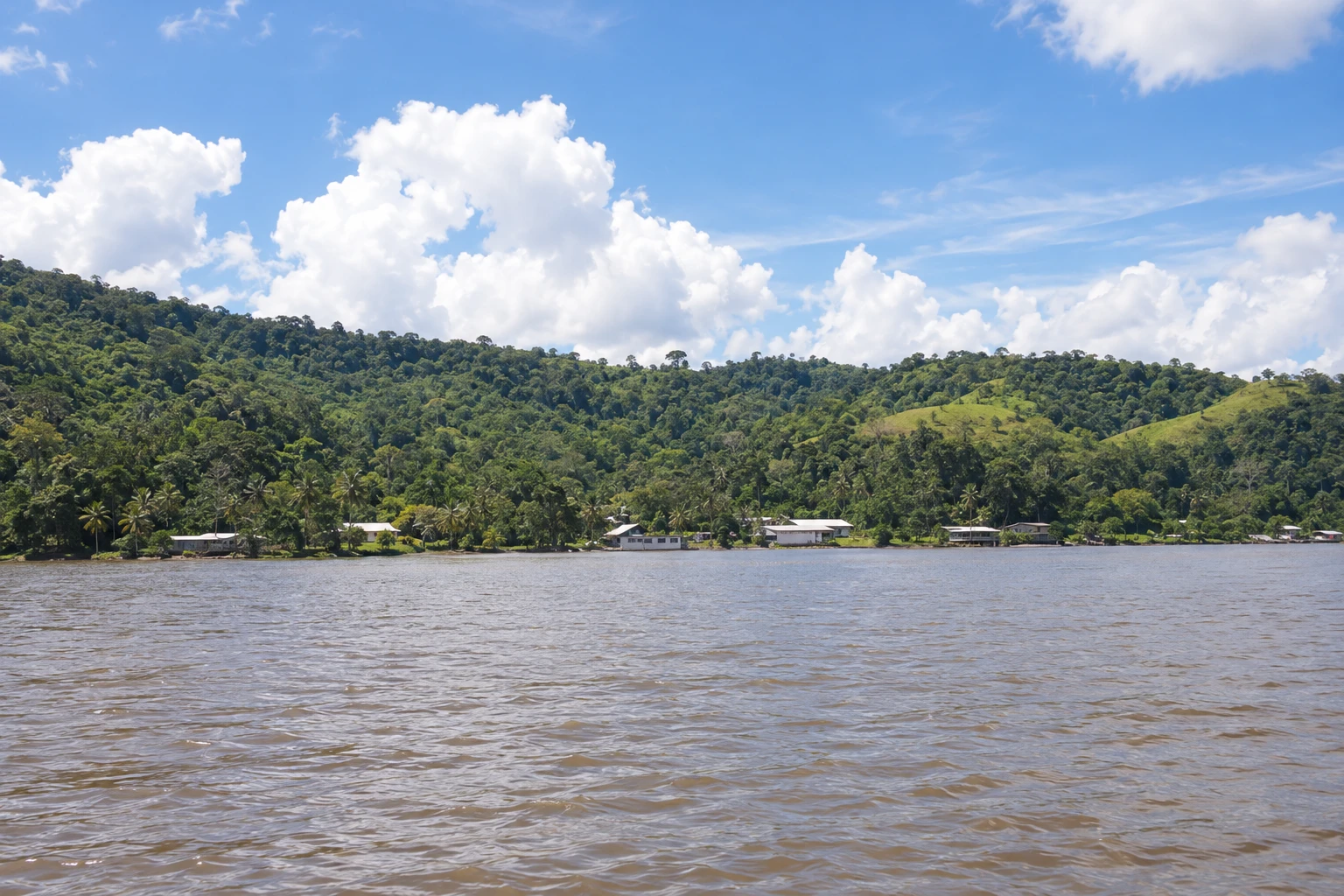
In the photo: Ambunti on the banks of the Sepik
Illustrative images. The pictures in this guide are illustrations based on the real place, not photographs, and may differ from it.

The city
Ambunti is a small settlement on the mid-Sepik and the main base for motorized canoe trips on the river. From here you visit riverside villages with spirit houses and wood carvings, and the Chambri lakes, which are flooded by the monsoon. The locality has a simple riverside guesthouse and hosts the Crocodile Festival, created as part of river conservation programs.
There's no accommodation in the guide yet in Ambunti.
Do you run a hotel, guesthouse or vacation rental here? List itThere are no restaurants in the guide yet in Ambunti.
Know a good one? Recommend it to usThe city's hotels and restaurants on the map.
how to get there · how many days · itinerary · questions
The local experience
A complex of lakes, swamps and shallow channels on the mid-Sepik, flooded by the river’s high water, with the Chambri villages known for their art.
The largest river in New Guinea, about 1,126 km long, running in large bends through flooded plains and forests, with riverside villages reached by canoe from Ambunti.
Before you go
Ambunti – Papua New Guinea Destination Sepik River about 150 km from Wewak
Approximate distances. Check flights and bus, train or boat schedules before you travel.
By light aircraft to Ambunti airstrip, depending on the route, or by road from Wewak to Pagwi and from there by motorized canoe on the river with a guide.
Three to four days for the mid-Sepik villages and the Chambri lakes, with overnight stays in Ambunti and village guest rooms.
Heat and humidity last all year. In the driest months the river falls and some channels become shallow; from September to March the Chambri lakes fill. Confirm the Crocodile Festival dates with local guides.
The seasons shown are the most usual ones; nature doesn't always follow the calendar.
No. On the Sepik transport is by motorized canoe, with local guides.
Suggested itinerary
Built with the places on this page. No rush: it's paced so you have time to see them.
Go upriver by canoe to Sepik villages such as Waskuk, Yambon and Yessan to see spirit houses and carvings, with the community’s permission.
Travel downriver in the afternoon, watching the riverside birds and village life, back to Ambunti.
Enjoy the late afternoon by the river in Ambunti, when the canoes return to the villages.
Have dinner at the riverside guesthouse and confirm the trip to the Chambri lakes with your guide.
Day 2
Descend the Sepik by canoe to the Chambri lakes, visit the Chambri villages known for their art, and overnight in a village guest room.
Check before you go. Opening hours and days change, and places may close for renovations, holidays or events. This itinerary is a suggestion from Cidade Turismo, not a commitment: plan yours by checking directly with each place you intend to visit.
Before you go
Yes. It has a simple riverside guesthouse used as a base for mid-Sepik trips. In the villages the guest rooms are very basic and come with mosquito nets.
By light aircraft to Ambunti airstrip, depending on the routing, or by road from Wewak to Pagwi and from there by motorized canoe on the river.
It is a festival of the river peoples featuring dances, canoe races and ceremonies, created as part of Sepik conservation programs. Dates vary; confirm with local guides.
Three to four days for the villages upriver from Ambunti and the Chambri lakes, with overnight stays in Ambunti and the villages.