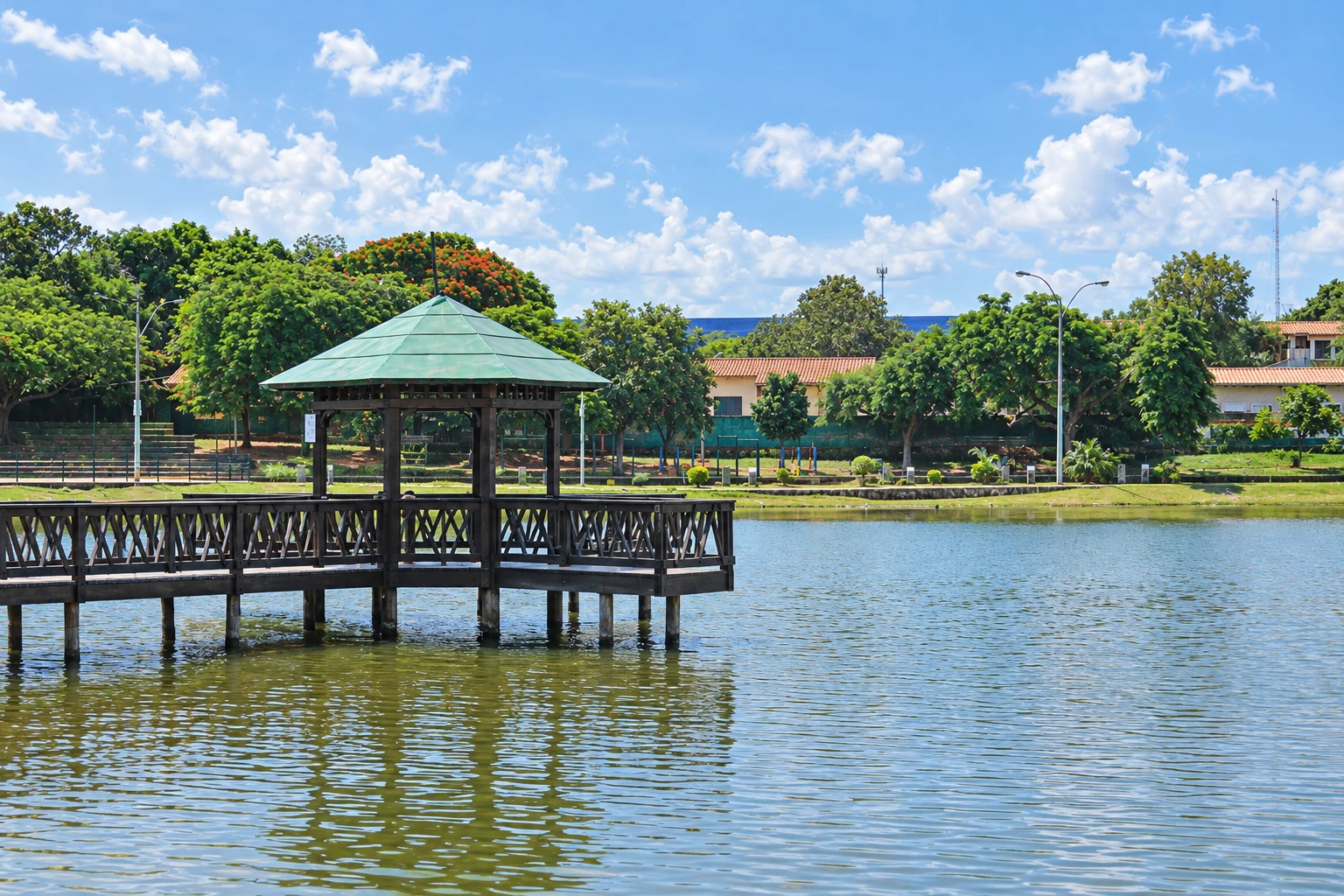
Asunción and Lake Ypacaraí
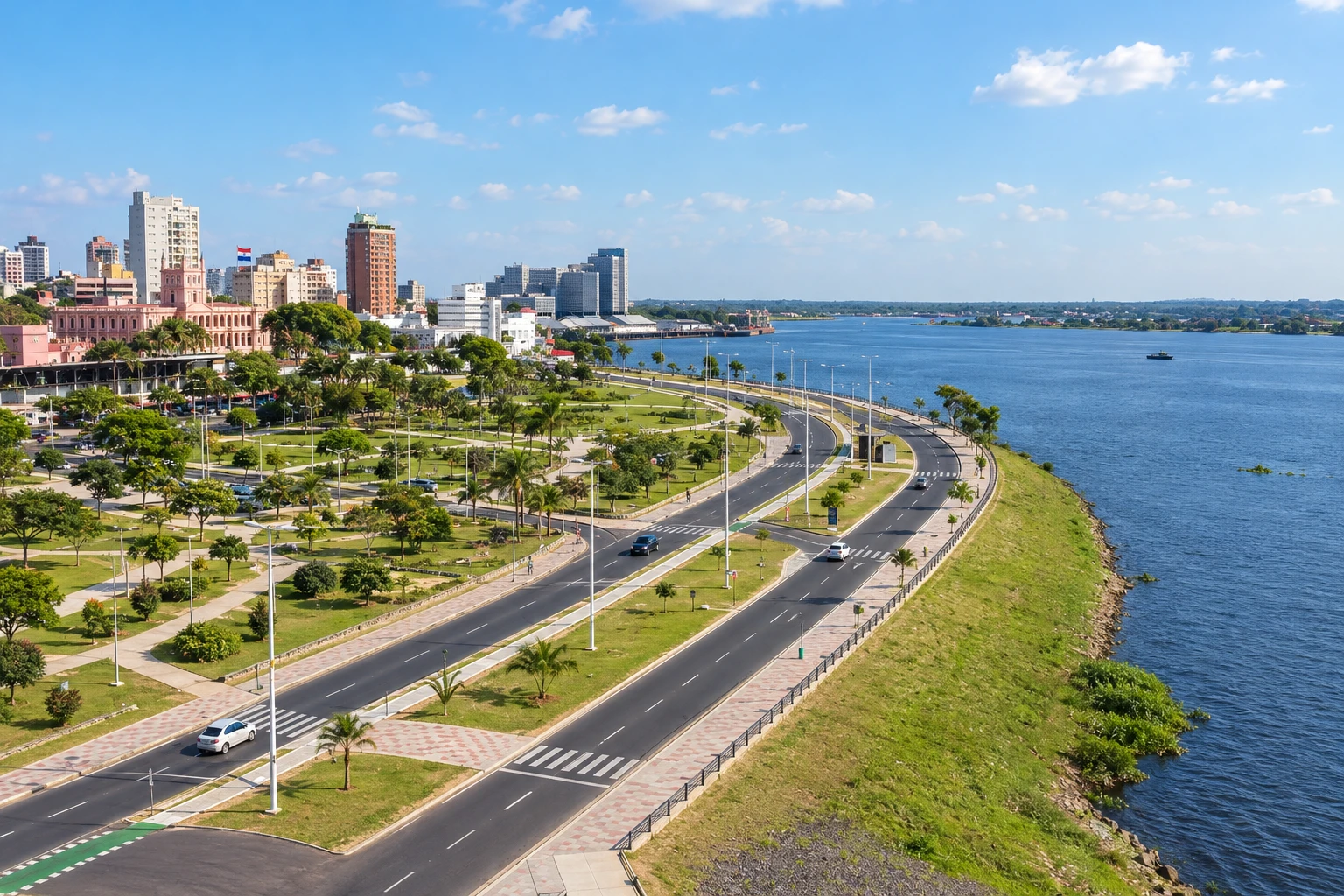
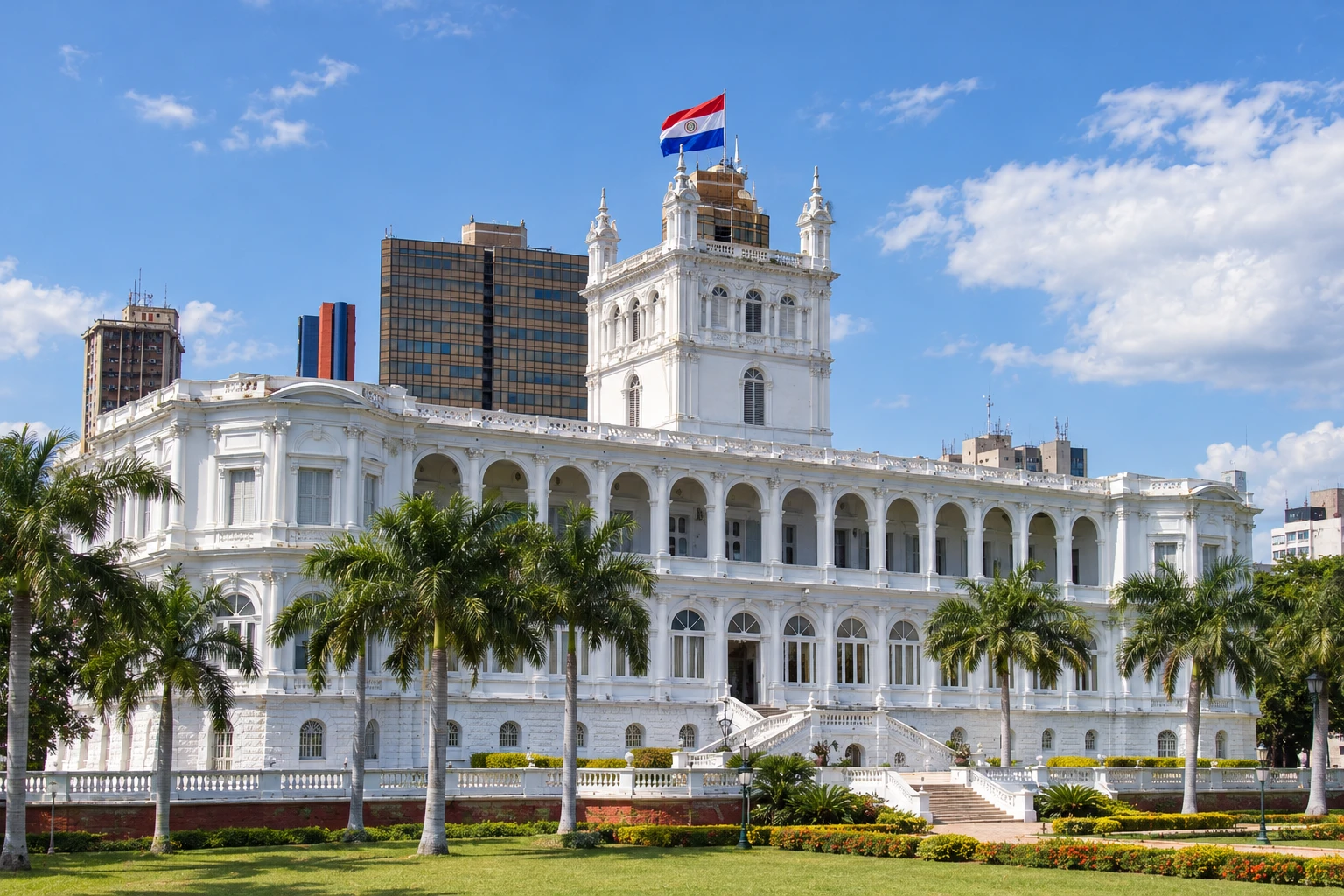
The capital of Paraguay on the bay of the Paraguay River, with the Palacio de López, the Panteón and the historic center, and, less than an hour away, the towns of Areguá and San Bernardino on the shore of Lago Ypacaraí.
Antarctica
Paraguay travel guide
What to do, when to go and how to get there, destination by destination.
4 destinations · 8 citiesin Paraguay
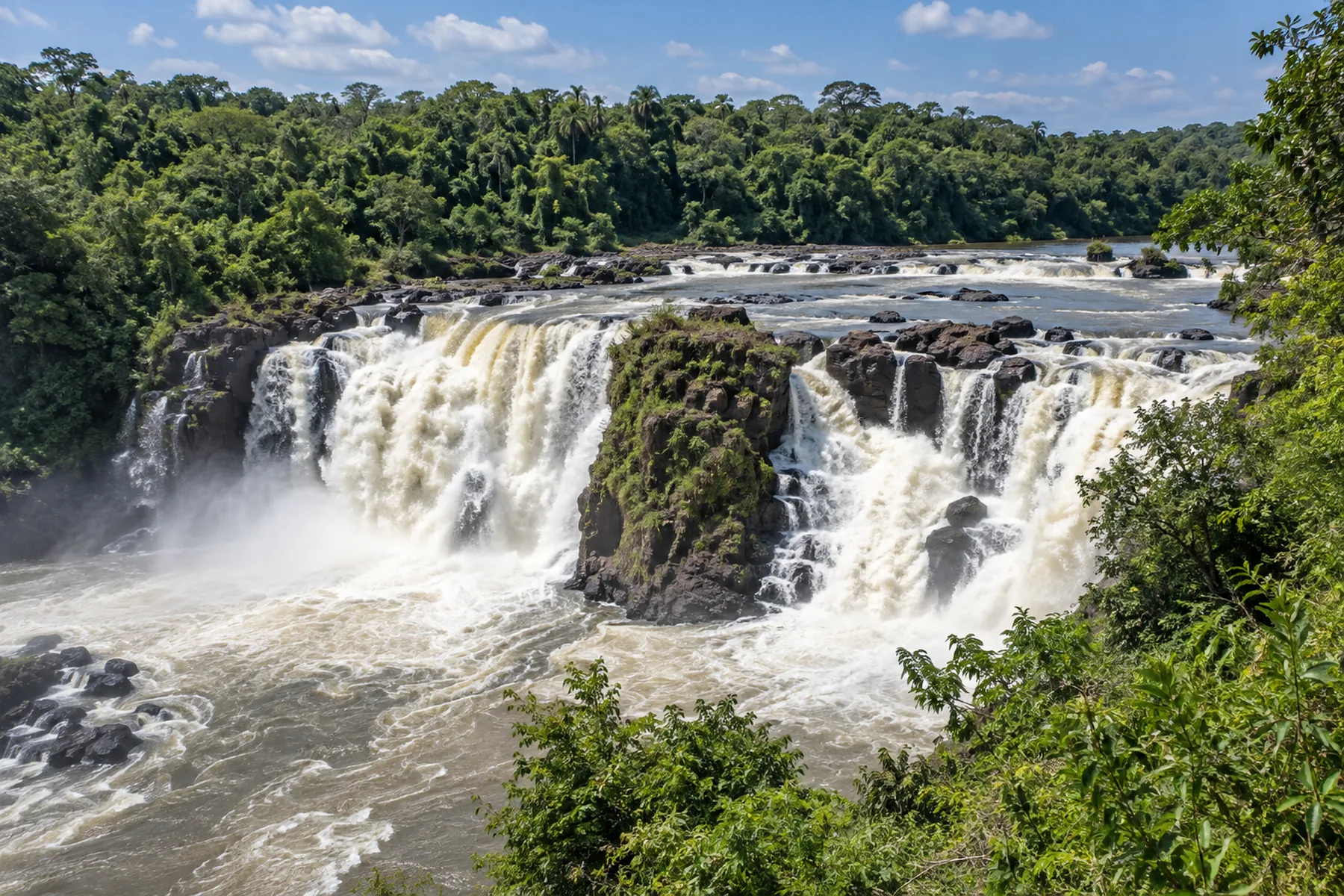
In the photo: Saltos del Monday — Presidente Franco
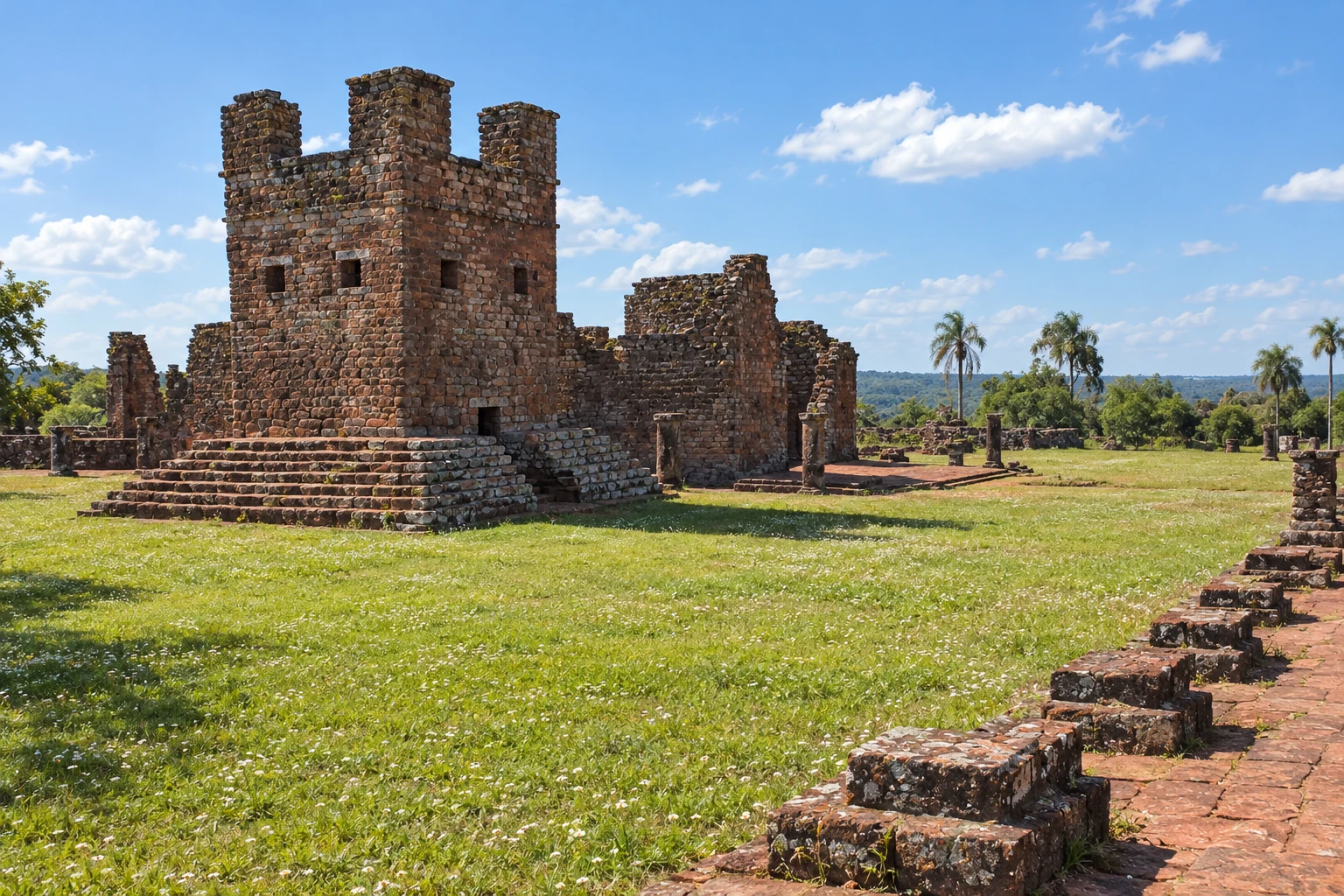
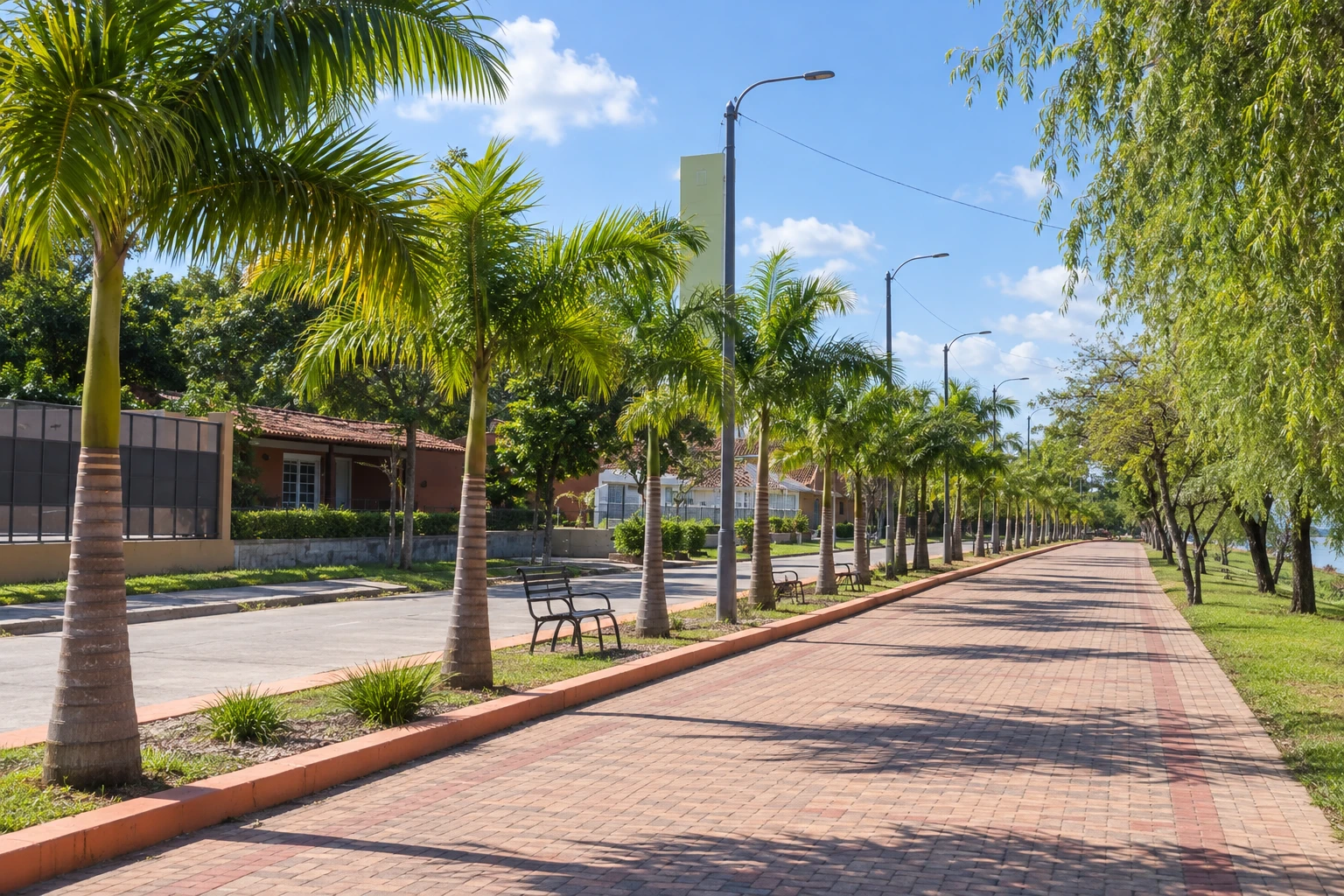
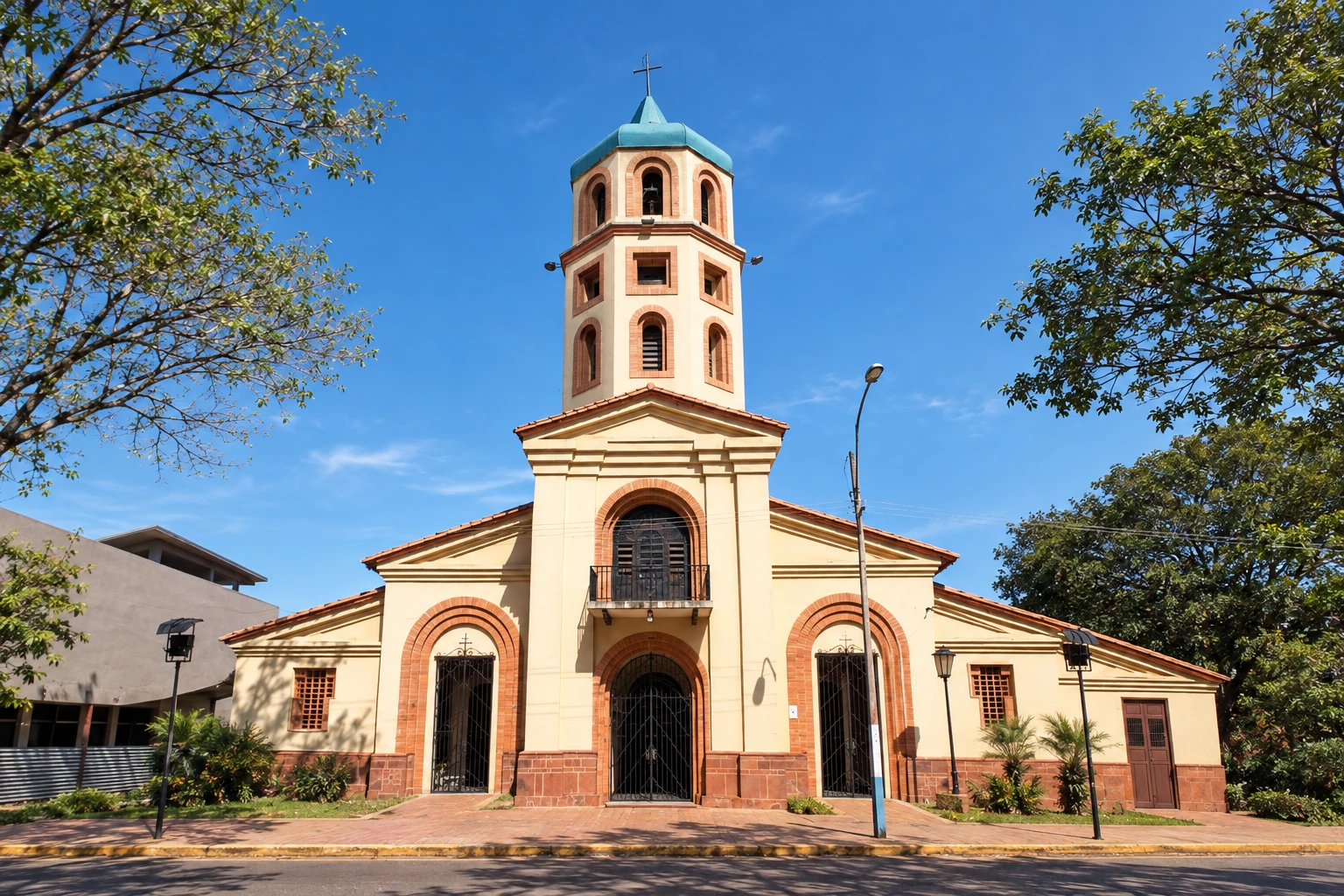
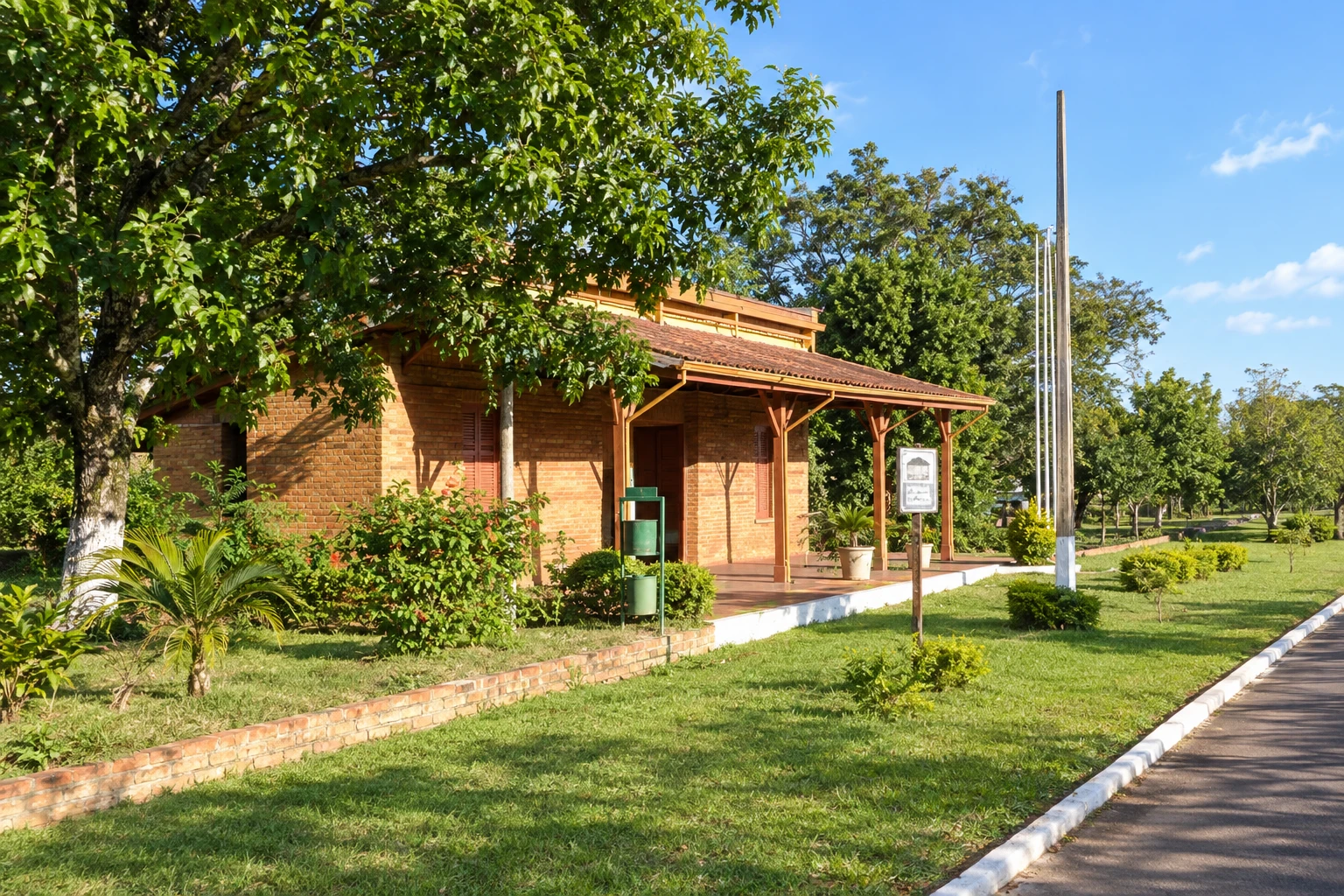
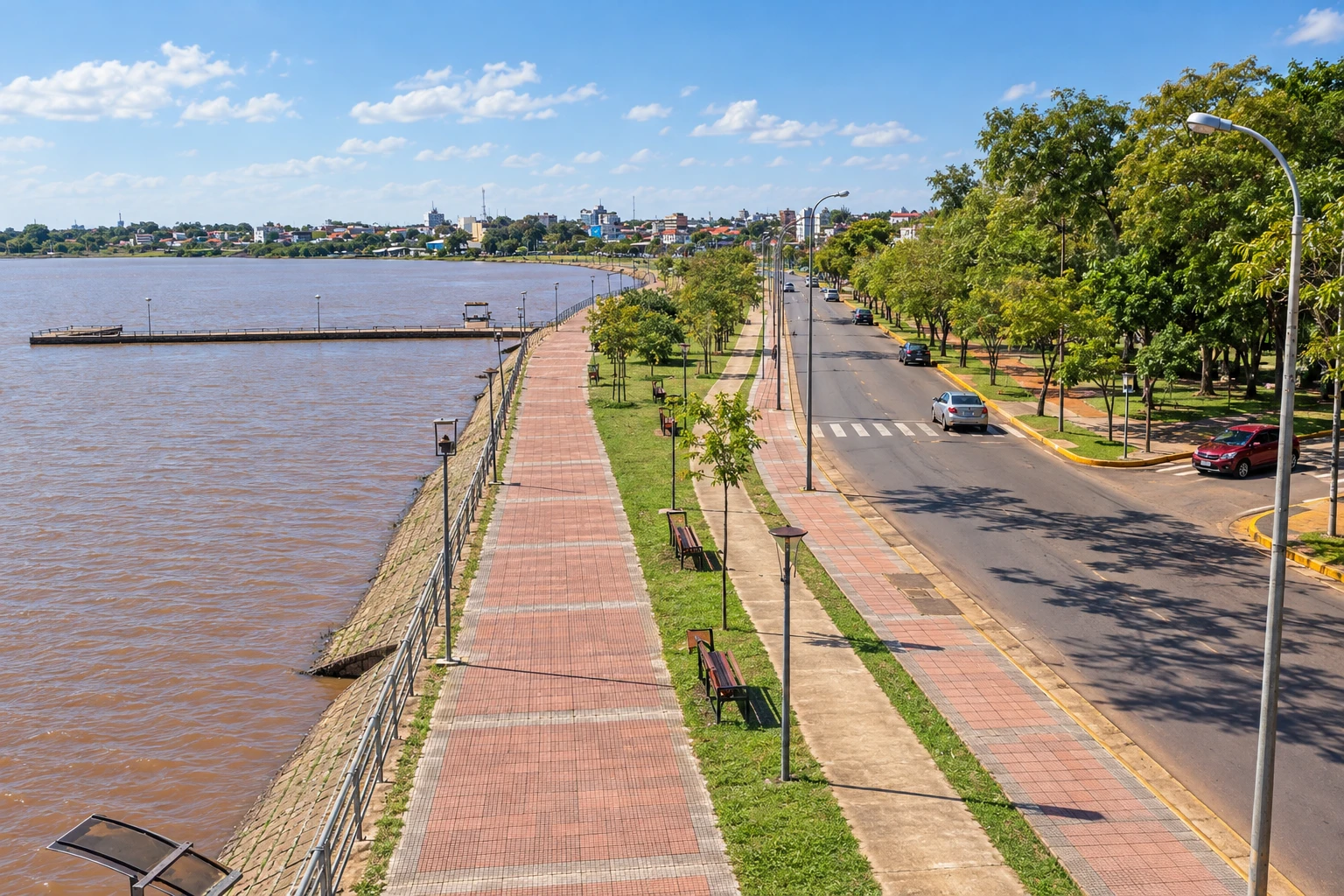
Illustrative images. The pictures in this guide are illustrations based on the real place, not photographs, and may differ from it.
A destination is a region you visit as a single trip: it can bring together several cities or be a large city with everything it offers. Each destination has the tours, the itineraries, the best time to go month by month and how to get there.
The guide currently has 4 destinations, with 8 cities in 6 departments.
Today's highlights
A destination is more than a city: it's everything you can experience there.
The capital of Paraguay on the bay of the Paraguay River, with the Palacio de López, the Panteón and the historic center, and, less than an hour away, the towns of Areguá and San Bernardino on the shore of Lago Ypacaraí.
The capital of the Misiones department, birthplace of guitarist Agustín Barrios Mangoré, near the Jesuit museums of San Ignacio Guazú and Santa María de Fe.
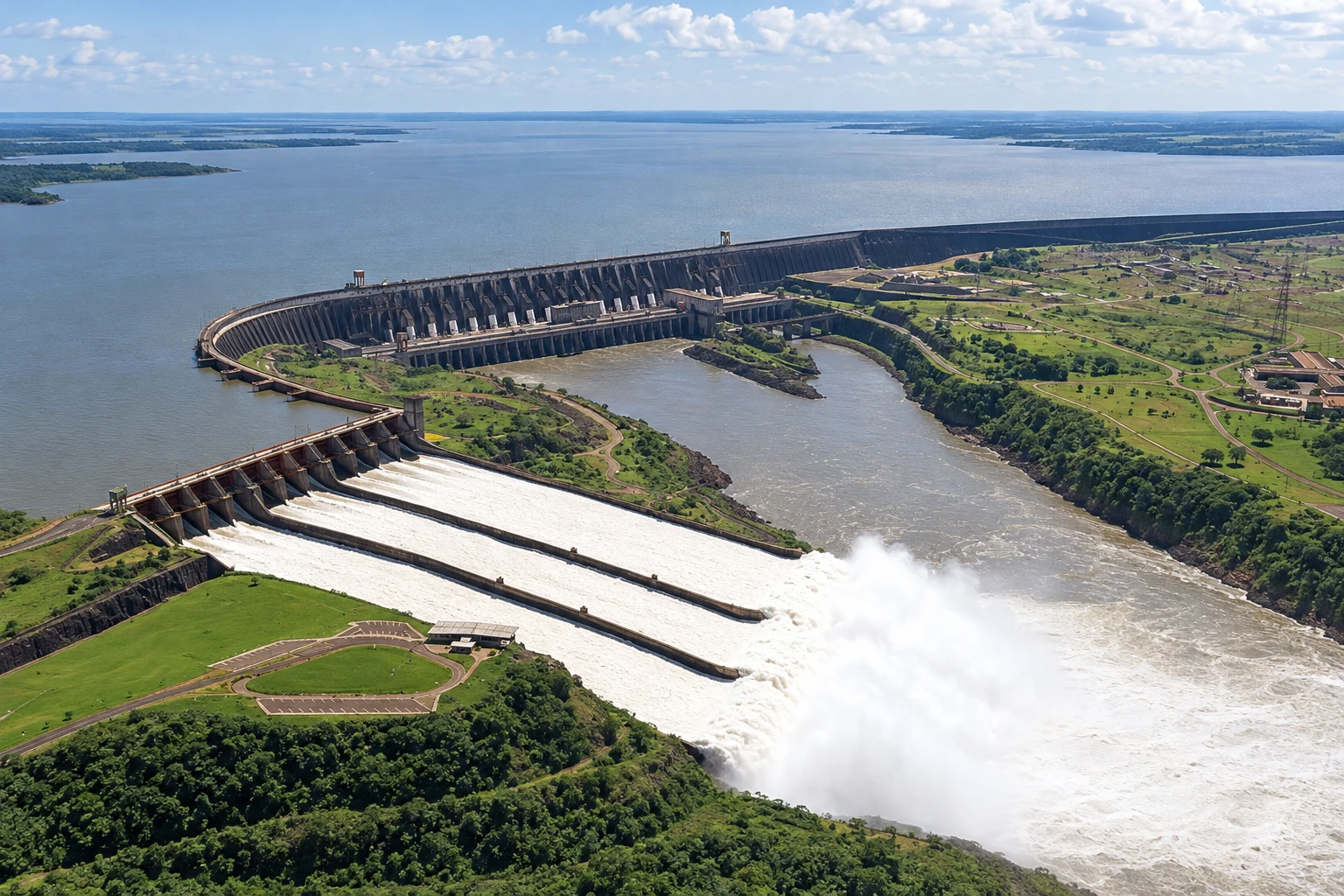
The commercial city on the border with Foz do Iguaçu, the Itaipu power plant seen from the Paraguayan side, the Saltos del Monday and the Atlantic Forest reserves of Alto Paraná.
The city of the Paraná River beaches, opposite Posadas, and the Jesuit ruins of Trinidad and Jesús de Tavarangüé, a UNESCO World Heritage Site, less than an hour's drive away.
Cities to start with
Each city has a page with what to do there.

San Bernardino sits on the eastern shore of Lago Ypacaraí, about 50 km from Asunción. It was founded in 1881 by German and Swiss immigrants, and the summer houses, clubs and lakeside make it the holiday spot for families from the capital. From December to February the town fills up, with activity on the Costanera by day and bars at night; the rest of the year it is a quiet village with tree-lined streets.

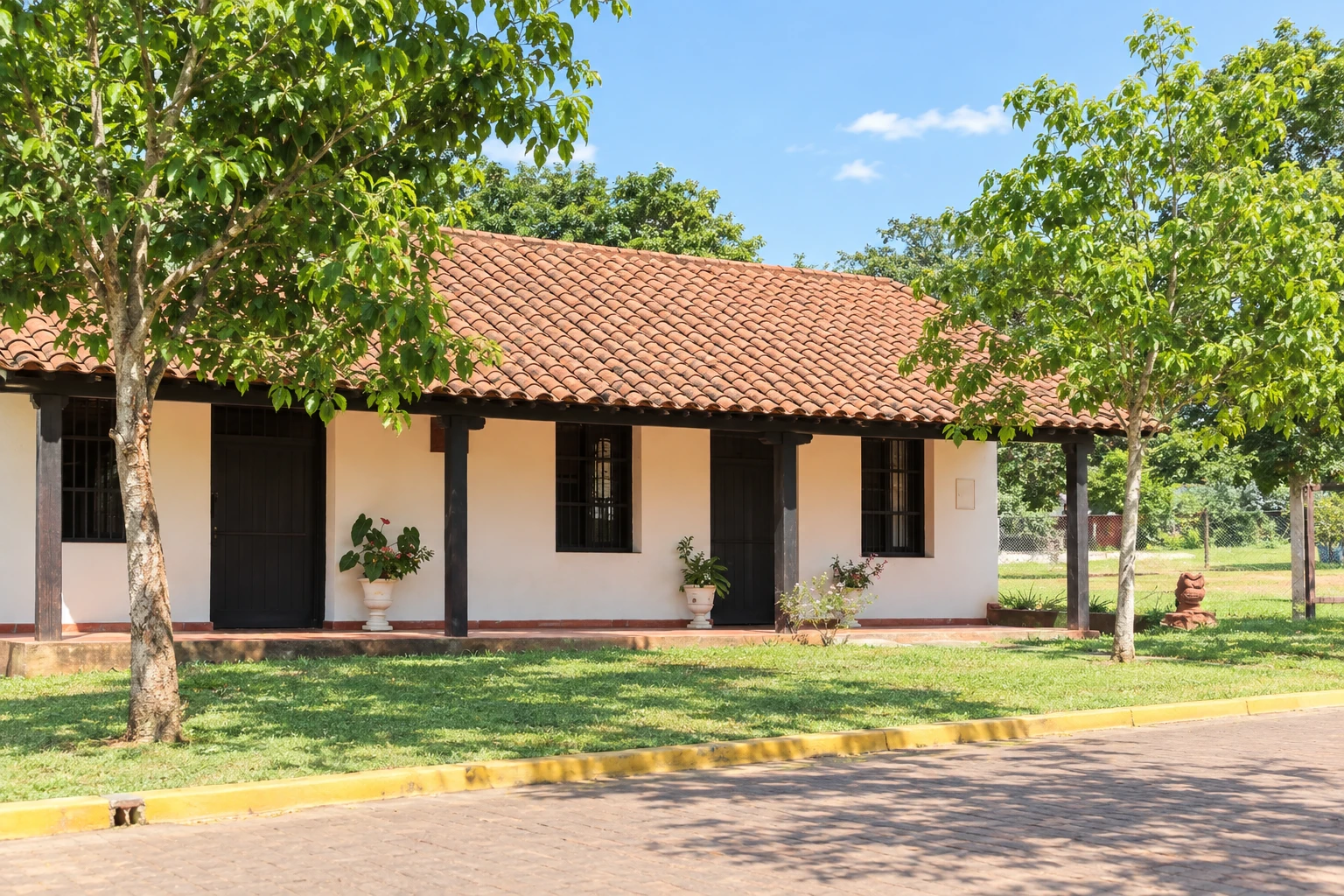
Capital of the Misiones department, on the PY01, 196 km from Asunción. It is the birthplace of guitarist Agustín Pío Barrios, Mangoré, and the house where he spent his childhood preserves family and period objects. In the center, the cathedral faces Plaza Mariscal Estigarribia, surrounded by old houses with galleries. It is the town of the batiburrillo and the base for visiting the Jesuit museums of San Ignacio Guazú and Santa María de Fe.

Assunção, capital of Paraguay, was founded in 1537 on a bend of the Paraguay River and preserves on top of the bluff the historic center, with the Palacio de López, the Cathedral, the Cabildo, the Panteón Nacional de los Héroes and the Casa de la Independencia. The Costanera avenue runs along the bay, the Loma San Jerónimo climbs the hill next to the center, and the Museo del Barro and Mercado 4 showcase the country's popular art and commerce.

City in the south of Itapúa, on the PY01, about 45 km from Encarnación. It is known in Paraguay as the chipa capital: chiperías line the urban stretch of the highway, and the town’s reputation began with the railway that linked Asunción to Encarnación. The old train station became a cultural space. About 20 km away is the Jesuit mission of San Cosme y Damián, with the church still in use and the Buenaventura Suárez astronomy center.

Encarnación, capital of Itapúa, lies on the bank of the Paraná River, opposite Posadas in Argentina. Founded in 1615 by the Jesuit Roque González de Santa Cruz, the Yacyretá dam gave it a long Costanera with sandy beaches that fill from December to February. It is the base for the Jesuit ruins of Trinidad and Jesús de Tavarangüé, a World Heritage Site, and hosts the Carnaval Encarnaceno between January and February.

City in the Central department, 37 km from Asunción, founded in 1539 and known as the city of the water jar and honey. The Franciscan temple of San Blas, from 1698, houses a colonial altarpiece, and the town’s lagoon has viewpoints and caimans. The pottery workshops keep the clay tradition alive. Itá is also the home of the torta de miel, made with cane molasses.
The map
Tap a region to see the names. Use two fingers to zoom in.
Outlines: Natural Earth (public domain). Adapted by Cidade Turismo.
Paraguay
Another way into the same trip
Choose the department and the city to find your place in the guide.
Beyond the guide