Alhambra, Granada

Calendar · Espanha

Festivals and events in Spain

Carnivals in February, Fallas in March, Holy Week processions and spring fairs, street festivals in summer: Spain’s festival year runs through big and small towns, each with its own calendar.

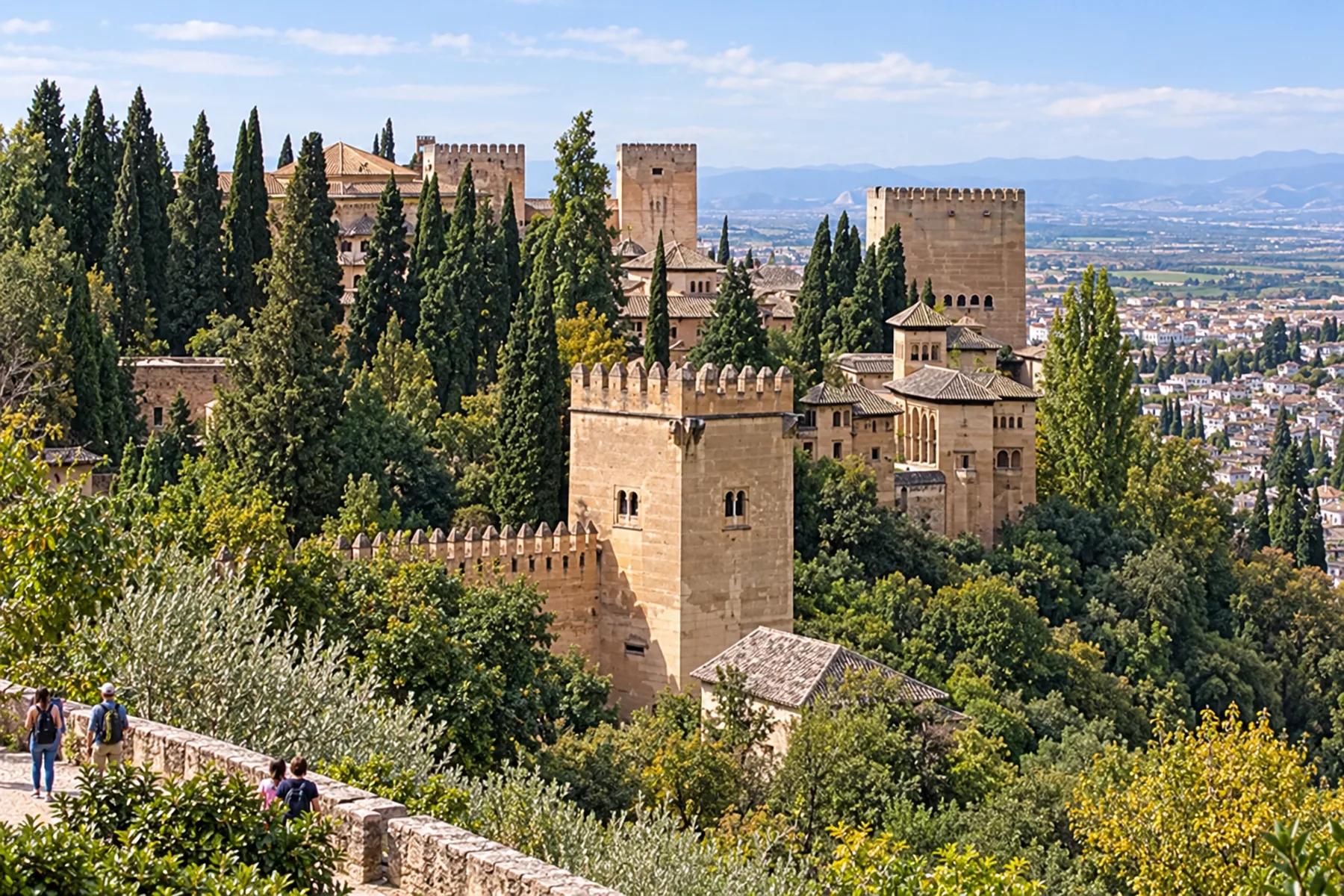
In the photo: Alhambra, Granada

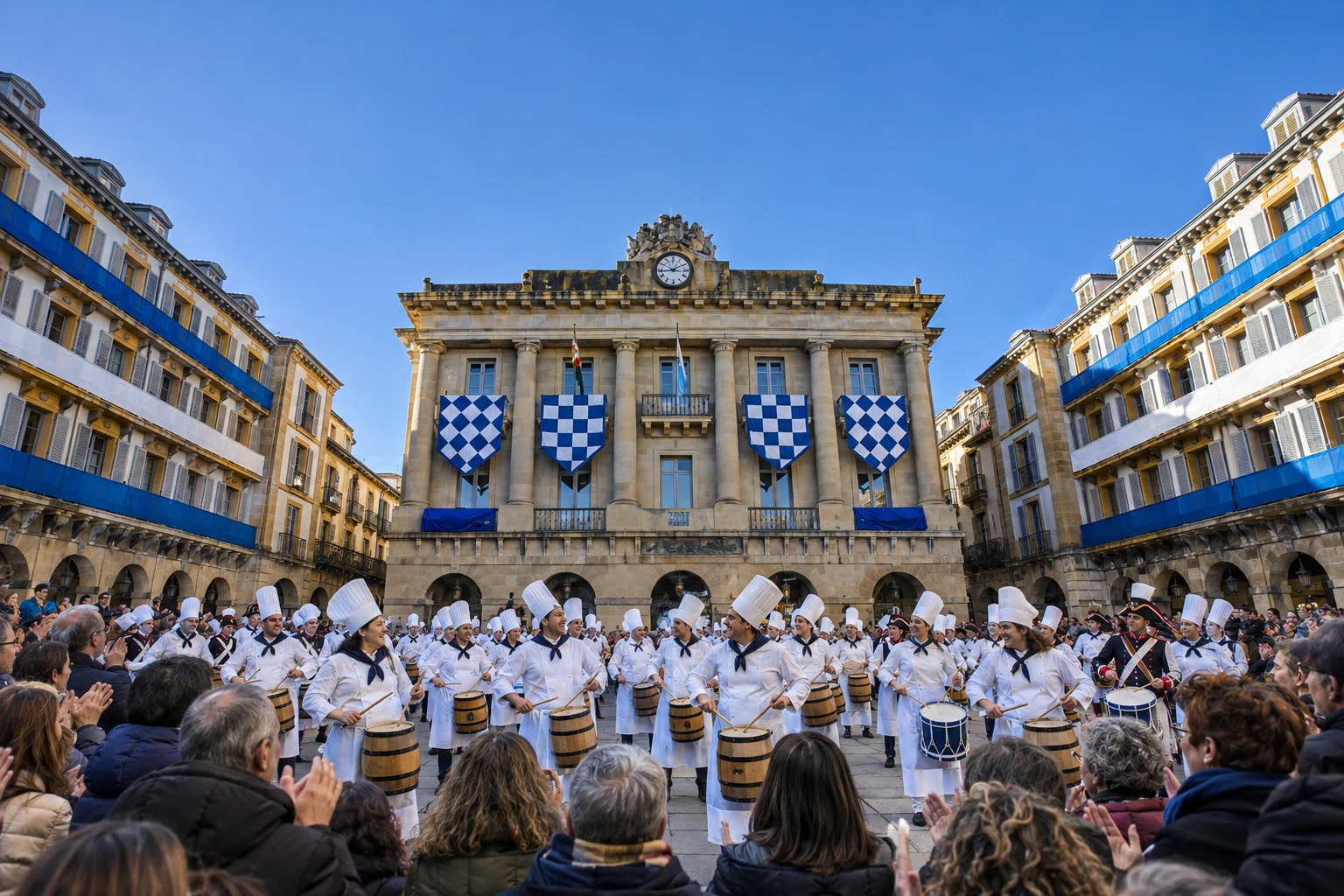
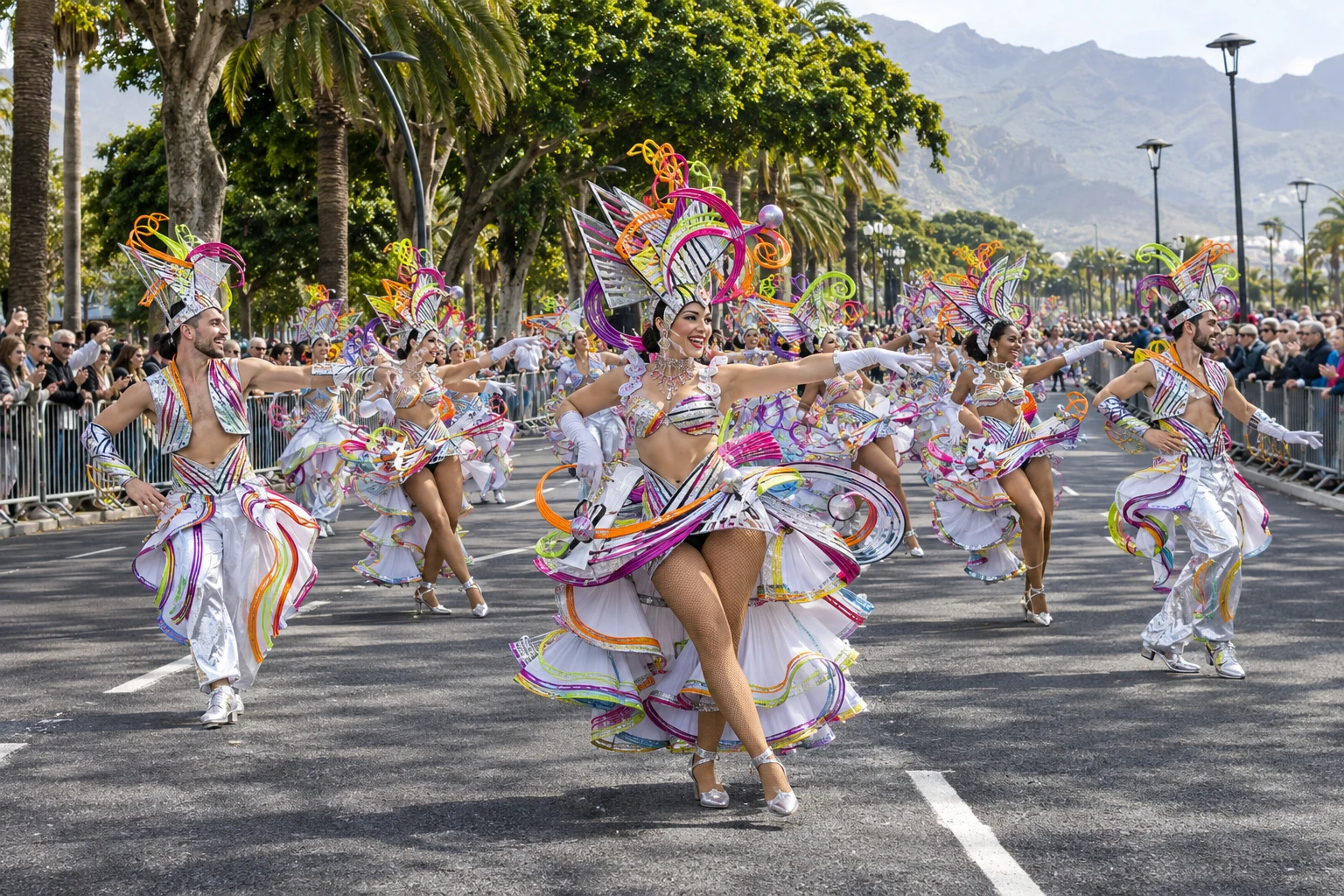
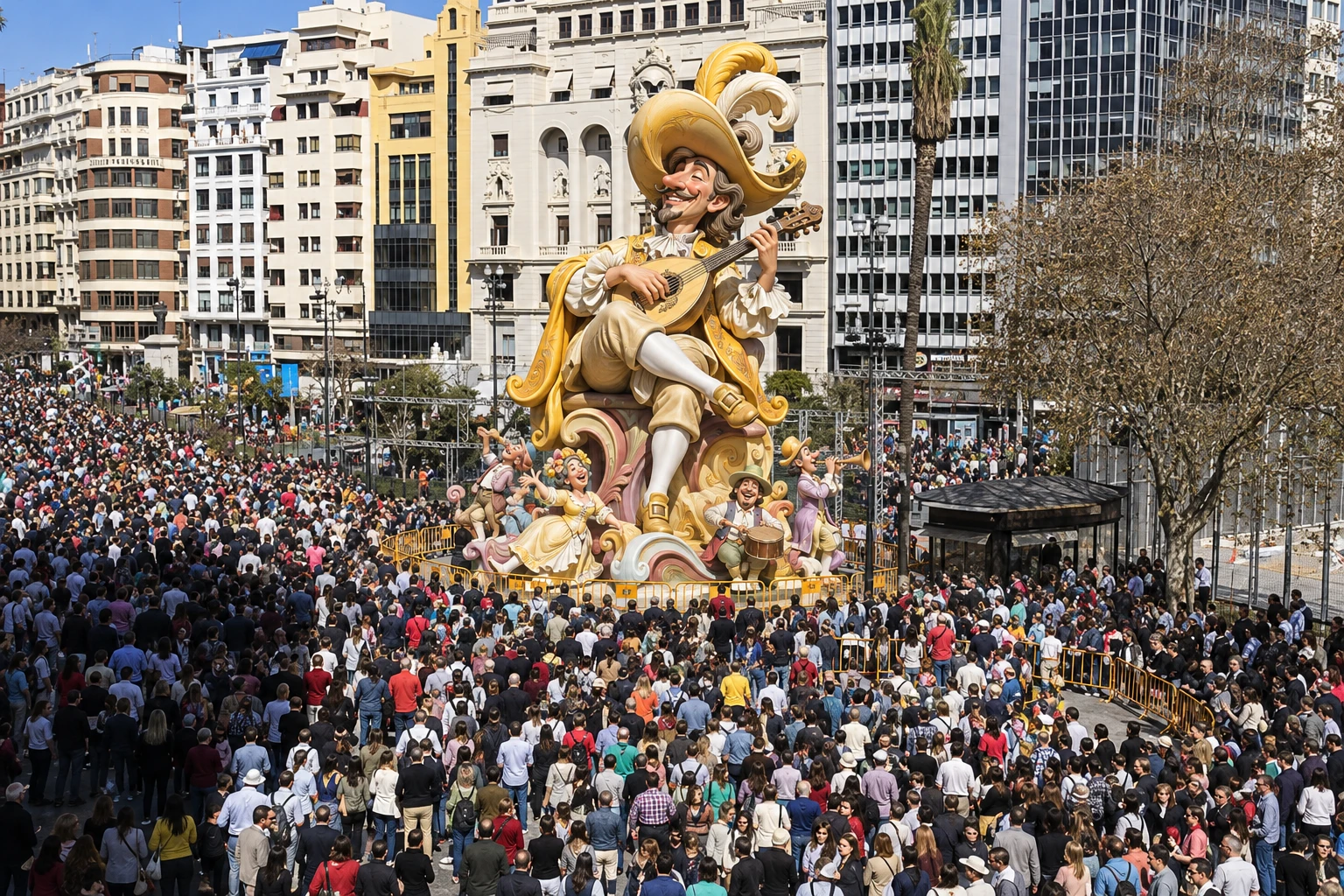
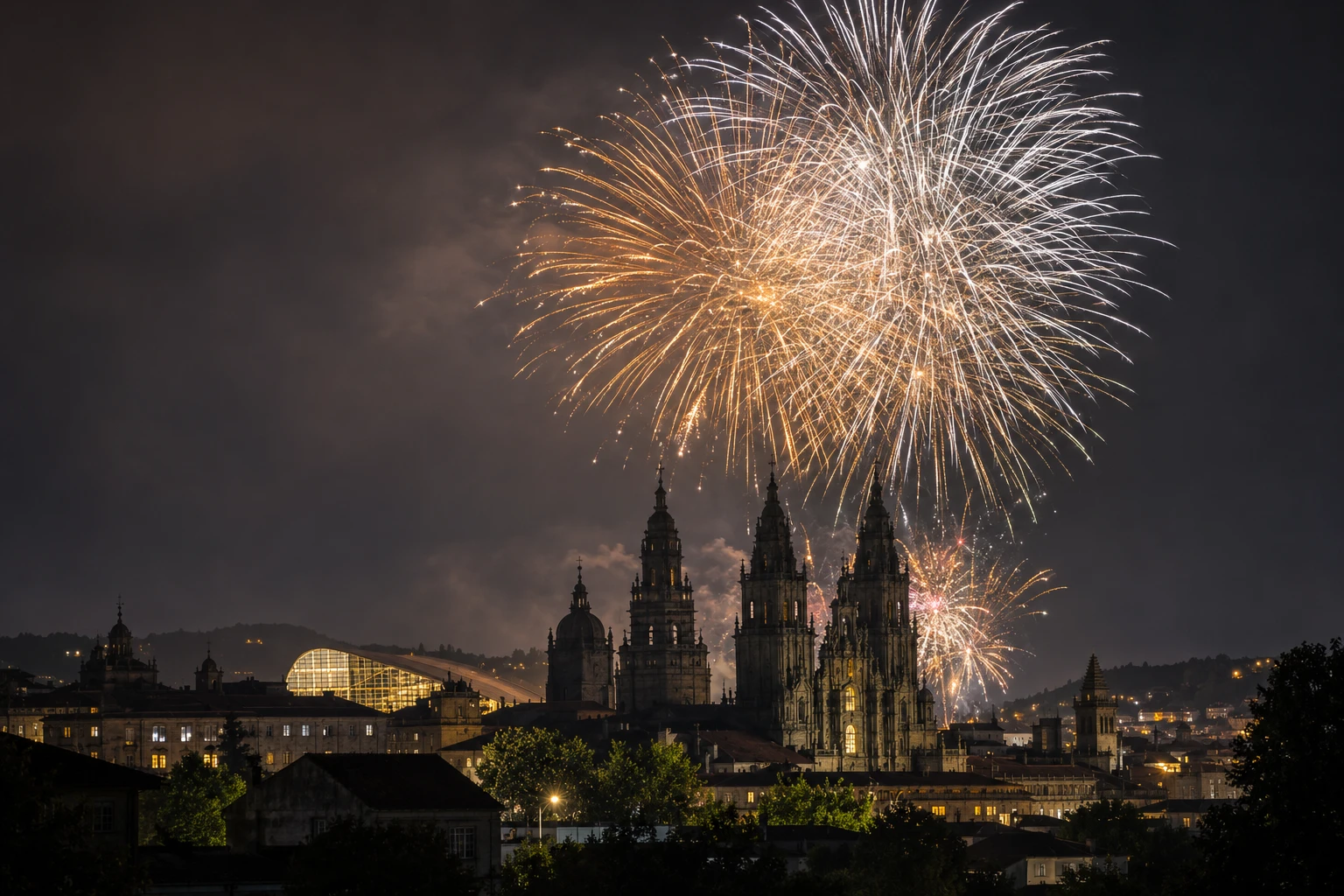
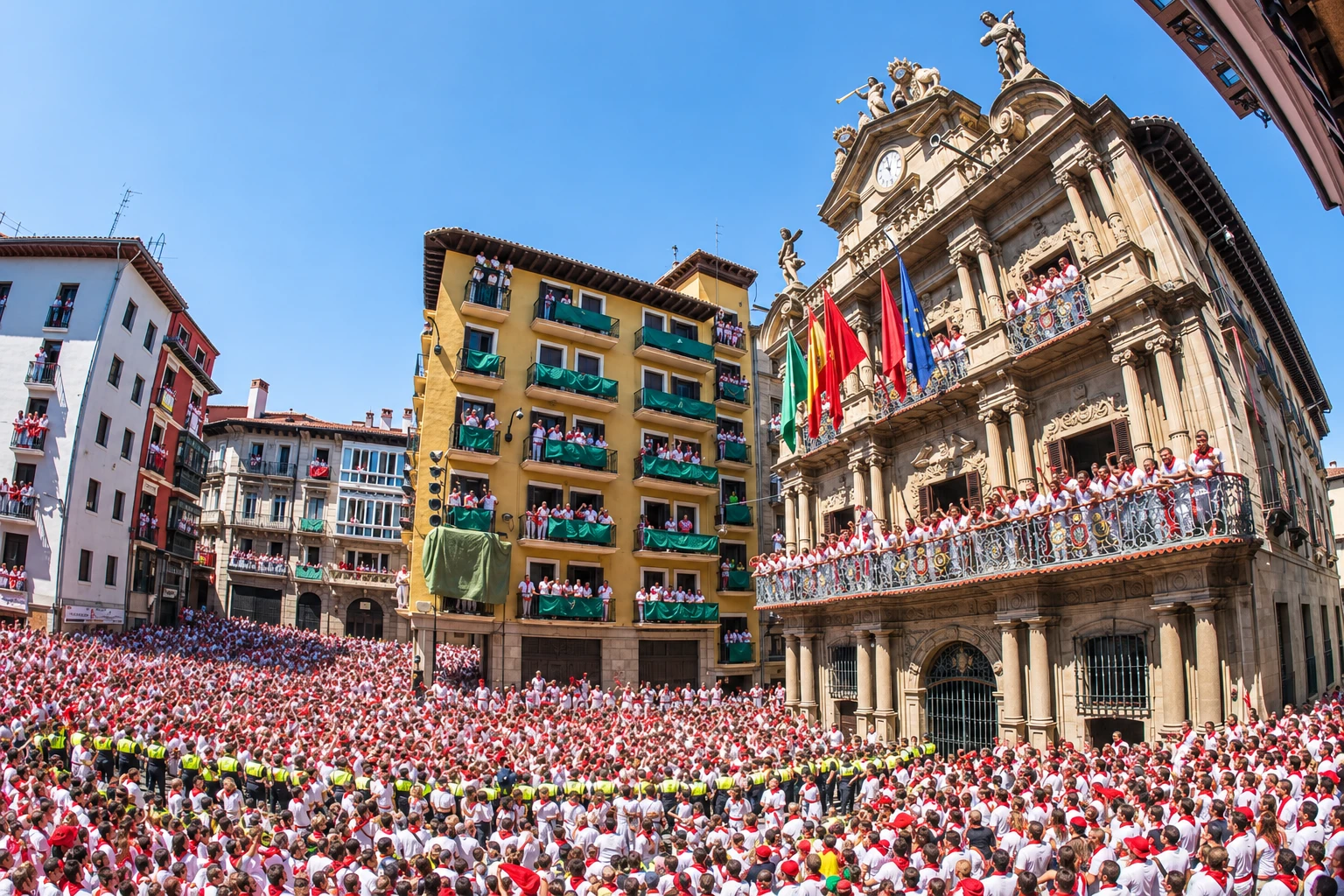
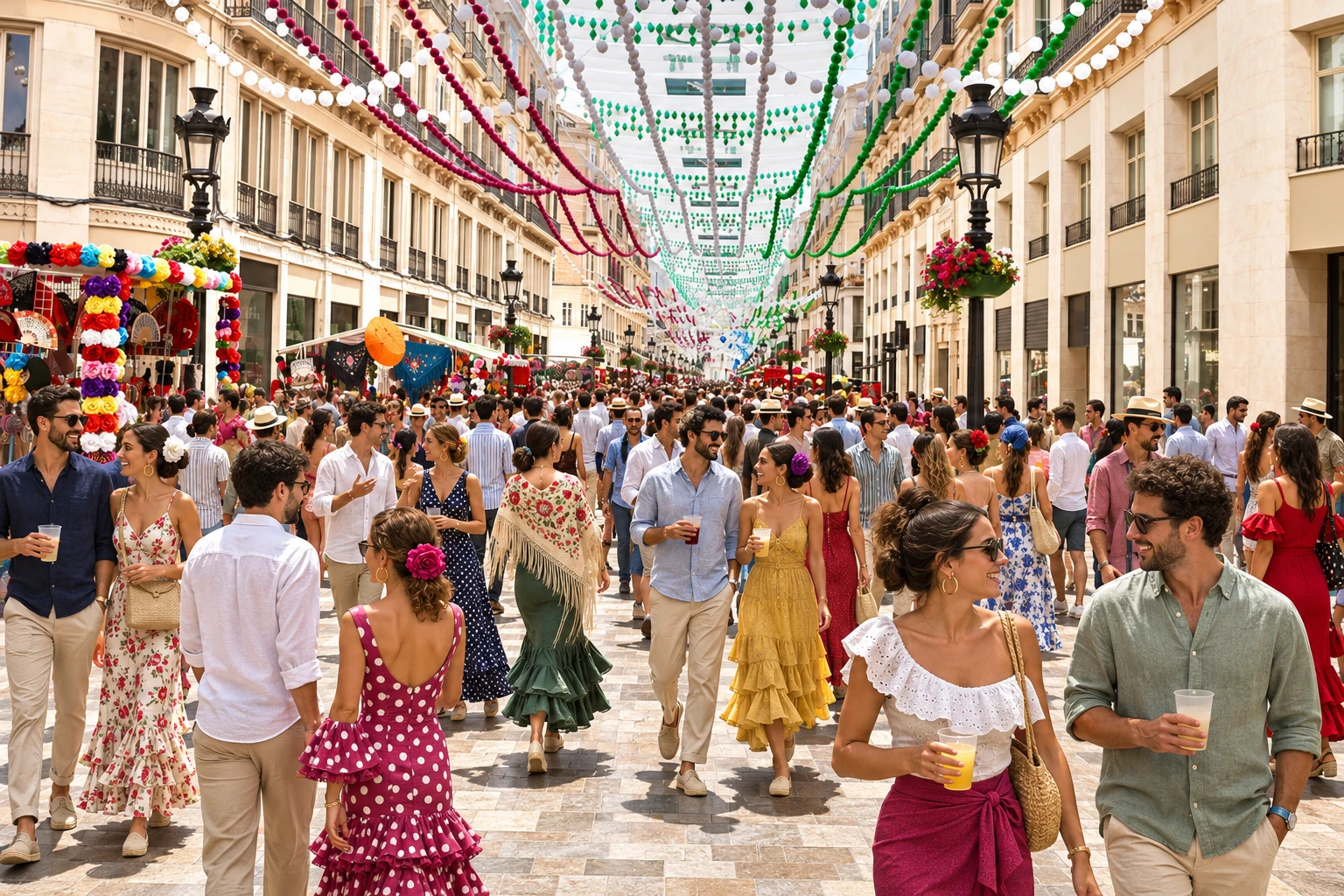
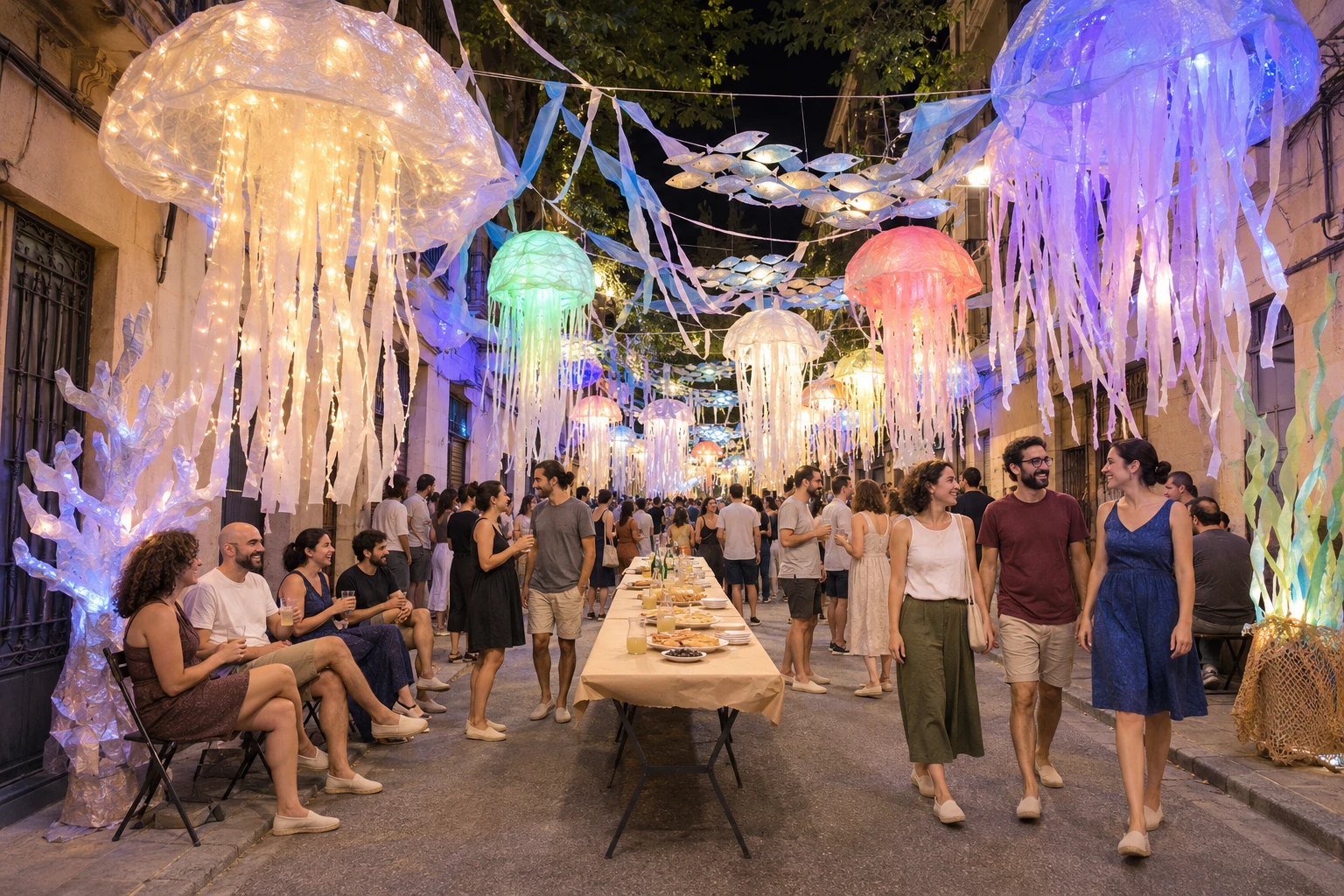
Illustrative images. The pictures in this guide are illustrations based on the real place, not photographs, and may differ from it.

The festivals

When to go for the festivals in Spain

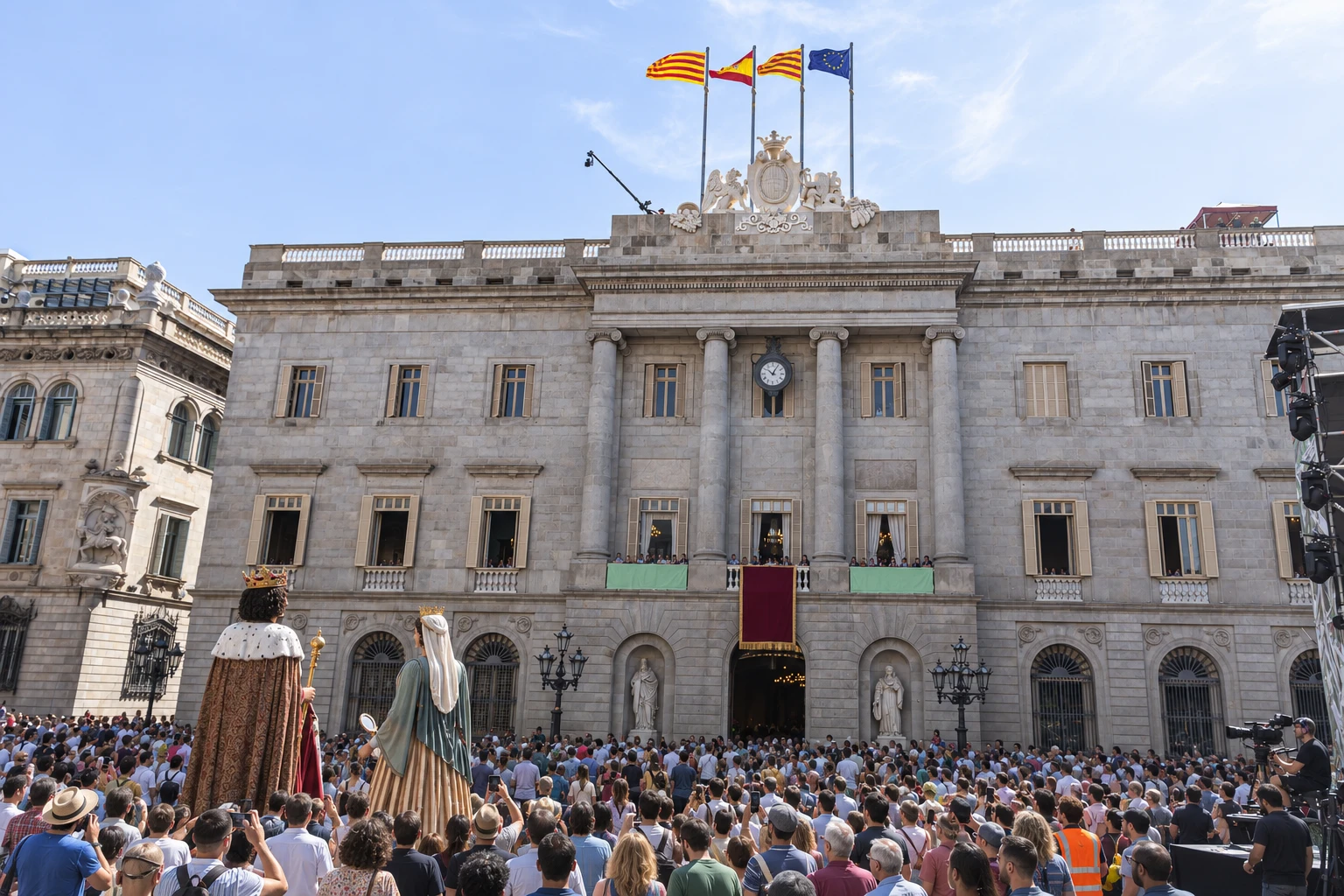
In Spain, almost every town and nearly every village has its own festival, usually linked to the patron saint, a harvest or an episode from local history. Many last several days, with music in the streets, parades of giants and big-headed figures, fireworks and tables set up in the squares, and several have been declared of international tourist interest.

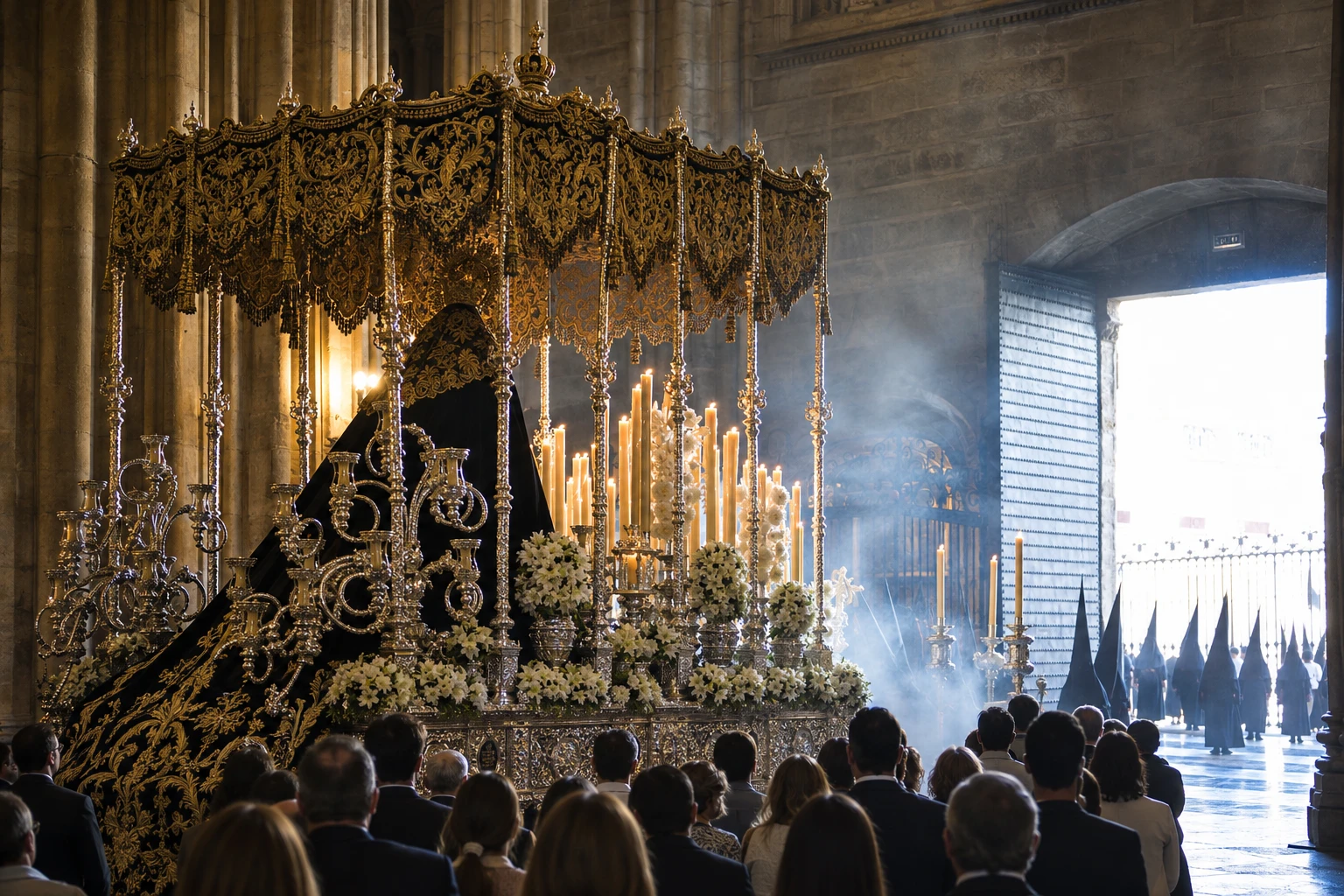
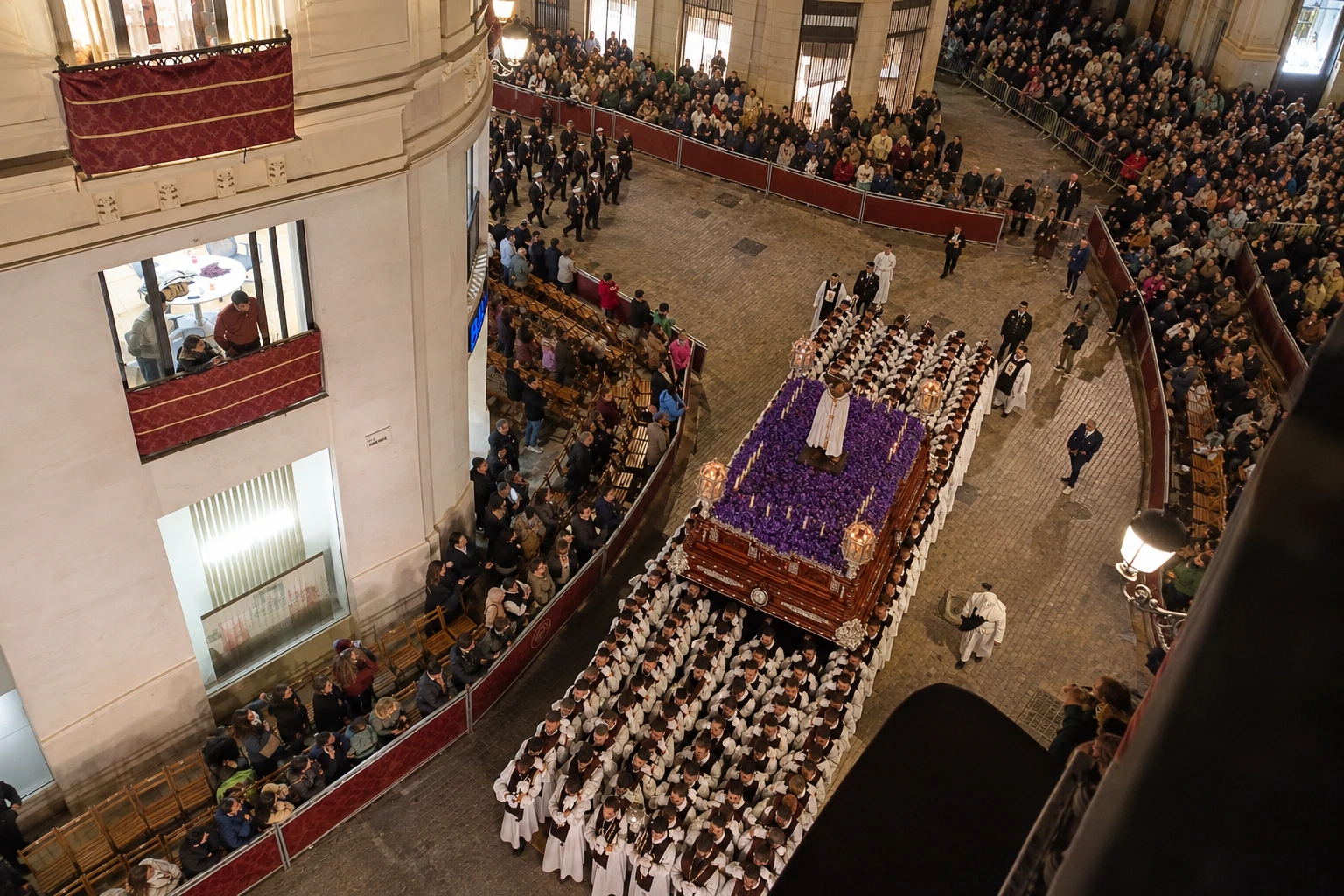
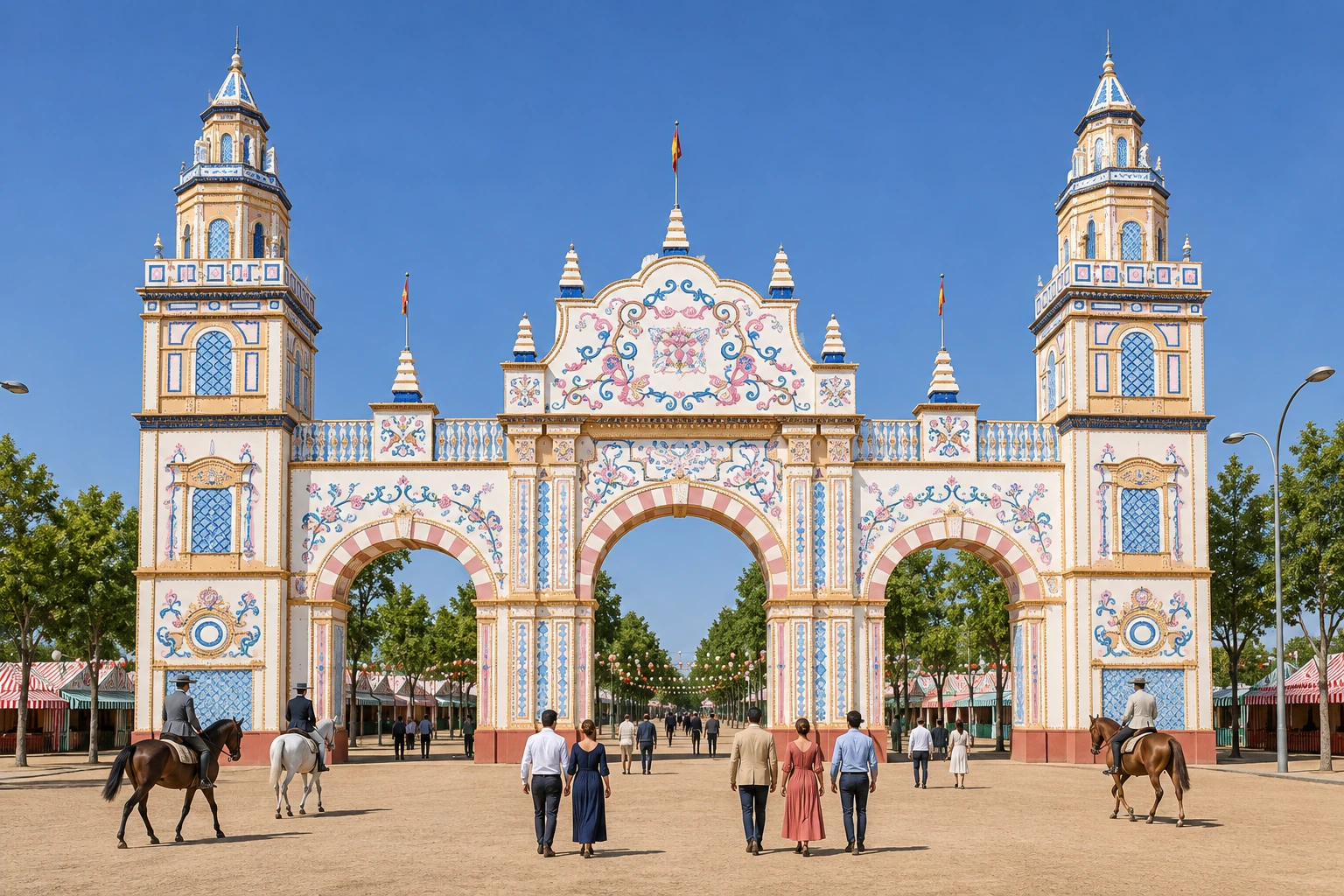
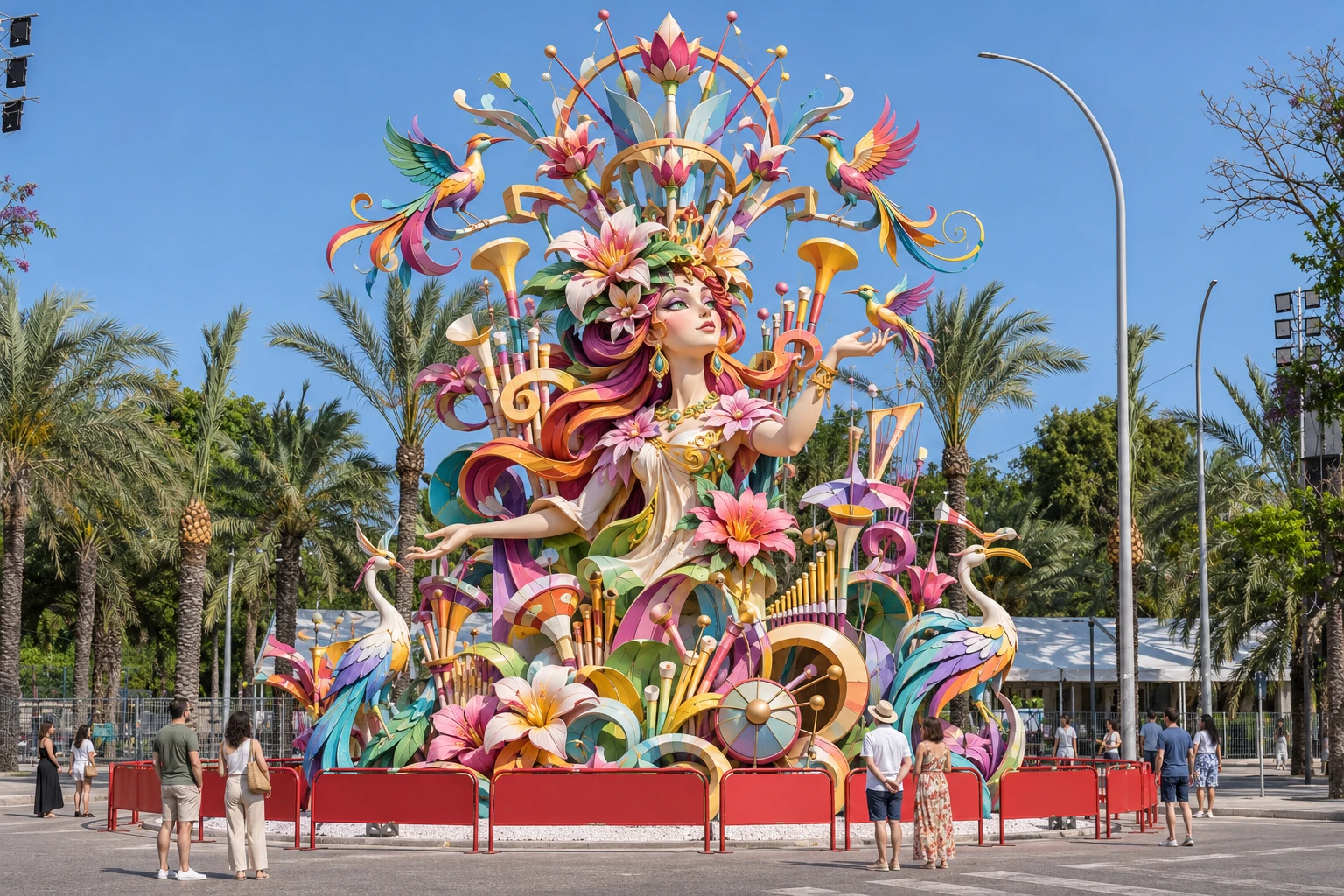
The calendar begins with Carnival, in February or March, with special fame in Cádiz and Santa Cruz de Tenerife. In March, Valencia burns the large cardboard and wood figures assembled in the streets during the Fallas. Holy Week brings processions to towns across the country between March and April, and Seville follows it with the Feria de Abril.

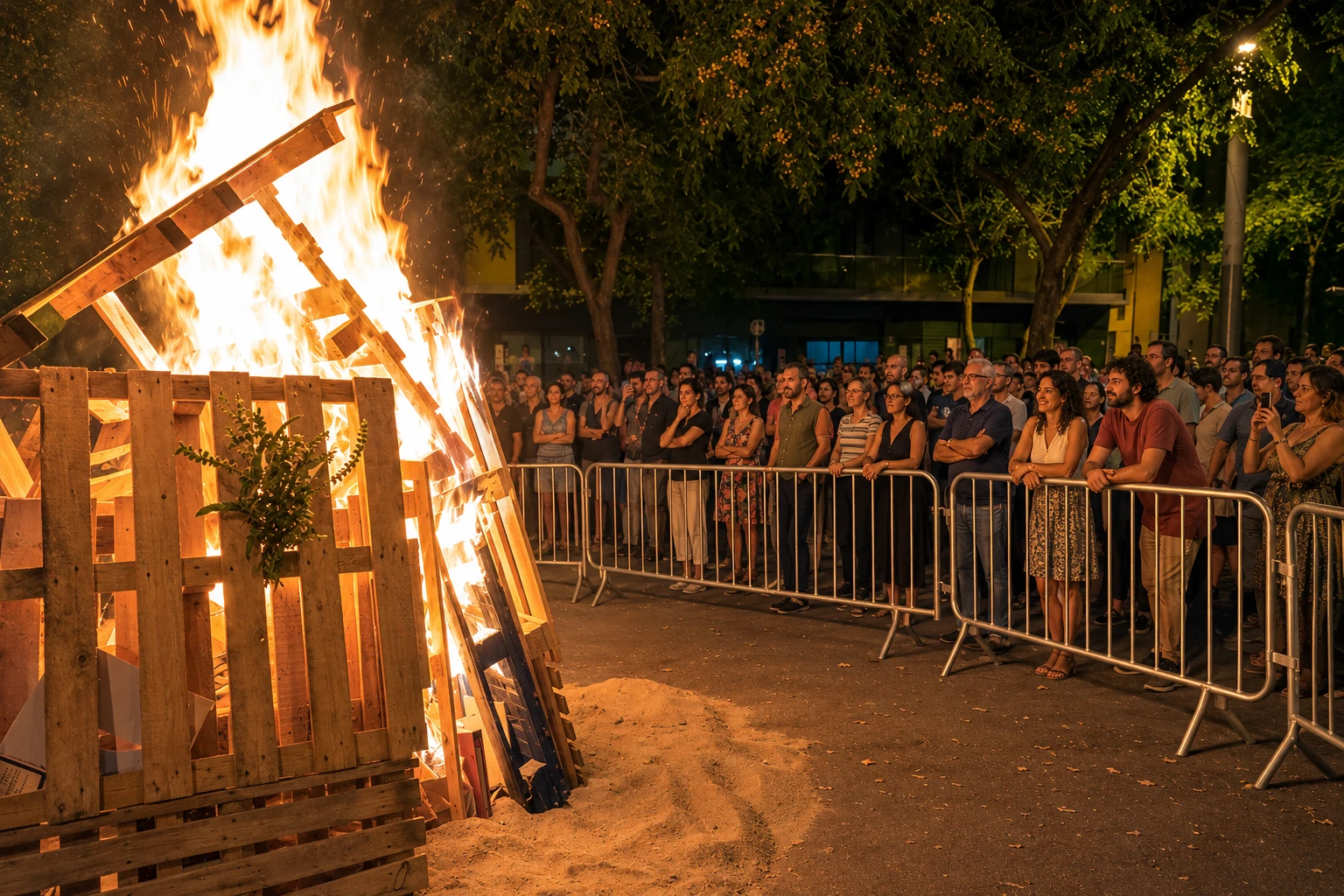
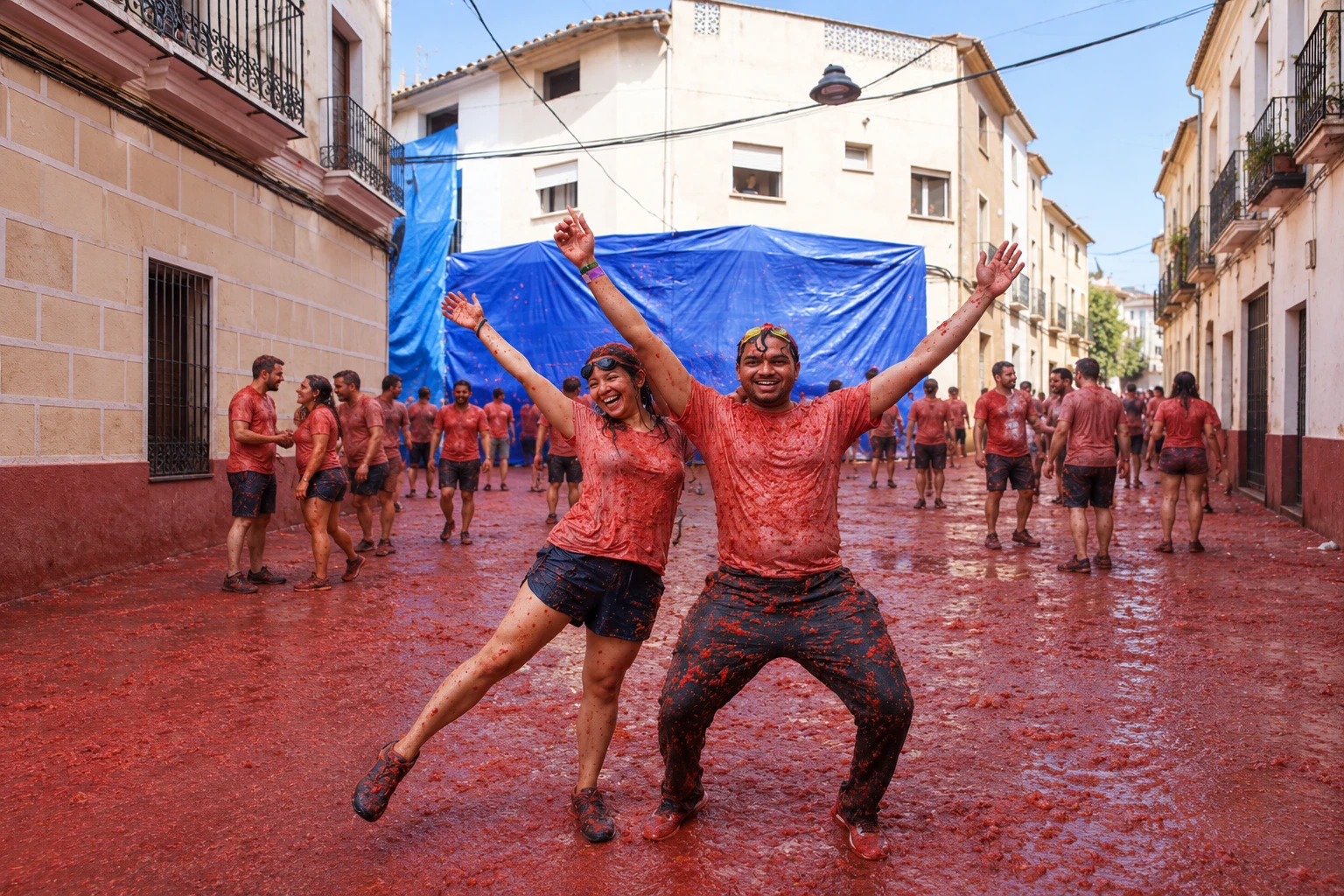
Summer is the busiest season. The bonfires of Saint John’s night light up beaches and squares in June; in July, Pamplona lives nine days of celebration in honor of Saint Fermín; in August, Buñol, near Valencia, hosts its tomato battle, and many towns hold their summer fairs.

Eating and drinking in the street is part of these festivals, and much of the program takes place in squares and streets open to everyone. Because many dates depend on Easter, a saint’s day or a weekday, it’s worth checking the year’s calendar before traveling and booking accommodation early in towns with festivals.

Share: WhatsApp

19 festivals and events

Month by month

Dates change every year: check this year's date before you travel.

January

February

March

April

May

Corpus Christi of Granada May/June
Religious festival · Granada

Corpus Christi of Granada

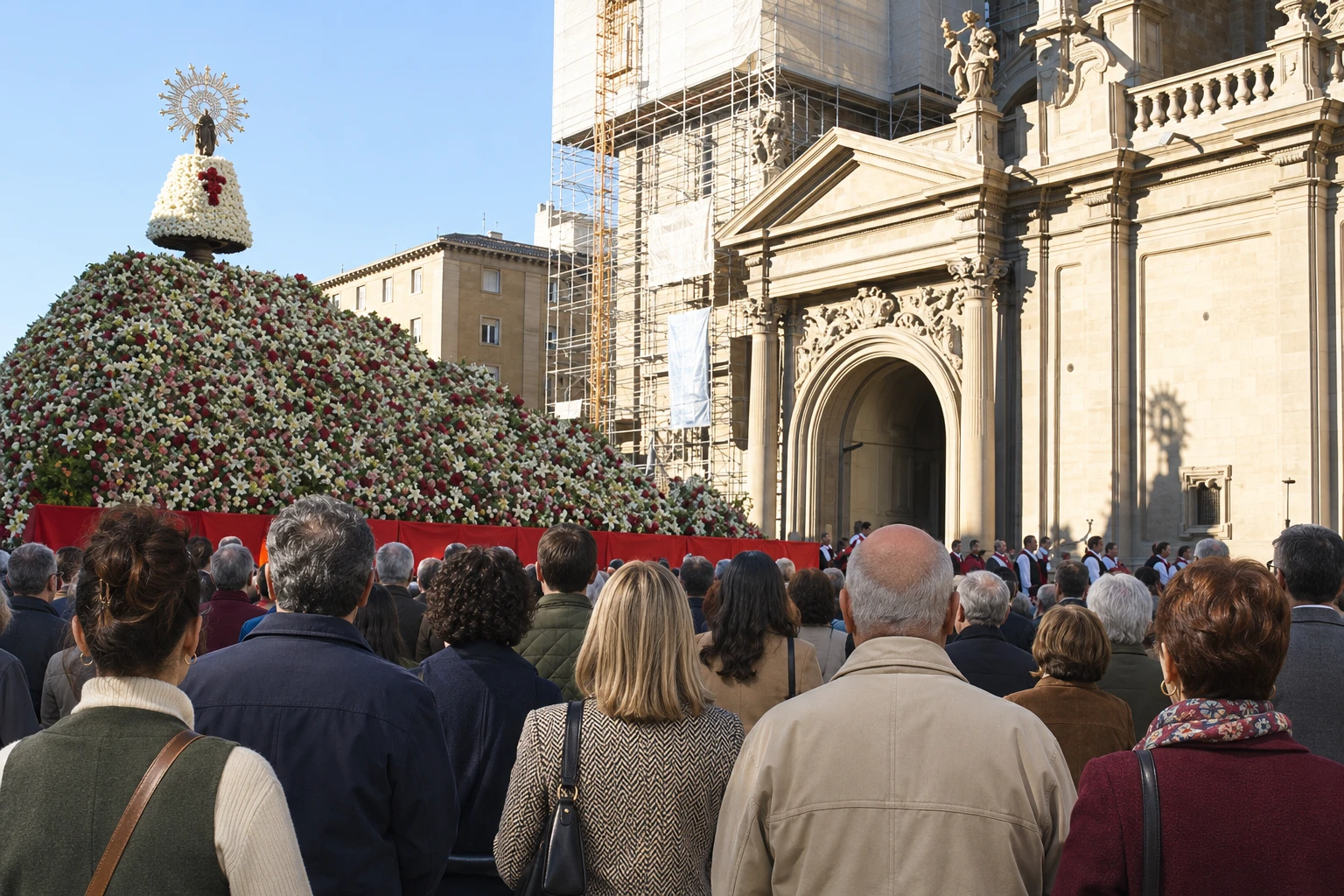
In the week of Corpus Christi, in May or June depending on the date of Easter: the fair begins on the previous Saturday, the procession takes place on Corpus Thursday, and the celebration ends the following Saturday.

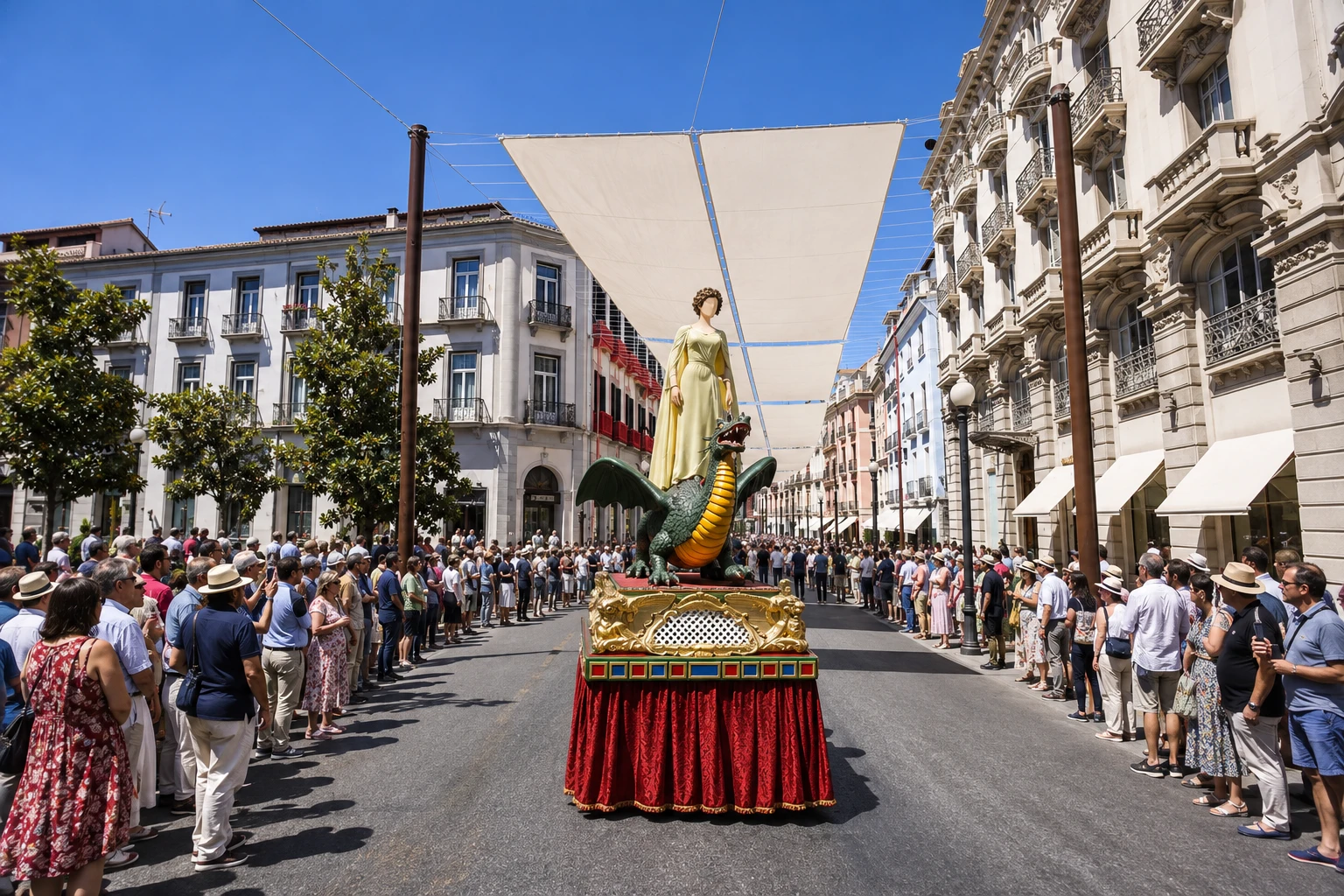
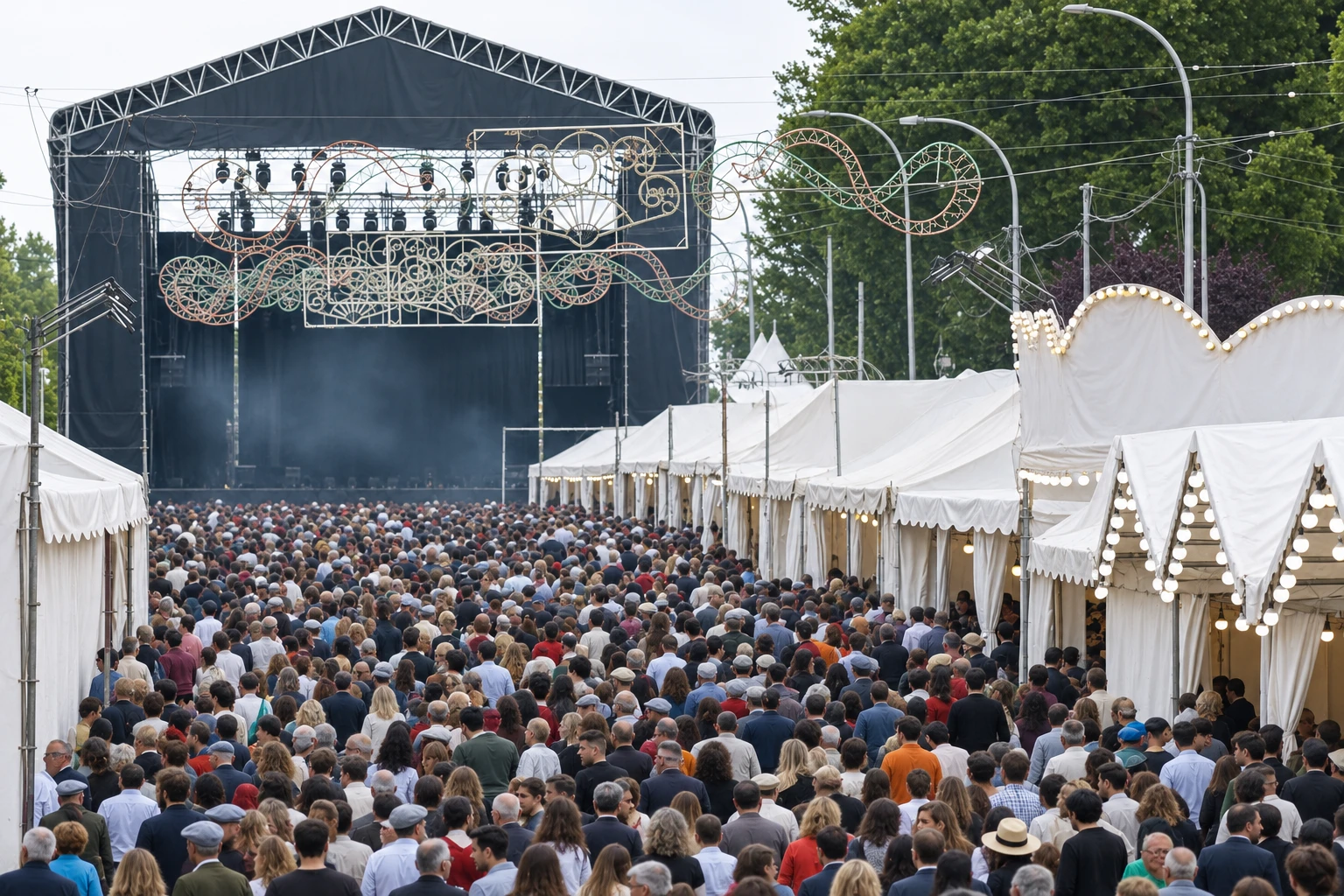
Granada’s main week in Andalusia brings together the Corpus Christi procession, which leaves the cathedral through streets strewn with aromatic herbs, the Tarasca, a figure that parades on Wednesday wearing the season’s fashion, and a fair of casetas, horses, and lights at the Almanjáyar fairground.

Festival of the Patios of Córdoba May
Culture · Córdoba

Festival of the Patios of Córdoba

In the first weeks of May, for about two weeks, after the Cruces de Mayo at the start of the month; the dates are set each year by the city council.

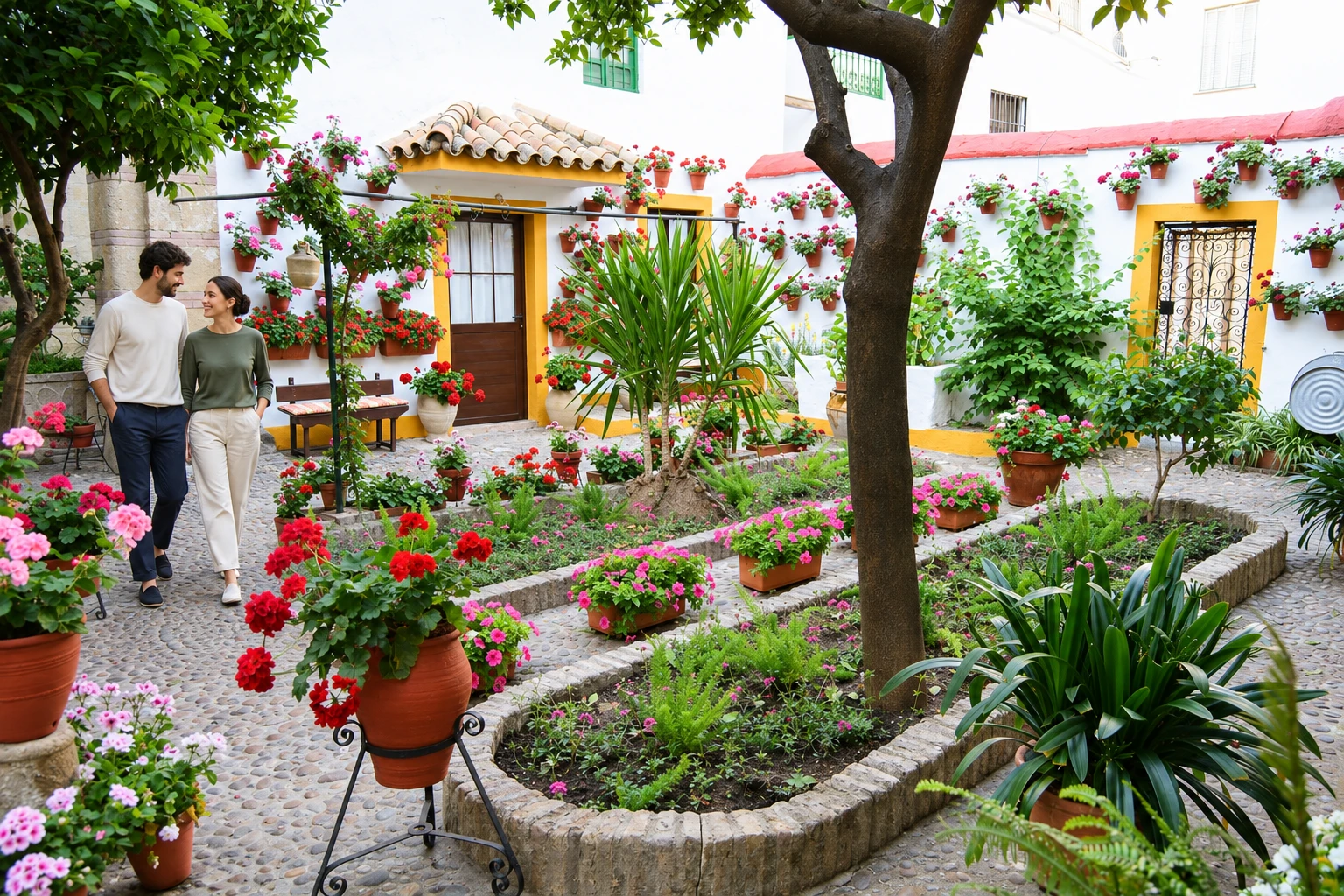
In May, residents of Córdoba in Andalusia open the patios of their homes—filled with pots of flowers—to the public in a municipal contest that has existed since 1921 and is on UNESCO’s list of intangible heritage; it takes place during the month of the Cruces de Mayo, the flowered balconies and the city fair.

June

July

August

September

October

Your questions

Questions about festivals in Spain

Which Spanish festivals are the most famous?

The Fallas of Valencia, the Holy Week processions, Seville’s Feria de Abril, San Fermín in Pamplona, Buñol’s Tomatina and the carnivals of Cádiz and Santa Cruz de Tenerife are usually the most remembered.

When do most festivals take place in Spain?

There are celebrations year-round, but June, July and August concentrate most of them: Saint John’s night, Pamplona’s encierros, Buñol’s tomato battle and summer fairs in many towns. In spring, Holy Week and the Feria de Abril attract many visitors to the south.

Do Spanish festivals change dates every year?

It depends on the festival. Some have fixed dates, like San Fermín, always in the first half of July. Others follow Easter, such as Carnival and Holy Week, or a weekday, like the Tomatina, on the last Wednesday of August. It’s wise to check the dates before buying your trip.

Back to the guide of Spain