Salmorejo cordobés
Cold, thick cream of tomato, bread, garlic, olive oil and salt, served with chopped hard‑boiled egg and ham on top. It is Córdoba’s signature dish, with its own gastronomic brotherhood and studies by the city’s university.
Antarctica
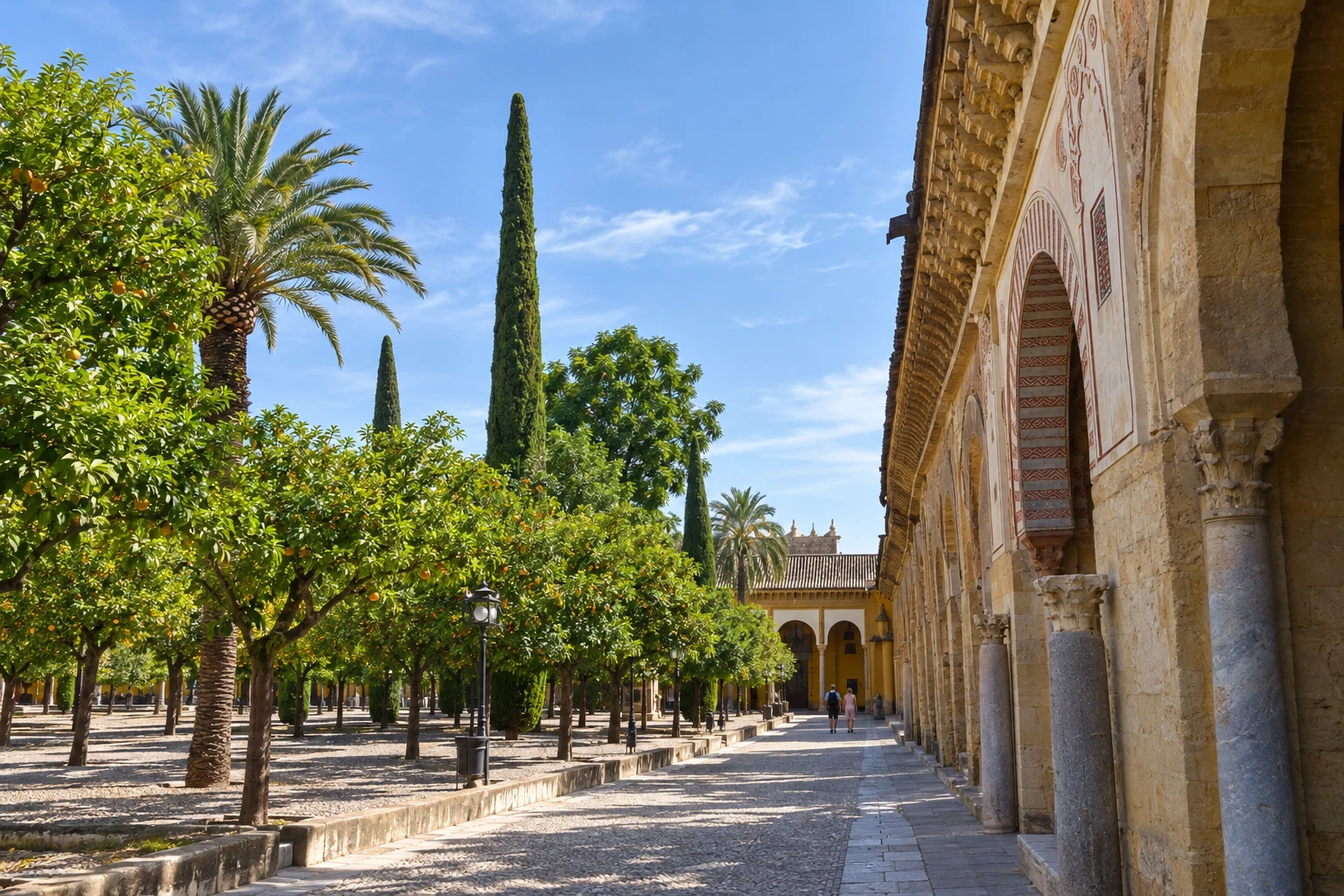
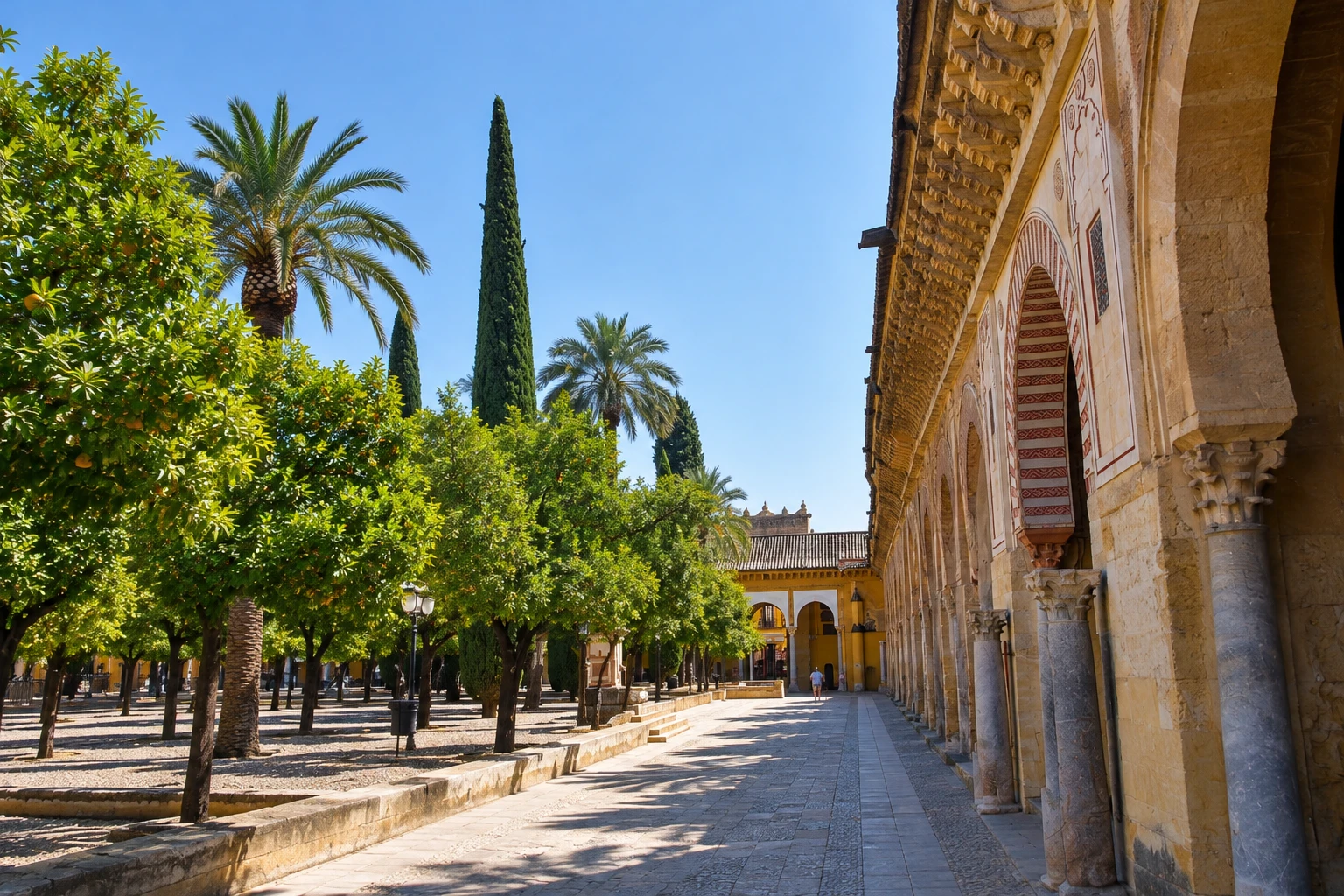
In the photo: Patio de los Naranjos of the Mesquita-Catedral de Córdoba
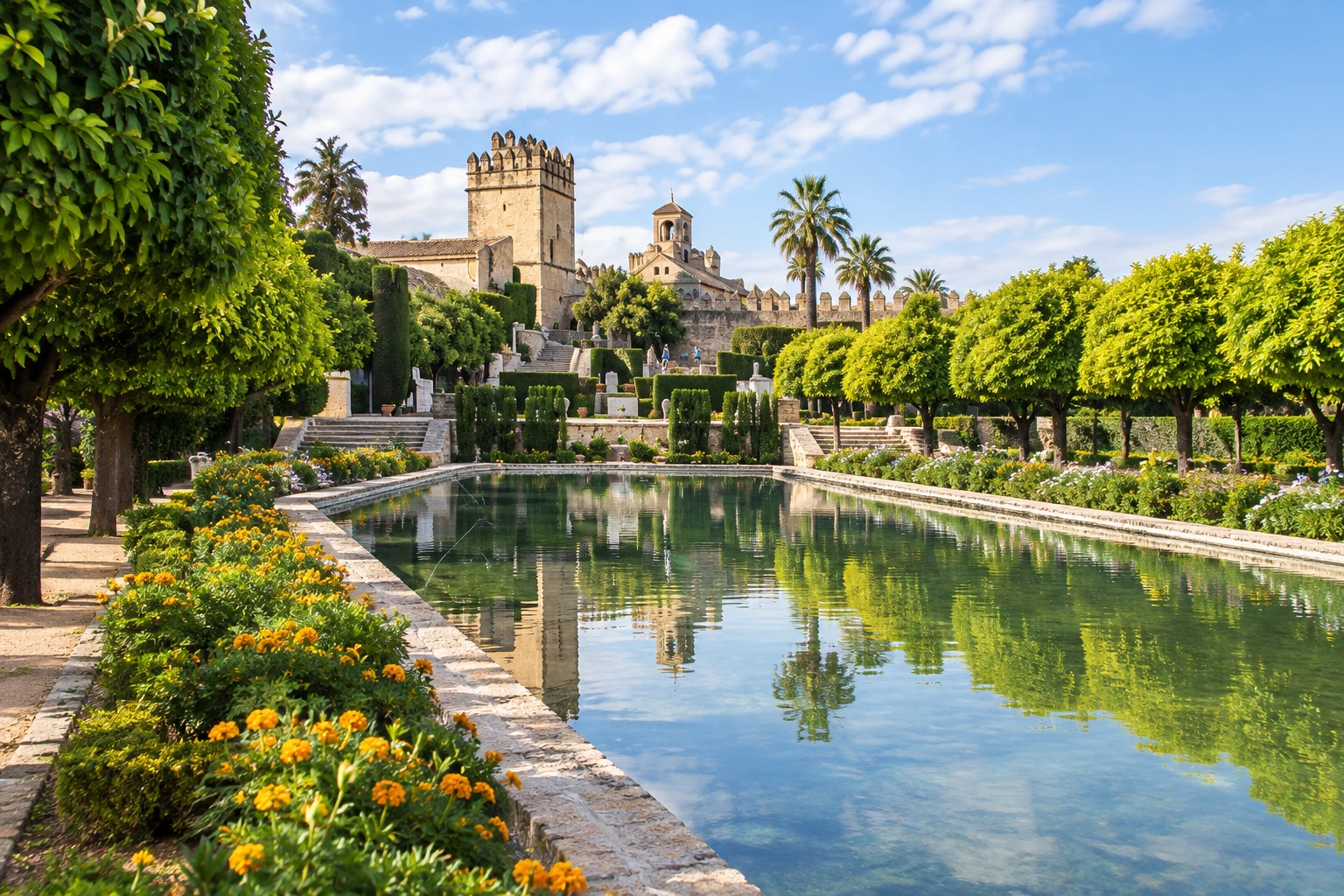
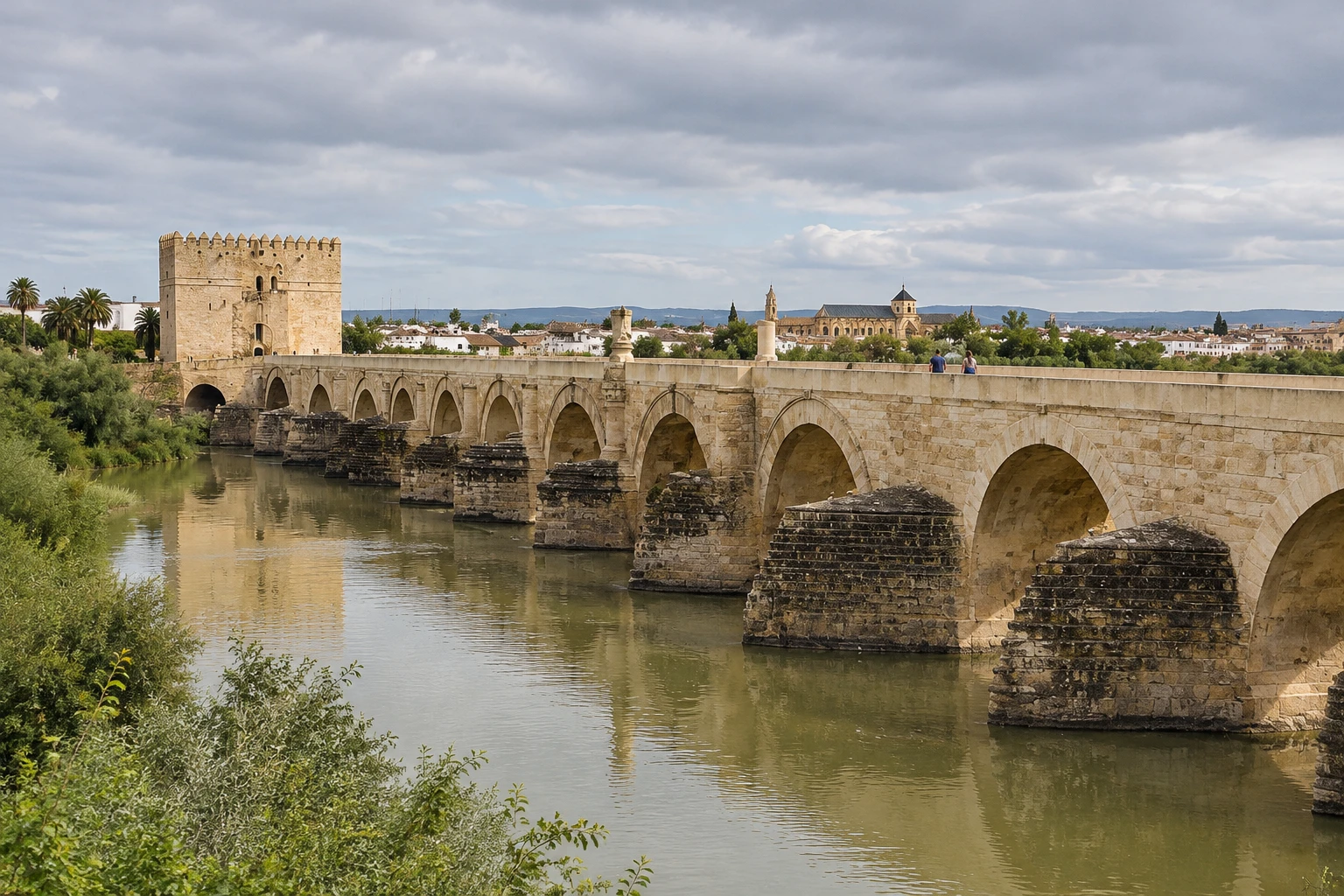
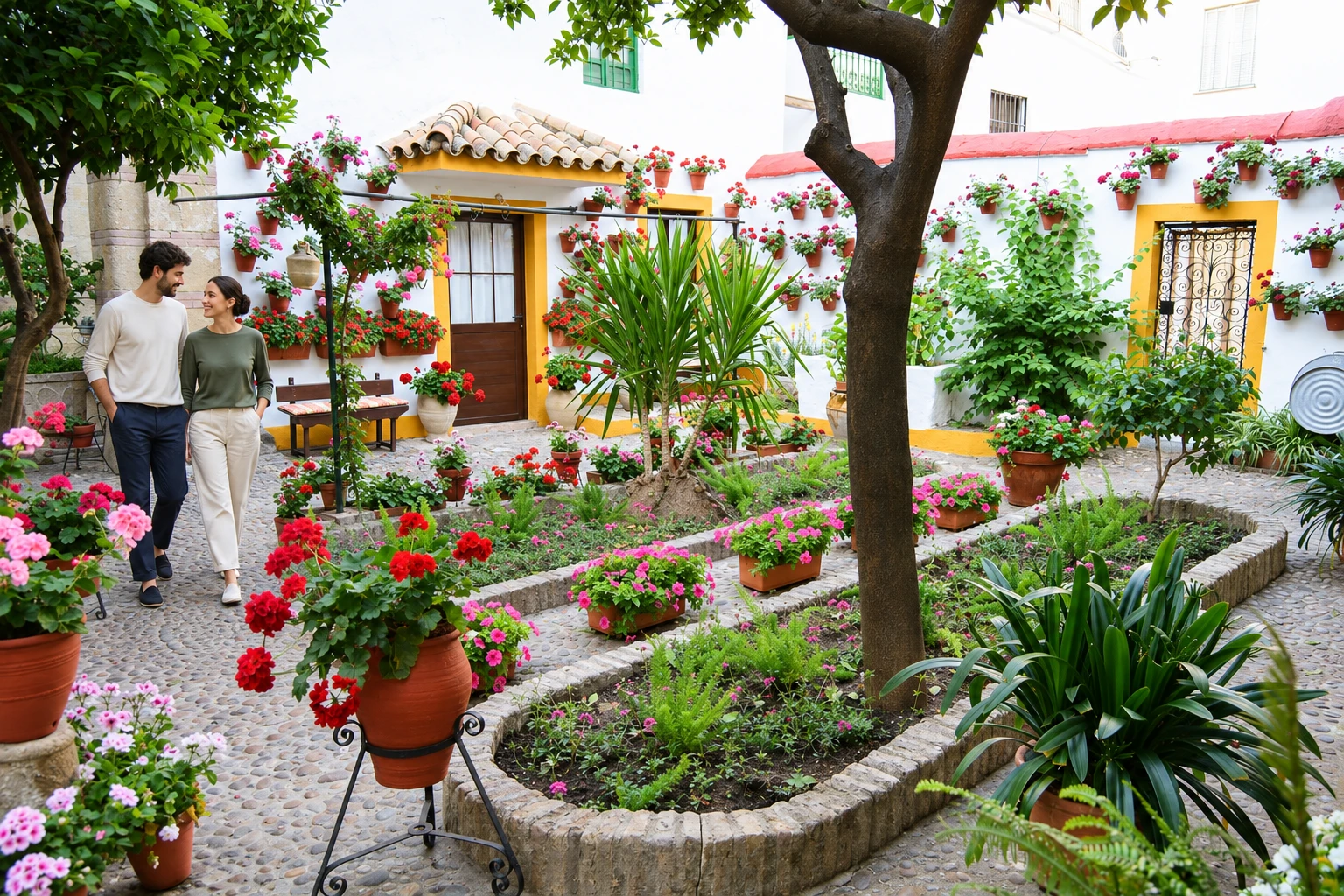
Illustrative images. The pictures in this guide are illustrations based on the real place, not photographs, and may differ from it.
The city
Córdoba, in Andalusia, was the capital of the caliphate of al-Andalus. The historic center, a World Heritage site, brings together the Mezquita-Catedral, the Judería with the Sinagoga, the Alcázar de los Reyes Cristianos and the Puente Romano over the Guadalquivir. Nearby are the ruins of Madinat al-Zahra. The language is Spanish. In May the Festival de los Patios usually takes place, and from June to August the heat is intense.
There's no accommodation in the guide yet in Córdoba.
Tem hotel, pousada ou casa de temporada aqui? Cadastre a suaThere are no restaurants in the guide yet in Córdoba.
Know a good one? Recommend it to usHotéis e restaurantes da cidade no mapa.
how to get there · how many days · itinerary · questions
Flavors of Spain
Festivals and events
Dates change every year: check this year's date before you travel.
The local experience
Mosque begun in 785 by the emirs and caliphs of Córdoba, with a forest of columns and bicoloured arches, which received a Renaissance cathedral in the centre from 1523.
Fortress ordered built by Alfonso XI in 1328, where the Catholic Monarchs stayed during the war of Granada and received Christopher Columbus, with gardens on three levels.
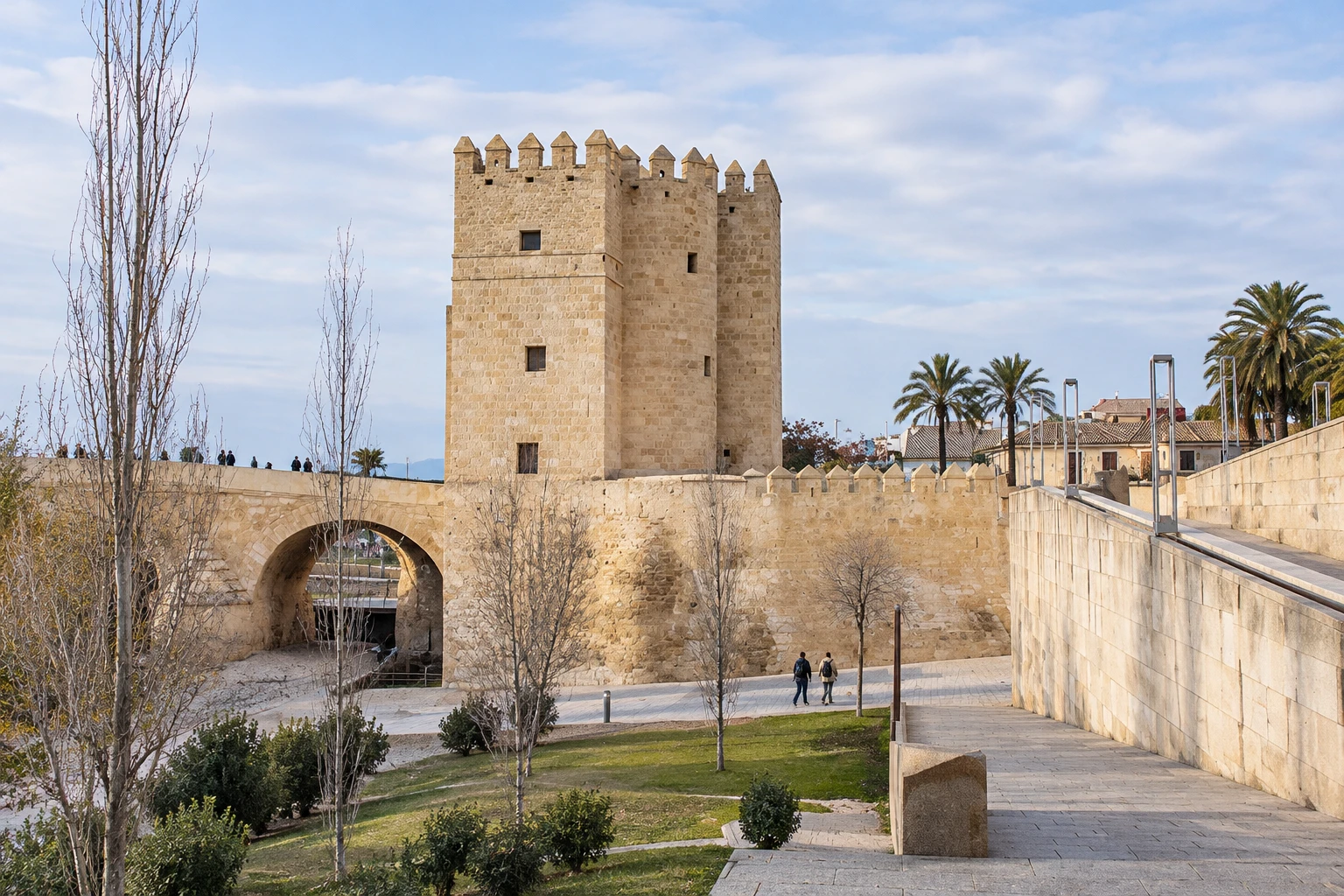
A 331-metre bridge over the Guadalquivir, of Roman origin and largely rebuilt by the Arabs, which links the Puerta del Puente to the Torre de la Calahorra and is for pedestrians only.
A defensive tower of Islamic origin at the southern end of the Puente Romano, housing the Museo Vivo de al-Andalus and featuring a terrace with views over the historic centre.
Before you go
Córdoba – Spain about 140 km from Seville
Approximate distances. Check flights and bus, train or boat schedules before you travel.
By high-speed train: about 1h40 from Madri and 40 minutes from Sevilha, to Córdoba-Julio Anguita station (formerly Córdoba Central), which is next to the bus station. The most used airport is Sevilha, about 131 km by road. Connections from Brasil usually involve a stopover in another city. Check before booking.
One day is enough for the Mezquita-Catedral, the Judería, the Alcázar and a ponte, even on a day trip from Sevilha or Madri. Two days allow you to add Madinat al-Zahra, the Palacio de Viana, a Corredera and the Mezquita's night visit.
March to May and September to October usually have the most pleasant weather. May often brings the Festival de los Patios and more crowds. From June to August, winter in Brasil, highs frequently exceed 40 °C; schedule visits for early morning. From November to February the days are shorter and cooler.
The seasons shown are the most usual ones; nature doesn't always follow the calendar.
No. The historic center is walked on foot, and the streets of the Judería are narrow and difficult to access by car. For Madinat al-Zahra there is a tourist bus by reservation. A car is only useful if you continue the trip to smaller towns in Andalusia.
Suggested itinerary
Built with the places on this page. No rush: it's paced so you have time to see them.
Arrive at the opening of the Mezquita-Catedral. Cross the Patio de los Naranjos, walk through the hall of columns to the mihrab of Al-Hakam II and see the Renaissance nave in the centre. If you secured a spot, climb the bell tower.
Have lunch near the Mezquita, keeping in mind that lunch in Spain starts around 2:00 p.m. Walk through the Judería, go along the Calleja de las Flores and enter the Sinagoga. Continue to the Alcázar de los Reyes Cristianos and its gardens.
Cross the Puente Romano to the Torre de la Calahorra and go up to the terrace. Return across the bridge with the low light falling on the Mezquita.
Go up to the Plaza de las Tendillas and have dinner there or at the Plaza de la Corredera. Dinner usually starts after 9:00 p.m. Those returning to Seville or Madrid the same day should check the time of the last train.
Day 1
Start with the Mezquita-Catedral at opening, with time for the Patio de los Naranjos, the forest of columns and the mihrab. Climb the bell tower if you have reserved.
After lunch, explore the Judería: Calleja de las Flores, Plaza de Tiberíades with the statue of Maimonides, the Zoco Municipal and the Sinagoga, which closes in the early afternoon.
Cross the Puente Romano to the Torre de la Calahorra, visit the Museo Vivo de al-Andalus and enjoy the view from the terrace.
Do the night visit of the Mezquita-Catedral, with light and sound, booked in advance. Afterwards, dine in the Judería or near the Tendillas.
Day 2
Take the tourist bus early to Madinat al-Zahra. Start at the museum and ride the internal bus up to the ruins to see the Salón Rico and the terraces of the caliphs' city.
Back in the centre, visit the Alcázar de los Reyes Cristianos and its gardens. On the other side of the square, enter the Baños del Alcázar Califal.
Walk to the Plaza del Potro and continue to the Plaza de la Corredera, passing the columns of the Roman temple near the town hall.
Dine at the tables on the Plaza de la Corredera or the Tendillas. Try the salmorejo, a cold tomato soup typical of Córdoba.
Check before you go. Opening hours and days change, and places may close for renovations, holidays or events. This itinerary is a suggestion from Cidade Turismo, not a commitment: plan yours by checking directly with each place you intend to visit.
Before you go
About 40 minutes on the high-speed train. There are departures throughout the day, which makes a day trip easy. Check the schedules and buy your ticket in advance.
About 1h40 on the AVE or other high-speed trains. Arrival is at Córdoba-Julio Anguita station (formerly Córdoba Central), about 2 km from the Mezquita.
Yes. From June to August, highs often exceed 40 °C and have reached 46.9 °C. Visit the monuments in the morning, rest at midday and return to the streets late in the afternoon.
It's about 2 km, around a 20-minute walk. There are also city buses and taxis at the station exit.
Later than in Brazil. Lunch usually runs from 2:00 p.m. to 4:00 p.m., and dinner starts after 9:00 p.m. In the mid-afternoon many kitchens close, but tapas bars continue serving.