Navarre and La Rioja

Navarra · La Rioja

Navarre and La Rioja

Pamplona, of the walls and the San Fermín festival, and Logroño, of the pinchos on Calle del Laurel and the Rioja vineyards, connected by the Caminho Francês.

North

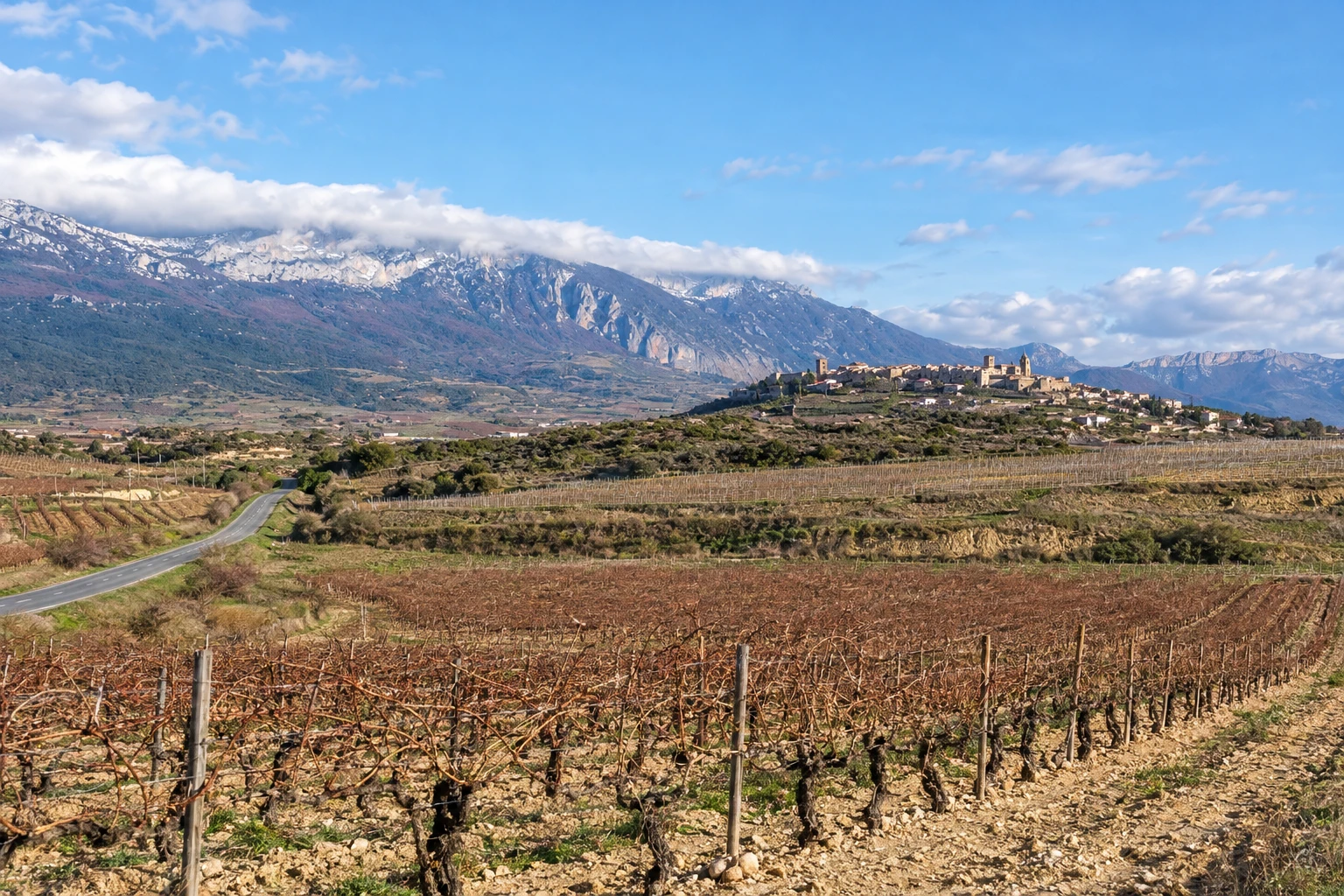
In the photo: Vineyards of Laguardia

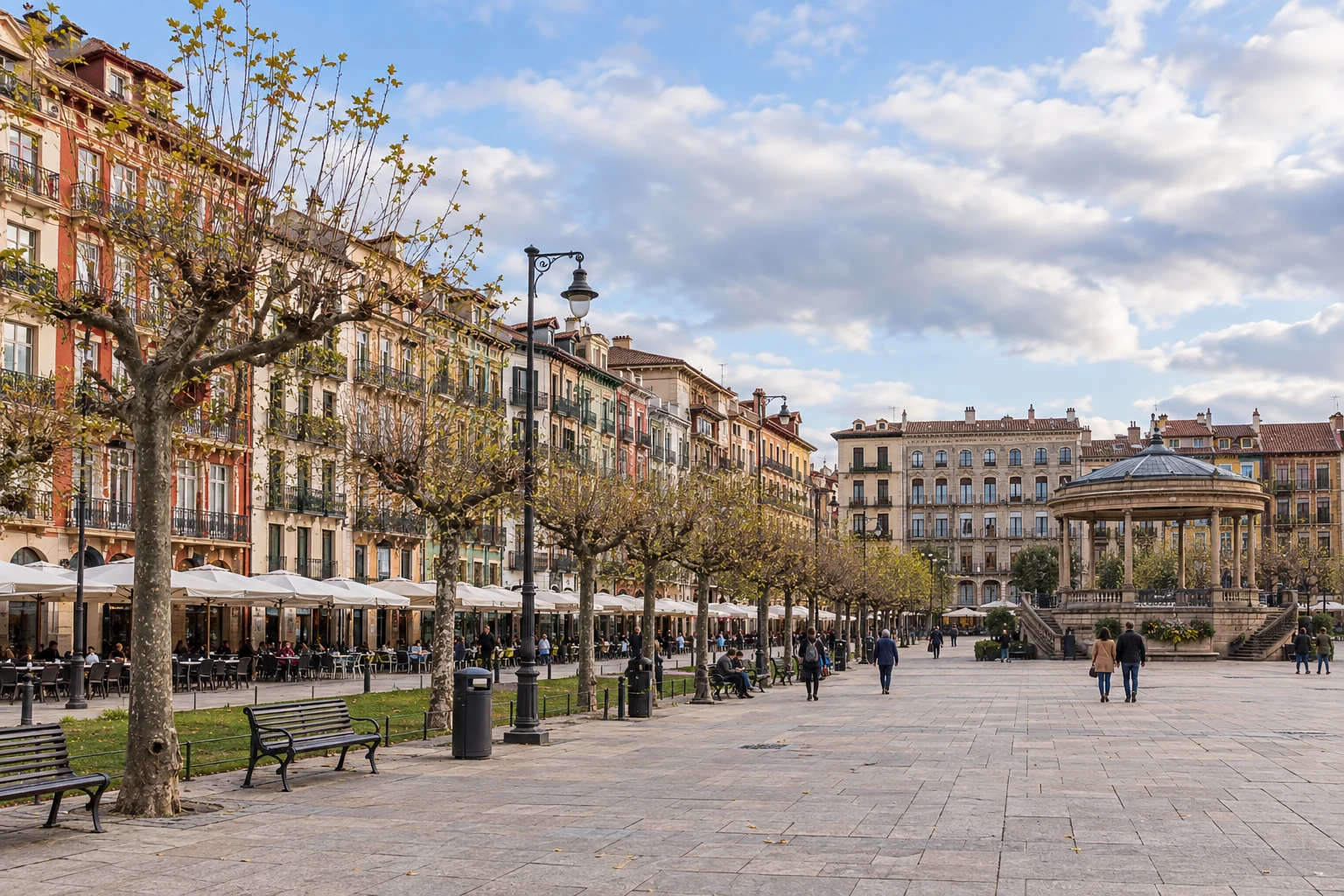
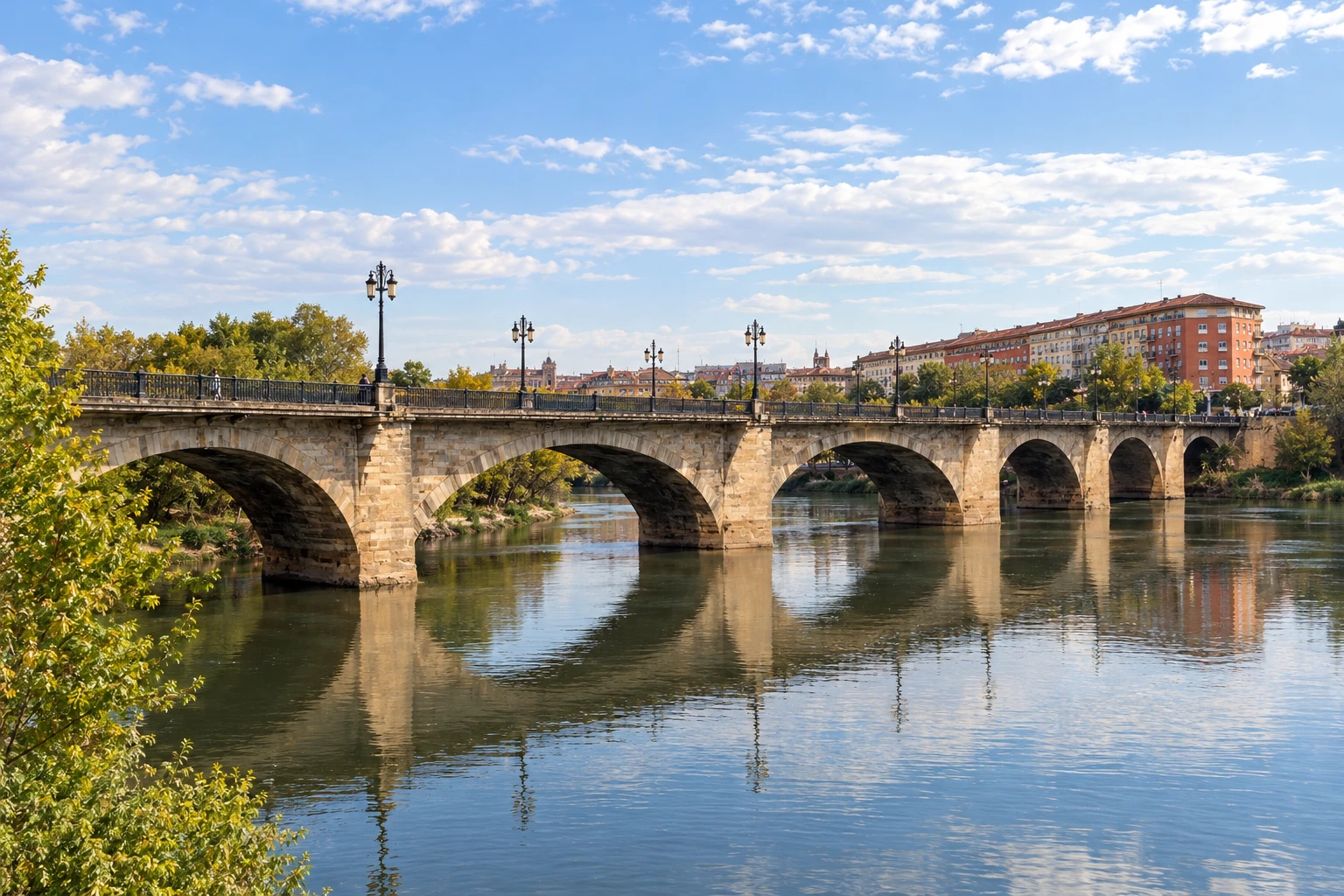
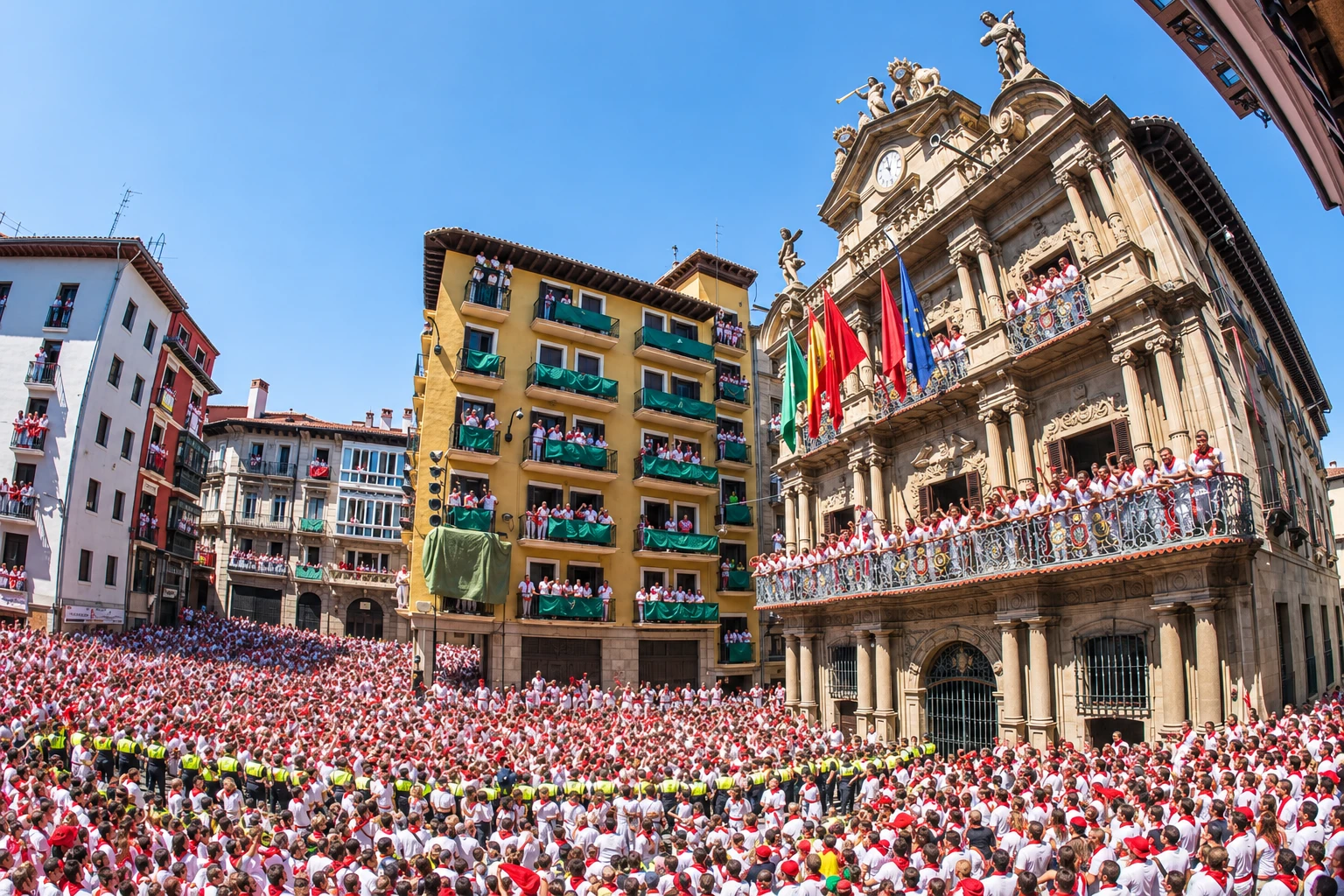
Illustrative images. The pictures in this guide are illustrations based on the real place, not photographs, and may differ from it.

Get it on Google Play

Get to know the place

A region to enjoy
at your own pace.

Navarra and La Rioja are two neighboring communities in northern Spain, between the Pyrenees and the Ebro river valley. Navarra stretches from the mountains on the border with France to the southern plains; La Rioja, much smaller, occupies the banks of the Ebro and is one of the country's best-known wine regions. The Caminho Francês de Santiago crosses both, from Roncesvalles to Pamplona and from Pamplona to Logroño, passing through stone towns such as Puente la Reina and Estella.

Pamplona, the capital of Navarra, is a walled city with a star-shaped citadel, a 14th-century Gothic cathedral with a cloister, and the Plaza del Castillo, the center of city life. It is internationally famous for the San Fermín festivities, from July 6 to 14, with the encierro, the running of the bulls through the city center's streets on the mornings of the festival, which the writer Ernest Hemingway described in a novel. For the rest of the year, the city lives off the pinchos bars in the old town.

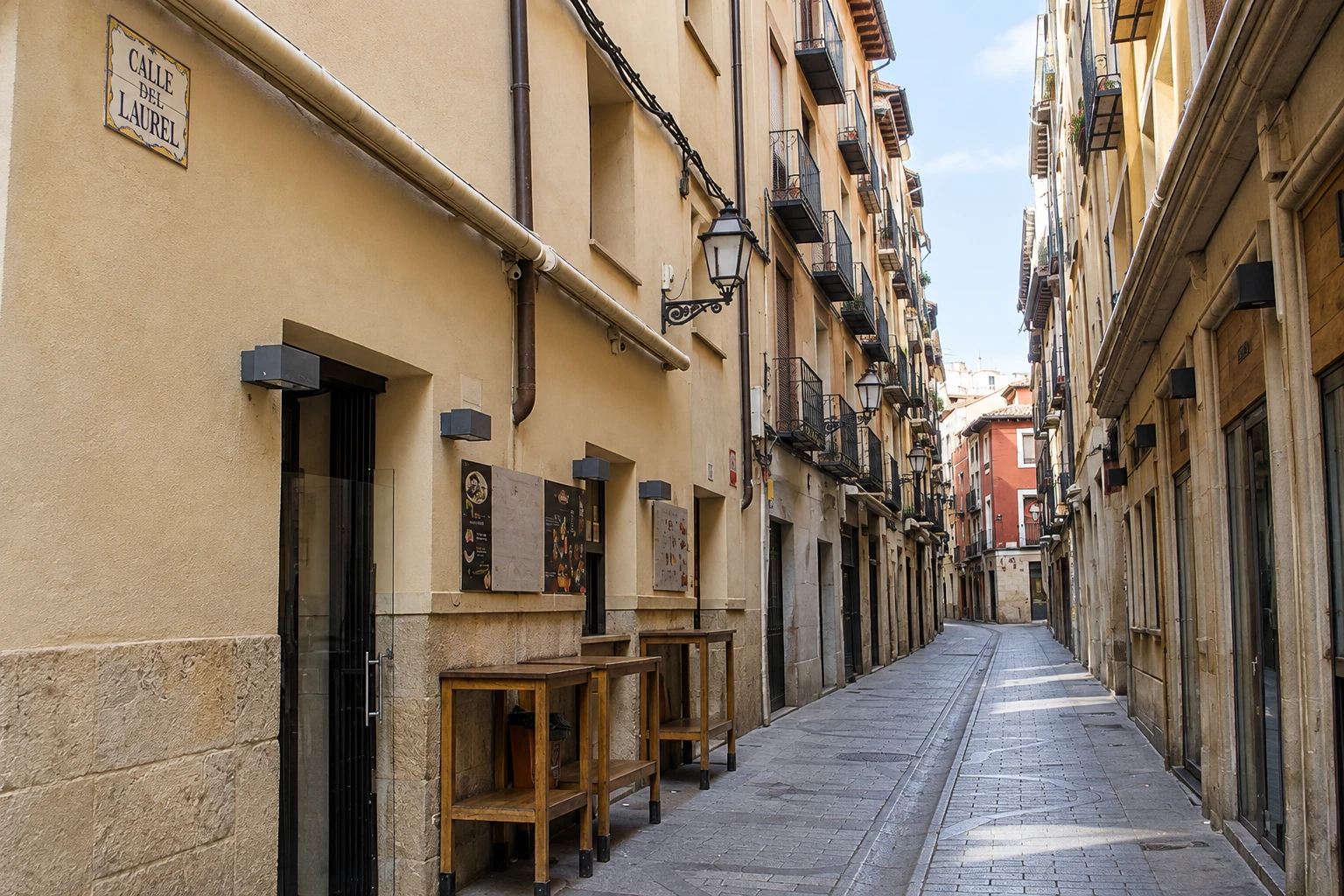
Logroño, the capital of La Rioja, sits on the banks of the Ebro. The Camino enters over the stone bridge and follows the Rúa Vieja, and at night Calle del Laurel and the surrounding streets bring together dozens of pinchos bars. Around the city and in the towns of the Rioja Alta, like Haro and Laguardia, are the wineries, many offering tours and tastings, and wine, made from tempranillo grapes, is part of the local culture and festivities.

Spanish is spoken in both communities; in northern Navarra euskera, the Basque language, is also spoken and appears on signs, such as Iruña for Pamplona. The two cities are about 90 km apart, a little over an hour by bus.

This destination brings together 2 cities: Pamplona, Logroño.

Share: WhatsApp
Traveler, share your experiences through photos Up to 5 photos of each place you visited.

One destination, many paths

The cities on this trip

Start with one city or combine several in your itinerary.

Where Navarre and La Rioja is The star marks the capital, Logroño.
LogroñoPamplona

Outlines: IGN/CNIG, unidades administrativas, CC BY 4.0. Adapted by Cidade Turismo.

How to get there: Navarre and La Rioja

Aeroporto de Pamplona (Aeropuerto de Pamplona) (PNA), in Noáin · 6 km to Pamplona

Aeroporto de Bilbao (Aeropuerto de Bilbao) (BIO), in Loiu · 160 km to Pamplona

Connections to Brazil usually include a stop in another city. Check before buying. International flights arrive more to Madri and to Bilbao; Pamplona and Logroño have small airports. By train, Madri is about 3 hours from Pamplona and a little more from Logroño. Between the two cities, the bus takes about 1h15.

Suggested arrival point: Pamplona

Festivals and events

Festivals Navarre and La Rioja

Dates change every year: check this year's date before you travel.

Festival calendar in Spain

The local experience

Things to do in Navarre and La Rioja

Logroño · La Rioja · Street of bars

Calle del Laurel

The pincho-bar street of Logroño, in the old town, with dozens of counters in just over 200 meters, each with its own snack and Rioja wine.

Explore Calle del Laurel

Pamplona · Navarra · Square

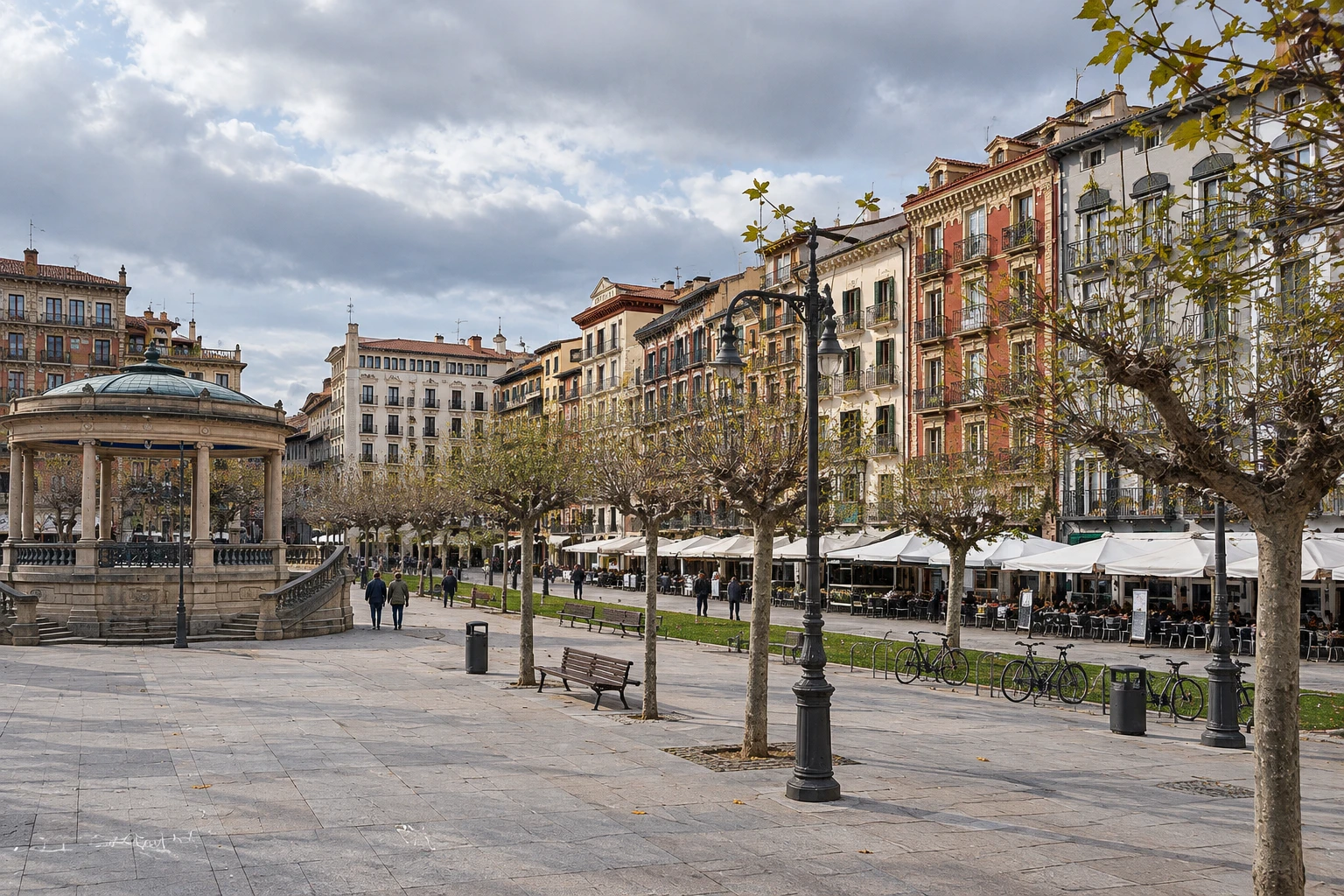
Plaza del Castillo

The main square of Pamplona, with a bandstand, arcades and historic cafés such as Café Iruña, associated with Hemingway and the San Fermín festivities.

Explore Plaza del Castillo

Pamplona · Navarra · Church

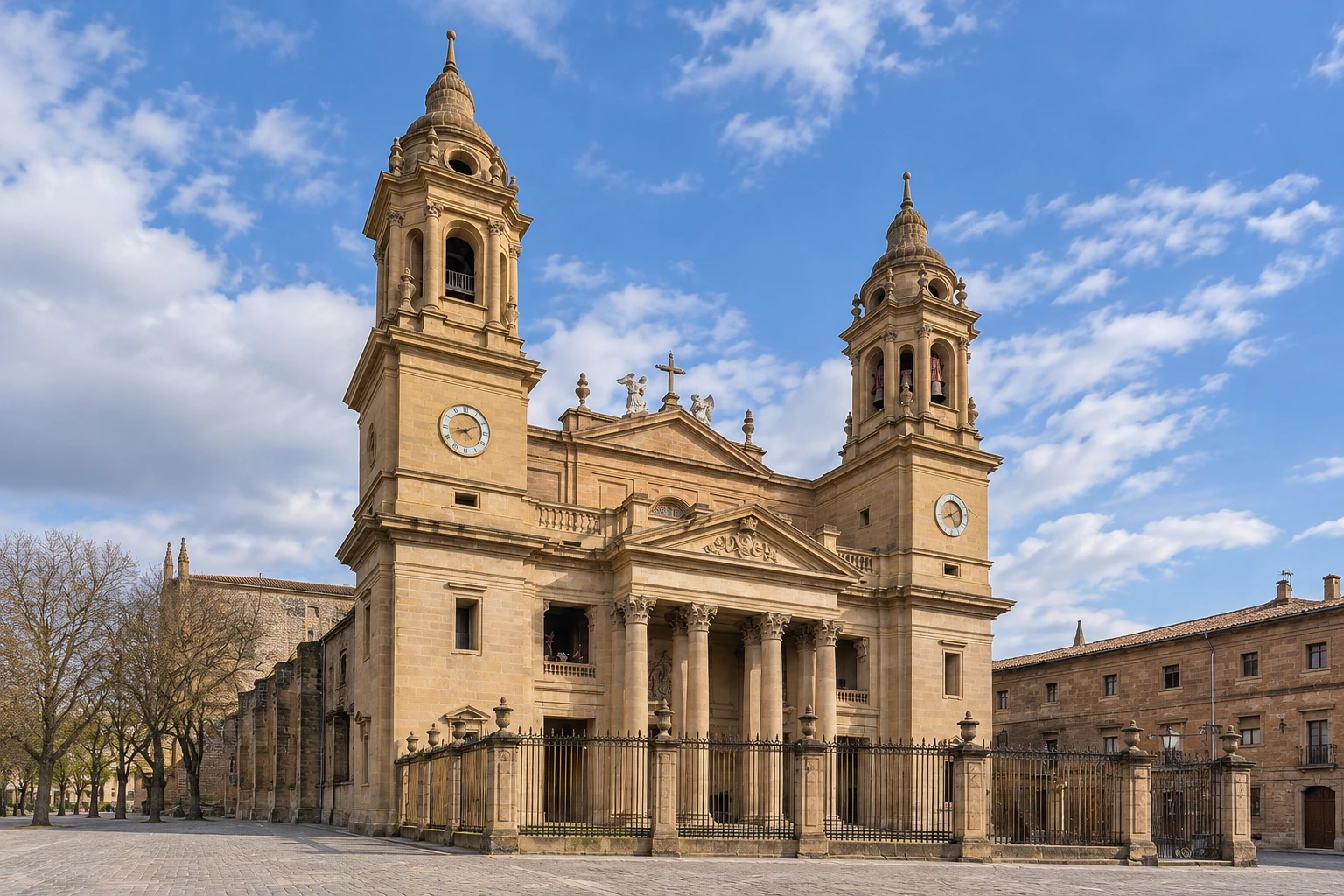
Pamplona Cathedral

Gothic cathedral of Pamplona, with a neoclassical façade, the 14th-century cloister, the Gothic kitchen and the tomb of Charles III of Navarre, in one of the most complete cathedral complexes in Spain.

Explore Pamplona Cathedral

See 11 more places in Navarre and La Rioja

Before you go

Practical information

A little planning leaves more time to enjoy the journey.

When to go

From May to October the days are long and the weather is usually drier, good for walking and visiting wineries. September and October are harvest season. The San Fermín festival, from July 6 to 14, fills Pamplona and requires booking far in advance. Winter is cold, with frosts. The seasons are opposite to Brazil.

The seasons shown are the most usual ones; nature doesn't always follow the calendar.

How many days to stay

Two days in Pamplona are enough for the cathedral, the walls, the citadel, the encierro route and the pinchos nights. One or two days in Logroño cover the old town, Calle del Laurel and a winery. With one more day, the monasteries of San Millán de la Cogolla or the wine towns of the Rioja Alta. Time difference: 4 to 5 hours ahead of Brasília, depending on the time of year.

Which city to stay in

In Pamplona, the old town around the Plaza del Castillo makes everything walkable, but it's noisy on weekend nights and very busy during the July festivities; the Segundo Ensanche, to the south, is calmer and a few minutes on foot. In Logroño, the center between the Paseo del Espolón and Calle del Laurel is the most convenient; those seeking quiet should stay in the ensanche streets near the station.

Respect the place

Take your trash with you, follow the signs and support local businesses. In natural areas, follow the visiting guidelines.

Beyond the guide

Your questions

Frequently asked questions about Navarre and La Rioja

When are the San Fermín festivities?

From July 6 to 14, in Pamplona. The festival starts at noon on July 6 with the chupinazo, and the encierros take place on the mornings of July 7–14. Accommodation is in high demand; book well in advance.

How to get from Pamplona to Logroño?

By bus, about 1h15, or by car, roughly 90 km. The Caminho Francês links the two cities on foot in three or four stages.

Can you visit wineries in La Rioja without a car?

Yes, in Logroño, which has wineries in the city itself with scheduled tours. For the towns of the Rioja Alta, like Haro and Laguardia, a car or an organized tour helps.

What language is spoken in Navarra and La Rioja?

Spanish. In northern Navarra euskera, the Basque language, is also spoken and appears on signs alongside Spanish.

How many days to book for Navarra and La Rioja?

Three to five days: two in Pamplona, one or two in Logroño, and if possible one day for the monasteries of San Millán or the wine towns.

Cross-border routes

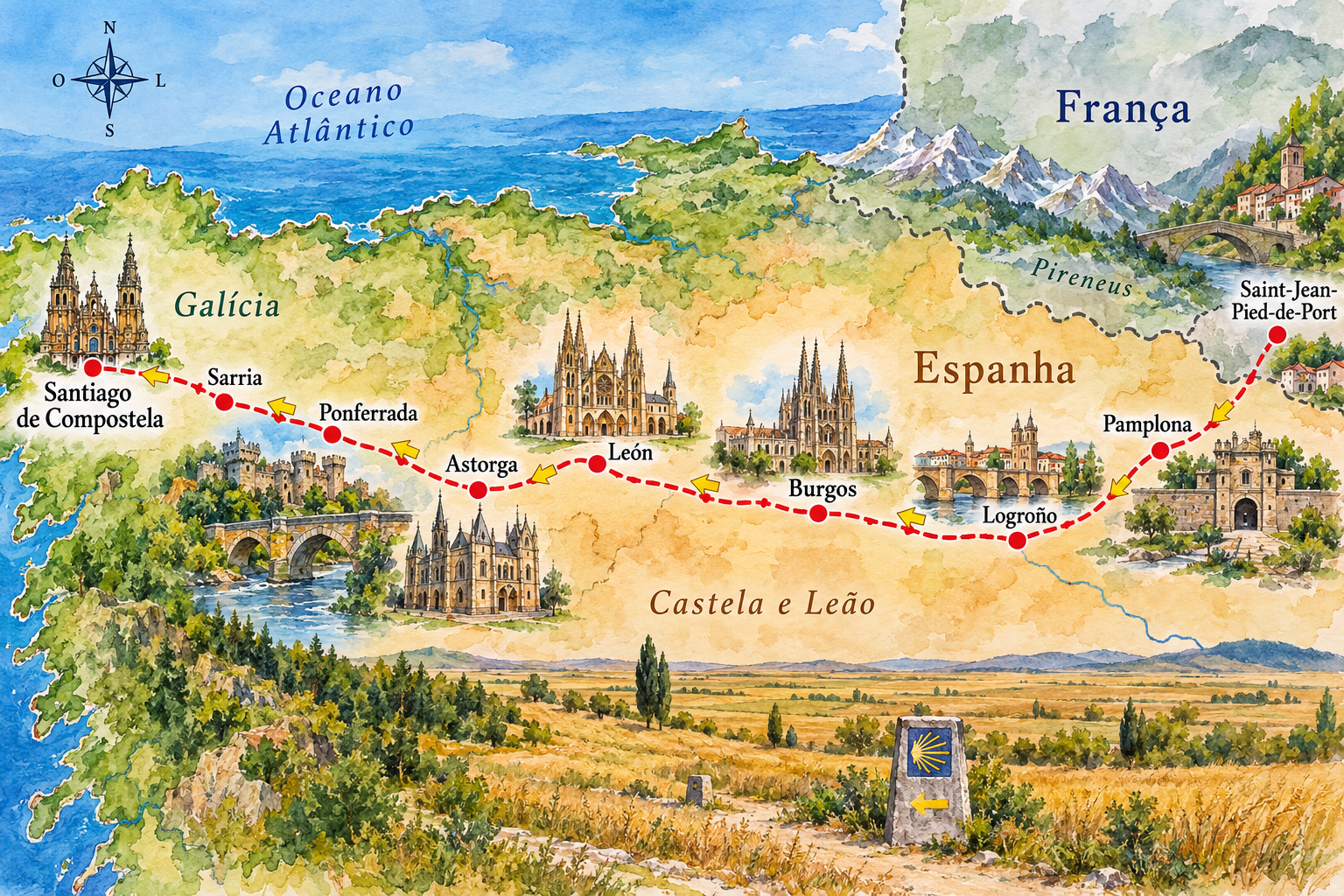
Navarre and La Rioja is on the French Way (Camino Francés) to Santiago on foot

The most travelled pilgrimage route to Santiago de Compostela: from the French Pyrenees to Galicia, on foot, via Pamplona, Burgos and León, following the yellow arrows.

Illustrative map, not to scale. Tap a city to open its page.
Illustrated map of French Way (Camino Francés) to Santiago on foot
Explore other destinations Search by state and city