Logroño · La Rioja · Street of bars
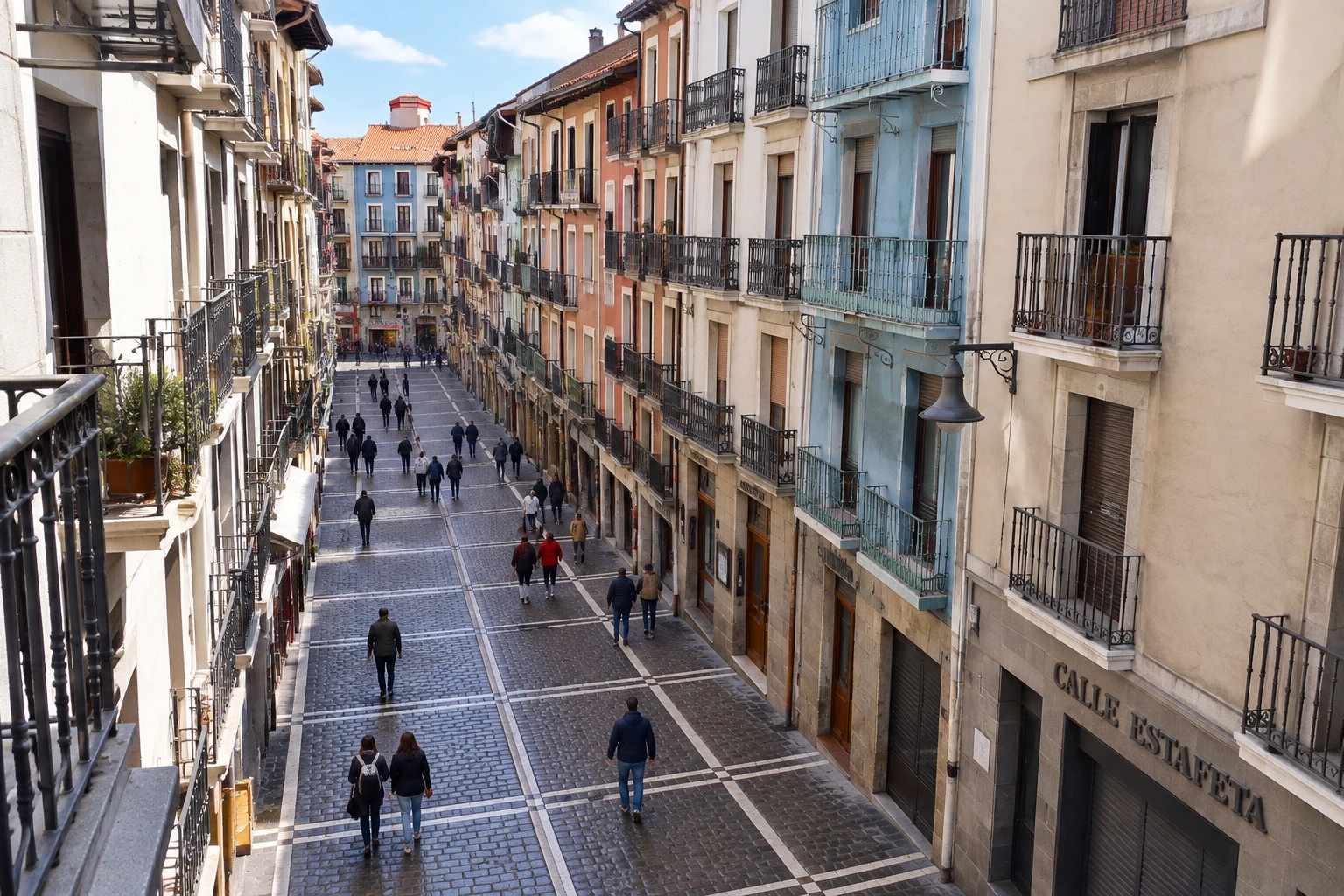
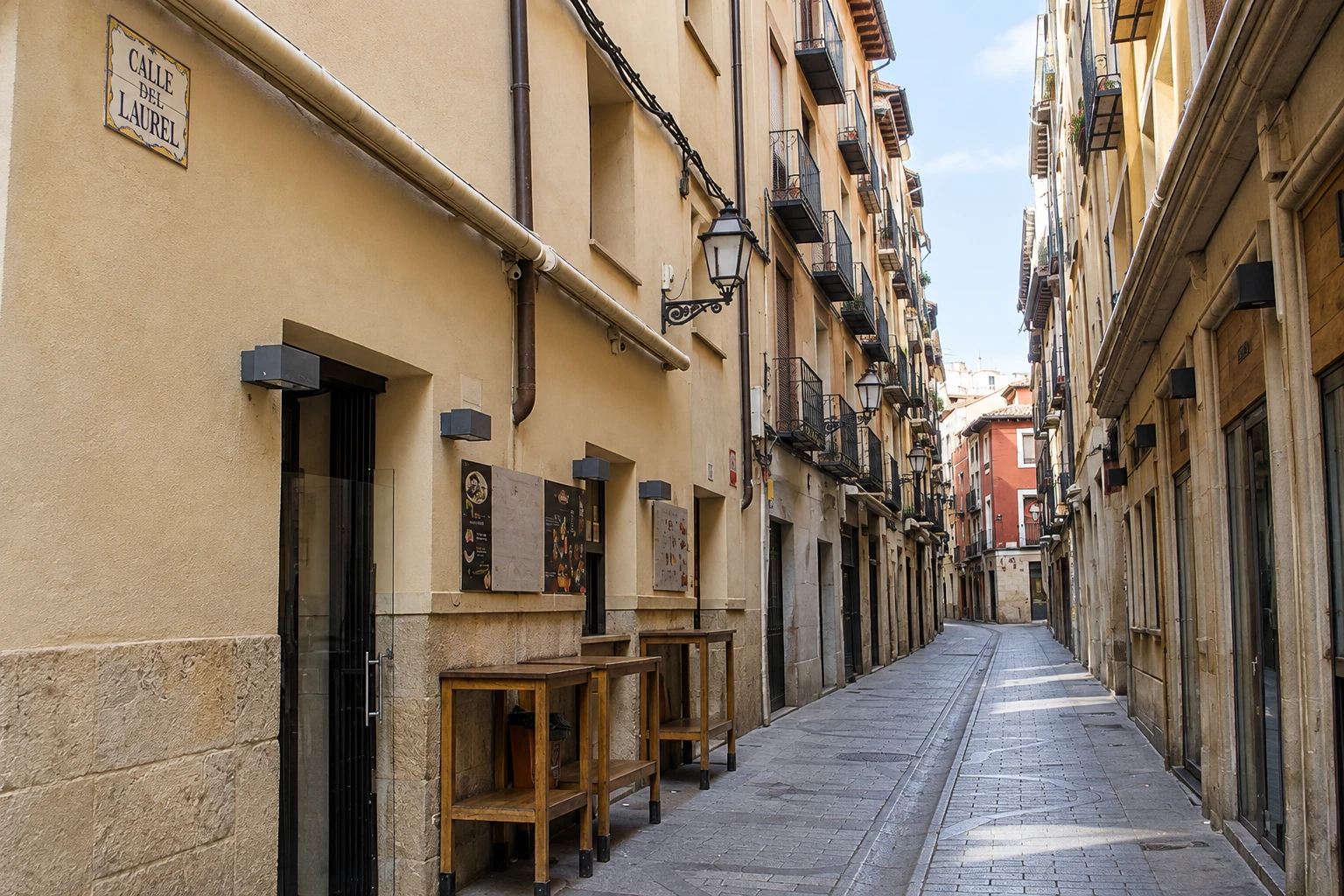
Calle del Laurel
The pincho-bar street of Logroño, in the old town, with dozens of counters in just over 200 meters, each with its own snack and Rioja wine.

 Search
 Brazil
 Antarctica
 Argentina
 Bolivia
 Chile
 Colombia
 Ecuador
 Falkland Islands (Malvinas)
 French Guiana
 Guyana
 Paraguay
 Peru
 Suriname
 Uruguay
 Venezuela
 Austria
 Belgium
 Croatia
 Denmark
 Finland
 France
 Germany
 Greece
 Hungary
 Iceland
 Ireland
 Italy
 Luxembourg
 Norway
 Poland
 Portugal
 Slovakia
 SloveniaSpain
 Sweden
 Switzerland
 the Czech Republic
 the Netherlands
 the United Kingdom
 Turkey
 Bermuda
 Canada
 Greenland
 Mexico
 Saint Pierre and Miquelon
 the United States
 the Dominican Republic
 JapanTurkey
 Egypt
 South Africa
 Australia
 Fiji
 New Zealand
 Papua New Guinea
Navarra · La Rioja
15 places to visit, chosen by the Cidade Turismo guide.
Illustrative images. The pictures in this guide are illustrations based on the real place, not photographs, and may differ from it.
To start
One by one
The pincho-bar street of Logroño, in the old town, with dozens of counters in just over 200 meters, each with its own snack and Rioja wine.
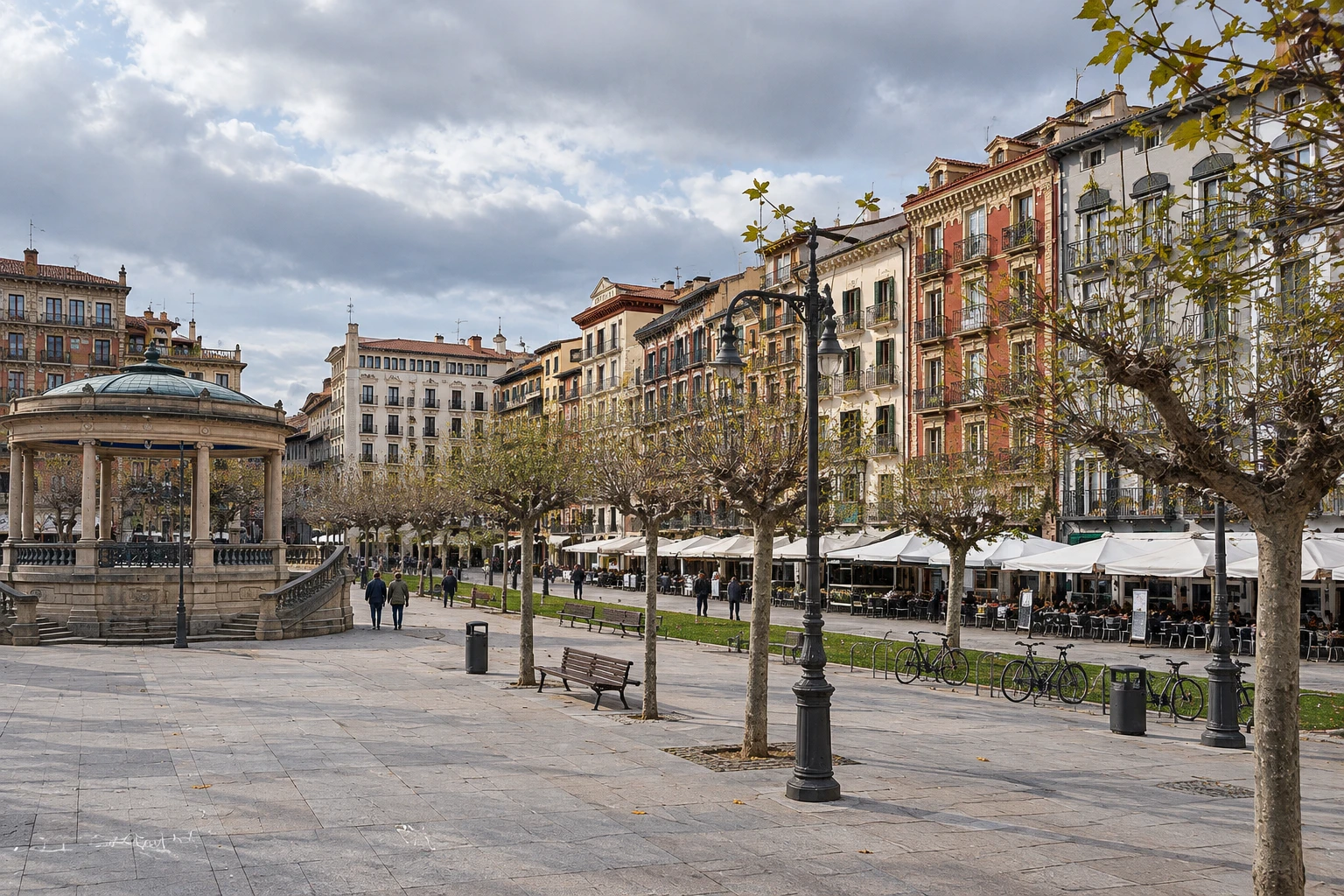
The main square of Pamplona, with a bandstand, arcades and historic cafés such as Café Iruña, associated with Hemingway and the San Fermín festivities.
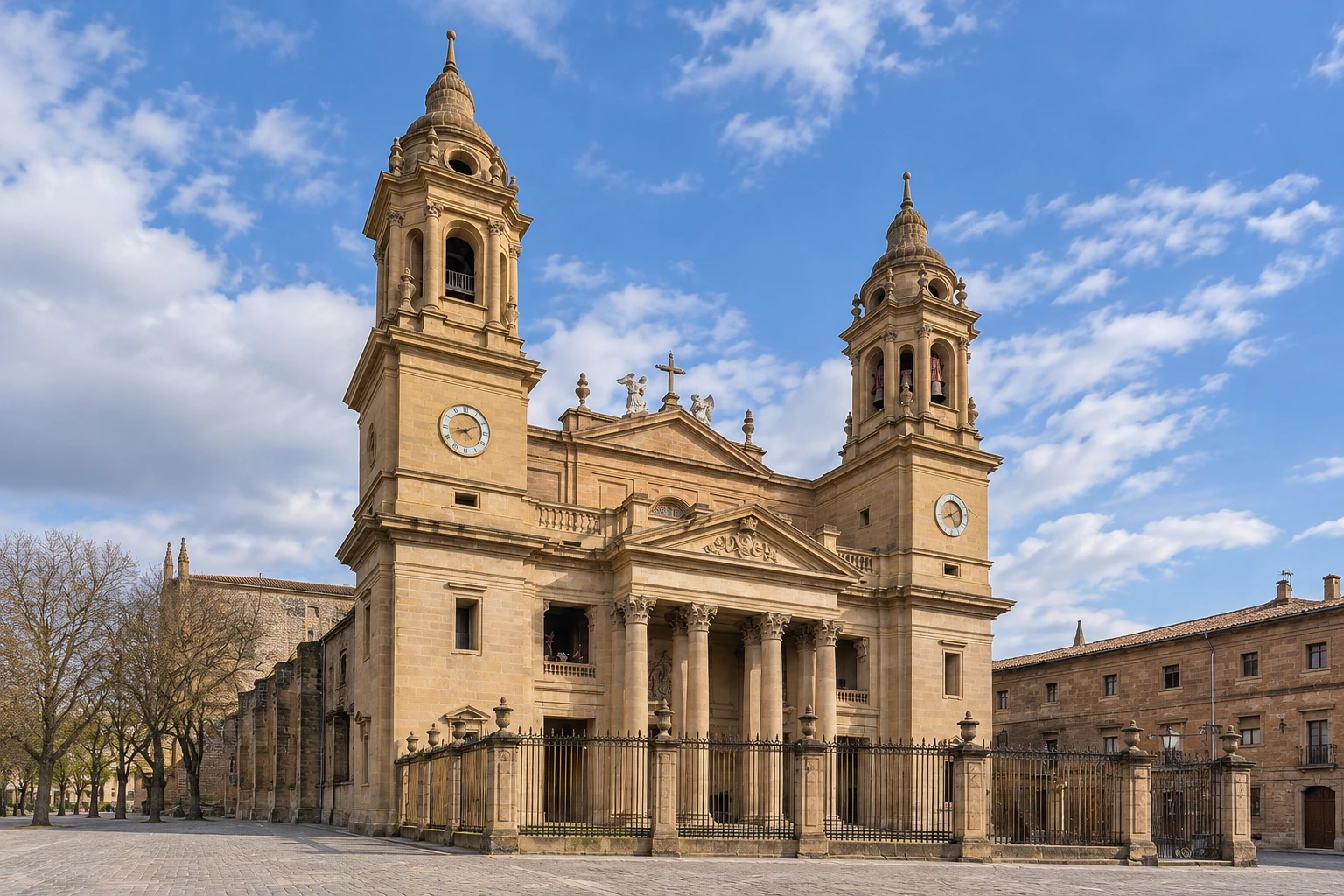
Gothic cathedral of Pamplona, with a neoclassical façade, the 14th-century cloister, the Gothic kitchen and the tomb of Charles III of Navarre, in one of the most complete cathedral complexes in Spain.
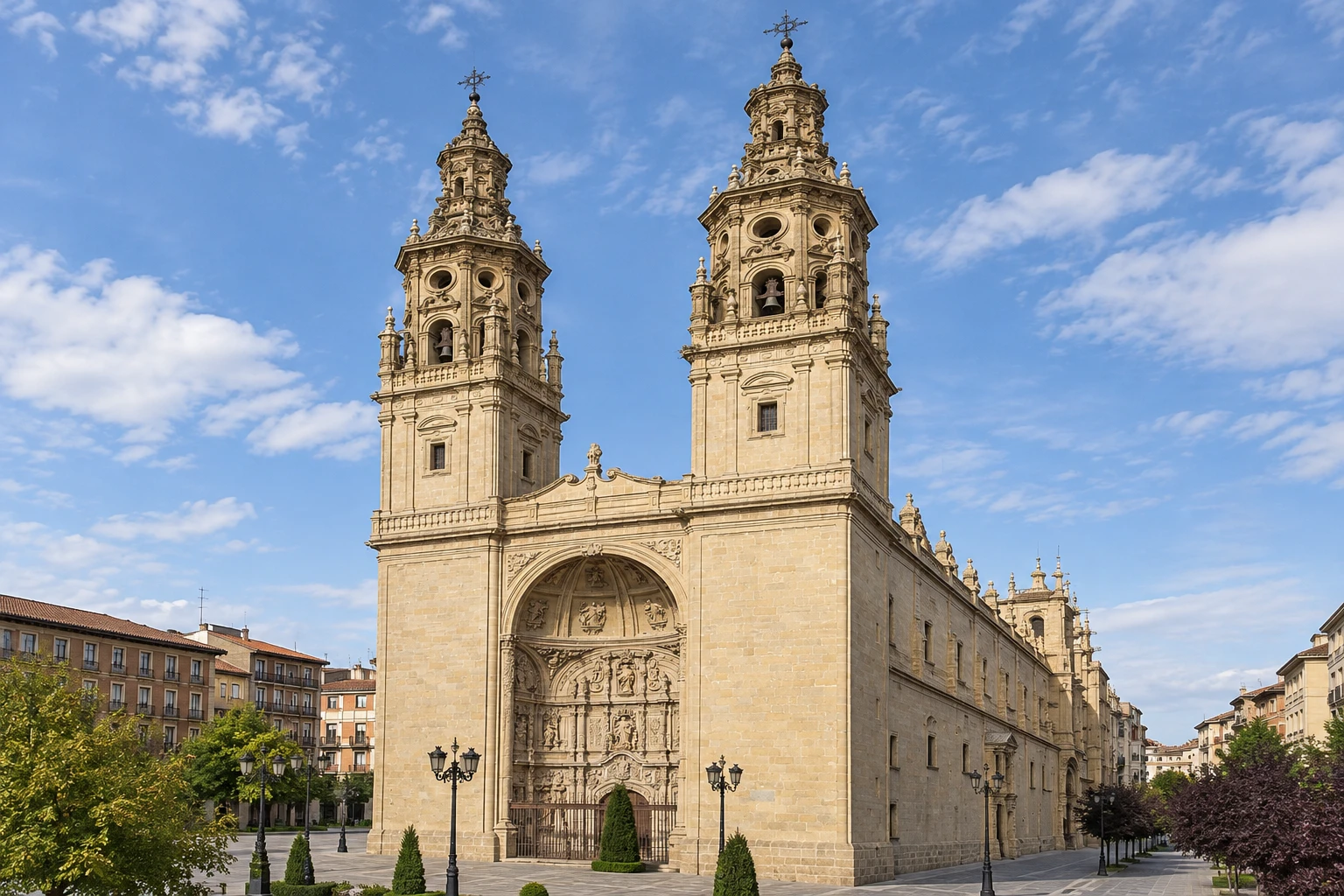
The co-cathedral of Logroño, with Baroque twin towers on the Plaza del Mercado, a Gothic nave with tall columns and a painting of the Crucifixion attributed to Michelangelo.
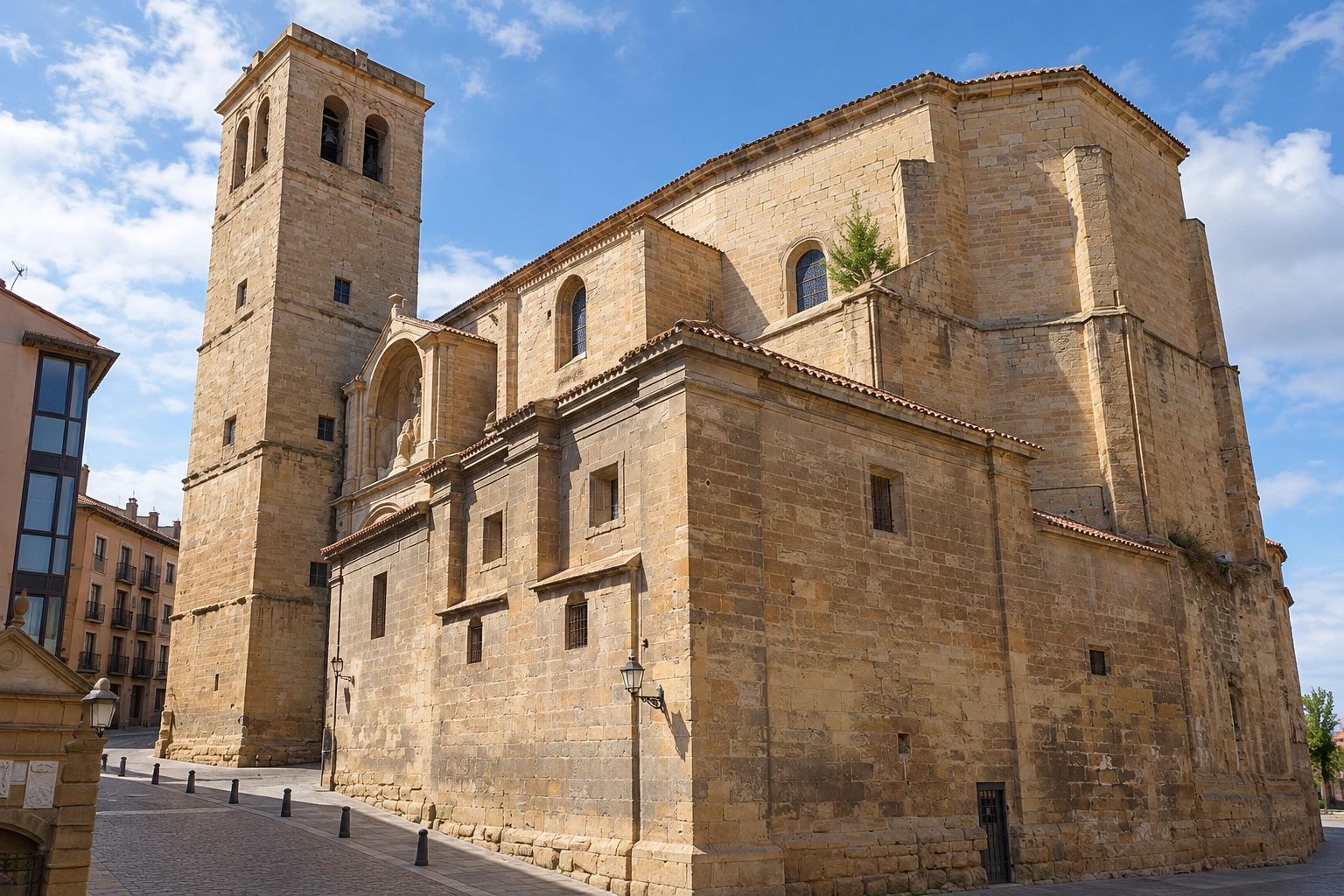
Church of the Camino on Rúa Vieja, built between 1513 and 1527, with the equestrian statue of São Tiago on the façade, the pilgrims' fountain and the juego da glória painted on the square.
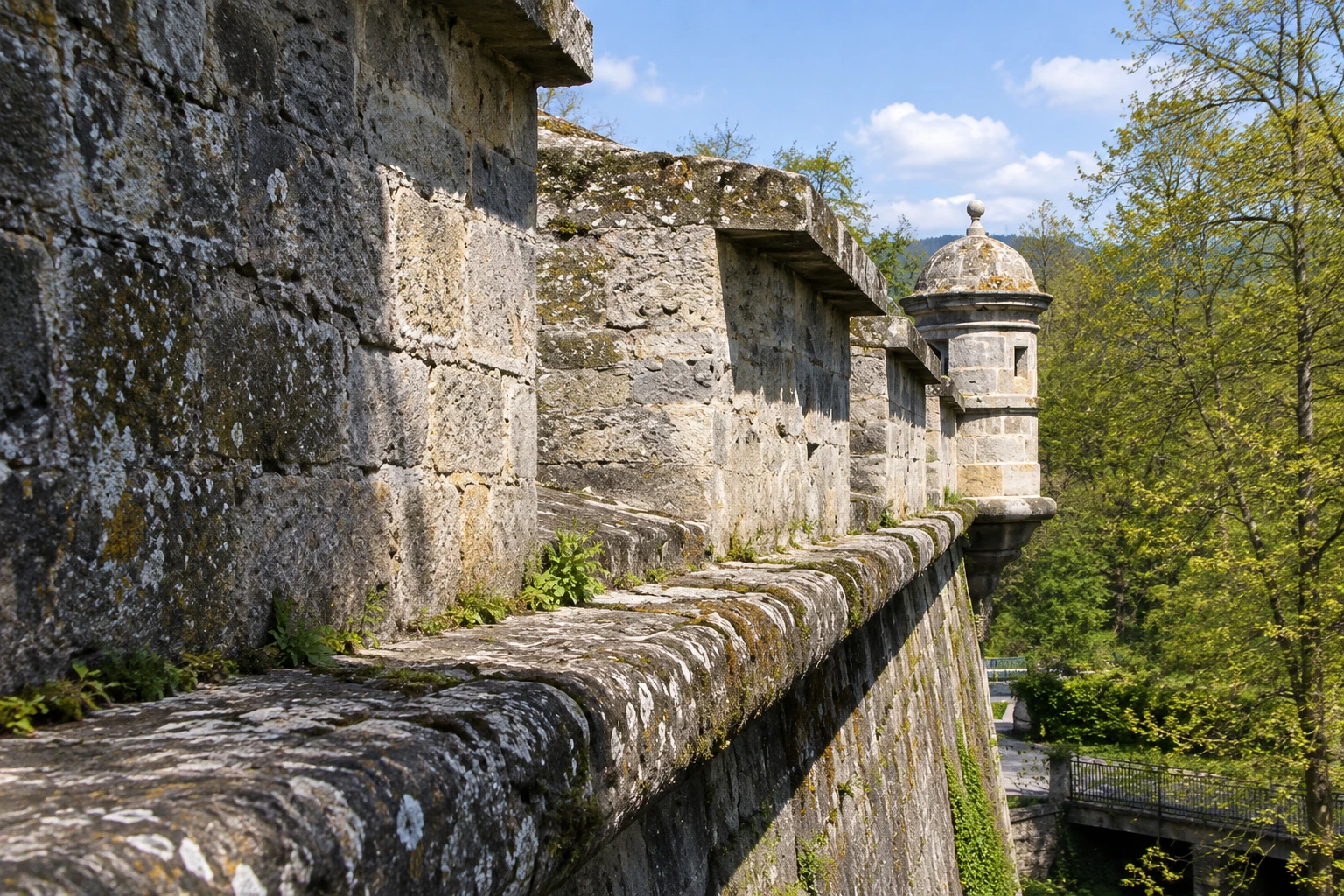
The walls that encircle the north and east of the old town, with the Portal de Francia—where pilgrims enter—and the Caballo Blanco viewpoint.
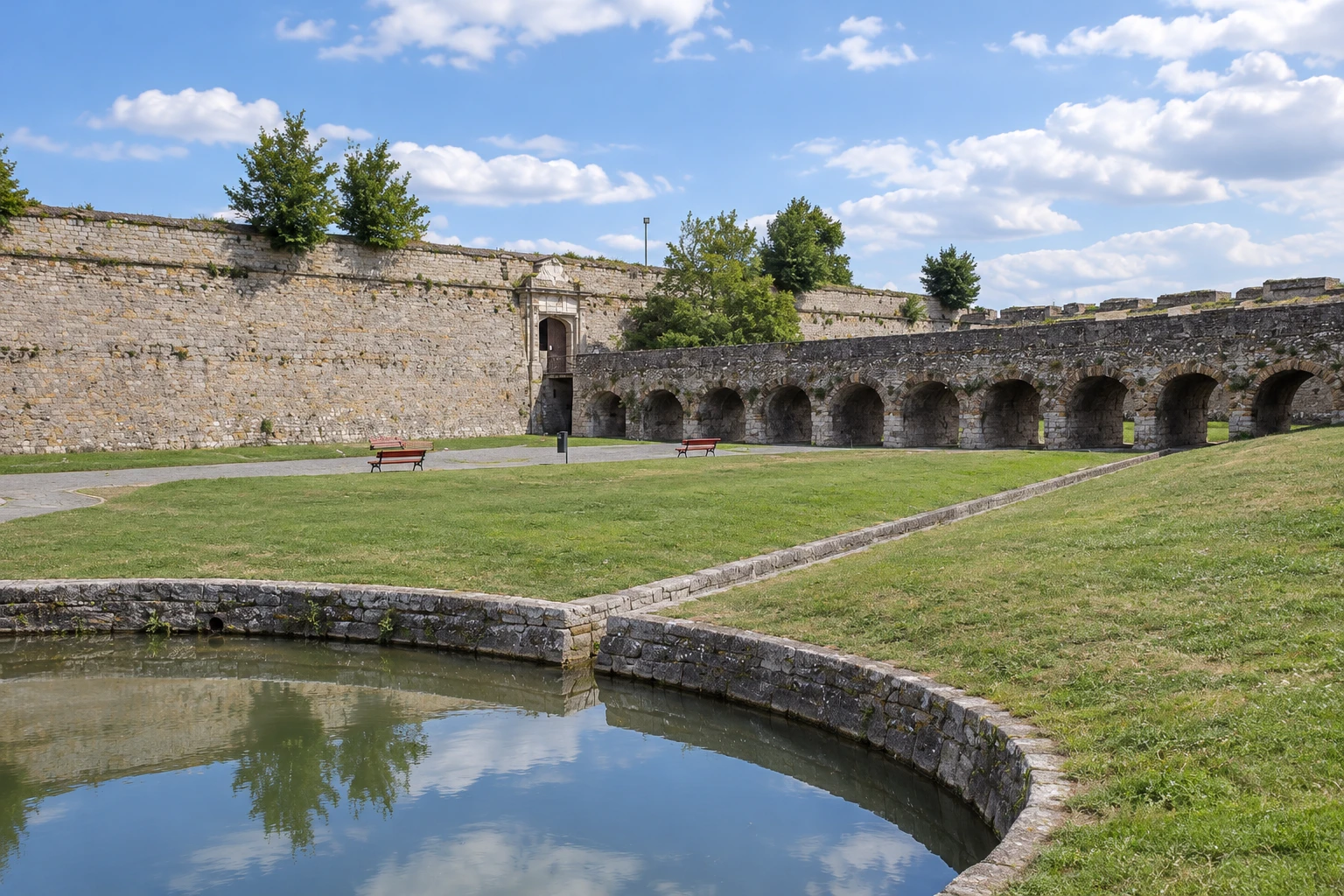
Renaissance citadel in the shape of a five-pointed star, commissioned by Philip II in 1571; today it is a park and cultural center, surrounded by the Vuelta del Castillo park.
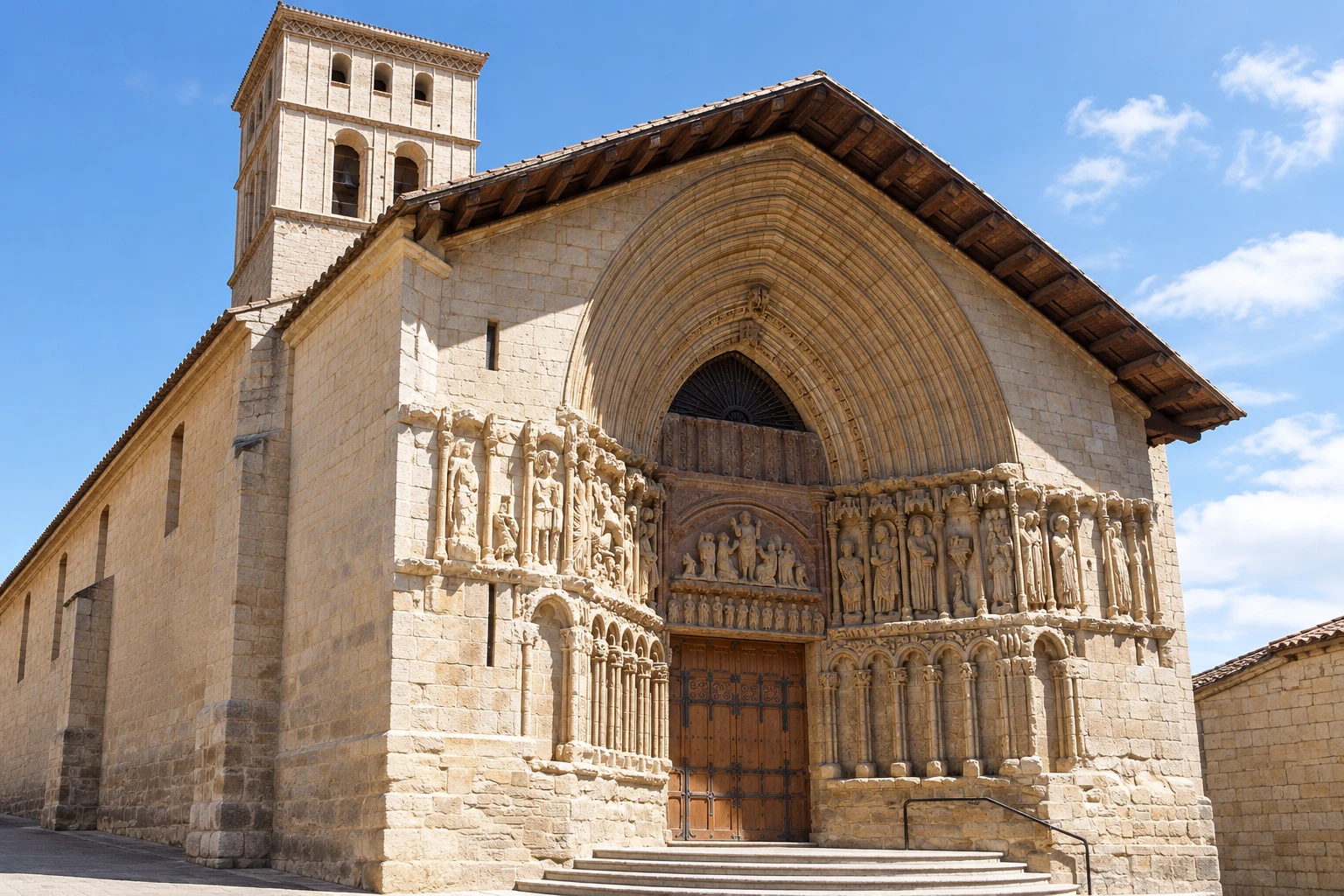
The oldest church in Logroño, from the 12th century, with a Romanesque apse and a 14th-century Gothic portal featuring scenes of the martyrdom of São Bartolomeu.
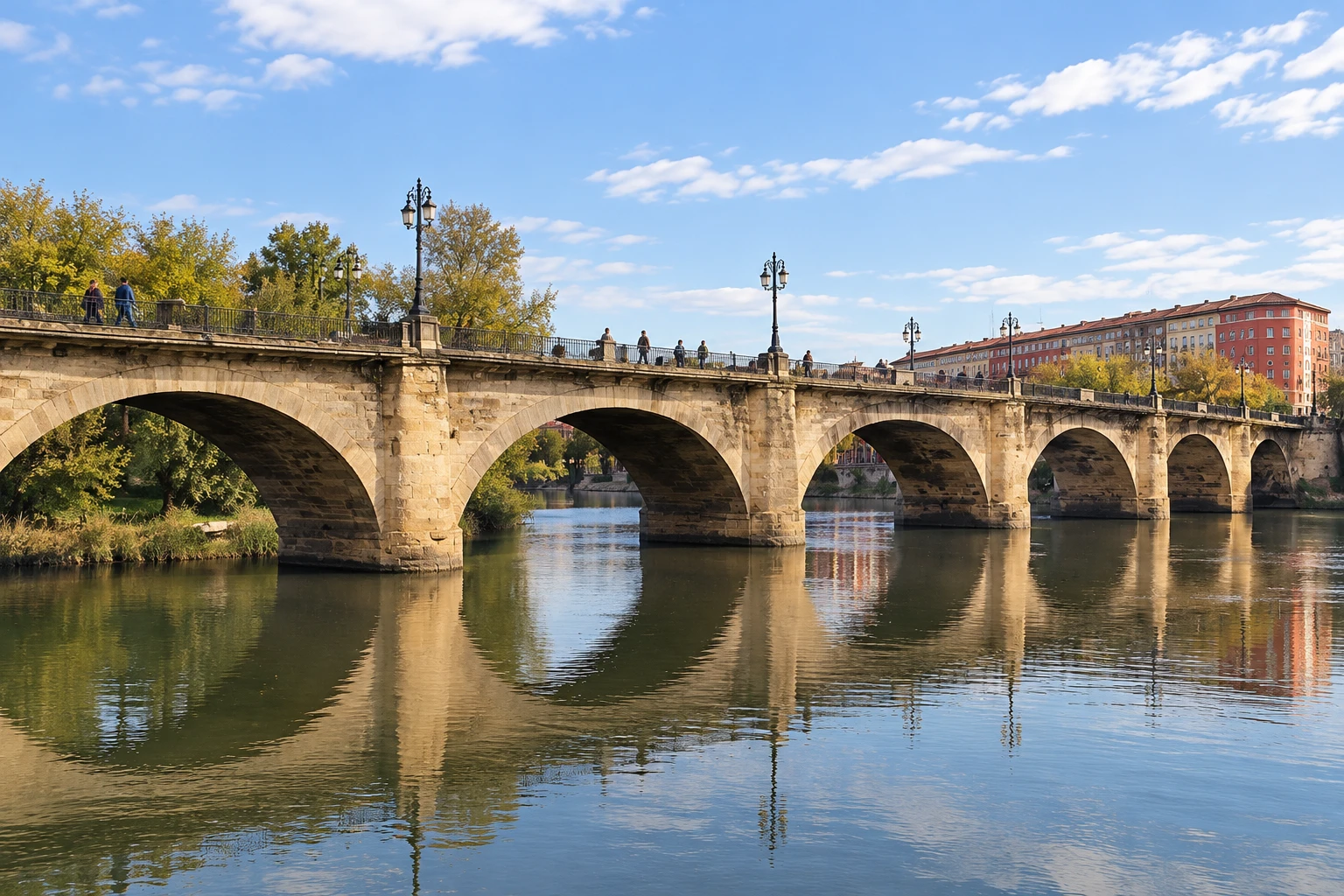
The ponte de pedra over the Ebro through which the Caminho de Santiago enters Logroño, rebuilt at the end of the 19th century in place of the medieval bridge, with views of the riverbank and the nearby Revellín wall.
The roughly 850-metre route through the streets of the old town where the bulls run on the mornings of the San Fermín festival, from the Cuesta de Santo Domingo to the bullring.
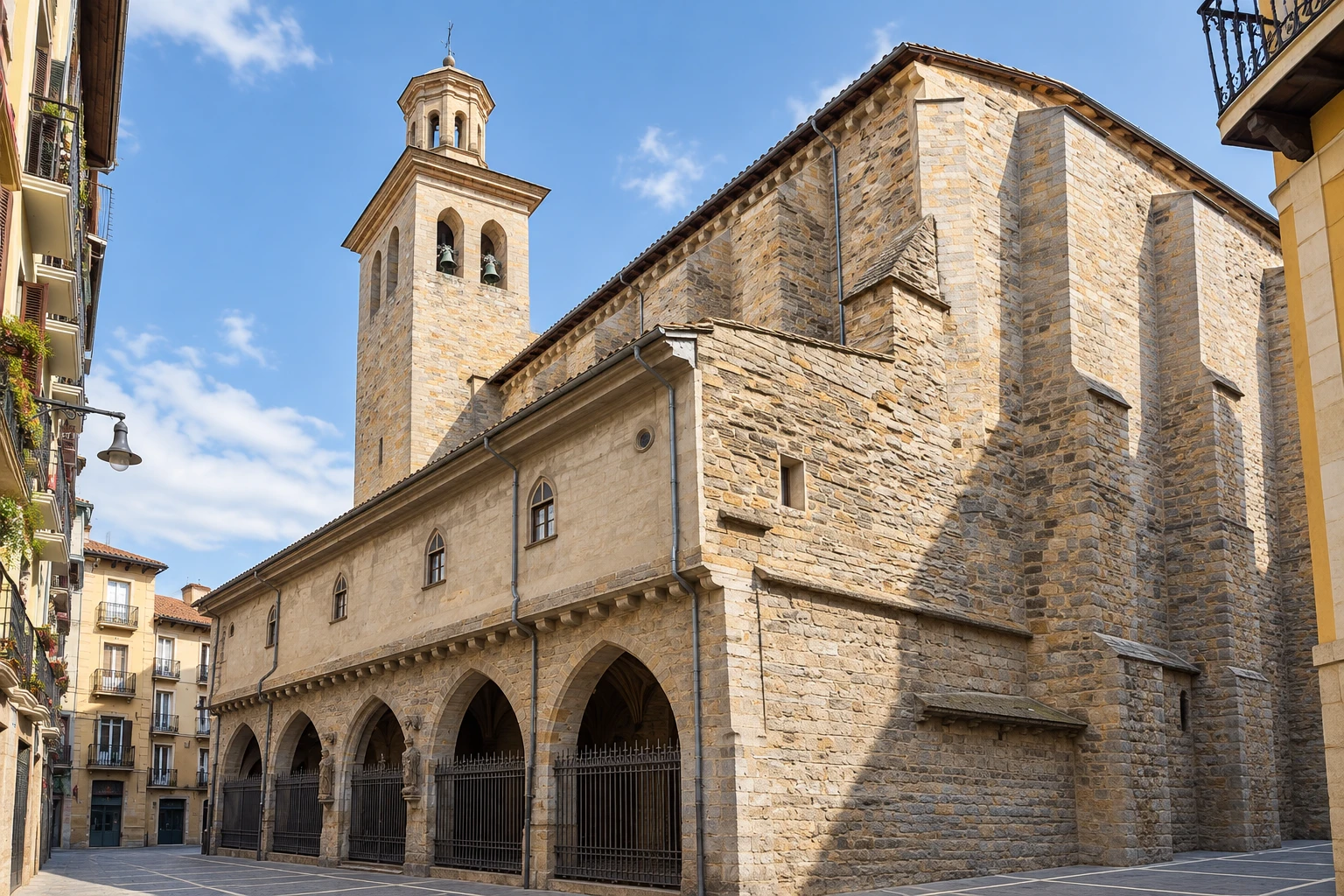
13th‑century Gothic church with fortress‑like towers, in the old borough of San Cernin, linked to the tradition of the arrival of Christianity in Pamplona.
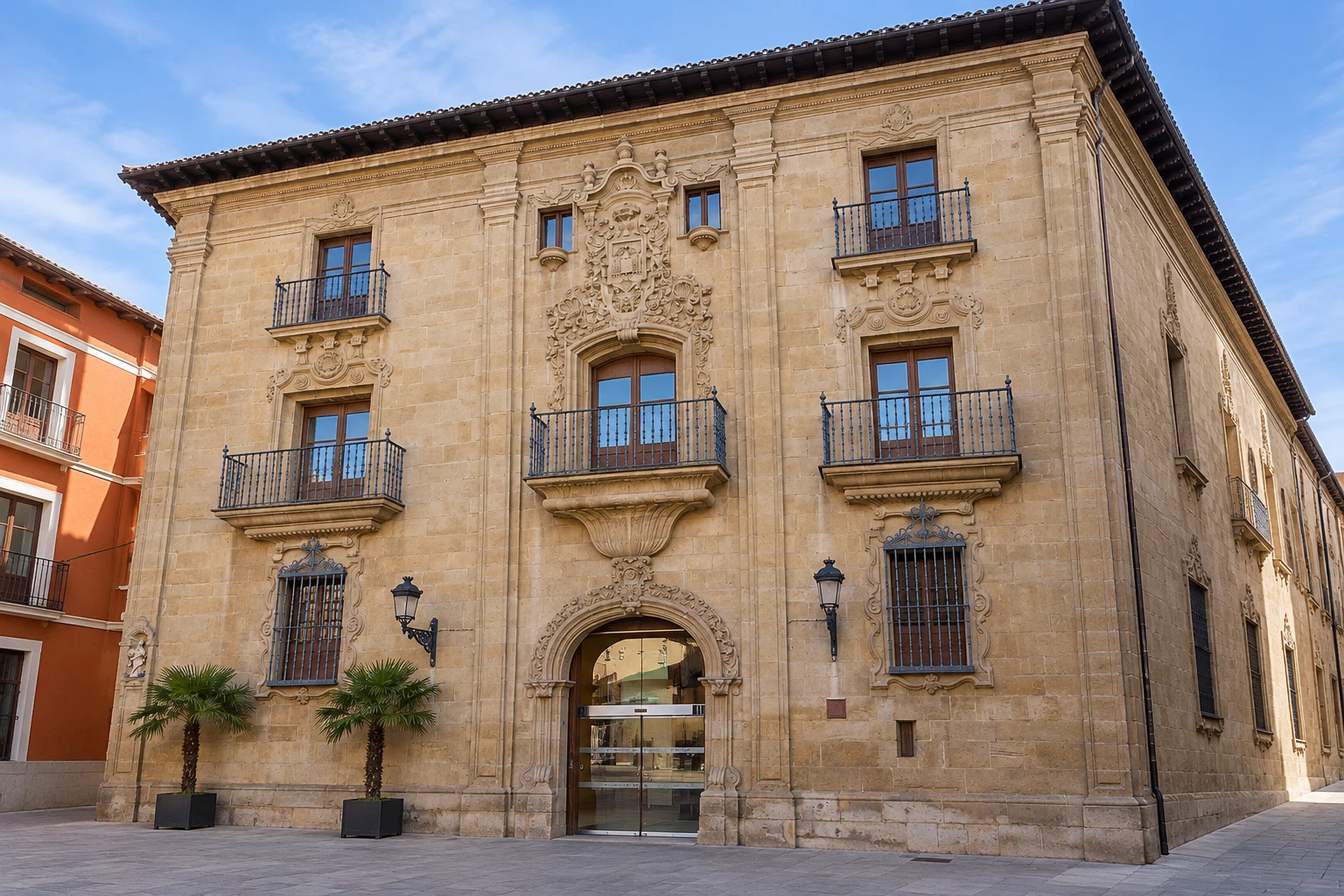
Museu de arte e história de La Rioja in the Palácio de Espartero, 18th century, with medieval sculptures and paintings, the San Millán panels and an ethnography section.
Winery founded in 1890 by a Frenchman on the banks of the Ebro, opposite the centre of Logroño, with old cellars and guided tours with tastings.
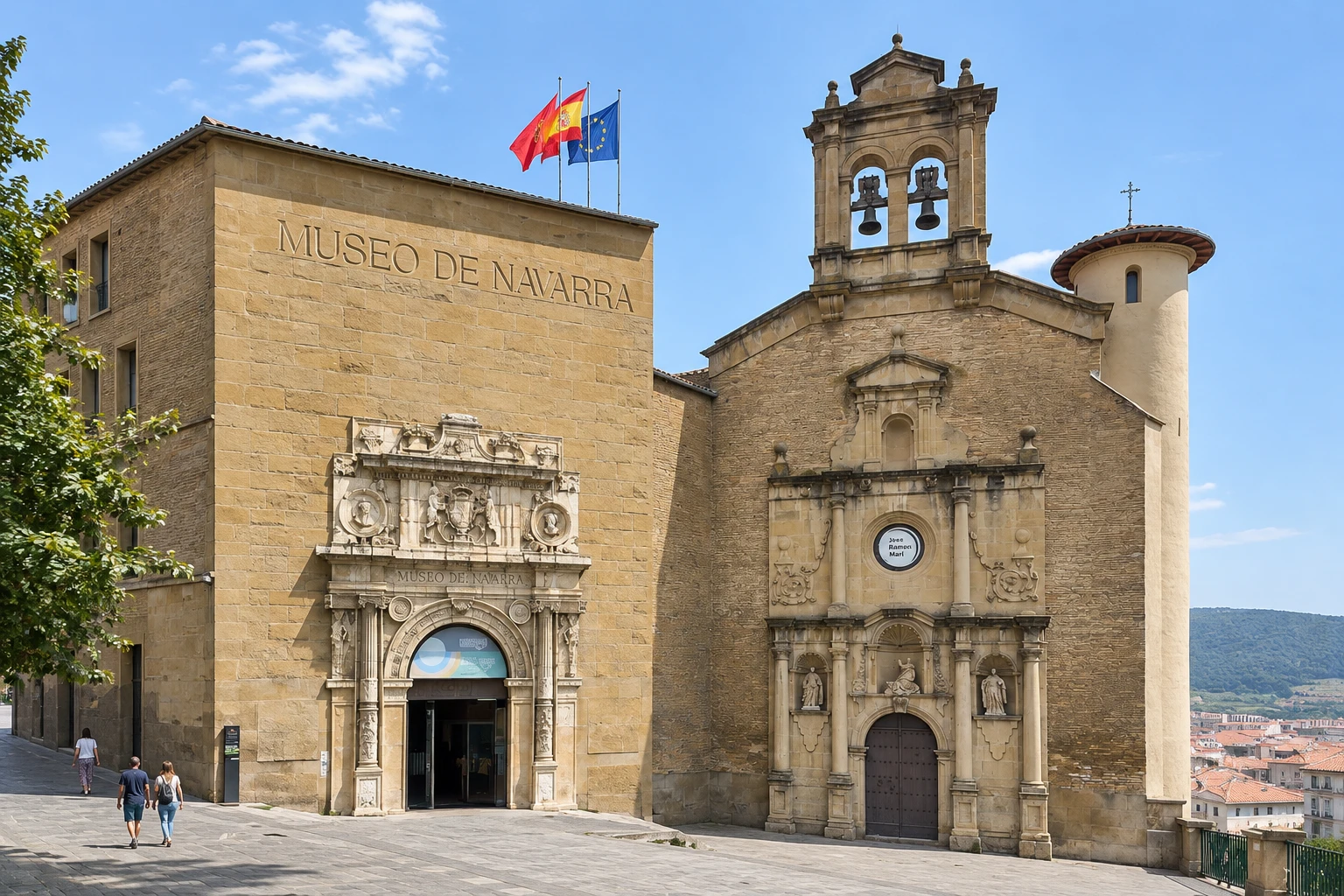
The Museu de Navarra is an art and archaeology museum housed in the former 16th‑century hospital, with Roman mosaics, the Leyre ivory chest, Gothic paintings and a portrait by Goya.
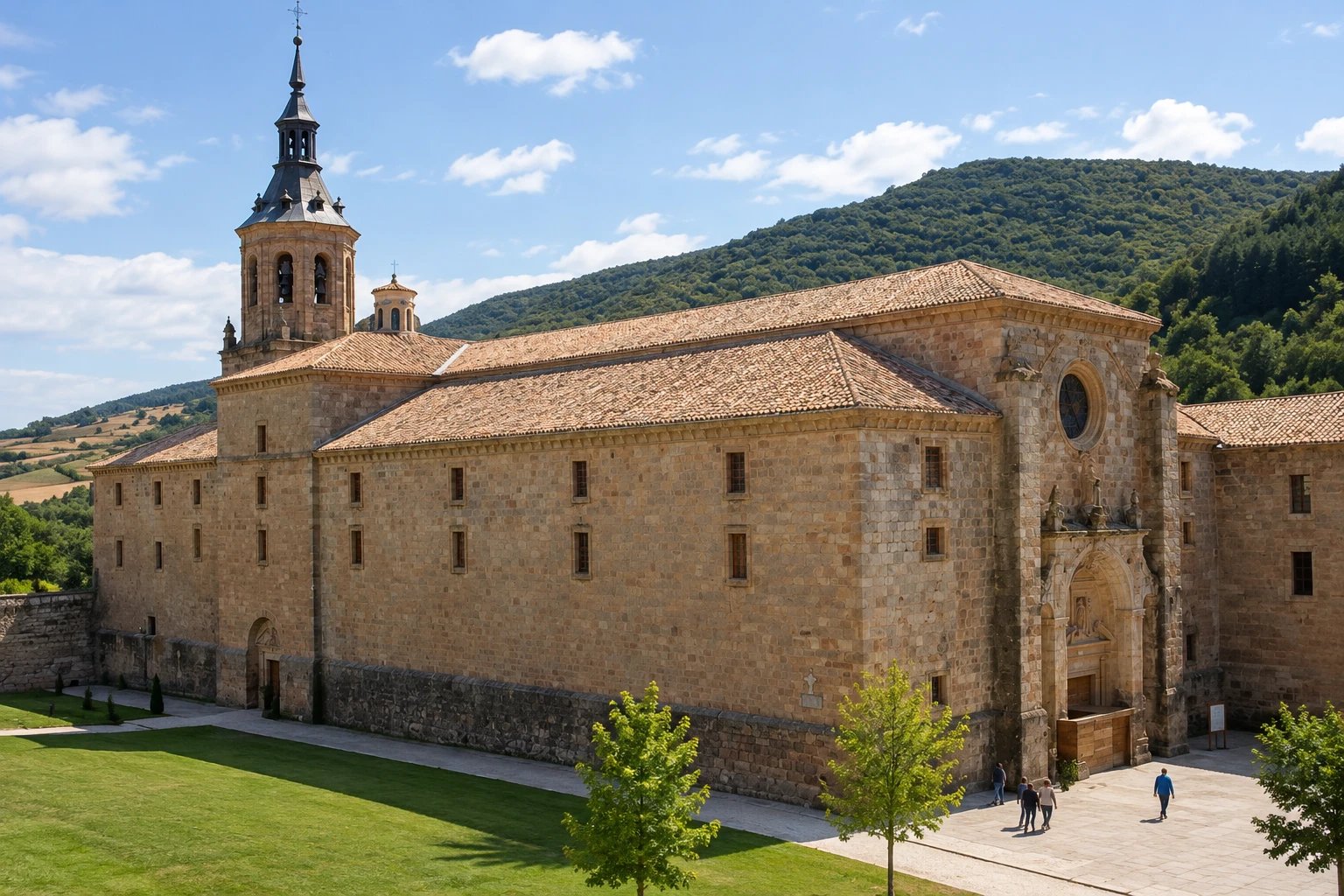
Two monasteries in San Millán de la Cogolla, 45 km from Logroño, a World Heritage Site: Suso, carved into the hillside, and Yuso, in the valley, where the Glosas Emilianenses were written, the earliest written records of Spanish.
To plan