Salamanca

Castile and León

Salamanca

The university town of golden stone, with the Baroque Plaza Mayor, the university's plateresque façade, two adjoining cathedrals and nights full of students.

Central

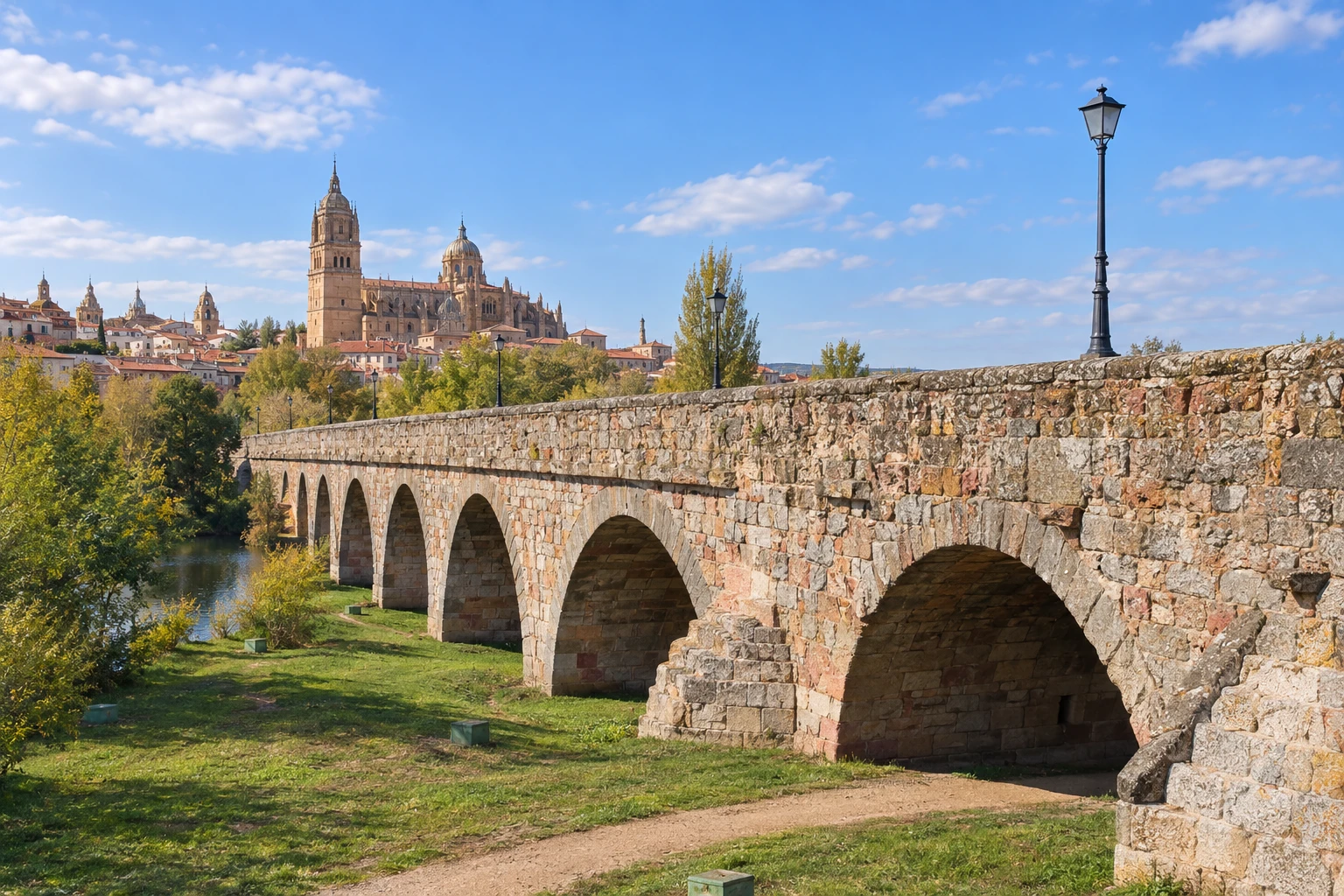
In the photo: Puente Romano de Salamanca

Illustrative images. The pictures in this guide are illustrations based on the real place, not photographs, and may differ from it.

Get it on Google Play

Get to know the place

A region to enjoy
at your own pace.

Salamanca is in Castile and León, in western Spain, on the banks of the Tormes river, about 210 km from Madri and just over 100 km from the border with Portugal. The Universidade de Salamanca, founded in 1218, is the oldest university in Spain still in operation, and the city has revolved around it ever since: in the centre almost everything is a college, convent, faculty or student bar.

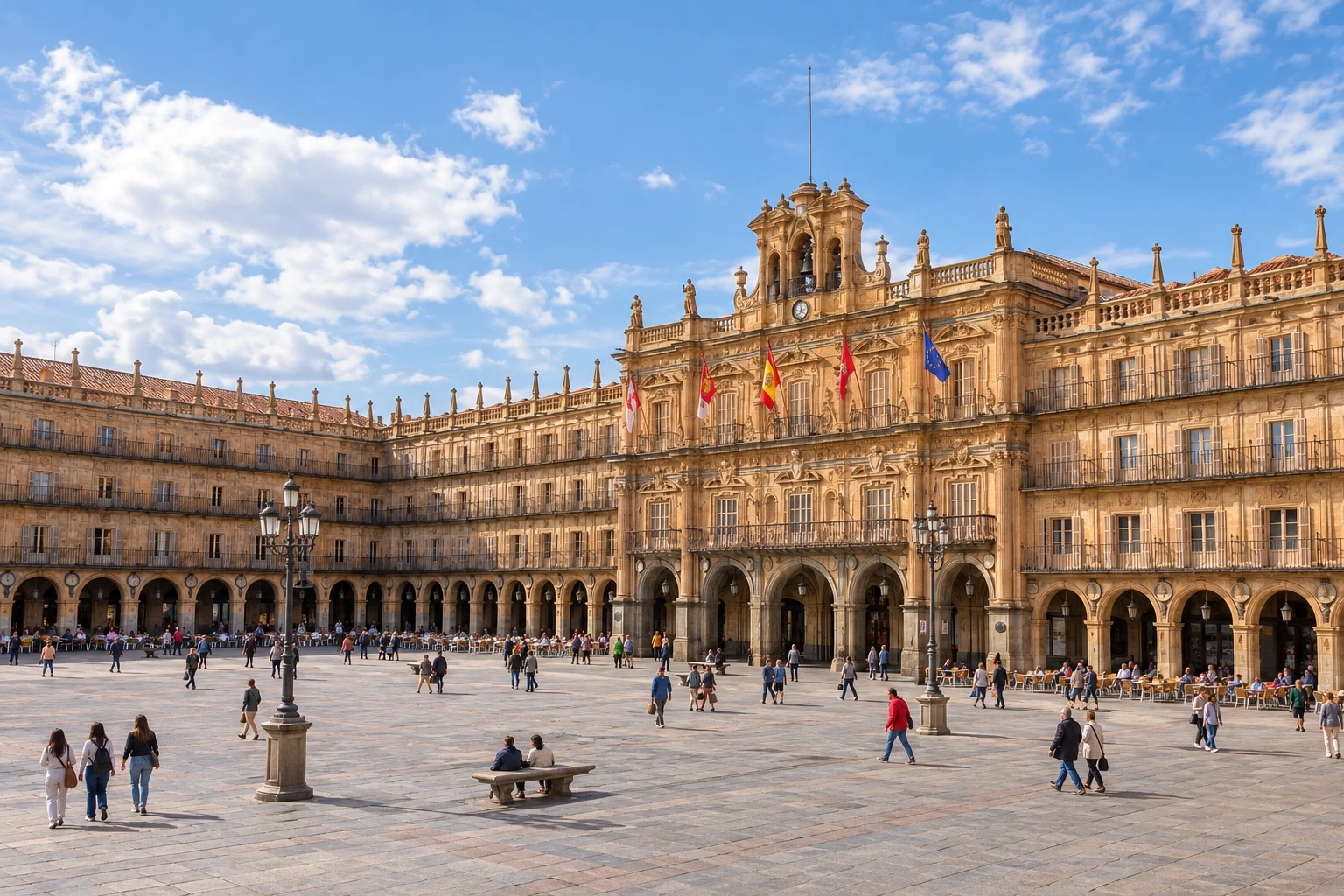
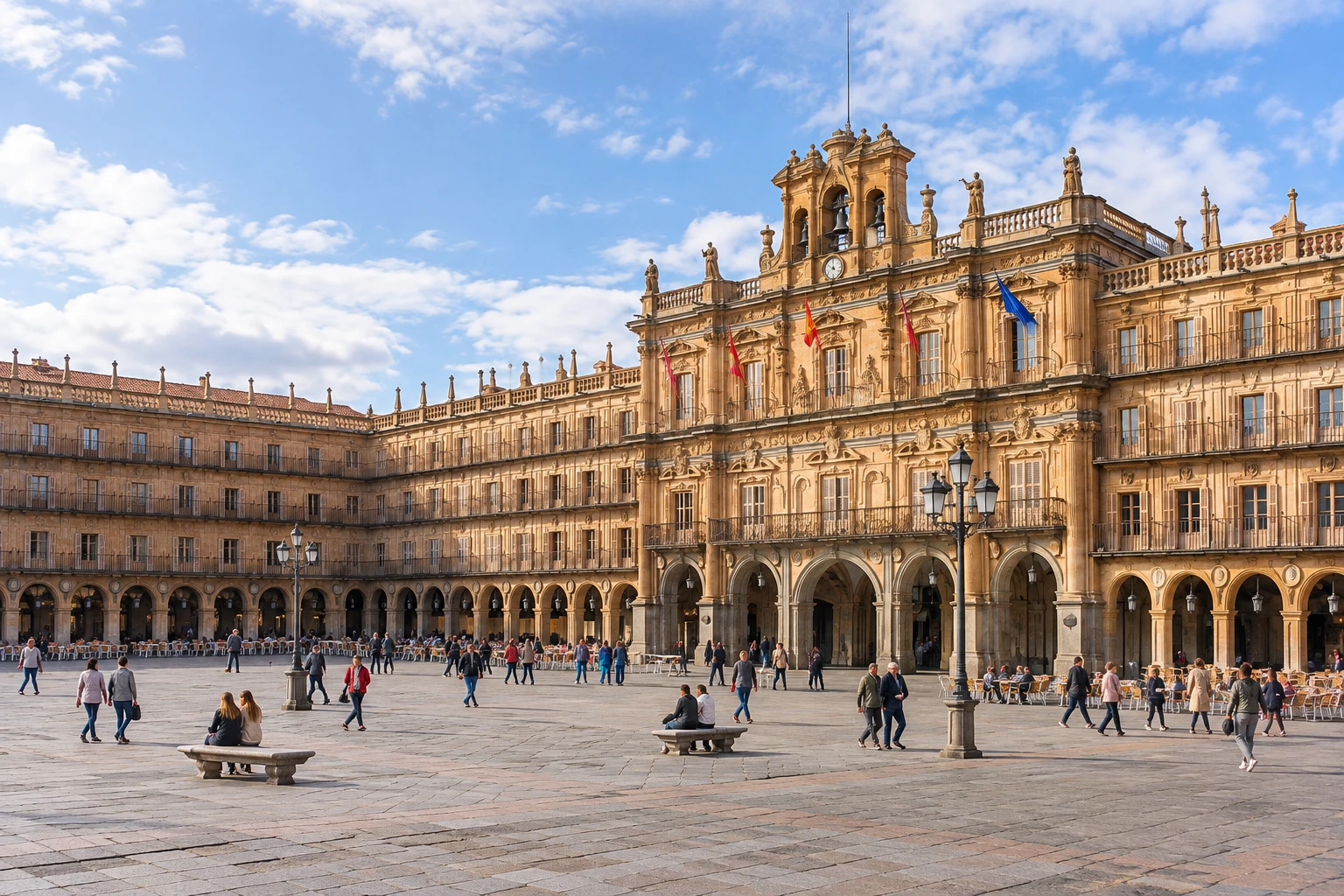
The buildings were built with Villamayor stone, a sandstone that is light from the quarry and over time takes on a golden hue, stronger at dusk. Hence the nickname Salamanca, la Dorada. The historic centre has been a UNESCO World Heritage Site since 1988, featuring the university's plateresque façade, the Casa de las Conchas, the Clerecía, the convent of San Esteban and the two cathedrals — the Vieja, Romanesque, and the Nueva, Gothic and Baroque — standing side by side.

In the middle of it all is the Plaza Mayor, an 18th-century Baroque square that is the city's meeting point at any hour. To the south, the Roman bridge crosses the Tormes, with the classic view of the cathedrals above the roofs.

For Brazilians, Salamanca is a possible day trip from Madri, about 1h35 by train, but it’s worth staying at least one night to see the city lit up. It’s also on the route between Madri and Porto. The time difference is 4 or 5 hours ahead of Brasília, depending on the time of year.

This destination brings together 2 cities: Salamanca, Zamora.

Share: WhatsApp
Traveler, share your experiences through photos Up to 5 photos of each place you visited.

One destination, many paths

The cities on this trip

Start with one city or combine several in your itinerary.

Where Salamanca is The star marks the nearest capital, Madrid.
MadridSalamancaZamora

Outlines: IGN/CNIG, unidades administrativas, CC BY 4.0. Adapted by Cidade Turismo.

How to get there: Salamanca

Aeropuerto Adolfo Suárez Madrid-Barajas (MAD), in Madri · 210 km to Salamanca

Connections from Brazil usually involve a stopover in another city. Check before you buy. The most common route is to fly to Madri and continue by train, about 1h35 from Chamartín station, or by bus, around 2h30. From Porto it's about 350 km by road, with direct buses.

Suggested arrival point: Salamanca

The local experience

Things to do in Salamanca

Zamora · Castile and León · Church

Zamora Cathedral

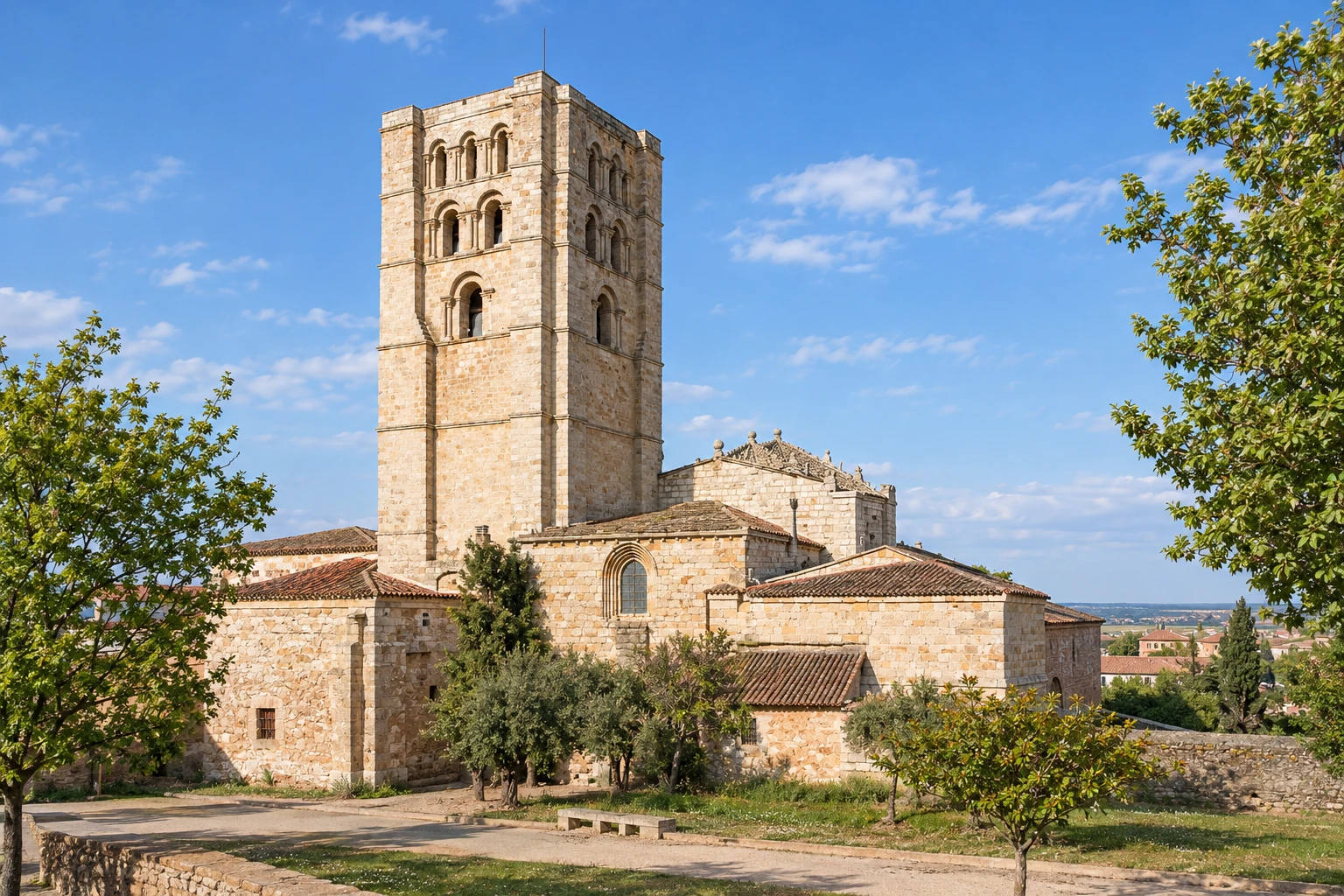
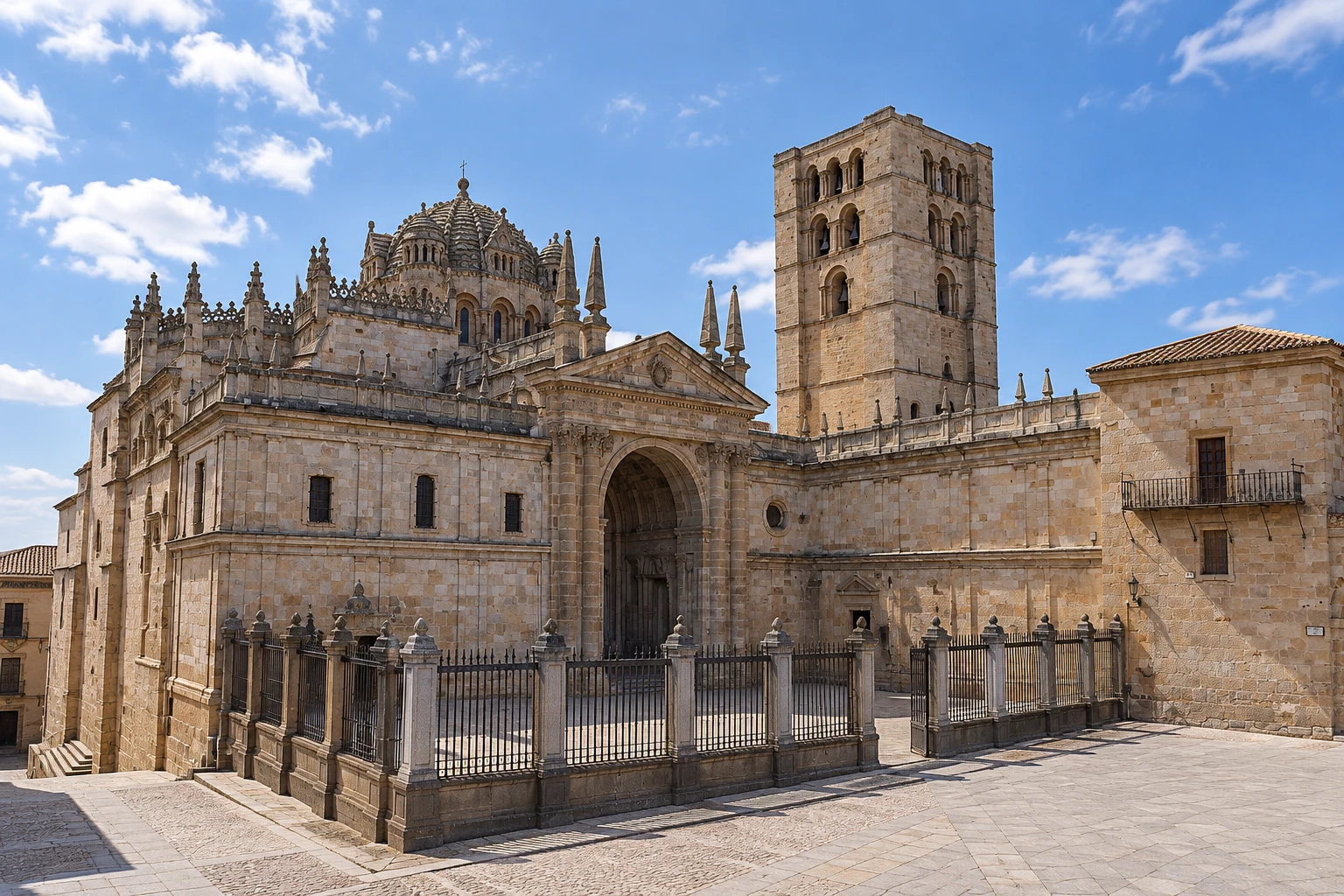
The Cathedral of the Salvador, from the 12th century, is the oldest and smallest of the cathedrals of Castile and León. The cimborium with its stone-scaled dome, of Byzantine influence, is the symbol of the city. The museum houses Flemish tapestries.

Explore Zamora Cathedral

Zamora · Castile and León · Castle

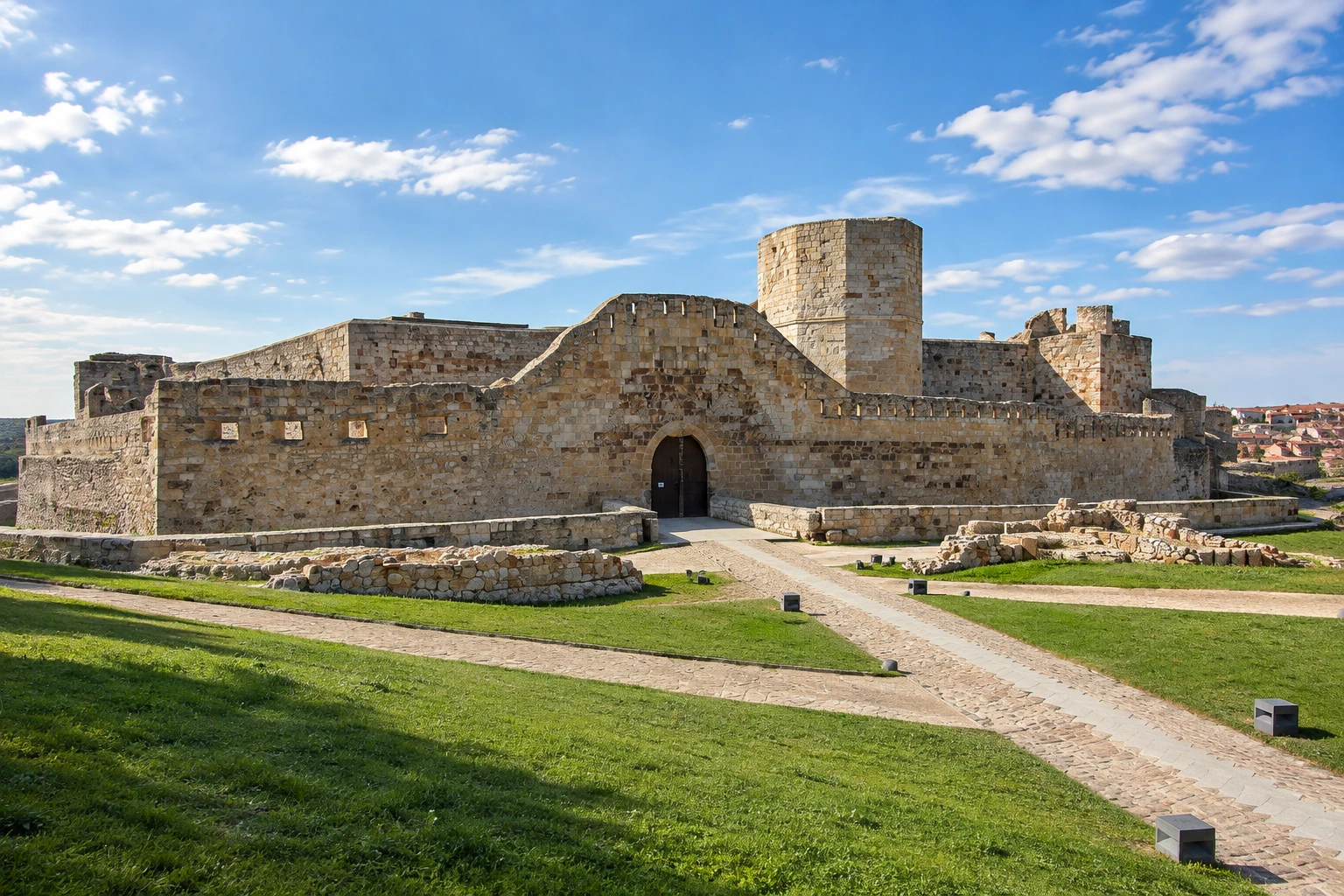
Zamora Castle

The Romanesque castle on the western tip of the plateau, next to the cathedral, with a moat, restored walls and gardens. It houses a space dedicated to the Zamoran sculptor Baltasar Lobo.

Explore Zamora Castle

Salamanca · Castile and León · Monument

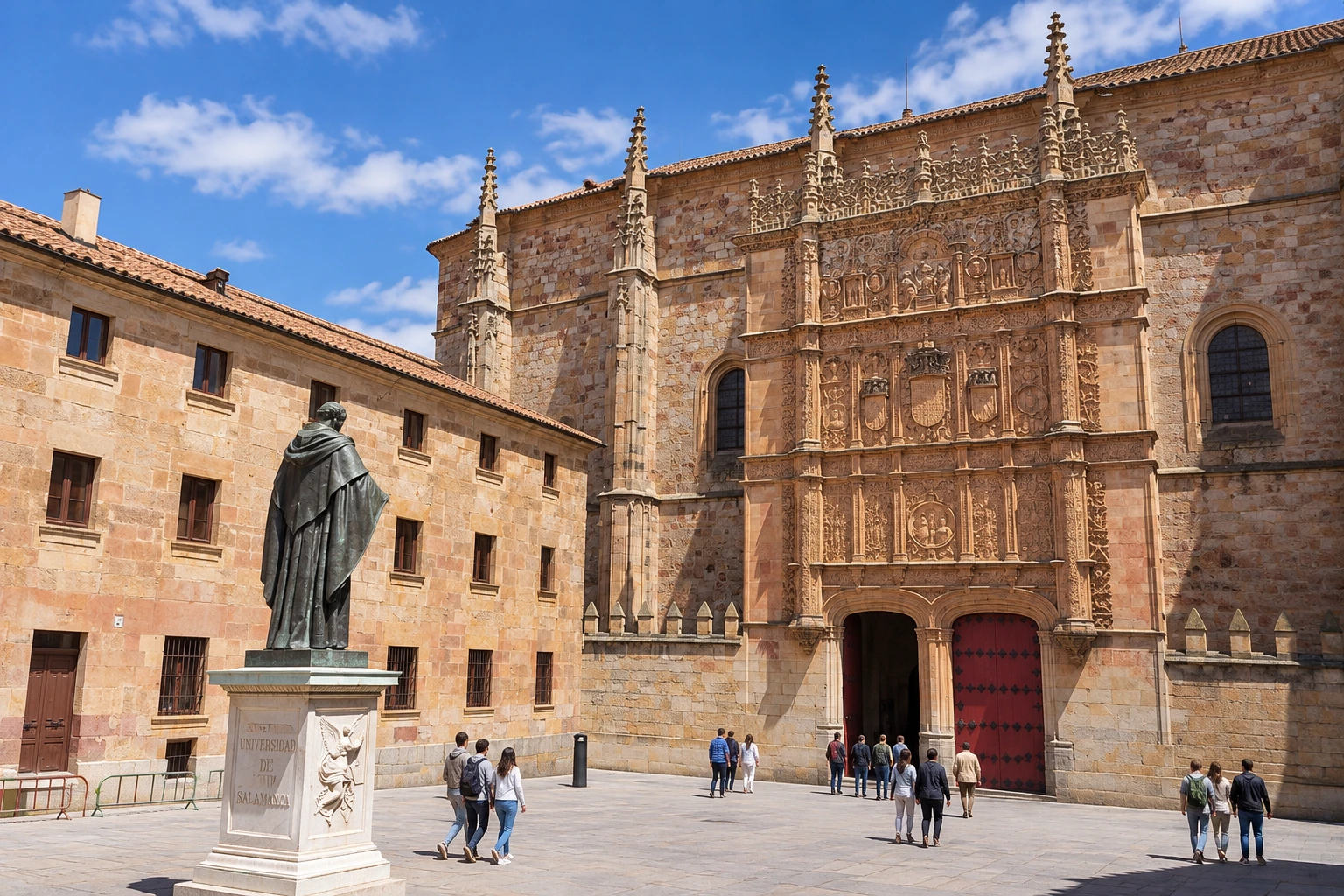
University of Salamanca

University founded in 1218, with the Escuelas Mayores building, the plateresque façade of the frog, the historic library, Fray Luis de León's lecture room, and the Cielo de Salamanca.

Explore University of Salamanca

See 13 more places in Salamanca

Before you go

Practical information

A little planning leaves more time to enjoy the journey.

When to go

From April to June and from September to October the weather is usually pleasant and the city is full of students. July and August are hot in the daytime and cool at night, with the university on holiday. Winter is cold and dry, with frosts. Holy Week often features night processions through the stone streets.

The seasons shown are the most usual ones; nature doesn't always follow the calendar.

How many days to stay

One day is enough for the Plaza Mayor, the university, the cathedrals and the Casa de las Conchas. With two days you can add the cathedral tower climb, San Esteban, the Dueñas, the Casa Lis and the sunset at the Roman bridge, without rushing.

Which city to stay in

The historic centre, between the Plaza Mayor and the cathedrals, puts everything within walking distance and has hotels in old buildings, but the streets stay lively late on student nights. The Gran Vía and Plaza de España area, 10 minutes from the Plaza Mayor, is quieter and has more hotel options. The train station is about 1.5 km from the centre, a 20-minute walk from the Plaza Mayor.

Respect the place

Take your trash with you, follow the signs and support local businesses. In natural areas, follow the visiting guidelines.

Beyond the guide

Your questions

Frequently asked questions about Salamanca

Can you do Salamanca as a day trip from Madri?

Yes. The train takes about 1h35 from Chamartín, with several departures per day. But spending one night in the city lets you see the Plaza Mayor and the cathedrals illuminated.

What is the frog on the university façade?

A small frog carved on top of a skull on the plateresque façade of the Escuelas Mayores. Tradition says that whoever finds it alone will have luck in their studies or will marry that year.

Why is Salamanca called la Dorada?

Because of the Villamayor stone, used on almost all the buildings, which turns golden over time and shines at sunset.

Is Salamanca near Portugal?

Yes. The border at Fuentes de Oñoro is just over 100 km away, and there are buses to Porto and Lisbon.

Do I need a car in Salamanca?

No. The historic centre is compact and almost entirely pedestrian. A car only helps for villages in the region, like La Alberca and Ciudad Rodrigo.

Routes in Spain

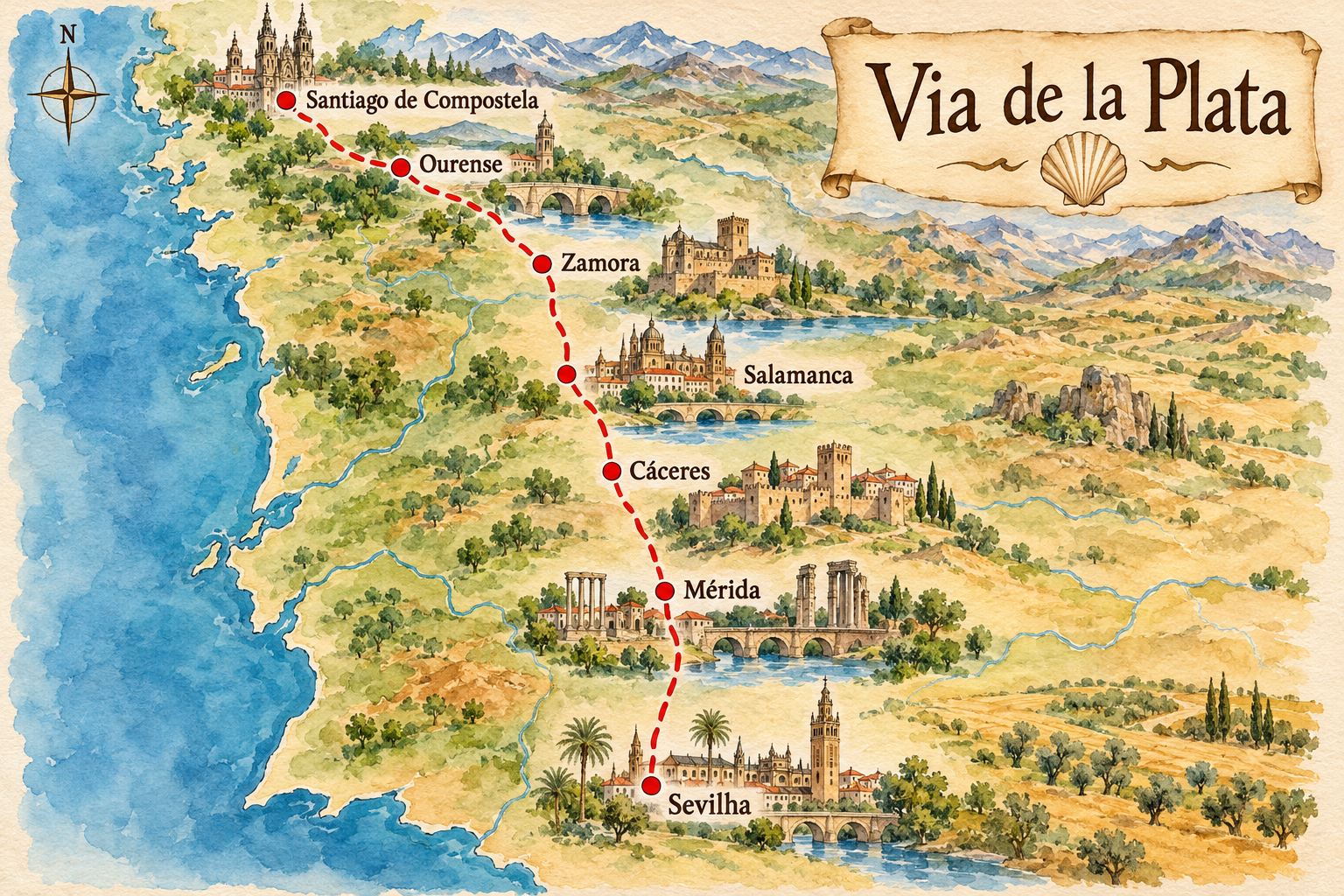
Salamanca is on the Vía de la Plata from Seville to Santiago on foot

The longest Camino de Santiago in Spain: from Seville to Santiago de Compostela along the country’s west, following the old Roman road, via Mérida, Cáceres, Salamanca, Zamora and Ourense.

Illustrative map, not to scale. Tap a city to open its page.
Illustrated map of Vía de la Plata from Seville to Santiago on foot
Explore the Vía de la Plata from Seville to Santiago on foot
Explore other destinations Search by state and city