17 places to visit, chosen by the Cidade Turismo guide.
Illustrative images. The pictures in this guide are illustrations based on the real place, not photographs, and may differ from it.
To start
The 10 main places Salamanca
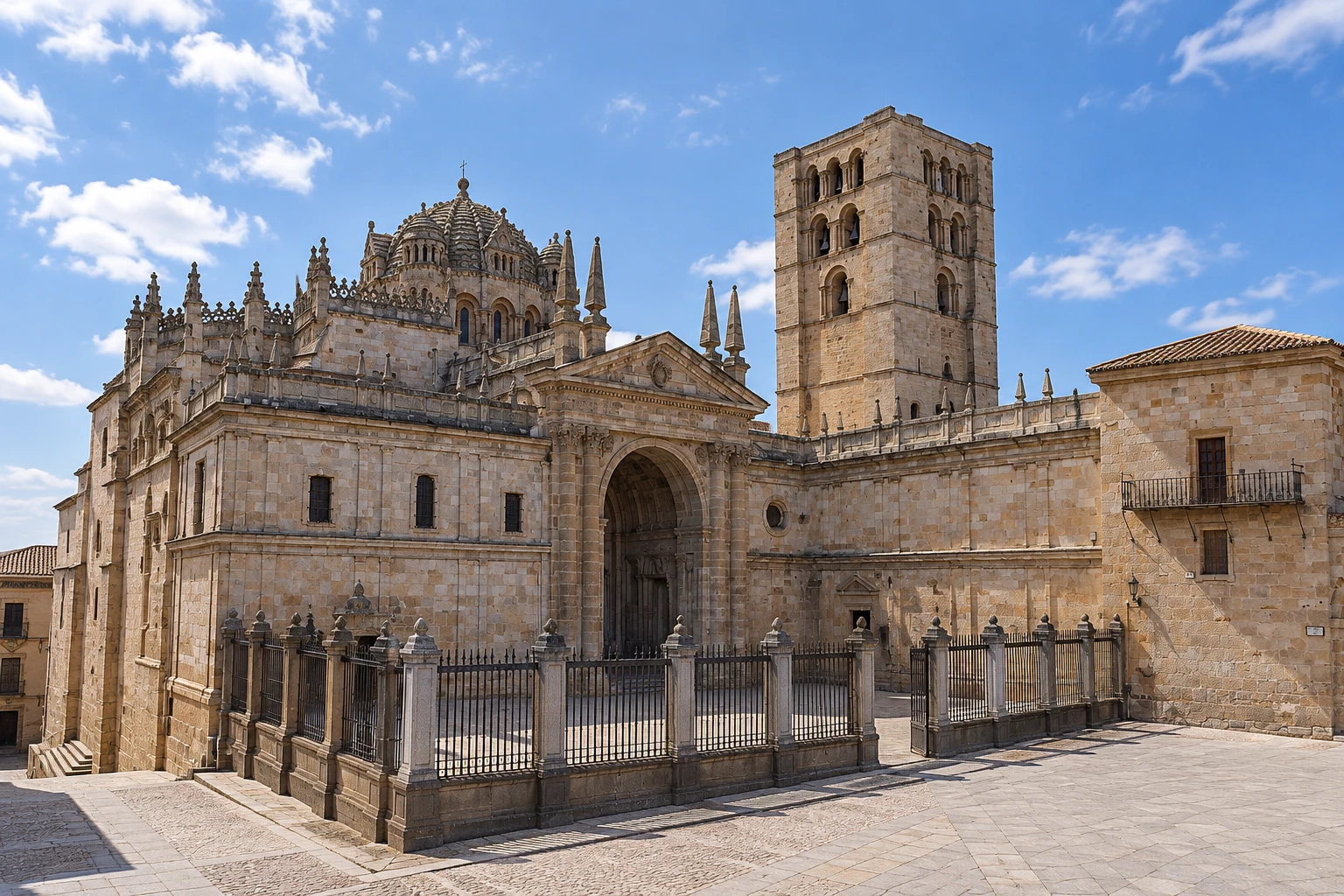
Zamora Cathedral · ZamoraThe Cathedral of the Salvador, from the 12th century, is the oldest and smallest of the cathedrals of Castile and León.
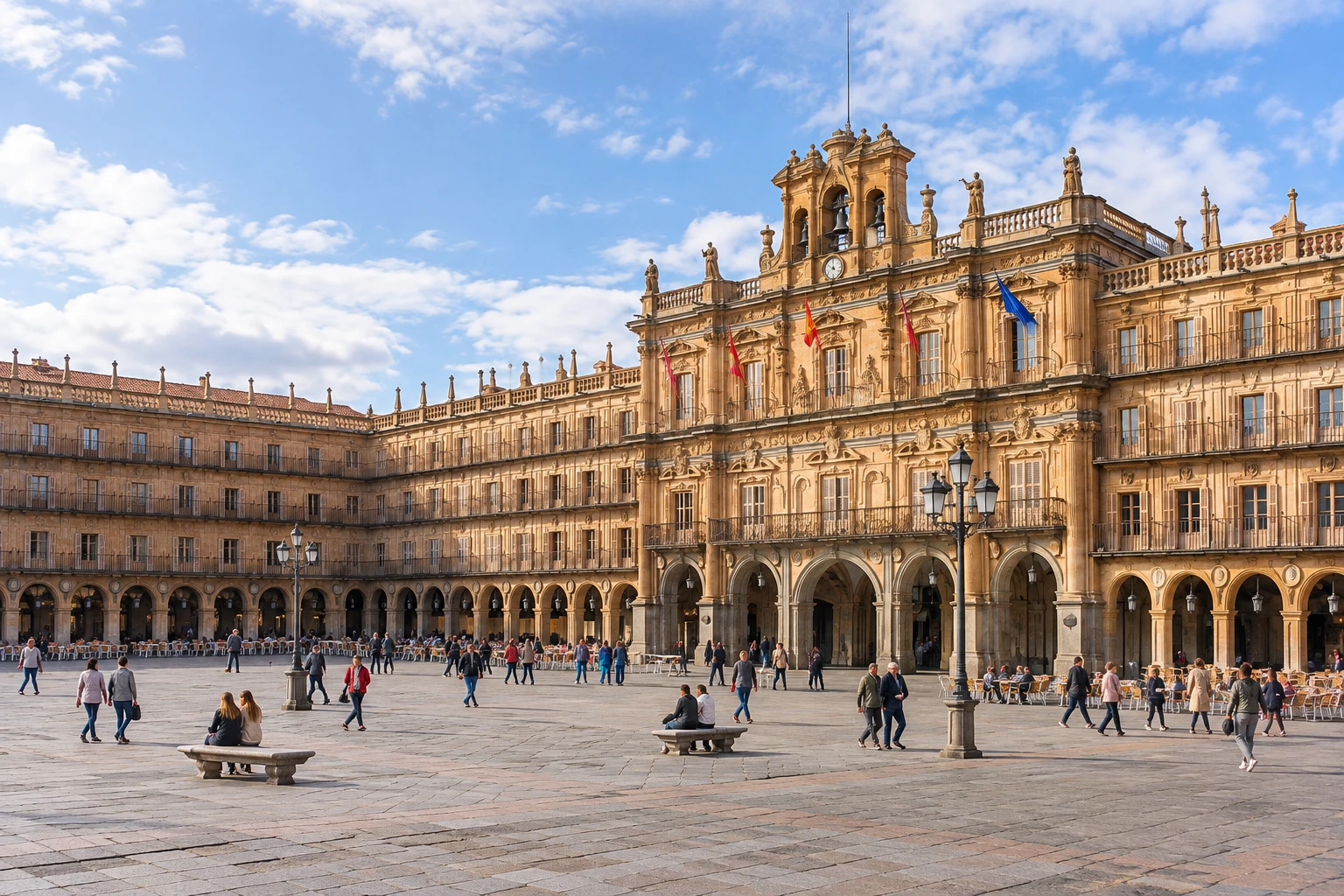
Plaza Mayor of Salamanca · SalamancaBaroque plaza built between 1729 and 1755, enclosed by arcades and three-storey buildings, with medallions of kings and historical figures and the town hall with a decorated faç...
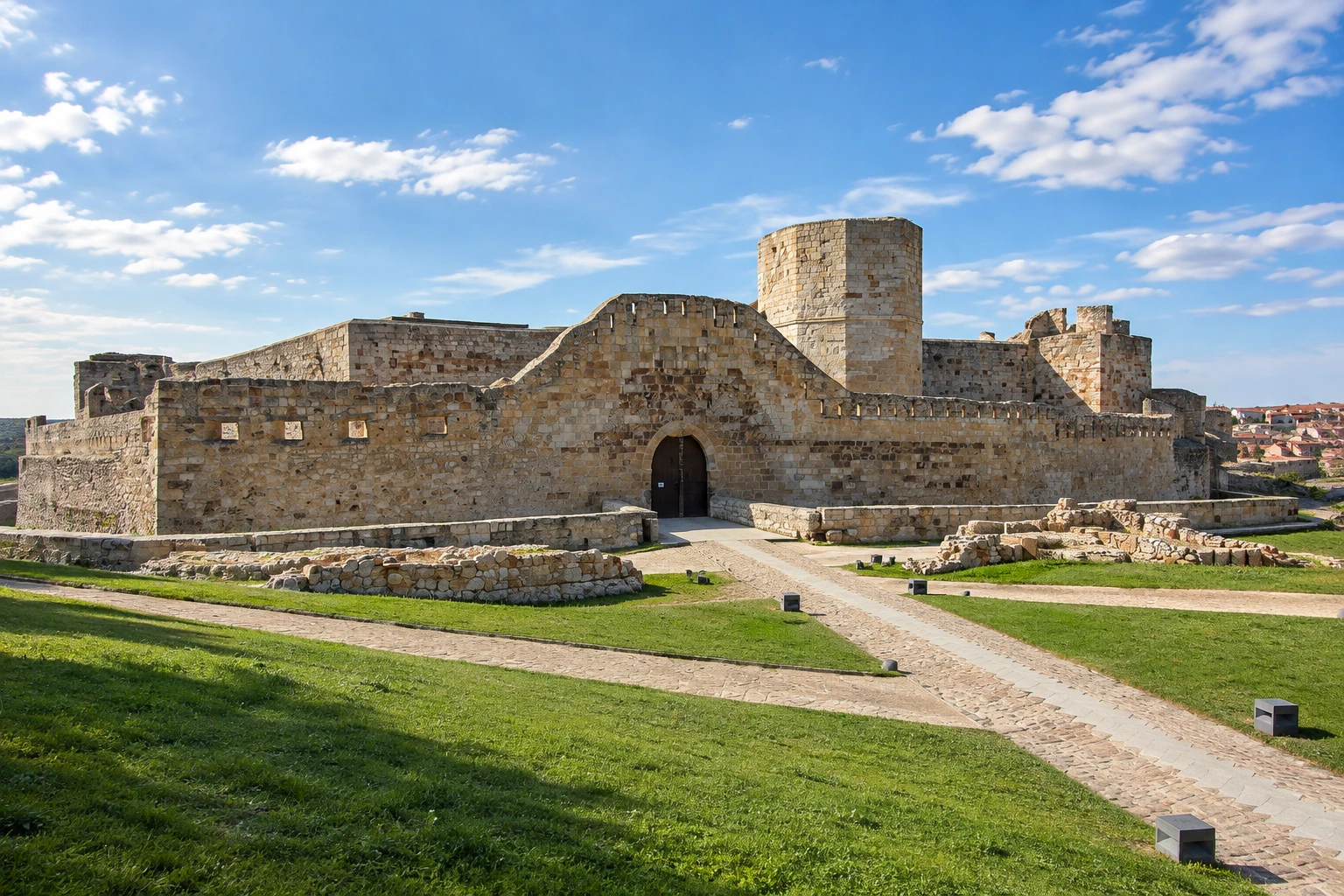
Zamora Castle · ZamoraThe Romanesque castle on the western tip of the plateau, next to the cathedral, with a moat, restored walls and gardens.
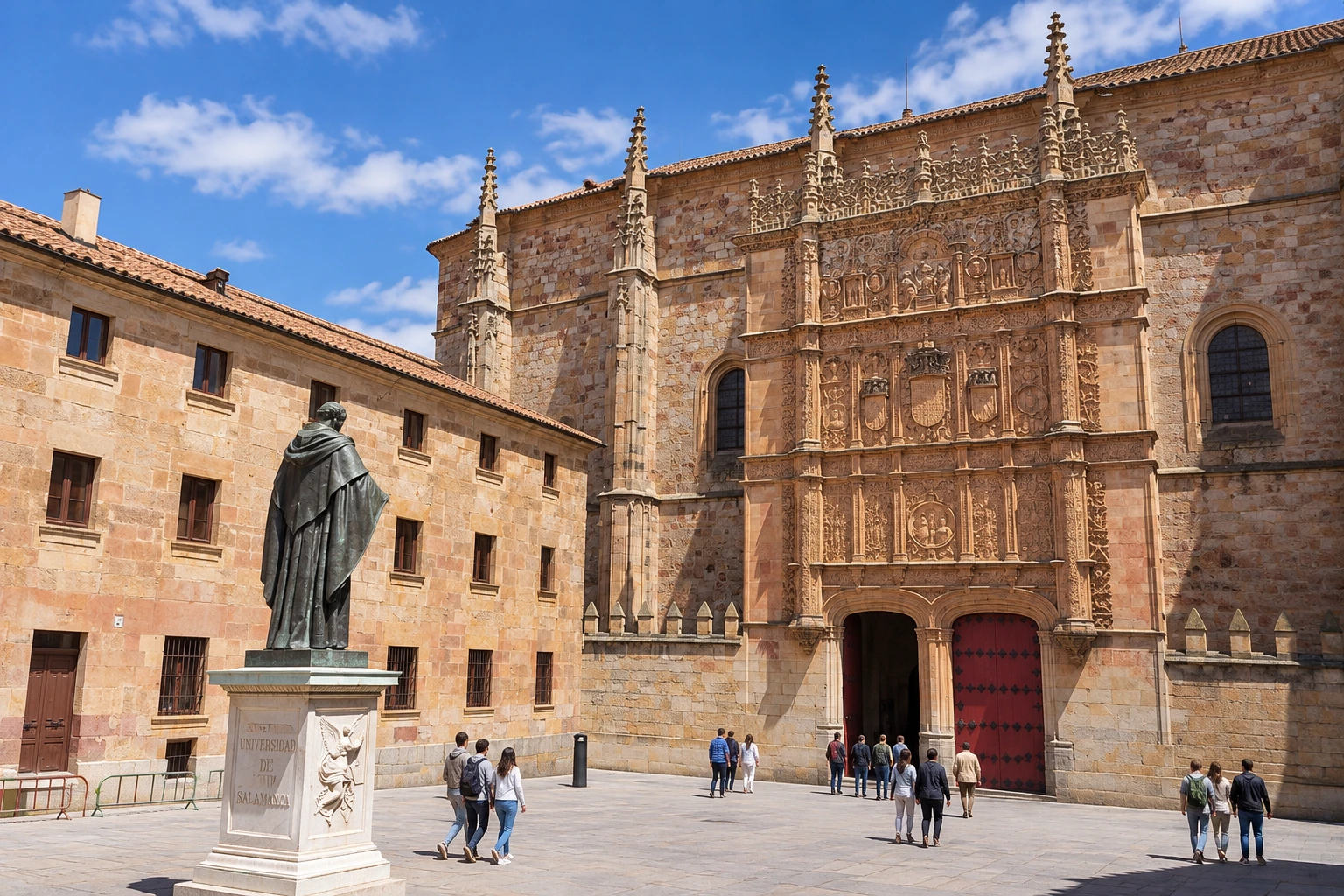
University of Salamanca · SalamancaUniversity founded in 1218, with the Escuelas Mayores building, the plateresque façade of the frog, the historic library, Fray Luis de León's lecture room, and the Cielo de Sala...
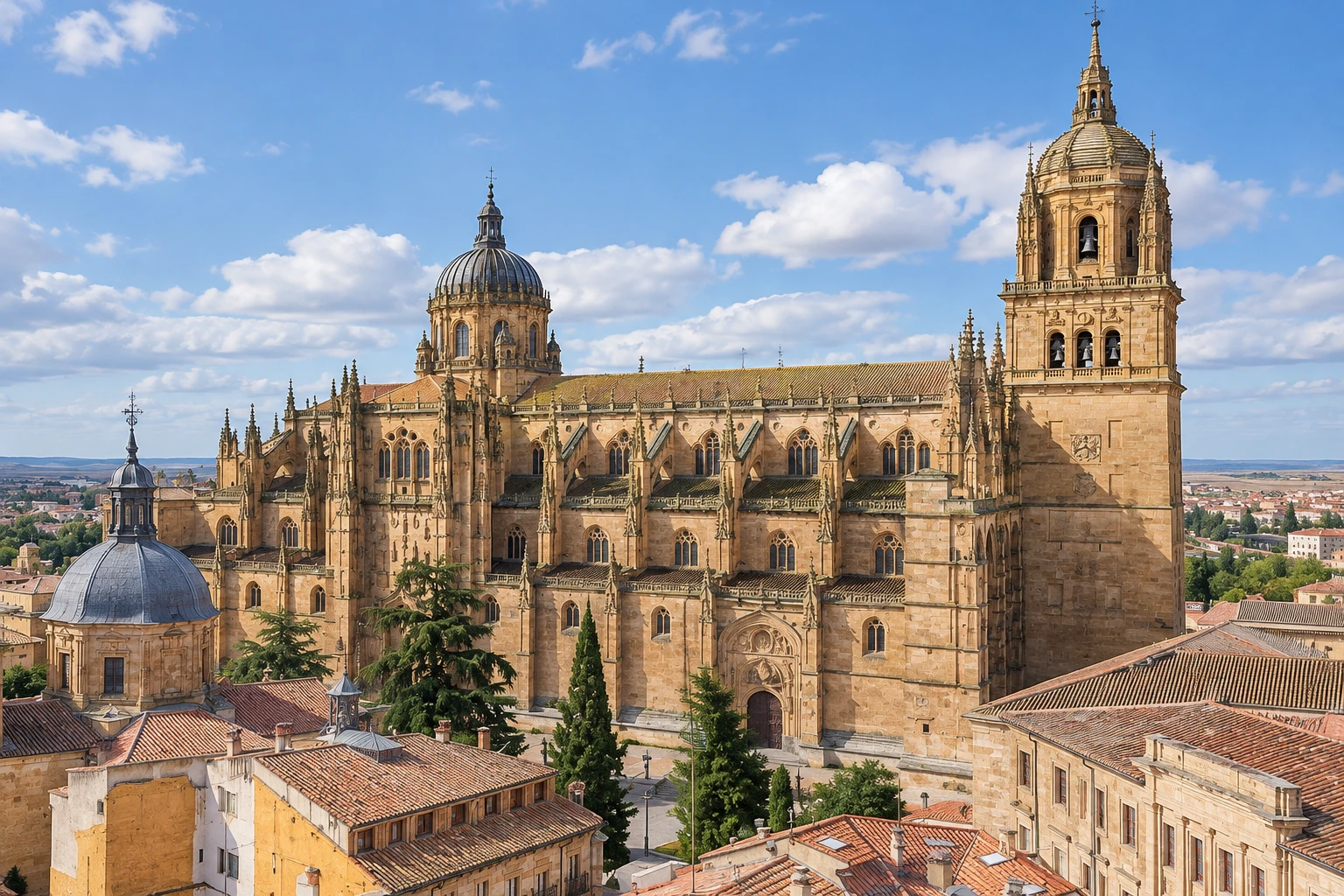
Salamanca Cathedrals · SalamancaTwo adjoining cathedrals: the Vieja, Romanesque from the 12th century, with the Torre del Gallo and an altarpiece of 53 panels, and the Nueva, Gothic and Baroque, with the astro...
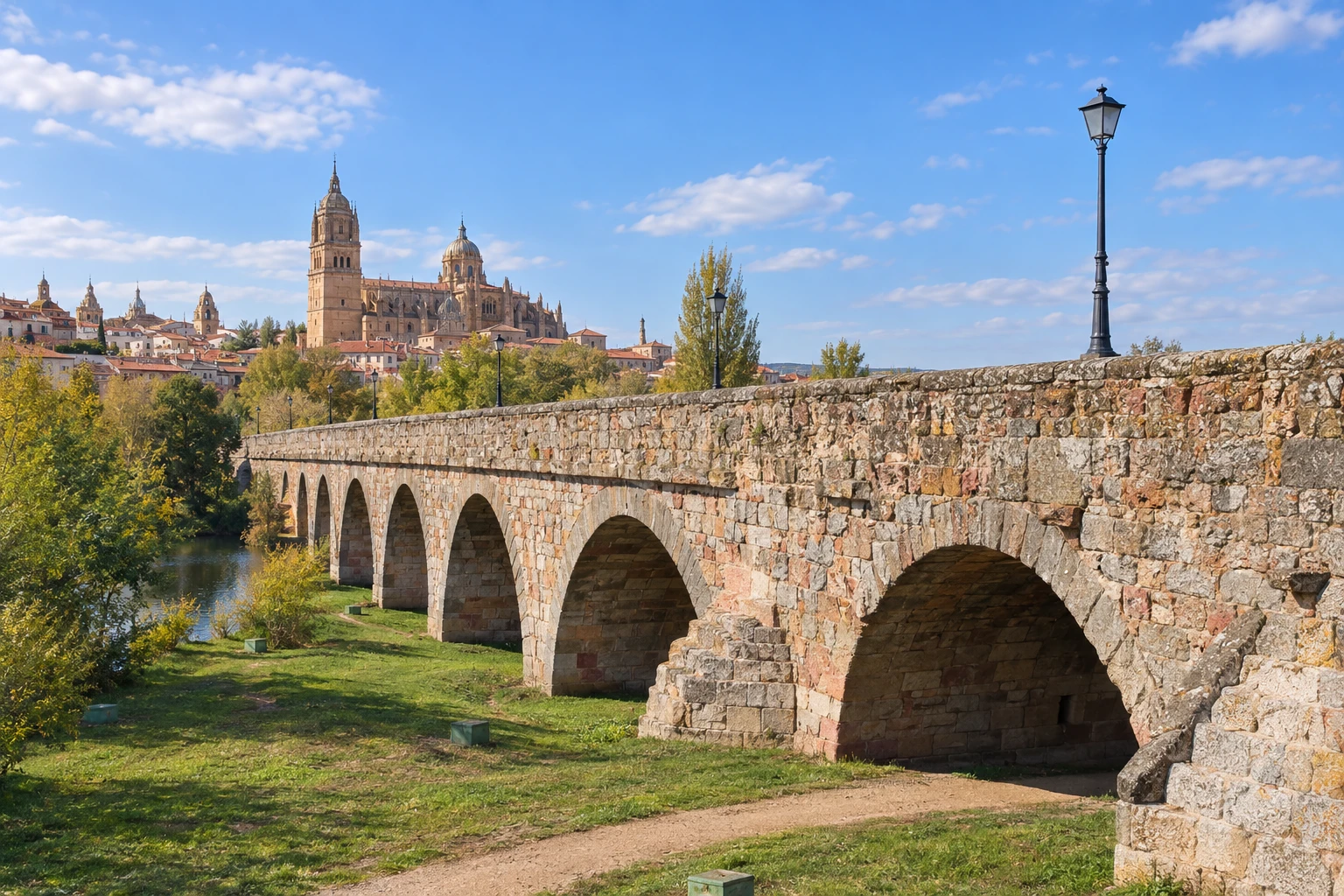
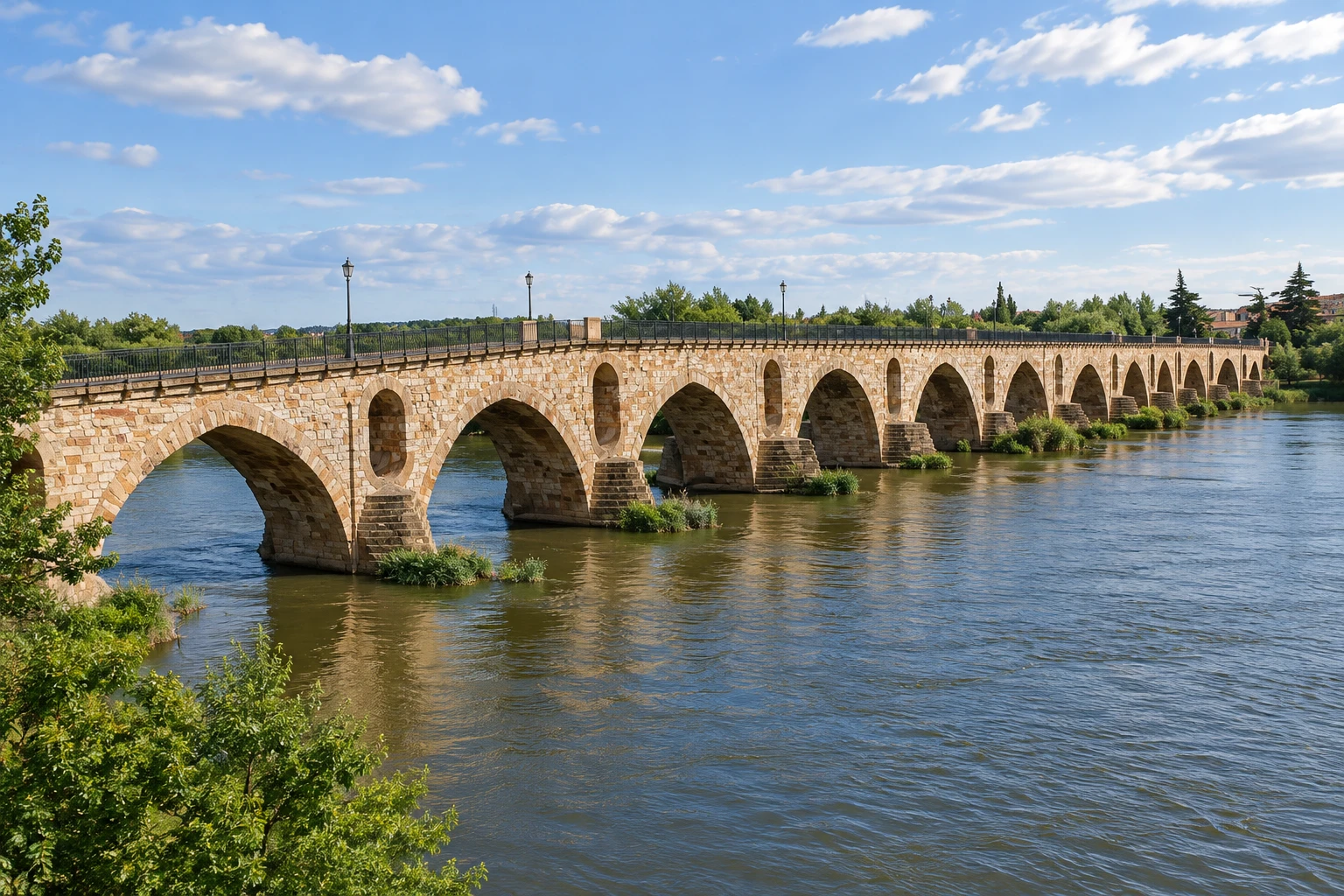
Puente de Piedra · ZamoraThe medieval bridge over the Duero, completed at the beginning of the 13th century, was for centuries the only crossing of the river in Zamora and lies on the route of the Via d...
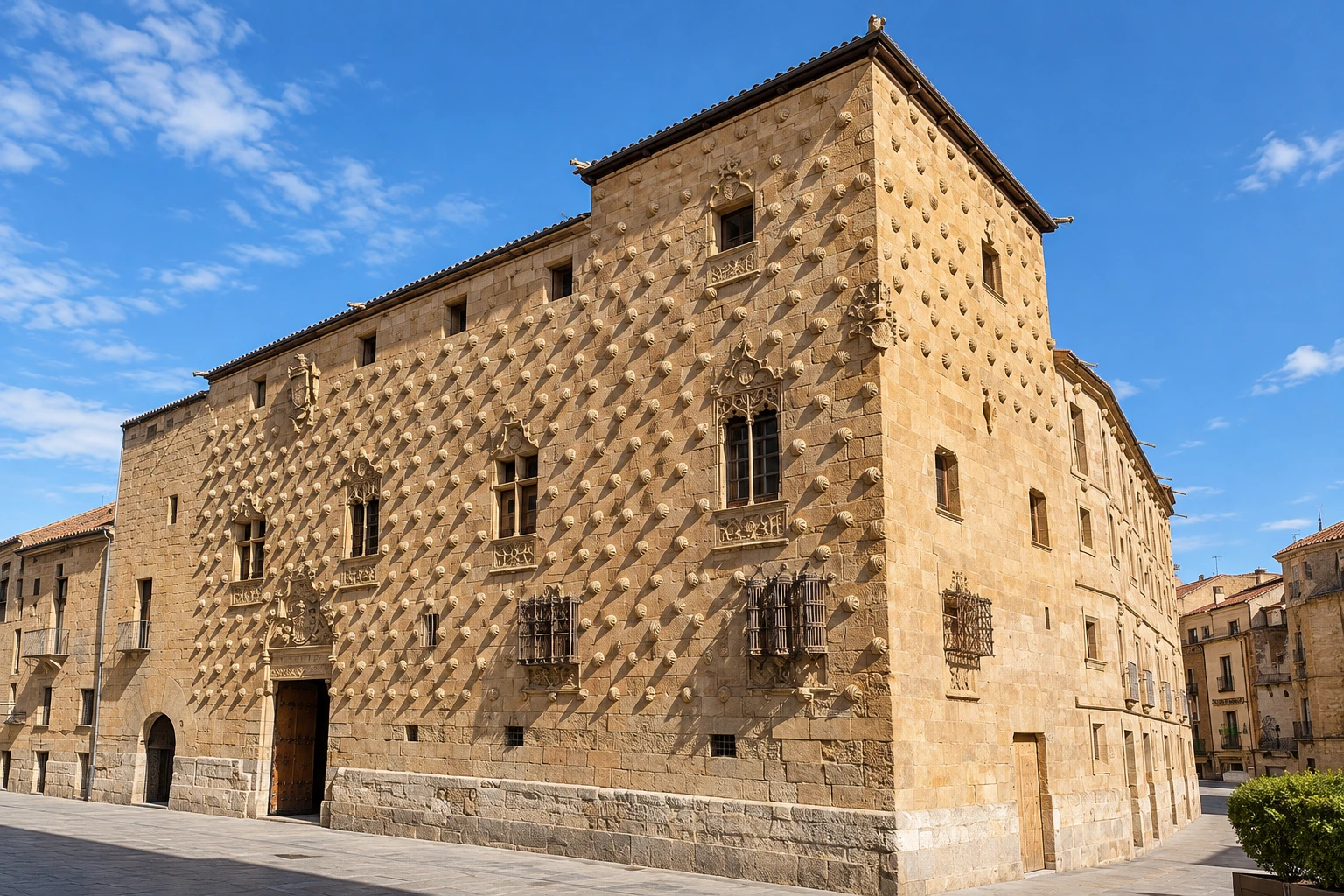
Casa de las Conchas · SalamancaGothic palace from the late 15th century with a façade covered by about 300 stone shells, symbol of the Order of Santiago, now a public library with an open courtyard.
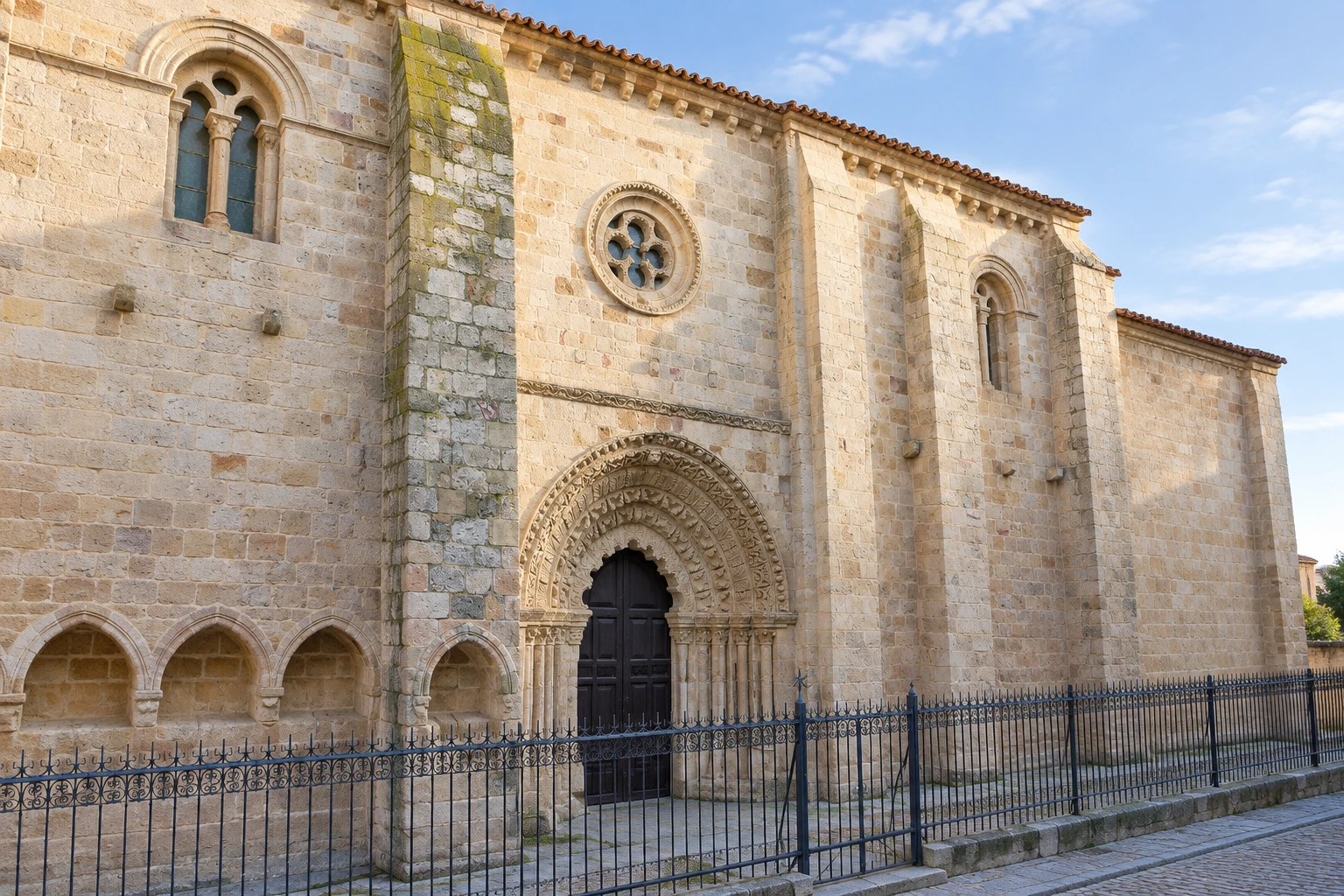
Church of Santa María Magdalena · ZamoraRomanesque church from the 12th and 13th centuries on the rúa de los Francos, with a single tall nave and a southern portal among the most elaborately worked of Zamora's Romanes...
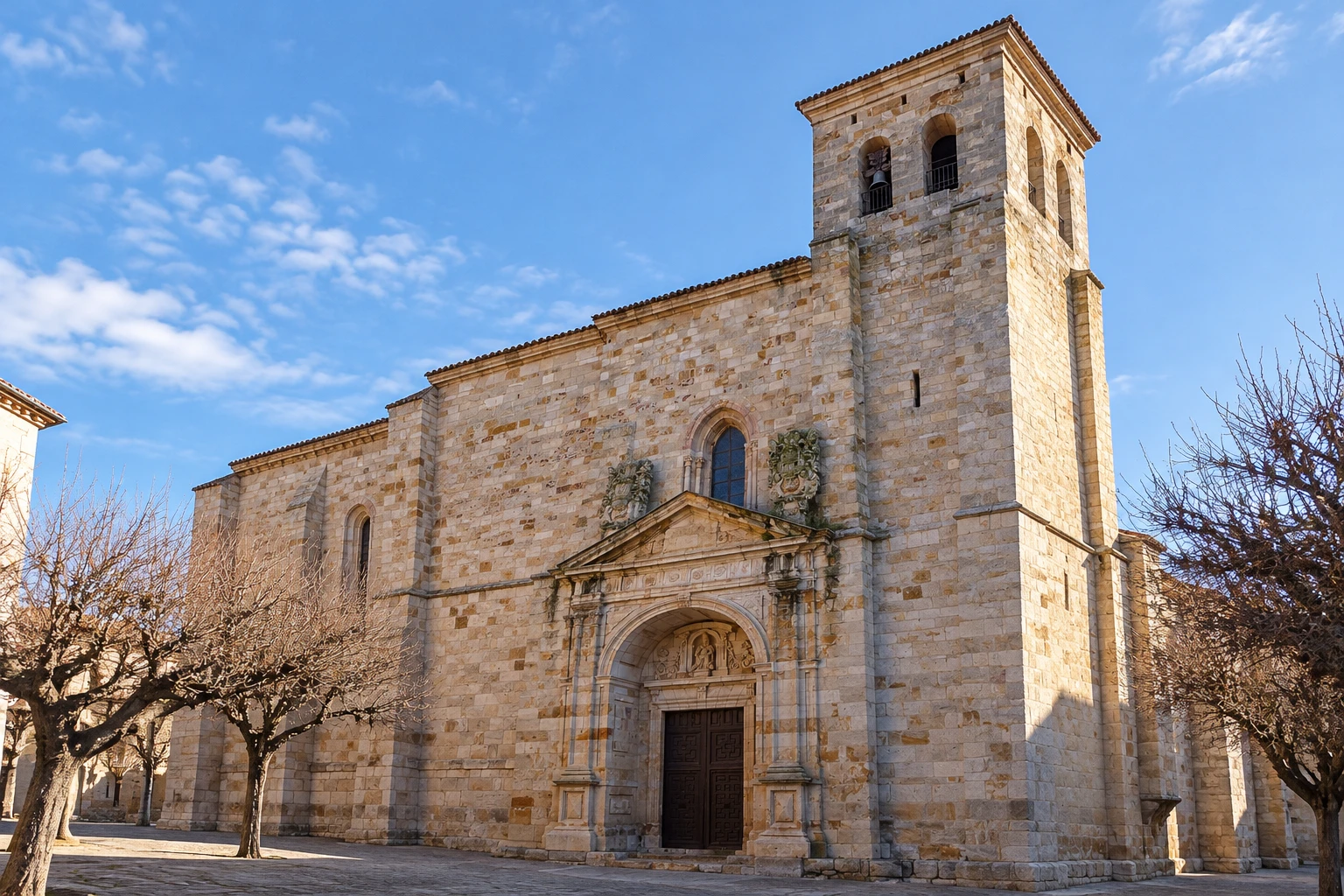
Church of San Pedro y San Ildefonso · ZamoraThe largest and most important church in Zamora after the cathedral, of Romanesque origin, with a Gothic nave and the relics of Saint Ildefonso and Saint Atilano, the city's pat...
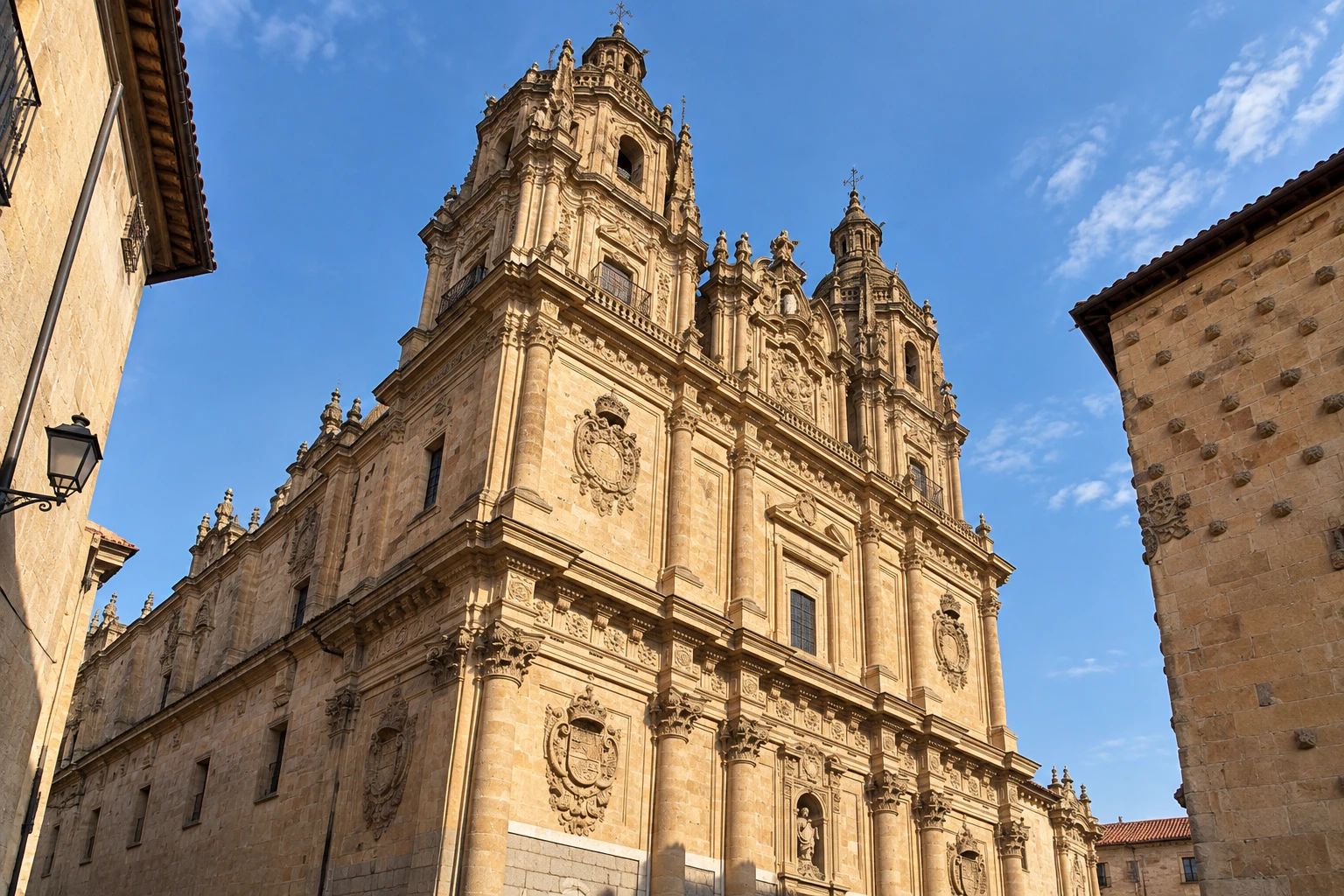
La Clerecía and Scala Coeli · SalamancaFormer Baroque Jesuit college from the 17th and 18th centuries, today part of the Universidad Pontificia, with a cloister and an ascent to the towers, the Scala Coeli, offering...
The Cathedral of the Salvador, from the 12th century, is the oldest and smallest of the cathedrals of Castile and León. The cimborium with its stone-scaled dome, of Byzantine influence, is the symbol of the city. The museum houses Flemish tapestries.
Baroque plaza built between 1729 and 1755, enclosed by arcades and three-storey buildings, with medallions of kings and historical figures and the town hall with a decorated façade.
The Romanesque castle on the western tip of the plateau, next to the cathedral, with a moat, restored walls and gardens. It houses a space dedicated to the Zamoran sculptor Baltasar Lobo.
University founded in 1218, with the Escuelas Mayores building, the plateresque façade of the frog, the historic library, Fray Luis de León's lecture room, and the Cielo de Salamanca.
Two adjoining cathedrals: the Vieja, Romanesque from the 12th century, with the Torre del Gallo and an altarpiece of 53 panels, and the Nueva, Gothic and Baroque, with the astronaut on the Puerta de Ramos.
The medieval bridge over the Duero, completed at the beginning of the 13th century, was for centuries the only crossing of the river in Zamora and lies on the route of the Via de la Plata.
Gothic palace from the late 15th century with a façade covered by about 300 stone shells, symbol of the Order of Santiago, now a public library with an open courtyard.
Romanesque church from the 12th and 13th centuries on the rúa de los Francos, with a single tall nave and a southern portal among the most elaborately worked of Zamora's Romanesque.
The largest and most important church in Zamora after the cathedral, of Romanesque origin, with a Gothic nave and the relics of Saint Ildefonso and Saint Atilano, the city's patron saint.
Former Baroque Jesuit college from the 17th and 18th centuries, today part of the Universidad Pontificia, with a cloister and an ascent to the towers, the Scala Coeli, offering views of the cathedrals.
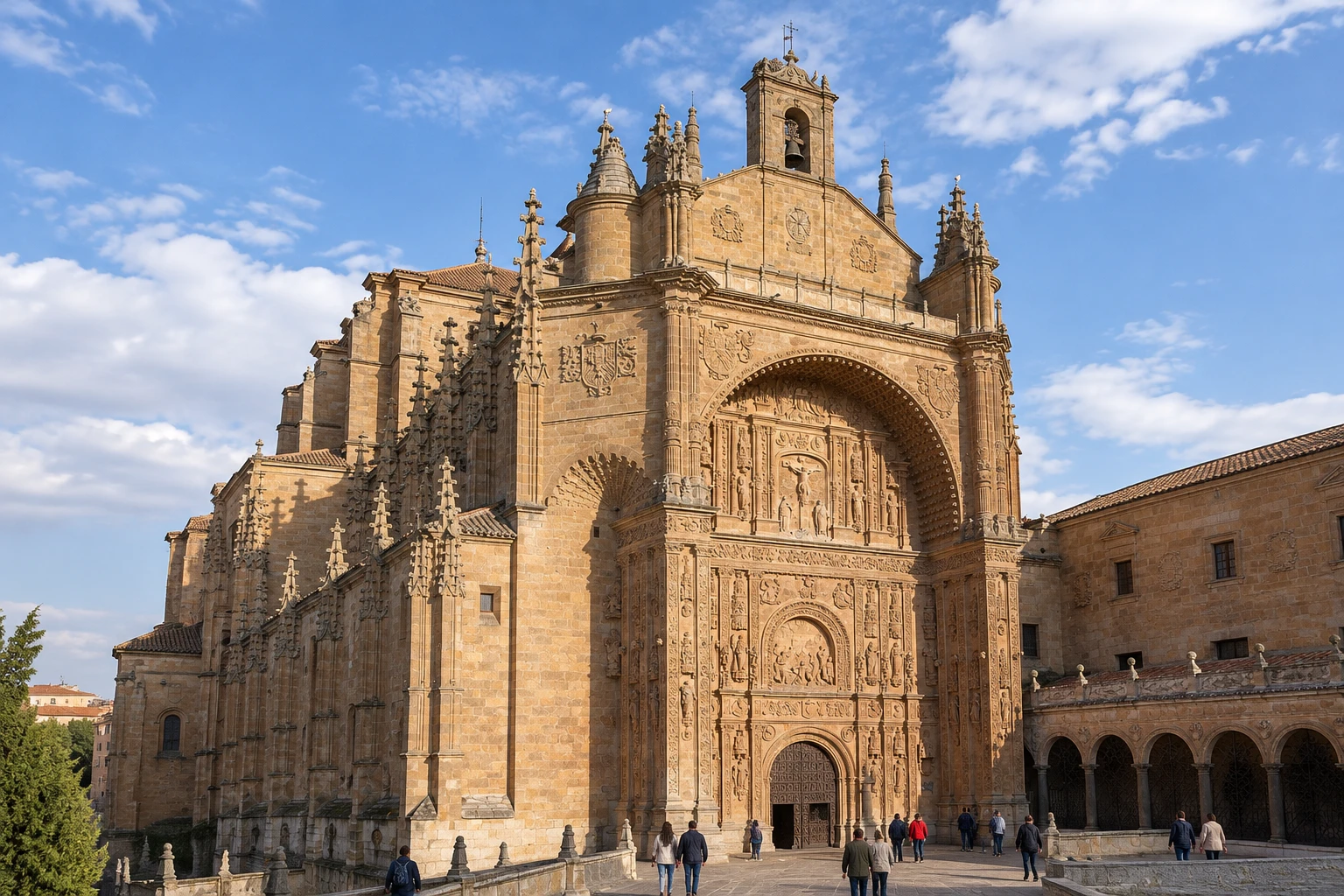
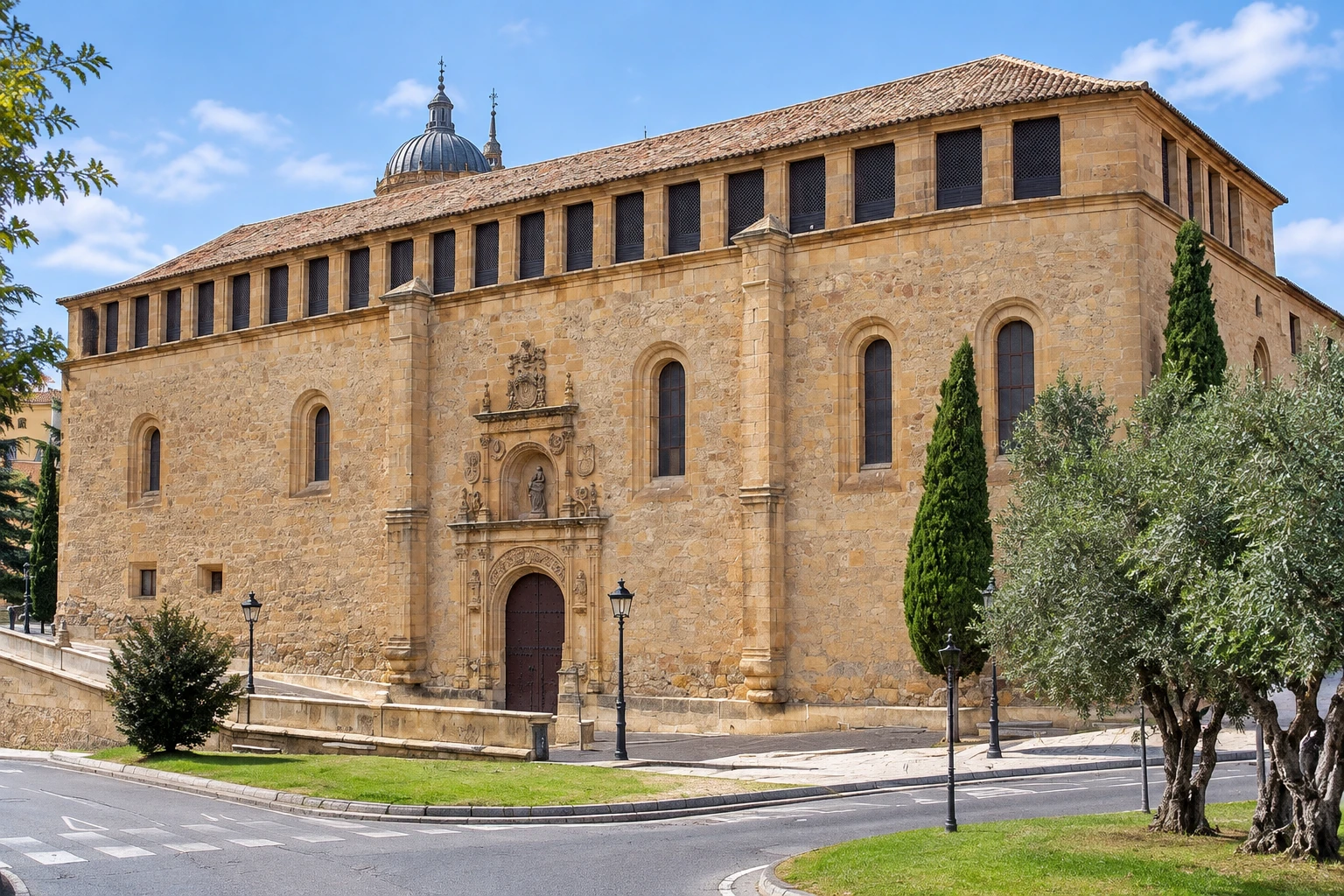
16th-century Dominican convent with a plateresque façade in the form of an altarpiece, a main altarpiece by José de Churriguera and the Claustro de los Reyes, where Columbus is said to have presented his plan.
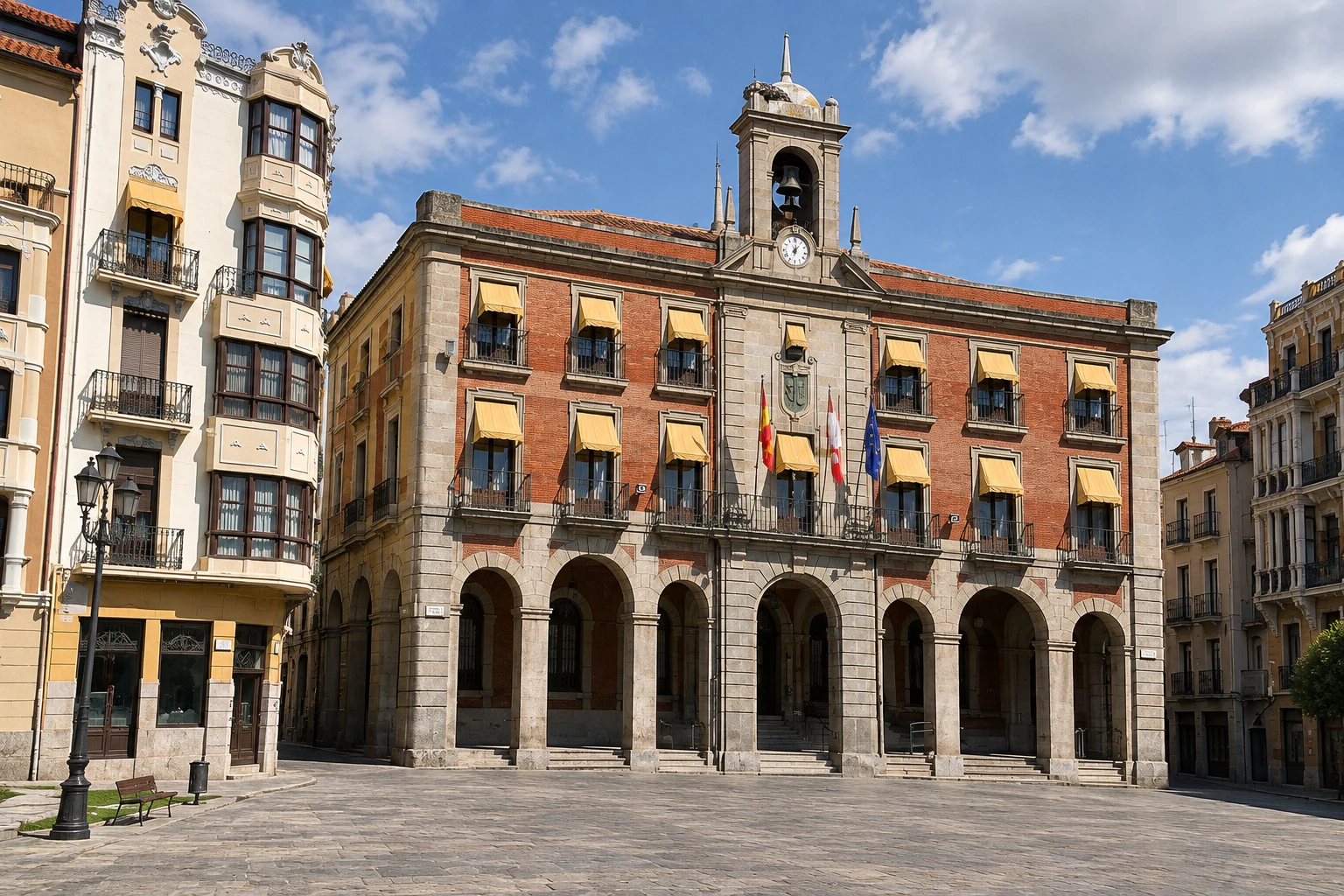
Zamora's main square, with the Romanesque church of San Juan de Puerta Nueva, the old town hall, the statue of the Merlú and Modernist buildings on the surrounding streets.
Convent of Dominican nuns with a five-sided Renaissance cloister and capitals carved with fantastic and grotesque figures, and sweets made by the nuns.
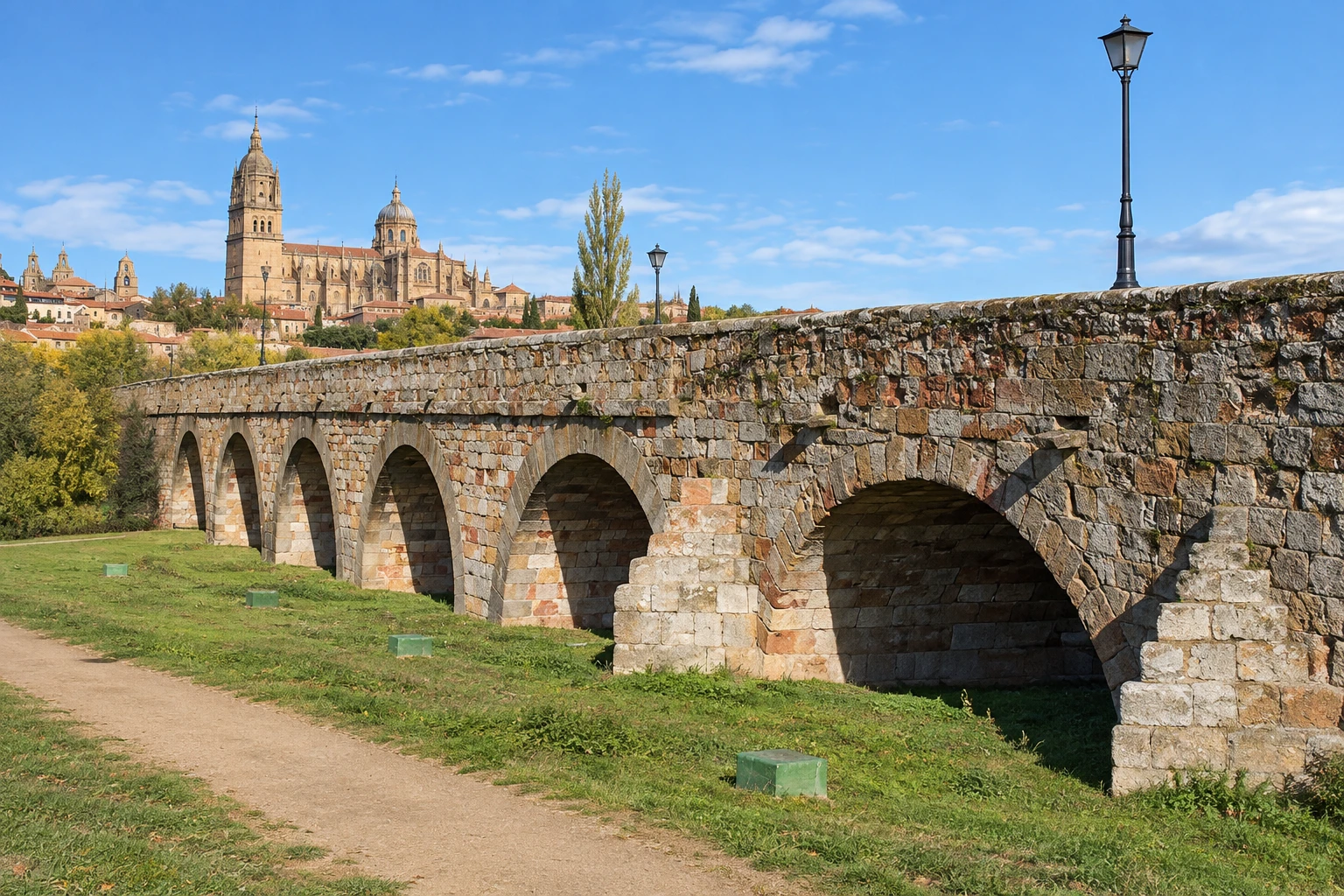
Roman-origin bridge over the Tormes River, dating to the 1st century, with an Iberian stone bull (verraco) at the entrance and the classic view of the cathedrals above the city.
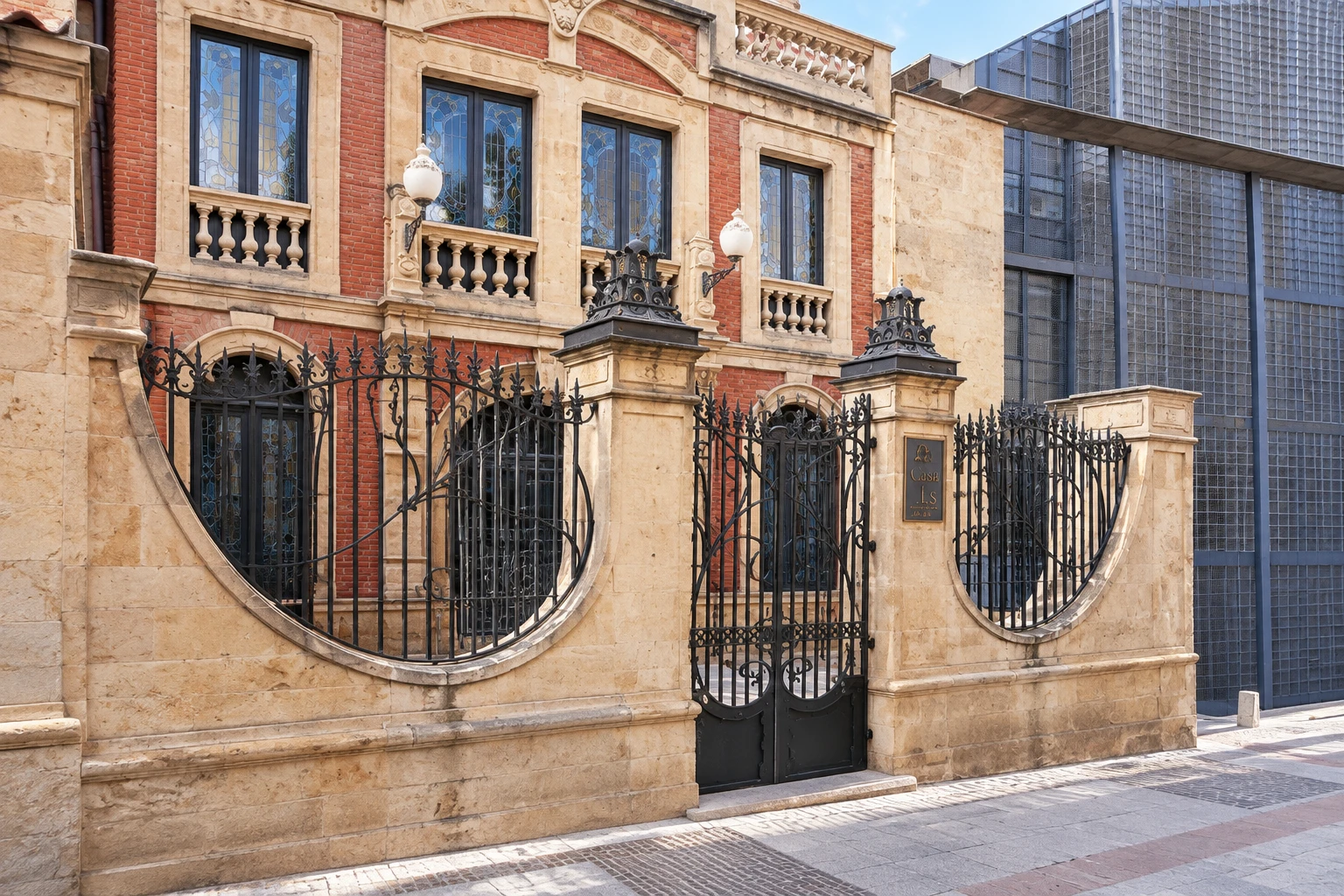
Art Nouveau and Art Deco museum in a 1905 house built on the old city wall, with an iron-and-glass façade facing the Tormes, Gallé glass, and porcelain dolls.
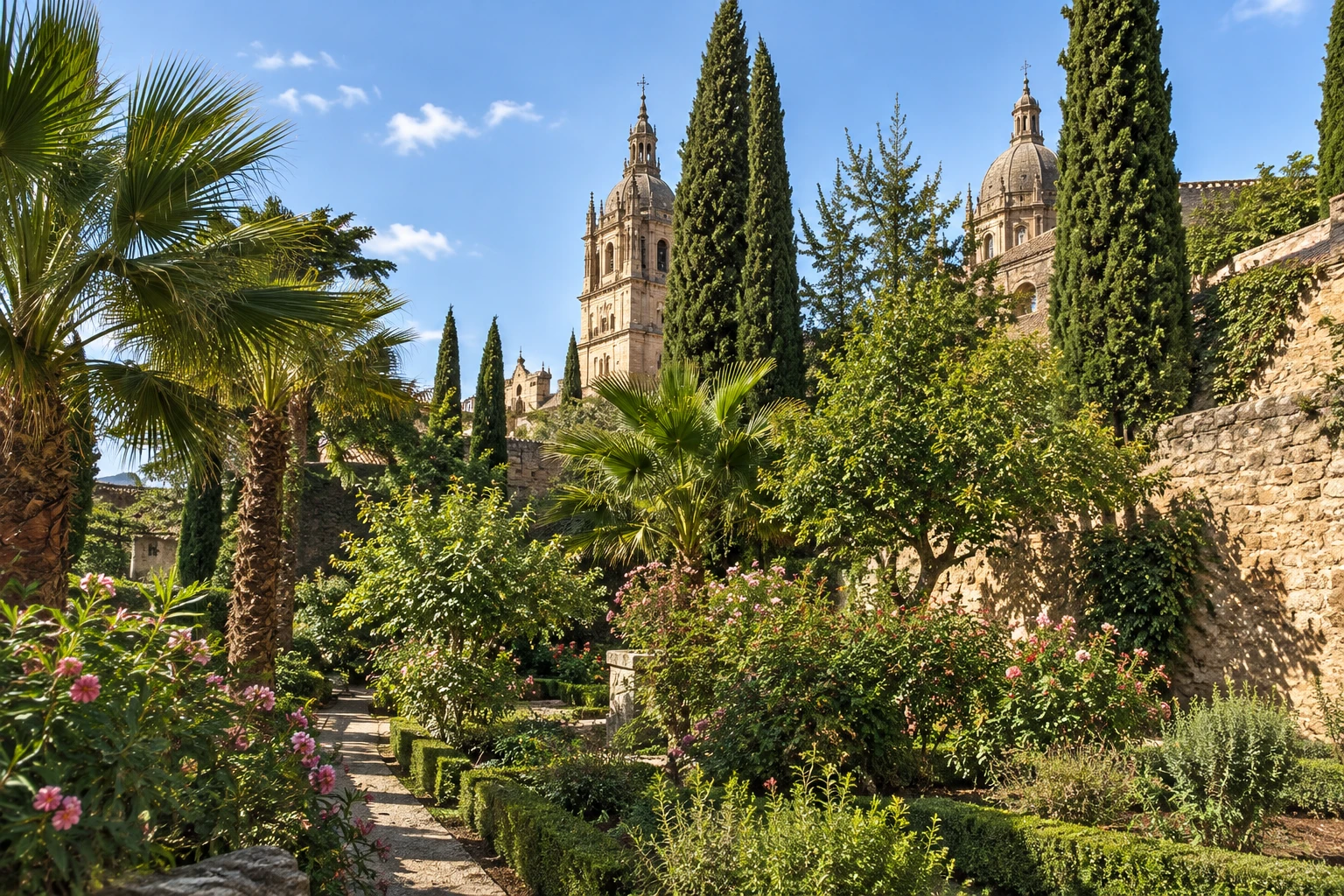
Small garden on the old city wall, linked to the setting of La Celestina, with fountains, rose bushes and views of the Catedral Nueva and the Tormes River.


 Brazil
 Antarctica
 Argentina
 Bolivia
 Chile
 Colombia
 Ecuador
 Falkland Islands (Malvinas)
 French Guiana
 Guyana
 Paraguay
 Peru
 Suriname
 Uruguay
 Venezuela
 Austria
 Belgium
 Croatia
 Denmark
 Finland
 France
 Germany
 Greece
 Hungary
 Iceland
 Ireland
 Italy
 Luxembourg
 Norway
 Poland
 Portugal
 Slovakia
 Slovenia
 Sweden
 Switzerland
 the Czech Republic
 the Netherlands
 the United Kingdom
 Turkey
 Bermuda
 Canada
 Greenland
 Mexico
 Saint Pierre and Miquelon
 the United States
 the Dominican Republic
 Japan
 Egypt
 South Africa
 Australia
 Fiji
 New Zealand
 Papua New Guinea