Valencia

Valencian Community

Valencia

The city of paella and the Fallas, with a Gothic centre, the old Túria riverbed turned into a garden, the Cidade das Artes e das Ciências, and urban beaches.

Mediterranean

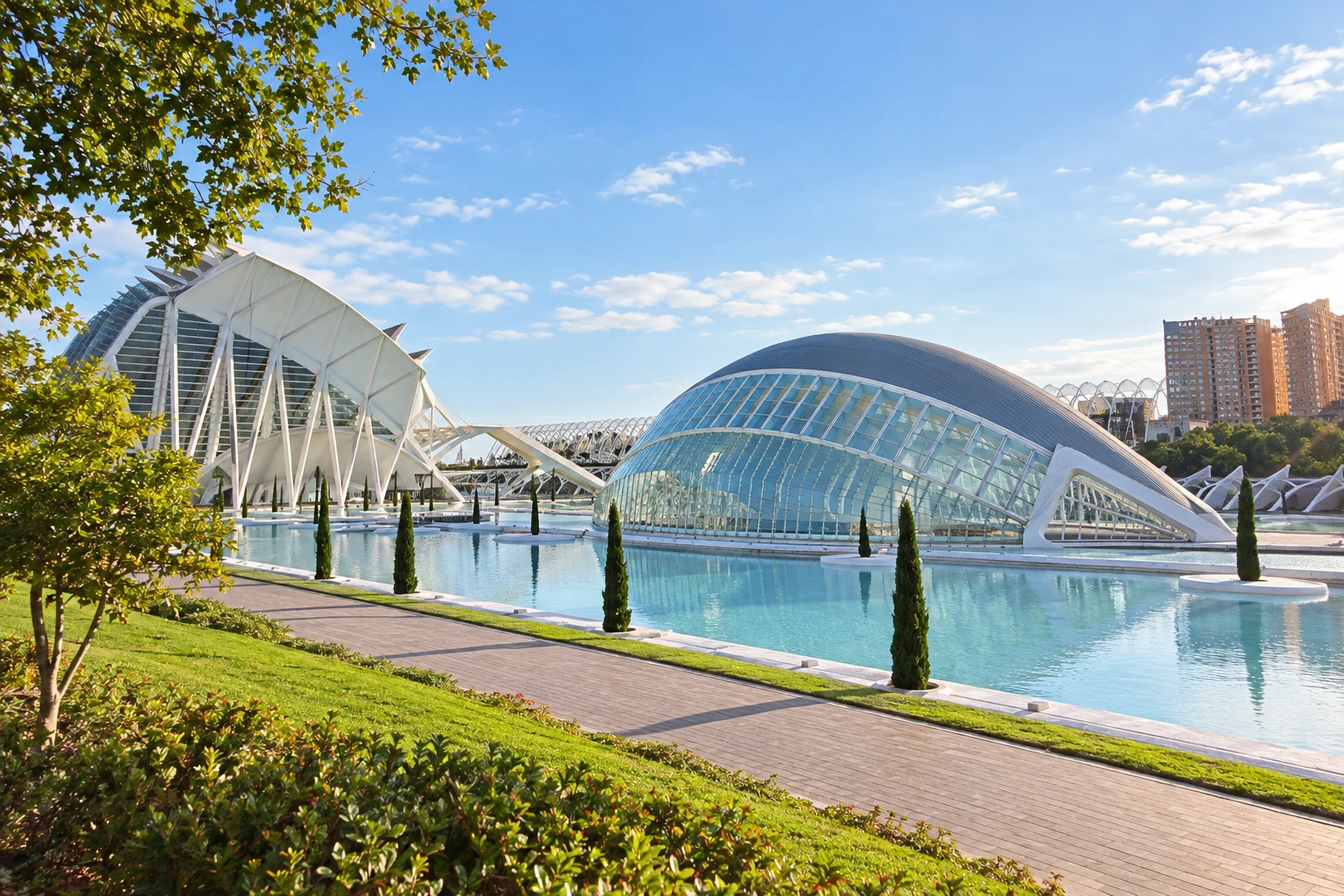
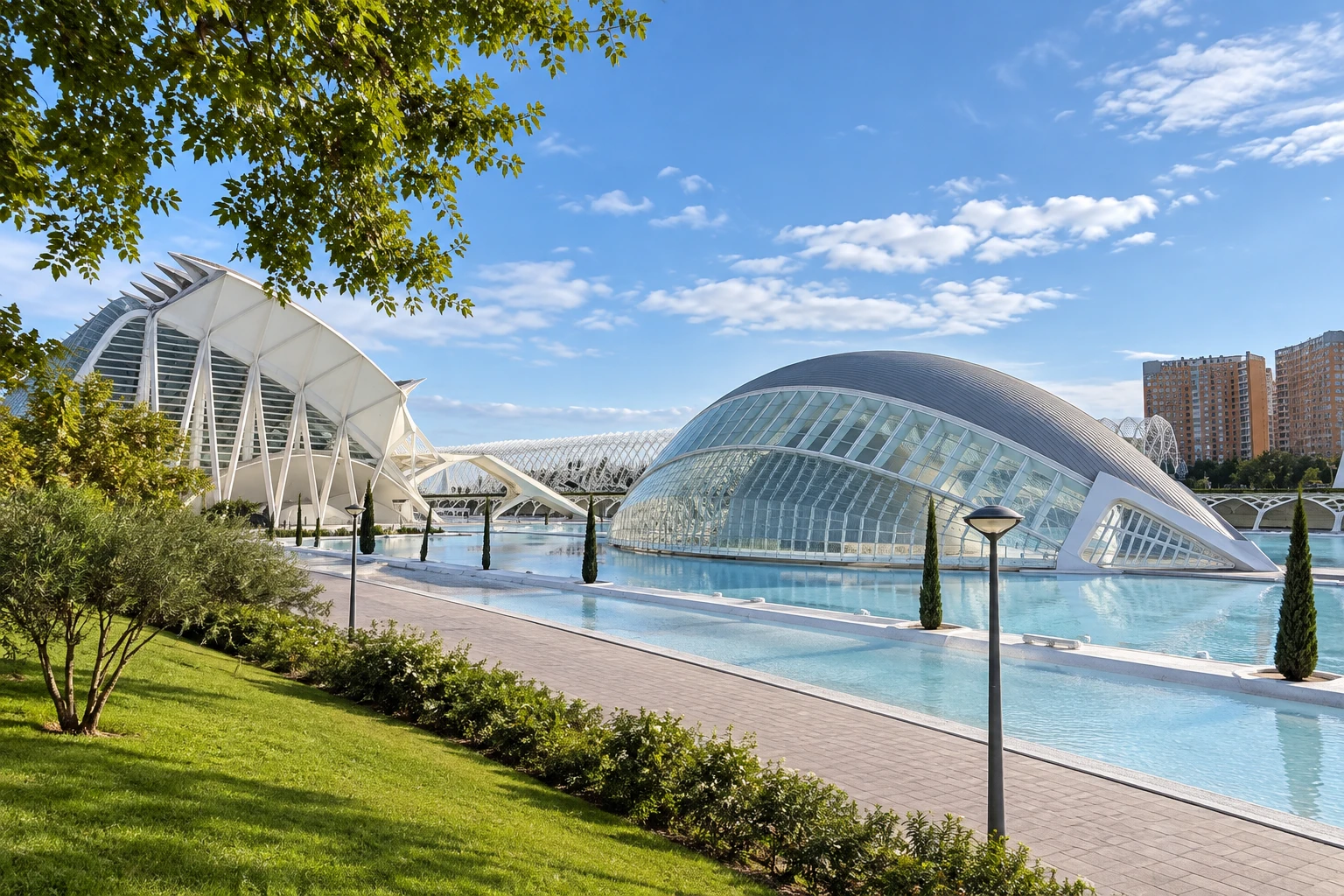
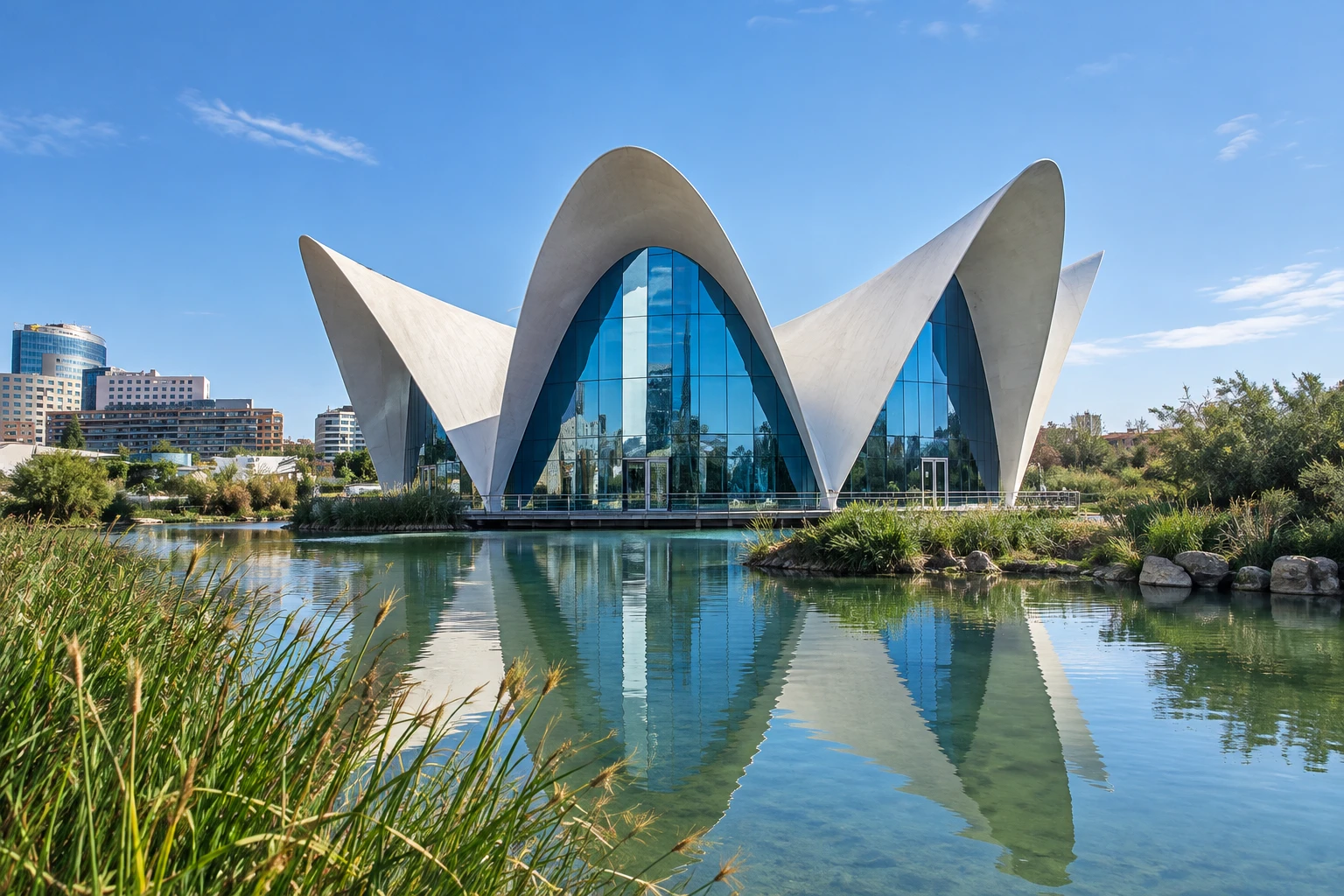
In the photo: Ciutat de les Arts i les Ciències

Illustrative images. The pictures in this guide are illustrations based on the real place, not photographs, and may differ from it.

Get it on Google Play

Get to know the place

A region to enjoy
at your own pace.

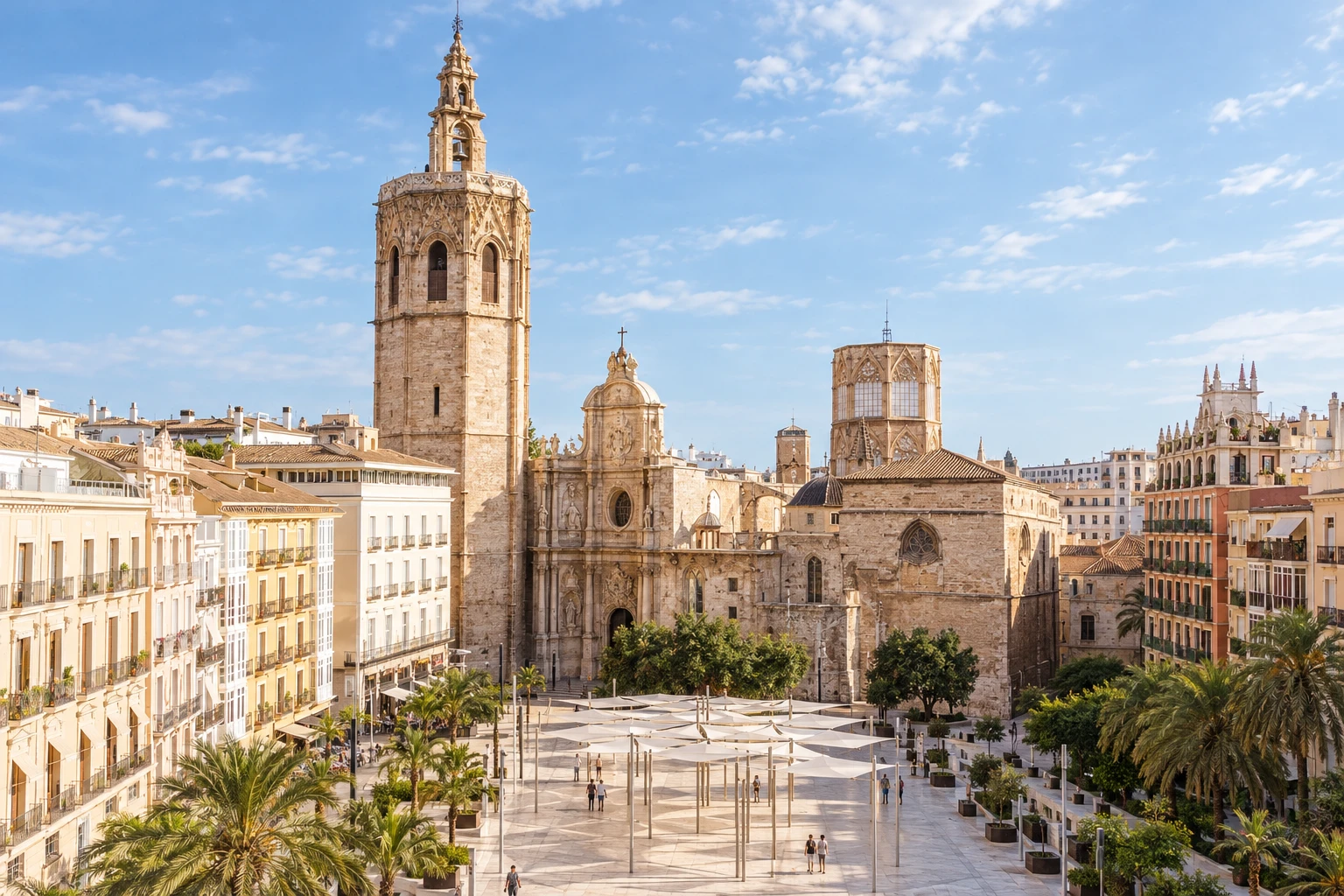
Valência (València in Valencian) is the third-largest city in Spain and the capital of the Valencian Community, on the Mediterranean coast, about 350 km from Madri. The city was founded by the Romans in 138 BC, spent five centuries under Muslim rule and was conquered by Jaime I of Aragon in 1238. The wealth from the silk trade in the 15th century left a Gothic centre around the cathedral, where the Llotja de la Seda stands, a UNESCO World Heritage Site since 1996.

After the flood of 1957 the Túria river was diverted outside the city and the old riverbed became the Jardí del Túria, a park of about 9 km that winds through Valência, with historic bridges, bike lanes and sports fields. At the southeast end of that garden is the Ciutat de les Arts i les Ciències, a group of white buildings by Santiago Calatrava and Félix Candela with a science museum, planetarium, opera house and the Oceanogràfic.

To the east, the port neighborhoods, El Cabanyal and the Malvarrosa beach, keep fishermen’s houses with tiled facades and rice restaurants by the sand. To the south, about 10 km away, begins the Parque Natural de l'Albufera, a lagoon surrounded by rice fields where the paella valenciana was born; the village of El Palmar is the classic place to eat it.

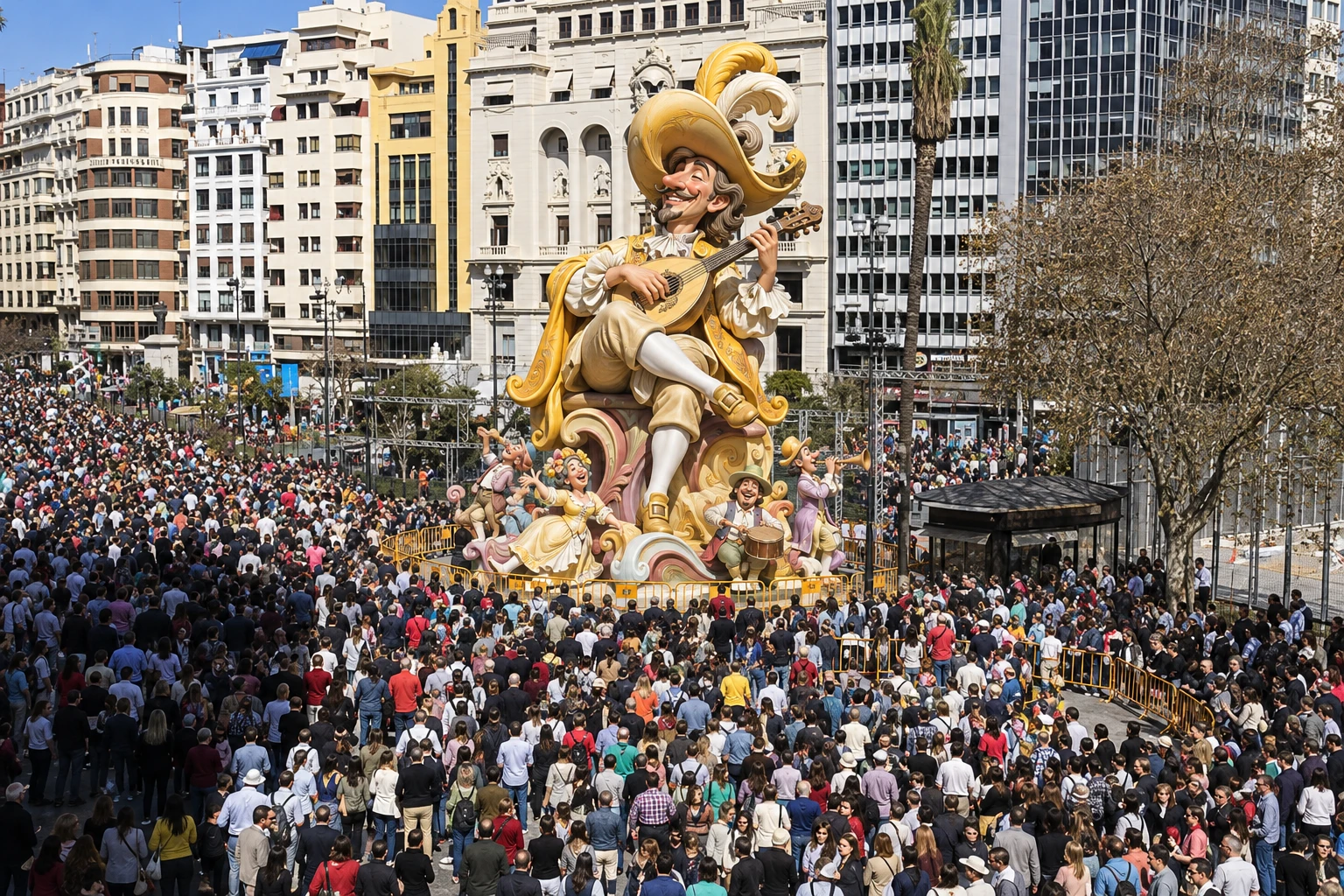
For Brazilians, Valência is a two- to three-day stop, easy to combine with Madri—about 1h40 by high-speed train—and with Barcelona or Alicante along the coast. In March the city typically celebrates the Fallas, a UNESCO Intangible Cultural Heritage festival with cardboard monuments burned on the last night. The time difference with Brasília is 4 or 5 hours ahead, depending on the season.

This destination brings together 3 cities: Valencia, Alboraya, Buñol.

Share: WhatsApp
Traveler, share your experiences through photos Up to 5 photos of each place you visited.

One destination, many paths

The cities on this trip

Start with one city or combine several in your itinerary.

Where Valencia is The star marks the capital, Valencia.
ValenciaAlborayaBuñol

Outlines: IGN/CNIG, unidades administrativas, CC BY 4.0. Adapted by Cidade Turismo.

How to get there: Valencia

Aeropuerto de Valencia (VLC), in Manises · 8 km to Valencia

Connections with Brazil usually require a stopover in another city. Confirm before booking. From Madri the high-speed train reaches València-Joaquín Sorolla station in about 1h40. Valência airport is 8 km from the centre and is linked by metro. There are also trains to Barcelona and Alicante along the coast.

Suggested arrival point: Valencia

Festivals and events

Festivals Valencia

Dates change every year: check this year's date before you travel.

Festival calendar in Spain

The local experience

Things to do in Valencia

Buñol · Valencian Community · Castle

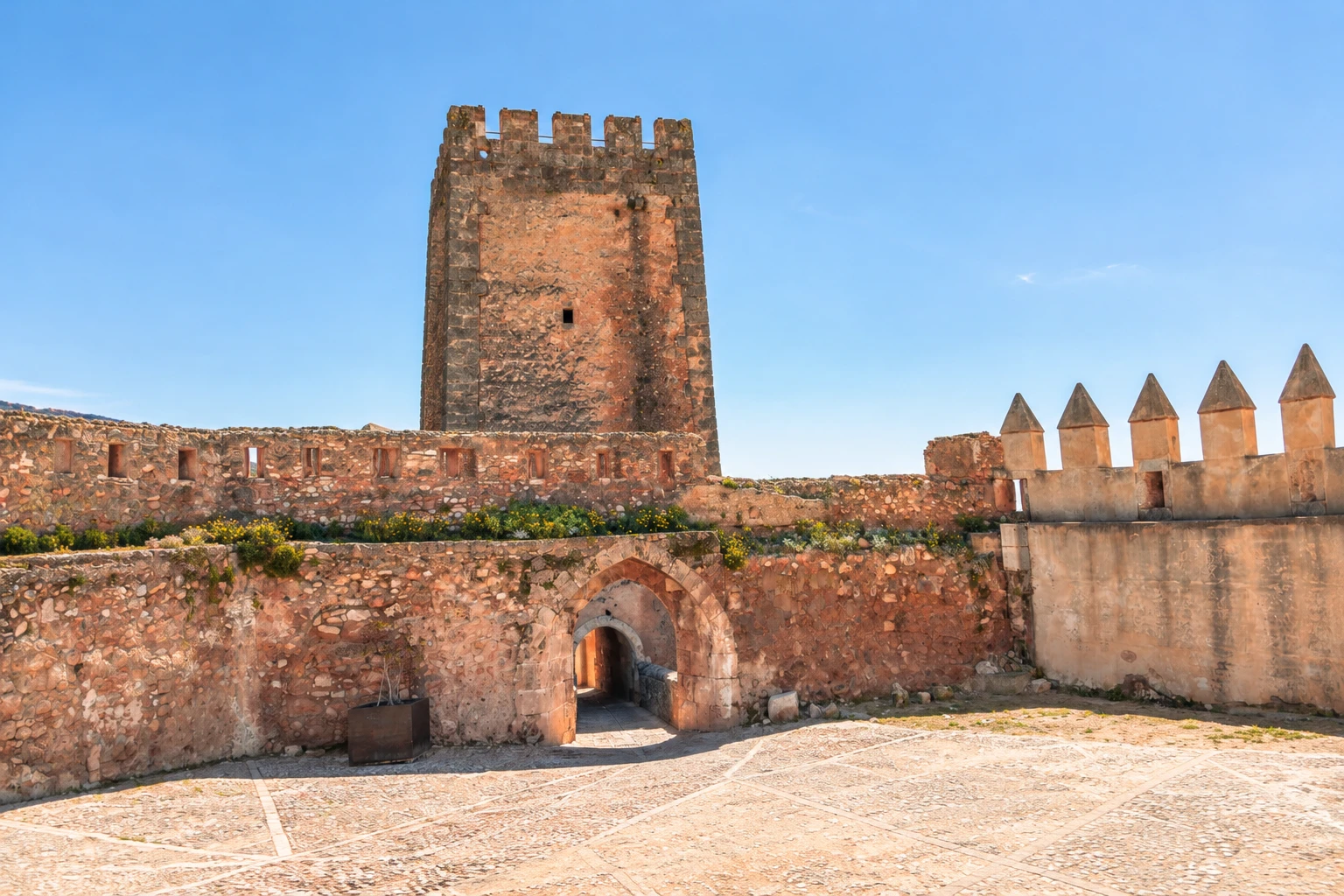
Buñol Castle

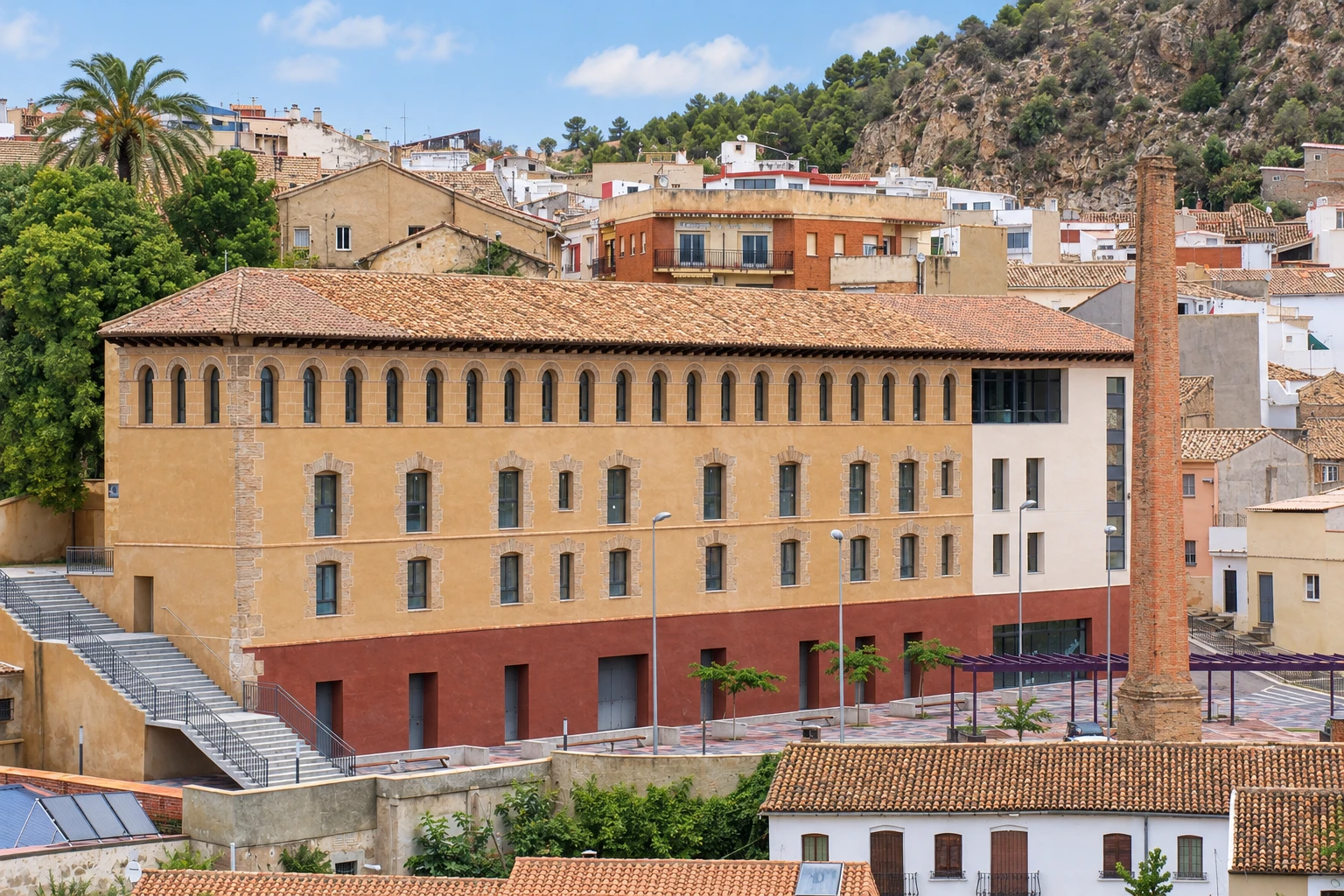
Fortress of Islamic origin, from the 11th and 12th centuries, later remodelled after the Christian conquest, at the highest point of Buñol’s town centre. It has two enceintes, the Torre Mayor, the city’s archaeological collection and a quarter of houses that are still inhabited.

Explore Buñol Castle

Valencia · Valencian Community · Modernist complex

City of Arts and Sciences

Group of white buildings by Santiago Calatrava and Félix Candela at the end of the Jardí del Túria, with a science museum, planetarium, opera house, Oceanogràfic and water mirrors.

Explore City of Arts and Sciences

Alboraya · Valencian Community · Hermitage

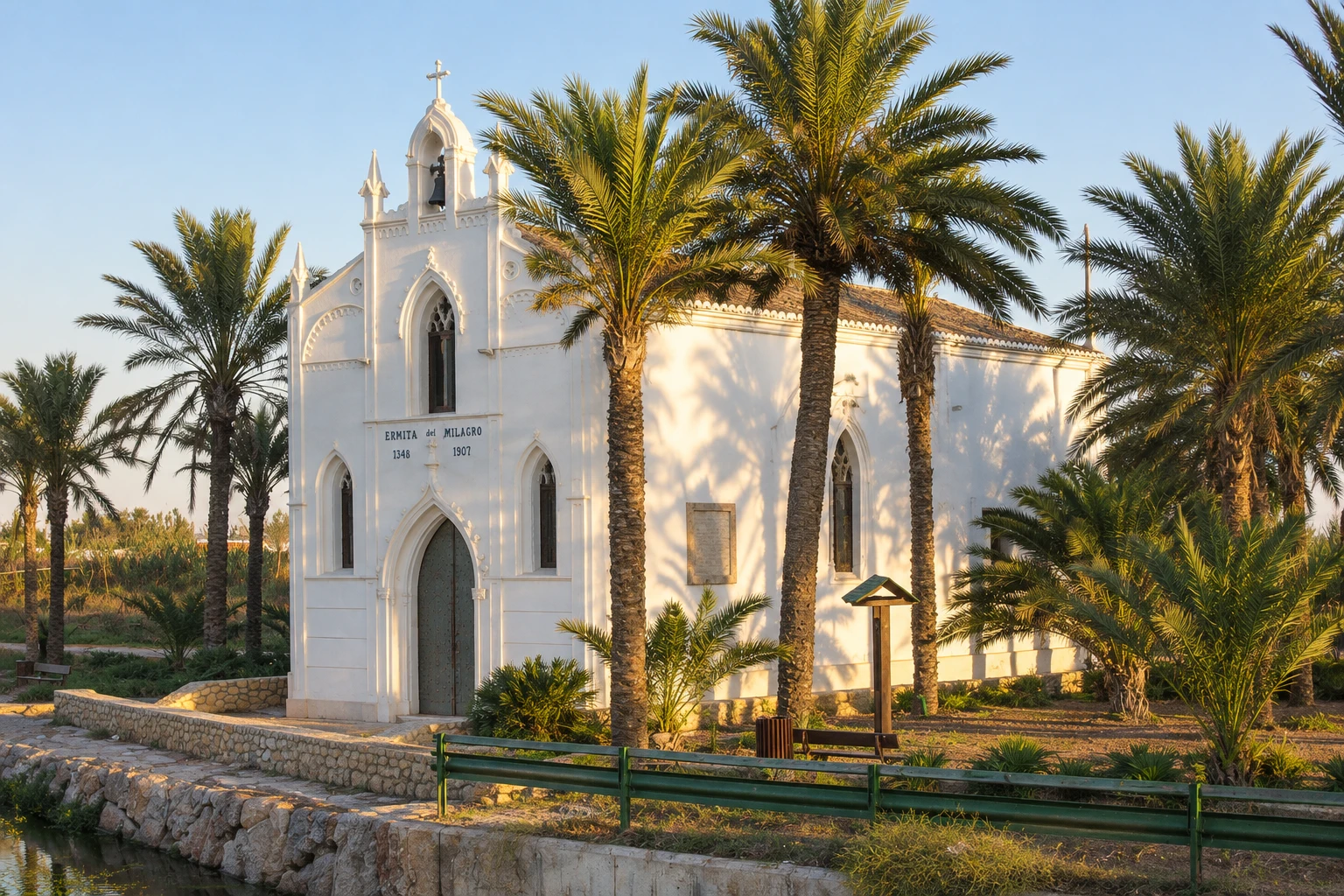
Ermita dels Peixets

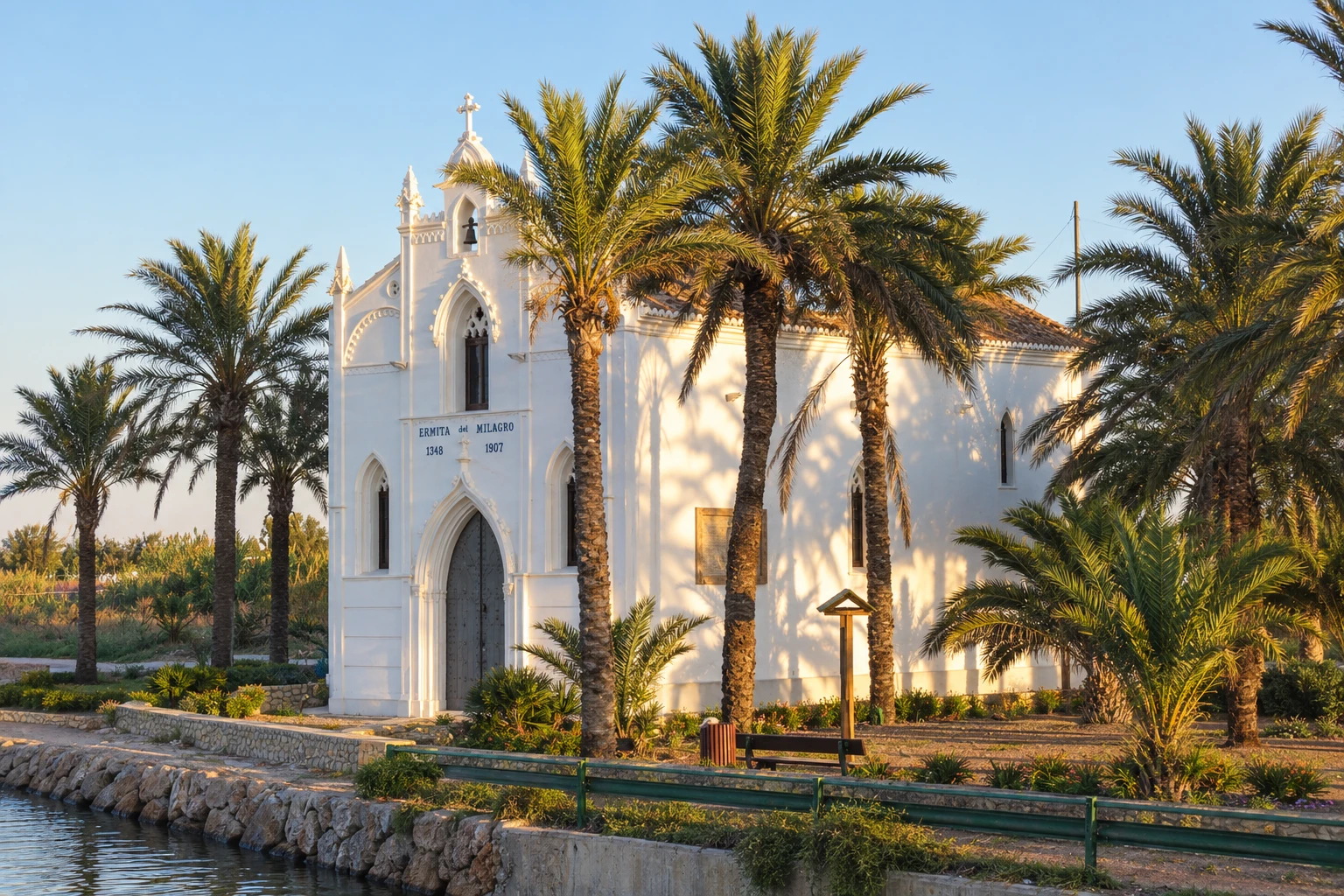
Small neo-Gothic hermitage by the sea, at the mouth of the Carraixet ravine, built in the early 20th century in memory of the Miracle dels Peixets, which tradition places in 1348. It opens on the day of the annual pilgrimage.

Explore Ermita dels Peixets

Valencia · Valencian Community · Aquarium

Oceanogràfic

Aquarium inside the Ciutat de les Arts i les Ciències, with pavilions of marine ecosystems, an underwater shark tunnel, a dolphinarium and the wave-shaped roof by Félix Candela.

Explore Oceanogràfic

See 16 more places in Valencia

Before you go

Practical information

A little planning leaves more time to enjoy the journey.

When to go

From April to June and from September to October the weather is usually good for walking and for the beach without the humid heat of high summer. July and August are hot and the beaches are crowded. In March the Fallas usually pack the city and drive up accommodation prices. Winter is mild and good for museums.

The seasons shown are the most usual ones; nature doesn't always follow the calendar.

How many days to stay

Two days cover the historic centre, the Jardí del Túria and the Ciutat de les Arts i les Ciències. With three days you can add the Malvarrosa beach, El Cabanyal and a boat trip on the Albufera with lunch in El Palmar. During the Fallas, allow more time and book accommodation well in advance.

Which city to stay in

Ciutat Vella, the historic centre, puts the cathedral, the market and the Llotja within walking distance and has lively streets at night in the Carmen neighbourhood. Ruzafa, south of Nord station, has bars, cafés and neighbourhood restaurants. Those wanting the beach can stay in Malvarrosa or El Cabanyal, about 20 minutes by tram from the centre. Near the Ciutat de les Arts there are larger, newer hotels, farther from the centre.

Respect the place

Take your trash with you, follow the signs and support local businesses. In natural areas, follow the visiting guidelines.

Beyond the guide

Your questions

Frequently asked questions about Valencia

Can Valência be done as a day trip from Madri?

Yes, by high-speed train in about 1h40, but the day will be rushed. With one overnight you can see the historic centre and the Ciutat de les Arts i les Ciències; with two nights you can add the beach and the Albufera.

When are the Fallas?

They usually take place in March, with the main days from the 15th to the 19th, when the monuments are on the streets and are burned on the night of the 19th, the Cremà. The city becomes very crowded and noisy, with daily fireworks at the Plaza del Ayuntamiento. Check the program for the year.

Where to eat paella in Valência?

Paella valenciana includes chicken, rabbit, green beans and garrofó, and Valencians typically eat it at lunchtime. The restaurants on Malvarrosa beach and in the village of El Palmar, in the Albufera, are the most traditional places to have it.

Does Valência have a beach?

Yes. Malvarrosa, Platja de les Arenes and Patacona form a continuous stretch of sand next to the port, about 4 km from the centre, with a promenade and restaurants. Further south, inside the Albufera park, there are beaches with dunes.

Do I need a car in Valência?

No. The centre is walkable, and metro, tram, bus and public bikes connect the beaches, the airport and the Ciutat de les Arts. A car only helps to visit inland villages or travel along the coast.

What language is spoken in Valência?

Spanish and Valencian, both official. Signs and street names often appear in Valencian, like Plaça de l'Ajuntament and Ciutat Vella. Everyone understands Spanish.

Explore other destinations Search by state and city