Asturias and Cantabria

Asturias · Cantabria

Asturias and Cantabria

Spain's green north: Oviedo and the pre-Romanesque, Gijón and the Cimadevilla neighborhood, Santander and La Magdalena, between the Cantabrian Sea, the Picos de Europa and the cider.

North

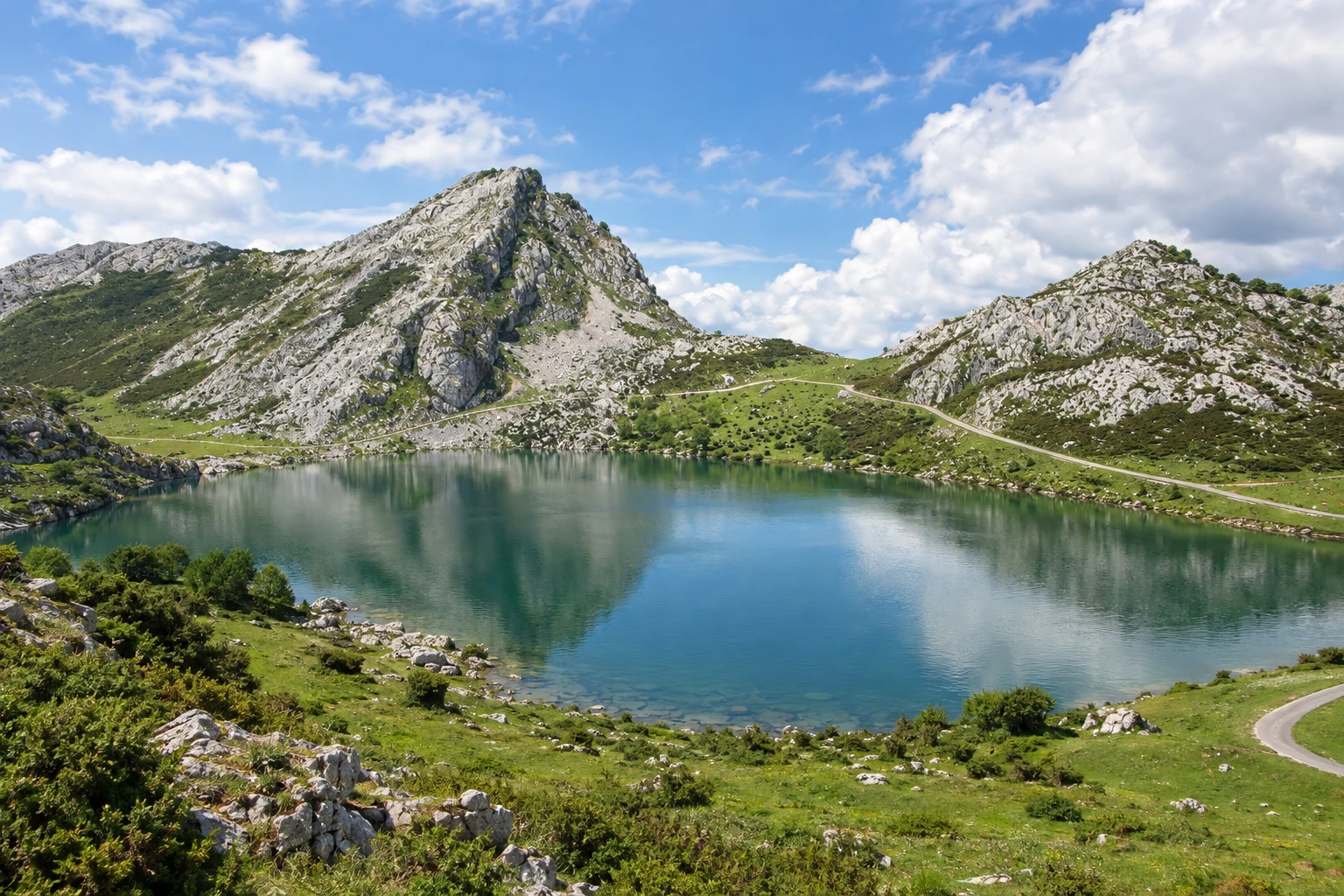
In the photo: Lake Enol, the lakes of Covadonga

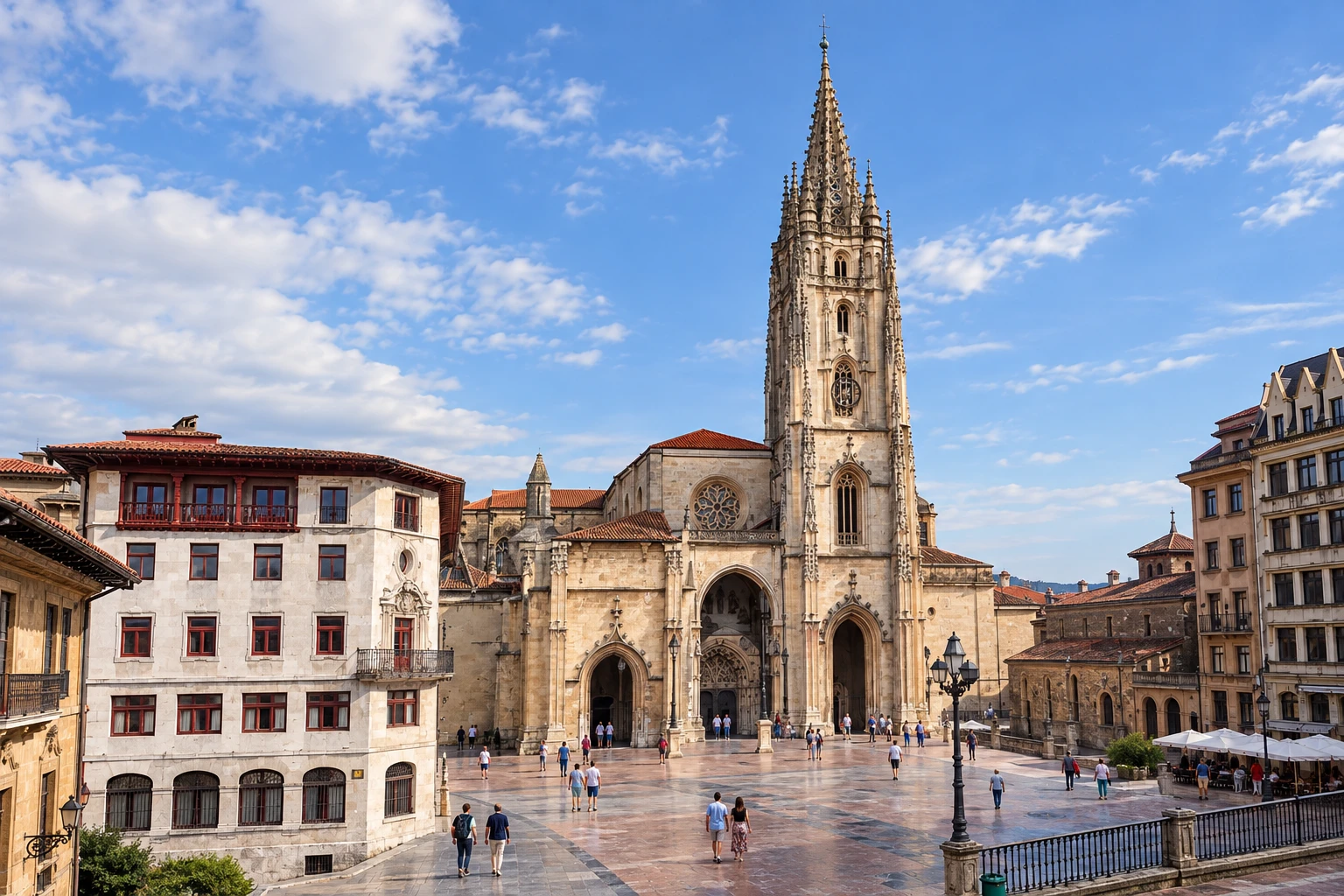
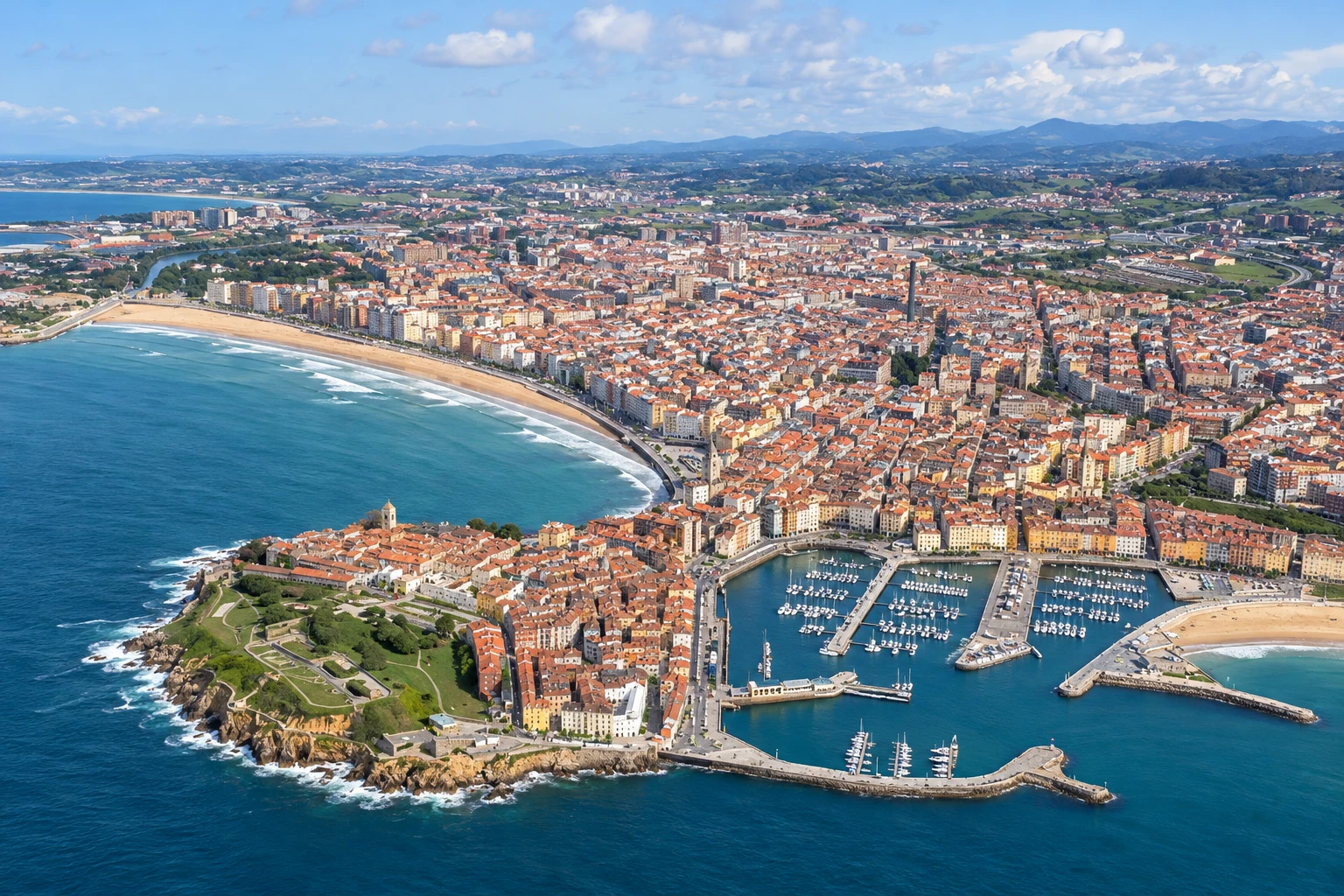
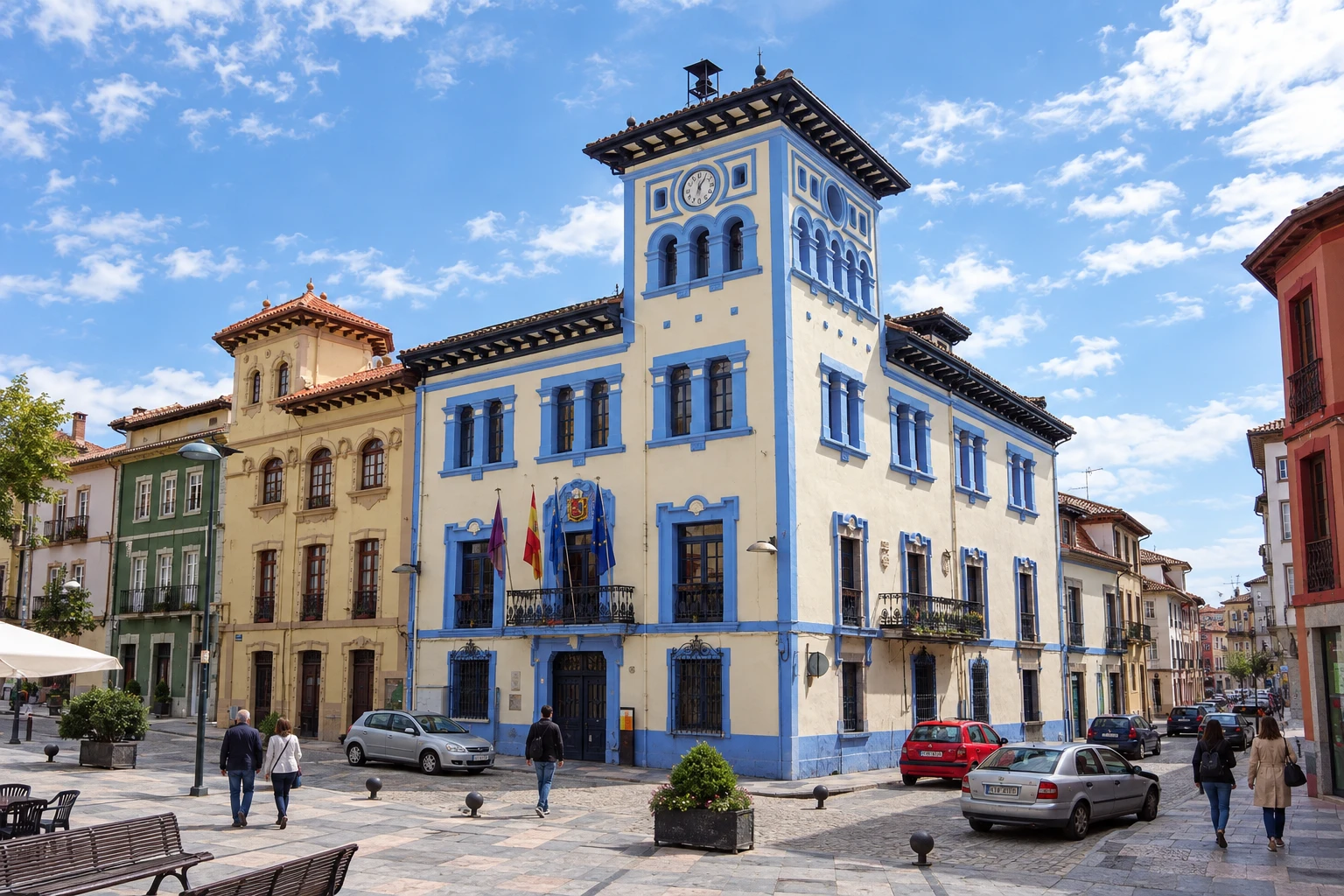
Illustrative images. The pictures in this guide are illustrations based on the real place, not photographs, and may differ from it.

Get it on Google Play

Get to know the place

A region to enjoy
at your own pace.

Asturias and Cantabria are two neighboring communities on Spain's northern coast, between the Cantabrian Sea and the Cantabrian mountain range. It is Spain's green region: hills covered with pasture and forest descending to beaches and cliffs, fishing villages and, inland, the mountains of the Picos de Europa, a national park shared between the two regions and Castilla y León. It rains at any time of year, and that rain is what keeps the landscape green.

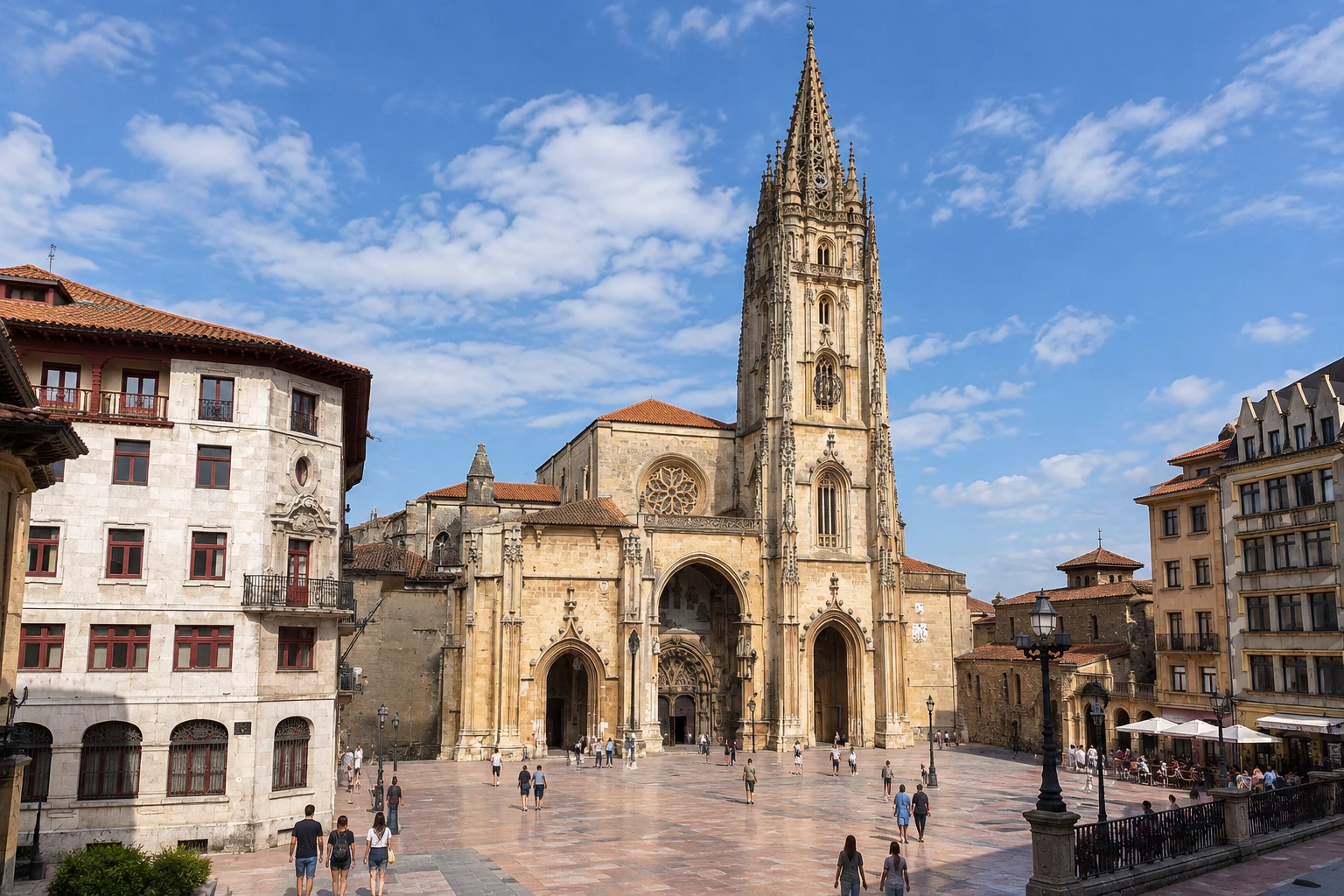
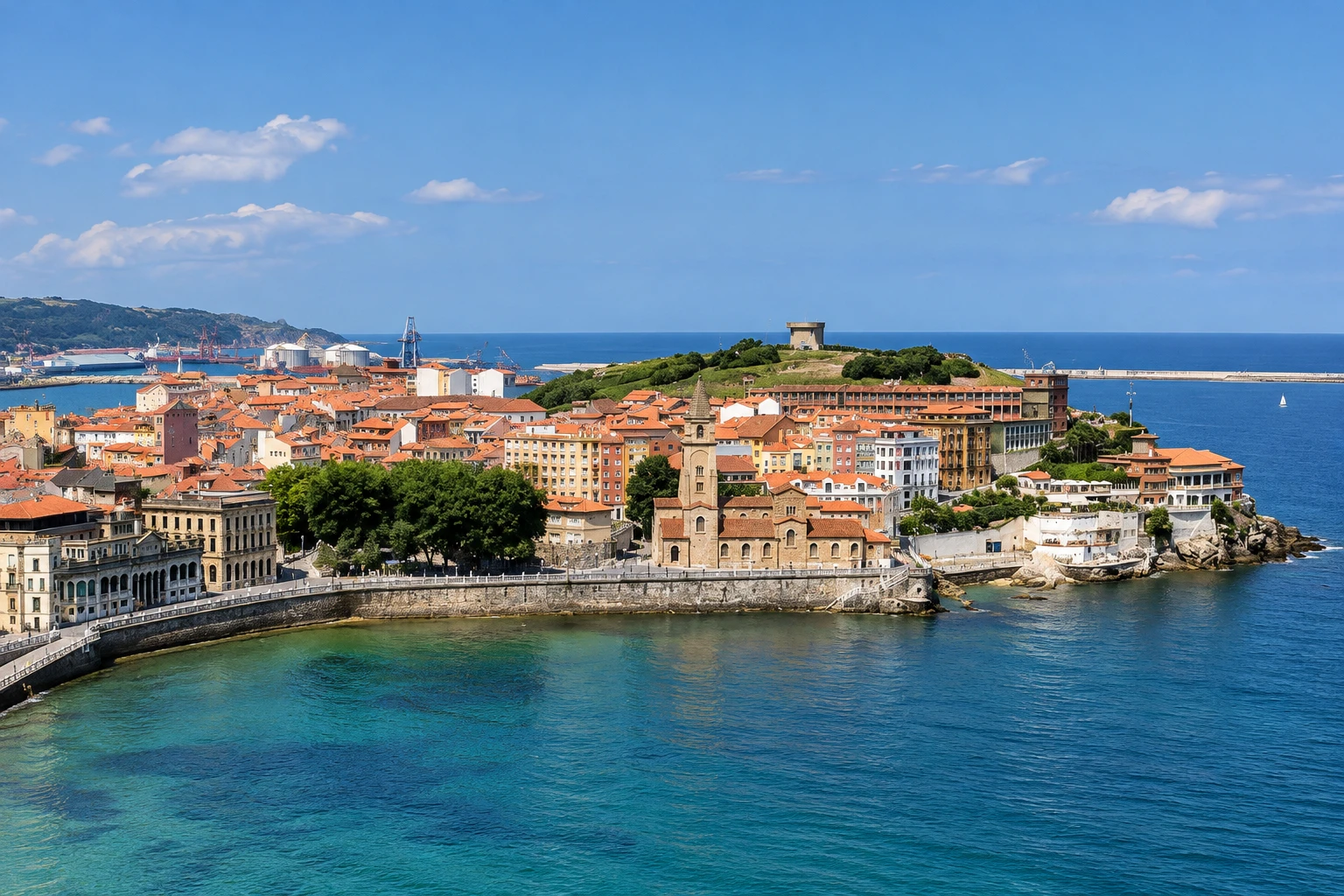
Oviedo, the capital of Asturias, preserves the churches of Asturian pre-Romanesque architecture, built in the 9th and 10th centuries, when the city was the capital of the Kingdom of Asturias: Santa María del Naranco and San Miguel de Lillo on Mount Naranco, and the Cámara Santa of the cathedral are part of the World Heritage. It is also the starting point of the Camino Primitivo, the oldest route to Santiago, which passes through Grado to the west. Gijón, Asturias' largest city, is on the coast about 30 km away, with the old fishermen's quarter of Cimadevilla on a peninsula over the sea, and the beach of San Lorenzo.

In Asturias, cider is part of life: in the sidrerías it is poured from a bottle held high above the head so it falls into the glass and becomes fizzy. Besides Spanish, Asturian is spoken — a protected regional language that appears on signs and place names.

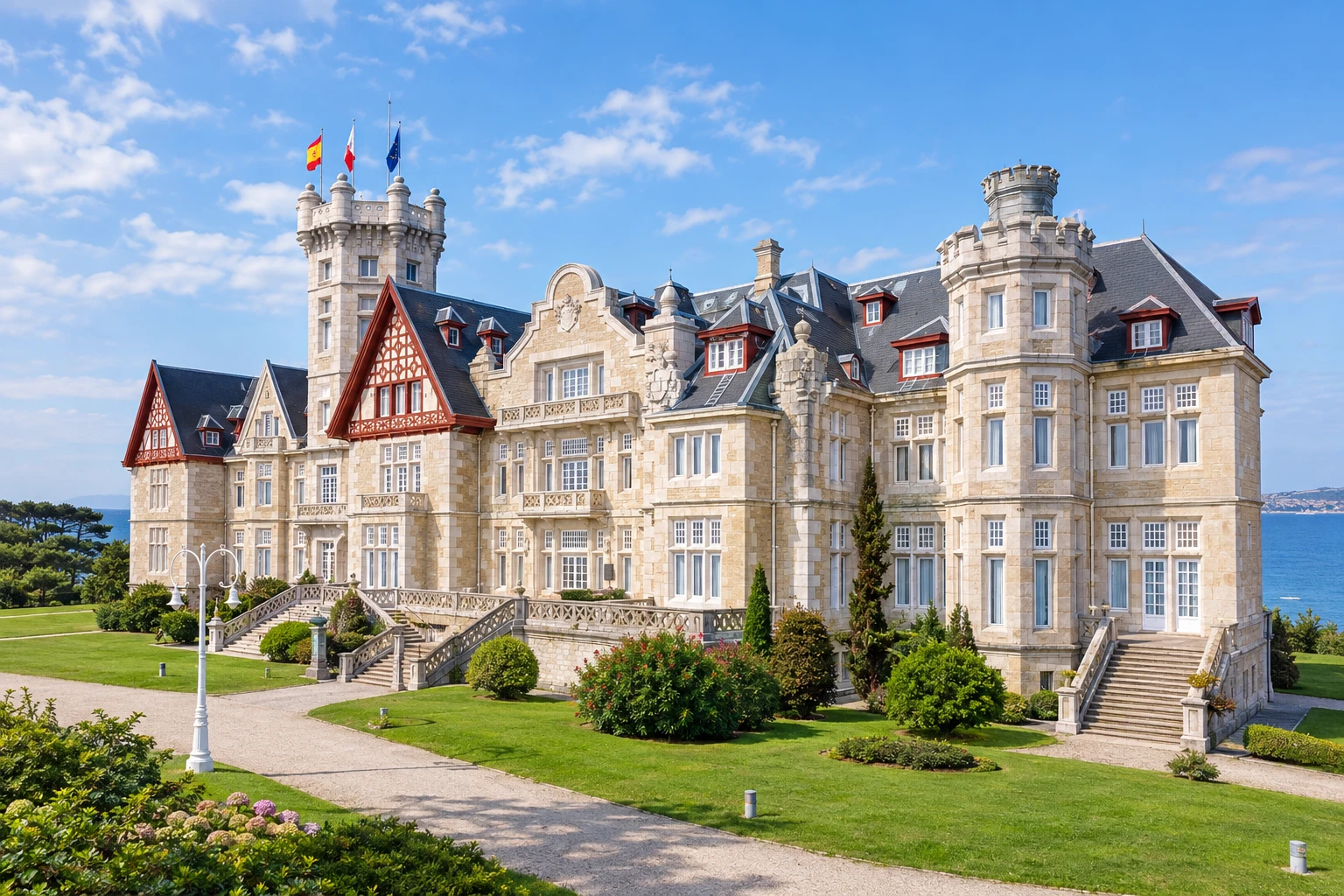
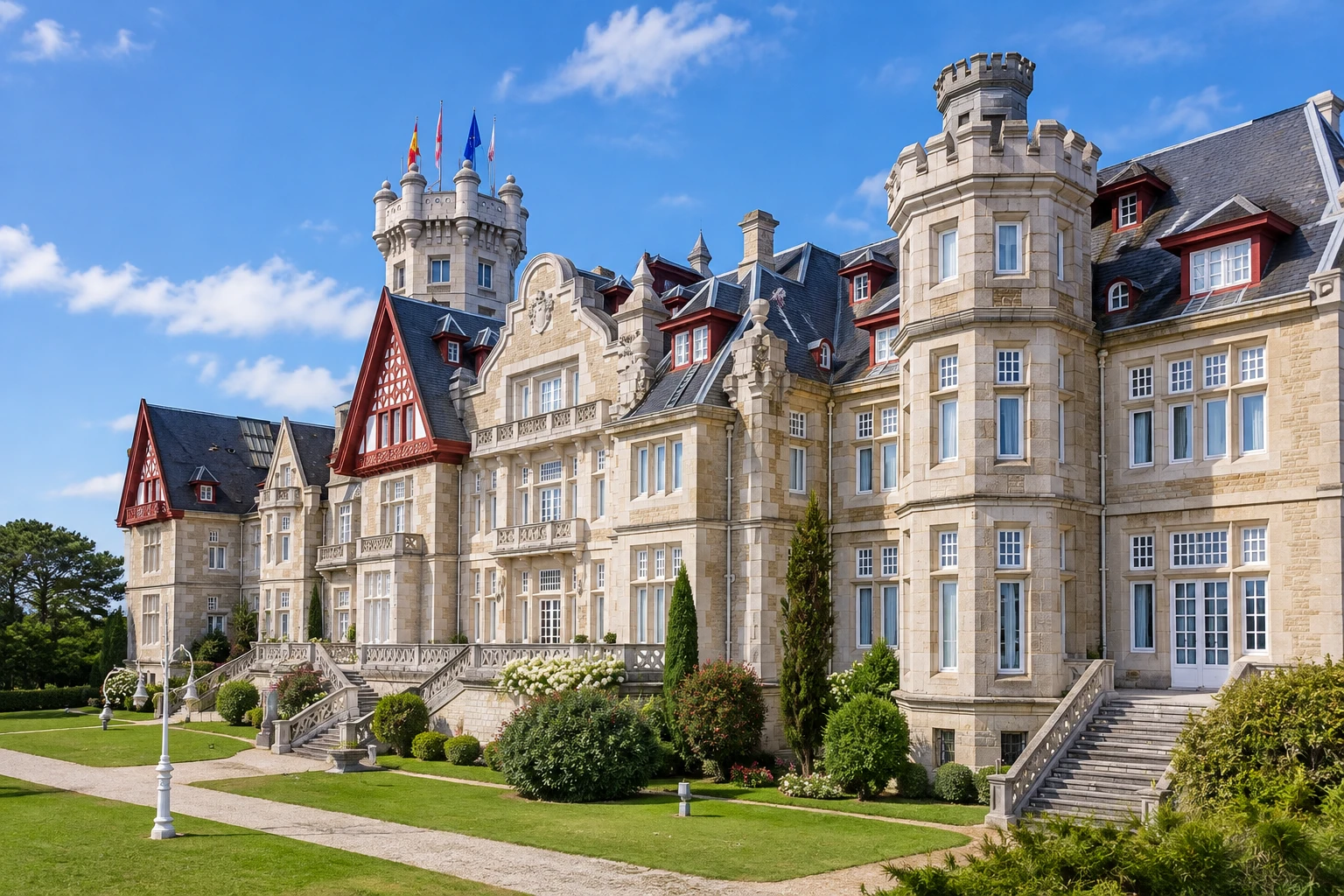
Santander, the capital of Cantabria, is a bay city, with the peninsula of La Magdalena, where the summer palace built for King Alfonso XIII stands, the beaches of El Sardinero and the Centro Botín by the water. The Camino del Norte, which follows the coast, goes through Santander and Gijón.

This destination brings together 4 cities: Oviedo, Gijón, Grado, Santander.

Share: WhatsApp
Traveler, share your experiences through photos Up to 5 photos of each place you visited.

One destination, many paths

The cities on this trip

Start with one city or combine several in your itinerary.

Where Asturias and Cantabria is The star marks the capital, Oviedo.
OviedoGijónGradoSantander

Outlines: IGN/CNIG, unidades administrativas, CC BY 4.0. Adapted by Cidade Turismo.

How to get there: Asturias and Cantabria

Aeroporto das Astúrias (Aeropuerto de Asturias) (OVD) · 45 km to Oviedo

Connections from Brazil usually involve a stopover in another city. Check before you buy. Asturias Airport is located between Oviedo and Gijón, and Santander has its own airport; both have flights from Madrid and elsewhere in Europe. From Madrid, trains take you to Oviedo, Gijón and Santander in a few hours. By bus, the trip between Oviedo and Santander takes about 2.5 to 3 hours.

Suggested arrival point: Oviedo

Oviedo
Asturias · Asturias and Cantabria Capital Suggested arrival point

Oviedo

Oviedo is the capital of Asturias and was the capital of the former Kingdom of Asturias in the 9th and 10th centuries. From that time remain the monuments of Asturian pre-Romanesque, a World Heritage: the Cámara Santa, inside the Gothic cathedral, the church of San Julián de los Prados and, on Monte Naranco, Santa María del Naranco and San Miguel de Lillo. The old town has the square and market of Fontán, the street Gascona, known for its cider bars, with the Foncalada fountain, the Museo de Bellas Artes and the Museo Arqueológico. The Parque de San Francisco lies next to the teatro Campoamor. It is the starting point of the Caminho Primitivo.

Gijón
Asturias · Asturias and Cantabria

Gijón

Gijón is Asturias' largest city on the Cantabrian coast, about 30 km from Oviedo. The Cimadevilla quarter, an old fishermen's neighborhood on a peninsula, preserves the Roman baths, the Plaza Mayor and the Palacio de Revillagigedo, and atop the Santa Catalina hill stands the sculpture Elogio del Horizonte by Eduardo Chillida. Beside it, San Lorenzo beach forms a 1.5 km shell next to the center. To the east lie the Universidad Laboral, the largest building in Spain, and the Atlantic Botanical Garden. There is also the Museum of the People of Asturias and the aquarium.

Grado
Asturias · Asturias and Cantabria

Grado

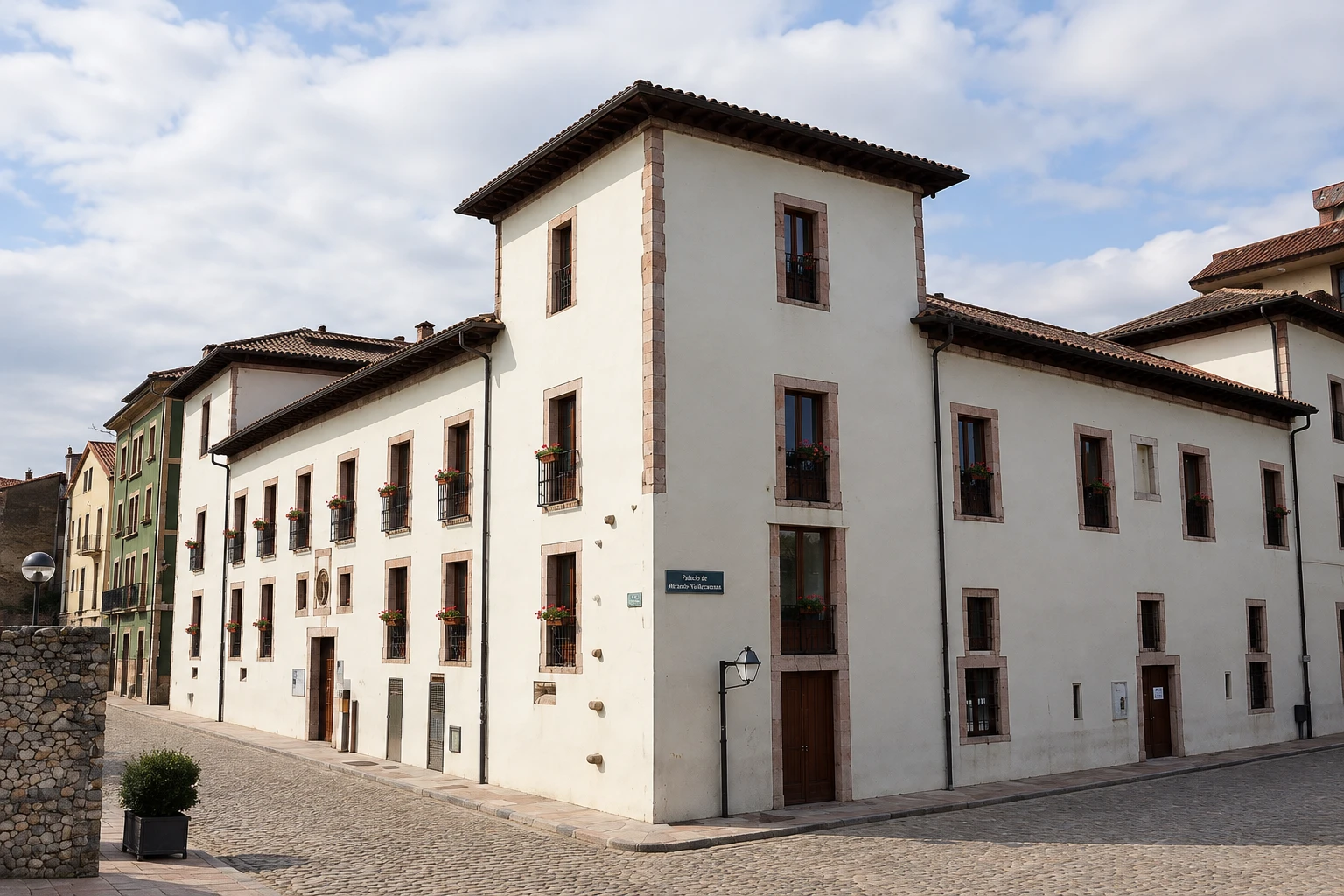
Grado, Grau in Asturian, is a village in the center of the Astúrias, about 25 km from Oviedo, in the Cubia river valley. It is known for the traditional market that fills the streets of the center on Wednesdays and Sundays, with products from the Asturian countryside. The protected historic center includes the baroque palace of Miranda-Valdecarzana, now a library, and the chapel of Dolores, from the early 18th century. On the outskirts of the village, the Museu Etnográfico shows rural life in the central Astúrias. It is the first major village on the Caminho Primitivo after Oviedo. Spanish and Asturian are spoken.

Santander
Cantabria · Asturias and Cantabria Capital

Santander

Santander is the capital of Cantábria, on a bay of the Cantabrian Sea in northern Spain. The península da Madalena has the palácio built to be the royal summer residence, and next to it are the beaches do Sardinero, which made the city a seaside resort in the early 20th century. In the center are the Gothic cathedral, the mercado de ferro da Esperança and the Centro Botín, by Renzo Piano, over the bay next to the Paseo de Pereda. The Cabo Mayor lighthouse marks the entrance to the port. About 30 km away is the Museu de Altamira, with a replica of the cave of prehistoric paintings, and 17 km away is the Cabárceno park.

The local experience

Things to do in Asturias and Cantabria

Oviedo · Asturias · Church

Oviedo Cathedral

Gothic Catedral de San Salvador, built from the 13th to the 16th century, with the 9th-century Cámara Santa, a World Heritage, which houses the Cruz de los Ángeles, the Cruz de la Victoria and the Arca Santa.

Explore Oviedo Cathedral

Gijón · Asturias · Historic neighborhood

Cimadevilla

Gijón's oldest neighborhood, of Roman origin, on the peninsula of Santa Catalina, with streets of the old fishing quarter, the arcaded Plaza Mayor and the sidrerías.

Explore Cimadevilla

Santander · Cantabria · Palácio

Magdalena Palace

Palácio built between 1909 and 1911 by public subscription to serve as the summer residence of King Afonso XIII, on the península da Madalena, surrounded by a seaside park.

Explore Magdalena Palace

See 26 more places in Asturias and Cantabria

Before you go

Practical information

A little planning leaves more time to enjoy the journey.

When to go

From June to September the weather is usually more settled and mild, good for beaches and mountains, but it can rain at any time of year, especially from November to April. Bring a jacket and an umbrella even in summer. August is the busiest month. The seasons are reversed compared with Brazil.

The seasons shown are the most usual ones; nature doesn't always follow the calendar.

How many days to stay

Five to seven days: two in Oviedo, including Mount Naranco; one or two in Gijón; two in Santander. With more time, the Picos de Europa deserve at least a full day. Those doing the Camino Primitivo start in Oviedo and pass through Grado on the first stage. Time difference: 4 to 5 hours ahead of Brasília, depending on the time of year.

Which city to stay in

In Oviedo, the old town near the cathedral lets you visit the monuments on foot; Mount Naranco is about 3 km away. In Gijón, Cimadevilla has the old streets and sidrerías, and the waterfront at San Lorenzo beach is wider and more relaxed. In Santander, the city center near the bay and the Centro Botín is convenient for train arrivals; El Sardinero, close to the beaches and La Magdalena, is calmer and focused on the sea.

Respect the place

Take your trash with you, follow the signs and support local businesses. In natural areas, follow the visiting guidelines.

Beyond the guide

Your questions

Frequently asked questions about Asturias and Cantabria

Does it rain a lot in Asturias and Cantabria?

It rains at any time of year, more from November to April, and that is what keeps the landscape green. Bring a jacket and an umbrella even in summer.

What is Asturian pre-Romanesque?

They are churches and palaces built in the 9th and 10th centuries, when Oviedo was the capital of the Kingdom of Asturias. Santa María del Naranco, San Miguel de Lillo and the Cámara Santa of the cathedral are part of the World Heritage.

How is cider drunk in Asturias?

In the sidrerías, the server pours cider from a bottle held high above the head so it falls into the glass and becomes fizzy. A little is served at a time to be drunk immediately.

What language is spoken in Asturias?

Spanish. Asturian is a protected regional language that appears on signs and place names, but everyone speaks Spanish.

What is the difference between the Camino Primitivo and the Camino del Norte?

The Primitivo starts in Oviedo and follows the mountainous inland route to Santiago, passing through Grado. The Camino del Norte follows the coast, passing through Santander and Gijón.

Do you need a car in Asturias and Cantabria?

Not for Oviedo, Gijón and Santander, which are connected by train and bus. For the Picos de Europa and coastal villages, a car gives more freedom.

Routes in Spain

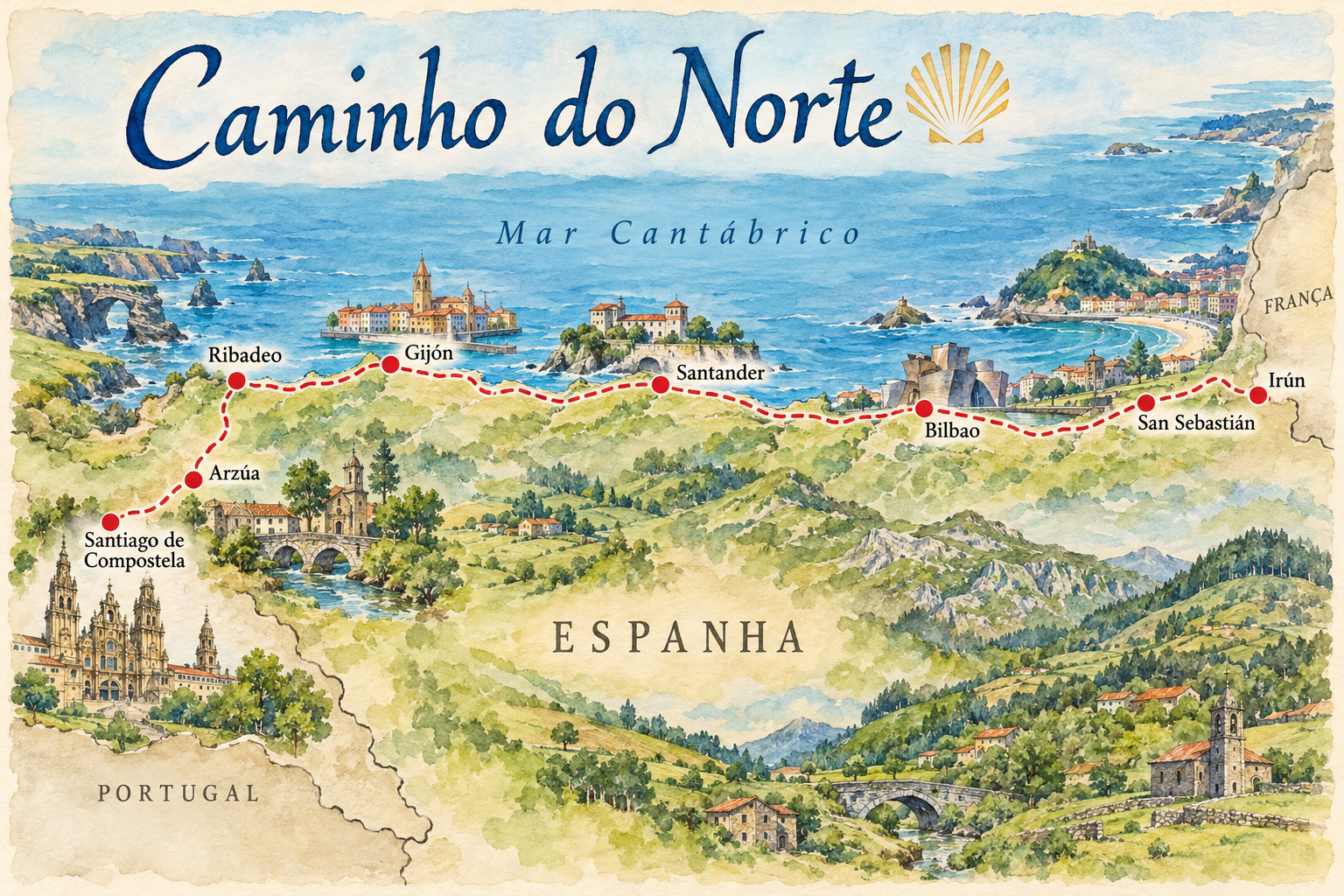
Asturias and Cantabria is on the Northern Way (Camino del Norte) to Santiago on foot

The Camino de Santiago along the Cantabrian coast: from the Basque Country to Galicia on foot, via San Sebastián, Bilbao, Santander and Gijón, between the sea and the green mountains.

Illustrative map, not to scale. Tap a city to open its page.
Illustrated map of Northern Way (Camino del Norte) to Santiago on foot
Explore the Northern Way (Camino del Norte) to Santiago on foot

Routes in Spain

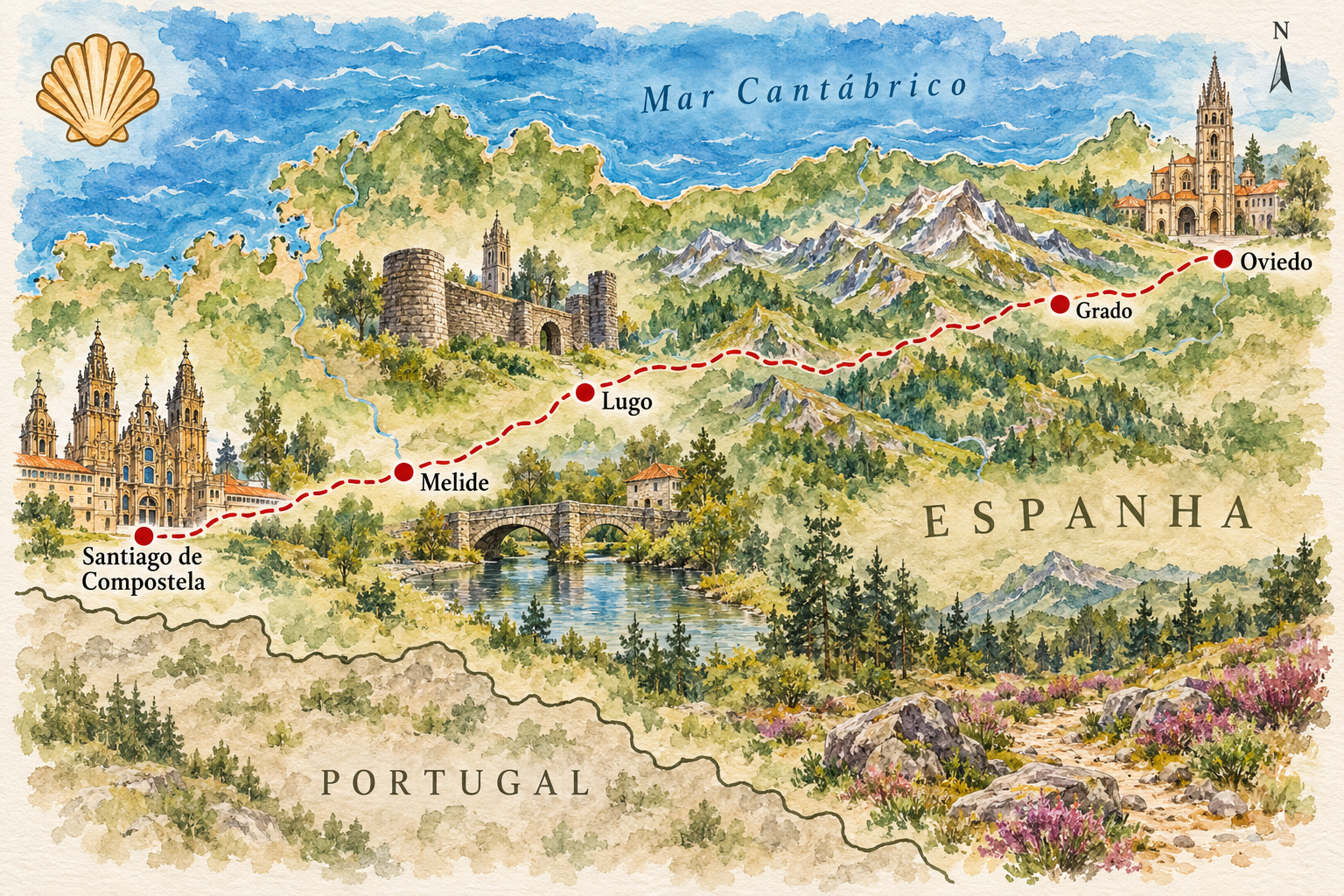
Asturias and Cantabria is on the Caminho Primitivo de Santiago on foot

The oldest route to Santiago: from Oviedo, through the mountains of Asturias and via Lugo and its Roman walls, on foot to the cathedral of Compostela.

Illustrative map, not to scale. Tap a city to open its page.
Illustrated map of Caminho Primitivo de Santiago on foot
Explore the Caminho Primitivo de Santiago on foot
Explore other destinations Search by state and city