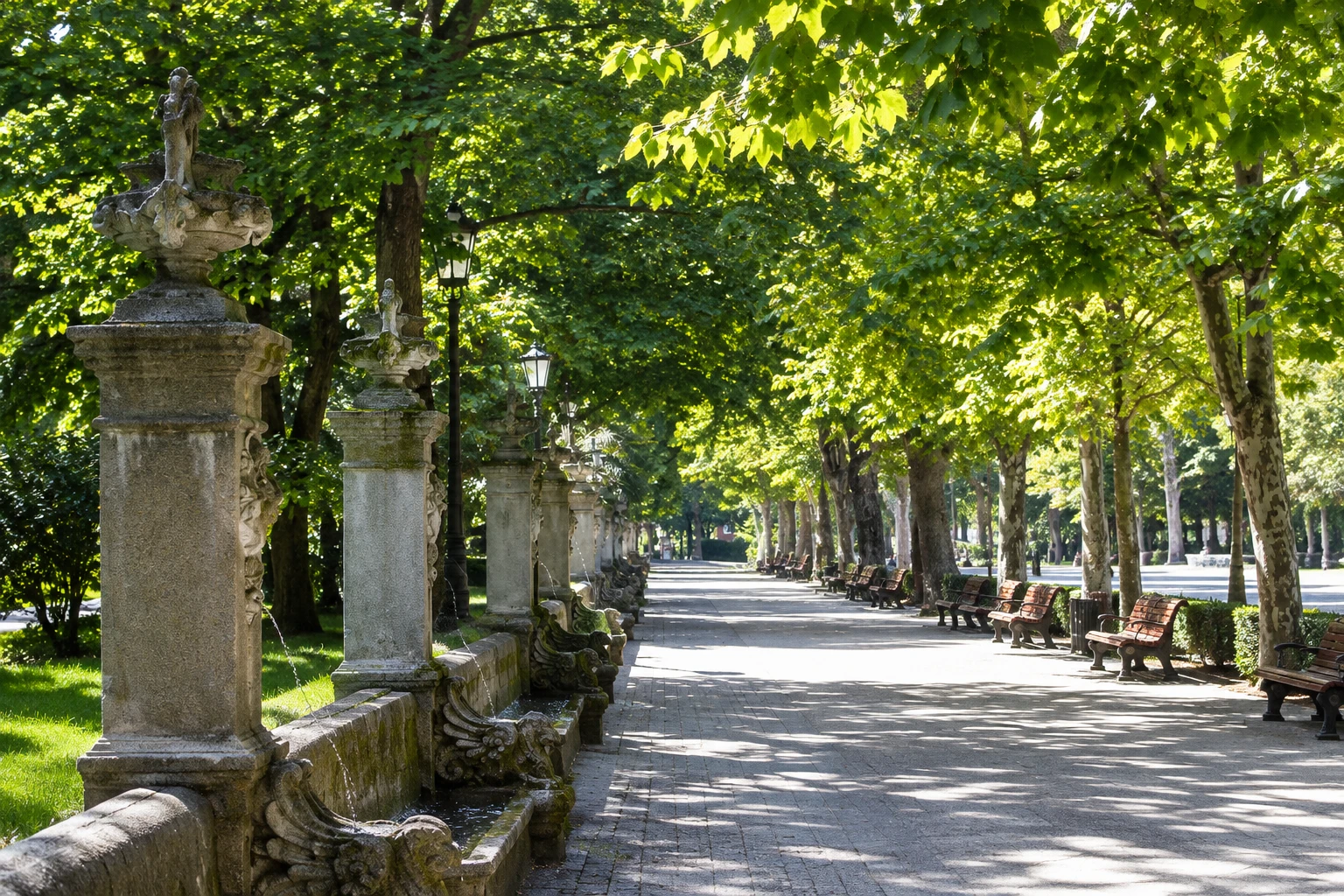
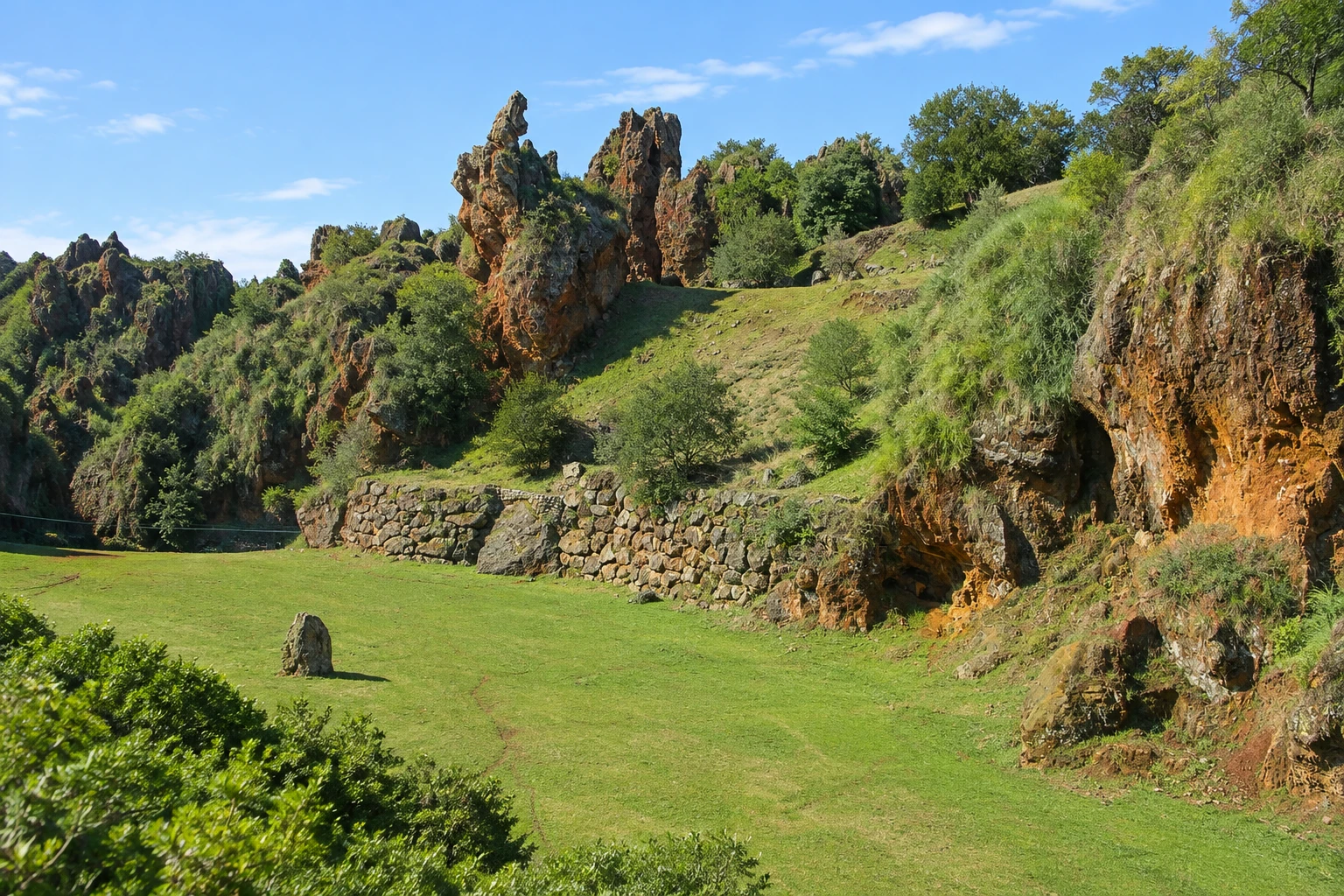
30 places to visit, chosen by the Cidade Turismo guide.
Illustrative images. The pictures in this guide are illustrations based on the real place, not photographs, and may differ from it.
To start
The 10 main places Asturias and Cantabria
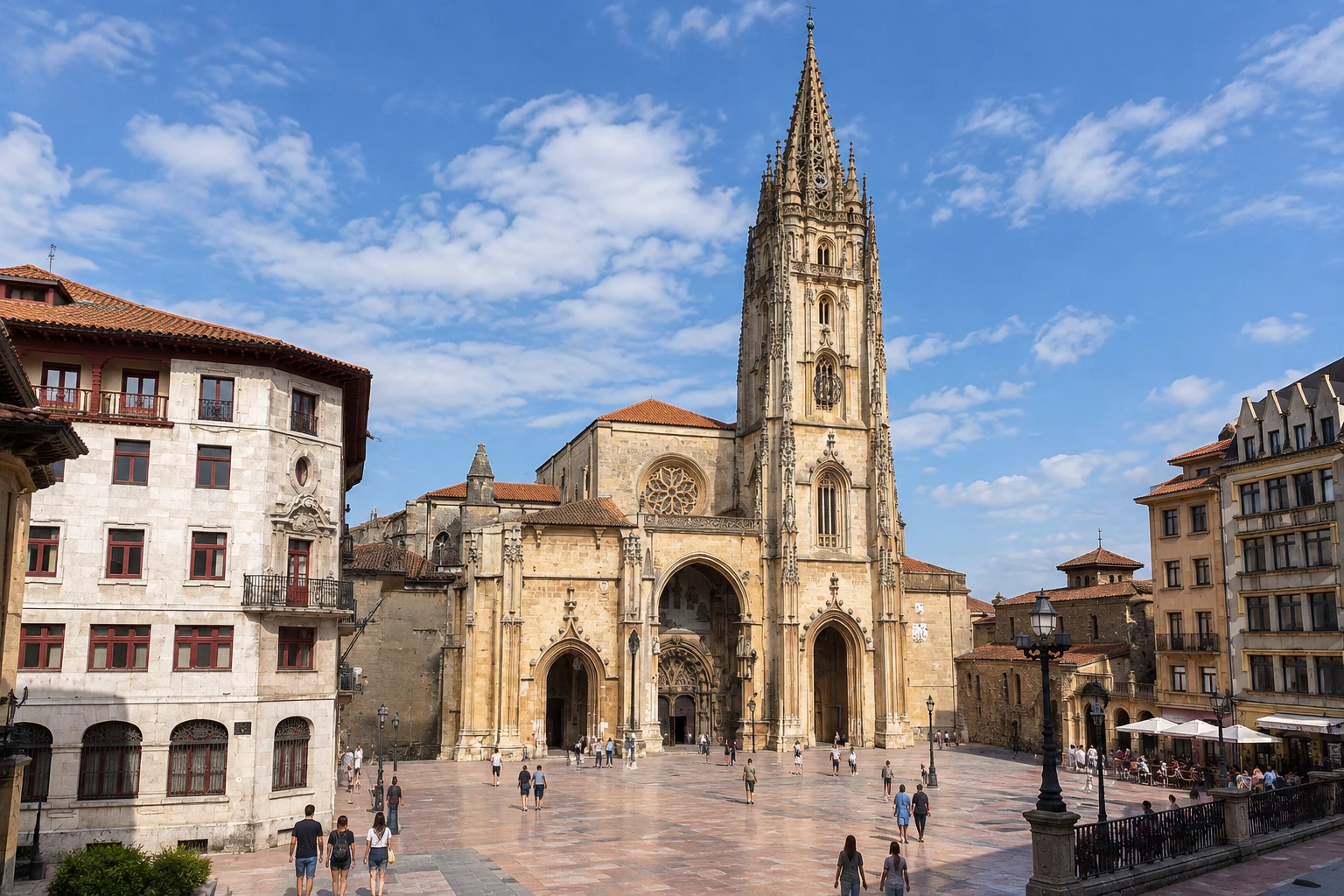
Oviedo Cathedral · OviedoGothic Catedral de San Salvador, built from the 13th to the 16th century, with the 9th-century Cámara Santa, a World Heritage, which houses the Cruz de los Ángeles, the Cruz de...
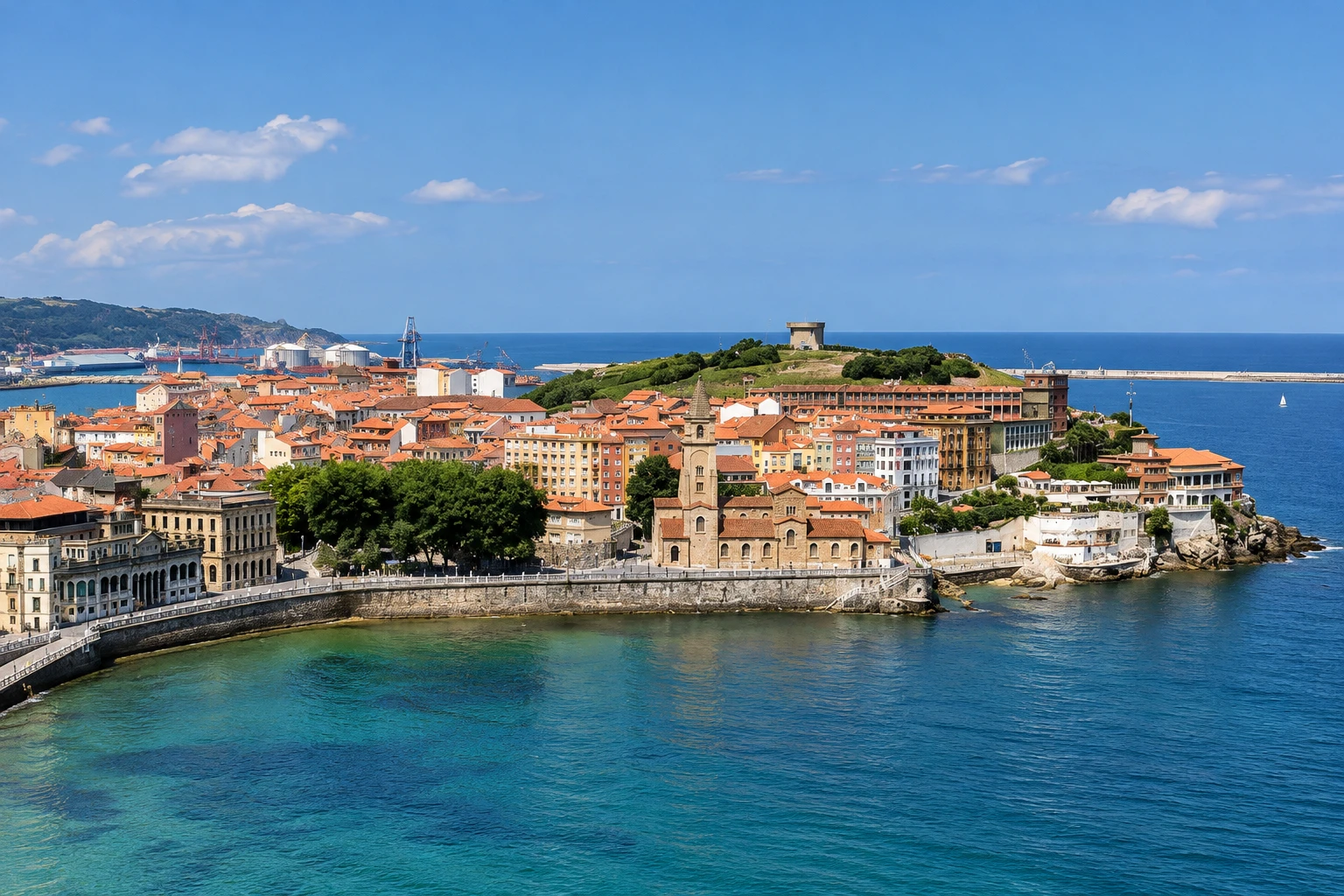
Cimadevilla · GijónGijón's oldest neighborhood, of Roman origin, on the peninsula of Santa Catalina, with streets of the old fishing quarter, the arcaded Plaza Mayor and the sidrerías.
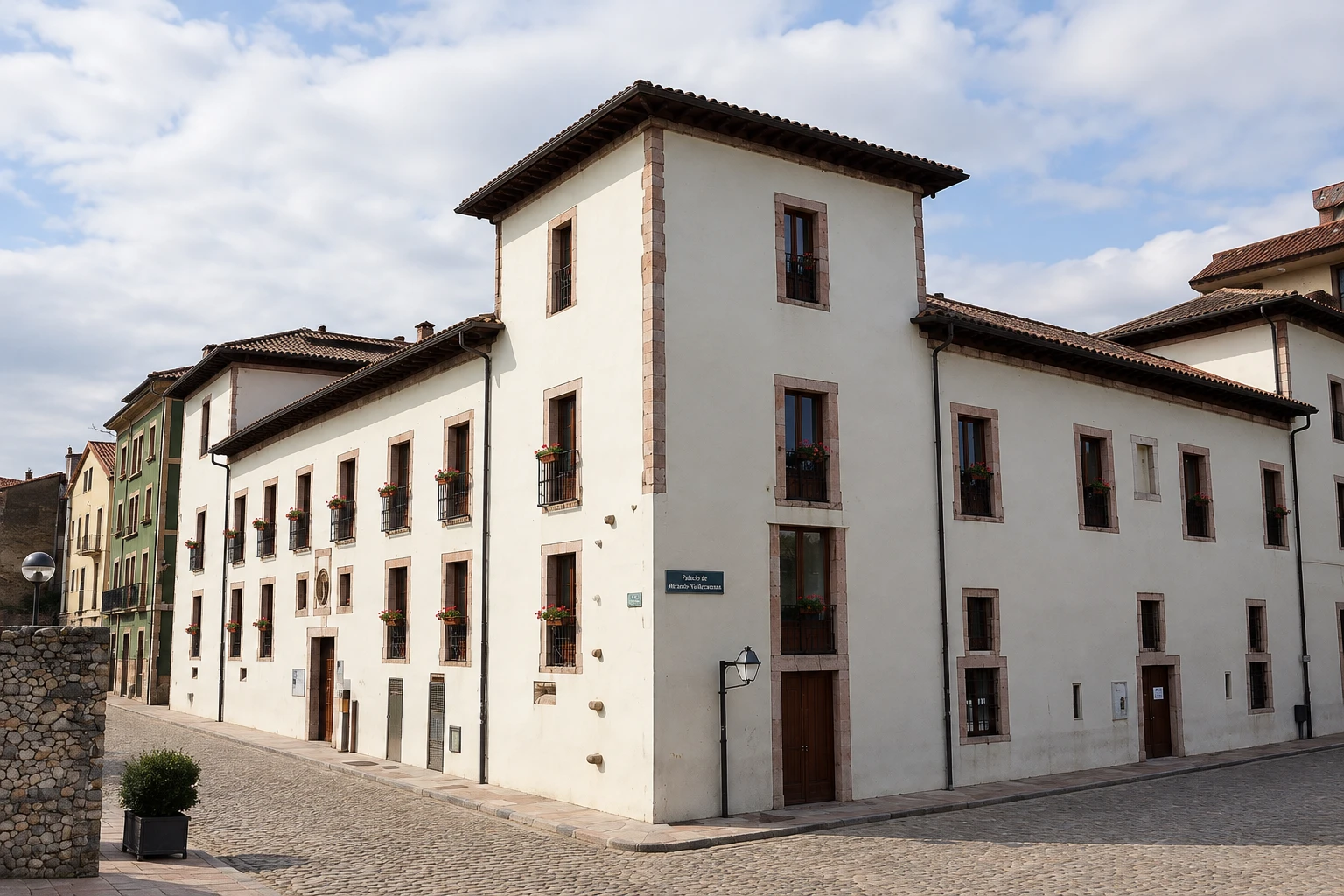
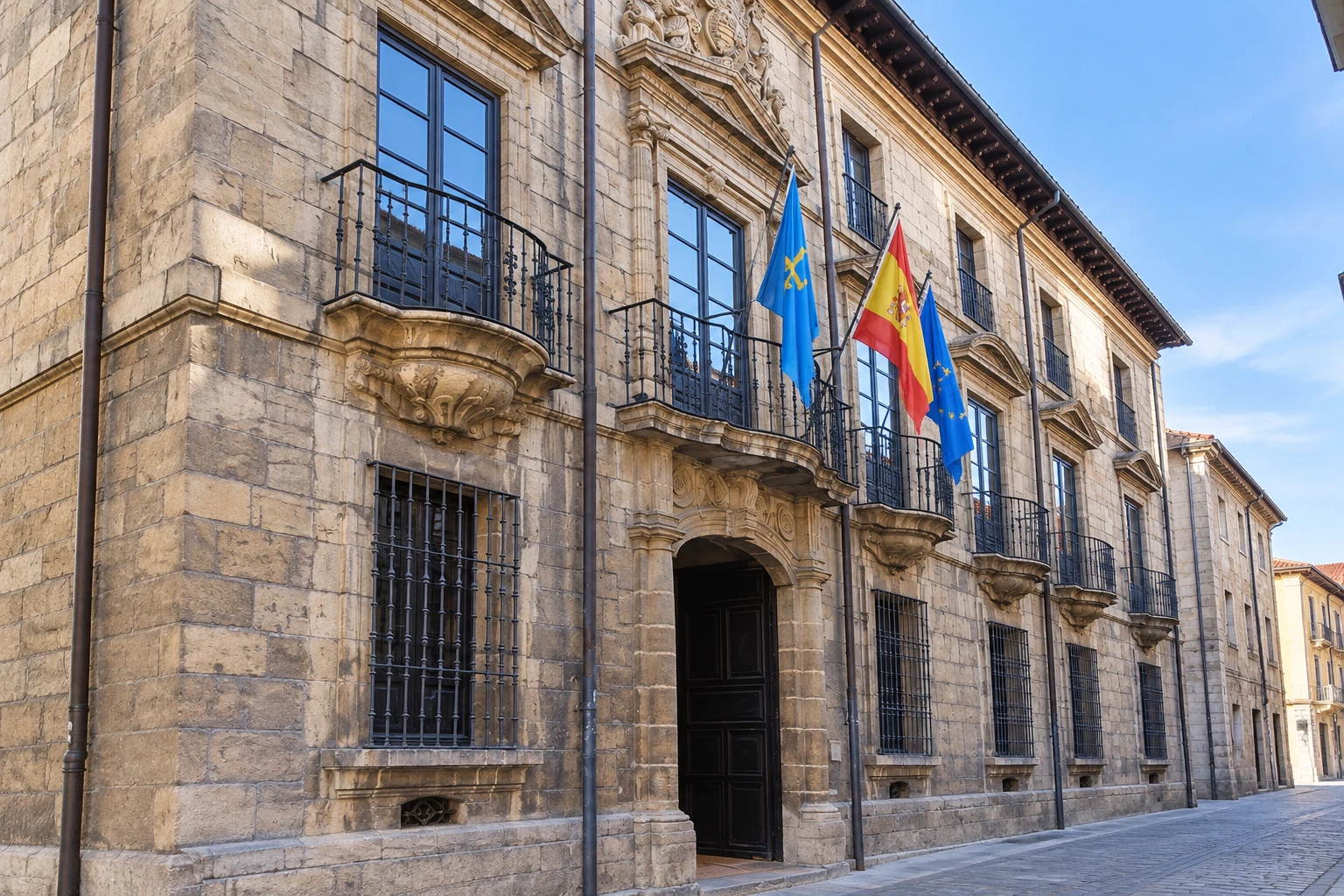
Palacio de Miranda-Valdecarzana · GradoPalace of medieval origin remodeled in the baroque style in the 17th and 18th centuries, with a columned courtyard, and the chapel of Dolores, dating from 1713, beside it; a his...
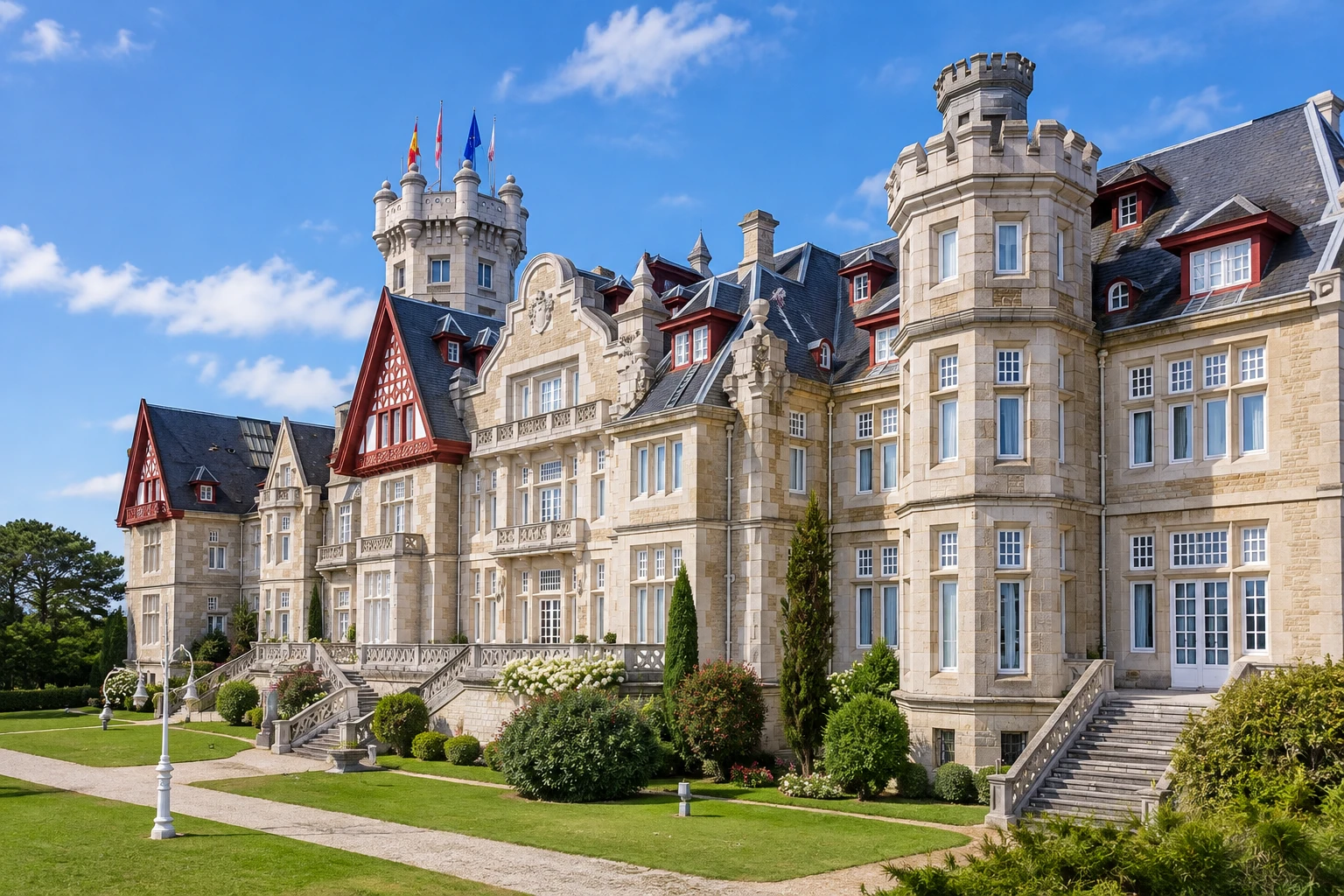
Magdalena Palace · SantanderPalácio built between 1909 and 1911 by public subscription to serve as the summer residence of King Afonso XIII, on the península da Madalena, surrounded by a seaside park.
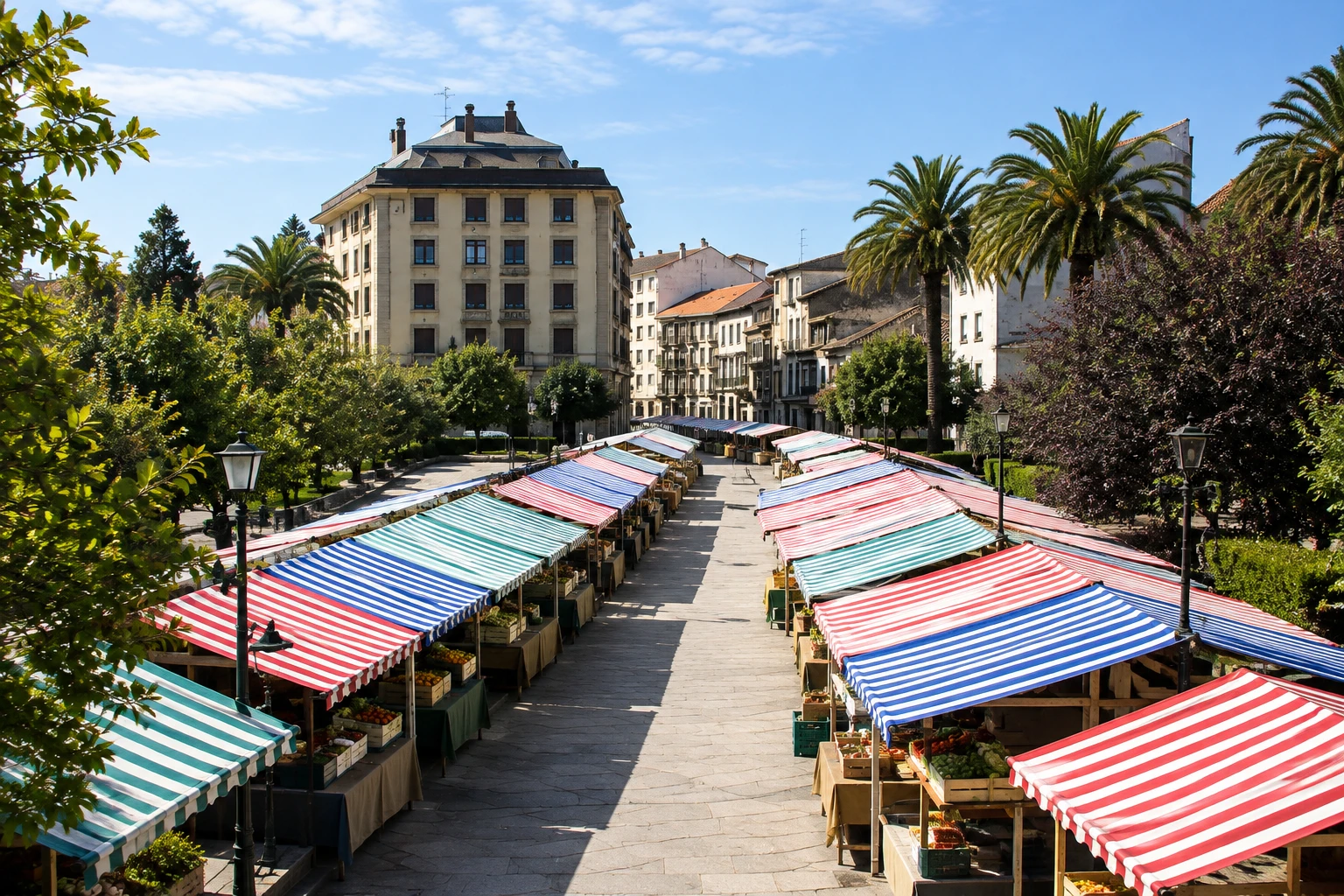
Grado Market · GradoTraditional market that fills the streets and squares of Grado’s historic center on Wednesdays and Sundays, with cheeses, bread, cured meats, fruits, vegetables and products fro...
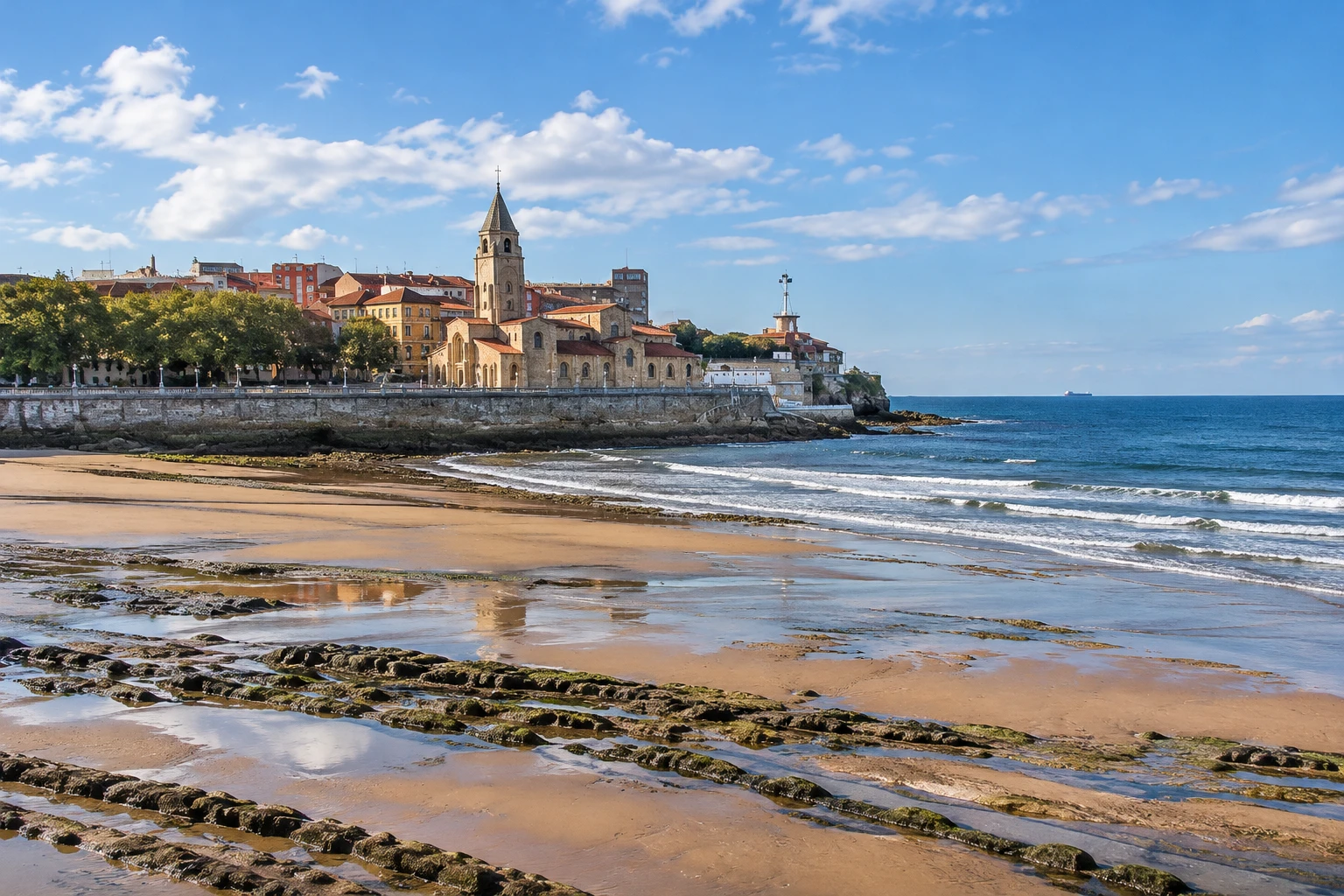
San Lorenzo Beach · GijónUrban, 1.5 km shell-shaped beach in Gijón's center, accompanied by the Muro promenade, with the church of San Pedro at one end and the mouth of the Piles River at the other.
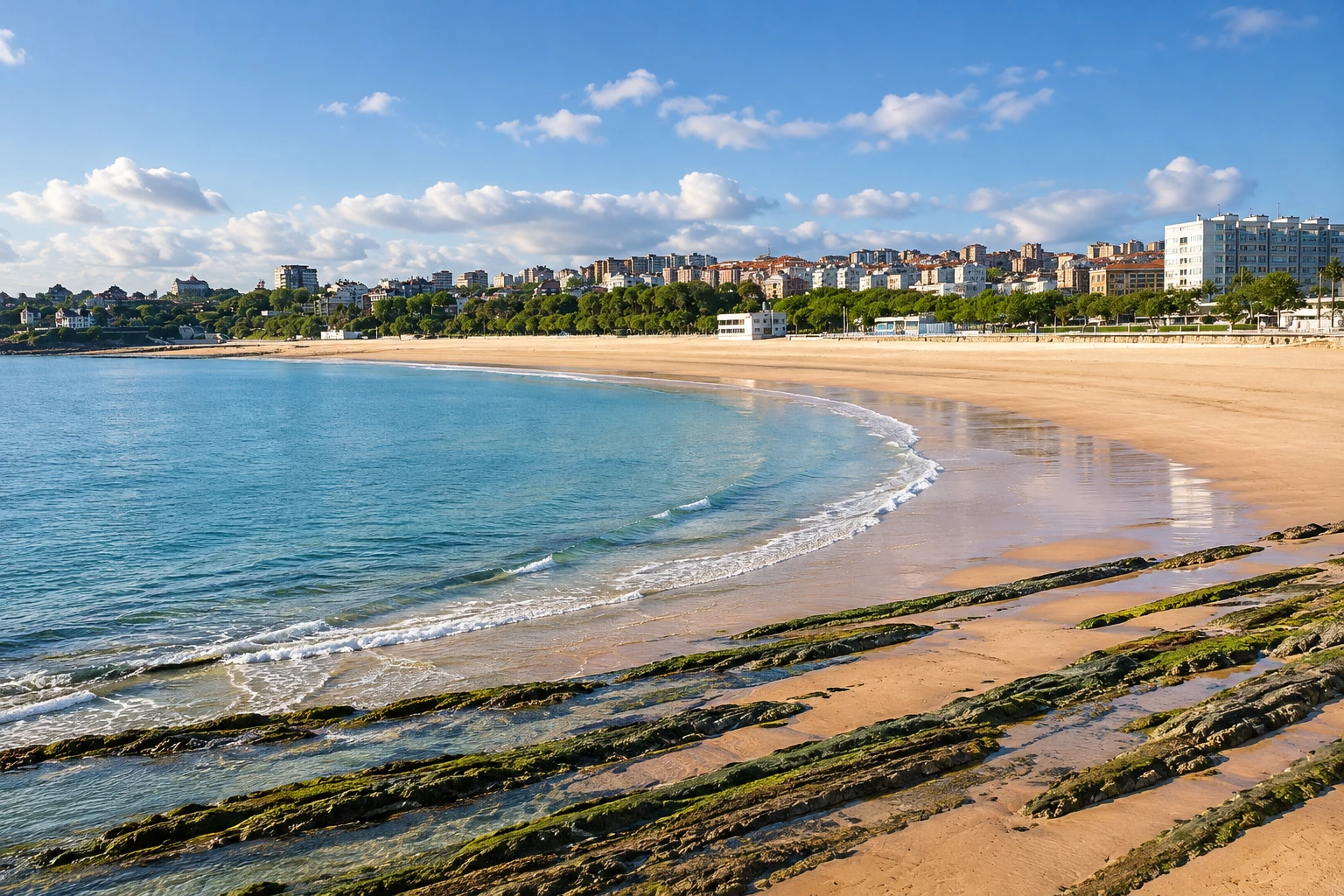
El Sardinero Beaches · SantanderThe two large beaches do Sardinero, which turned Santander into a resort for royalty and the bourgeoisie in the early 20th century, with the Gran Casino and the gardens of Piquío.
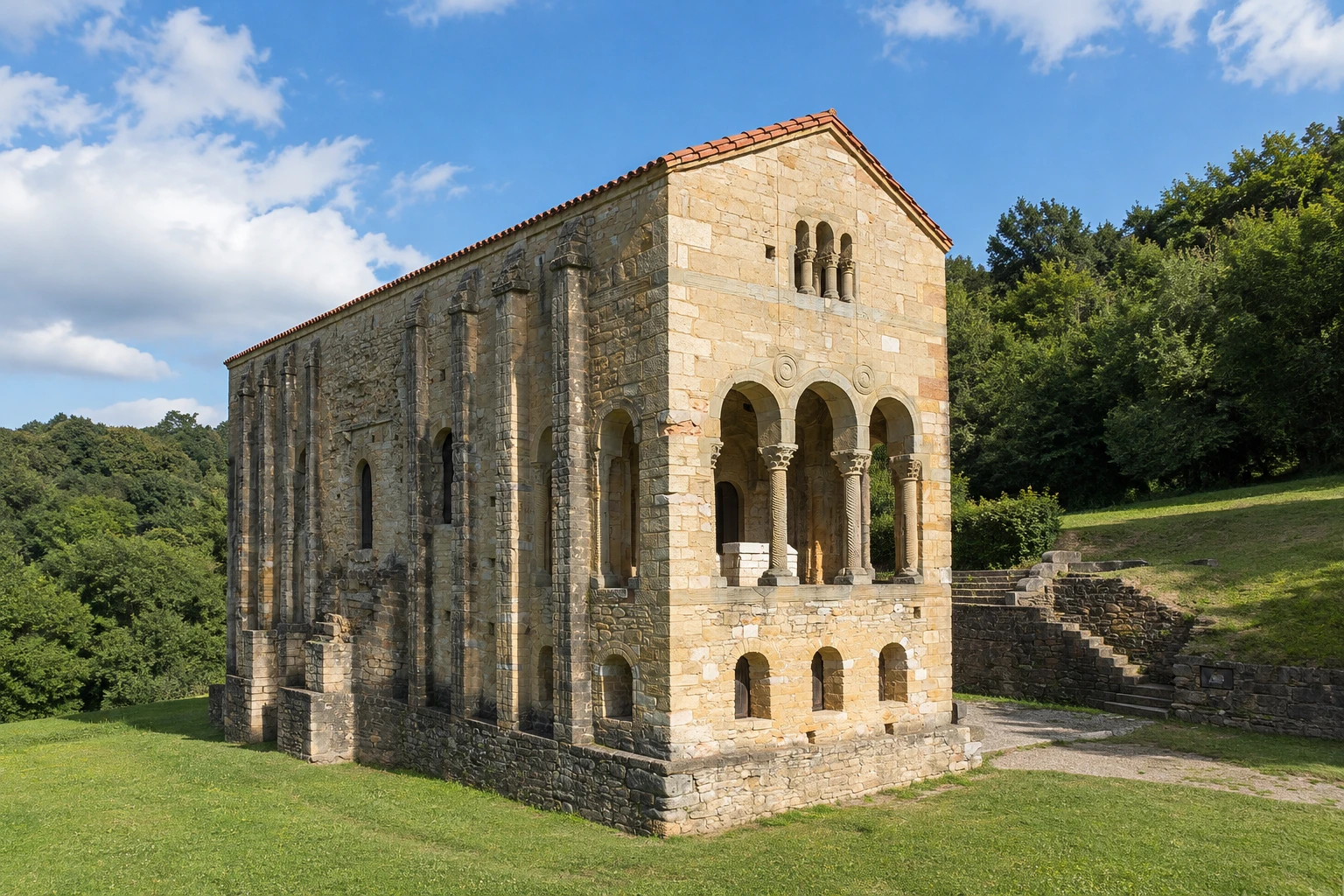
Santa María del Naranco · OviedoOld palace of King Ramiro I, built around 842 on Monte Naranco and later converted into a church; a masterpiece of Asturian pre‑Romanesque and a World Heritage site.
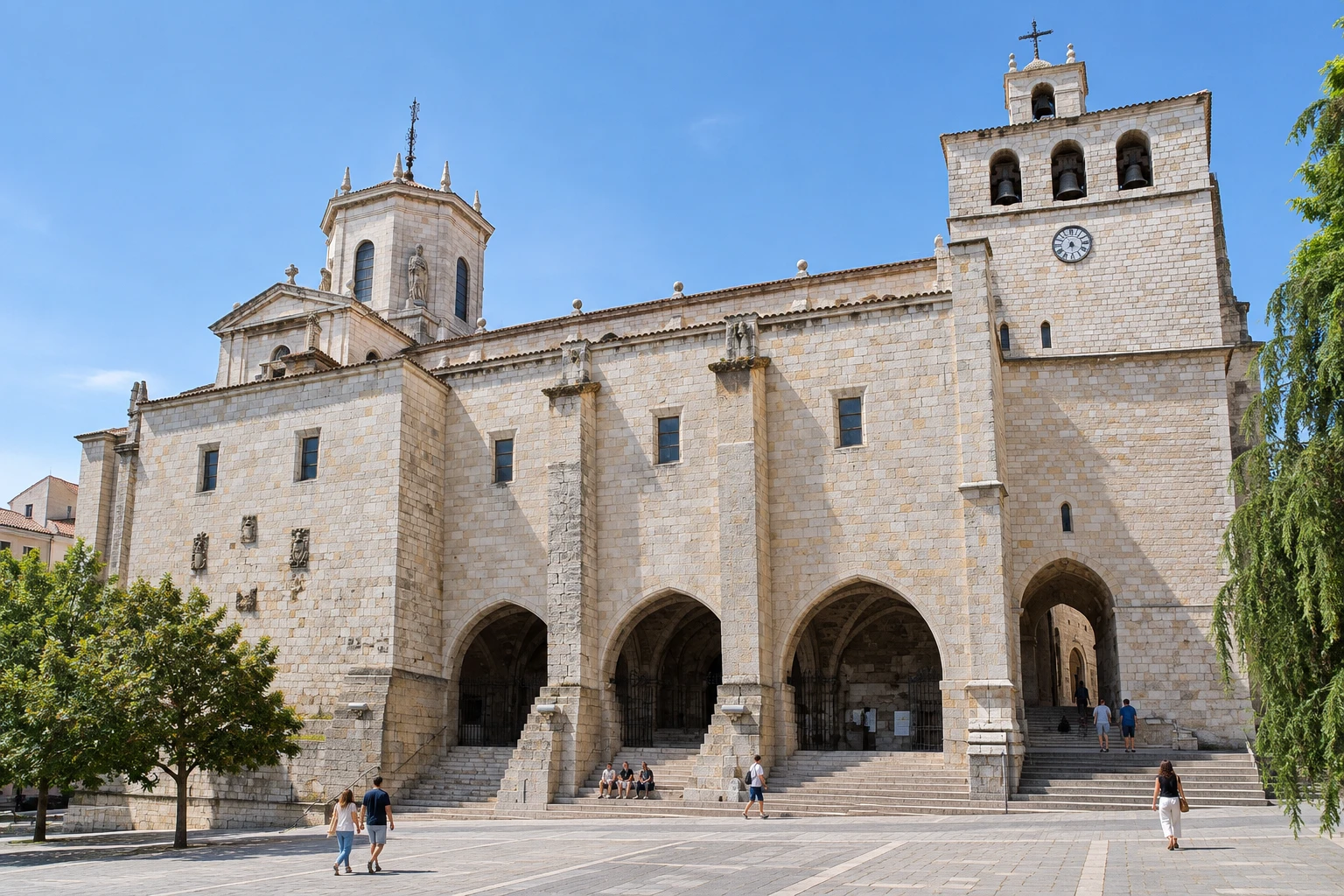
Santander Cathedral · SantanderGothic Cathedral of the Assumption, on the former hill of Somorrostro, with a church-crypt below and visible Roman remains; it houses the mausoleum of Menéndez Pelayo.
Ethnographic Museum of Grado · GradoMuseum of rural life in the center of the Astúrias, opened in 1982, with the mill for hulling spelt, the traditional house with a central kitchen, the cider press and workshops...
Gothic Catedral de San Salvador, built from the 13th to the 16th century, with the 9th-century Cámara Santa, a World Heritage, which houses the Cruz de los Ángeles, the Cruz de la Victoria and the Arca Santa.
Gijón's oldest neighborhood, of Roman origin, on the peninsula of Santa Catalina, with streets of the old fishing quarter, the arcaded Plaza Mayor and the sidrerías.
Palace of medieval origin remodeled in the baroque style in the 17th and 18th centuries, with a columned courtyard, and the chapel of Dolores, dating from 1713, beside it; a historic-artistic monument in the center of Grado.
Palácio built between 1909 and 1911 by public subscription to serve as the summer residence of King Afonso XIII, on the península da Madalena, surrounded by a seaside park.
Traditional market that fills the streets and squares of Grado’s historic center on Wednesdays and Sundays, with cheeses, bread, cured meats, fruits, vegetables and products from the Asturian countryside.
Urban, 1.5 km shell-shaped beach in Gijón's center, accompanied by the Muro promenade, with the church of San Pedro at one end and the mouth of the Piles River at the other.
The two large beaches do Sardinero, which turned Santander into a resort for royalty and the bourgeoisie in the early 20th century, with the Gran Casino and the gardens of Piquío.
Old palace of King Ramiro I, built around 842 on Monte Naranco and later converted into a church; a masterpiece of Asturian pre‑Romanesque and a World Heritage site.
Gothic Cathedral of the Assumption, on the former hill of Somorrostro, with a church-crypt below and visible Roman remains; it houses the mausoleum of Menéndez Pelayo.
Museum of rural life in the center of the Astúrias, opened in 1982, with the mill for hulling spelt, the traditional house with a central kitchen, the cider press and workshops of old trades.
Palatine church of King Ramiro I on monte Naranco, from the 9th century, of which one third remains, with reliefs of acrobats and mural paintings; World Heritage.
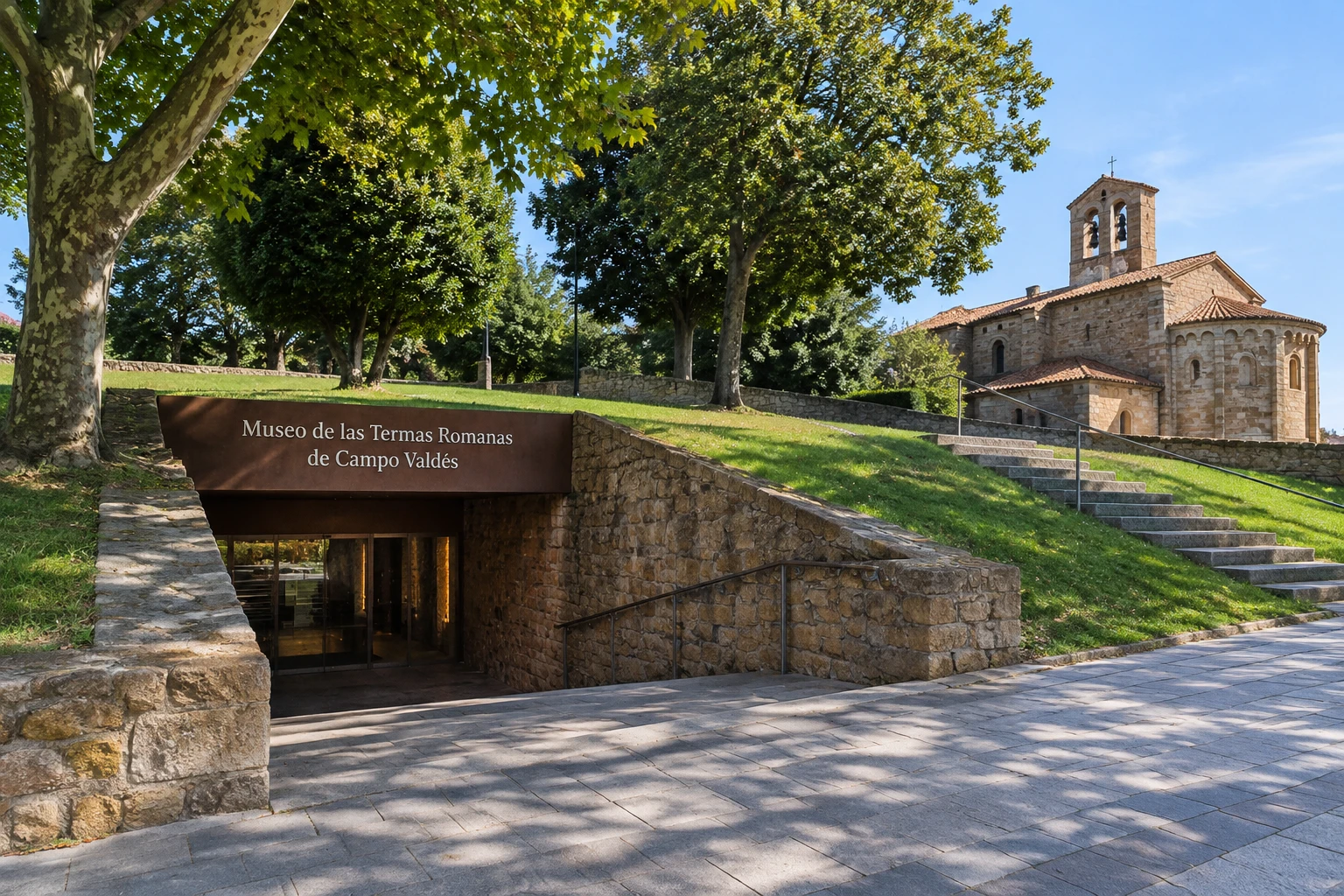
Ruins of the Roman public baths of Gijón, from the 1st century, discovered in 1903 beneath Campo Valdés, with the cold, warm and hot rooms and the underfloor heating system.
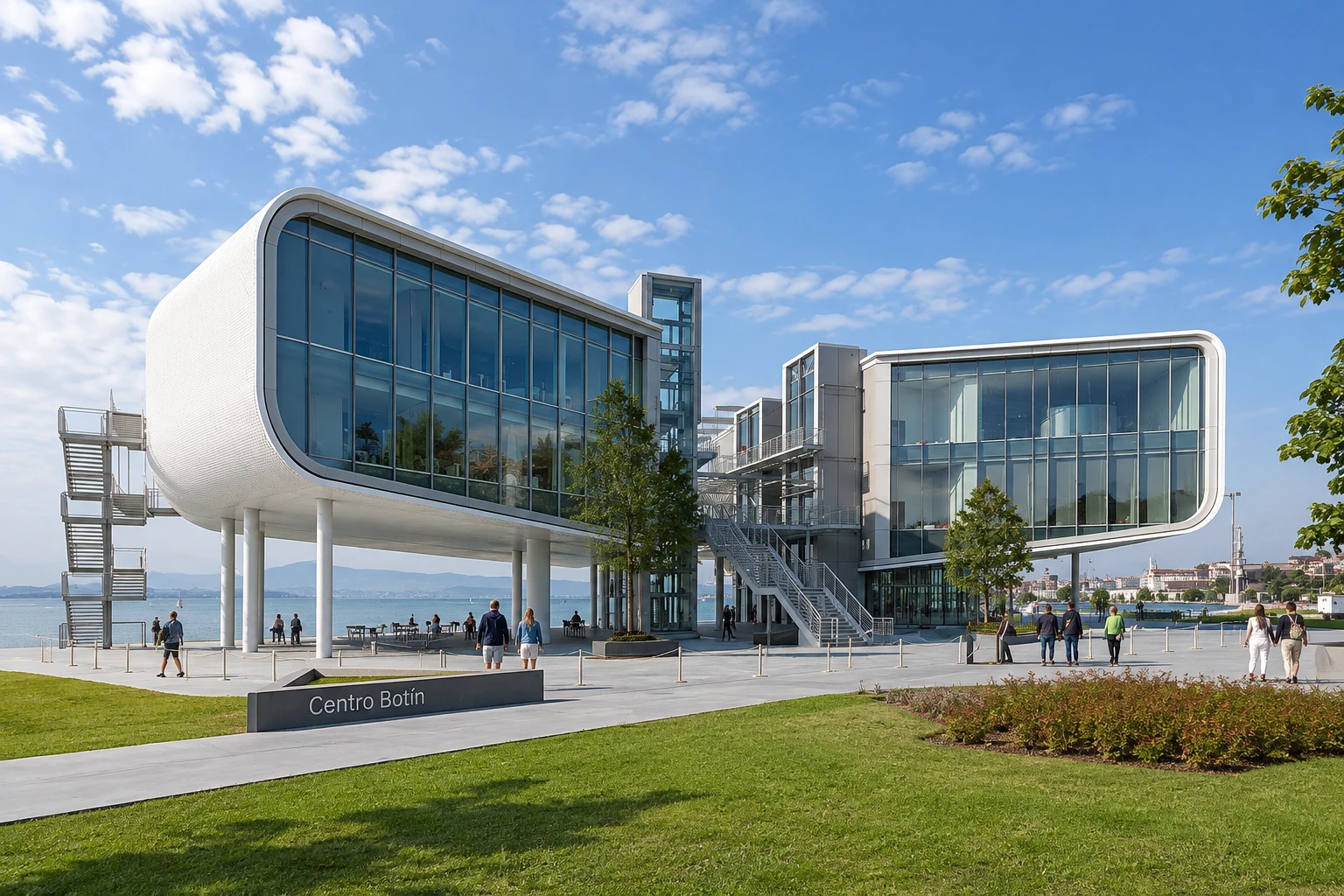
Centro de arte da Fundação Botín, designed by Renzo Piano and Luis Vidal and opened in 2017, suspended over the bay next to the jardines de Pereda, with viewpoints over the water.
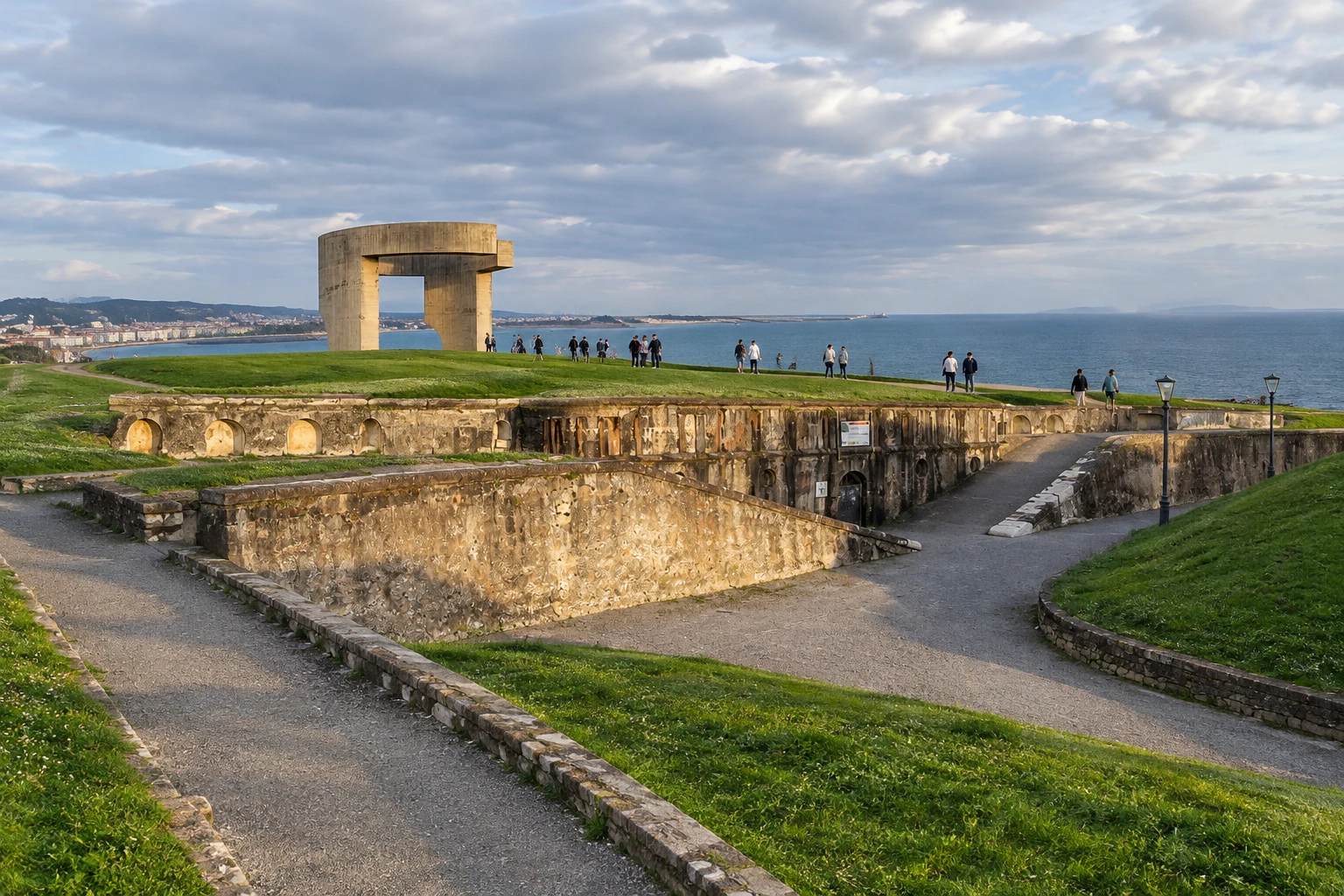
Monumental concrete sculpture by Eduardo Chillida, installed in 1990 on the top of the cerro de Santa Catalina, facing the sea; it became a symbol of Gijón.
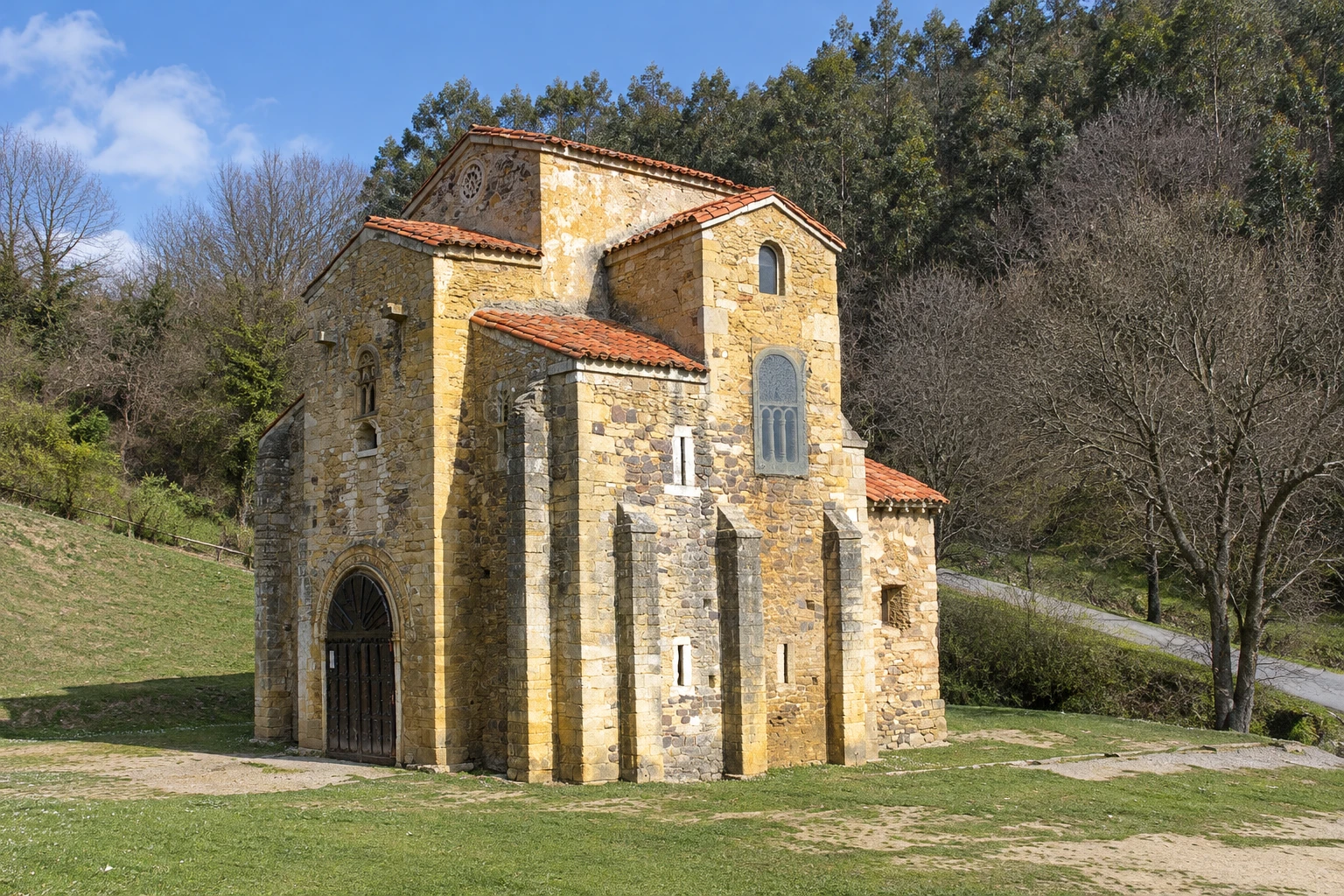
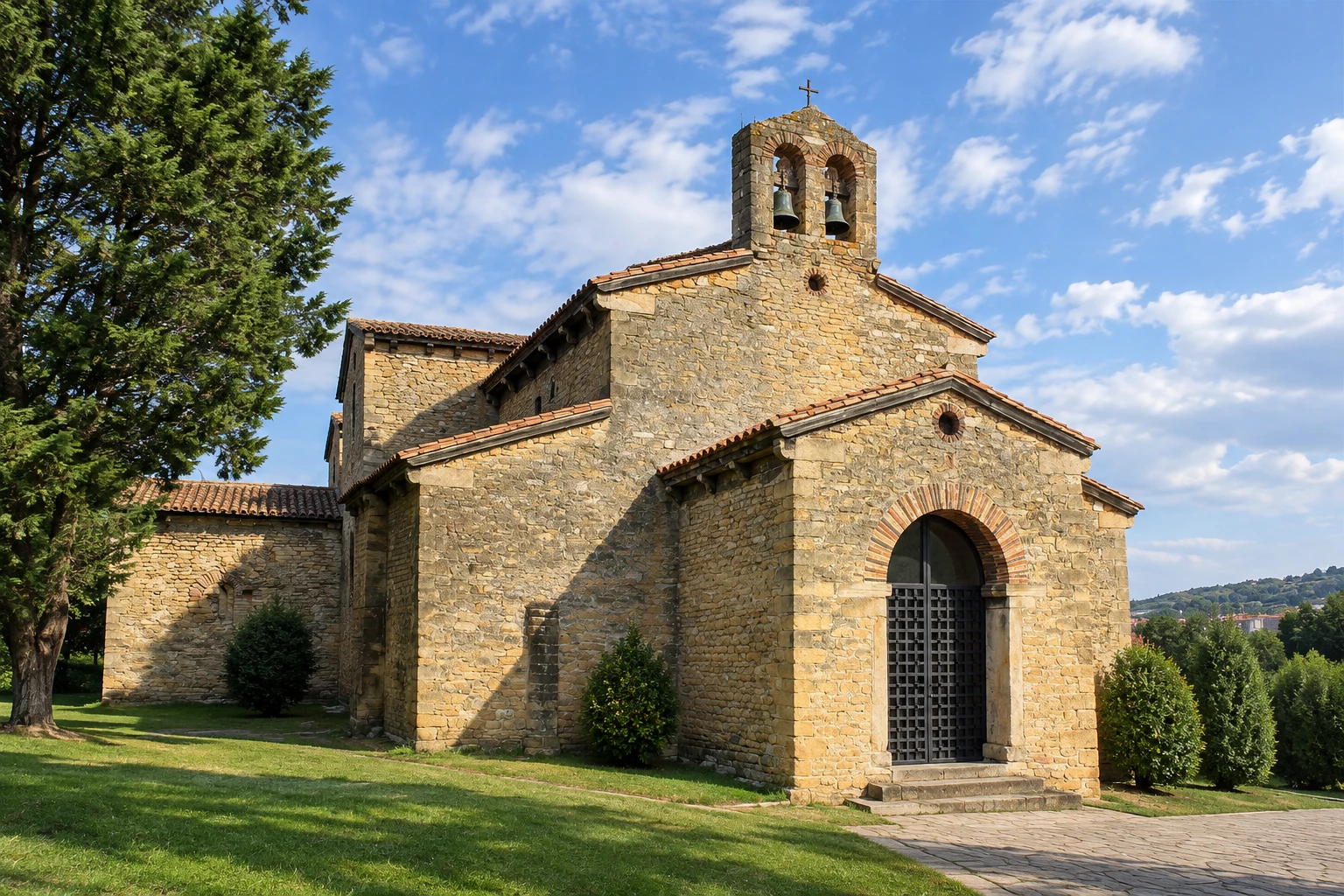
Pre-Romanesque church from the early 9th century, commissioned by Afonso II, the largest preserved from the period, with mural paintings of architectural motifs inspired by Roman art; World Heritage.
Main art museum of the Astúrias, opened in 1980 in three historic buildings near the cathedral, with works by El Greco, Goya, Ribera, Picasso and Asturian painters.
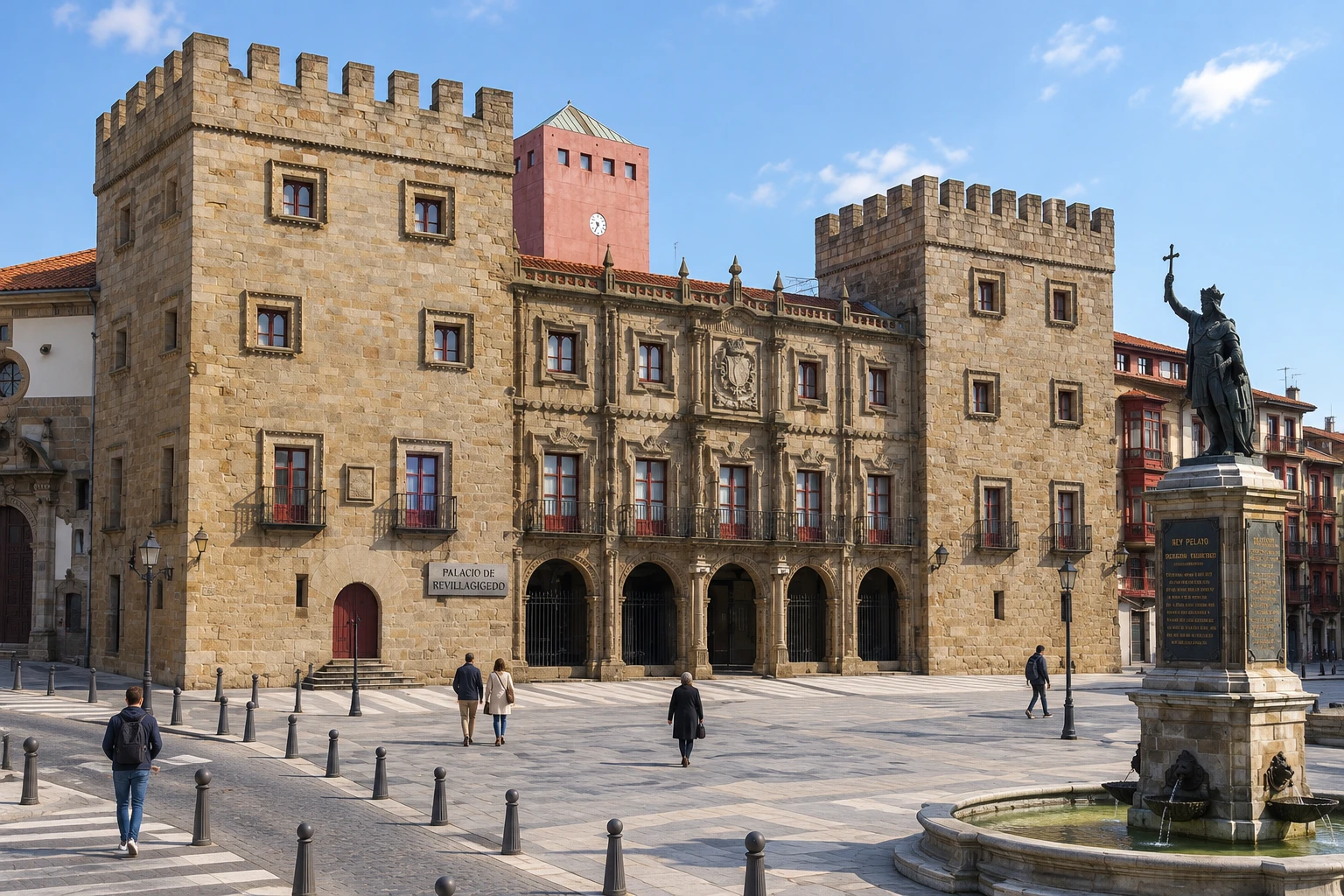
Baroque palace from the early 18th century on the plaza del Marqués, built atop a medieval tower, joined to the former colegiata de San Juan Bautista; it houses a cultural center.
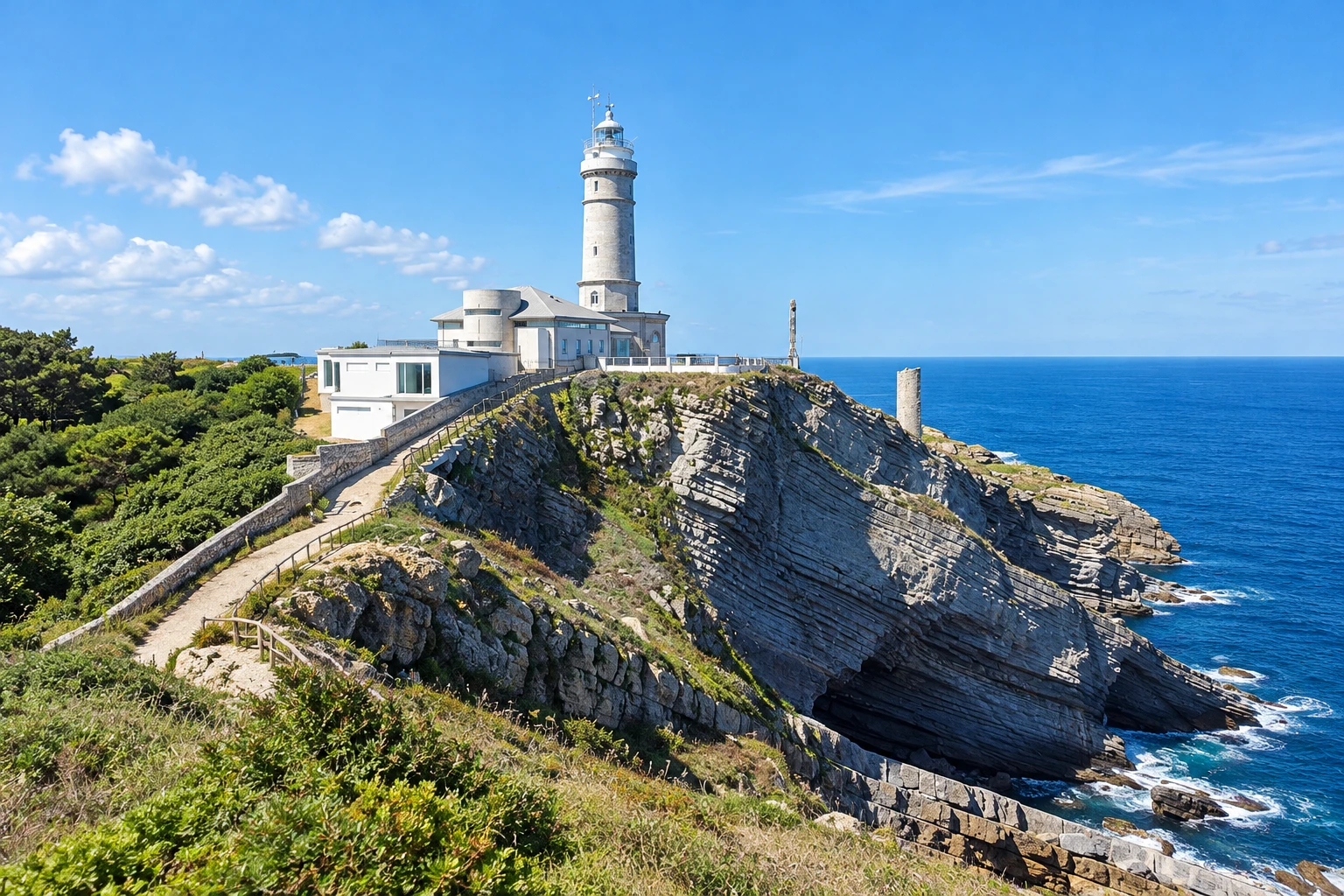
Lighthouse from 1839 on the cliffs of Cabo Mayor, 91 metres above the sea, marking the entrance to the port of Santander, with an exhibition space and coastal paths.
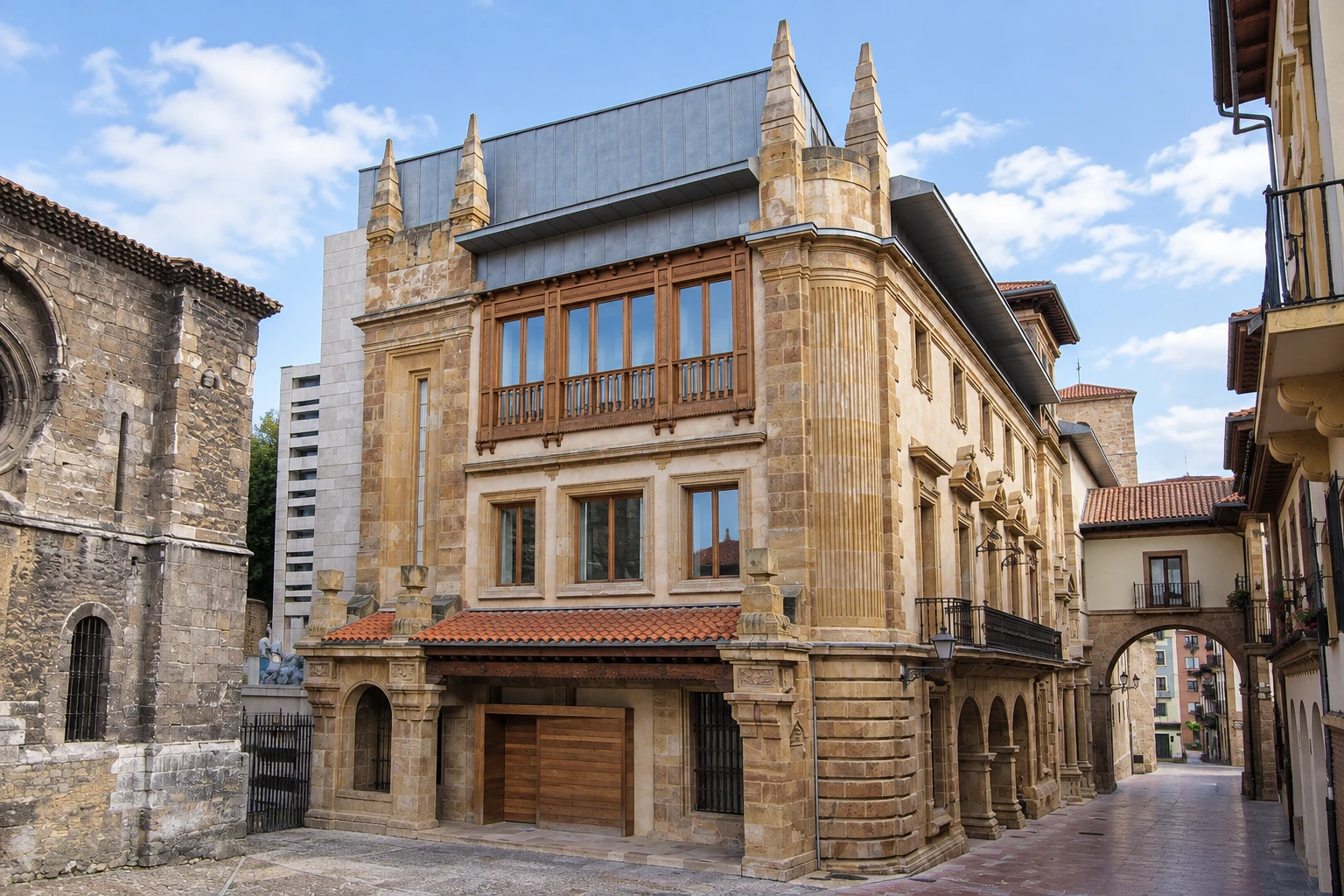
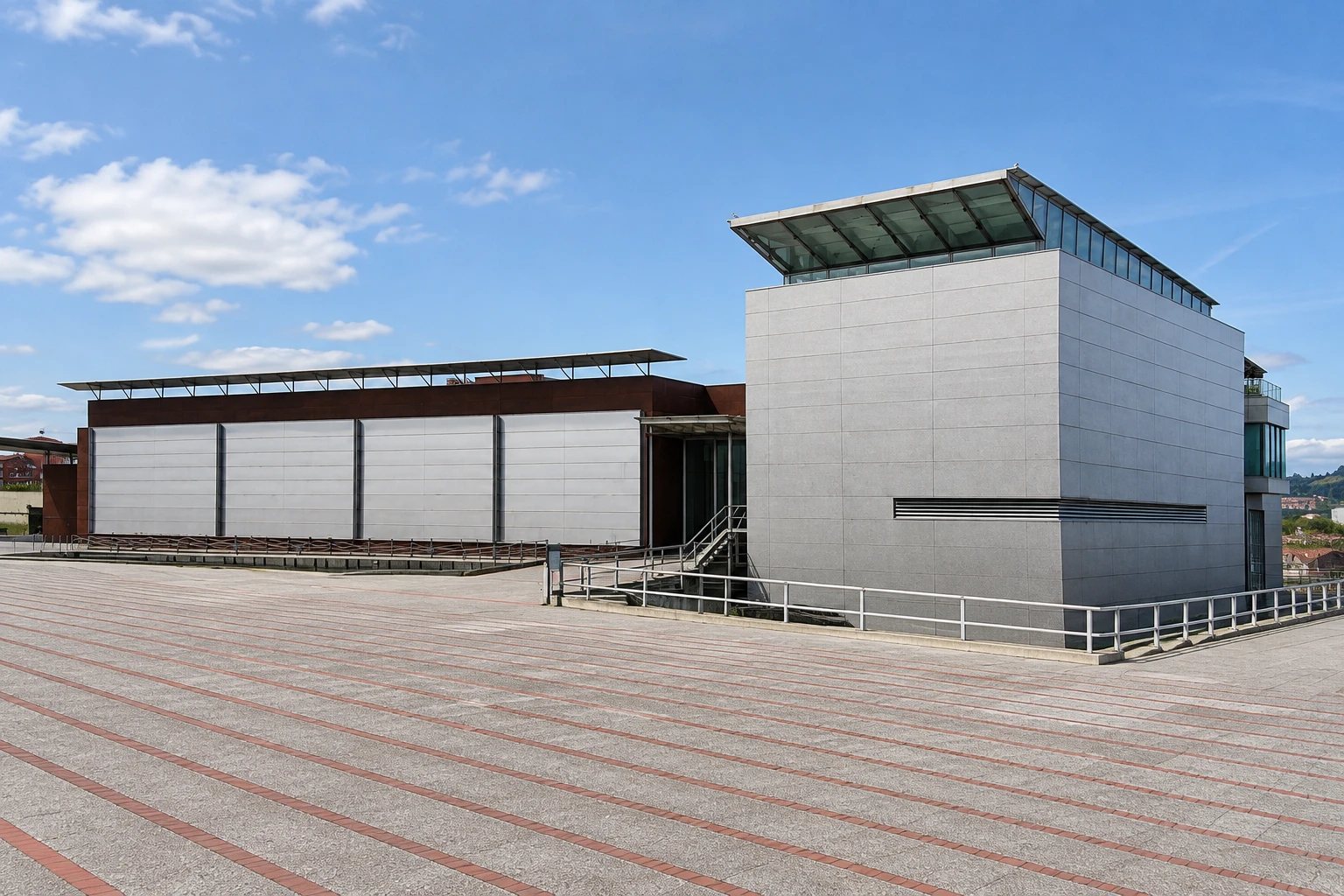
Regional archaeological museum in the former monastery of San Vicente, next to the cathedral, with pieces from prehistory, the castros, the Roman period and Asturian pre-Romanesque, arranged around a cloister.
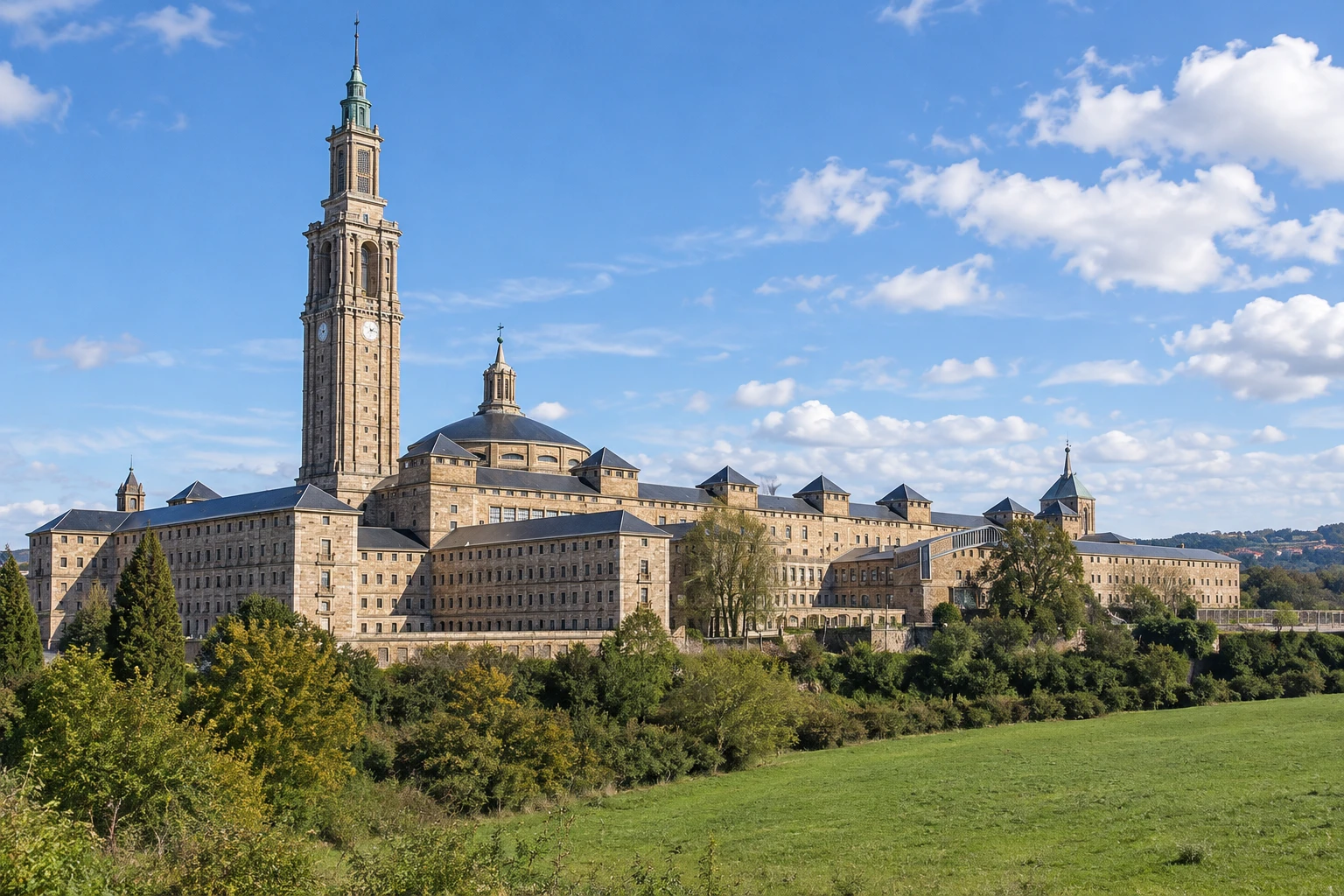
Complex built between 1948 and 1957, the largest building in Spain, with a tower of about 130 meters and an elliptical church; today it is the Laboral Cidade da Cultura.
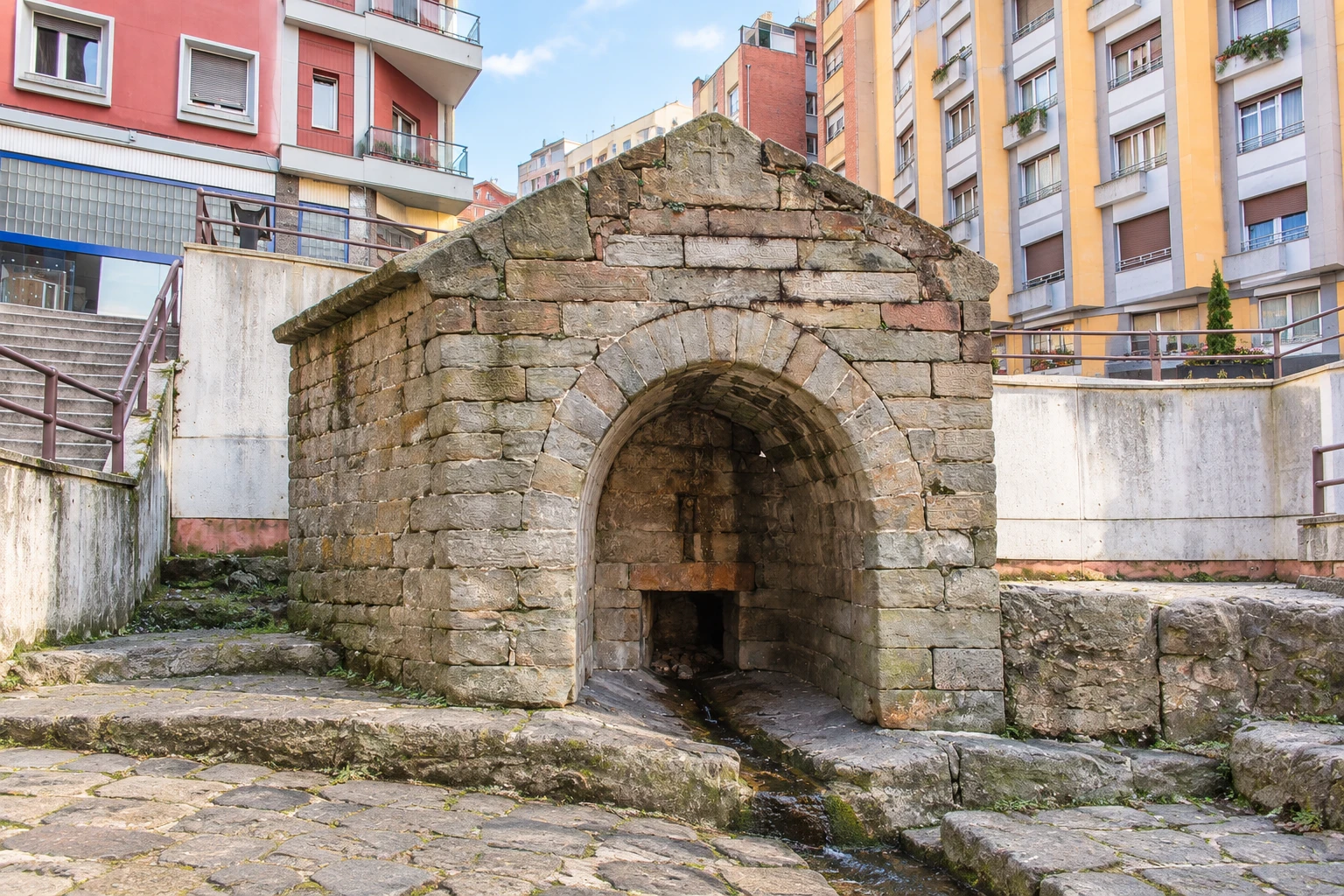
Rua of Oviedo's cider bars, known as the cider boulevard, which ends at the Foncalada fountain from the 9th century, considered the oldest civil monument in continuous use in Spain.
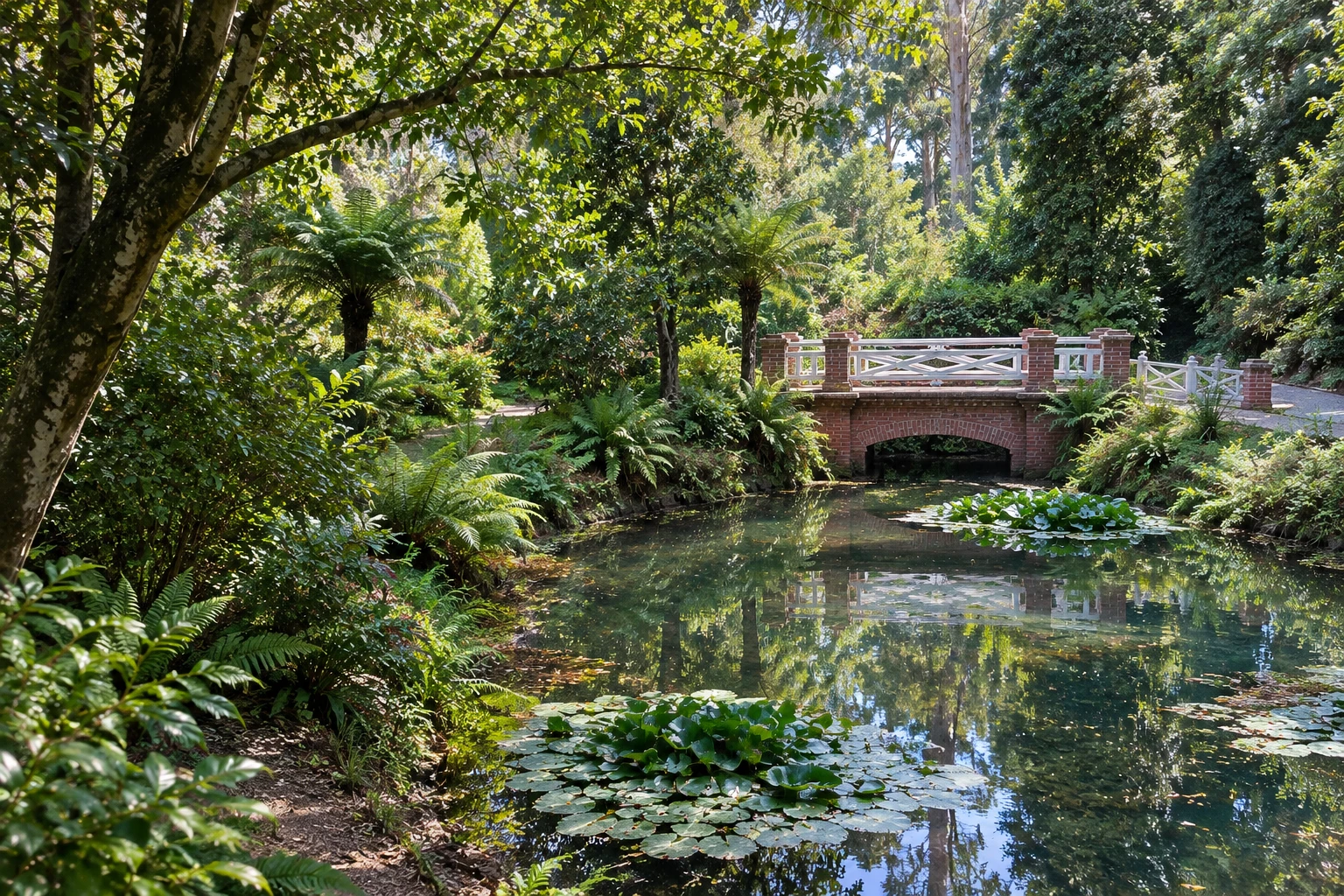
Gijón's botanical garden, opened in 2003 in Cabueñes, featuring the flora of the Atlantic region, a historic garden with century-old trees and a riverside wood.
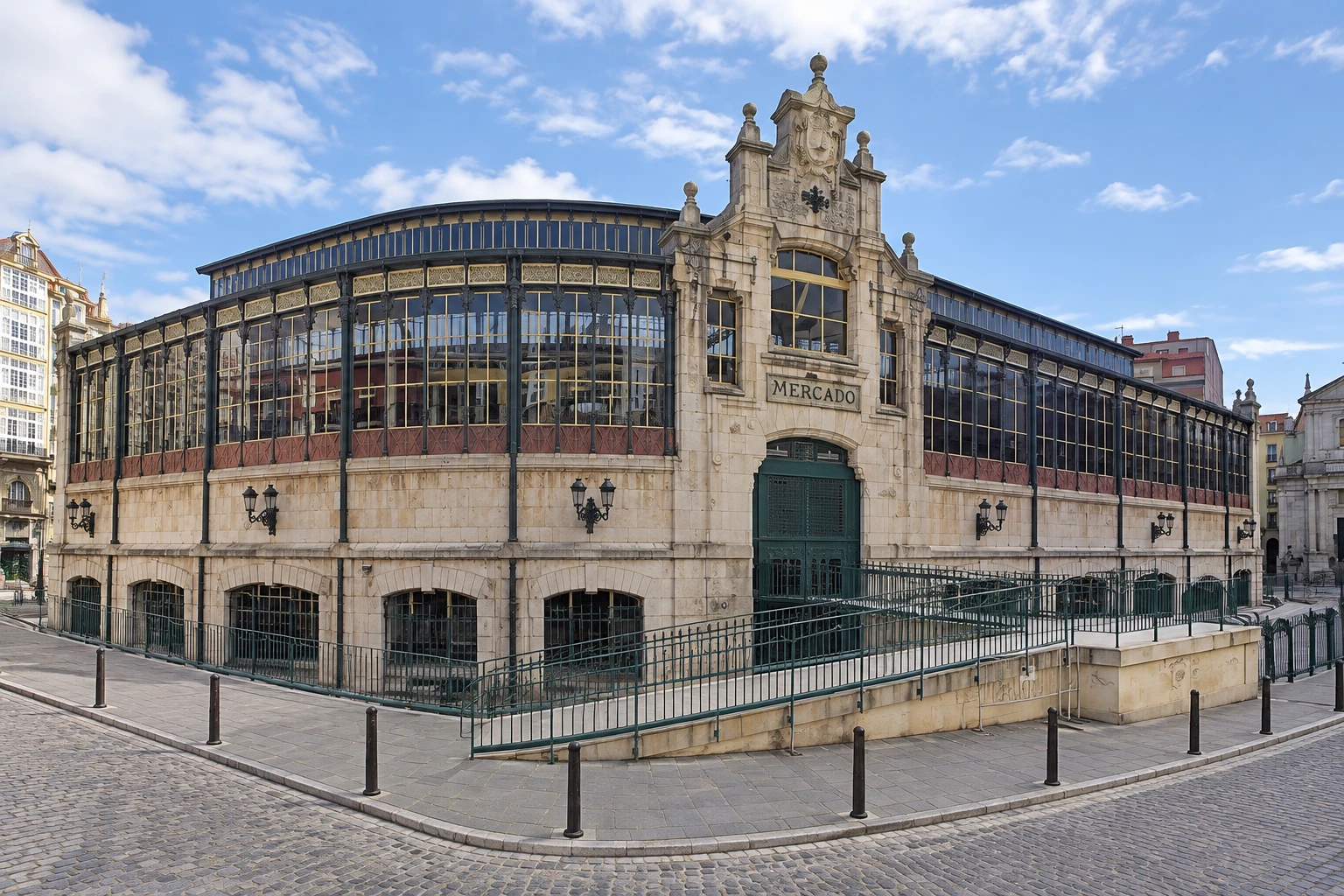
Iron market opened in 1904 in central Santander, next to the town hall, with fish and seafood stalls on the ground floor and meats, cheeses and vegetables on the upper floor.
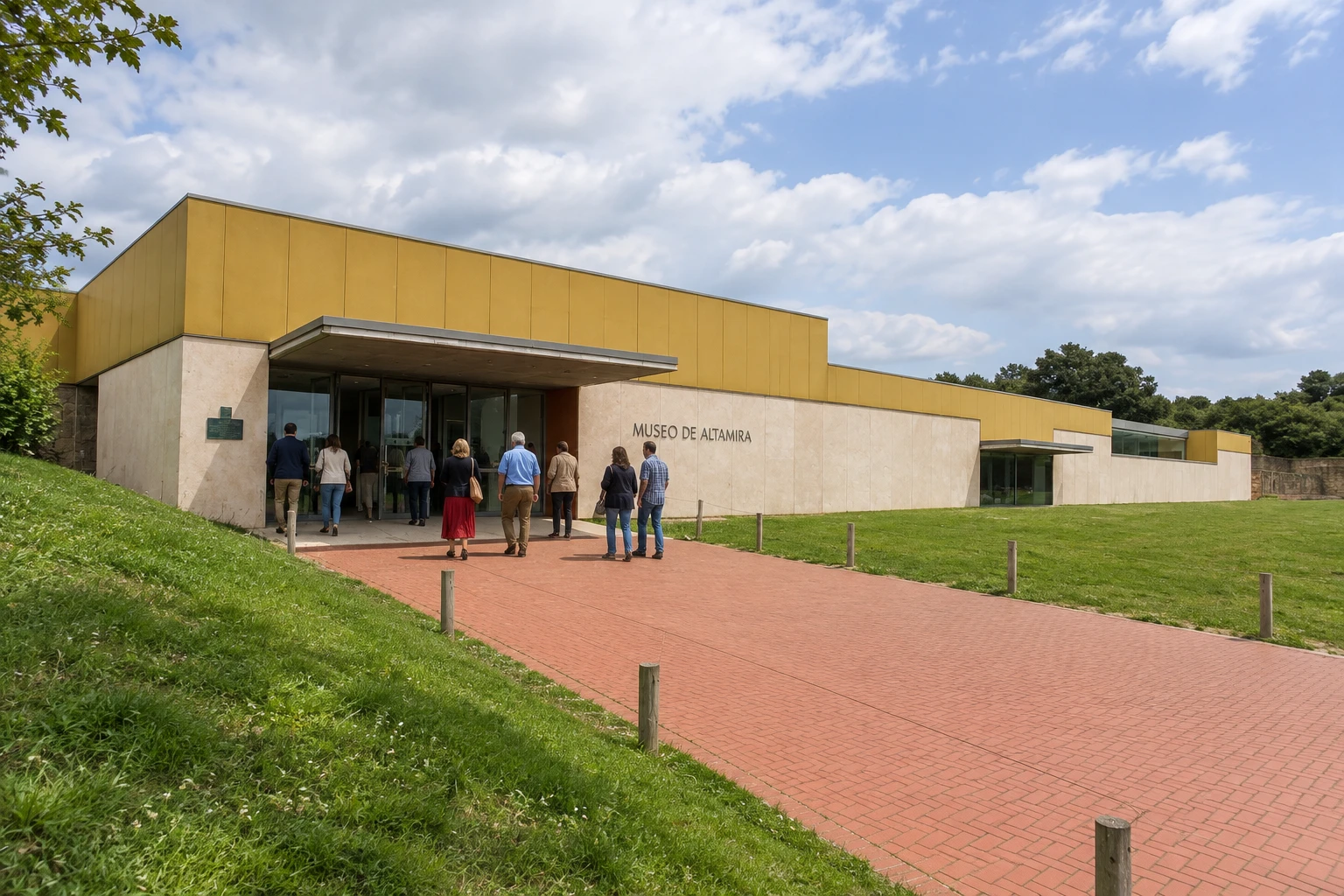
National museum next to the cave of Altamira, a World Heritage Site, in Santillana del Mar, about 30 km from Santander, featuring the Neocave, a faithful replica of the prehistoric paintings.
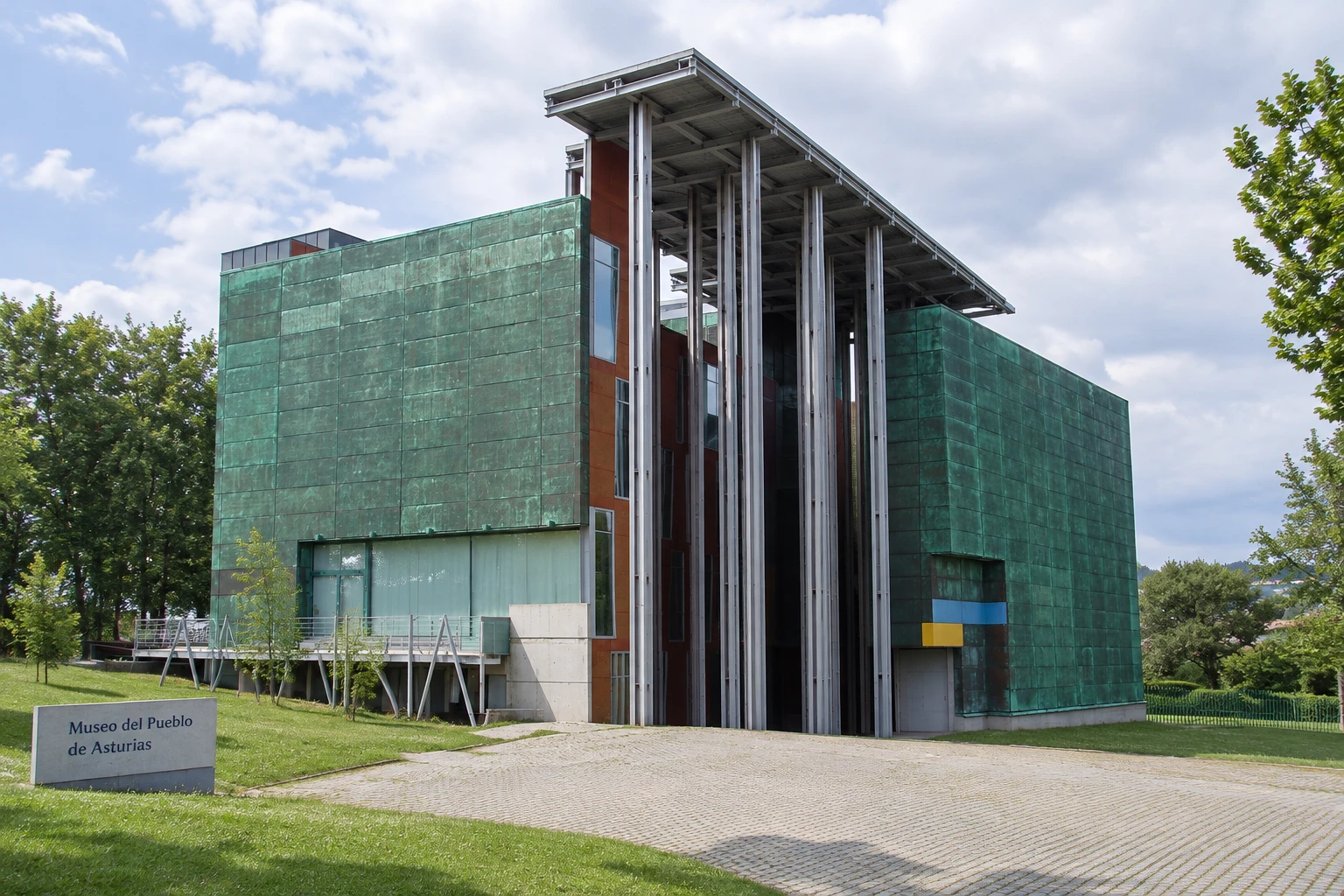
Open-air ethnographic museum opened in 1968, with hórreos, traditional houses, a cider press and the museu da gaita, in a park of 35,000 m² near the praia de San Lorenzo.
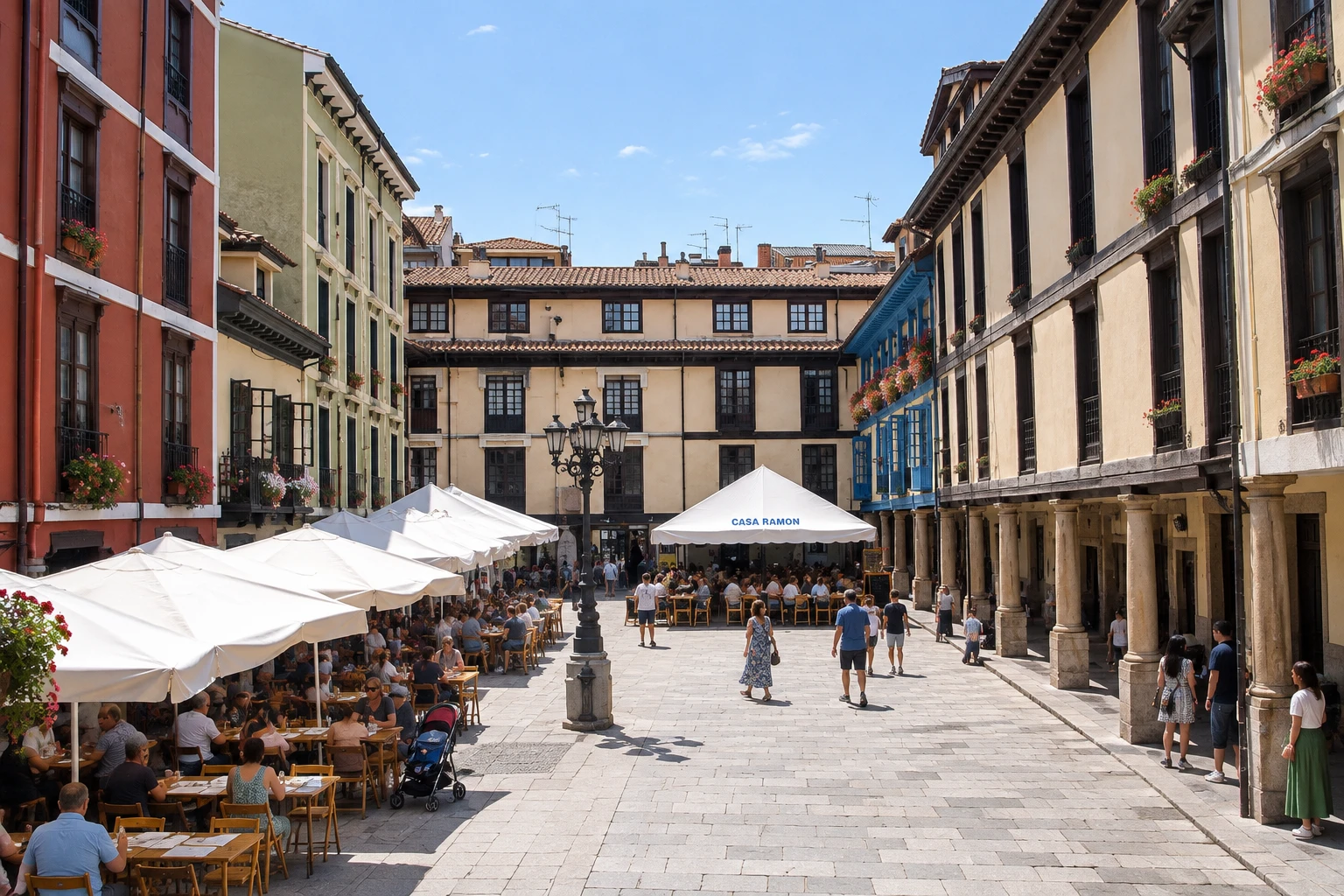
Arcaded square in Oviedo's old town, with colorful 17th-century houses, and the iron market beside it, with stalls selling Asturian products and an outdoor market.
Aquarium opened in 2006 on the praia de Poniente, with about 60 tanks and 250 species, organized into routes that go from Asturian rivers to the world's oceans.
Oviedo's central park, on the site of the former kitchen garden of a Franciscan convent, with century-old trees, lakes and free-roaming peacocks, next to the Campoamor theatre, venue of the Prêmios Princesa das Astúrias.
Wildlife park in semi-freedom covering 750 hectares, in a former iron-mining valley 17 km from Santander, with over 120 species in large natural enclosures.


 Brazil
 Antarctica
 Argentina
 Bolivia
 Chile
 Colombia
 Ecuador
 Falkland Islands (Malvinas)
 French Guiana
 Guyana
 Paraguay
 Peru
 Suriname
 Uruguay
 Venezuela
 Austria
 Belgium
 Croatia
 Denmark
 Finland
 France
 Germany
 Greece
 Hungary
 Iceland
 Ireland
 Italy
 Luxembourg
 Norway
 Poland
 Portugal
 Slovakia
 Slovenia
 Sweden
 Switzerland
 the Czech Republic
 the Netherlands
 the United Kingdom
 Turkey
 Bermuda
 Canada
 Greenland
 Mexico
 Saint Pierre and Miquelon
 the United States
 the Dominican Republic
 Japan
 Egypt
 South Africa
 Australia
 Fiji
 New Zealand
 Papua New Guinea