

 Brazil
 Argentina
 Bolivia
 Chile
 Colombia
 Ecuador
 Guyana
 French Guiana
 Falkland Islands (Malvinas)
 Paraguay
 Peru
 Suriname
 Uruguay
 Venezuela
 Germany
 Austria
 Belgium
 Croatia
 Denmark
 Spain
 Finland
 France
 Greece
 the Netherlands
 Hungary
 Ireland
 Iceland
 Italy
 Luxembourg
 Norway
 Poland
 Portugal
 the United Kingdom
 the Czech Republic
 Sweden
 Switzerland
 Turkey
 Canada
 the United States
 the Dominican Republic
 South Africa
 Australia
 Fiji
 New Zealand
 Papua New Guinea
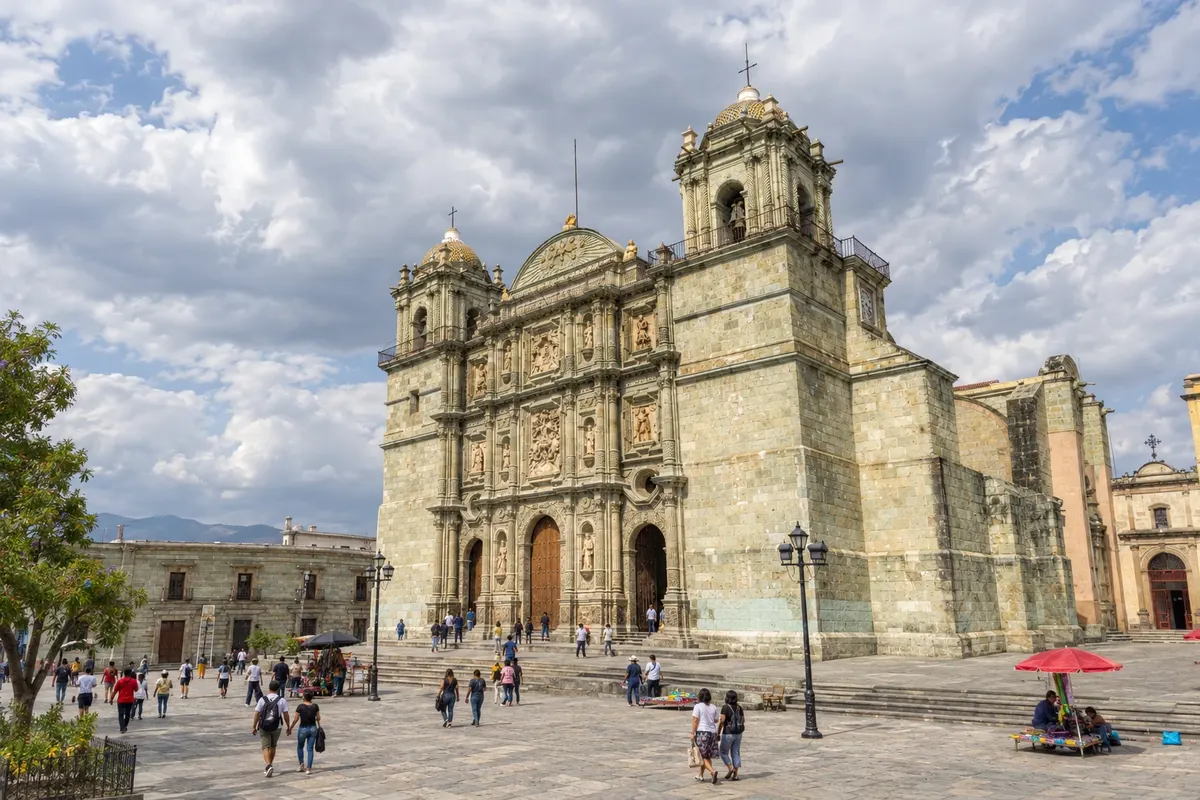
Religious festival · Oaxaca de Juárez
Día de Muertos in Oaxaca
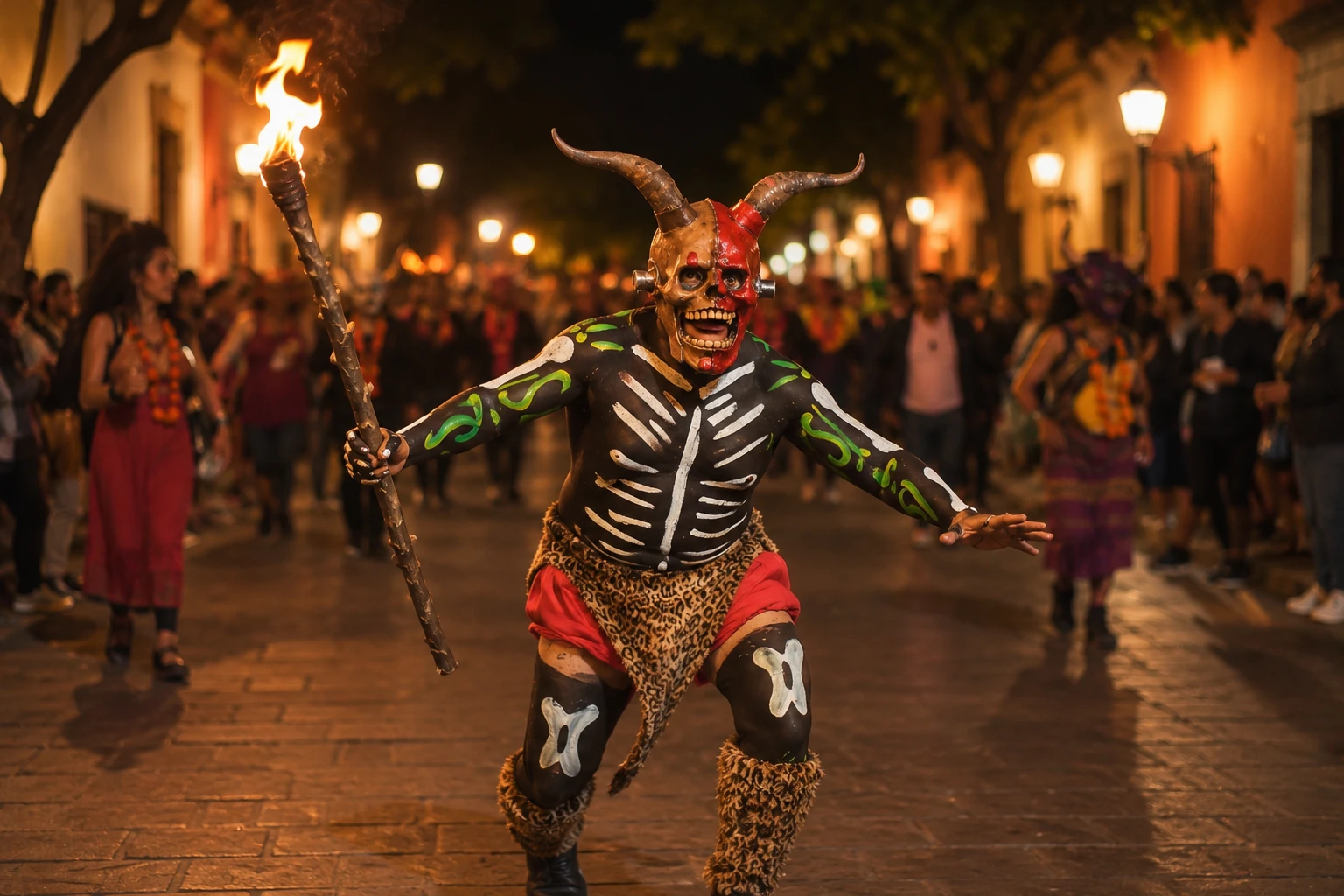
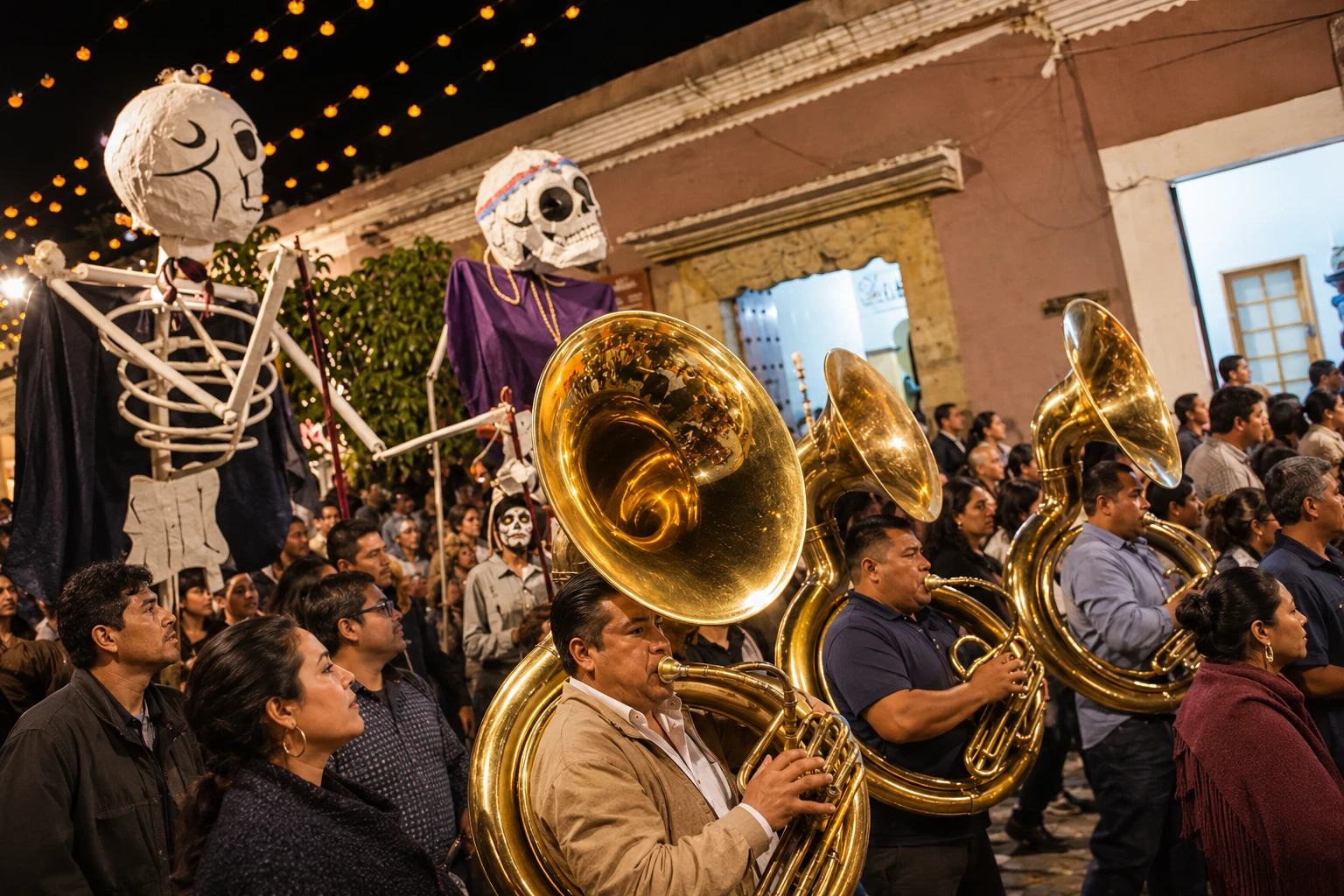
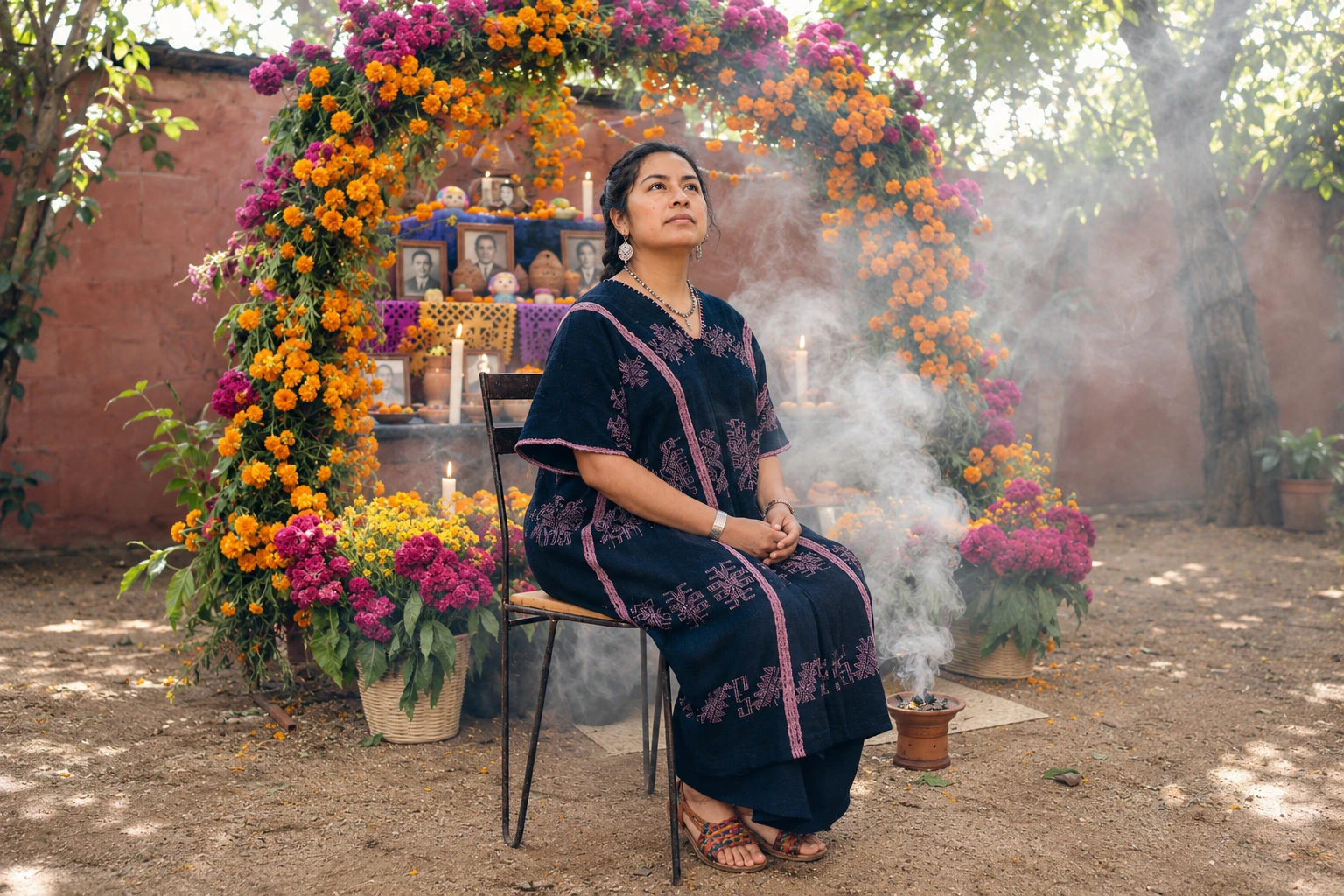
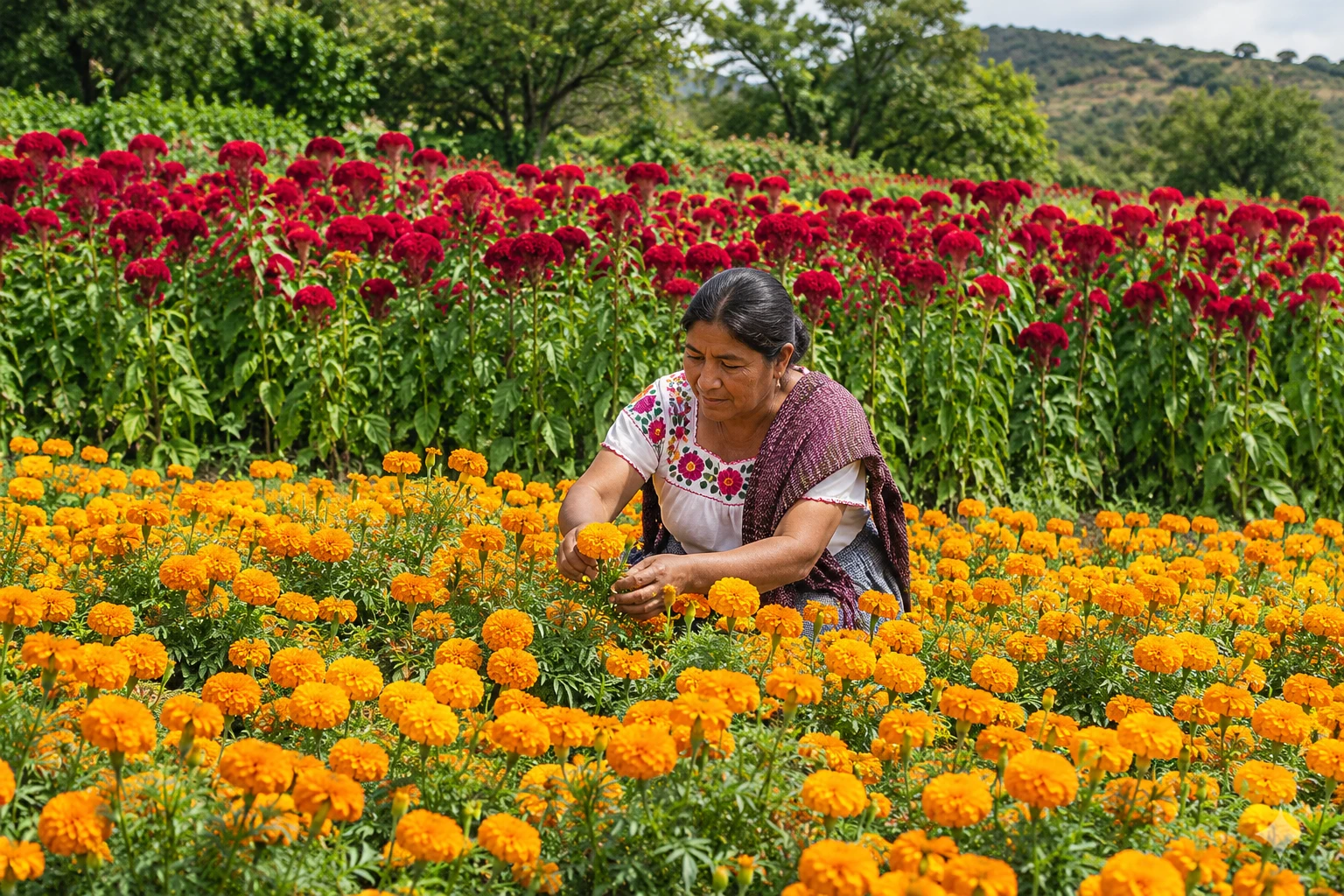
In Oaxaca, Día de Muertos fills the city and the valley villages between the end of October and November 2, with cempasúchil altars, pan de muerto and mole in homes, street troupes parading through the streets, and families spending the night in cemeteries beside their dead.
In the photo: Oaxaca de Juárez
Illustrative images. The pictures in this guide are illustrations based on the real place, not photographs, and may differ from it.

Click a photo to enlarge it.
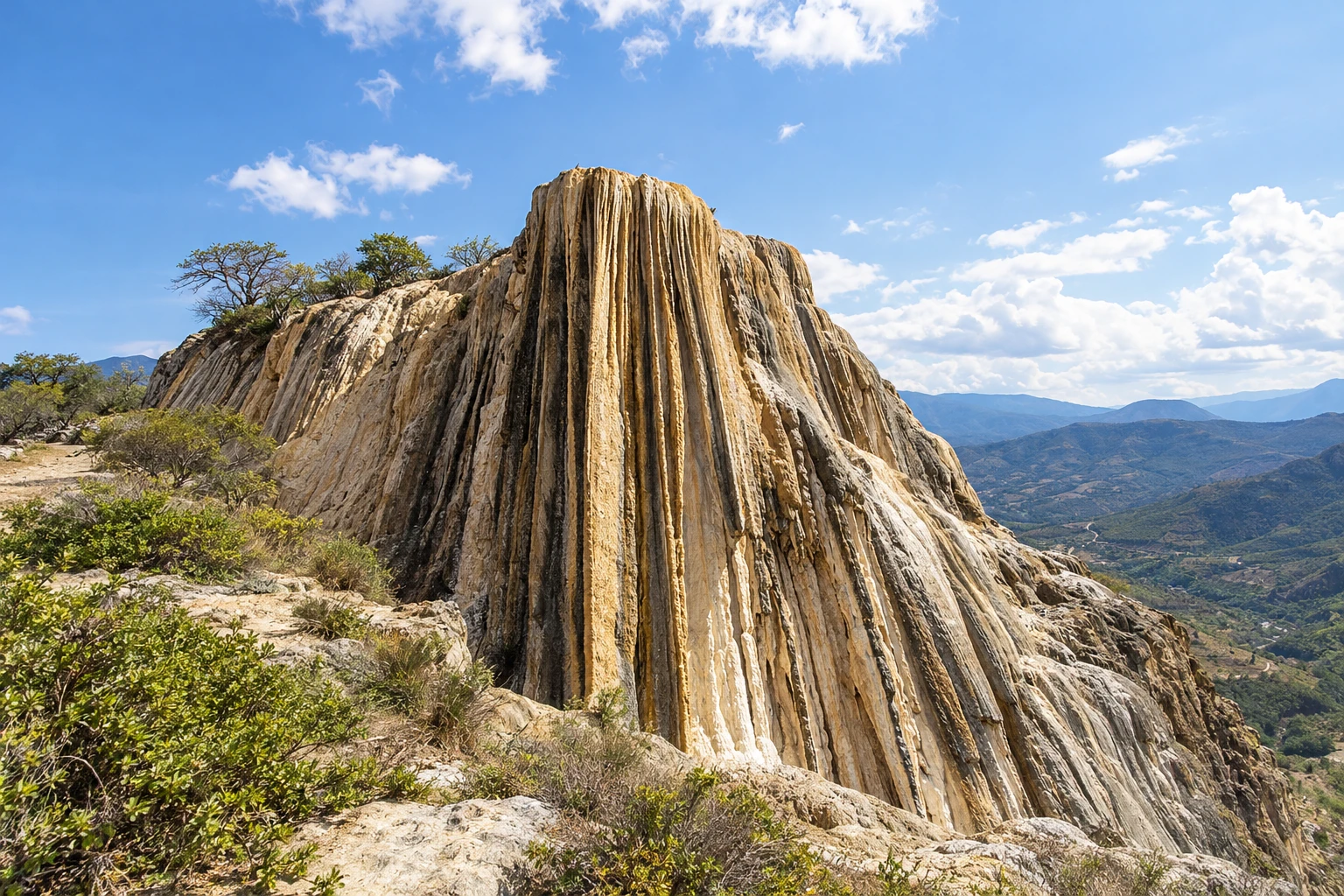
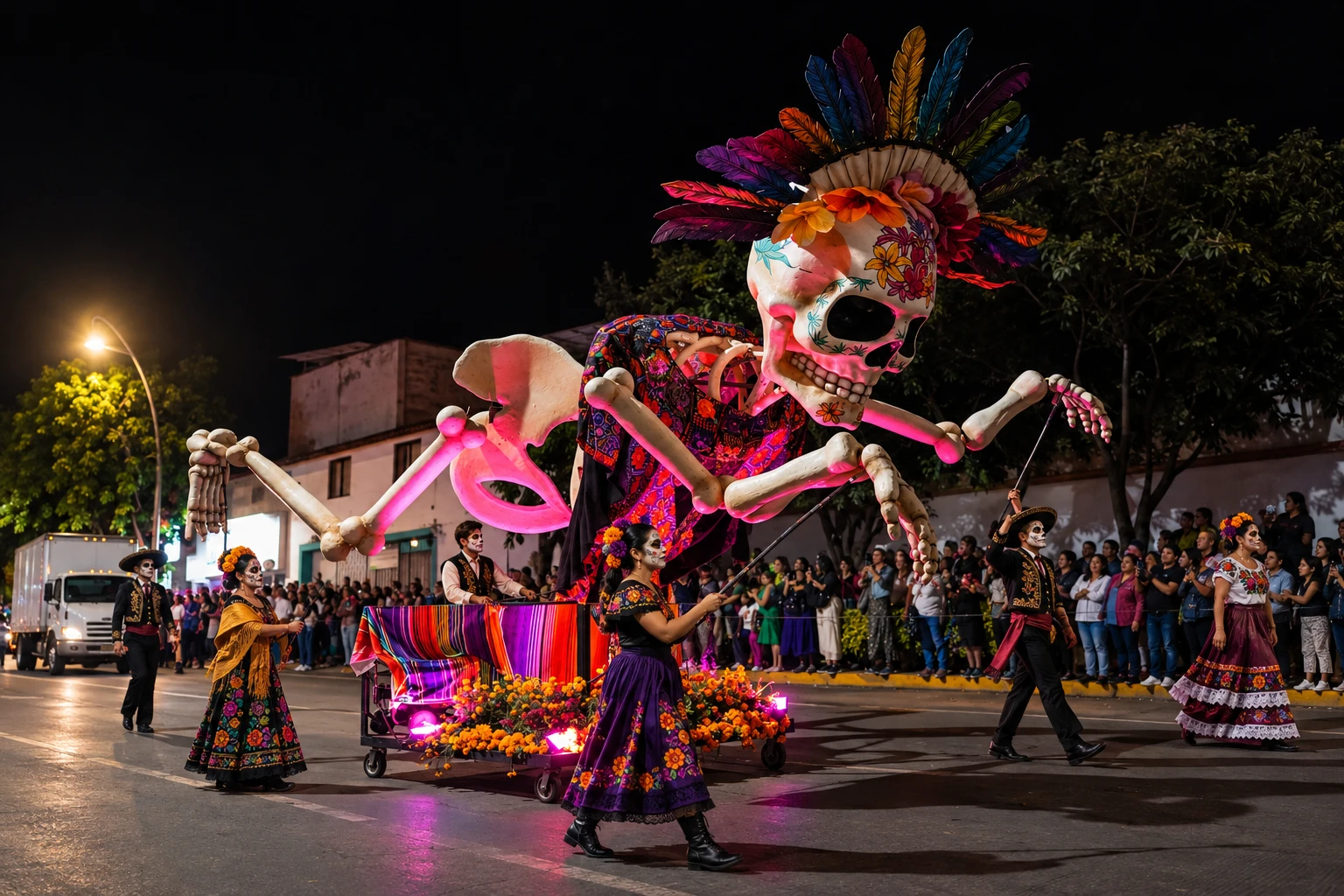
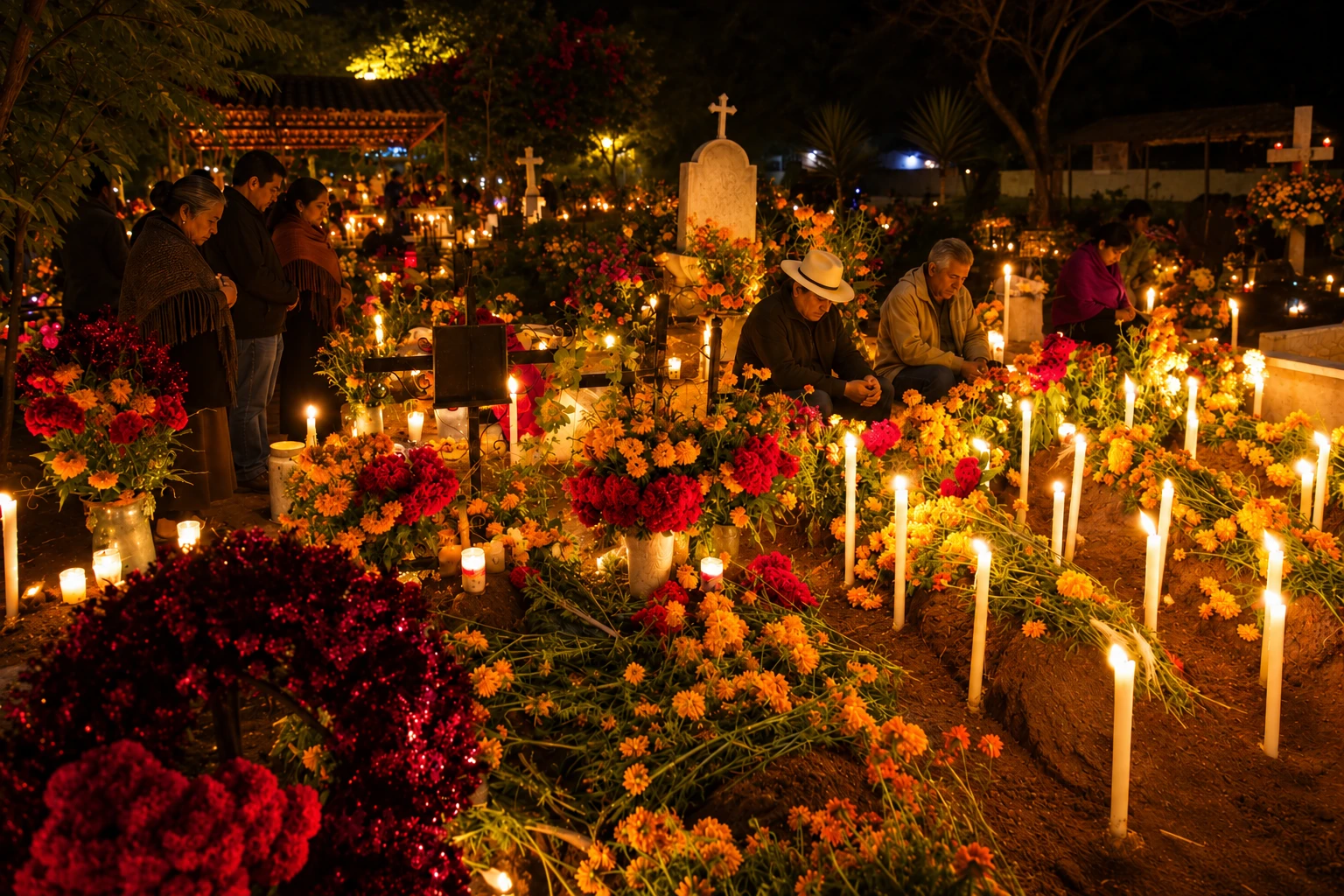
Día de Muertos in Oaxaca — Oaxaca de Juárez
From October 31 to November 2, with preparations, street troupes and altars from the last week of October.
October/November
Dates change every year: check this year's date before you travel.
The festival
What is Día de Muertos in Oaxaca
Día de Muertos is the celebration in which, according to Mexican tradition, the dead return for a few hours to visit their families. In Oaxaca, the capital of the state of the same name in the south of the country, the date is observed intensely: houses, markets, churches and squares fill with altars, the streets host troupes with music and costumes, and families bring flowers, candles and food to the graves. The city calls this period Todos Santos, and the scent of copal, egg-yolk bread and freshly cut cempasúchil fills the historic center.
The celebration combines beliefs of the peoples who lived in the territory before the arrival of the Spaniards with the Catholic feasts of All Saints and All Souls, introduced in the 16th century. For indigenous communities, the period coincides with the end of the annual maize cycle, and it is believed that the dead can bring abundance or hardship to the family depending on how well they are received. In 2008, the indigenous festival dedicated to the dead was inscribed by UNESCO on the Representative List of the Intangible Cultural Heritage of Humanity.
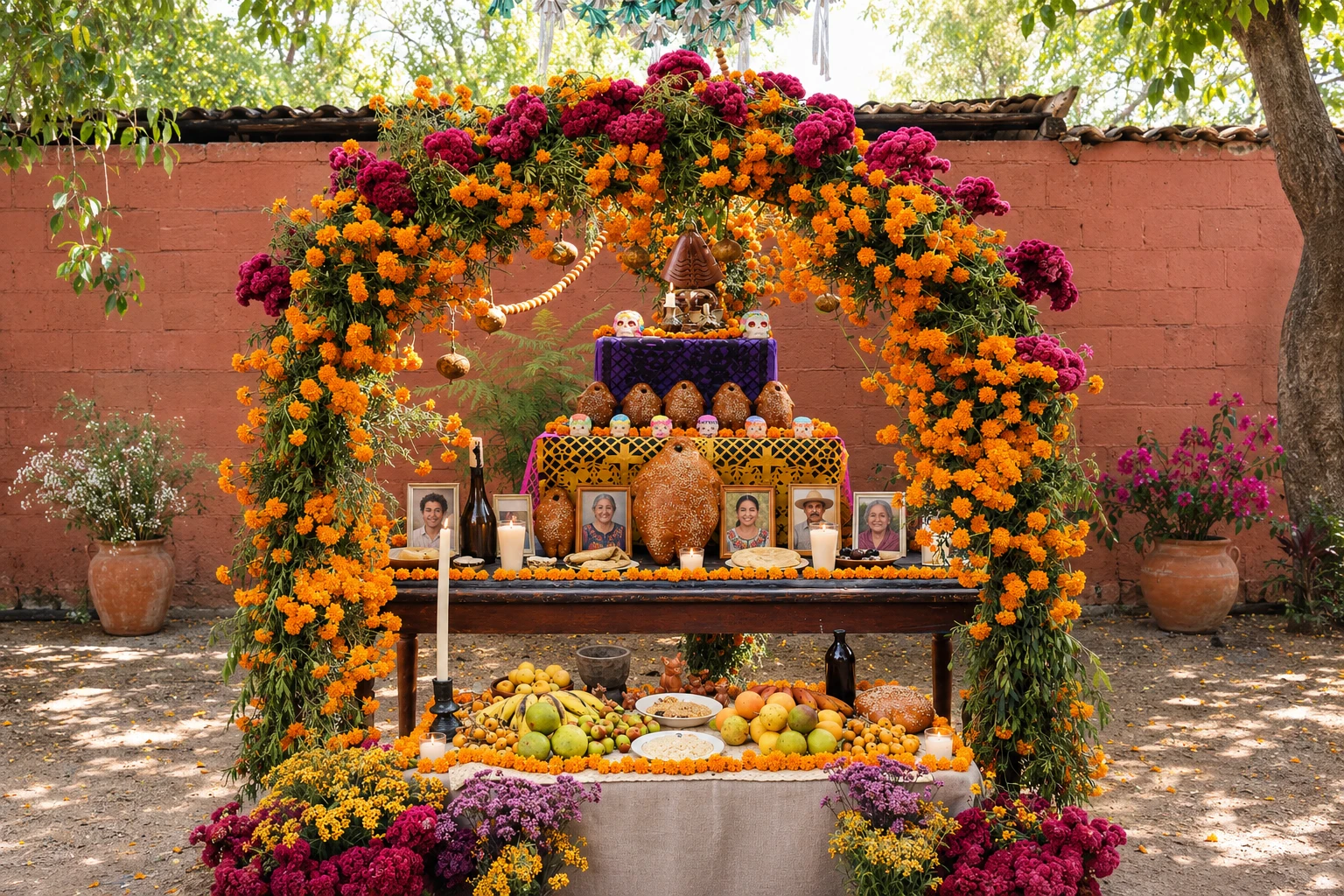
The center of the celebration is the altar, the ofrenda. Set up at home in the last days of October, it brings together photographs of deceased relatives, candles, copal, water, salt, fruits, bread, chocolate, mezcal and the dishes each person liked, beneath cane arches decorated with orange cempasúchil flowers whose fragrance, according to belief, helps the souls find their way; petals spread from the gate to the altar mark the entrance to the house. Tradition distinguishes days dedicated to children and to adults, but the sequence of tributes varies between communities and families. In the end, the food from the offering is shared among family and neighbors, and visitors exchange bread and chocolate from house to house.
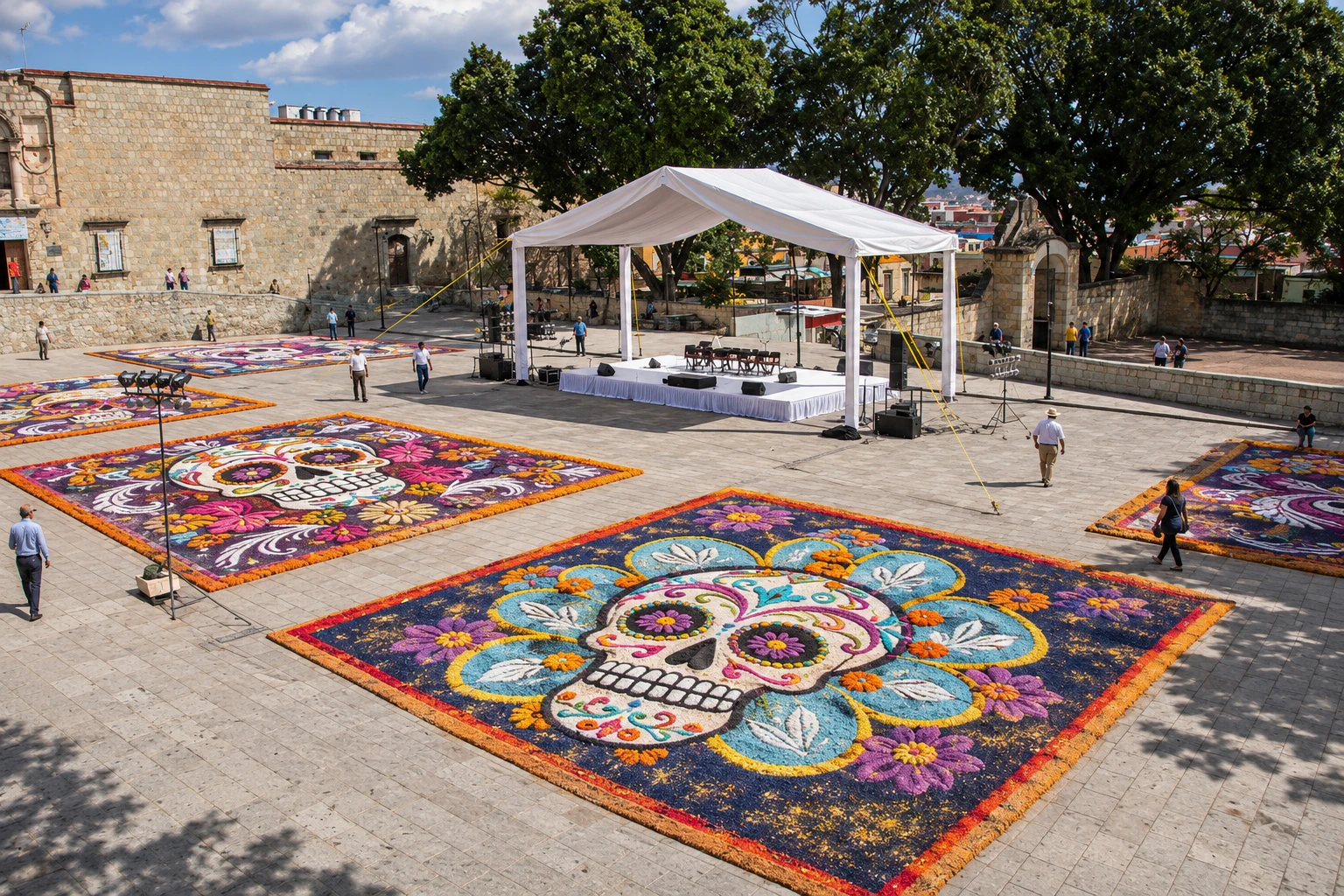
On the nights of the celebration, cemeteries light up. At the Panteón General (also called Panteón de San Miguel), near the center, whose visiting hours should be checked in the local program, and at the old cemetery of Santa Cruz Xoxocotlán to the south of the city, families clean and decorate graves with flowers and candles, talk, eat, listen to music and spend part of the night beside their dead. In the streets, the celebration is noisy: the comparsas—neighborhood processions of people dressed as skeletons, devils, old women and figures that satirize local life—move through neighborhoods and villages with brass bands, dance and stop from house to house. In the large parade that crosses the center, catrinas, mojigangas, giant papier-mâché puppets and floats from several regions of the state also take part. In the villages of the Etla valley, these comparsas are called muerteadas and can last all night. In the historic center there are colored sand carpets with motifs of the festival, such as in the Plaza de la Danza, and altars in squares and public buildings.
Children go out in the streets asking for their calaverita, a sweet or a coin, and newspapers and schools circulate calaveras literarias, humorous verses that imagine the death of living people. The Catrina, an elegant skull linked to José Guadalupe Posada’s Calavera Garbancera engraving and Diego Rivera’s reinterpretation, appears in parades and on painted faces as a figure of the tradition. On the outskirts of the city, fields of cempasúchil in bloom receive visitors during the season. The same period is celebrated in other parts of Mexico: on the island of Janitzio and on the shores of Lake Pátzcuaro in Michoacán, the nighttime vigils gather boats lit by candles, and in Mexico City a large parade travels along the Paseo de la Reforma to the Zócalo.
What not to miss
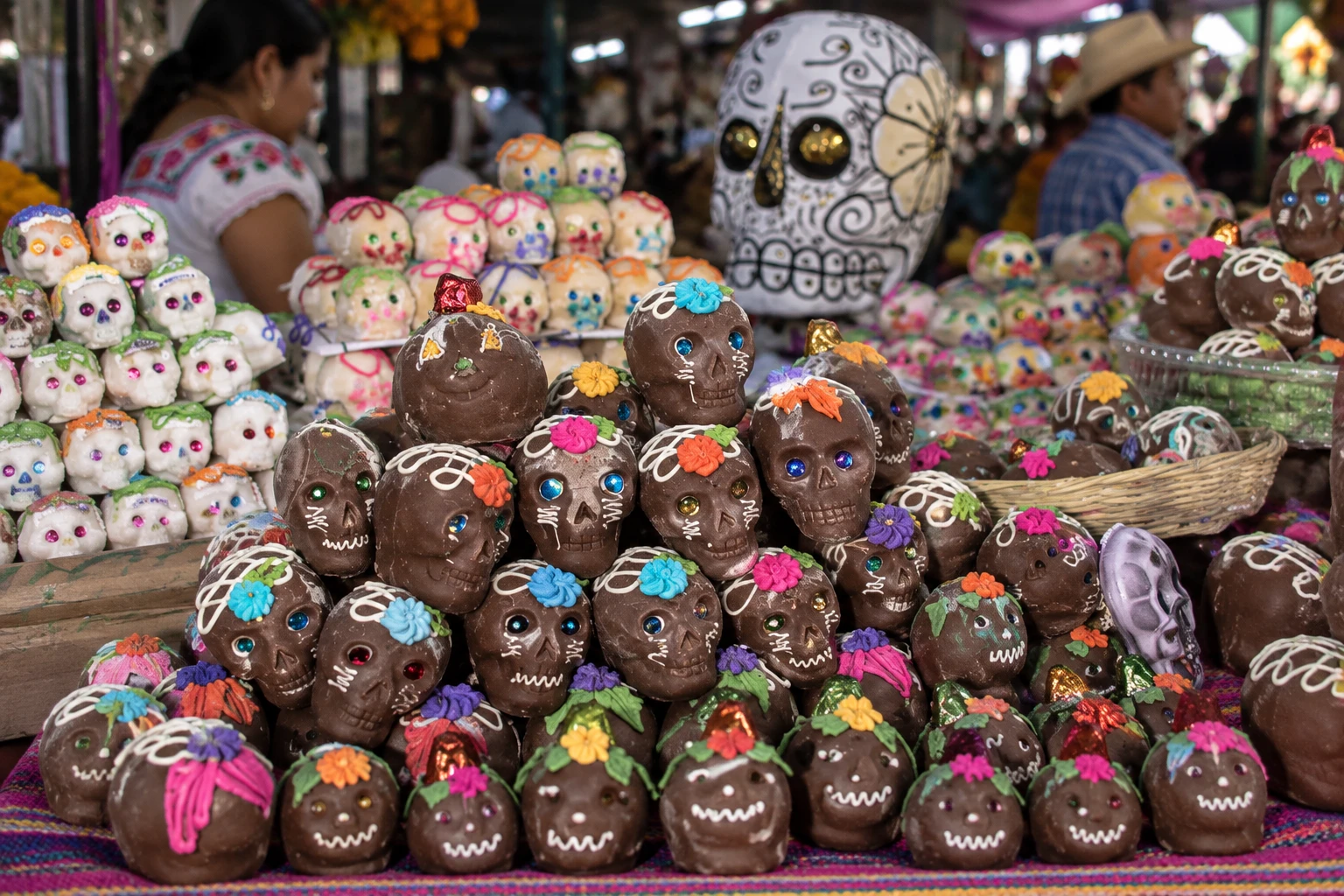
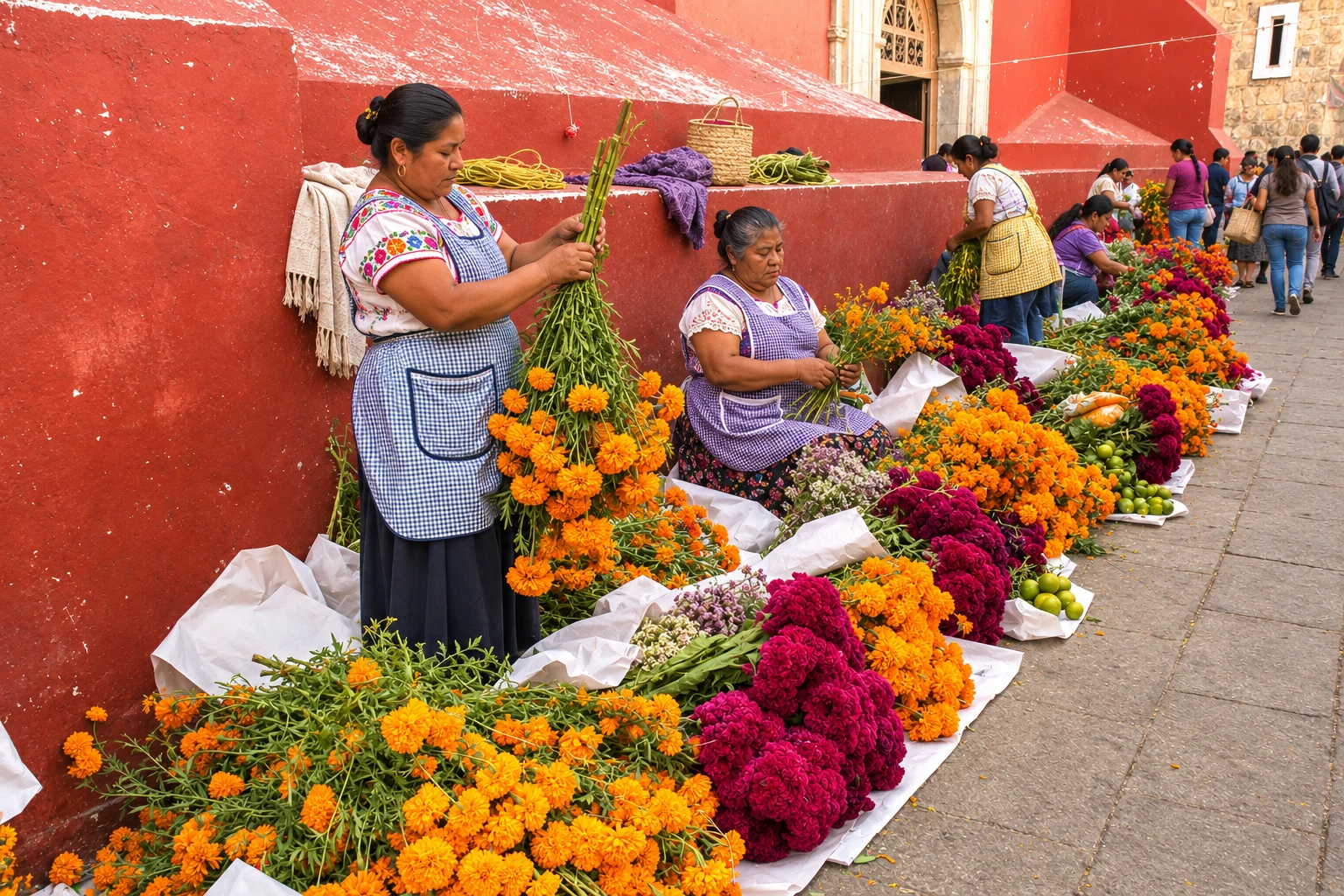
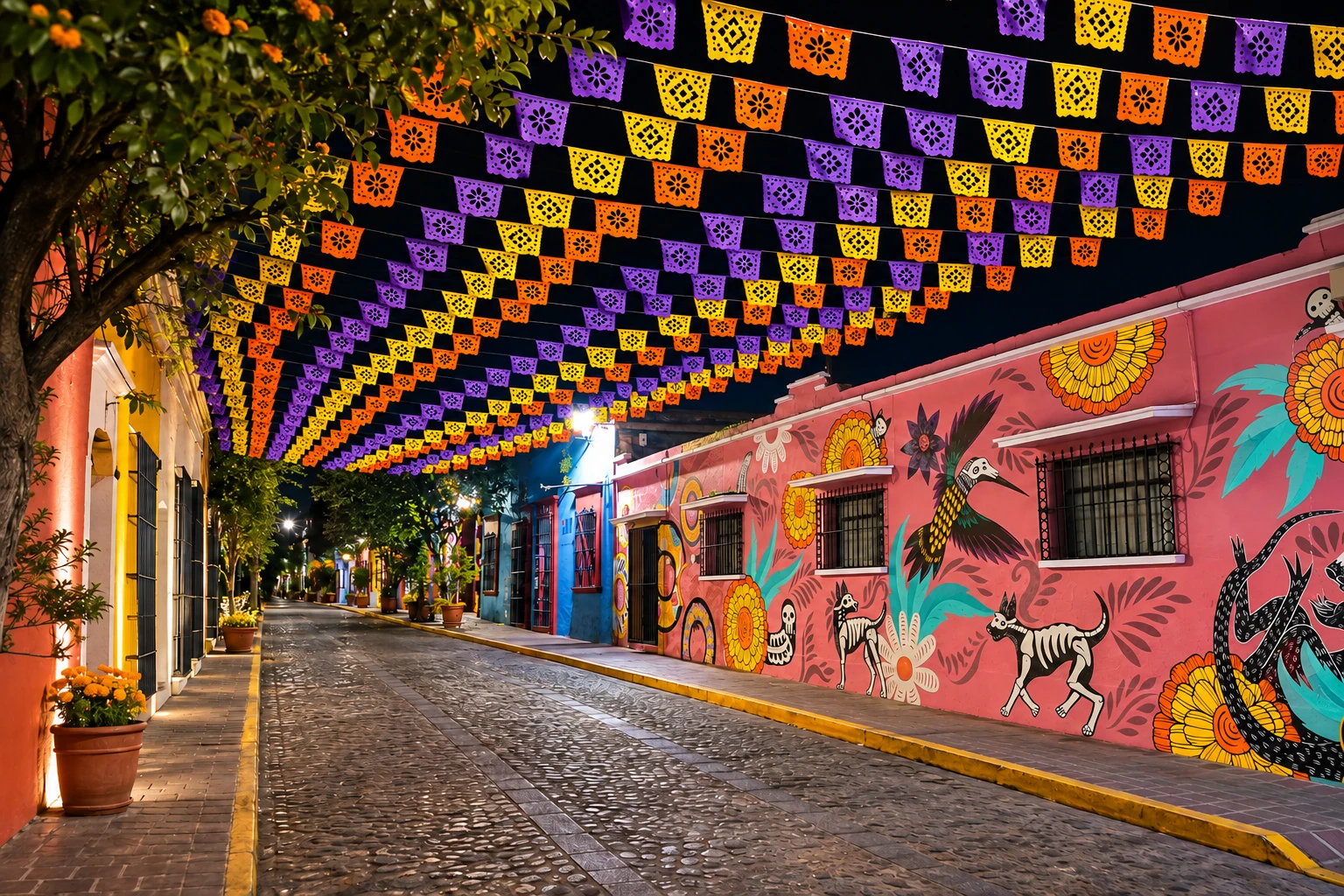
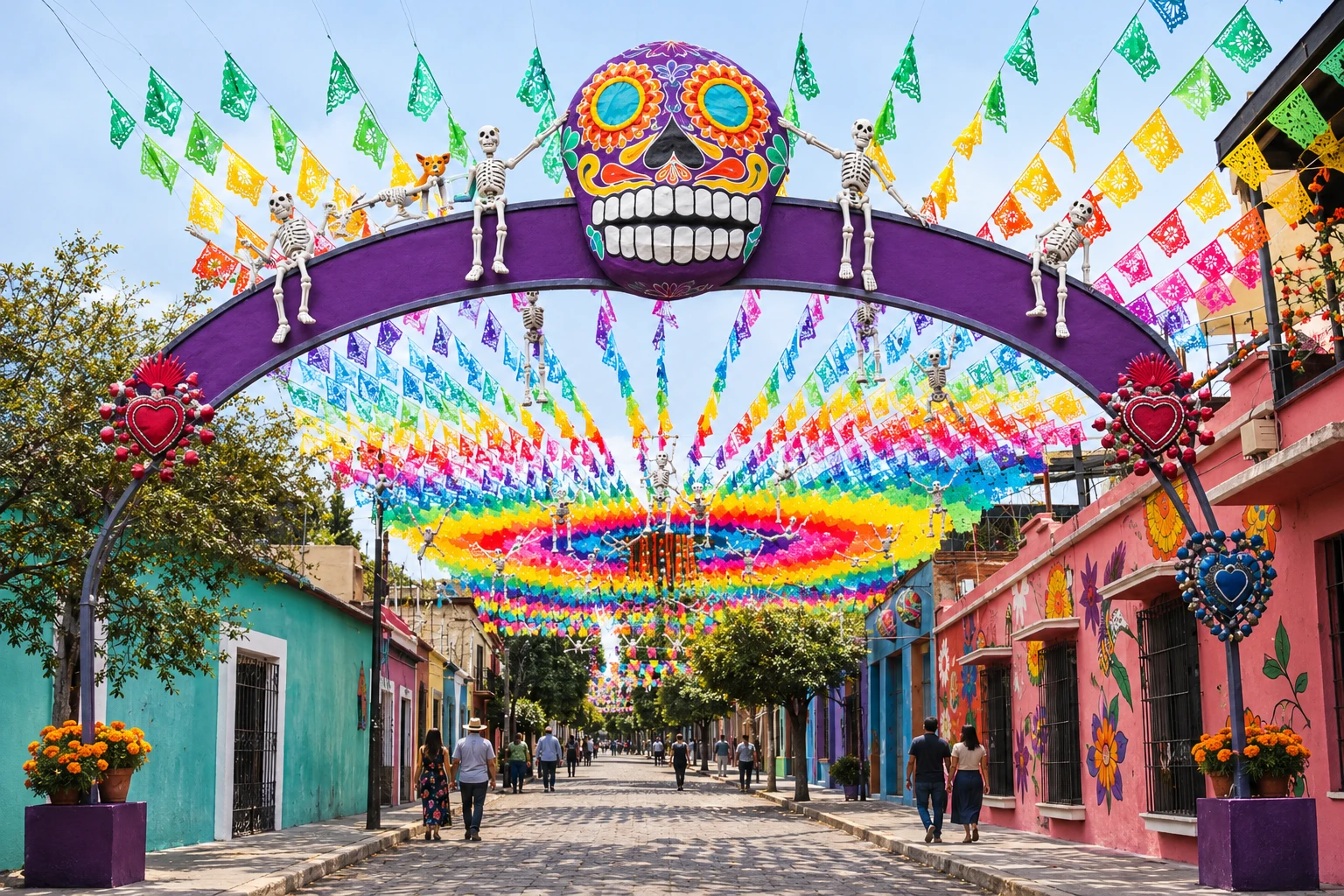
The downtown markets, like Benito Juárez and 20 de Noviembre, in the days before October 31, are filled with cempasúchil, celosia, candles, copal, pan de muerto and sugar skulls, as families buy supplies for the altar. Altars are set up in homes, churches, markets and plazas, and colorful sand carpets appear in the historic center, lasting only a few days. The big parade through downtown, on the date announced for each edition, brings bands, floats, catrinas and papier-mâché figures, and smaller parades move through neighborhoods such as Jalatlaco and Xochimilco, where facades are also painted and decorated. The night at the cemetery, when families light candles at the graves: at the Panteón General, near downtown, or at Santa Cruz Xoxocotlán, where the vigil goes on into the early morning. The muerteadas of the villages in the Etla valley, which continue until dawn. Fields of cempasúchil in bloom in the surroundings, in places such as San Jacinto Amilpas, San Antonio Arrazola and San Martín Tilcajete, which some communities open to visitors during the season.
How to enjoy it
Arrive a few days before October 31 to see the markets and the setting up of altars, and stay until November 2. Stay in the historic center or in nearby neighborhoods such as Jalatlaco to walk to the comparsas and to the Panteón General. For Xoxocotlán and the valley villages, use a taxi, transport arranged with your accommodation or a tour with a local driver, and arrange your return before you go. The celebration is family-oriented and religious: in cemeteries, walk along the aisles without stepping on graves, do not touch the offerings, speak softly, ask permission before photographing people and avoid flash near families; if you are invited to taste something or to sit beside a grave, accept respectfully and thank them. Painting your face as a skull is common in the streets and in the comparsas, but in the cemetery it is better to wear discreet clothing. In the comparsas, follow the procession’s rhythm and make space for the band. Nights are usually cool: bring a jacket, closed shoes and a small flashlight. Check the official program for the year, which gathers comparsas, exhibitions and concerts.
What to eat
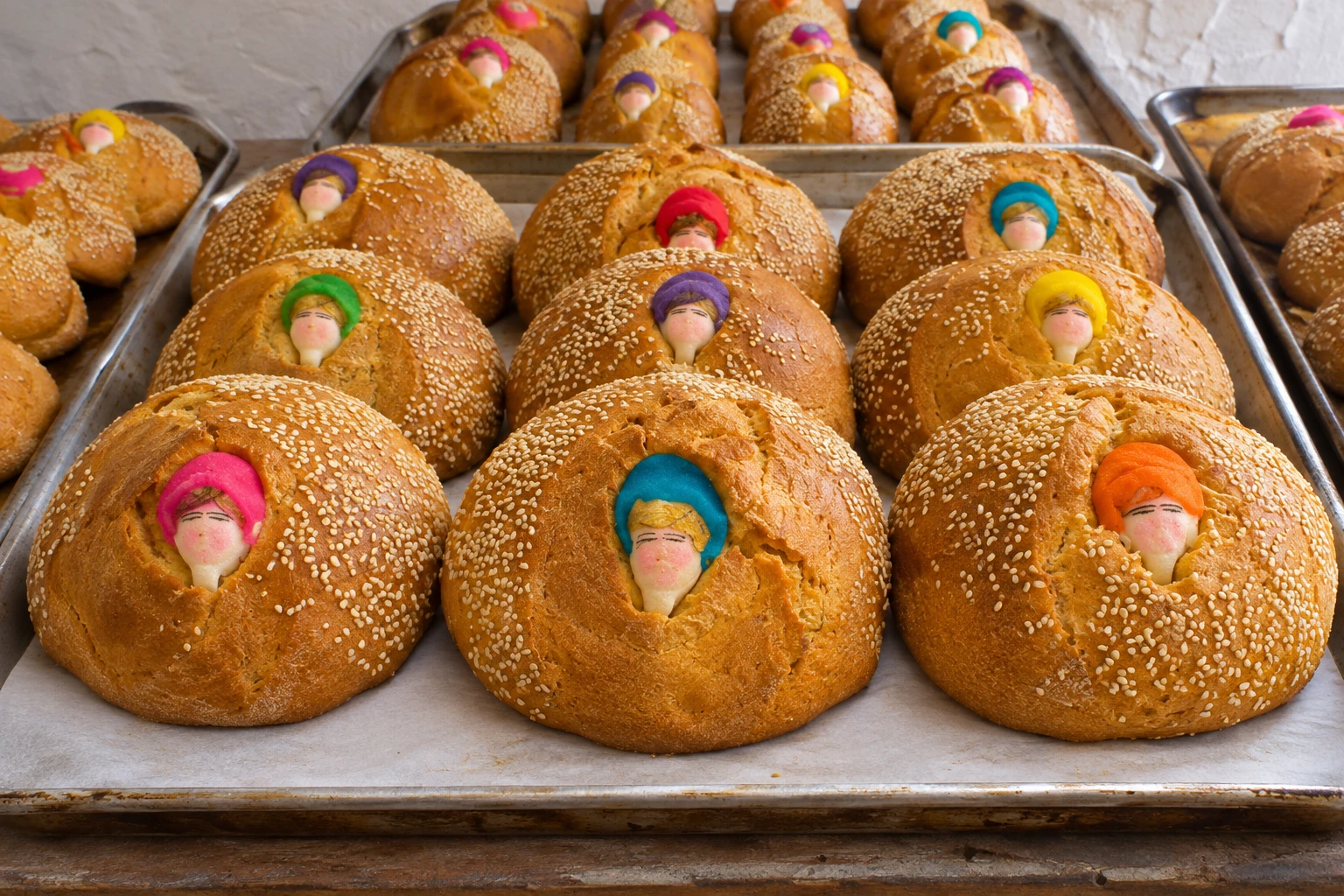
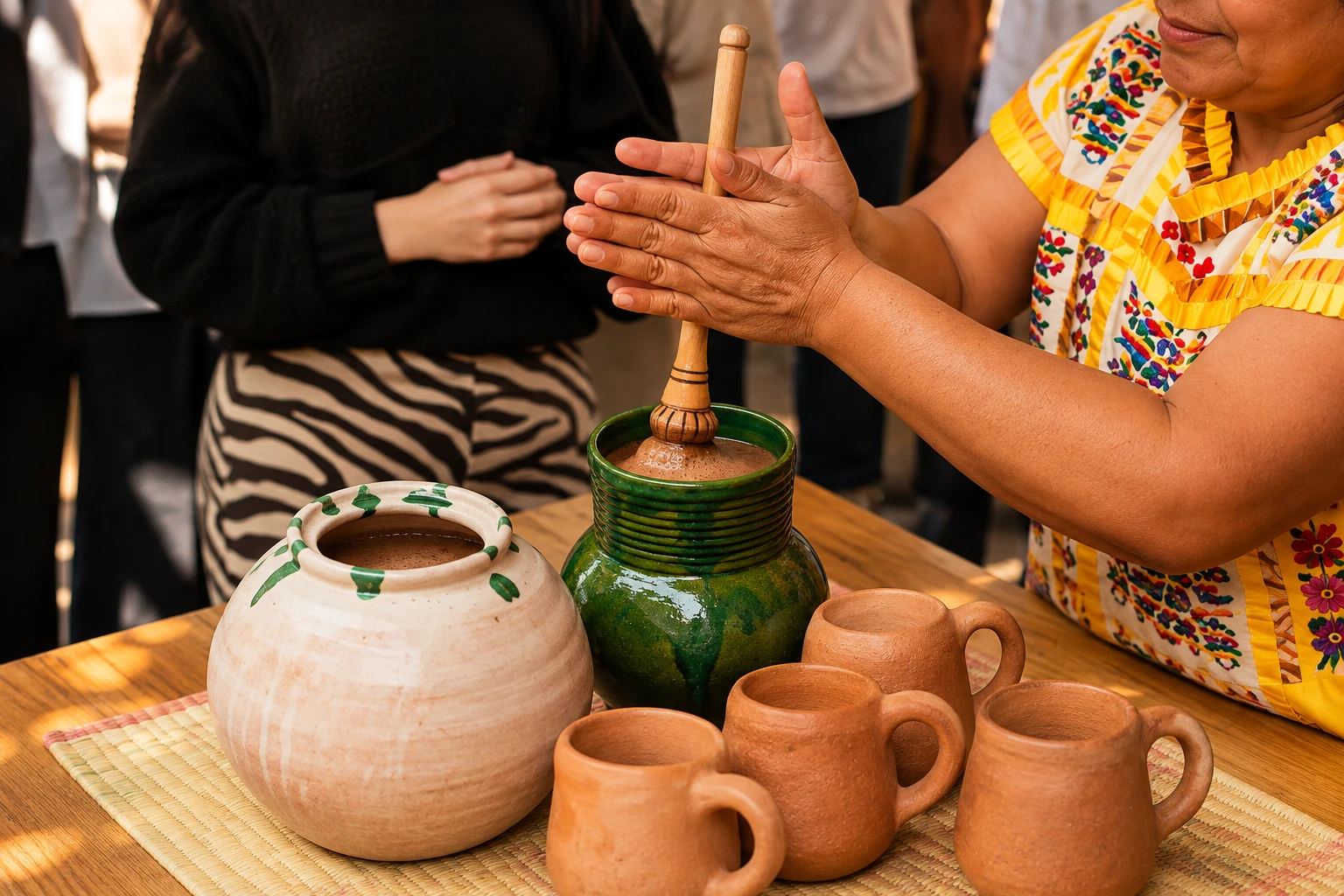
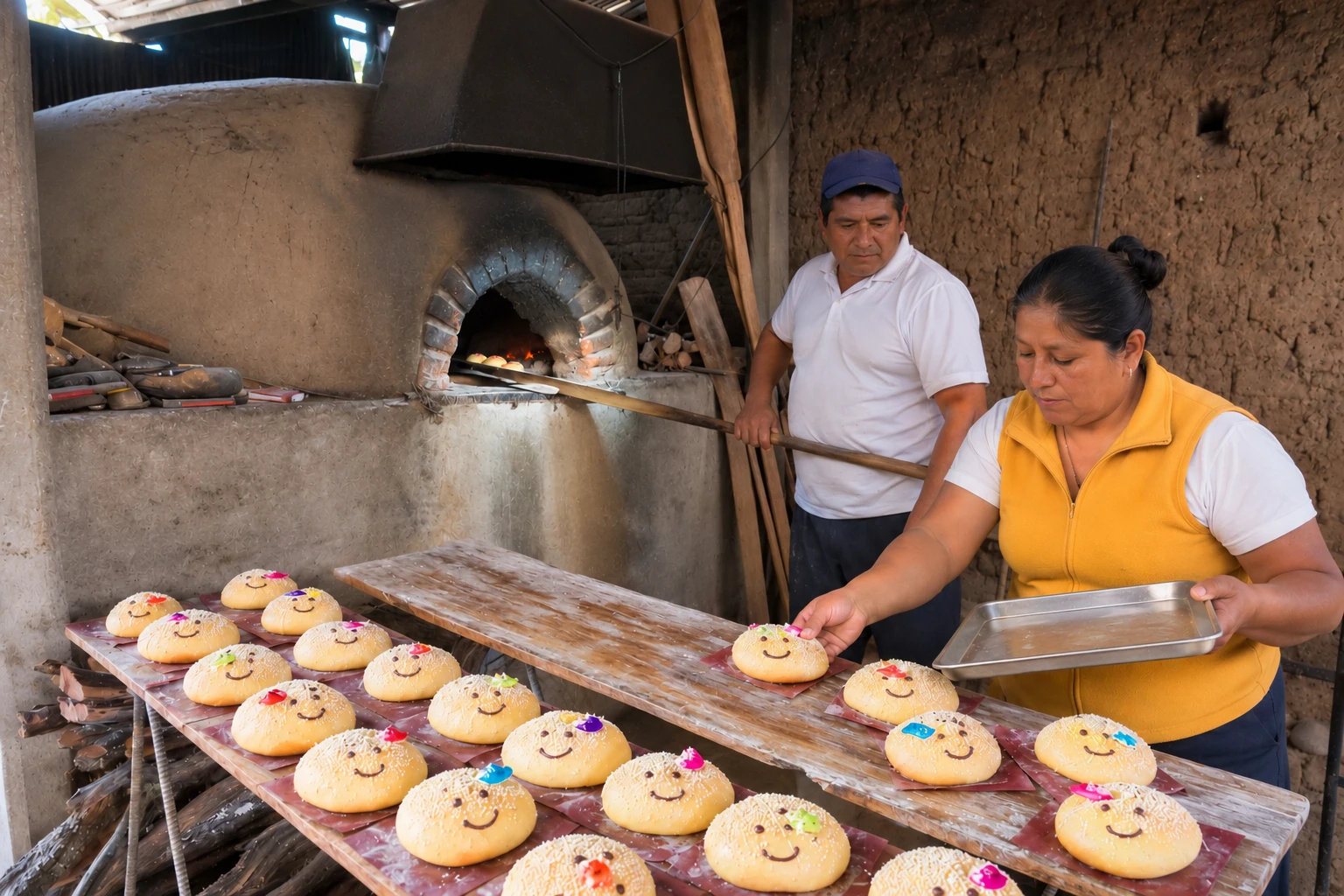
Oaxaca’s pan de muerto is pan de yema, an egg-yolk bread often decorated with a small painted dough face, eaten dipped in hot chocolate prepared with water or milk and beaten until frothy. Mole negro, a dark, thick sauce of chiles, spices and chocolate, is the family-meal dish and is also placed on altars, as are tamales wrapped in banana leaf. Seasonal sweets appear in homes and markets, such as calabaza en dulce (pumpkin cooked in brown sugar), tejocote in syrup and nicuatole, a corn-based sweet. In the downtown markets you can sample all of this in a single morning, alongside tlayudas, large toasted tortillas with fillings. Mezcal, the agave-distilled spirit typical of the state, is served in homes and also put on altars.
Plan ahead
Oaxaca receives many visitors from across Mexico and abroad at this time, and rooms in the historic center fill first: book well in advance. Flights to Oaxaca airport also sell out; the other option is to arrive via Mexico City and continue by bus or plane. Late October marks the start of the dry season, with sunny days and cool nights. Check the official program and the visiting rules of each cemetery, which may change from year to year.
In the city
Make the most of Oaxaca de Juárez
Your questions
Questions about Día de Muertos in Oaxaca
When is Día de Muertos in Oaxaca?
The most important days run from the end of October through Día de los Fieles Difuntos on November 2. The city, however, starts getting into the festival spirit about a week earlier.
What is a comparsa in Oaxaca’s Día de Muertos?
It is a group of masked residents who go through the streets with band music, dancing and playful acts about death and neighborhood life. In the countryside, the longer, more traditional version is called a muerteada.
Can tourists visit Oaxaca’s cemeteries on Día de Muertos?
Yes, cemeteries such as the Panteón General and the one in Santa Cruz Xoxocotlán welcome visitors. Visits require respect: do not step on graves, do not touch the offerings, speak quietly and ask permission before photographing families.
What is placed on a Día de Muertos altar?
The offering gathers portraits, candlelight, copal incense, a glass of water, salt, orange flowers, bread, fruit, drinks and each deceased person’s favorite food.
Is Día de Muertos a UNESCO heritage?
Yes. Since 2008 the celebration, as practiced by Mexico’s indigenous communities, has been inscribed on UNESCO’s Representative List, after being proclaimed in 2003.