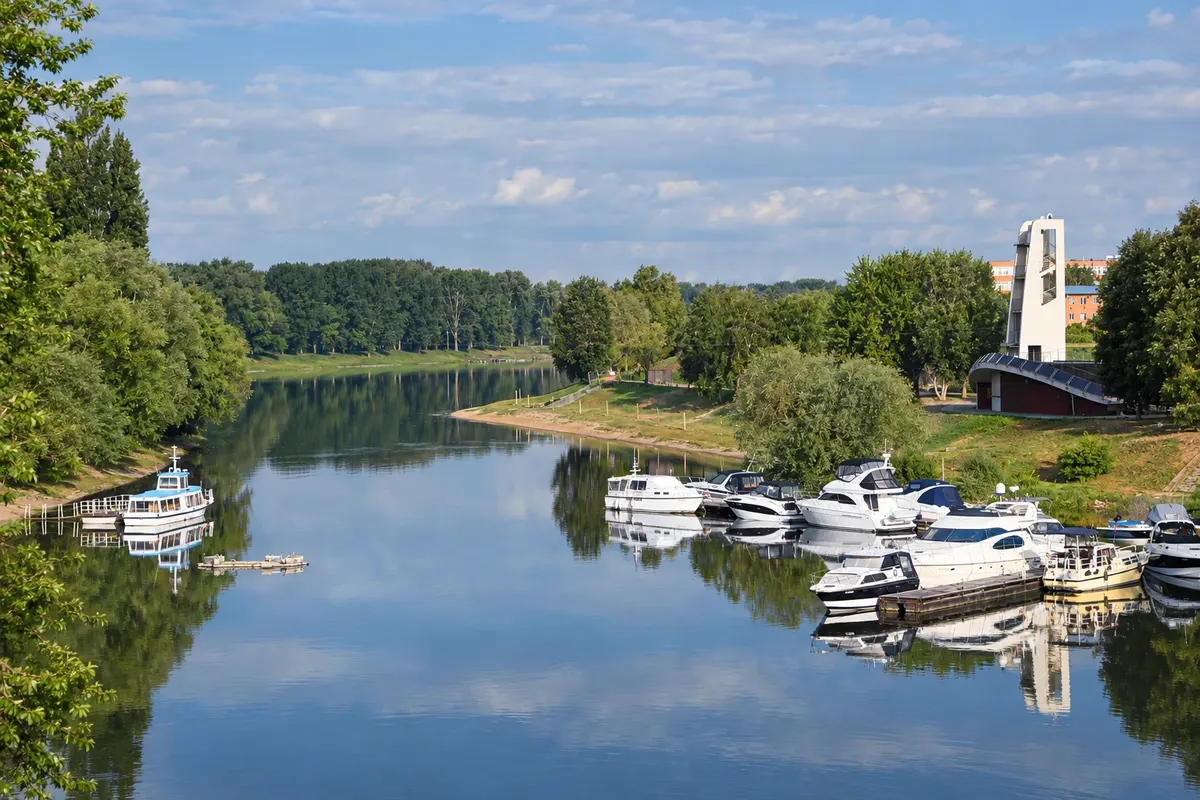
Baja lies in southern Hungary on the left bank of the Danube, where the river splits and forms the arm called Sugovica. It is the second-largest city in Bács-Kiskun county and one of the country's river ports. Hungarians, Germans, Serbs and the Bunjevci, a South Slavic group, lived side by side for centuries, and the churches and houses of each community still mark the town center.
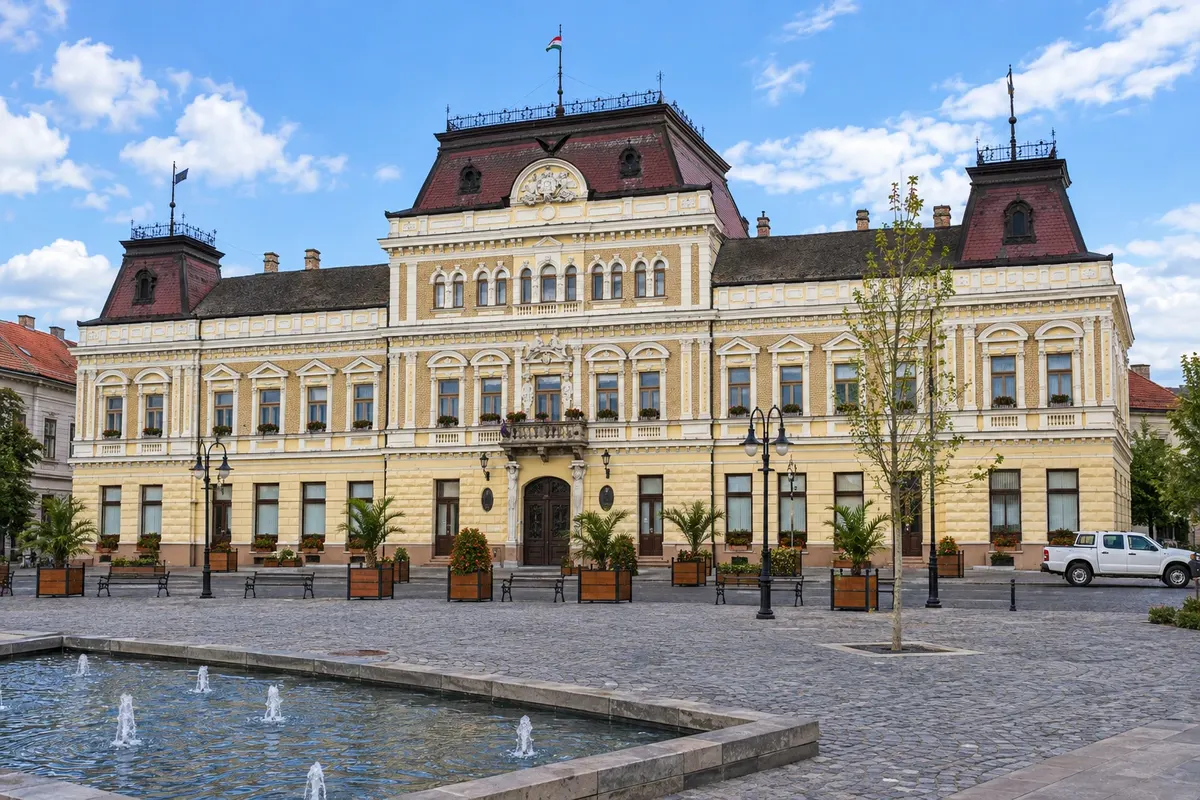
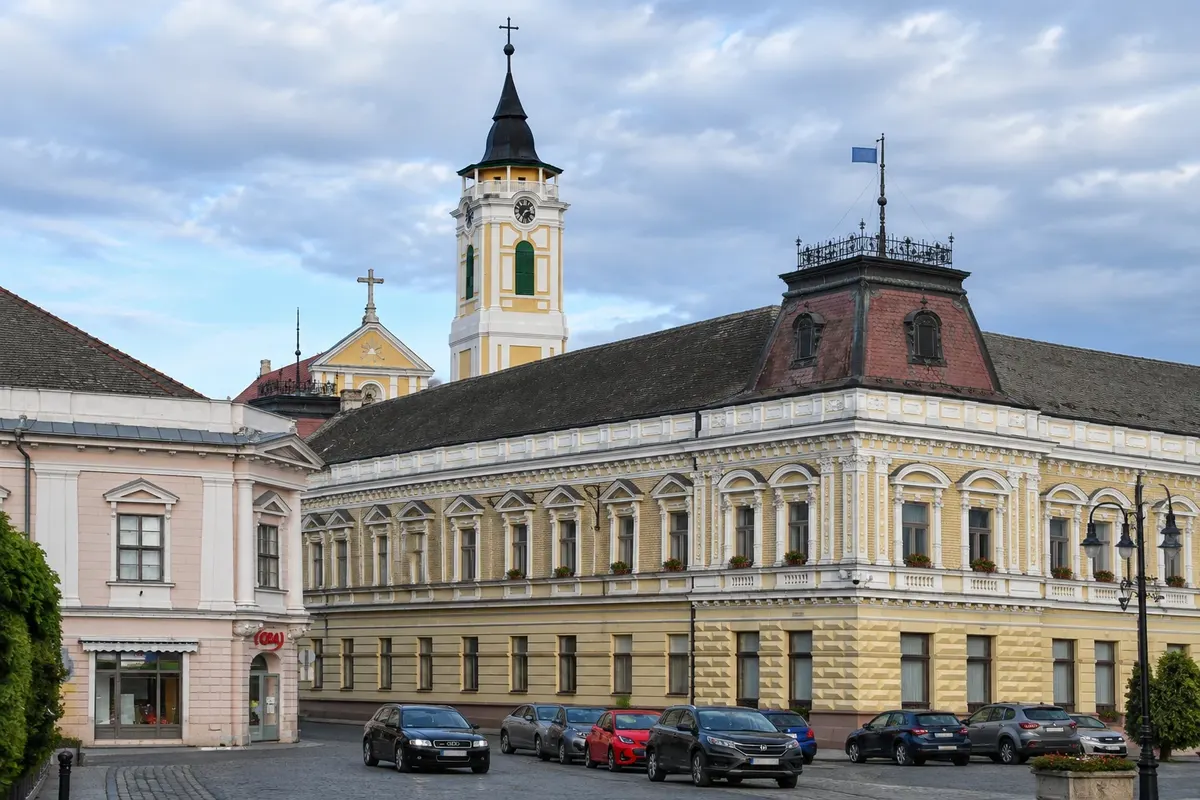
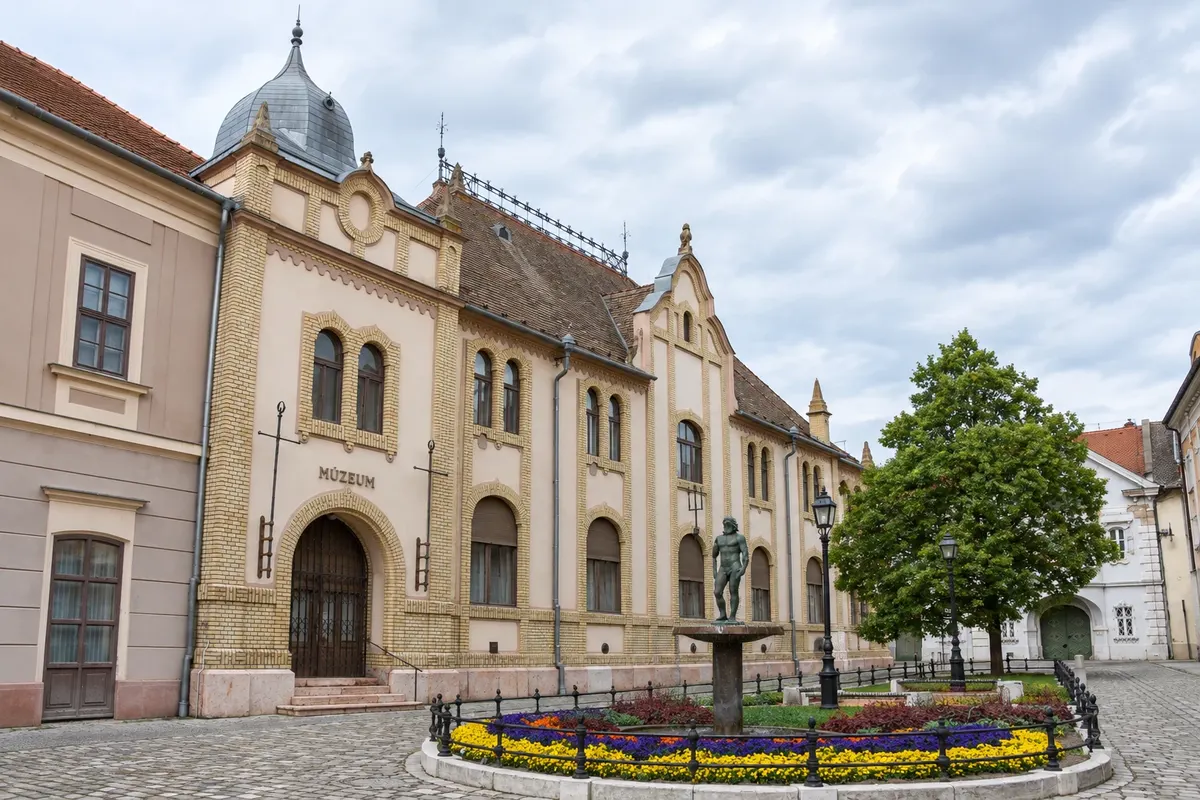
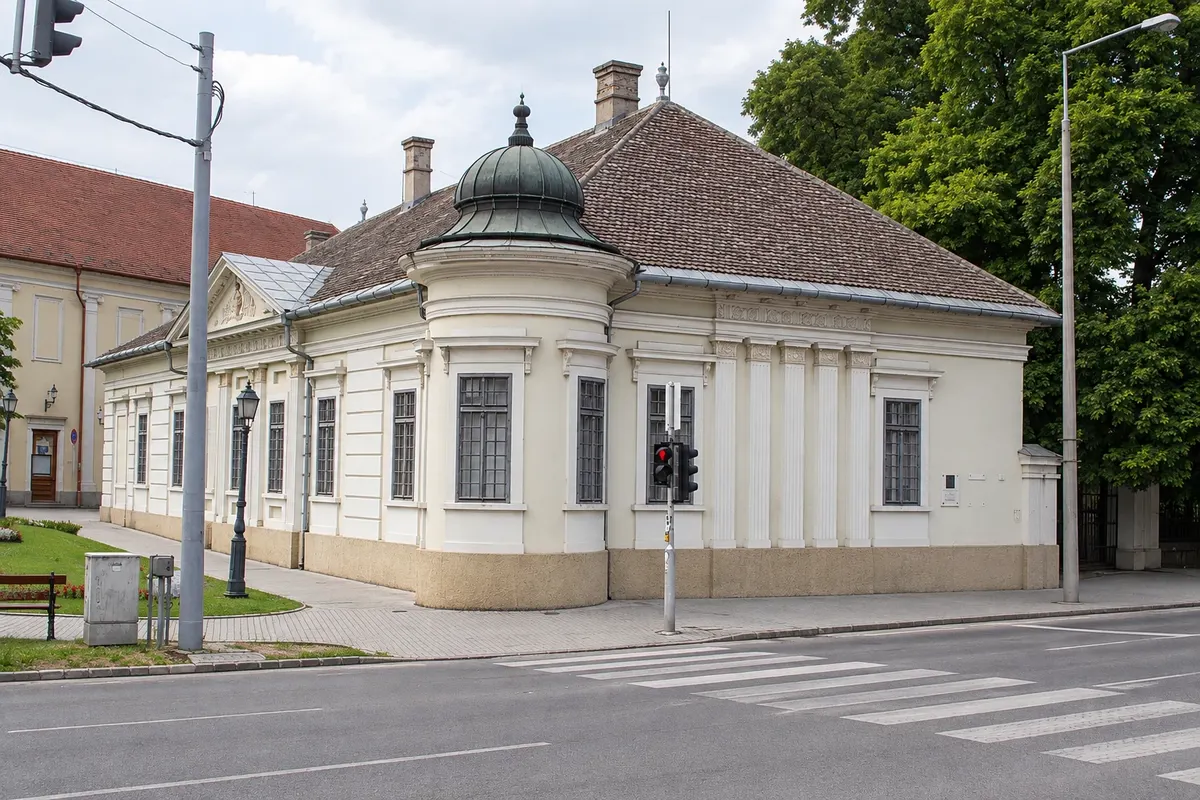
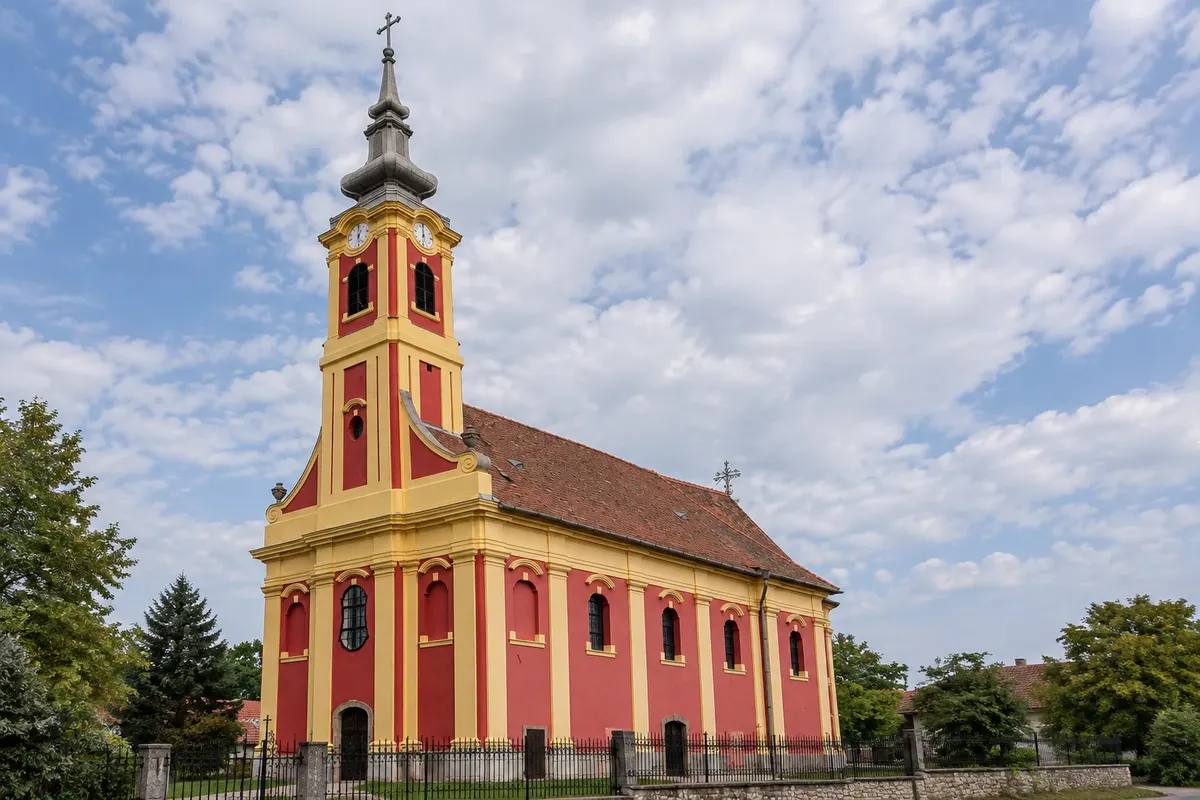
The heart of the city is Szentháromság tér, a broad square open to the Sugovica, with the town hall housed in the former Grassalkovich palace and the Holy Trinity column erected after the 18th-century plague. A few minutes' walk away are the Türr István Museum, with collections about river life and fishing, the gallery dedicated to painter Nagy István and the Serbian Orthodox Church of St. Nicholas.
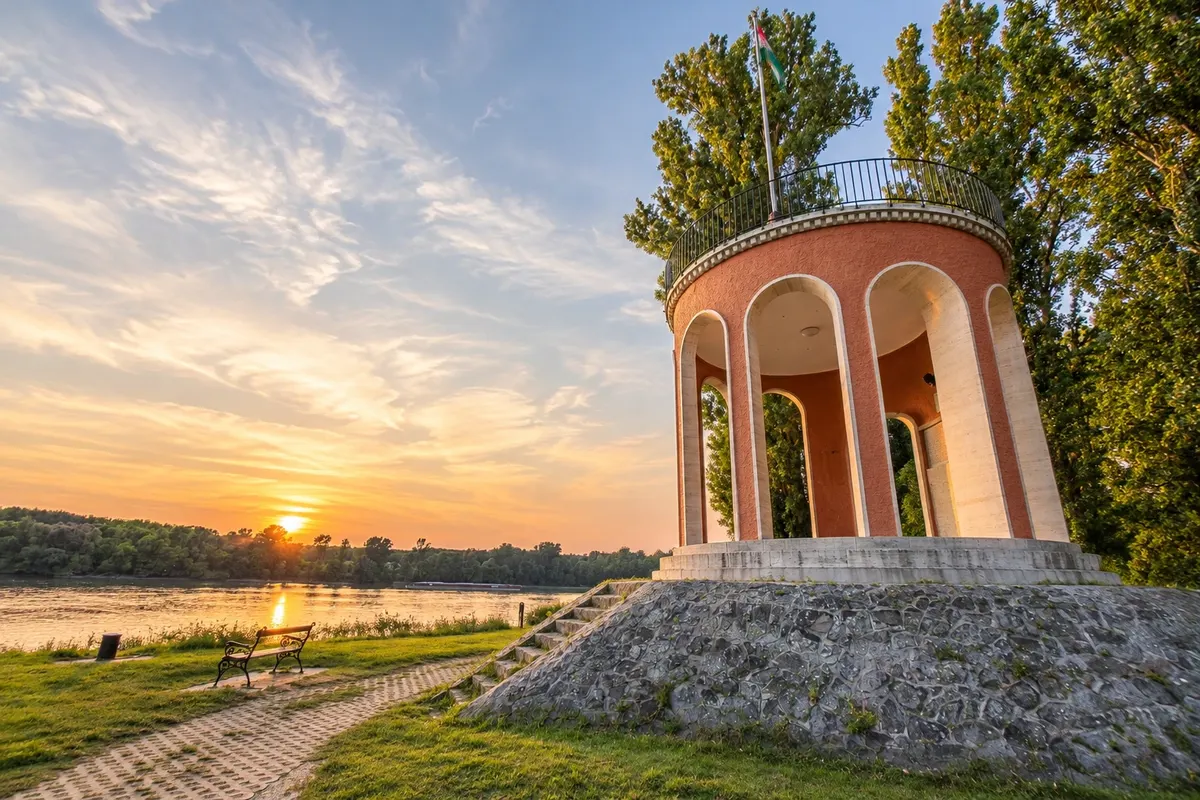
Across the Sugovica, Petőfi Island offers leisure areas, river beaches and kayak rental points. At the junction of the arm with the Danube, the Türr István lookout faces the river bridge and the Gemenc woods.
Gemenc is one of the largest floodplain forests in Central Europe, part of the Duna-Dráva National Park. From Pörböly, a few kilometers from Baja, a narrow-gauge forest train enters the waterlogged woods. The town is also known for Bajai halászlé, the local fish soup.
This destination brings together 1 city: Baja.


 Brazil
 Argentina
 Bolivia
 Chile
 Colombia
 Ecuador
 Guyana
 French Guiana
 Falkland Islands (Malvinas)
 Paraguay
 Peru
 Suriname
 Uruguay
 Venezuela
 Germany
 Austria
 Belgium
 Croatia
 Denmark
 Spain
 Finland
 France
 Greece
 the Netherlands
 Ireland
 Iceland
 Italy
 Luxembourg
 Norway
 Poland
 Portugal
 the United Kingdom
 the Czech Republic
 Sweden
 Switzerland
 Turkey
 Canada
 the United States
 Mexico
 the Dominican Republic
 South Africa
 Australia
 Fiji
 New Zealand
 Papua New Guinea