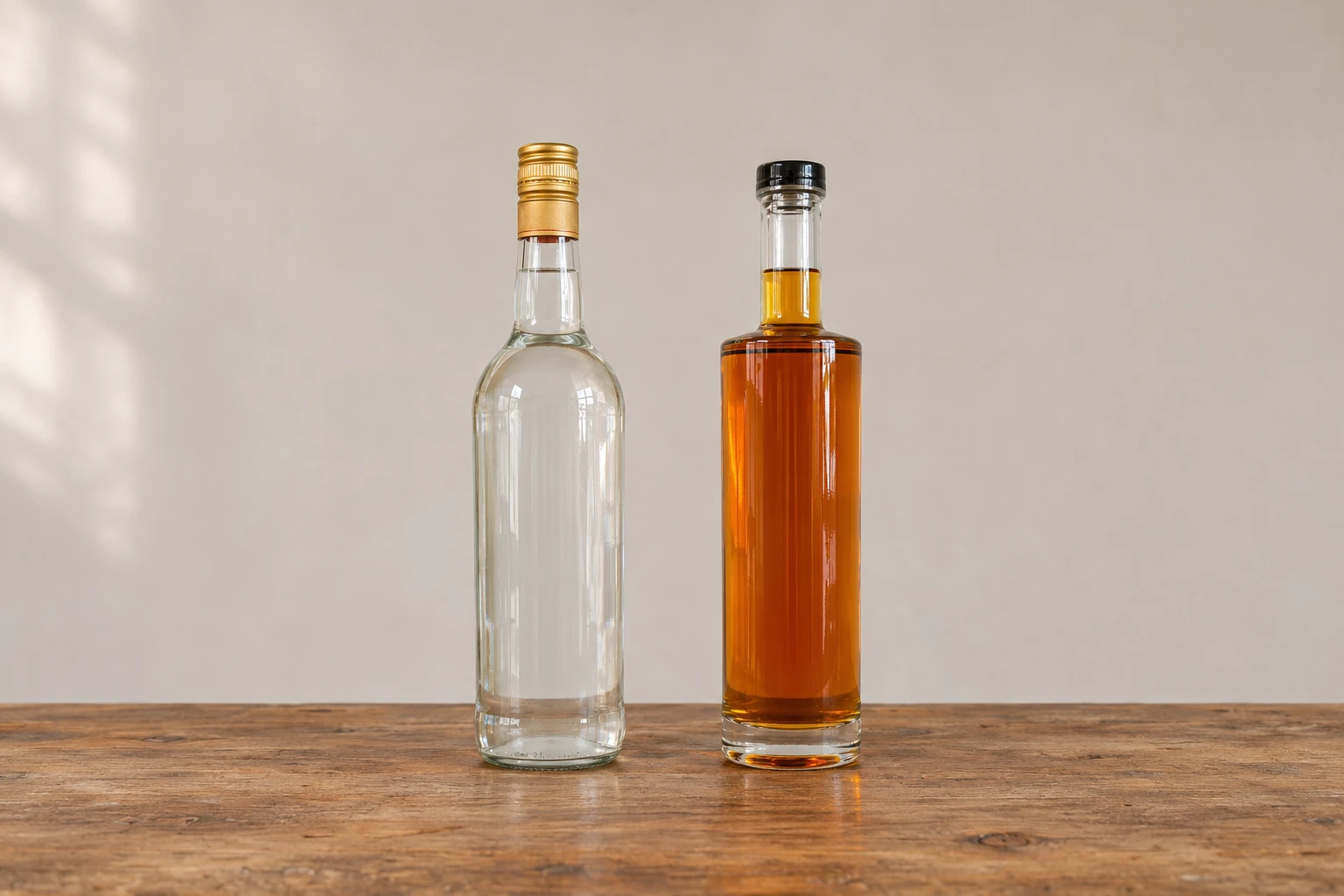
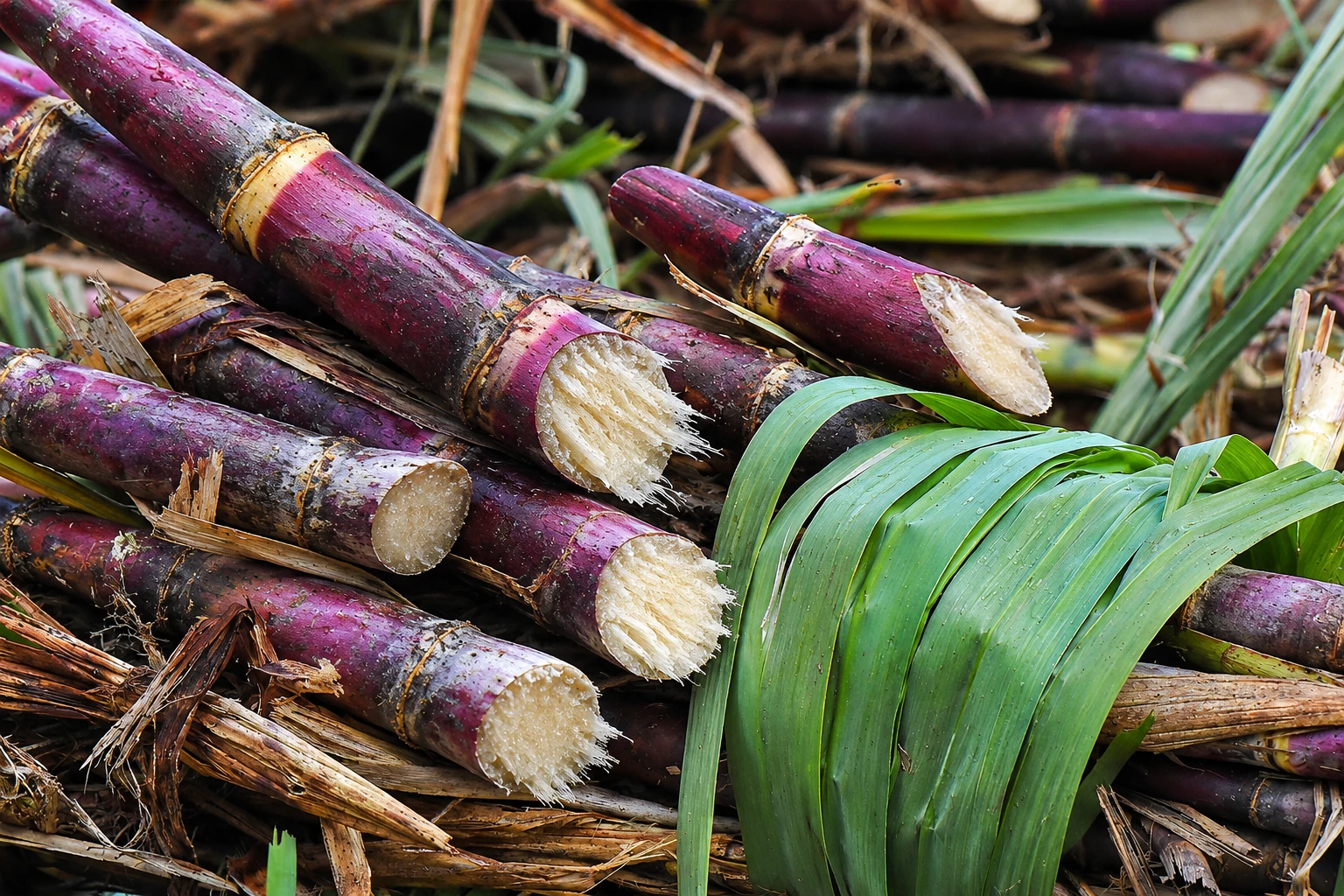
Rhum agricole is made from vesou, the freshly pressed sugarcane juice, which is fermented and distilled. Most rums in the world are made from molasses; in rhum agricole, the flavor of the fresh cane comes through in the spirit. In French Guiana there is white rum, with an alcohol content between 50 and 55 degrees depending on the brand, and aged rum.
Rum has a long history in the territory. The earliest examples, from the 17th century, were byproducts of sugar production, made from the scum skimmed off boiled cane juice. They were called tafia and, according to official French tourism sources, were consumed only by enslaved people. In the 1930s there were around twenty distilleries in Guiana; today only one remains in operation.
That distillery, Saint-Maurice, is located in Saint-Laurent-du-Maroni, on the edge of the Amazon forest in the western part of the territory. It produces only rhum agricole, using cane grown in the region. Heat and humidity accelerate ageing and give Guianan rum the fruity character that official tourism describes, calling it an institution and emblem of the place. The distillery has received the French Entreprise du Patrimoine Vivant label, which recognizes traditional production know-how.
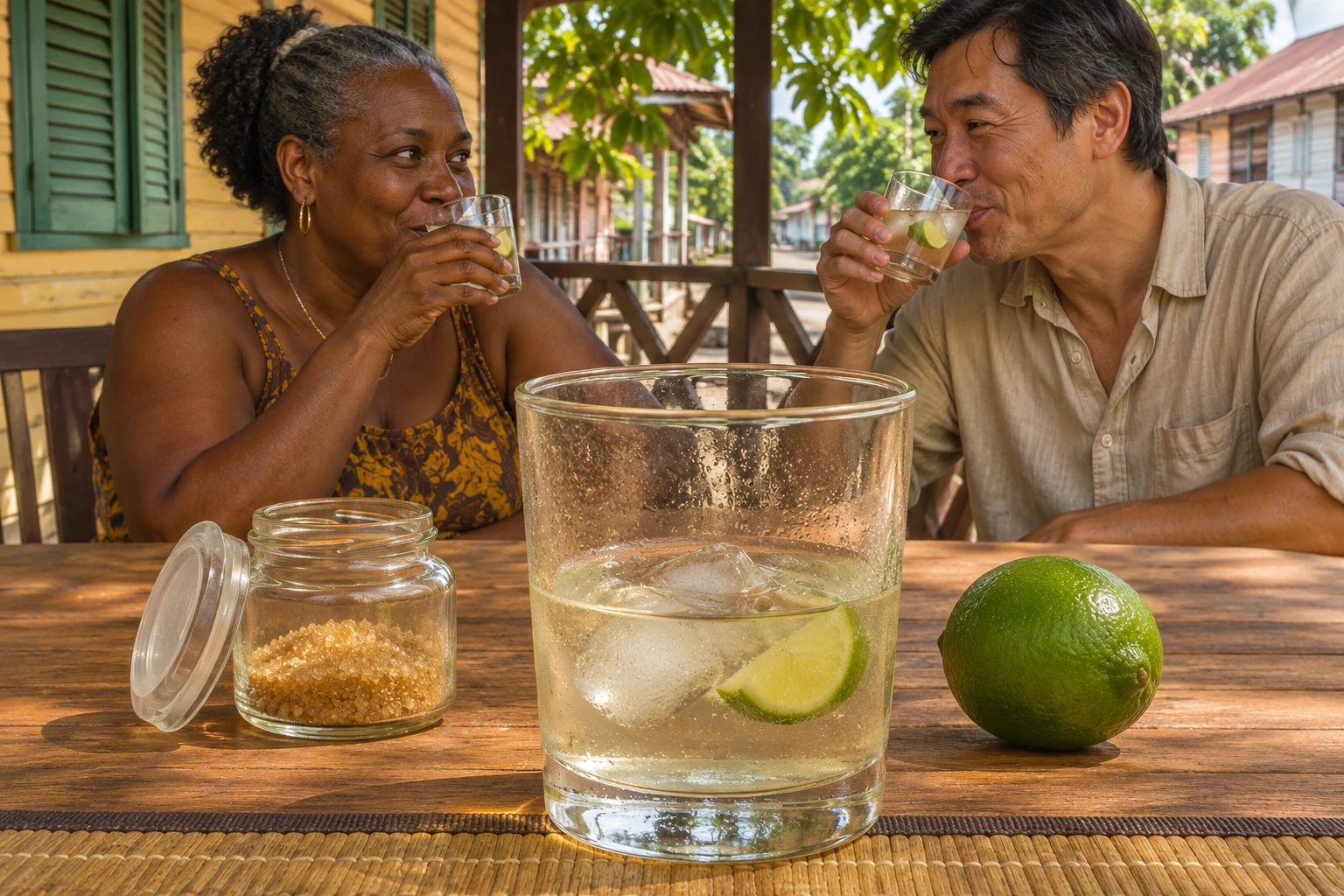
As in the Antilles, white rum is used in ti-punch, with lime and cane sugar, and in planteur, with fruit juices; the aged rums are sipped neat after a meal. As with any alcoholic beverage, it should be enjoyed in moderation.


 Brazil
 Argentina
 Bolivia
 Chile
 Colombia
 Ecuador
 Guyana
 Falkland Islands (Malvinas)
 Paraguay
 Peru
 Suriname
 Uruguay
 Venezuela
 Germany
 Austria
 Belgium
 Croatia
 Denmark
 Spain
 Finland
 France
 Greece
 the Netherlands
 Hungary
 Ireland
 Iceland
 Italy
 Luxembourg
 Norway
 Poland
 Portugal
 the United Kingdom
 the Czech Republic
 Sweden
 Switzerland
 Turkey
 Canada
 the United States
 Mexico
 the Dominican Republic
 South Africa
 Australia
 Fiji
 New Zealand
 Papua New Guinea