Dish · Fiji
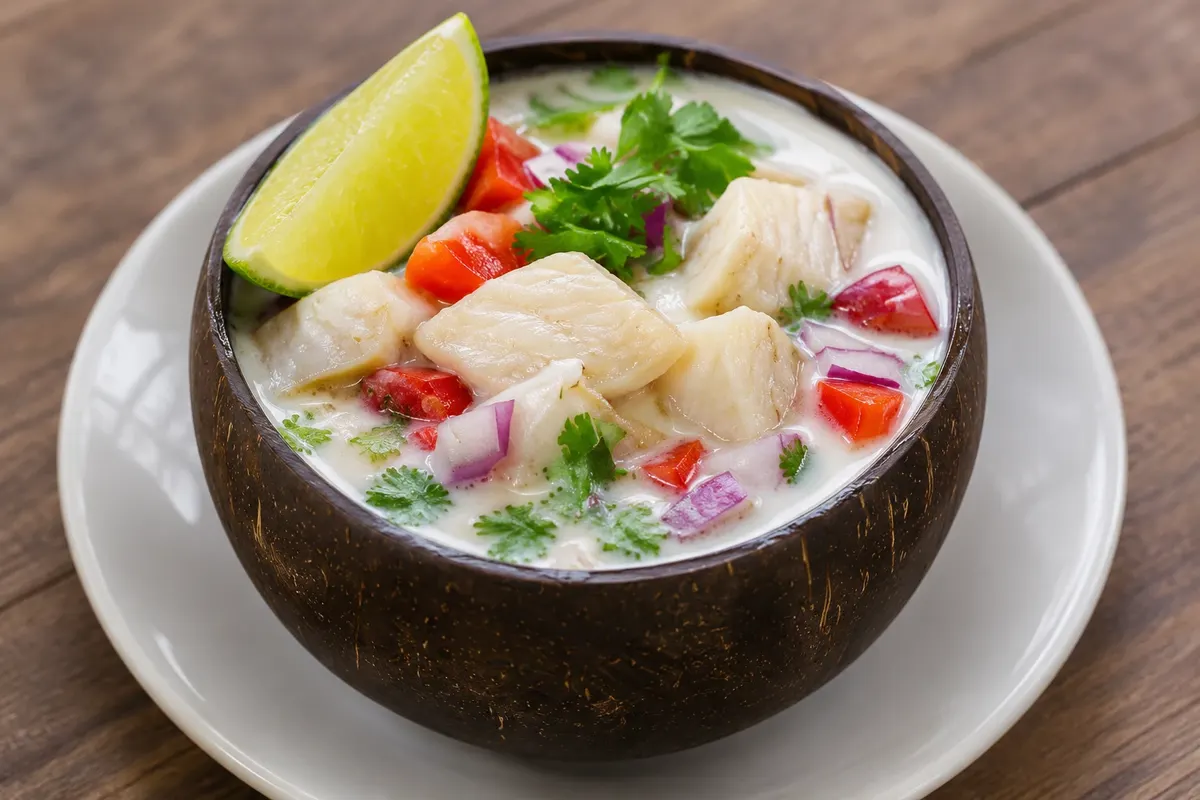
Kokoda
Raw fish cut into cubes, marinated in lime juice and mixed with coconut milk, onion, chili, tomato and scallion, served chilled in half a coconut shell. It is one of the dishes most associated with Fiji.

 Search
 Brazil
 Argentina
 Bolivia
 Chile
 Colombia
 Ecuador
 Guyana
 French Guiana
 Falkland Islands (Malvinas)
 Paraguay
 Peru
 Suriname
 Uruguay
 Venezuela
 Germany
 Austria
 Belgium
 Croatia
 Denmark
 Spain
 Finland
 France
 Greece
 the Netherlands
 Hungary
 Ireland
 Iceland
 Italy
 Luxembourg
 Norway
 Poland
 Portugal
 the United Kingdom
 the Czech Republic
 Sweden
 Switzerland
 Turkey
 Canada
 the United States
 Mexico
 the Dominican RepublicTurkey
 South Africa
 AustraliaFiji
 New Zealand
 Papua New Guinea
Flavors · Fiji
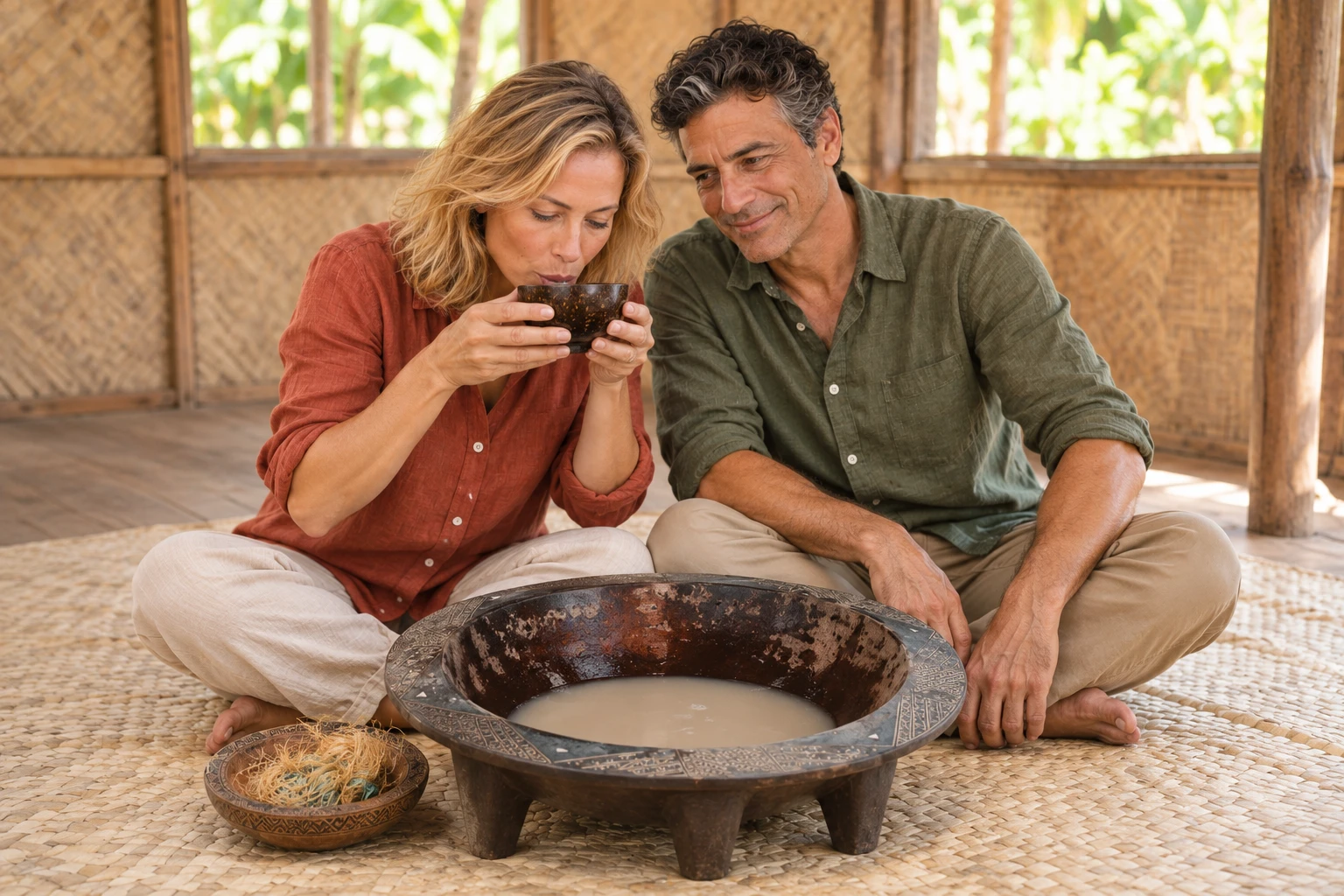
Drink made from the dried, ground root of kava, mixed with cold water in a wooden bowl called the tanoa, and served in half a coconut shell, the bilo. It is accompanied by the sevusevu, the ritual by which Fijian communities welcome newcomers.
Traditional drink from Fiji
Also known as: kava
Illustrative images. The pictures in this guide are illustrations based on the real place, not photographs, and may differ from it.

Click a photo to enlarge it.
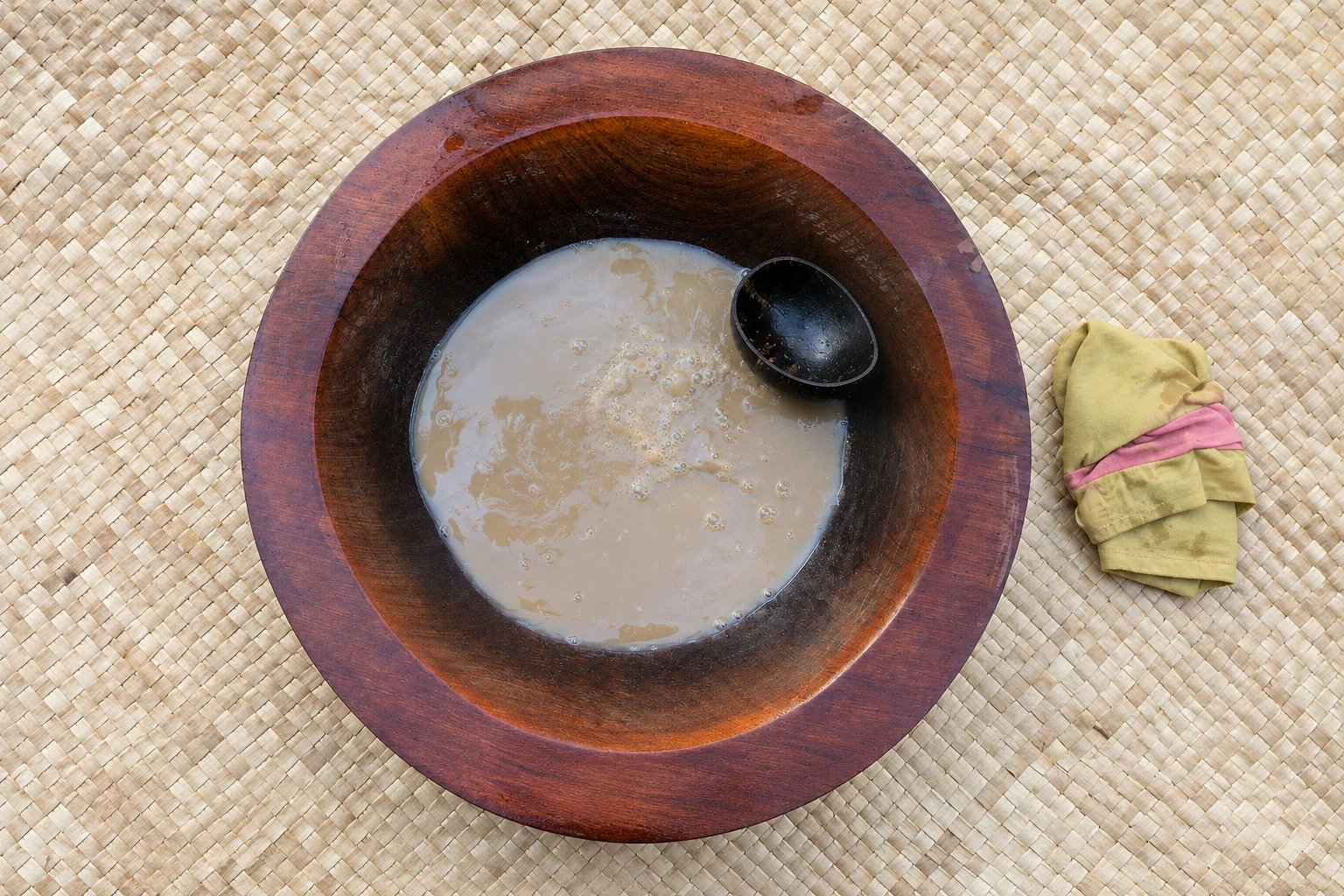
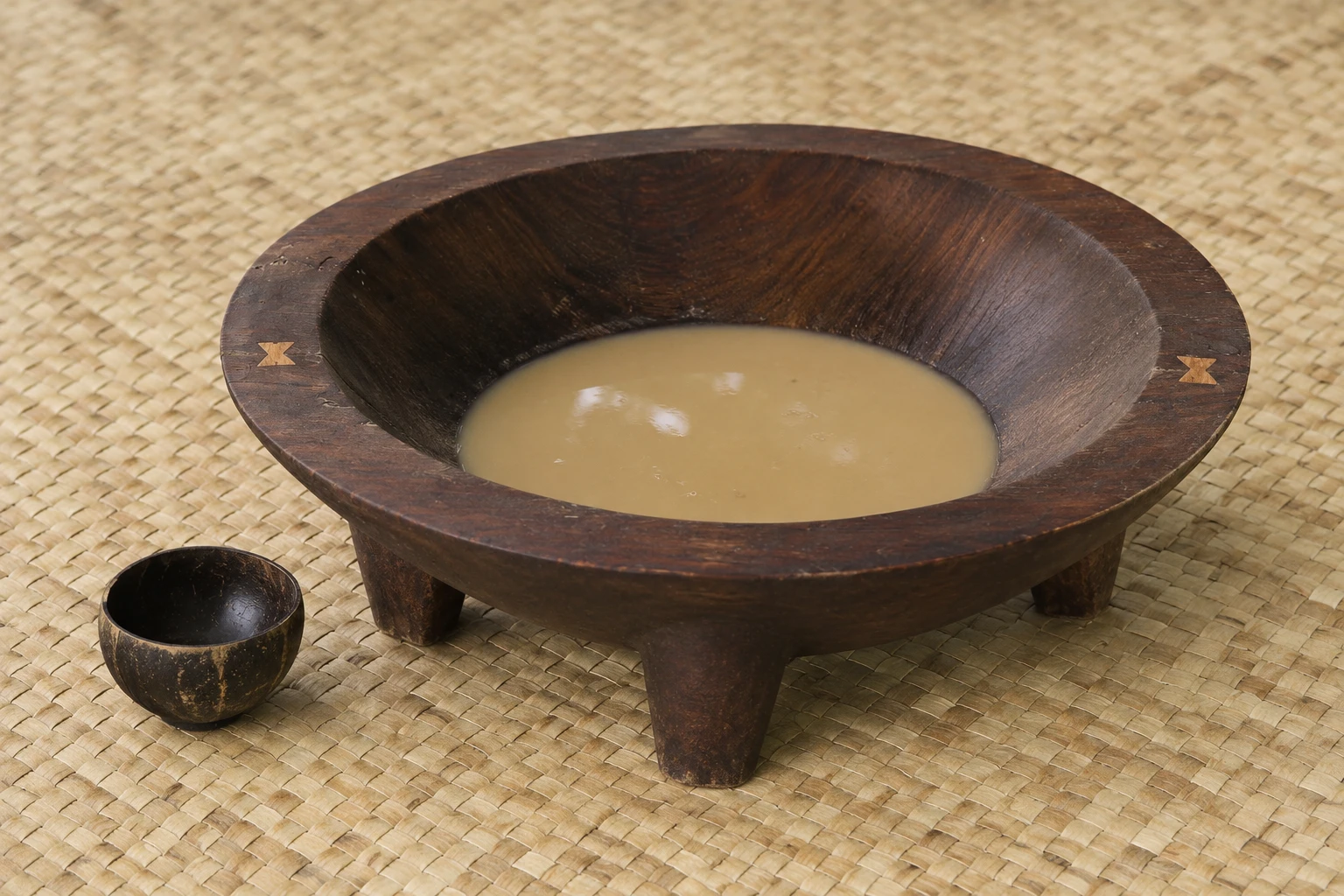
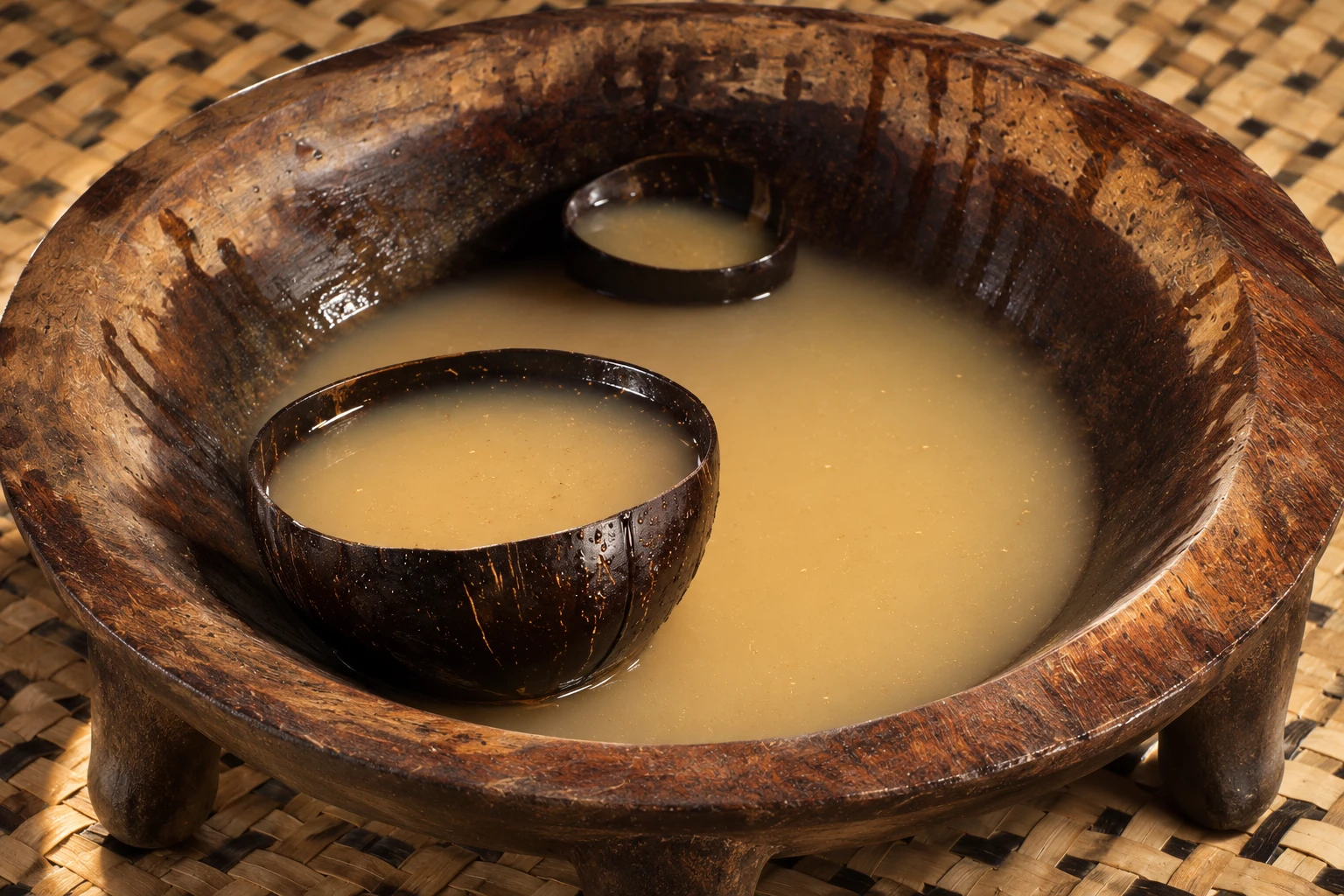
Yaqona — Fiji
Yaqona is the Fijian name for kava, the drink made from the root of the plant Piper methysticum, a relative of pepper. The plant is propagated by cuttings and takes several years to mature. The root is sun-dried and ground; the powder is placed in a straining cloth, which is dipped and squeezed several times in cold water. The muddy-colored liquid collects in the tanoa, a wide wooden bowl, and is served in the bilo, a cup made from half a coconut shell.
Fiji’s official tourism refers to yaqona as the national drink. The taste is earthy and somewhat bitter, and the drink leaves the mouth slightly numb. Its effect is mild and calming, which is why it accompanies long conversations, the talanoa, in homes, villages, and evening gatherings.
Yaqona also has a ceremonial role. In the sevusevu, someone arriving at a village offers the chief a bundle of kava roots and asks permission to be received as a guest. In formal ceremonies, the yaqona vakaturaga tanoa is often made of vesi, a hard wood associated with chiefs, and bears a coconut-fiber cord with shells, the sau, facing the place of honor. Participants sit on the ground in silence while the chief’s spokesperson, the matanivanua, approves the mixture. Before serving, the person preparing the drink cups their hands and claps, the cobo, as a sign of respect.
The recipient of the cup claps once, says “Bula,” drinks the whole cup in a single gulp, and returns the bilo with three claps and a “vinaka” (thank you). Hosts may offer the cup full or half full and usually have patience with first-time drinkers.
According to the Bowers Museum, the Fijian ceremony of drinking kava was adapted from a Tongan tradition, and multi-legged tanoa were mainly made on the island of Kabara.
Fiji
The drink of ceremonies and social life throughout the country.
Dried, ground root of kava (Piper methysticum) and cold water.
In single gulps, from a bilo (half coconut shell) served from the tanoa; before drinking, one clap and “Bula”; after returning the cup, three claps and “vinaka.”
Welcome ceremonies (sevusevu), formal receptions, village gatherings and late-afternoon conversations, year‑round.
Your questions
The Fijian name for kava: a drink made from dried, ground root mixed with water, served in the tanoa and drunk from a half coconut shell.
The arrival ritual at a village: the visitor gives a bundle of kava to the chief, who accepts it on behalf of the community.
You clap once, say “Bula,” drink the cup in a single gulp; when returning it you clap three times and say “vinaka.”
Flavors of Fiji
Raw fish cut into cubes, marinated in lime juice and mixed with coconut milk, onion, chili, tomato and scallion, served chilled in half a coconut shell. It is one of the dishes most associated with Fiji.
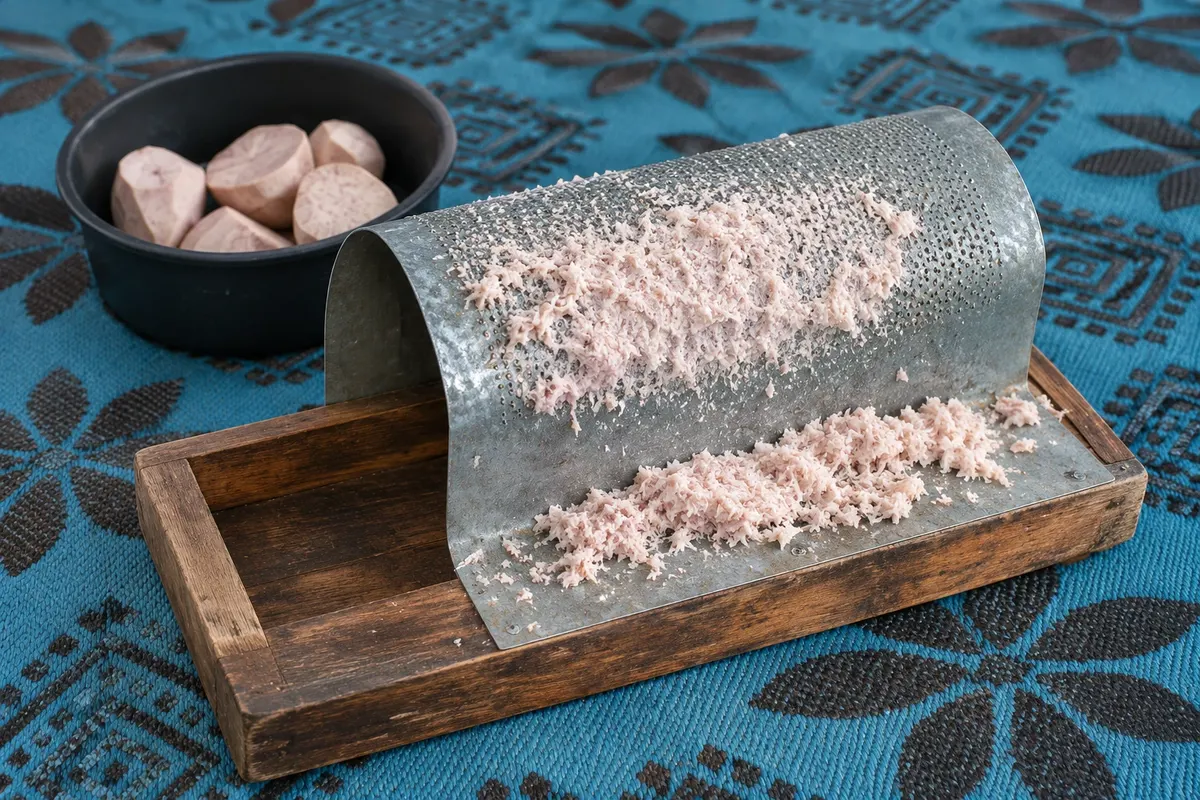
Dense pudding made from cassava starch, taro, banana or breadfruit, mixed with coconut cream and sugar. It is the festive sweet of Rotuma, an island with its own culture north of Fiji, and accompanies the feasts cooked in an earth oven.