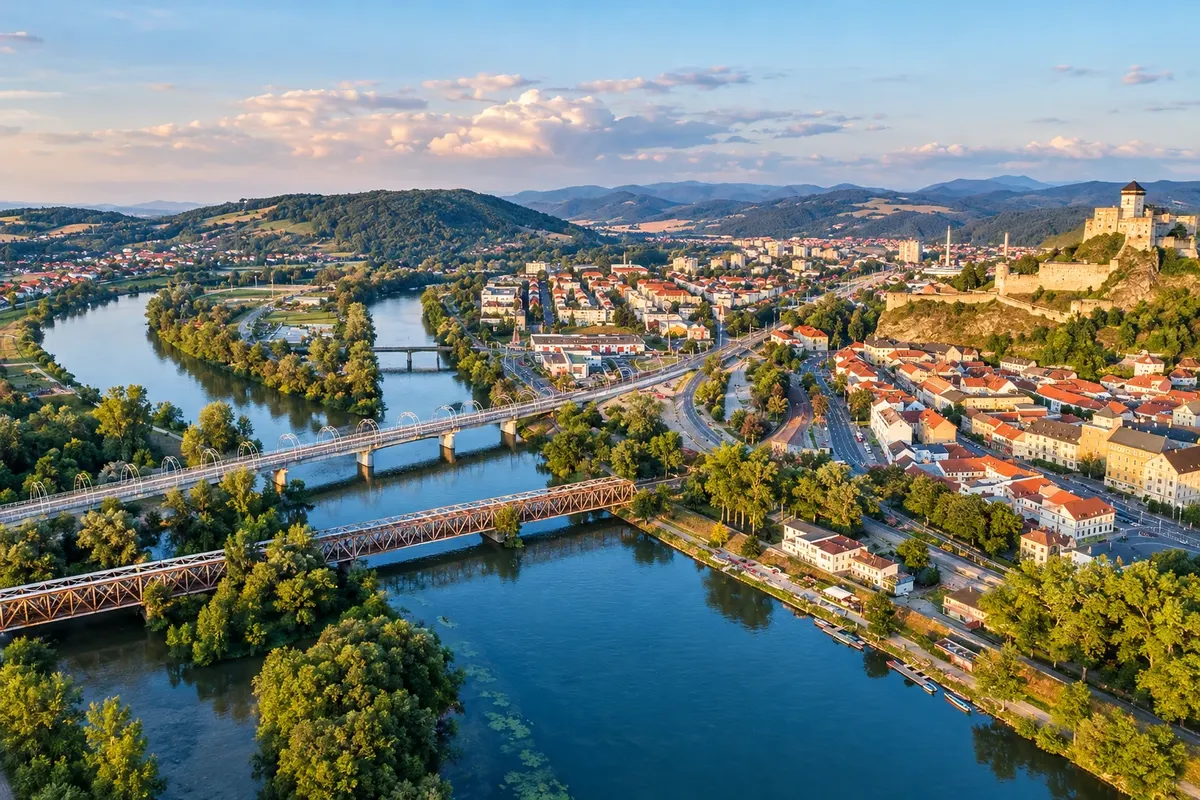
Trenčín lies in western Slovakia, in the valley of the Váh River, near the border with the Czech Republic. It is the capital of the region of the same name and one of the stops on the rail line that links Bratislava with Žilina and Košice. The town has about 54,000 inhabitants and a small historic centre that can be walked in a few hours.
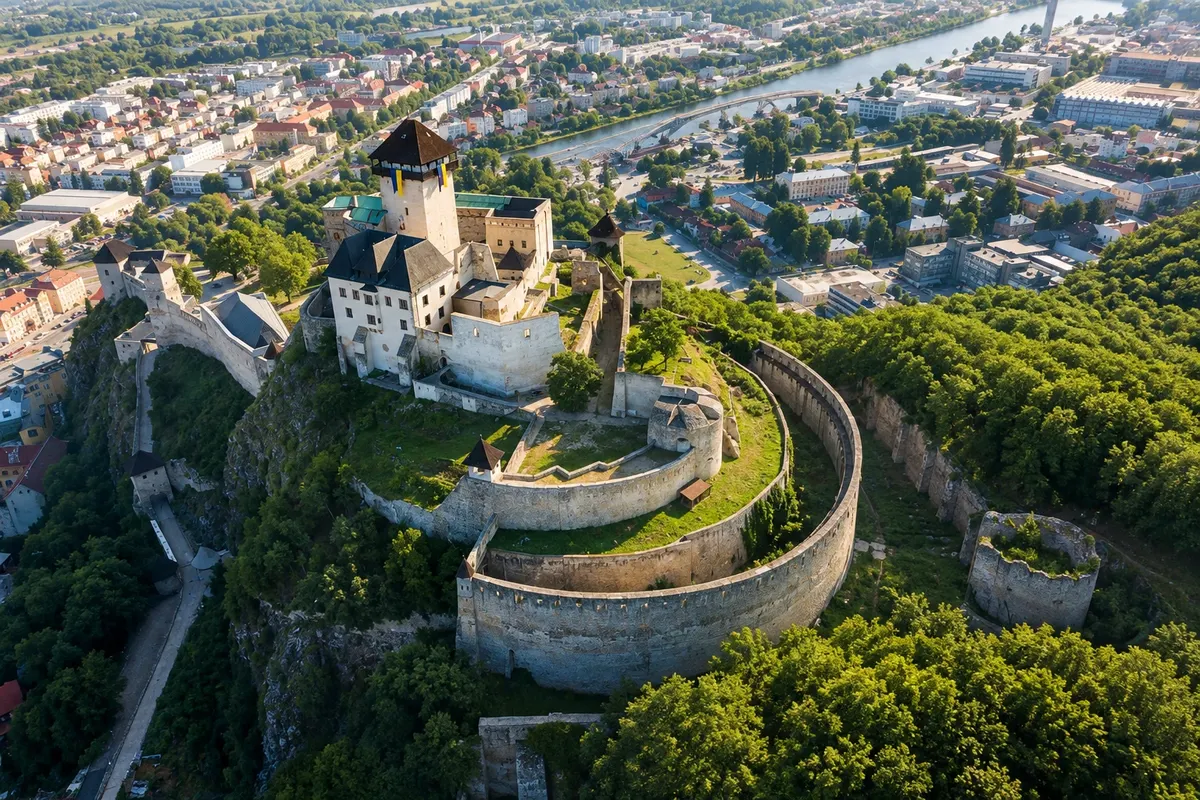
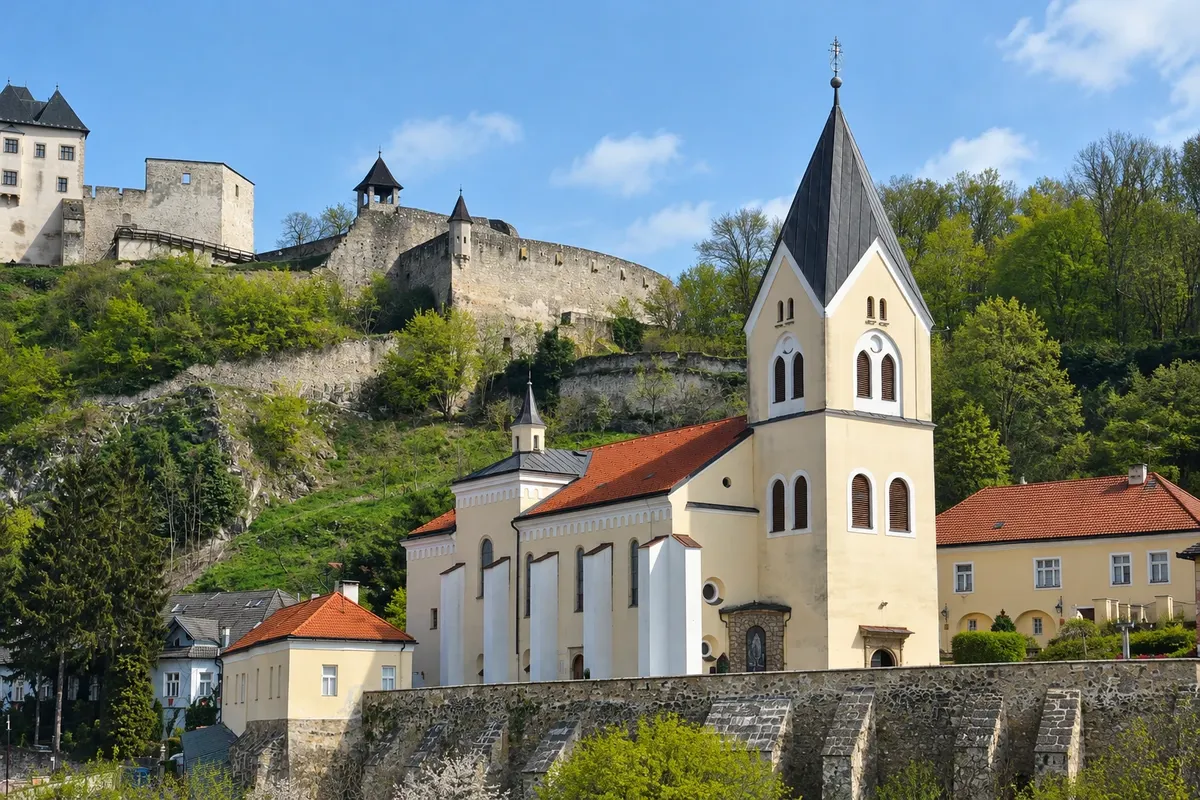
The castle sits on a limestone rock just above the centre. It was the seat of Matúš Čák, a noble who in the early 14th century controlled much of what is now Slovakia; tradition calls him the lord of the Váh and the Tatras. On the same rock, facing the town, there is an inscription dated 179 that records the victory of a Roman legion over the Quadi at Laugaricio, the Latin name of the place. It is one of the few written testimonies of Roman presence so far north in Central Europe.
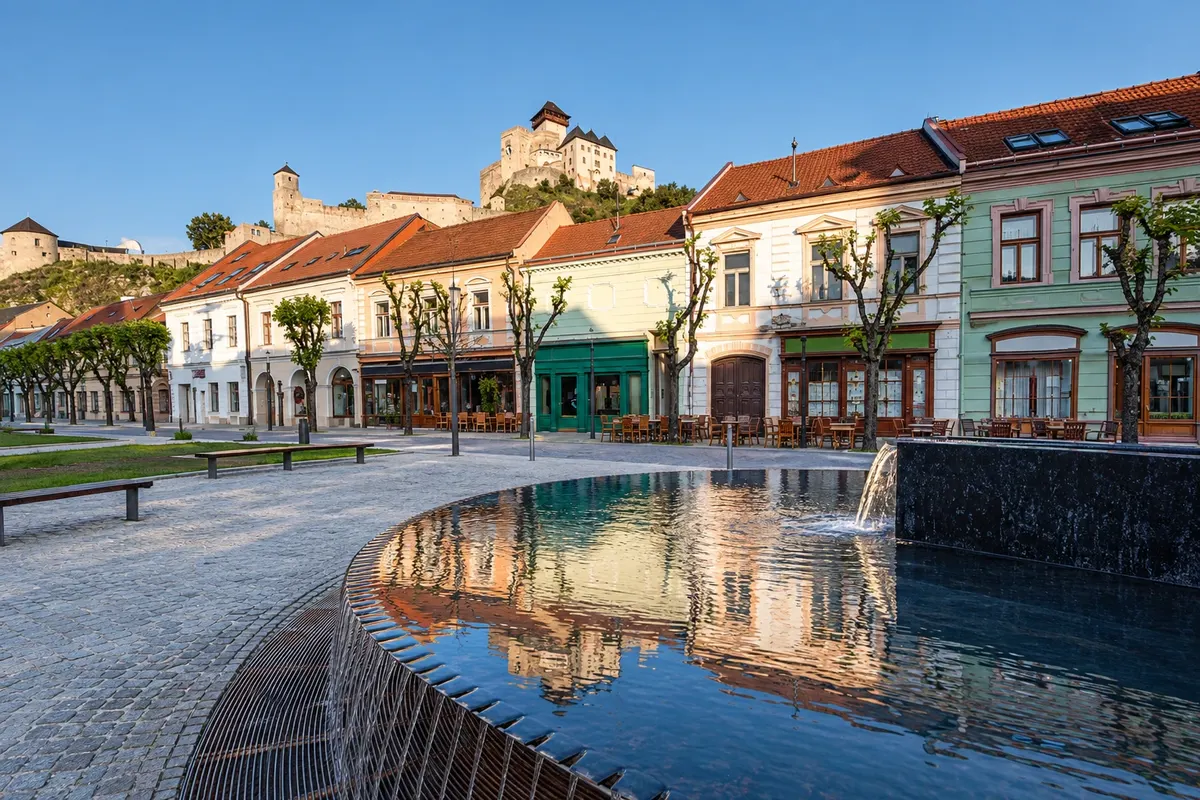
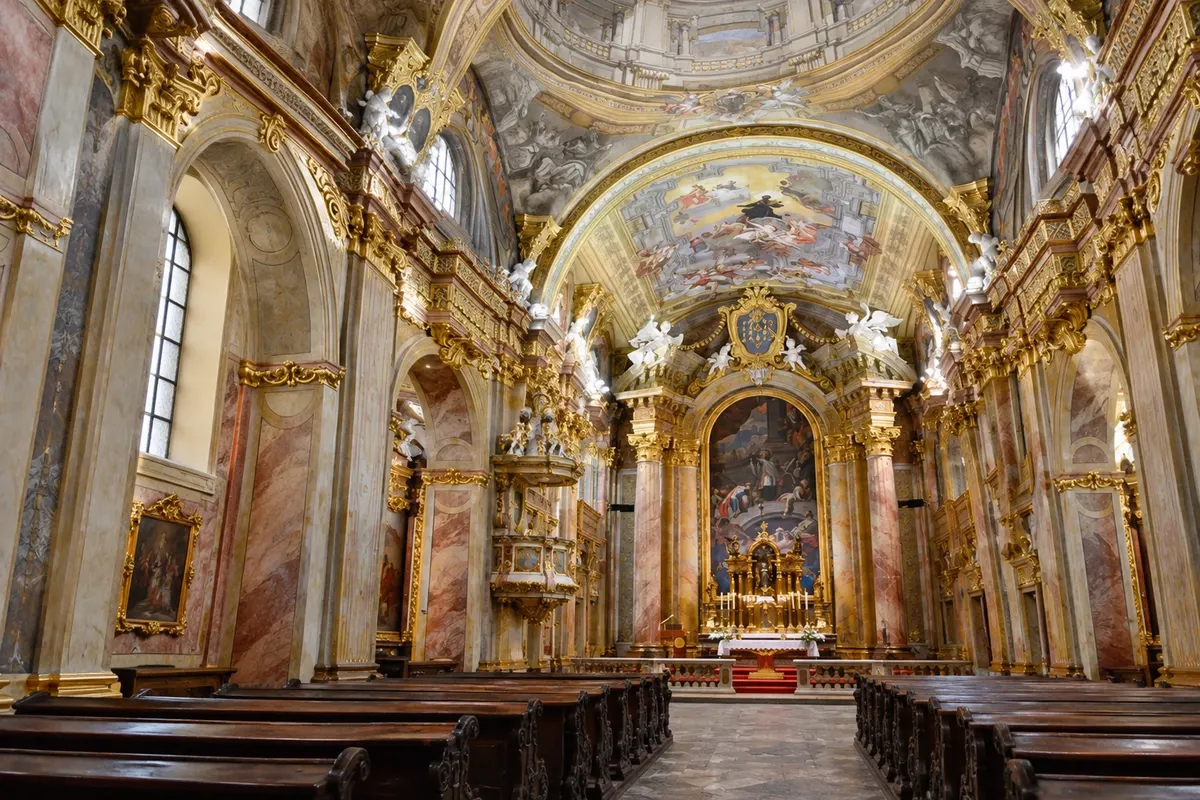
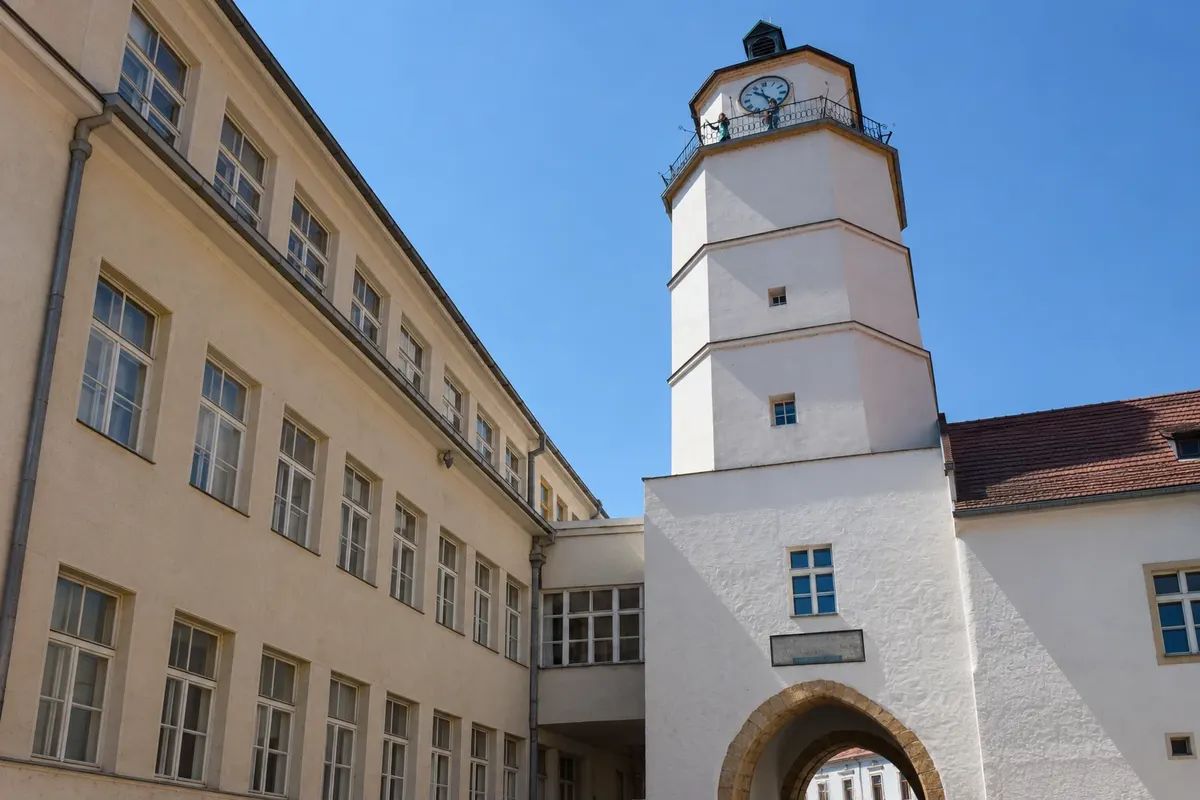
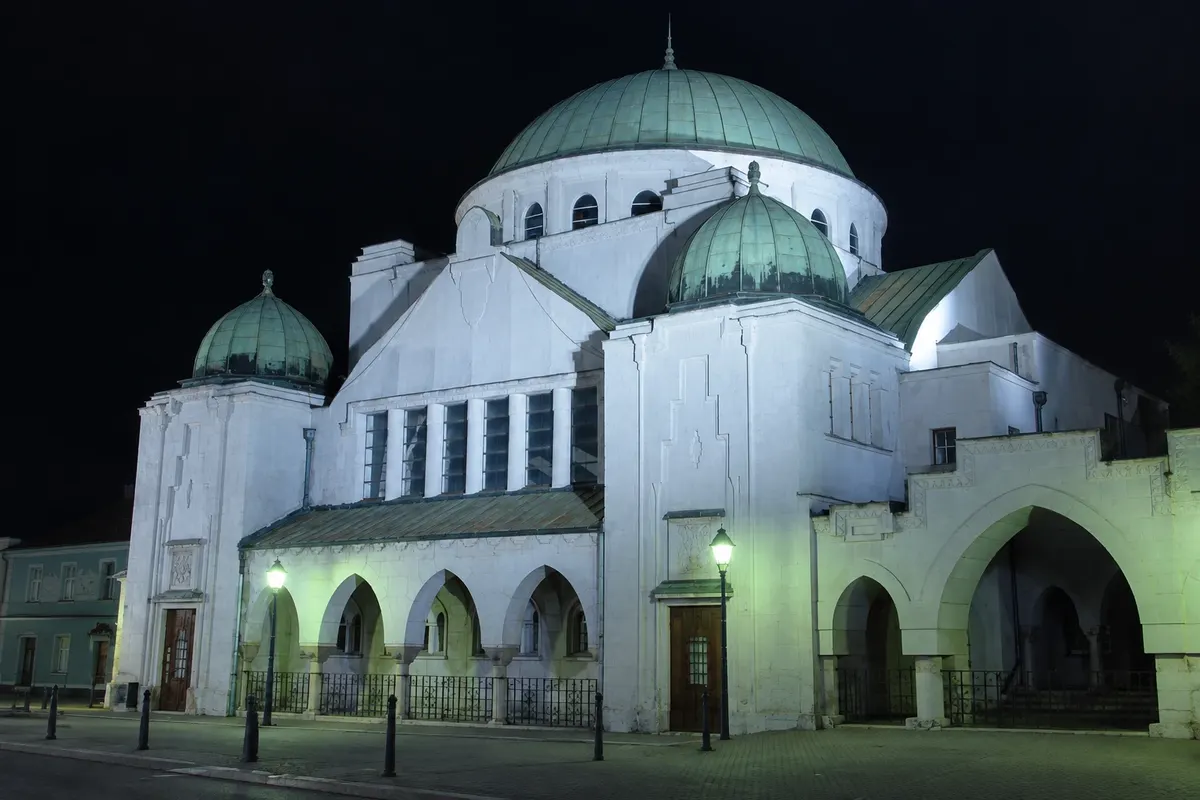
Below the castle spreads Mierové námestie, the main square, with the Holy Trinity column, the Jesuit church of Saint Francis Xavier and the tower that used to be the town’s lower gate. A covered stairway climbs from the square up to the parish church, halfway to the castle. On the opposite side of the centre, the 1913 synagogue, with a dome and oriental motifs, has been restored and now serves as a cultural space.
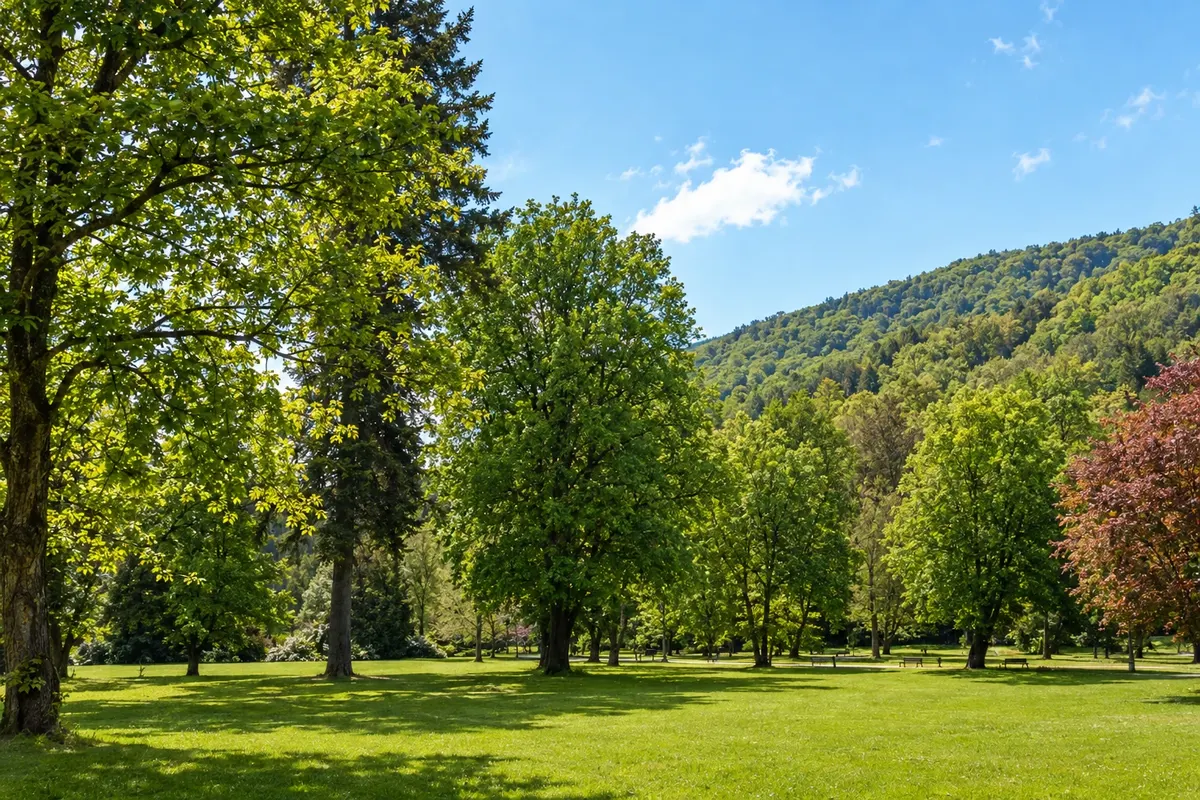
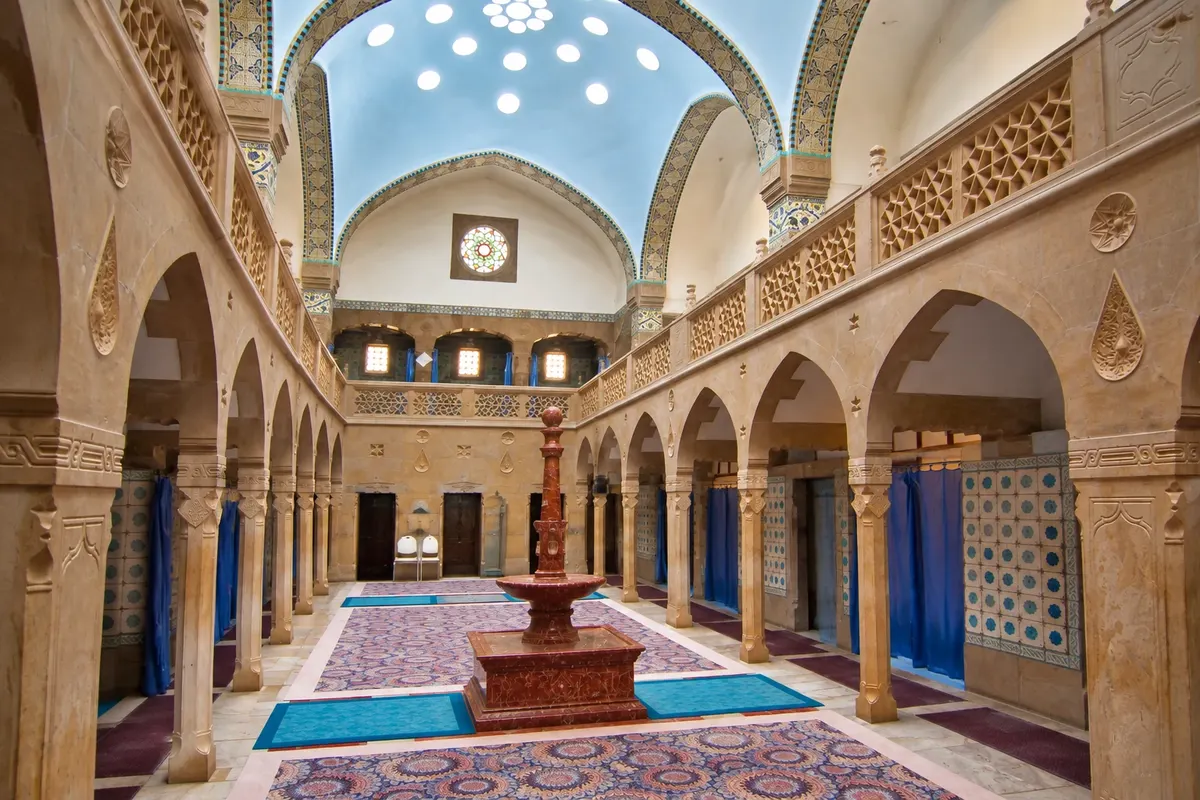
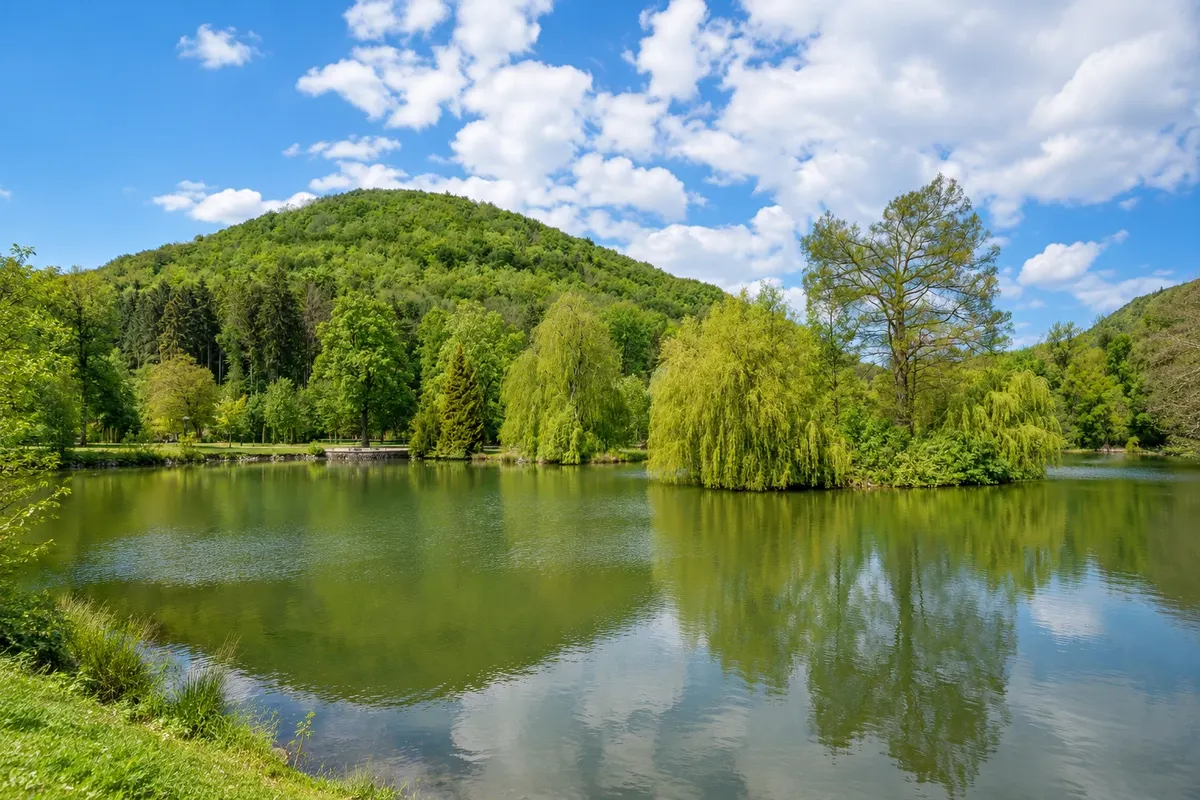
About 15 km to the northeast, in a narrow valley of the Strážov Mountains, is Trenčianske Teplice, a thermal spa town with a park, 19th‑century bathhouses and a hammam with Moorish decoration.
This destination brings together 2 cities: Trenčín, Trenčianske Teplice.


 Brazil
 Argentina
 Bolivia
 Chile
 Colombia
 Ecuador
 Guyana
 French Guiana
 Falkland Islands (Malvinas)
 Paraguay
 Peru
 Suriname
 Uruguay
 Venezuela
 Germany
 Austria
 Belgium
 Croatia
 Denmark
 Spain
 Finland
 France
 Greece
 the Netherlands
 Hungary
 Ireland
 Iceland
 Italy
 Luxembourg
 Norway
 Poland
 Portugal
 the United Kingdom
 the Czech Republic
 Sweden
 Switzerland
 Turkey
 Canada
 the United States
 Mexico
 the Dominican Republic
 South Africa
 Australia
 Fiji
 New Zealand
 Papua New Guinea