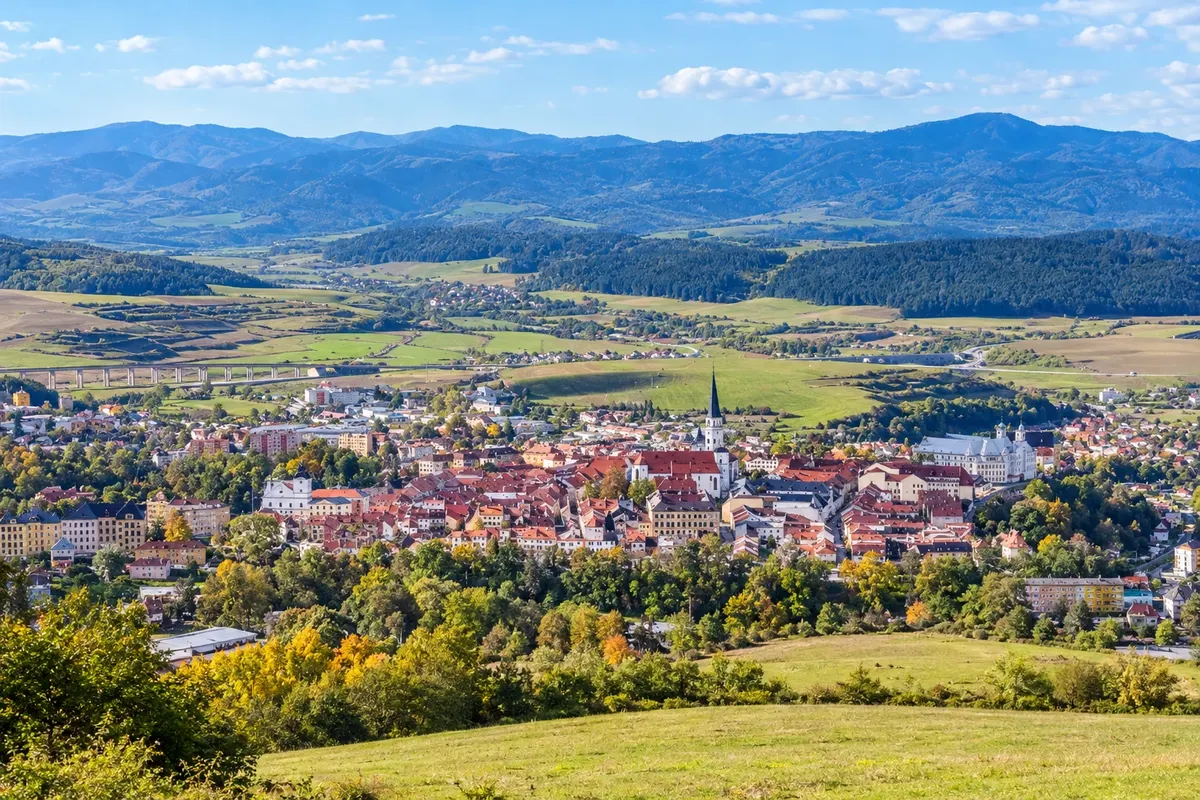
Spiš is a historic region in eastern Slovakia, between the High Tatras and the Levoča Hills. In the Middle Ages, German settlers founded merchant and mining towns here, and several gained the privileges of free royal towns. The result is a rare concentration in the country of Gothic and Renaissance squares, churches with carved wooden altars, and castles.
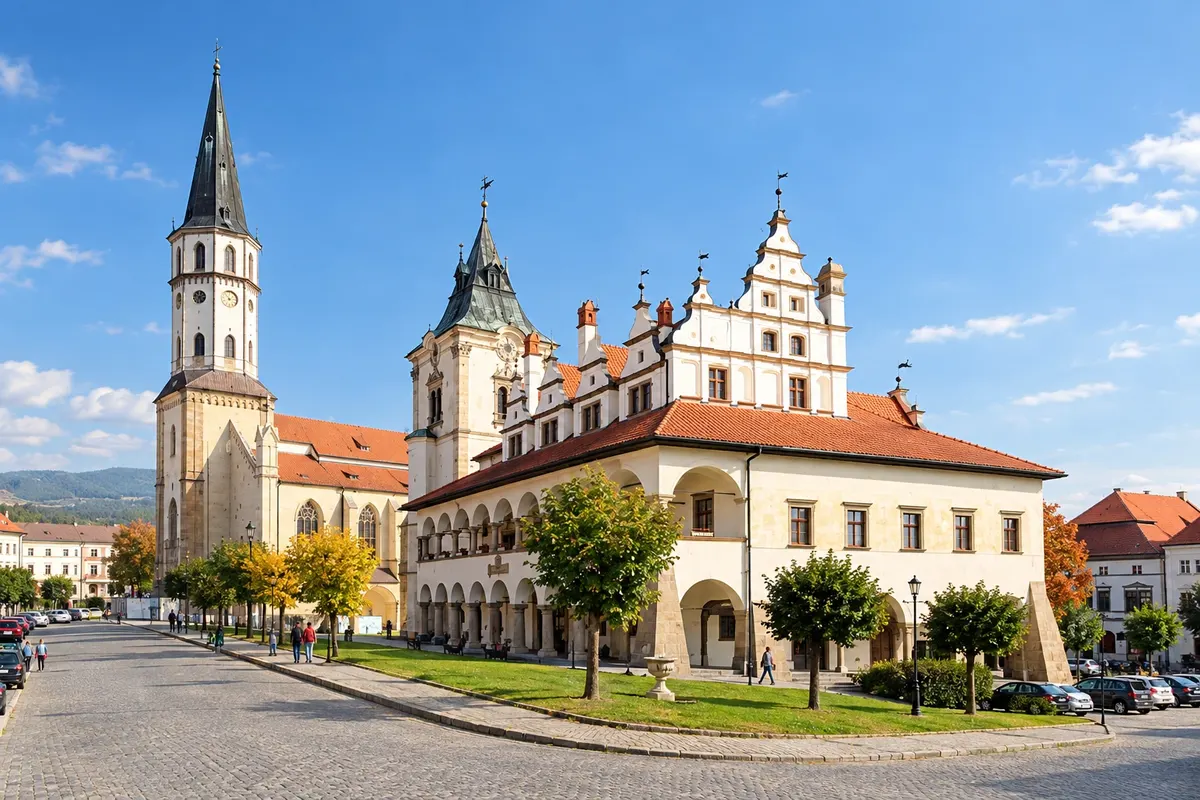
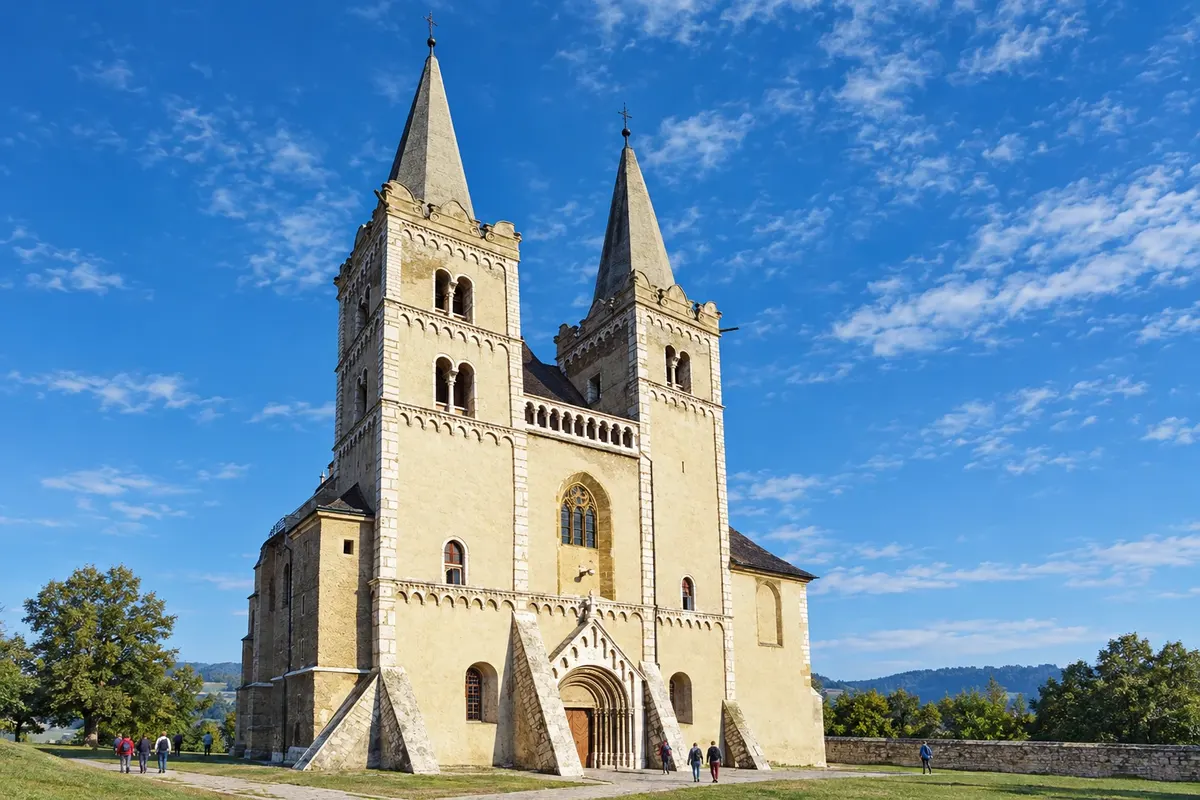
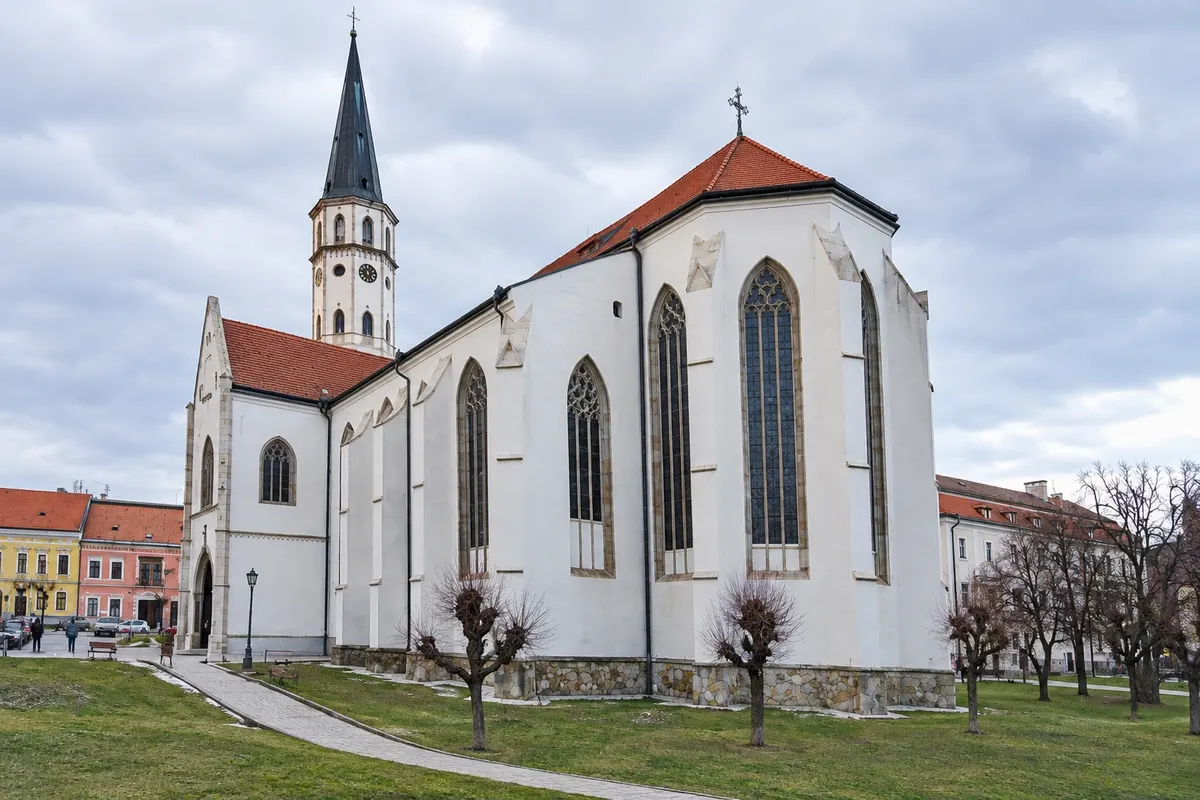
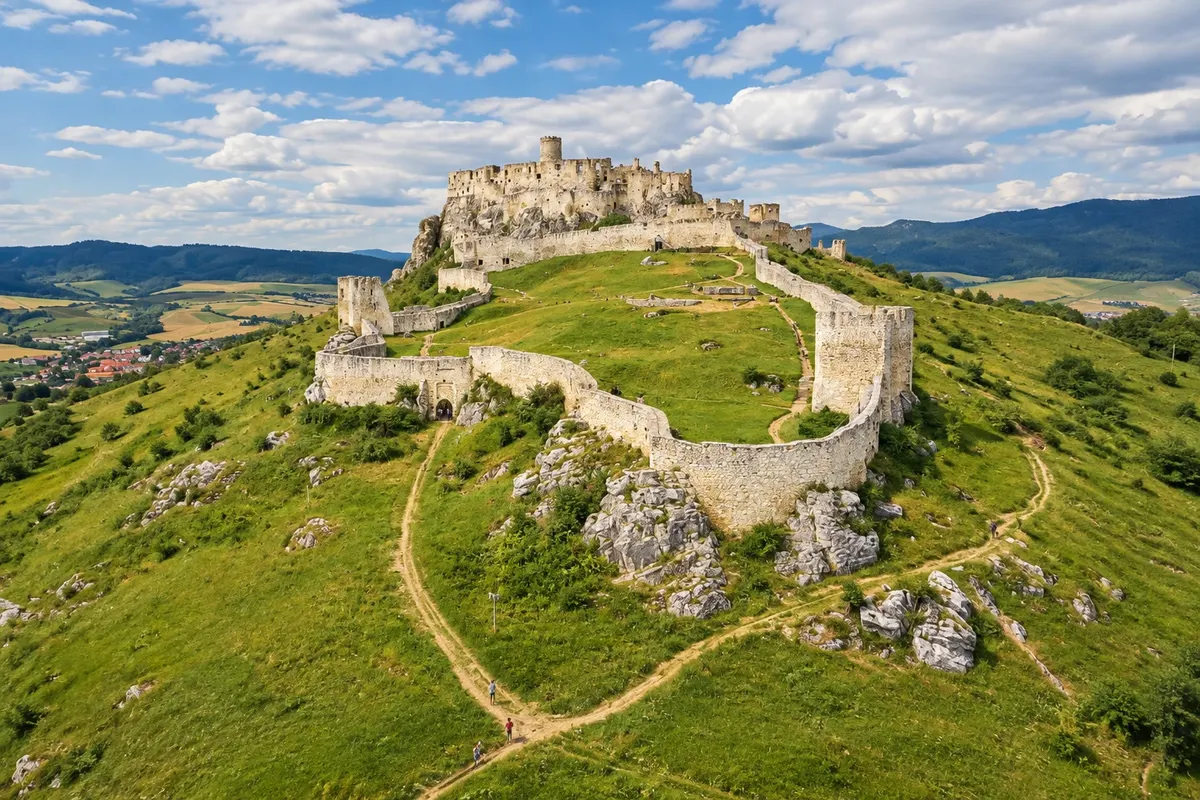
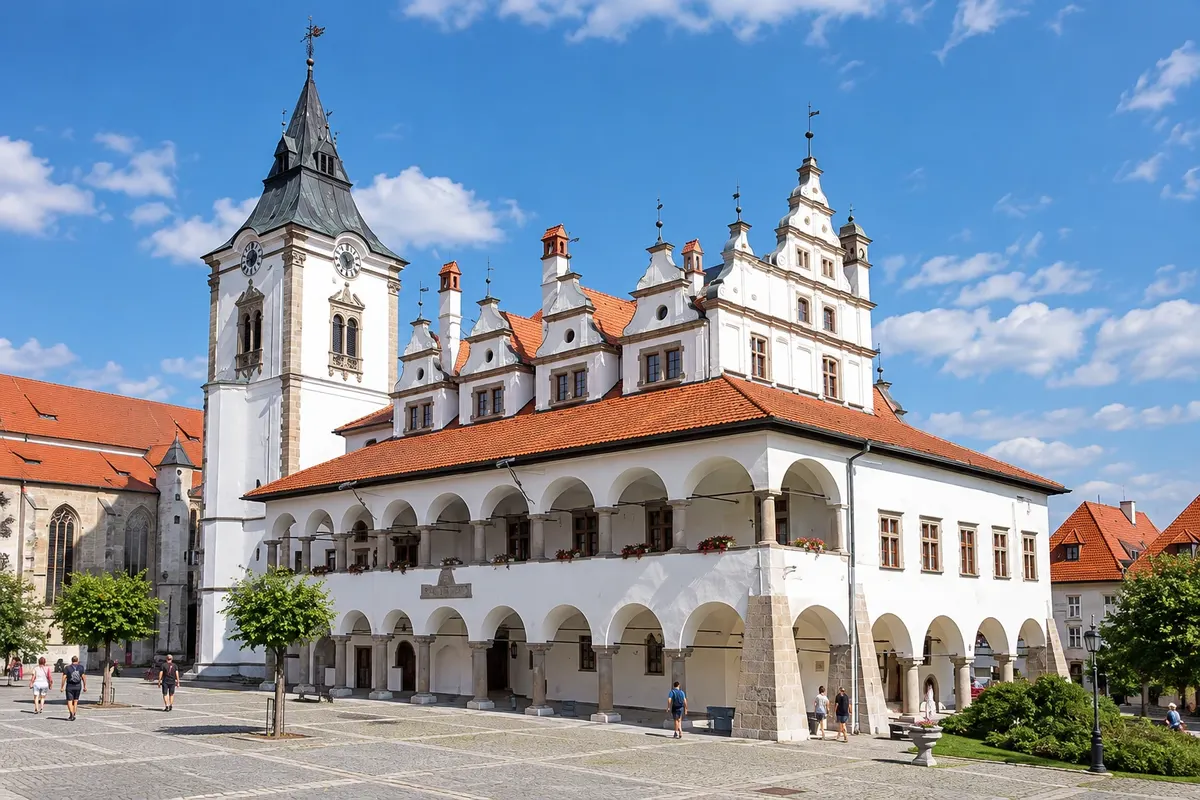
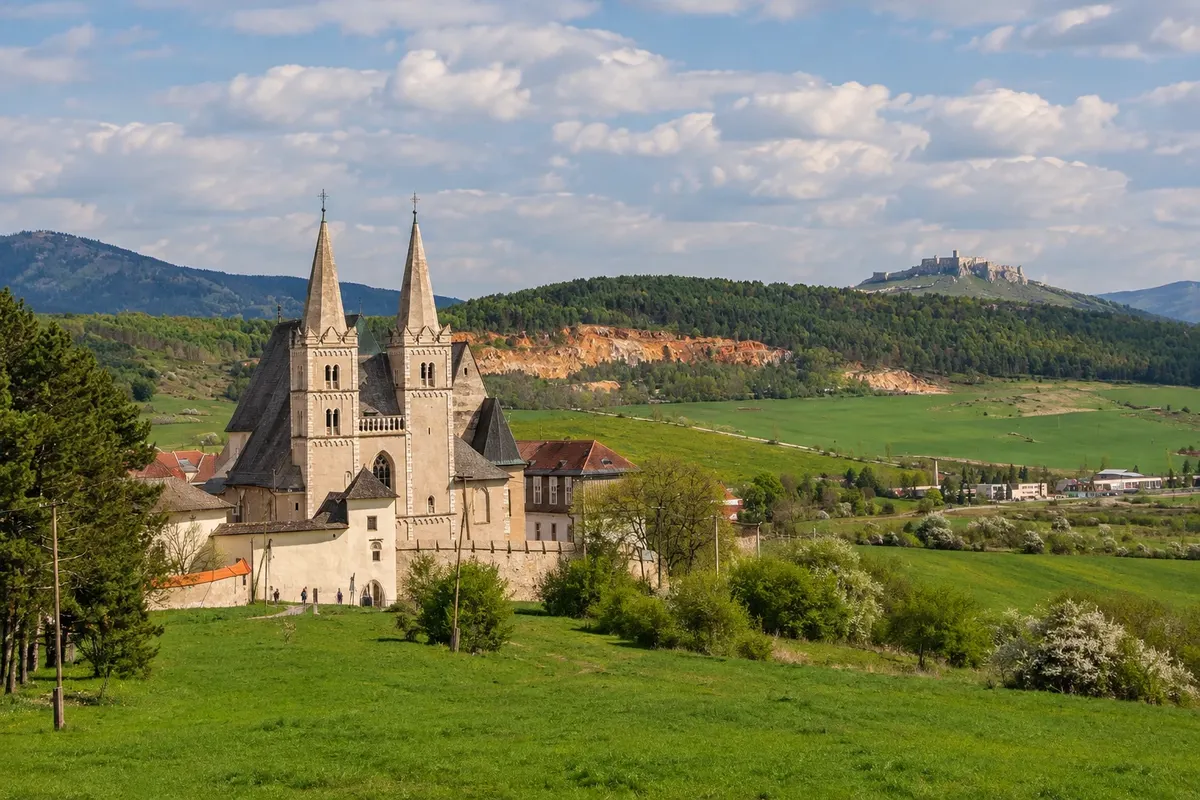
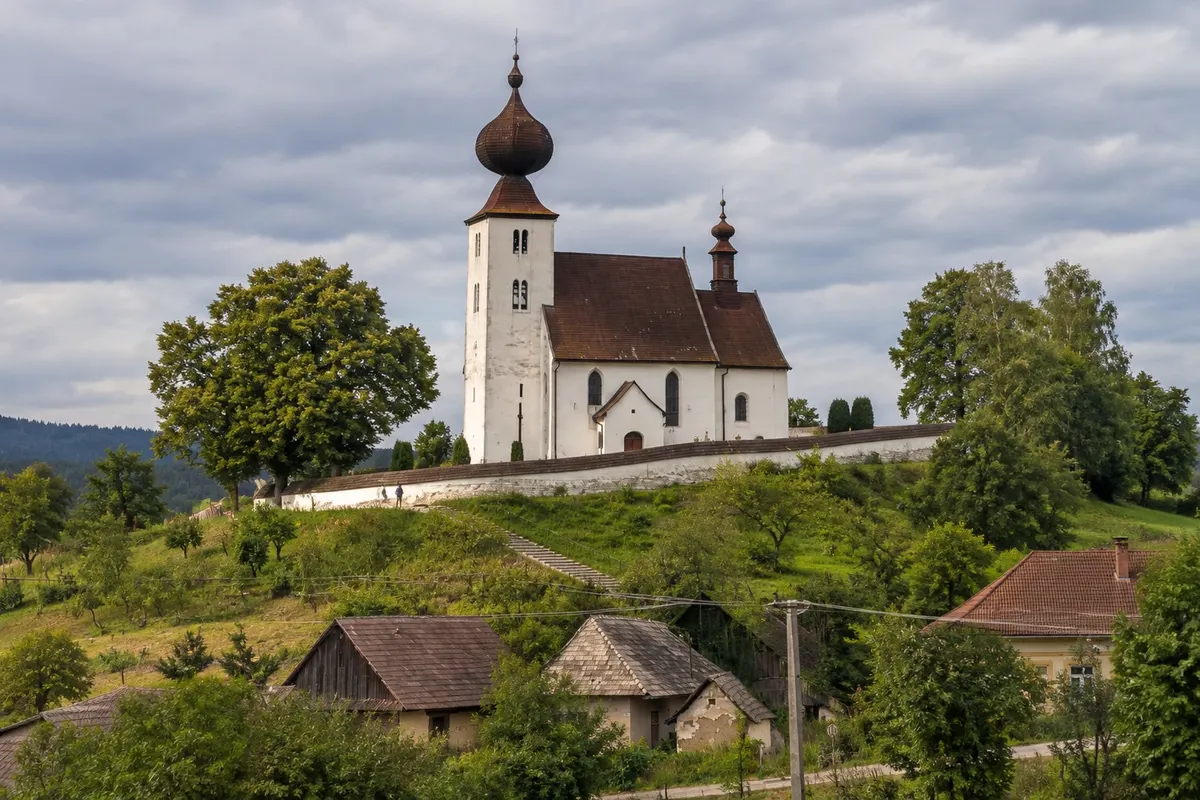
Three sites form the core of the destination. Levoča, the former administrative capital of Spiš, has a rectangular square surrounded by walls and the Basilica of Saint James, with the tallest Gothic wooden altar in the world, made by Master Paul’s workshop at the beginning of the 16th century. About 15 km to the east, the ruins of Spiš Castle occupy a limestone hill above the village of Spišské Podhradie, facing the ecclesiastical town of Spišská Kapitula and near the medieval church of Žehra. That ensemble and Levoča are a UNESCO World Heritage Site.
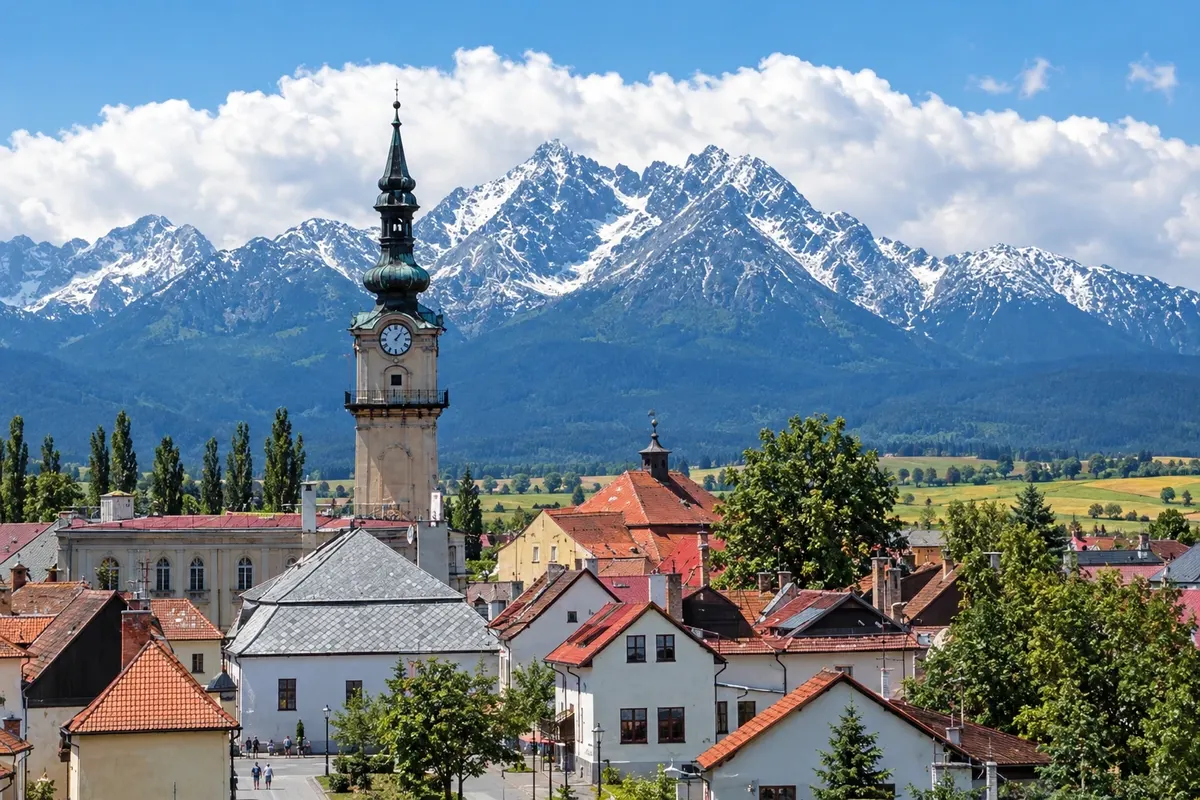
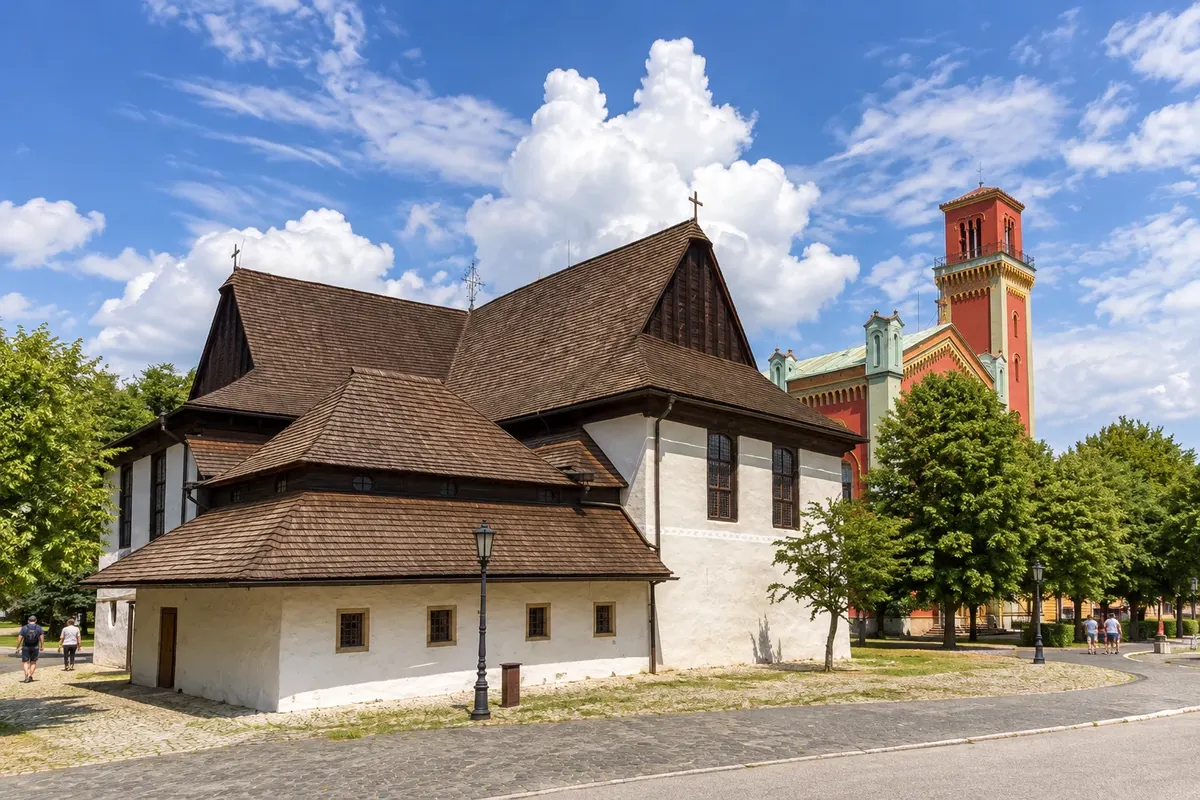
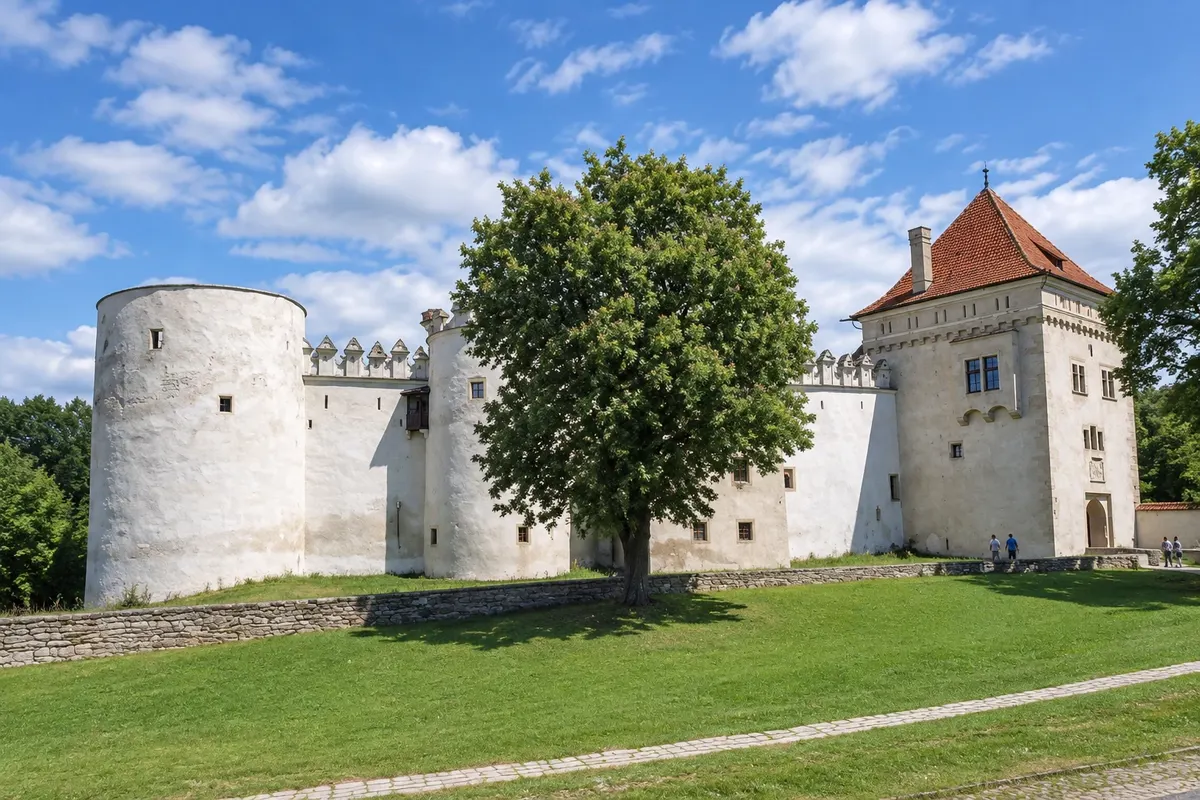
To the north, at the foot of the Tatras, Kežmarok adds a Renaissance castle and a wooden Lutheran church from the early 18th century, also a World Heritage Site, built without metal nails. The three towns are less than 40 km from one another and are linked by short roads.
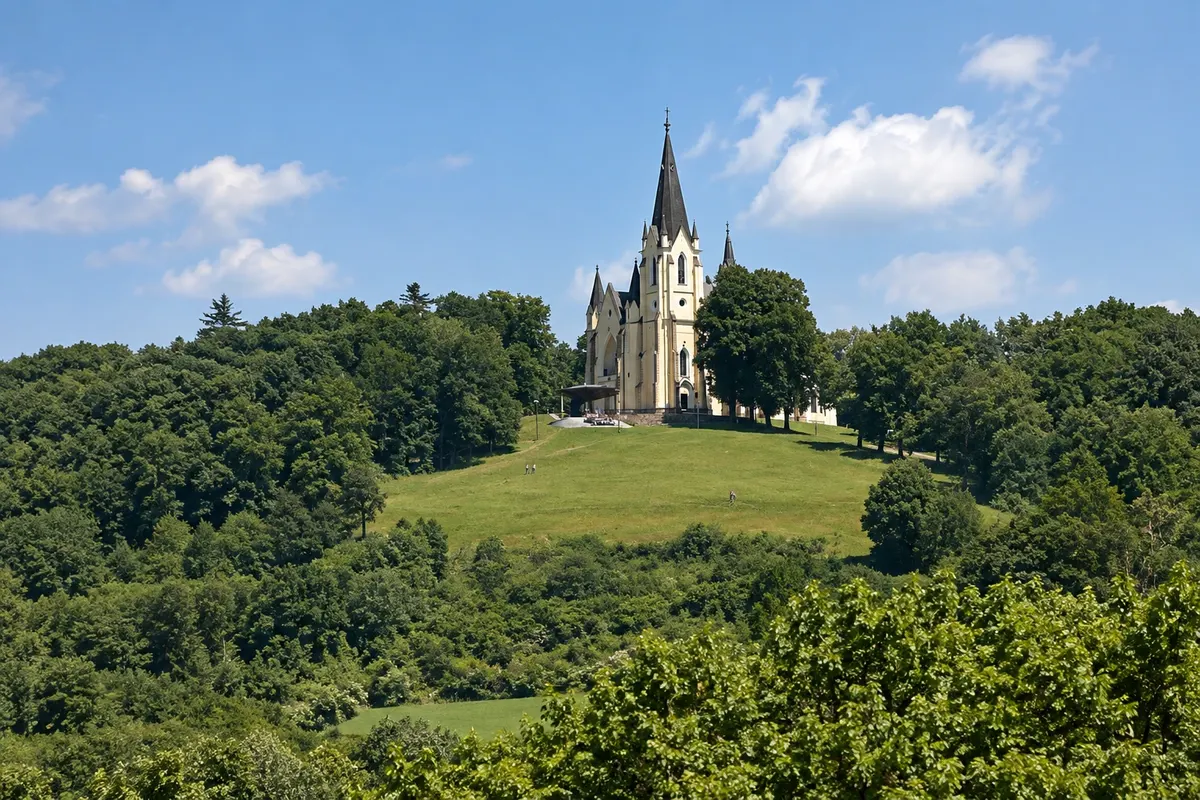
The destination pairs well with the High Tatras, 30 km from Kežmarok, and with Slovak Paradise, south of Levoča. In July, Levoča hosts the country’s largest Catholic pilgrimage, the Mariánska hora, and Kežmarok holds a European folk craft festival.
This destination brings together 3 cities: Levoča, Spišské Podhradie, Kežmarok.


 Brazil
 Argentina
 Bolivia
 Chile
 Colombia
 Ecuador
 Guyana
 French Guiana
 Falkland Islands (Malvinas)
 Paraguay
 Peru
 Suriname
 Uruguay
 Venezuela
 Germany
 Austria
 Belgium
 Croatia
 Denmark
 Spain
 Finland
 France
 Greece
 the Netherlands
 Hungary
 Ireland
 Iceland
 Italy
 Luxembourg
 Norway
 Poland
 Portugal
 the United Kingdom
 the Czech Republic
 Sweden
 Switzerland
 Turkey
 Canada
 the United States
 Mexico
 the Dominican Republic
 South Africa
 Australia
 Fiji
 New Zealand
 Papua New Guinea