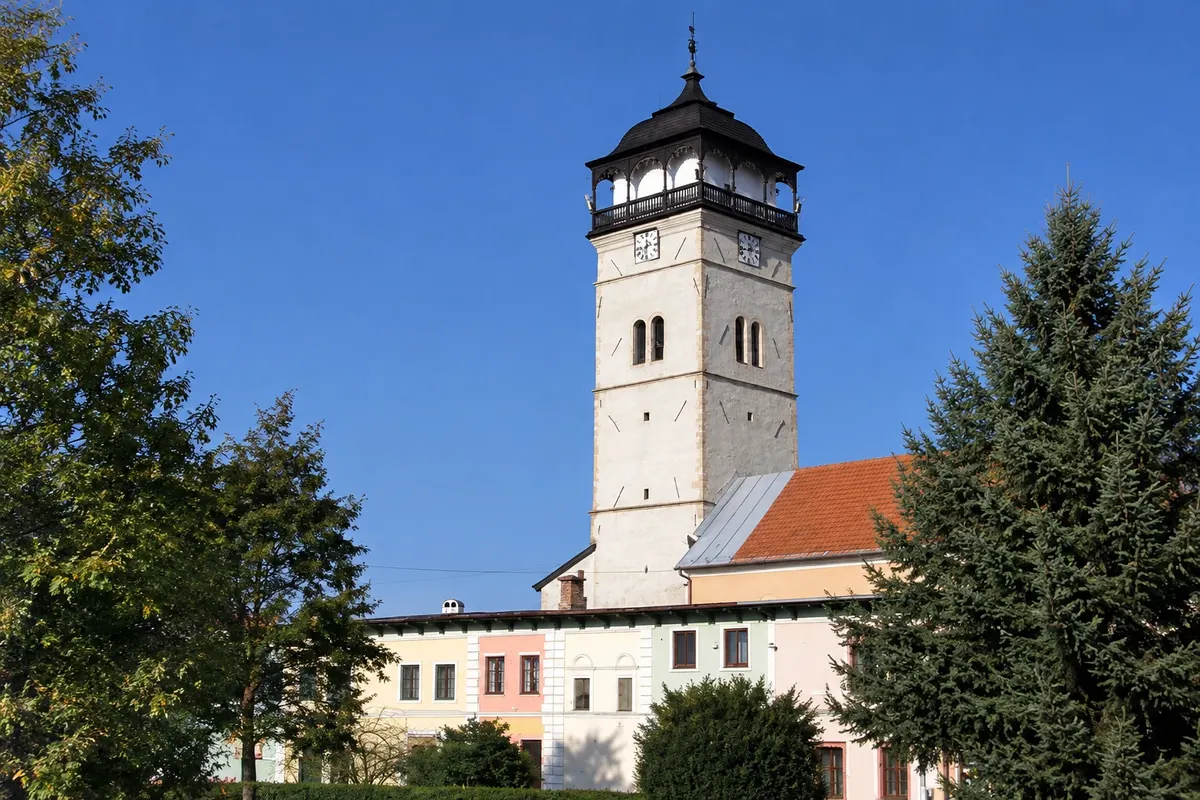
Tower
Watchtower in Rožňava
Renaissance watchtower in the middle of Rožňava’s square, built in the 17th century as an observation post during the Ottoman threat. A staircase of 144 steps leads to the gallery, with views over the town and the Slaná valley.
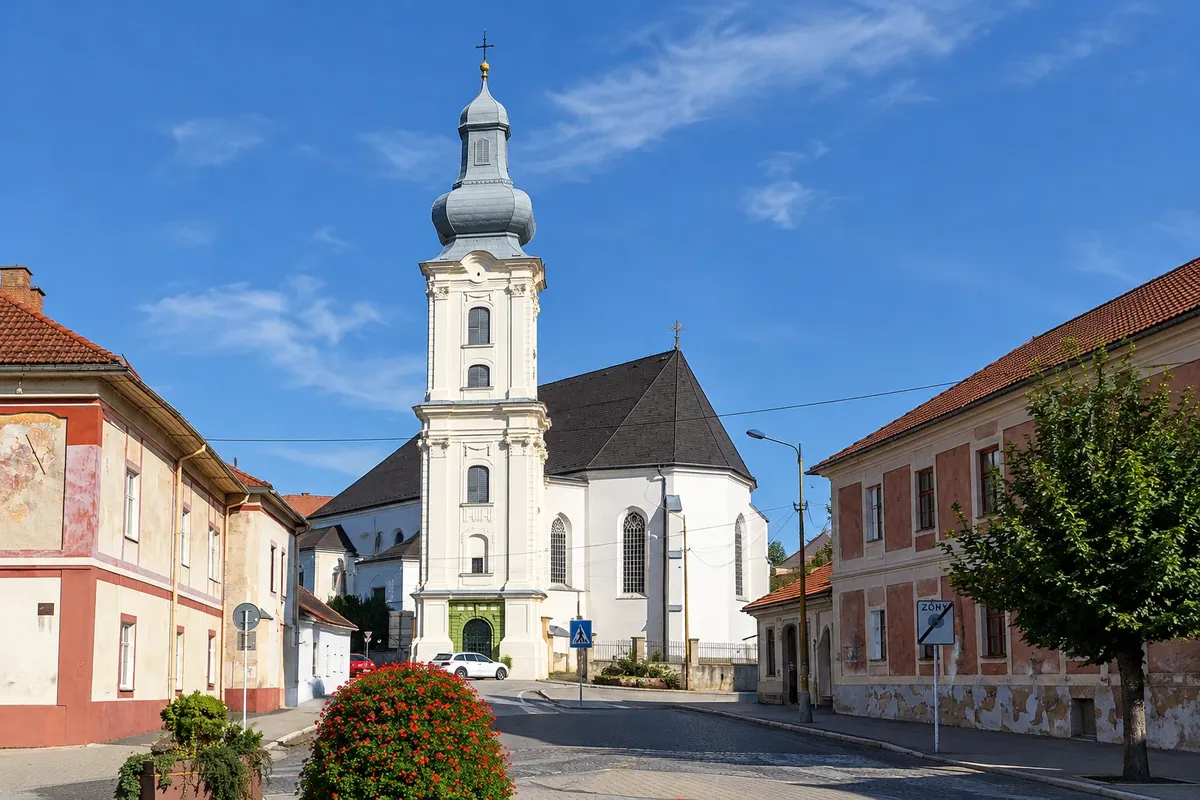
Cathedral
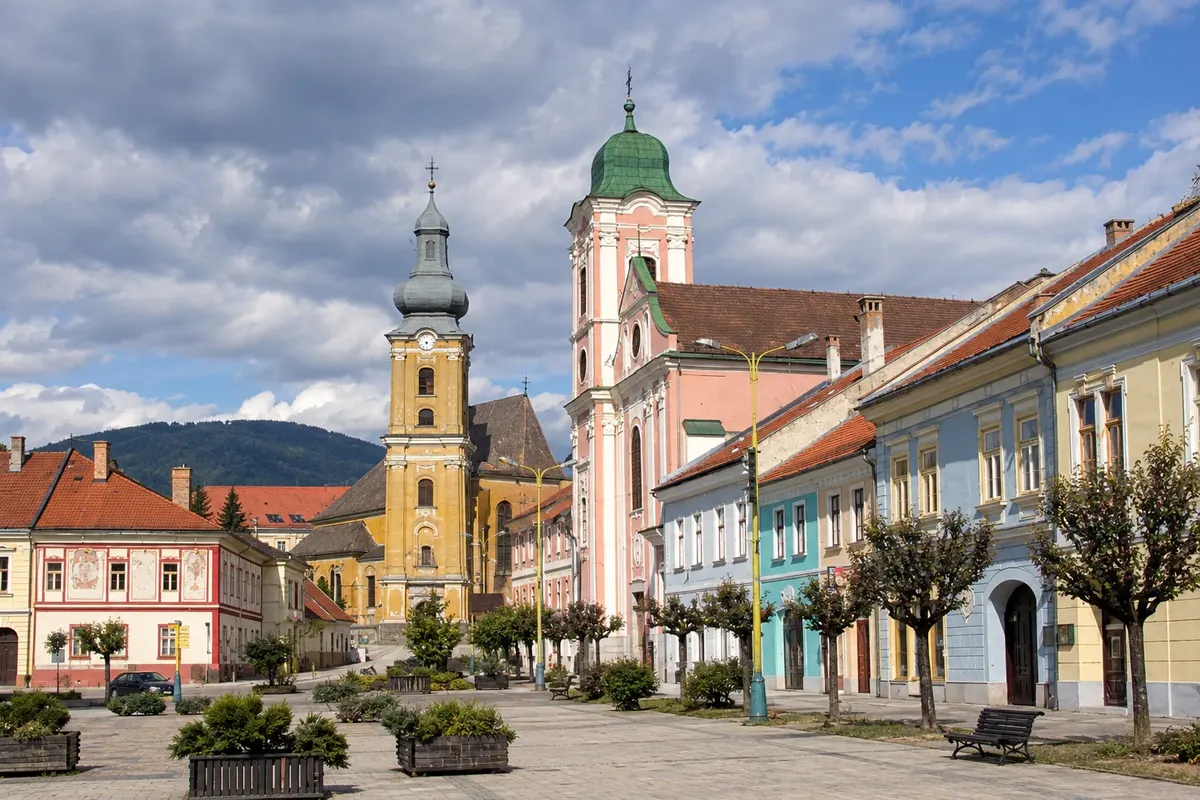
Cathedral of the Assumption of Rožňava
A late 13th-century Gothic church, cathedral since 1776. It houses the 1513 Saint Anne panel, the Metercia of Rožňava, with mining scenes considered the oldest depiction of mine work in Central Europe.
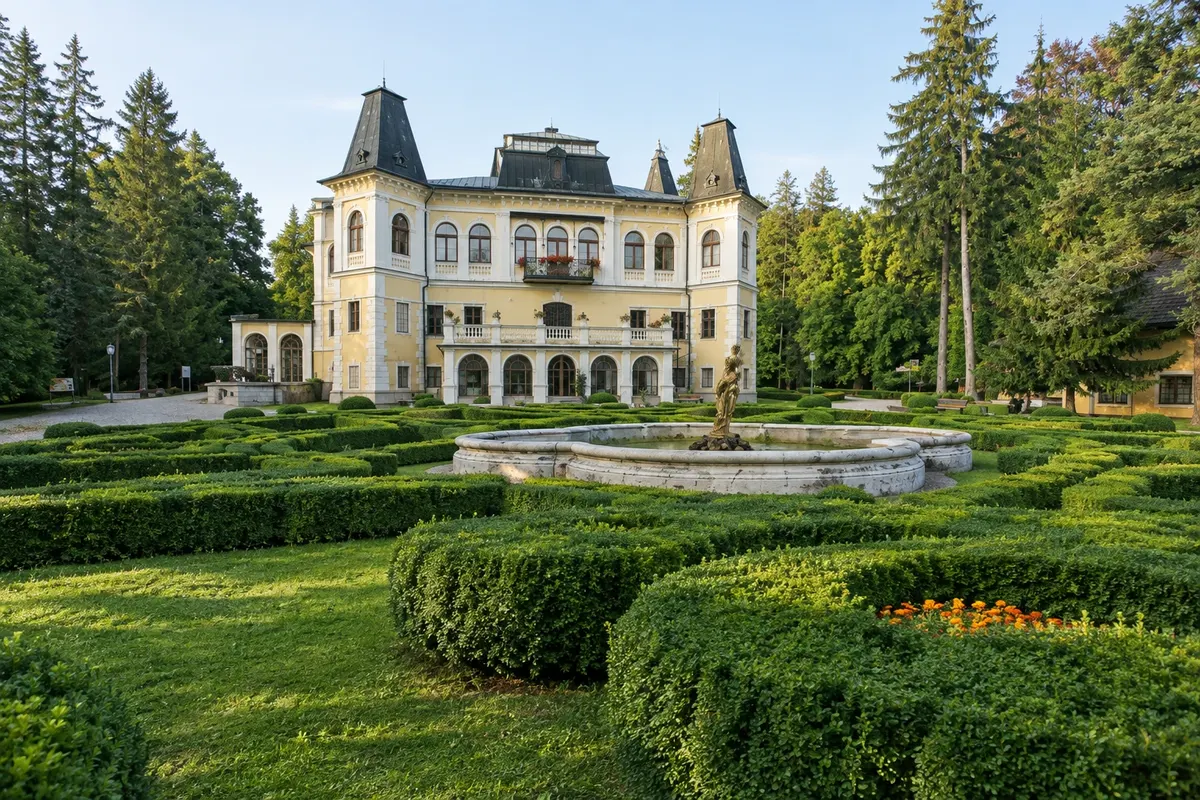
Palace
Betliar Manor House
A hunting residence of the Andrássy family with four corner towers, preserved with its original furniture and collections. The library dates to 1790, and the 57-hectare English park is one of the largest historic parks in the country.
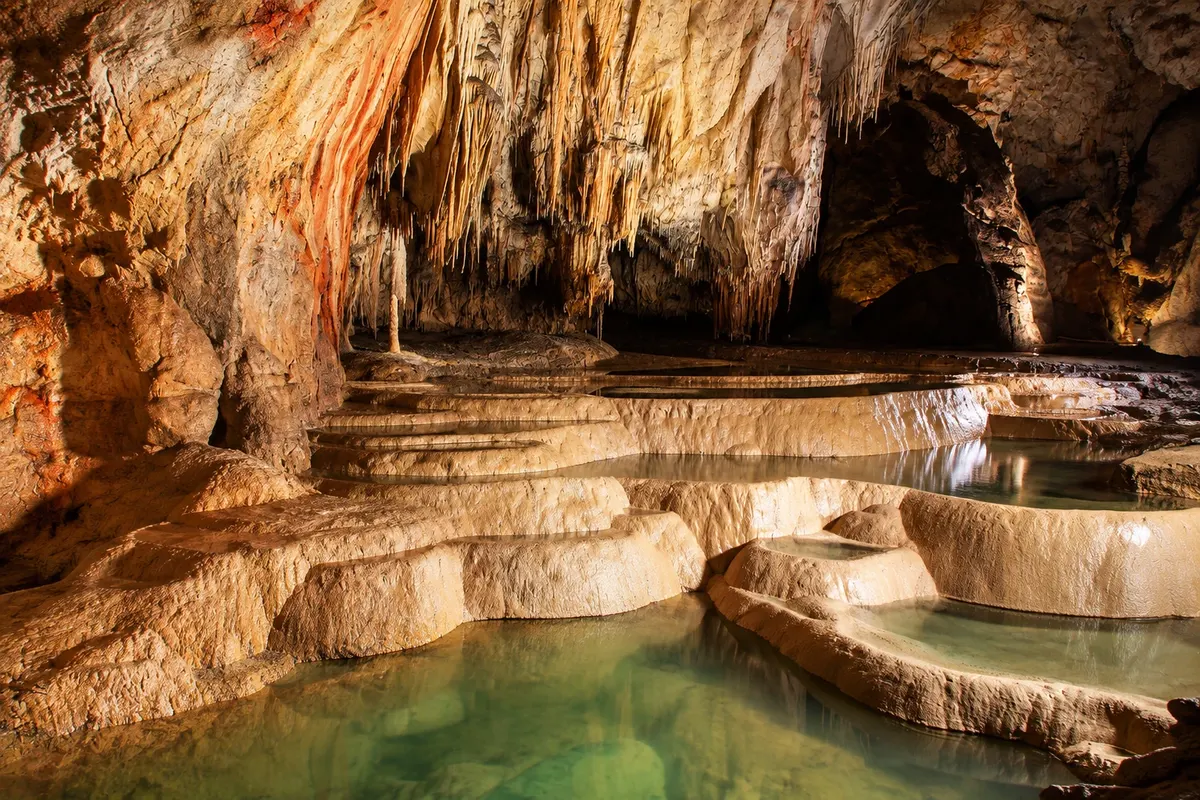
Cave
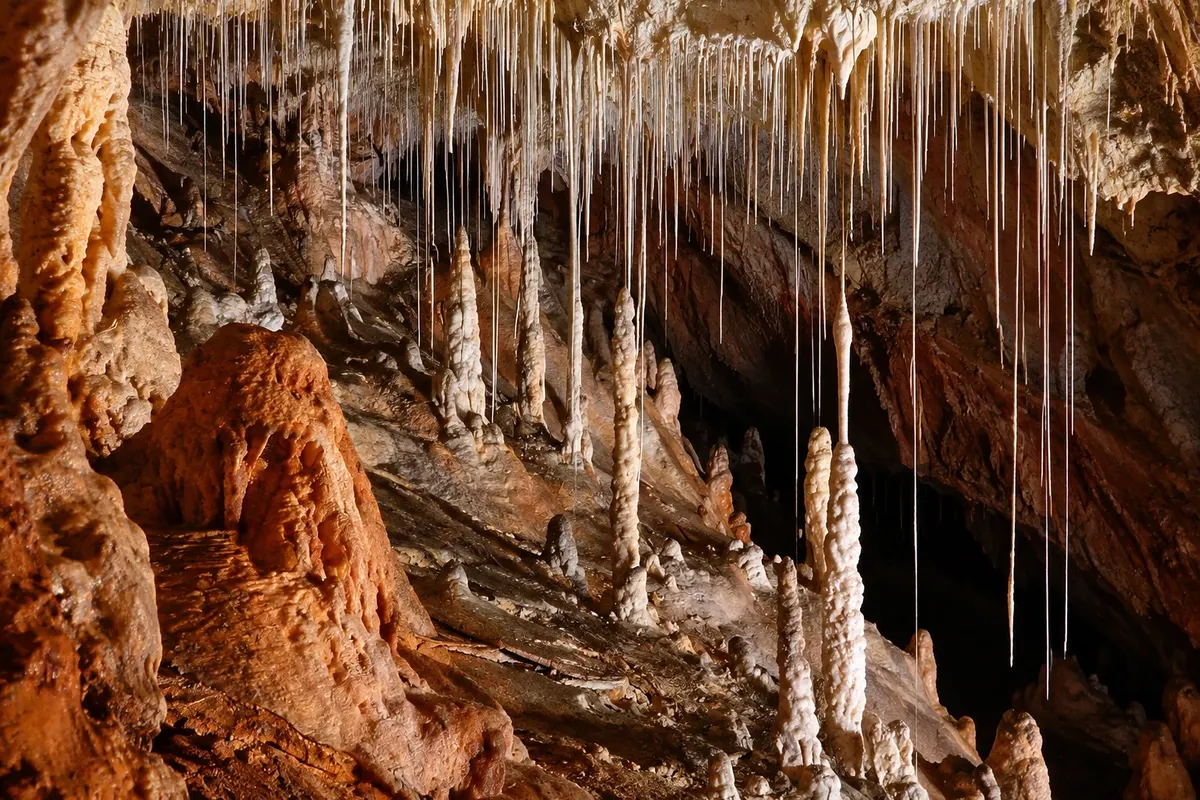
Domica Cave
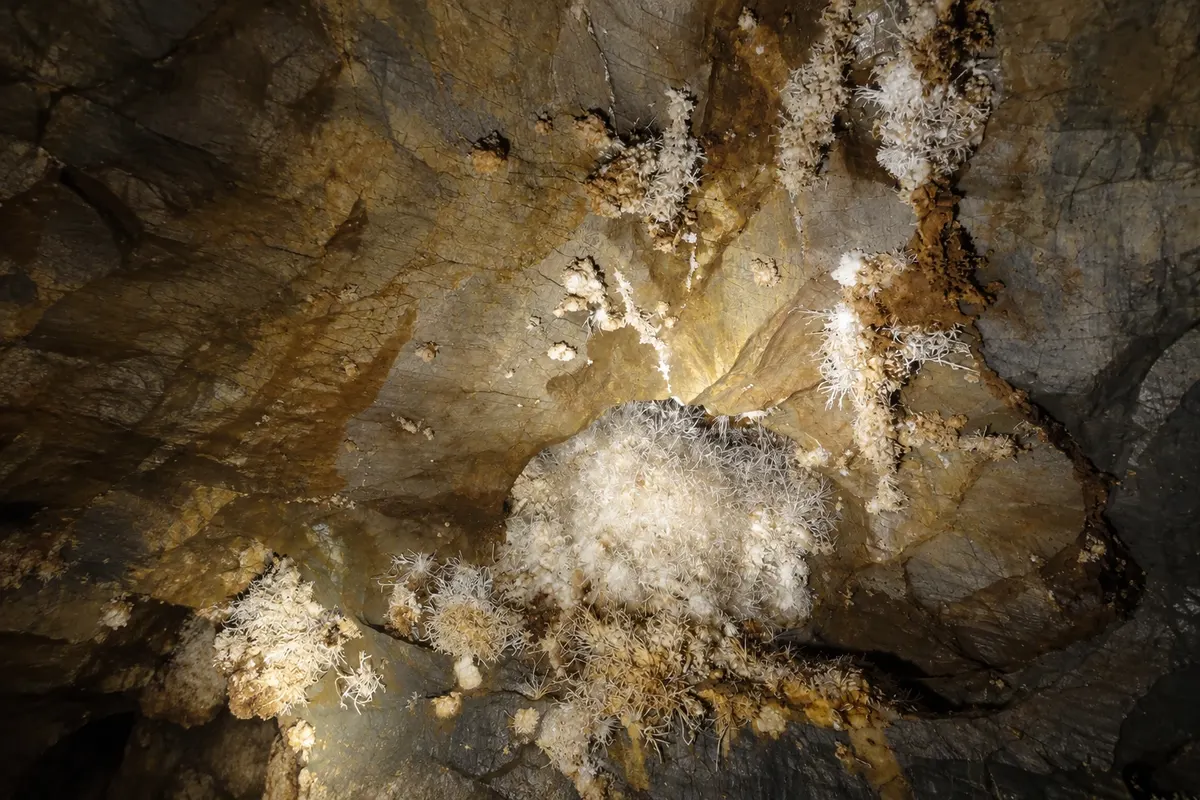
The largest cave of the Slovak Karst, a UNESCO World Heritage site, connected beneath the border to Hungary’s Baradla system. It has large chambers, terraced lakes, pagoda-shaped stalagmites and the underground Styx River.


 Brazil
 Argentina
 Bolivia
 Chile
 Colombia
 Ecuador
 Guyana
 French Guiana
 Falkland Islands (Malvinas)
 Paraguay
 Peru
 Suriname
 Uruguay
 Venezuela
 Germany
 Austria
 Belgium
 Croatia
 Denmark
 Spain
 Finland
 France
 Greece
 the Netherlands
 Hungary
 Ireland
 Iceland
 Italy
 Luxembourg
 Norway
 Poland
 Portugal
 the United Kingdom
 the Czech Republic
 Sweden
 Switzerland
 Turkey
 Canada
 the United States
 Mexico
 the Dominican Republic
 South Africa
 Australia
 Fiji
 New Zealand
 Papua New Guinea